Home » London Borough of Waltham Forest (Page 2)
Category Archives: London Borough of Waltham Forest
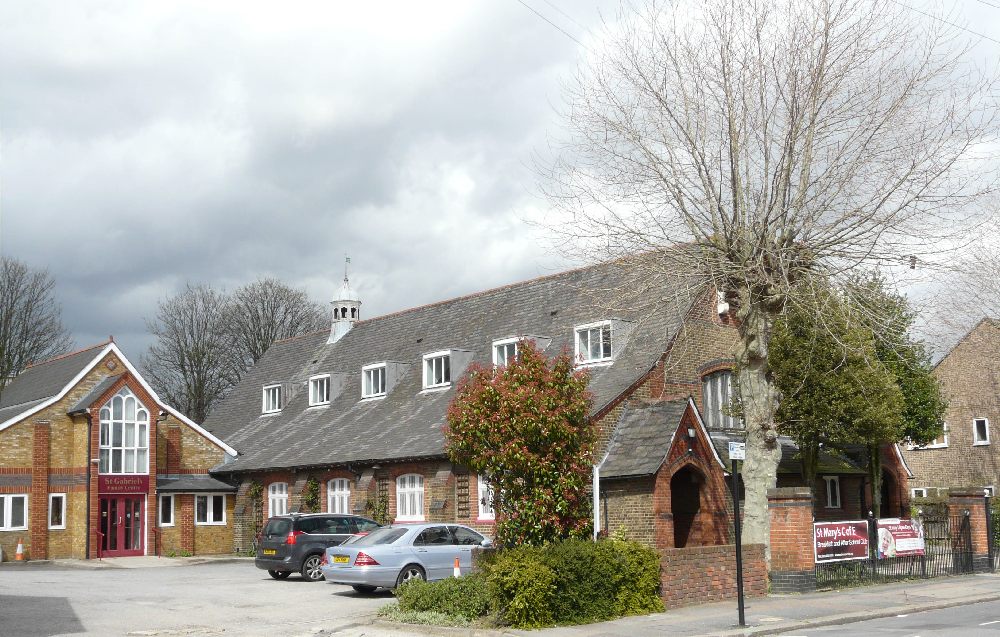
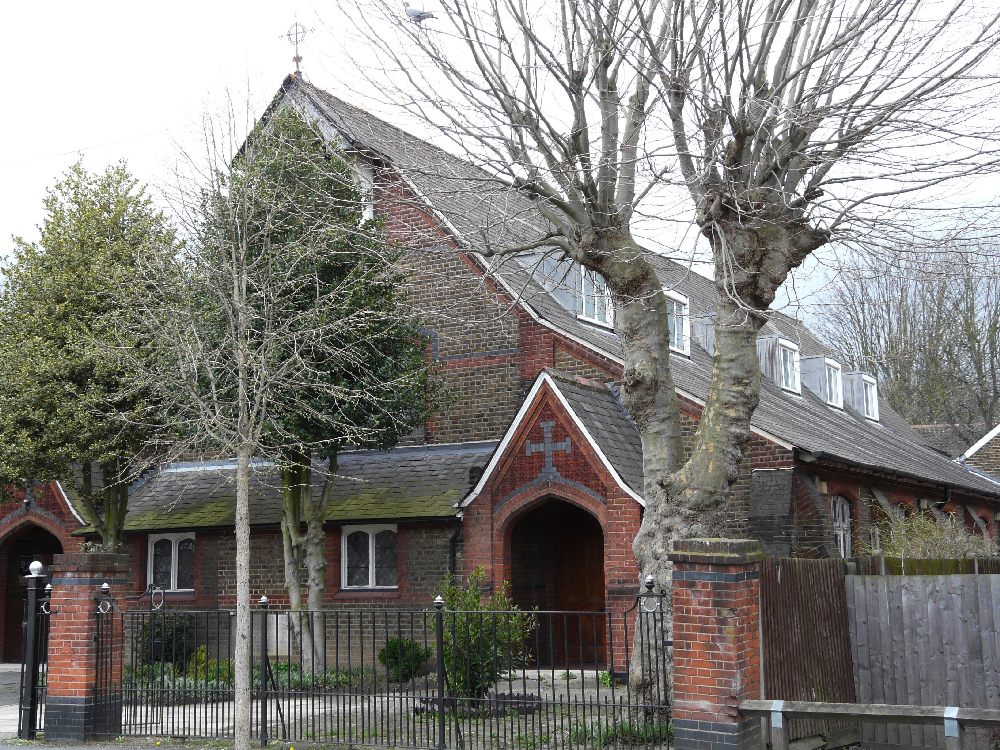
St Gabriel, Havant Road, Walthamstow
From 1884-84 designed by J.T. Bressey It is north east of the town centre.
 |
 |
 |
 |
 |
|
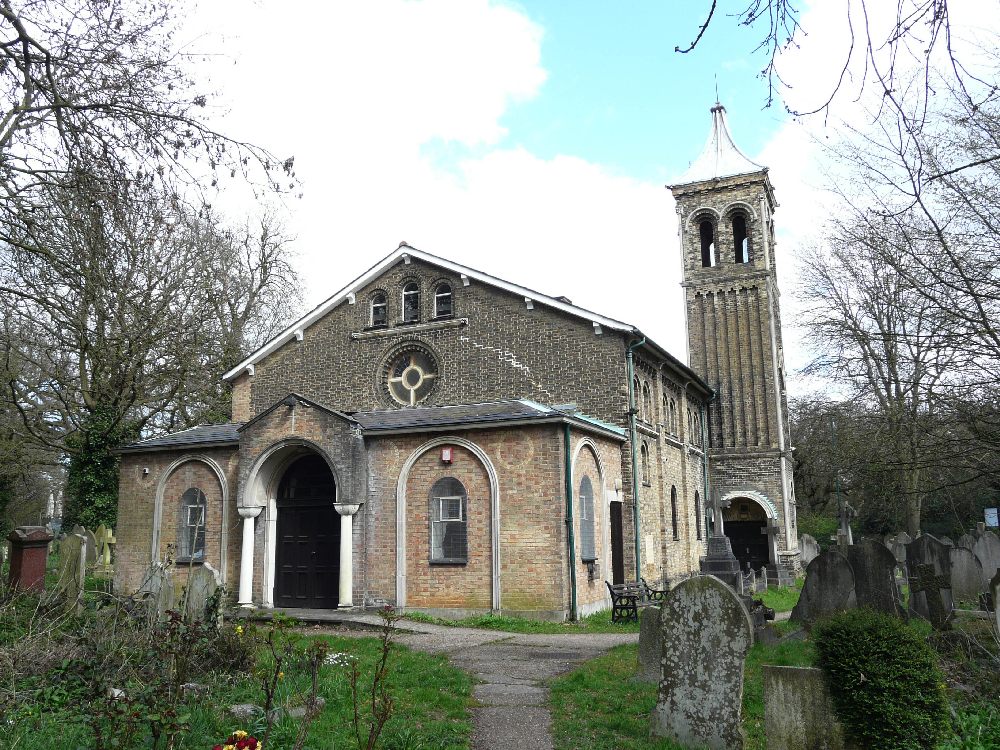
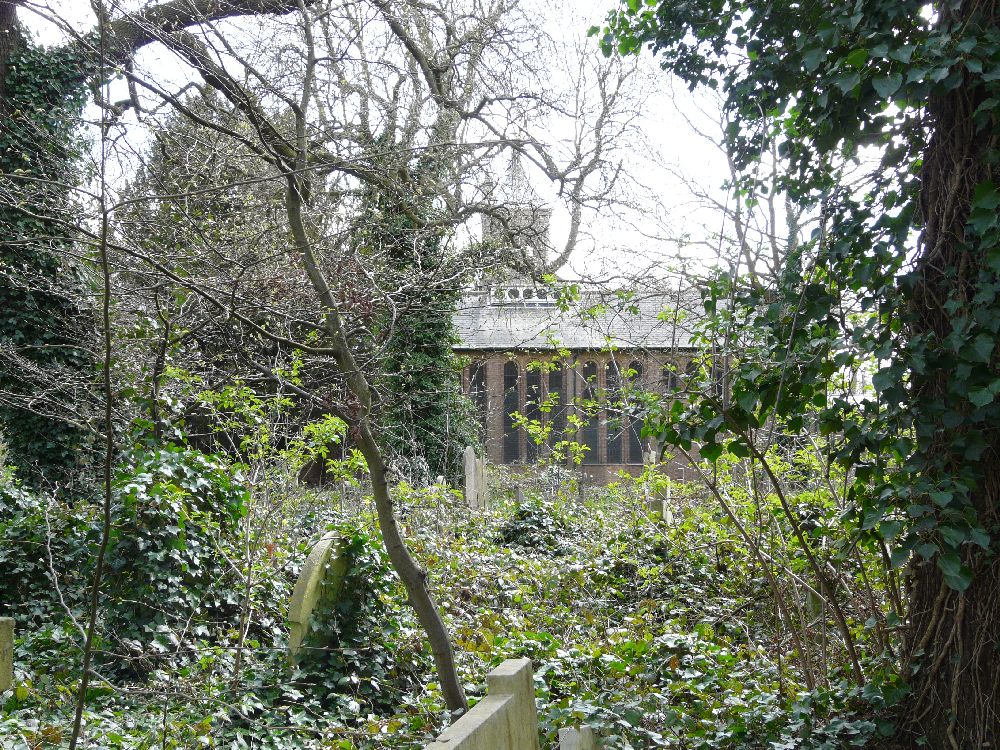
St Peter in the Forest, Woodford New Road, Walthamstow
East of Walthamstow at the southern edge of Epping Forest, semi-rural and in an attractive wild churchyard. It was designed in a Lombardic style by John Shaw junior in 1840. In 1854 changes were made by Charles Ainslie and it was extended westwards in 1887 by J.C. Lewis. World War 2 and a 1975 fire caused damage. The north wall was rebuilt in 1951. During 2019 and 2020 it has been under refurbishment as a church and community resource, the latest pictures show this project in September 2020 a couple of months before planned completion. The western narthex has been demolished as part of this work to expose the previous western front and new rooms created in a mezzanine at the western end as well as at ground floor level at that end.
 |
 |
 |
 |
 |
 |
 |
 |
 |
 |
 |
 |
 |
 |
 |
 |
 |
 |
 |
 |
 |
 |
 |
 |
 |
 |
 |
 |
 |
 |
 |
 |
 |
 |
 |
 |
 |
 |
 |
 |

2018 |

2013 |
|
|
2013 |

2013 |
2013 |

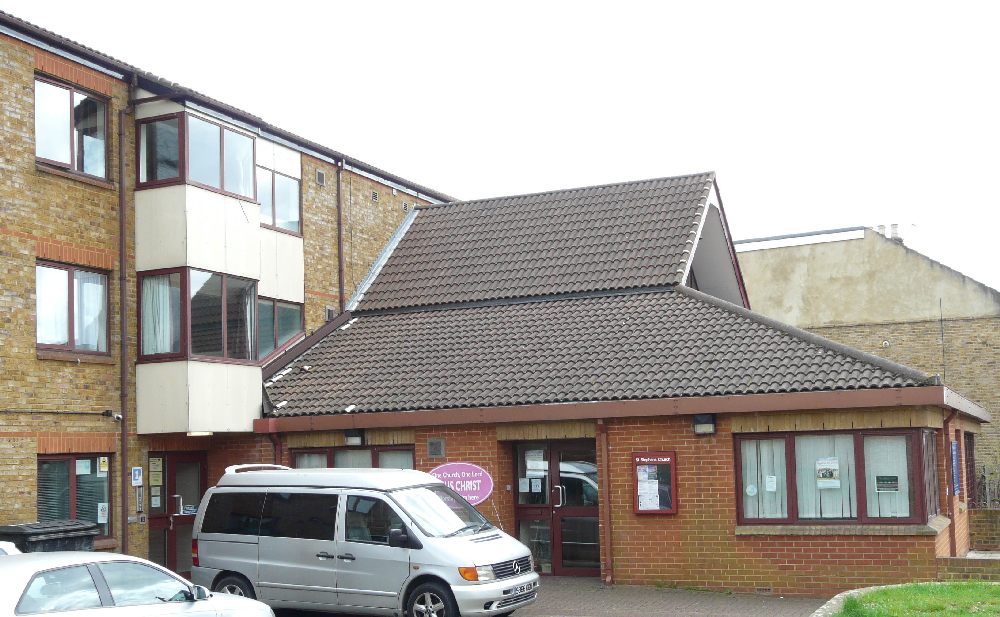
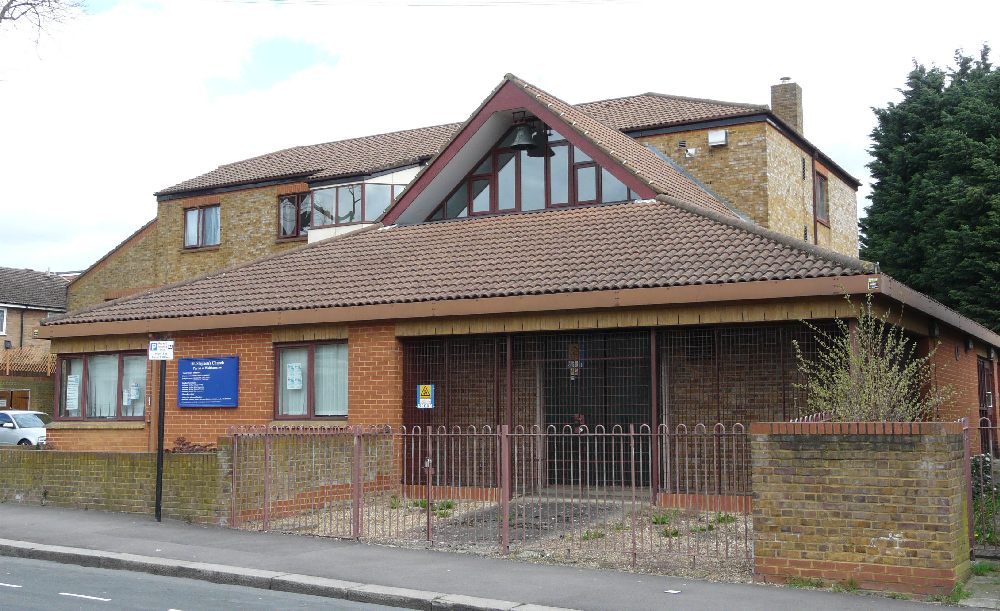
St Stephen (former), Copeland Road, Walthamstow
By APEC from 1994 and part of a small housing development south east of Walthamstow town centre. It was closed in 2017.
 |
 |
 |
|
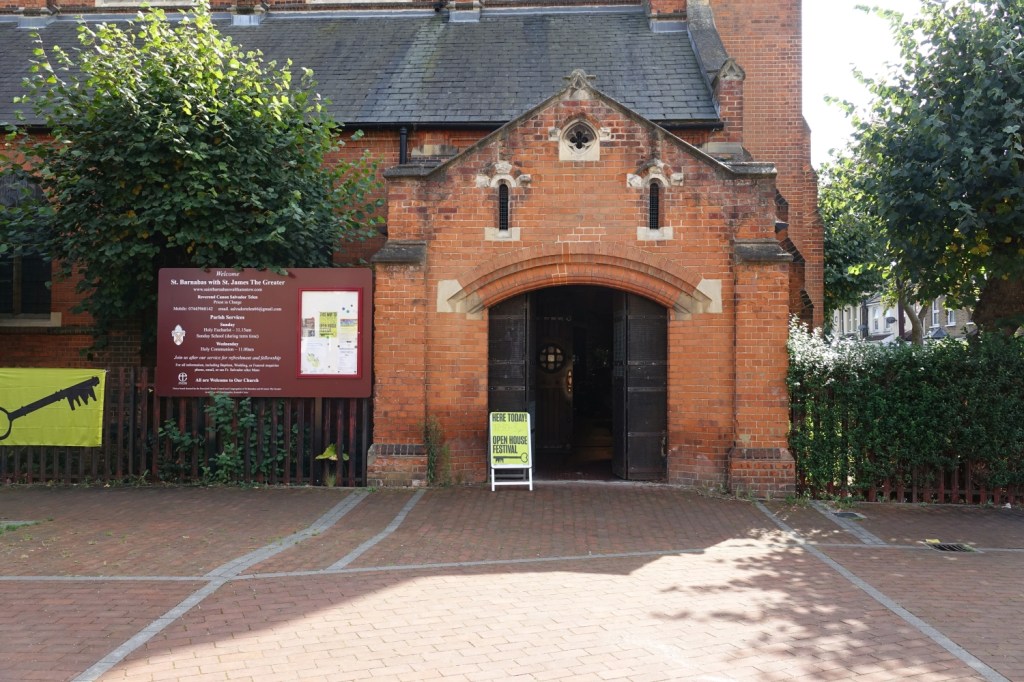
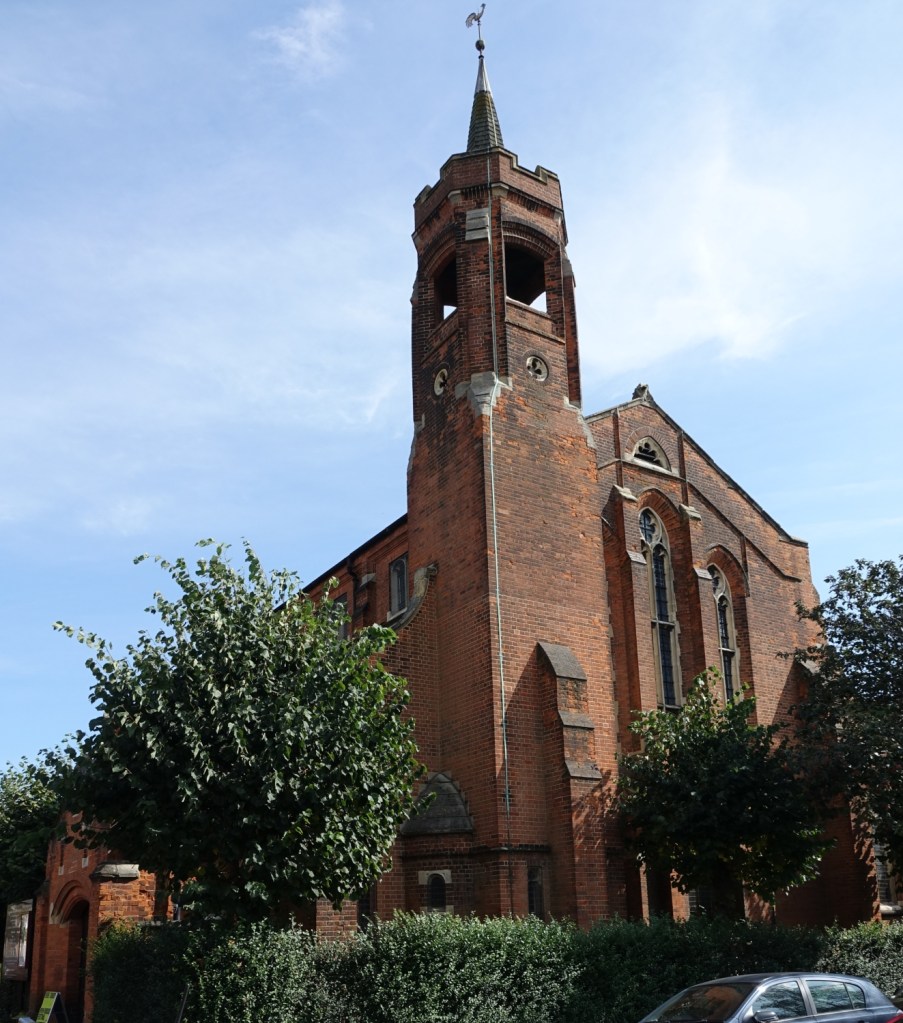
St Barnabas and St James, Walthamstow
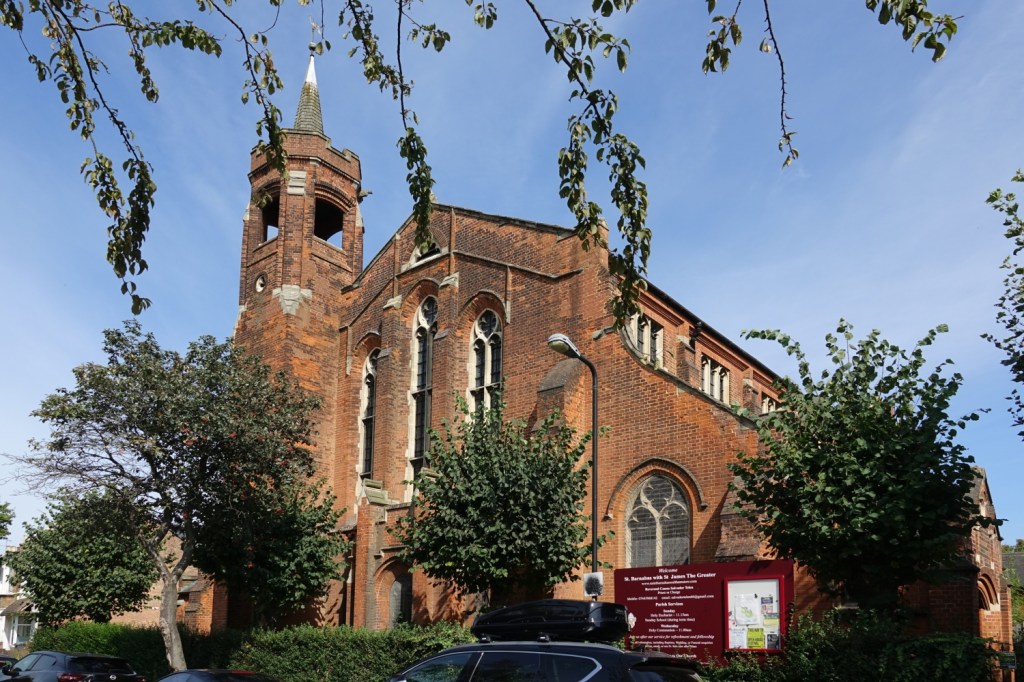
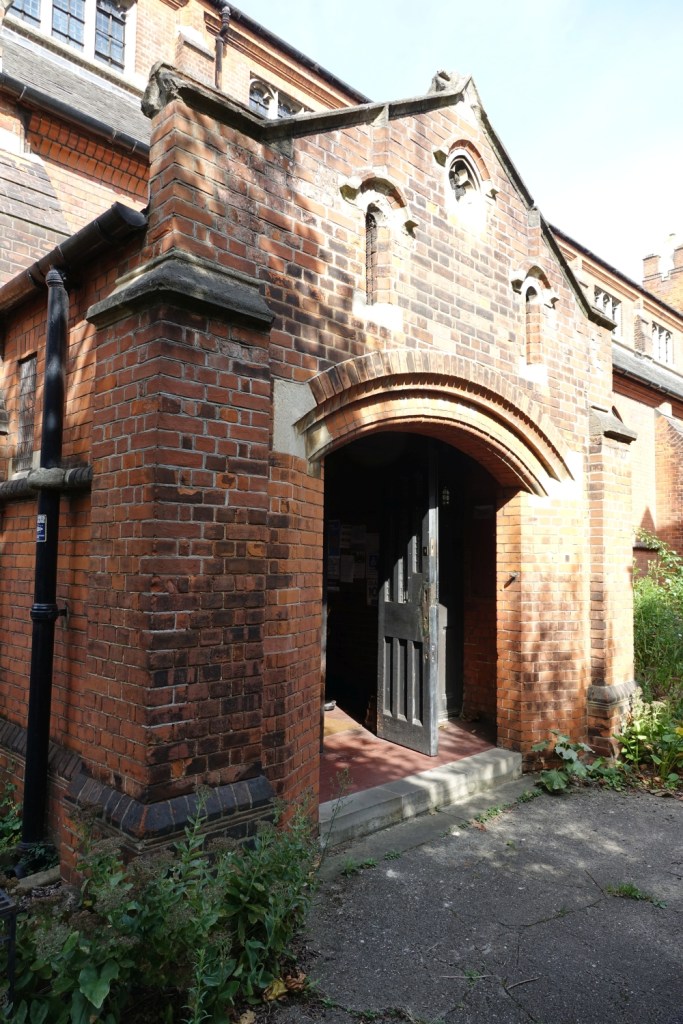
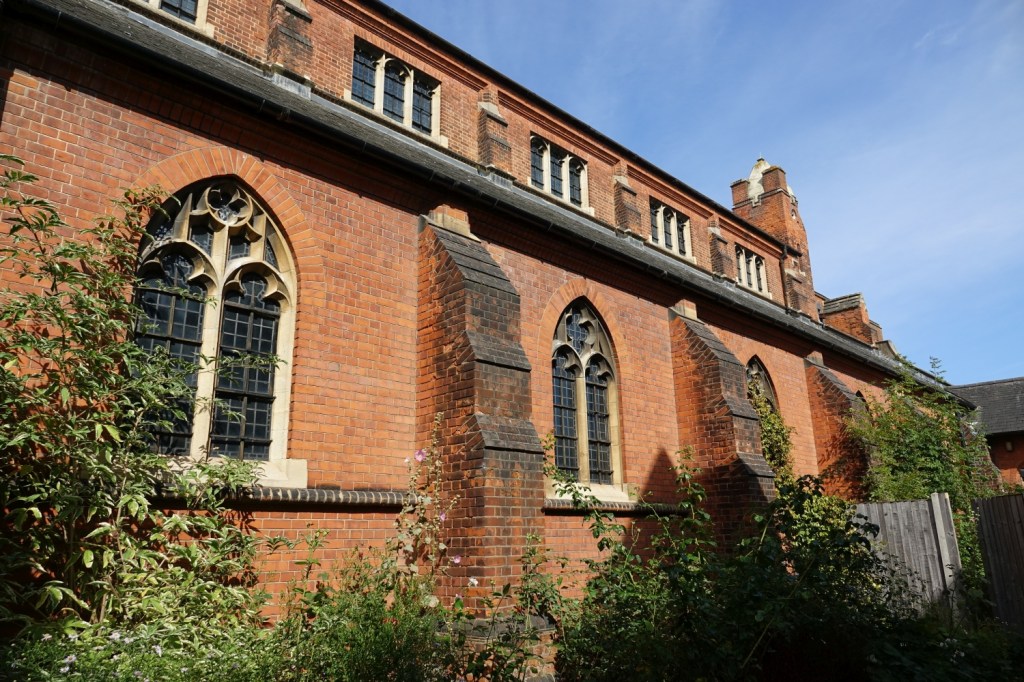
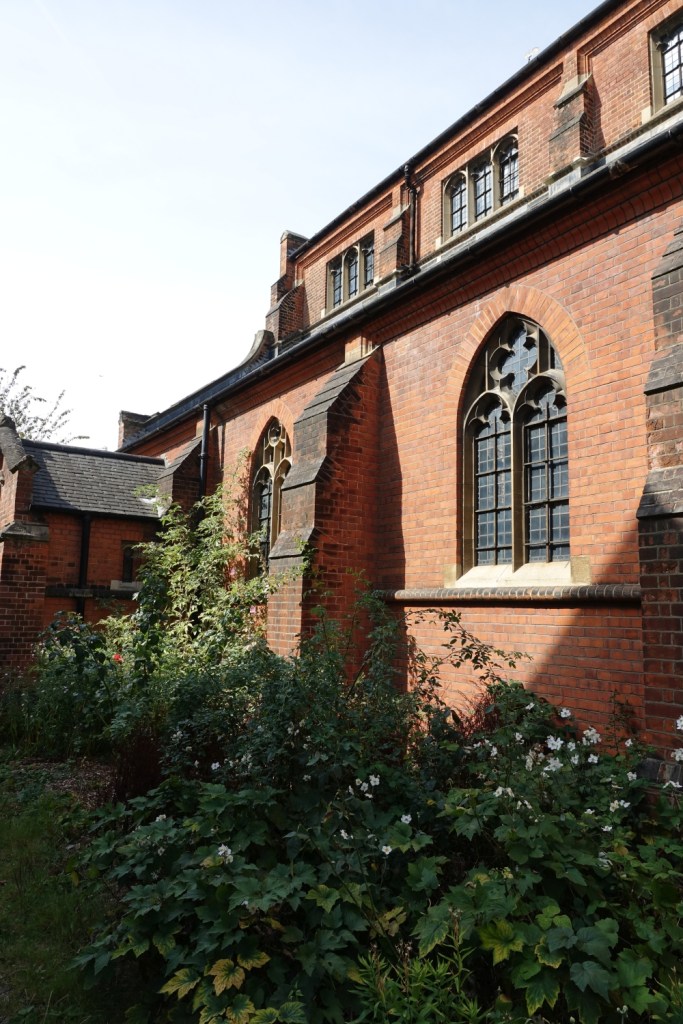
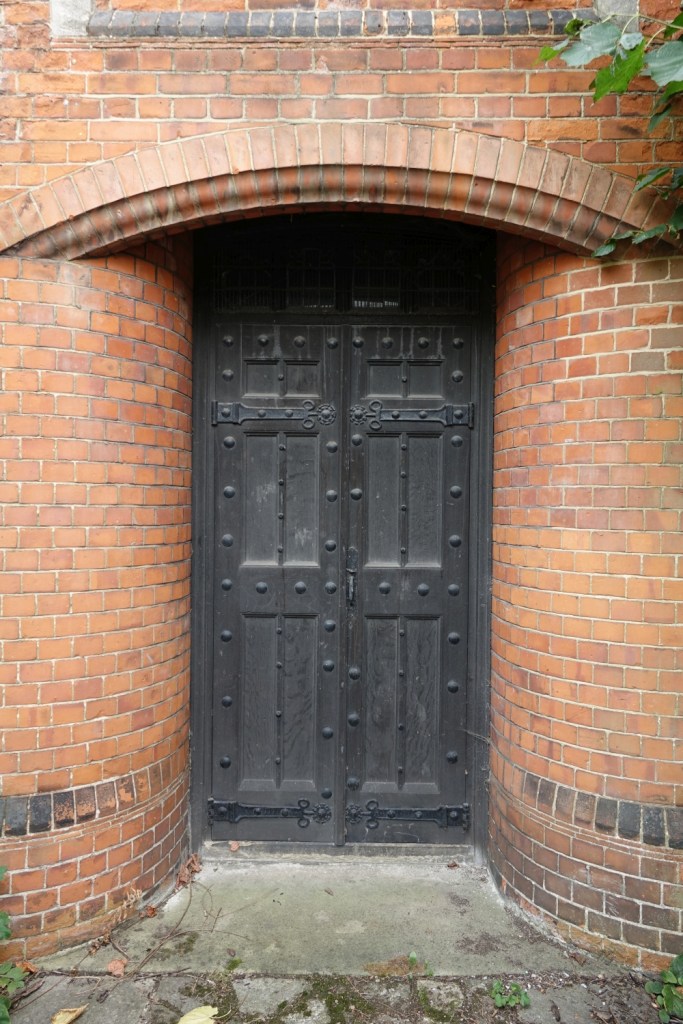
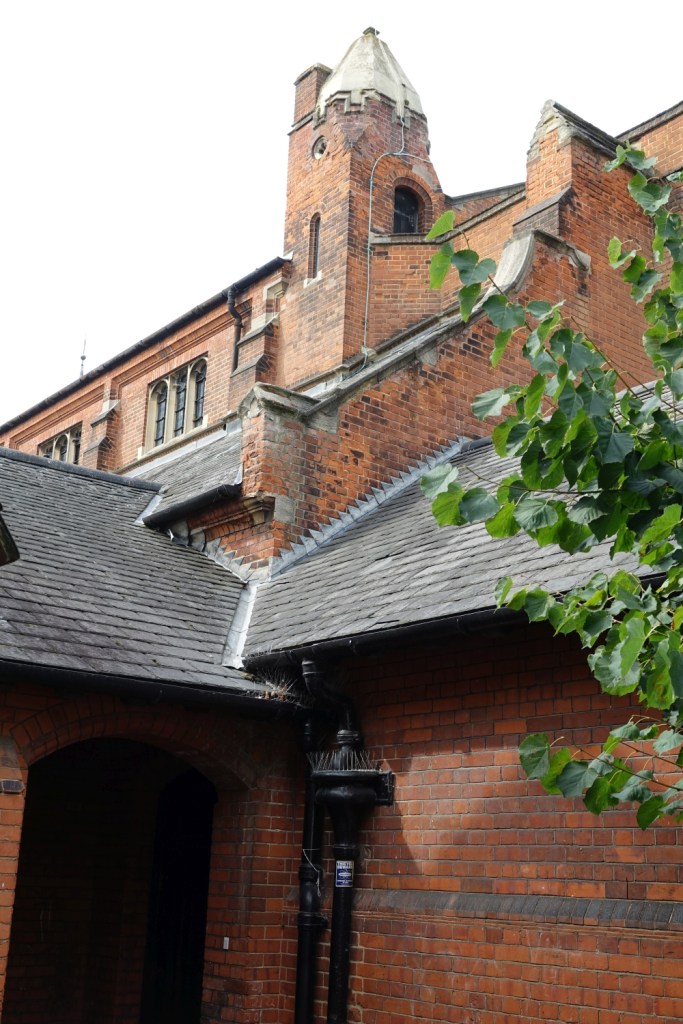
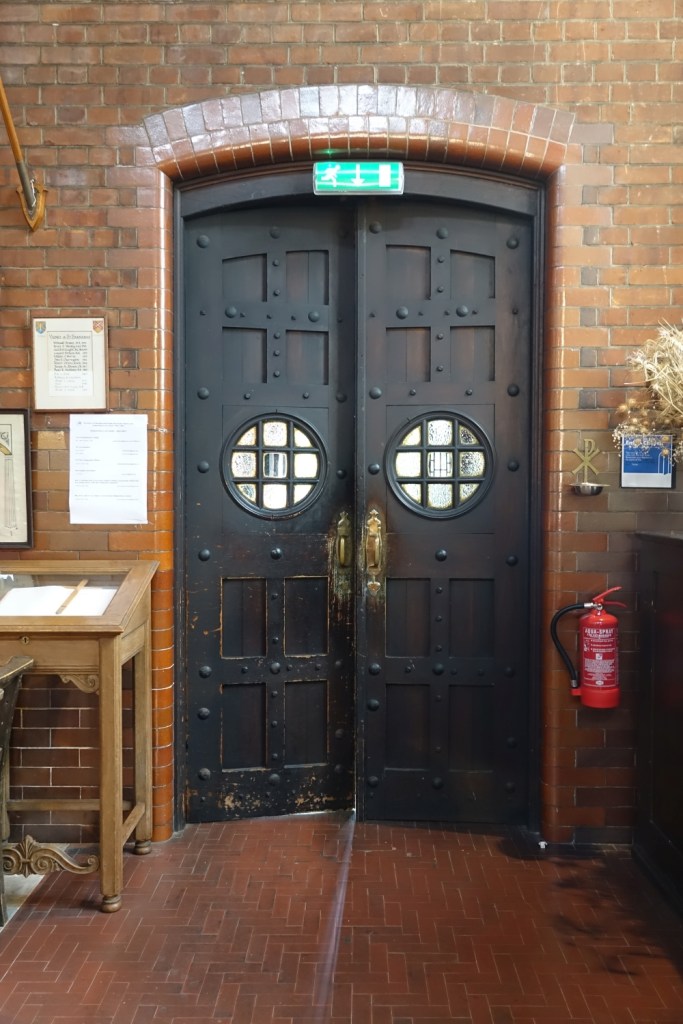
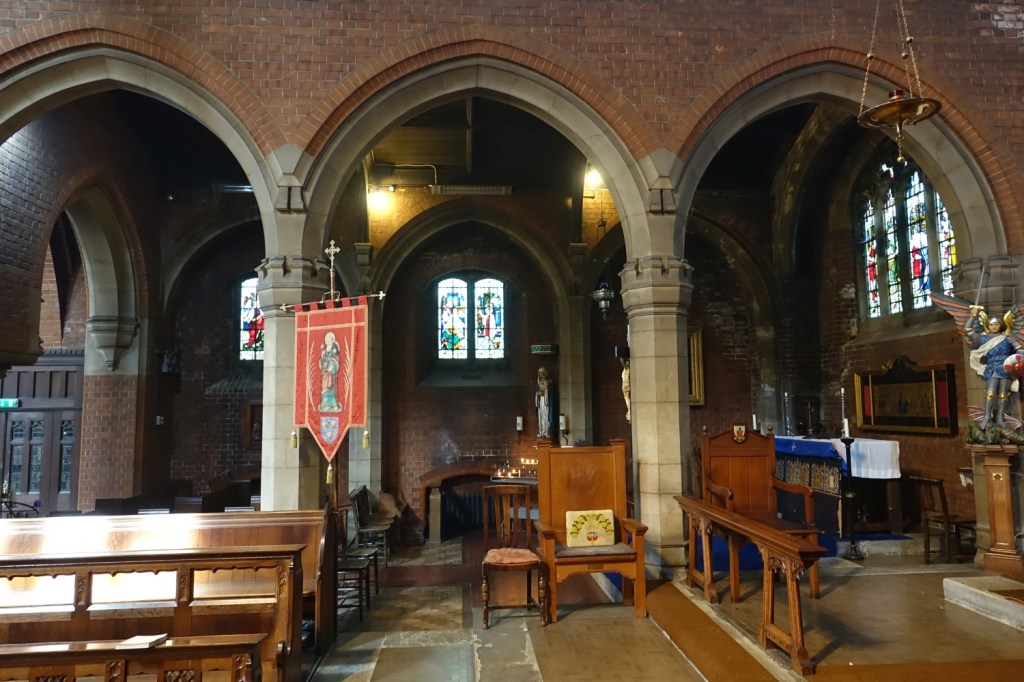
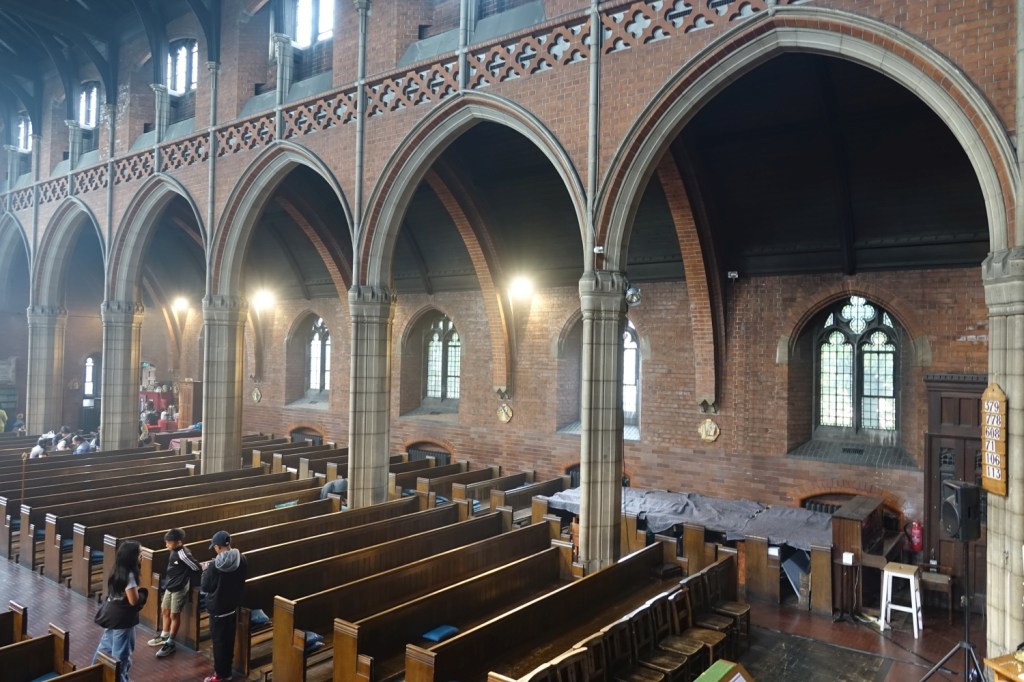
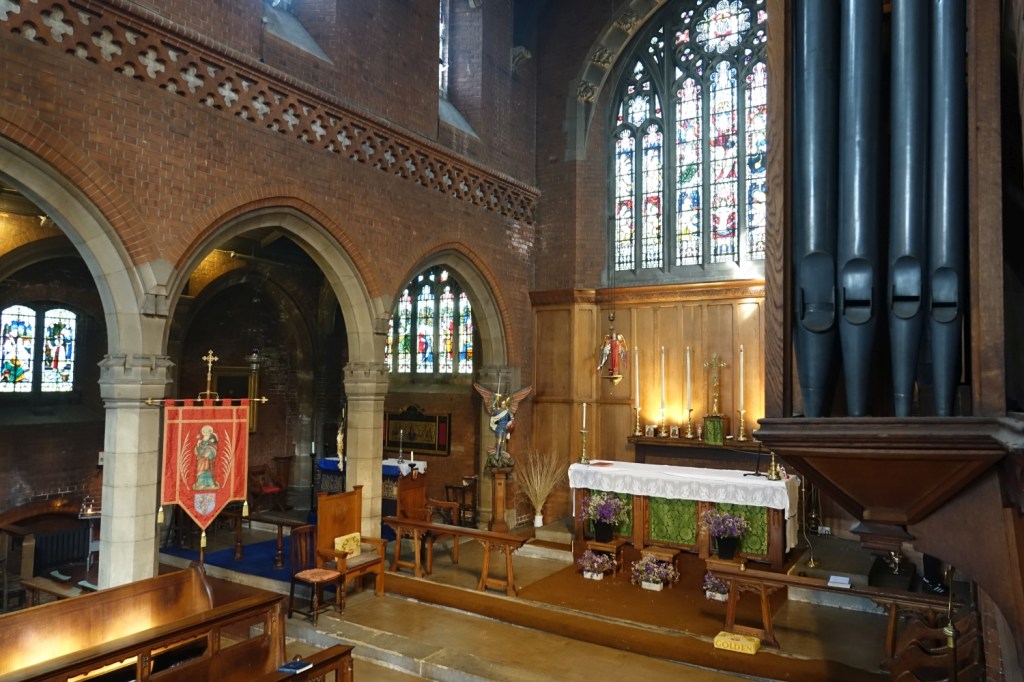
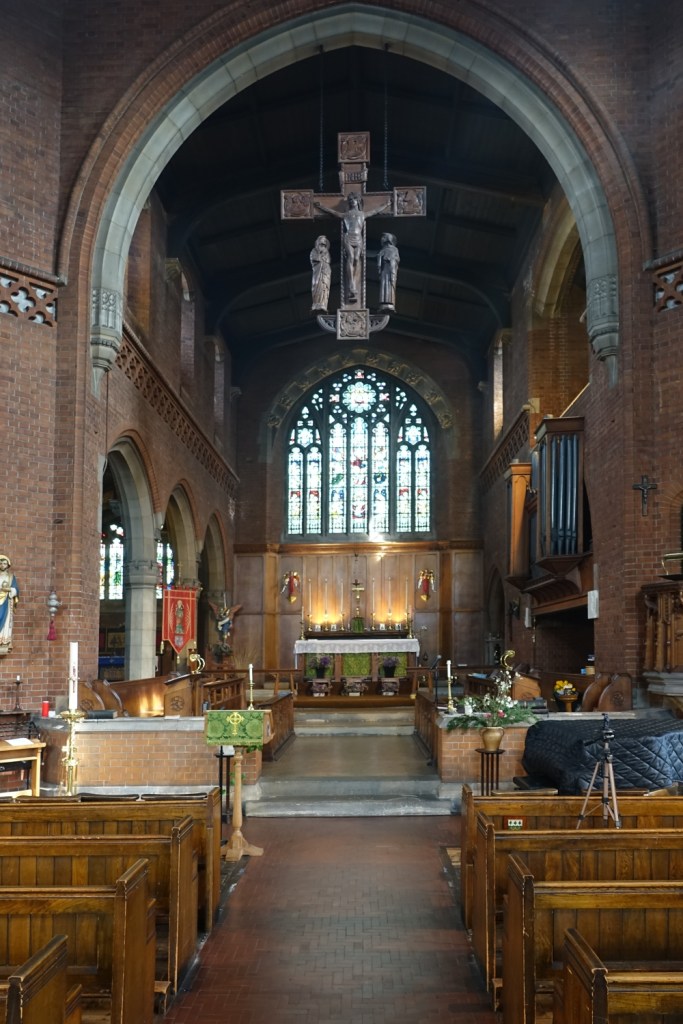
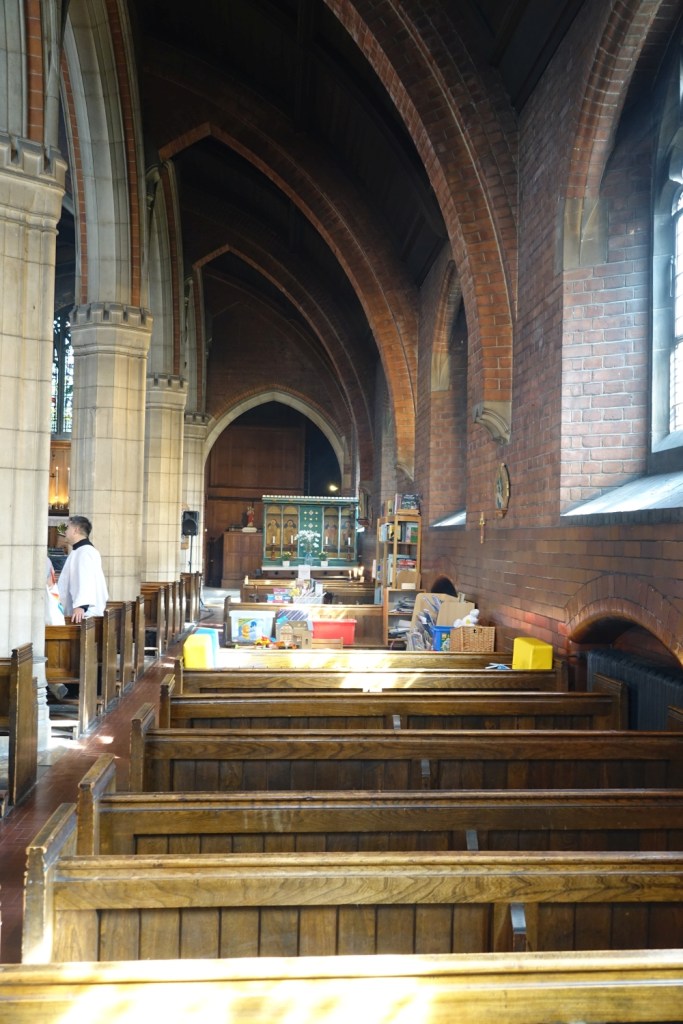
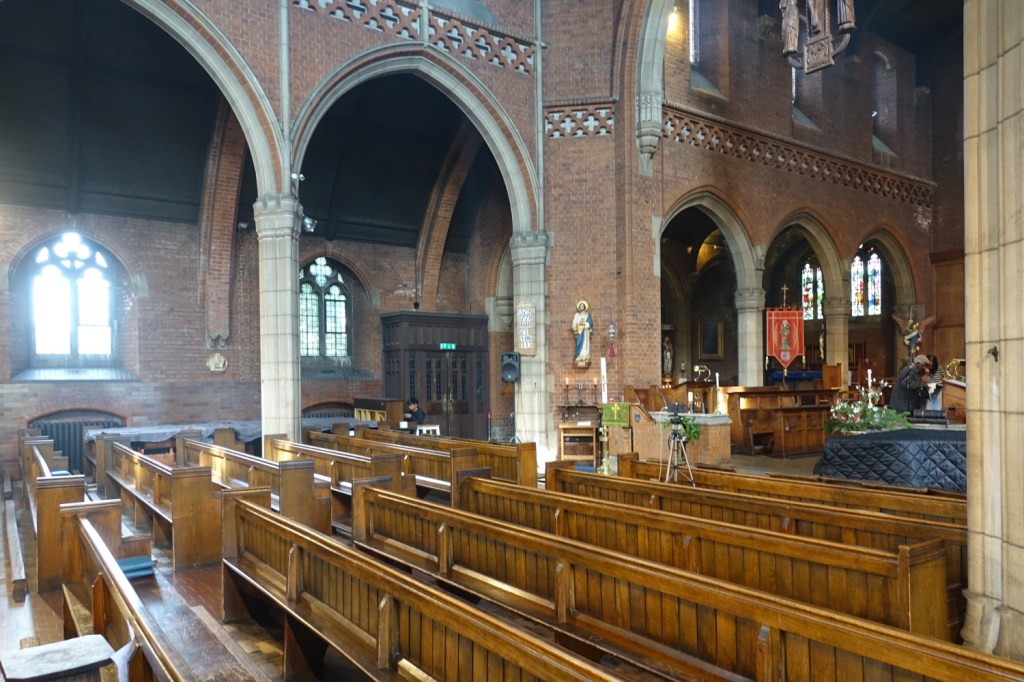
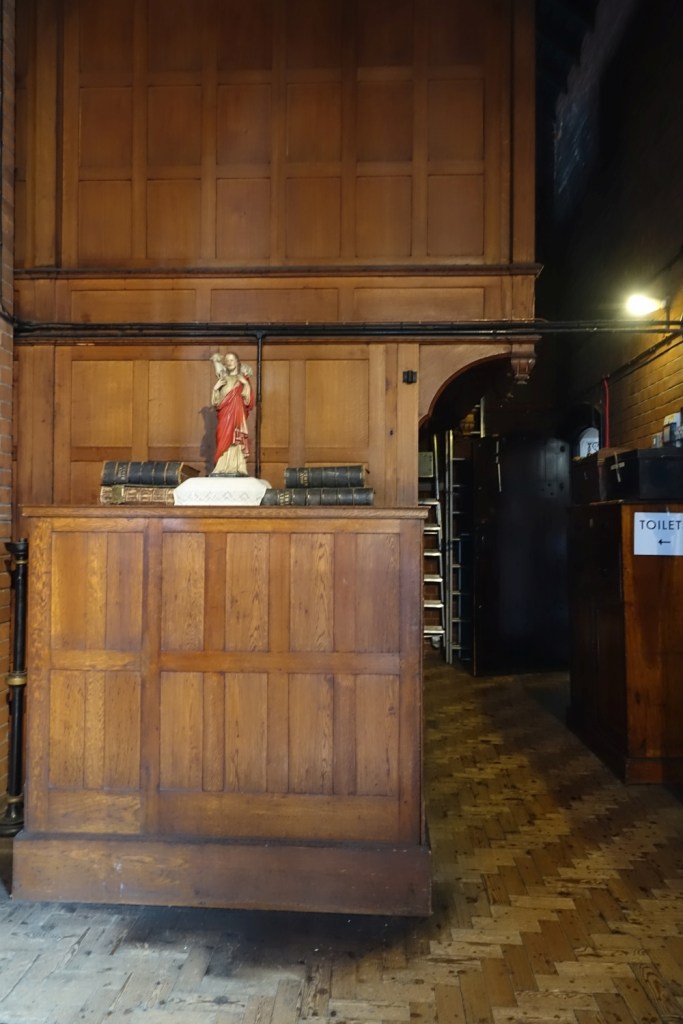
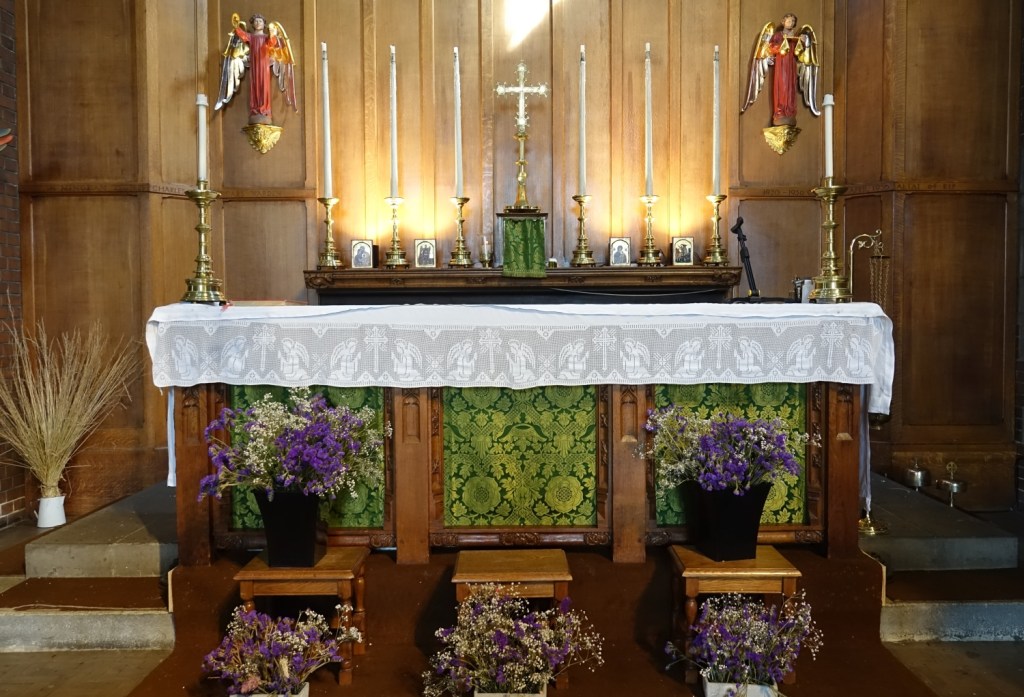
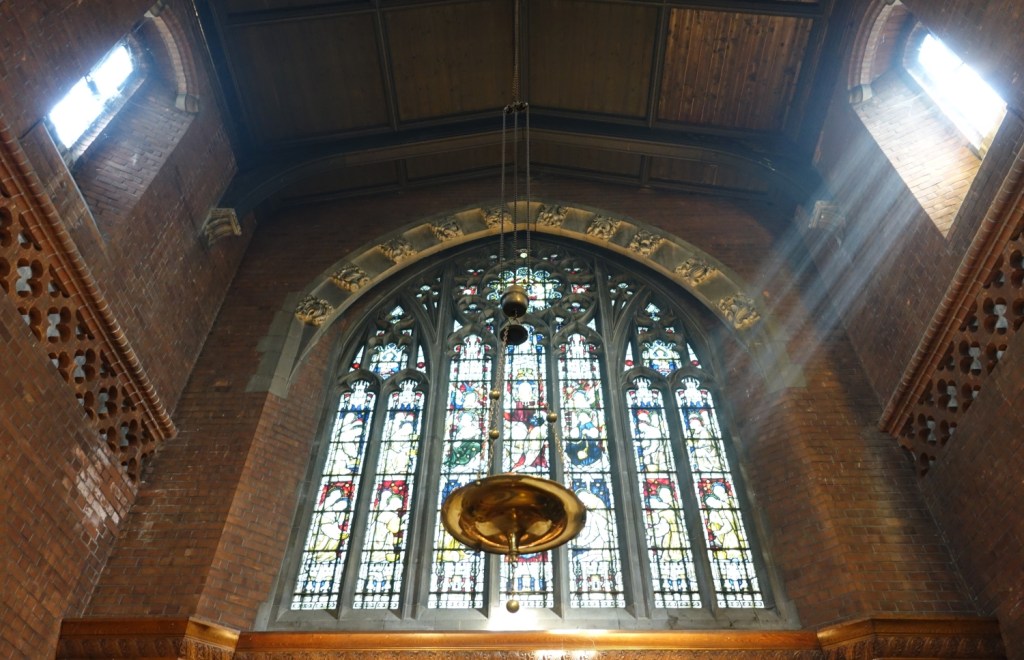
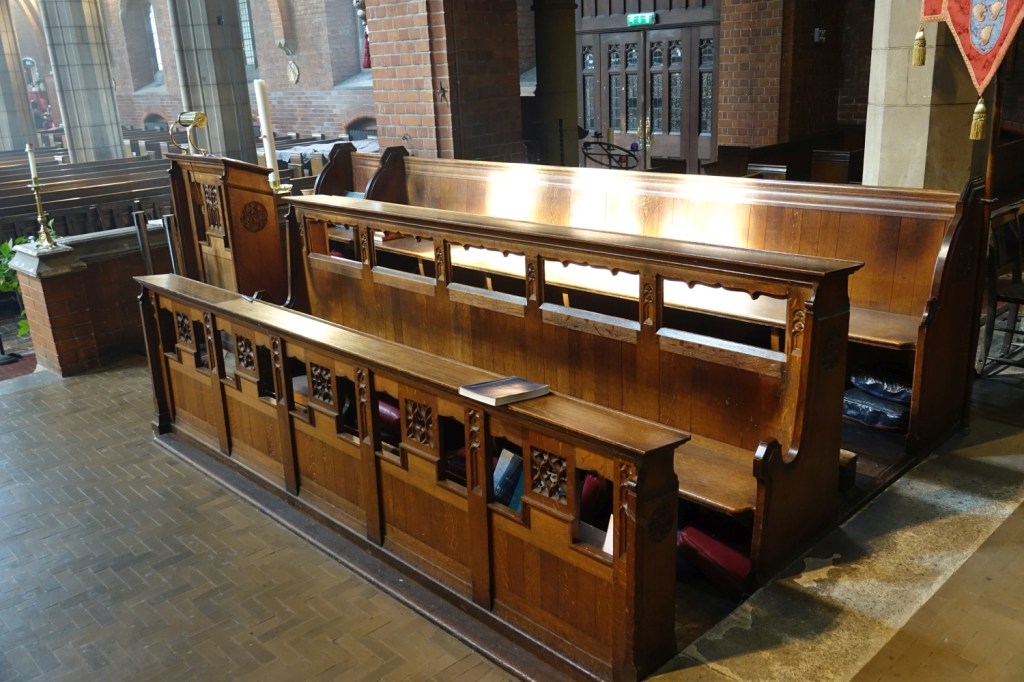
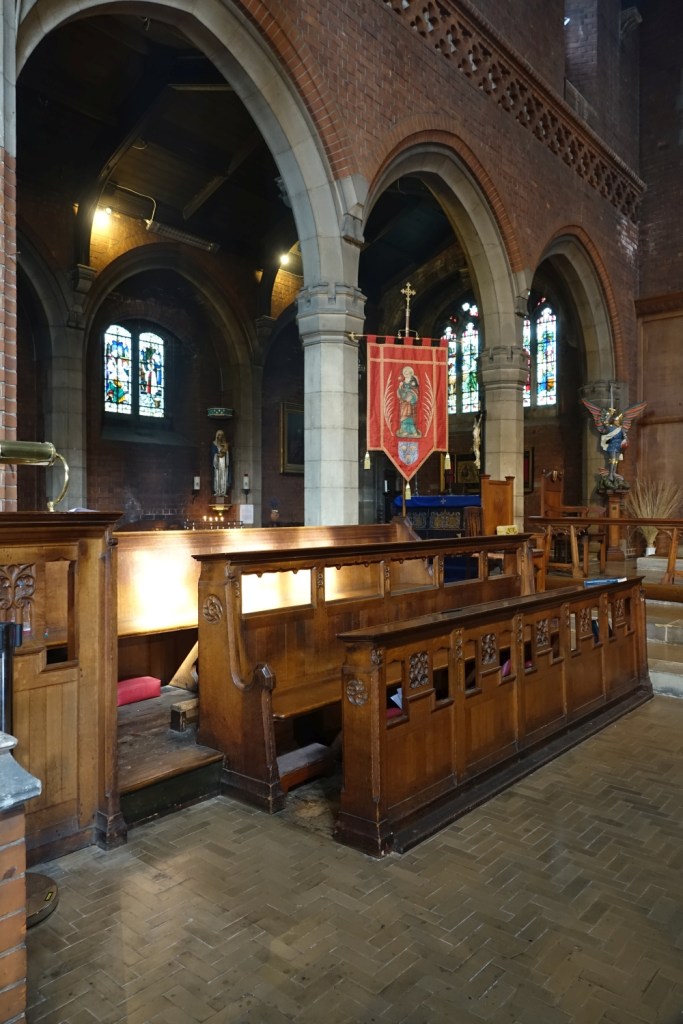
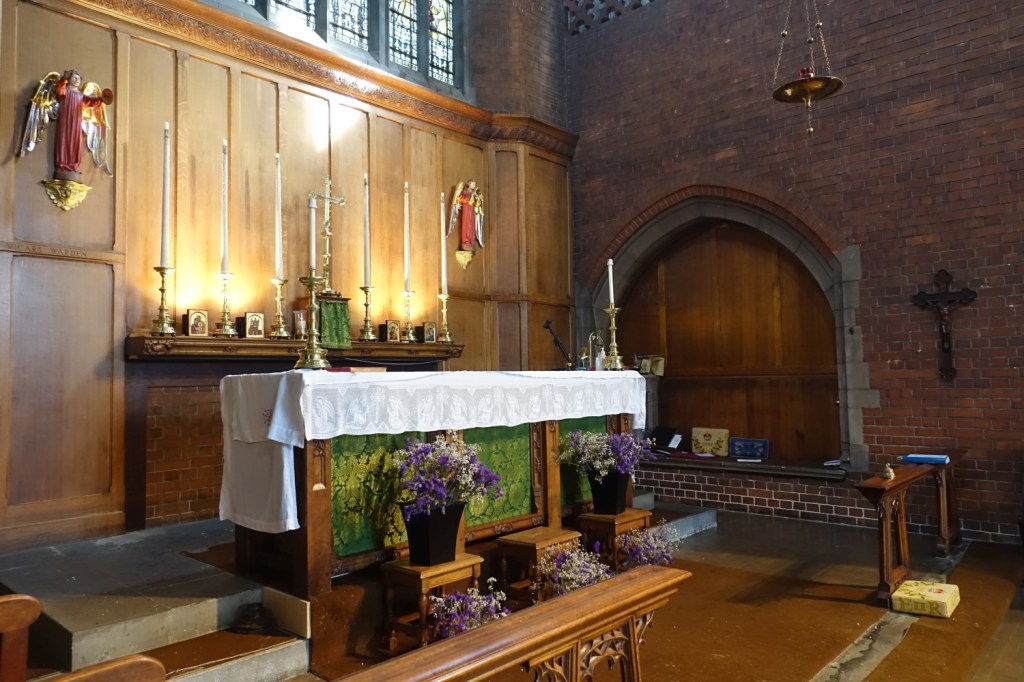
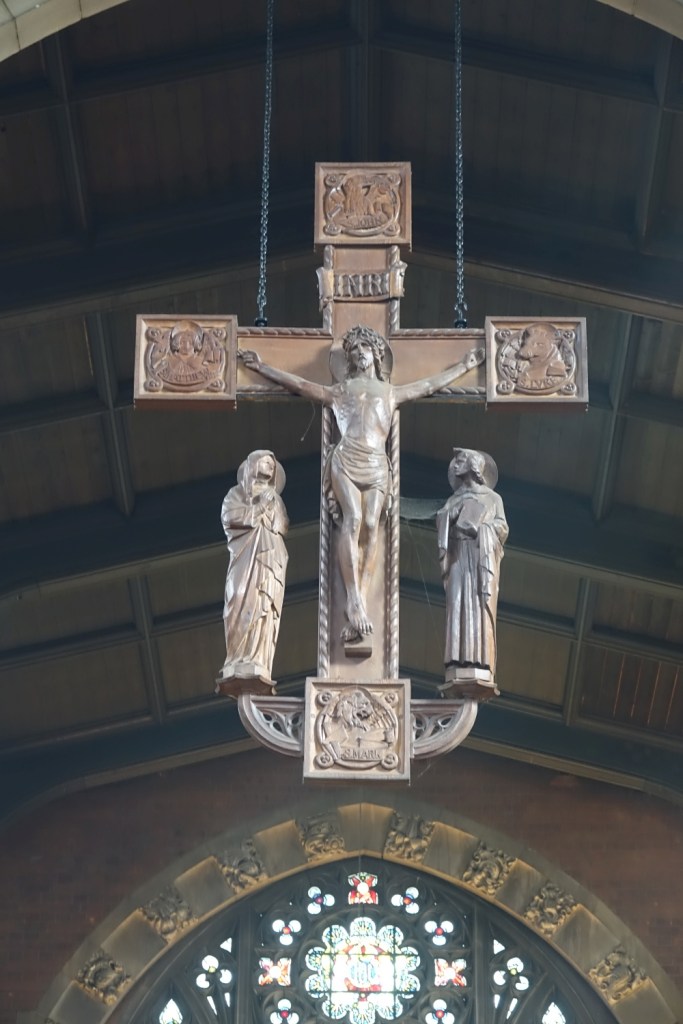
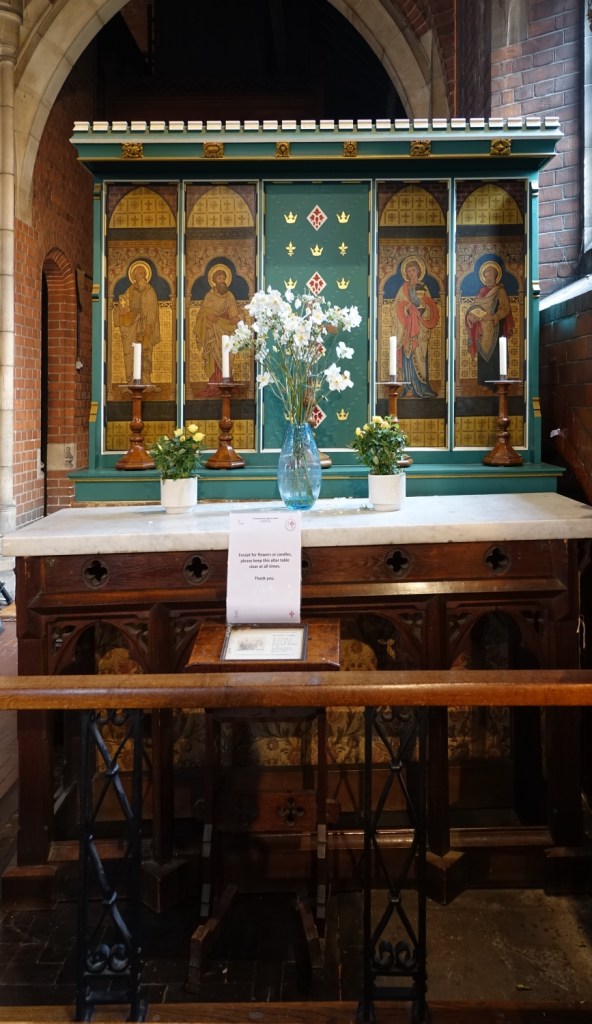
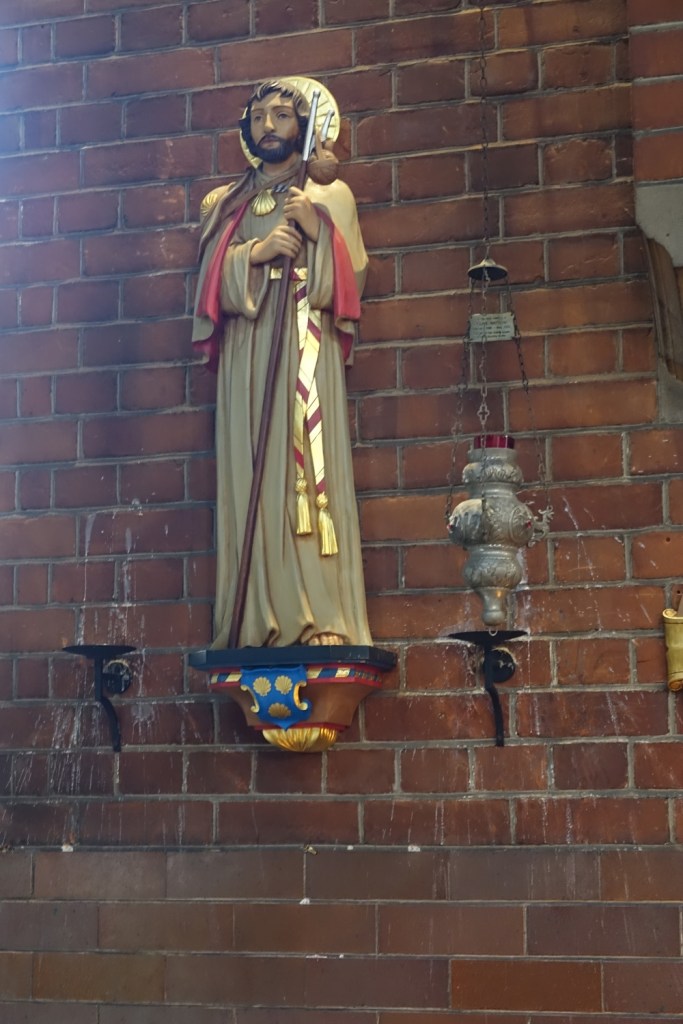
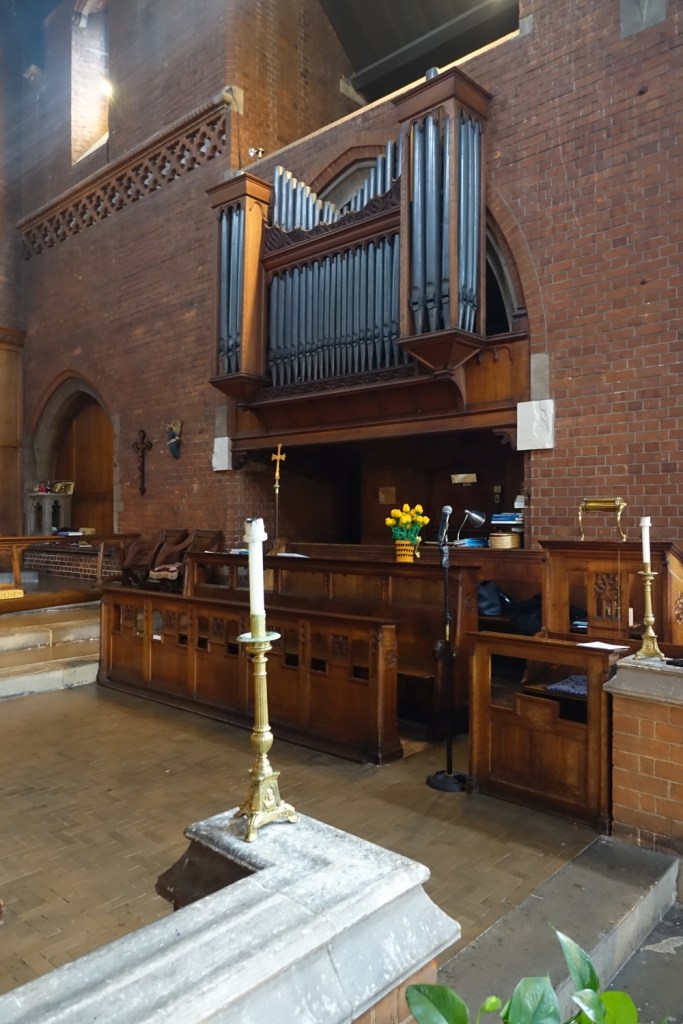
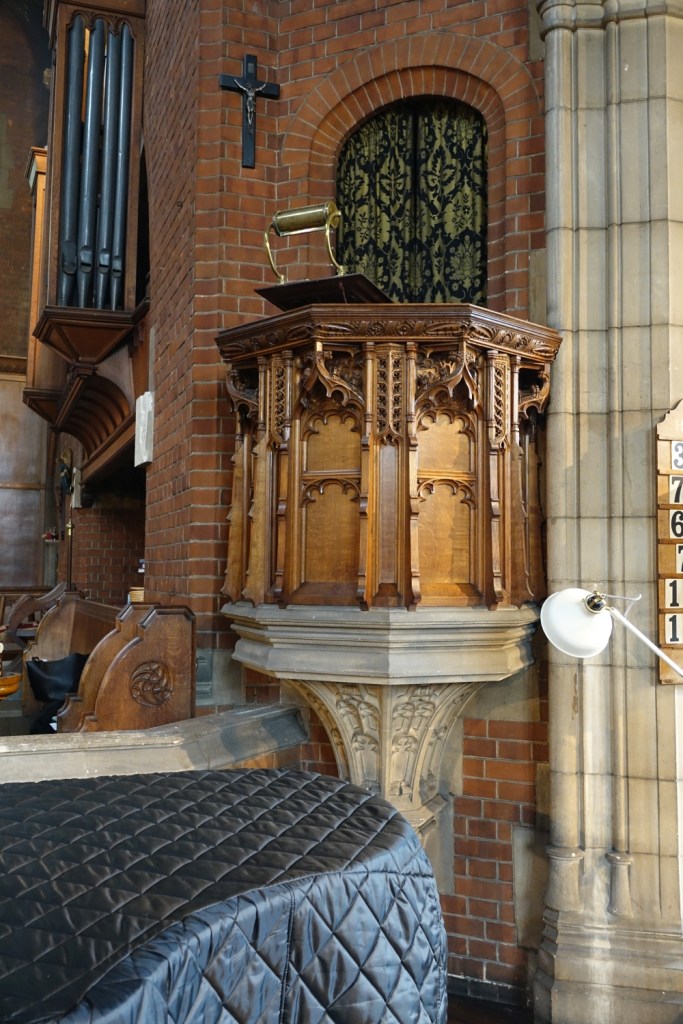
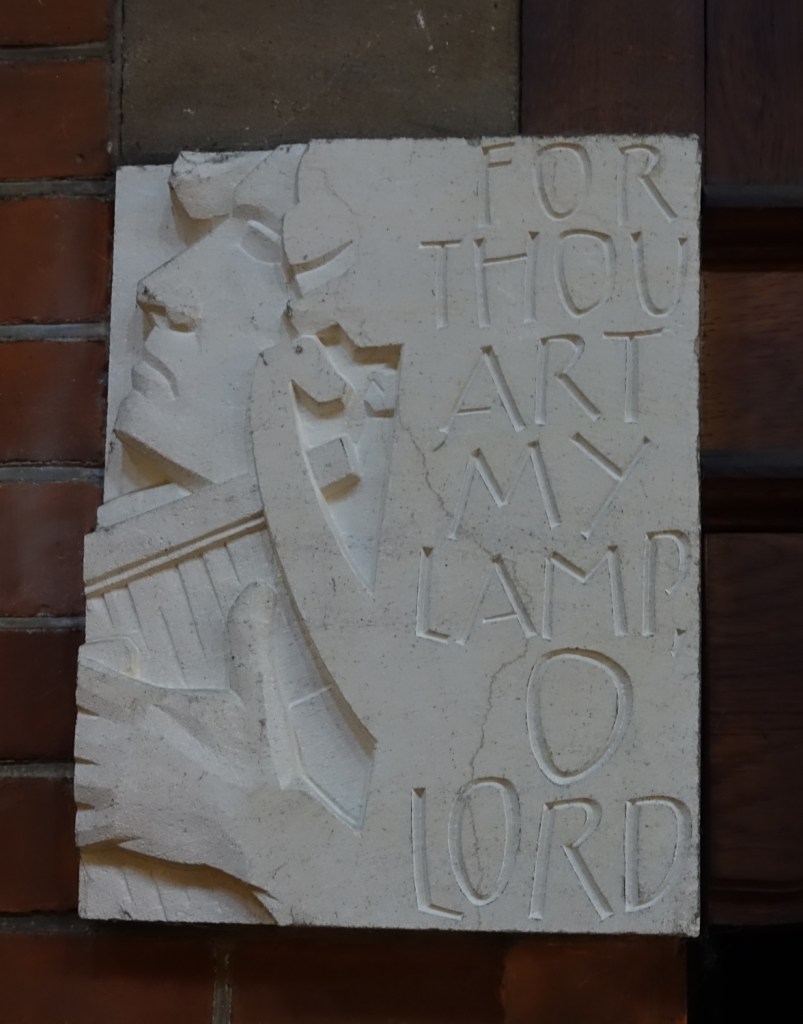
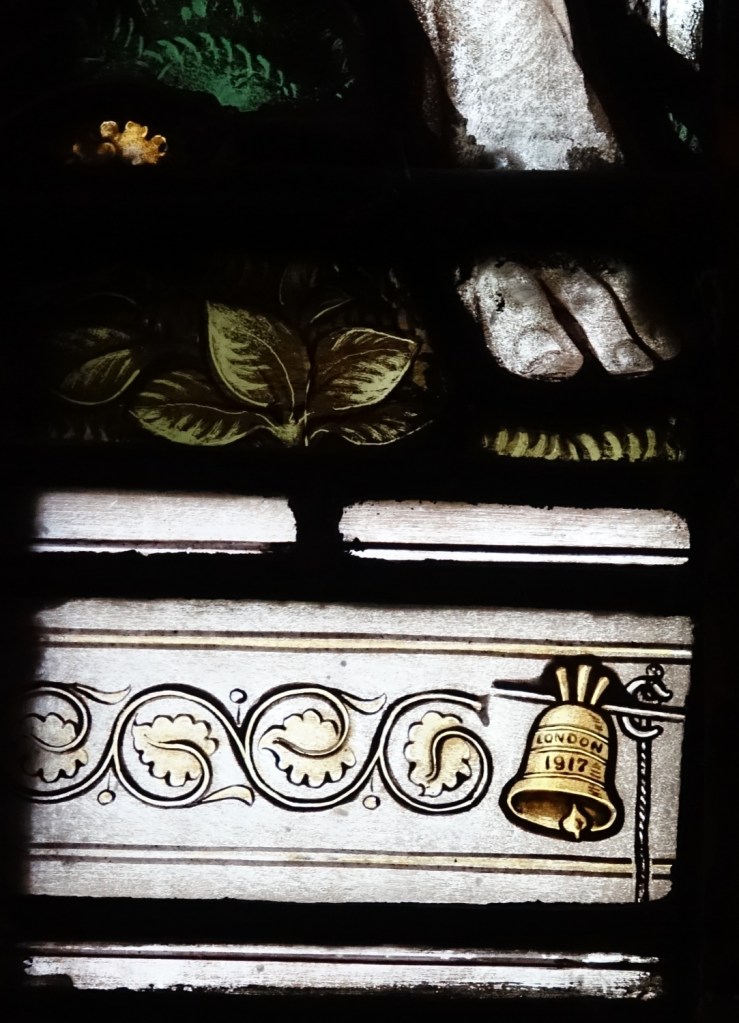
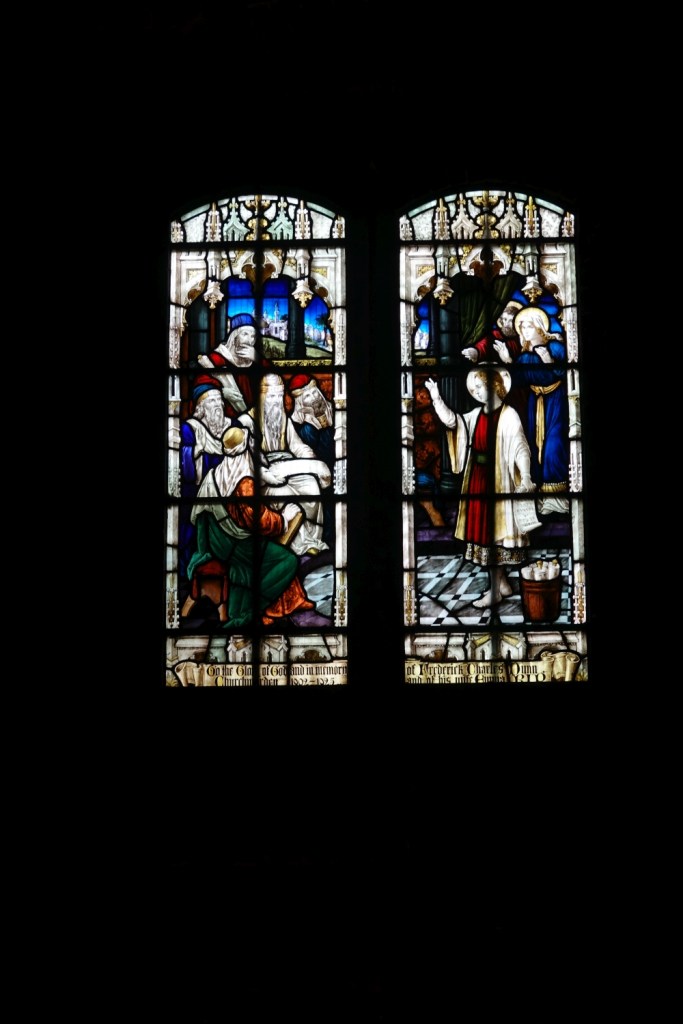
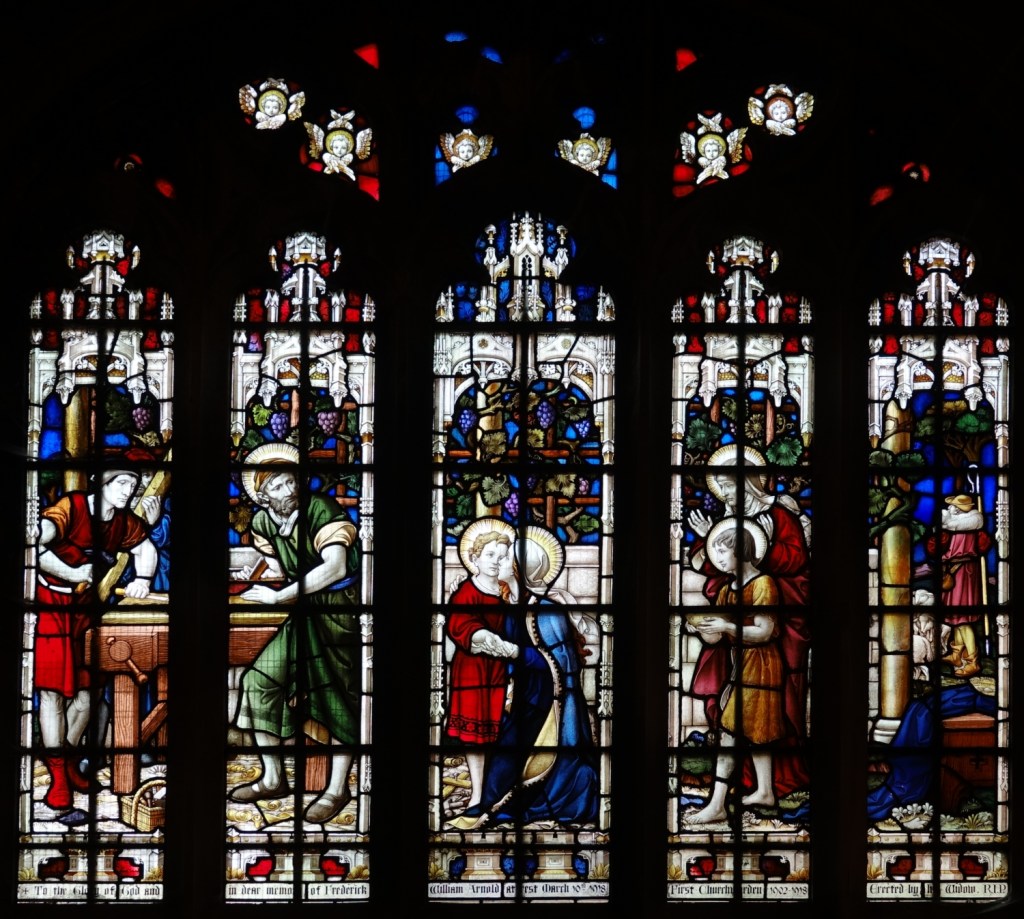
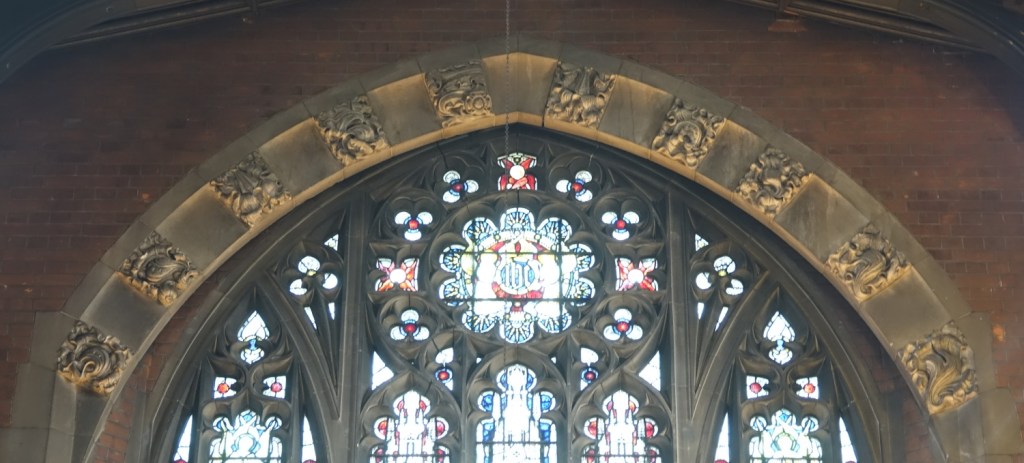
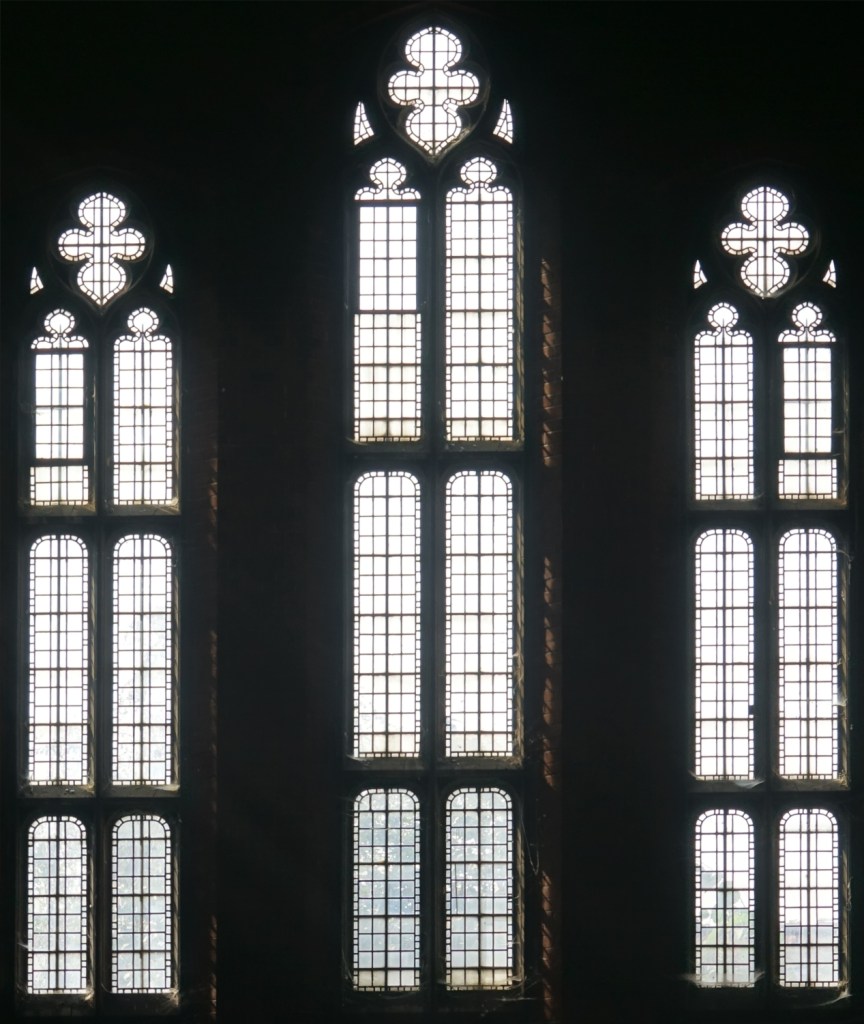
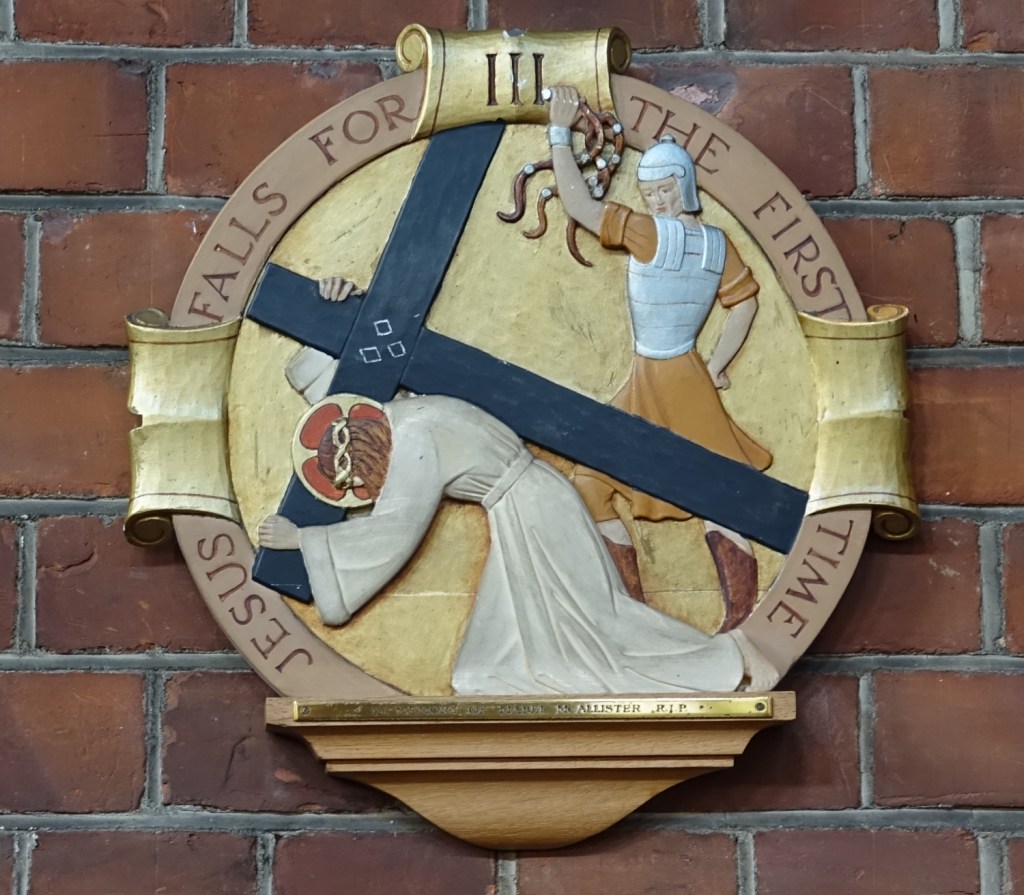
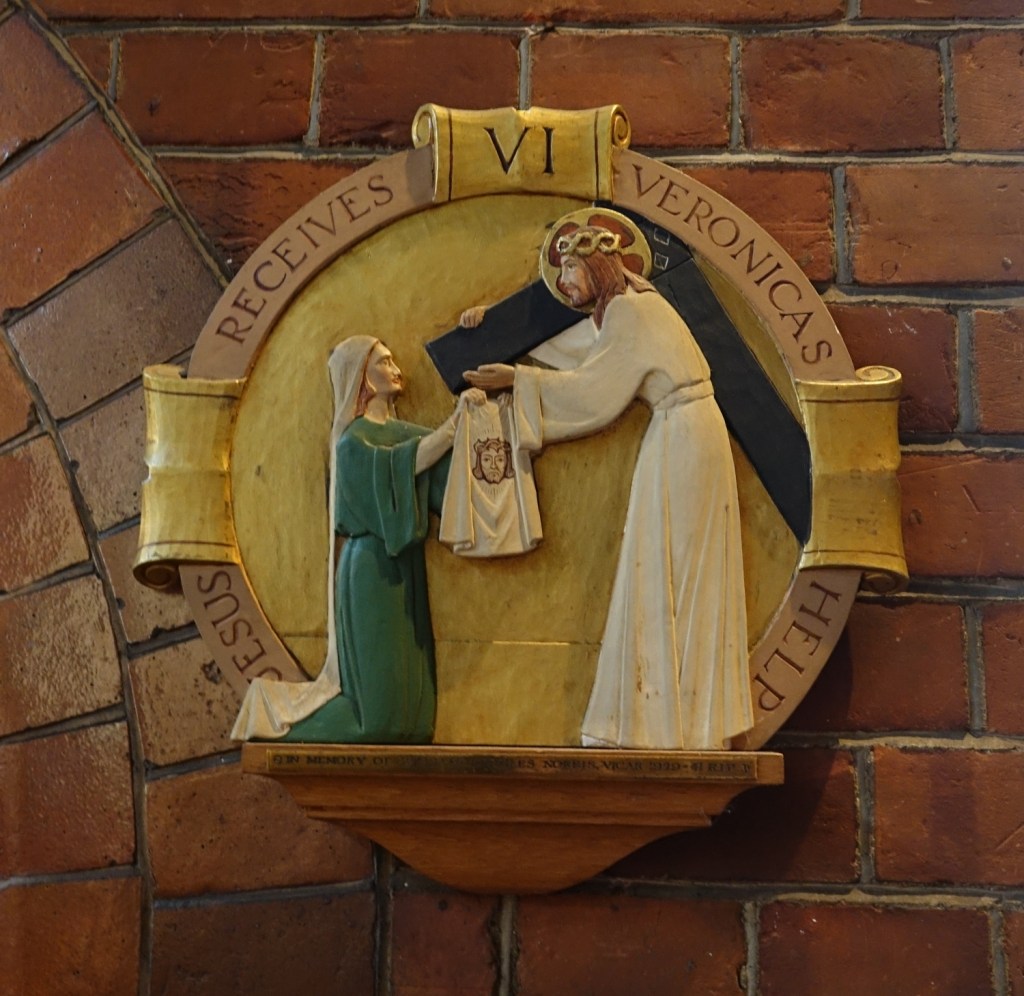
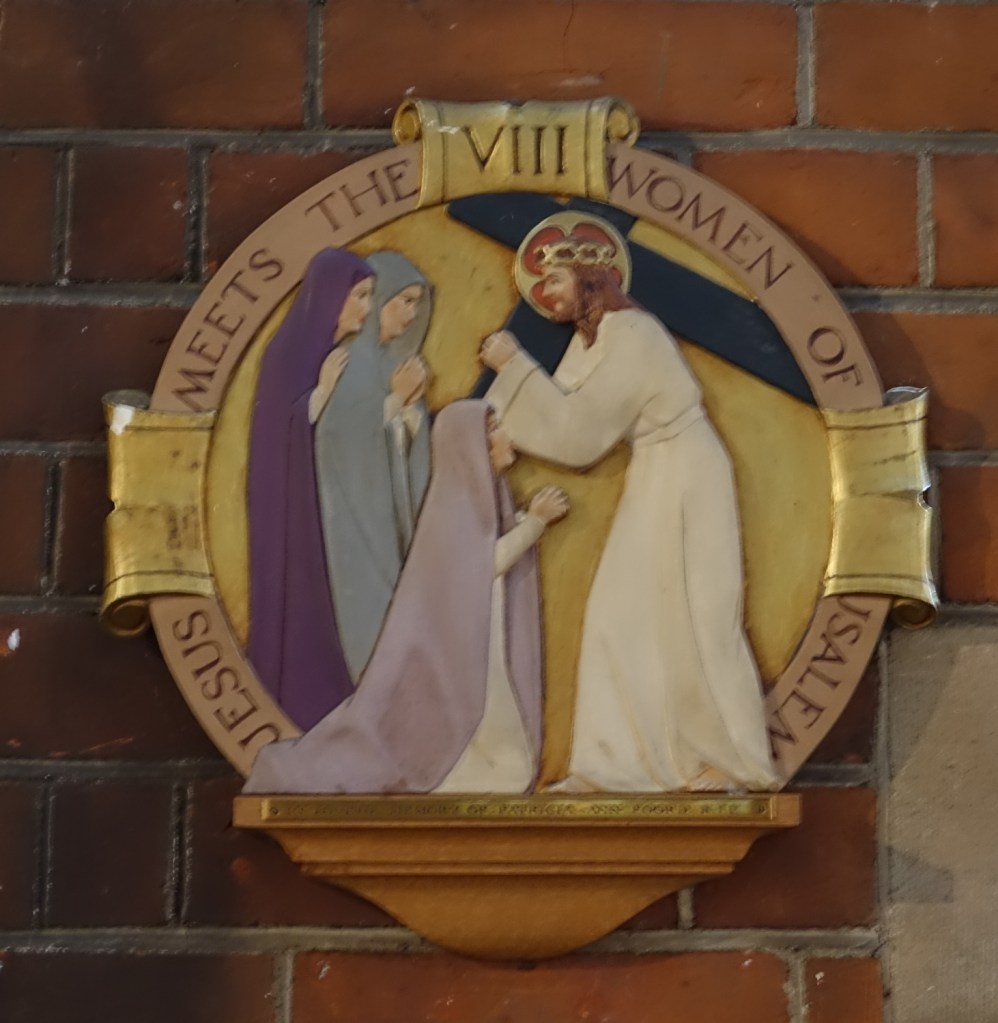
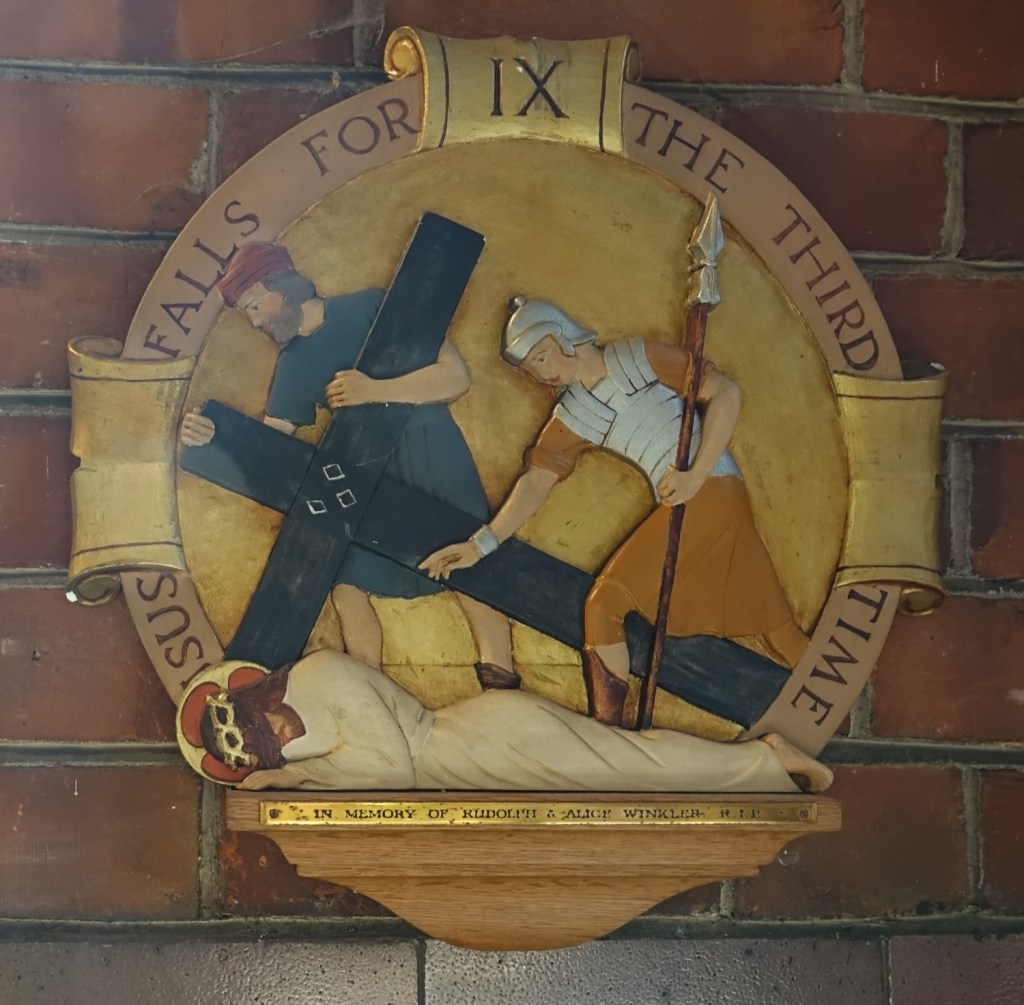
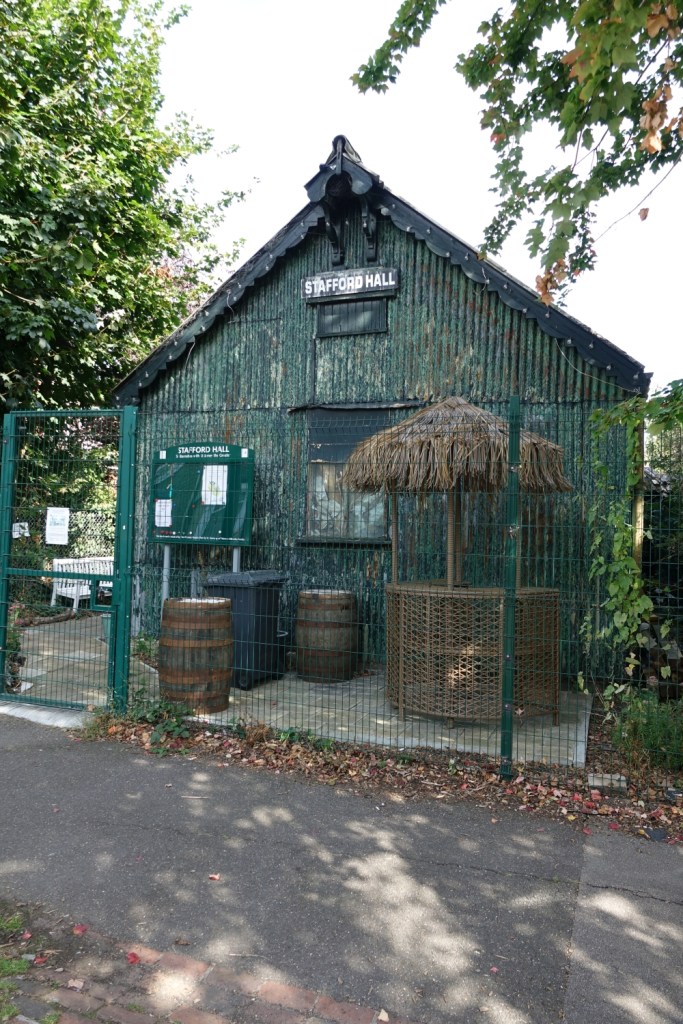
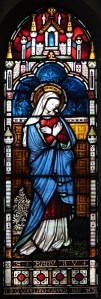
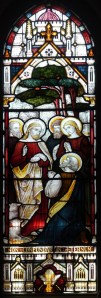
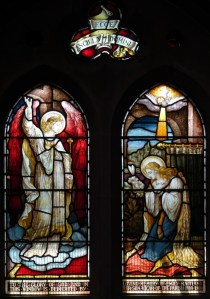
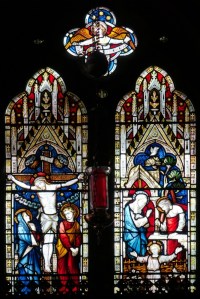
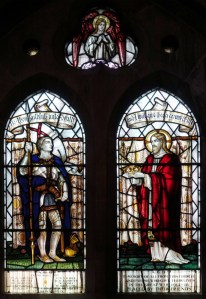
In backstreets south of the town centre, a large red brick church by W.D. Caroe 1902-03. The tin tabernacle from 1900 called Stafford Hall is just down the road past Caroe’s contemporary vicarage. One of the baptistry windows has a rare bell signature for Clayton & Bell. The side altar with figures on its reredos comes from the demolished Cutts church St James.




























St Saviour, Markhouse Street, Walthamstow
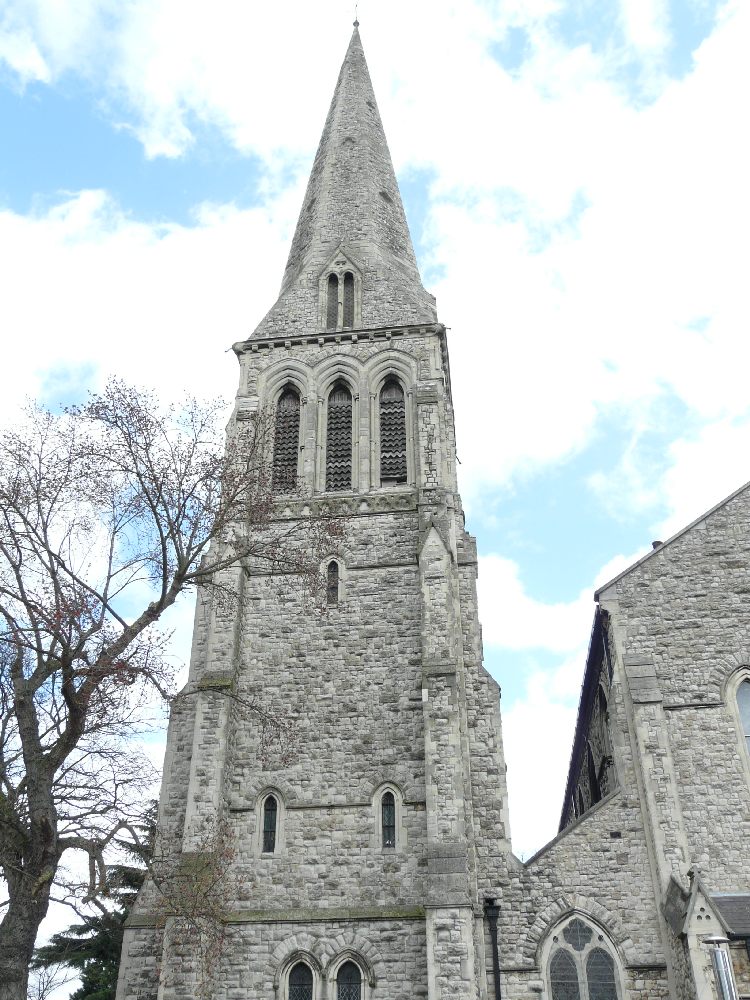
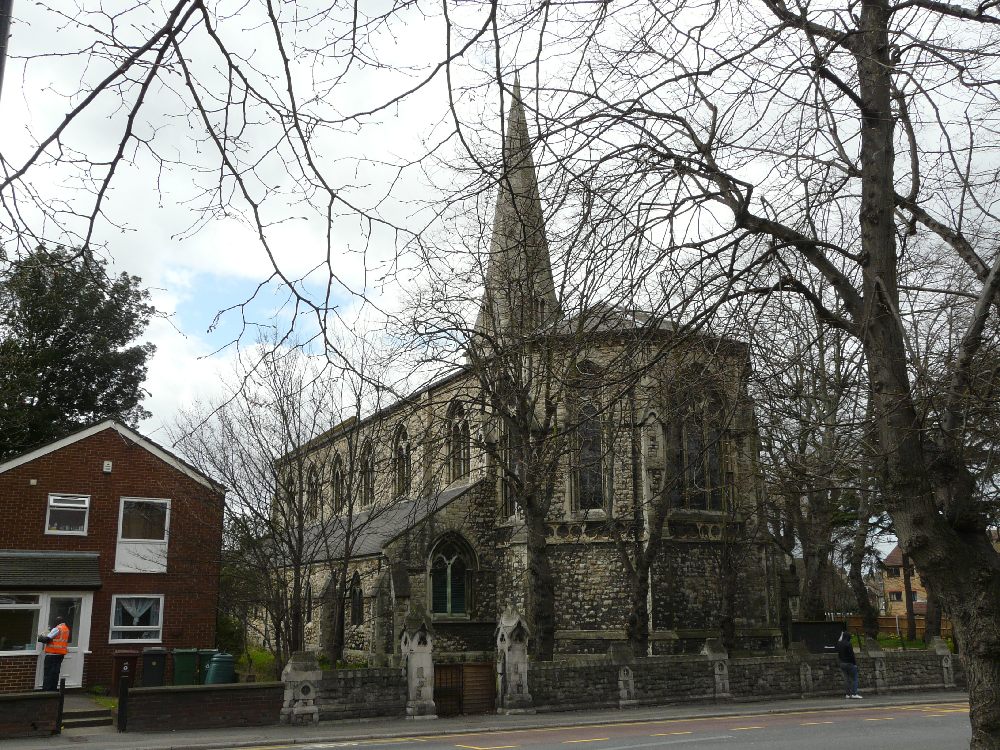
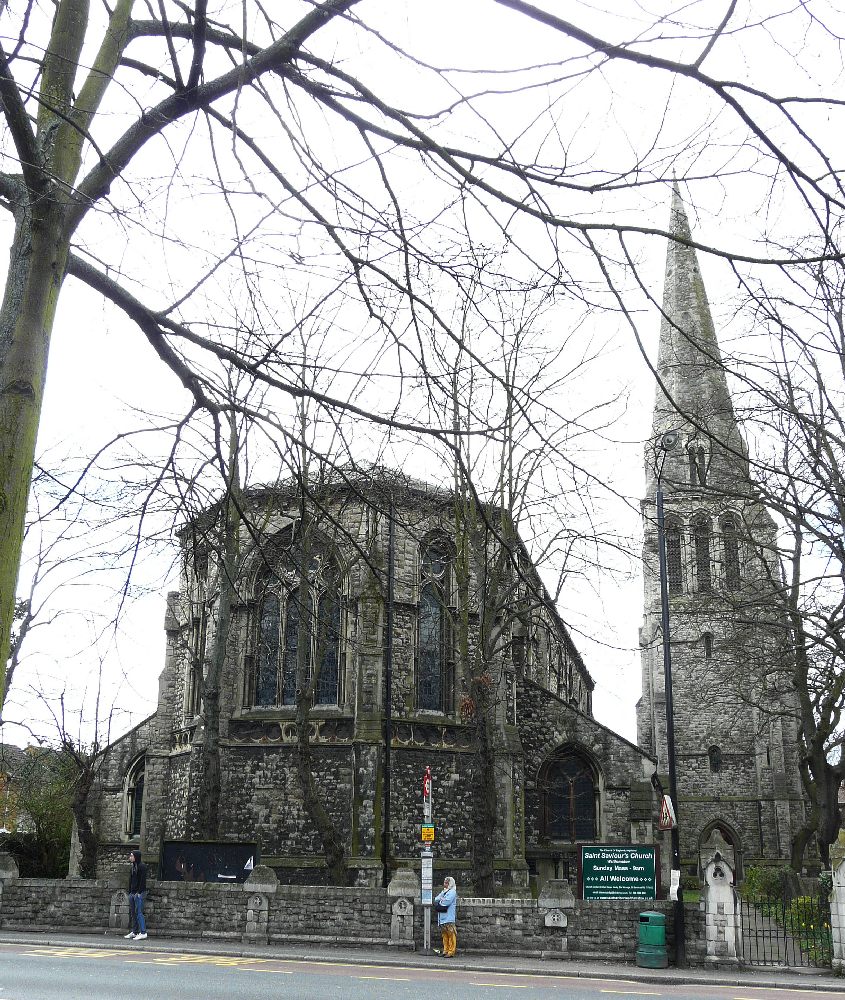
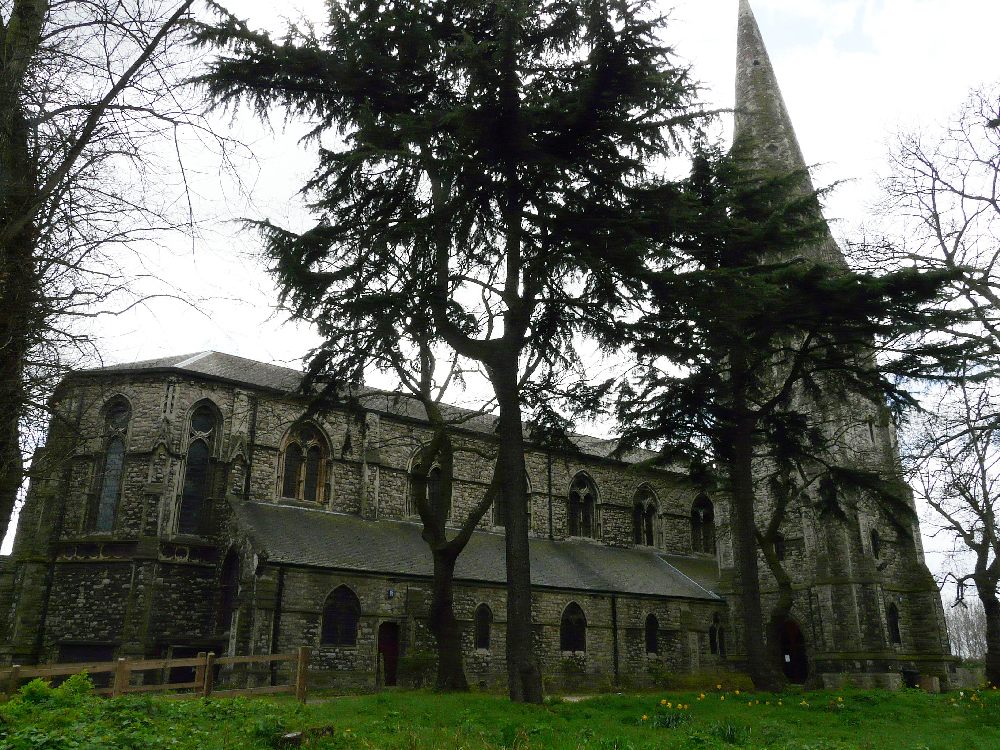
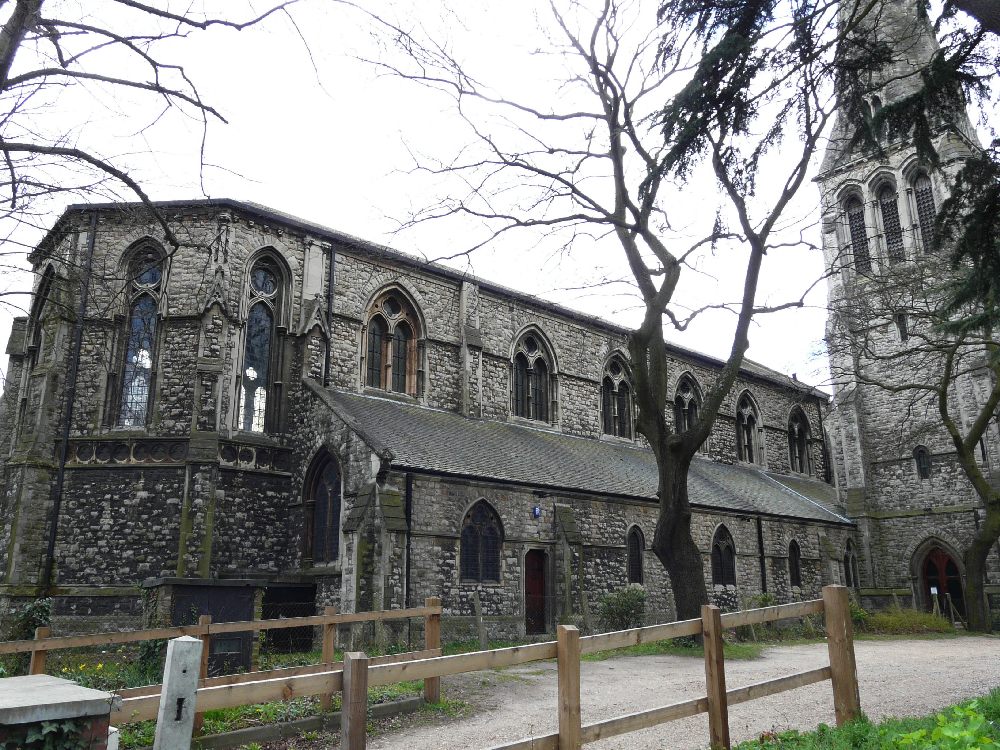
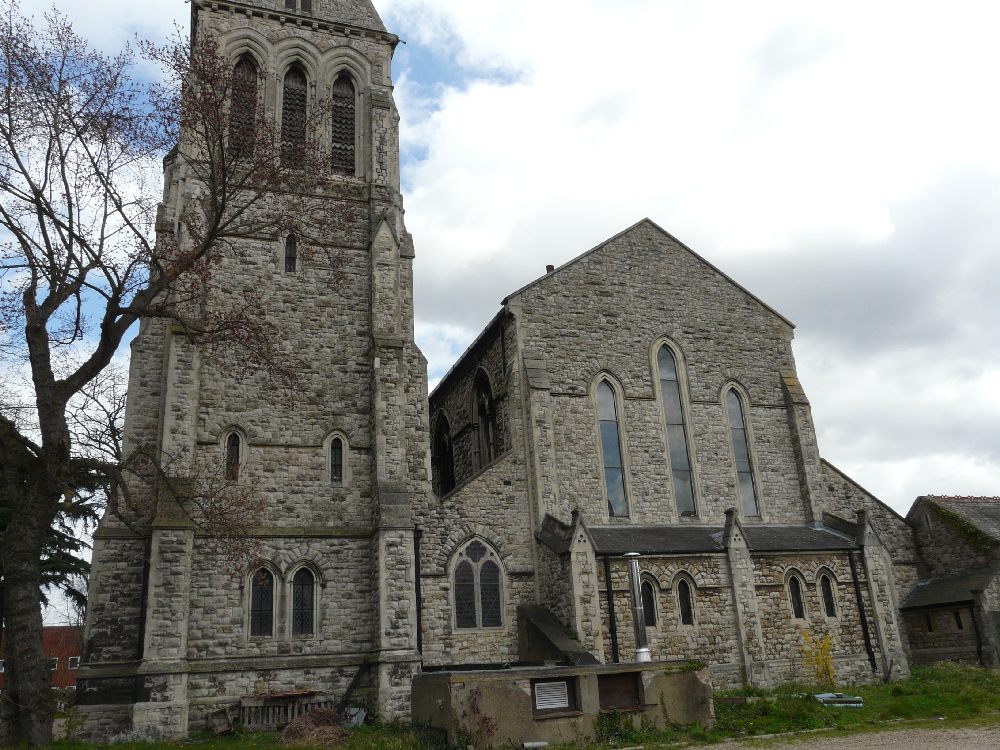
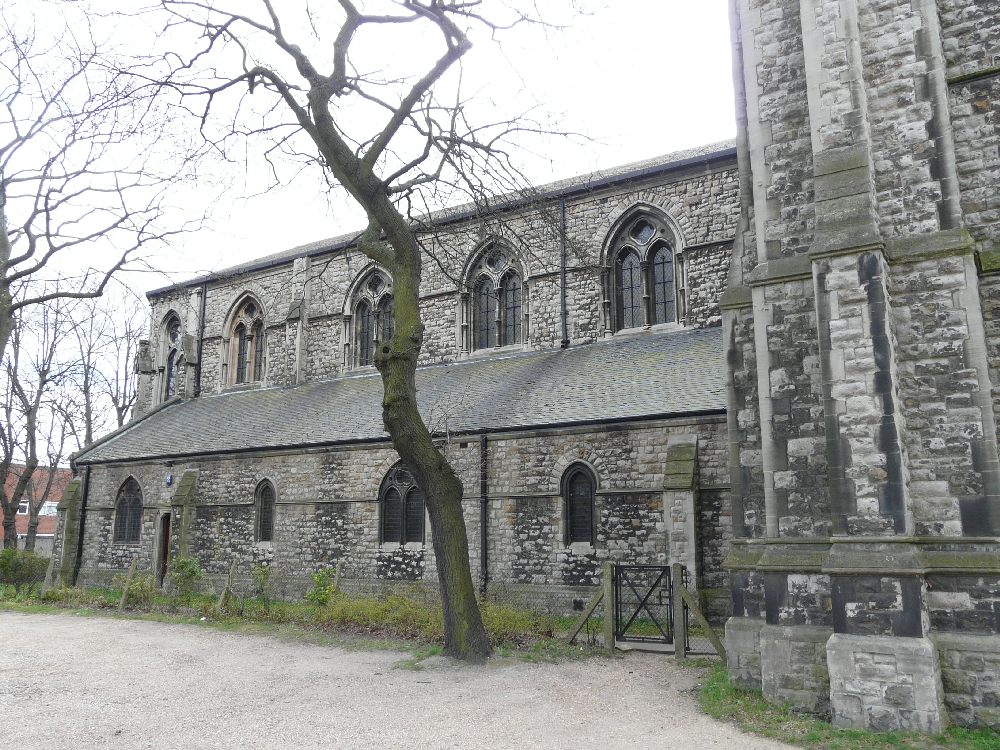
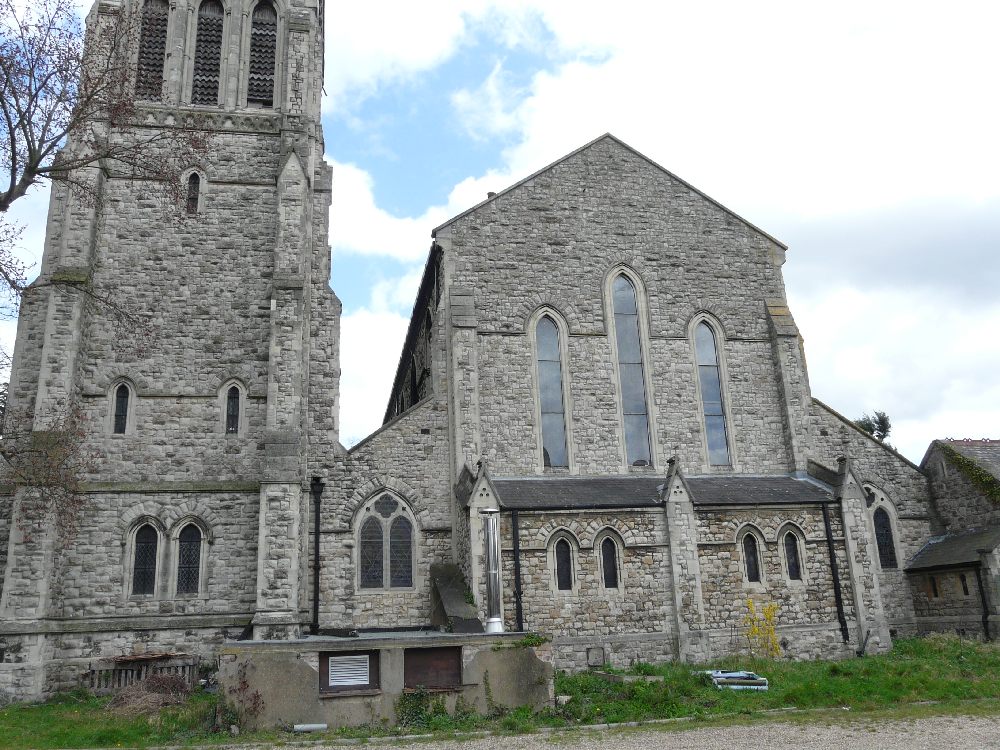
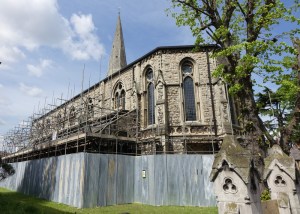
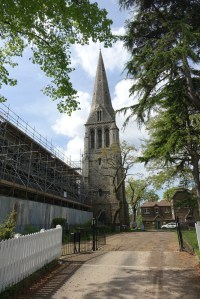
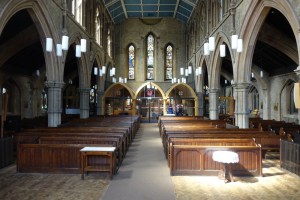
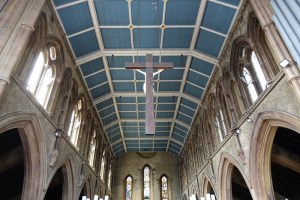
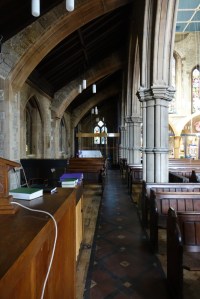
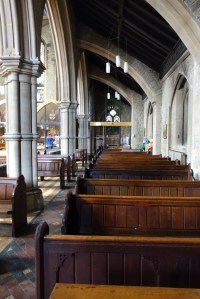
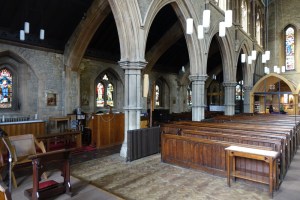
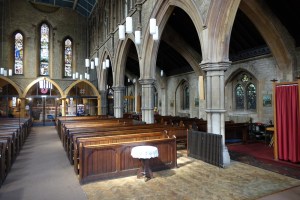
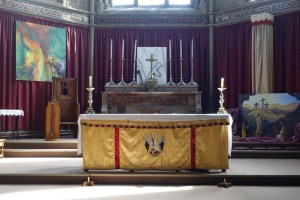
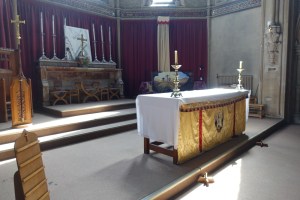
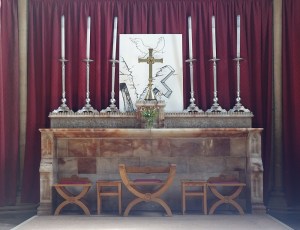
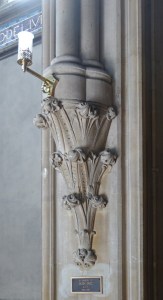
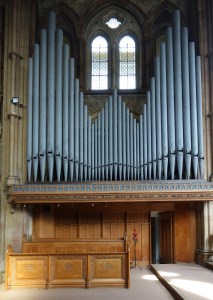
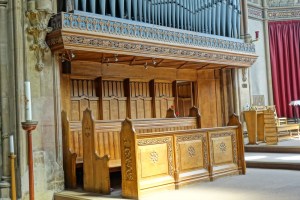
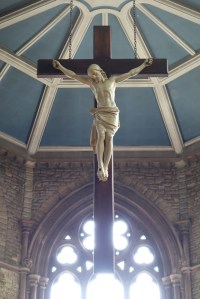
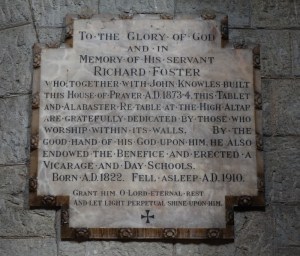
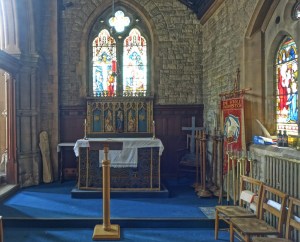
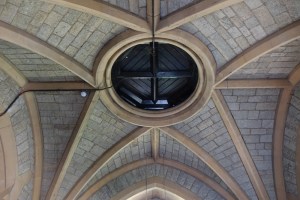
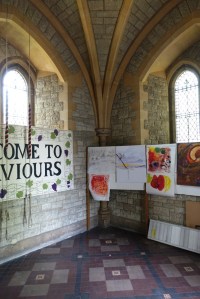
A prominent ragstone spire in the southern area of Walthamstow. It was designed by Francis T. Dolman 1873-74. During 2018 there is considerable restoration of the roof taking place (see church covered in scaffolding). A fire in 1945 damaged the roof, hence the more modern ceiling inside.
 |
 |
 |
 |
 |
 |
 |
 |
 |
 |
 |
 |
 |
 |
 |
 |
 |
 |
 |
 |
 |
 |
 |
 |
 |
 |
 |
 |
 |
 |
 |
 |
 |
 |
 |
 |
 |
 |
 |
|
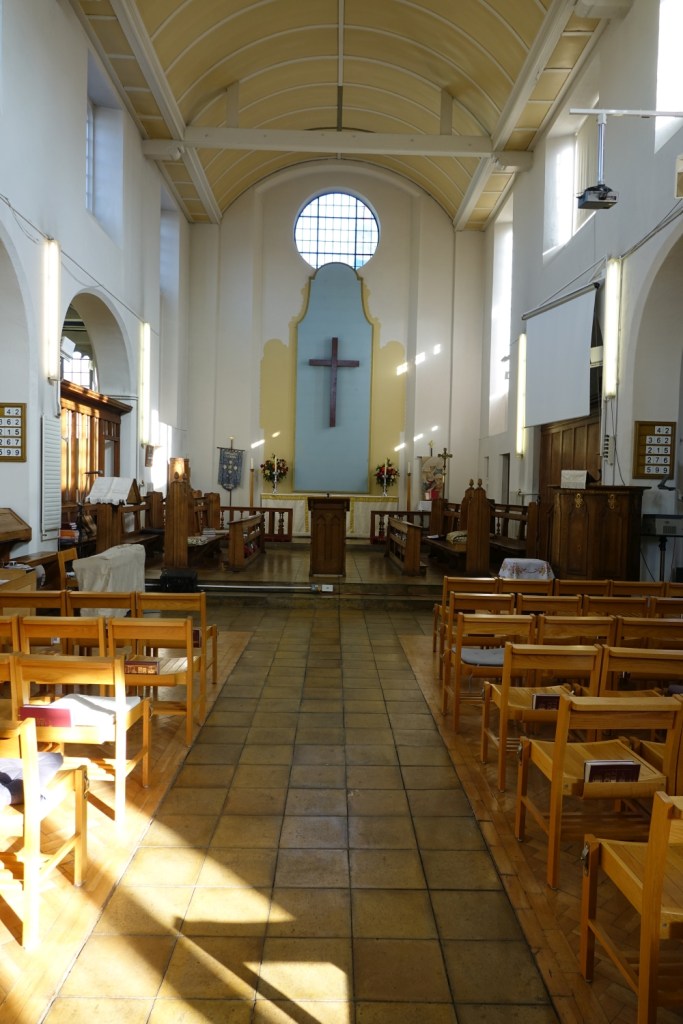
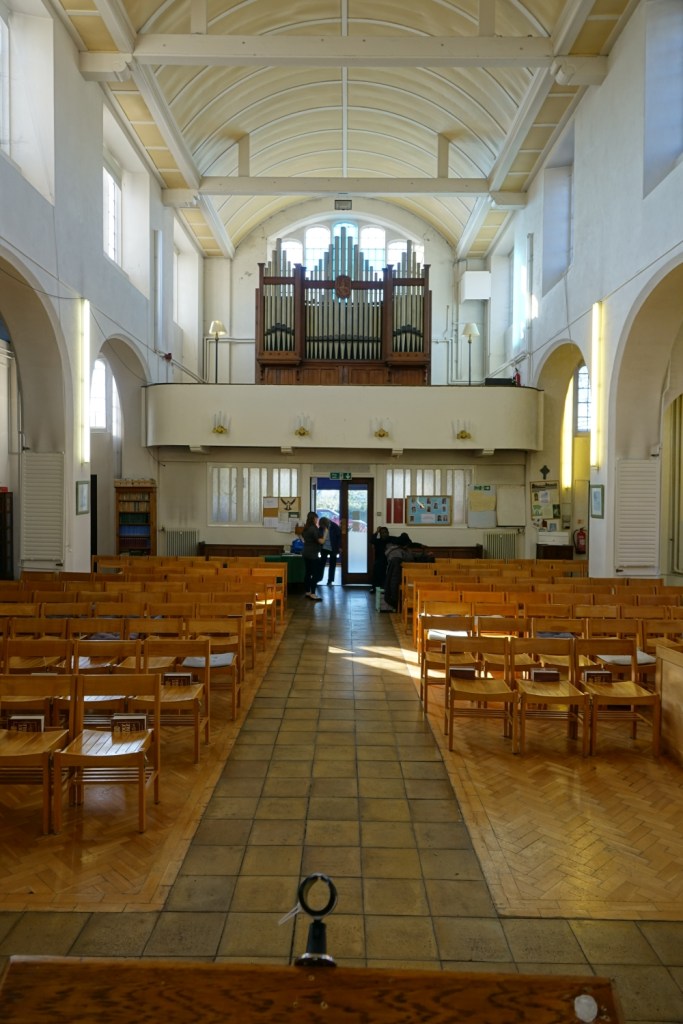
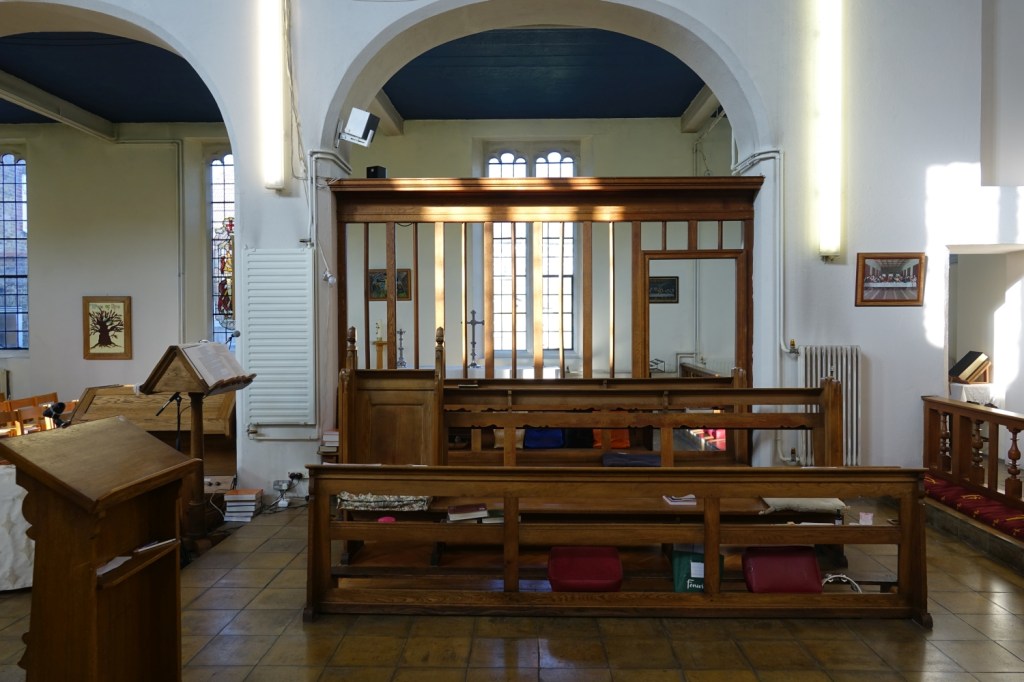
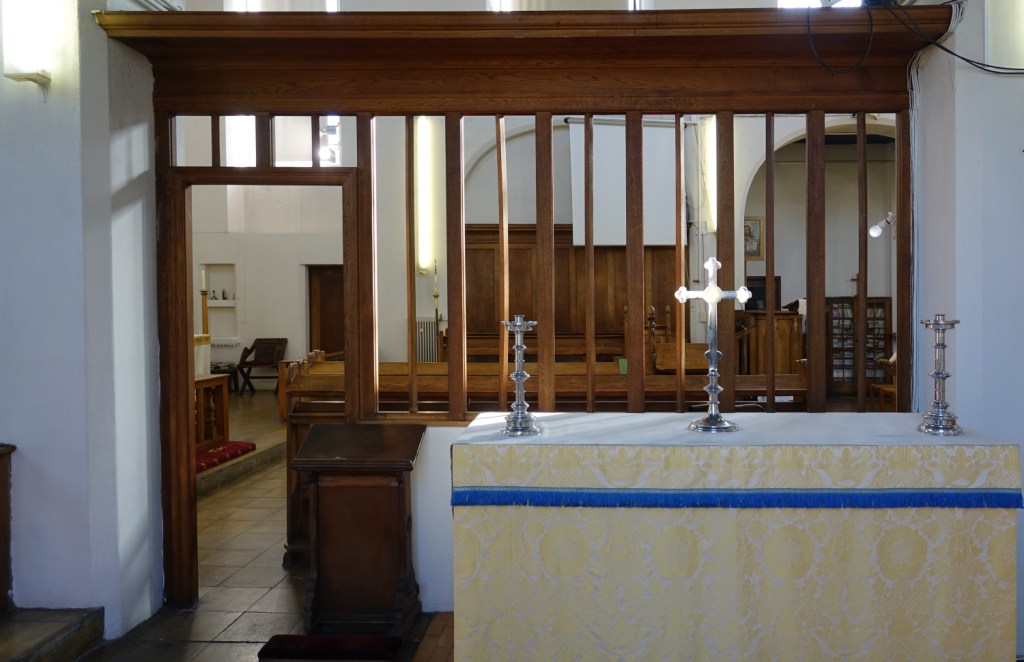
Emmanuel, Lea Bridge Road, Leyton
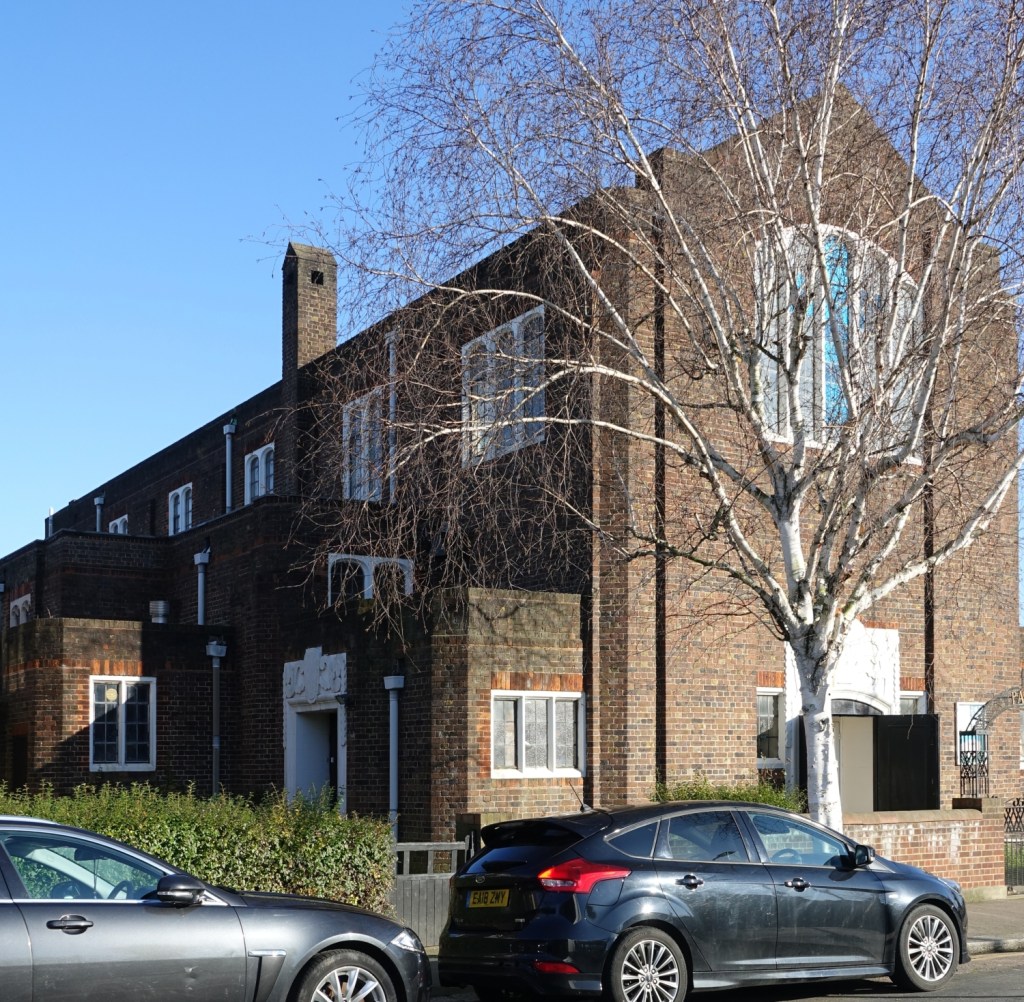
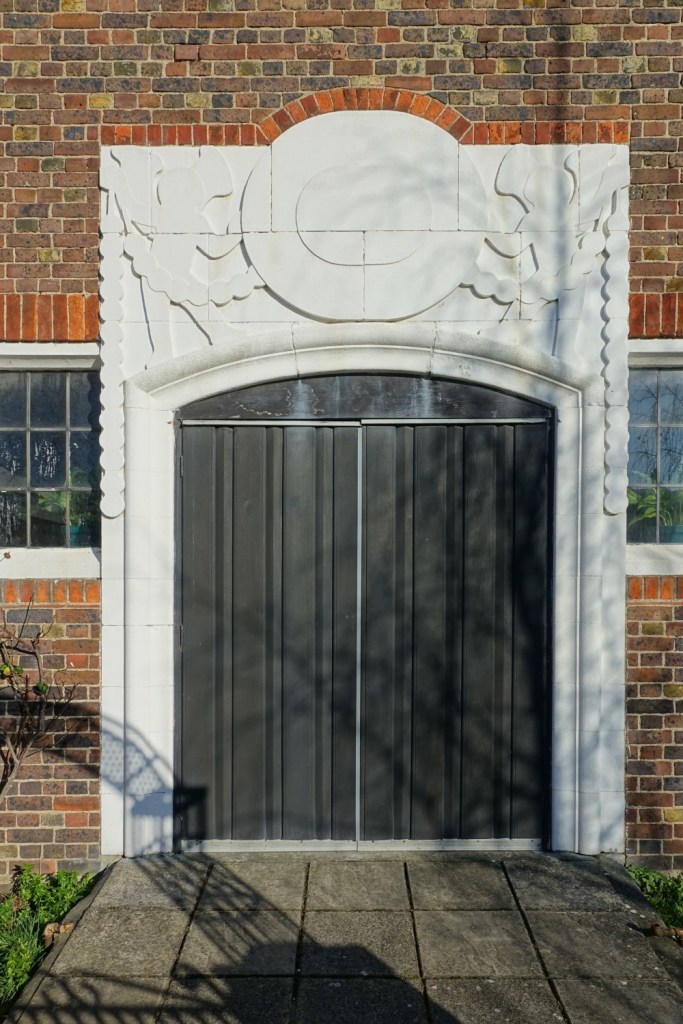
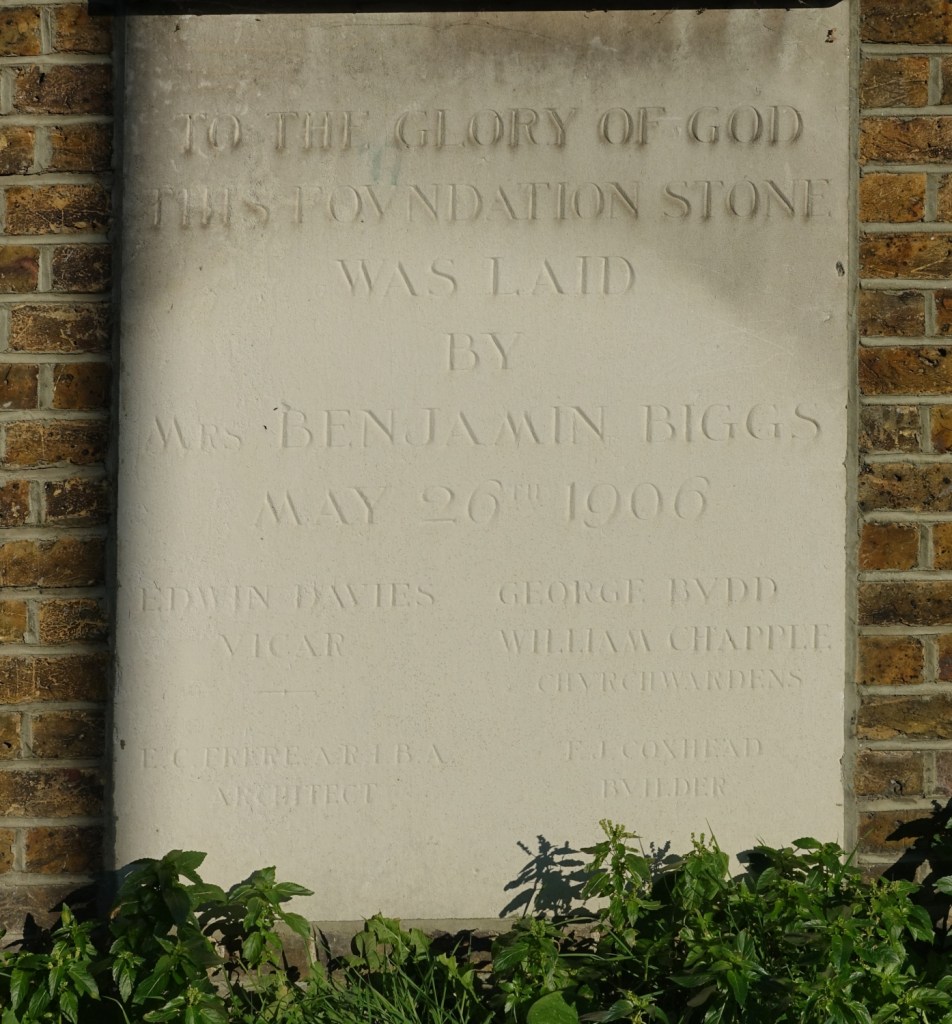
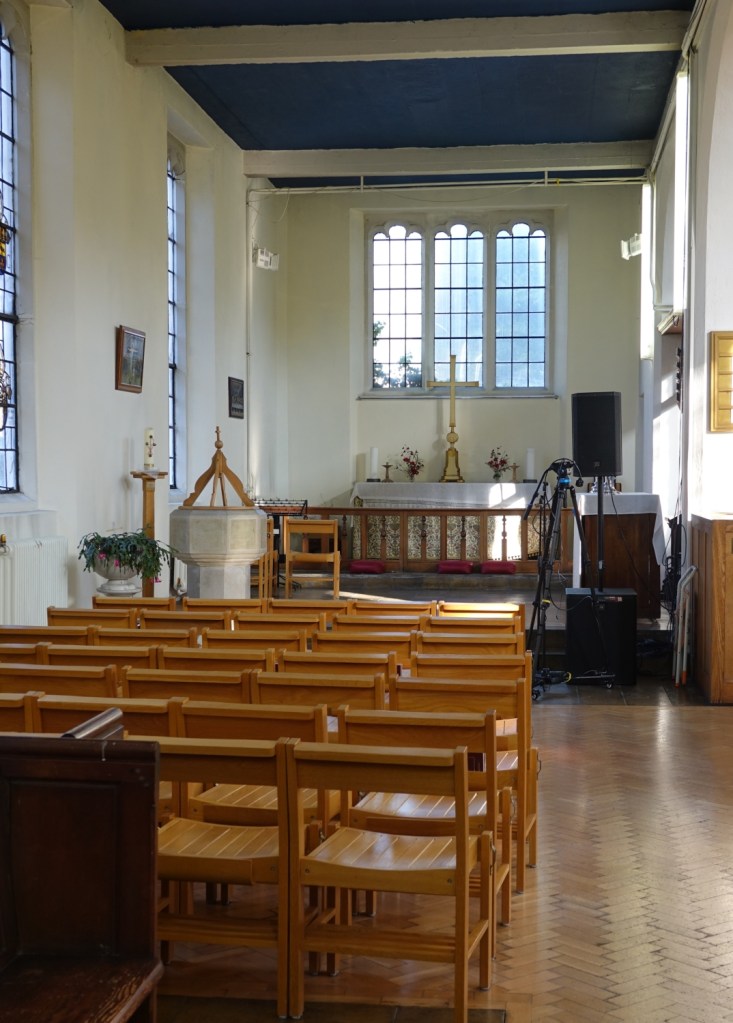
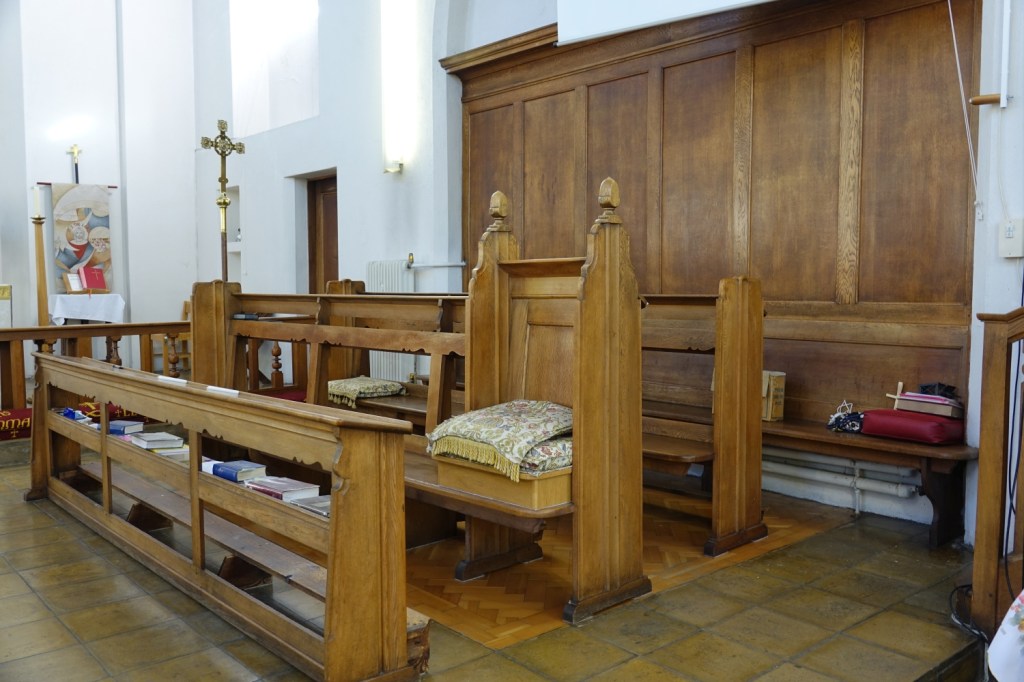
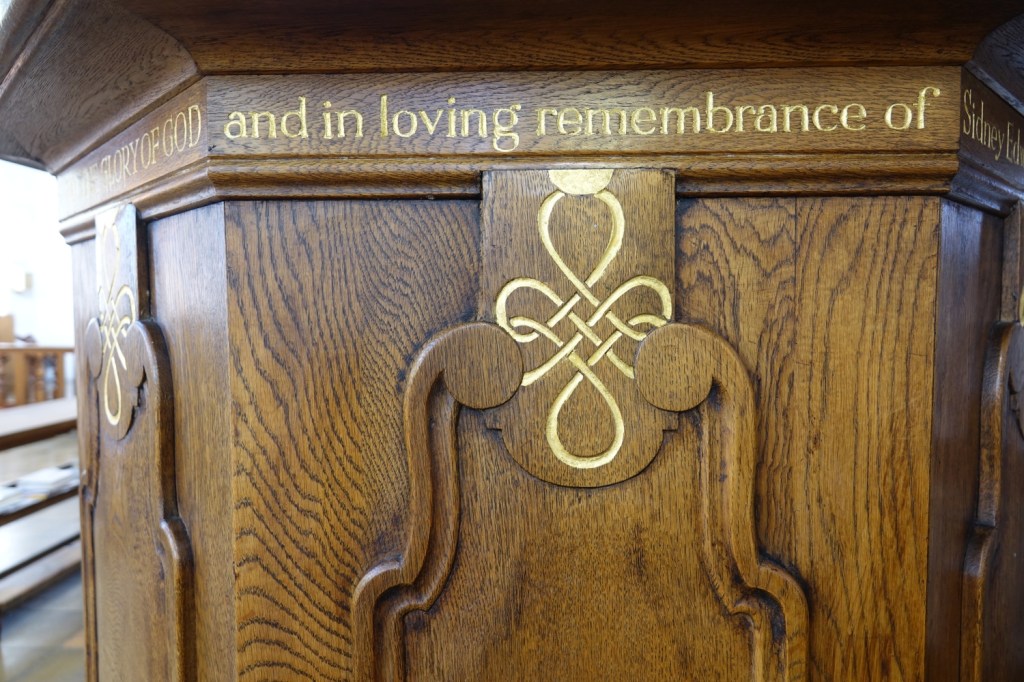
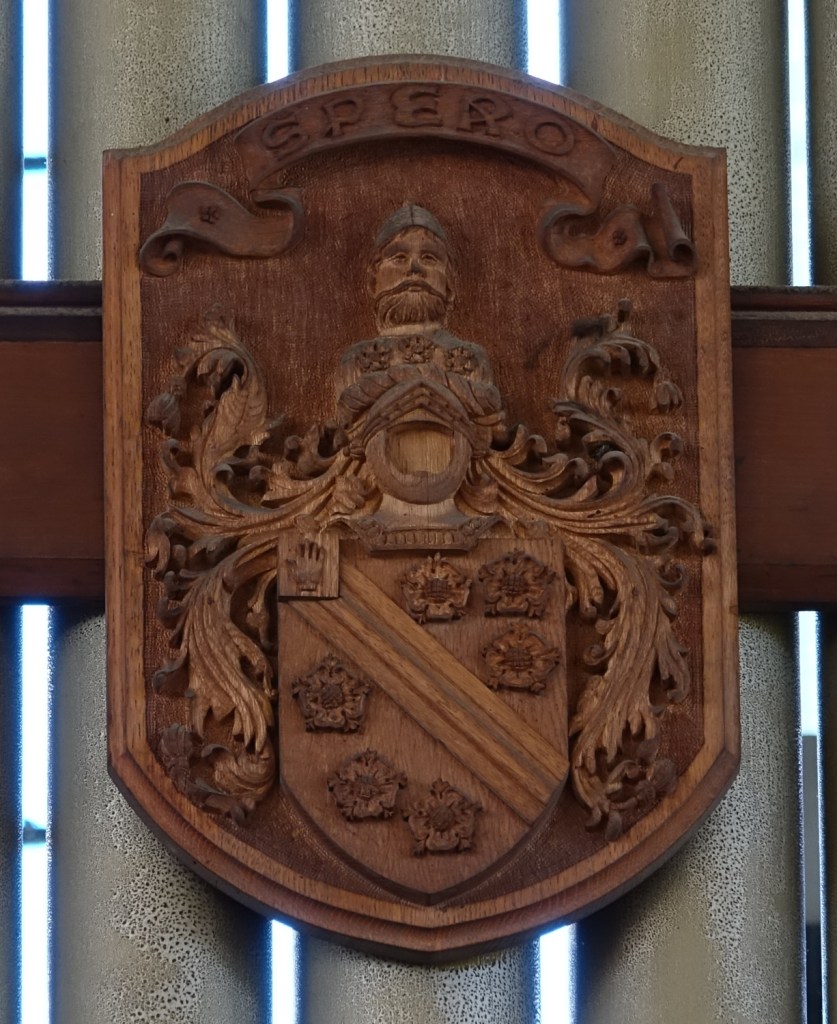
Designed by Martin Travers and T.F.W. Grant from 1933-35. On a prominent corner site on the Lea Bridge Road. The hall, close by, was used as the church from 1905 until the current building was opened.














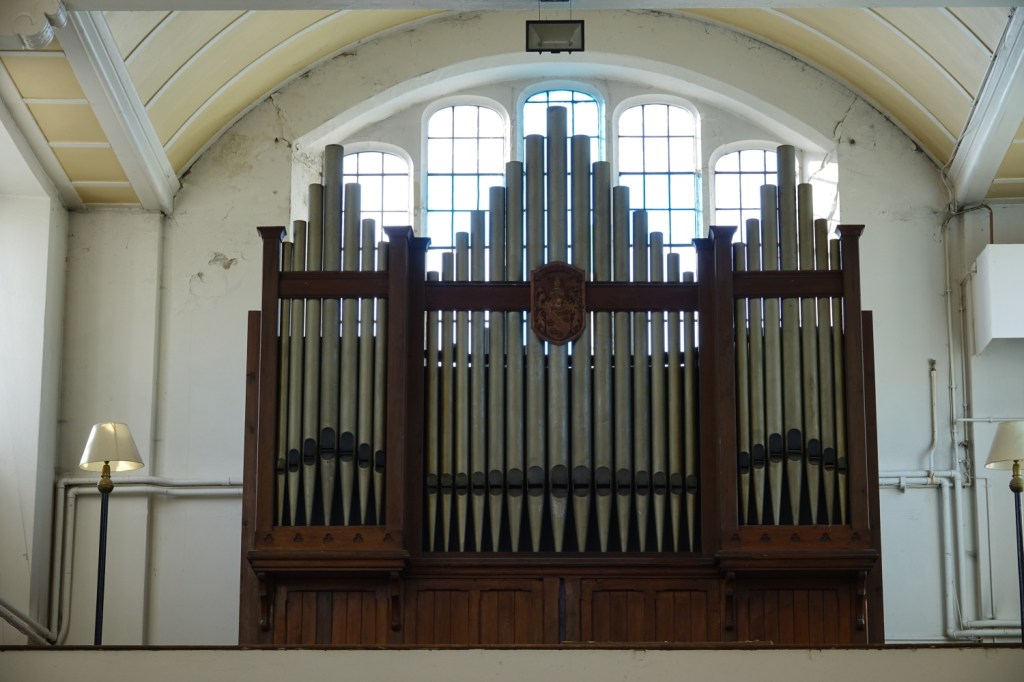


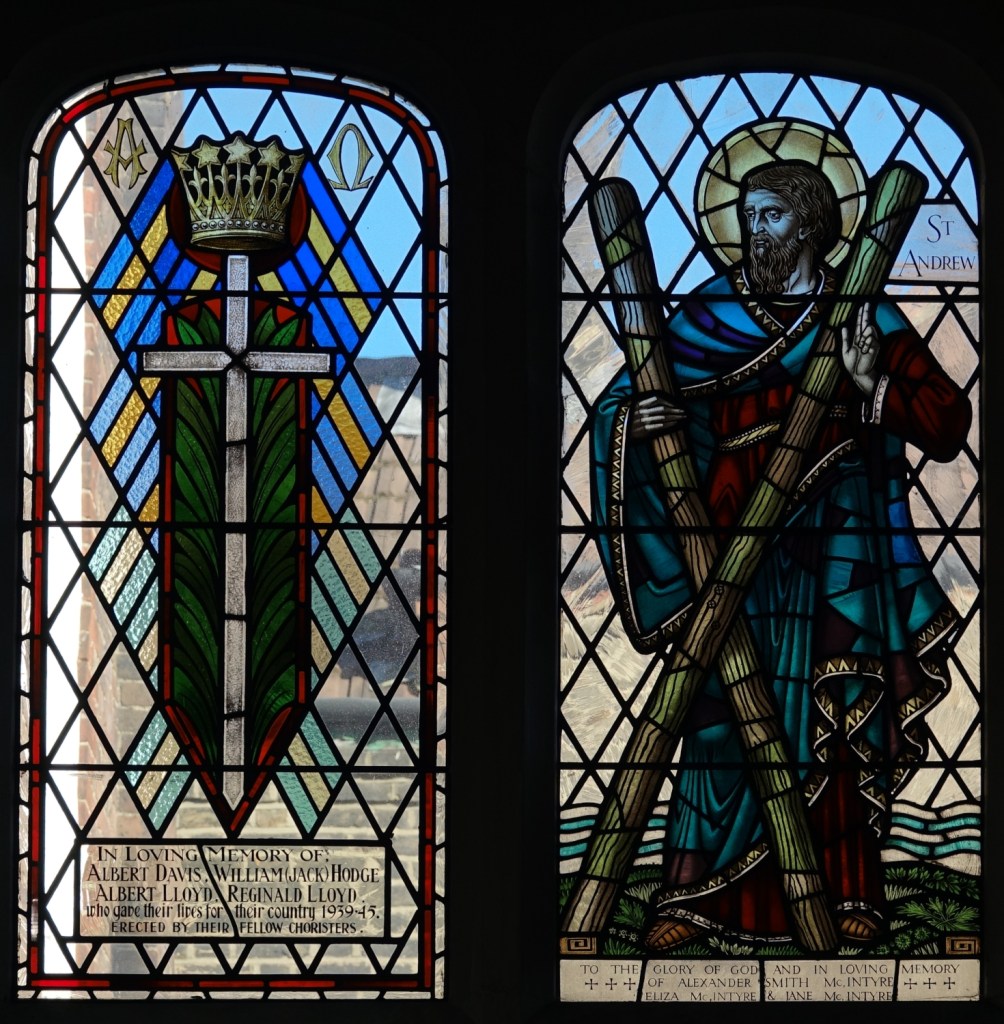

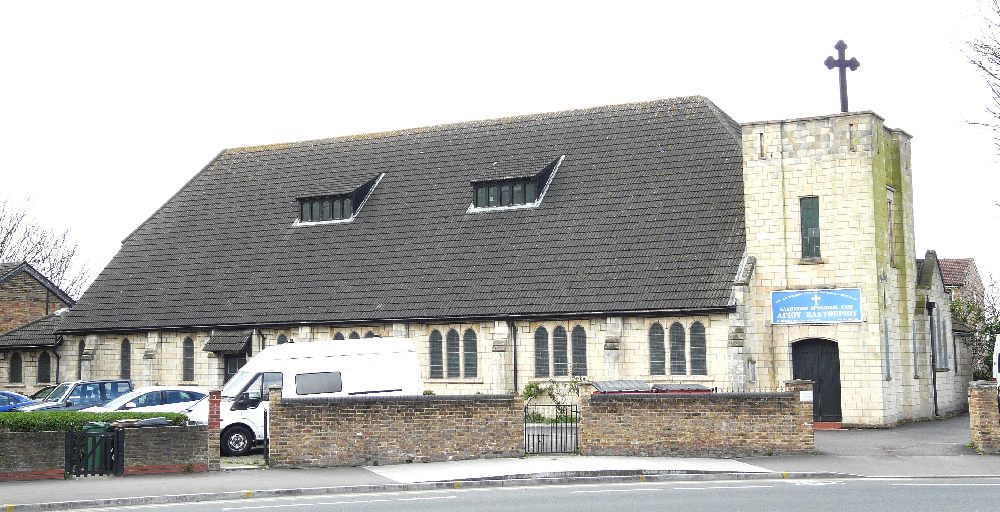
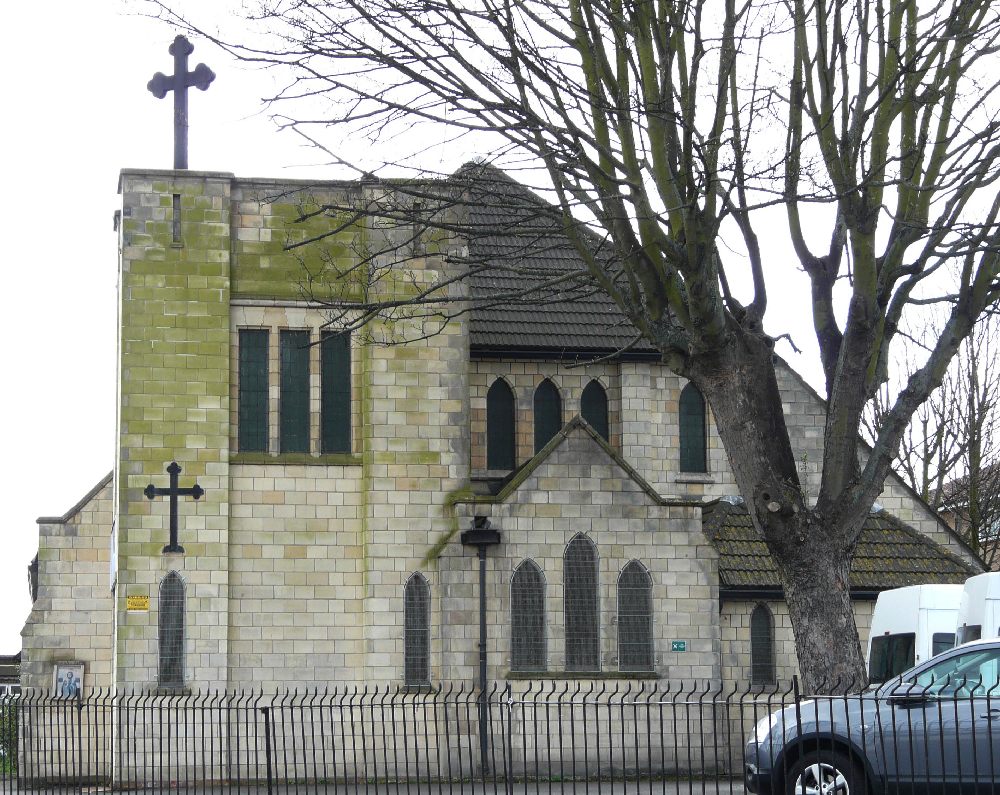
St Luke, Ruckholt Road, Leyton (Greek Orthodox)
Formerly Anglican but now Greek Orthodox, near the new Spitalfields Market. It is from 1914 and was designed by E.D. Hoyland.
 |
 |
 |
 |
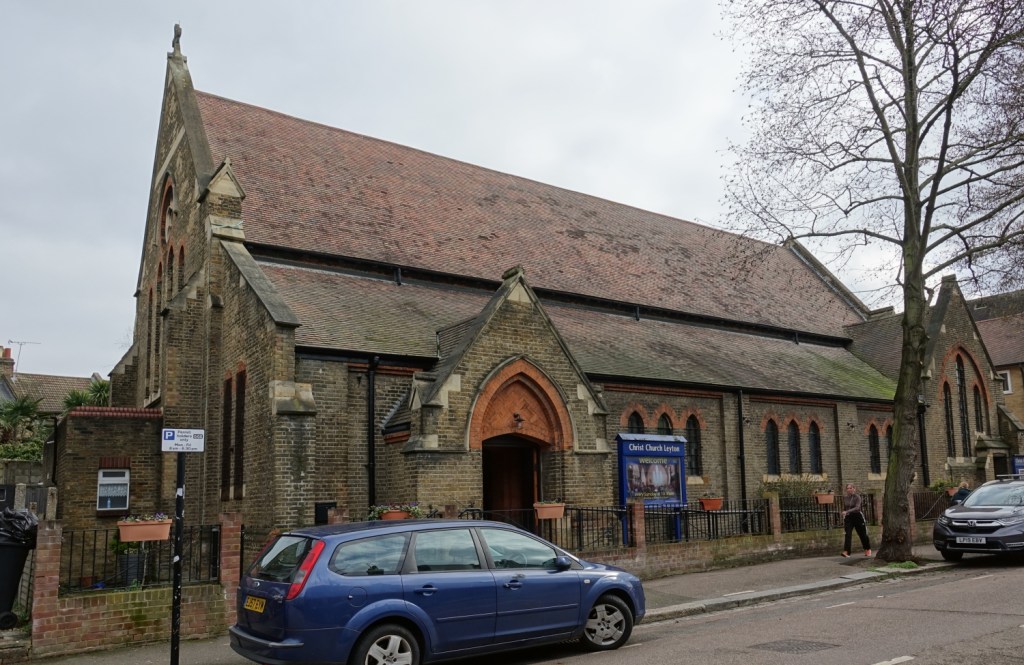
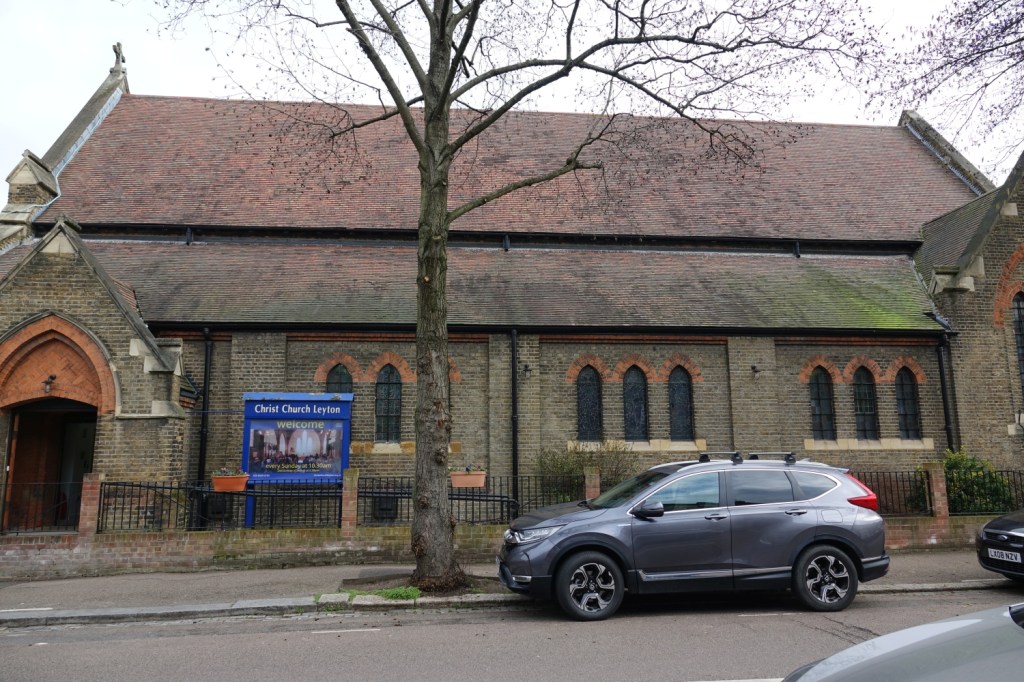
Christ Church, Francis Road, Leyton
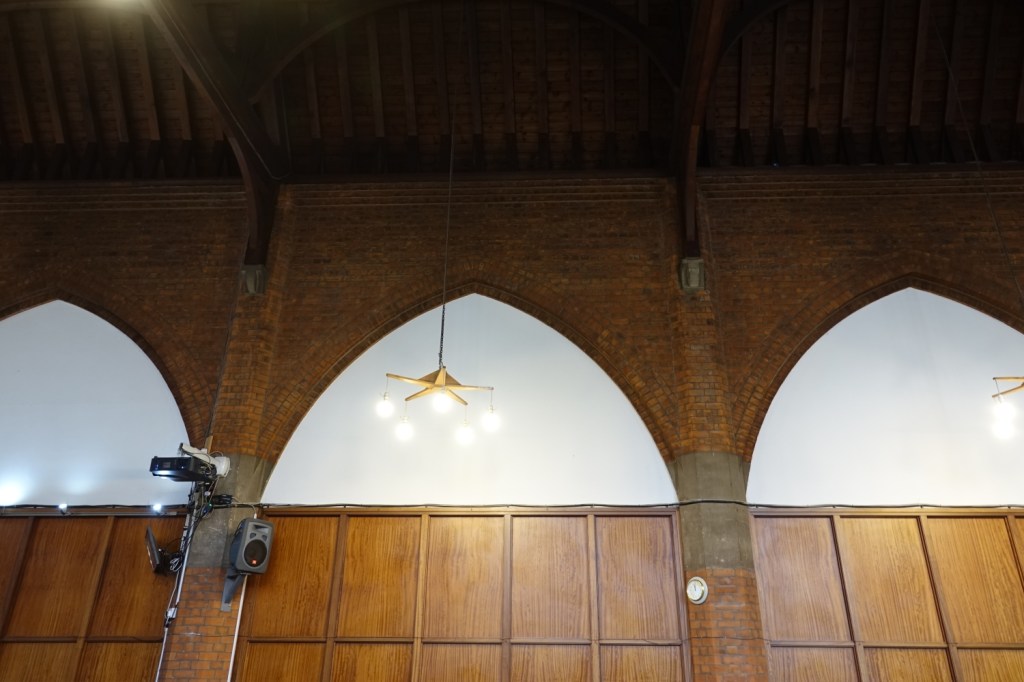
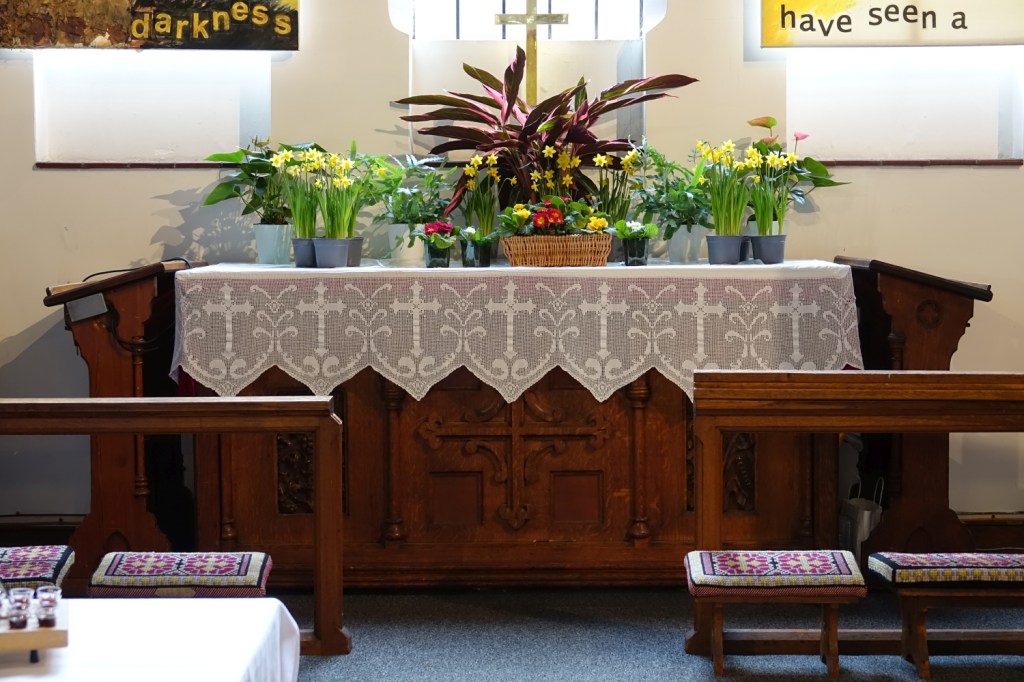
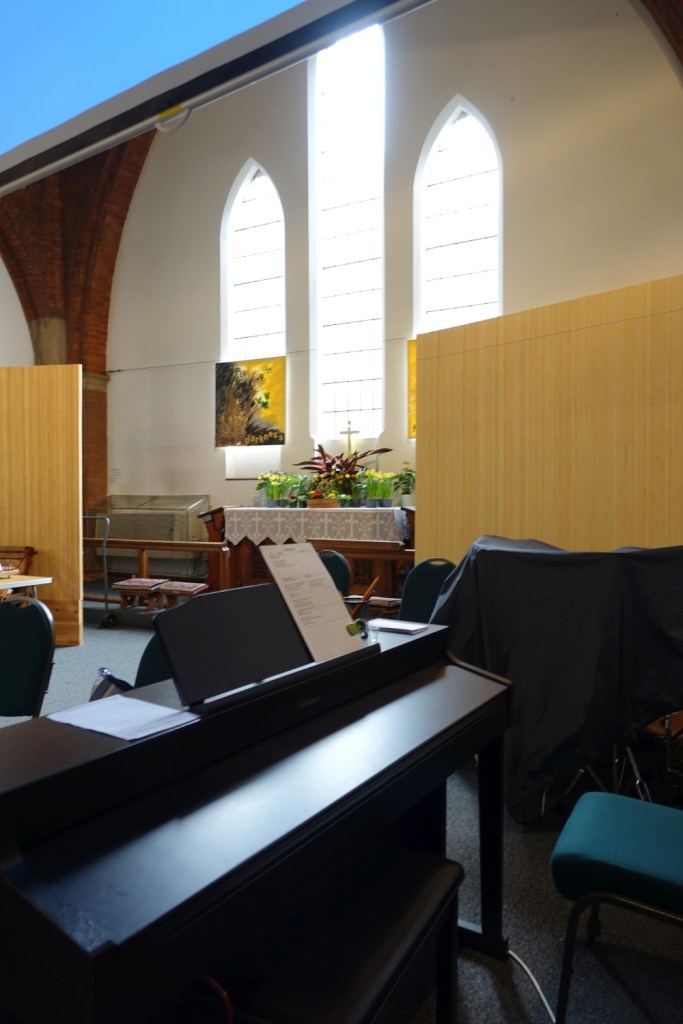
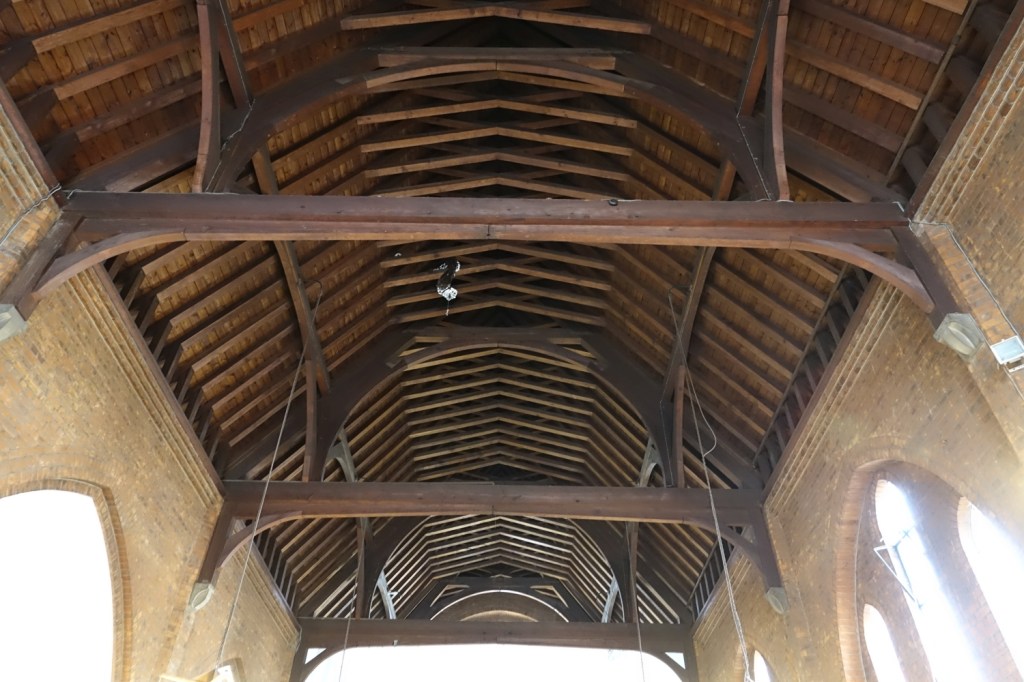
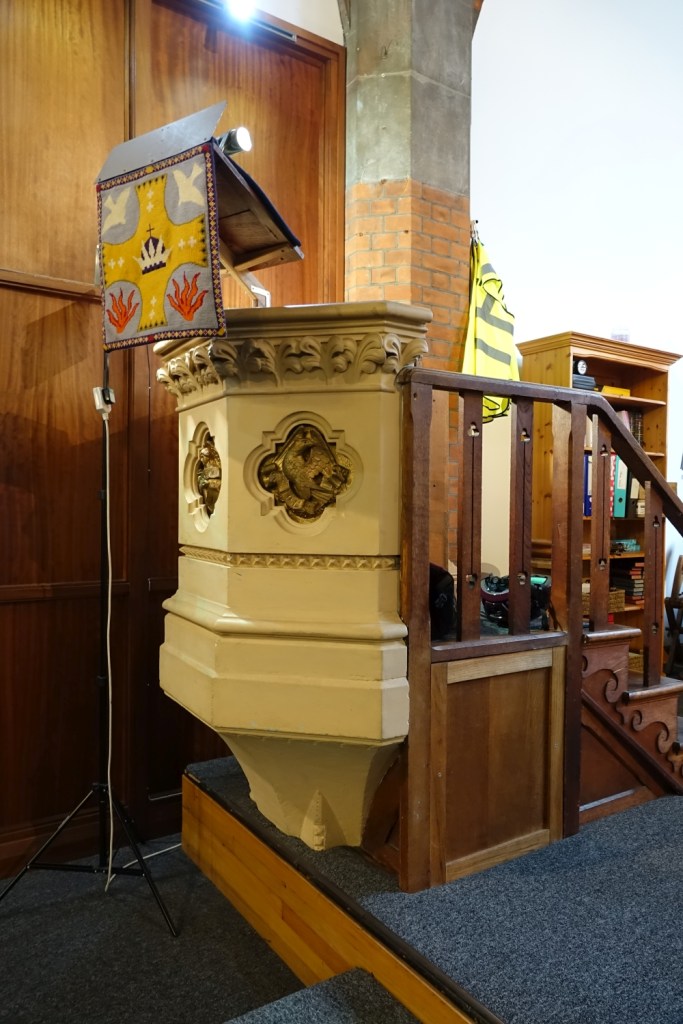
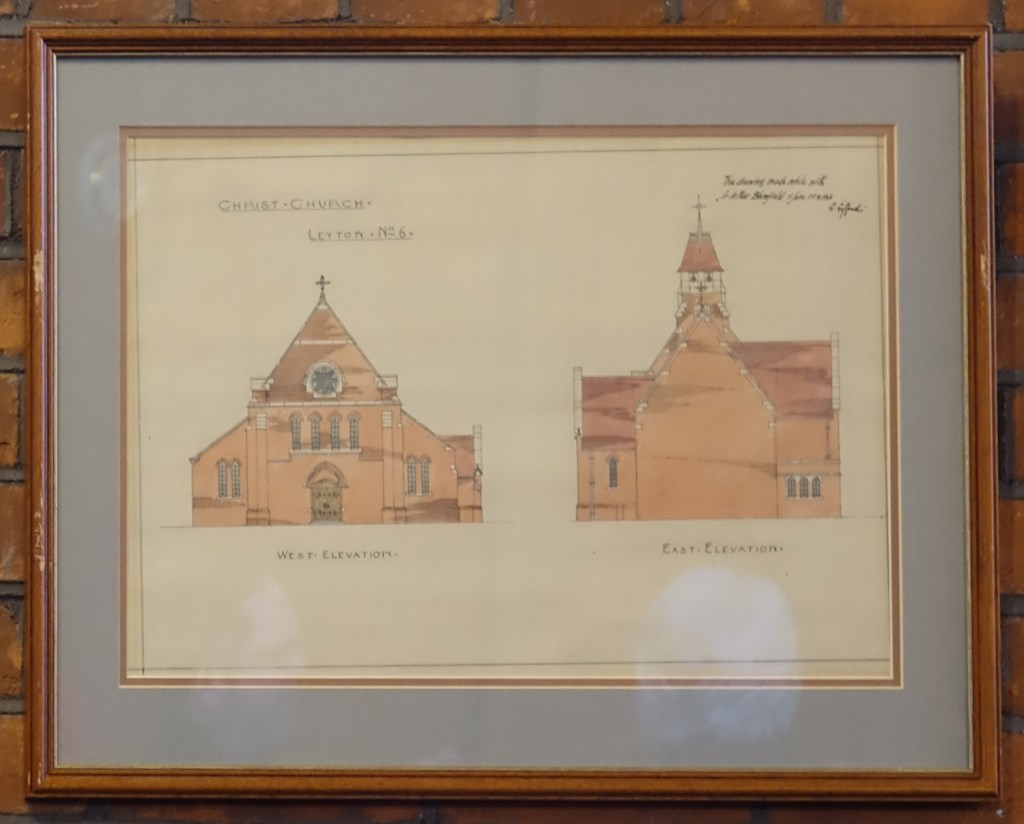
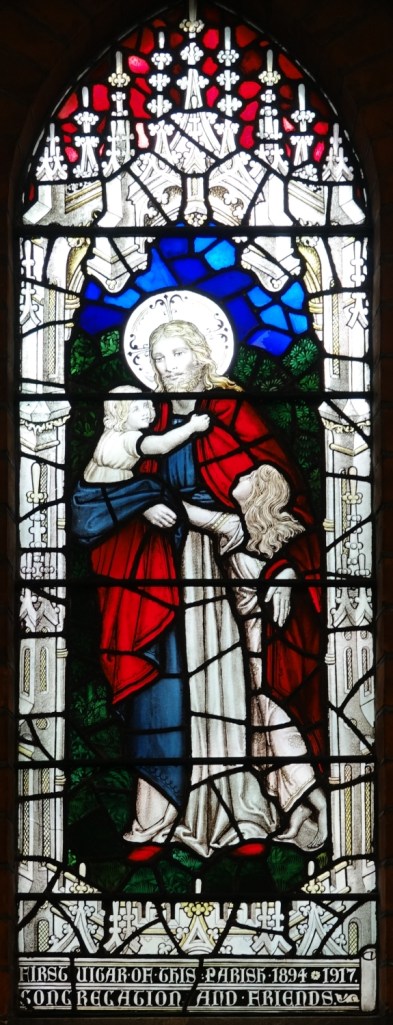
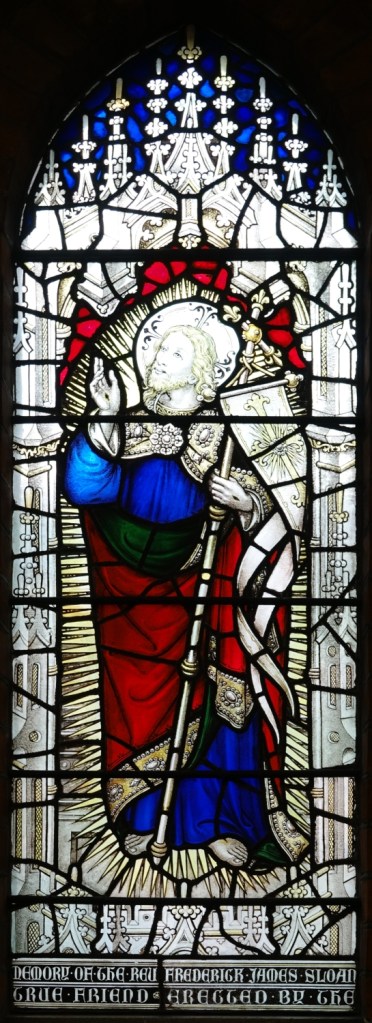
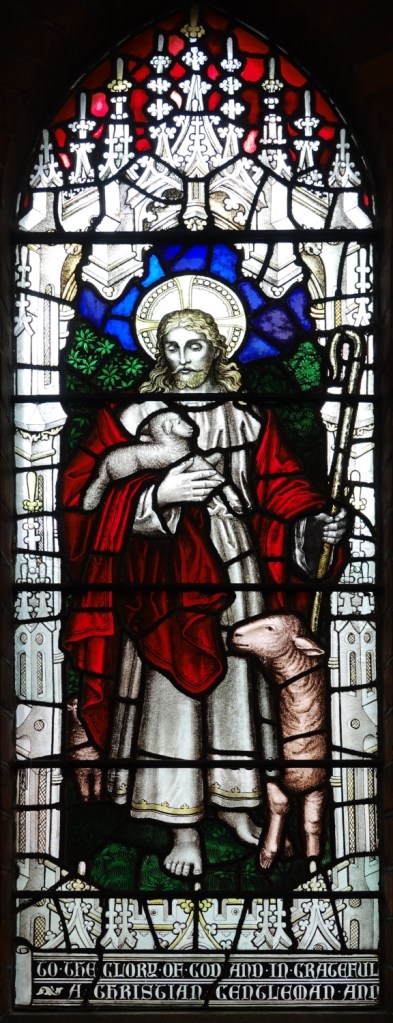
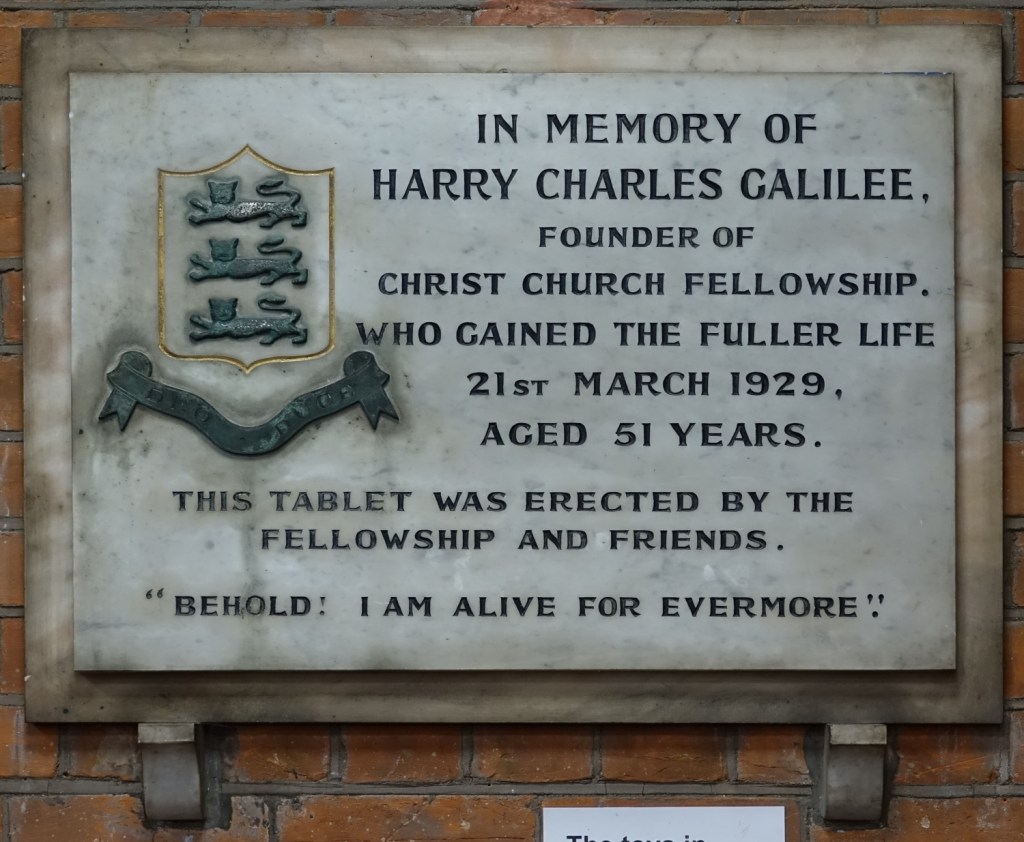
Hidden in backstreets. Dating from 1902 and designed by Sir Arthur Blomfield and Son. The chancel was never built and the church now finishes with an east wall of 1959 by Humphreys and Hirst. Inside the south aisle has been partitioned off as a hall area, as has the west end of the nave.









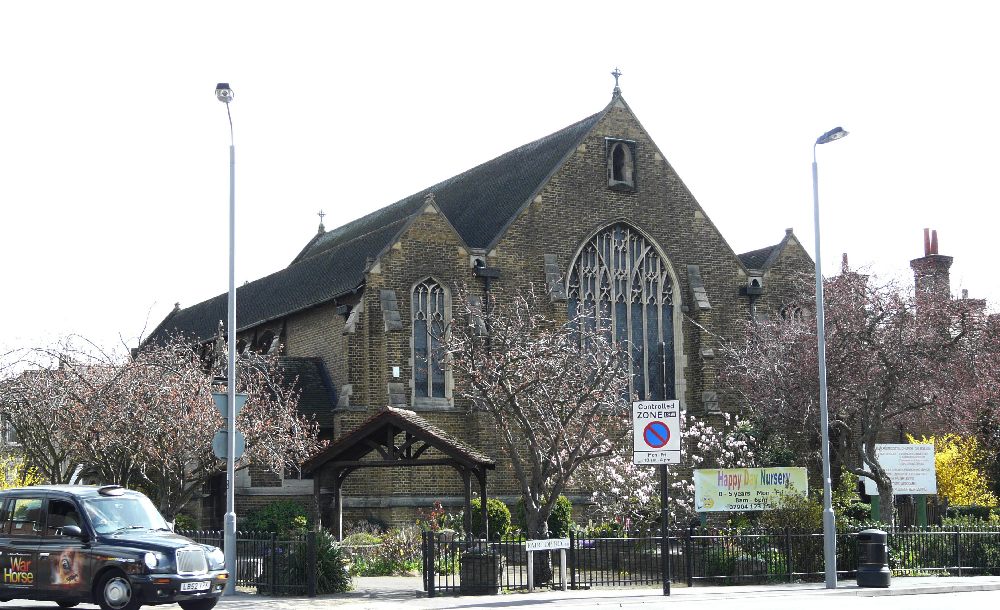
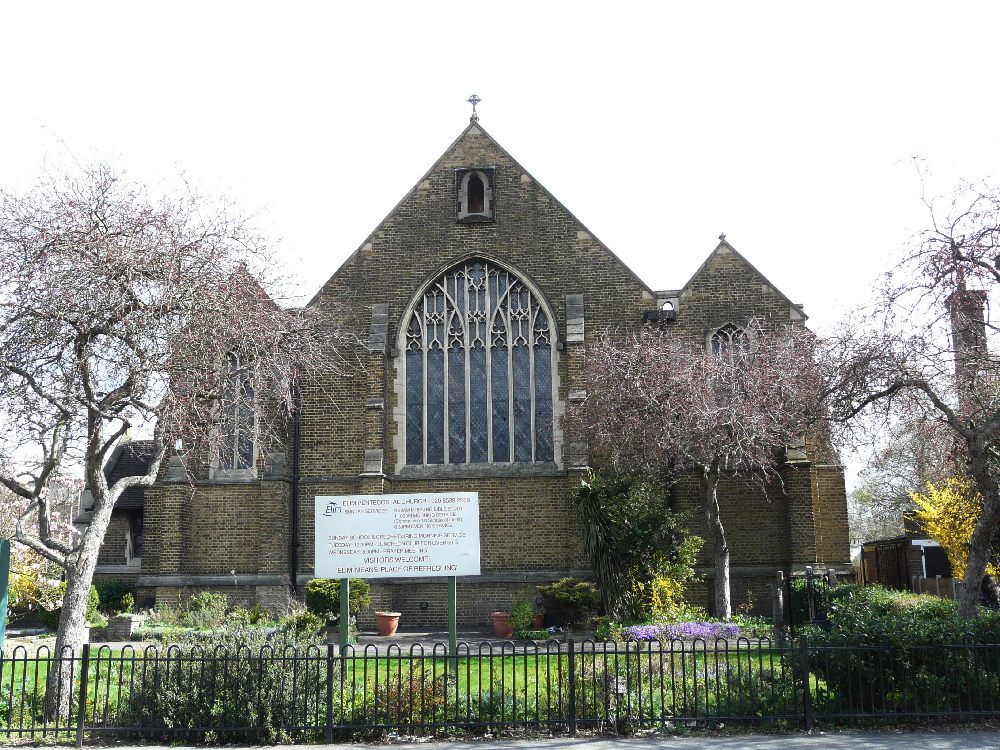
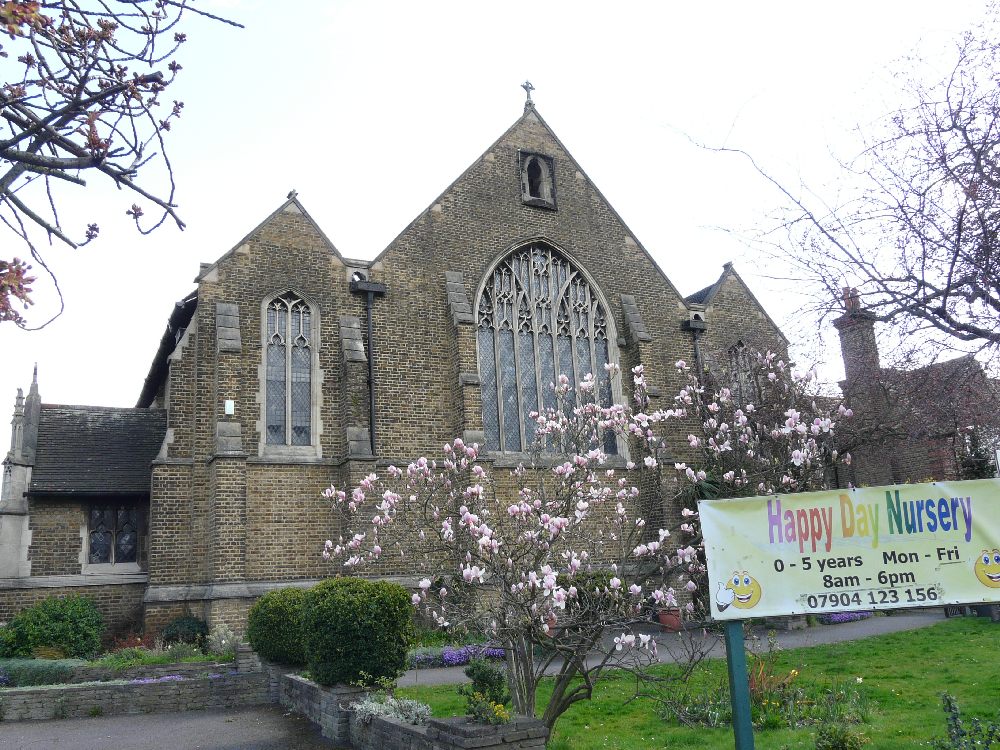
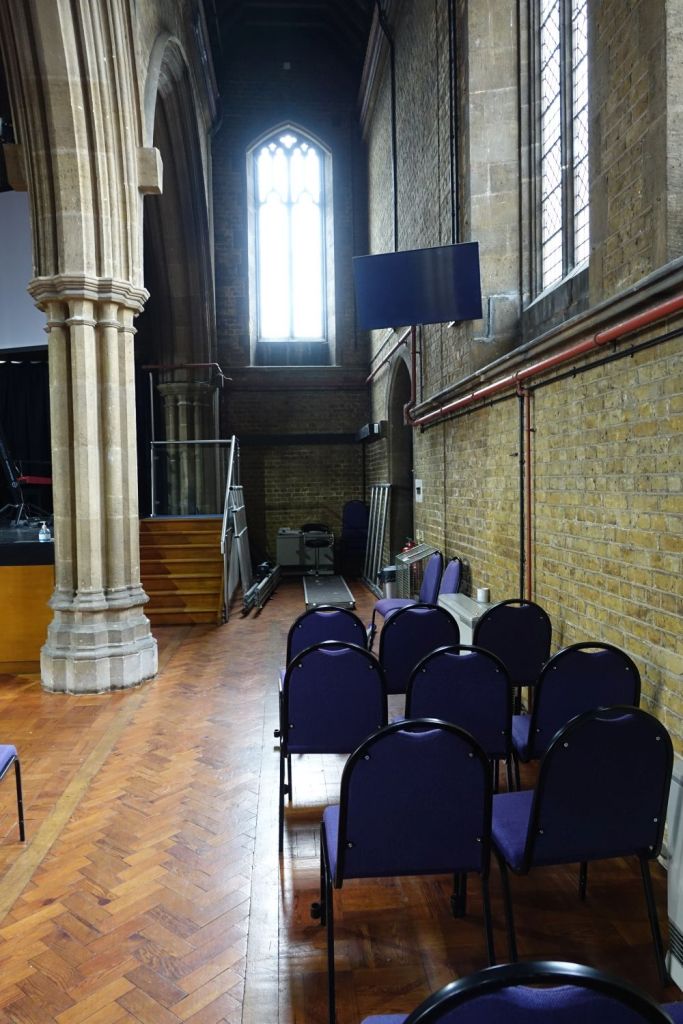
St Catherine, Hainault Road, Leytonstone (now Elim Pentecostal)
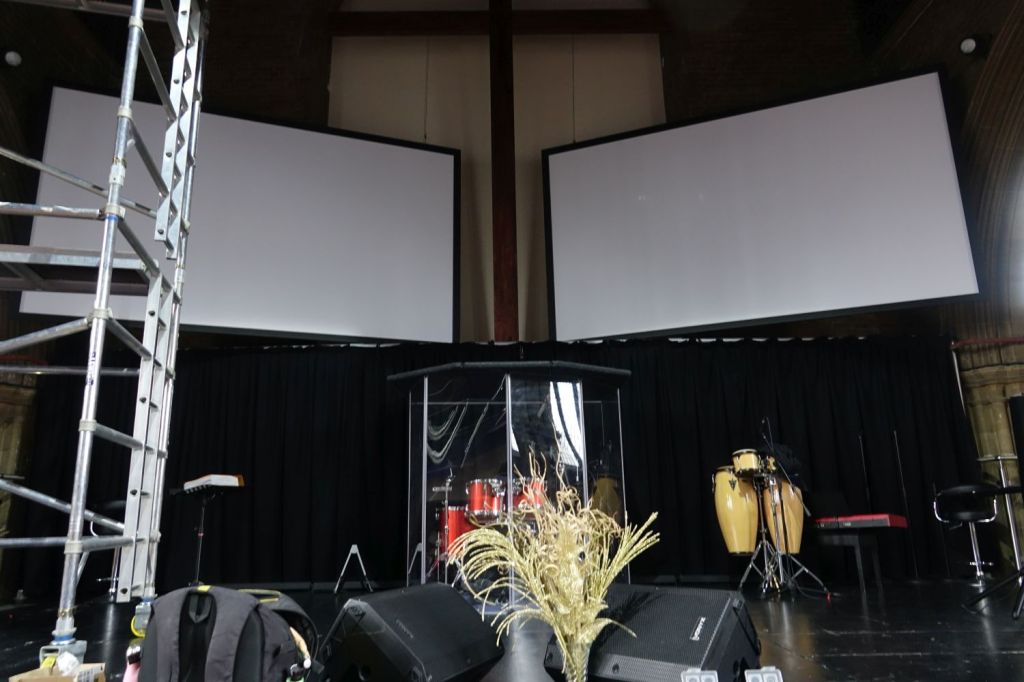
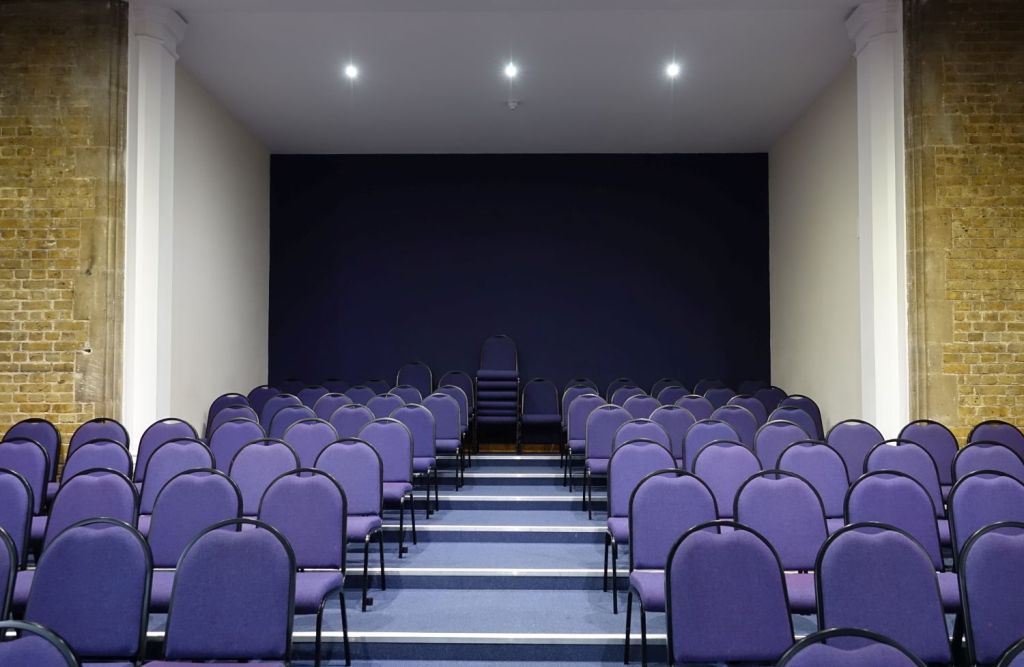
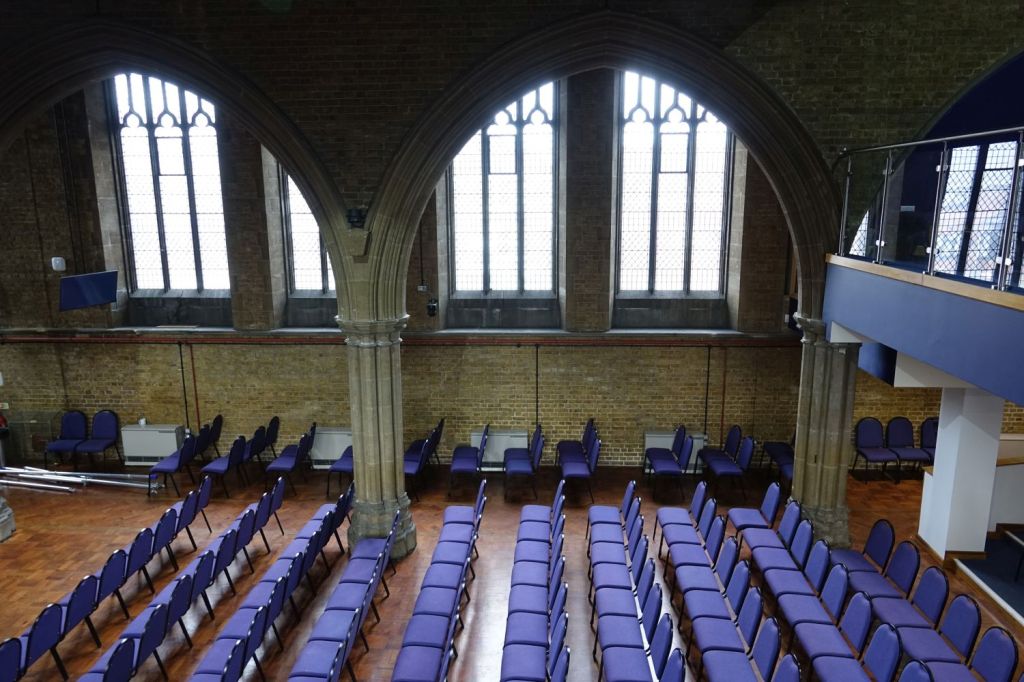
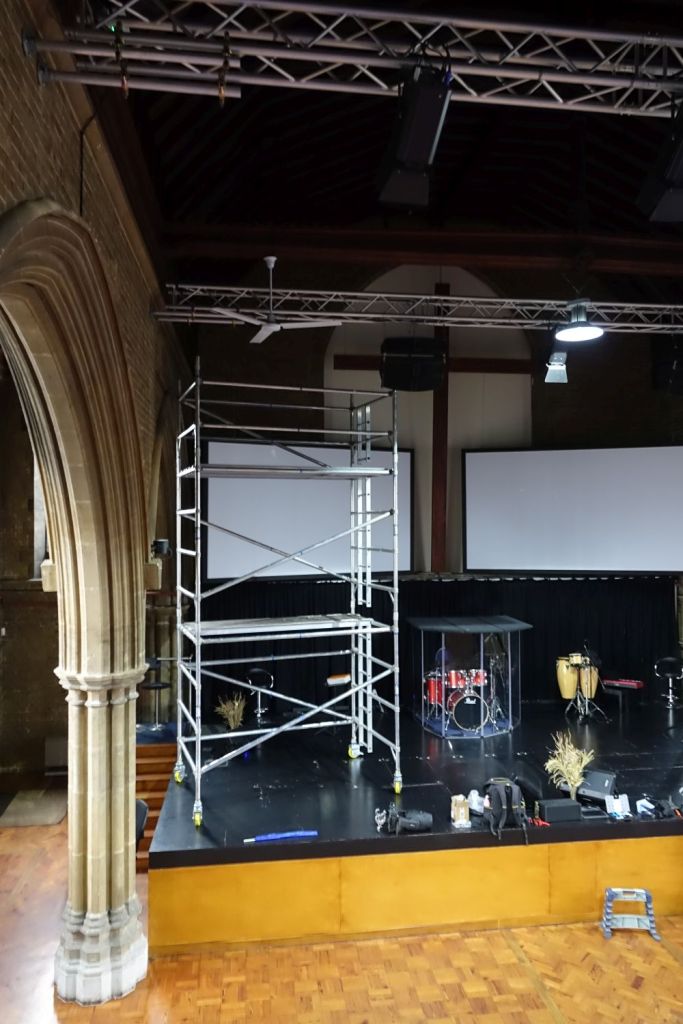
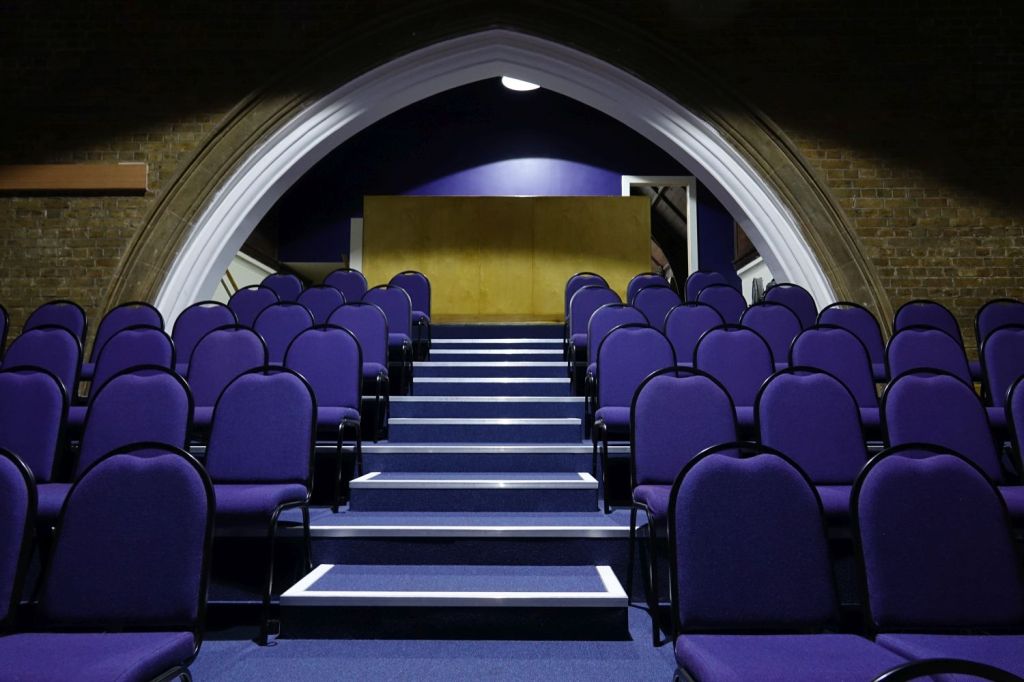
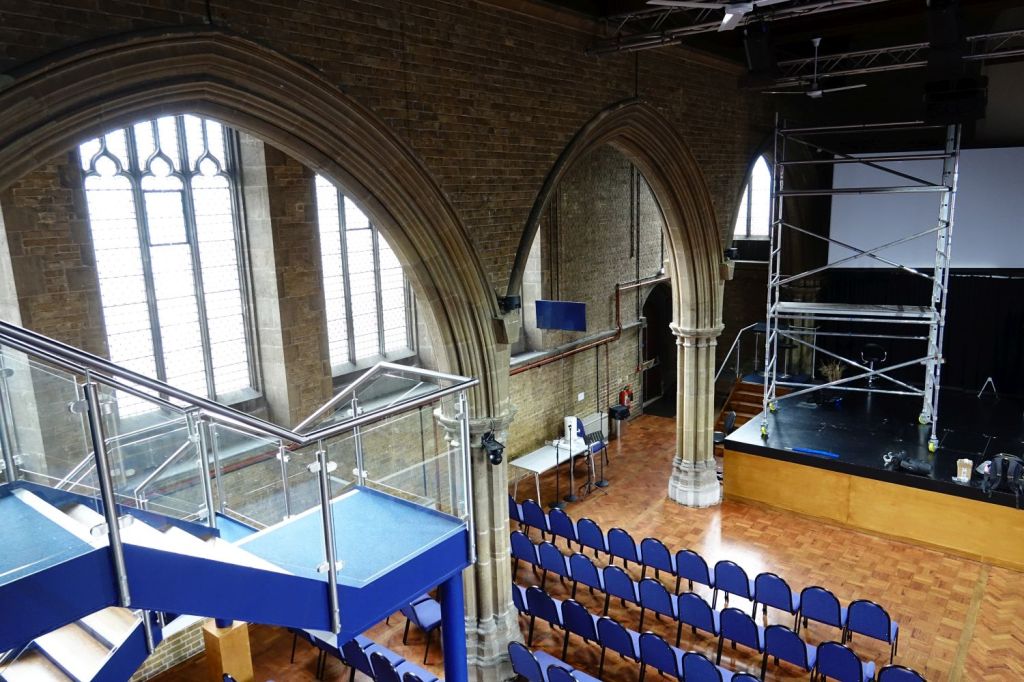
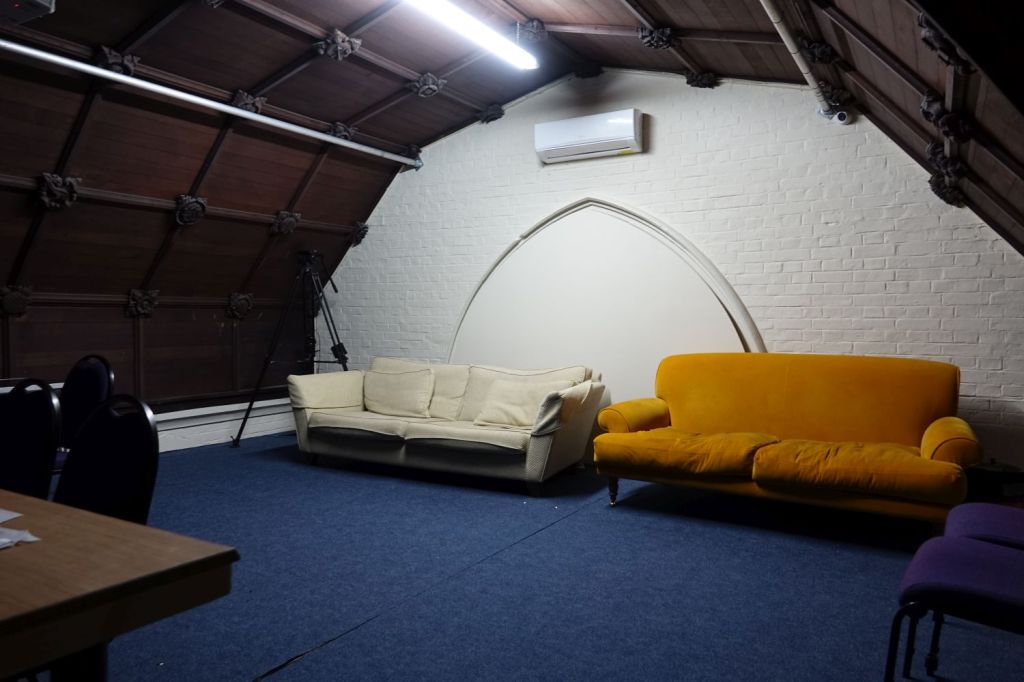
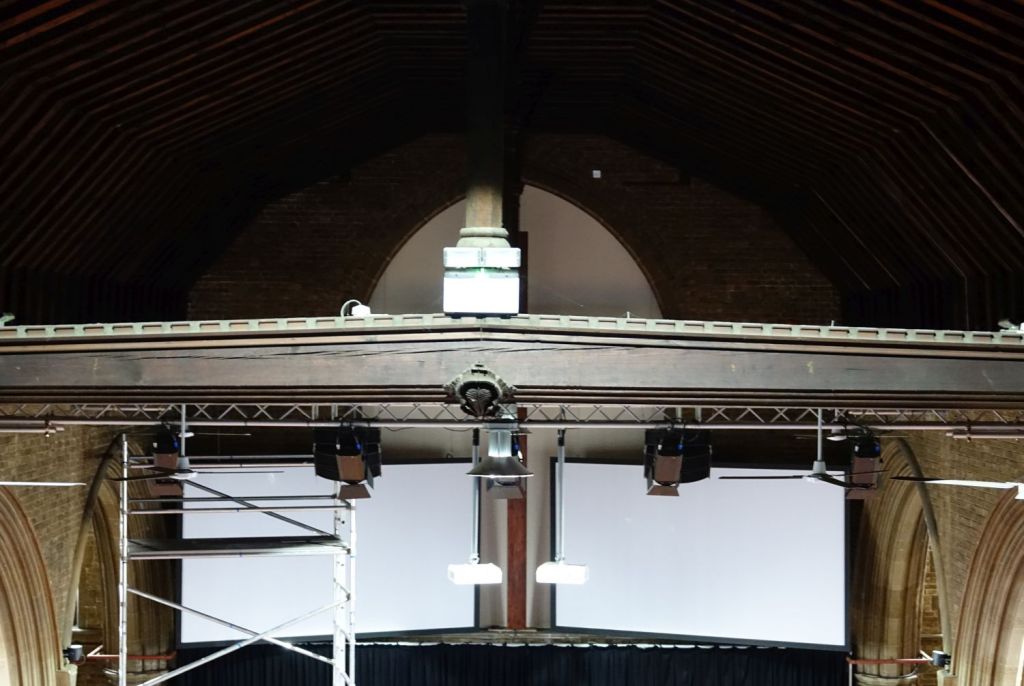
By Richard Creed, 1893 as an Anglican church but now an Elim Pentecostal church since 1977. The interior has been drastically reordered with a stage at the west end, seating and a reception area at the east, and offices and a gallery inserted over the former chancel area.







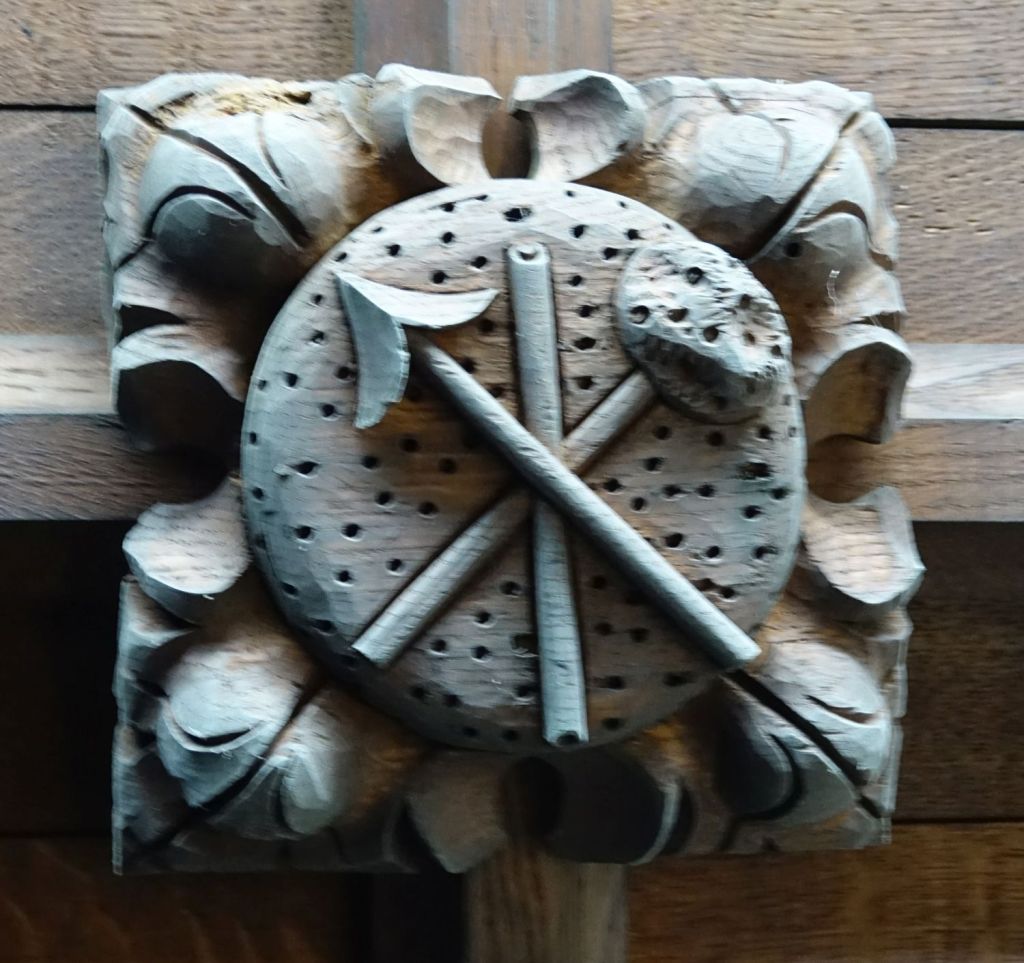


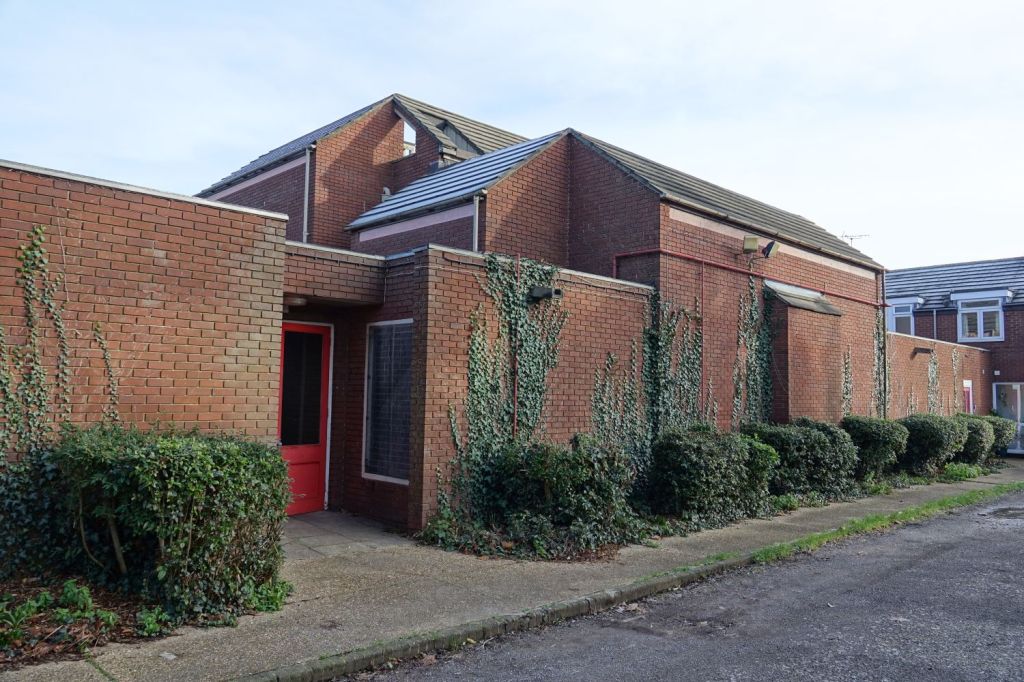
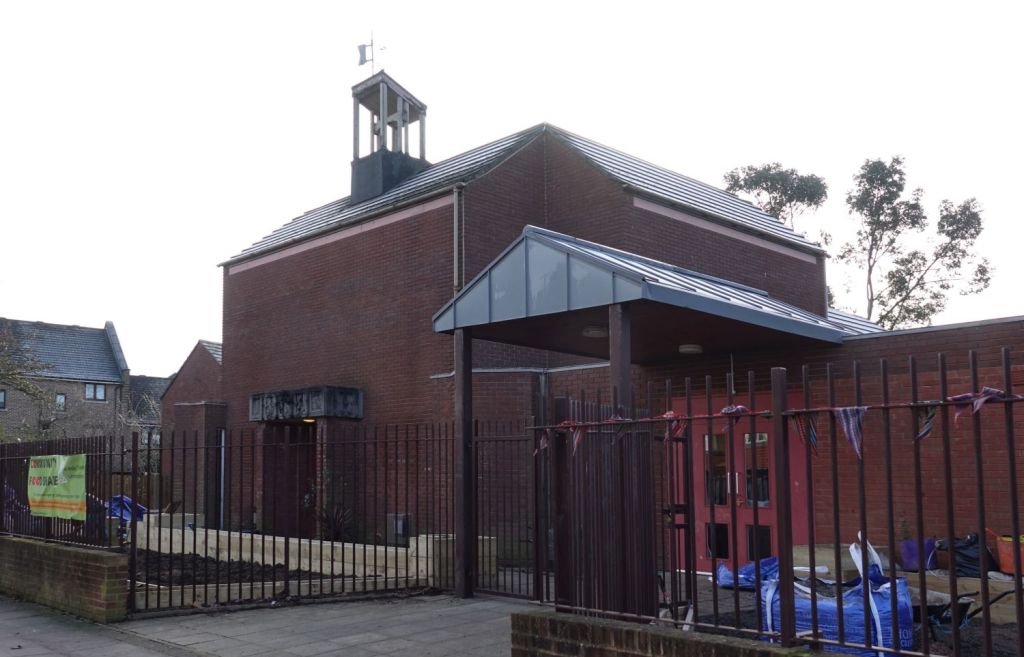
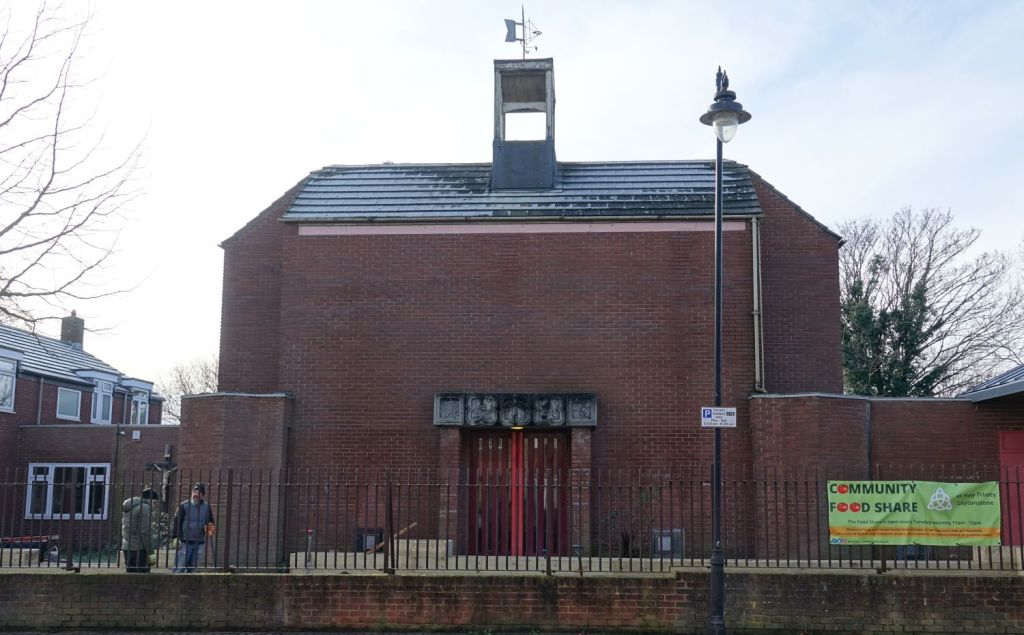
Holy Trinity and St Augustine, Holloway Road, Harrow Green, Leytonstone
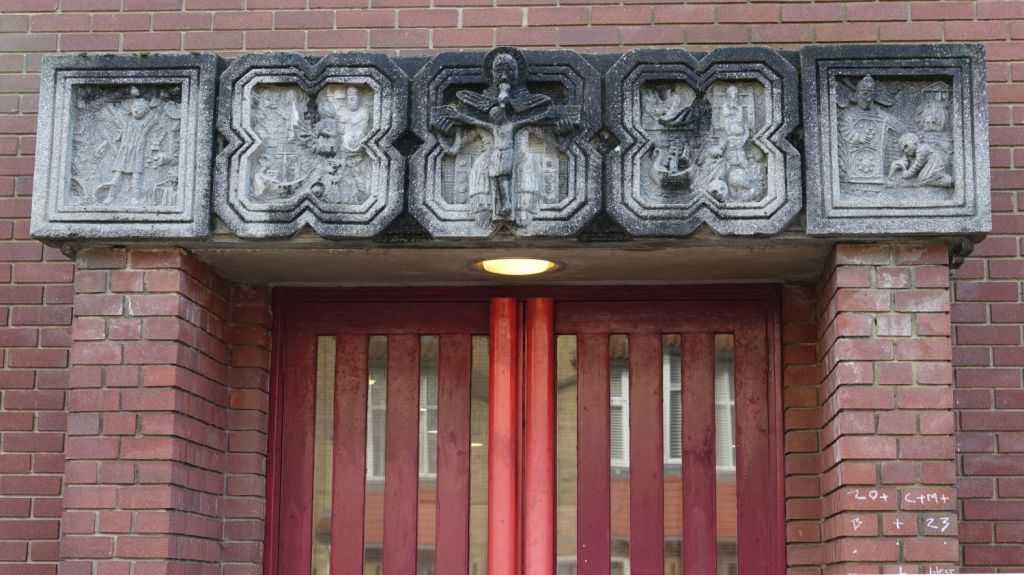
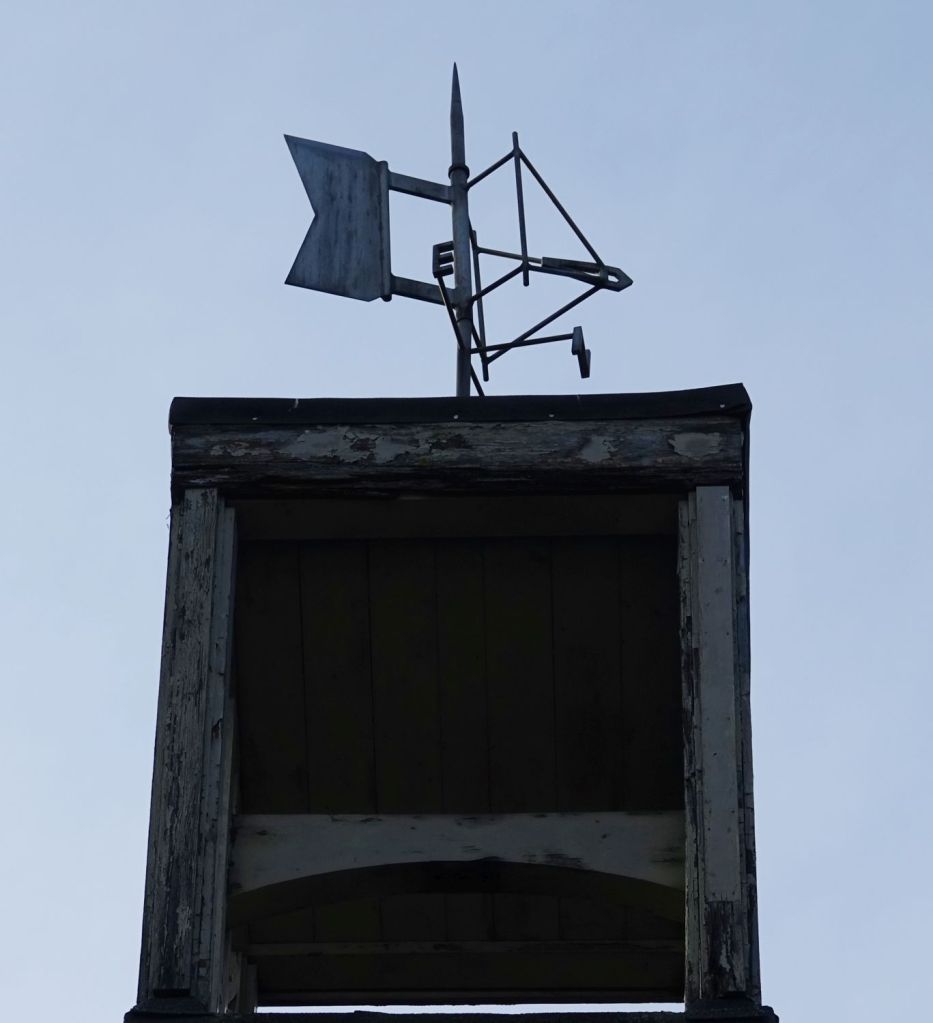
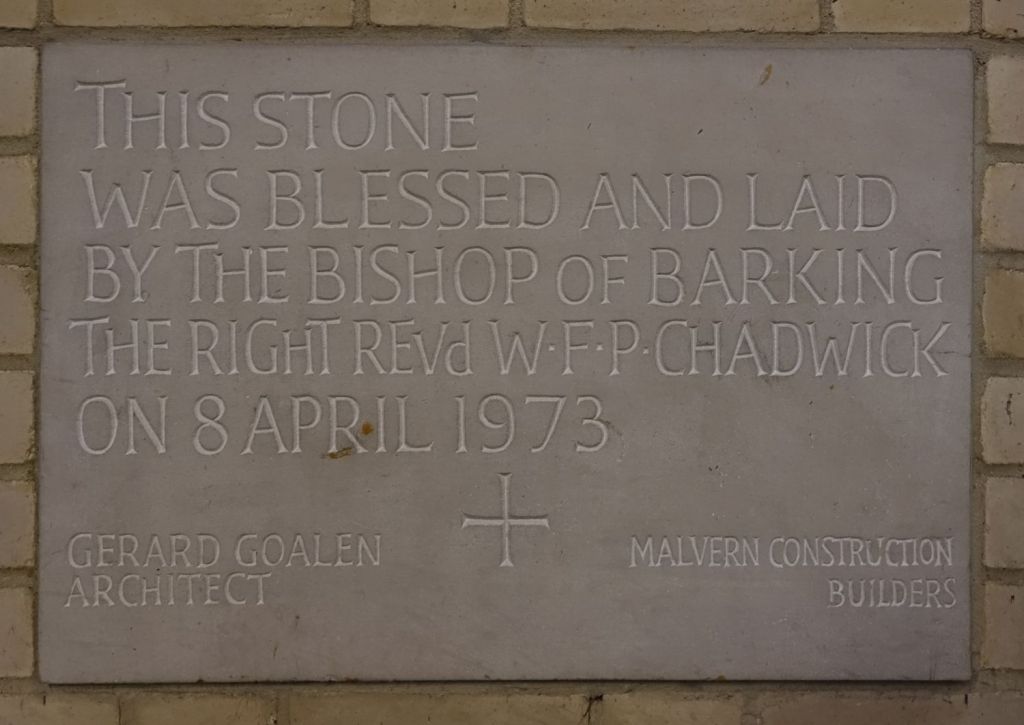
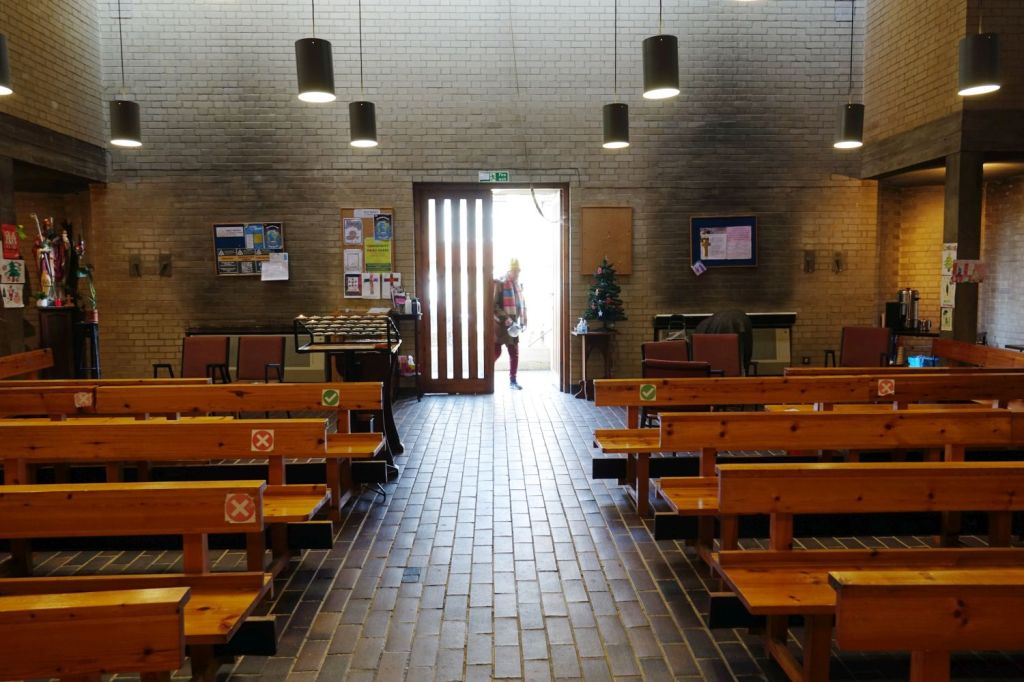
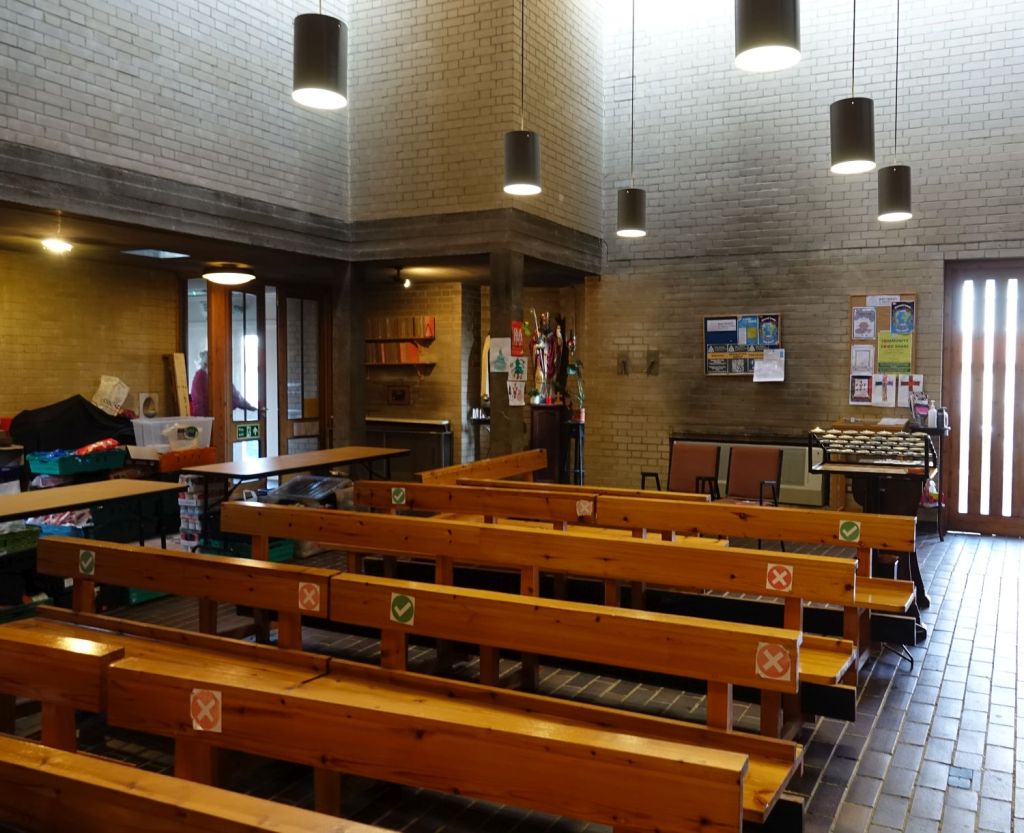
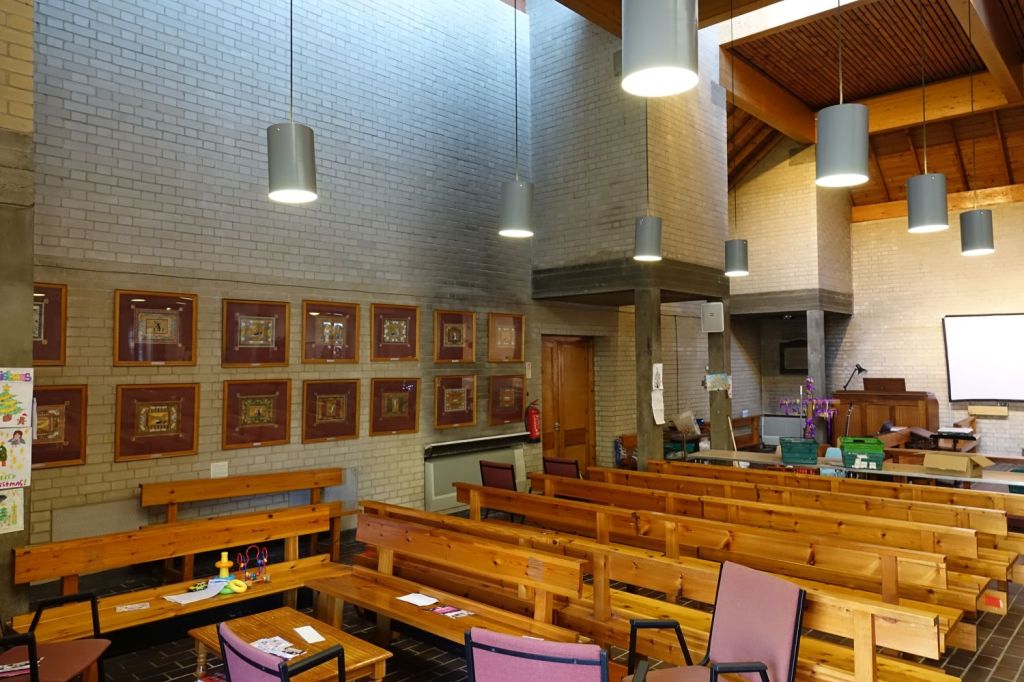
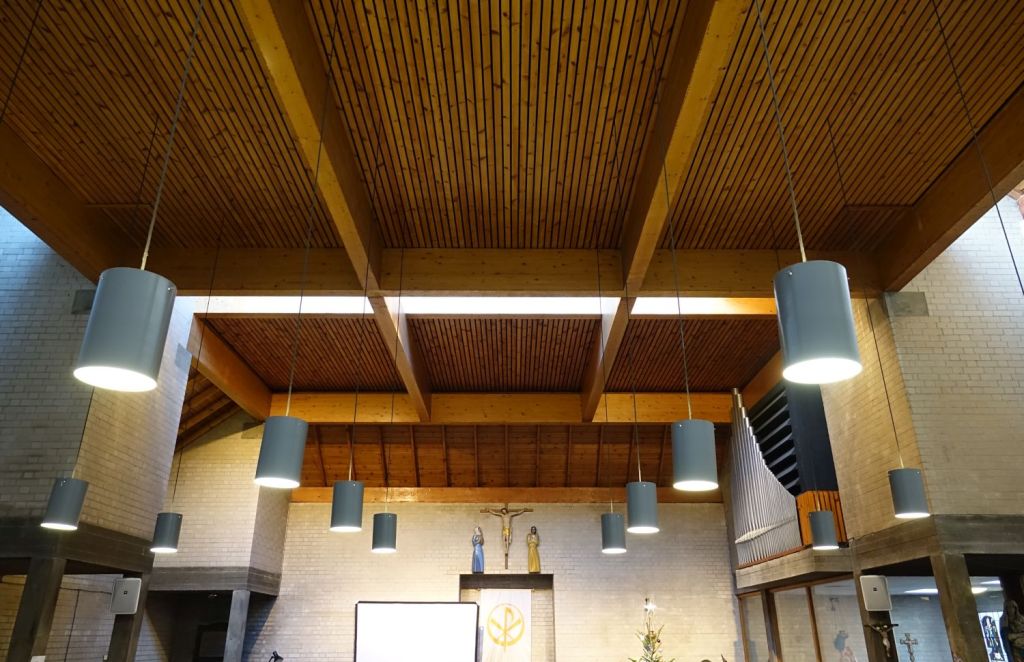
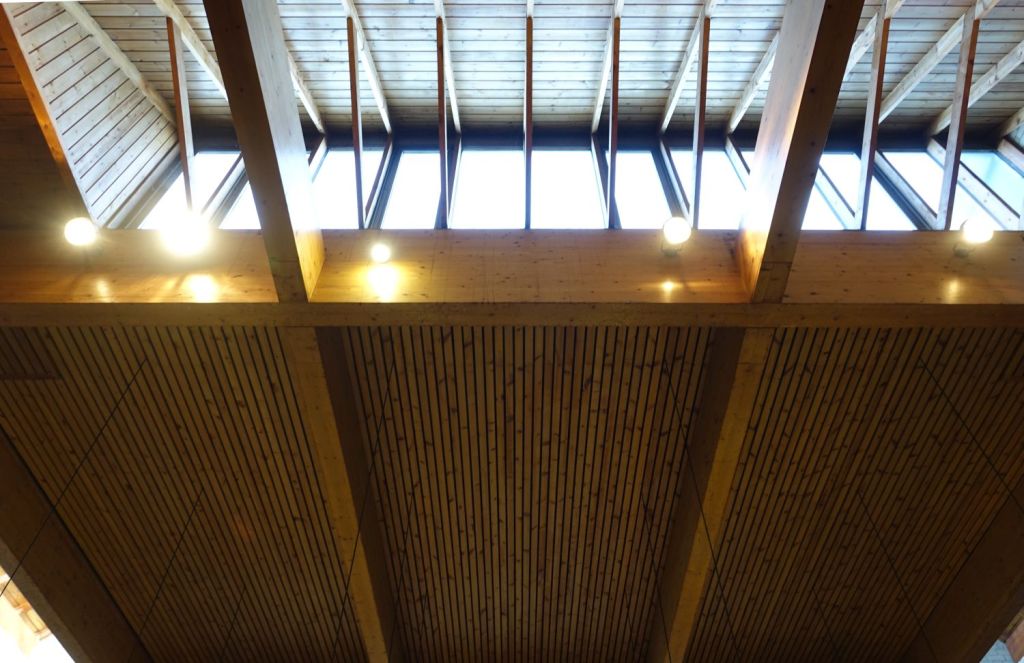
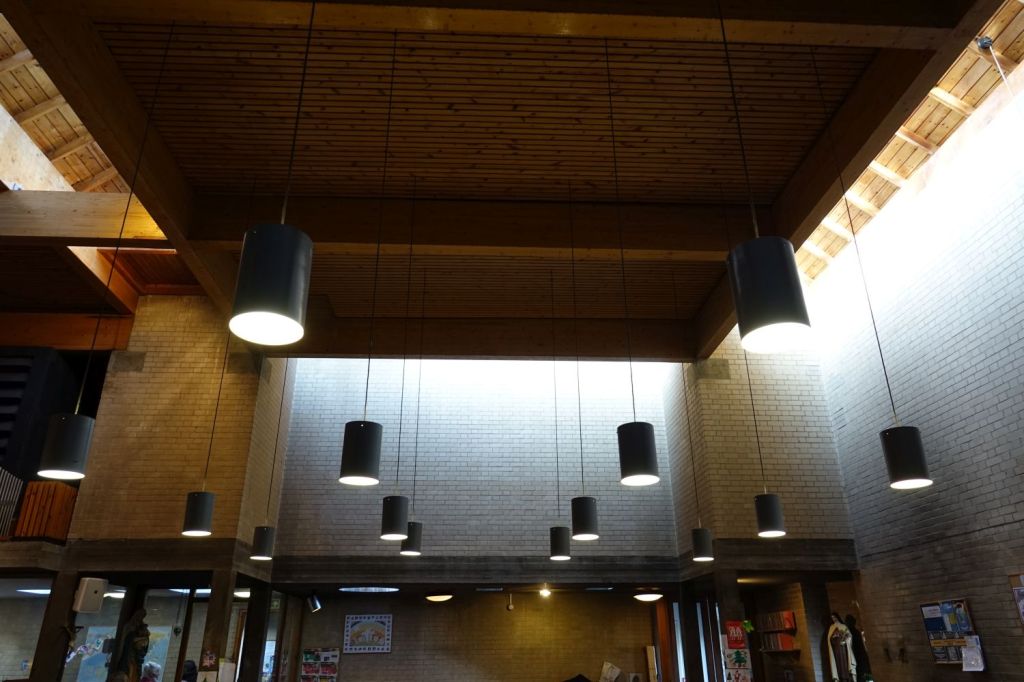
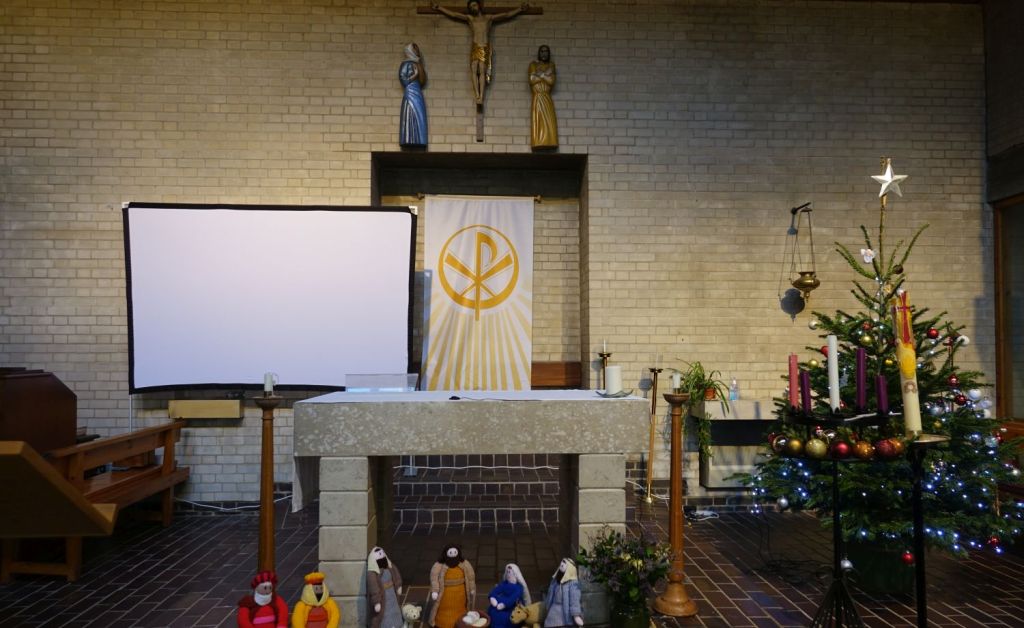
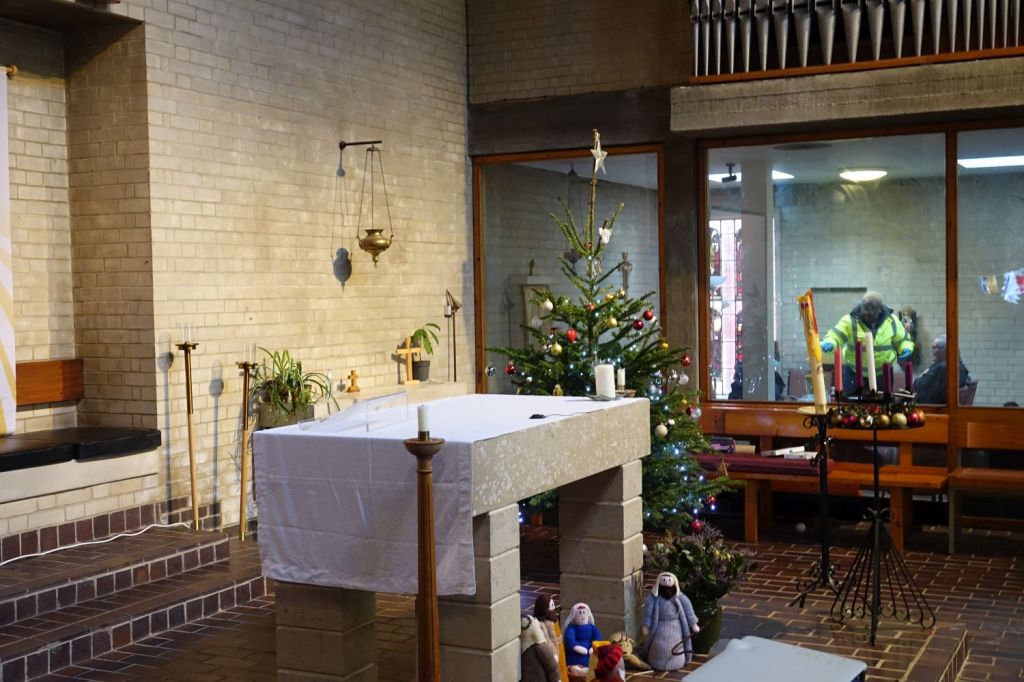
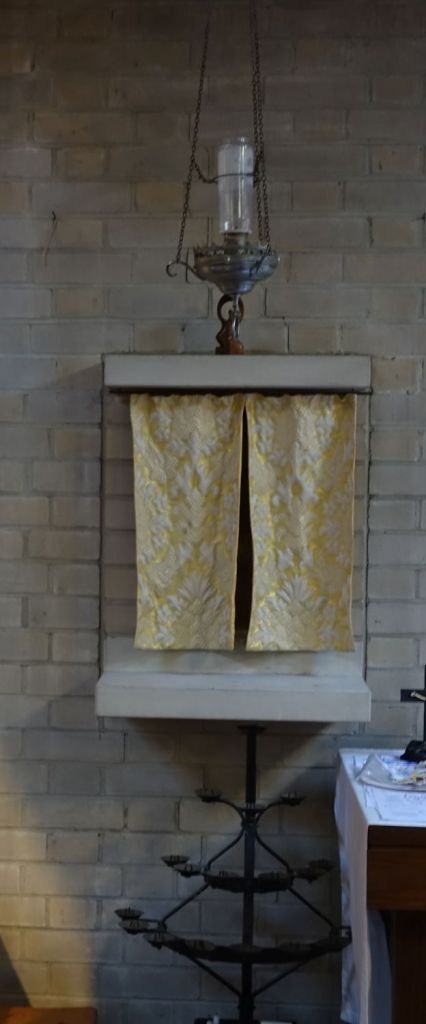
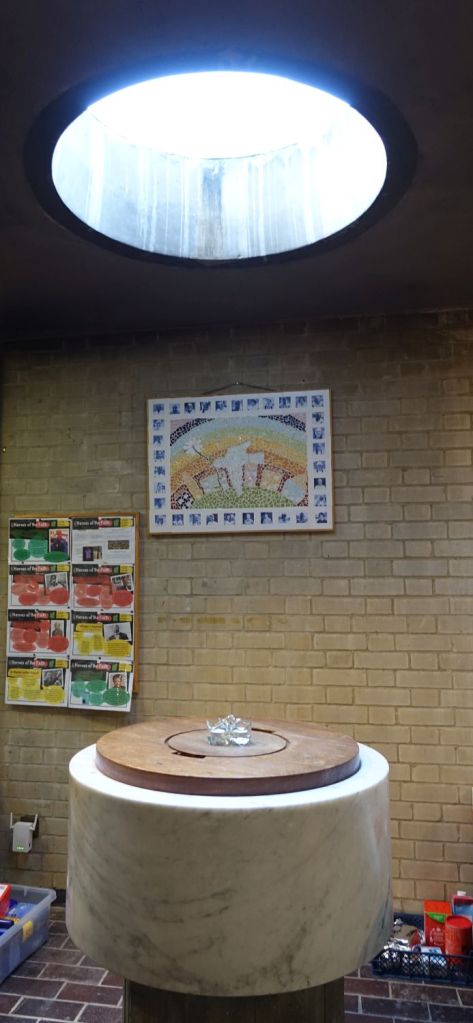
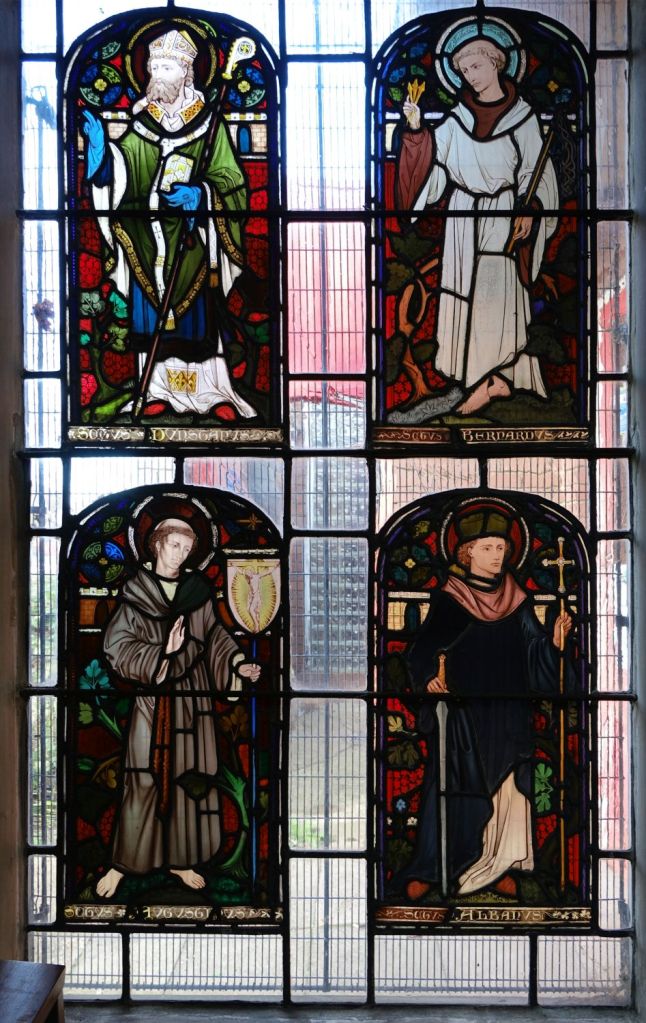
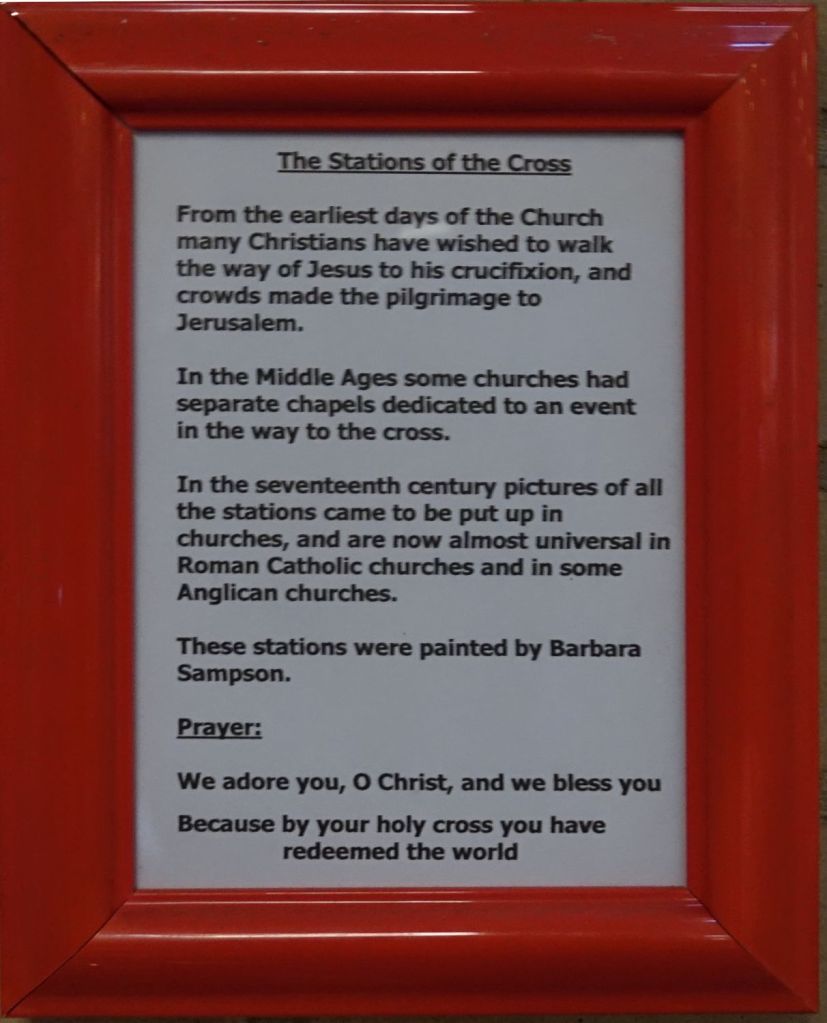
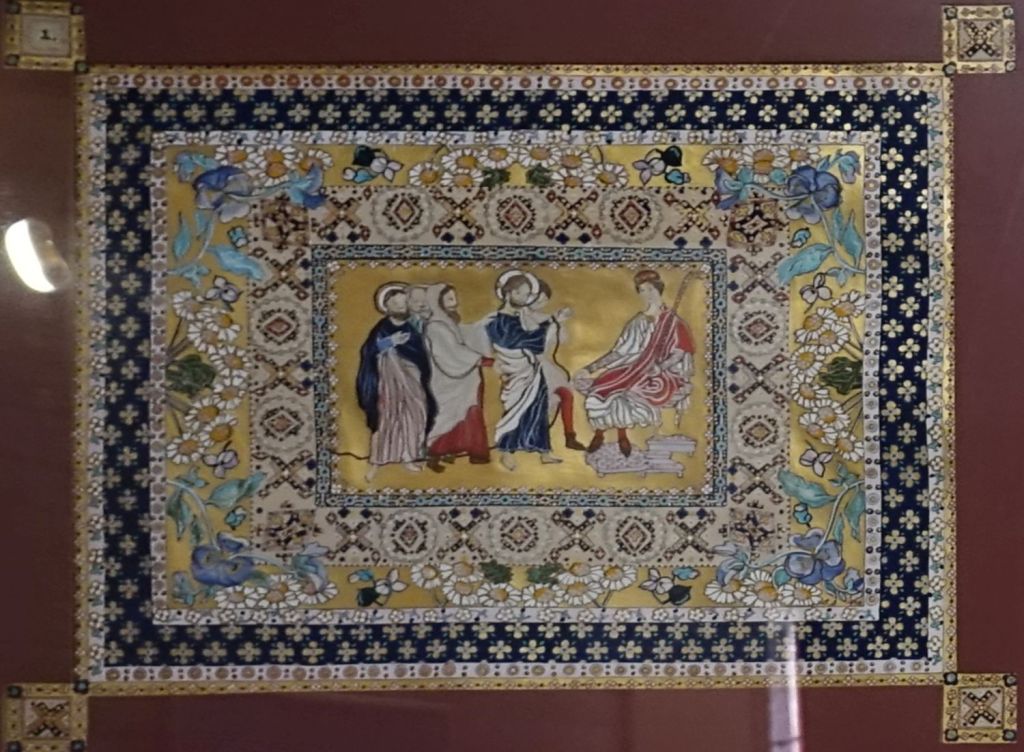
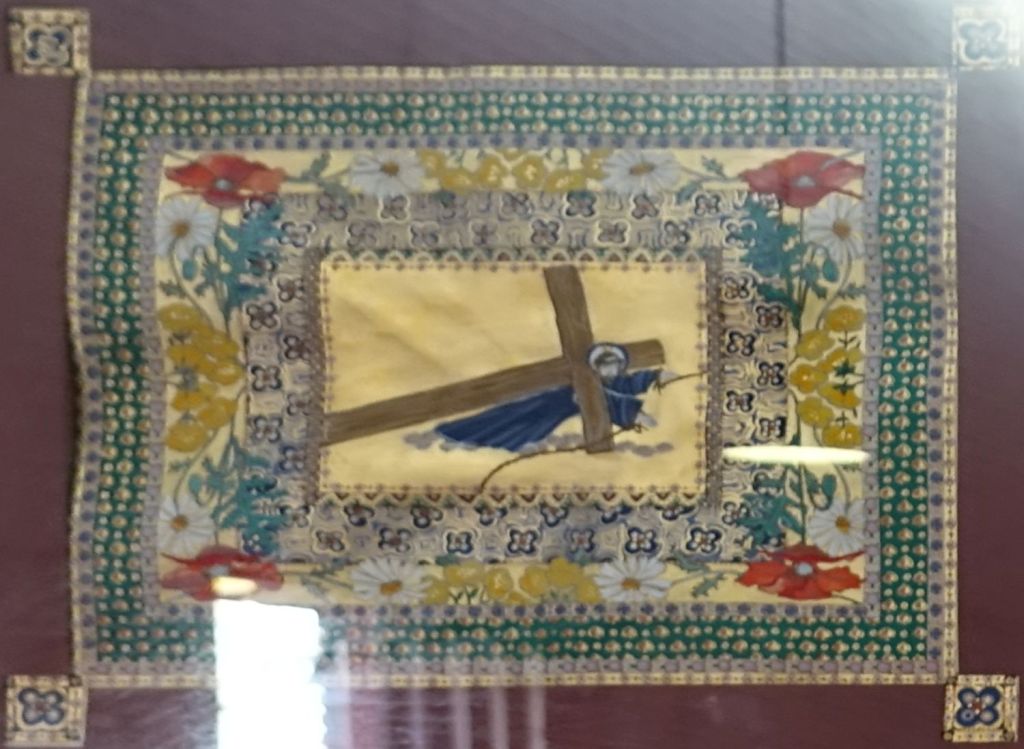
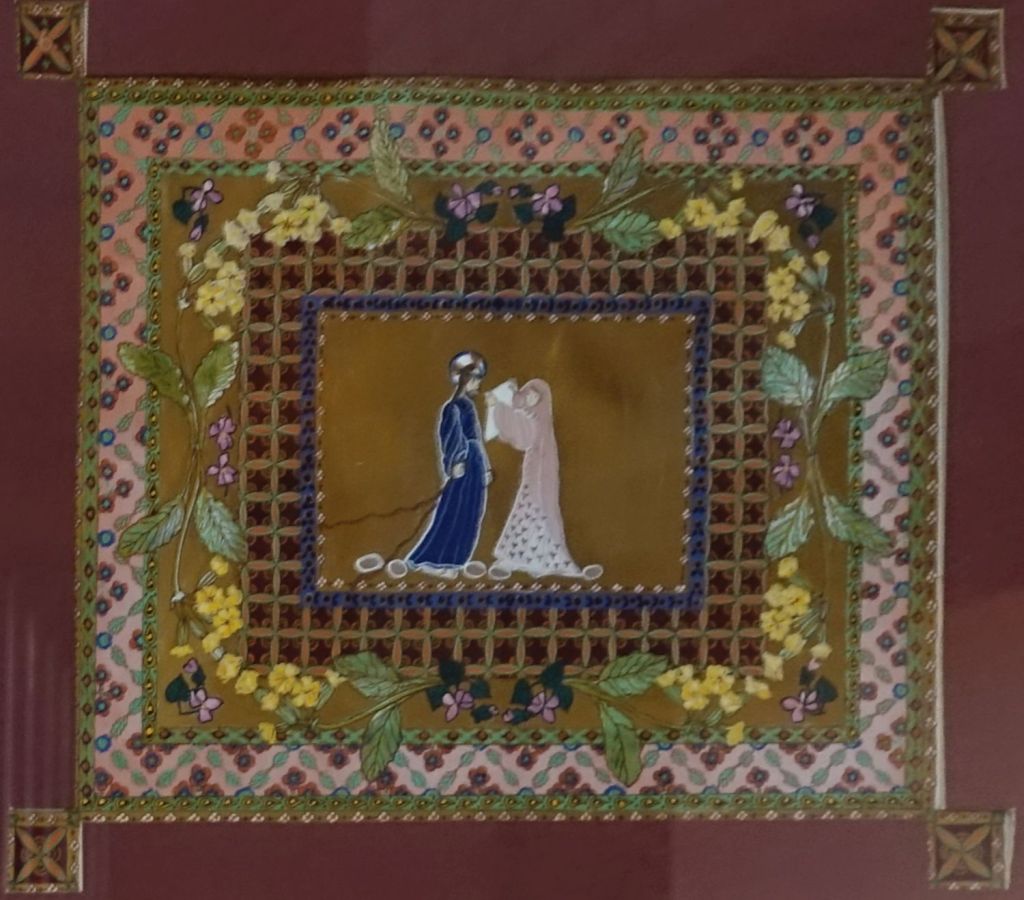
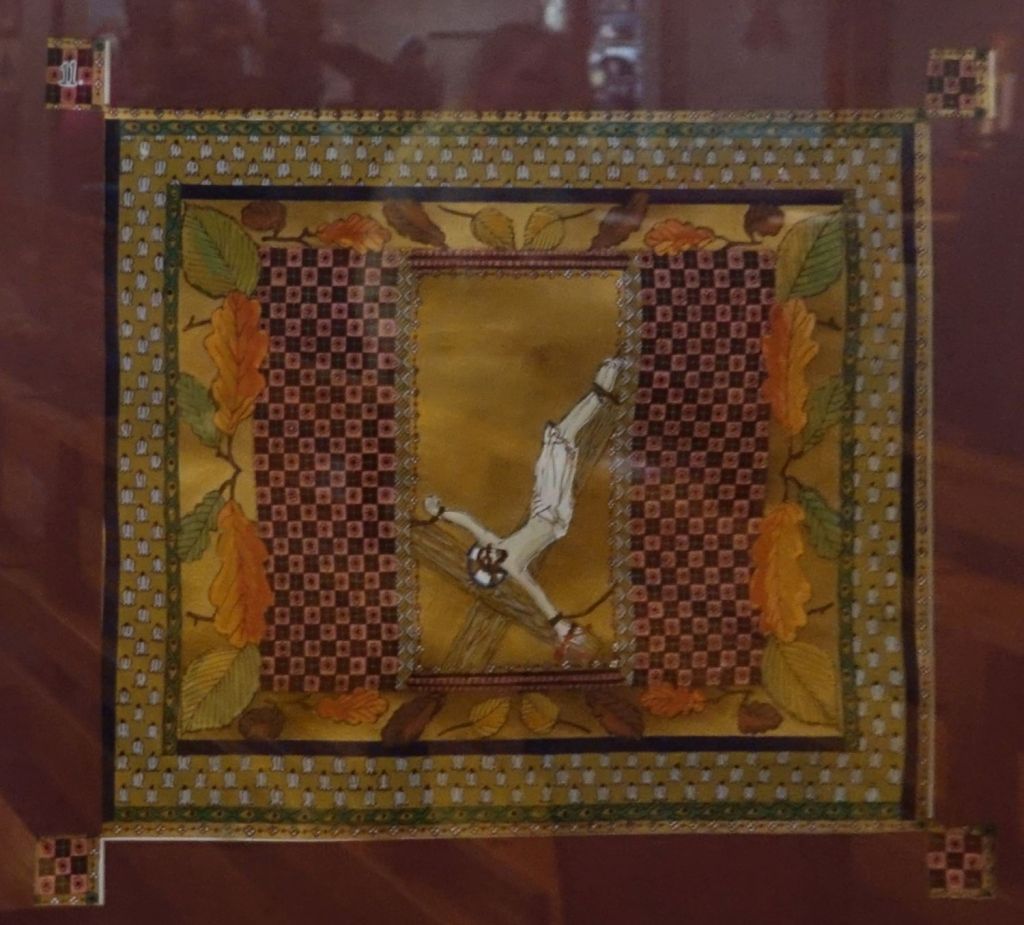
Hidden away in modern low-rise housing. It was designed by Gerard Goalen in 1973 and replaced two 19th-century churches demolished in the early 1970s. The side chapel has stained glass from the former St Augustine, Haggerston. The outside is almost windowless at street level and rather forbidding, but inside there is natural light from above. The floor slopes slightly from the rear down to the chancel. There are some unusual Stations of the Cross, which are awkward to picture well, owing to their reflective picture frames






















 London Churches in photographs