Home » Micklethwaite, J.T.
Category Archives: Micklethwaite, J.T.
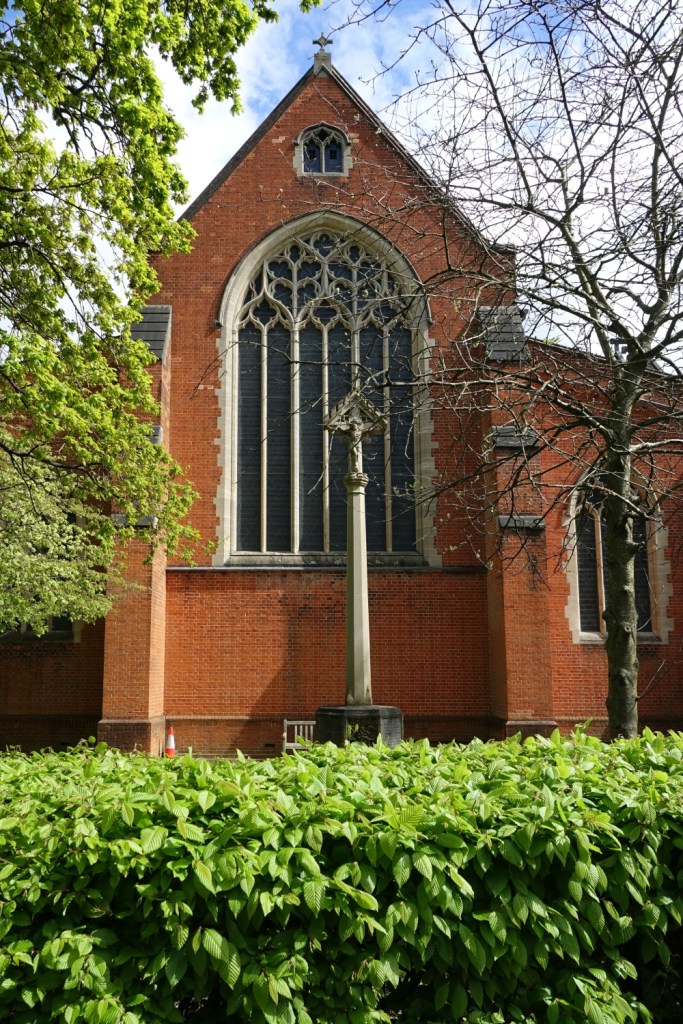
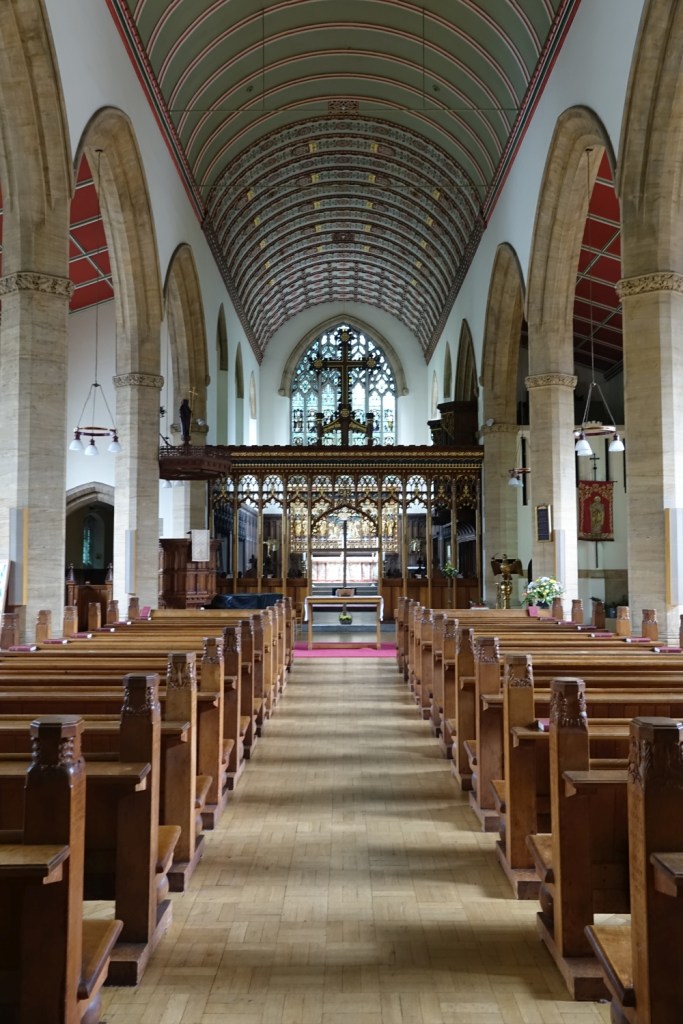
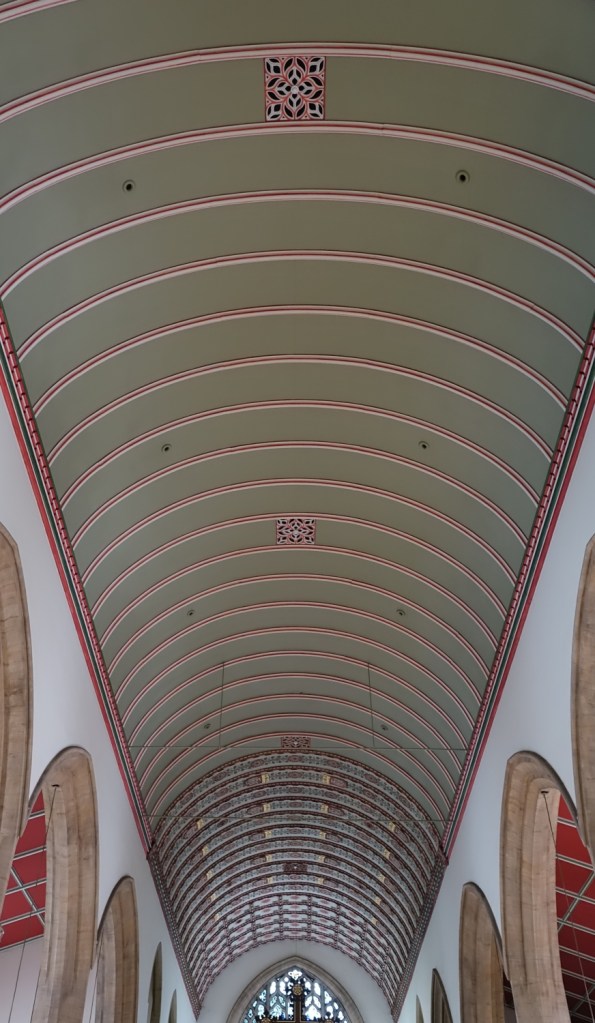
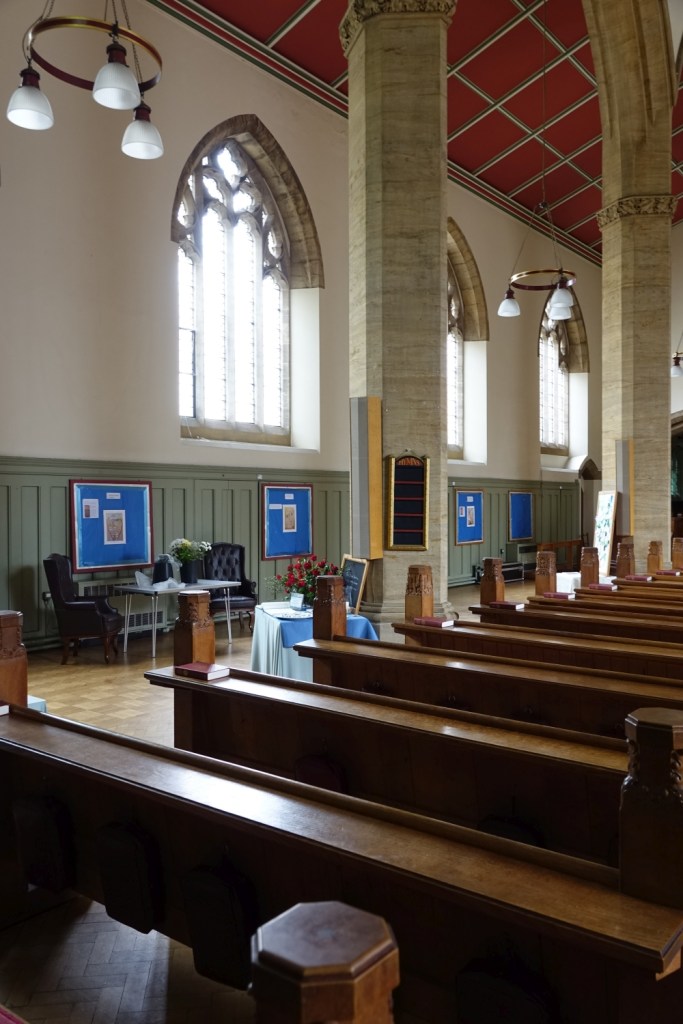
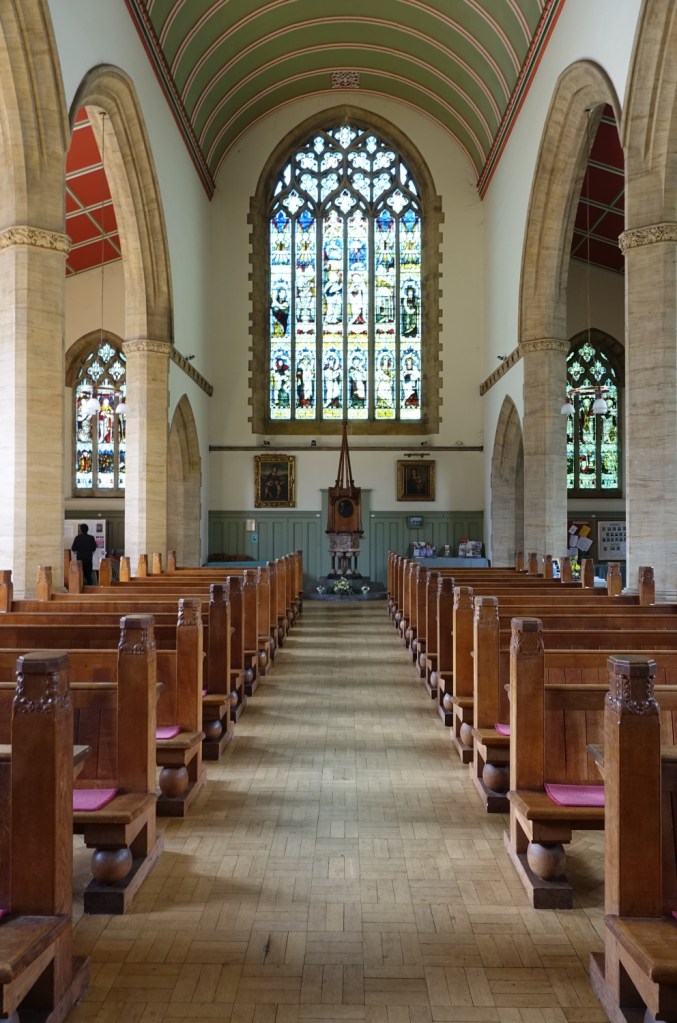
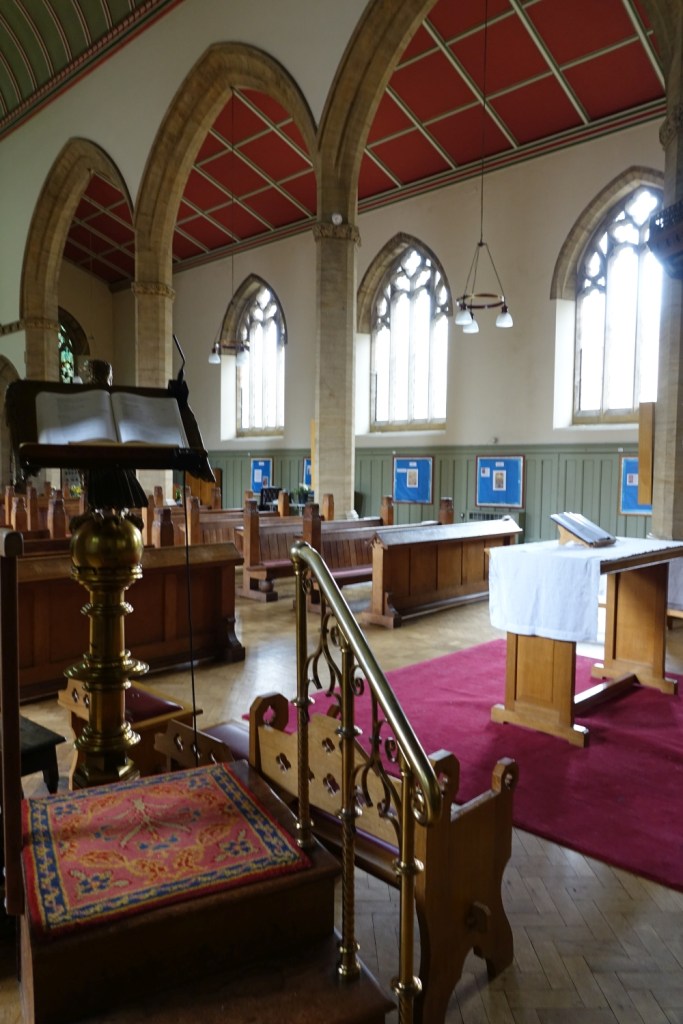
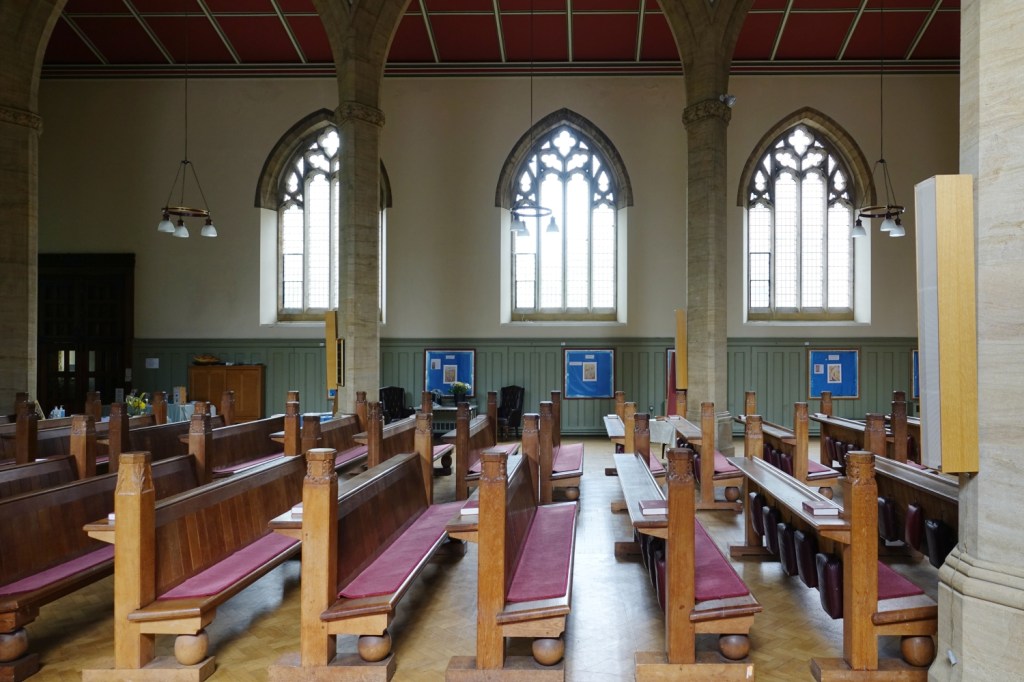
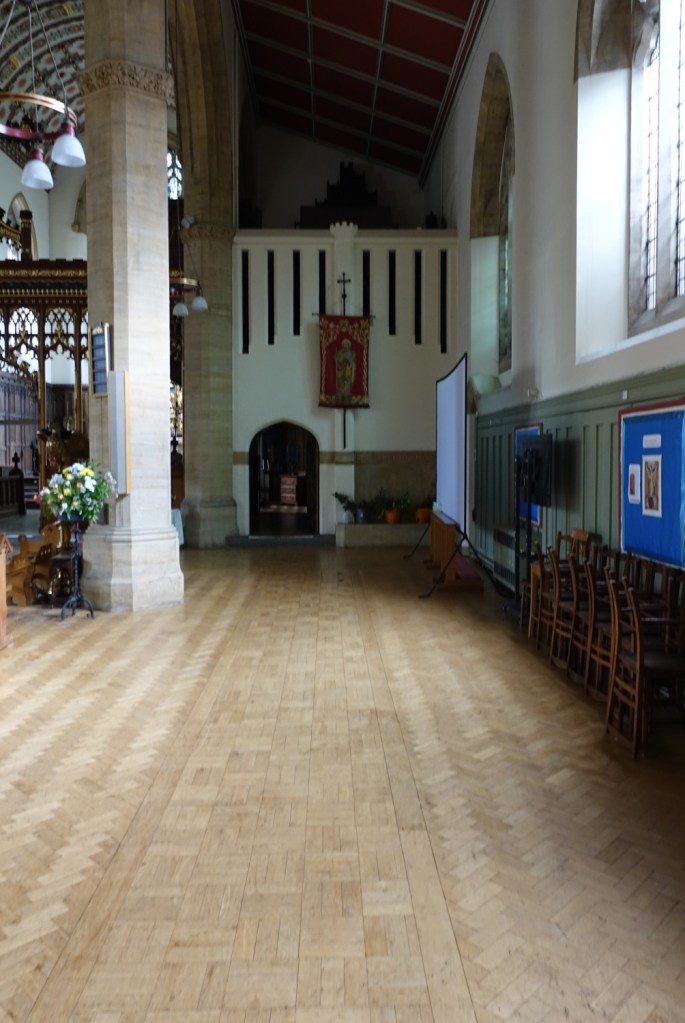
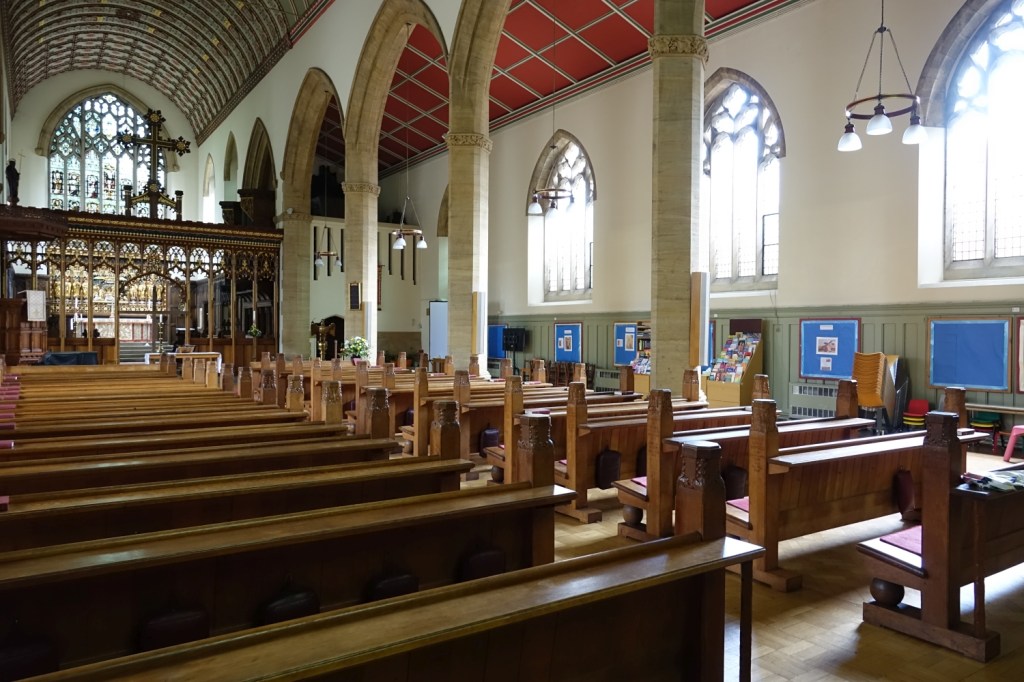
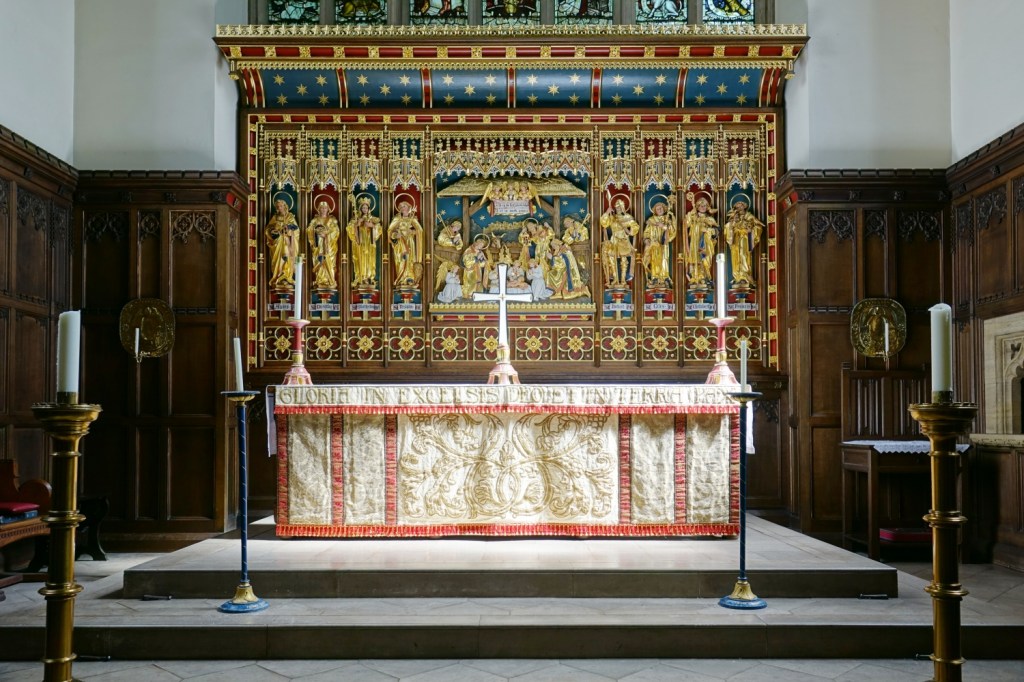
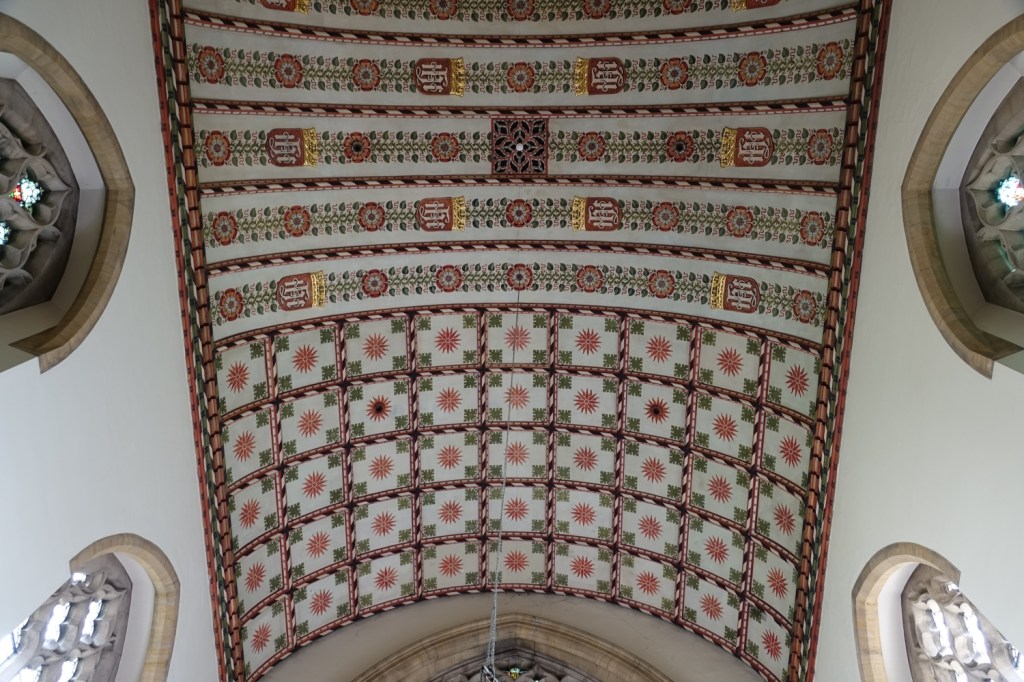
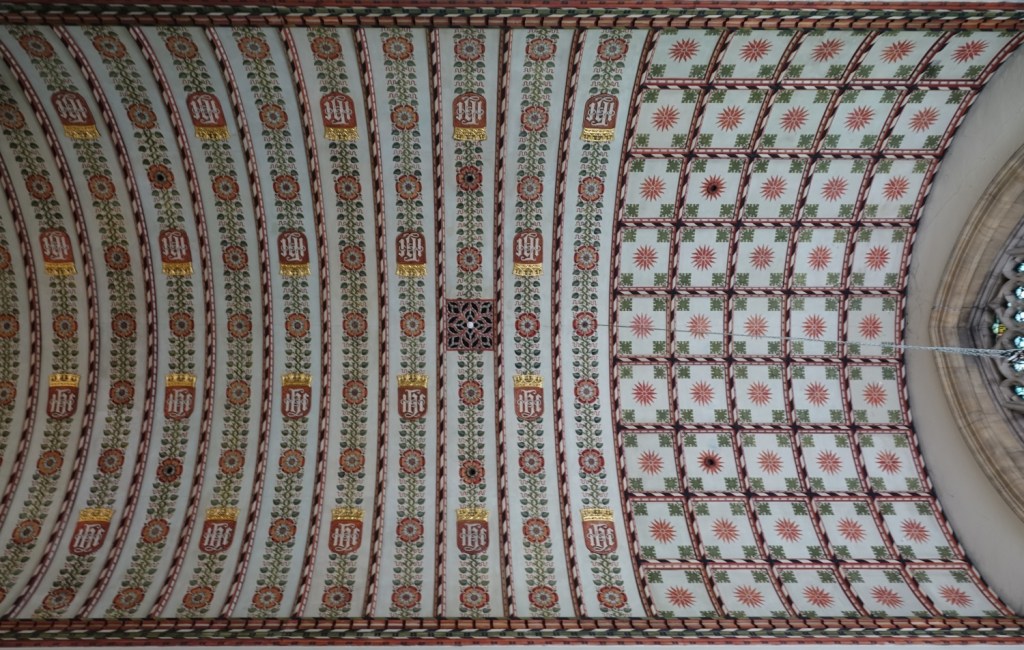
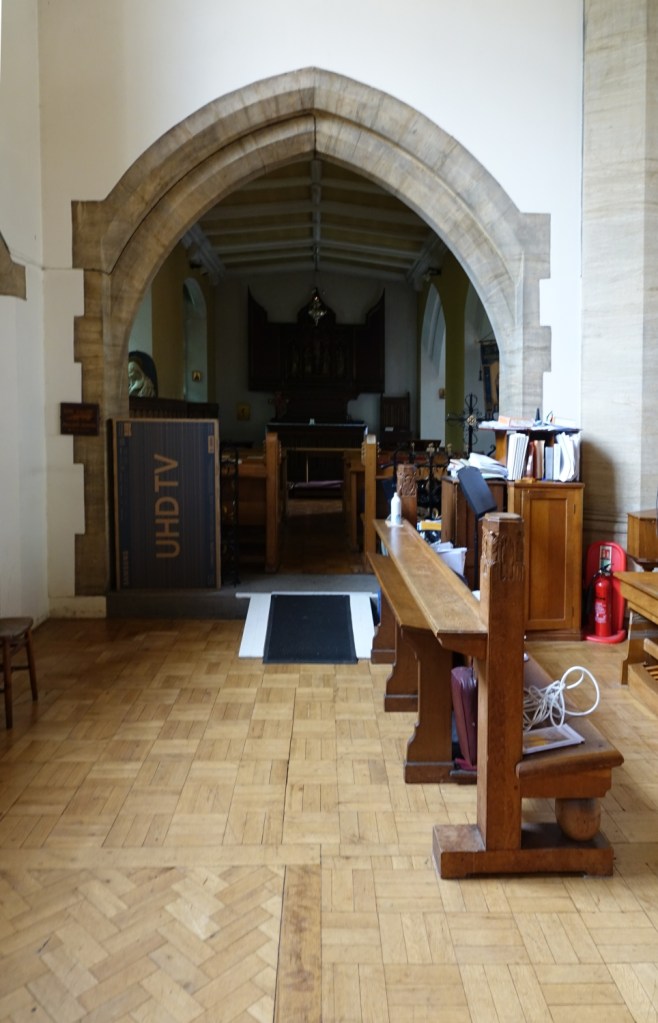
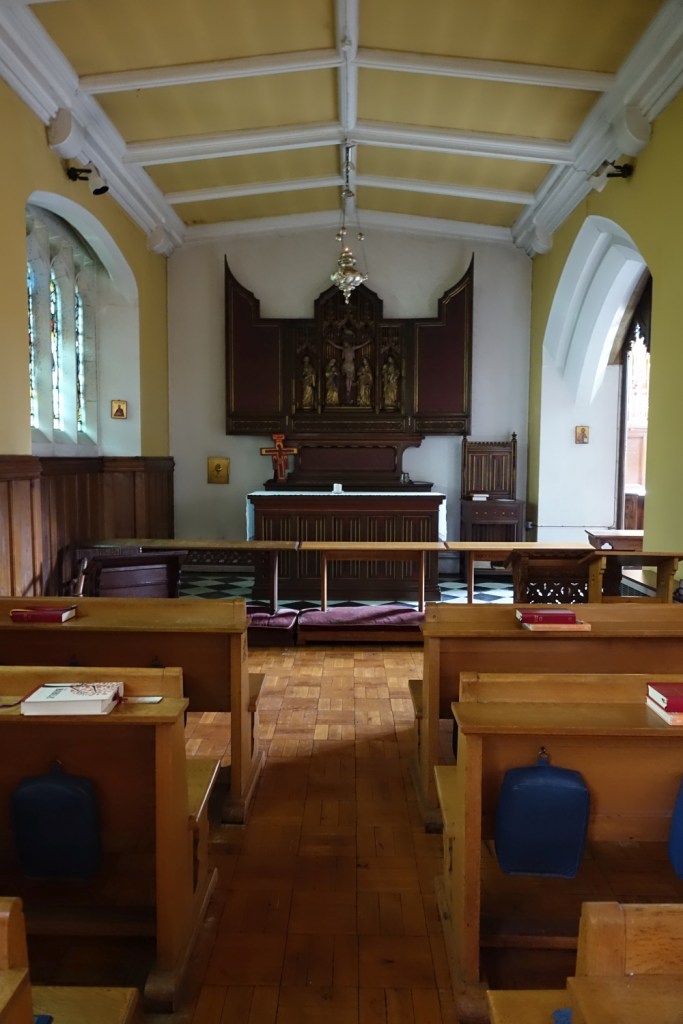
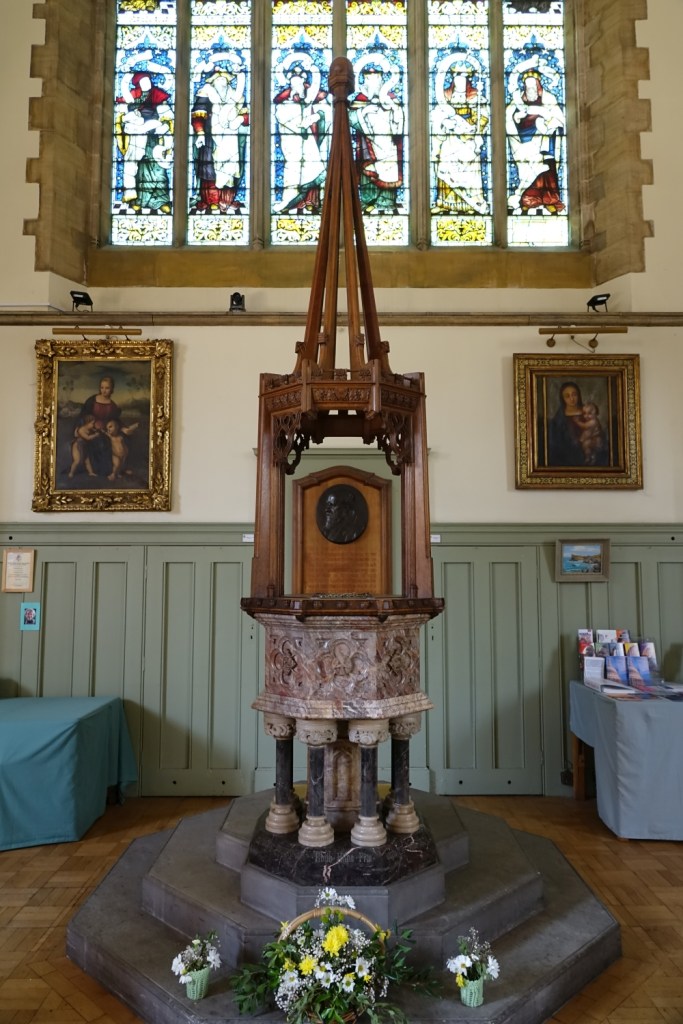
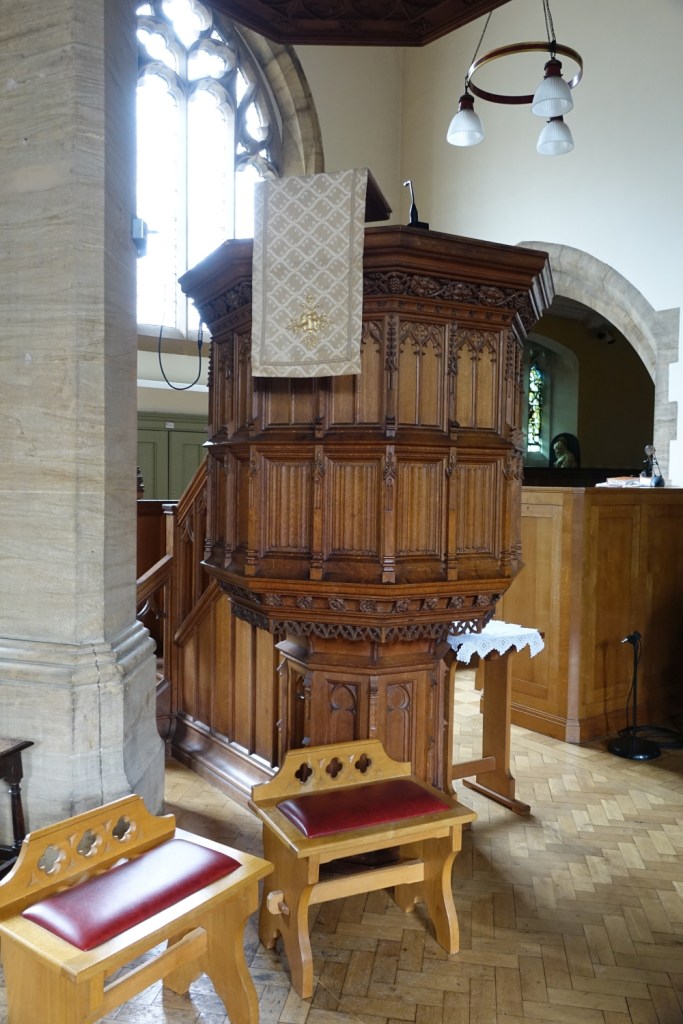
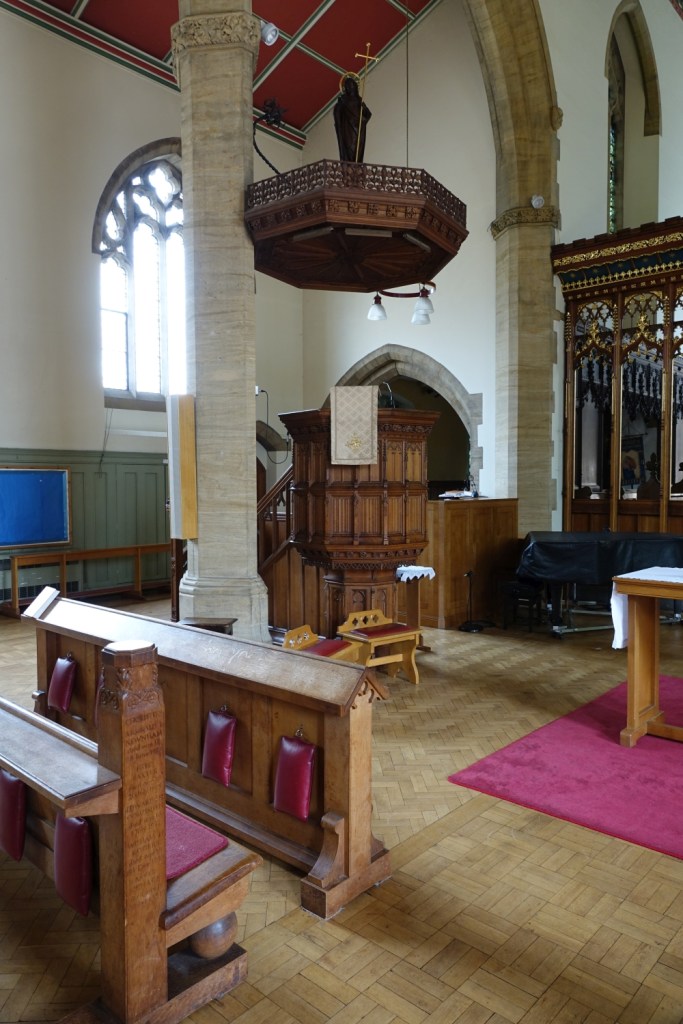
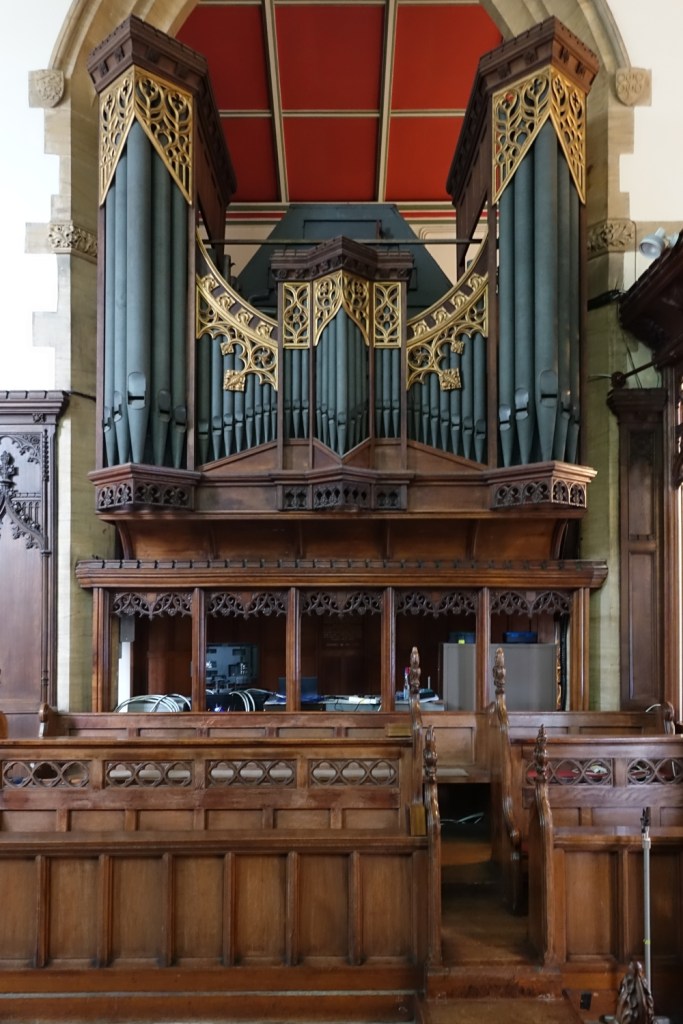
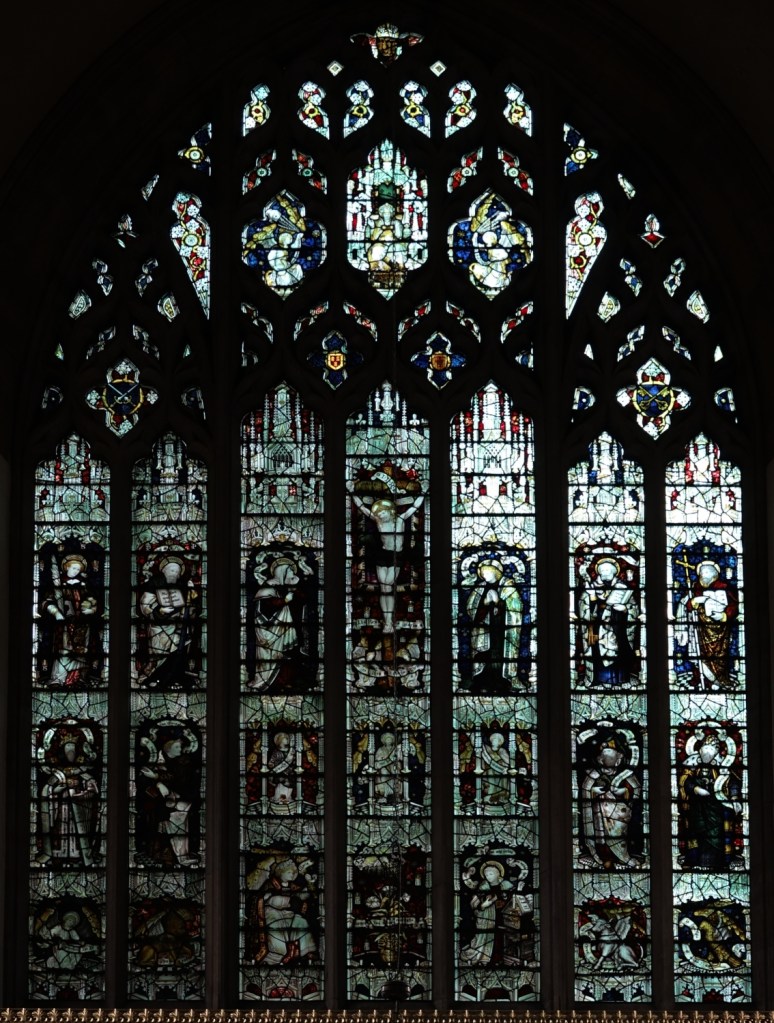
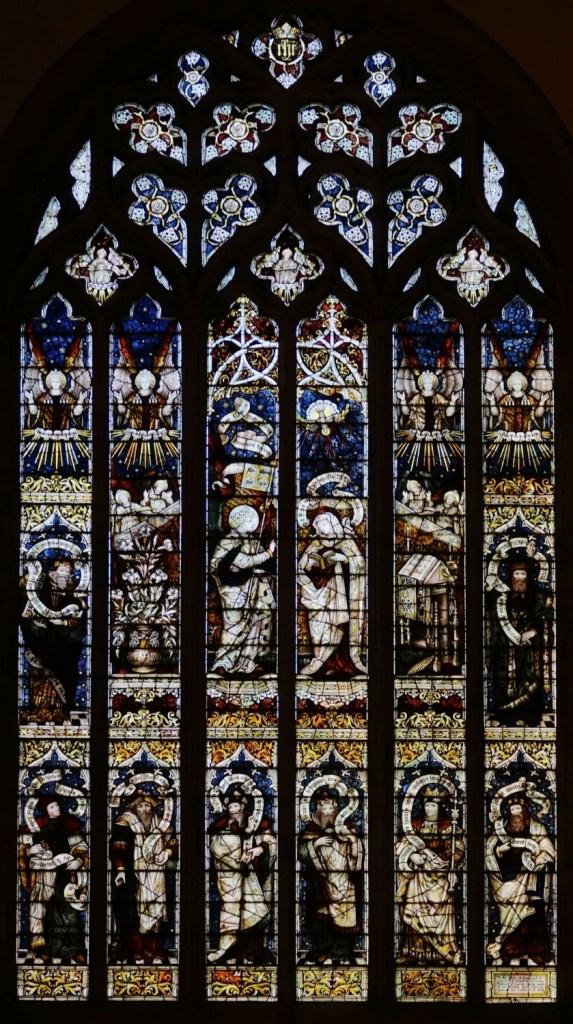
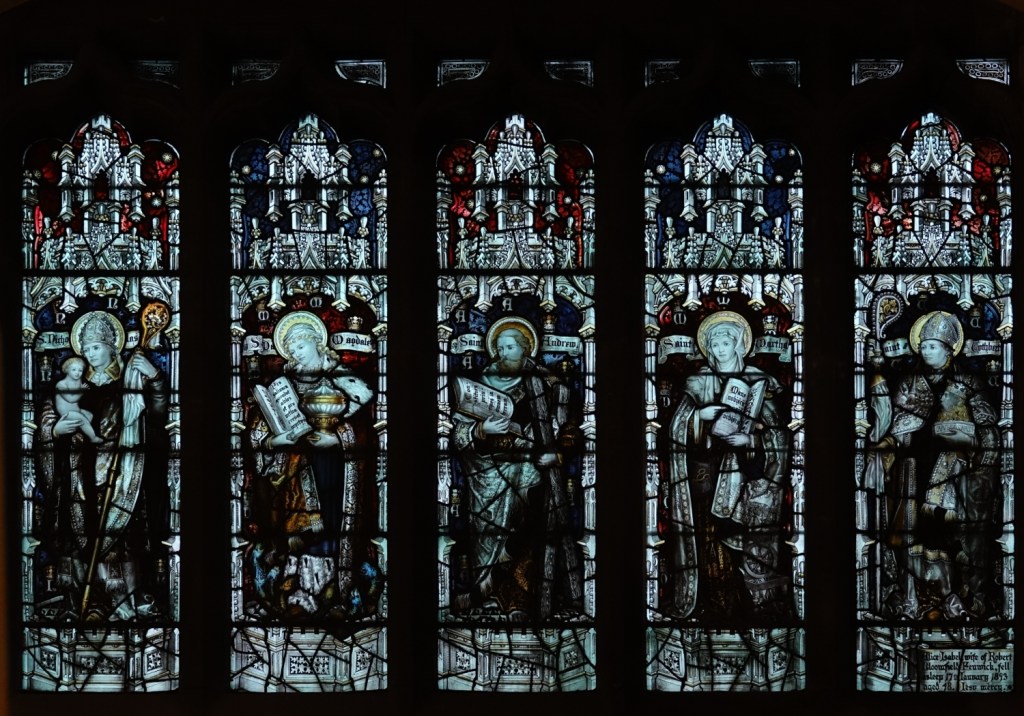
St Paul, Augustus Road, Wimbledon Parkside.
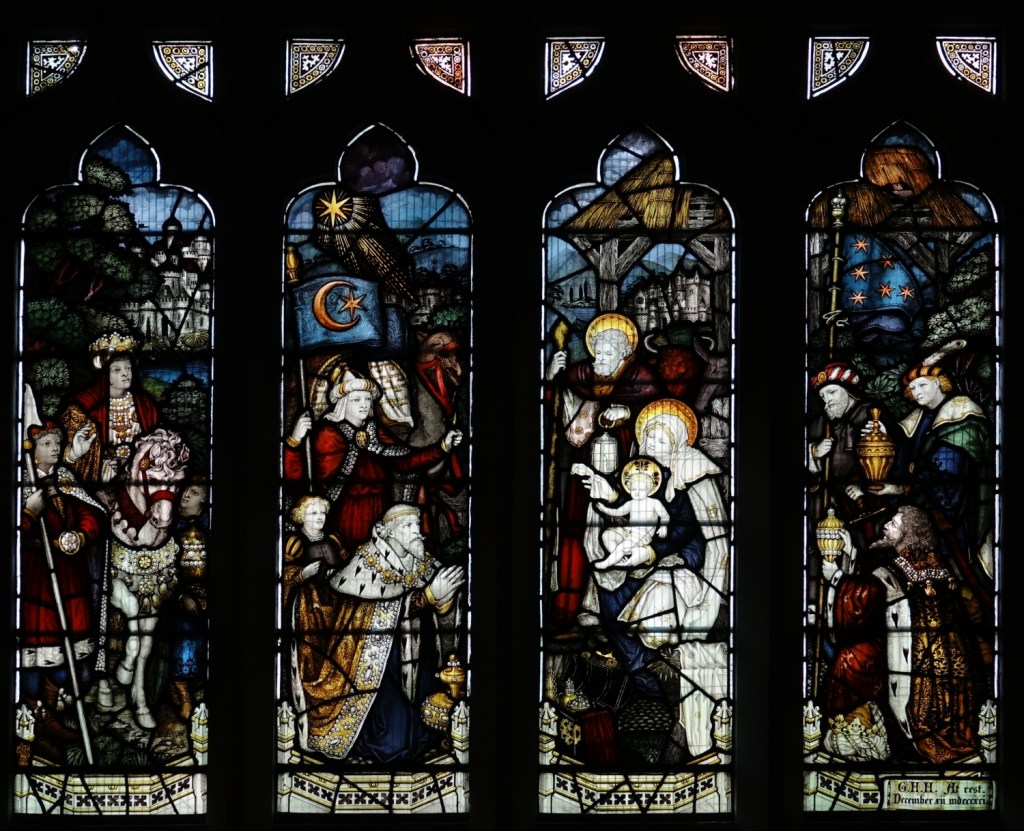
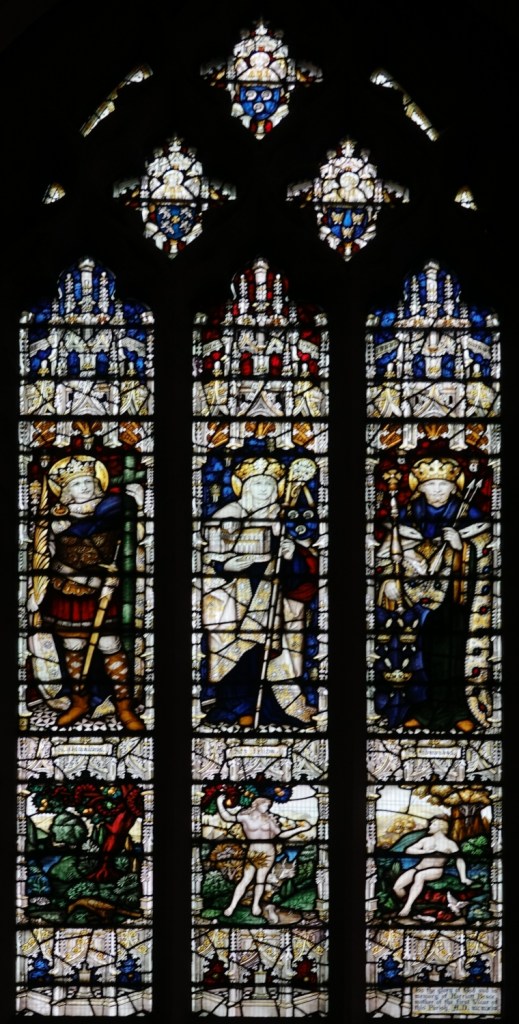
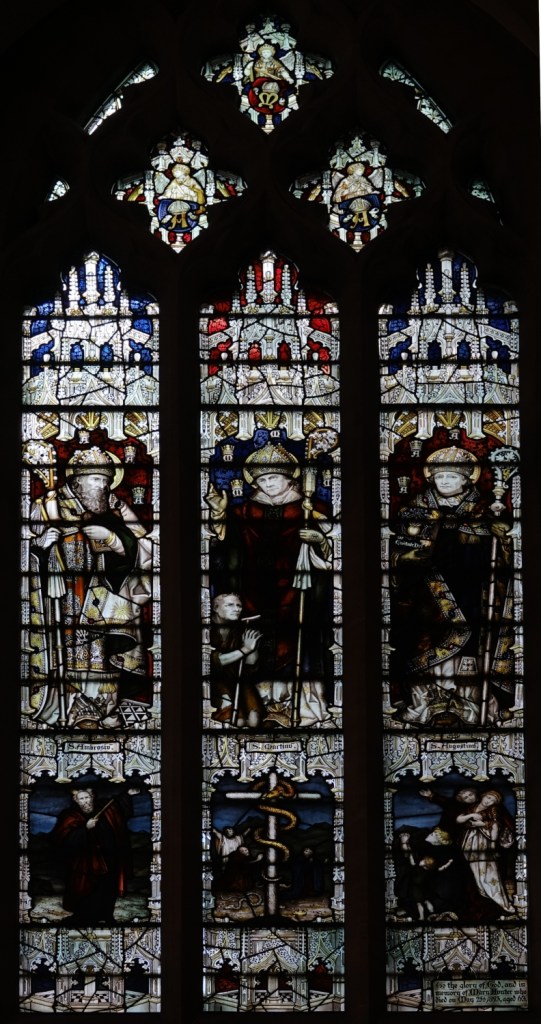
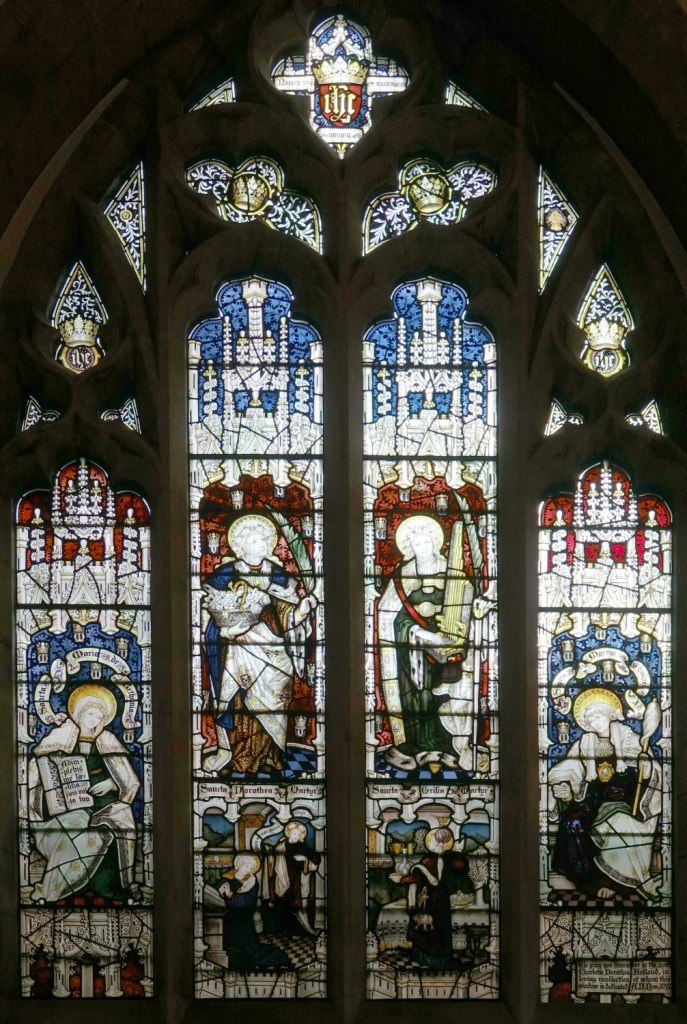
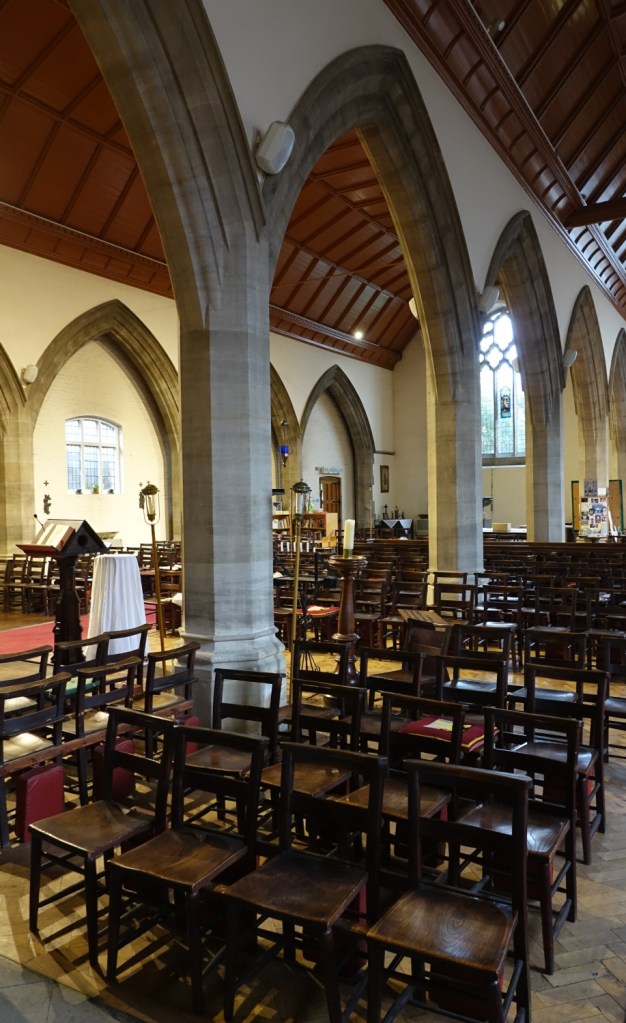
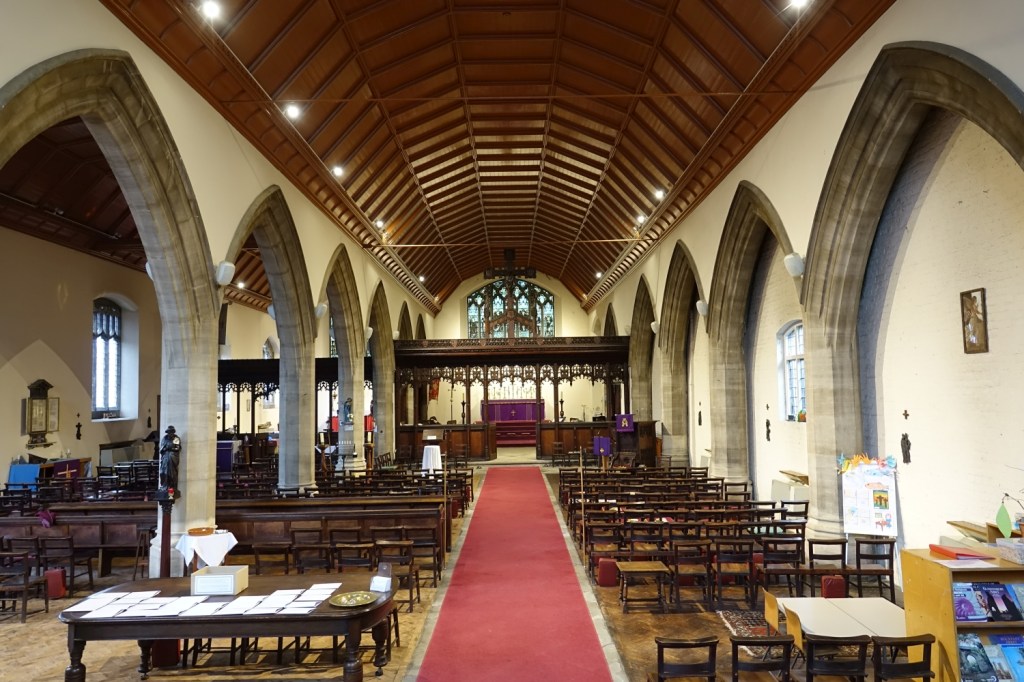
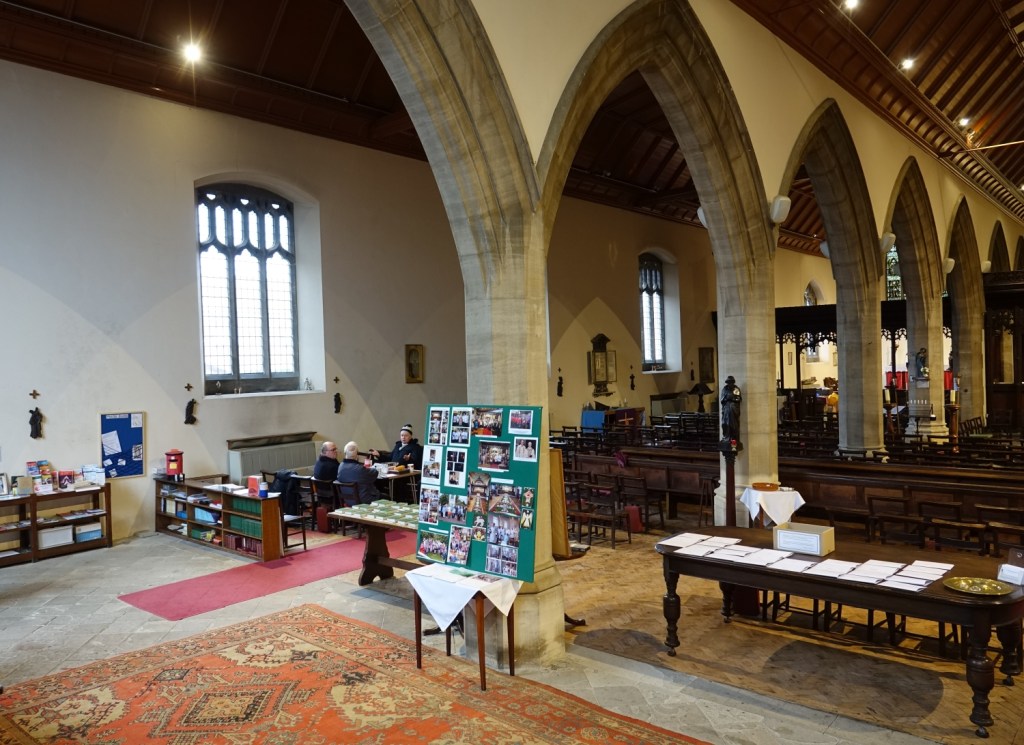
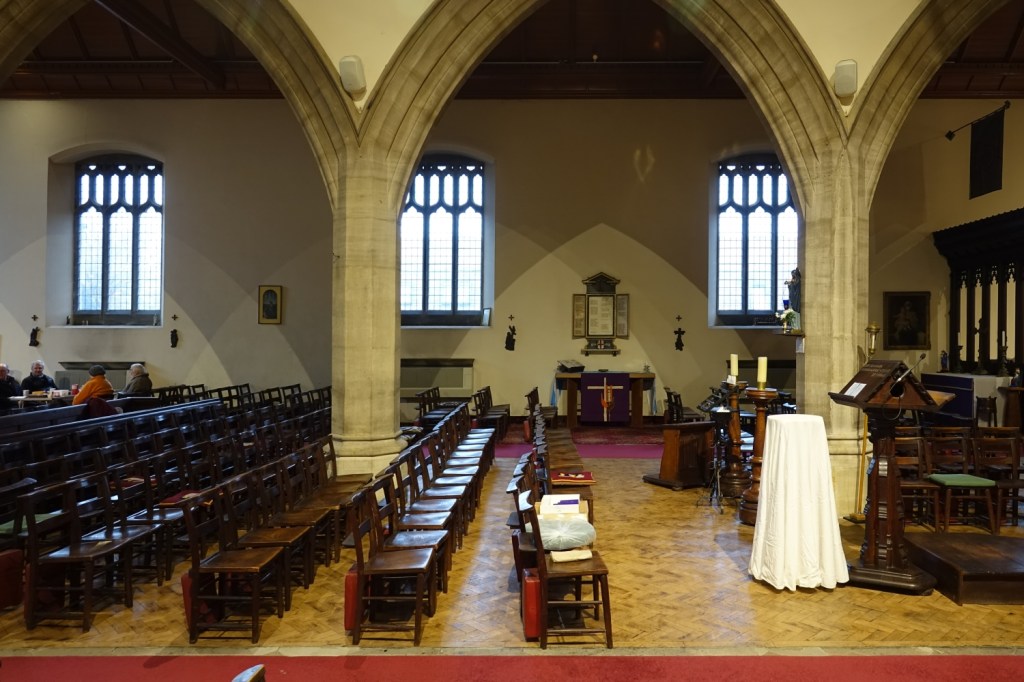
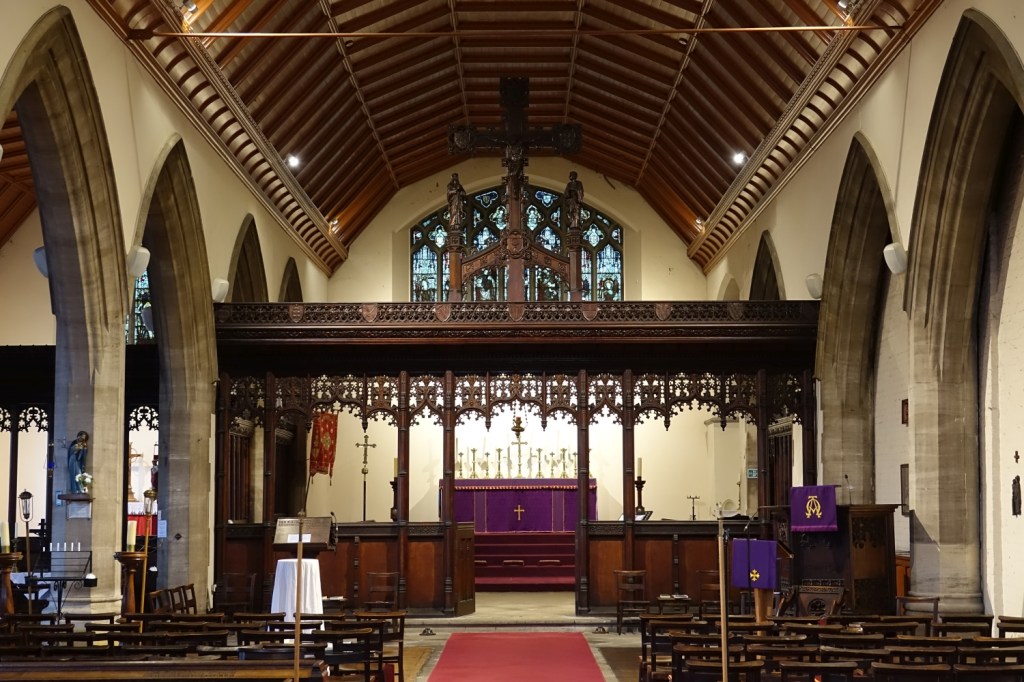
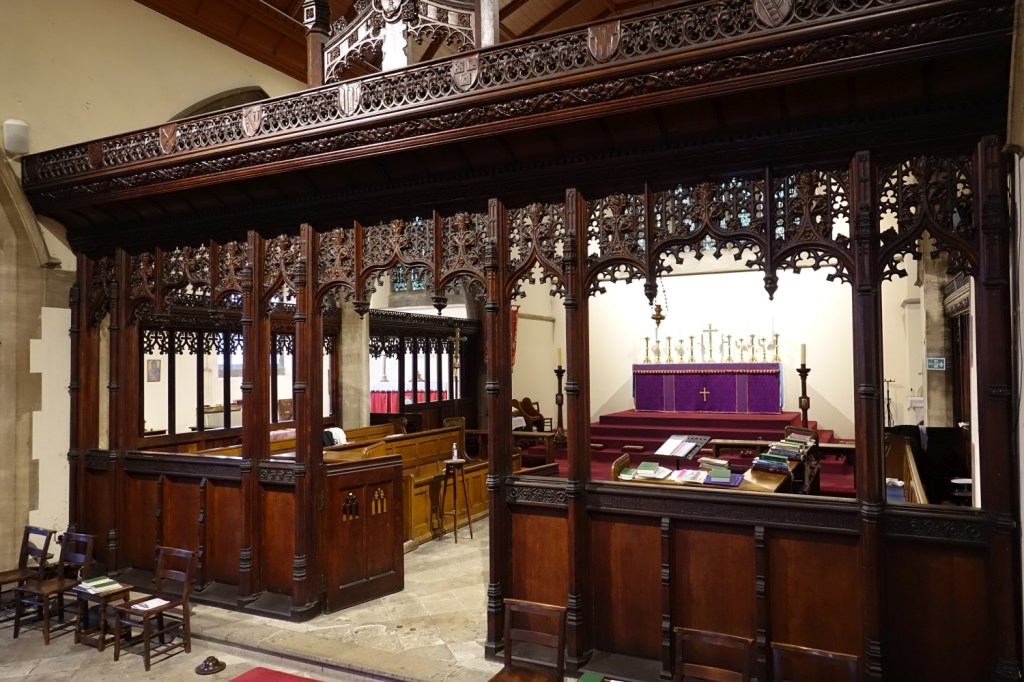
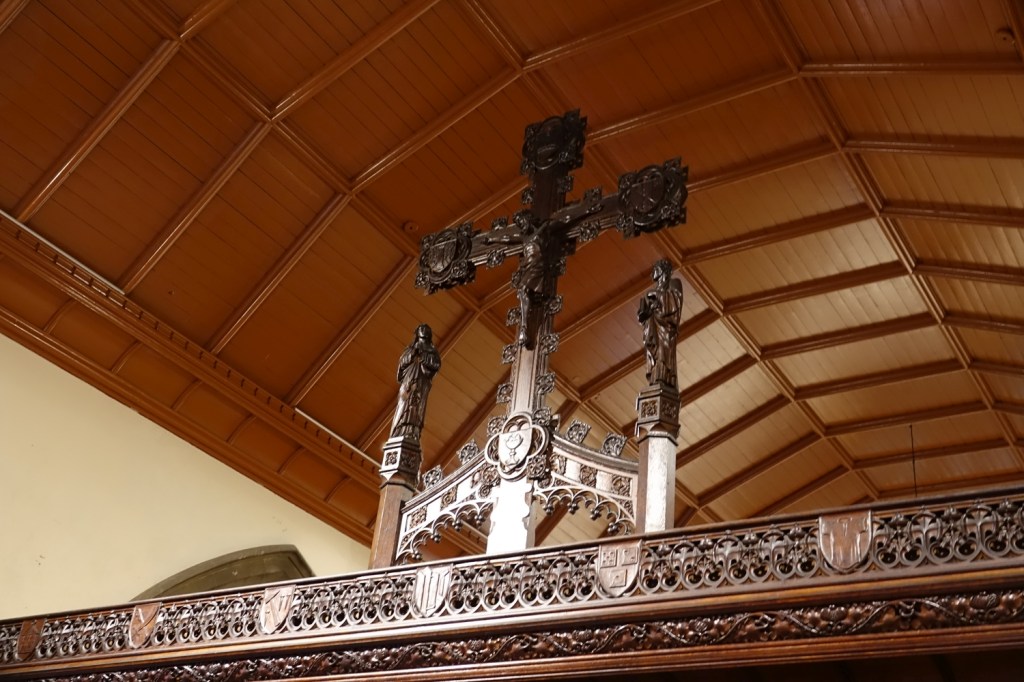
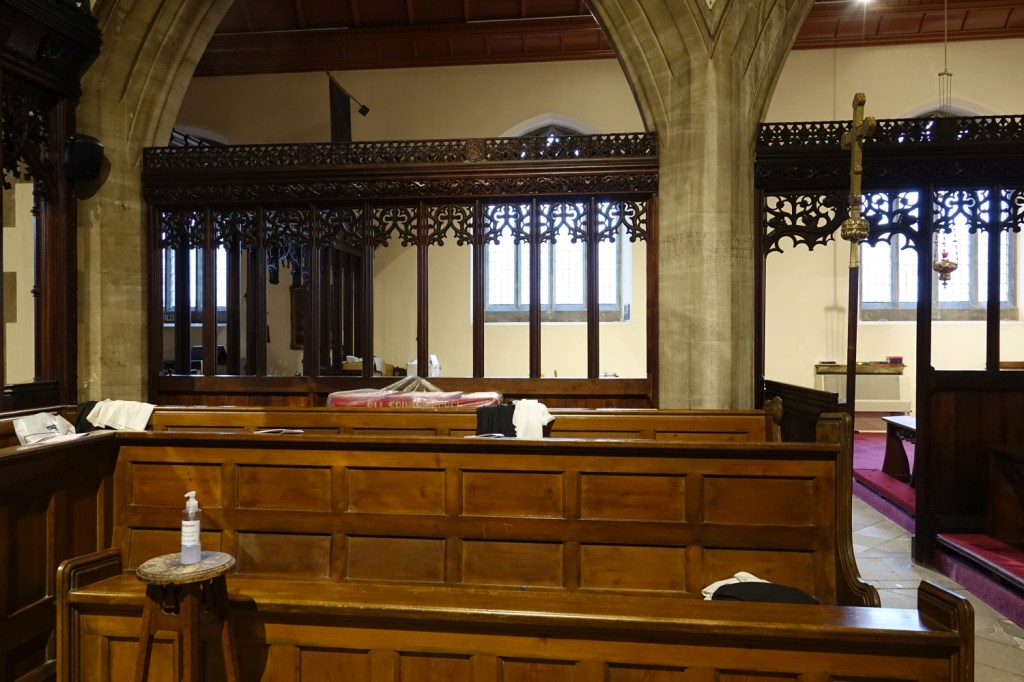
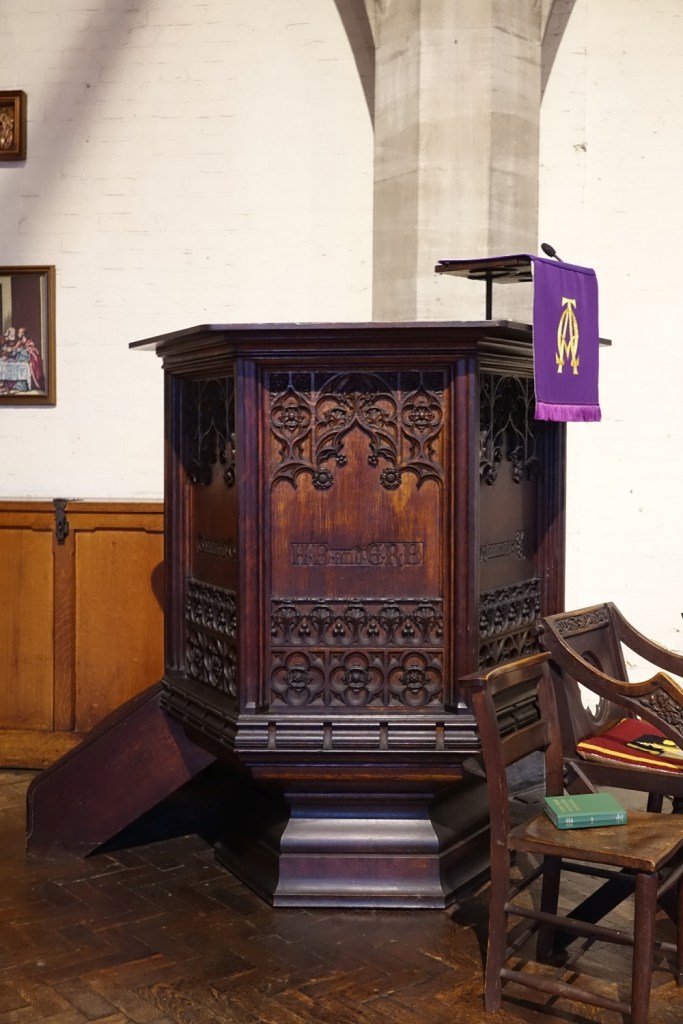
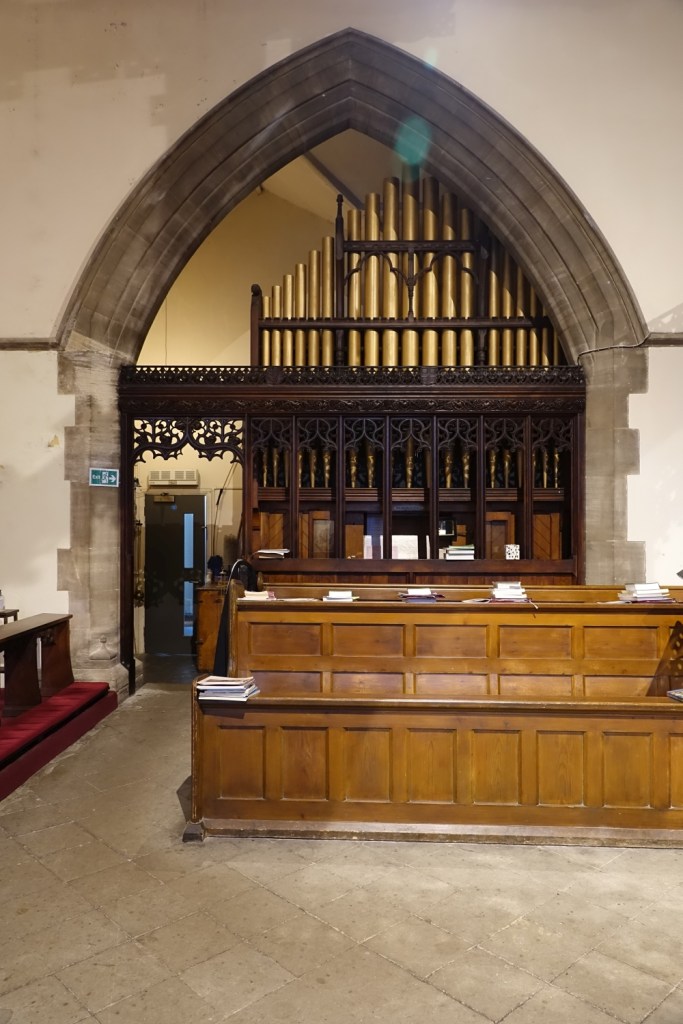
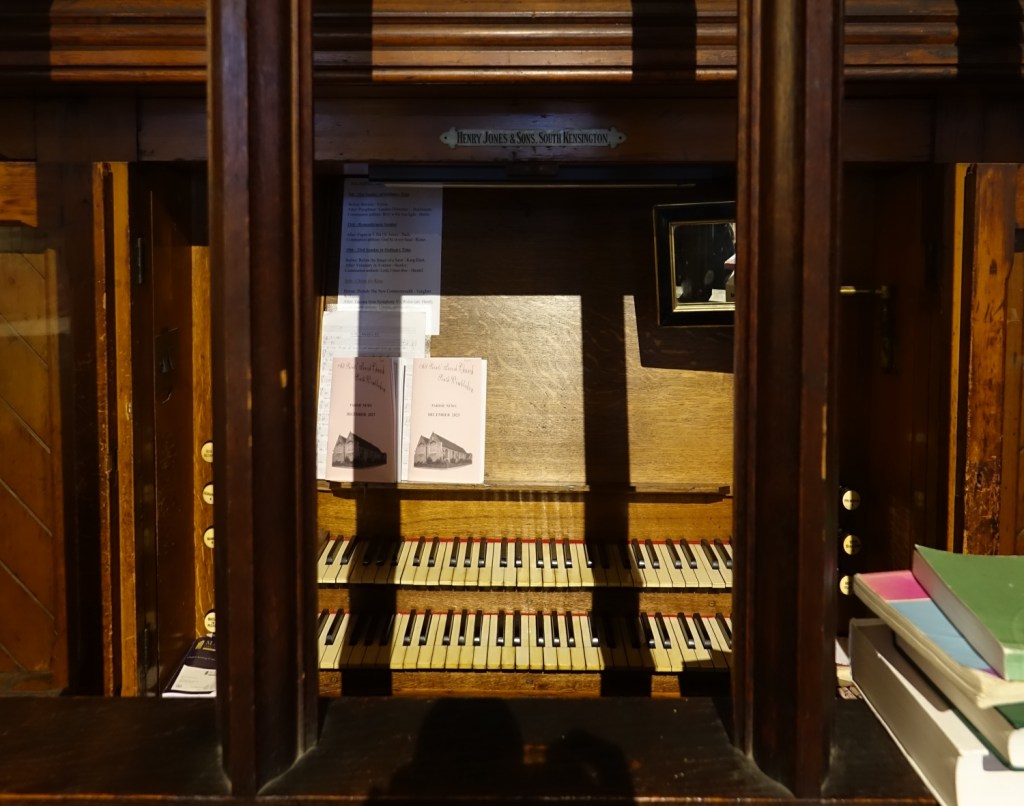
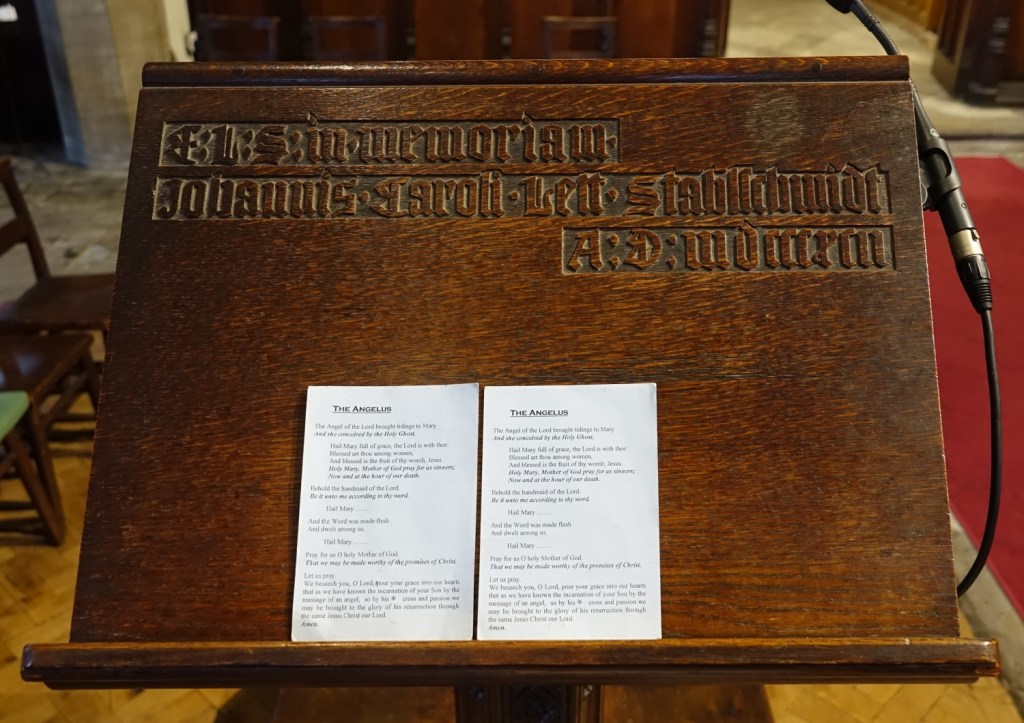
Up the hill from Southfields station near Putney common. This is a large church of 1877 (nave) and 1888 (chancel) by Micklethwaite and Somers Clarke. All the stained glass is by Kempe as is the chancel ceiling decoration.










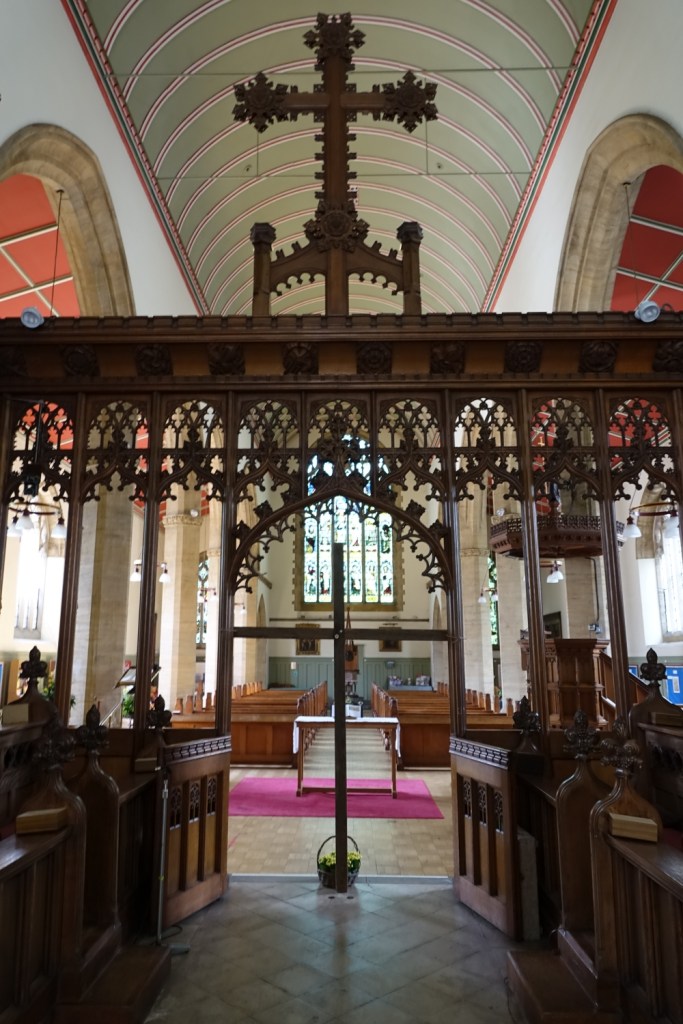
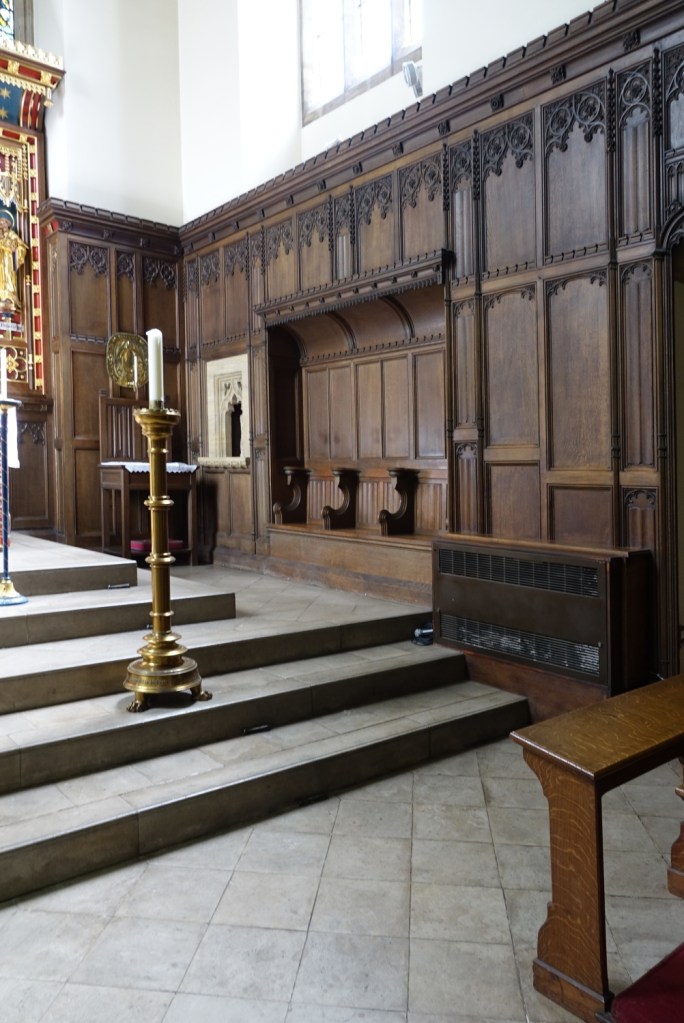
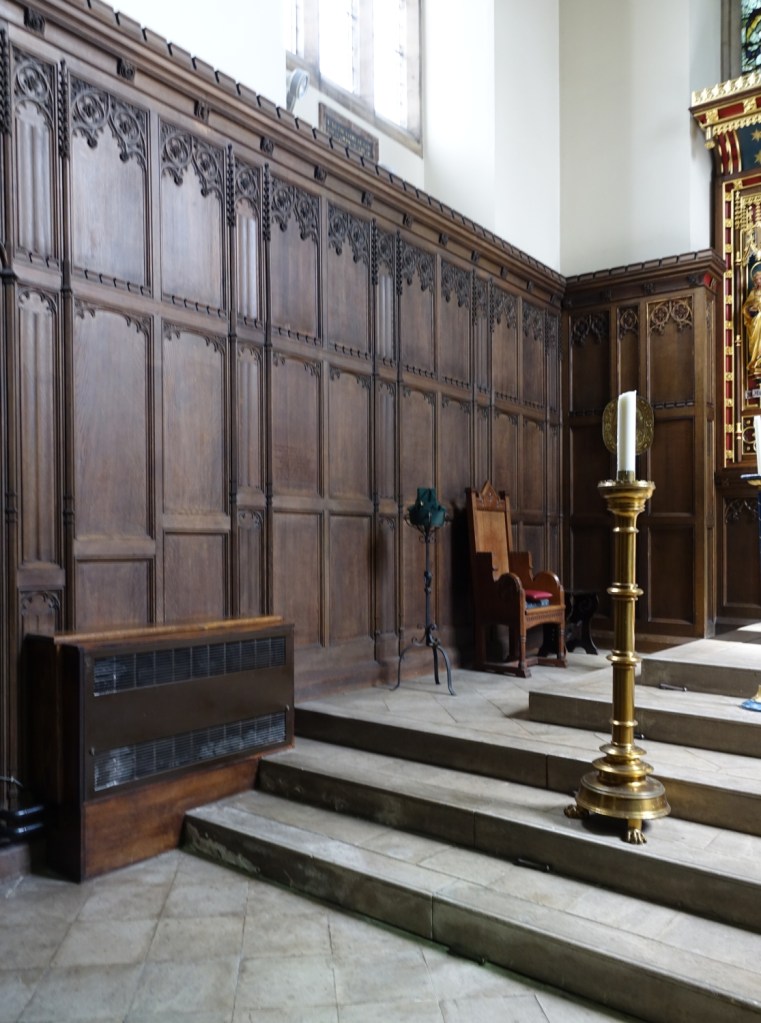
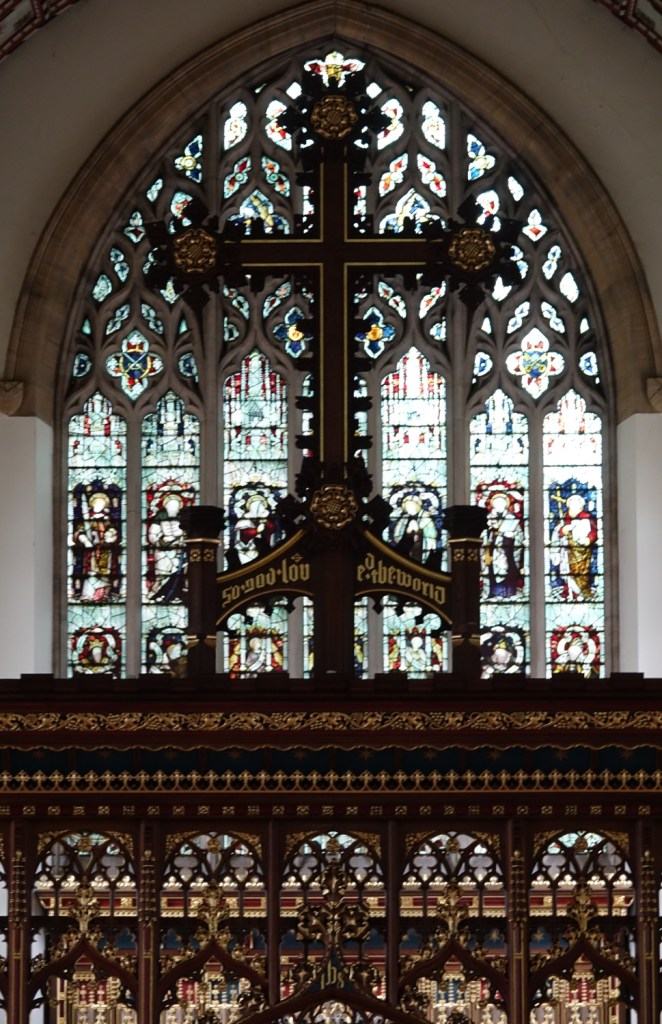





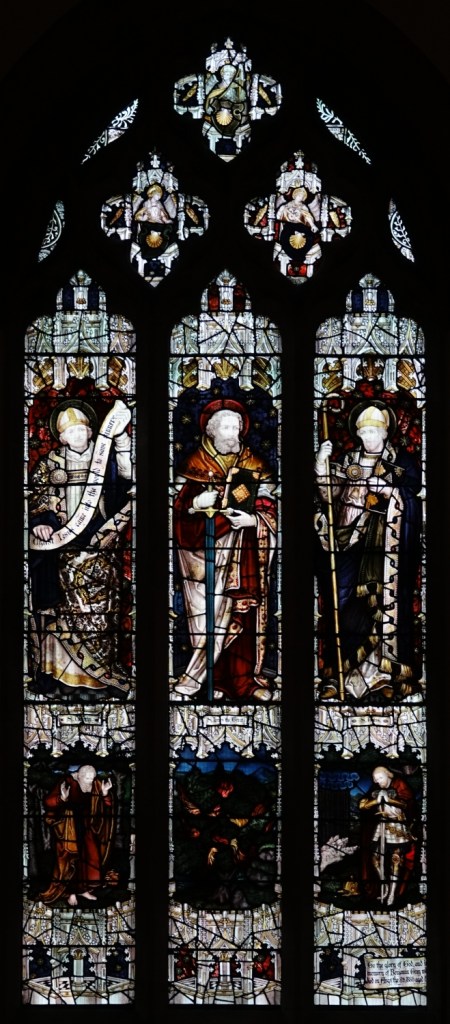

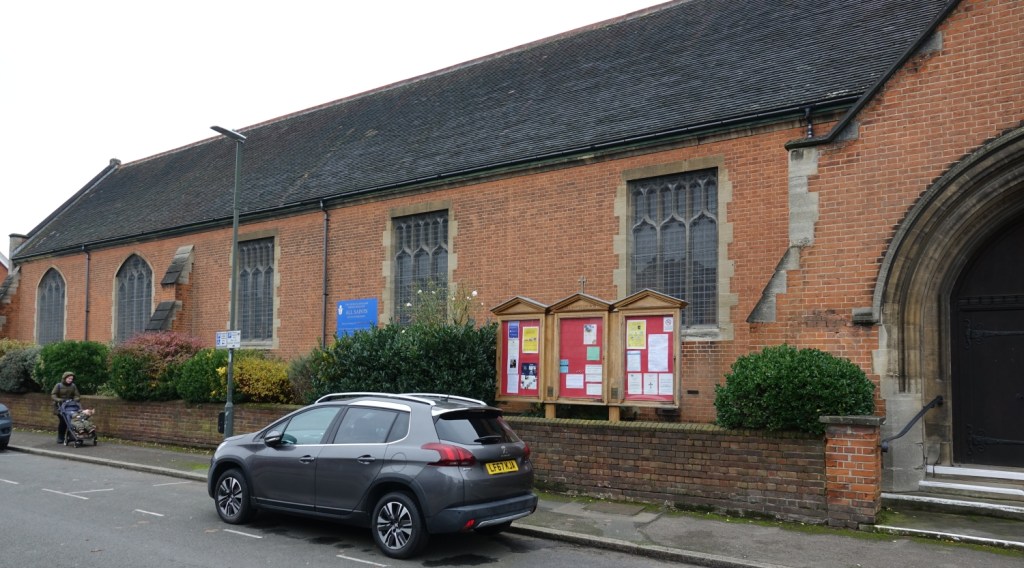
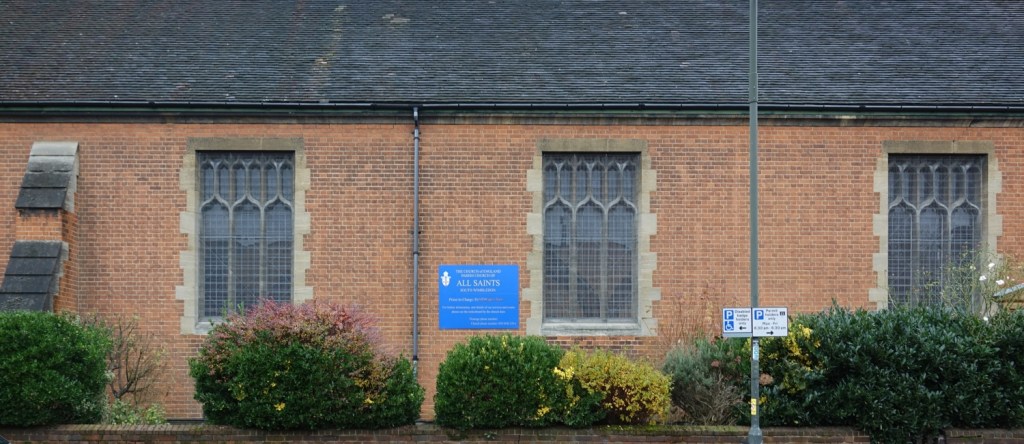
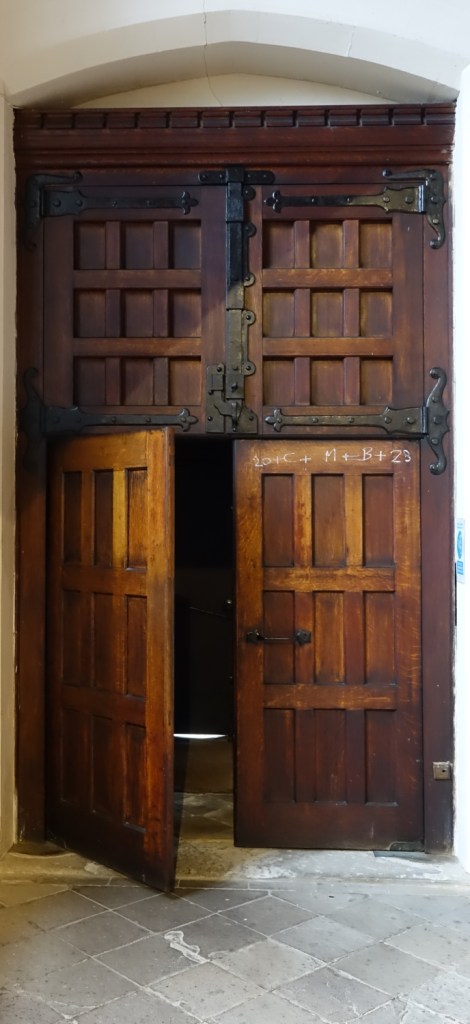
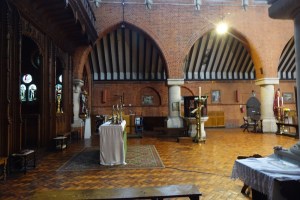
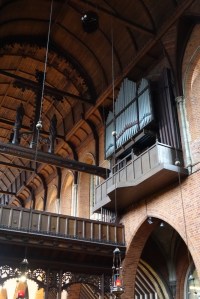
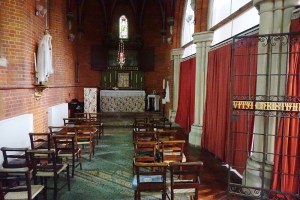
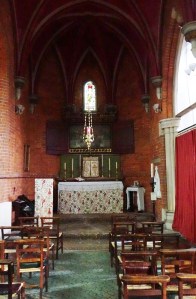
All Saints, All Saints Road, South Wimbledon
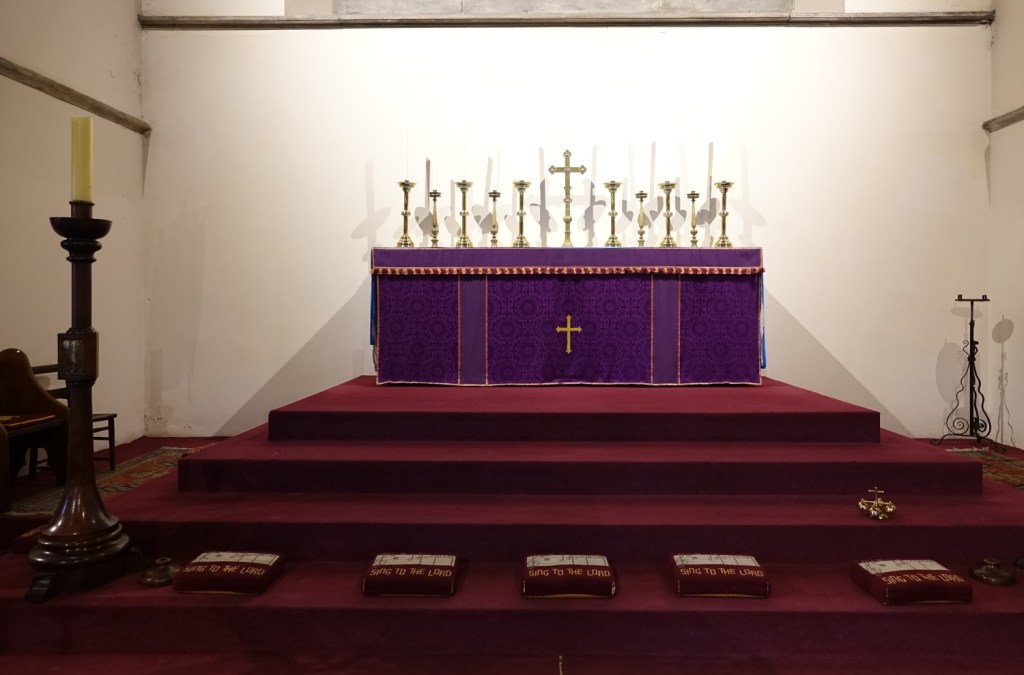
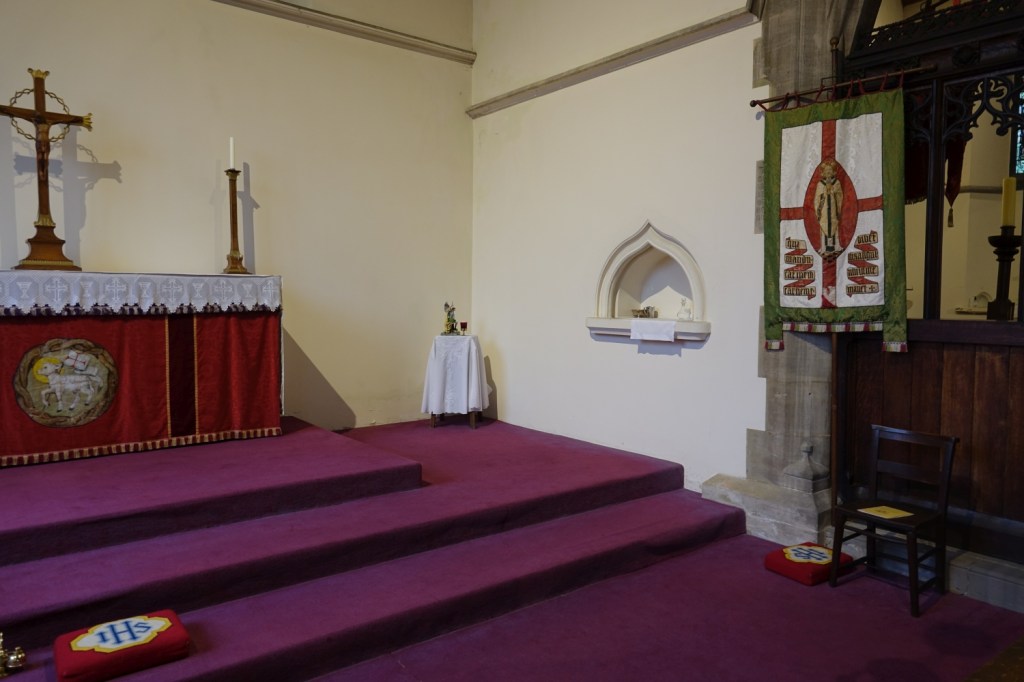
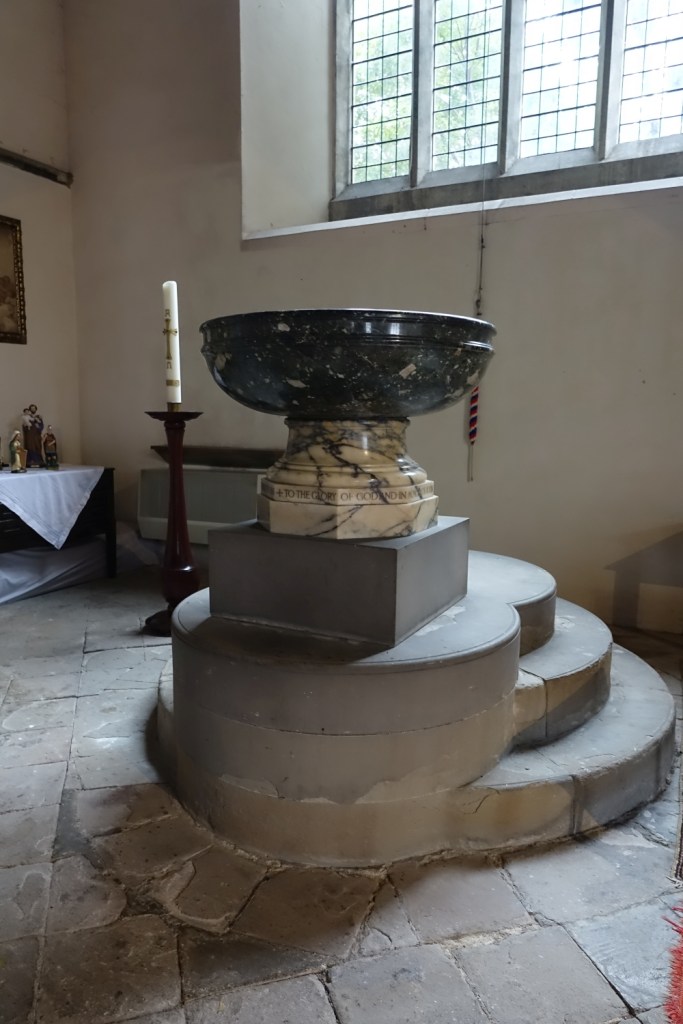
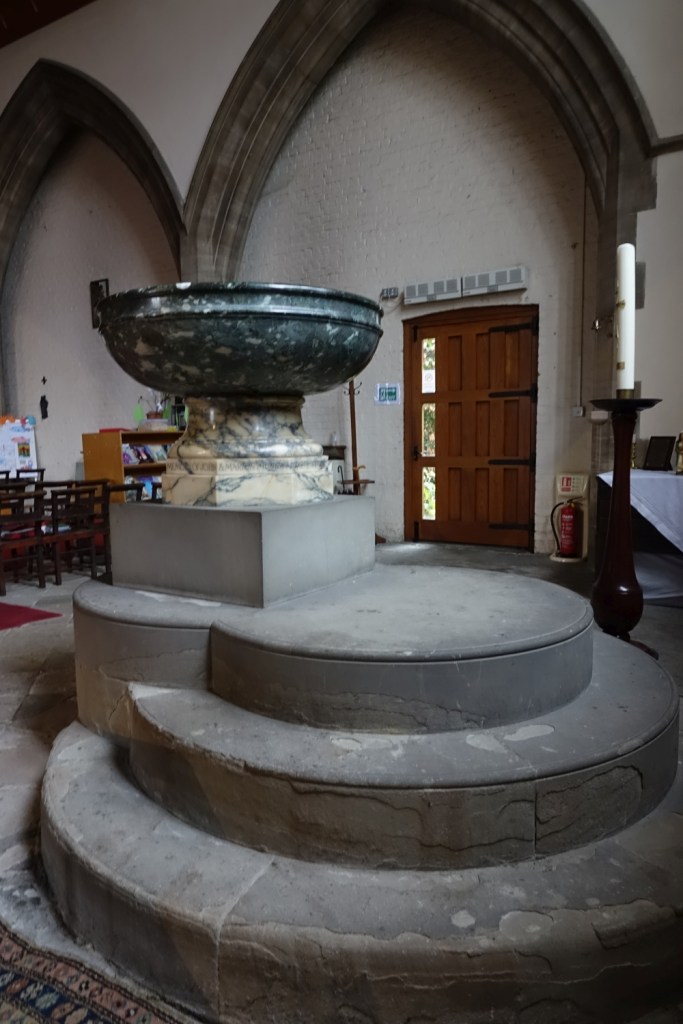
Away from main roads. The church is by J.T. Micklethwaite and Somers-Clarke and dates from 1891-93.




















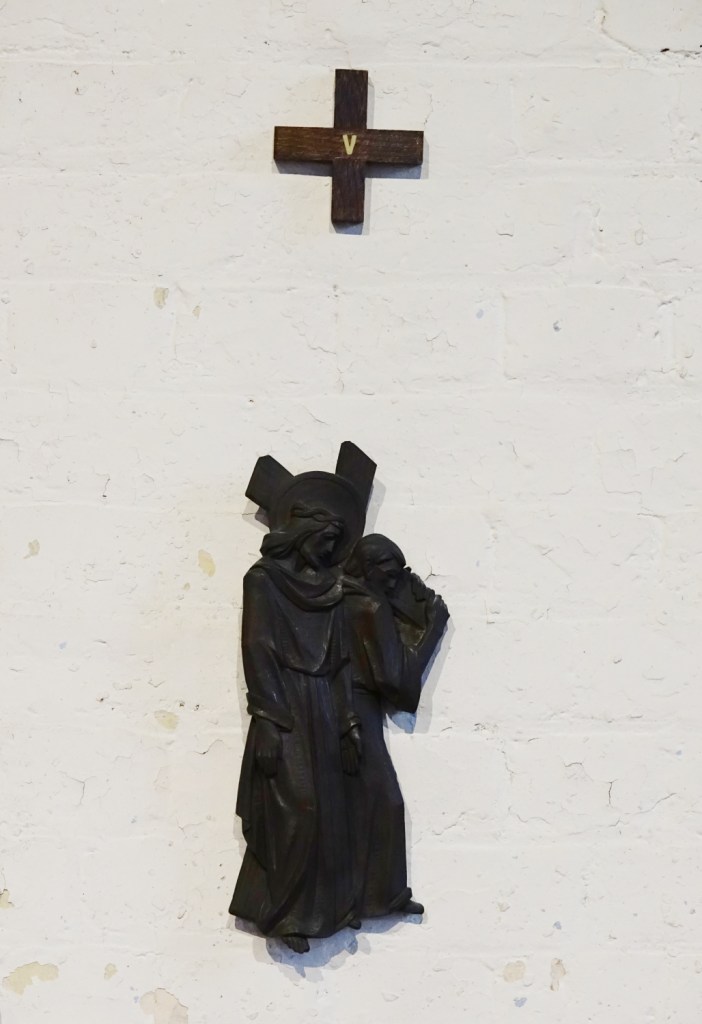
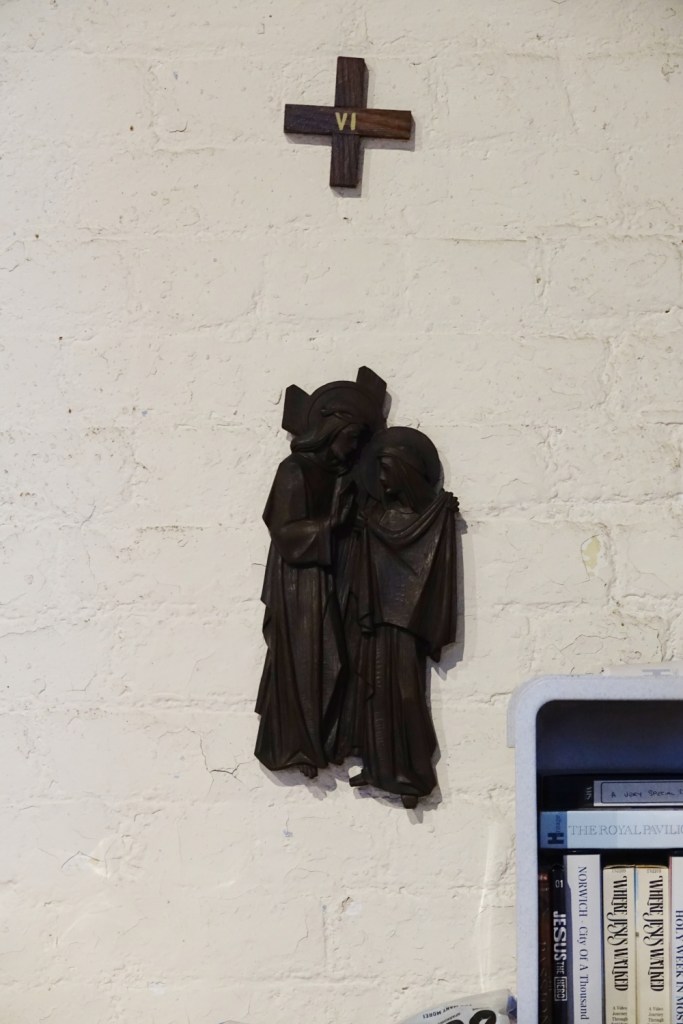


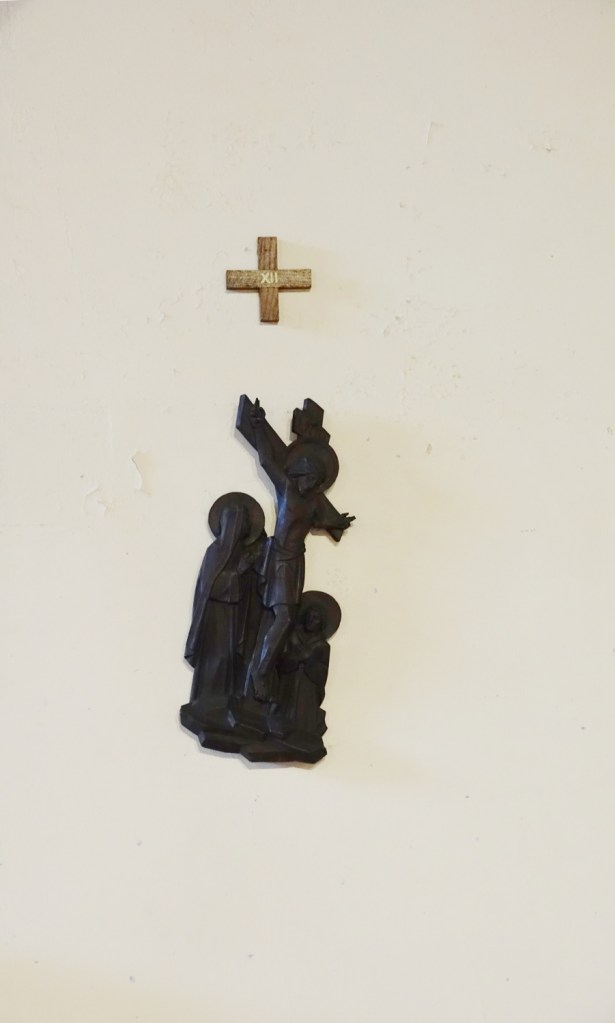



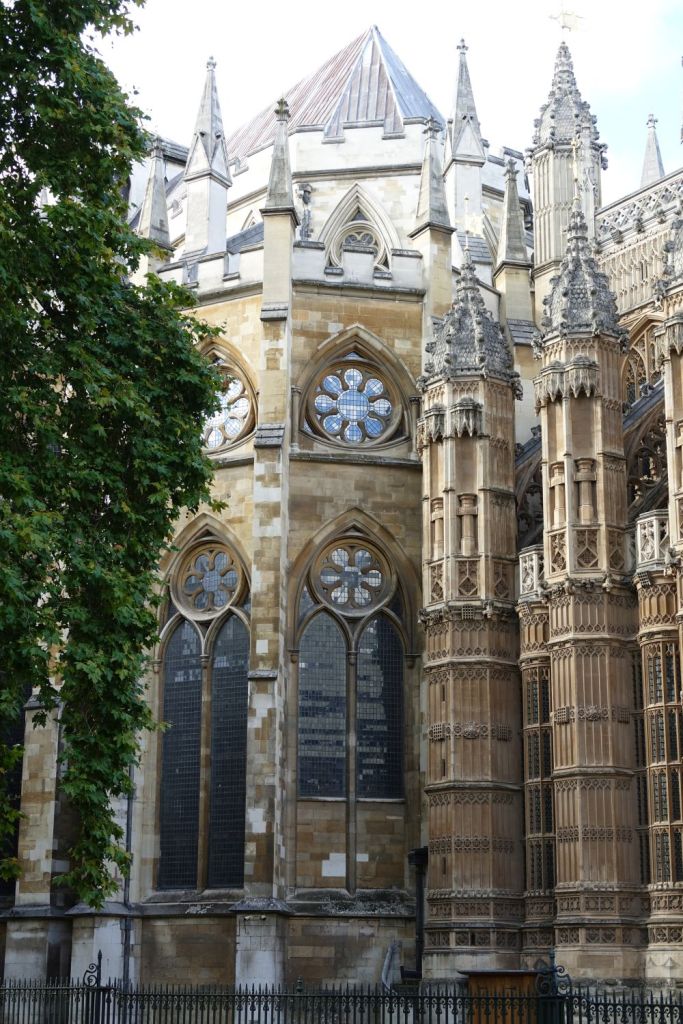
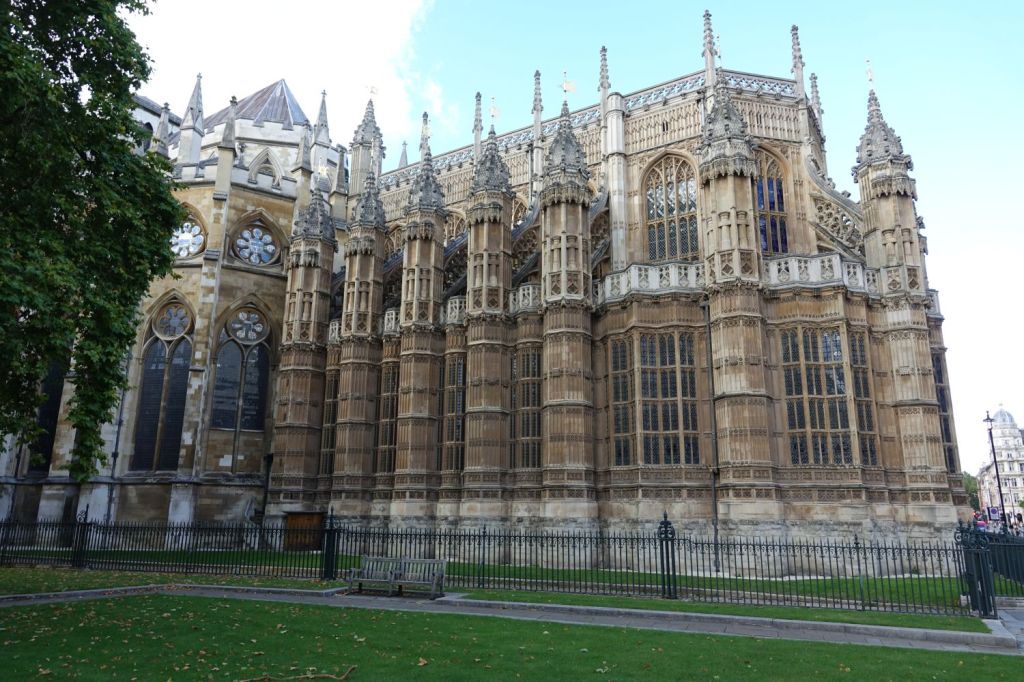
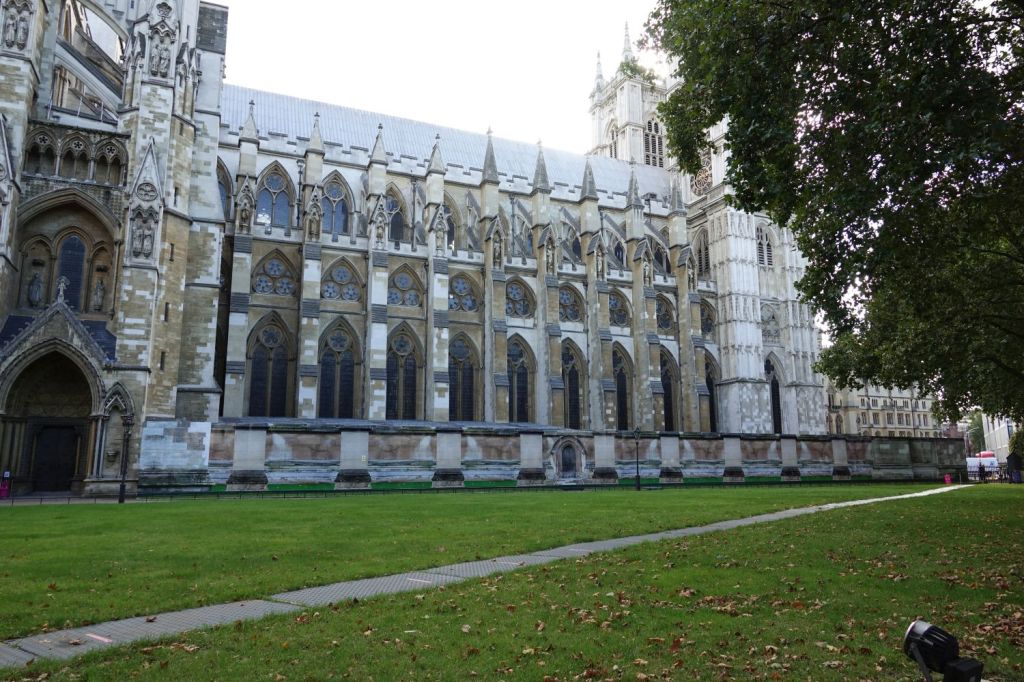
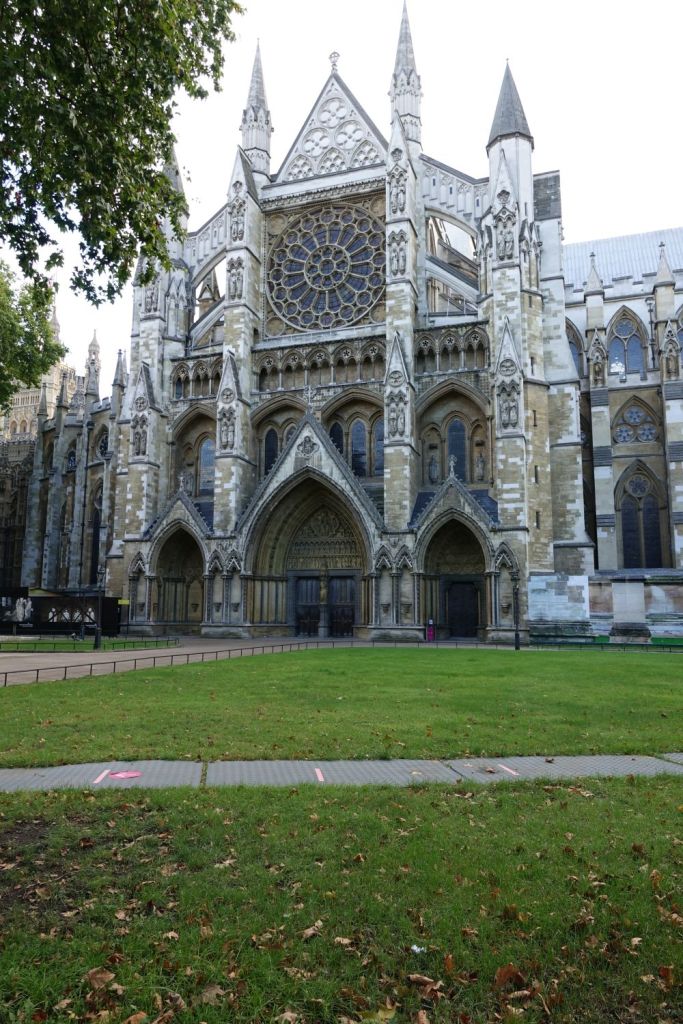
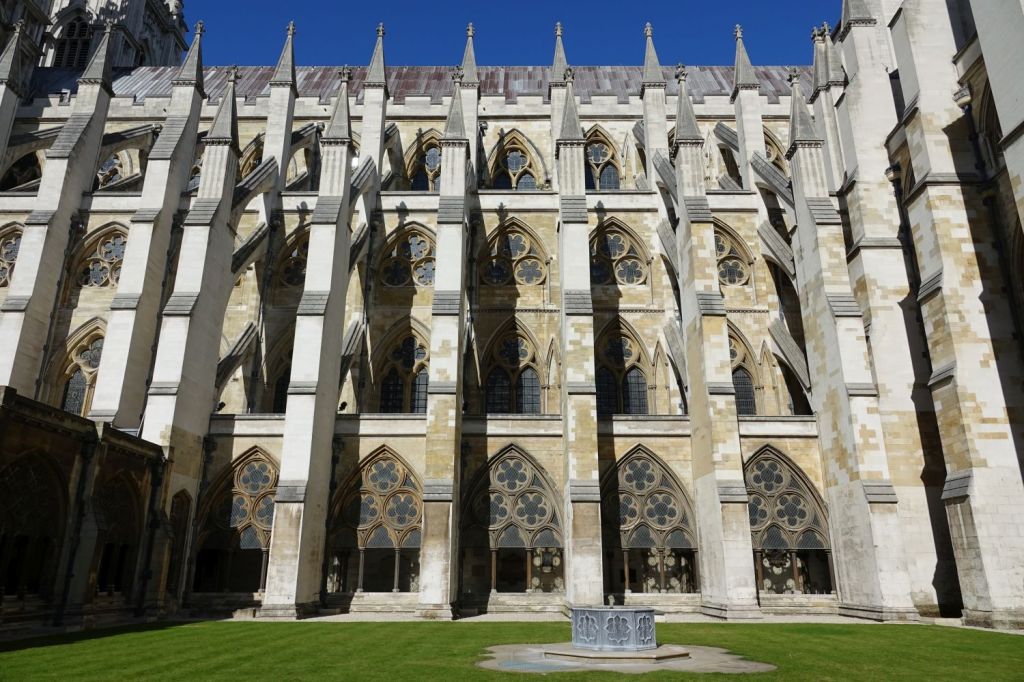
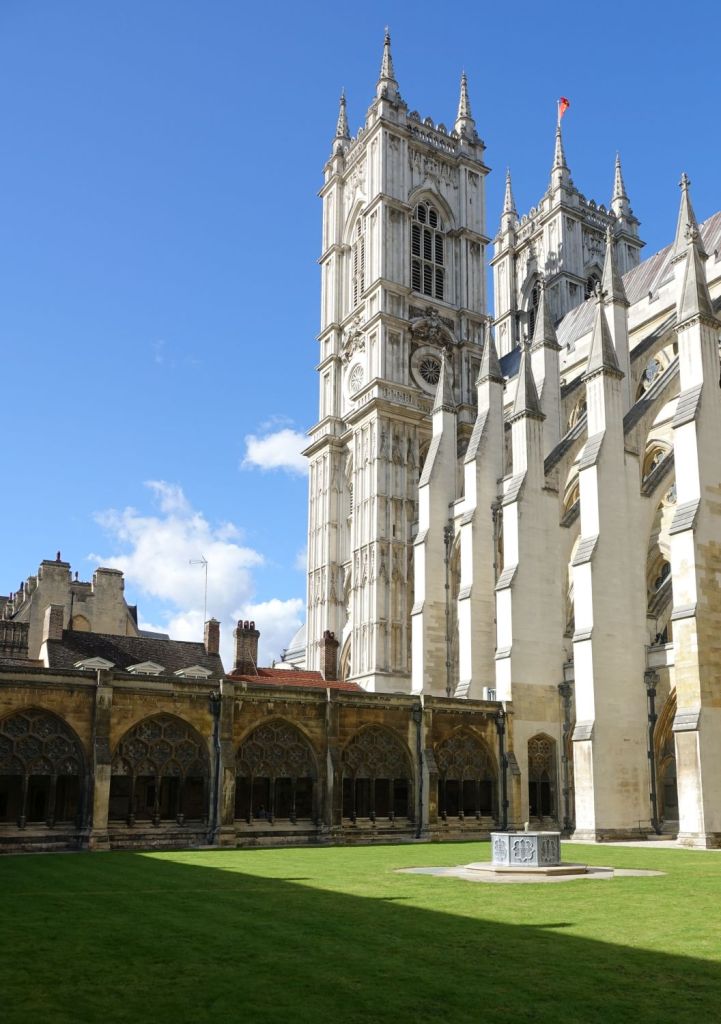
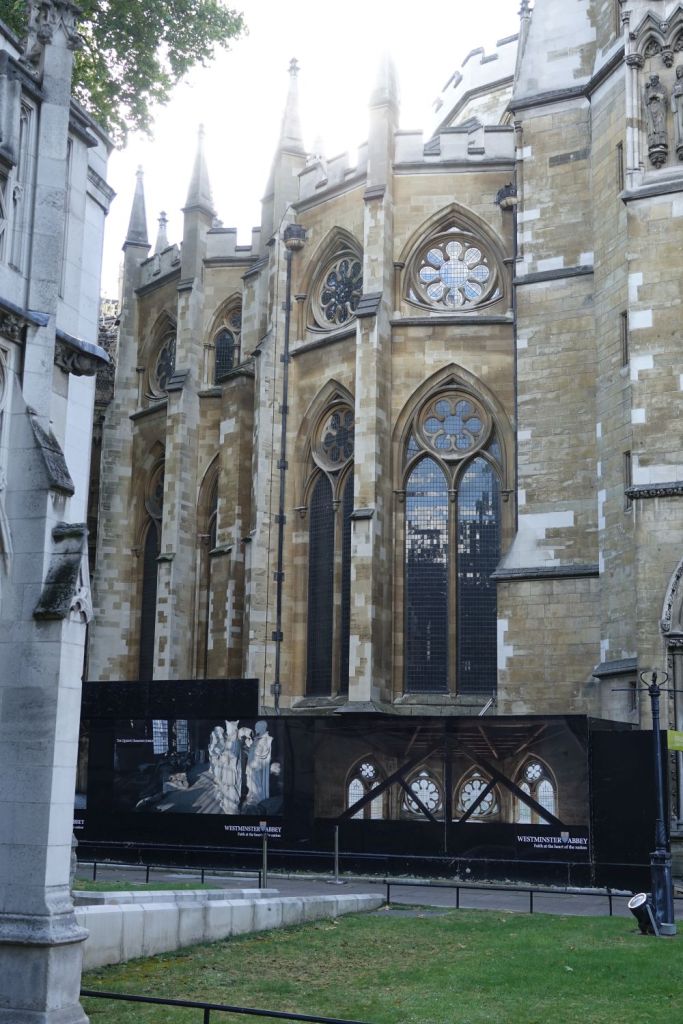
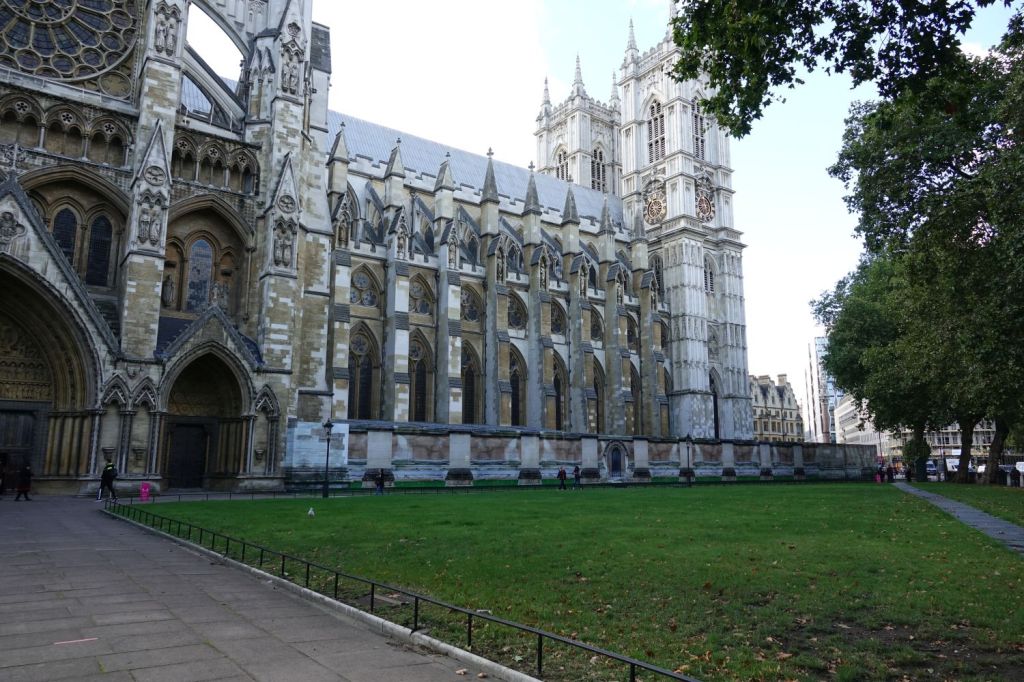
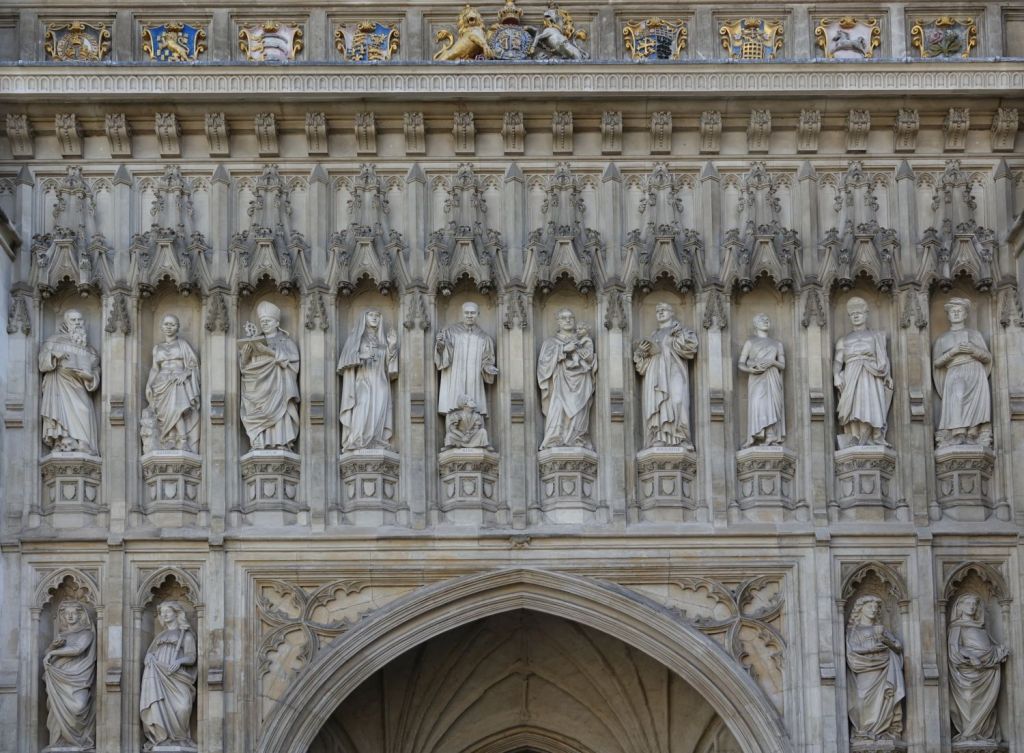
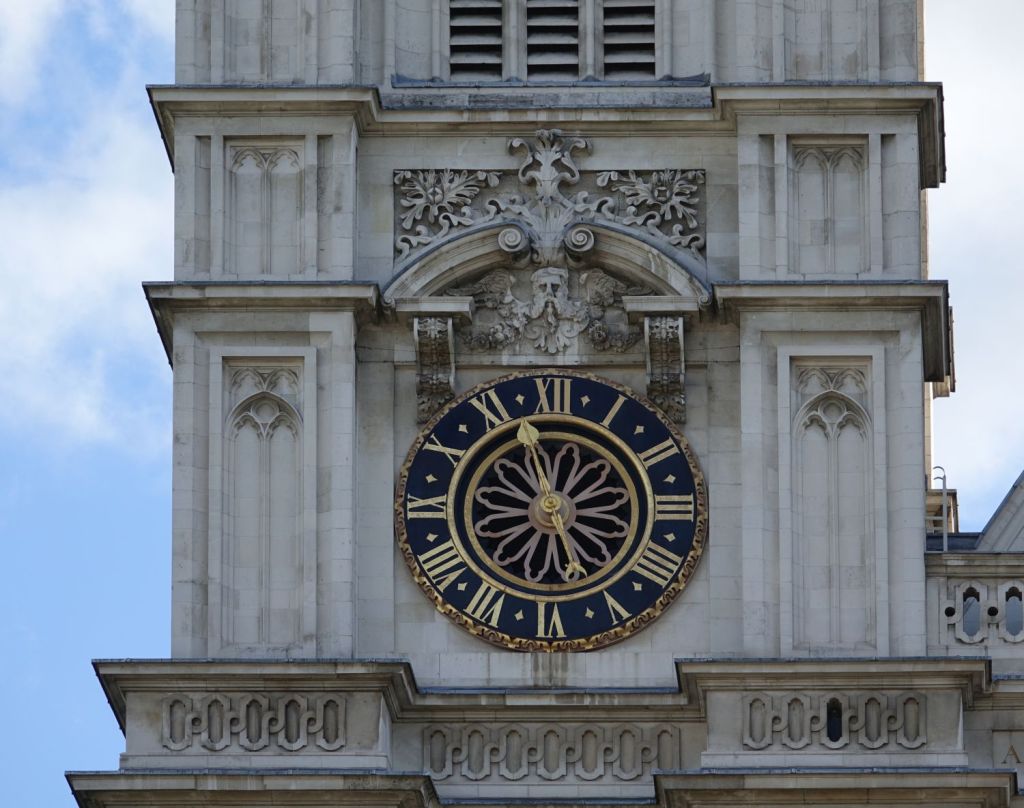
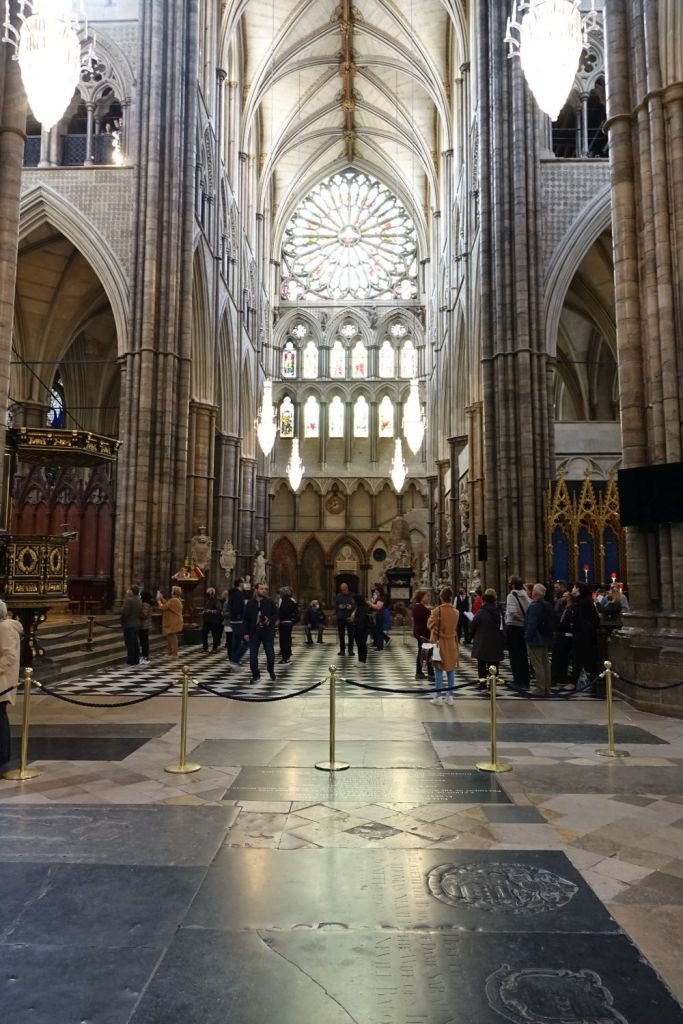
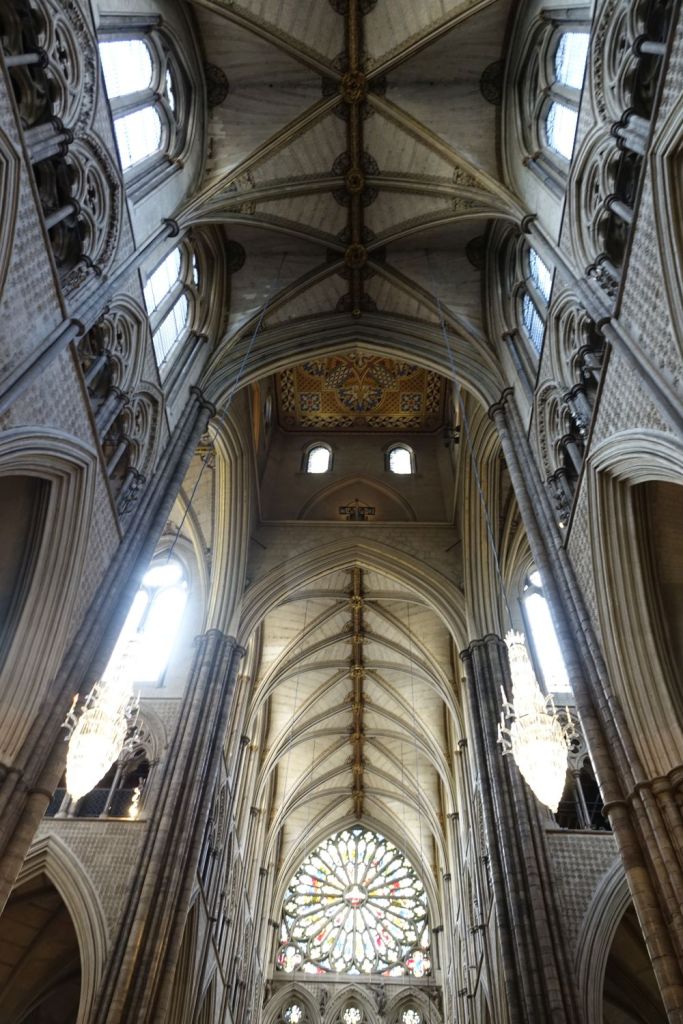
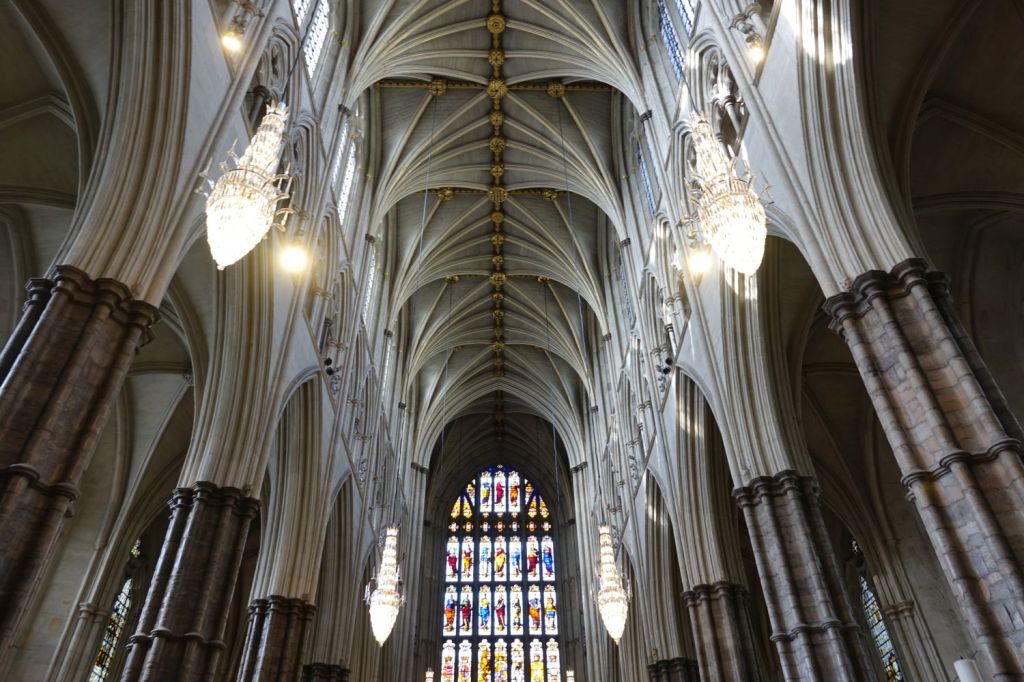
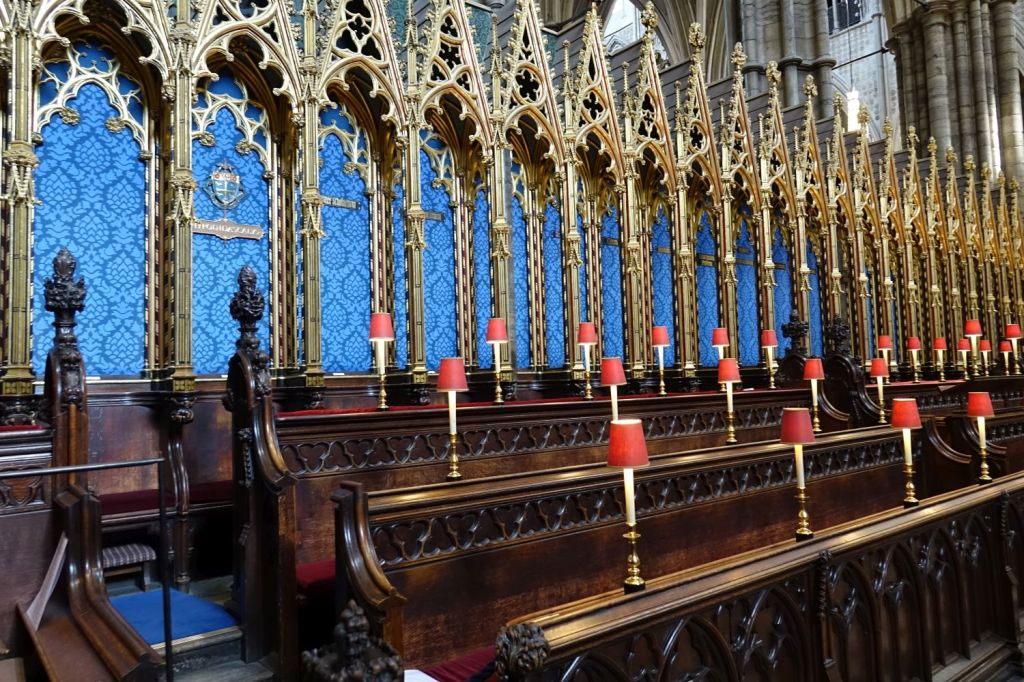
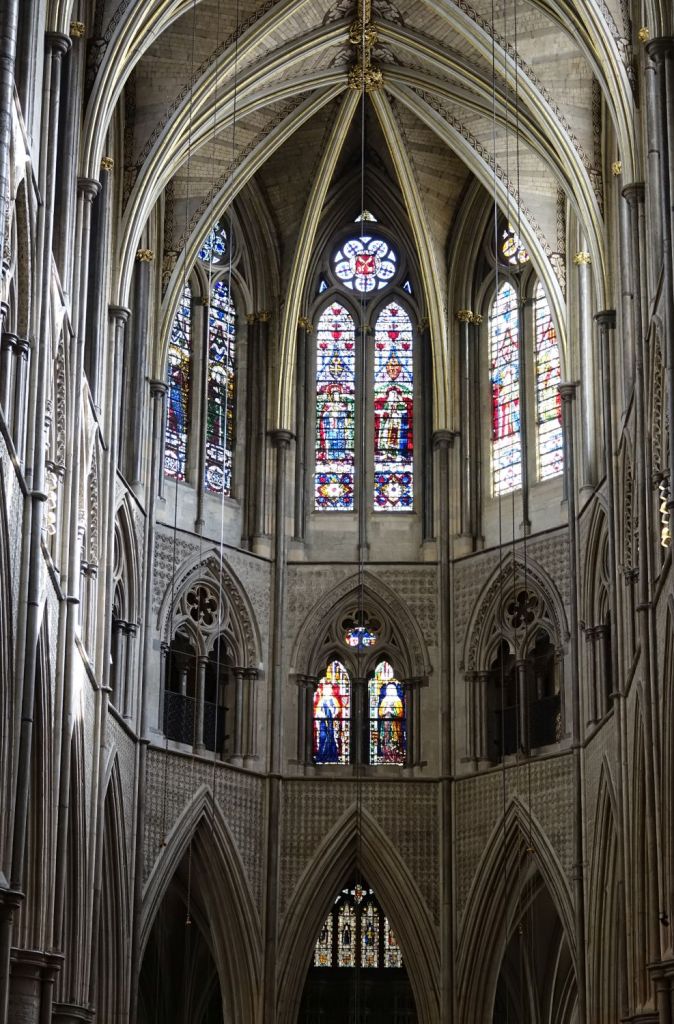
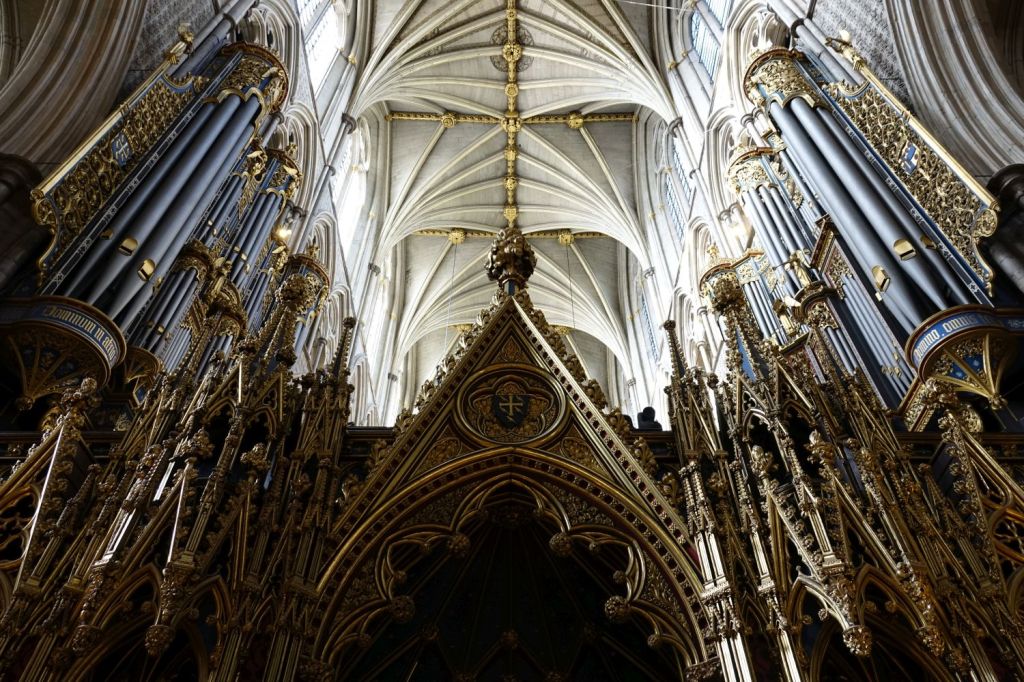
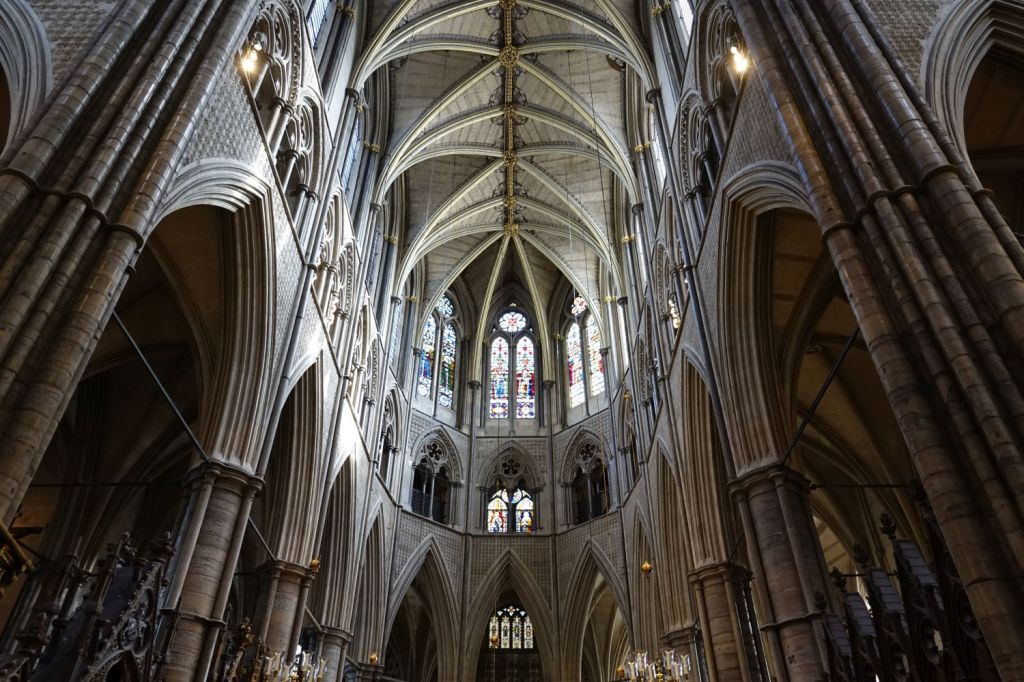
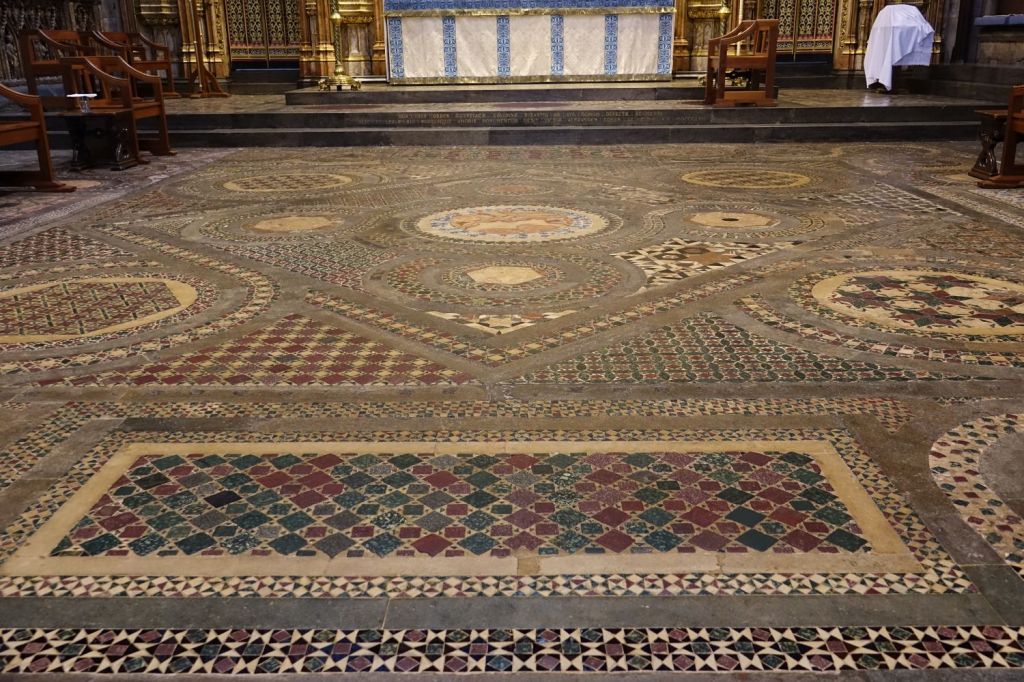
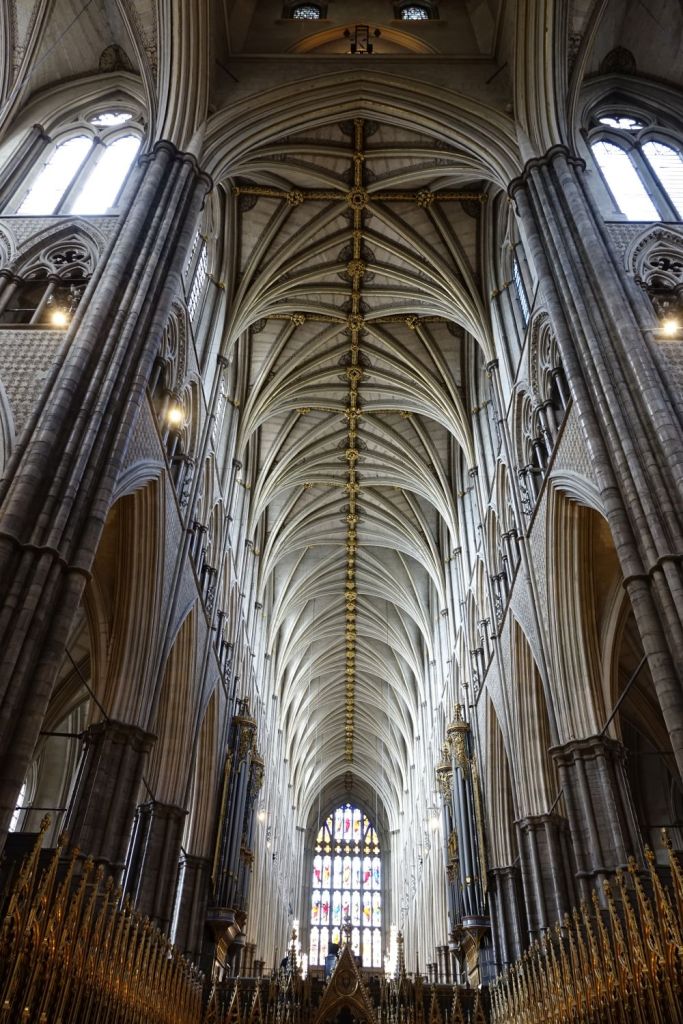
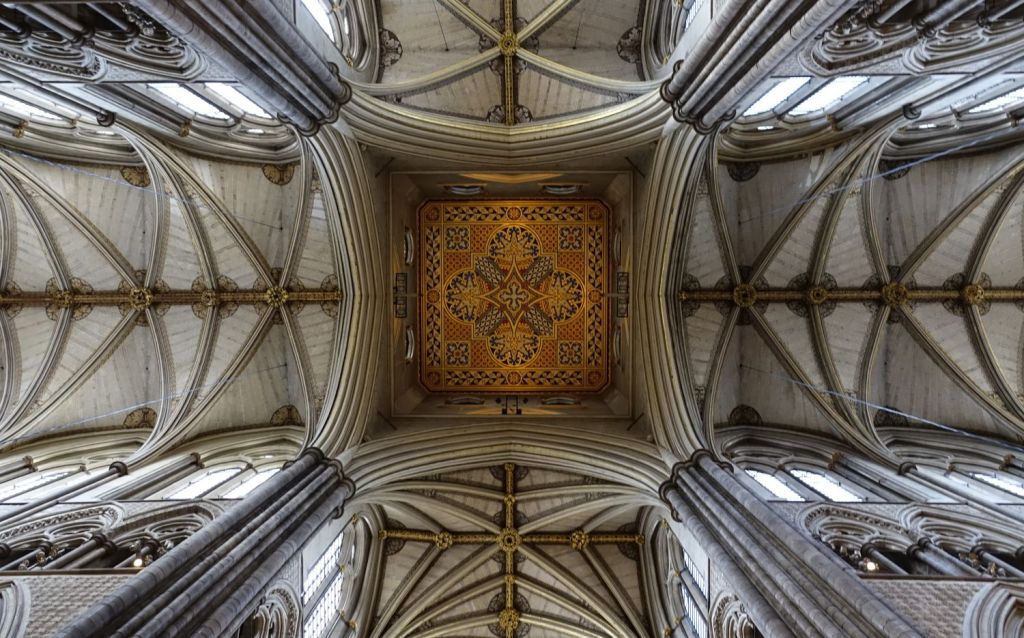
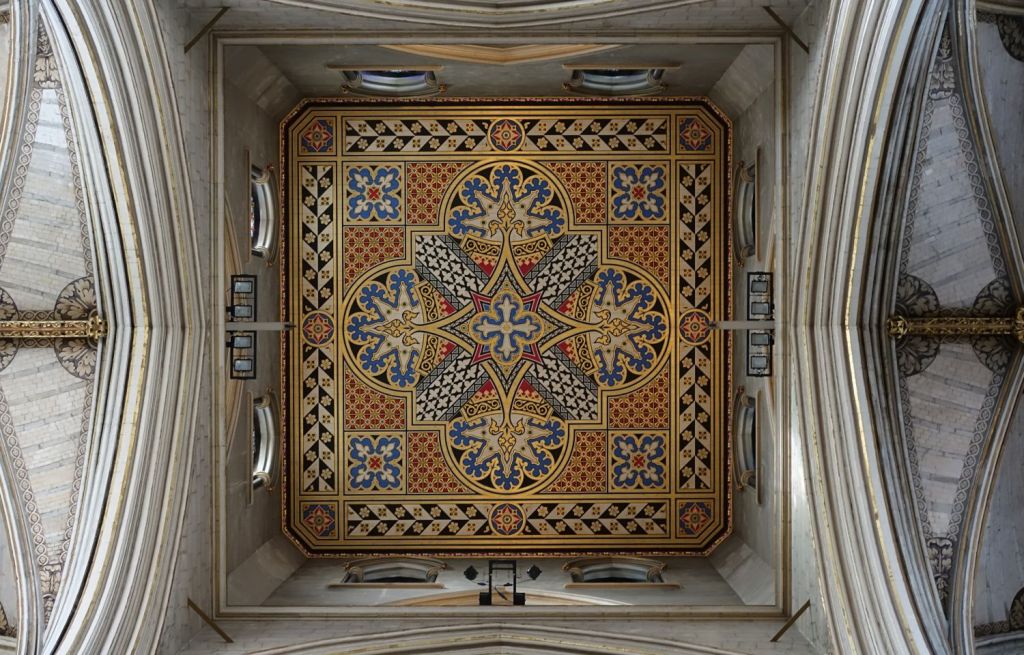
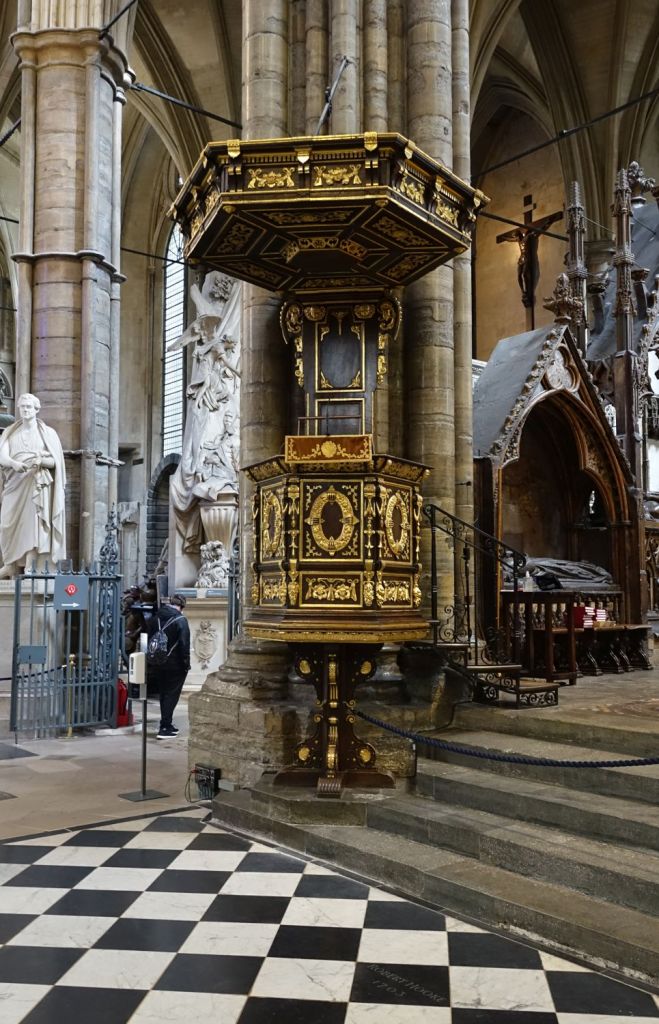
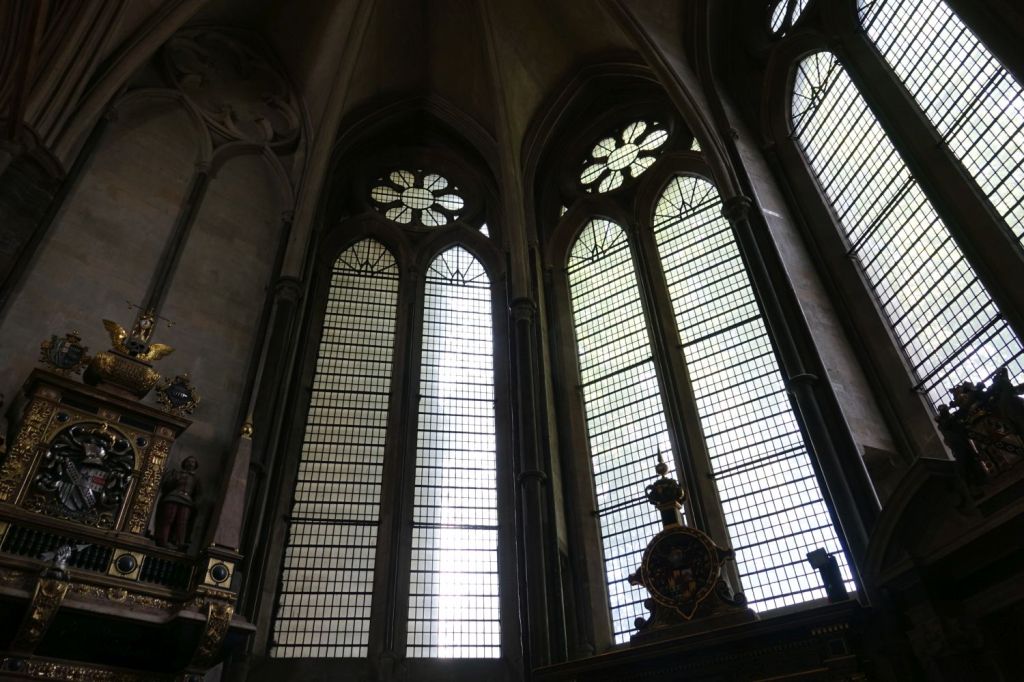
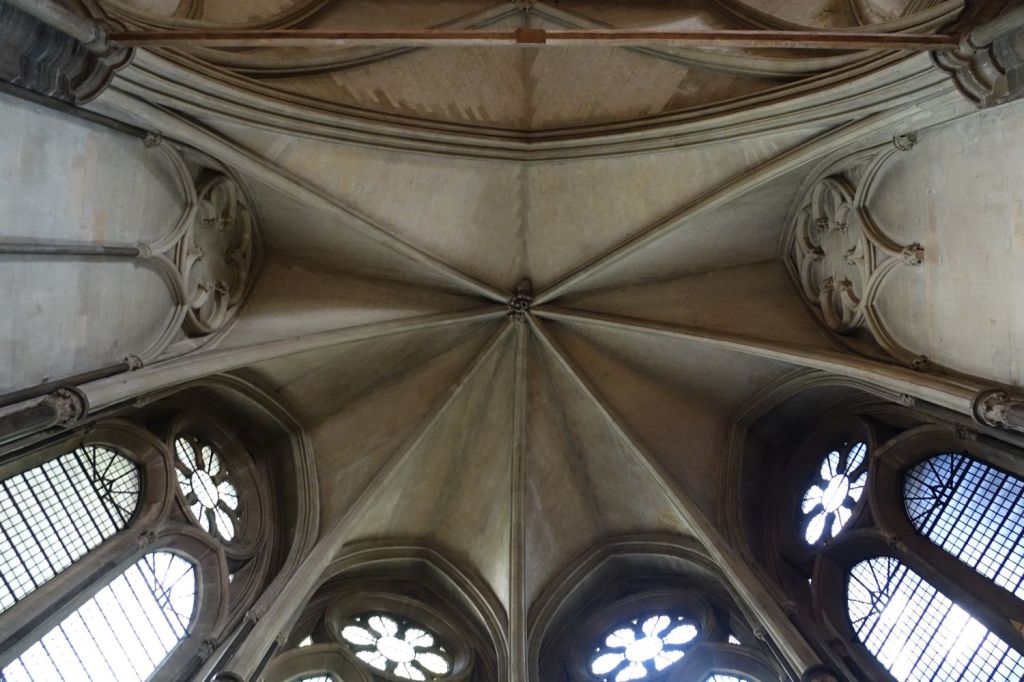
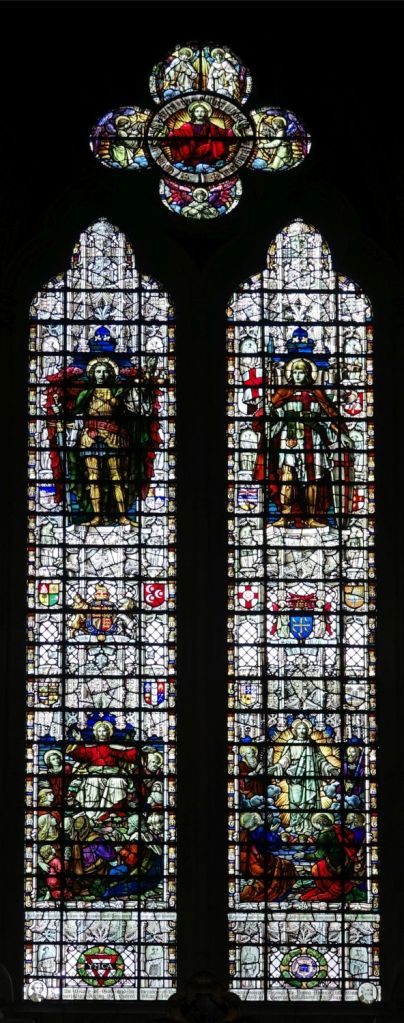
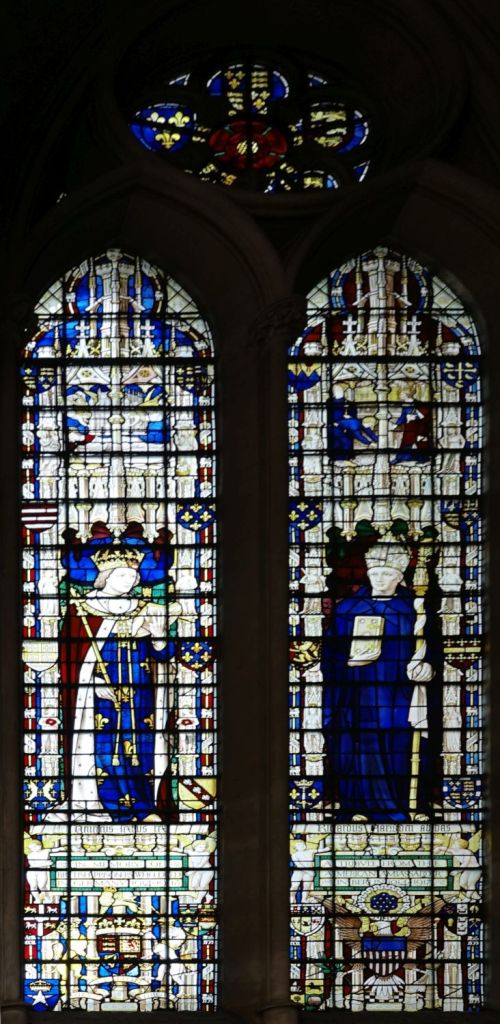
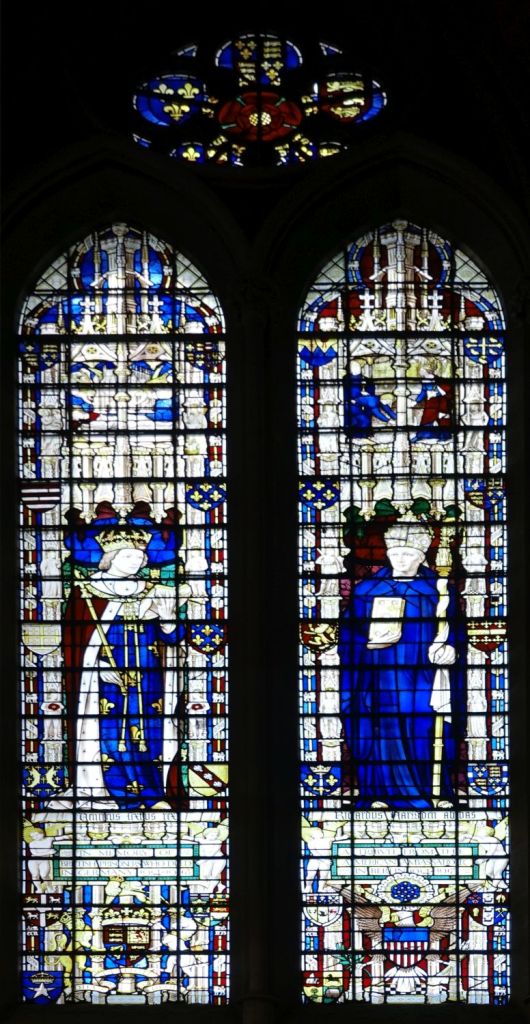
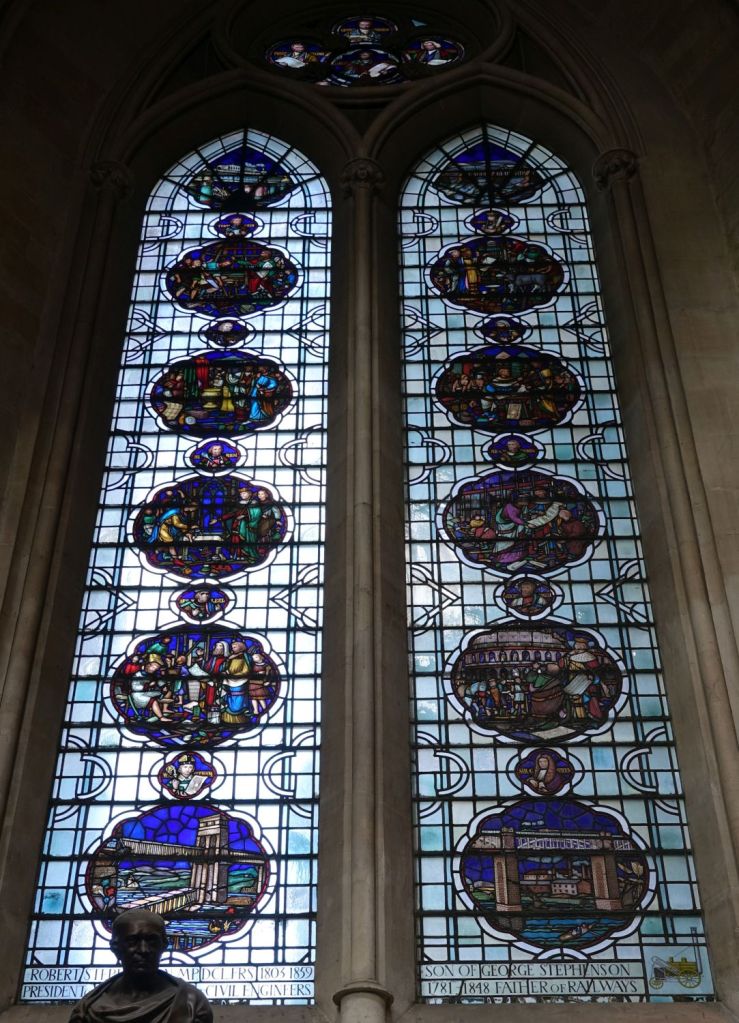
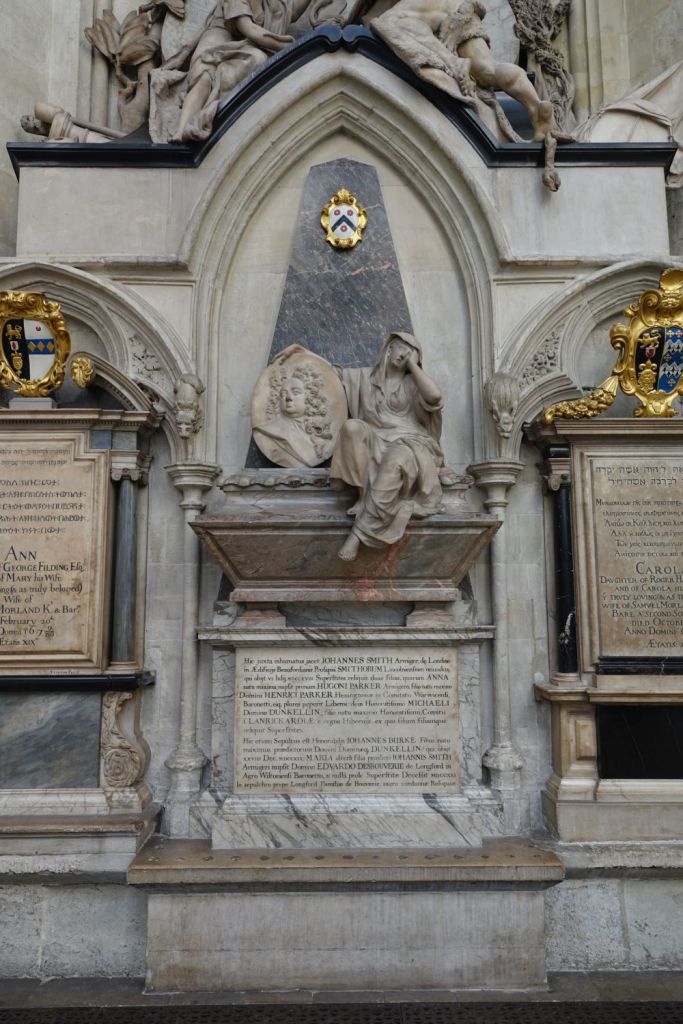
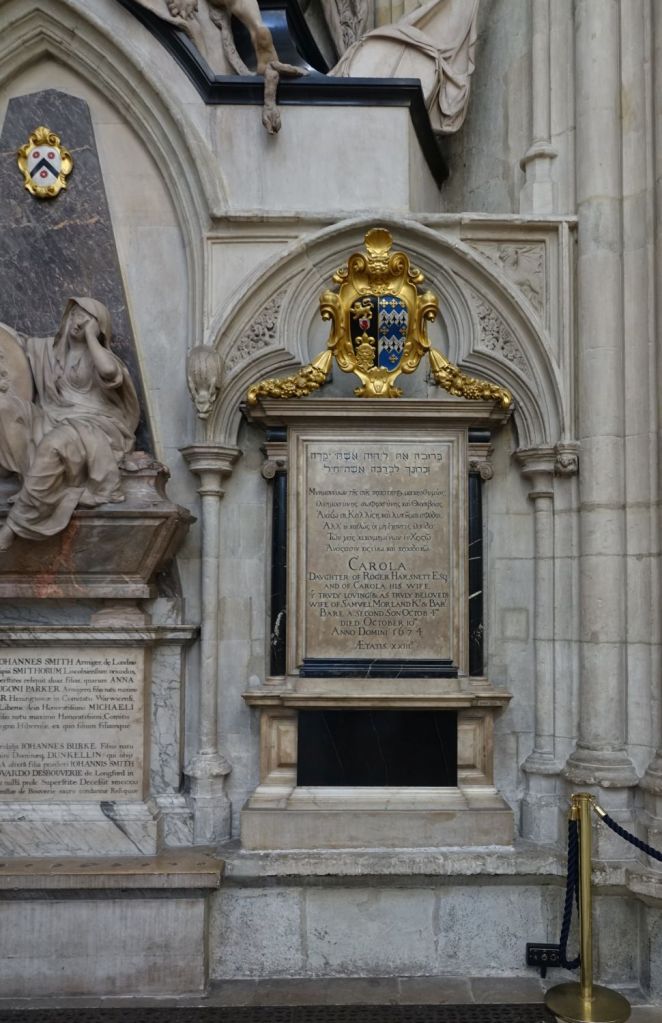
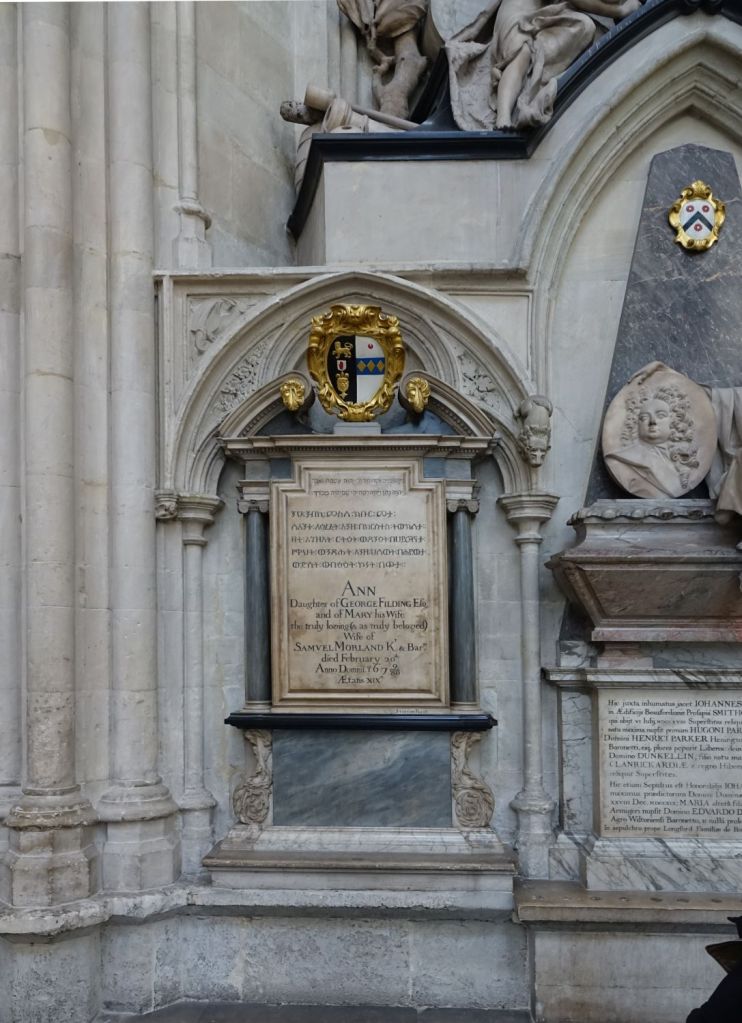
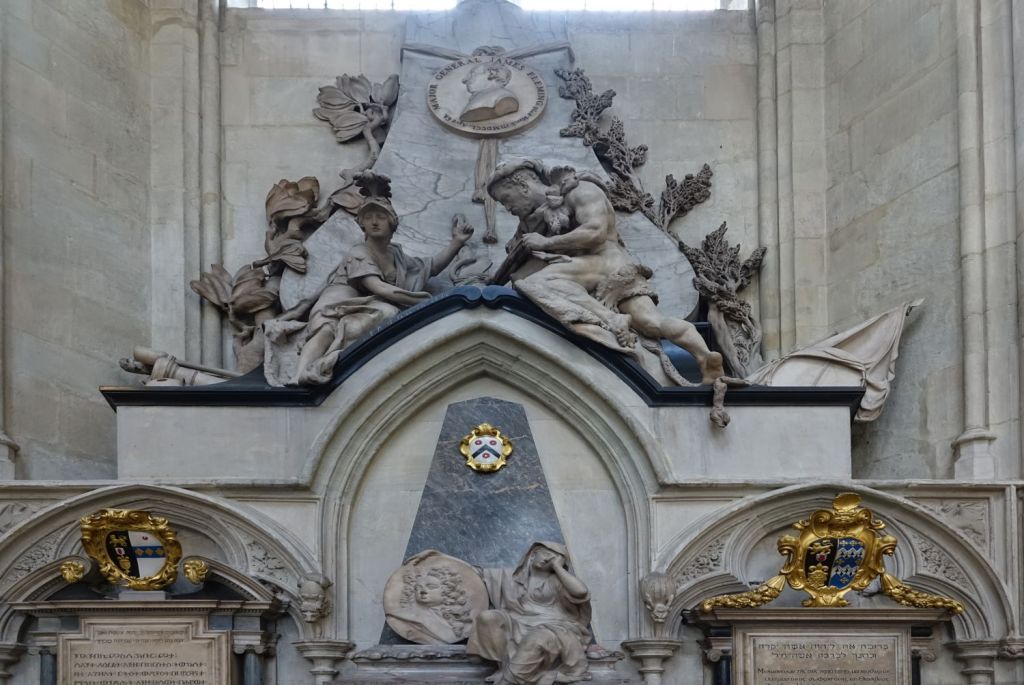
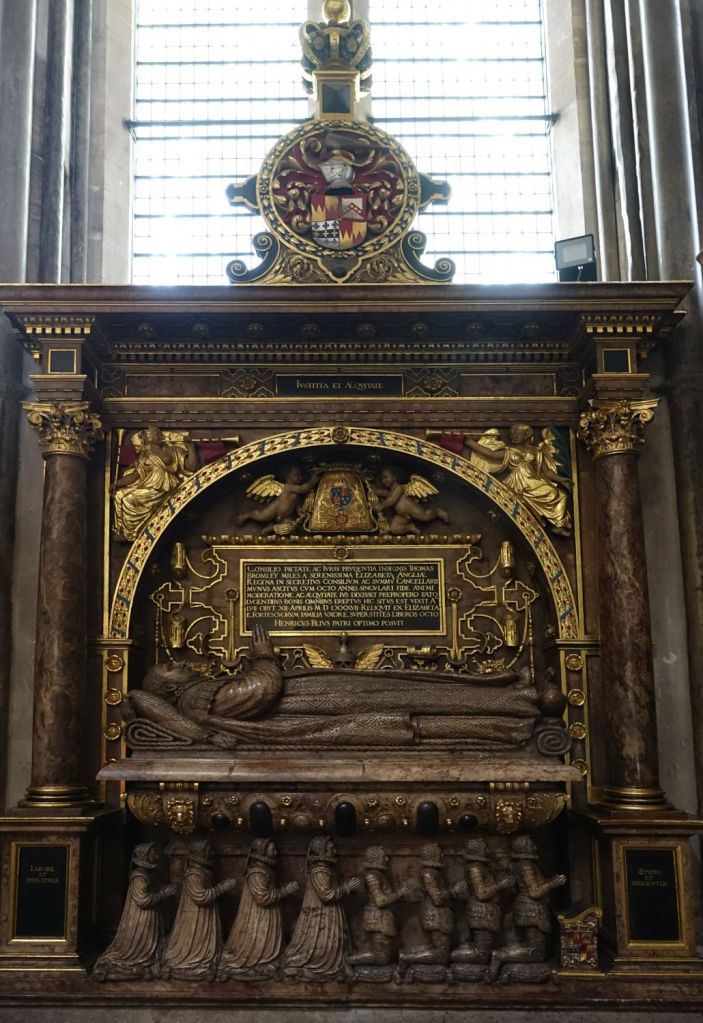
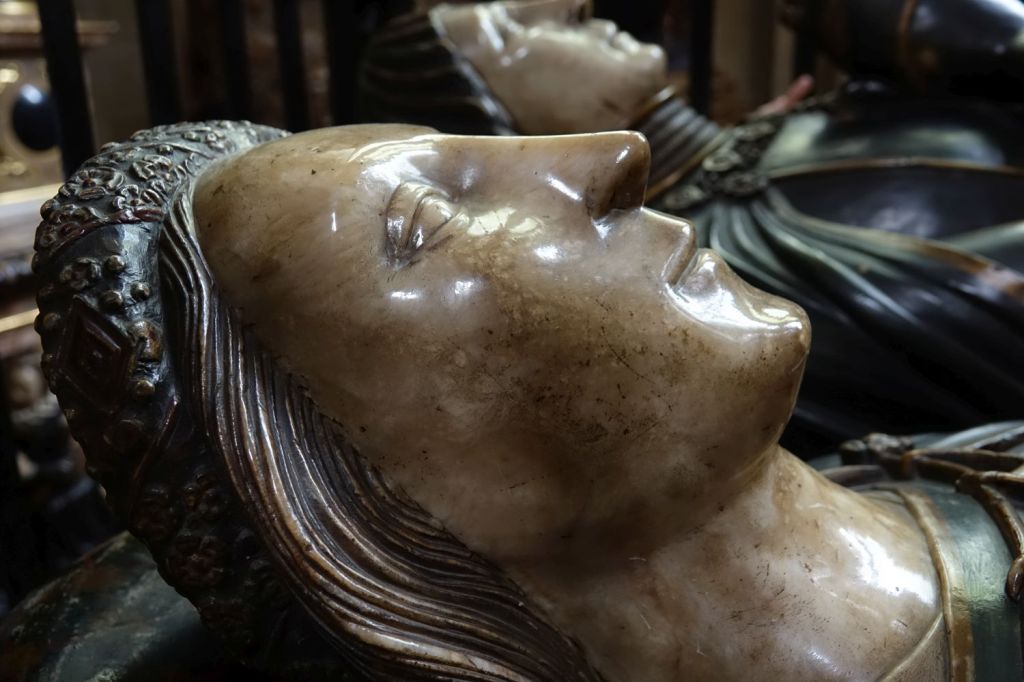
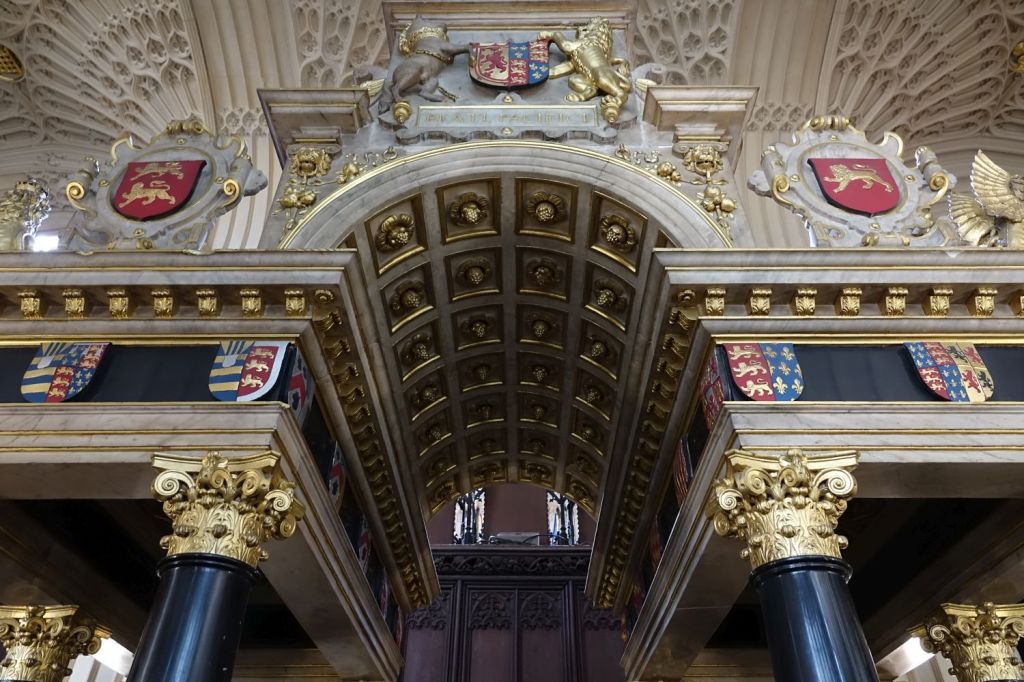
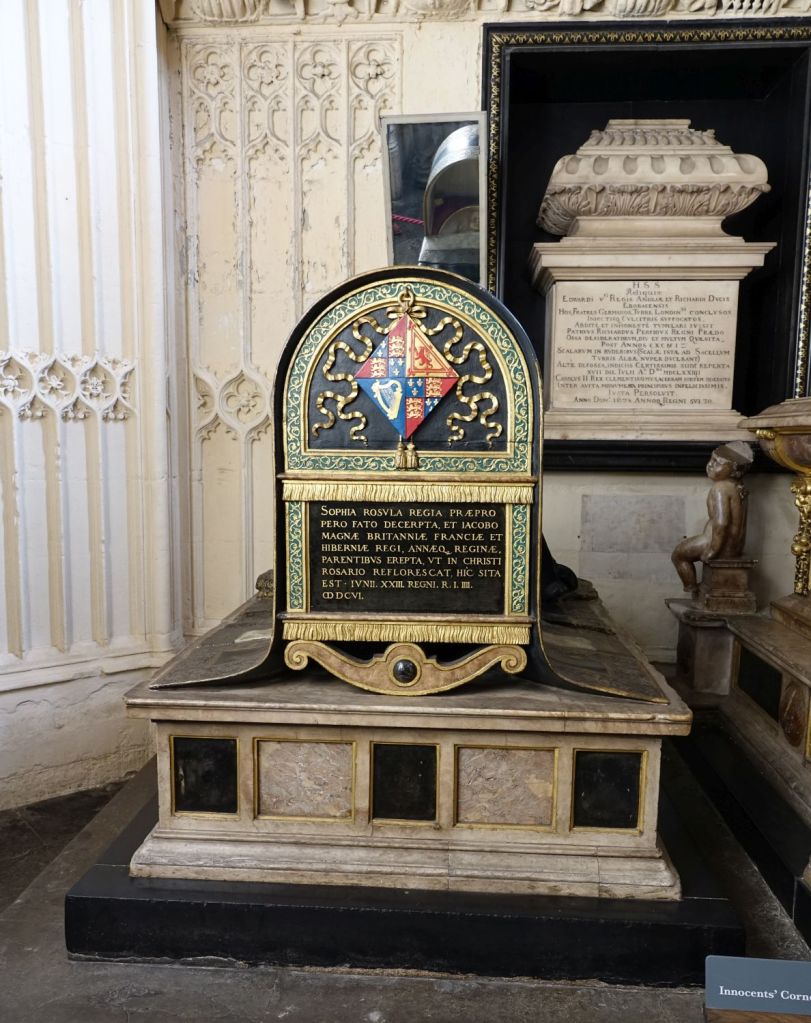
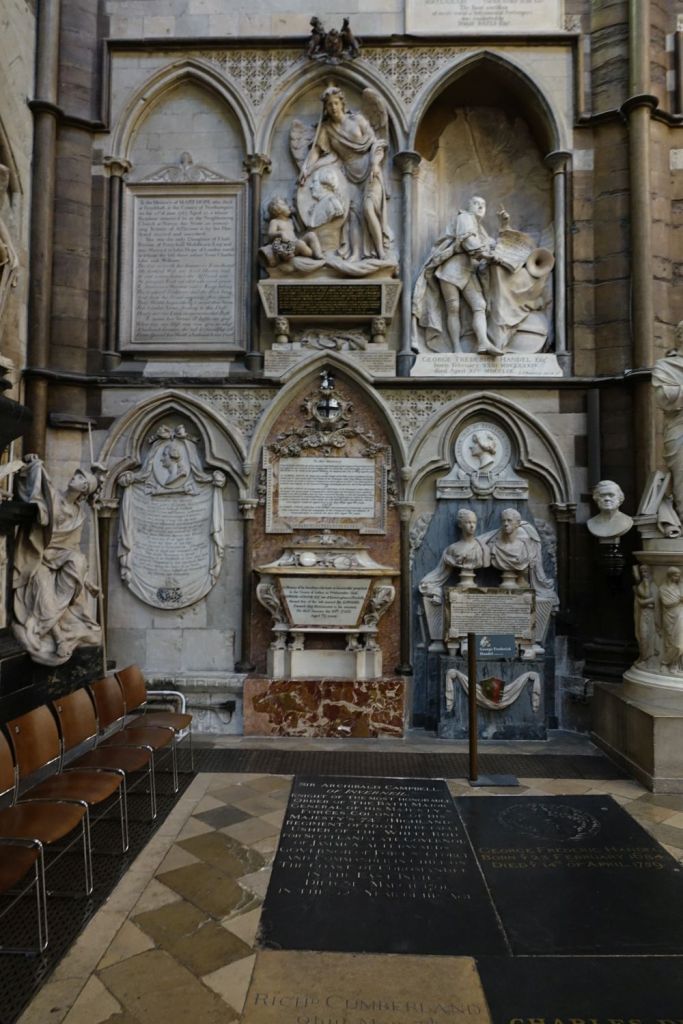
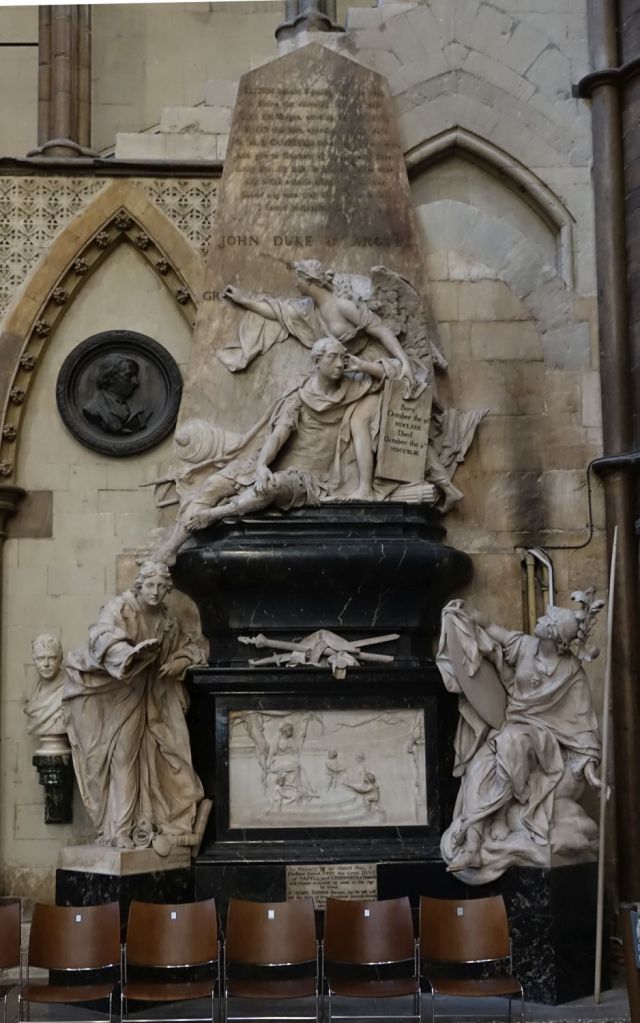
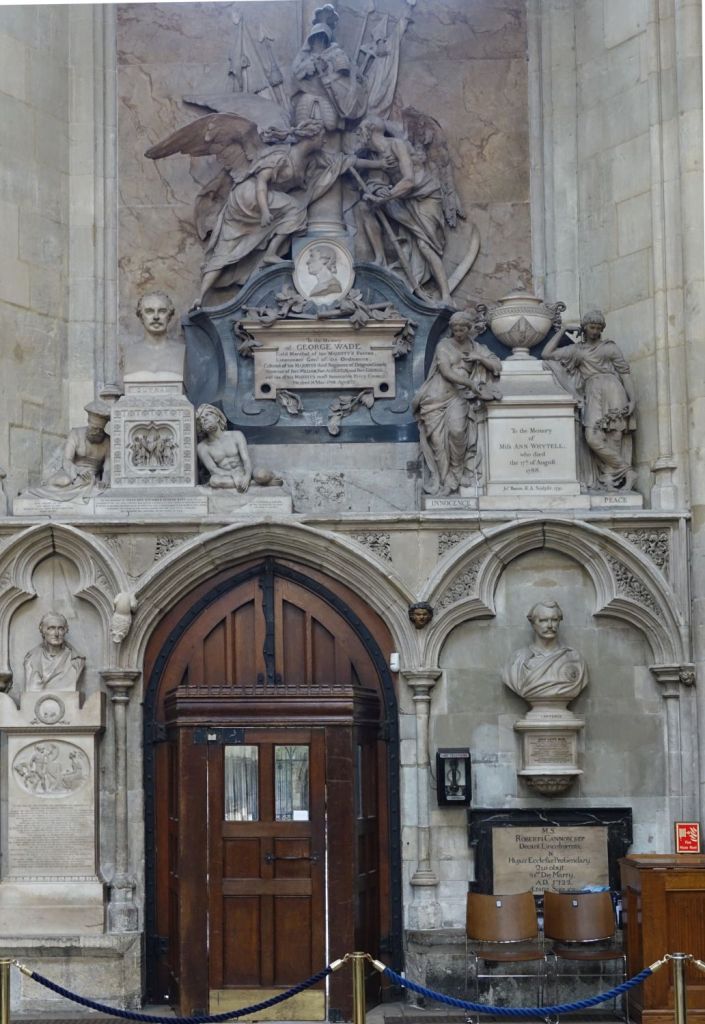
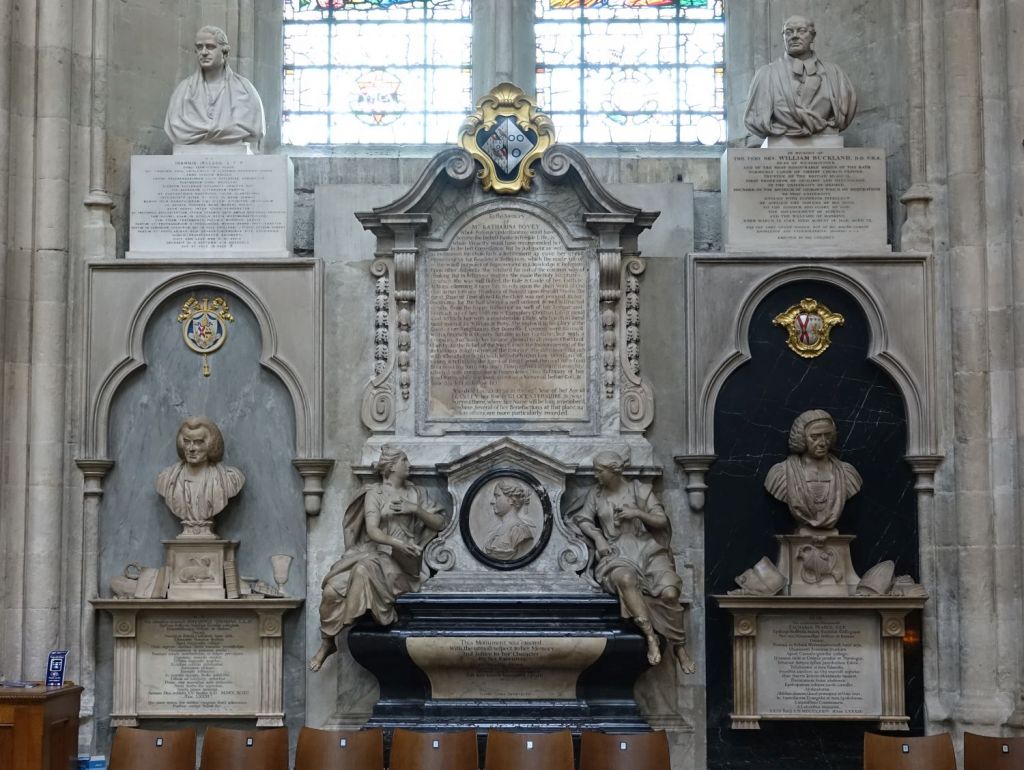
St Peter, Westminster – Westminster Abbey
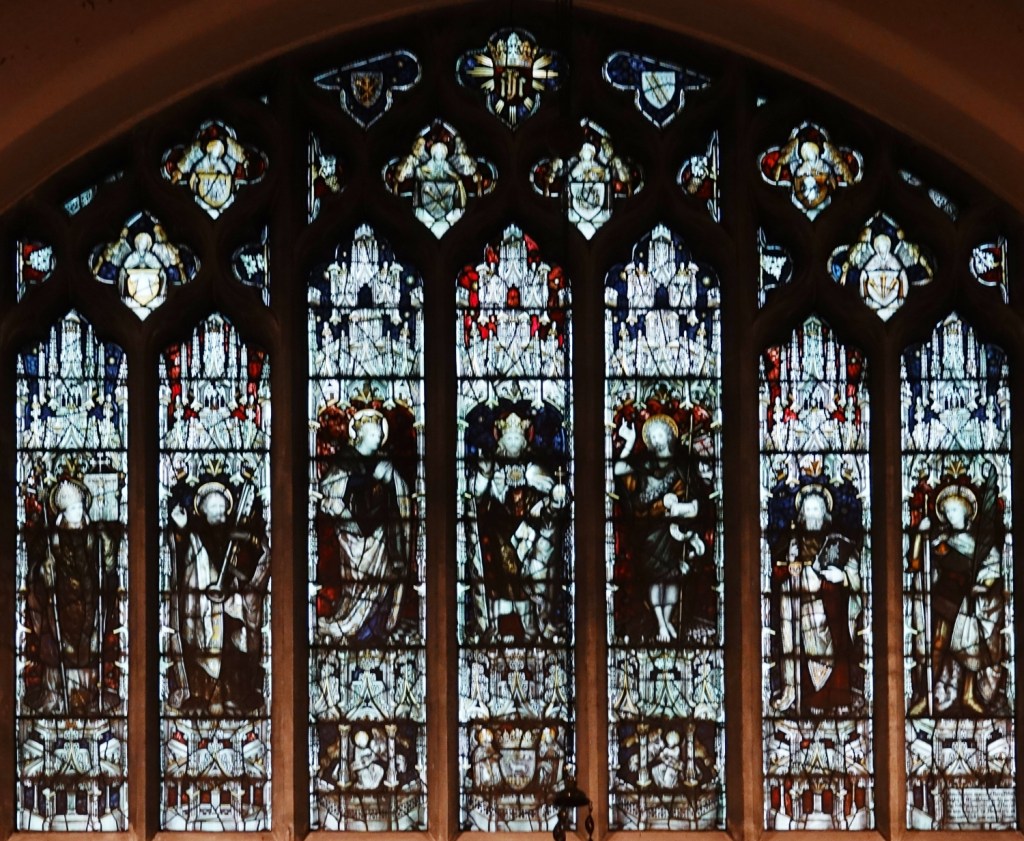
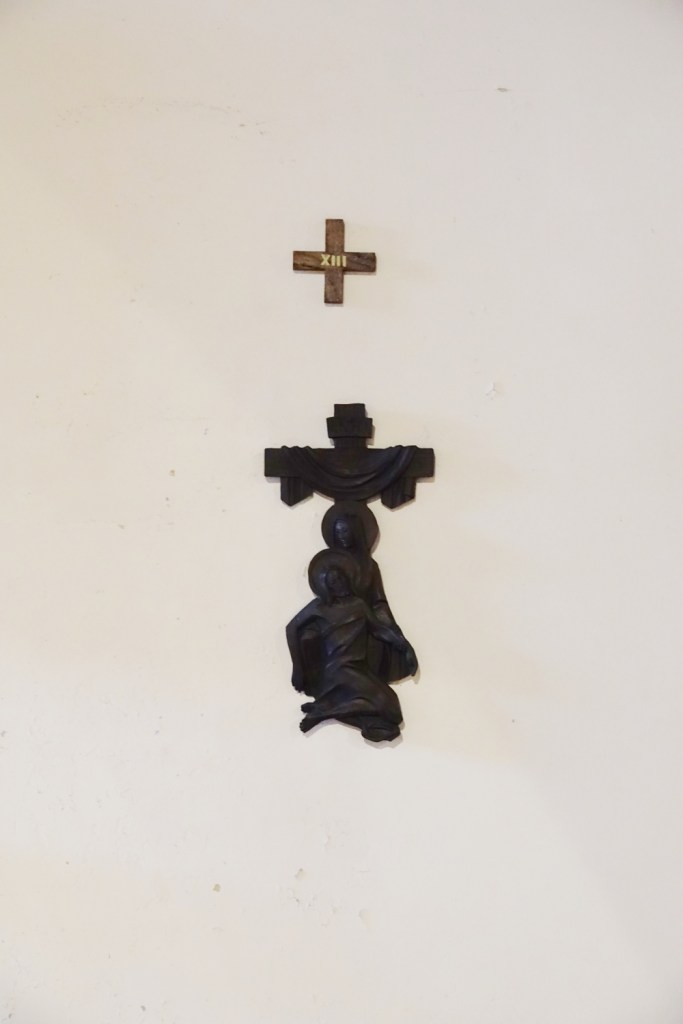
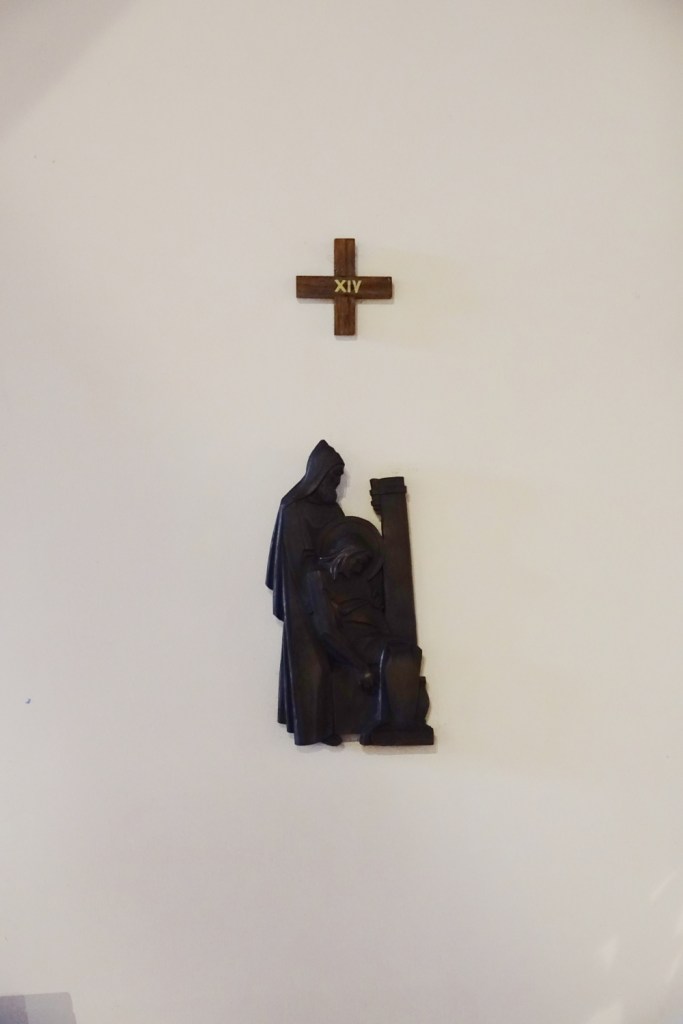
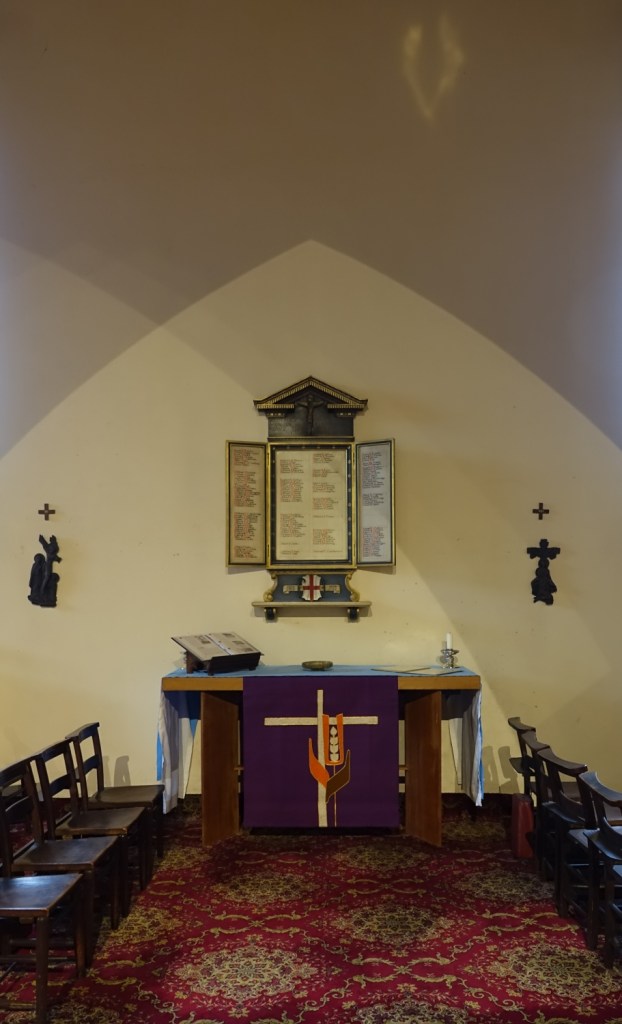
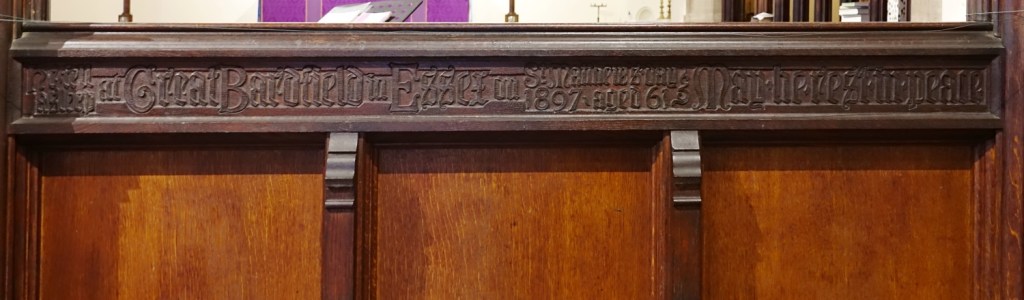
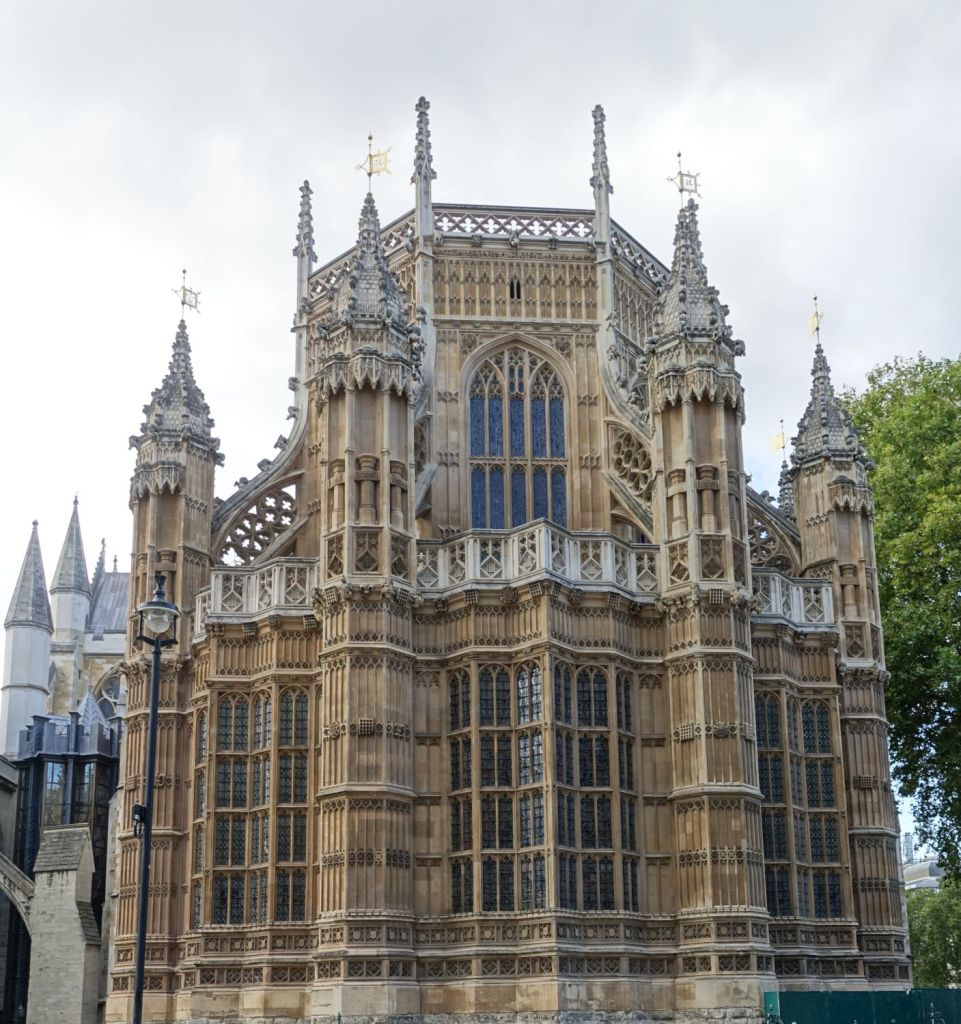
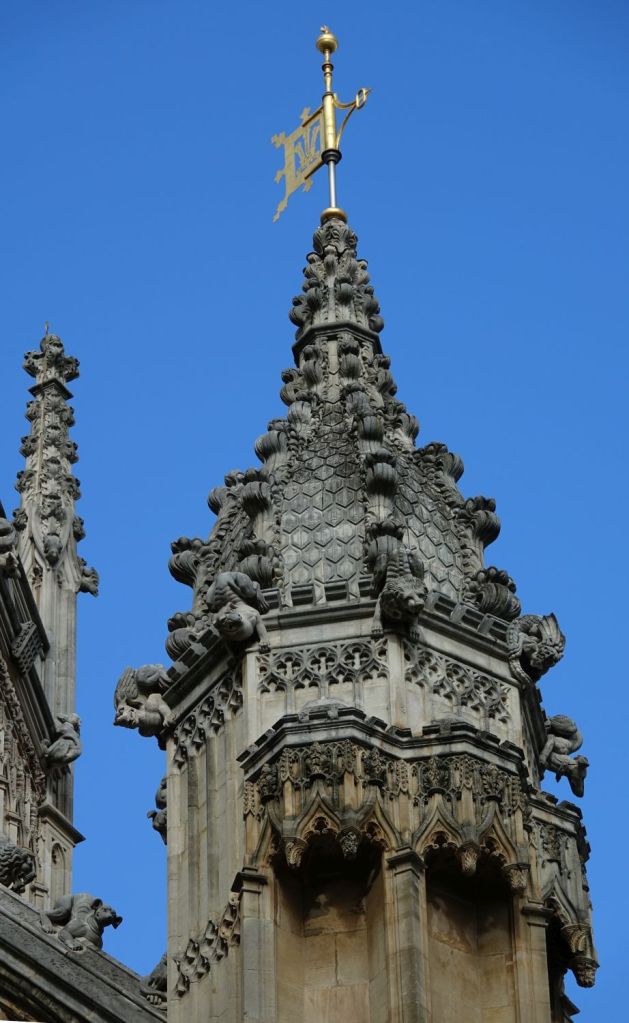
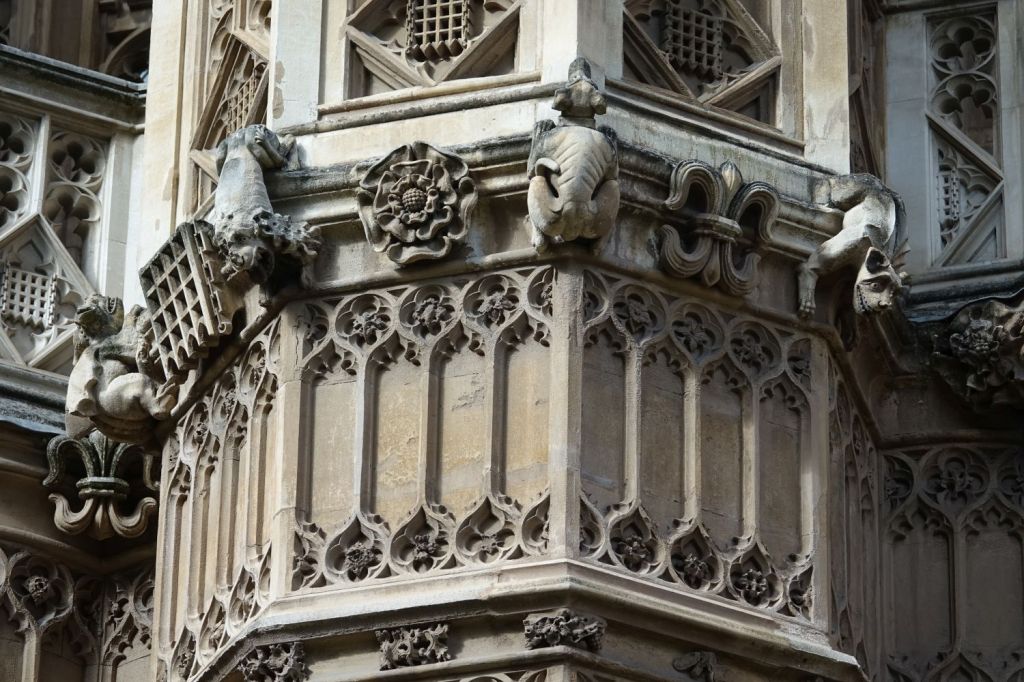
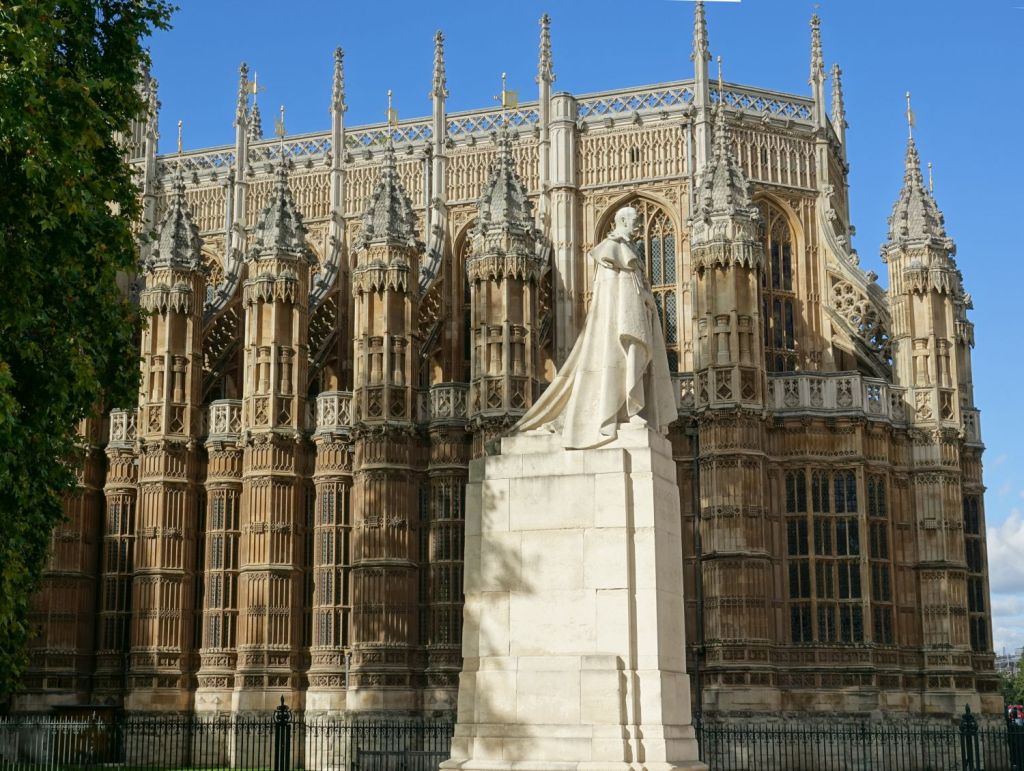
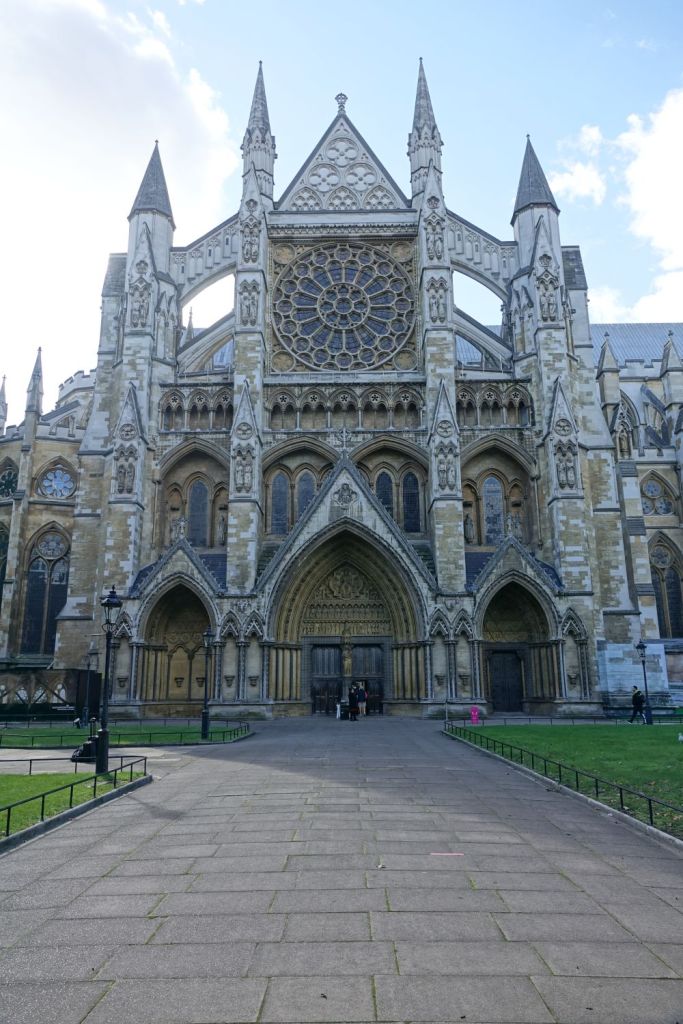
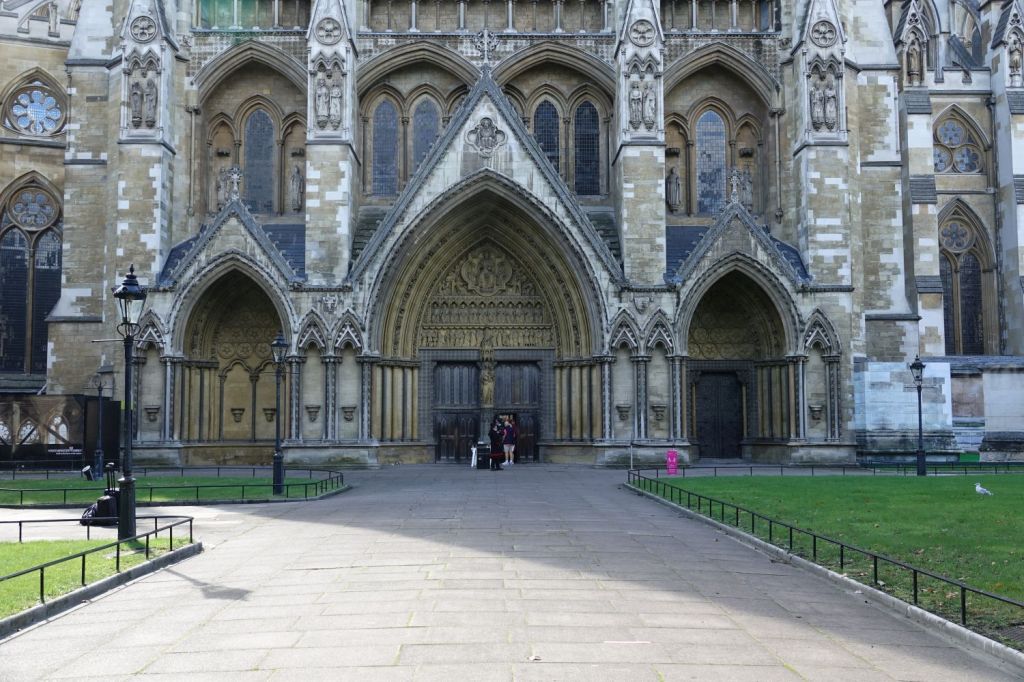
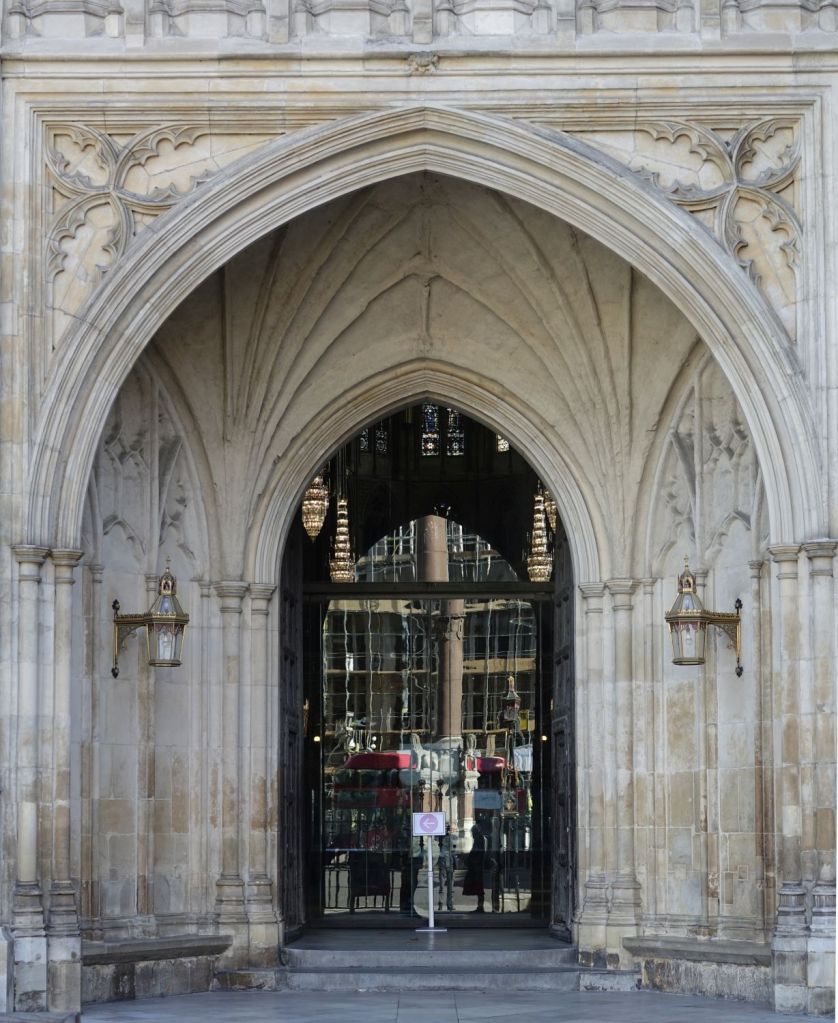
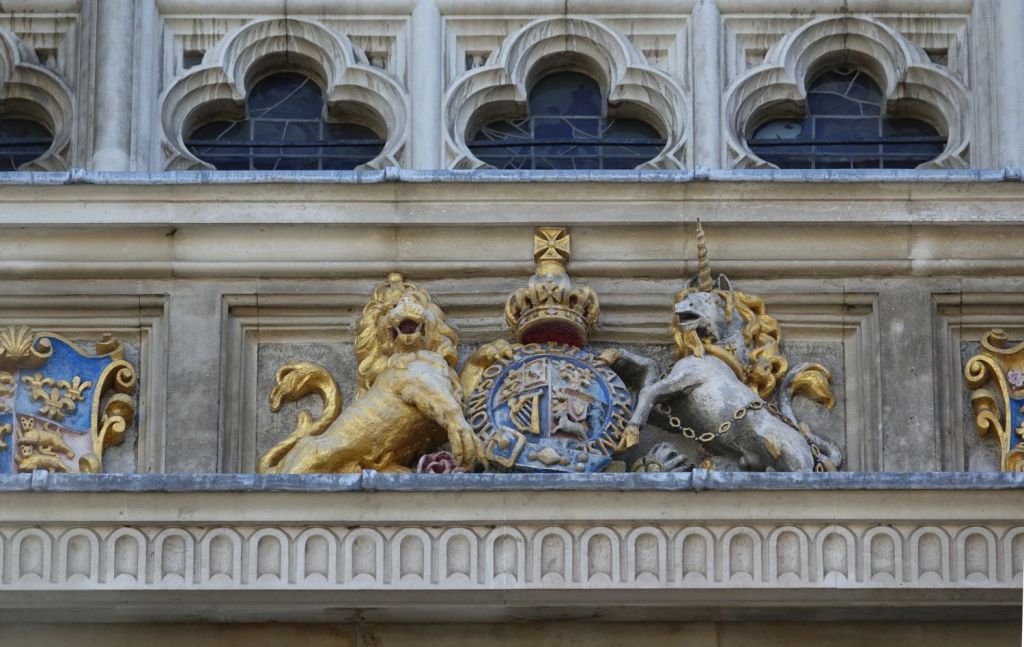
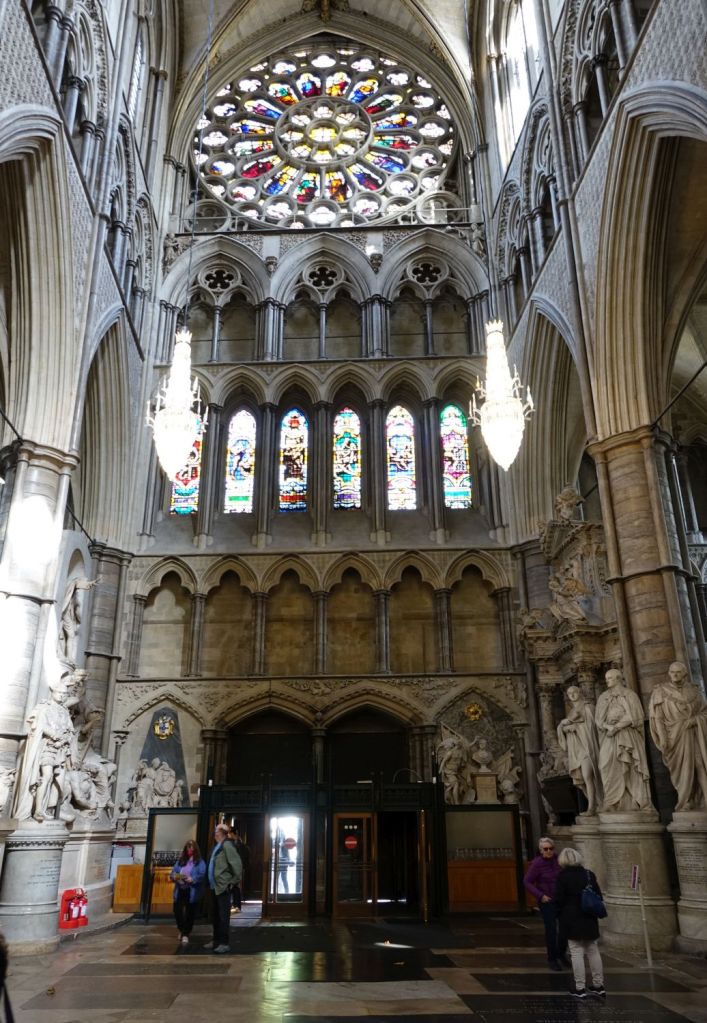
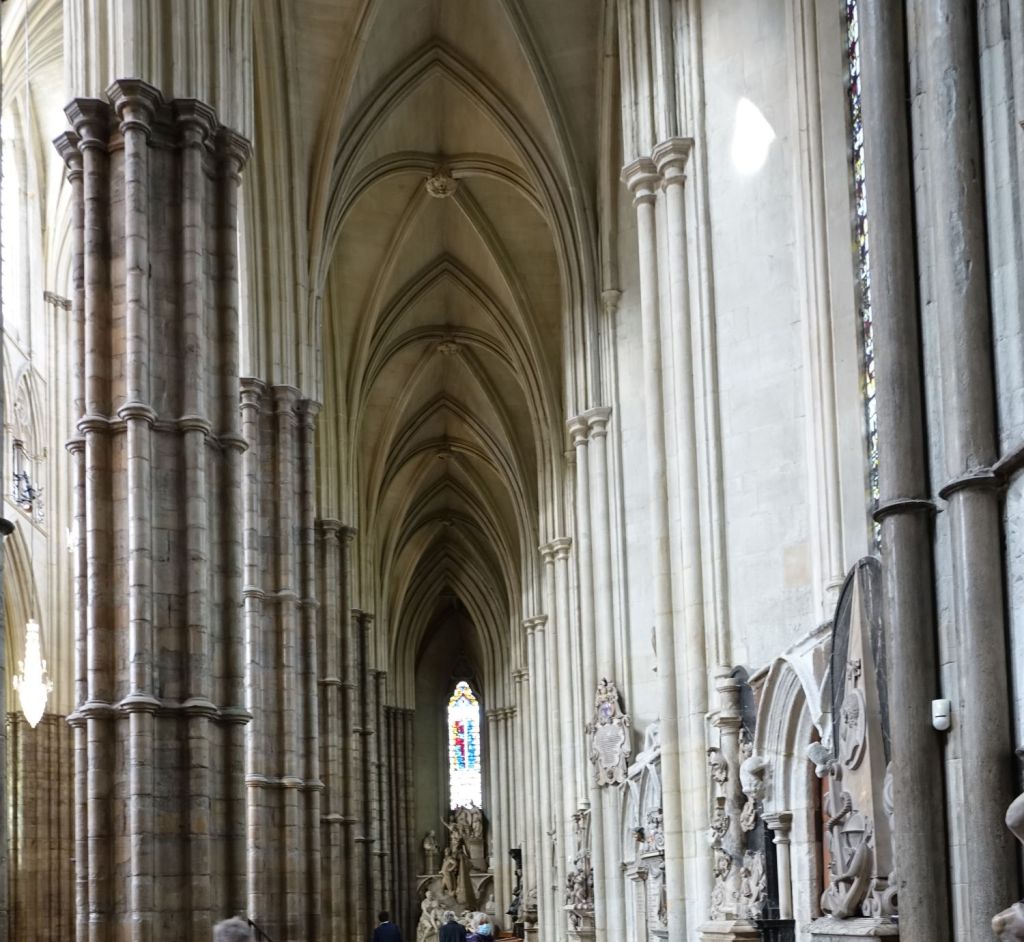
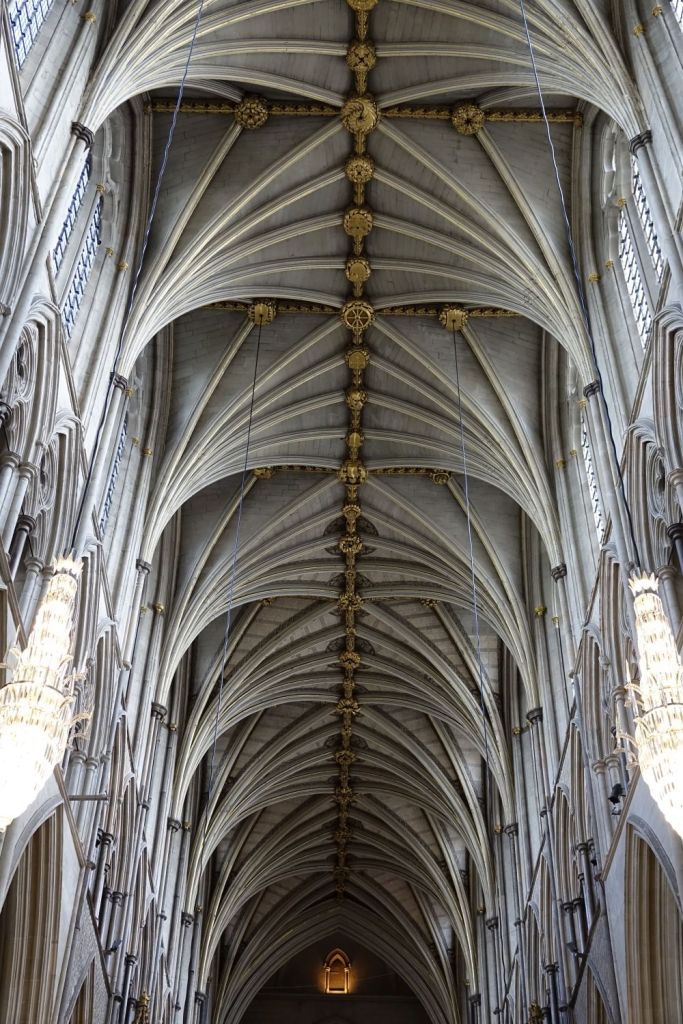
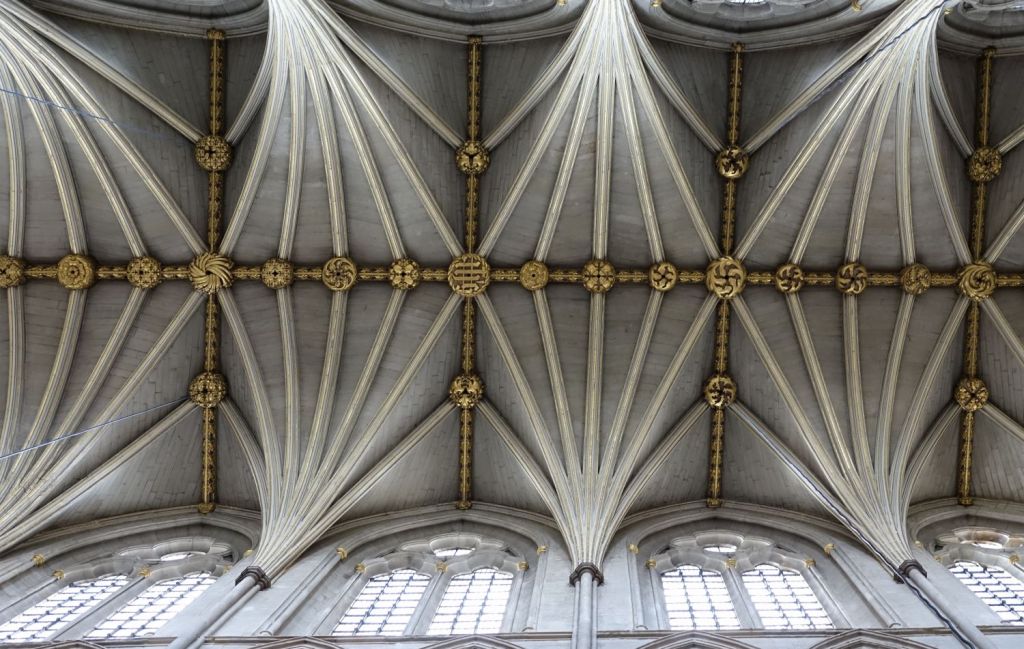
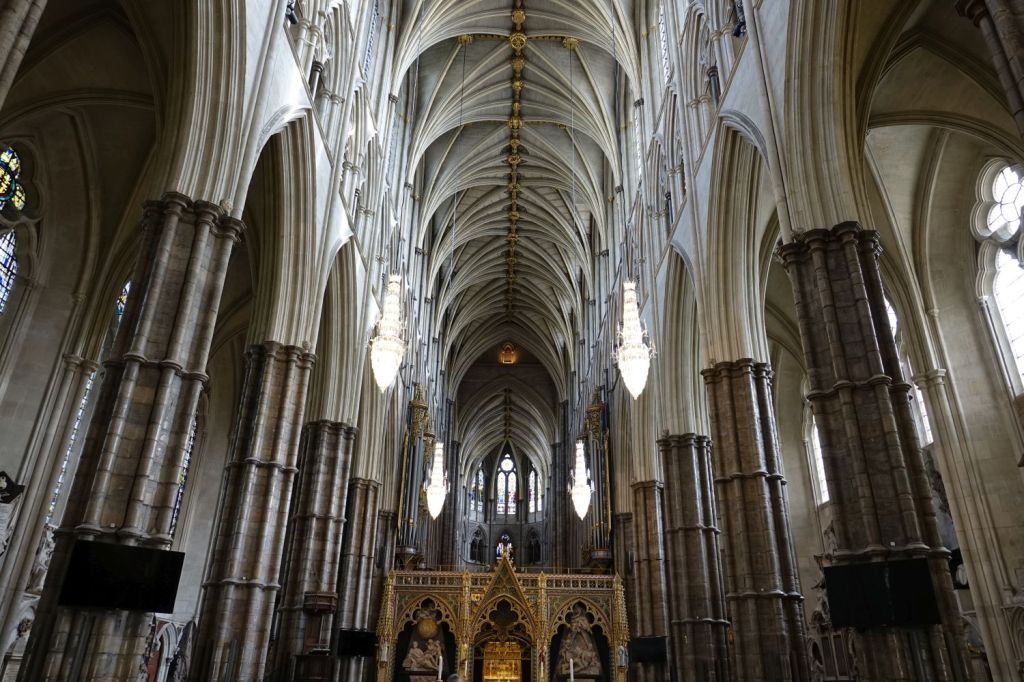
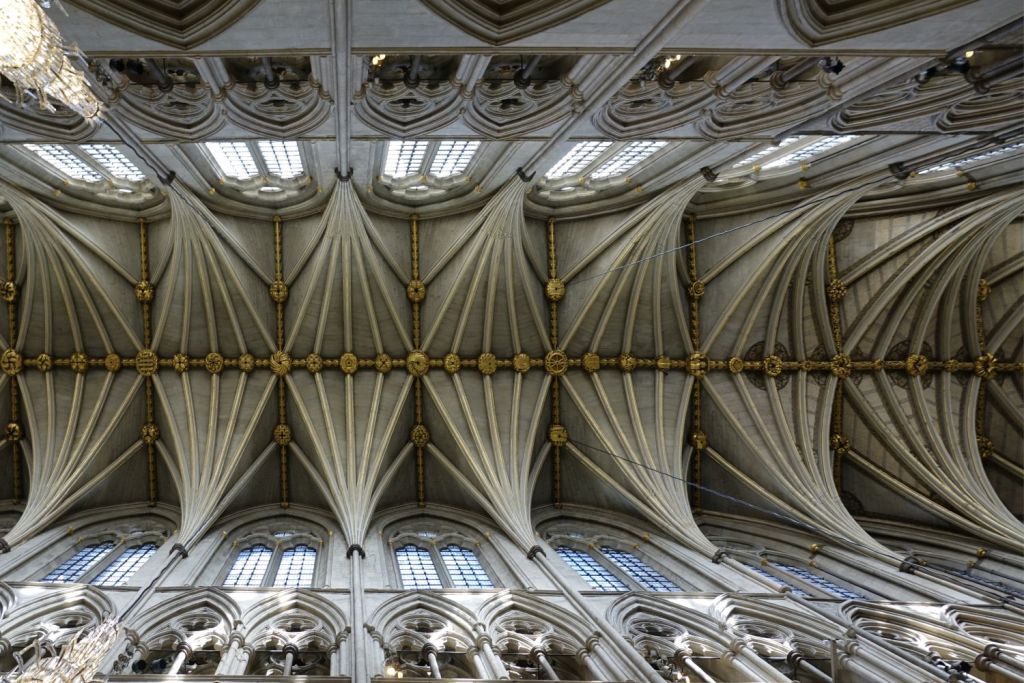
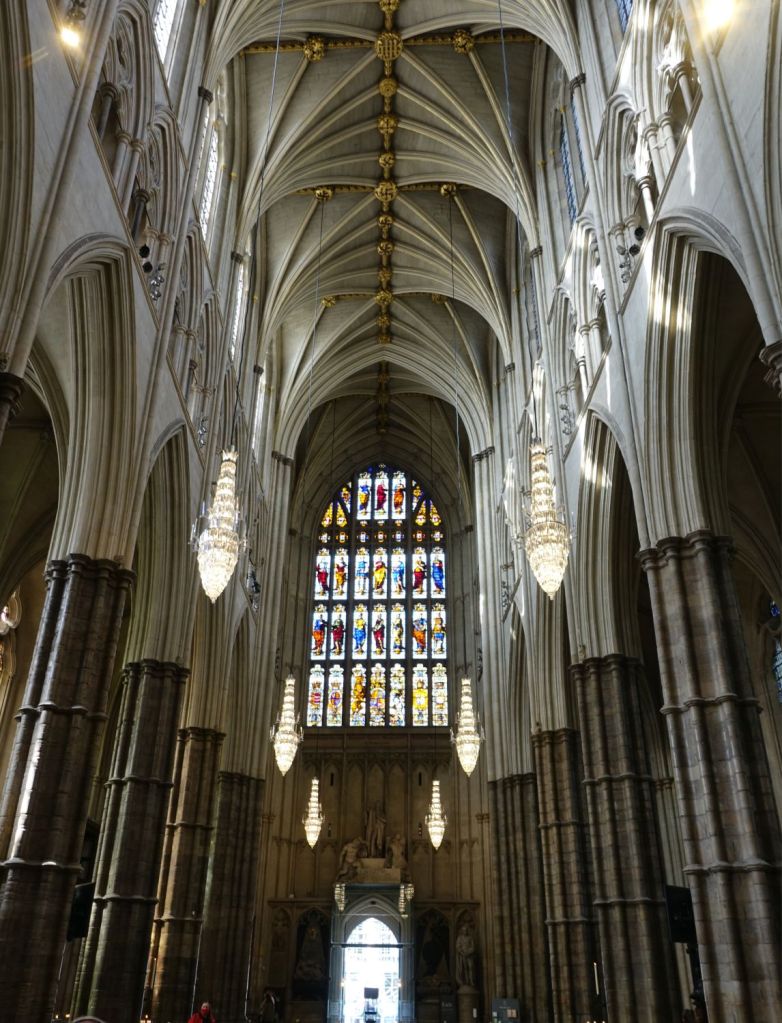
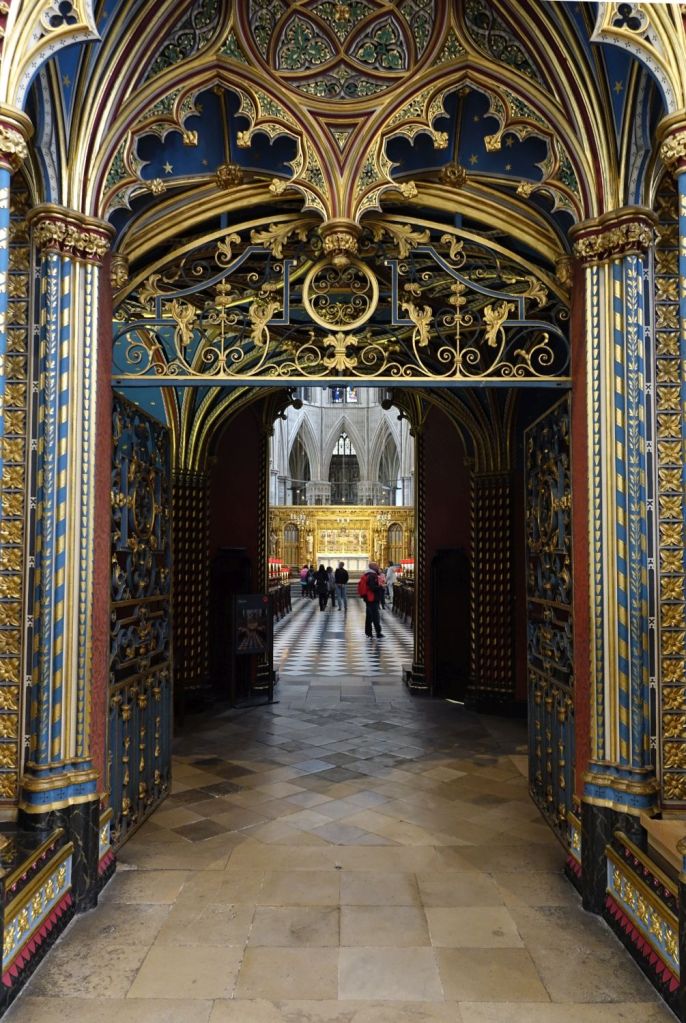
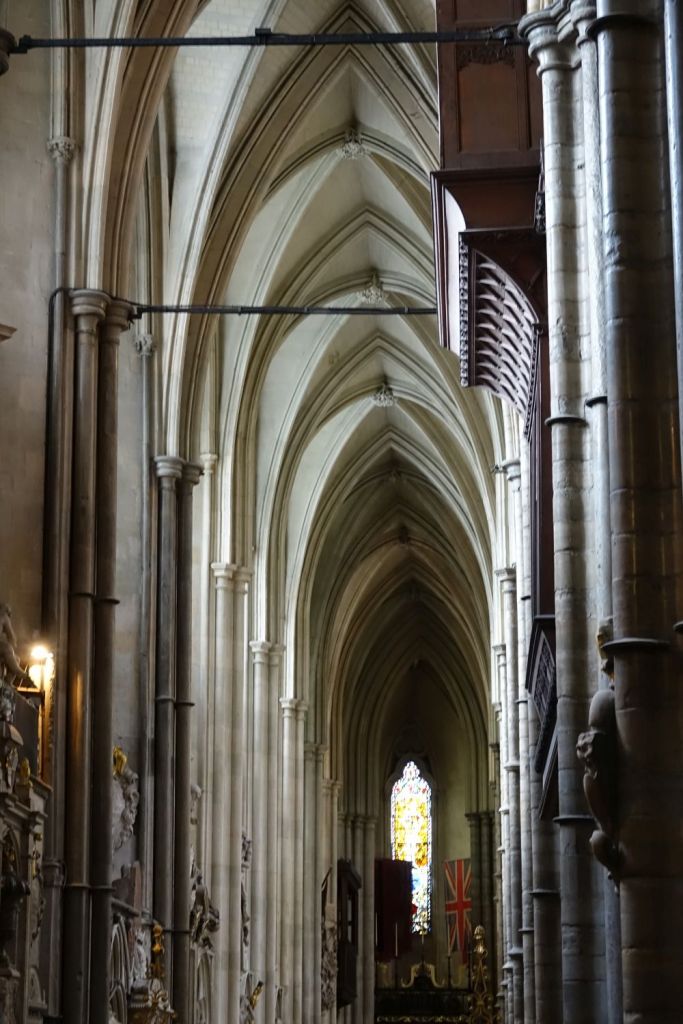
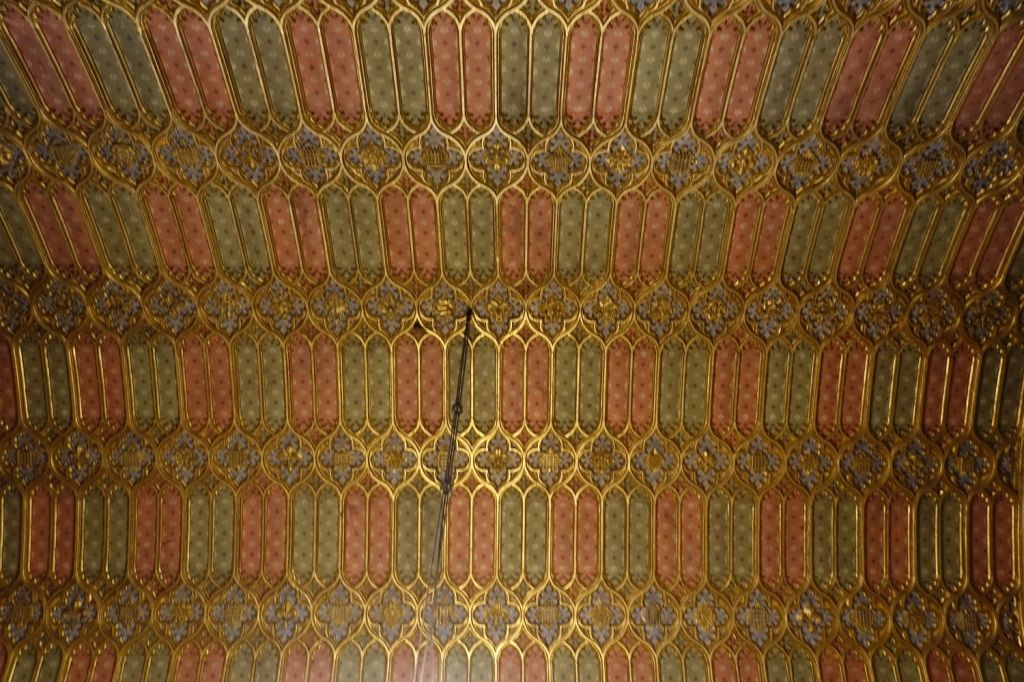
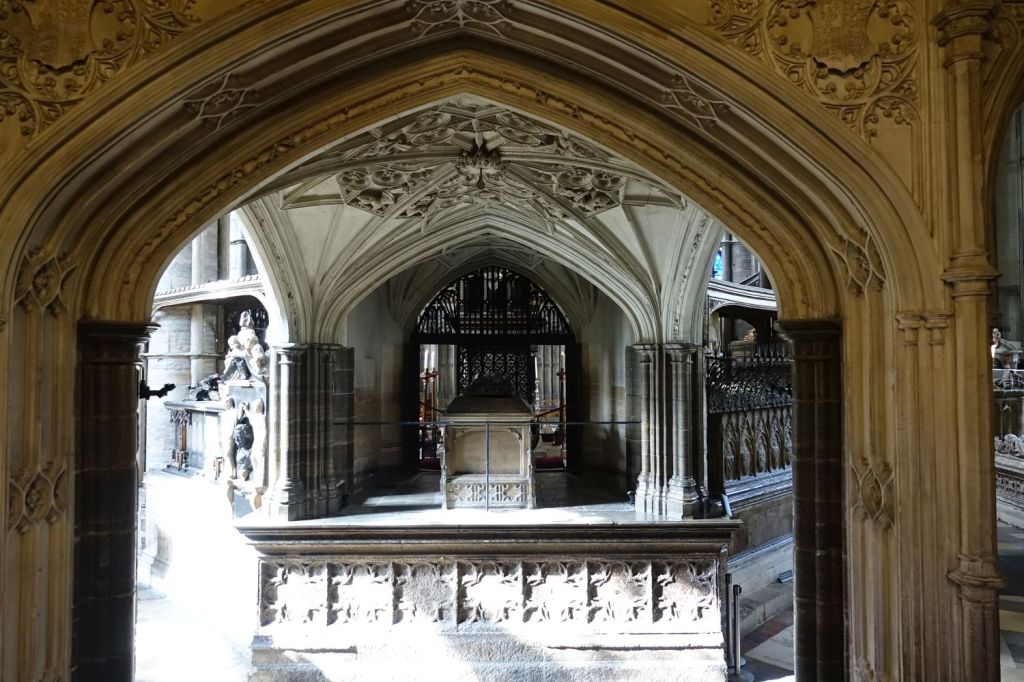
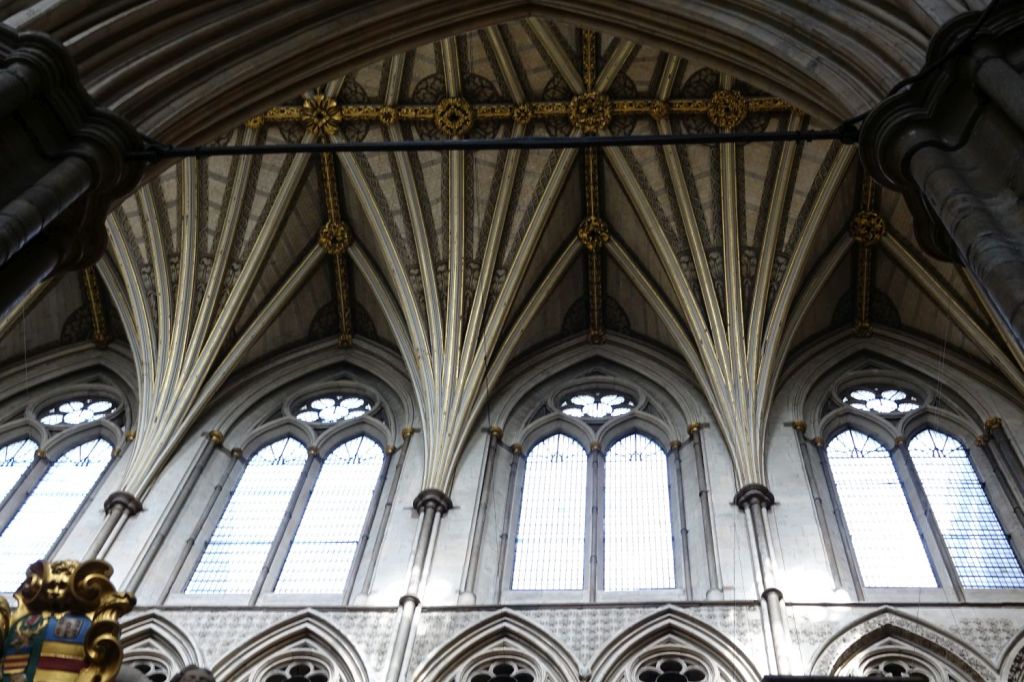
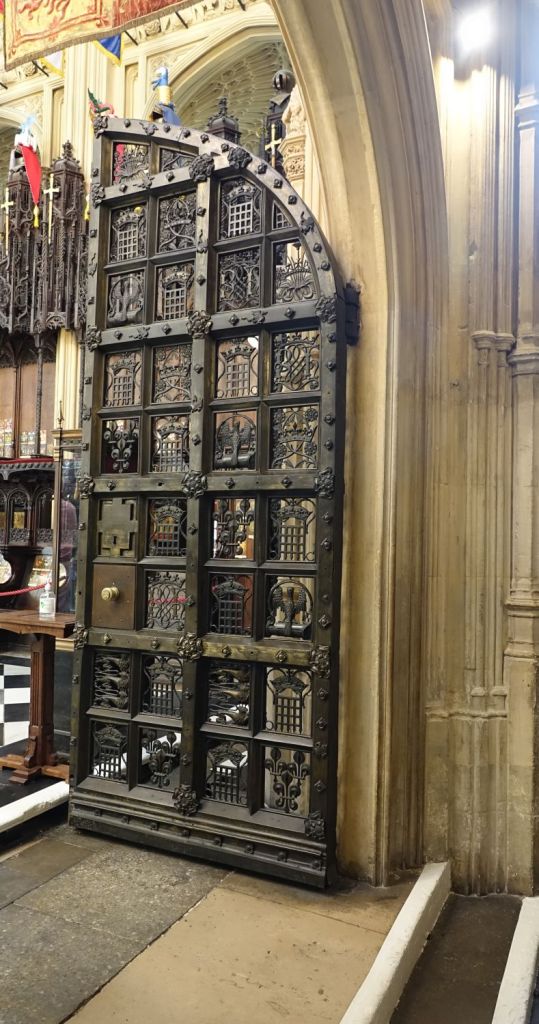
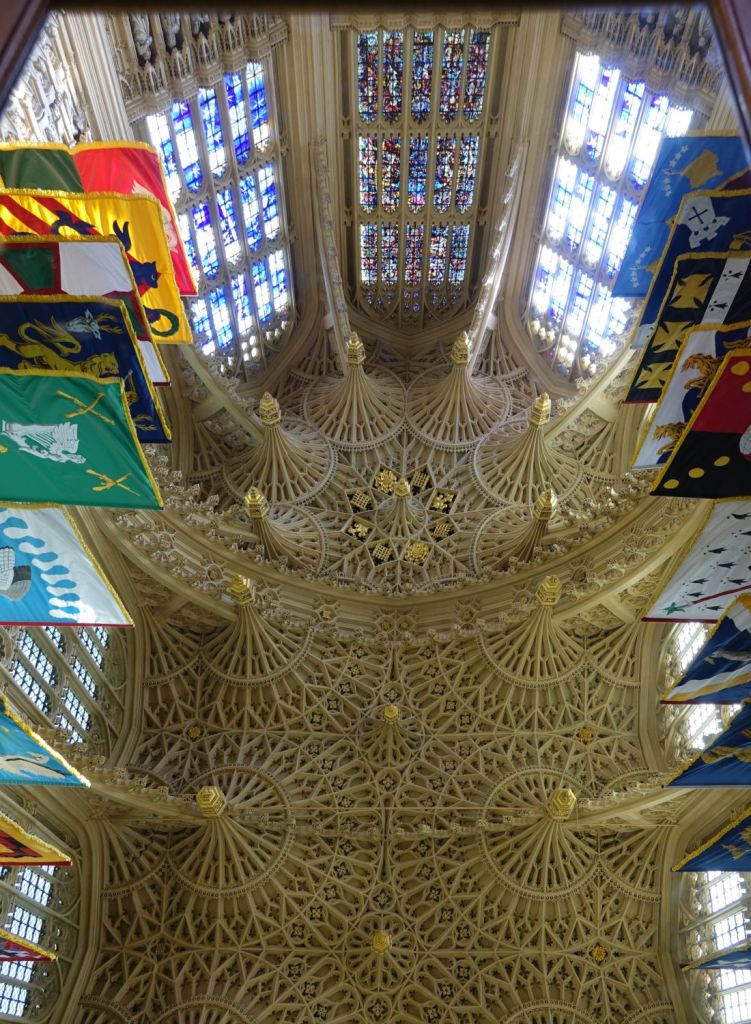
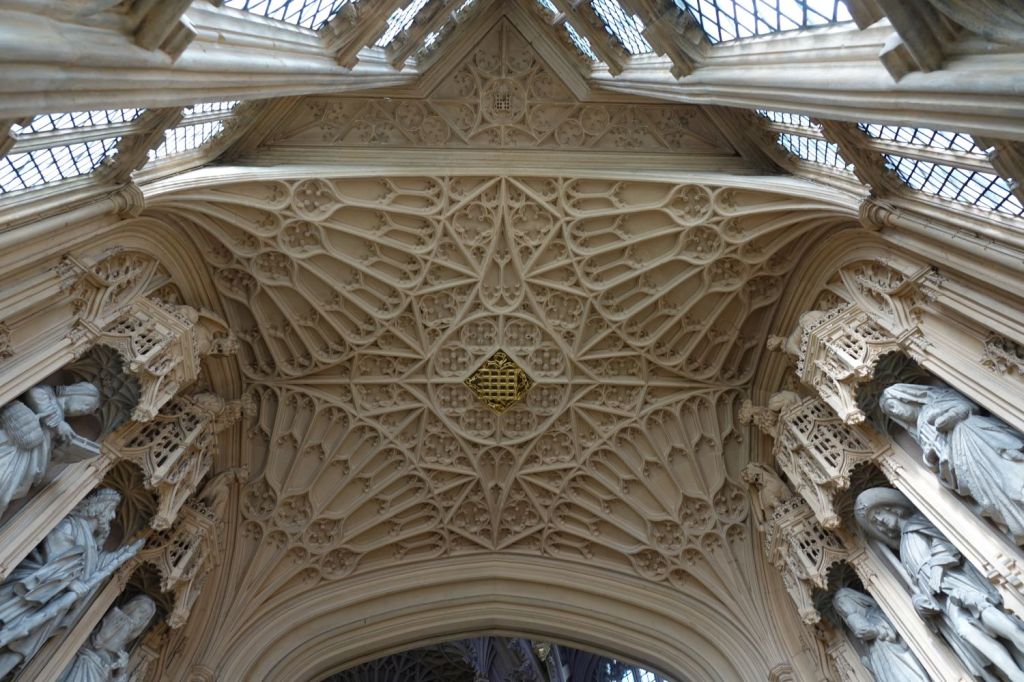
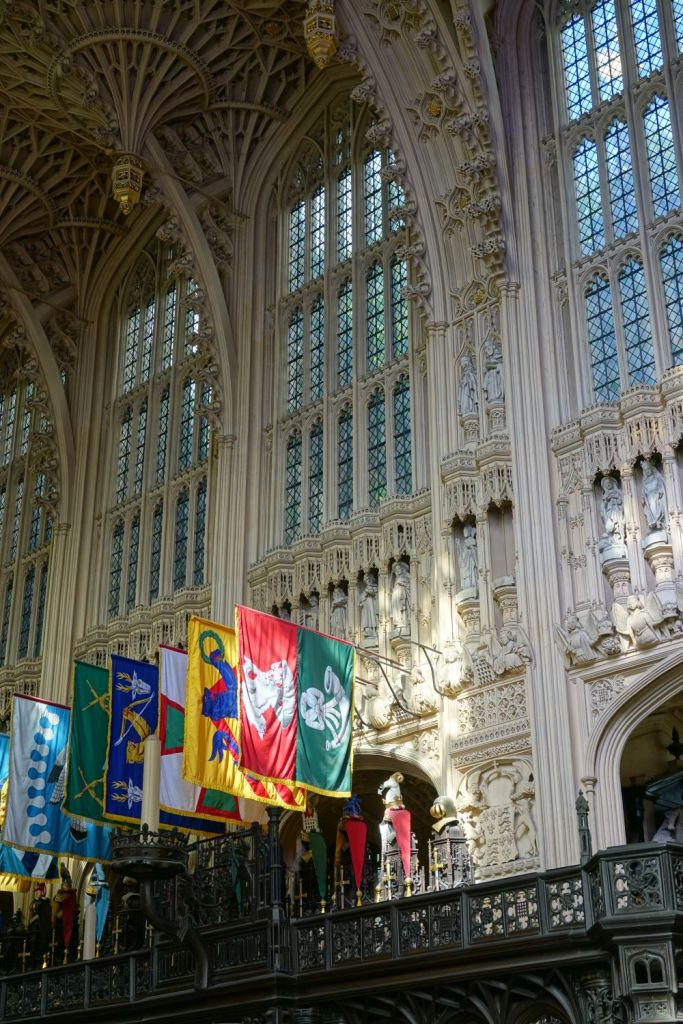
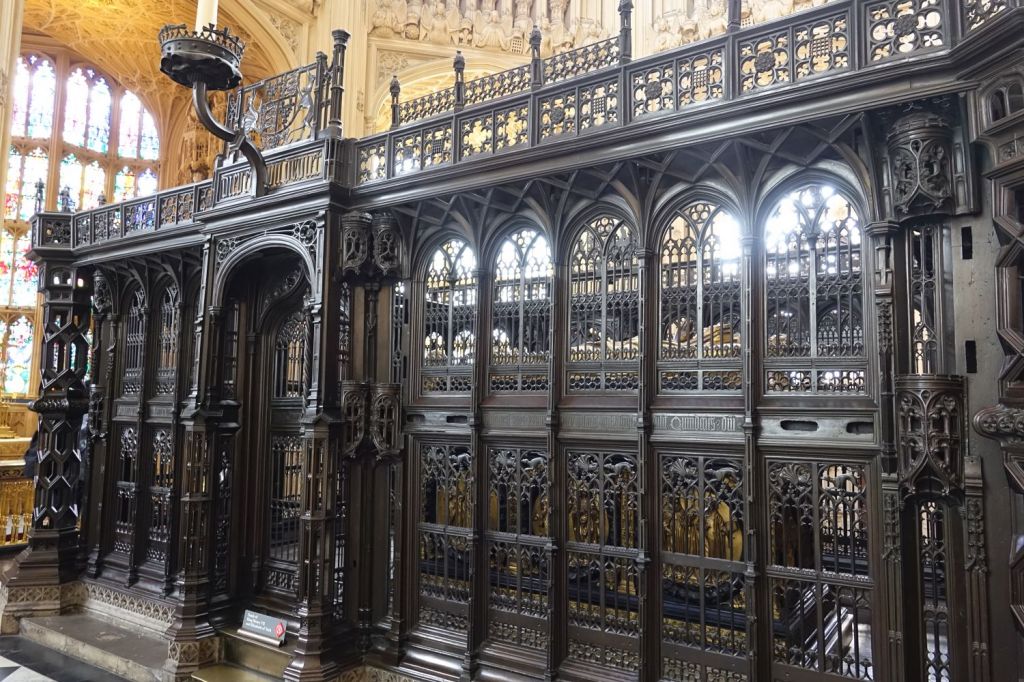
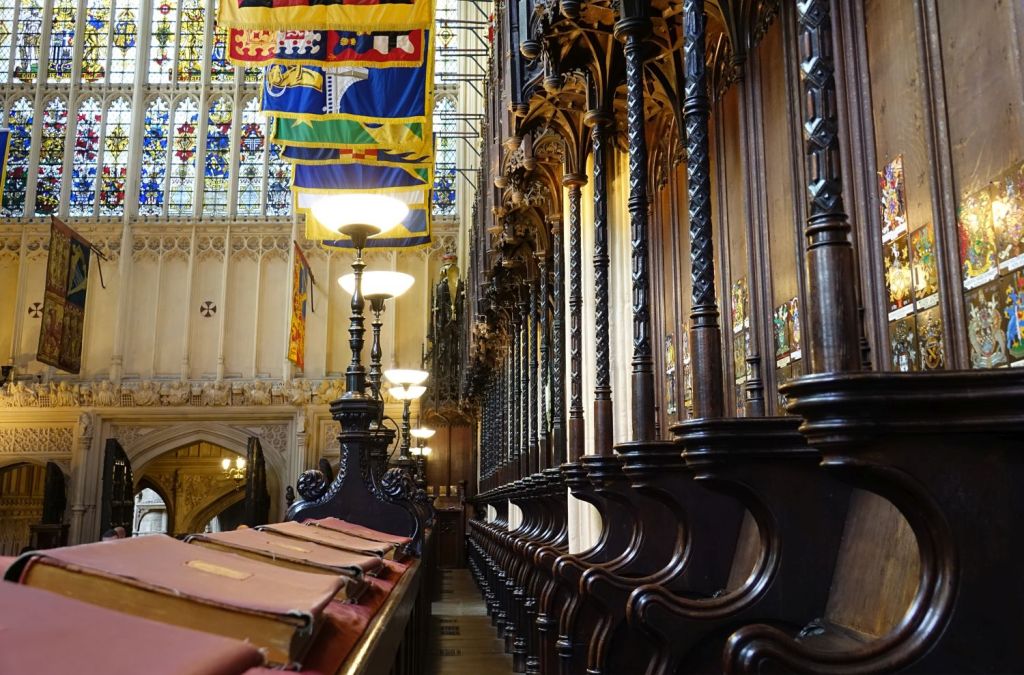
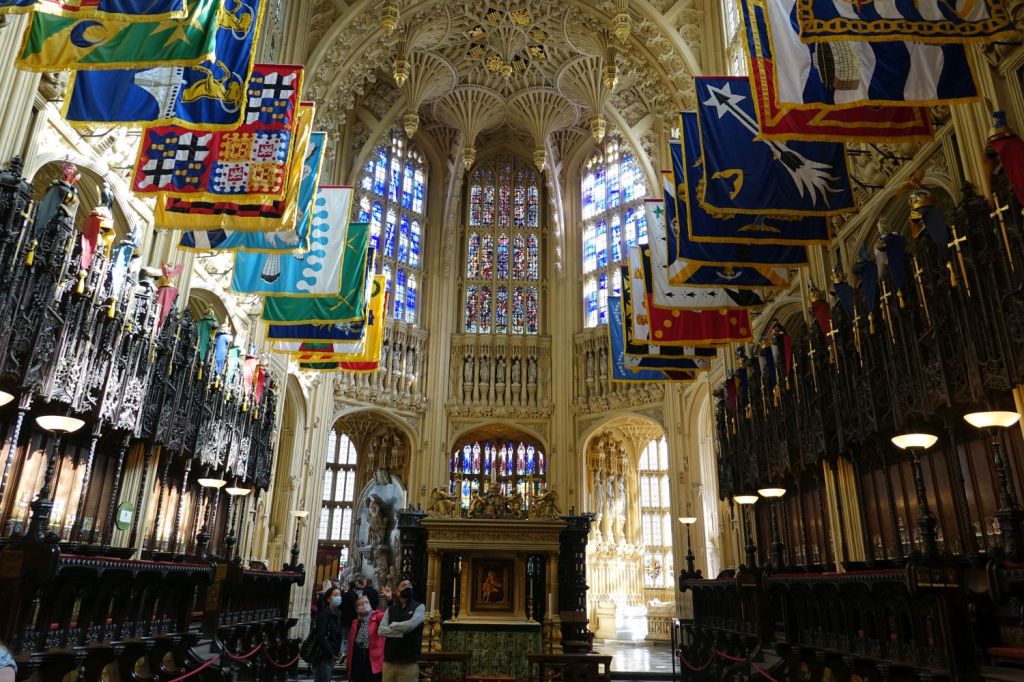
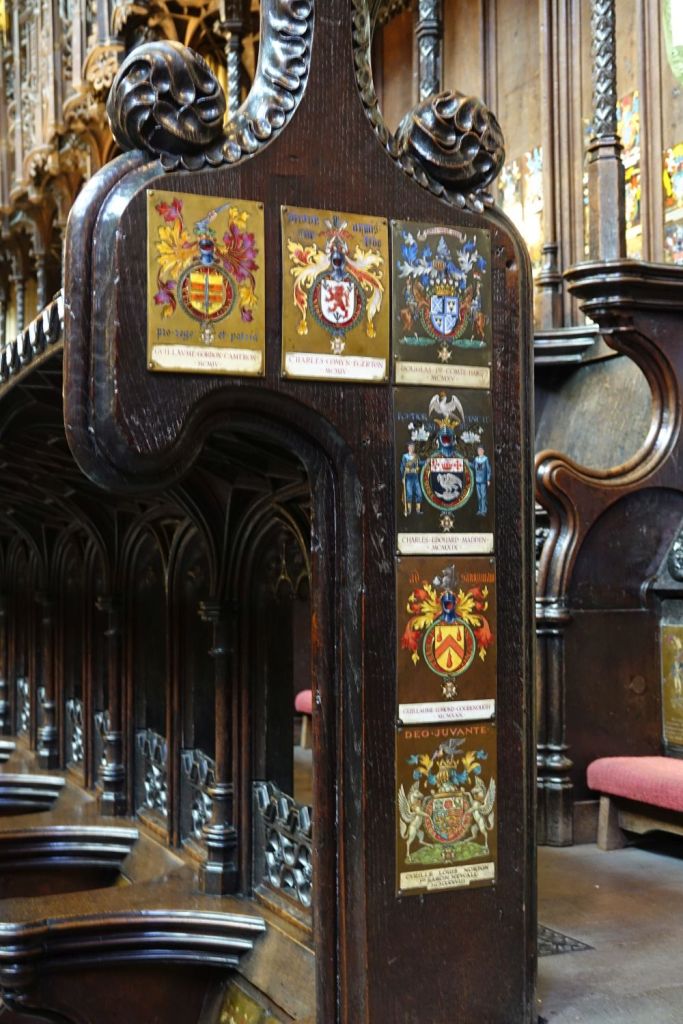
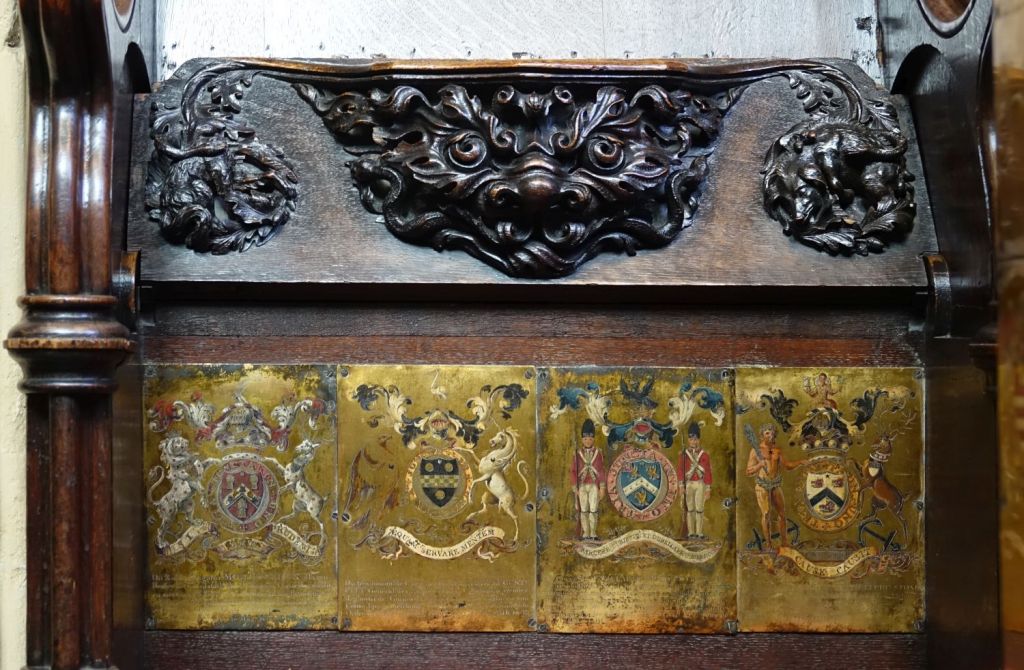
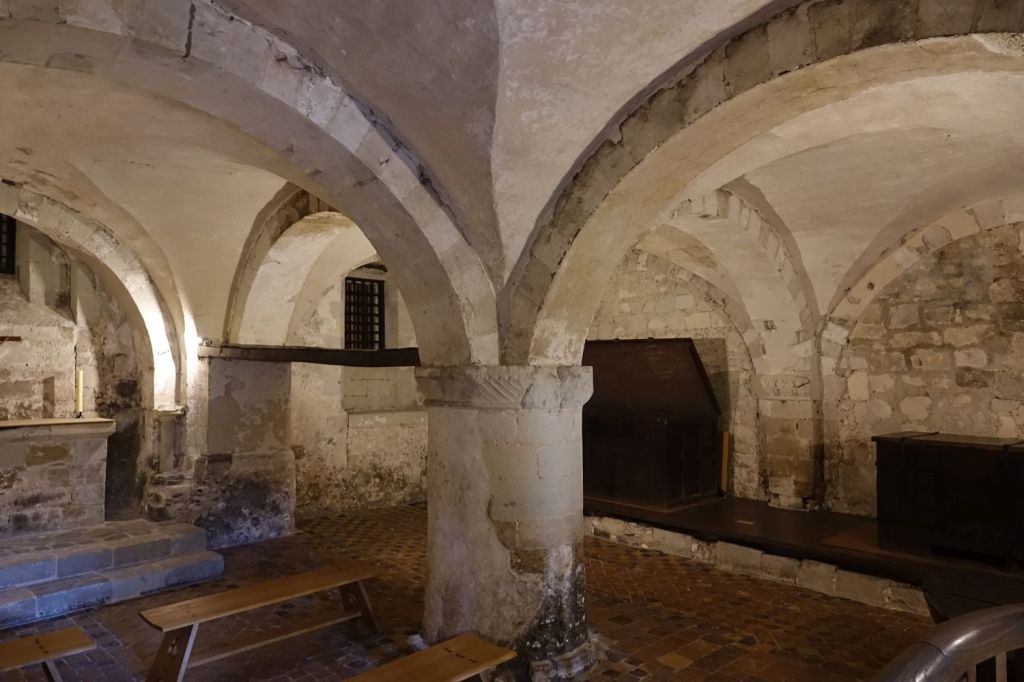
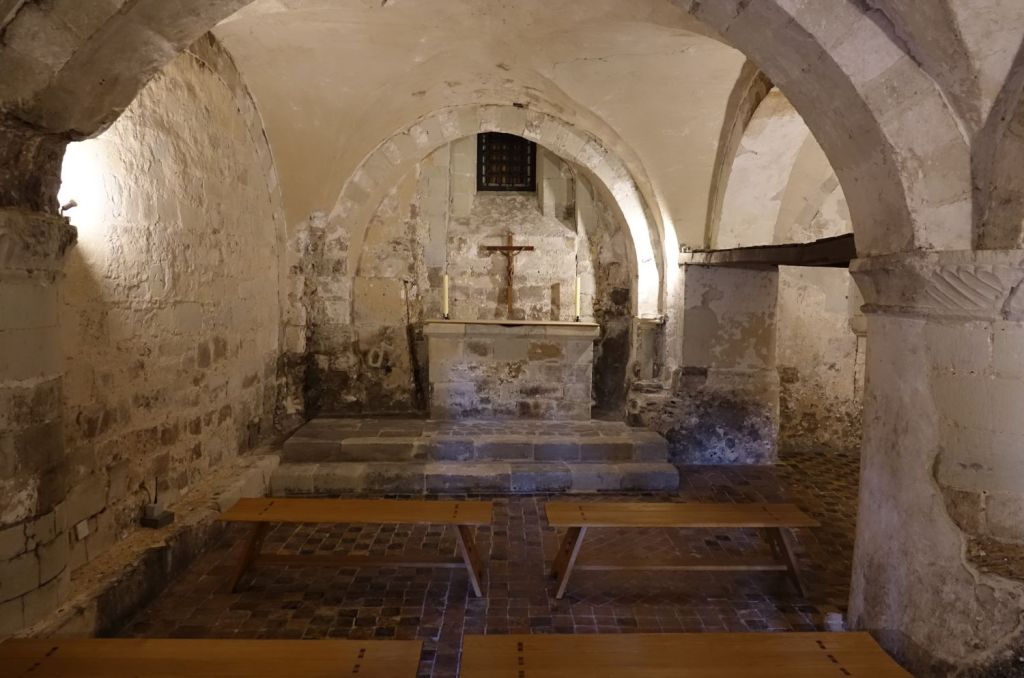
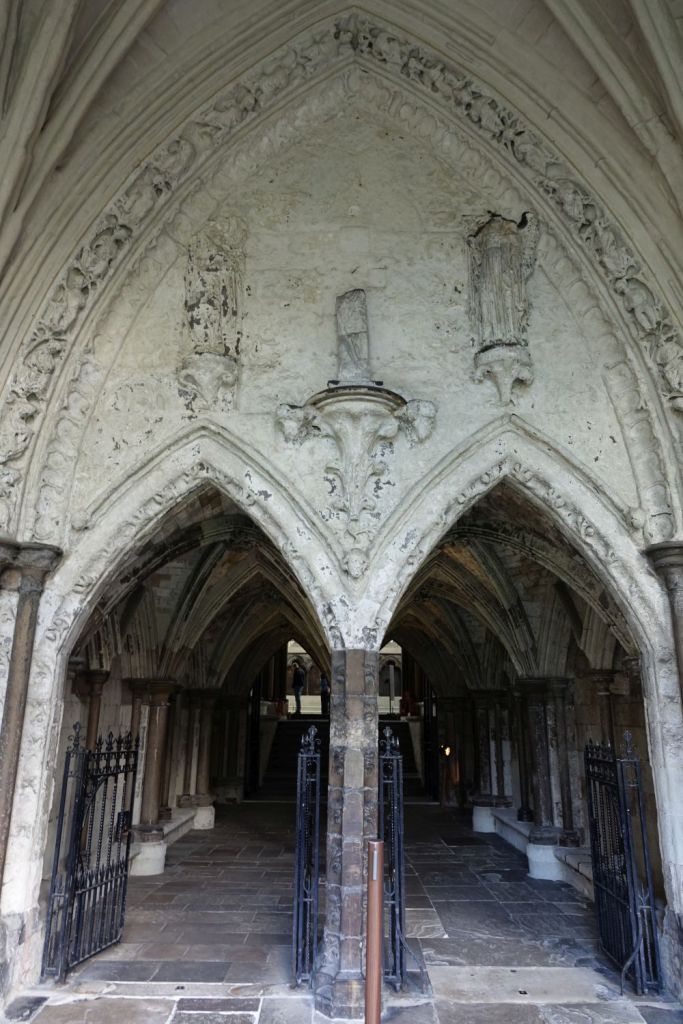
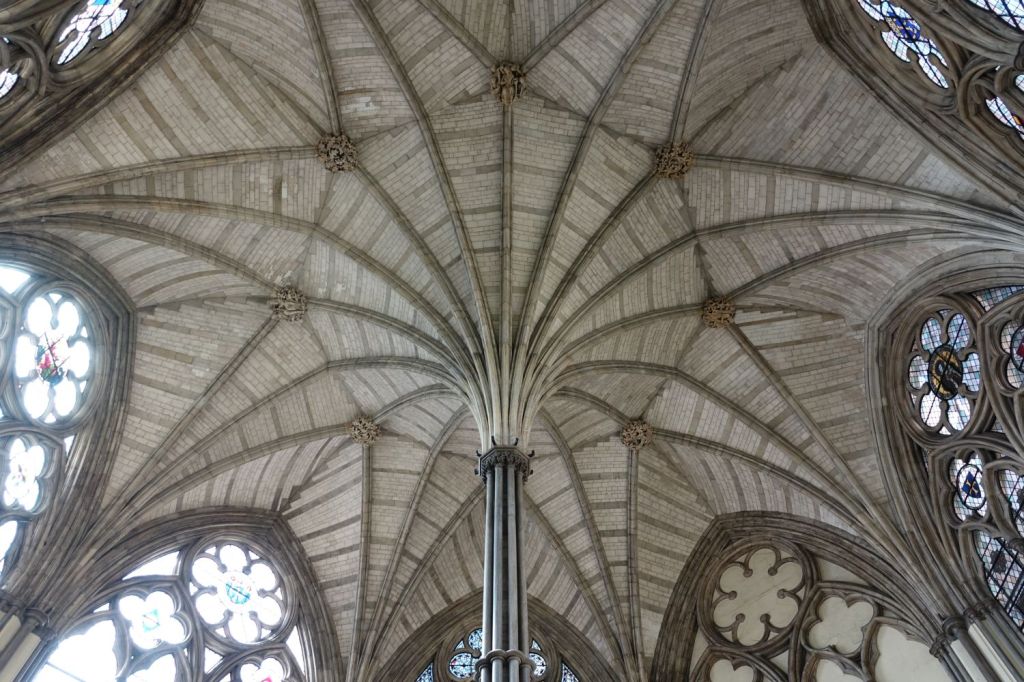
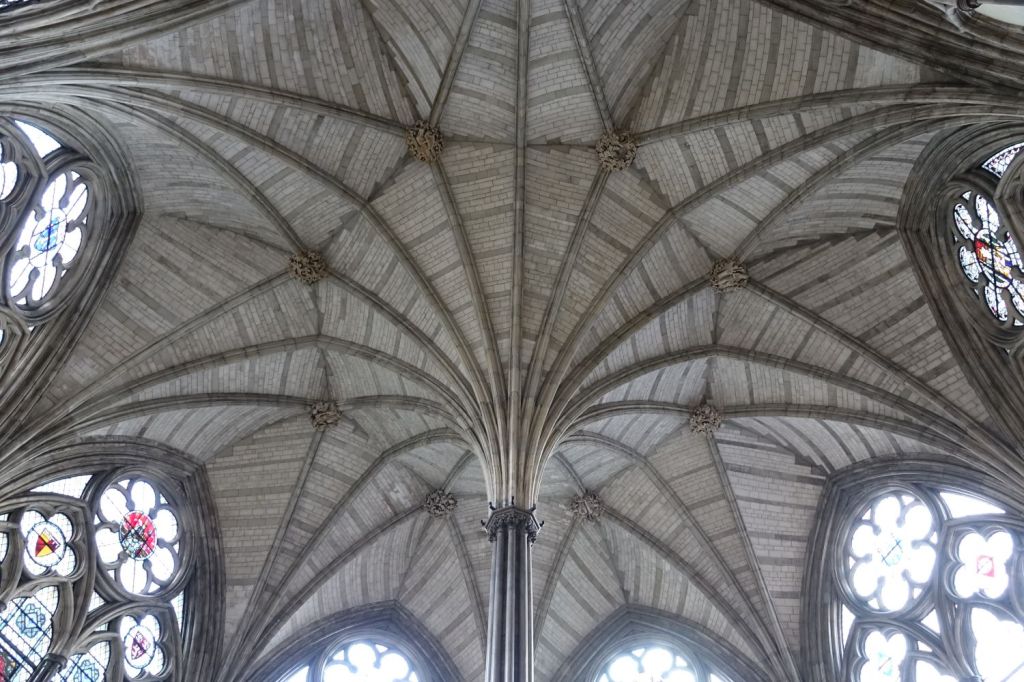
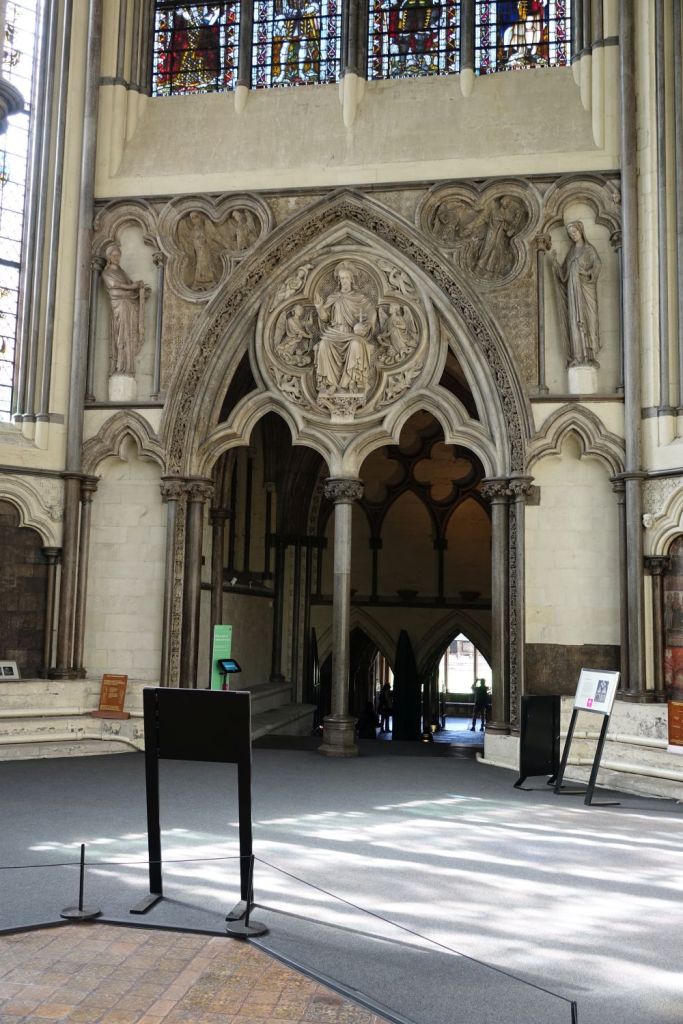
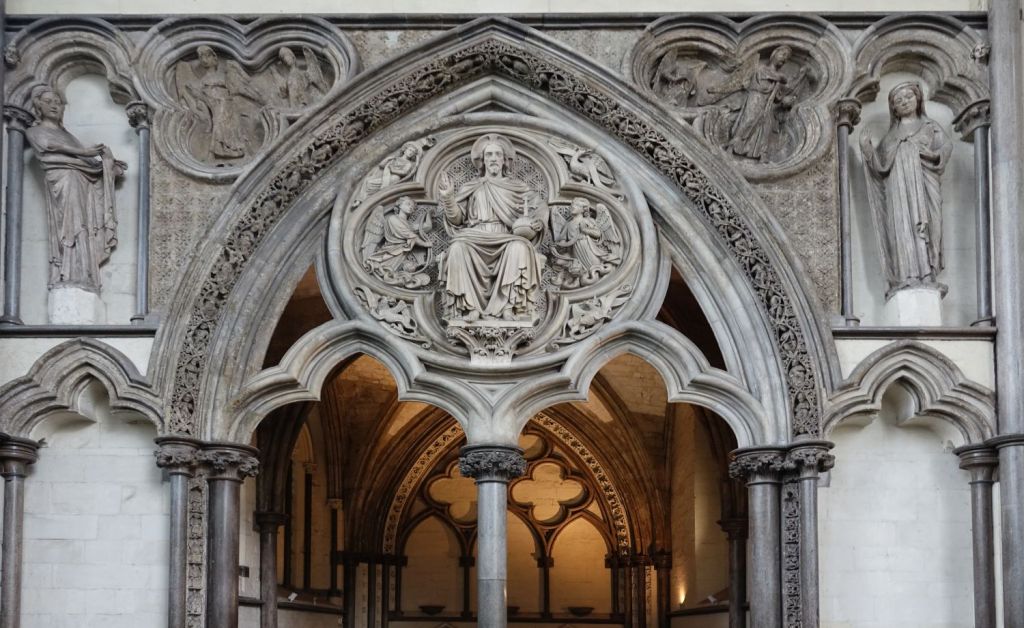
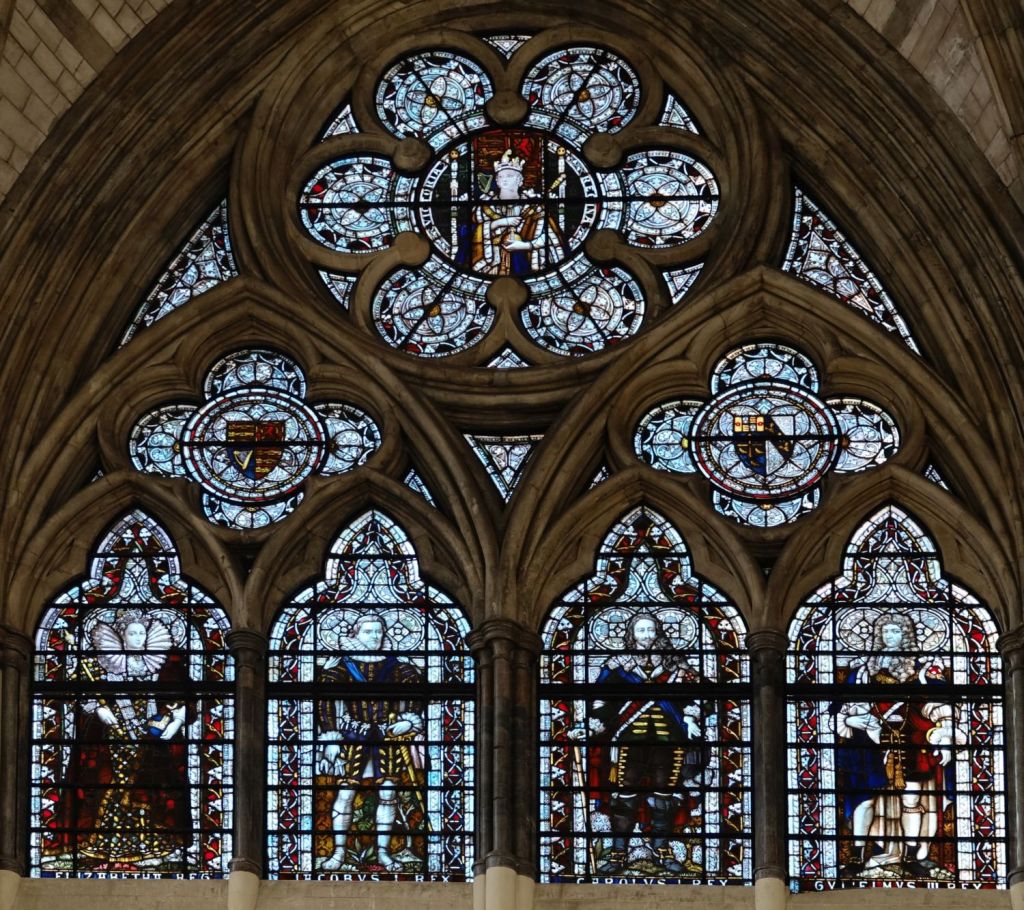
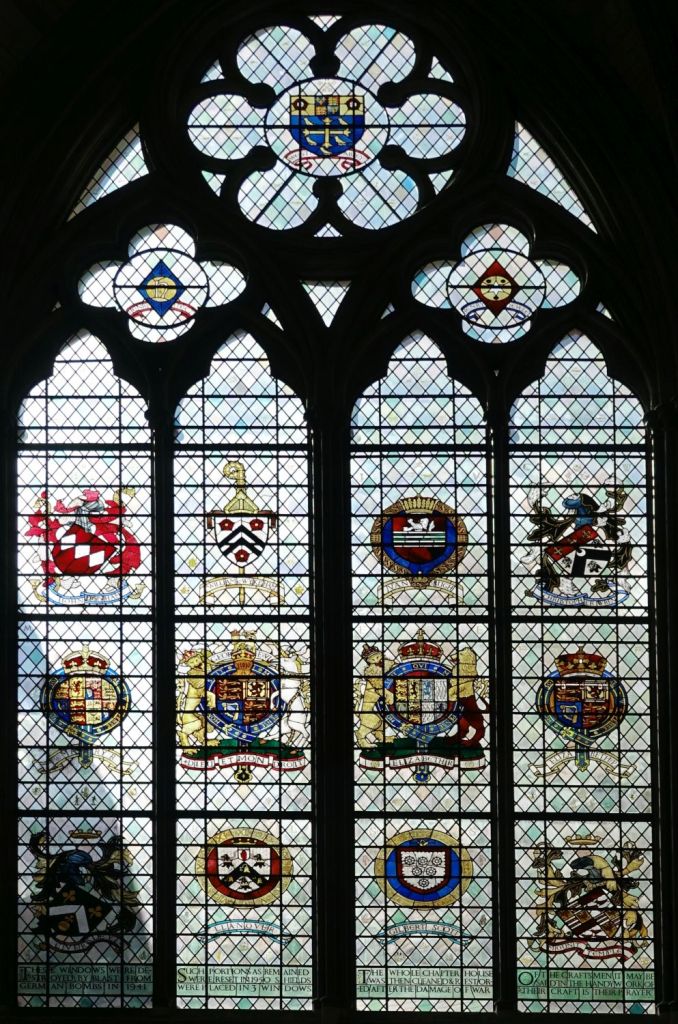
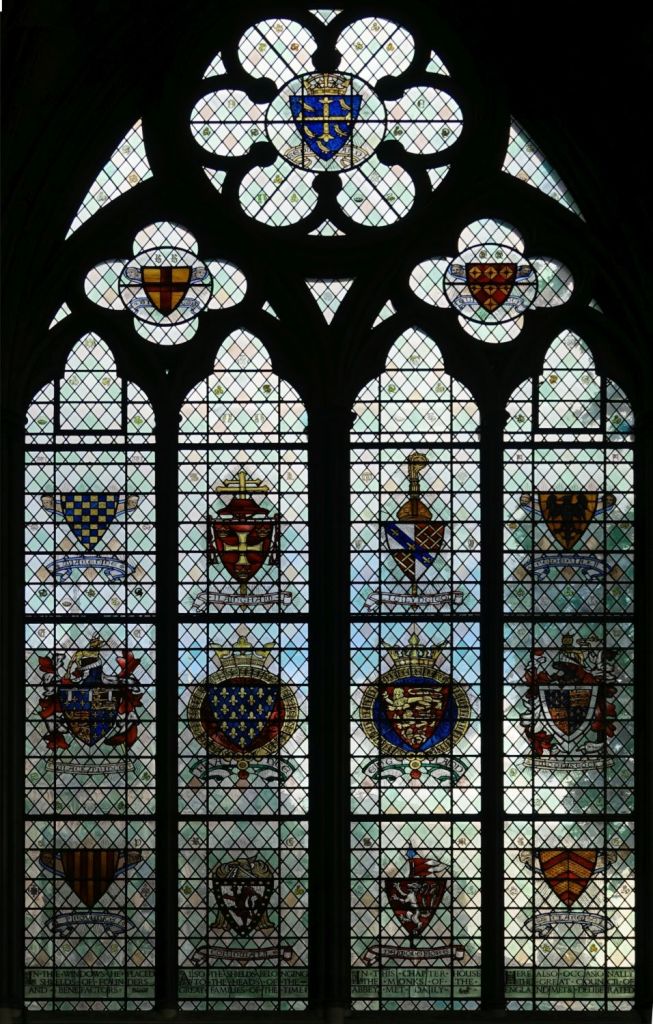
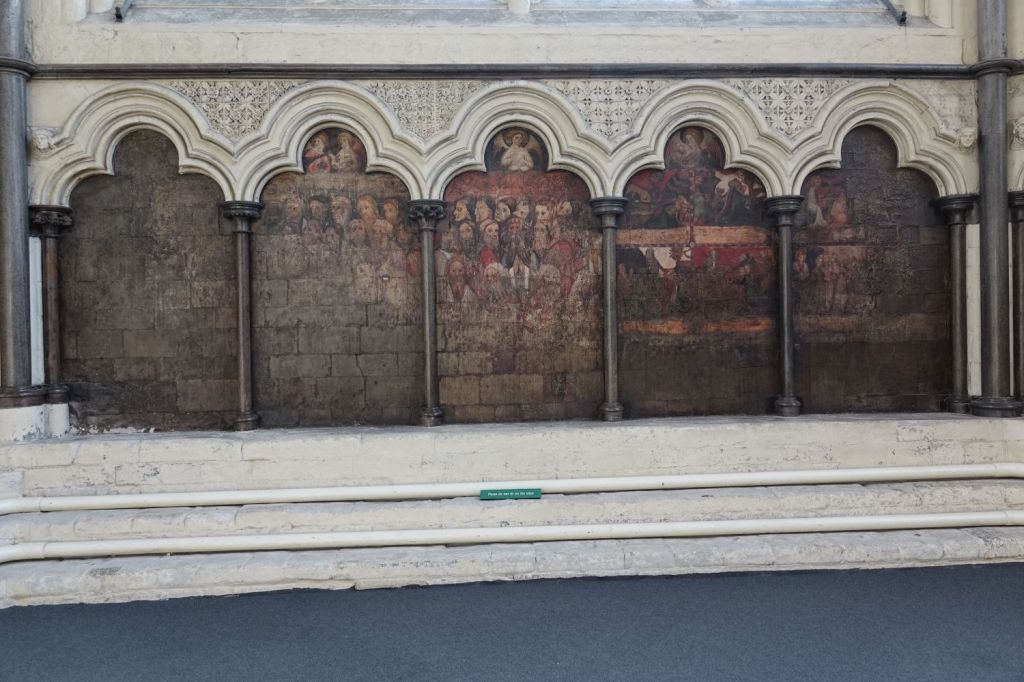
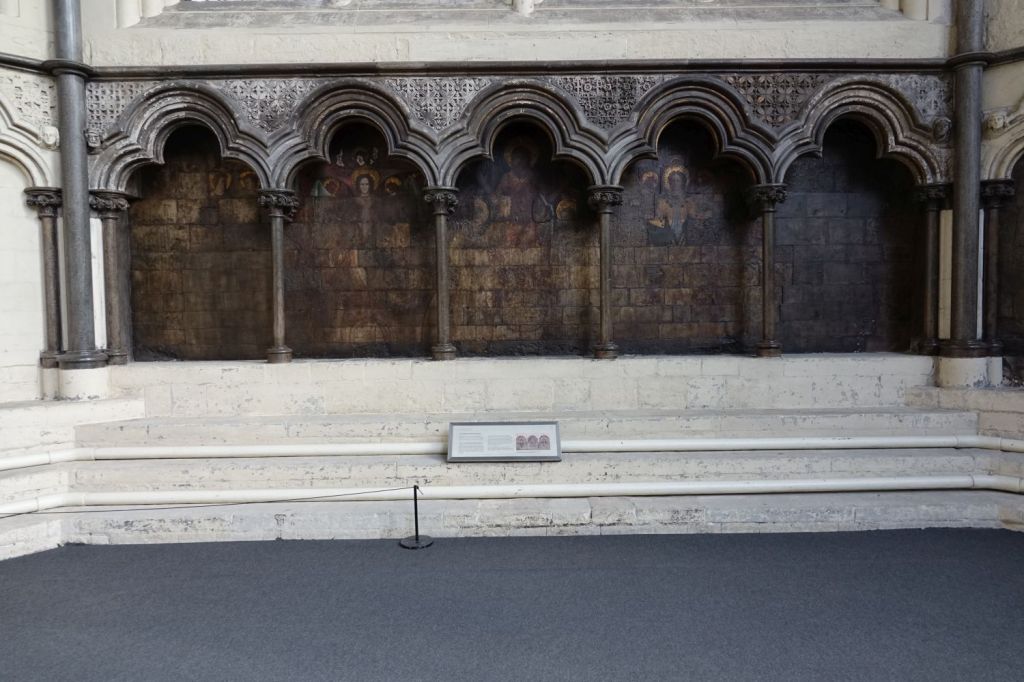
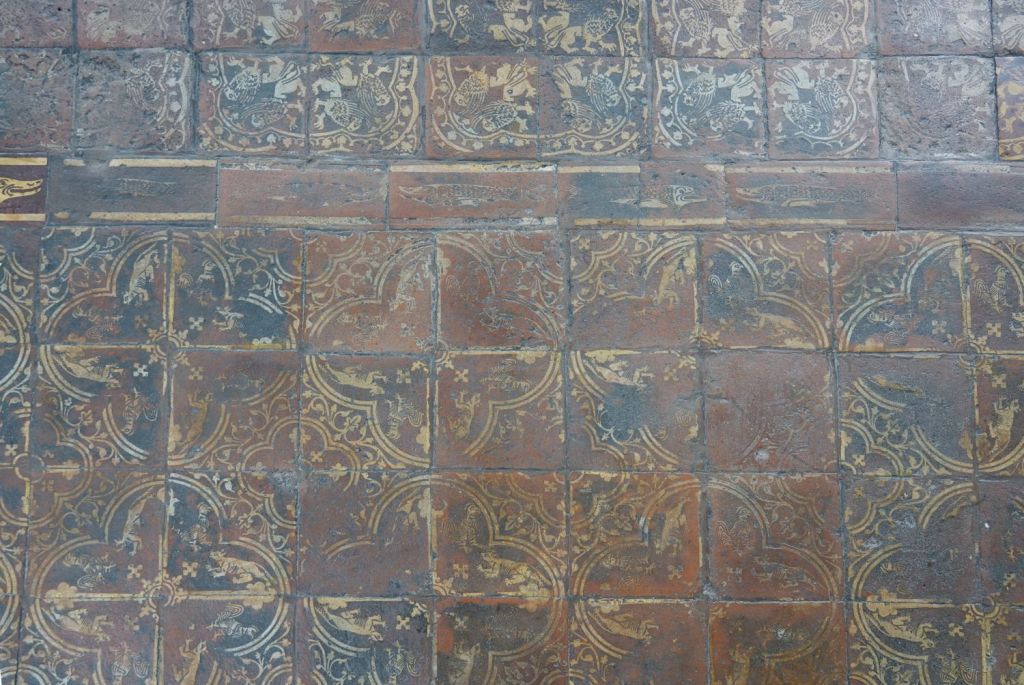
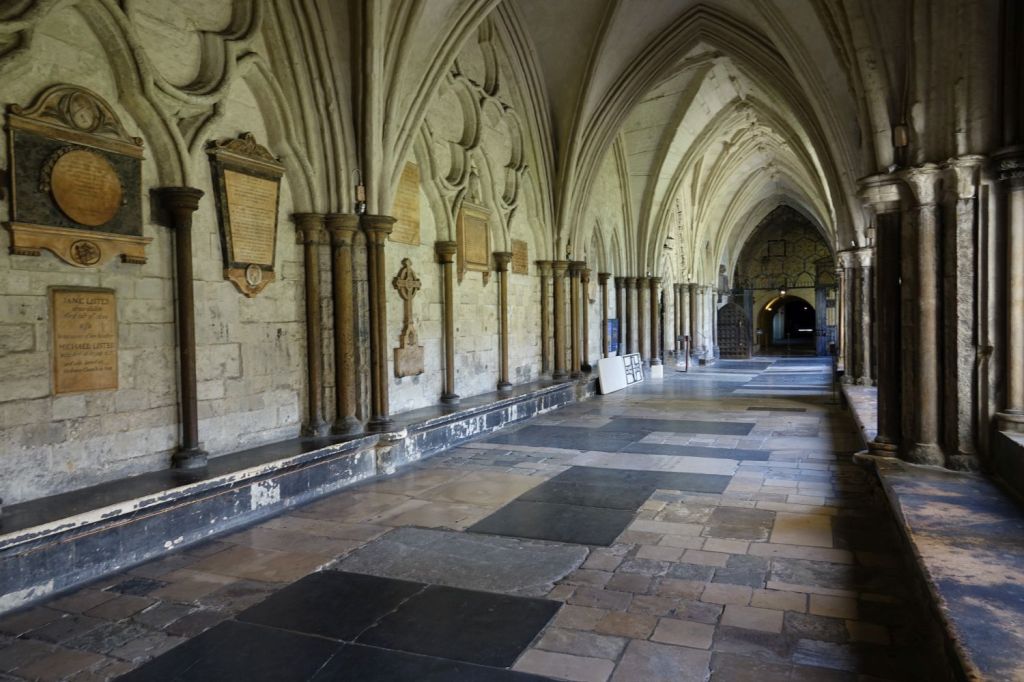
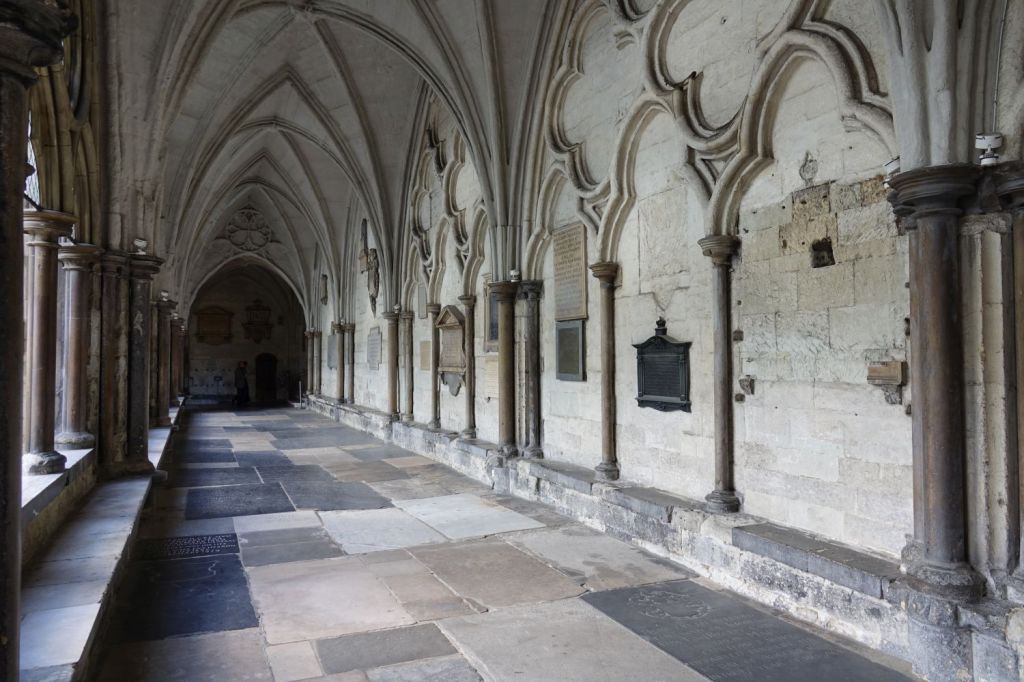
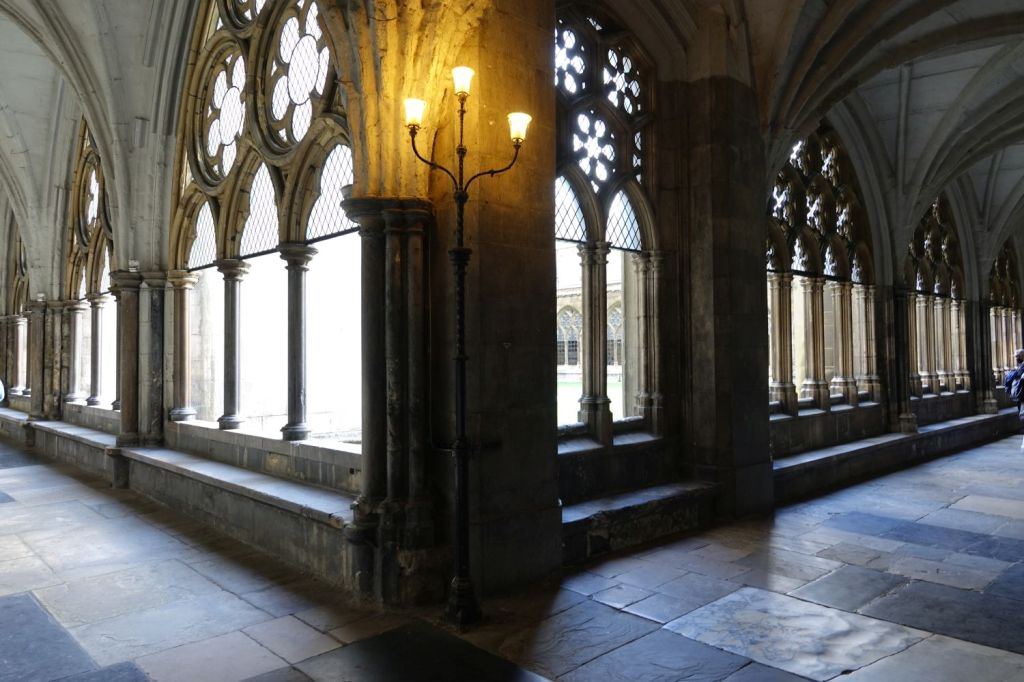
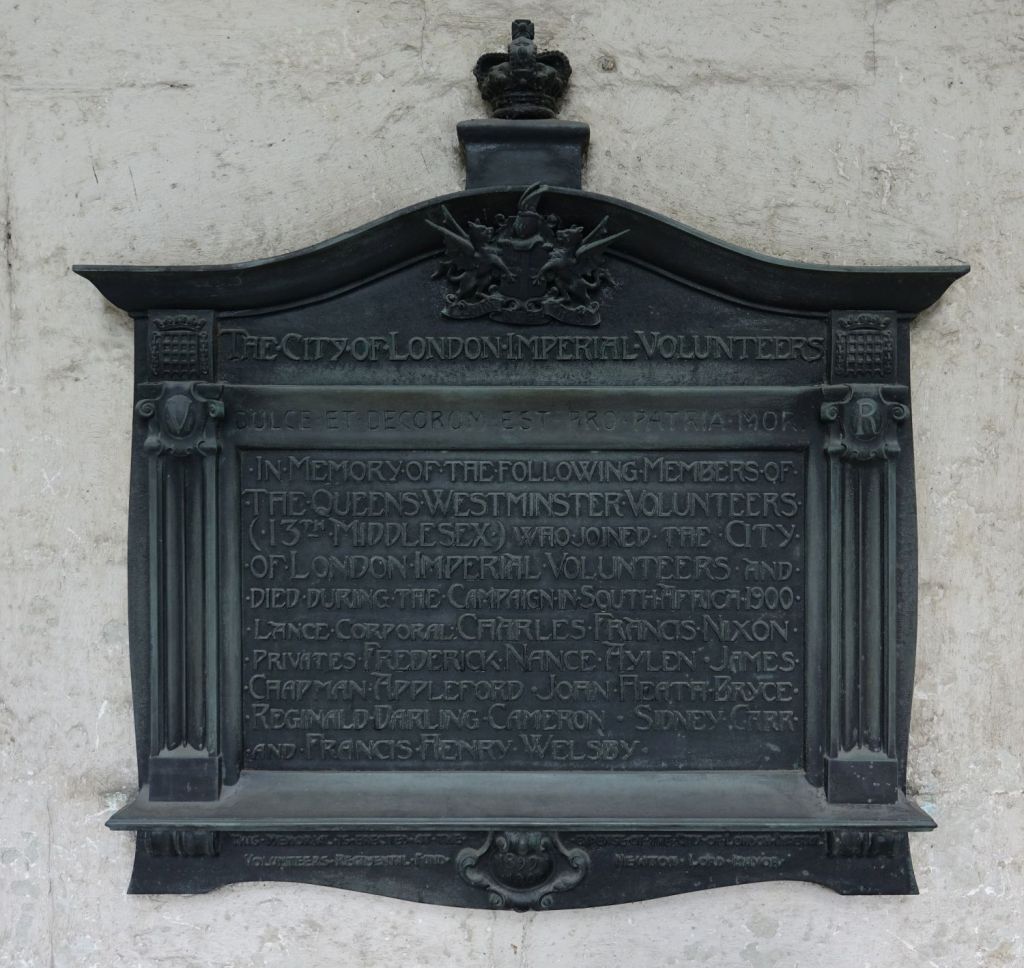
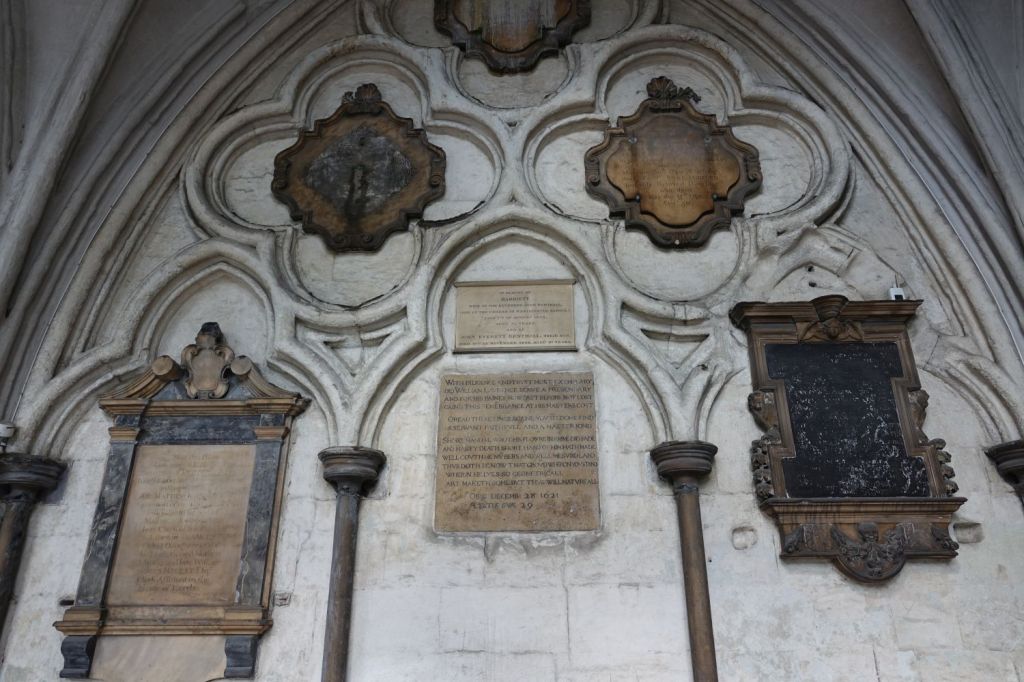
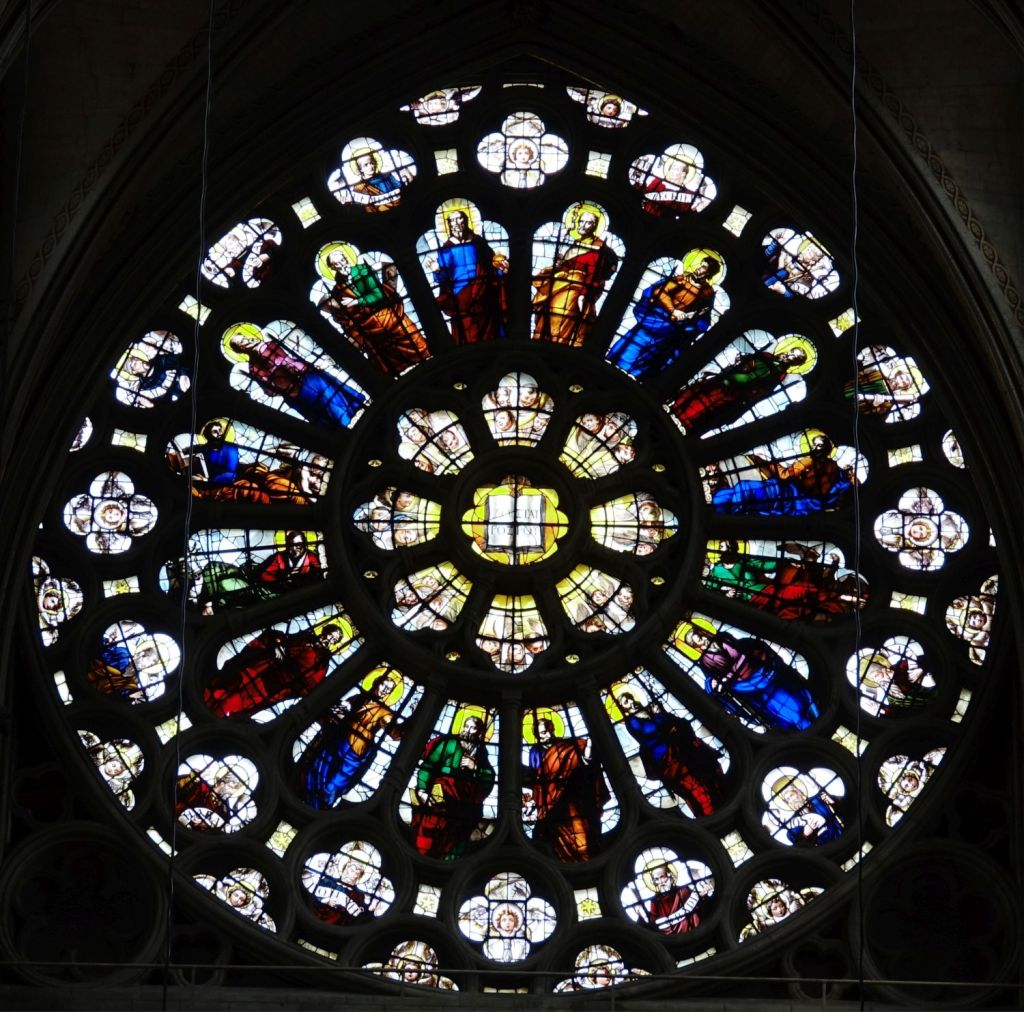
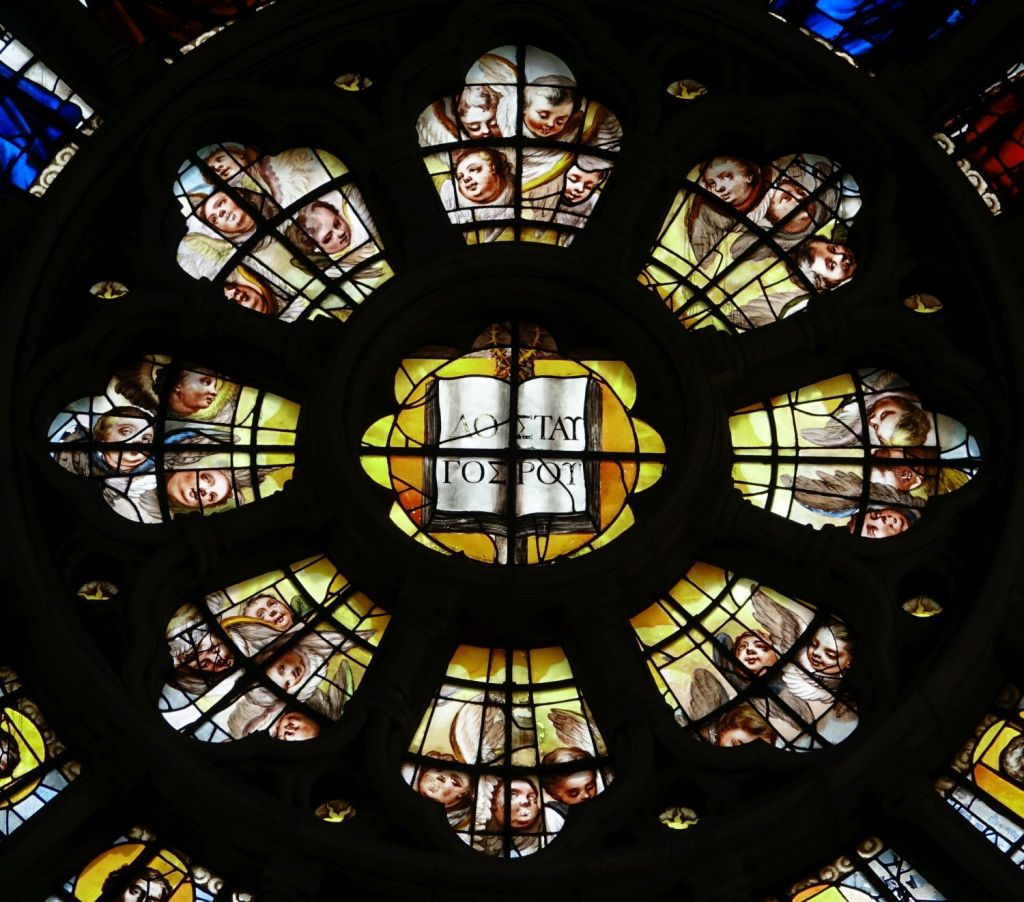
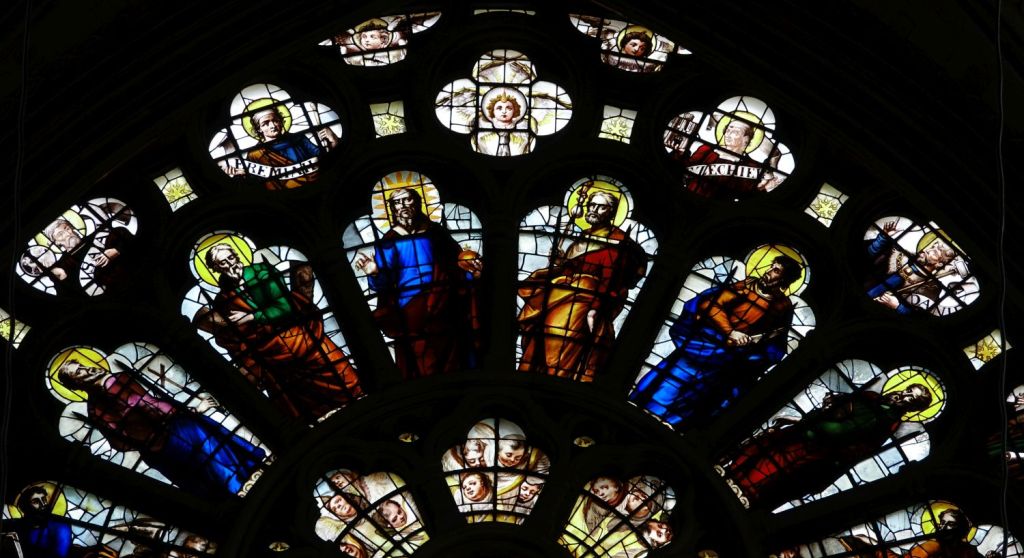
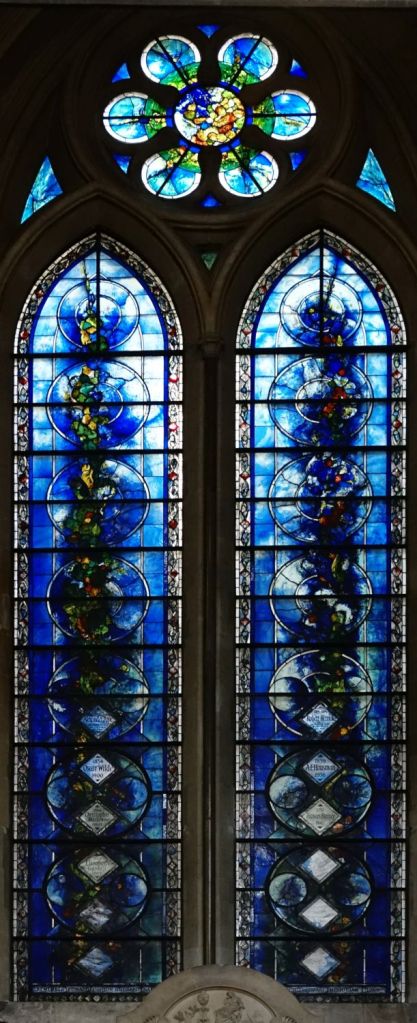
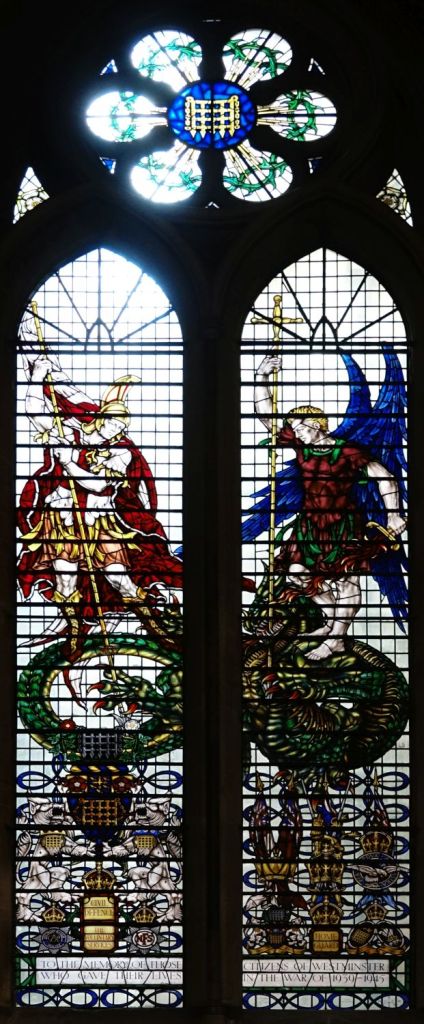
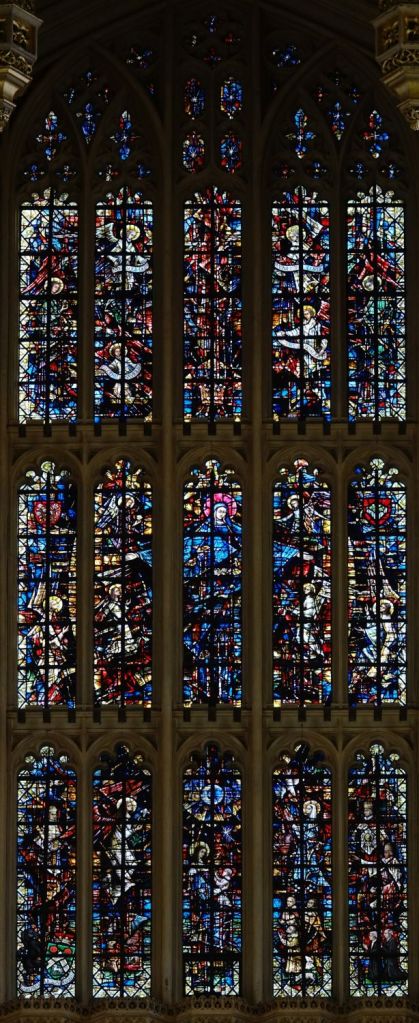
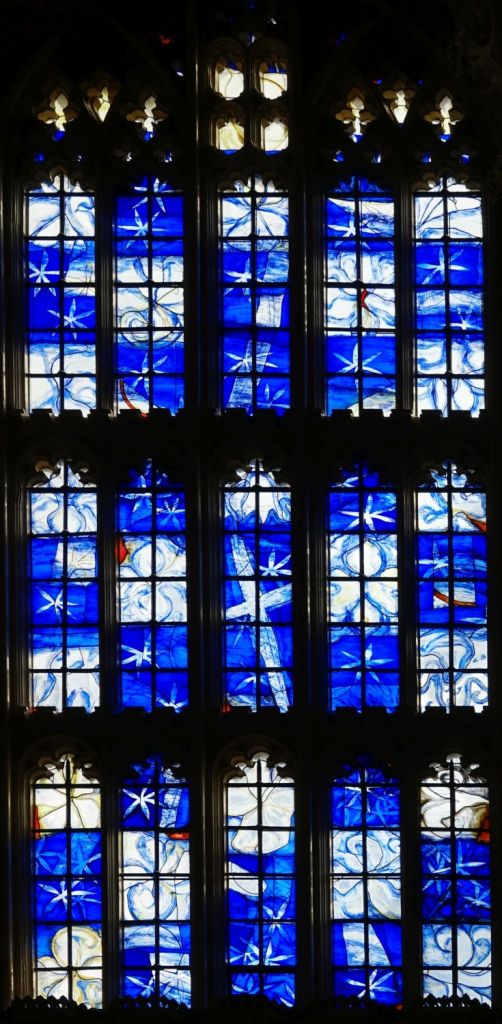
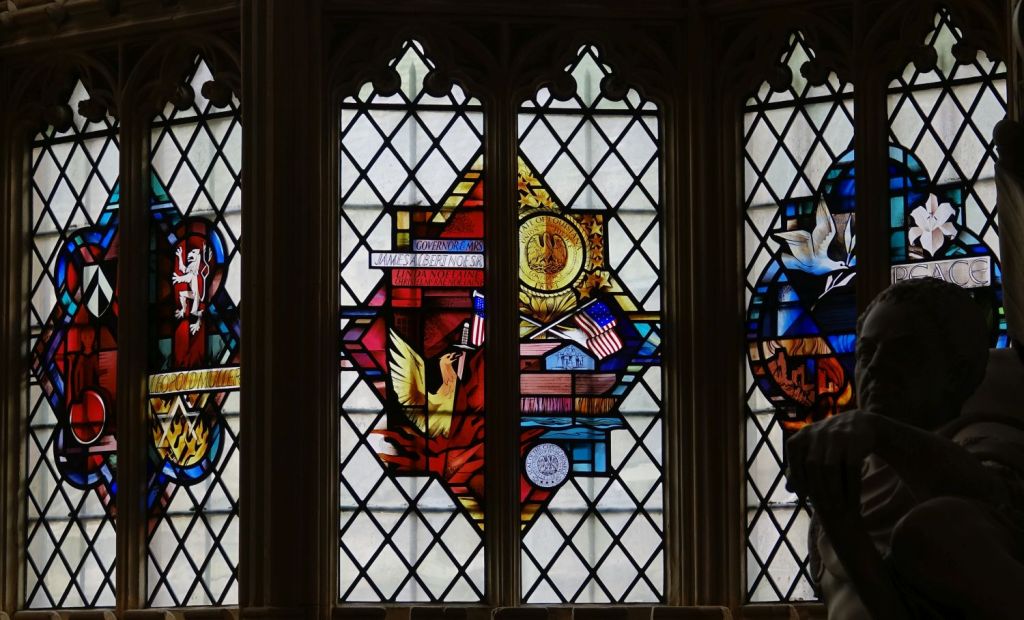
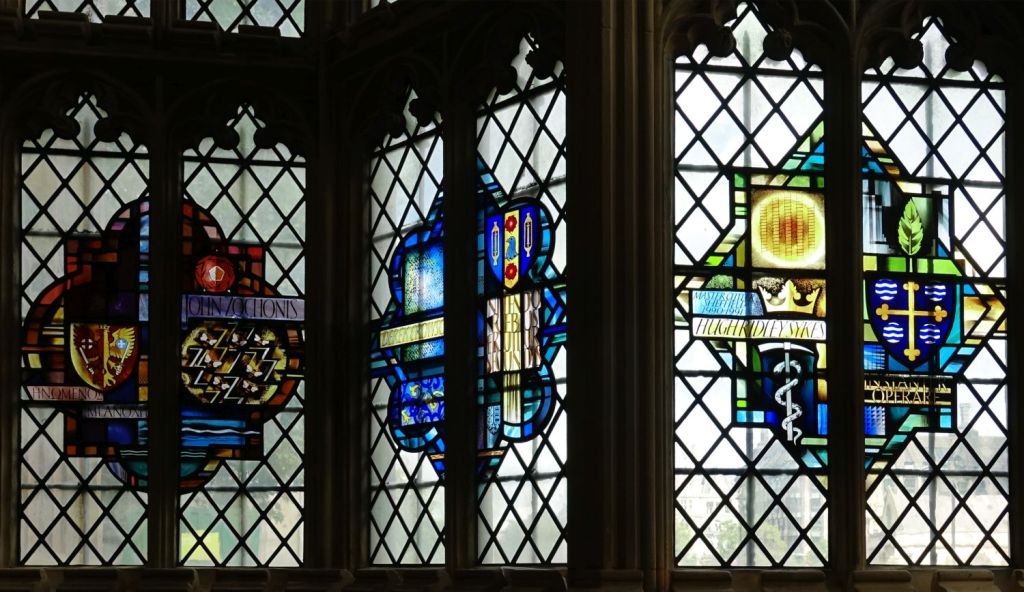
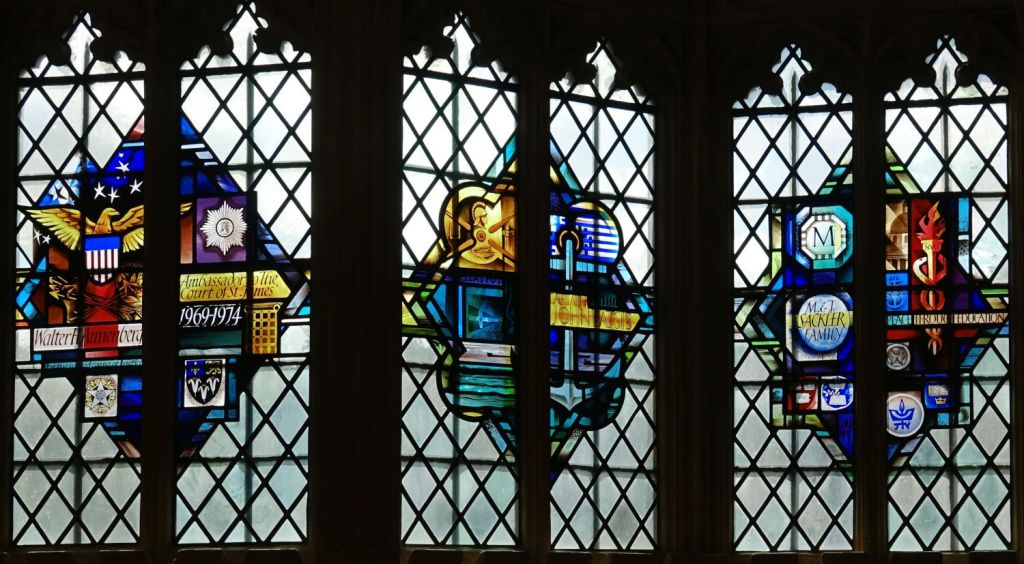
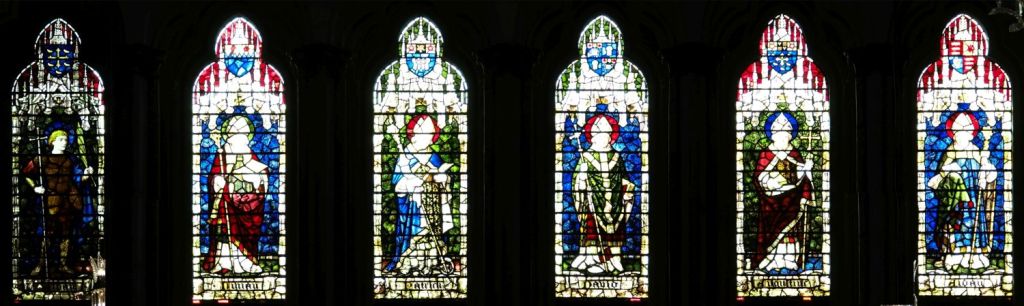
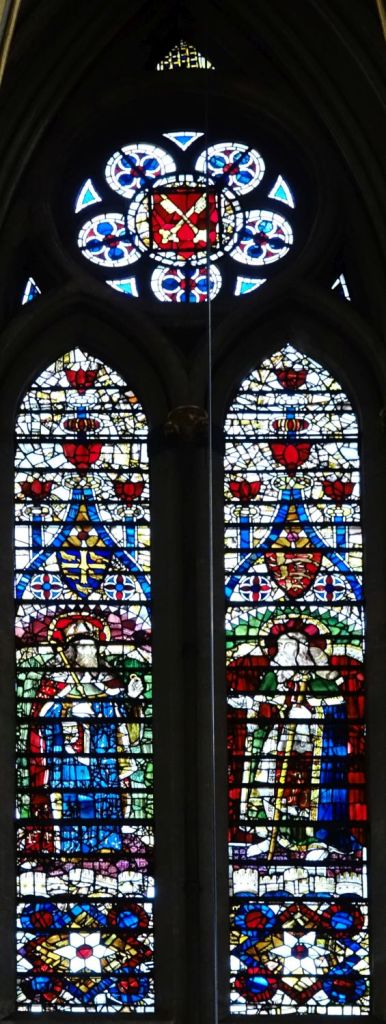
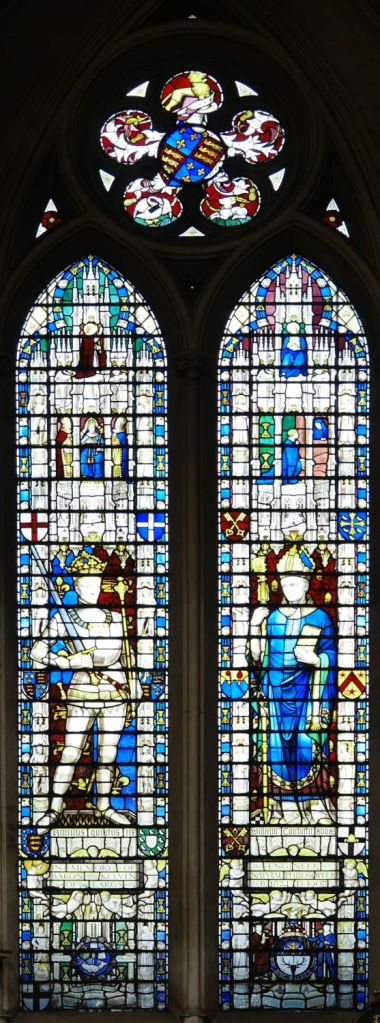
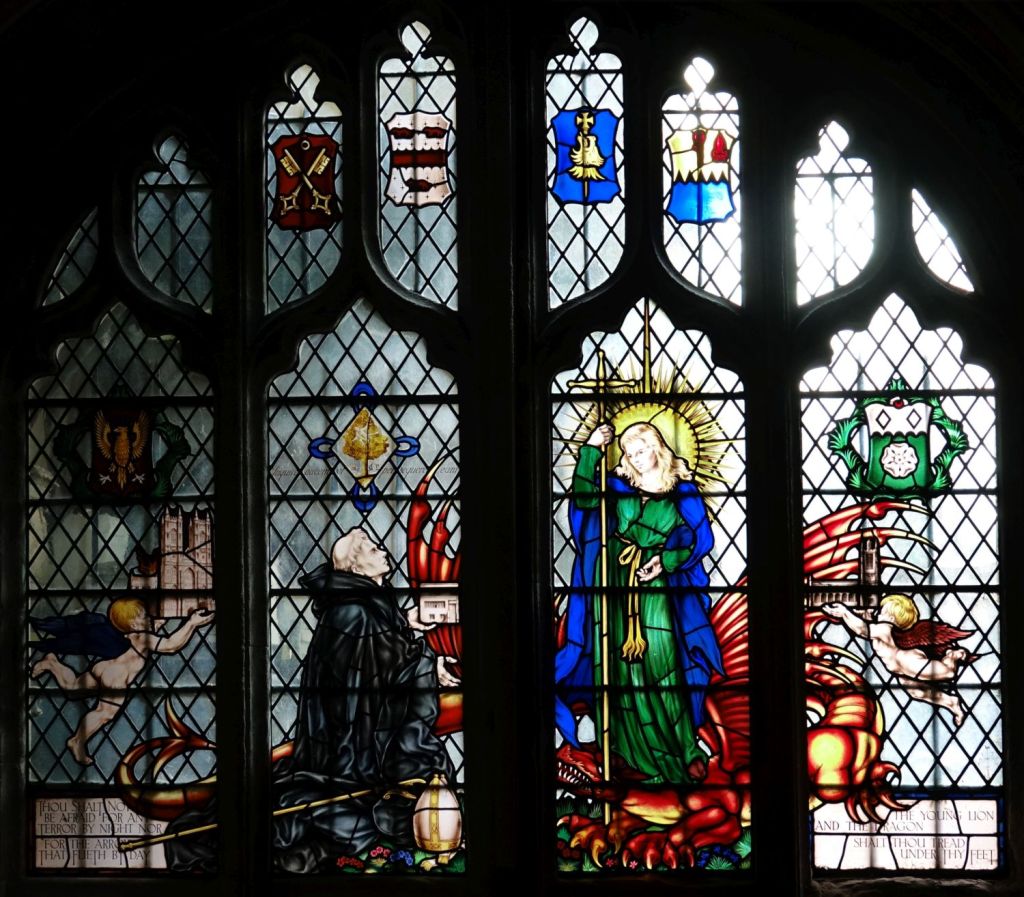
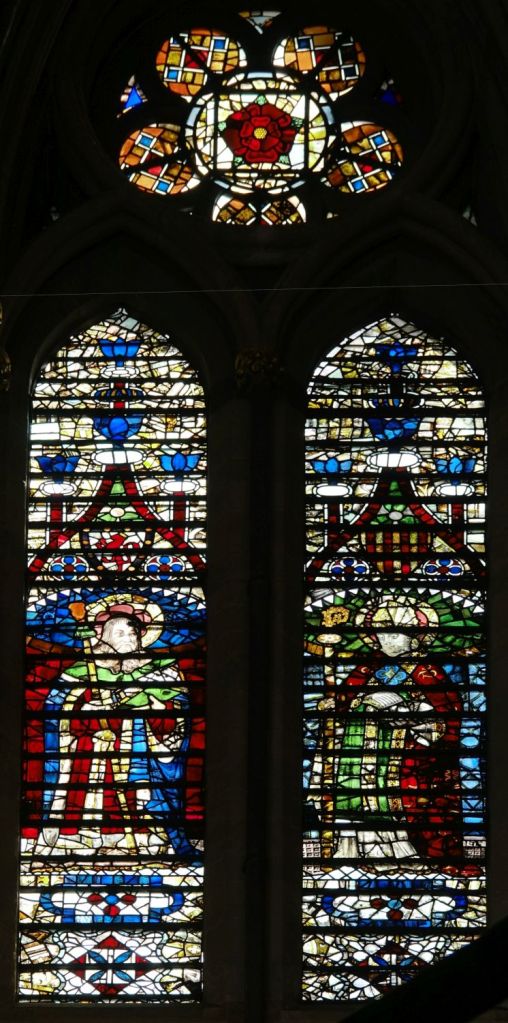
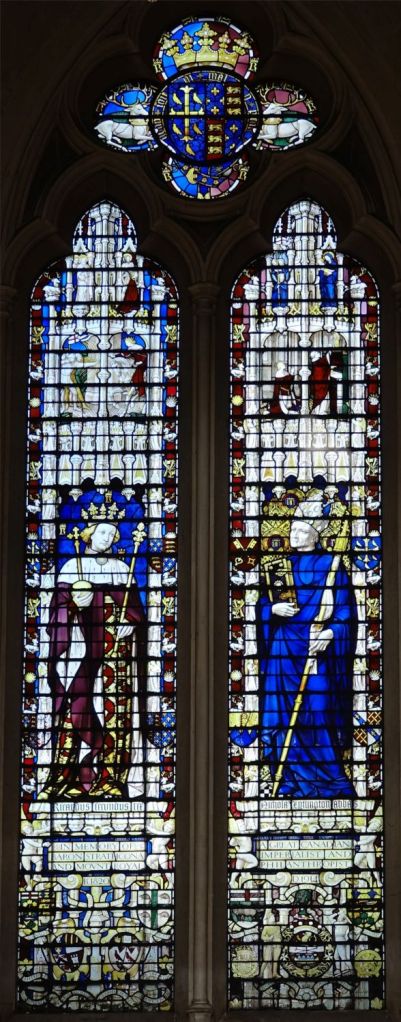
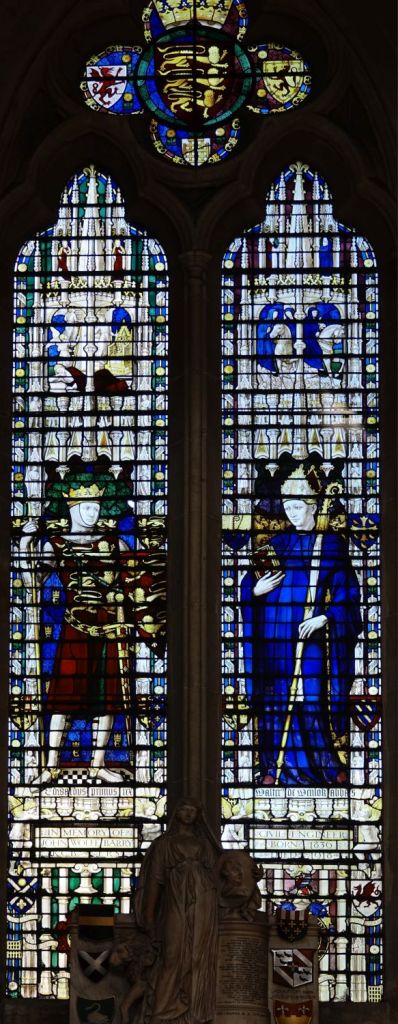
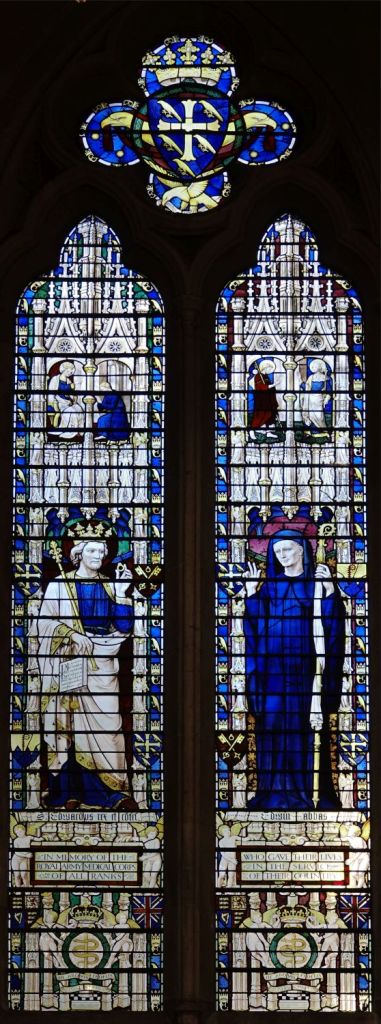
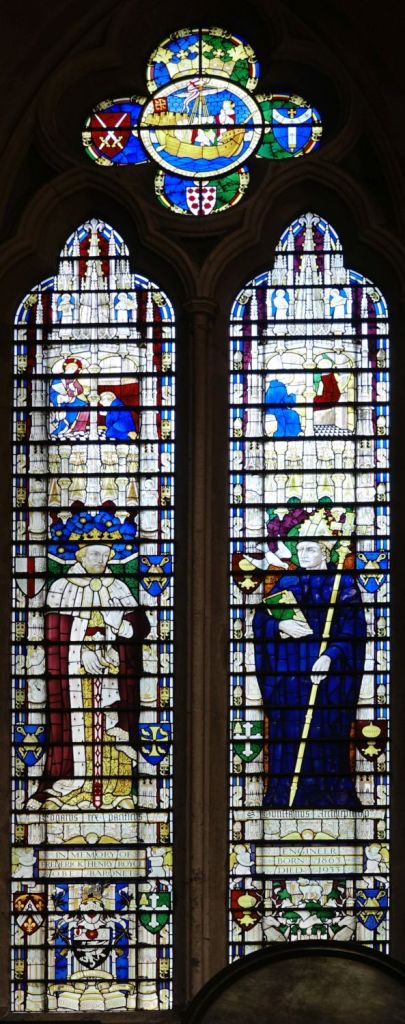
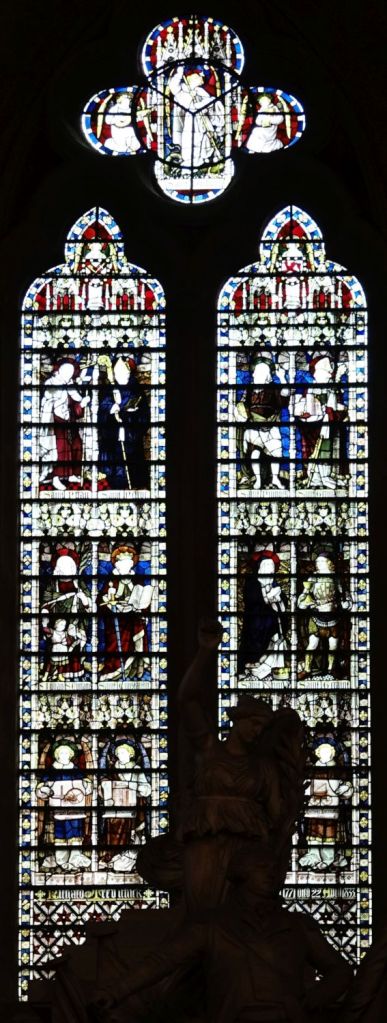
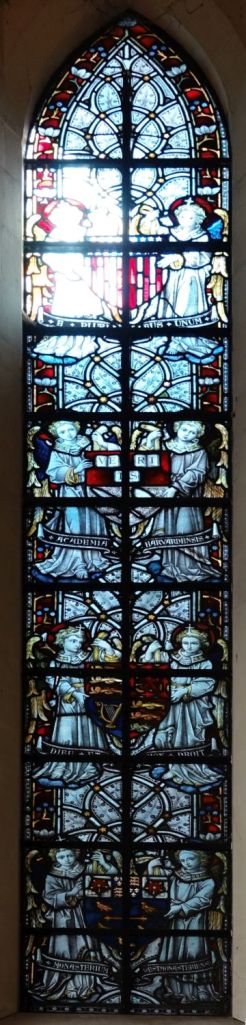
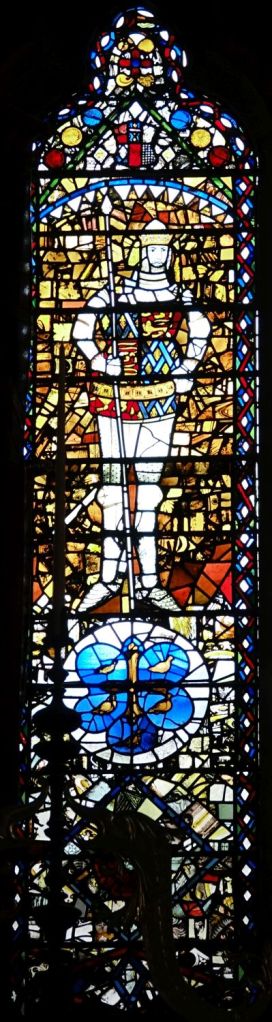
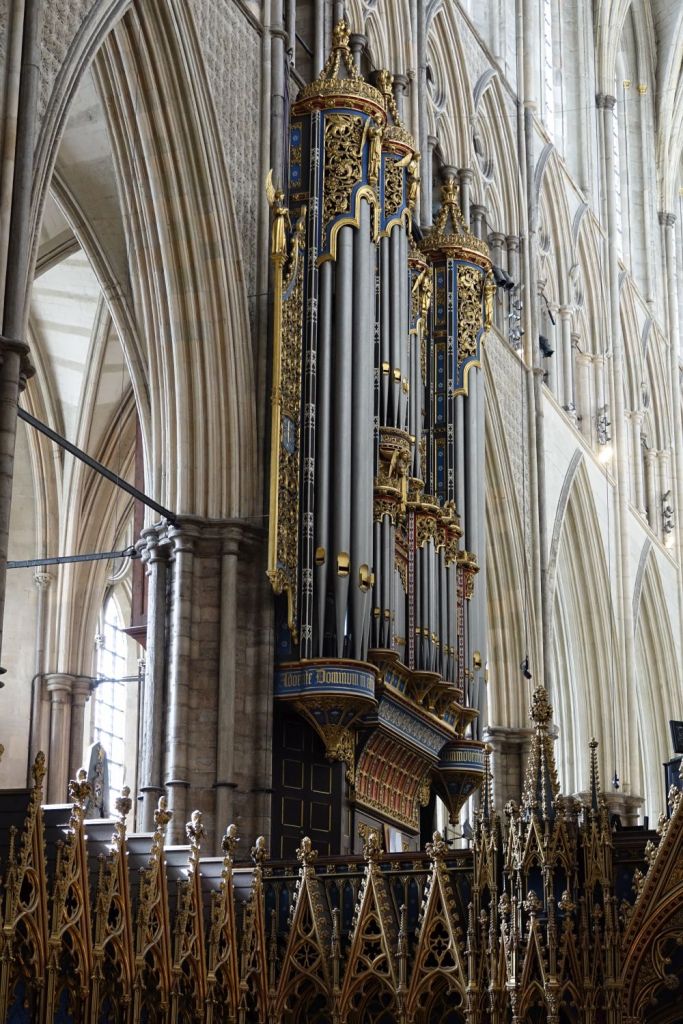
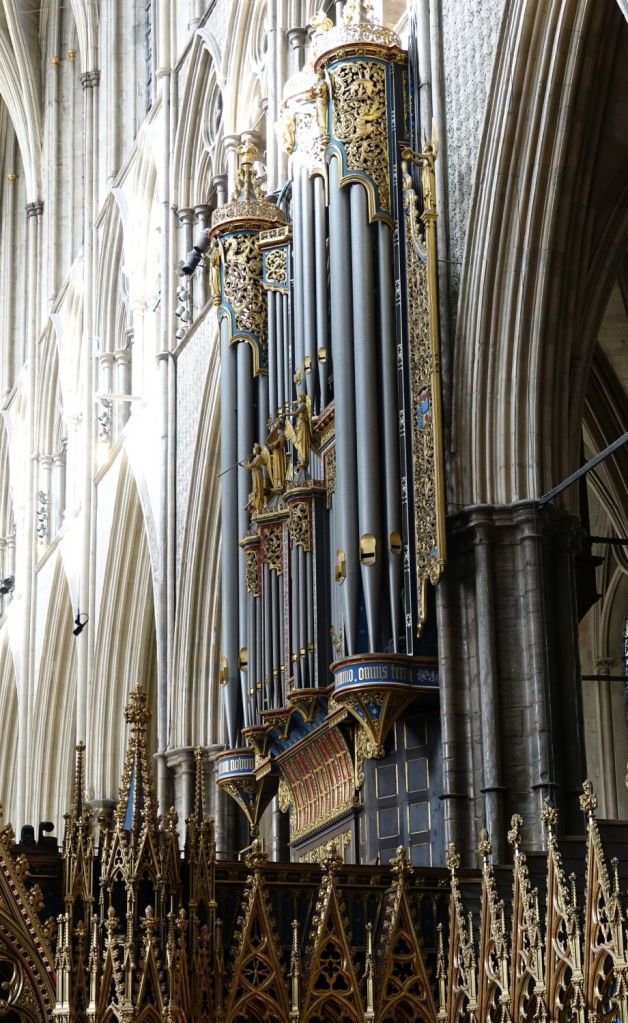
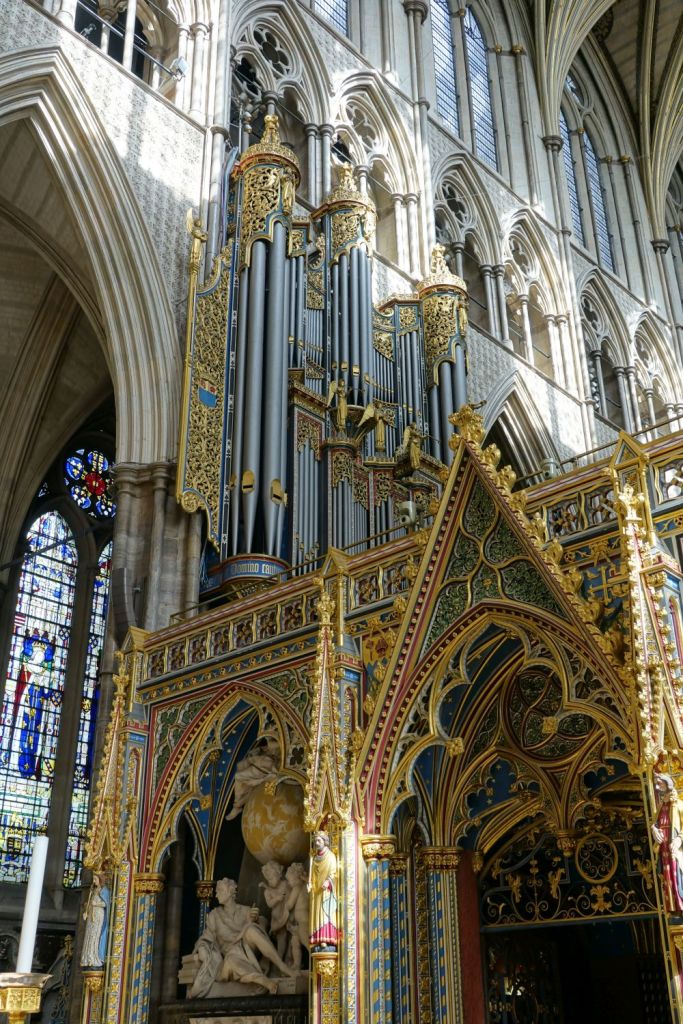
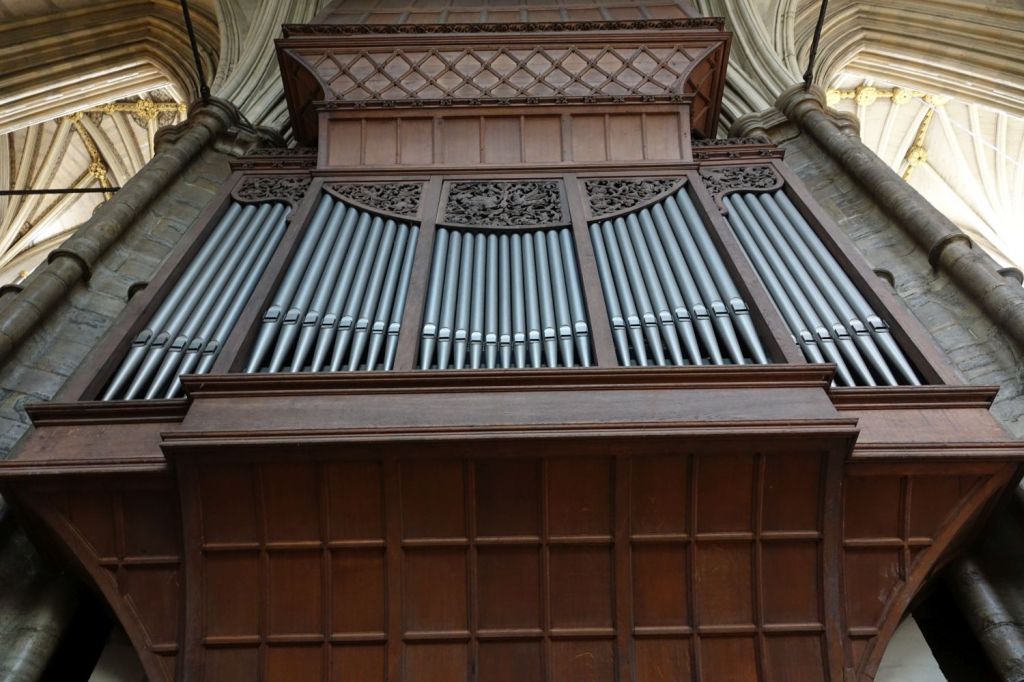
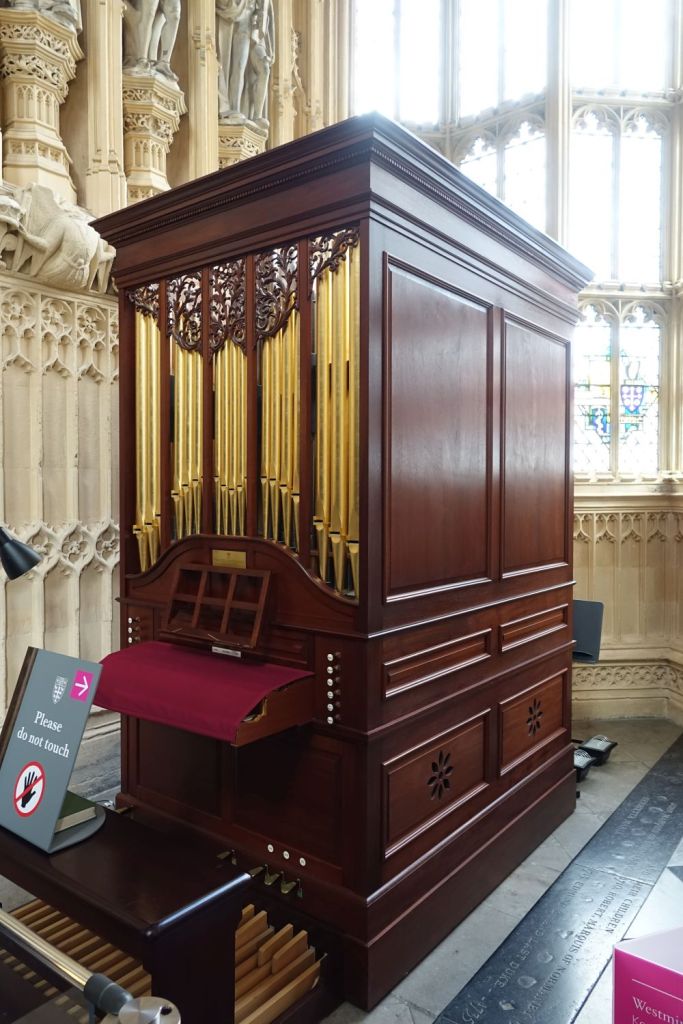
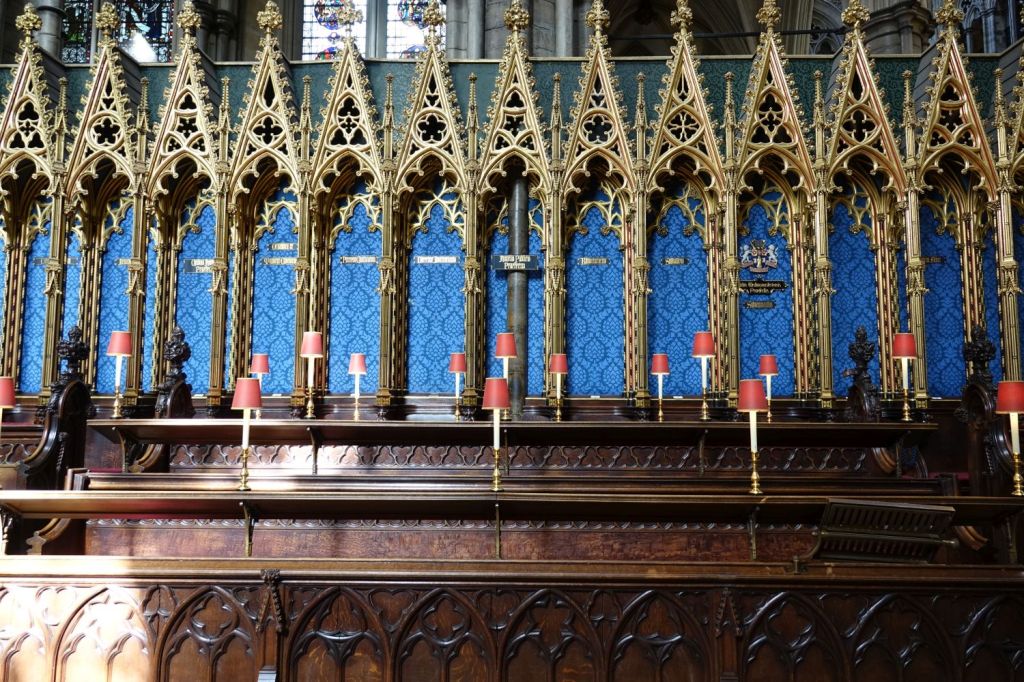
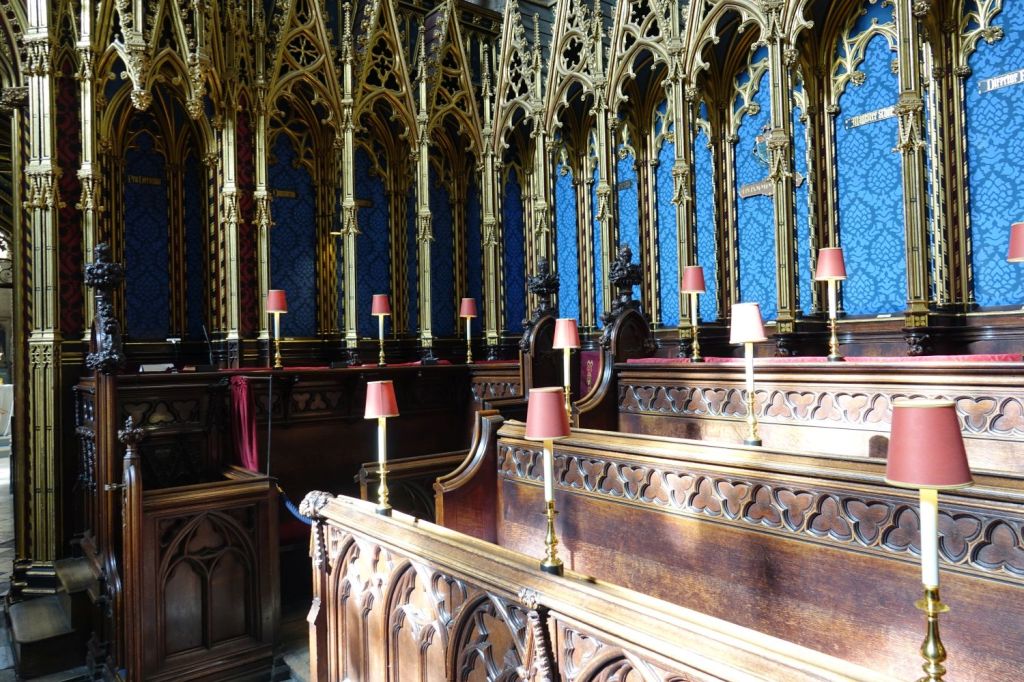
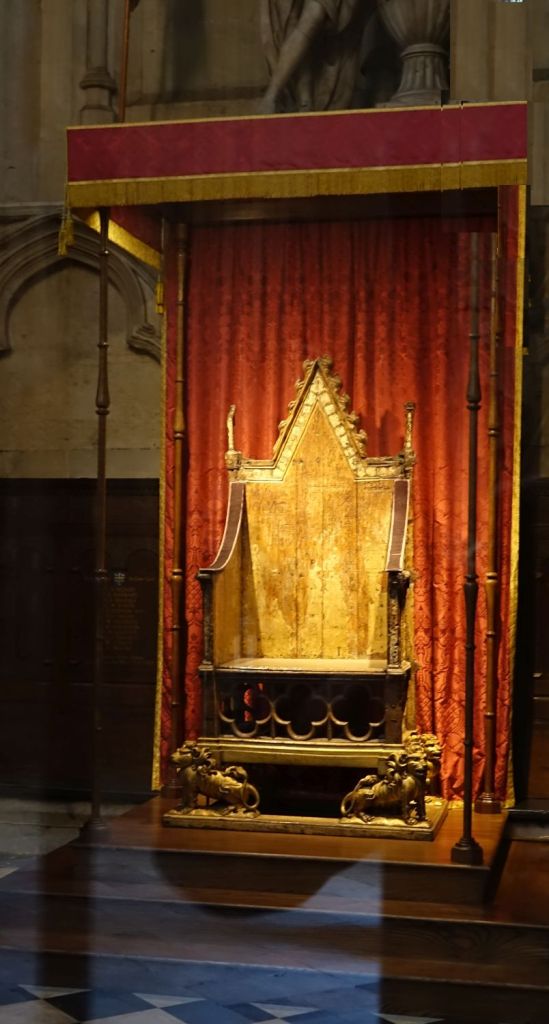
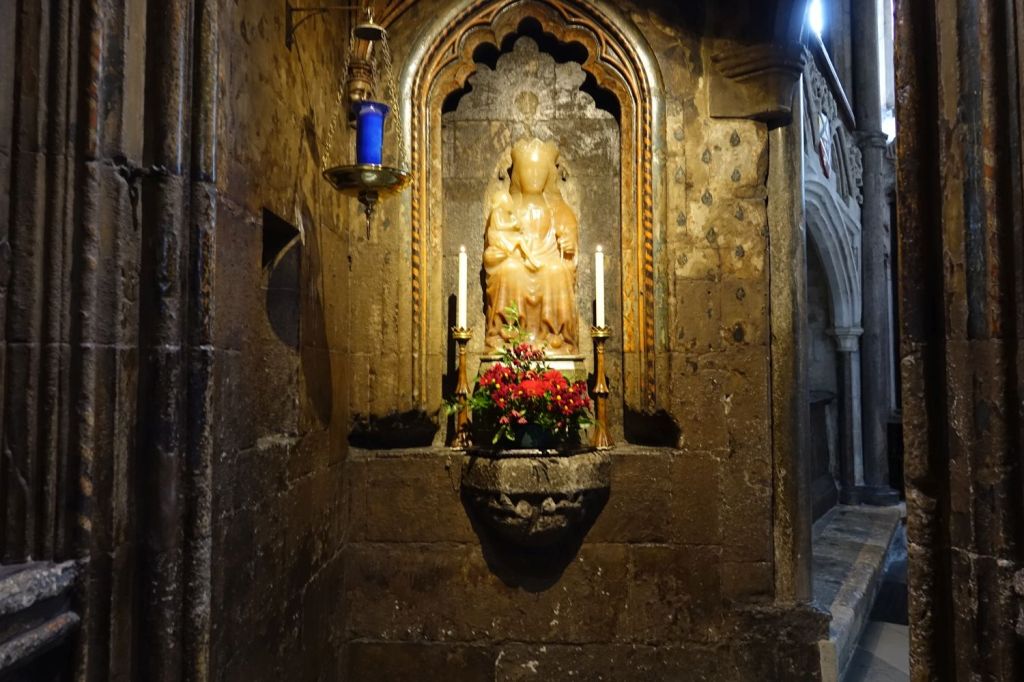
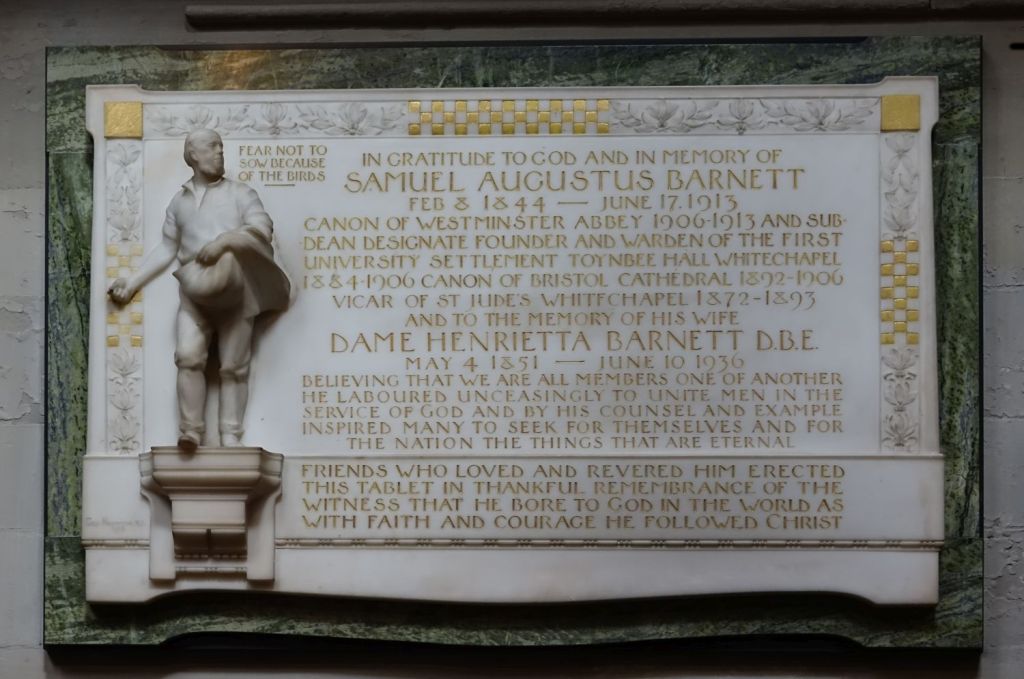
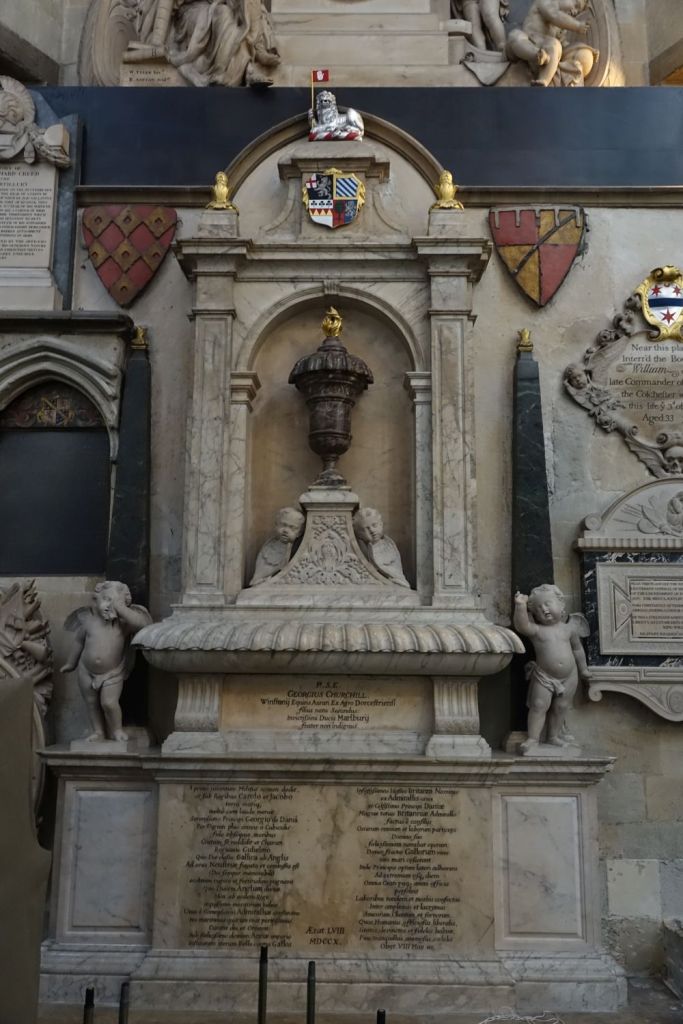
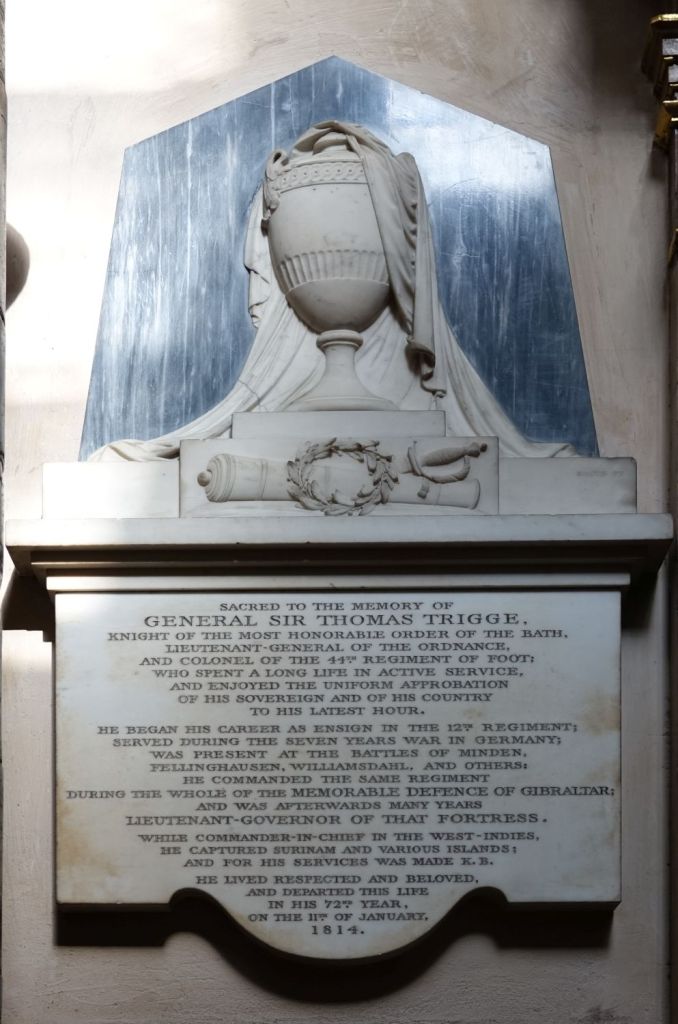
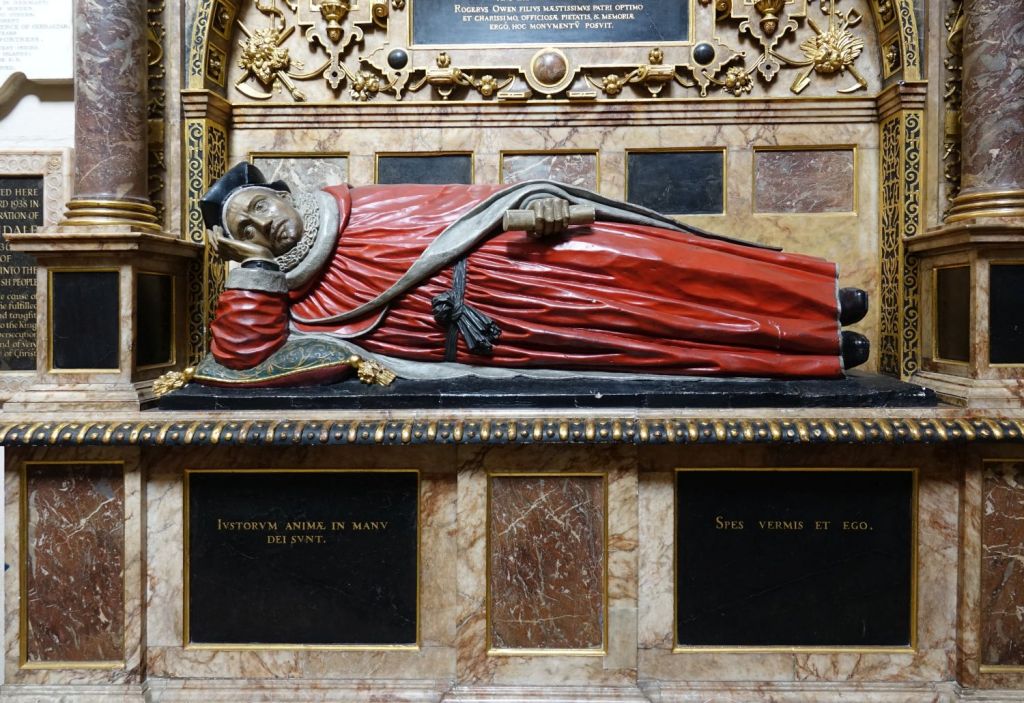
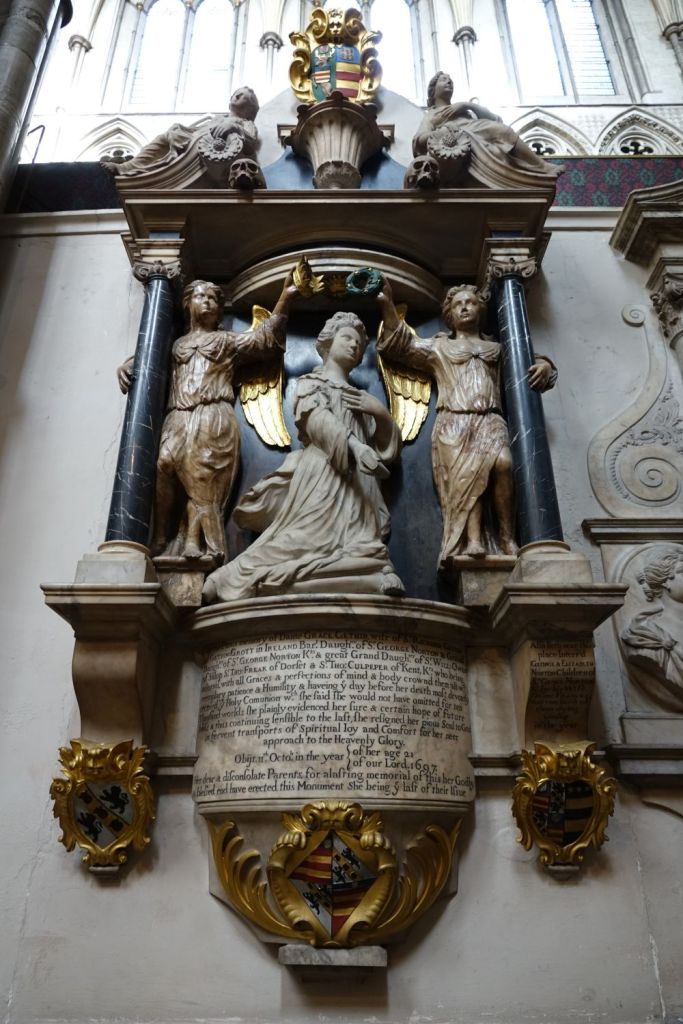
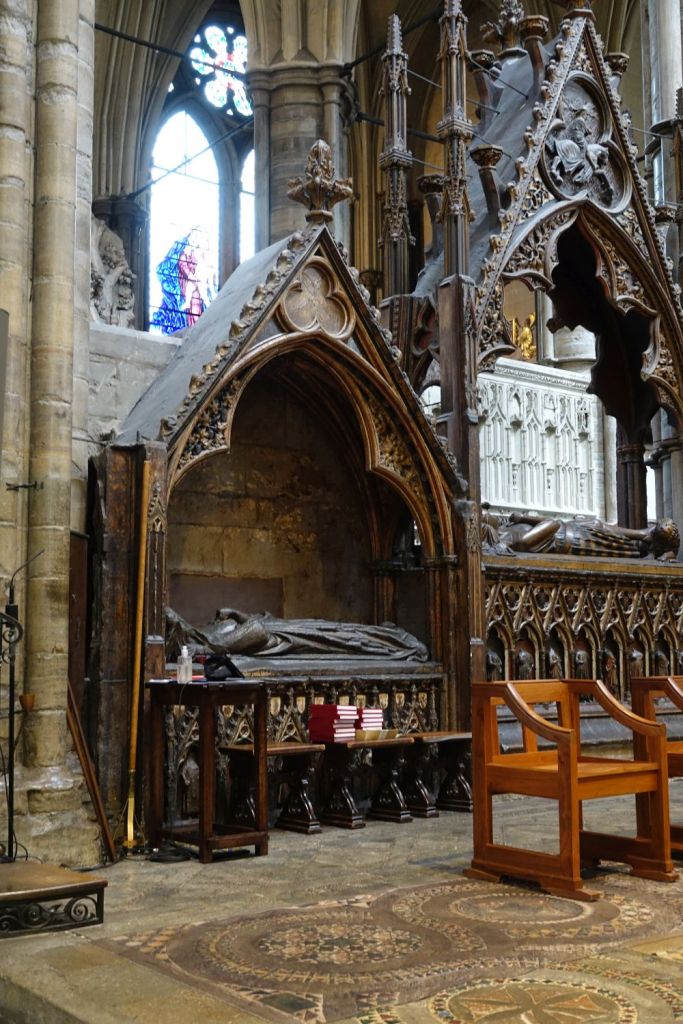
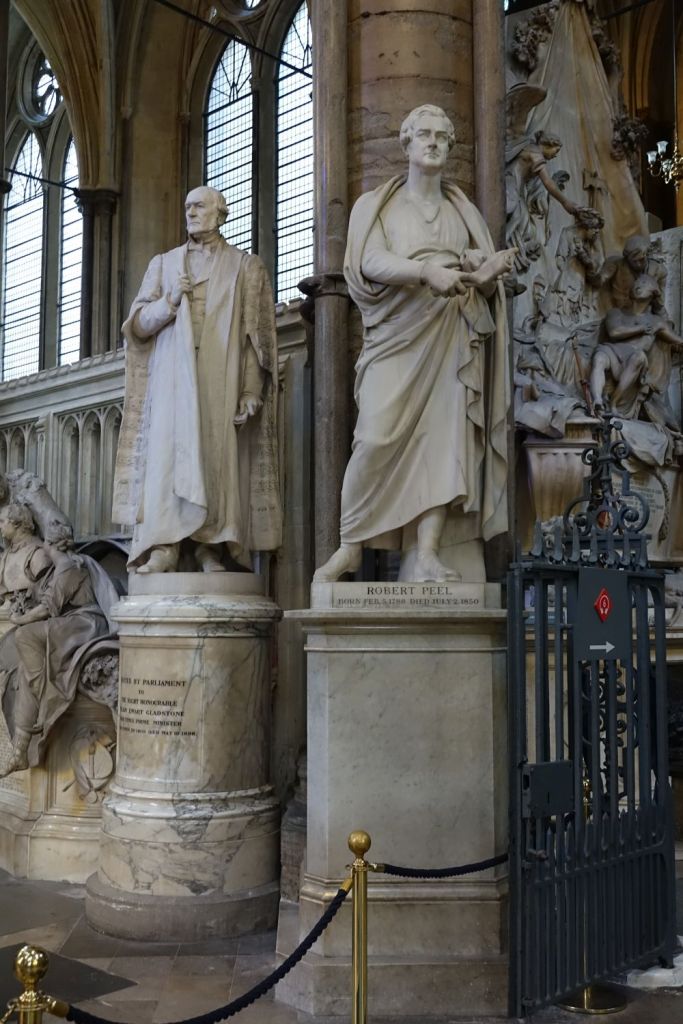
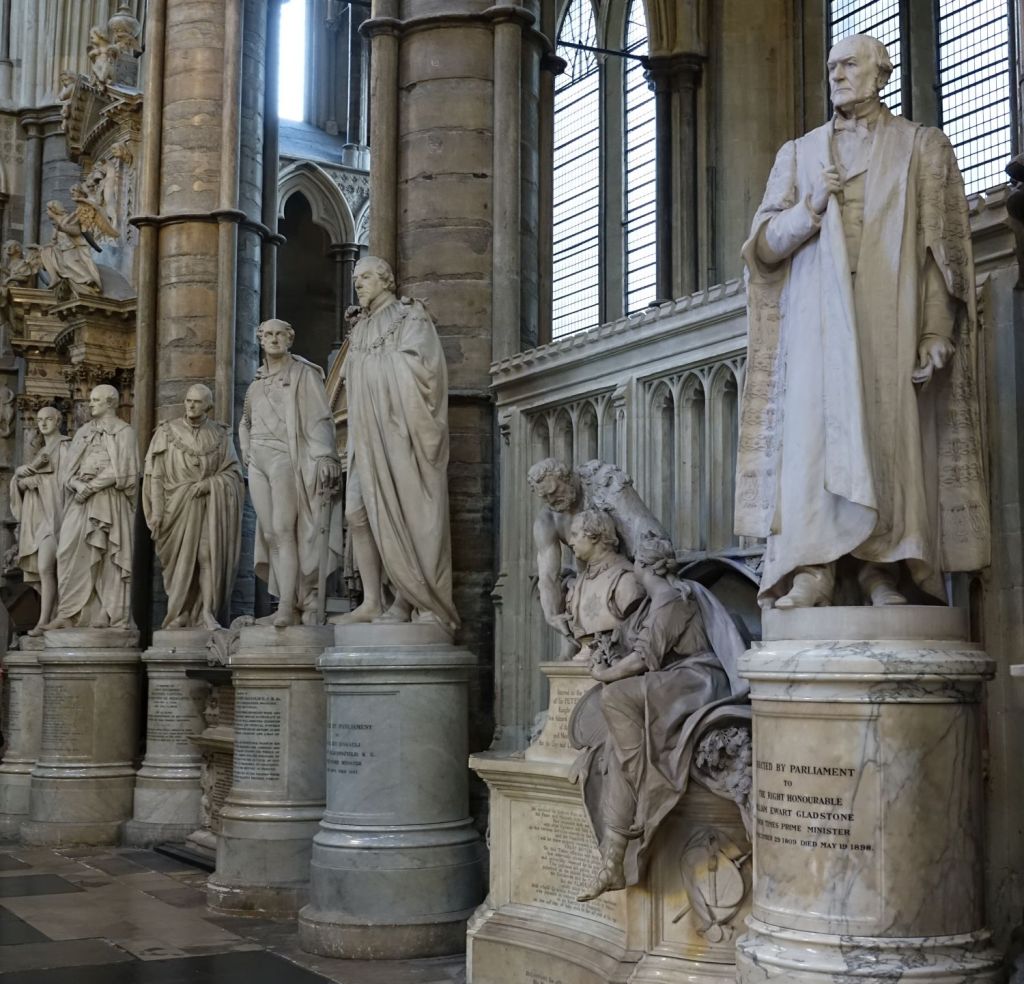
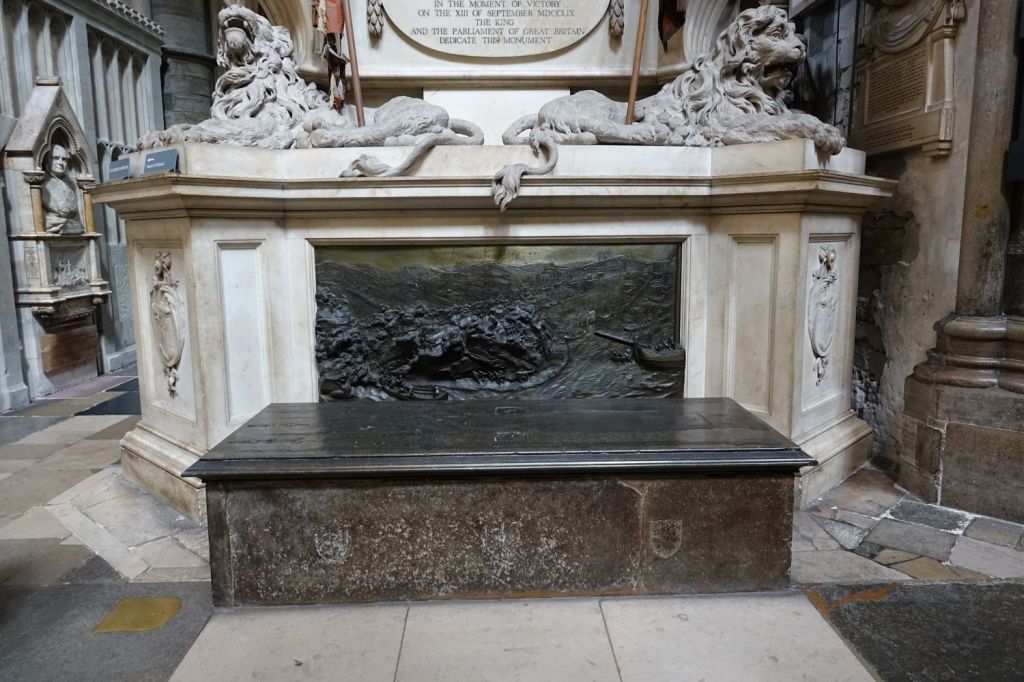
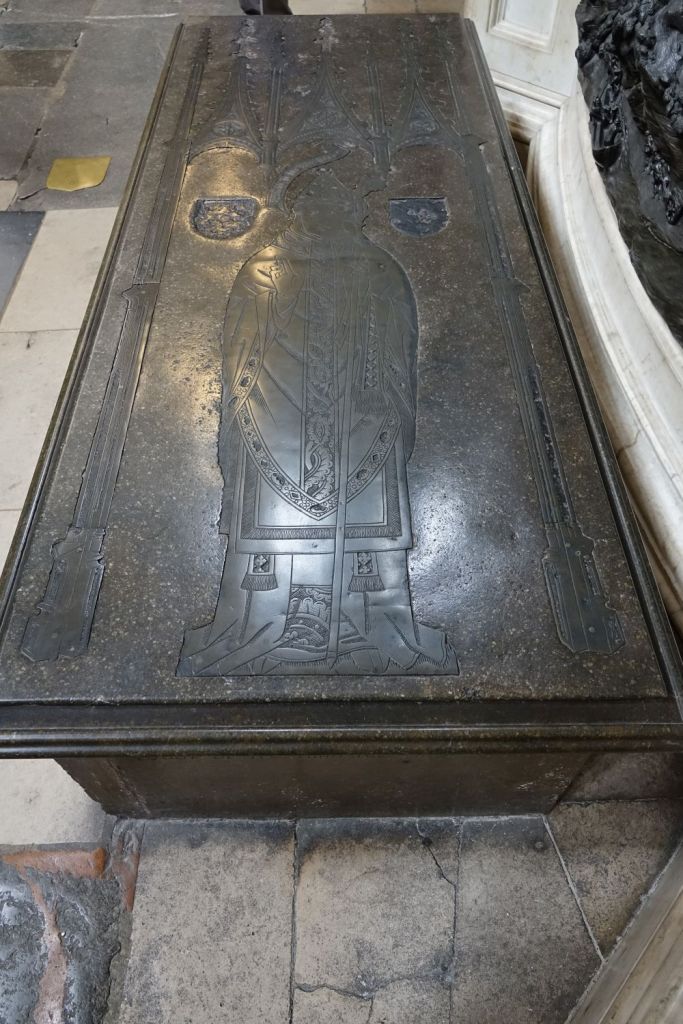
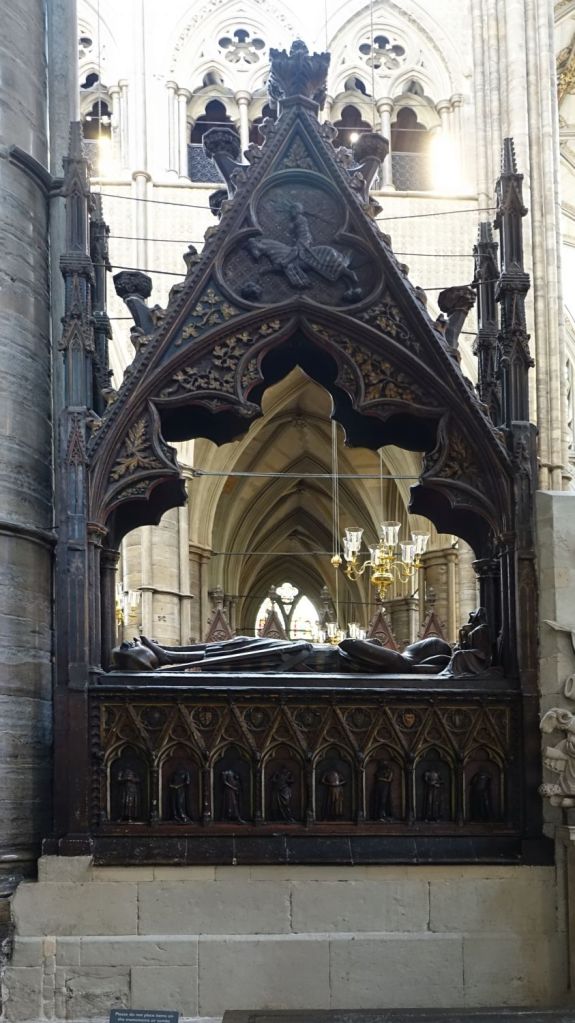
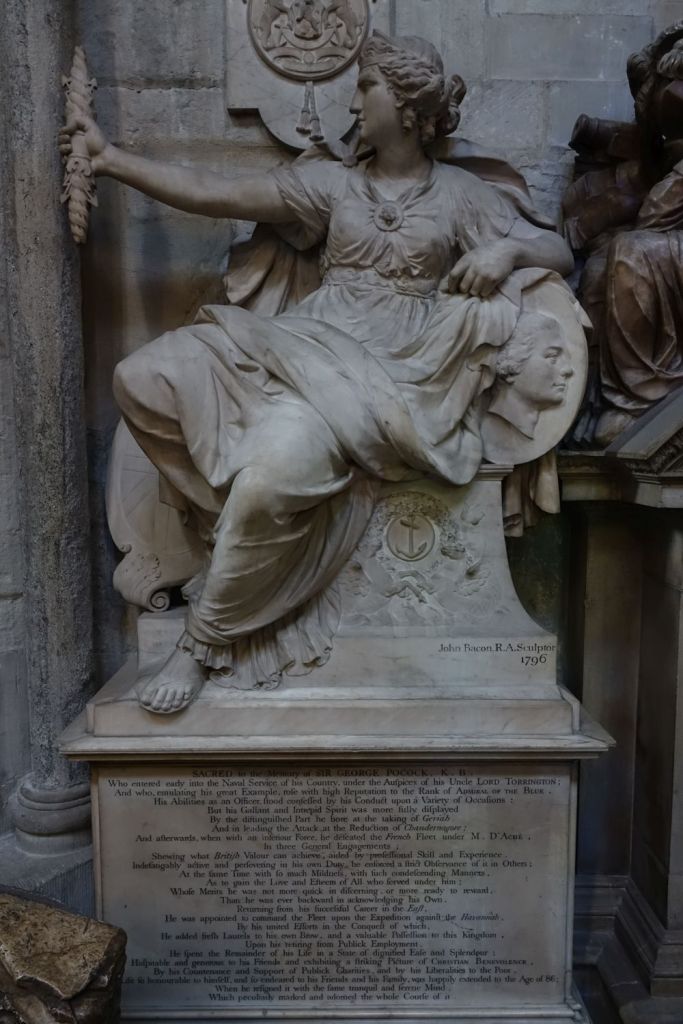
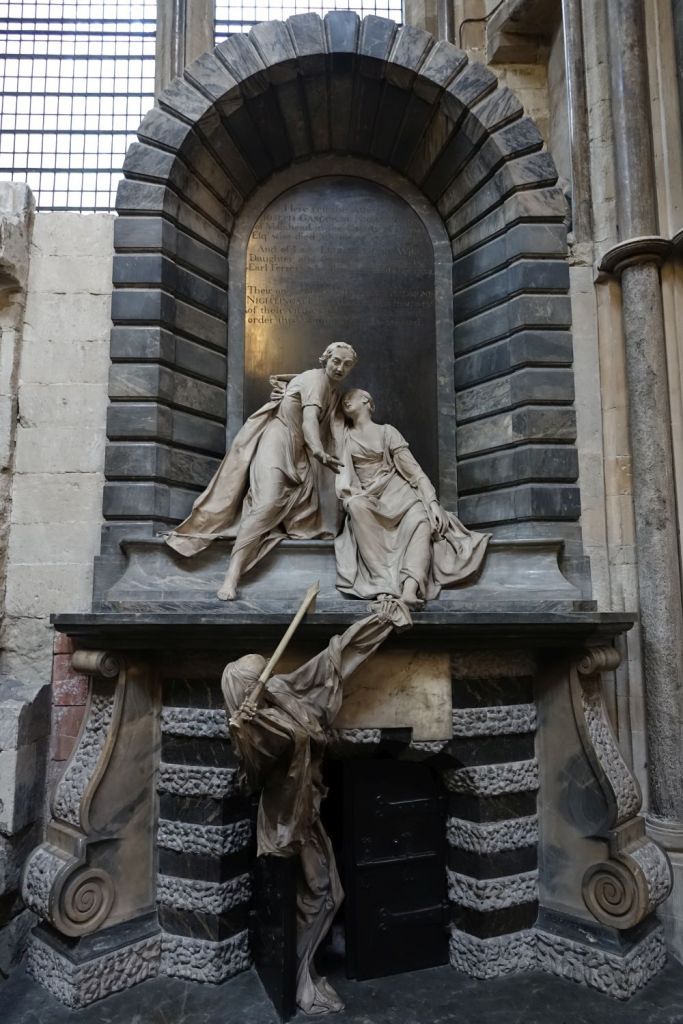
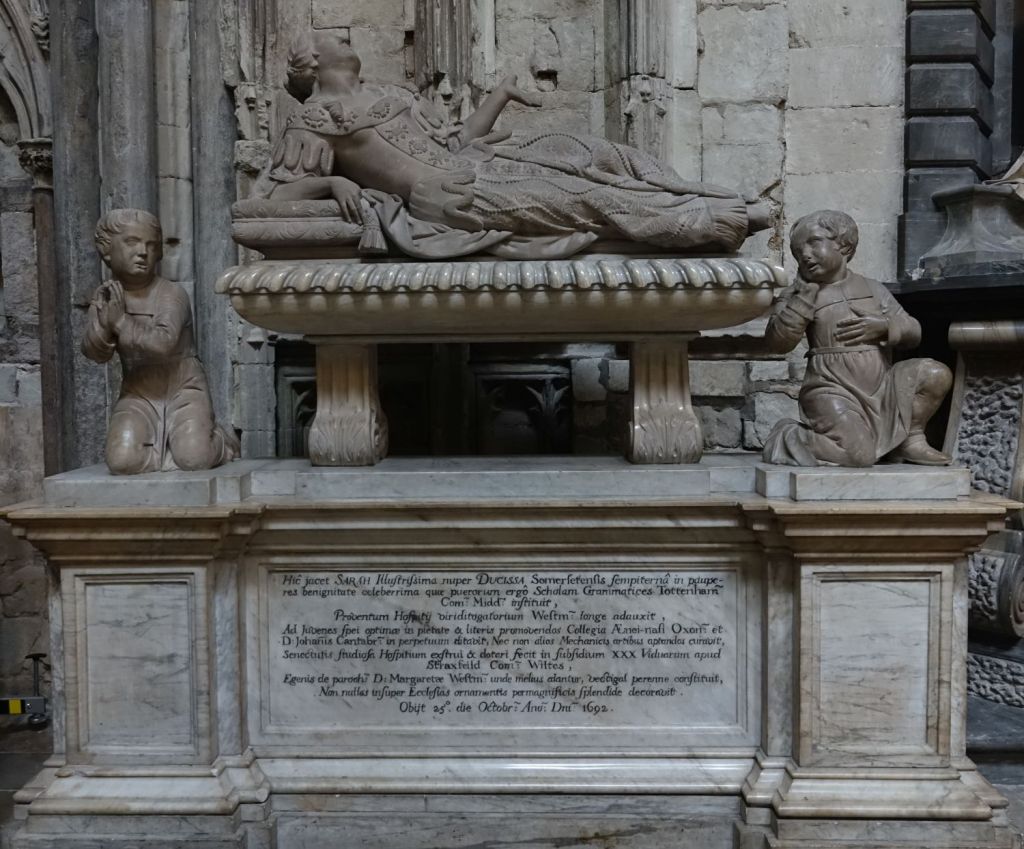
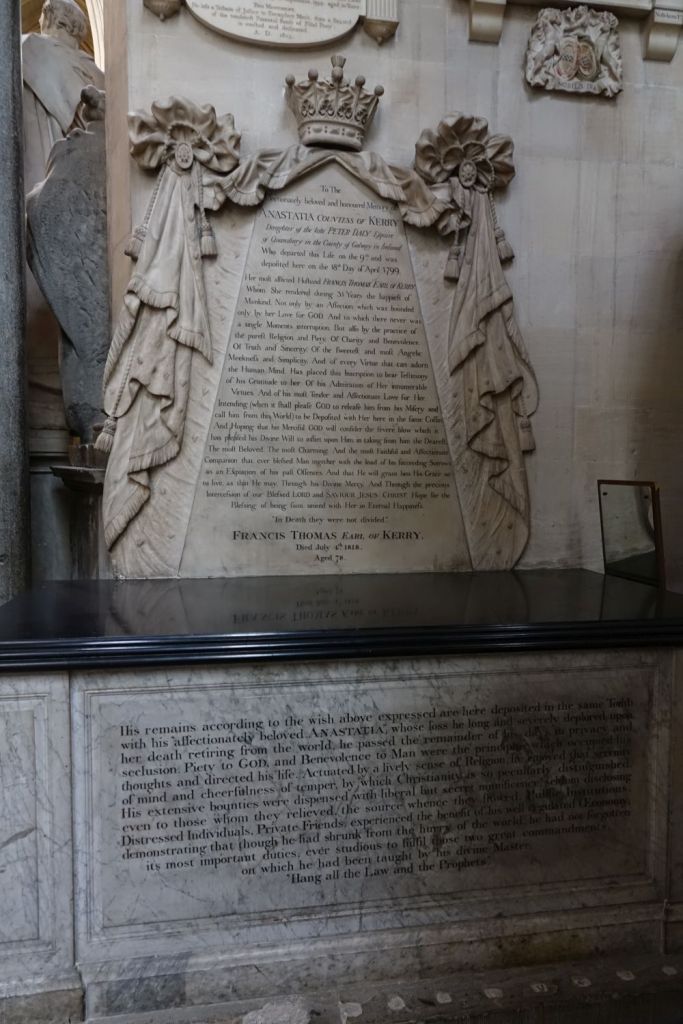
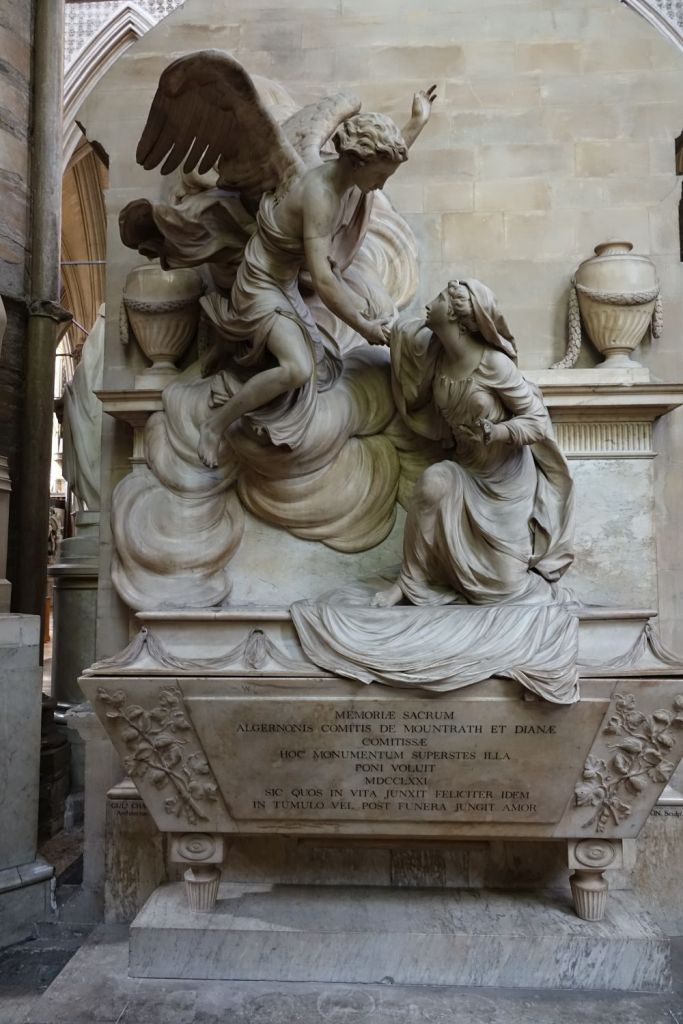
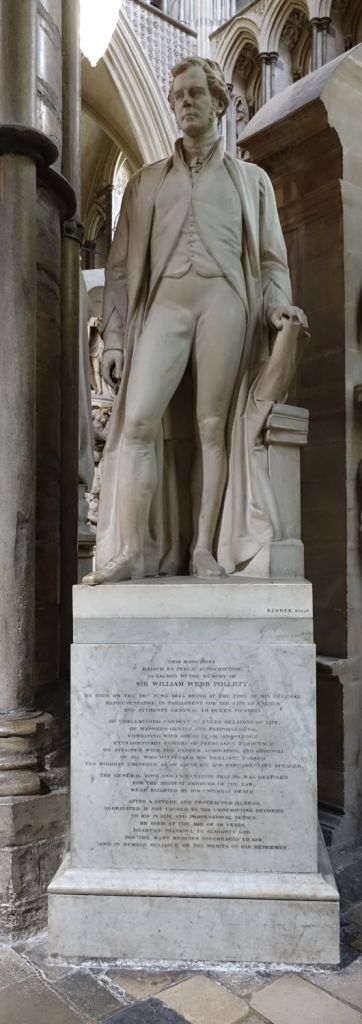
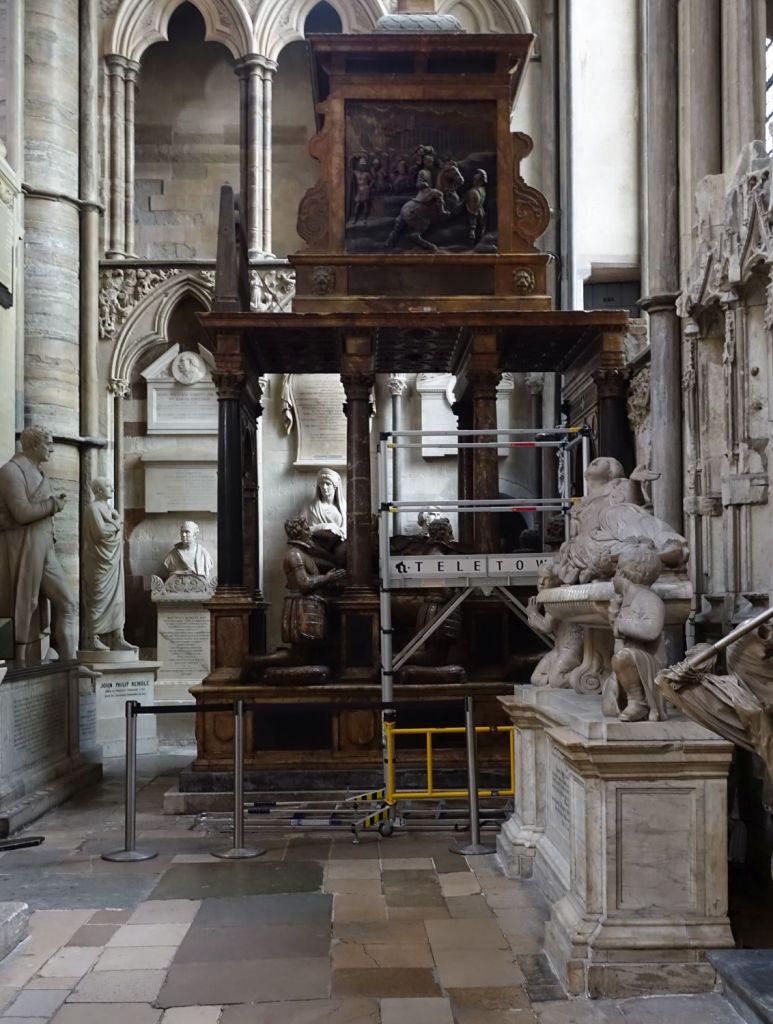
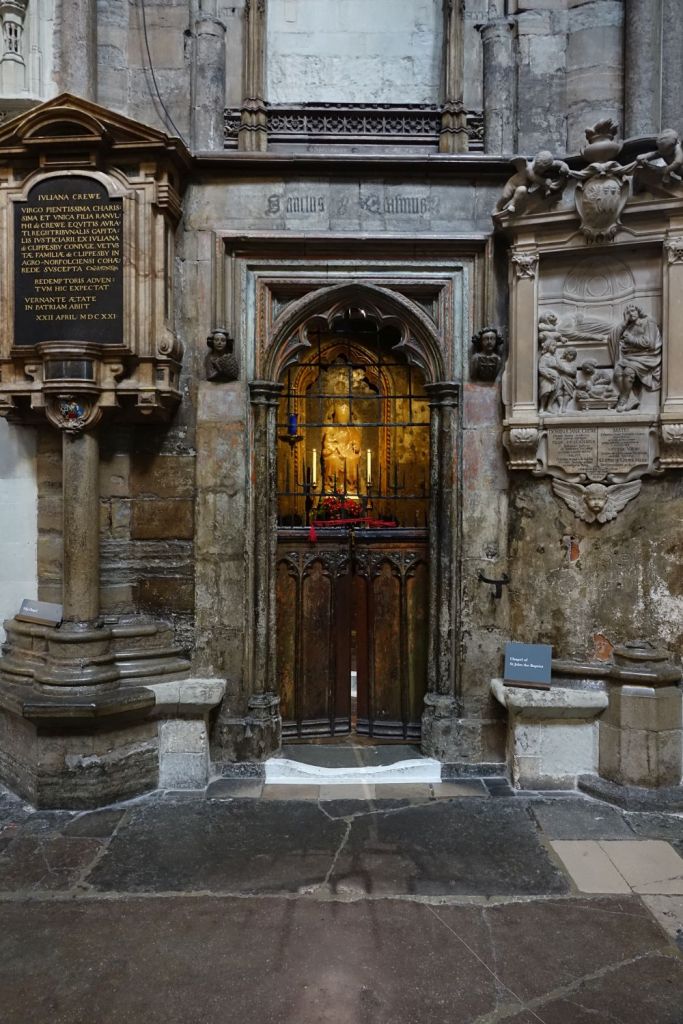
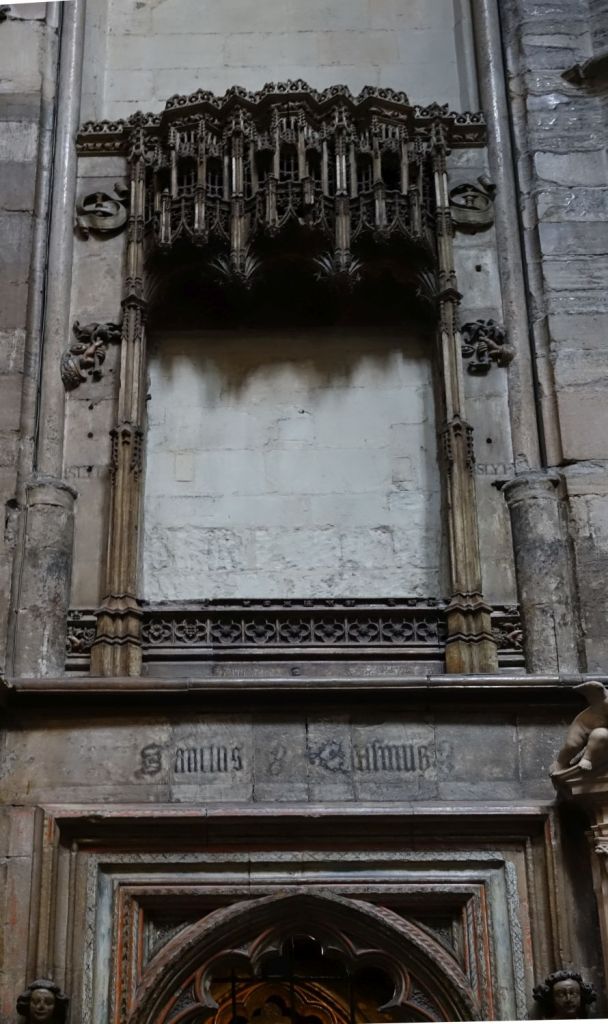
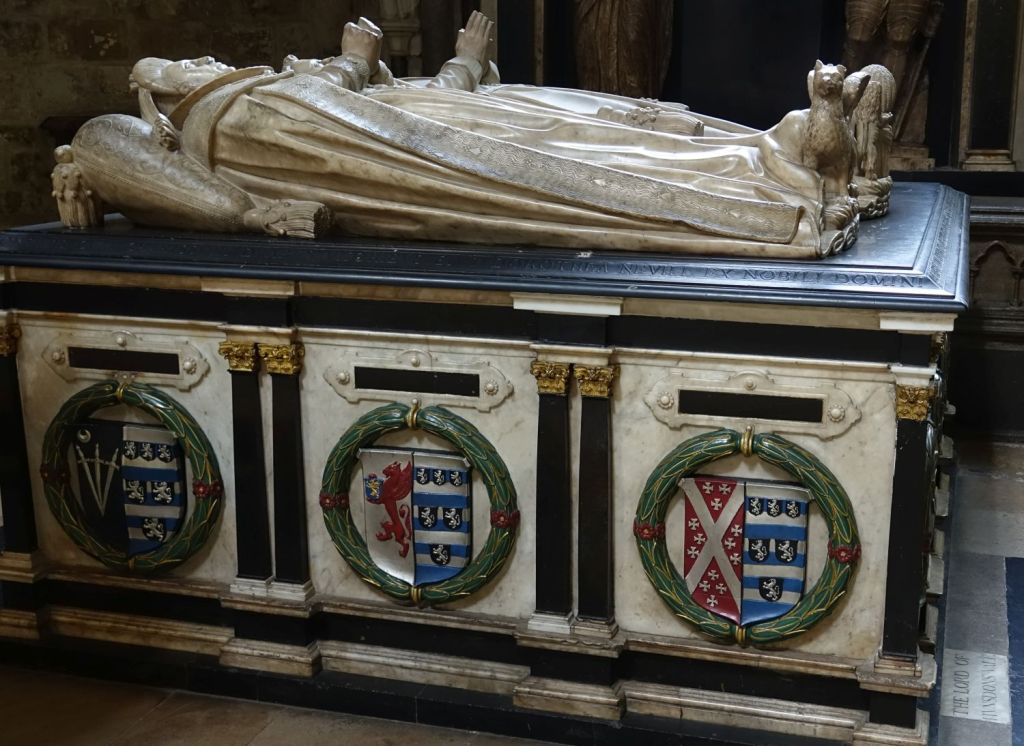
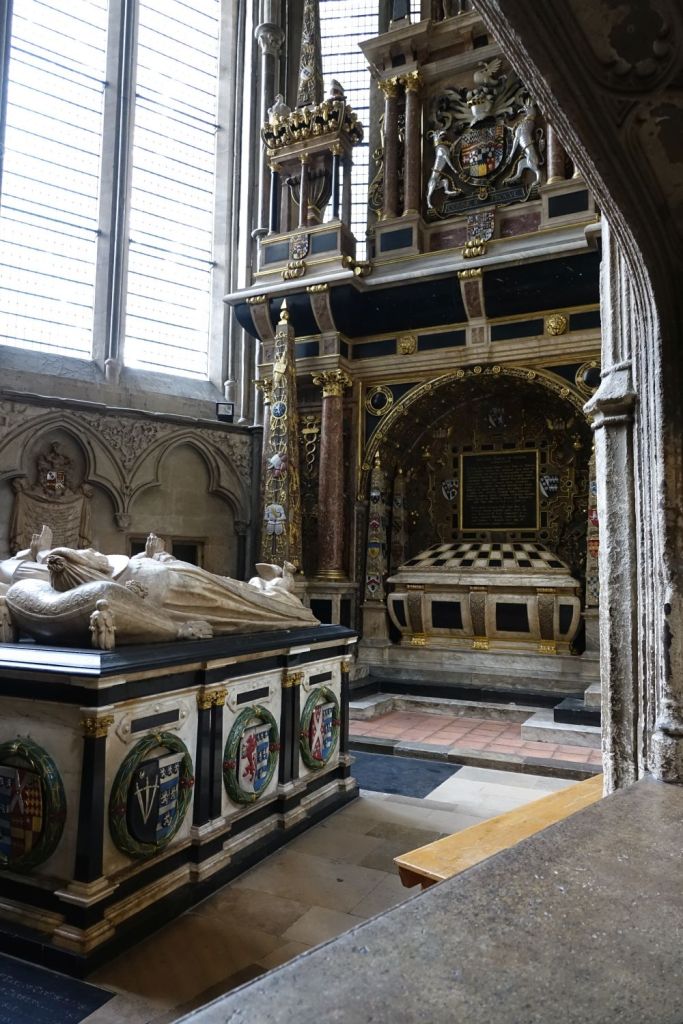
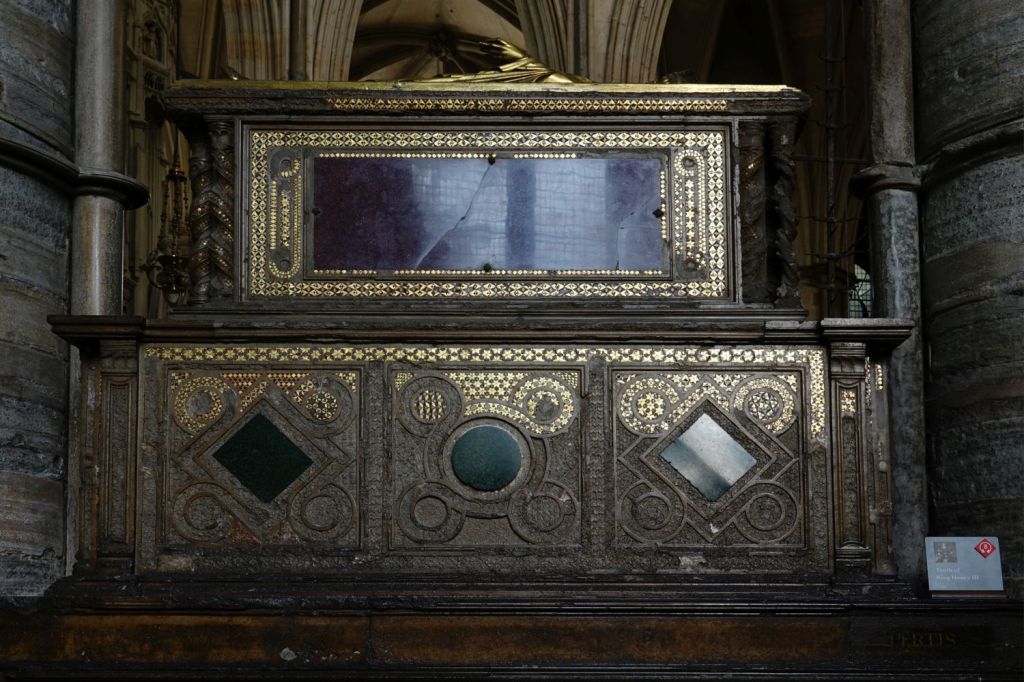
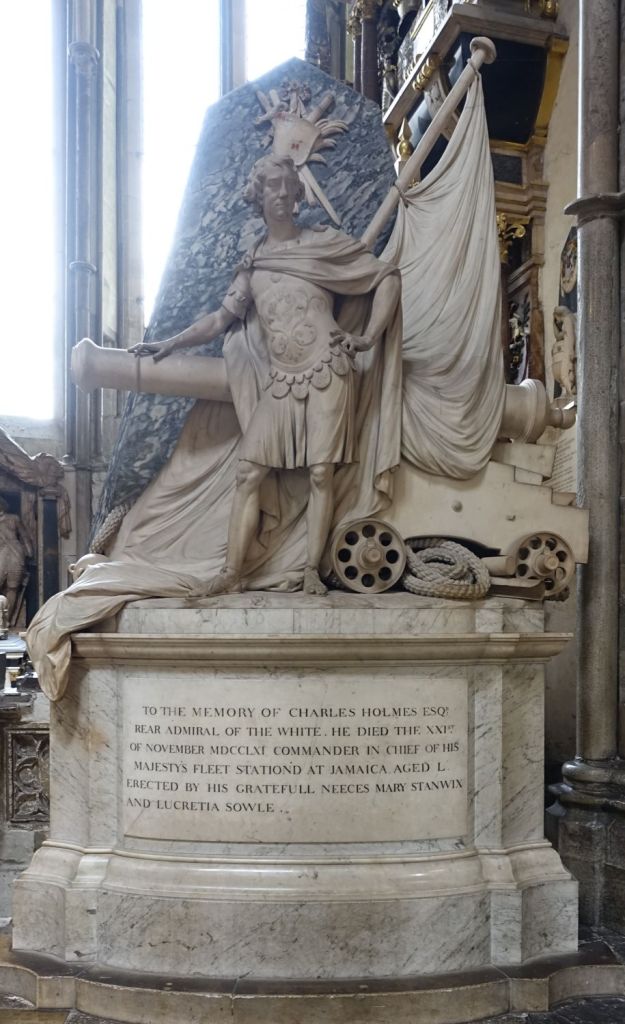
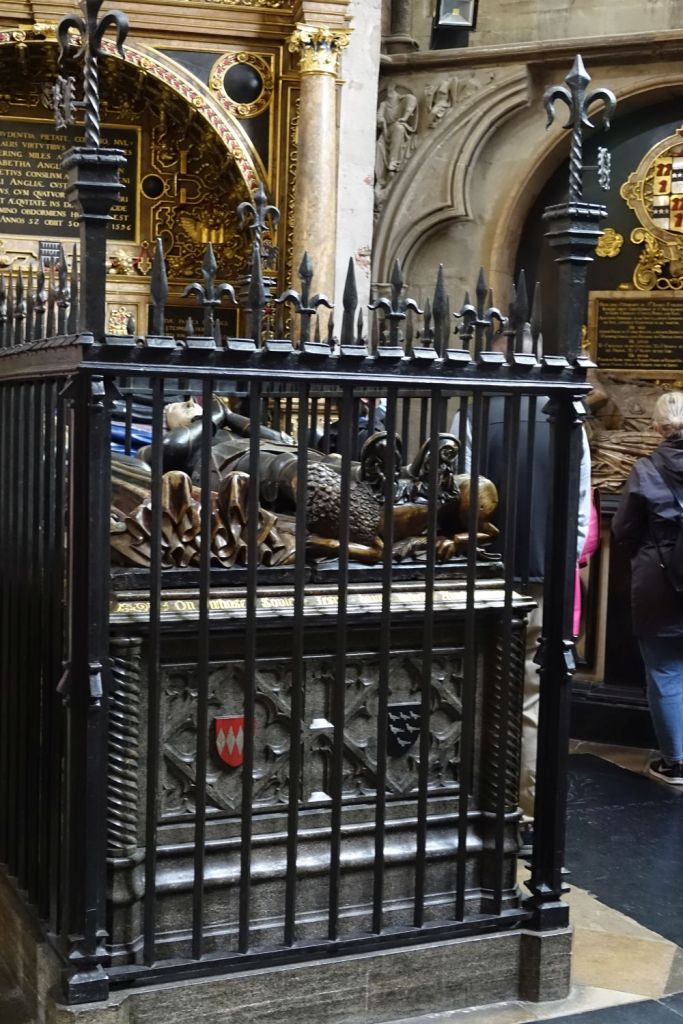
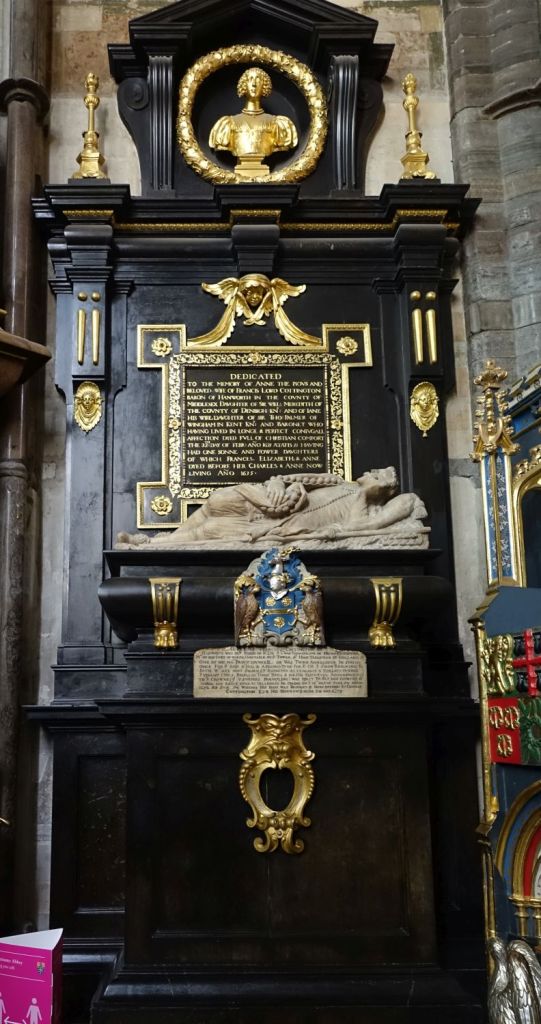
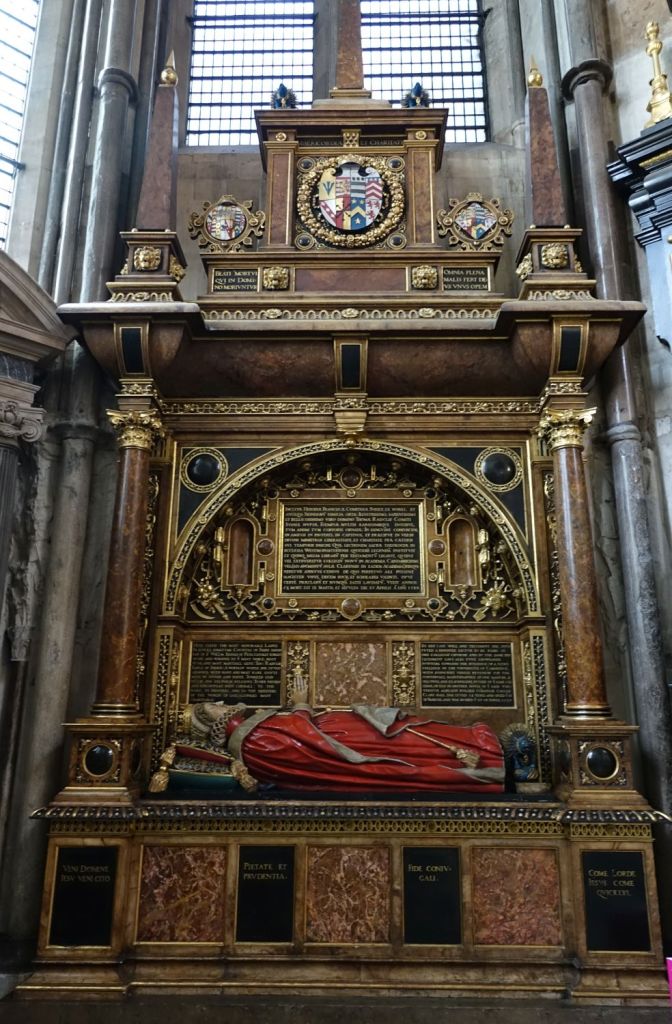
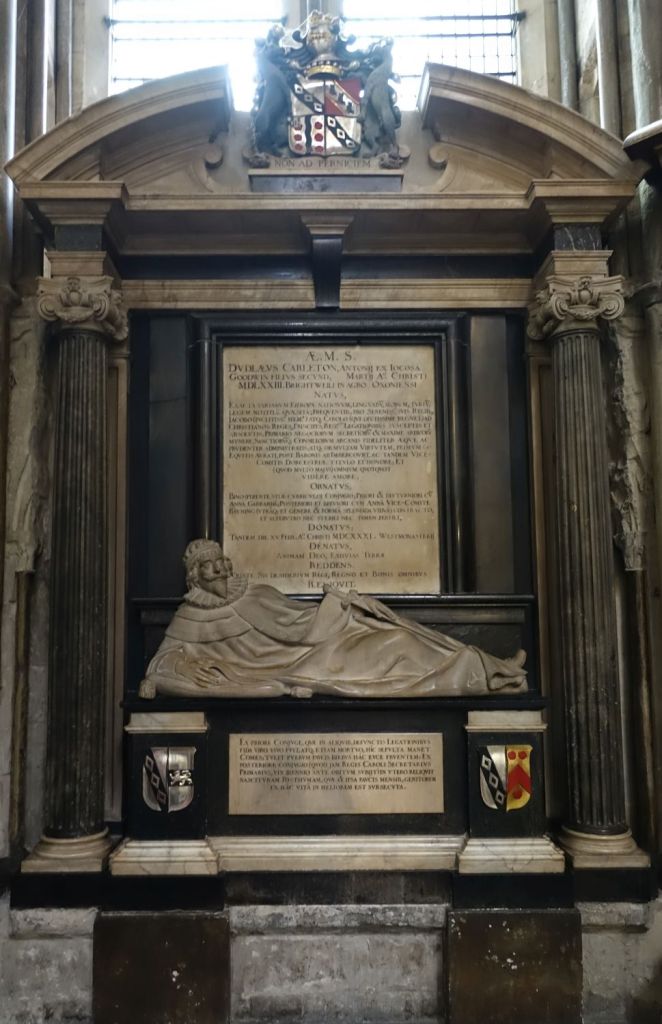
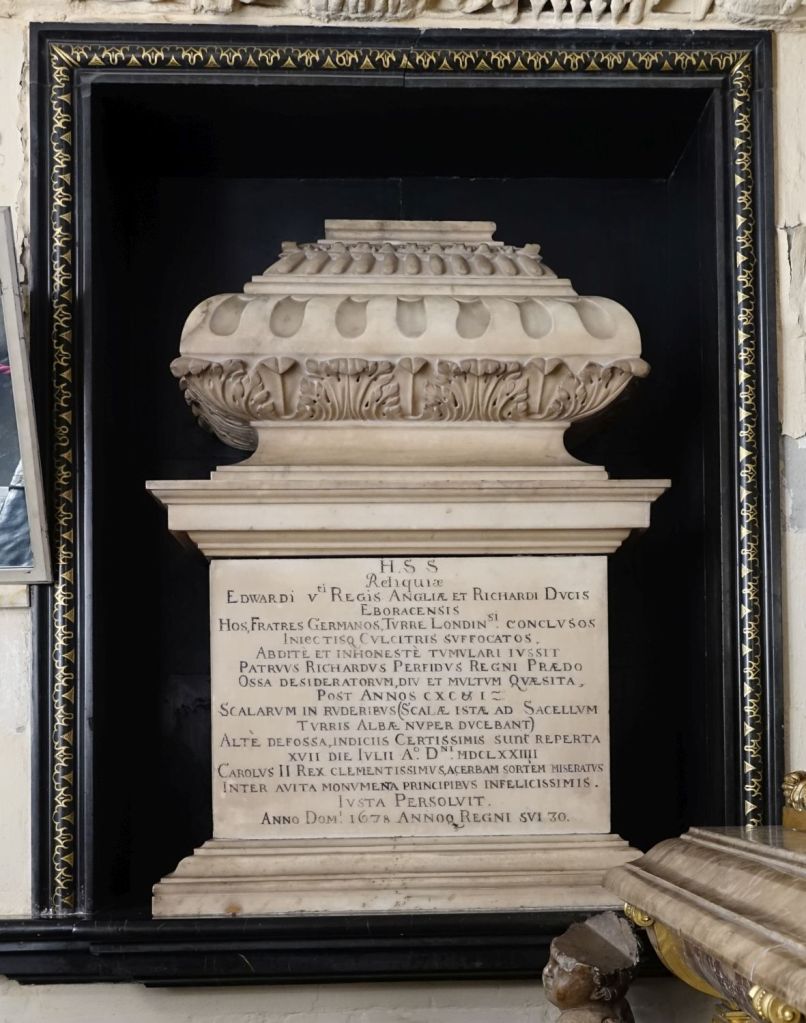
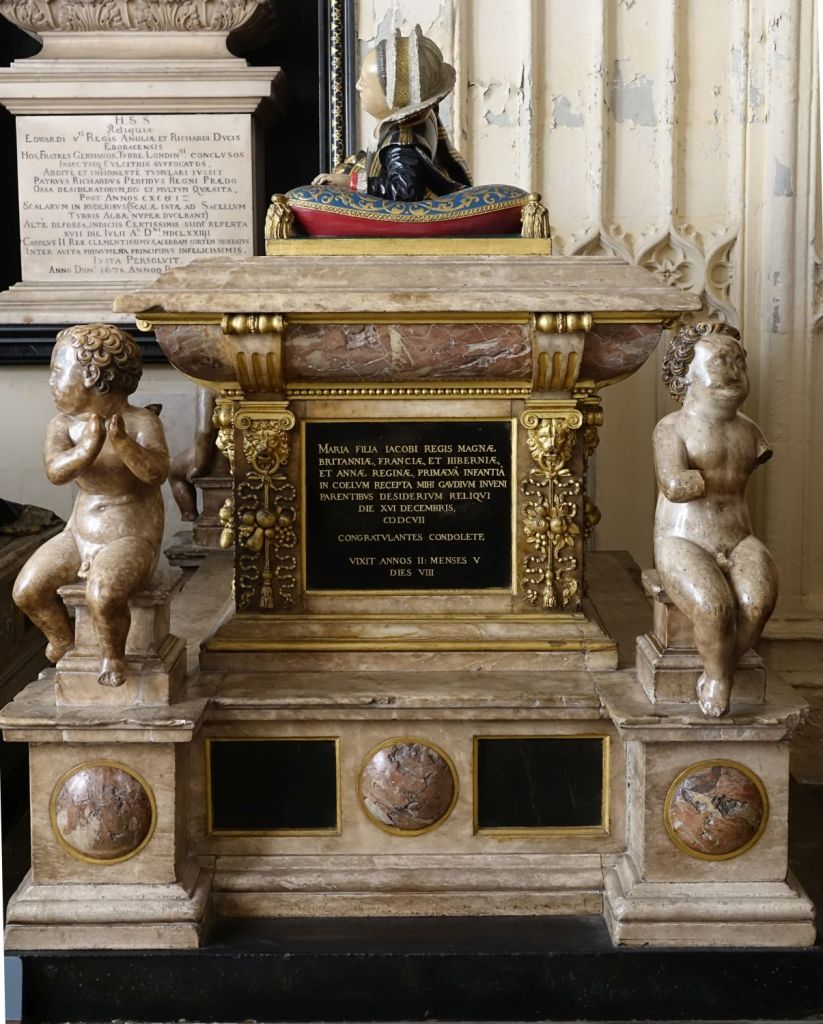
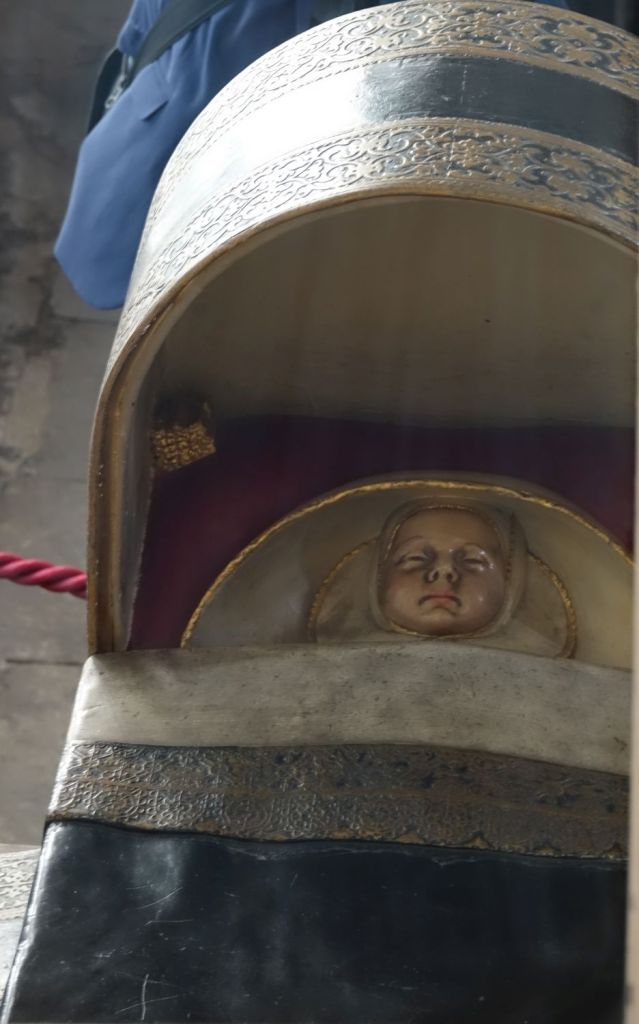
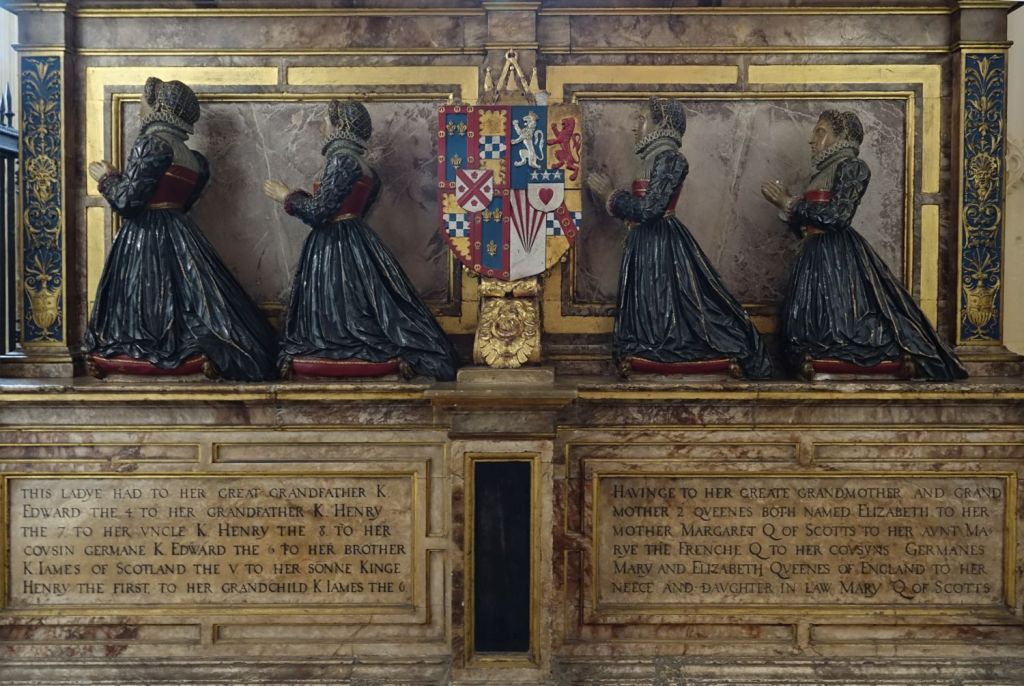
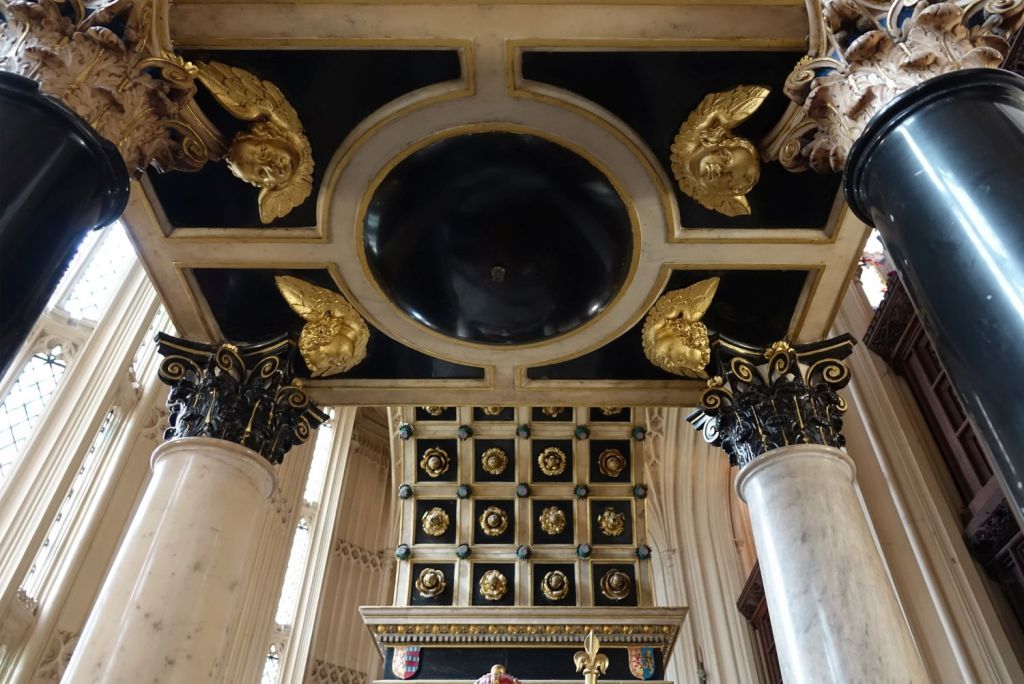
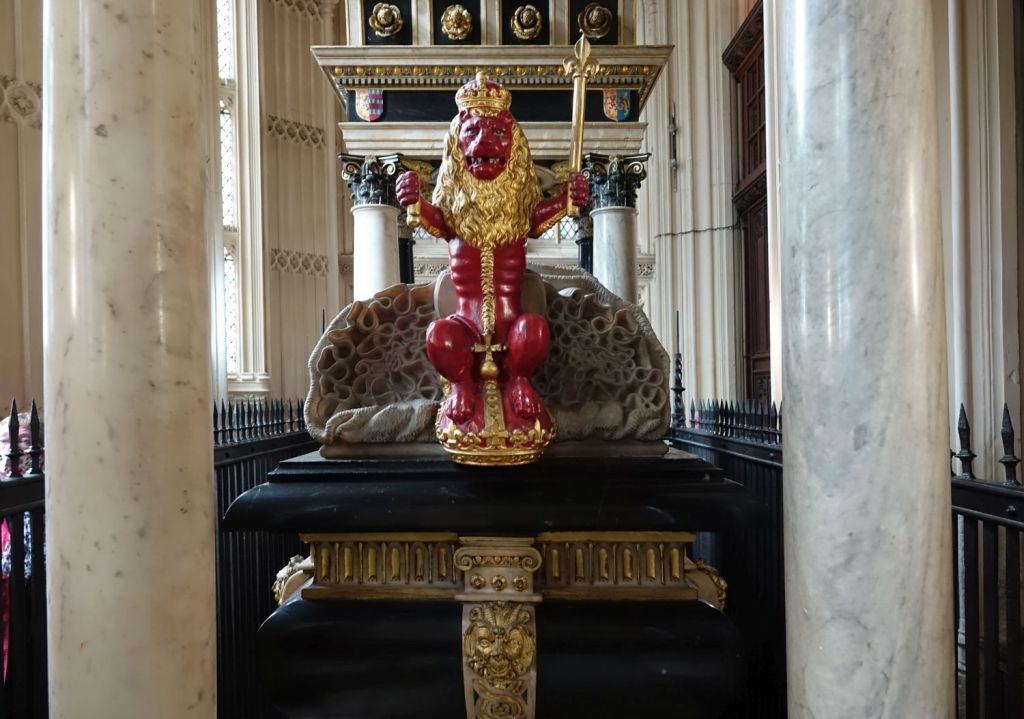
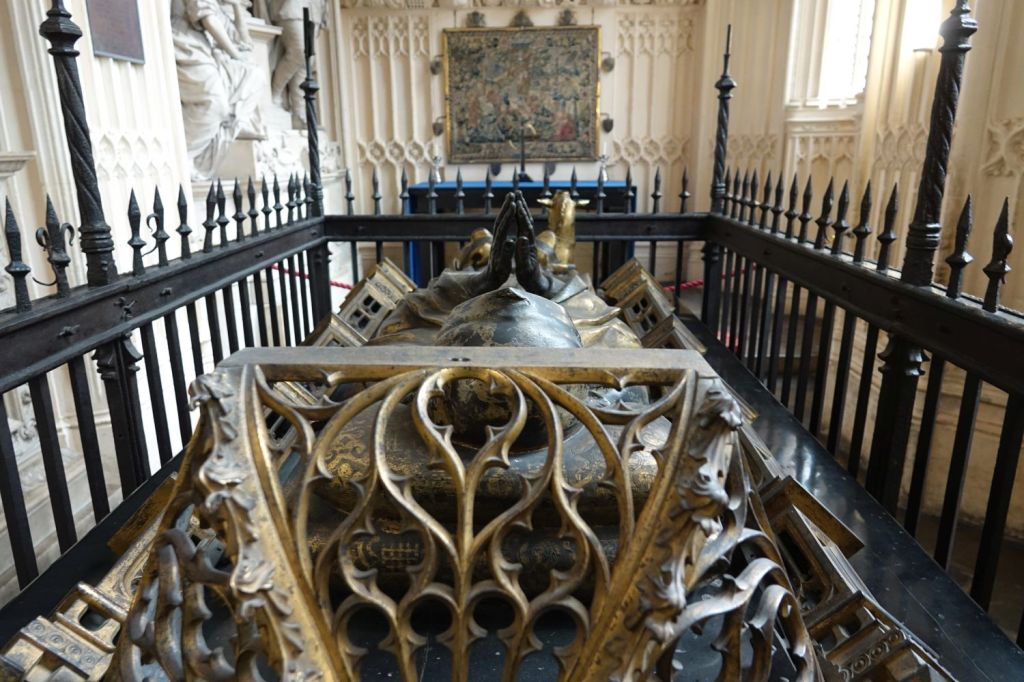
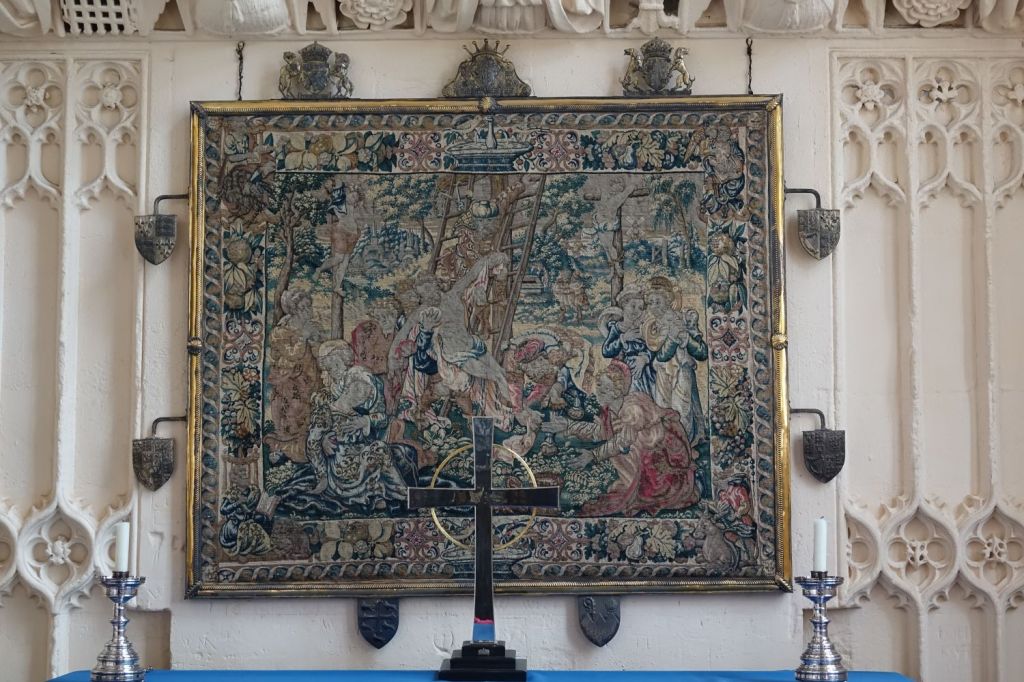
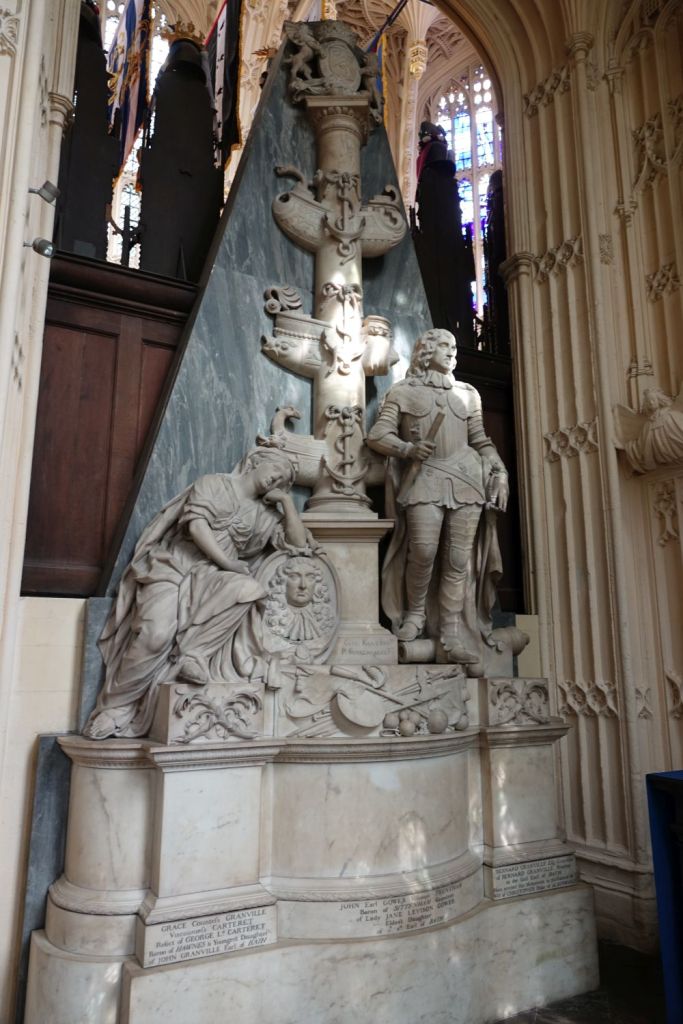
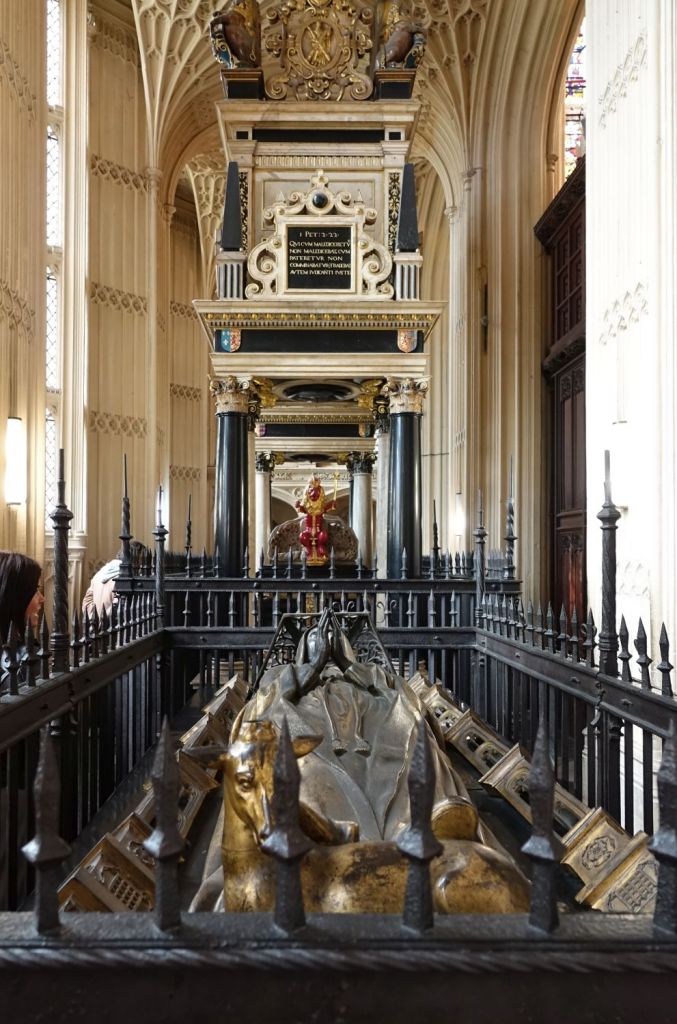
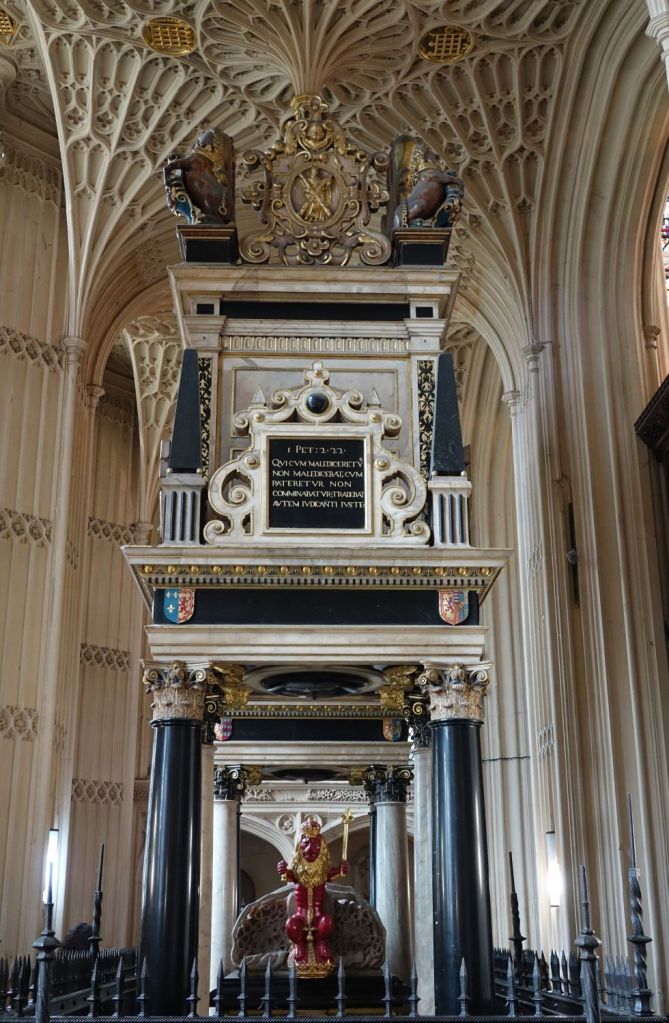
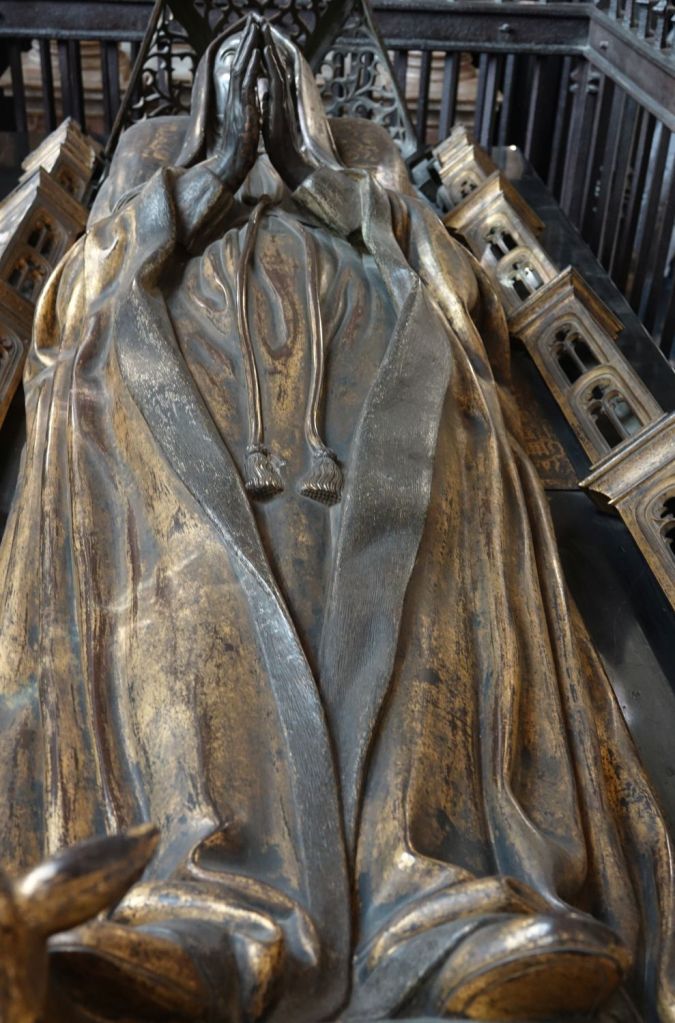
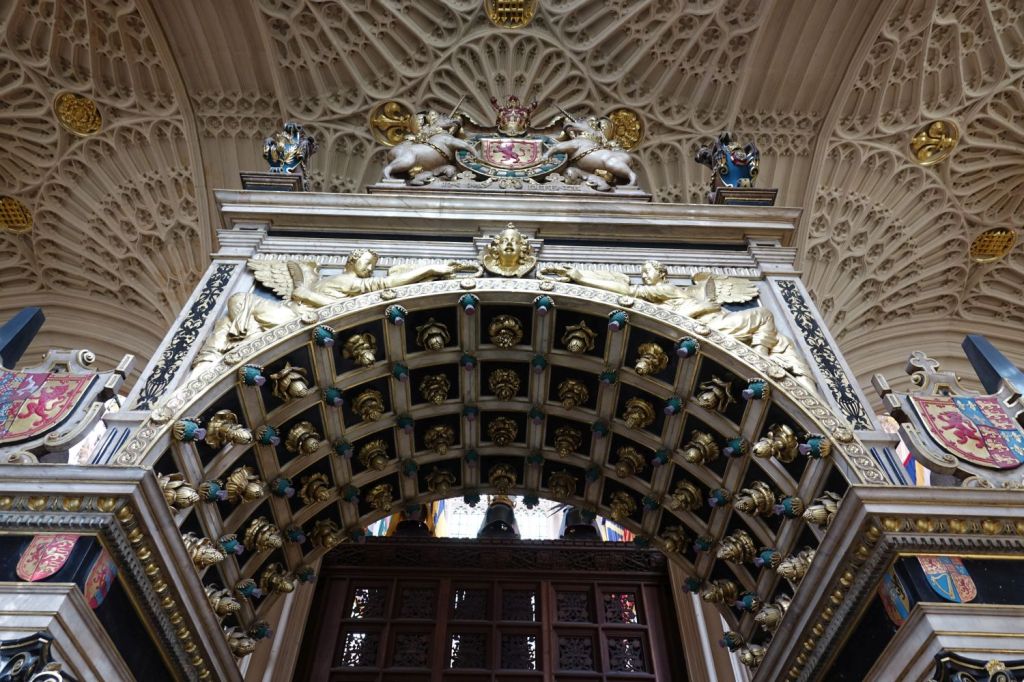
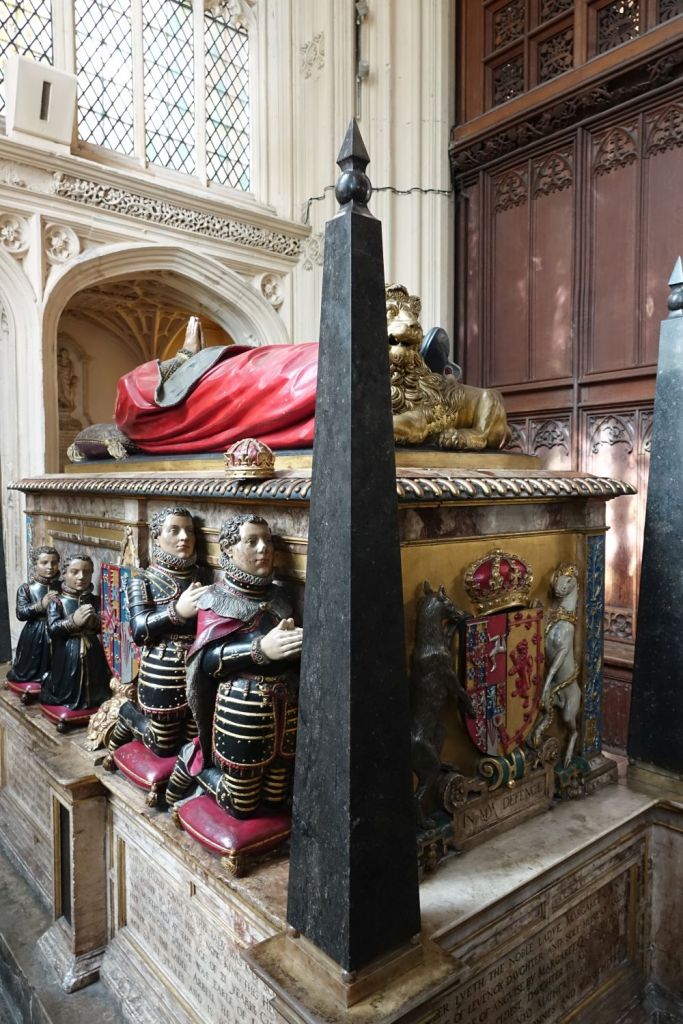
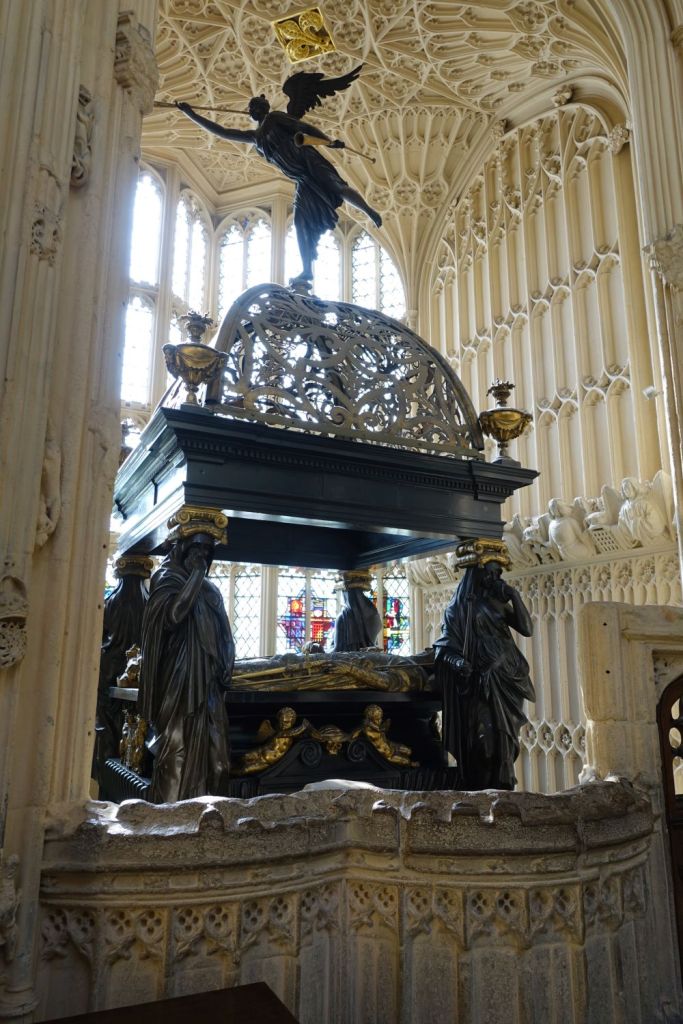
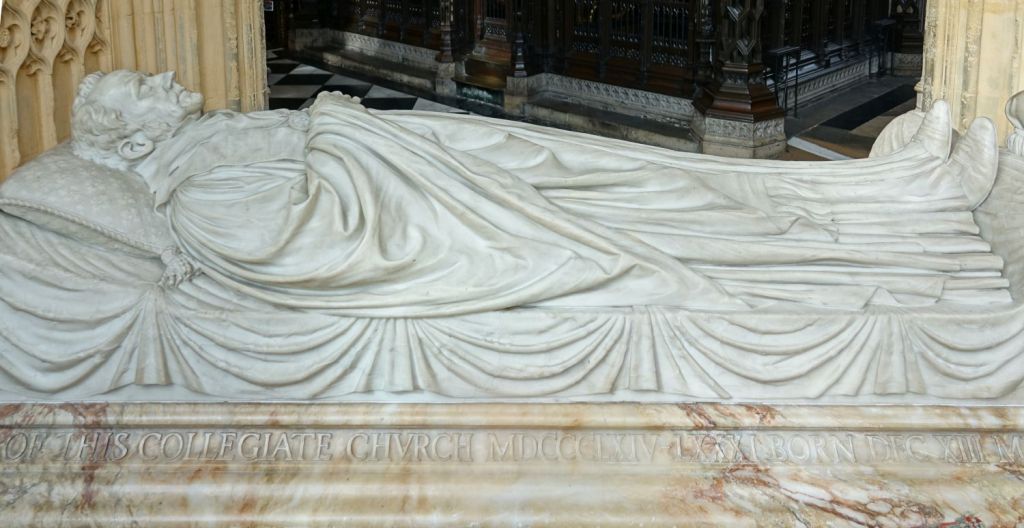
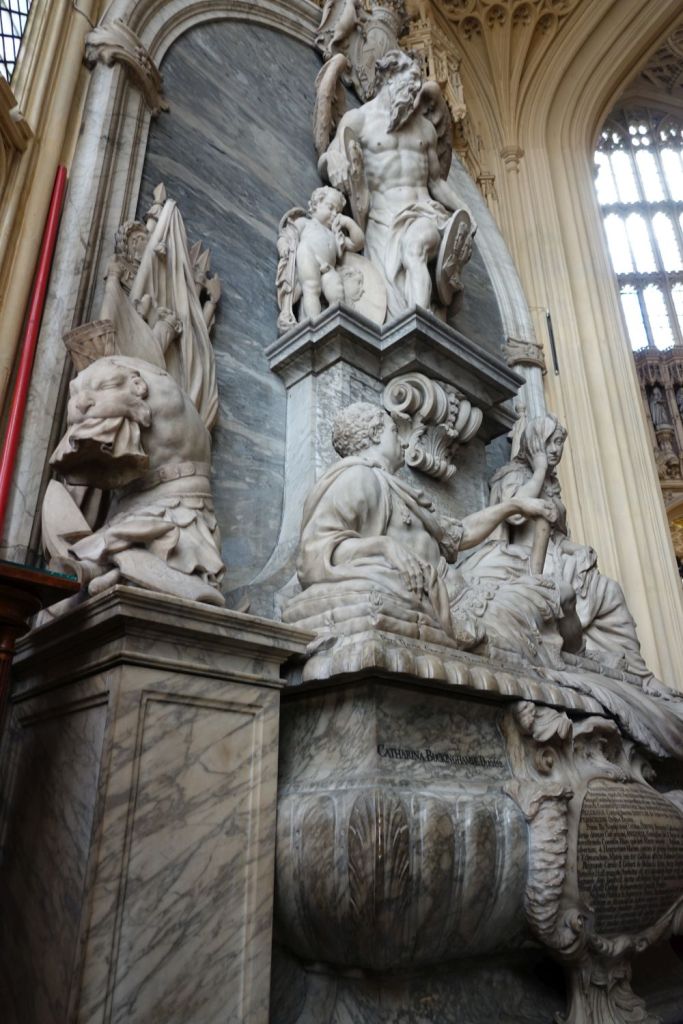
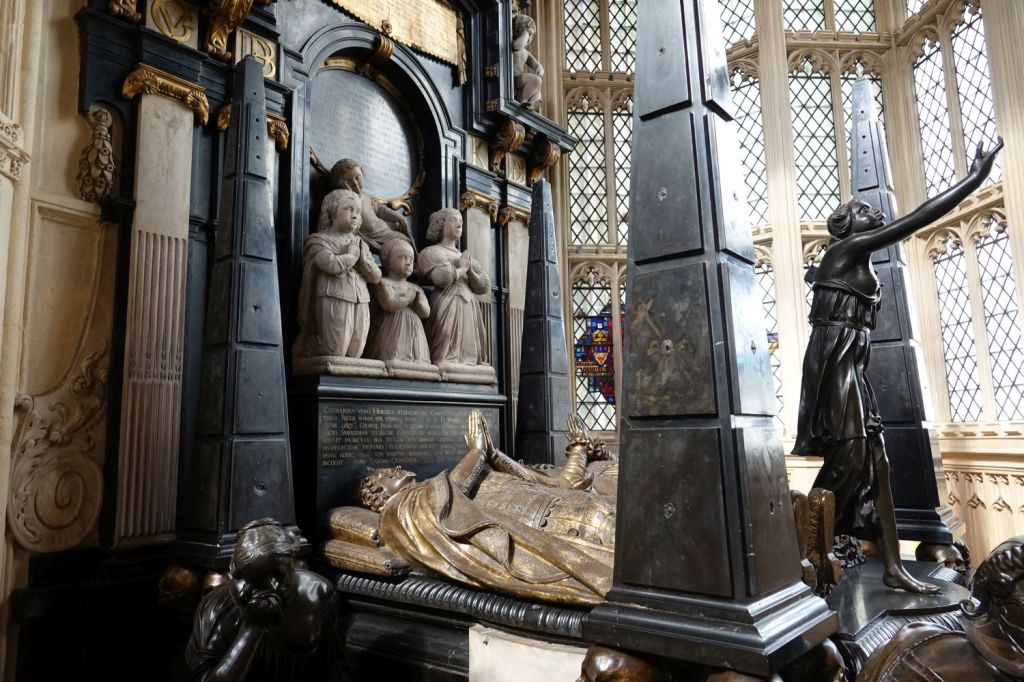
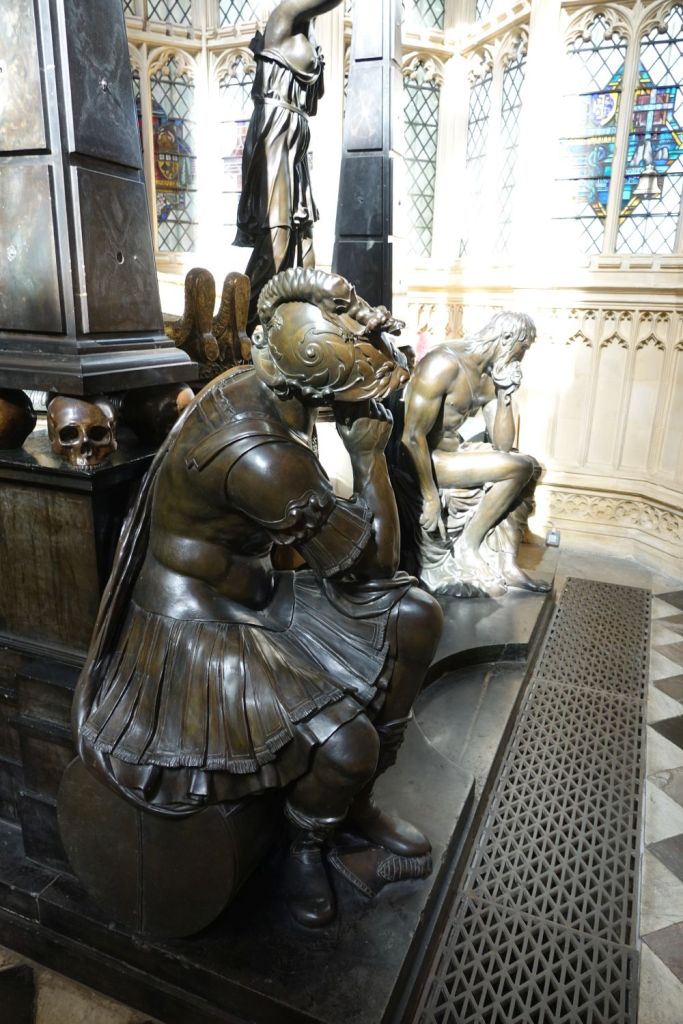
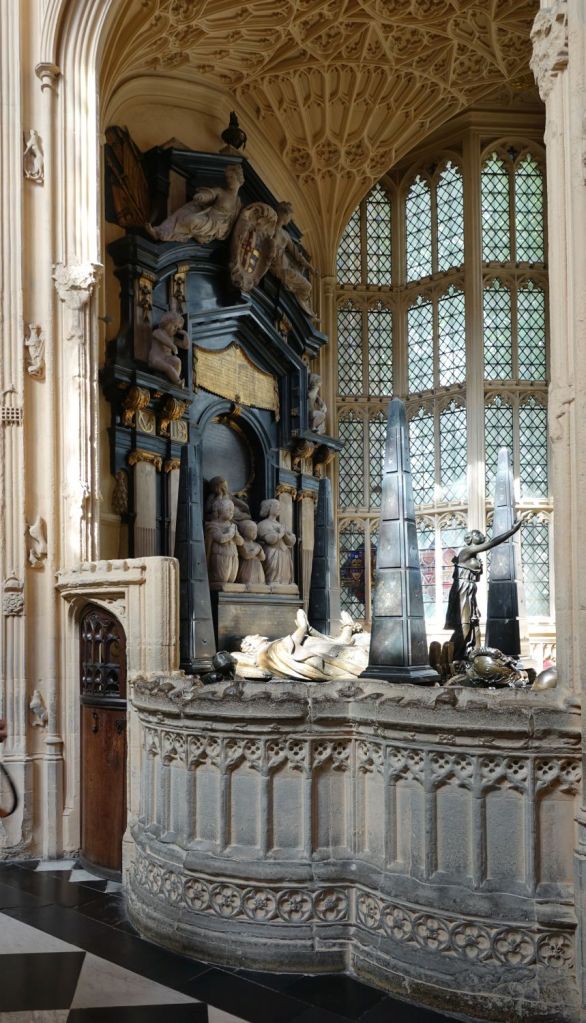
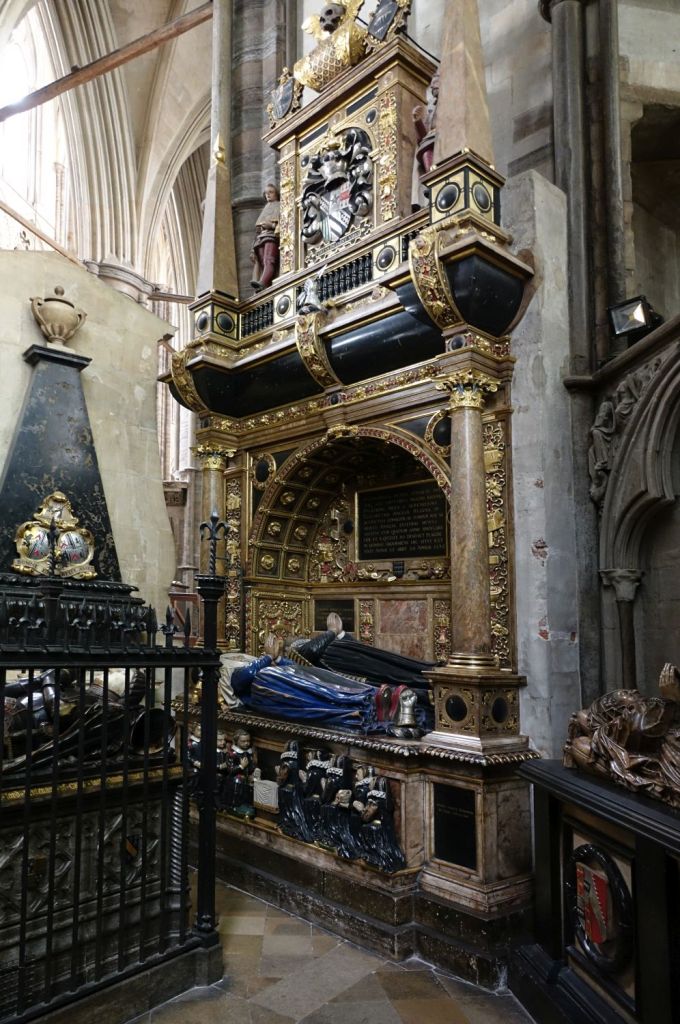
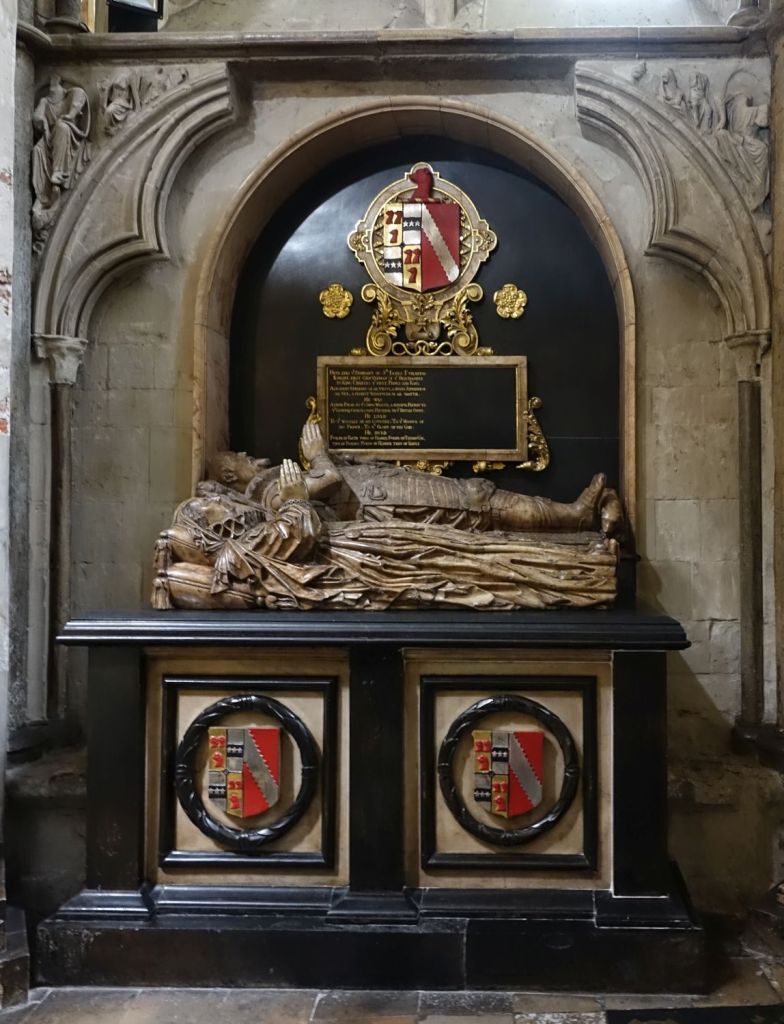
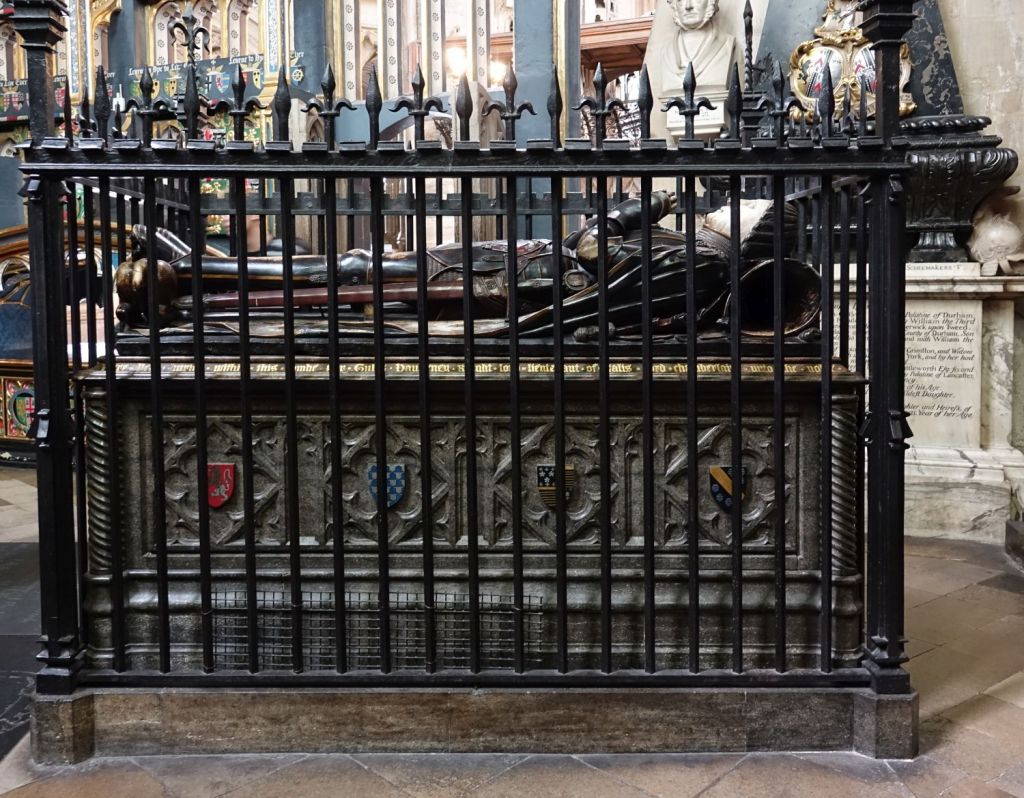
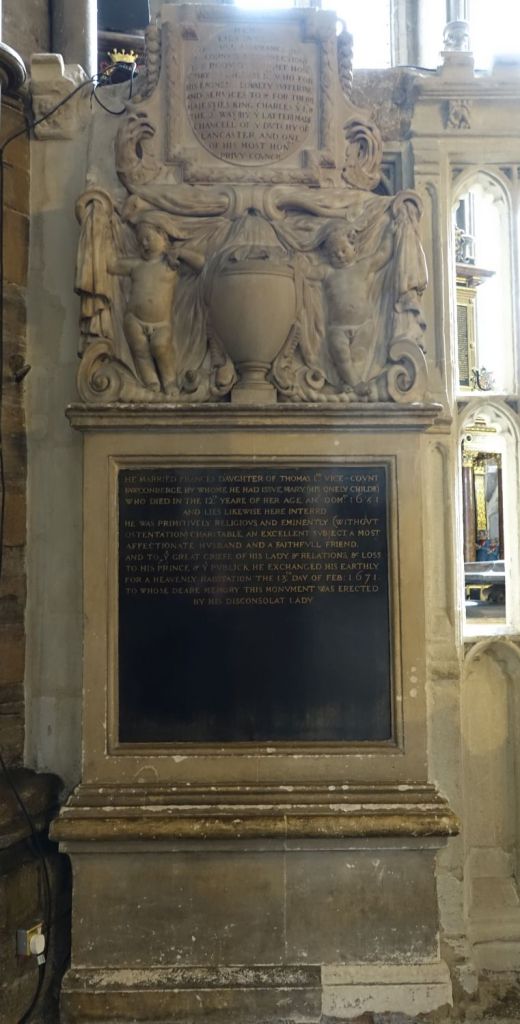
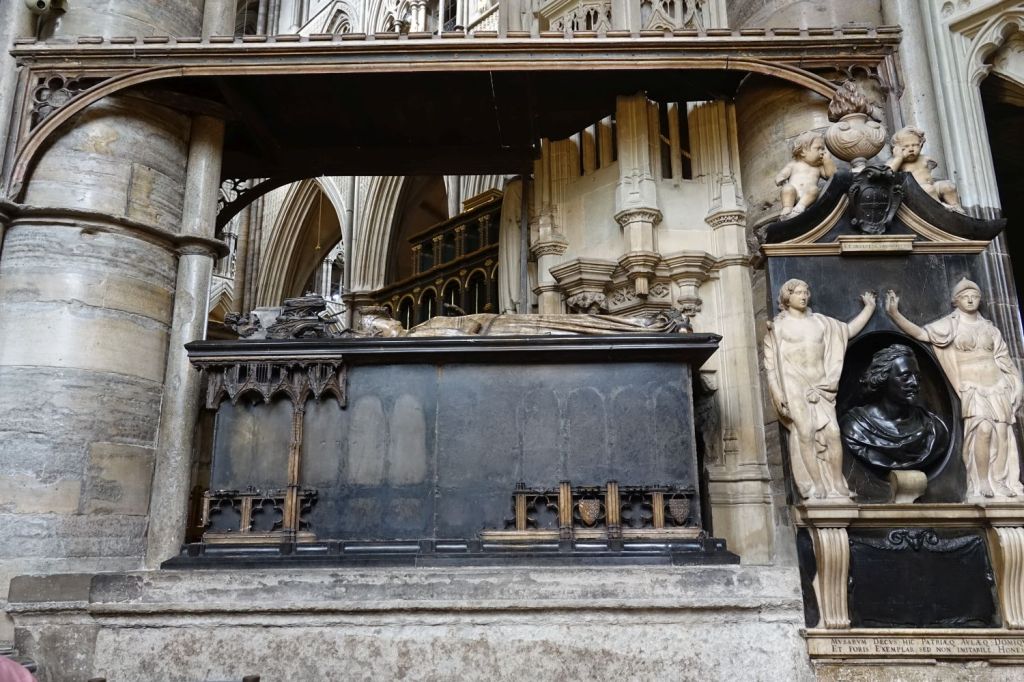
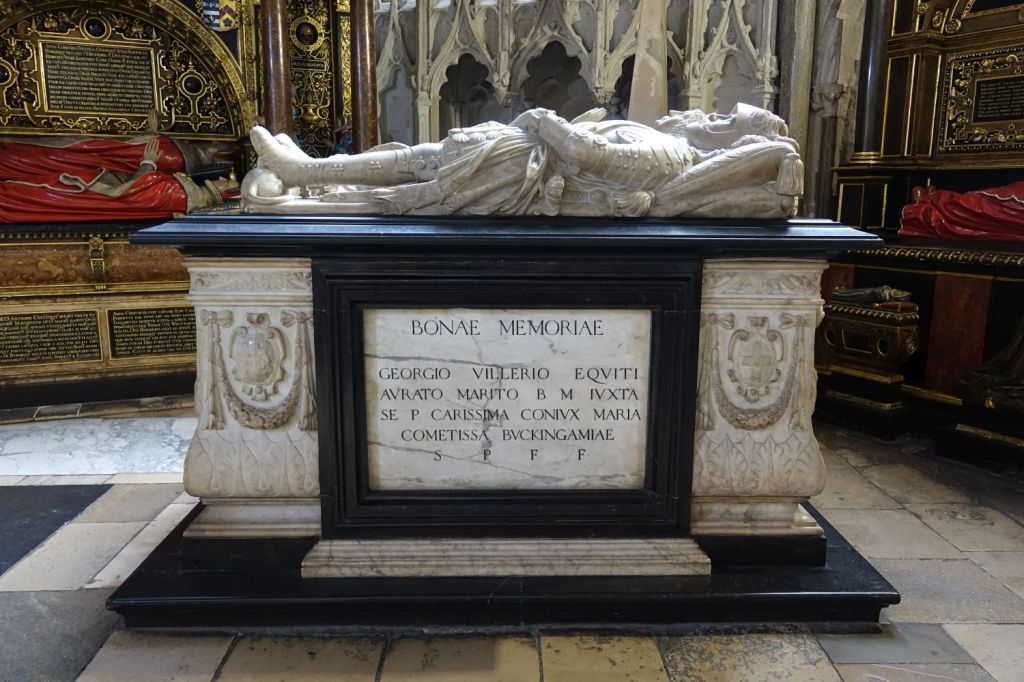
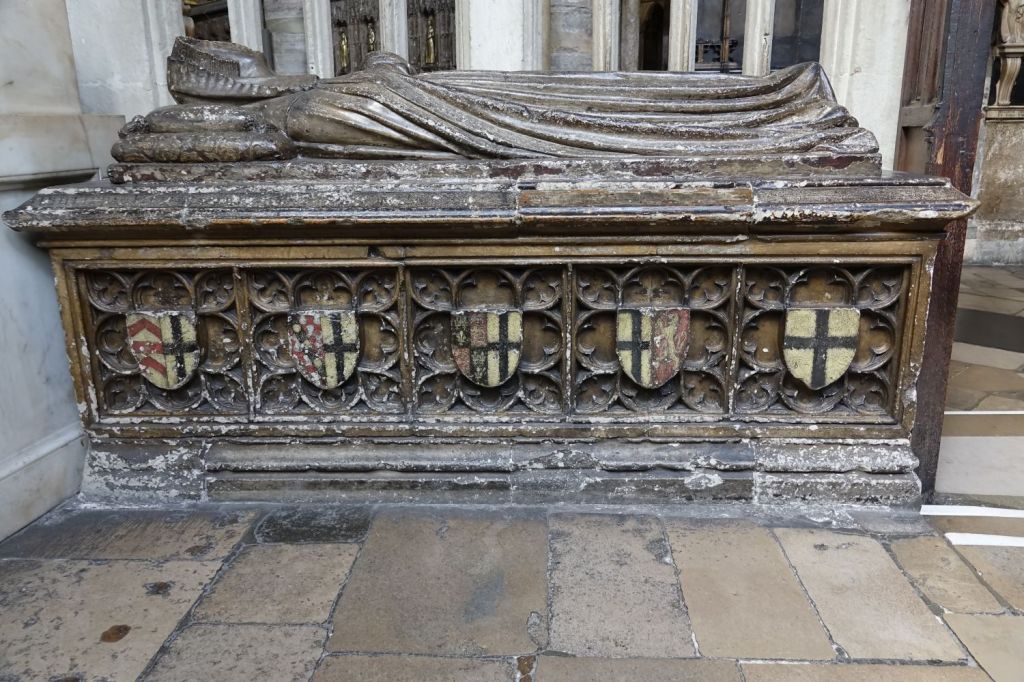
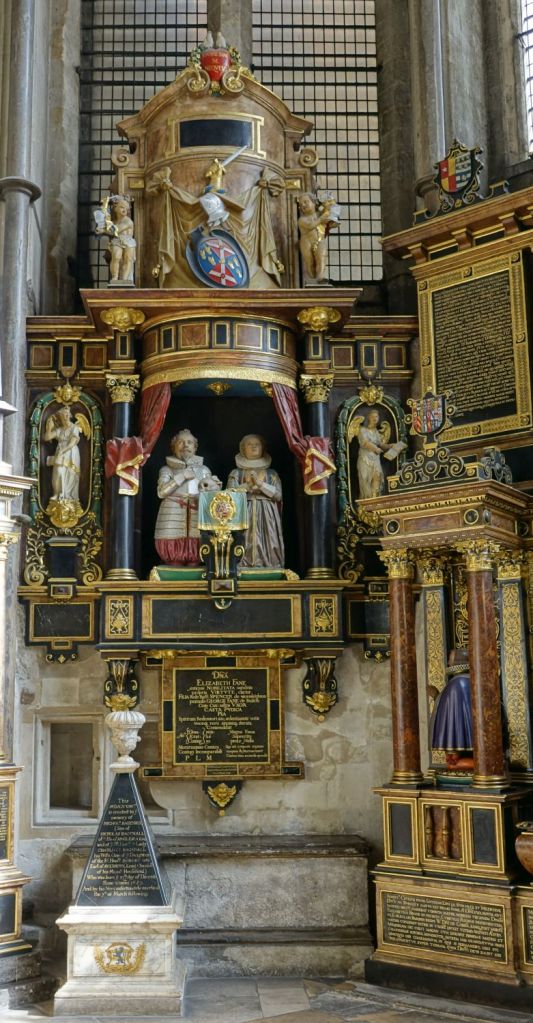
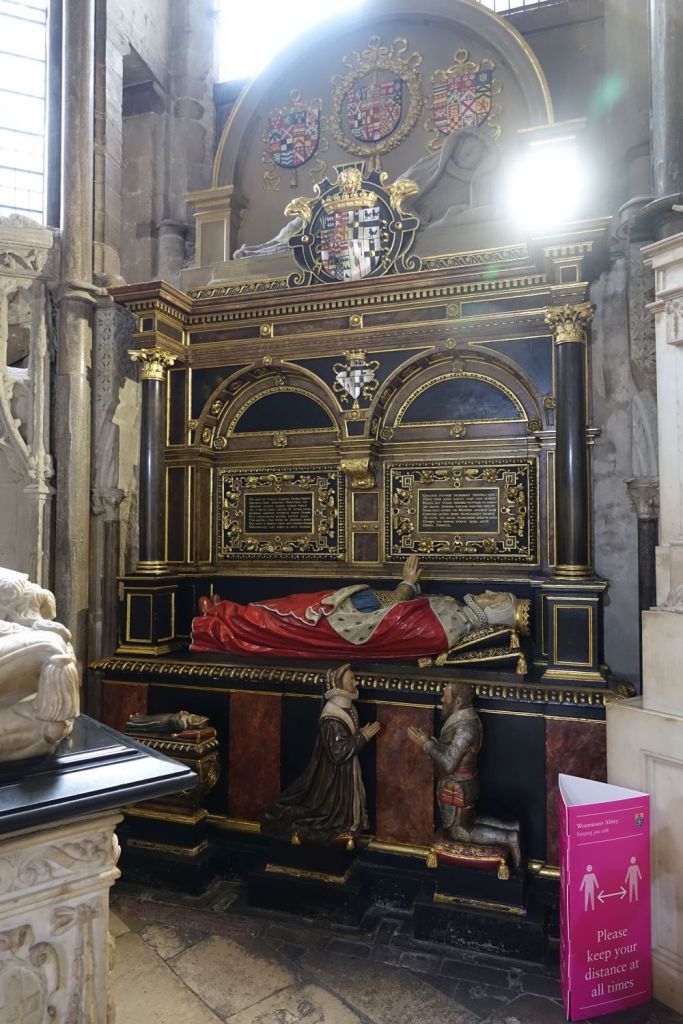
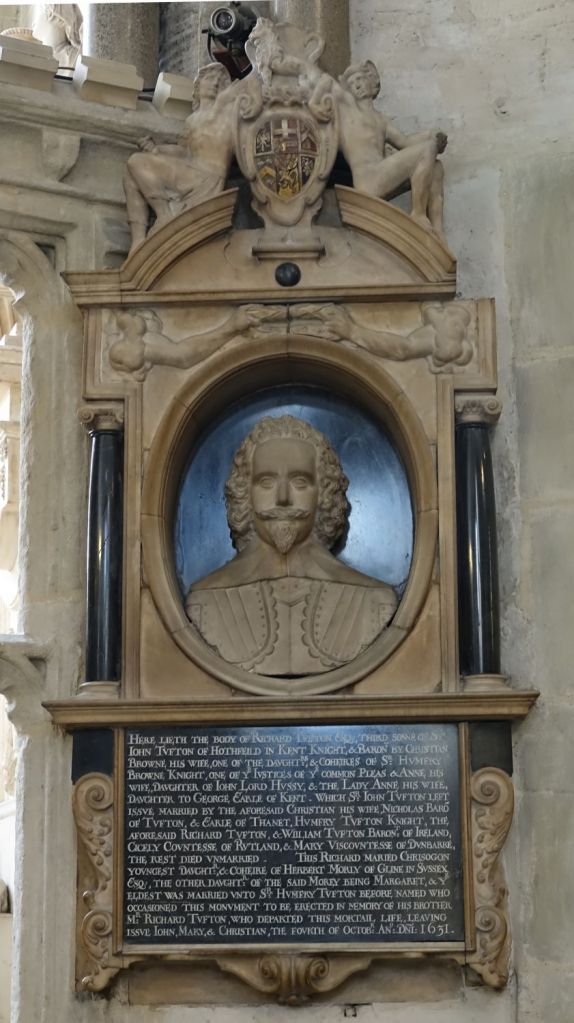
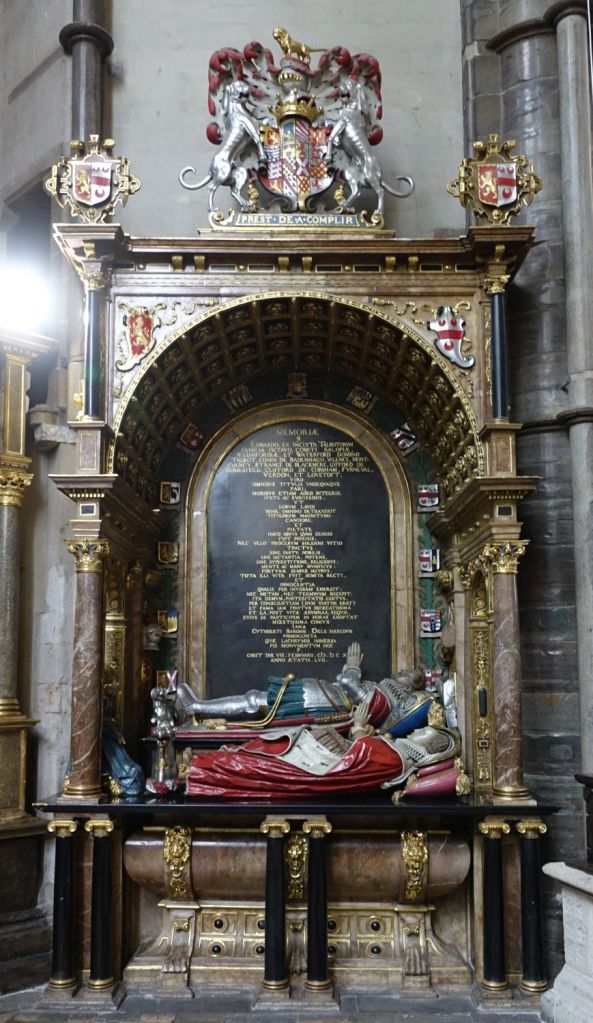
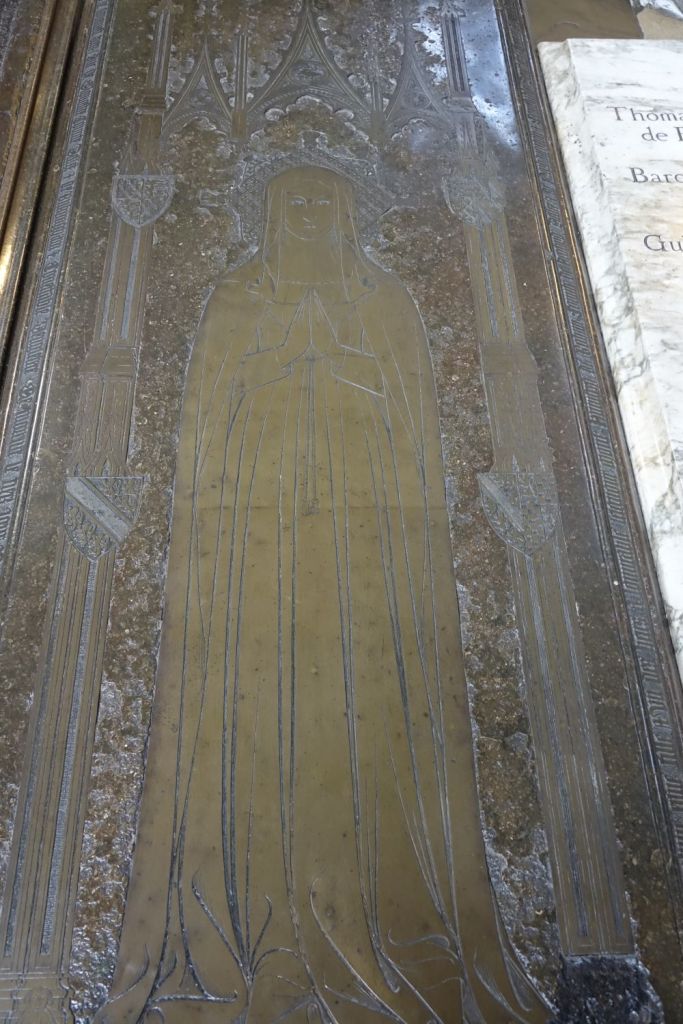
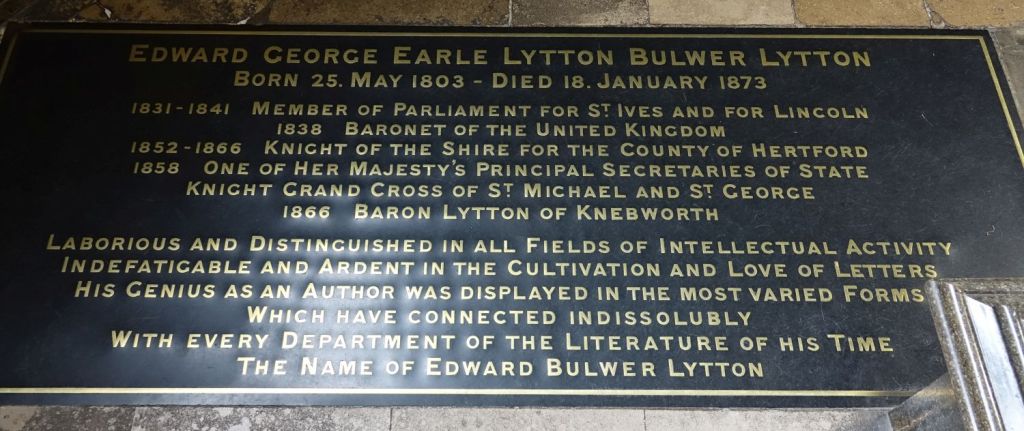
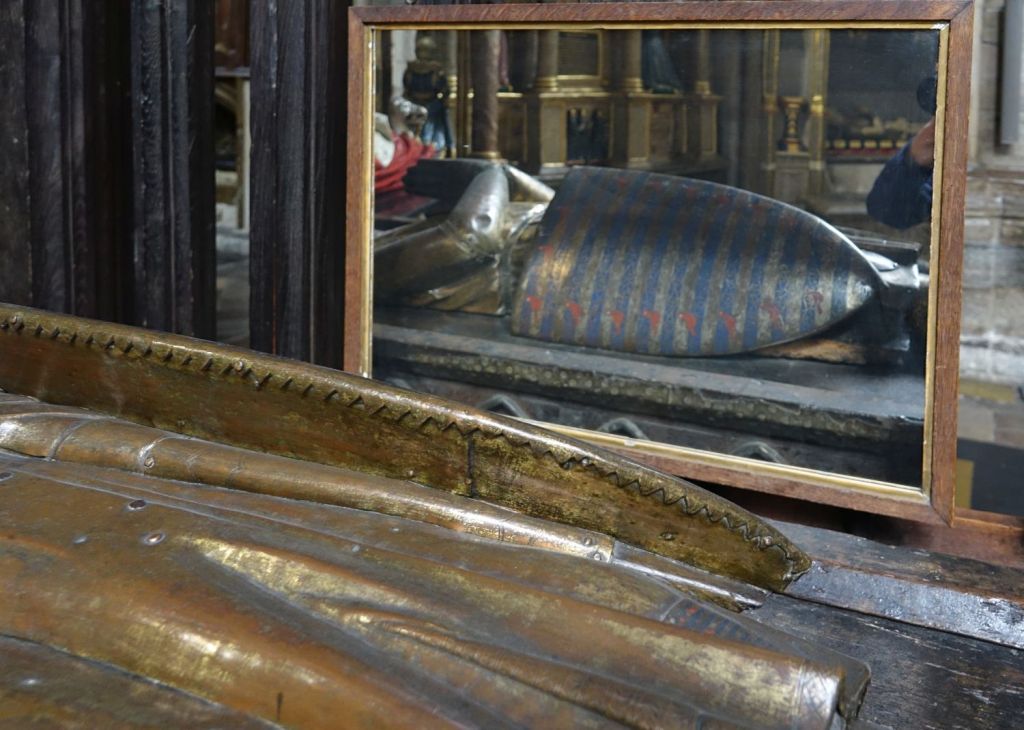
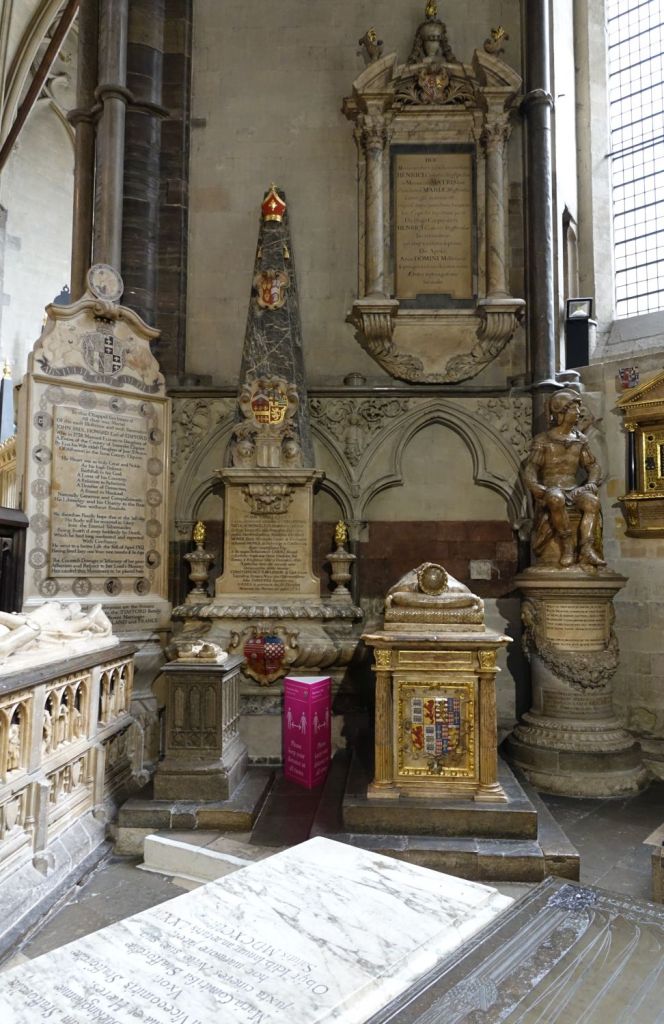
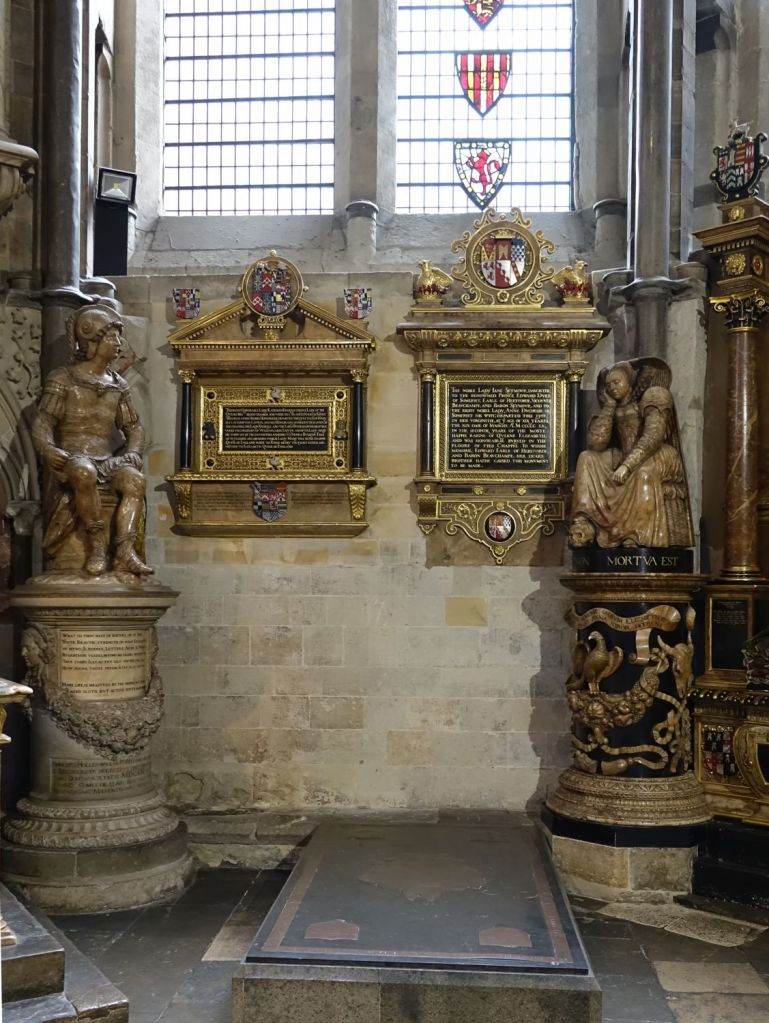
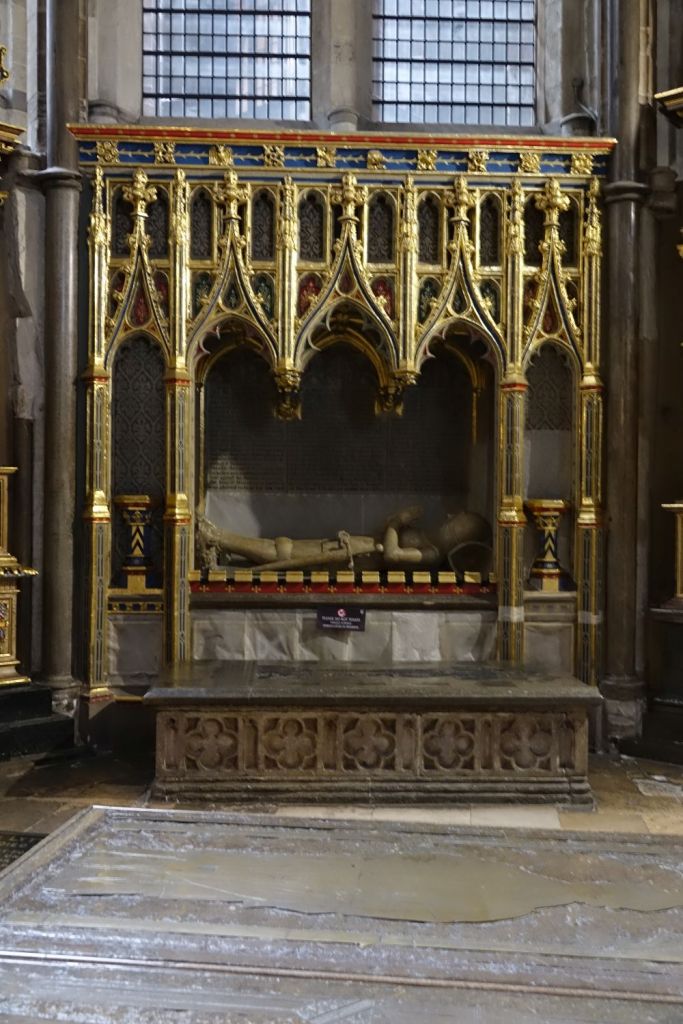
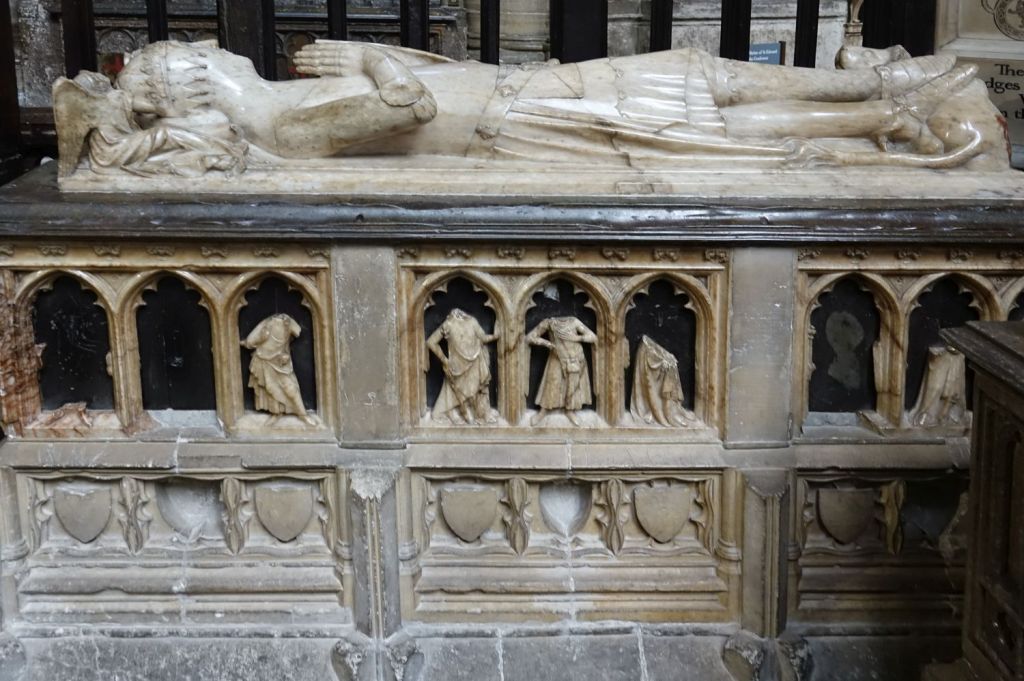
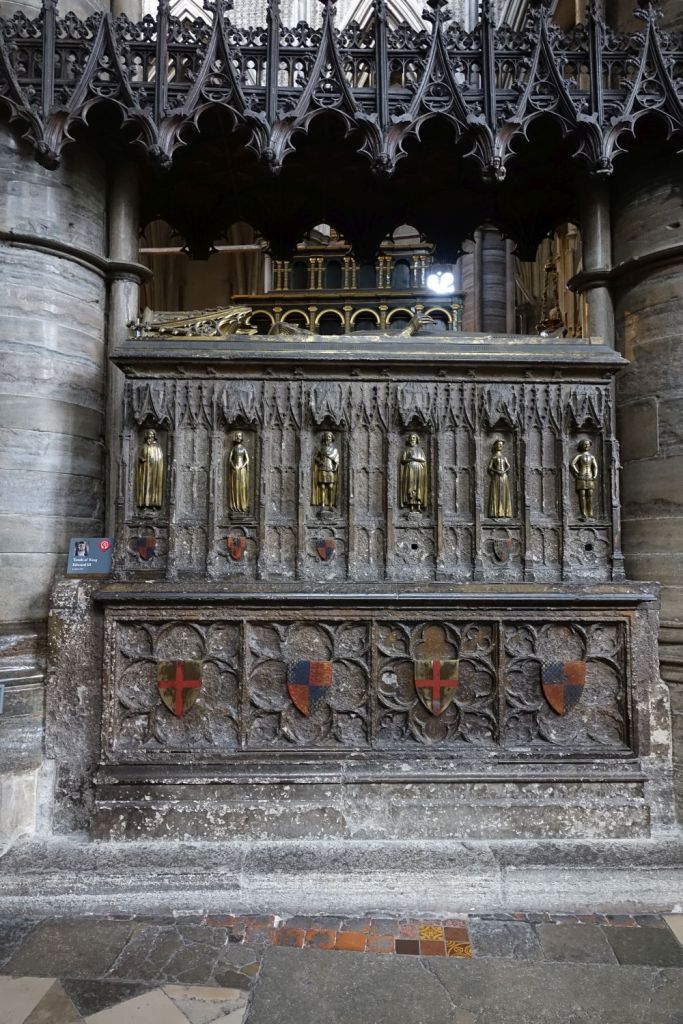
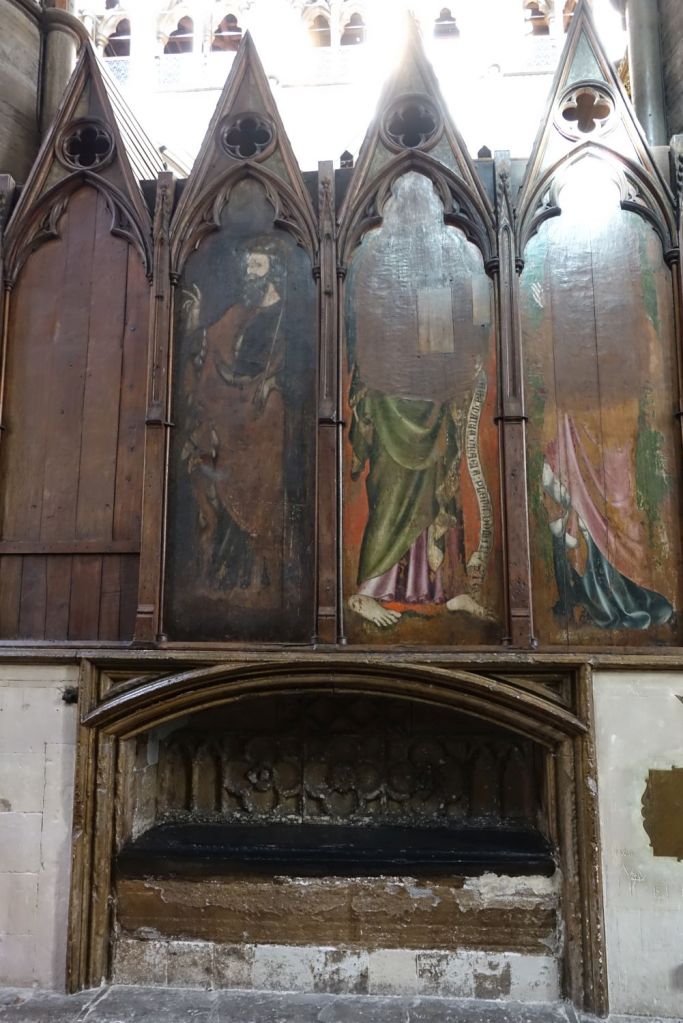
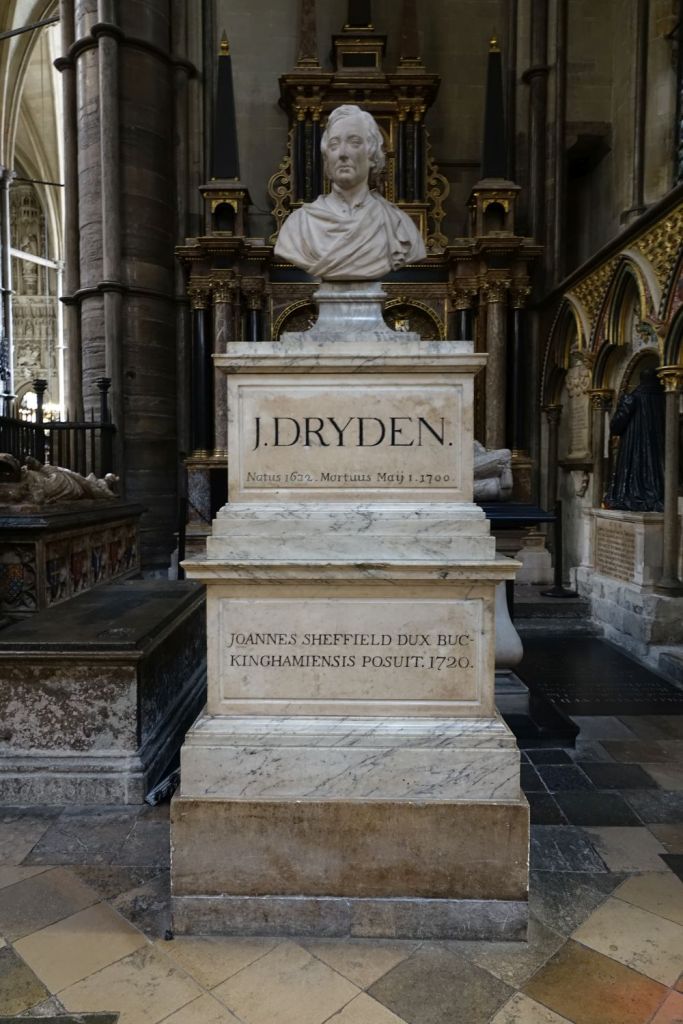
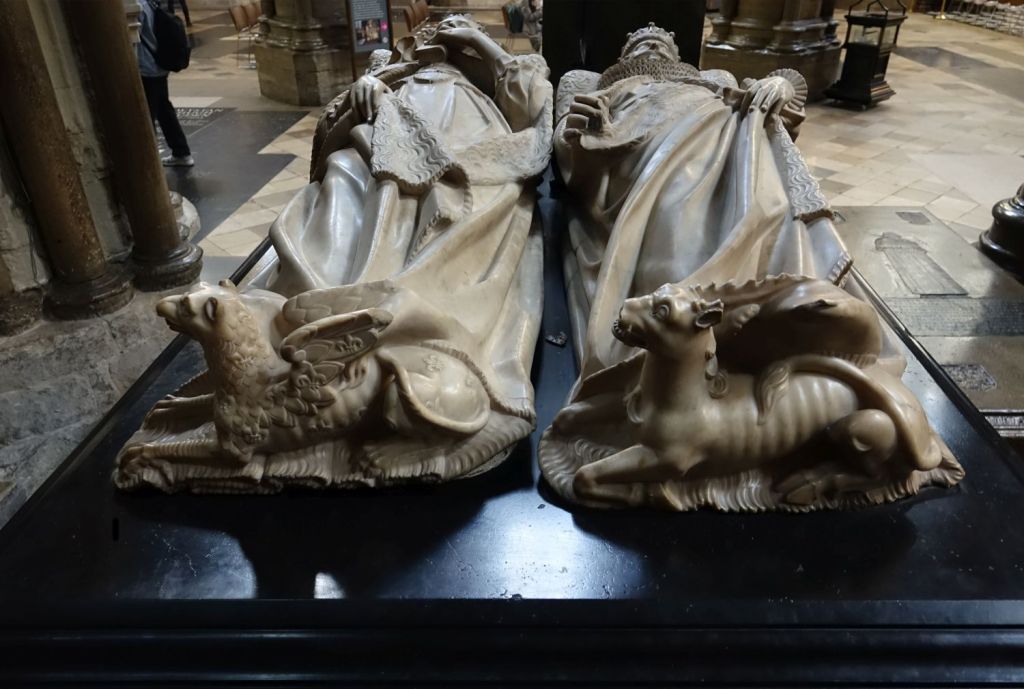
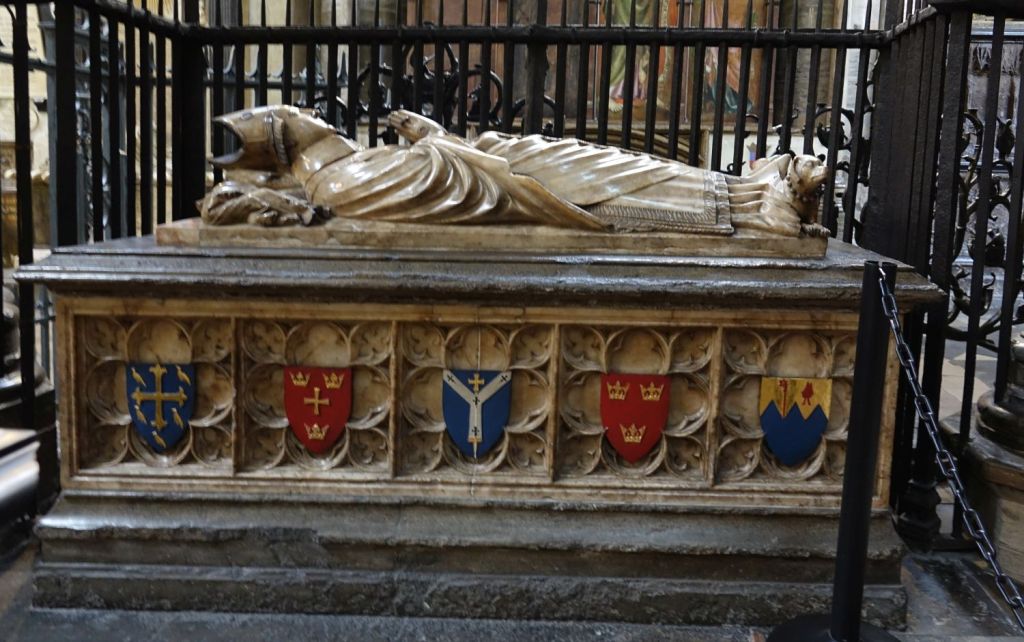
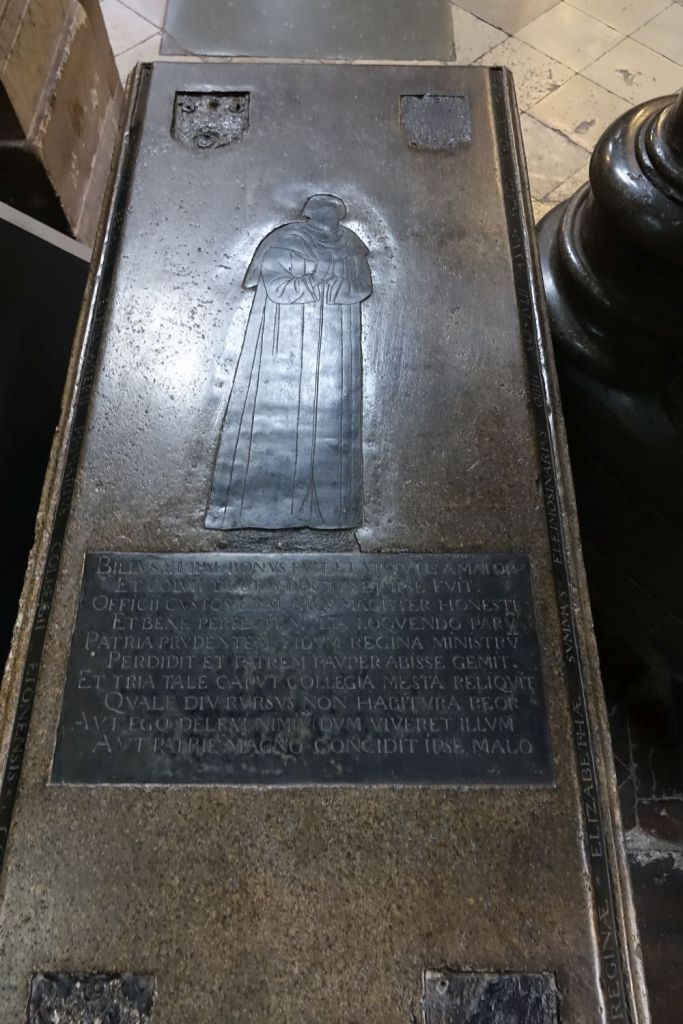
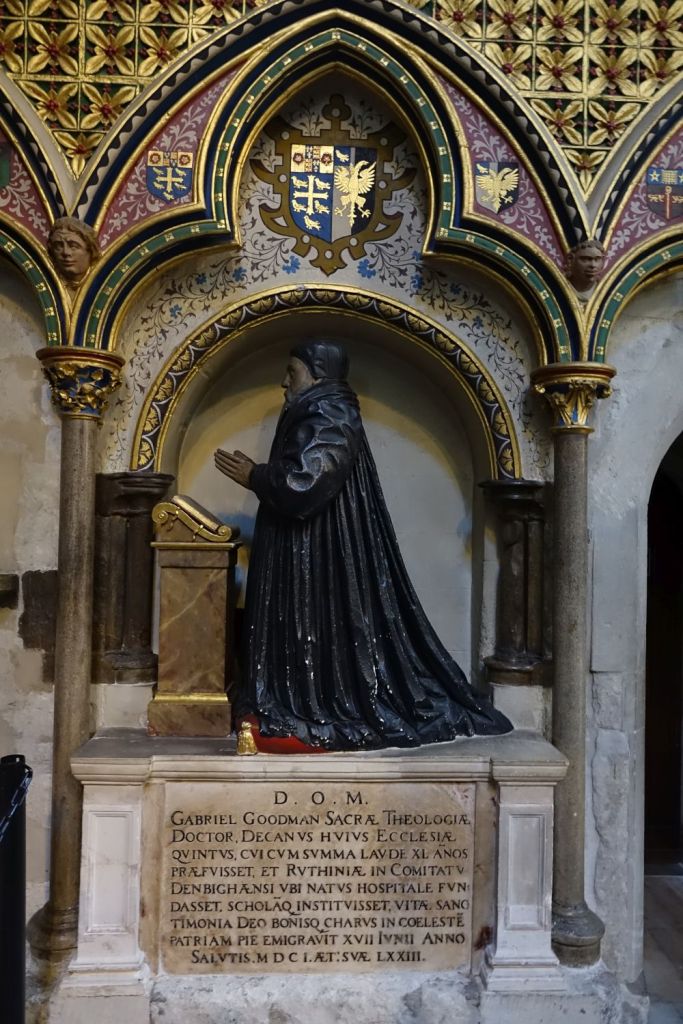
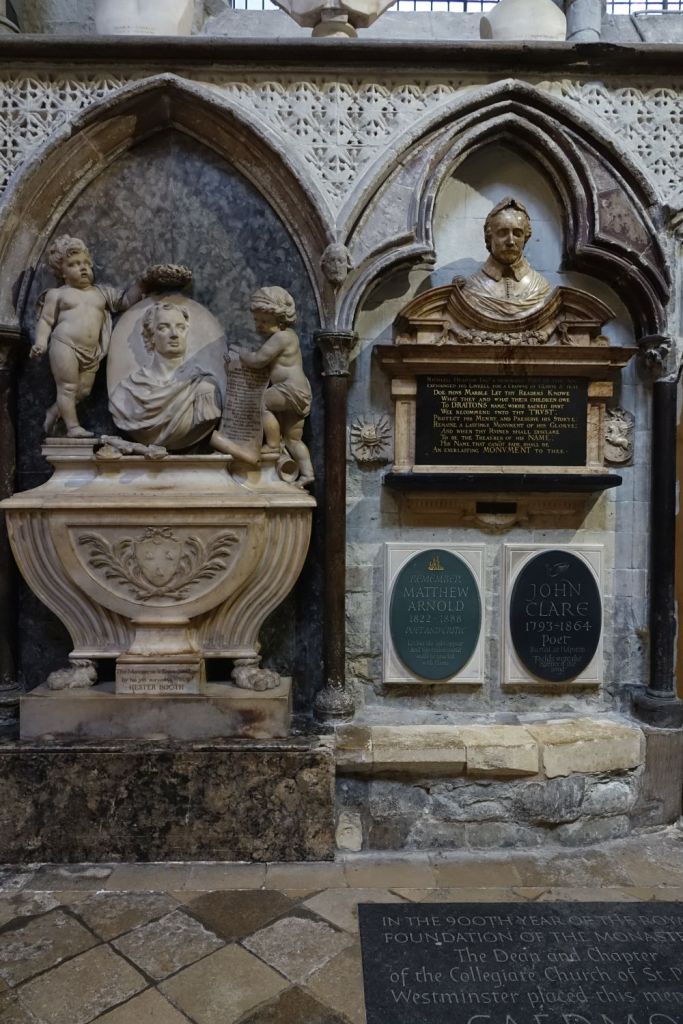
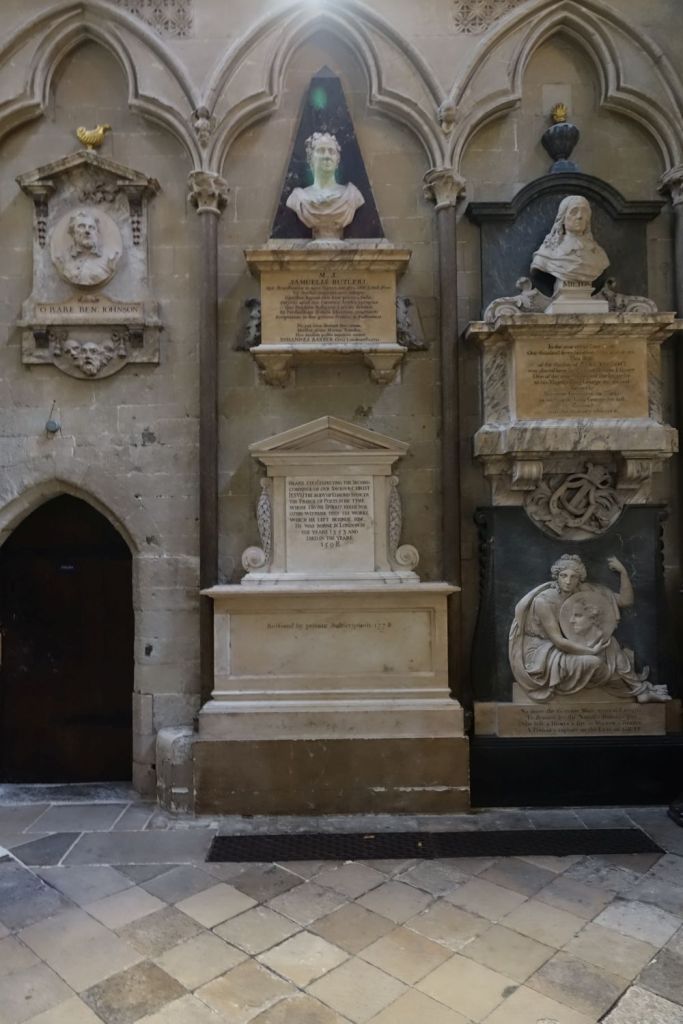
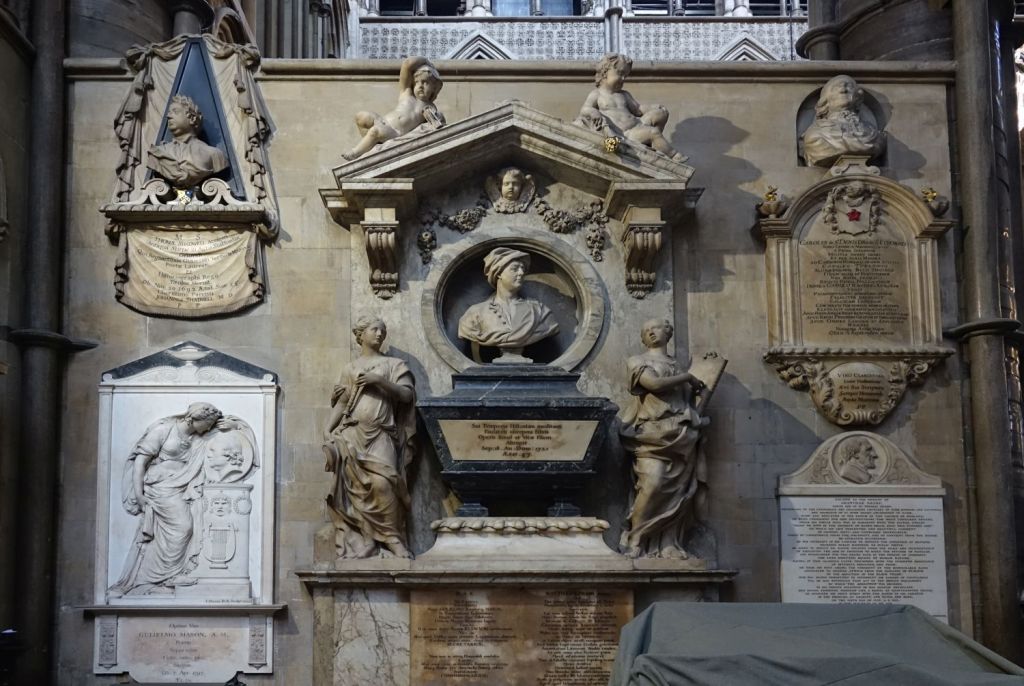
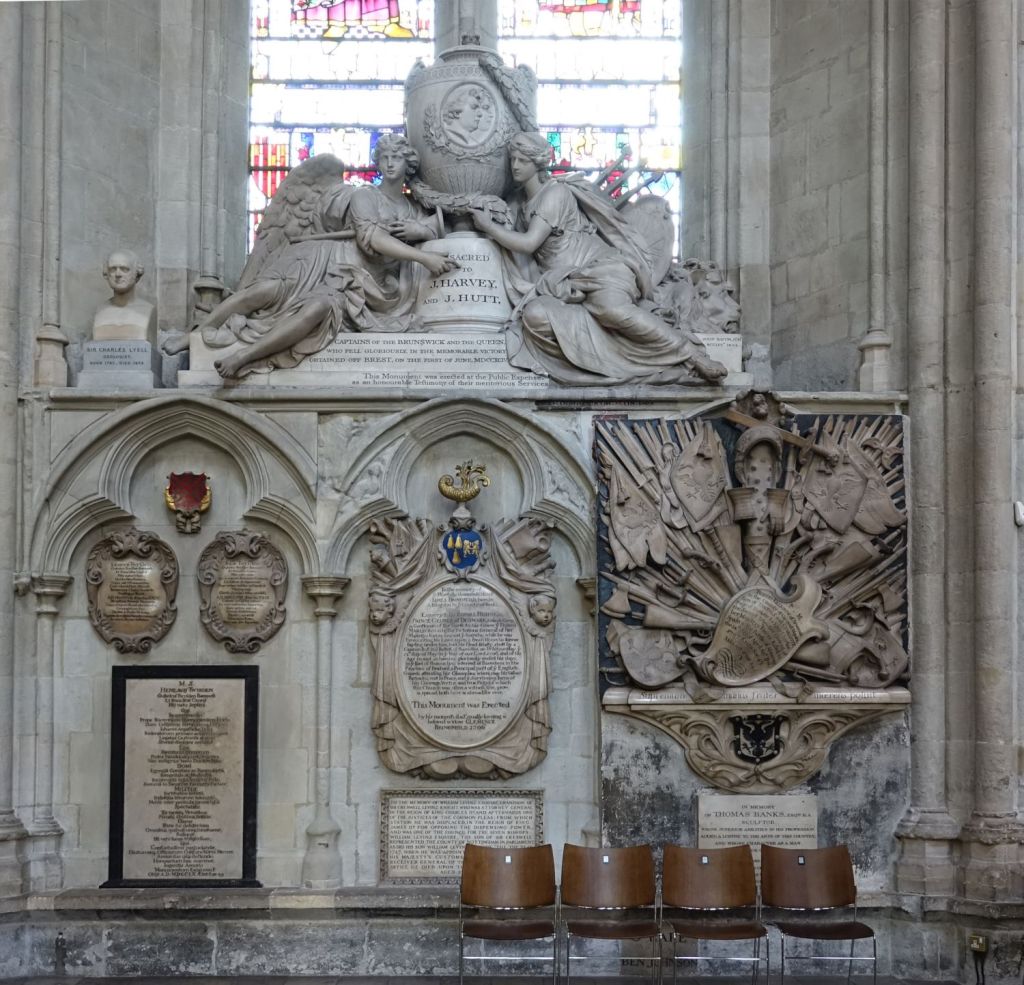
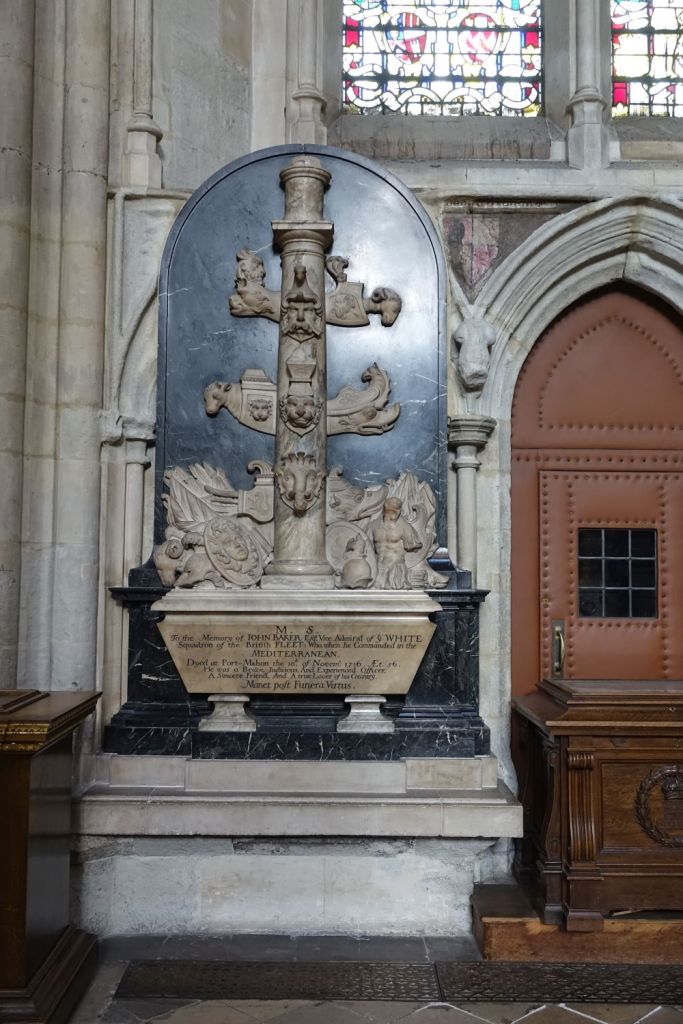
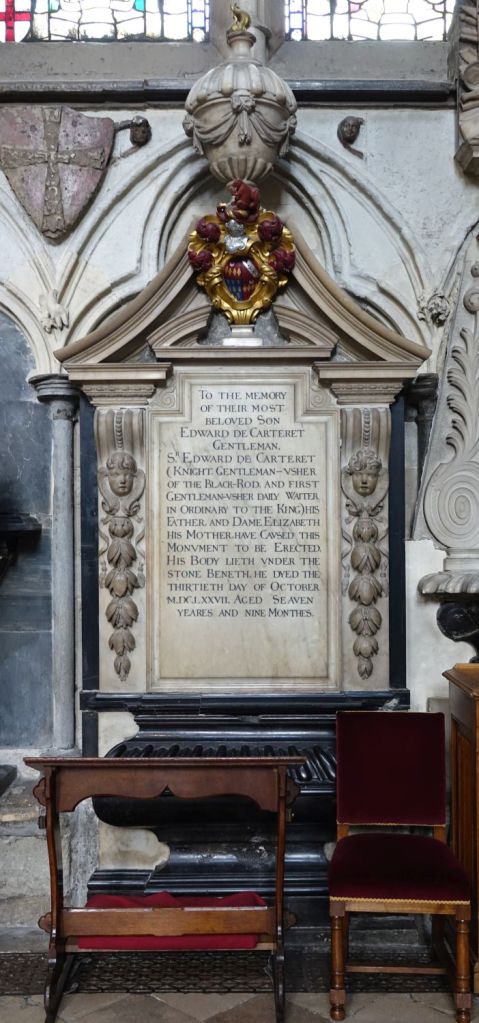
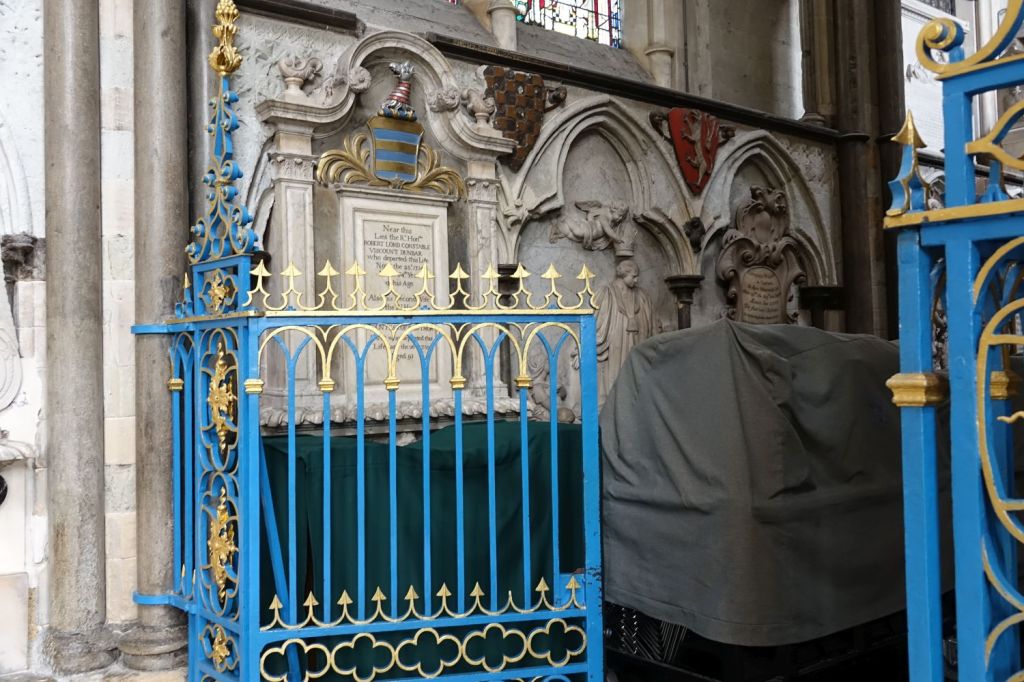
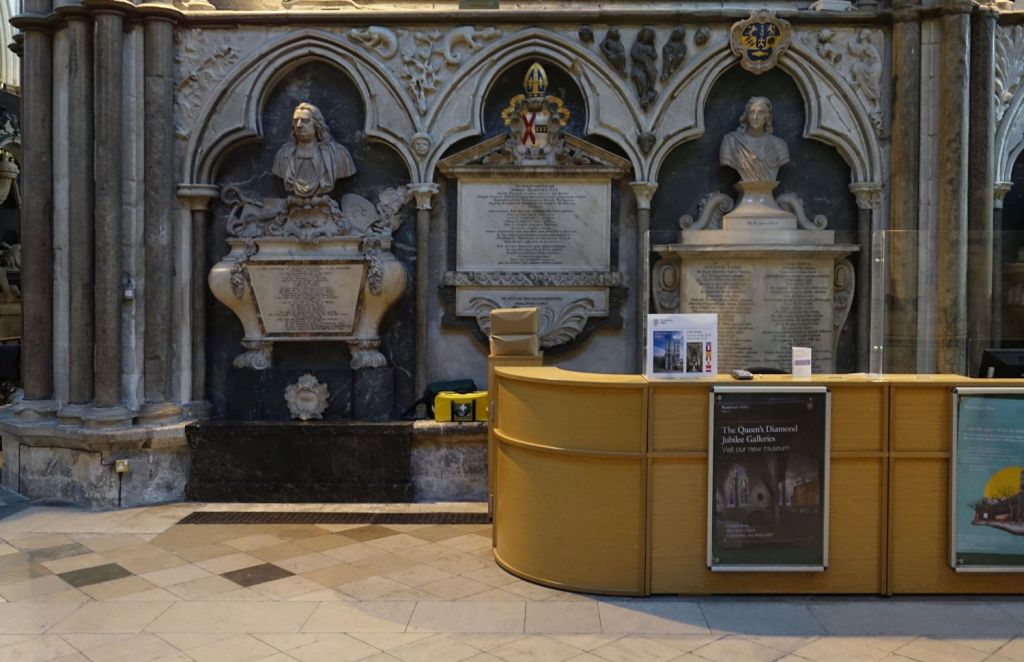
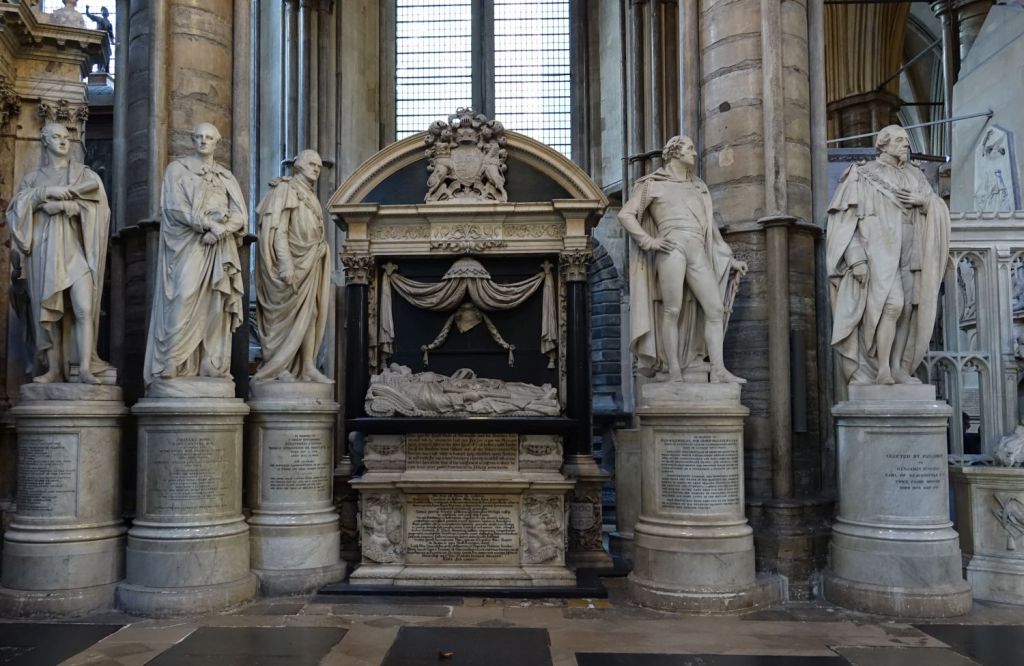
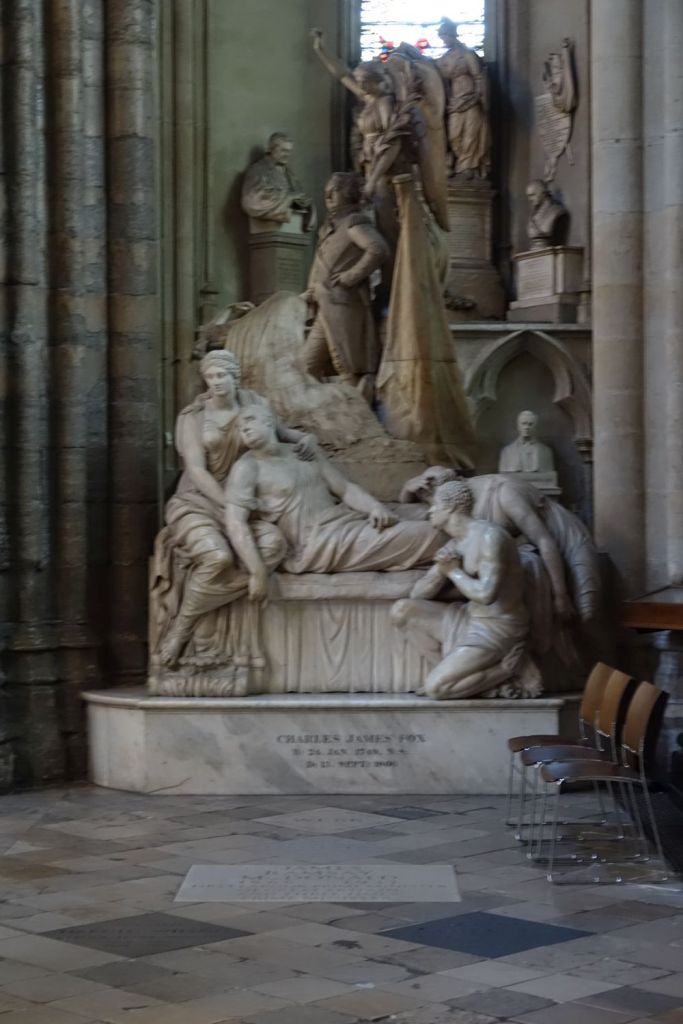
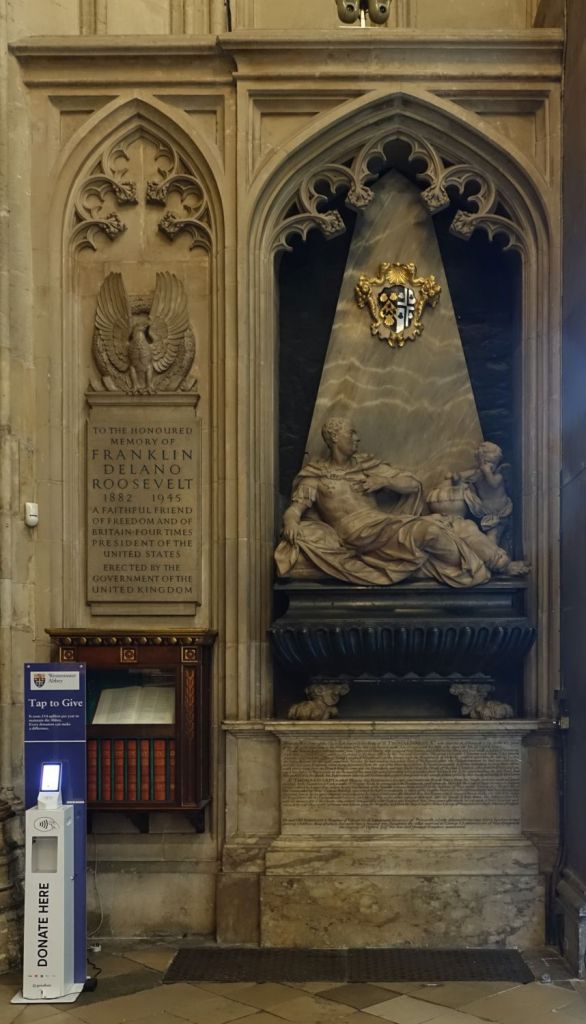
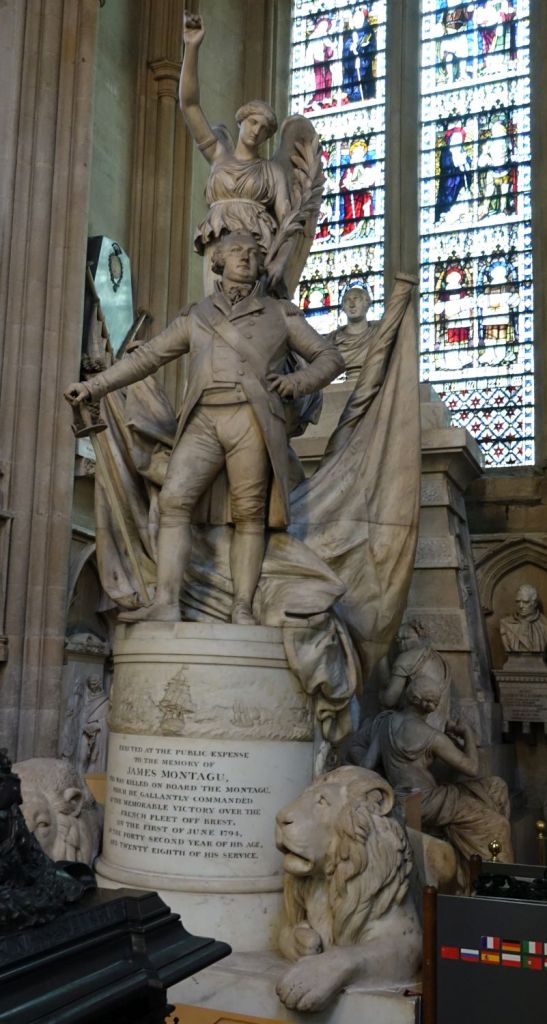
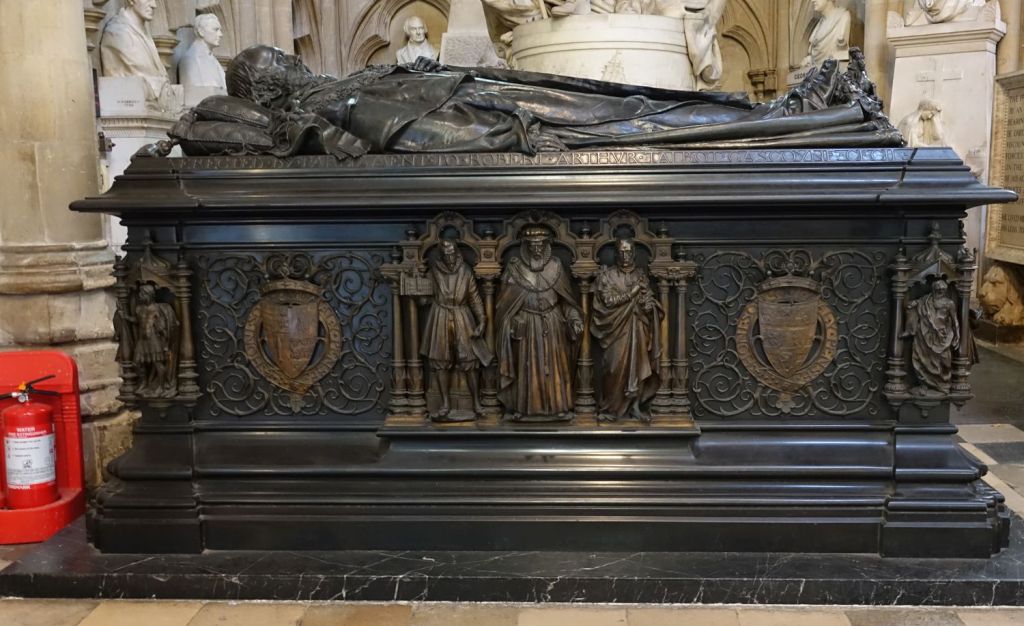
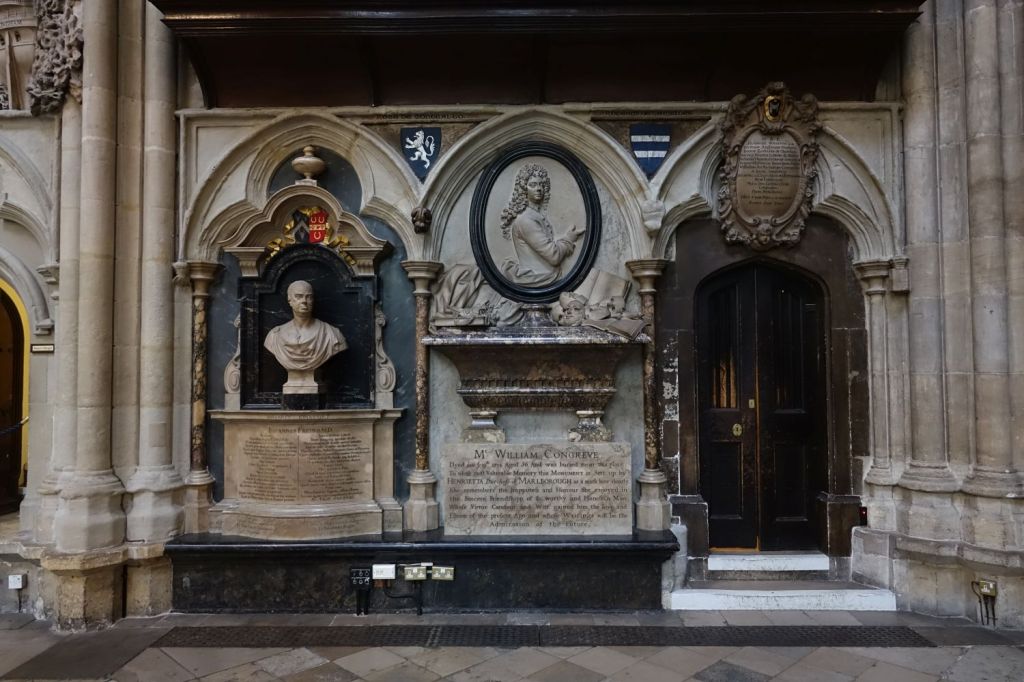
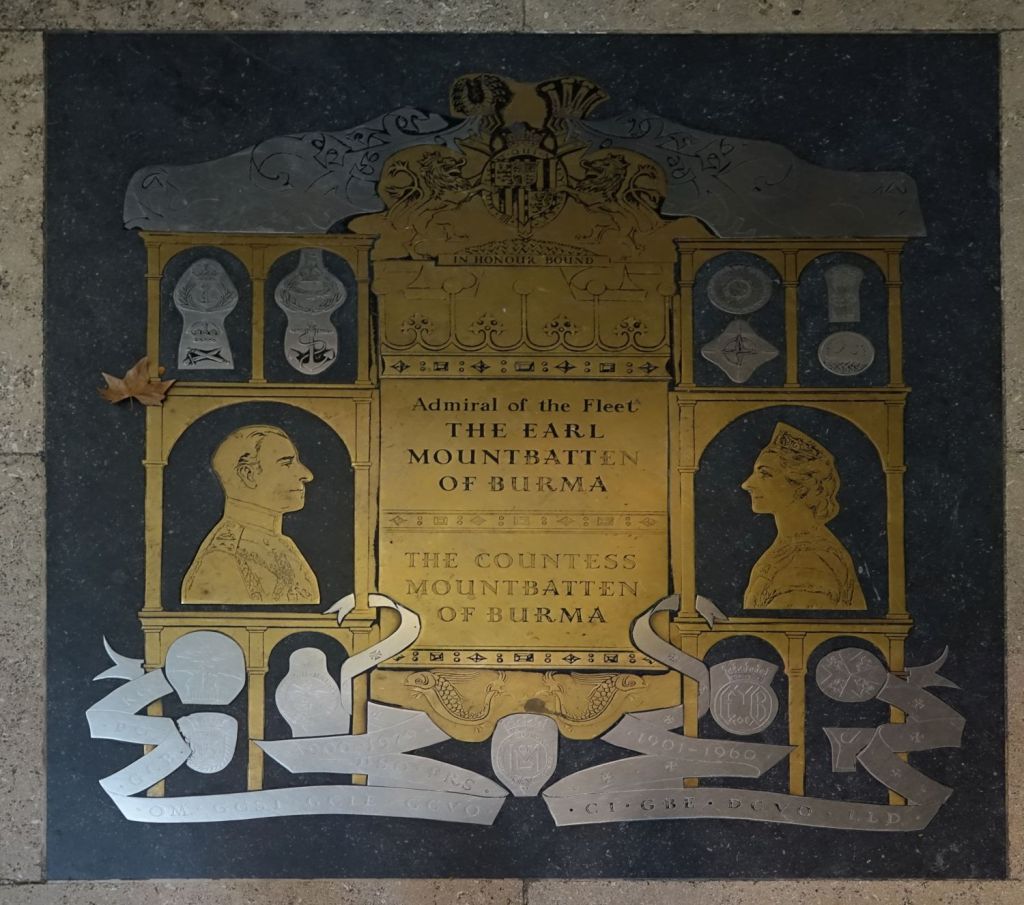
Possibly the best known church in Britain. Building of the current church, replacing an 11th century one, started in 1246 and by 1272 the chancel and four bays of the nave were complete. The west end was Norman, but the 14th century saw the towers encased. The late 14th and 15th centuries saw the nave extended west in much the same style as 100+ years earlier. The church is immensely tall for a British church being built in a French style, as are the polygonal eastern chapels. The Lady Chapel (Henry VII’s chapel) was added in 1503-1510. Since then there have been numerous restorations and reconstructions. Nicholas Hawksmoor rebuilt the west towers in 1735-45. During the 19th century work was done by George Gilbert Scott, John Loughborough Pearson, J Oldrid Scott and J.T. Micklethwaite. In the 20th W.R. Lethaby, Walter Tapper, Charles Peers, Stephen Dykes Bower, Peter Foster and Donald Buttress have carried out work. The Abbey is known for its Royal tombs, the medieval ones are in the Feretory, an area not open to general visitors due to wear and tear. The whole building is full of monuments of all periods. Much of the stained glass is post-war by Ninian Comper and Hugh Easton and in 2020 David Hockney.


















































































































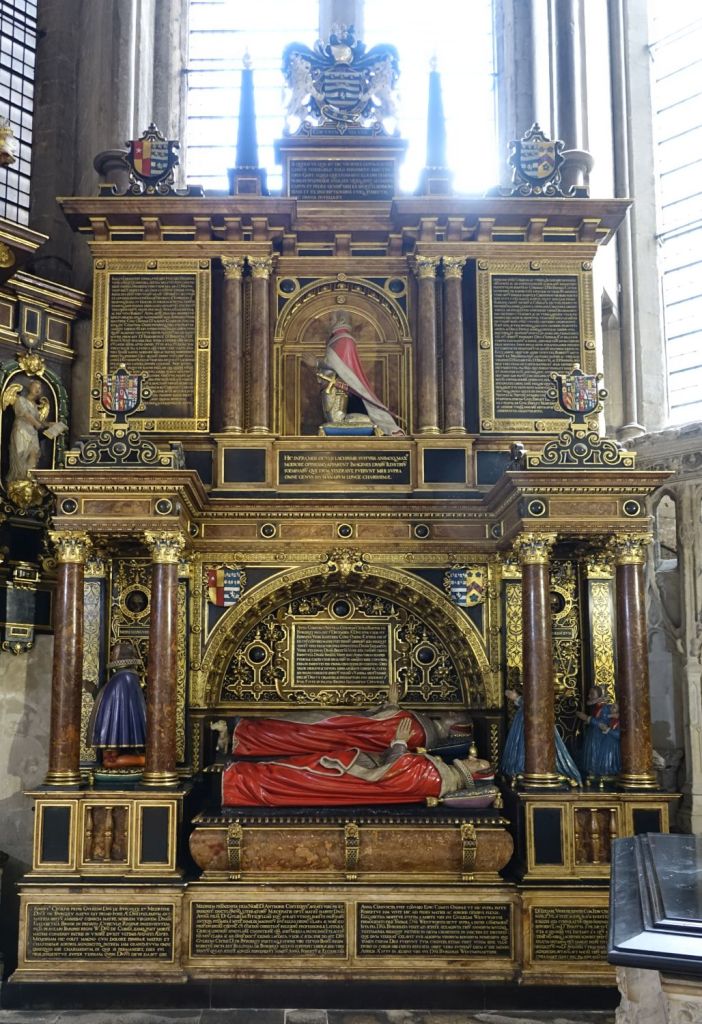
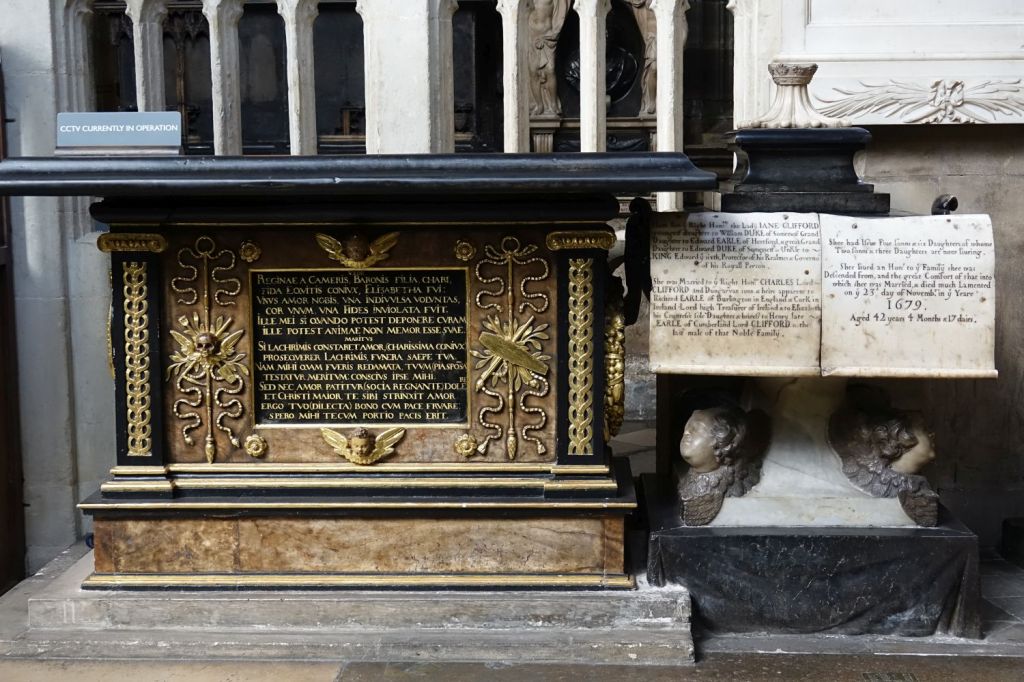
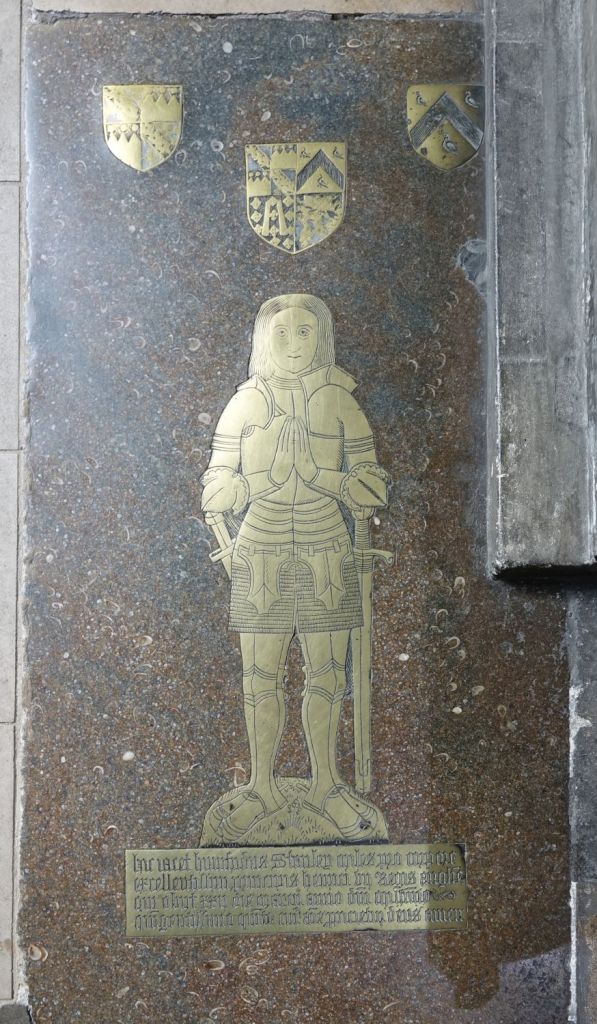

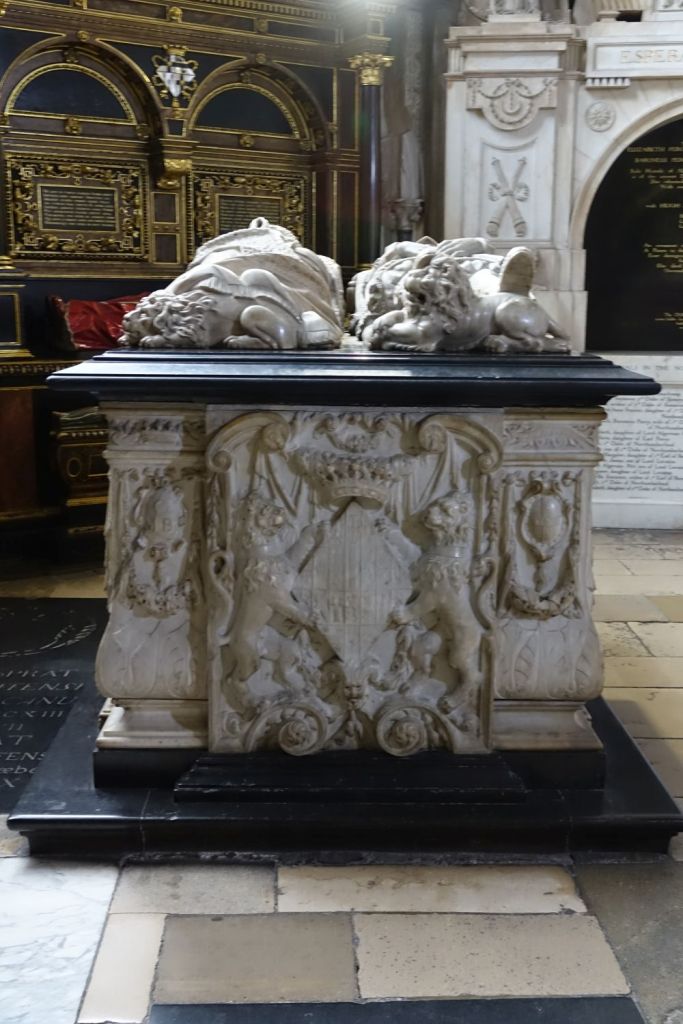












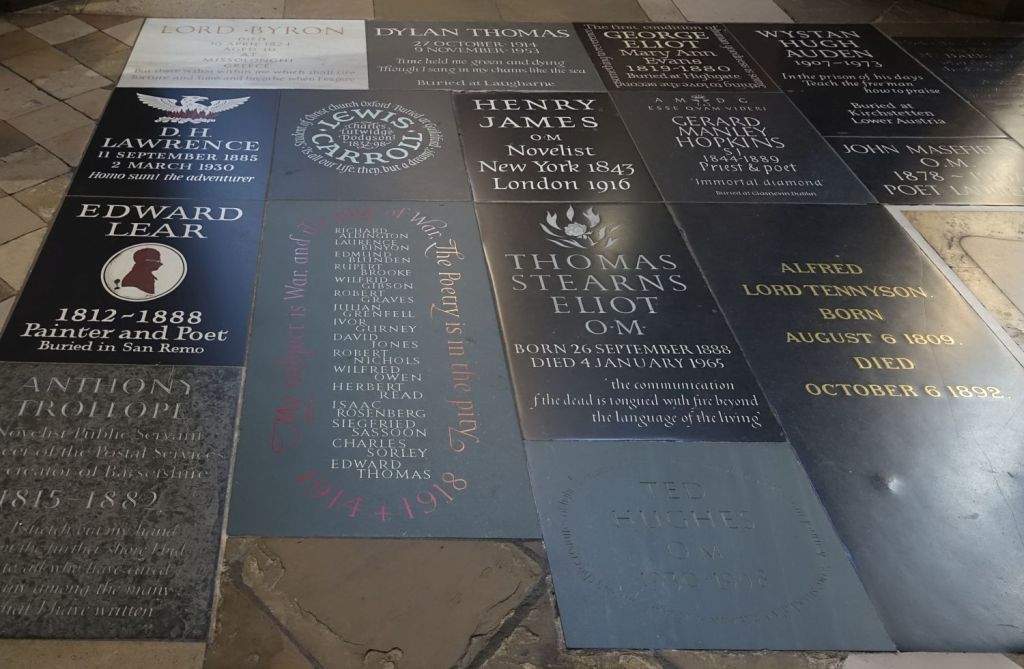
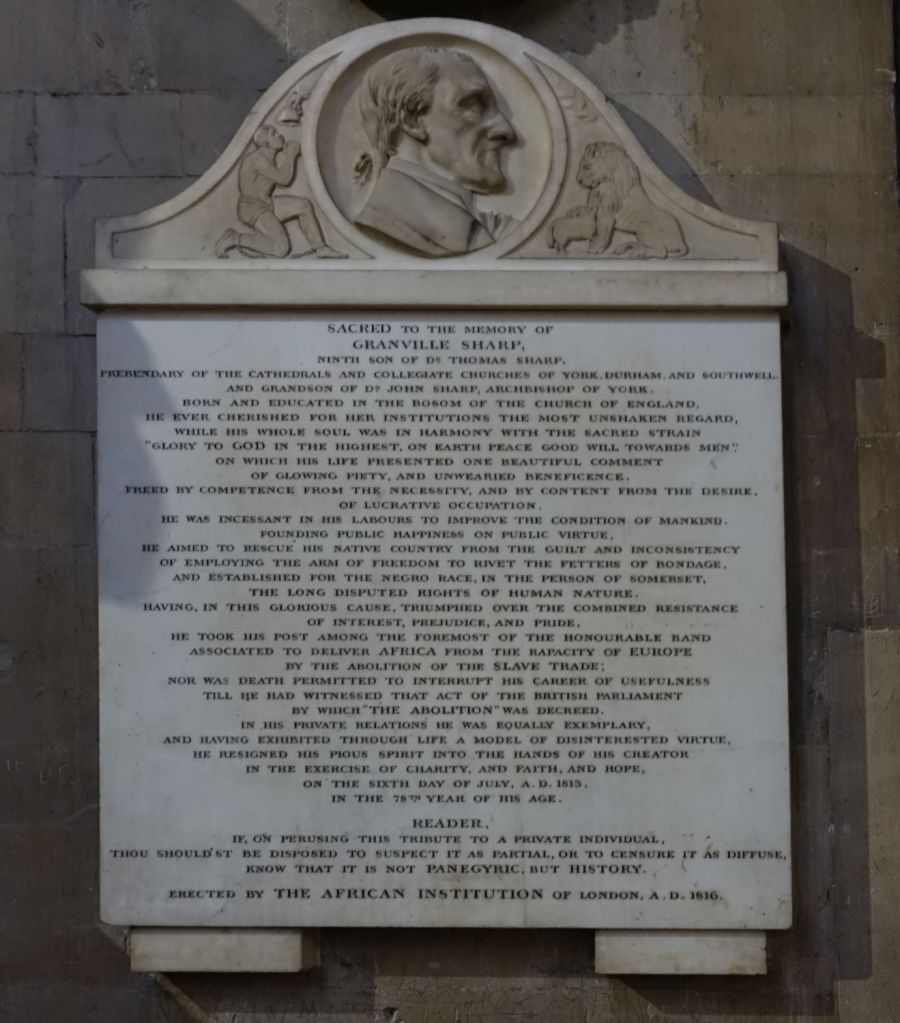
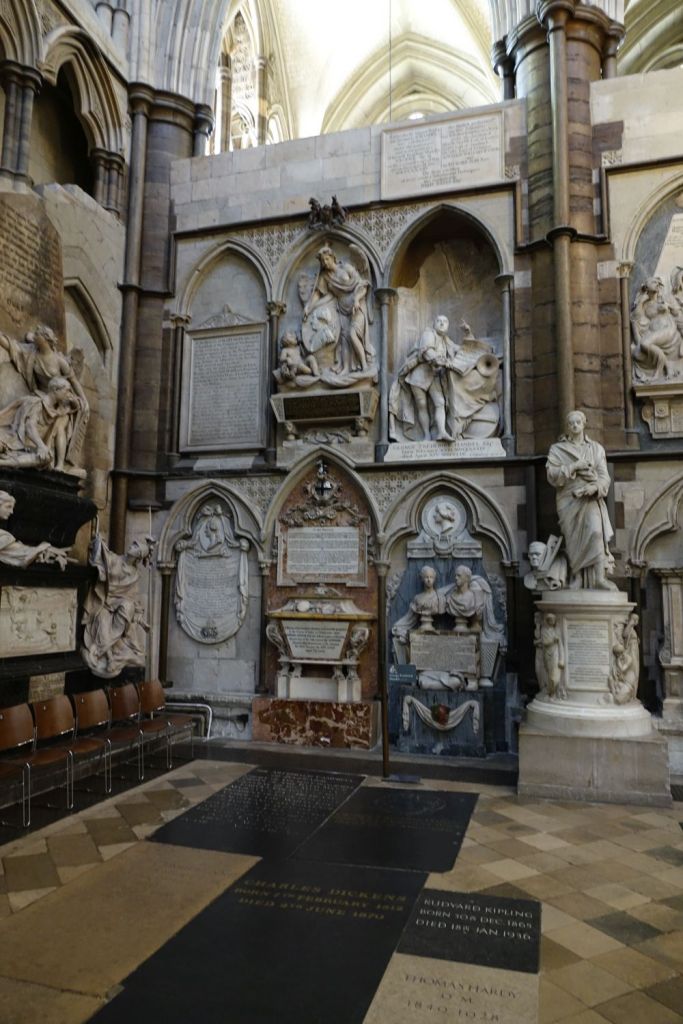
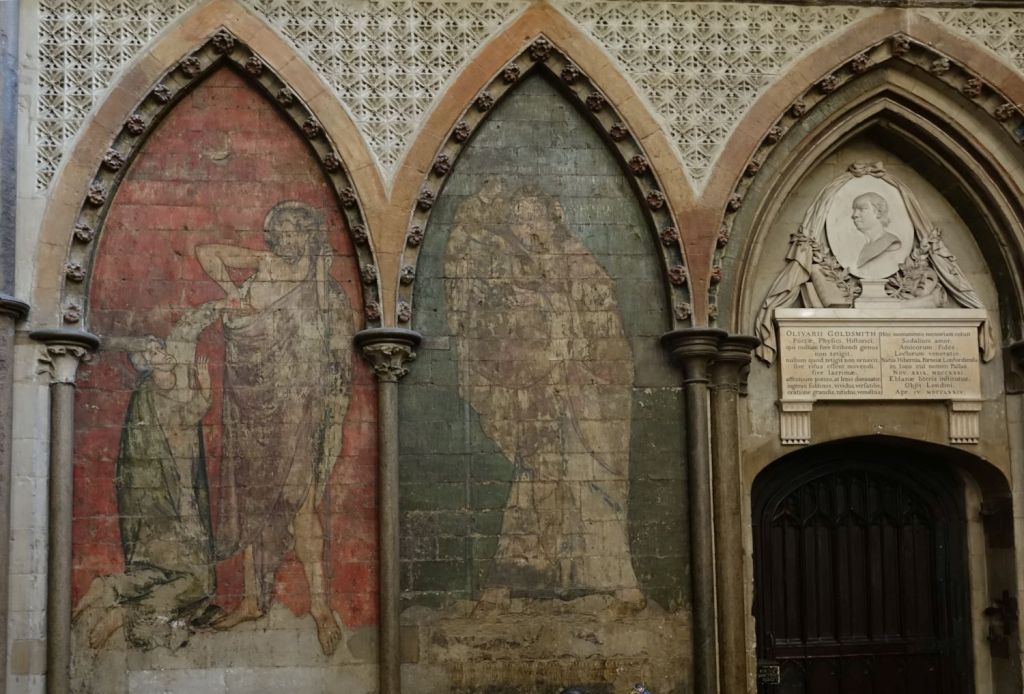









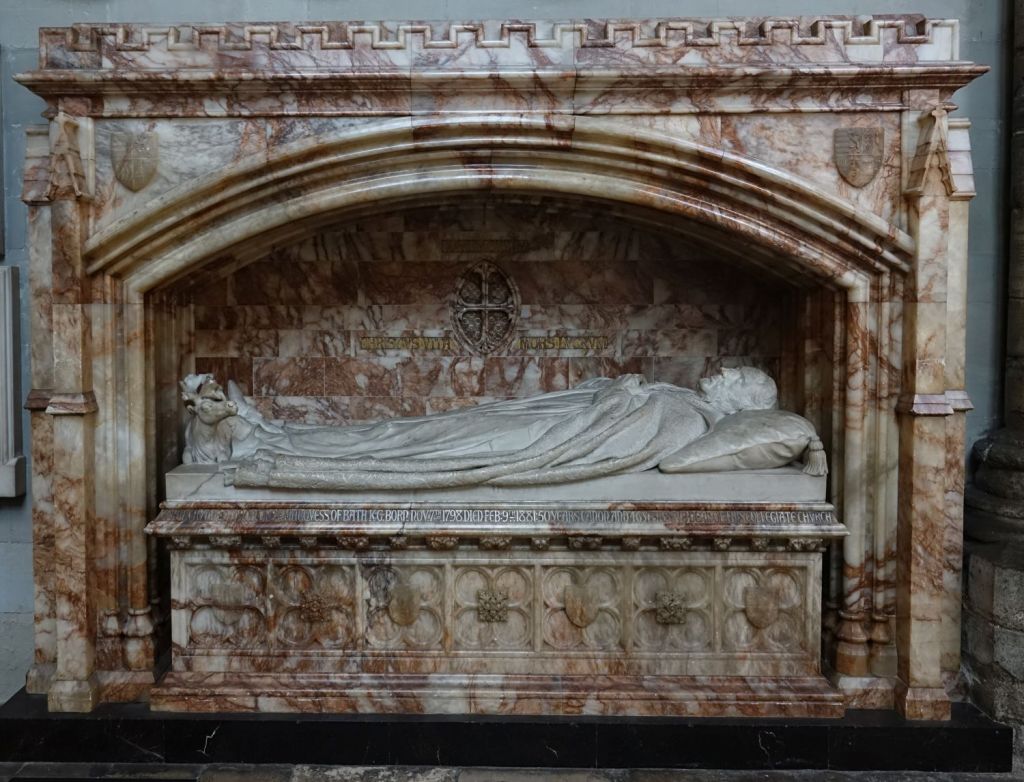

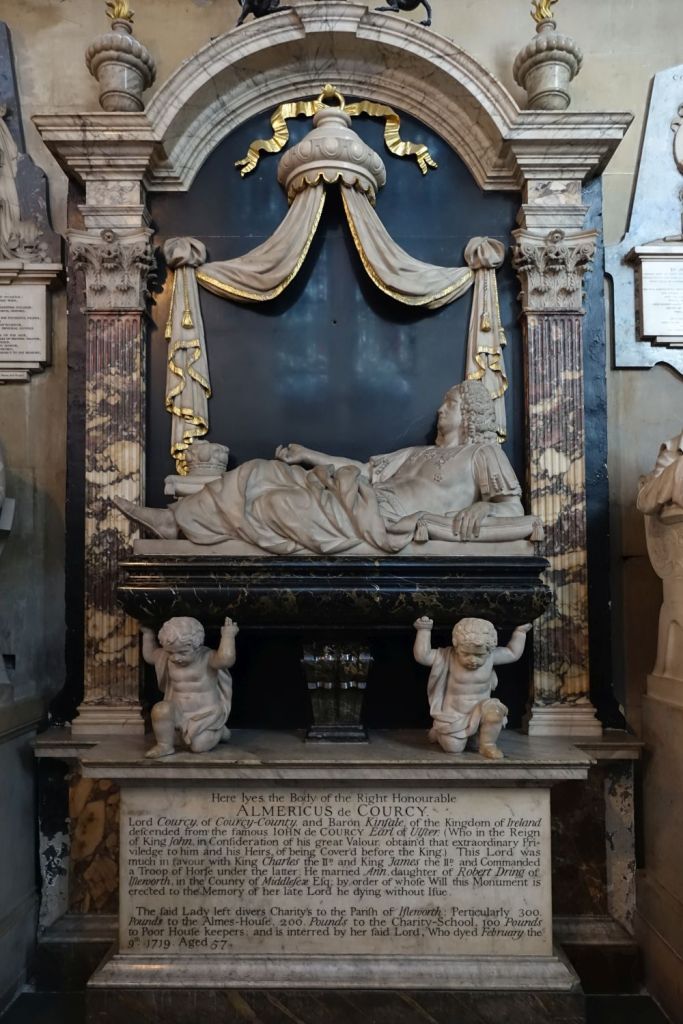


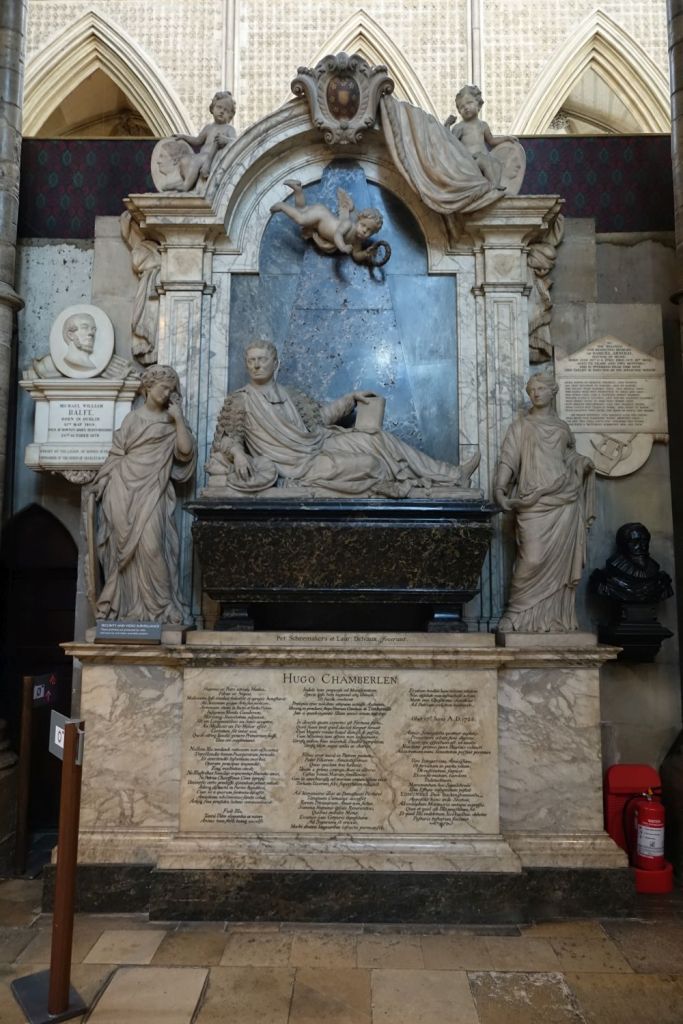


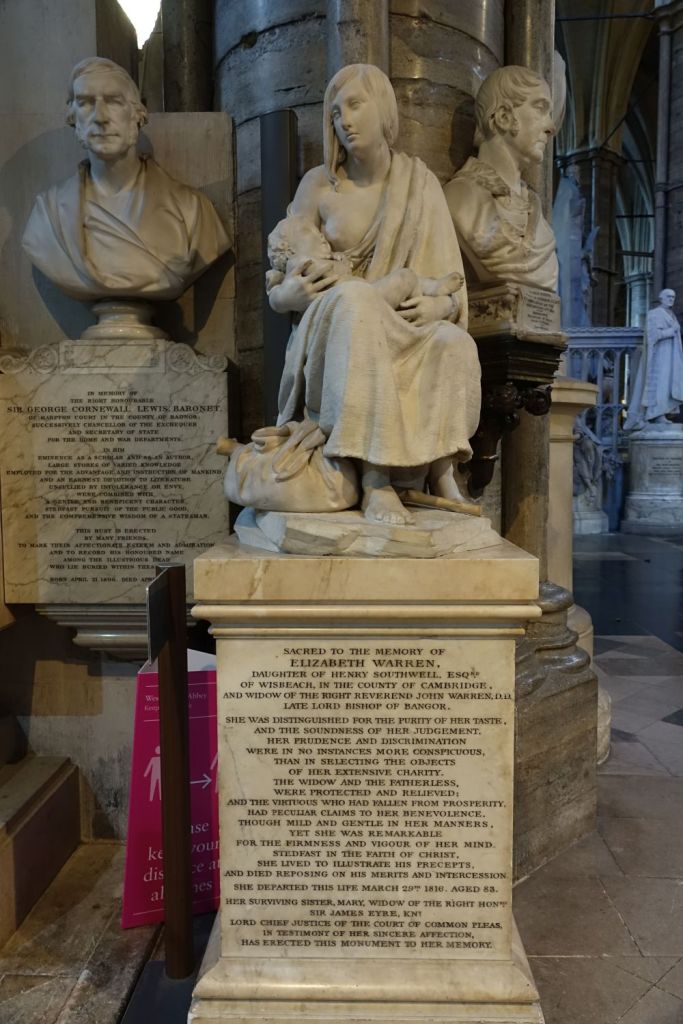






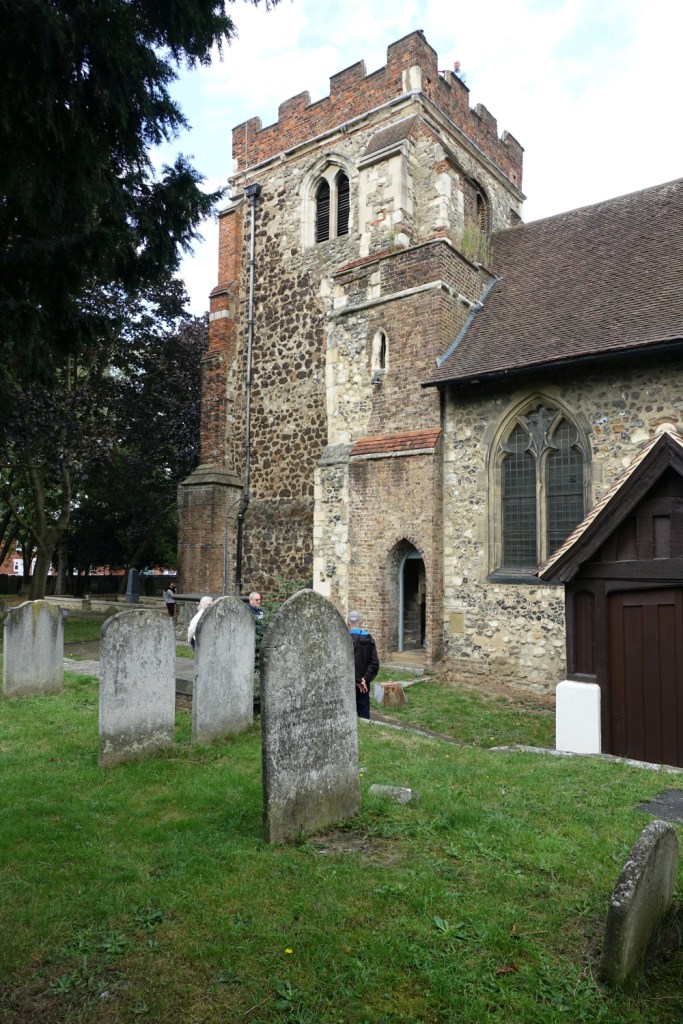
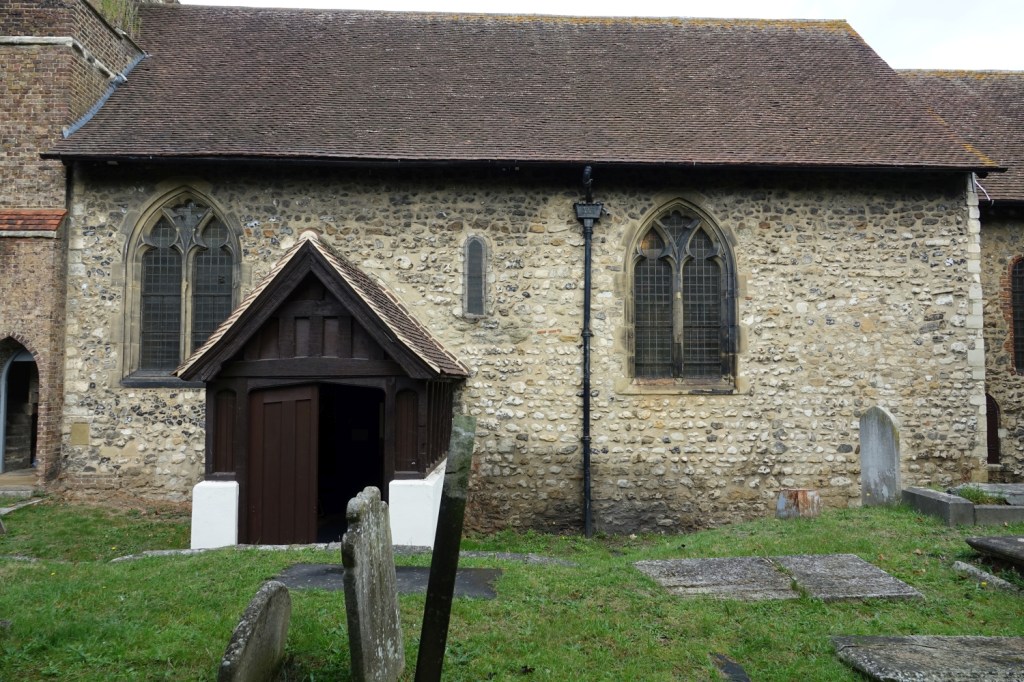
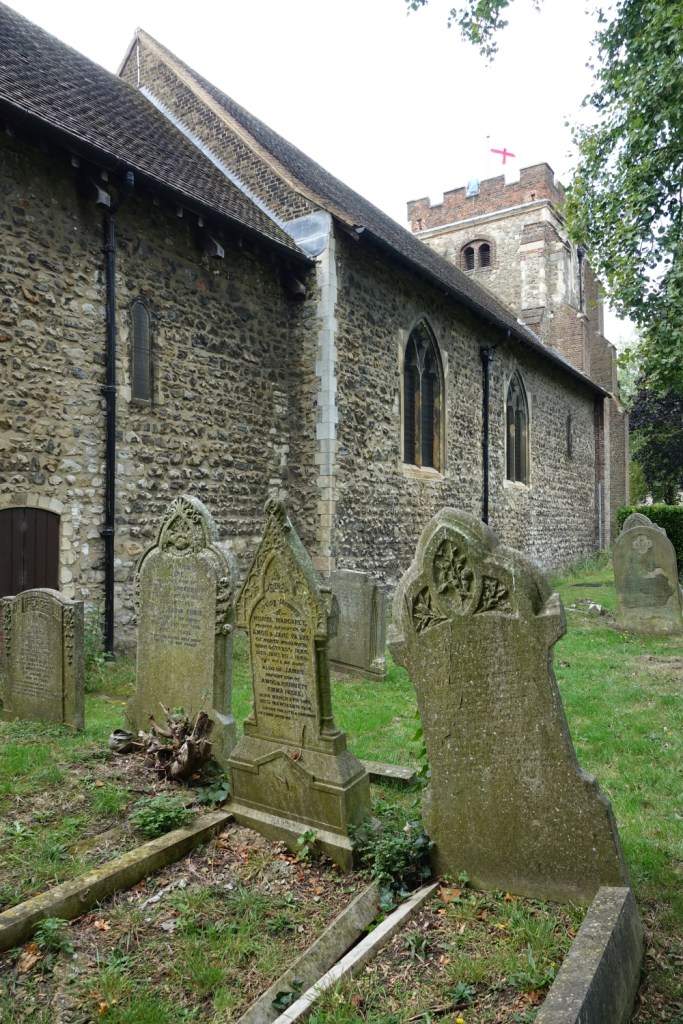
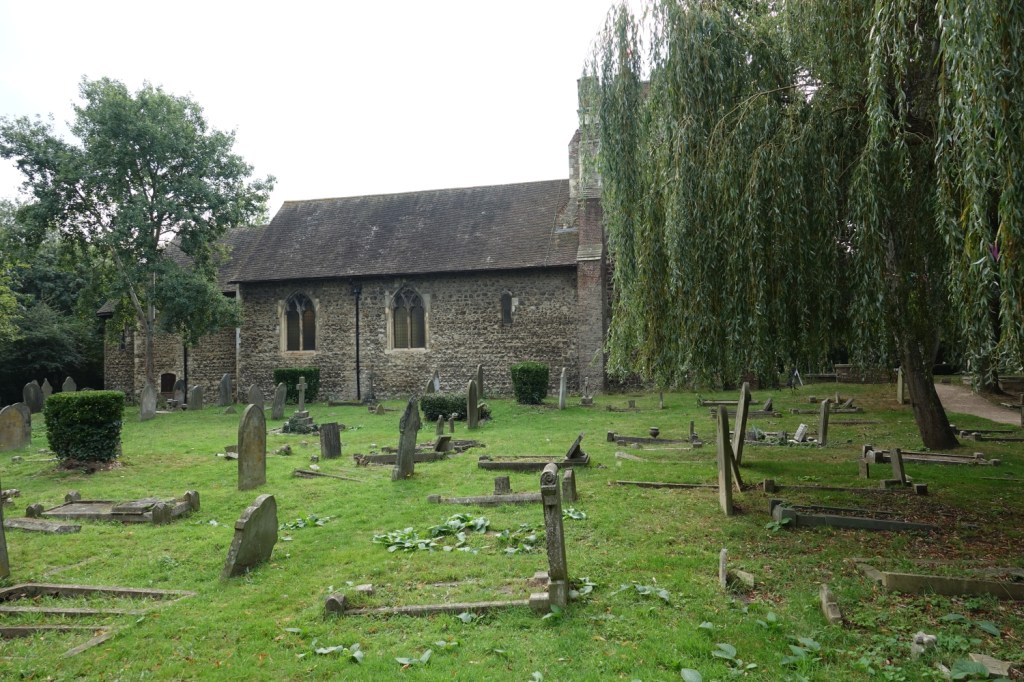
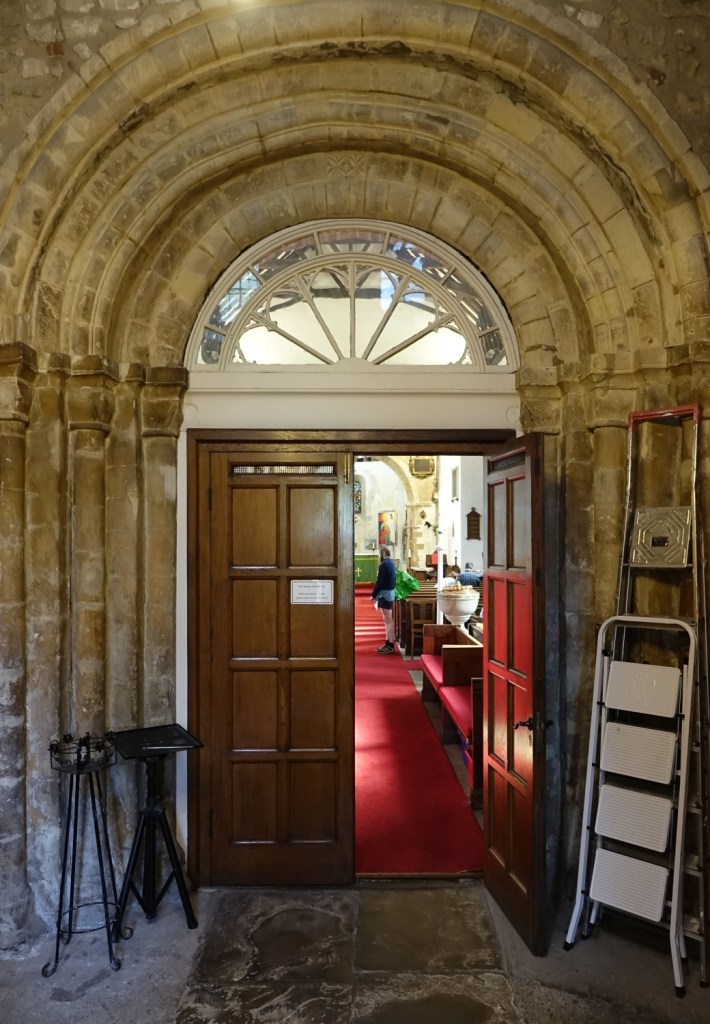
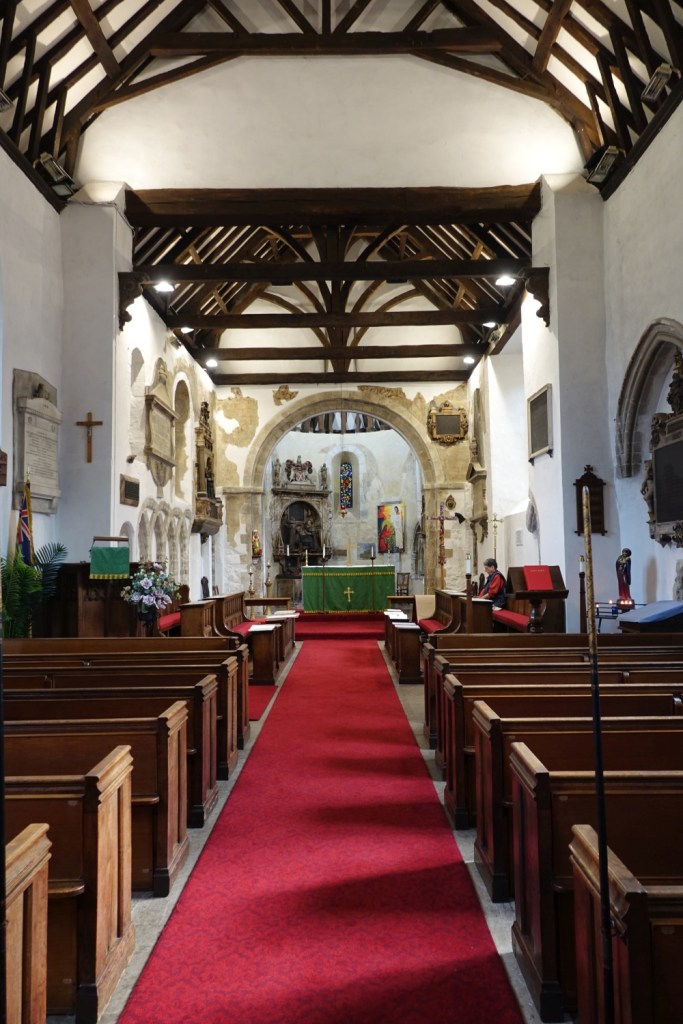
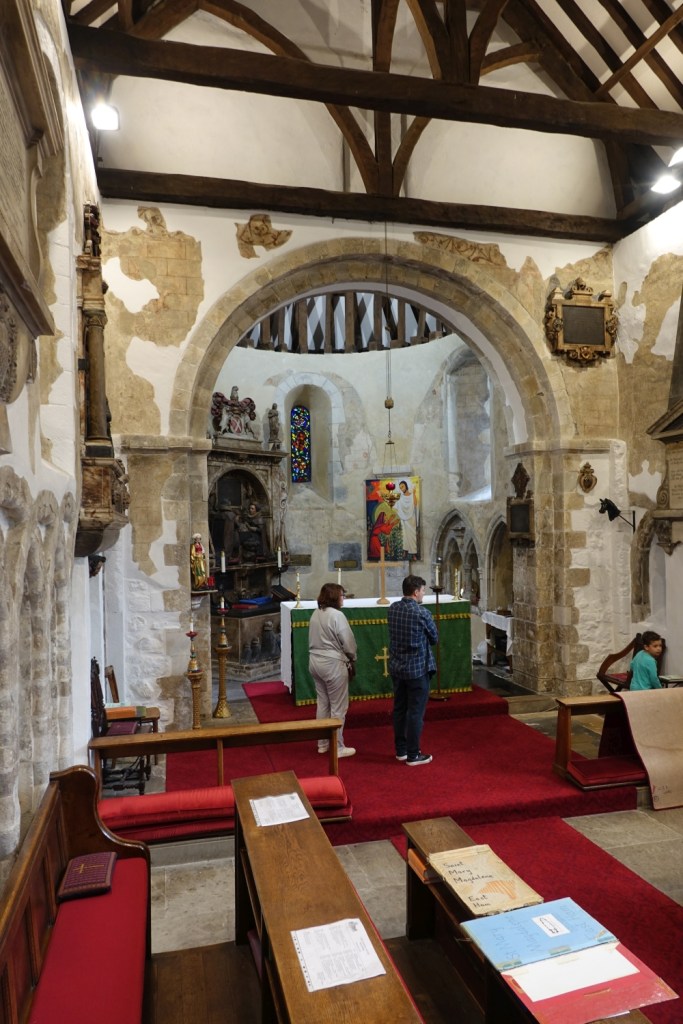
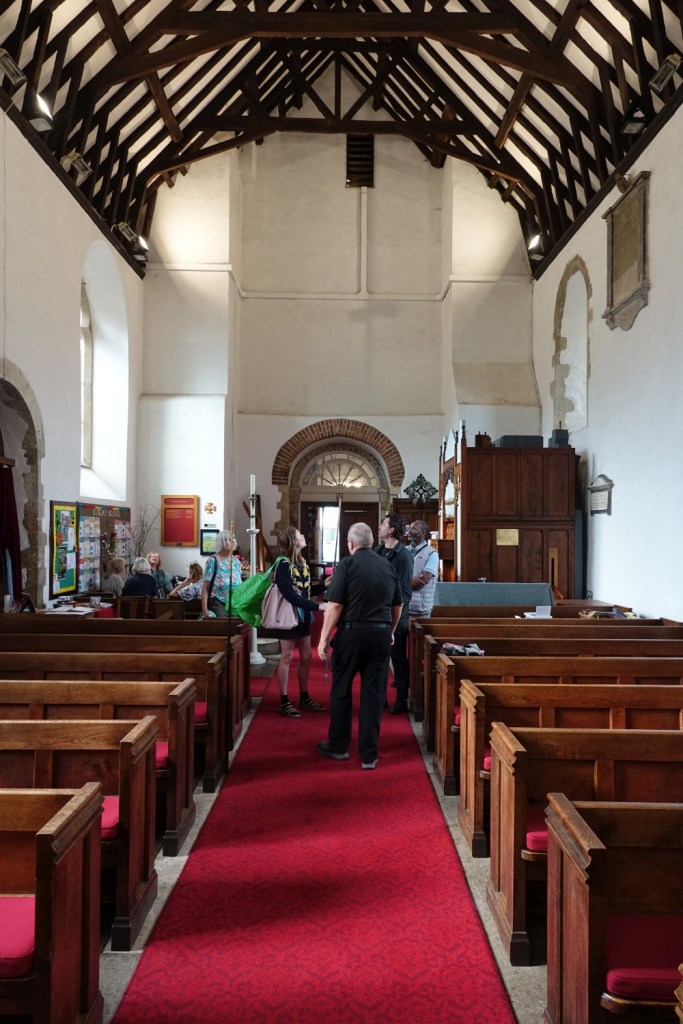
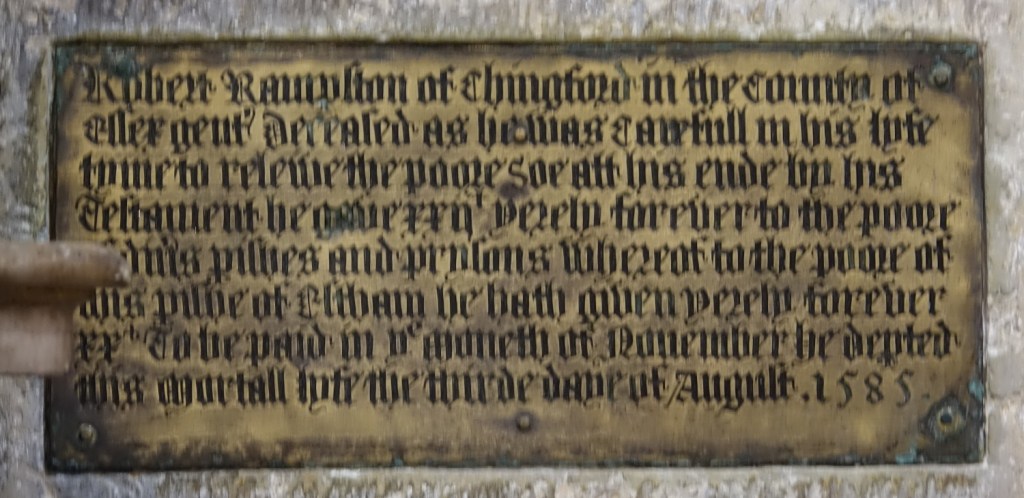
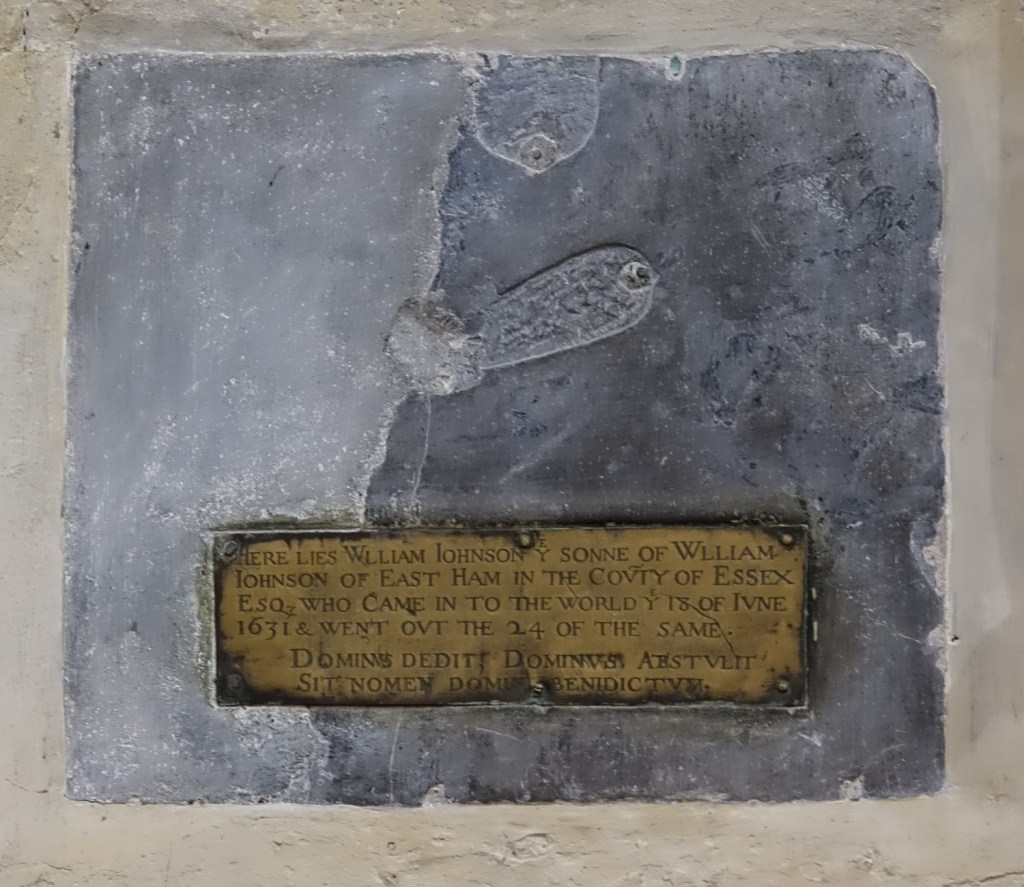
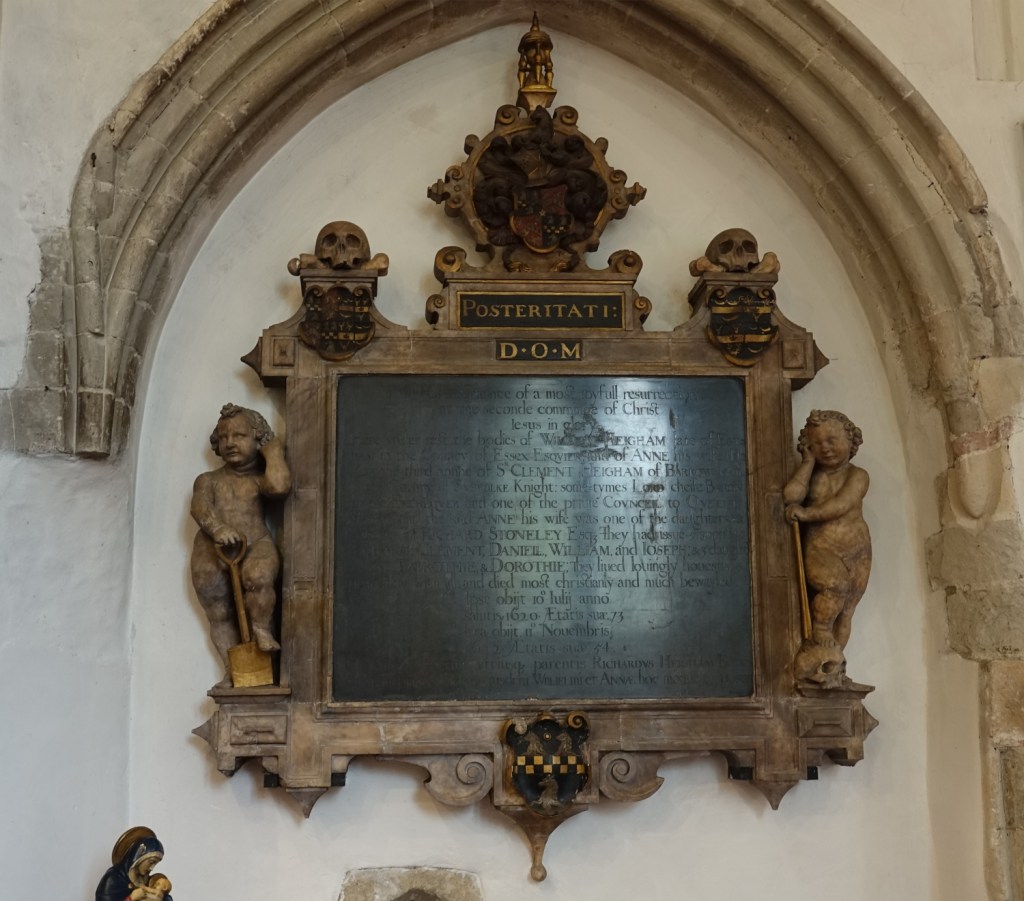
St Mary Magdalene, East Ham
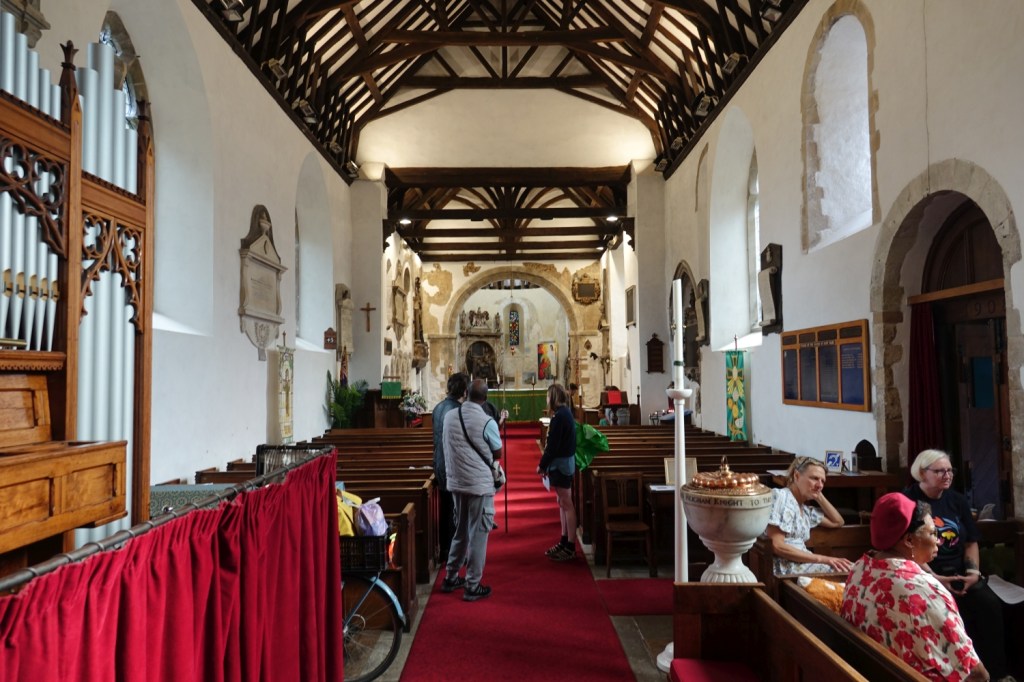
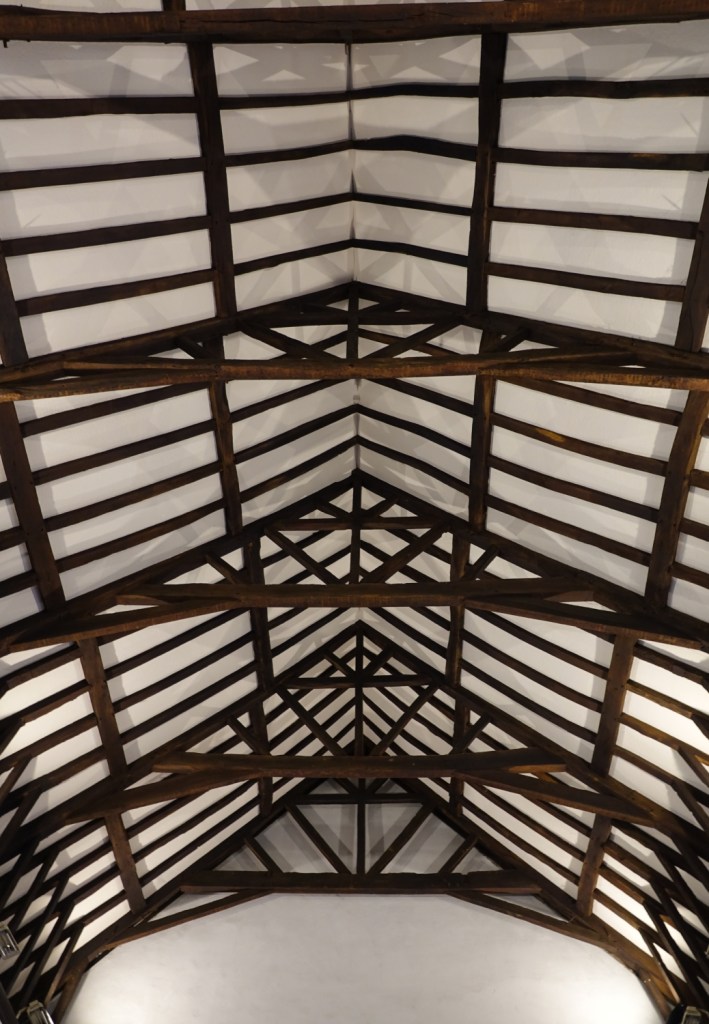
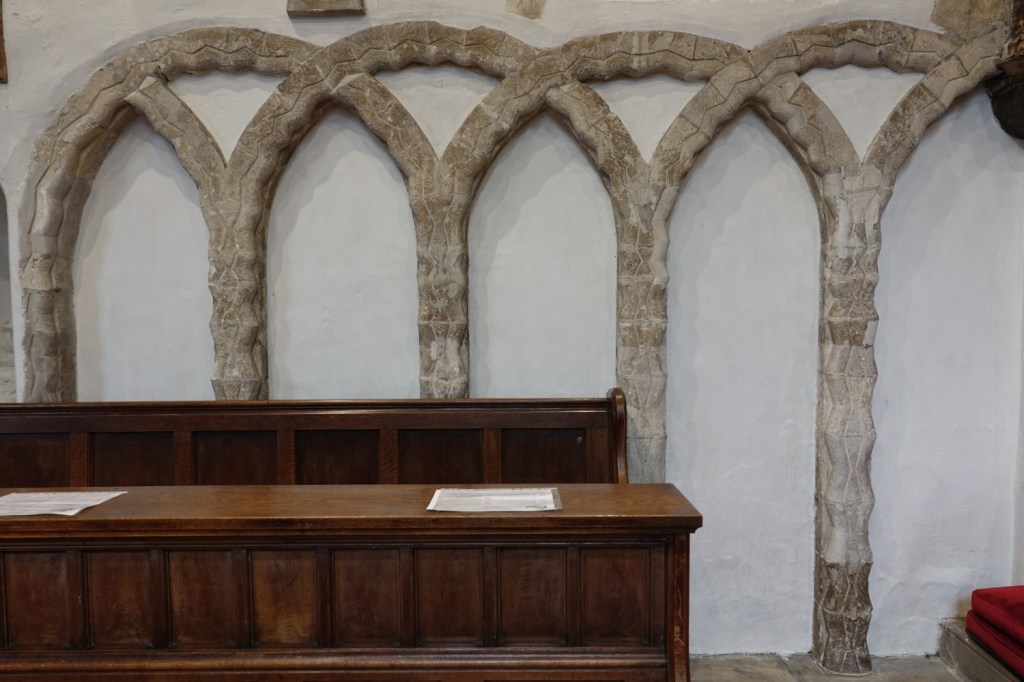
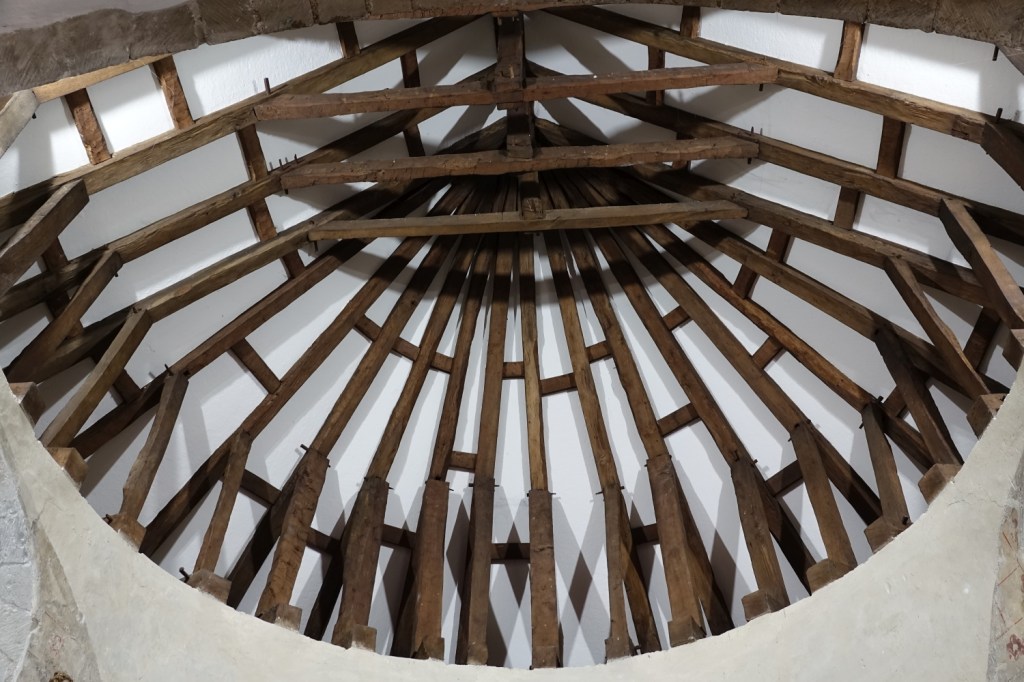
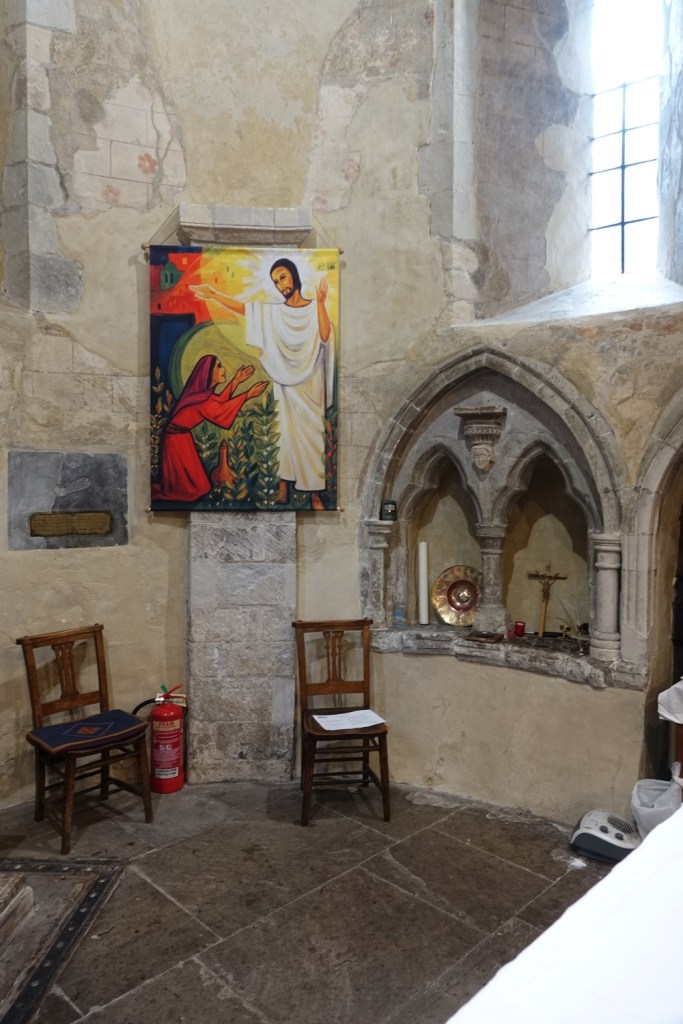
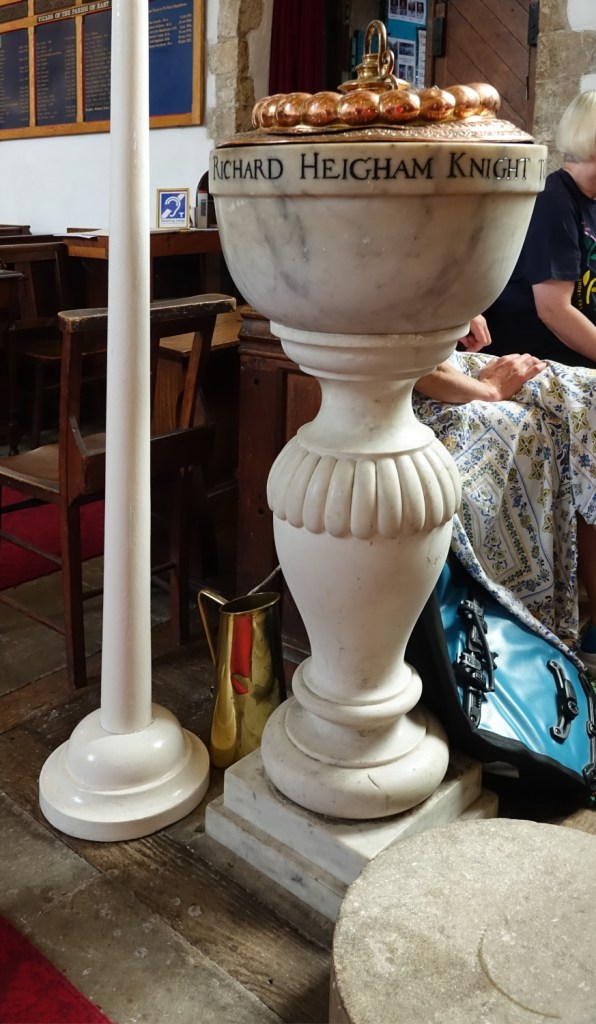
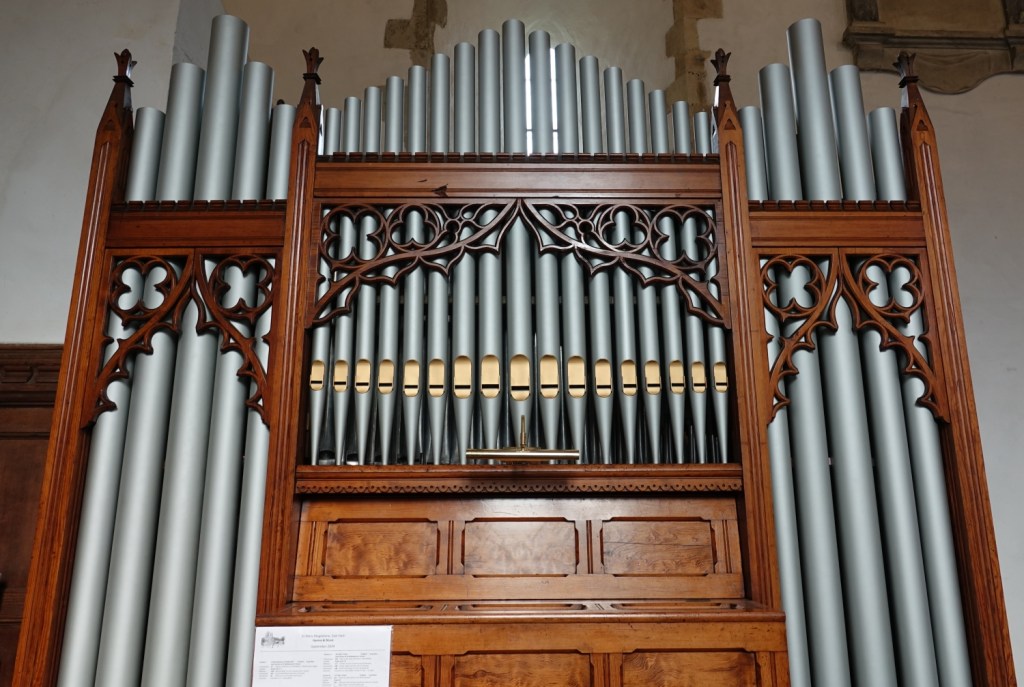
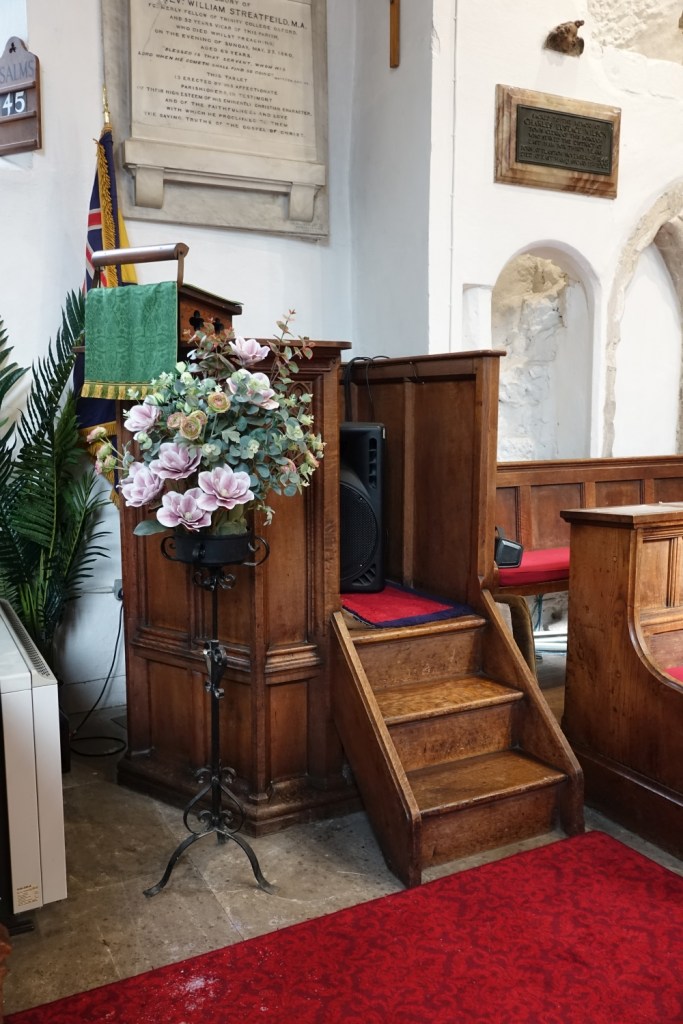
In essence a small Norman church but after considerable neglect it was restored by J.T. Micklethwaite 1891-96 and several times subsequently. It is over a mile south of the town centre and the churchyard, which is very large is now a formal nature reserve.















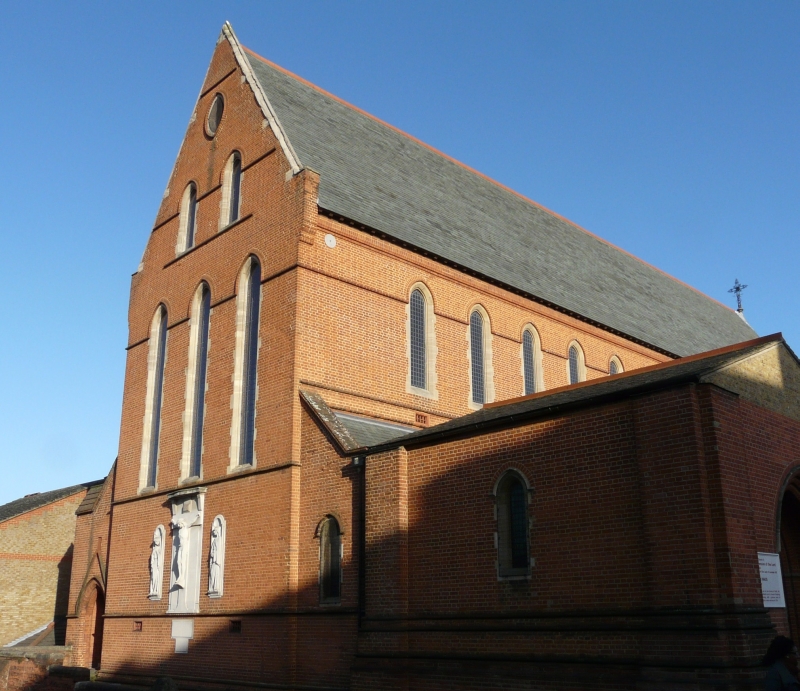
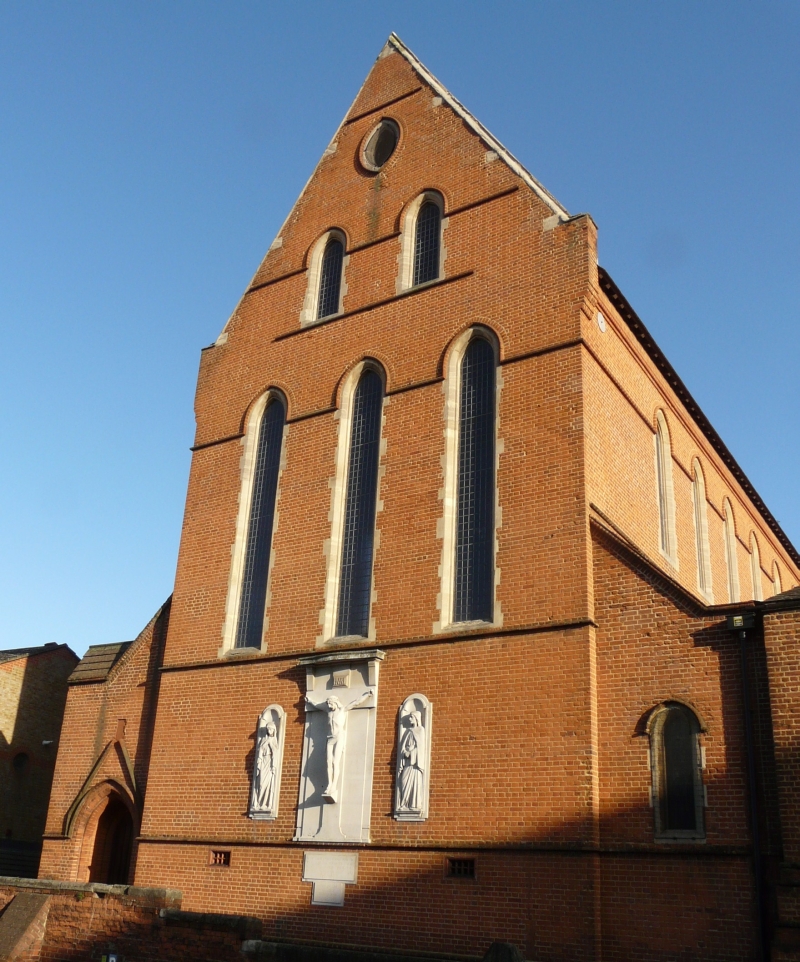
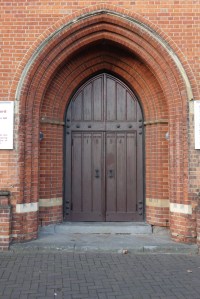
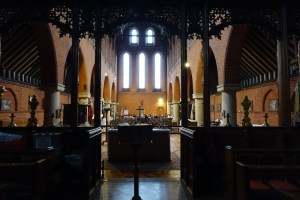
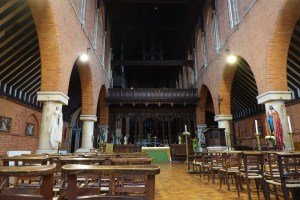
The Ascension, Lavender Hill, Battersea
One of James Brooks large brick churches built to stand out in poorer areas of London. This church was started in 1876 and finished in 1898 by J.T. Micklethwaite & Somers Clarke who took over in 1883.
 |
 |
 |
 |
 |
 |
 |
 |
 |
 |
 |
 |
 |
 |
 |
 |
 |
 |
 |
 |
 |
 |
 |
 |
 |
 |
 |
 |
 London Churches in photographs