Home » Hawksmoor, Nicholas
Category Archives: Hawksmoor, Nicholas
St John Horsleydown, Fair Street/Tower Bridge Road, Bermondsey
This was a church of 1727 by Nicholas Hawksmoor and John James. It was largely destroyed in WW2 but the lower parts of the walls form the base of Nasmith House used by the London City Mission. It is still surrounded by its churchyard, now a public open space.
 |
 |
 |
 |
 |
 |
 |
 |
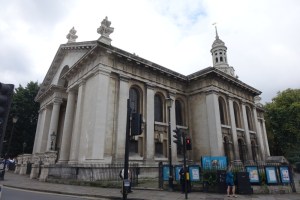
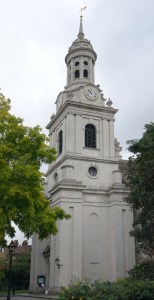
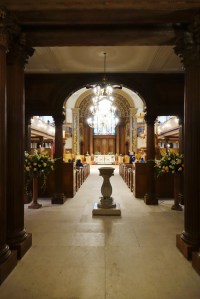
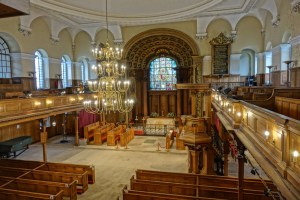
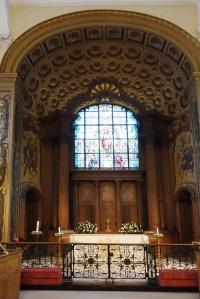
St Alfege, Greenwich High Road, Greenwich
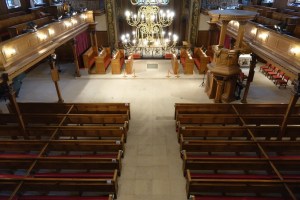
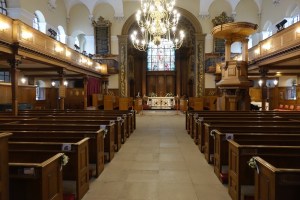
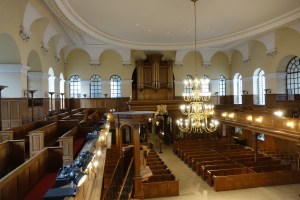
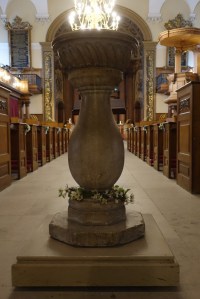
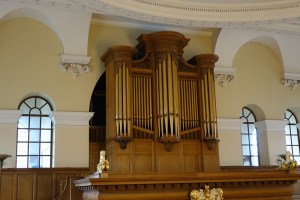
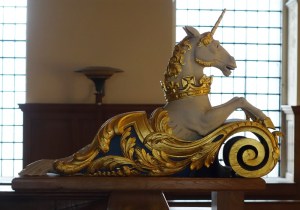
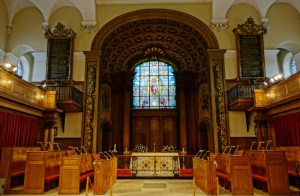
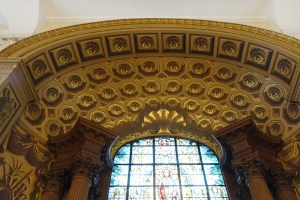
Right in the town centre, and built after the old church roof collapsed in 1710. The architect was Nicholas Hawksmoor and the church was built in 1711-1714. John James encased the tower and added a steeple in 1730.
 |
 |
 |
 |
 |
 |
 |
 |
 |
 |
 |
 |
 |
 |
 |
 |
 |
 |
 |
 |
 |
 |
 |
 |
 |
 |
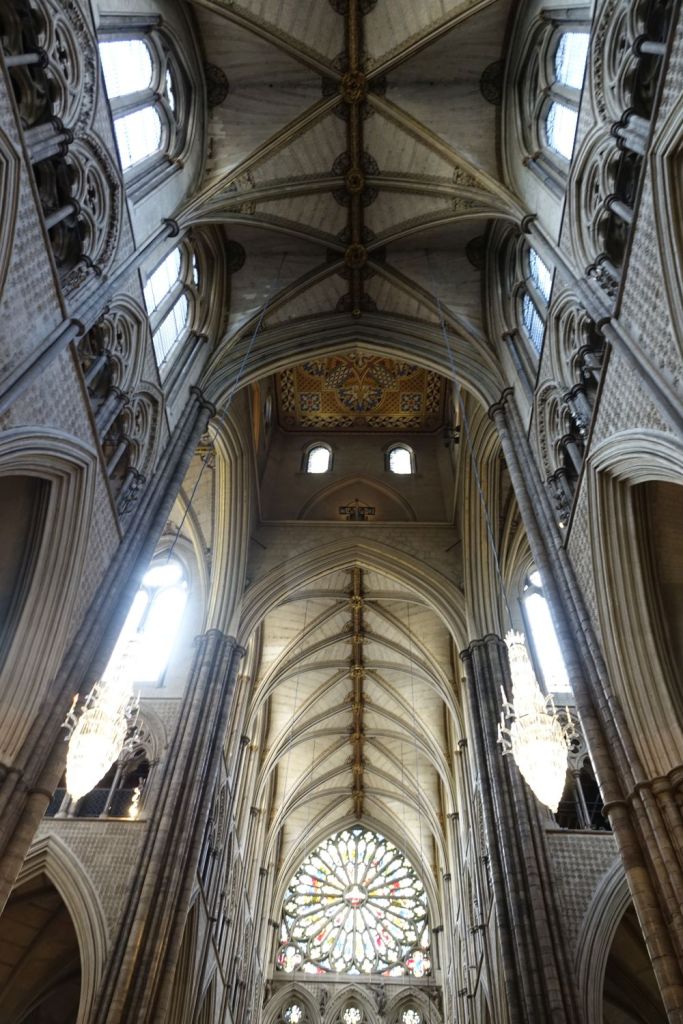
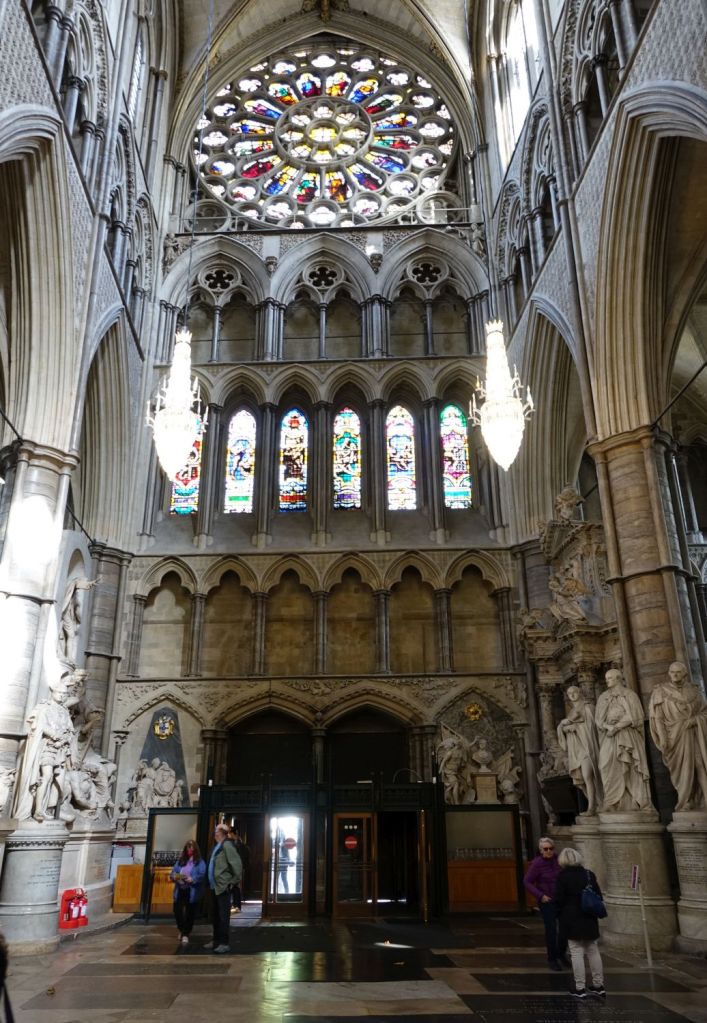
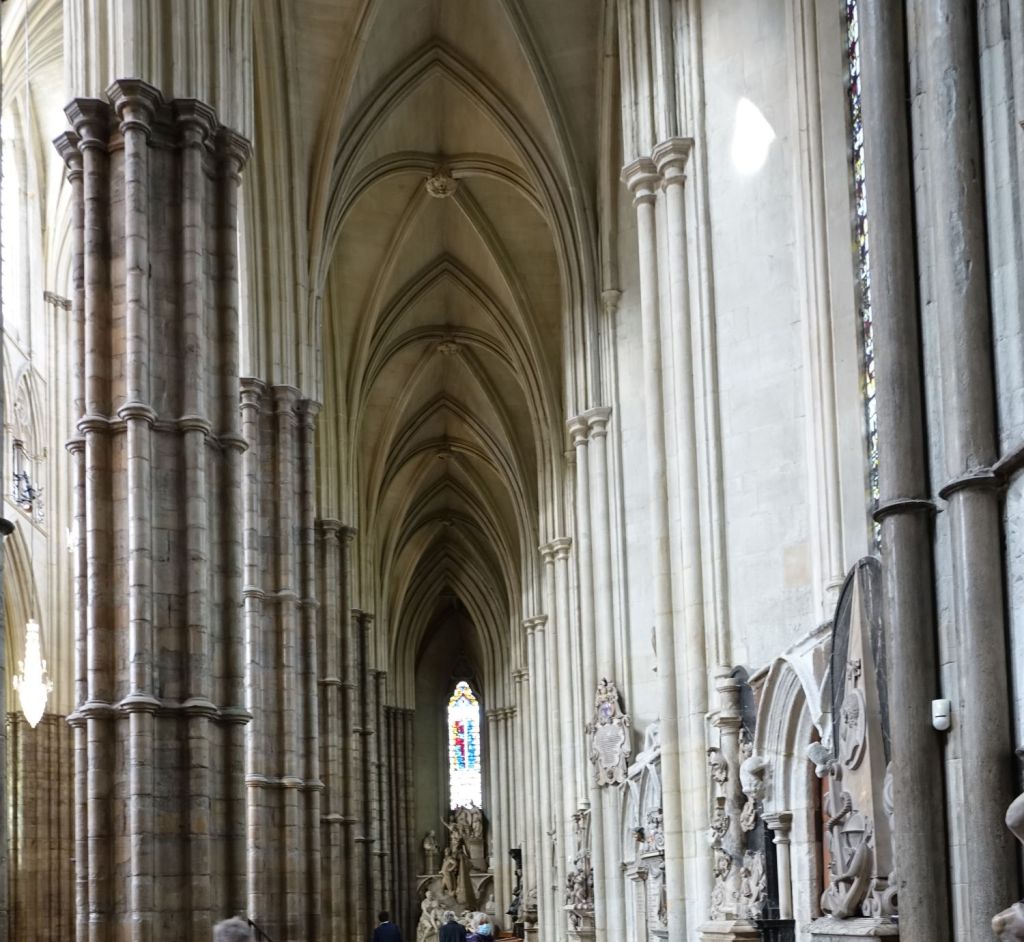
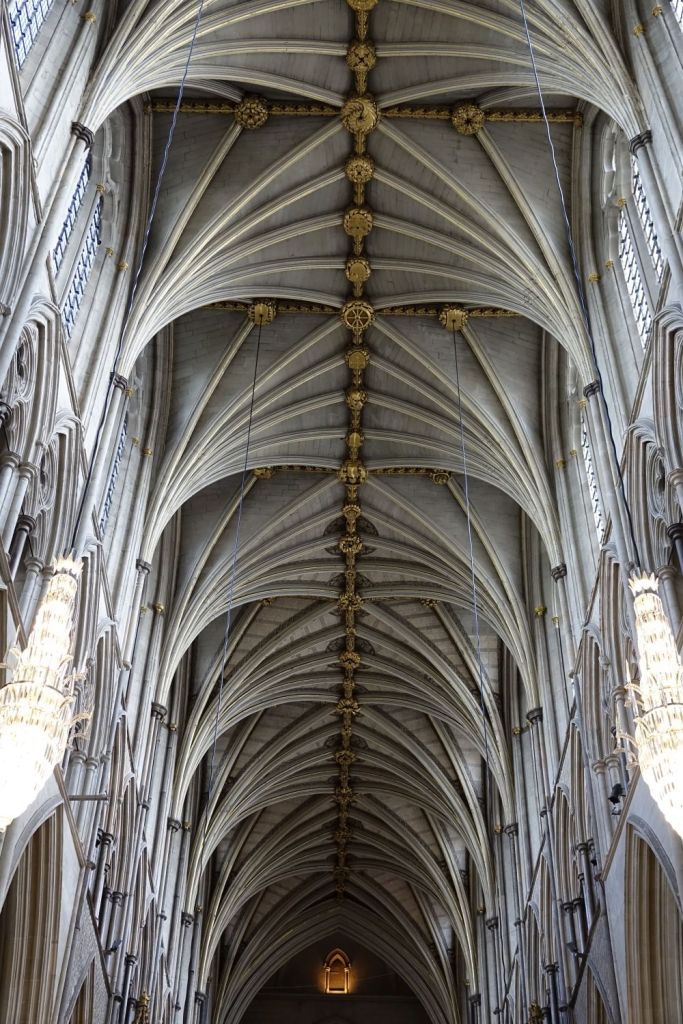
St Peter, Westminster – Westminster Abbey
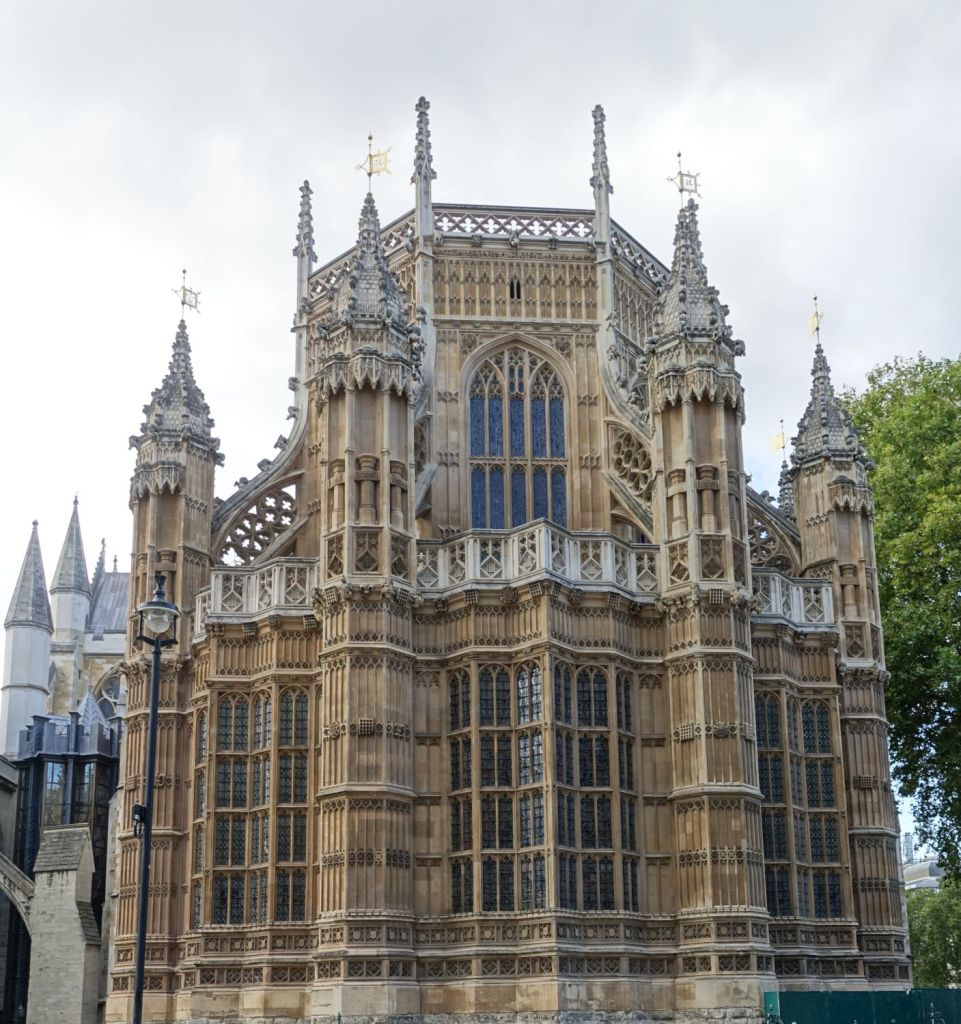
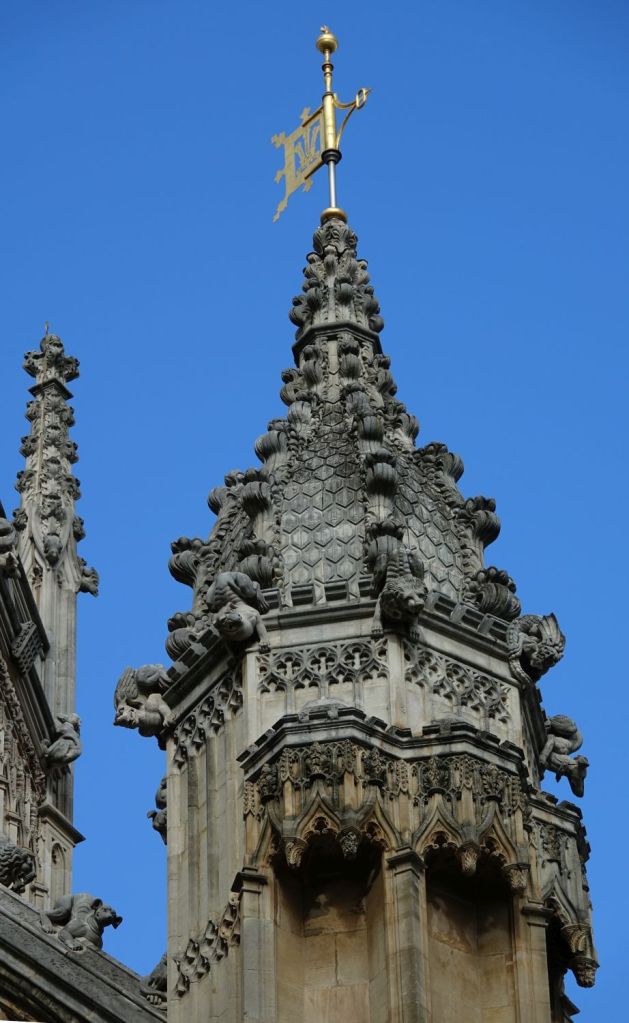
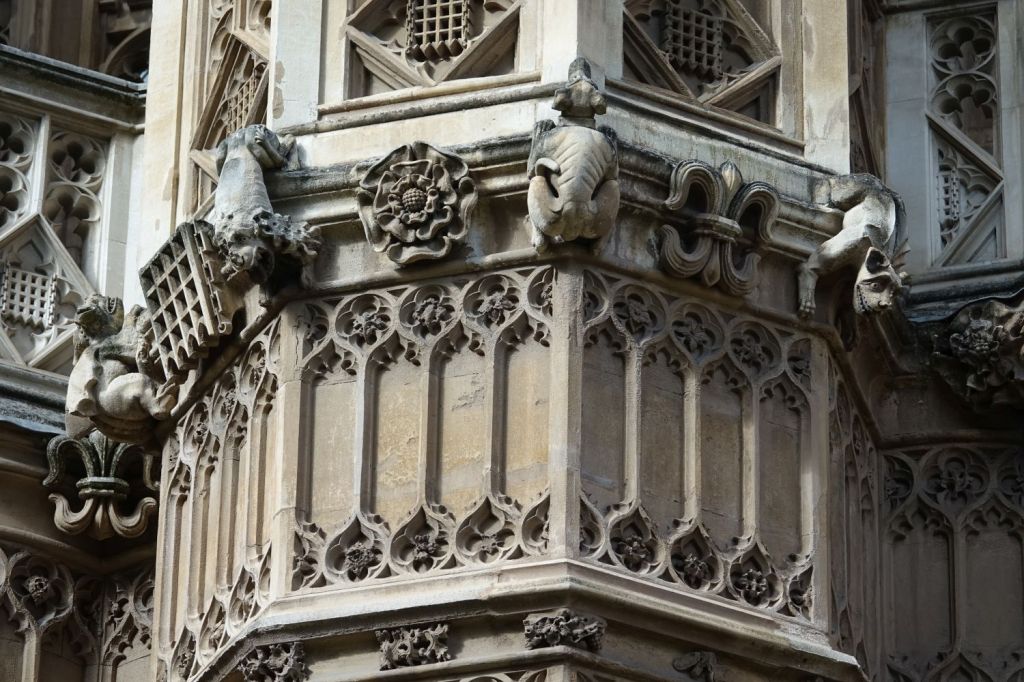
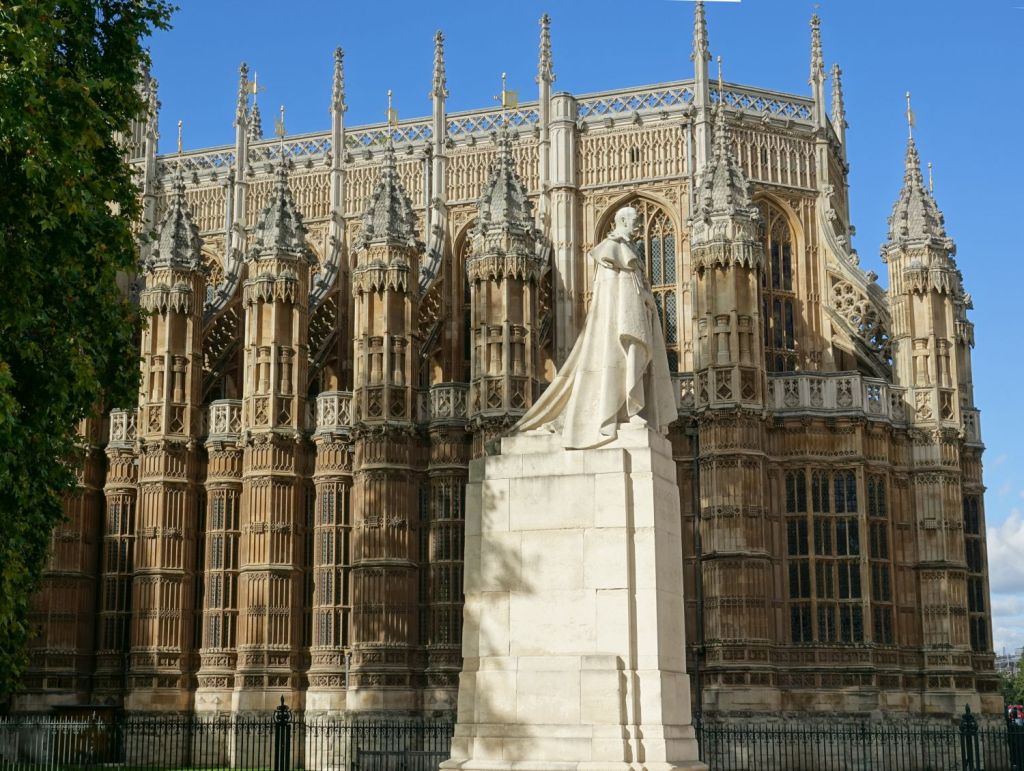
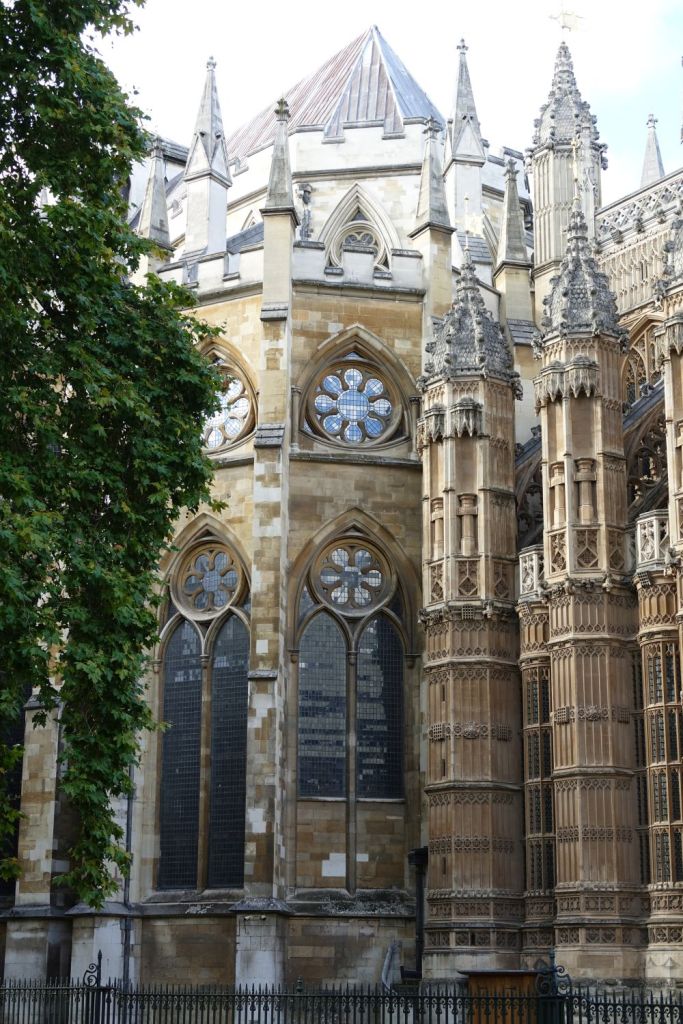
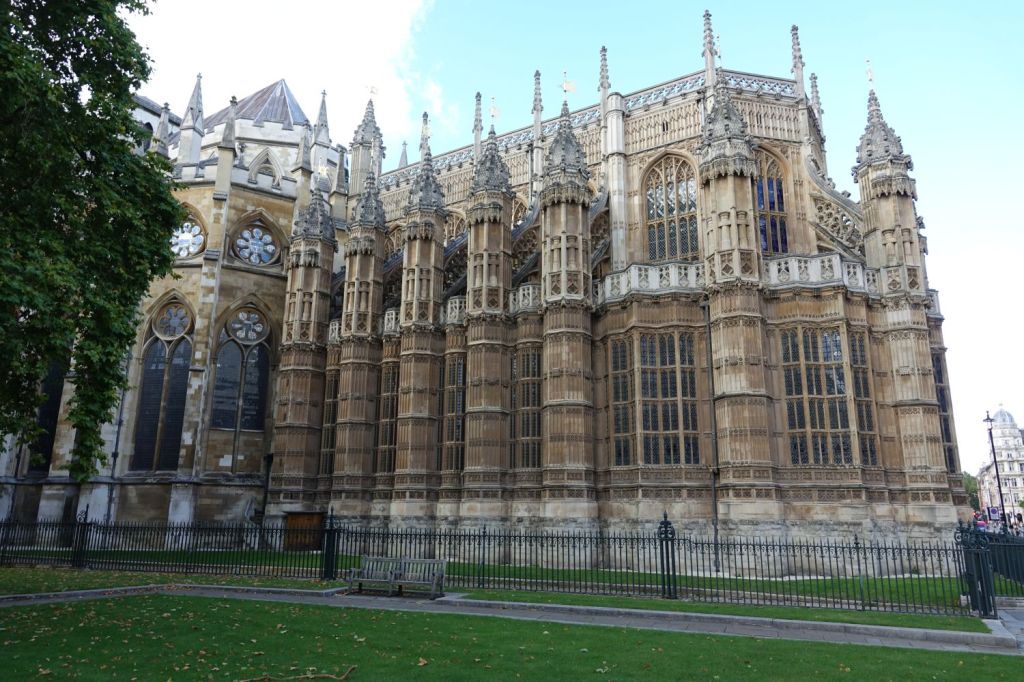
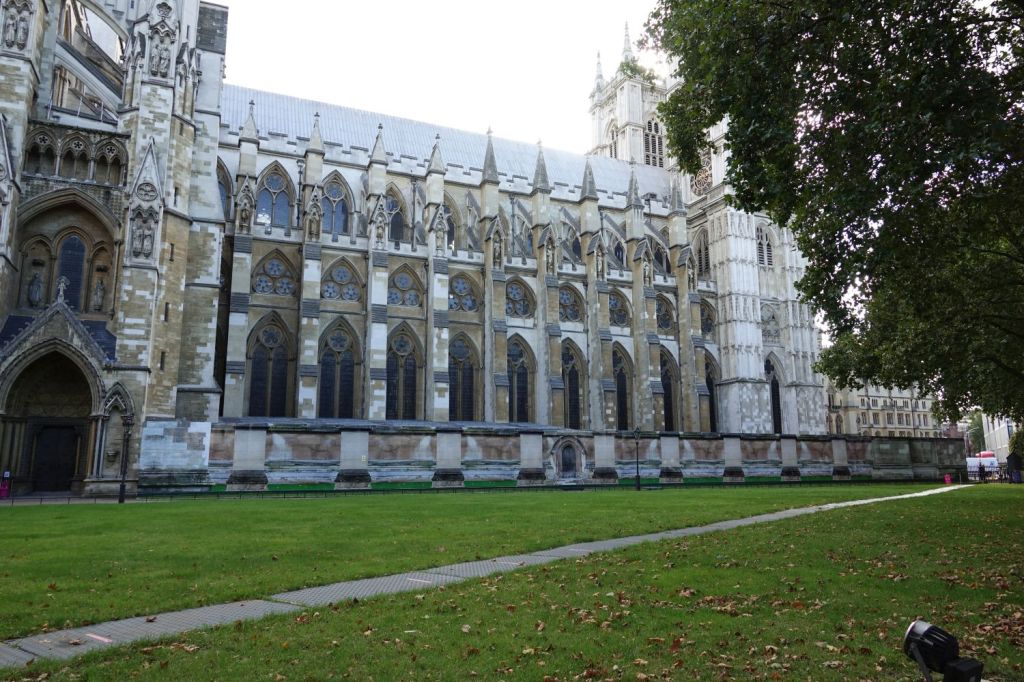
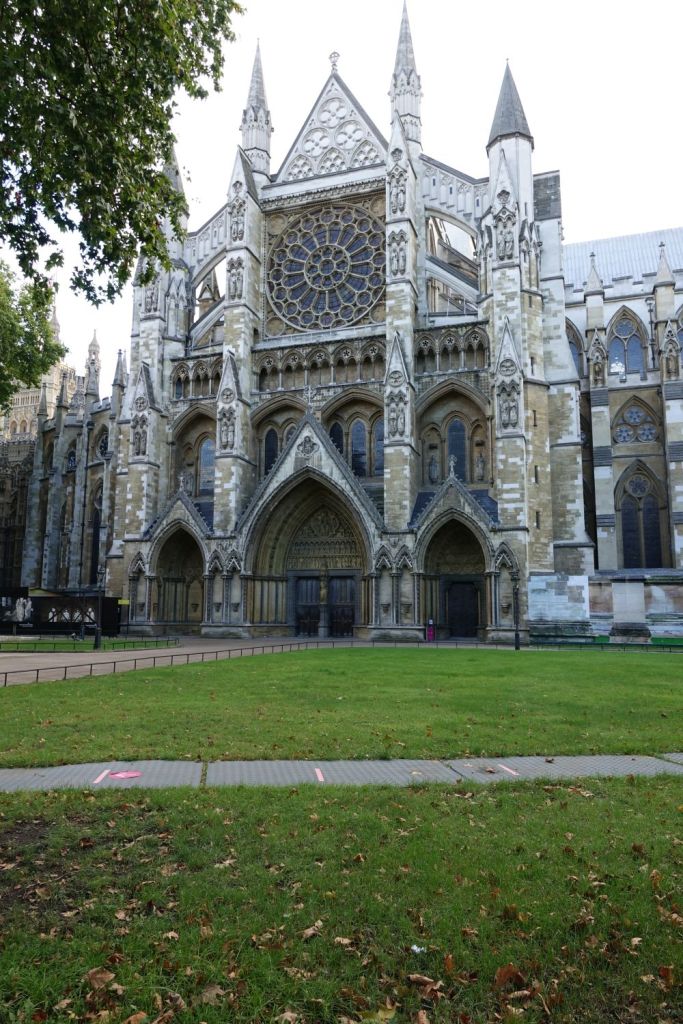
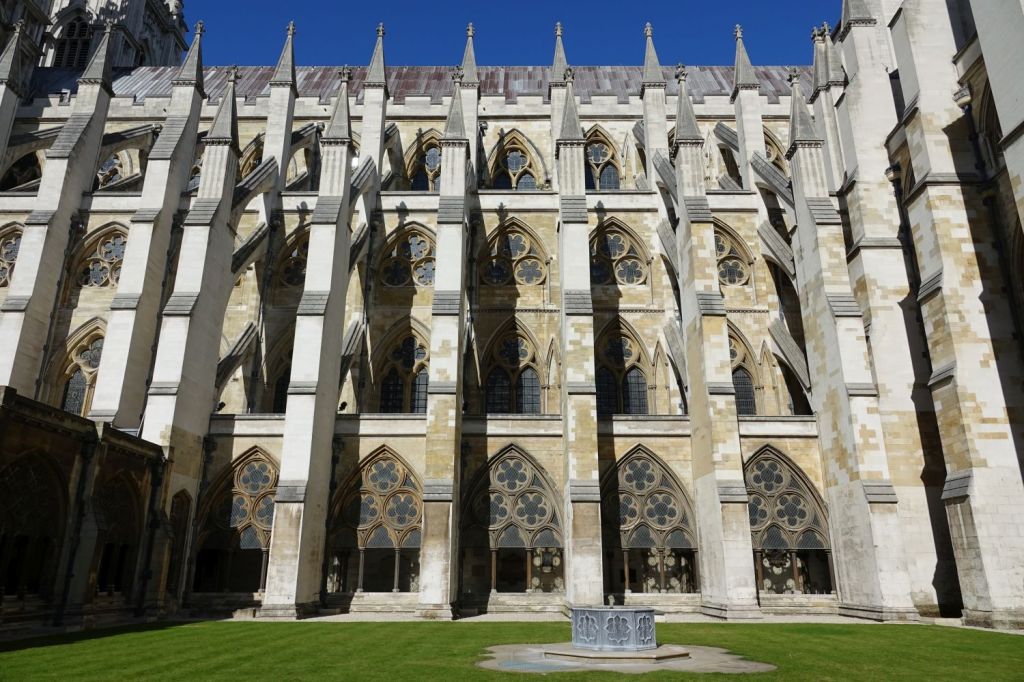
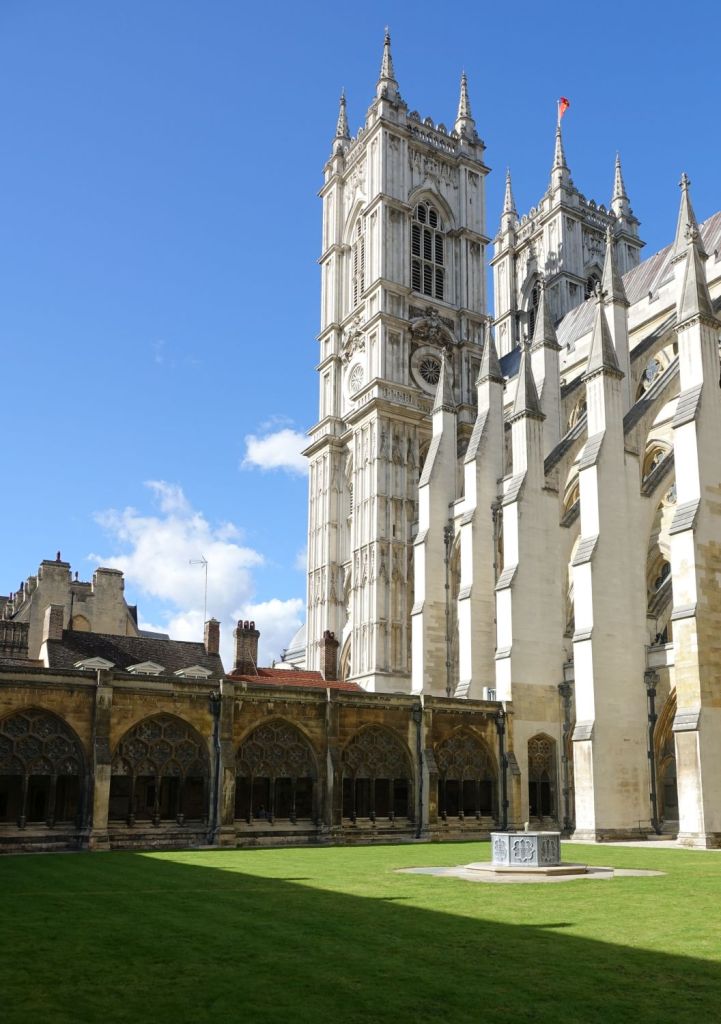
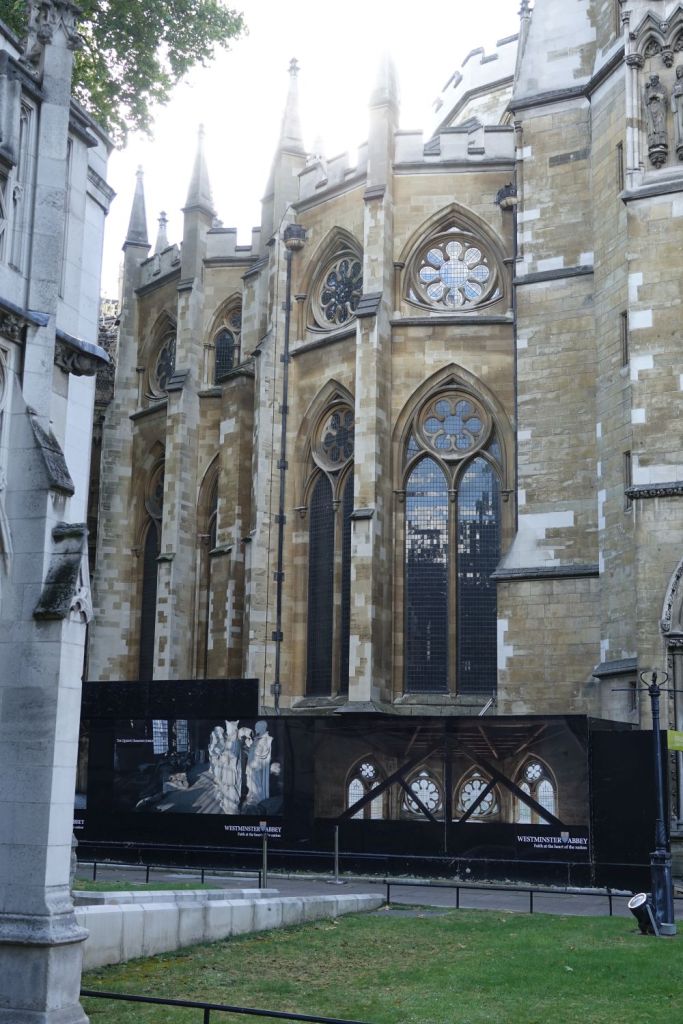
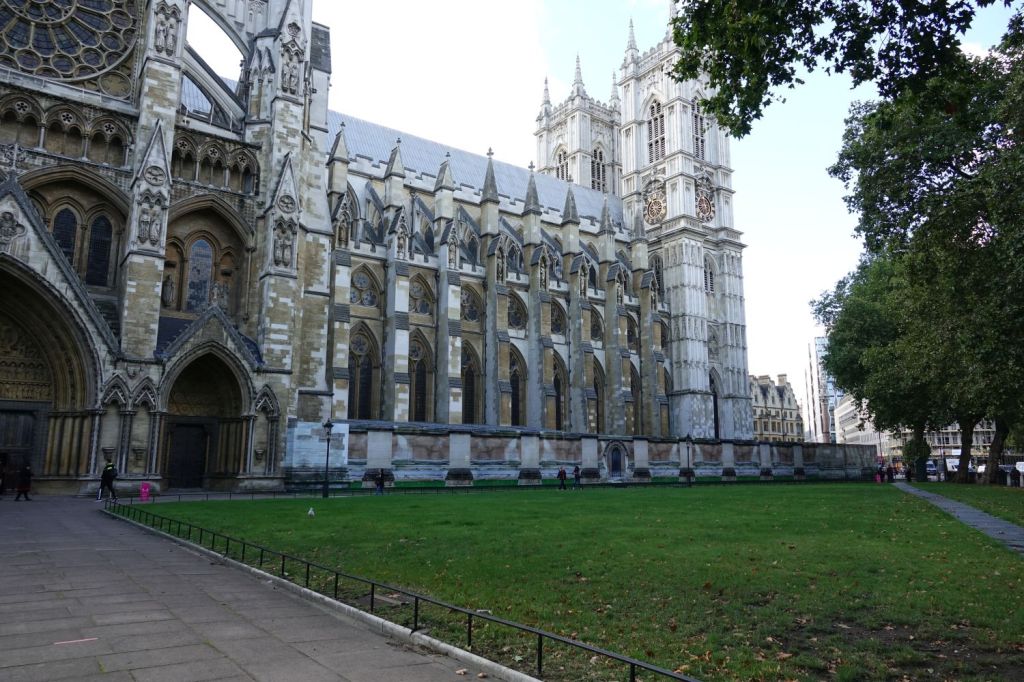
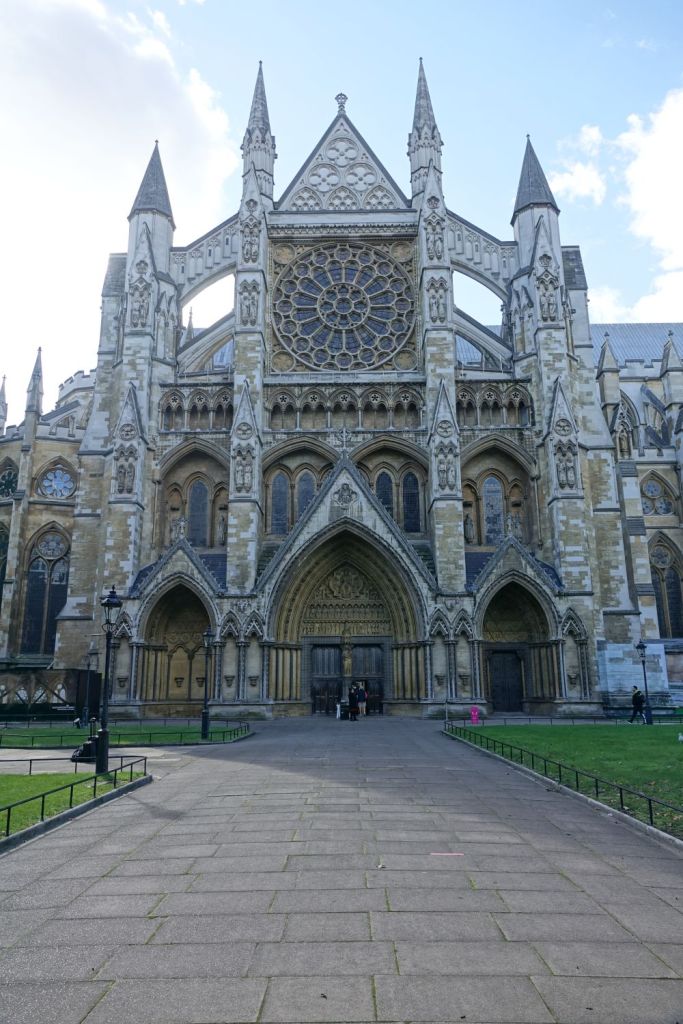
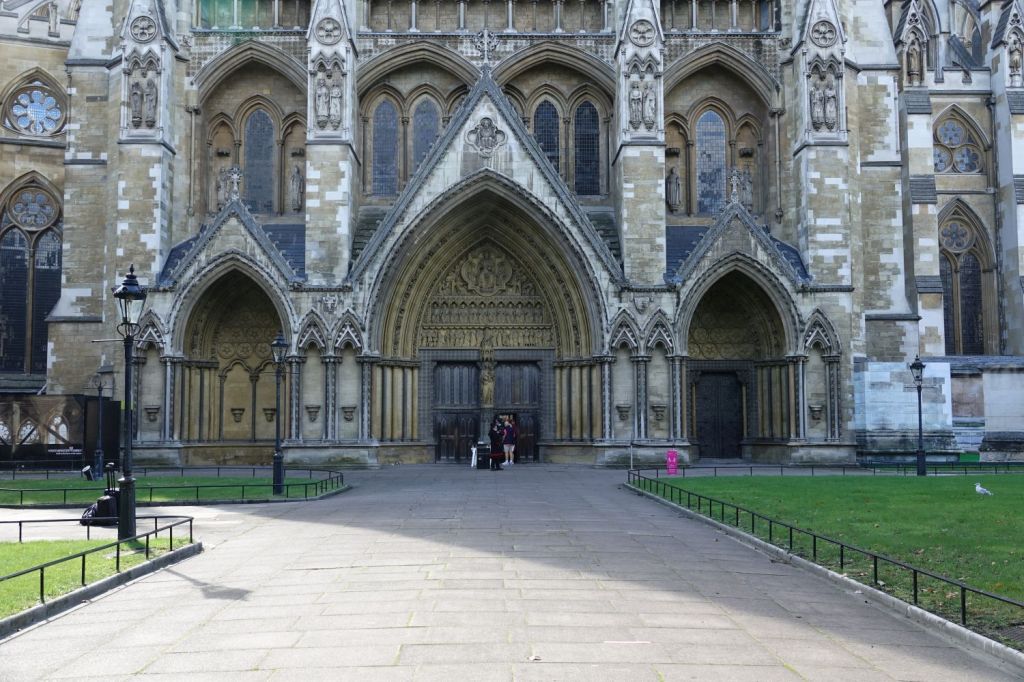
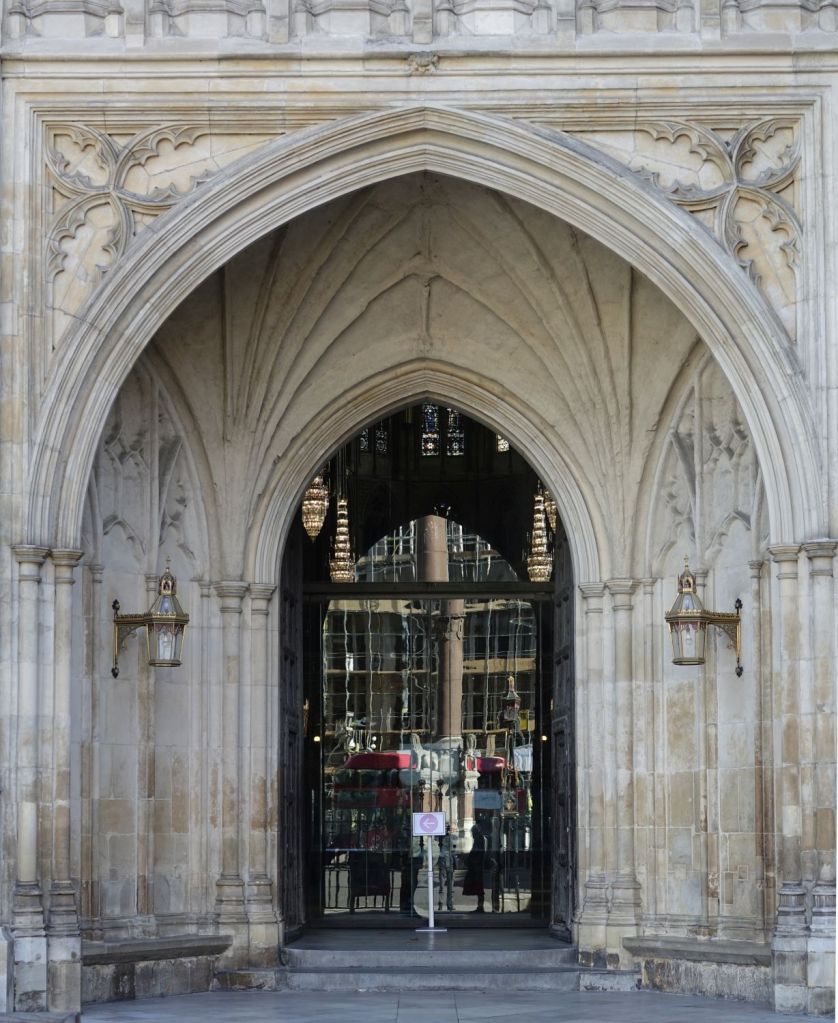
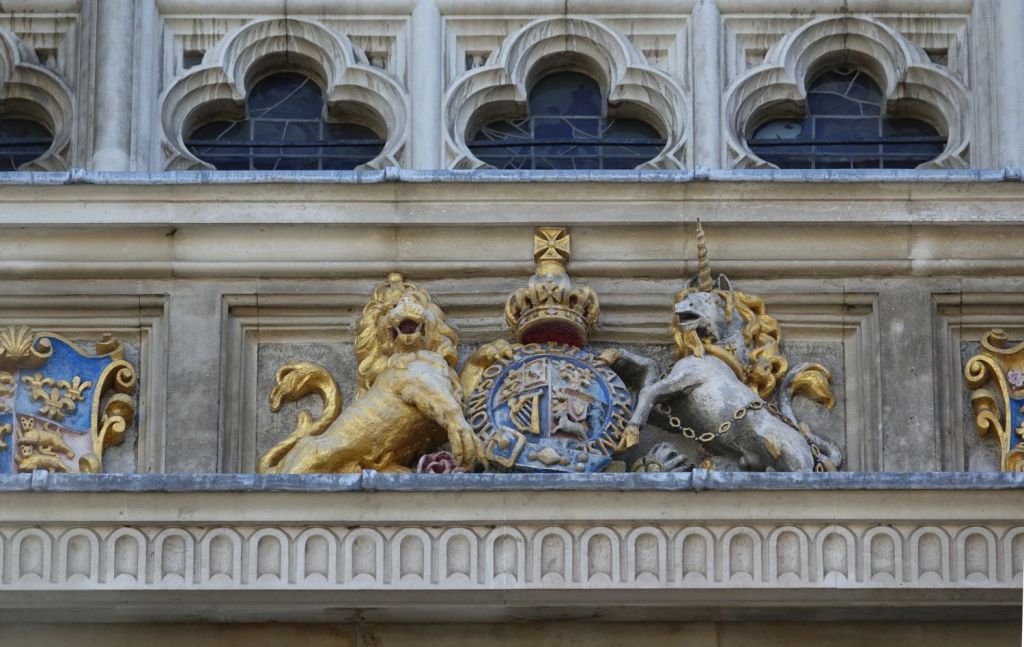
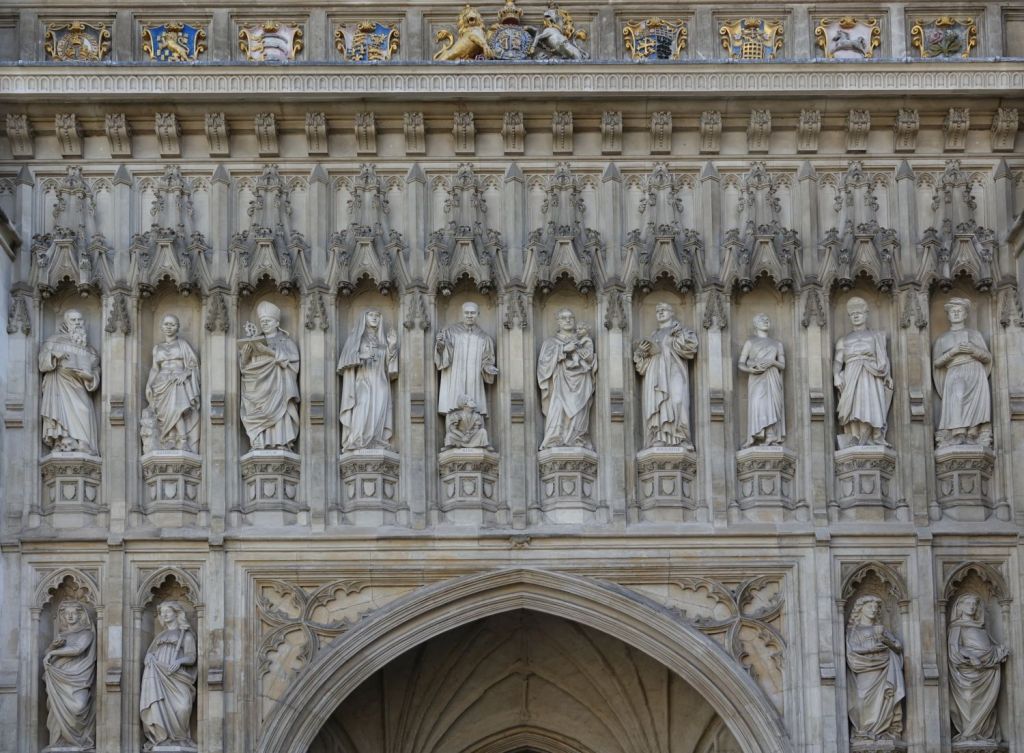
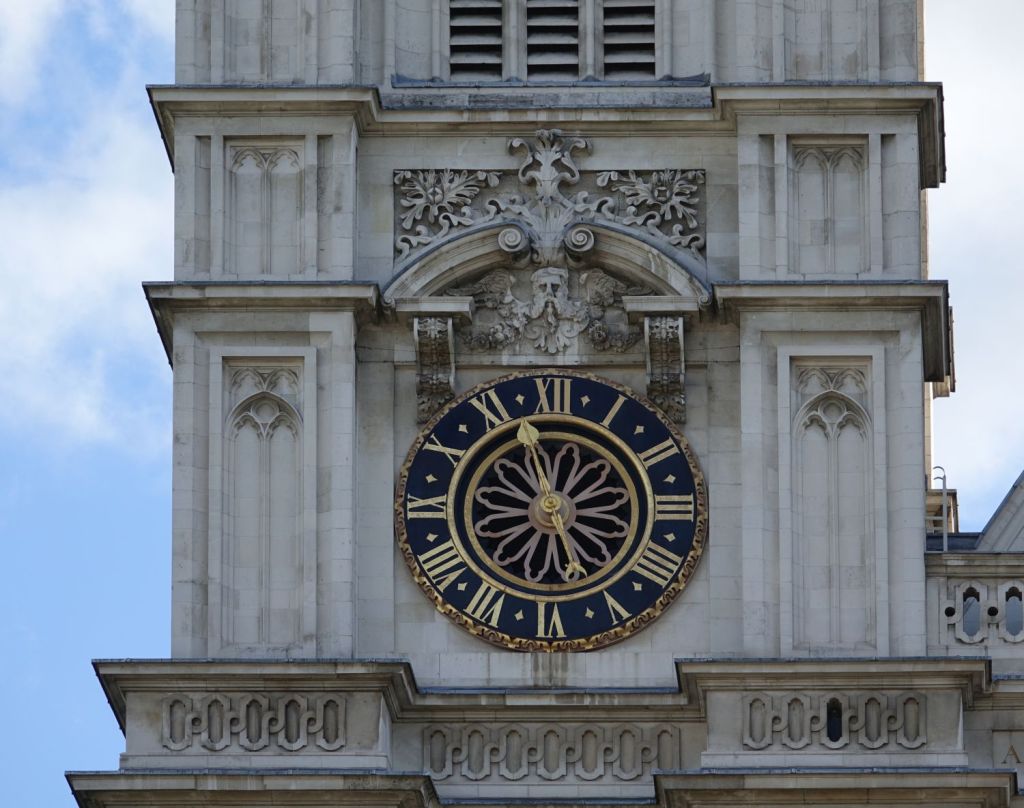
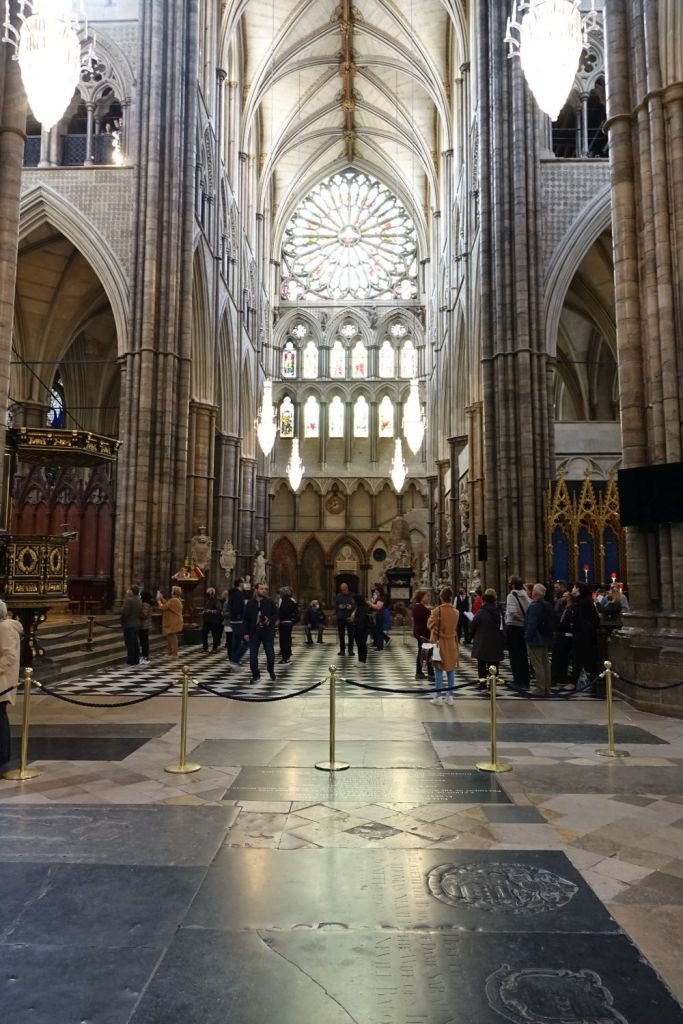
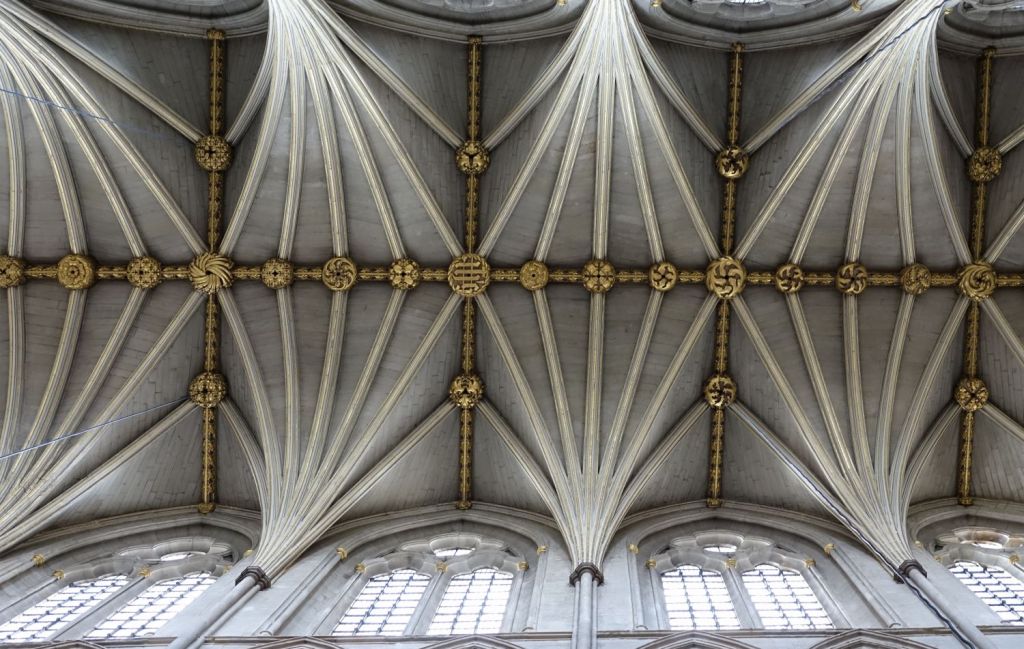
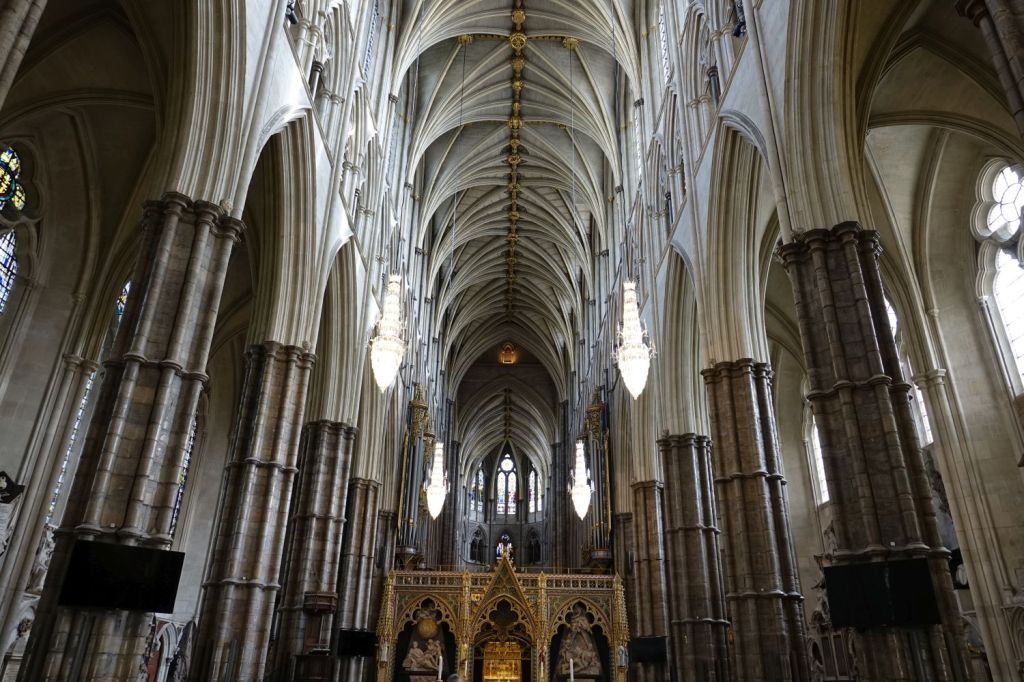
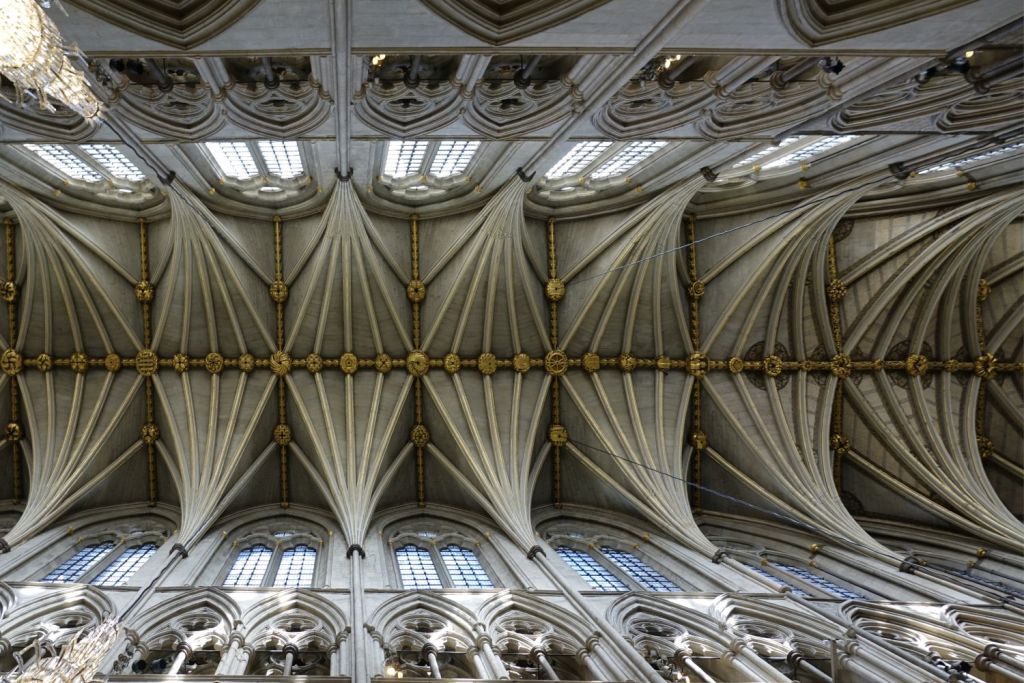
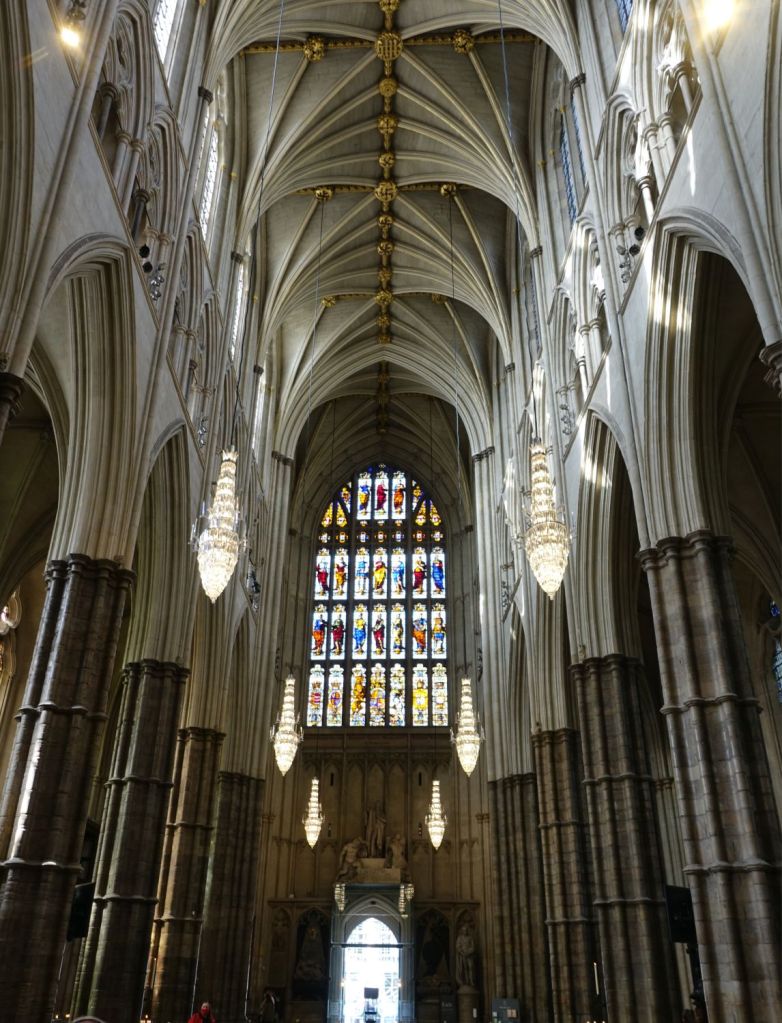
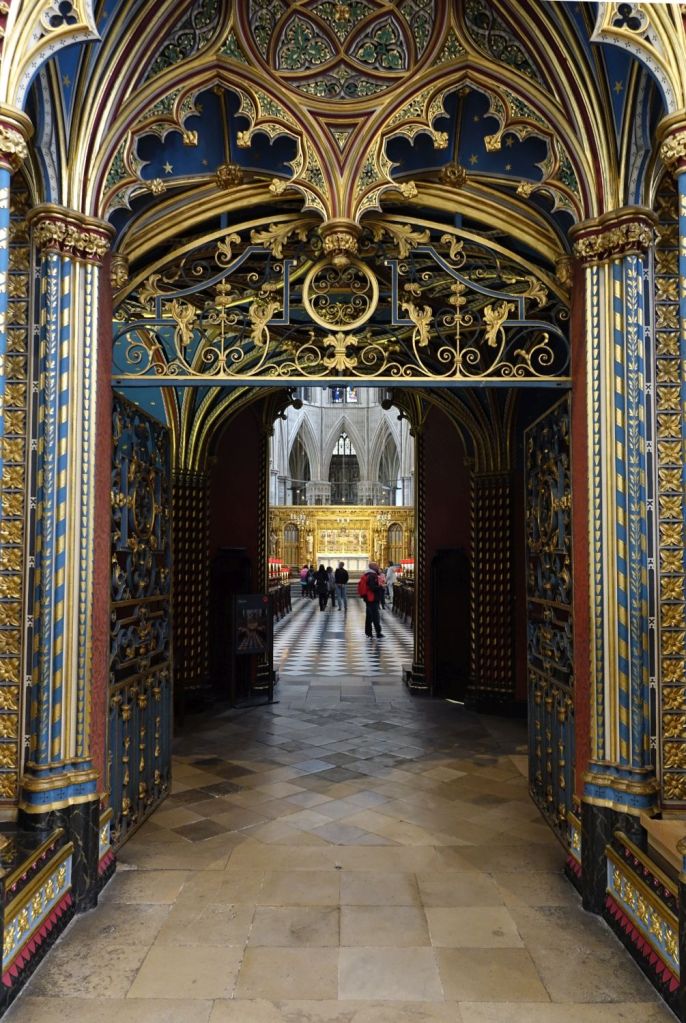
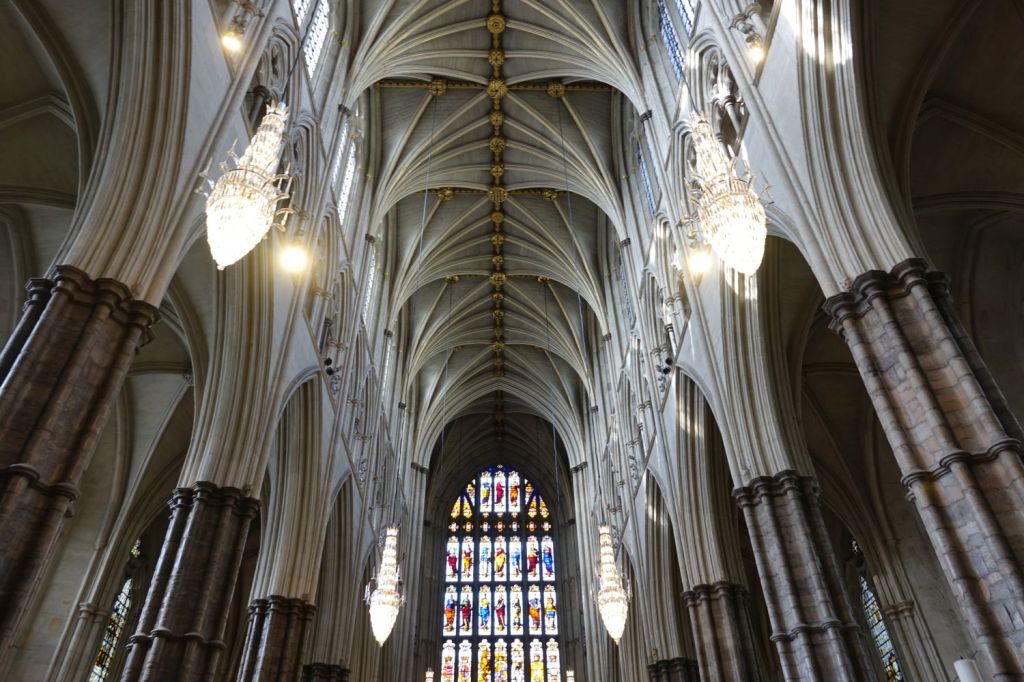
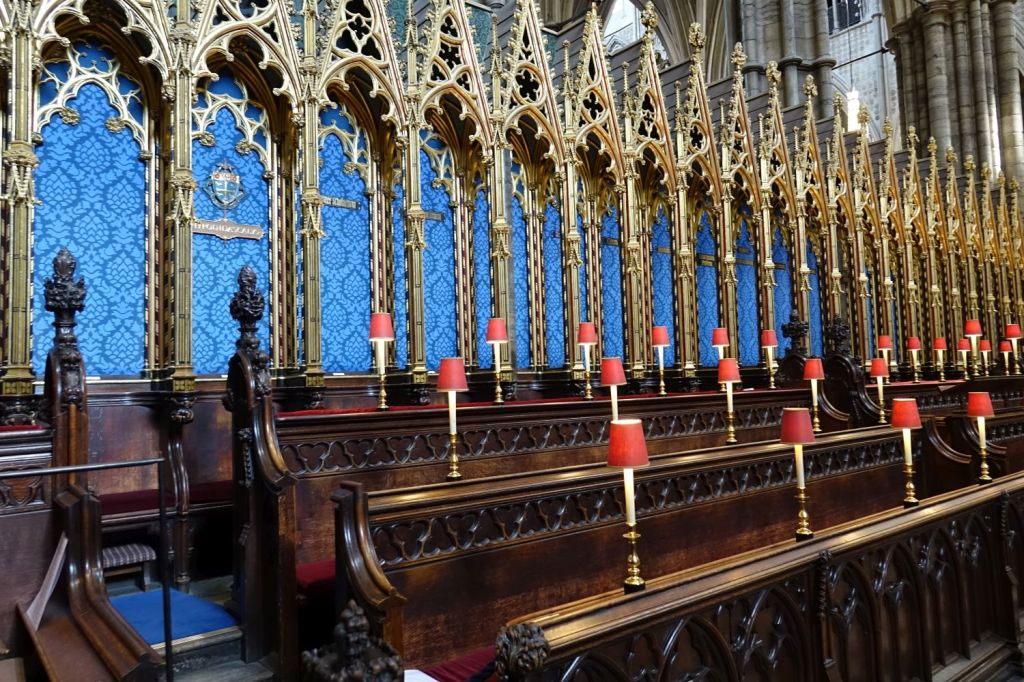
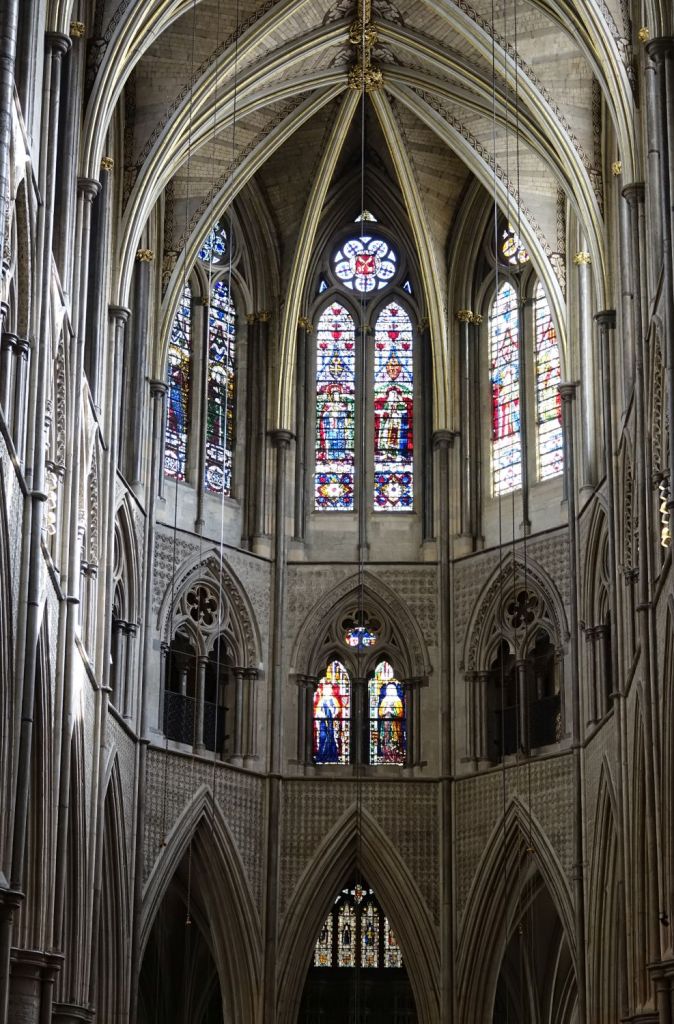
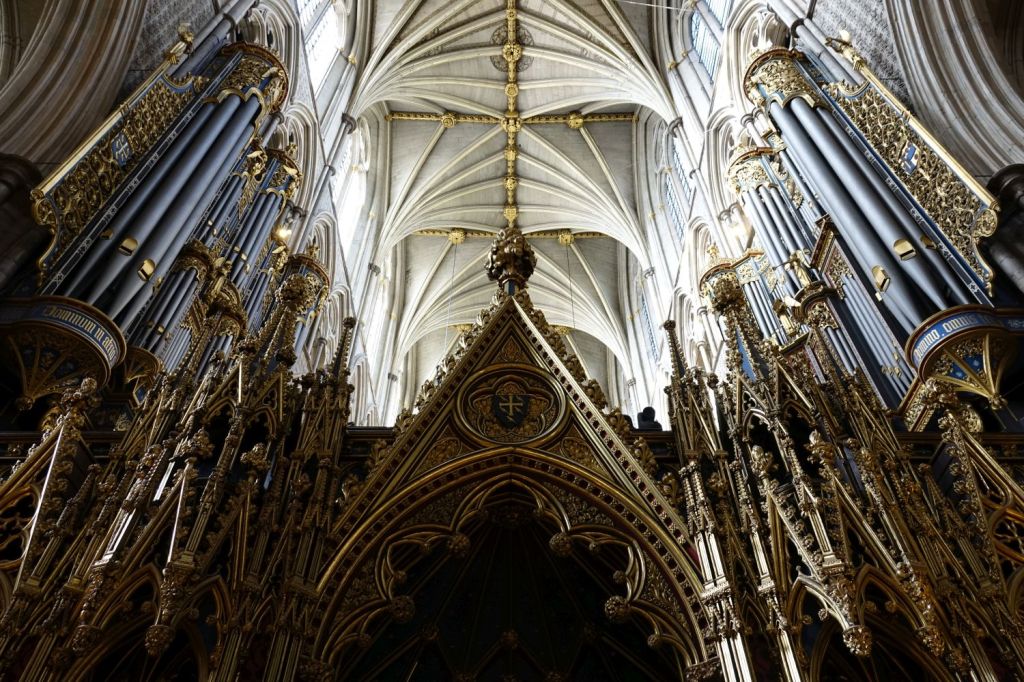
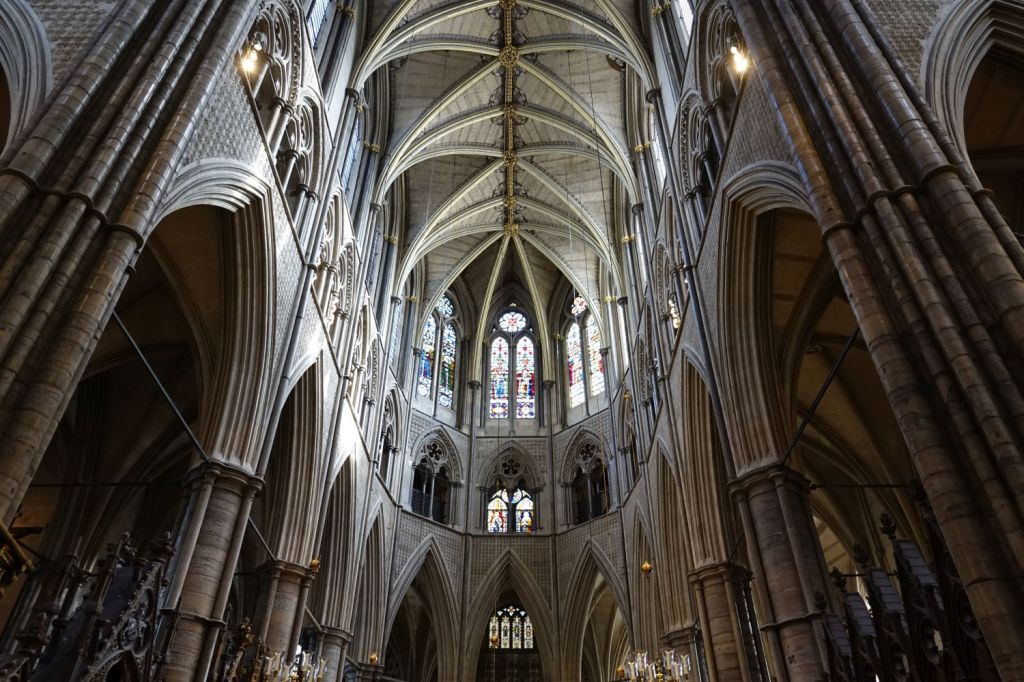
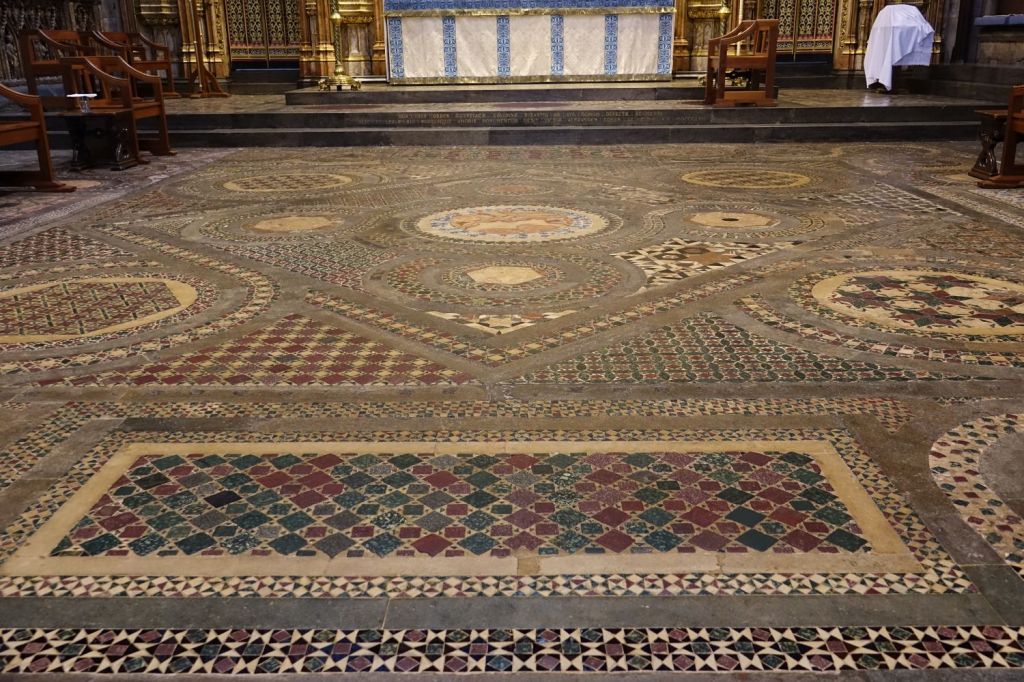
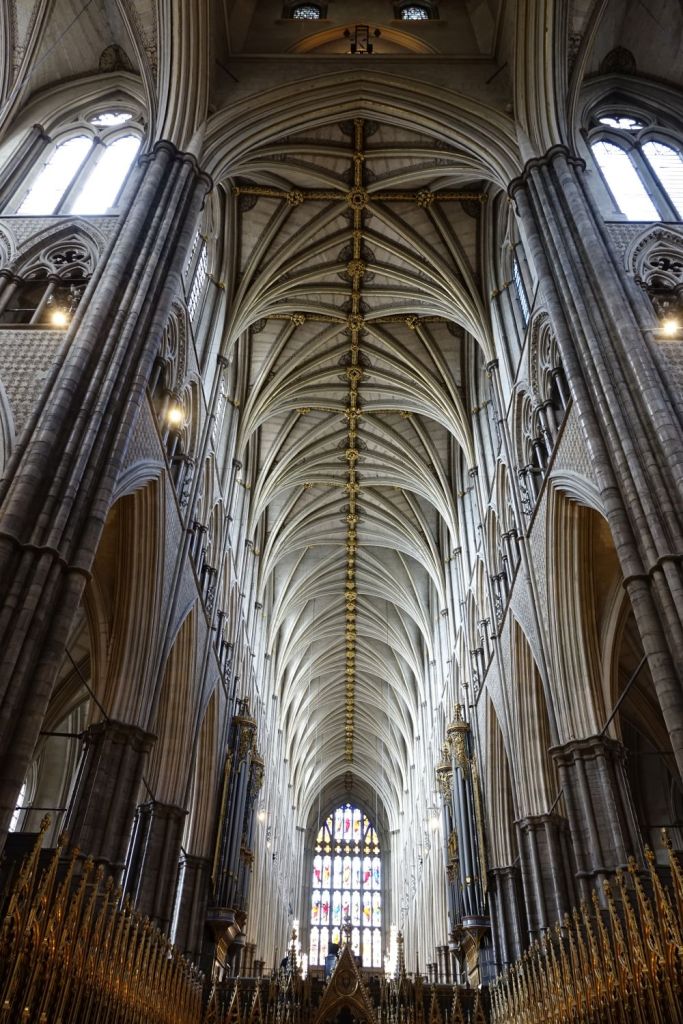
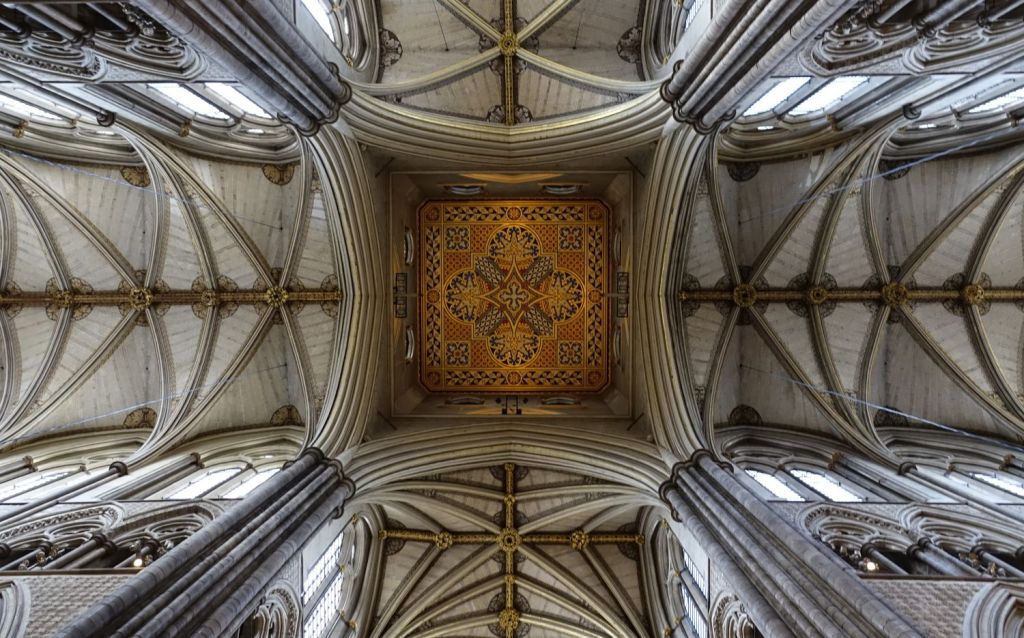
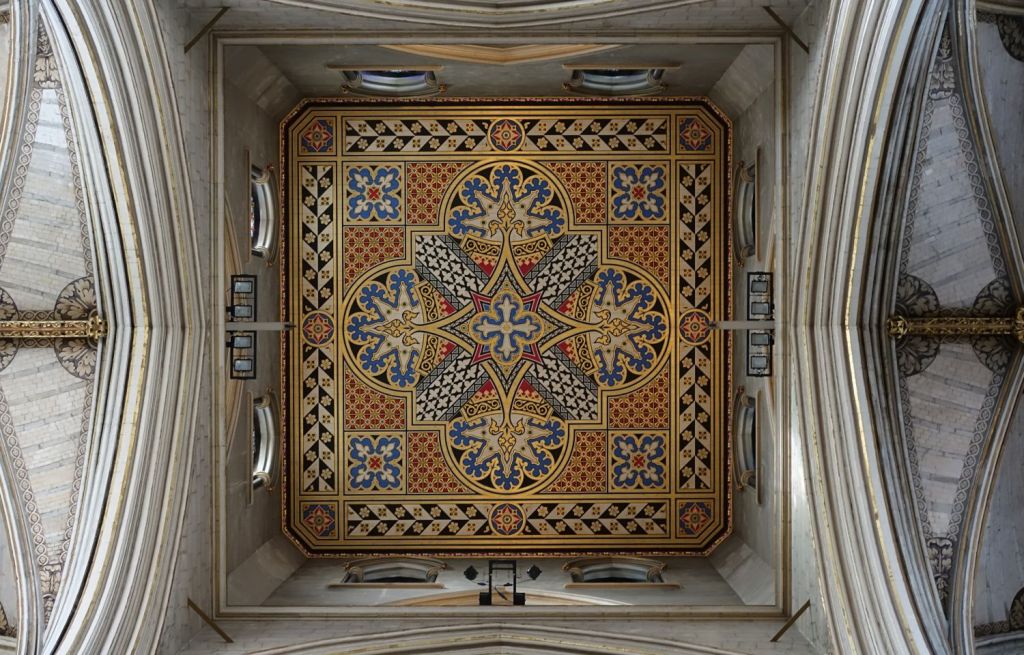
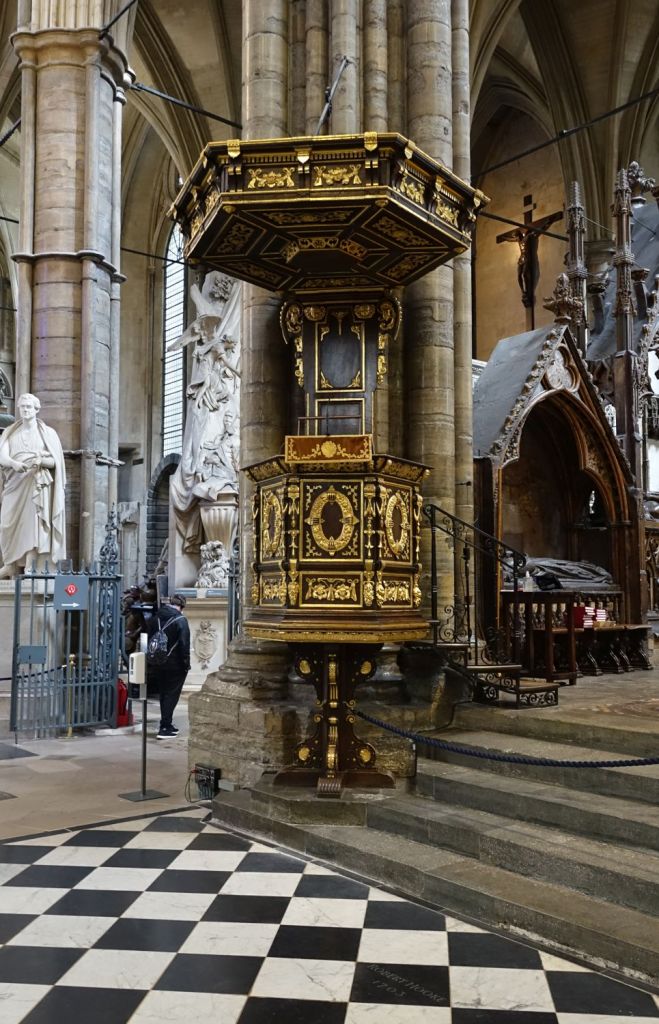
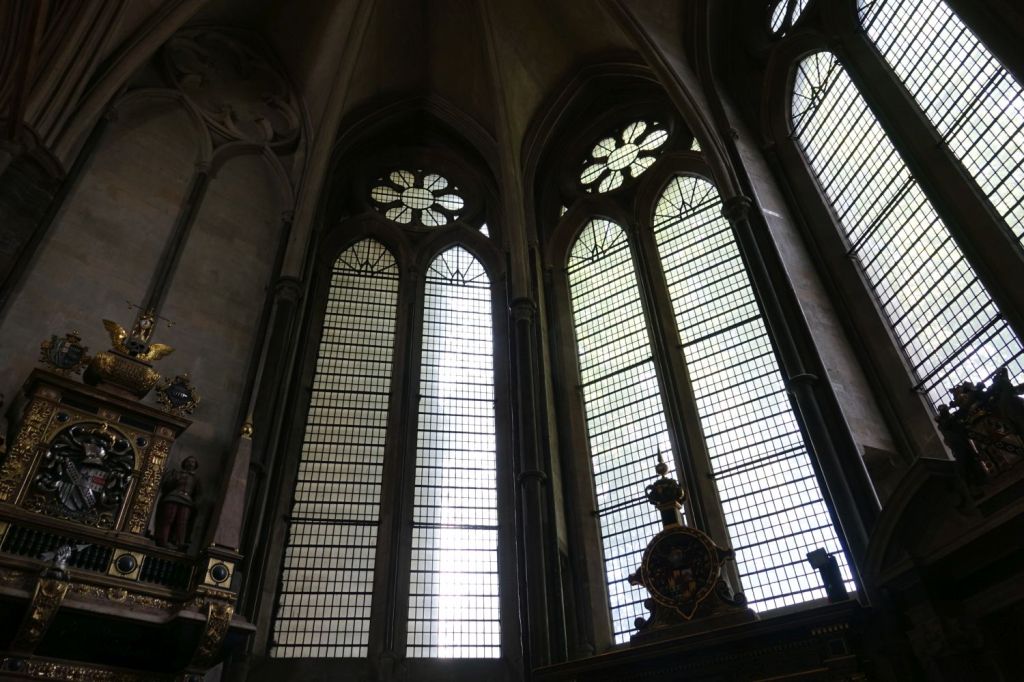
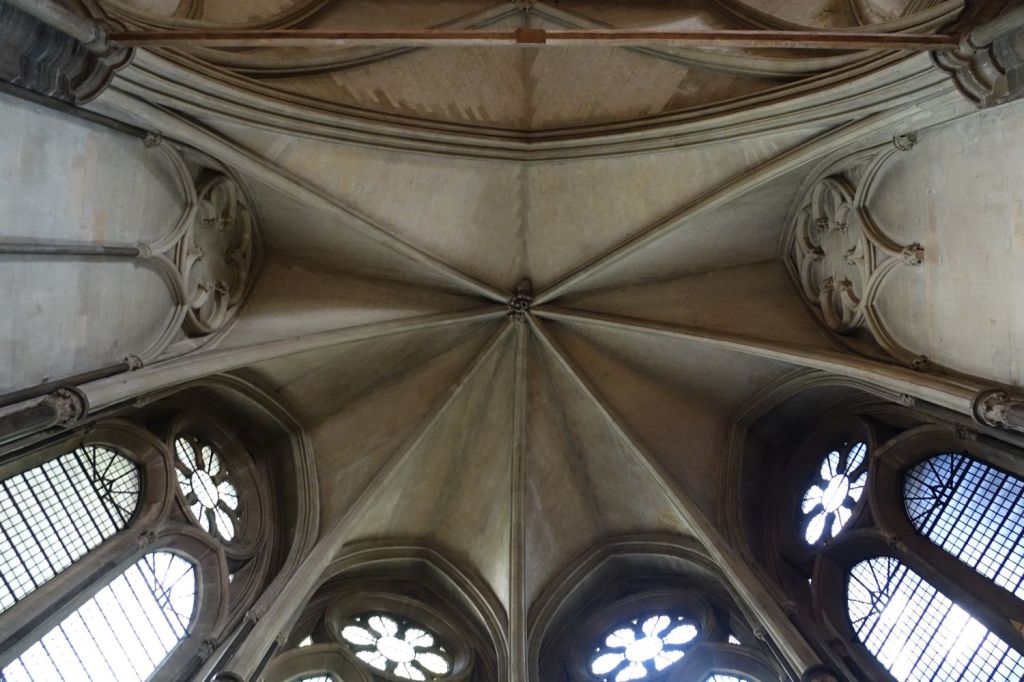
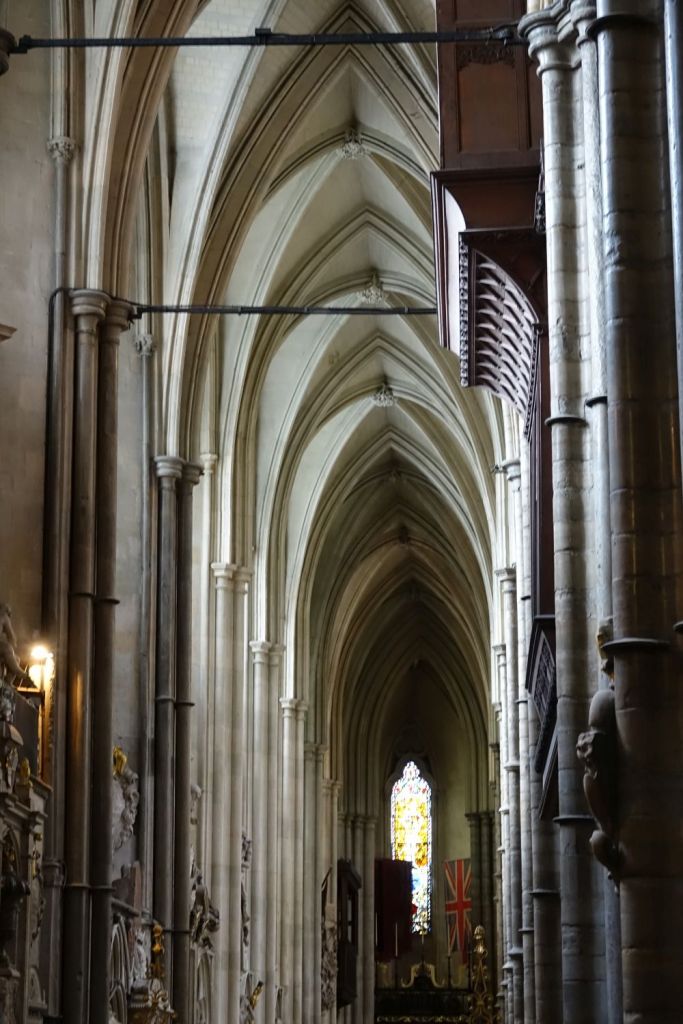
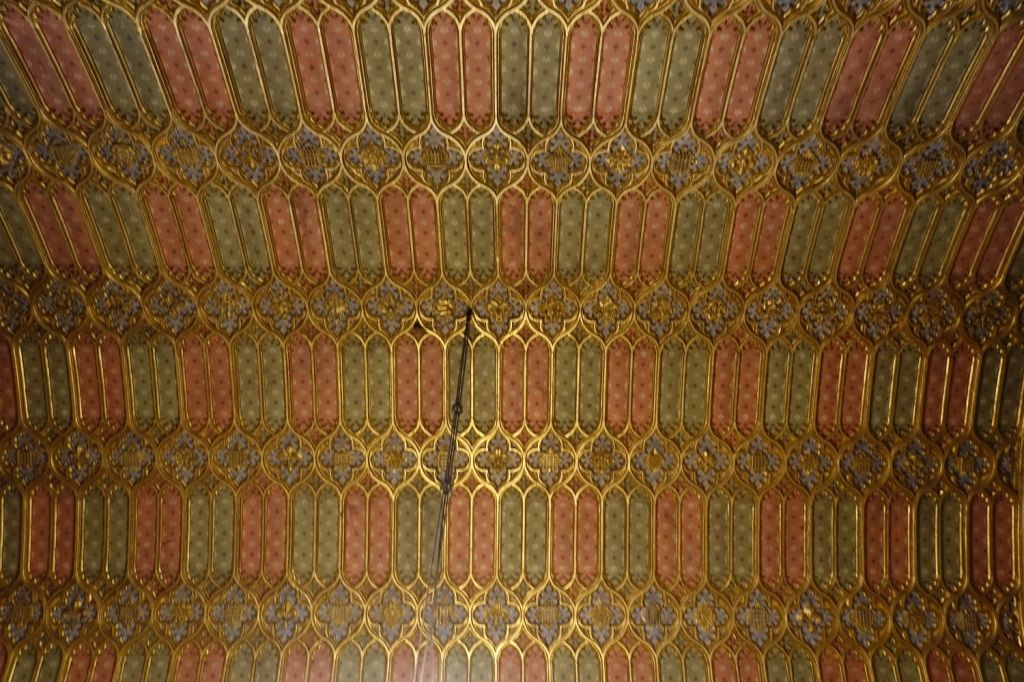
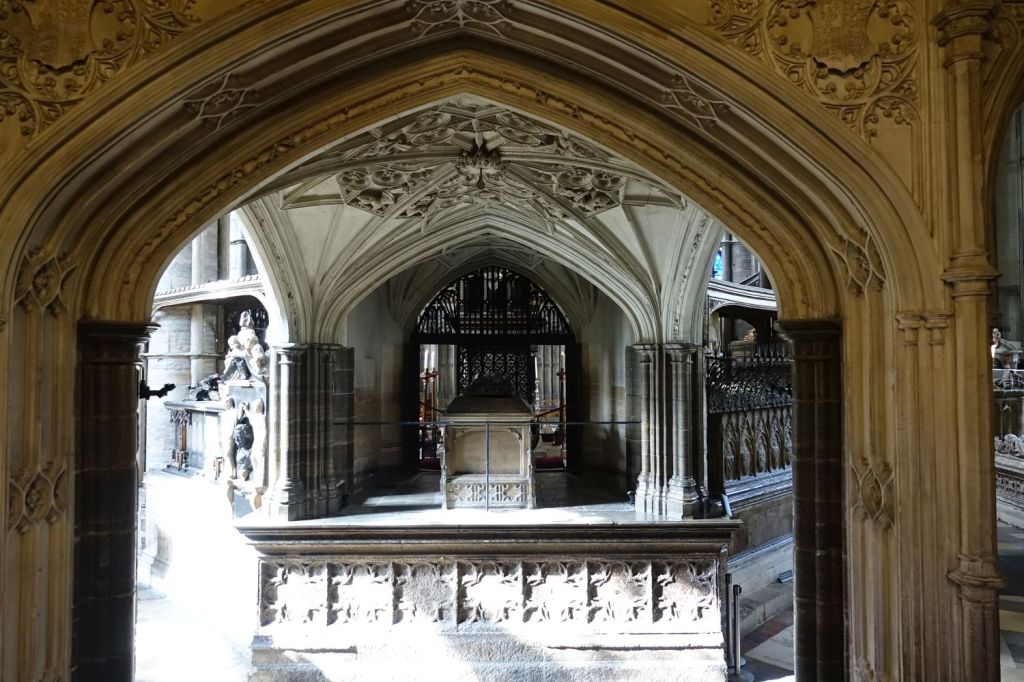
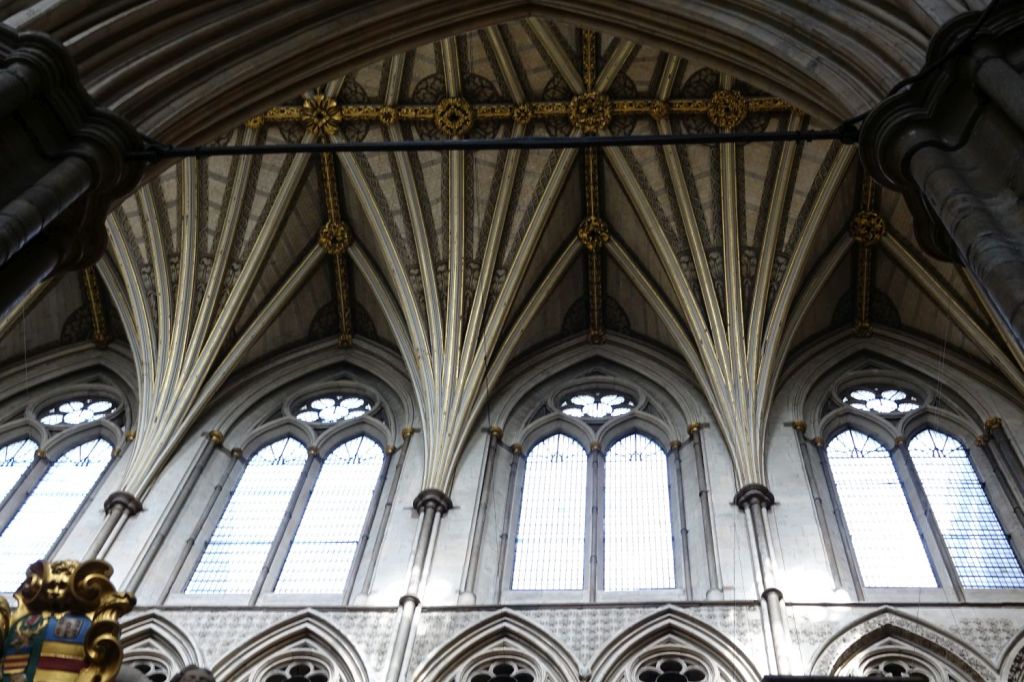
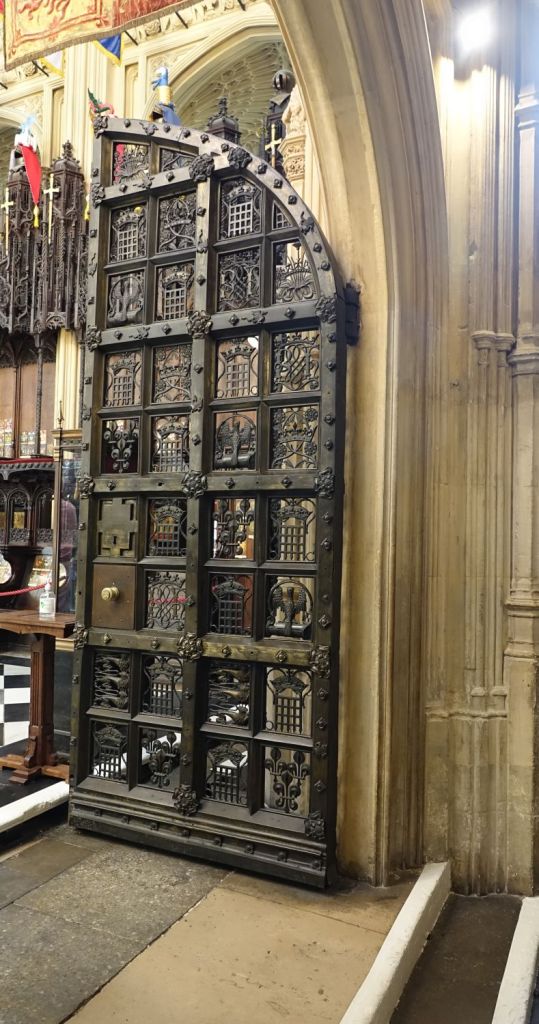
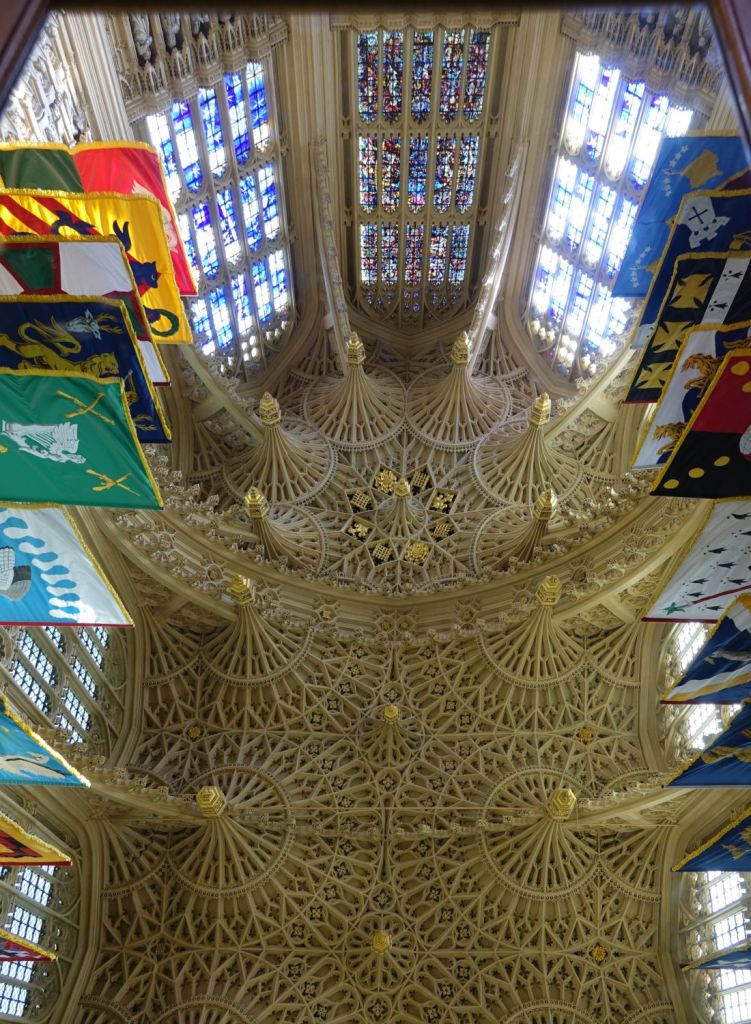
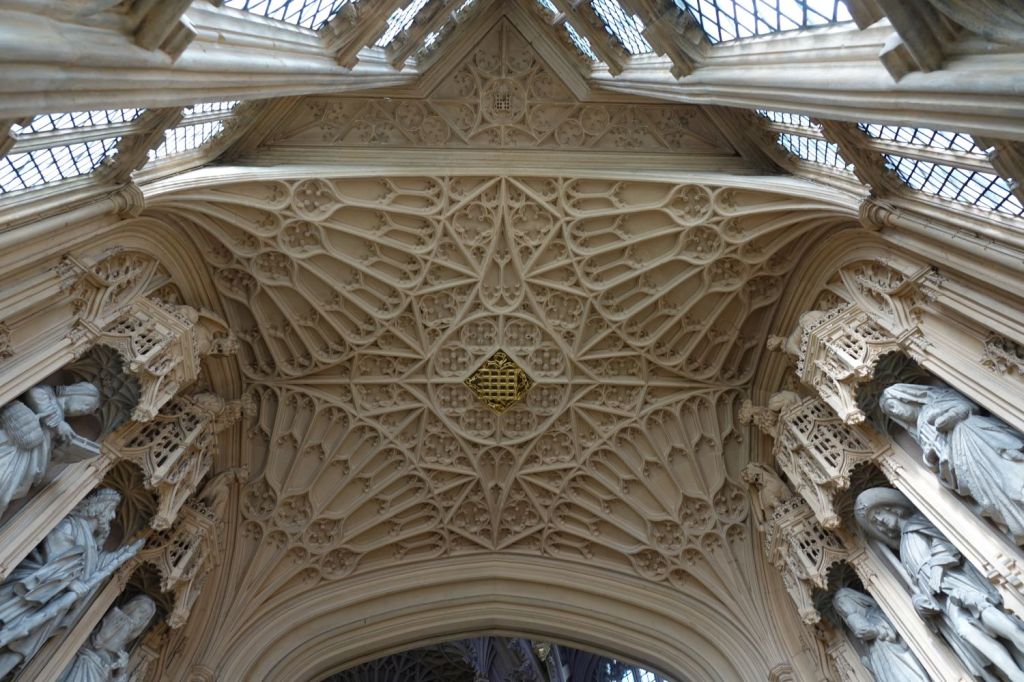
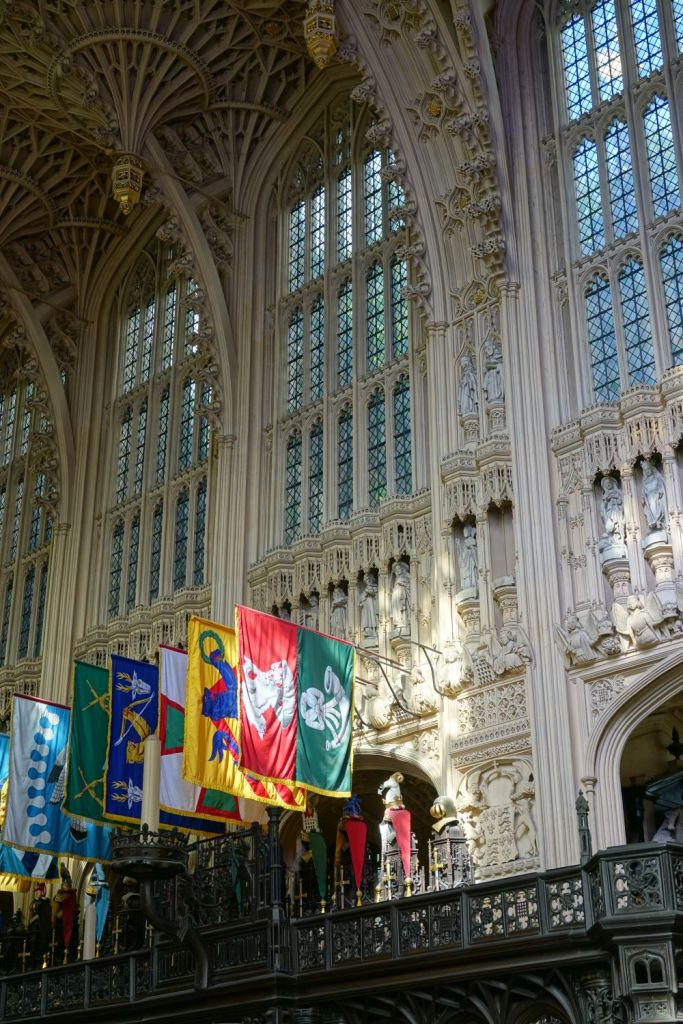
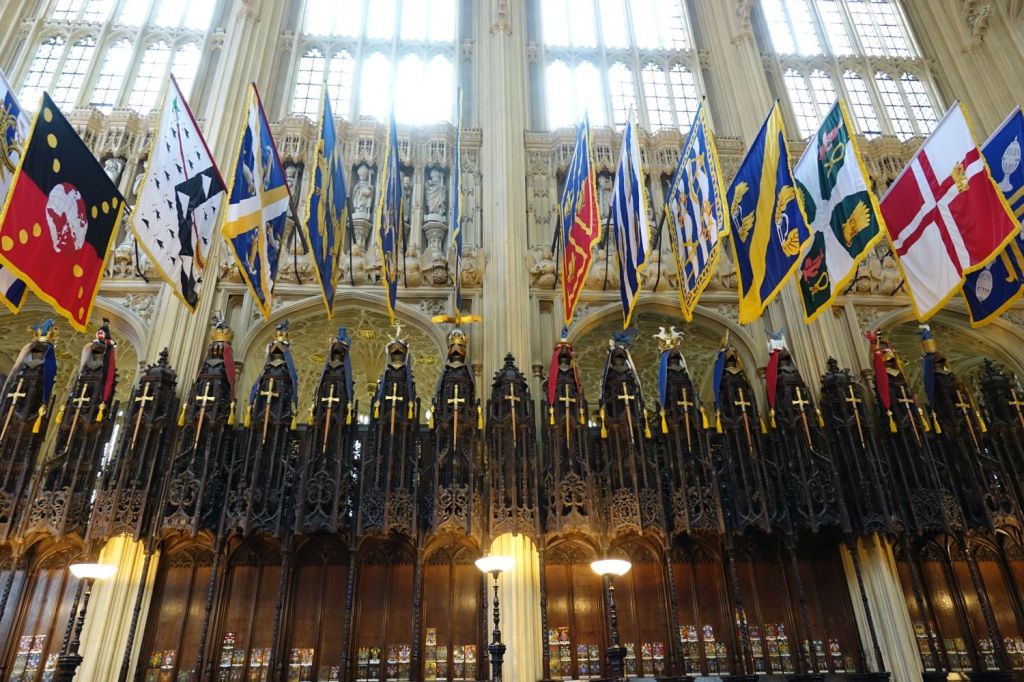
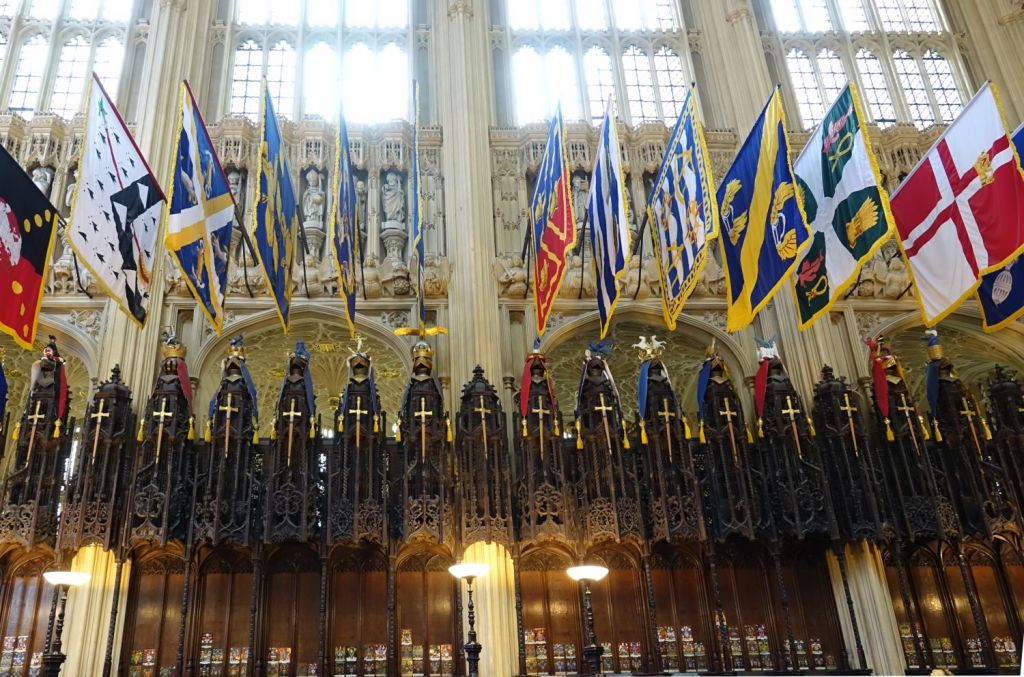
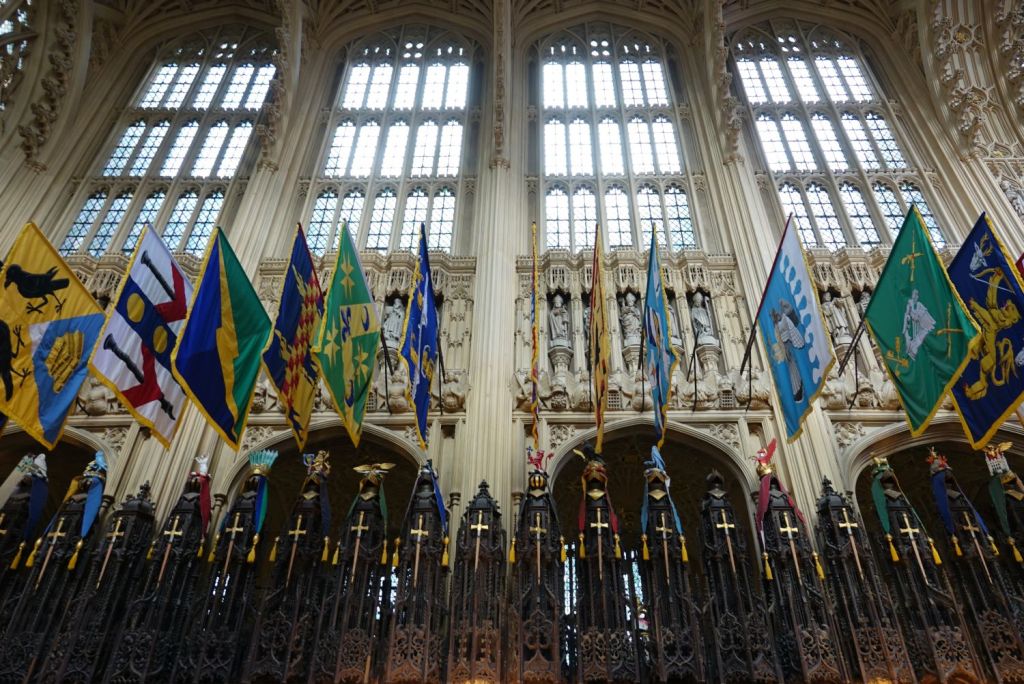
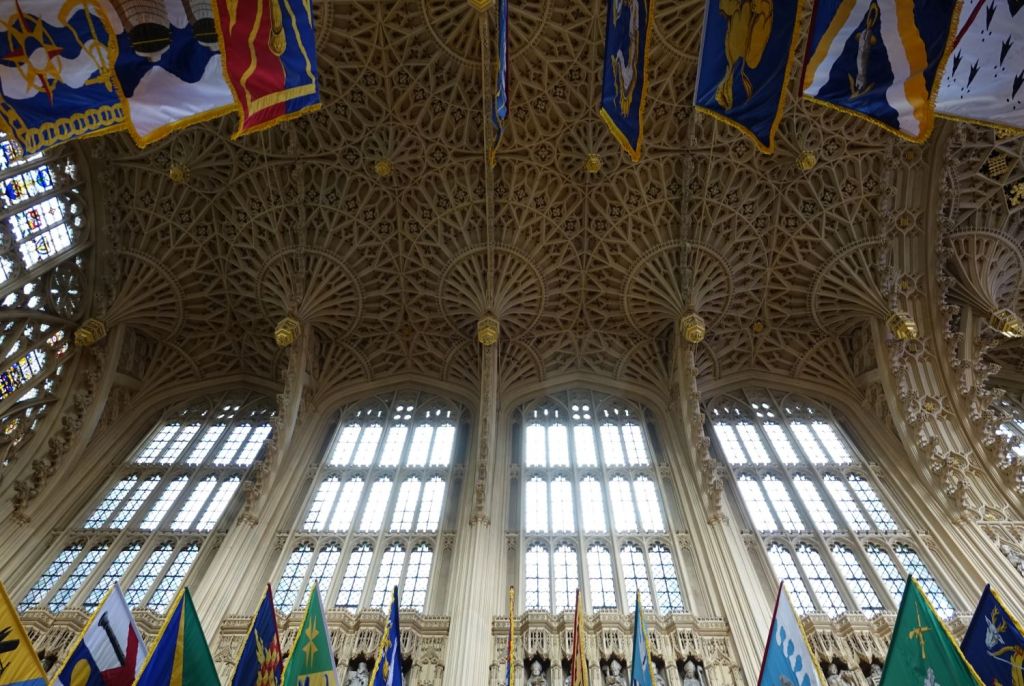
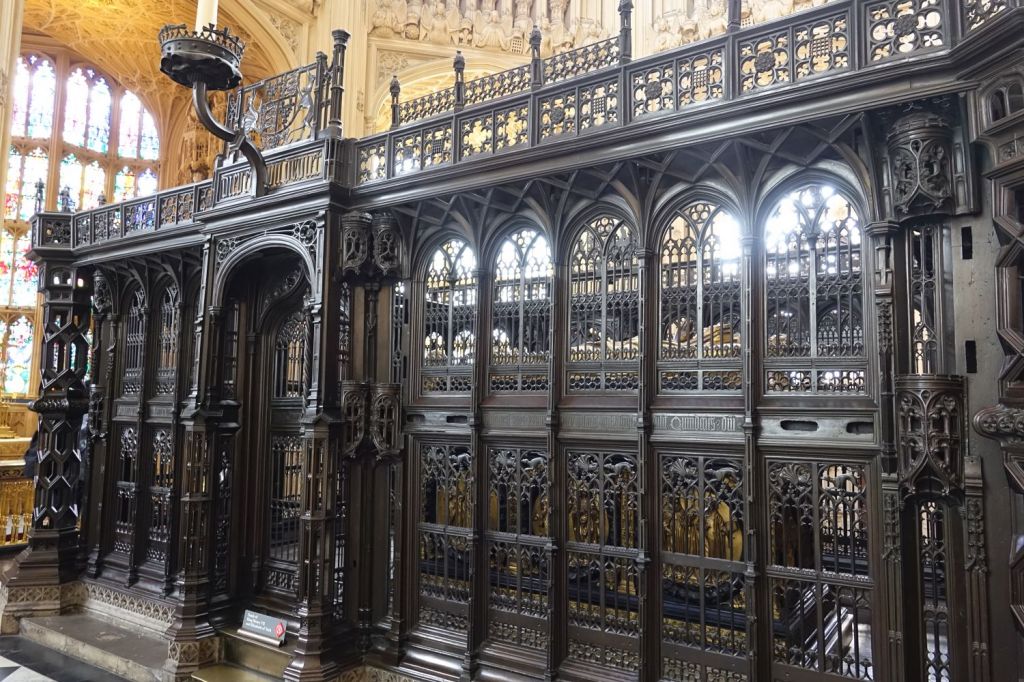
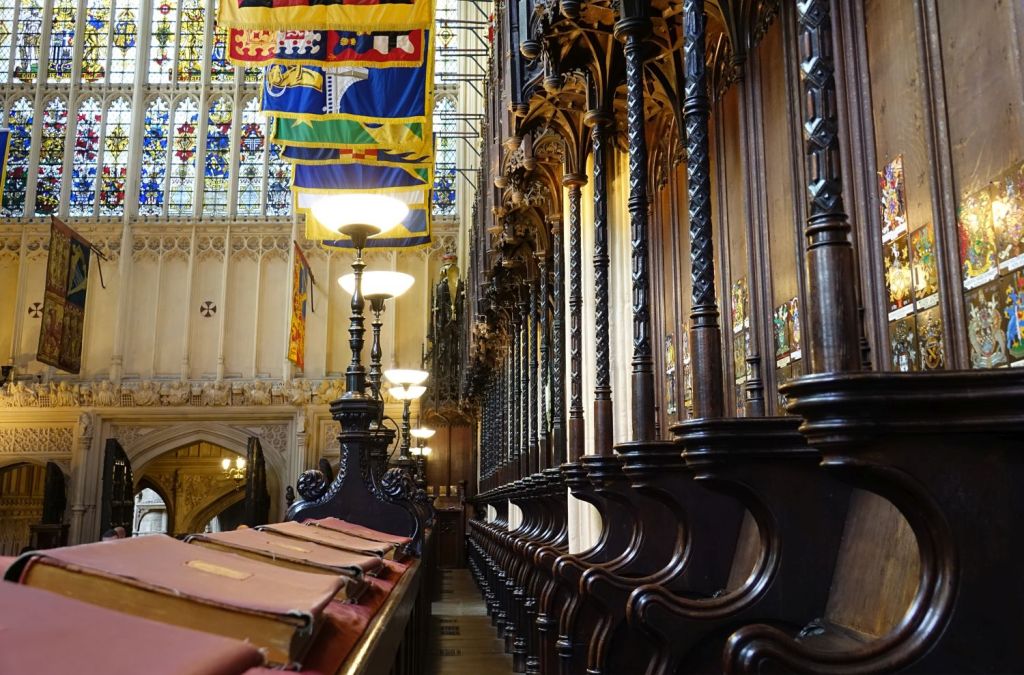
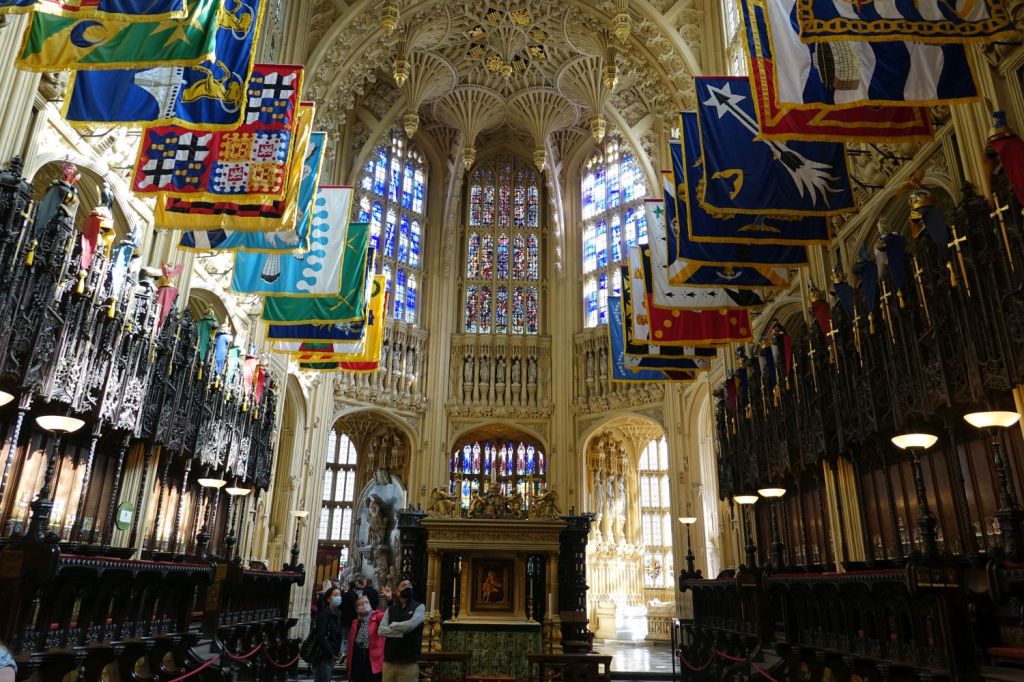
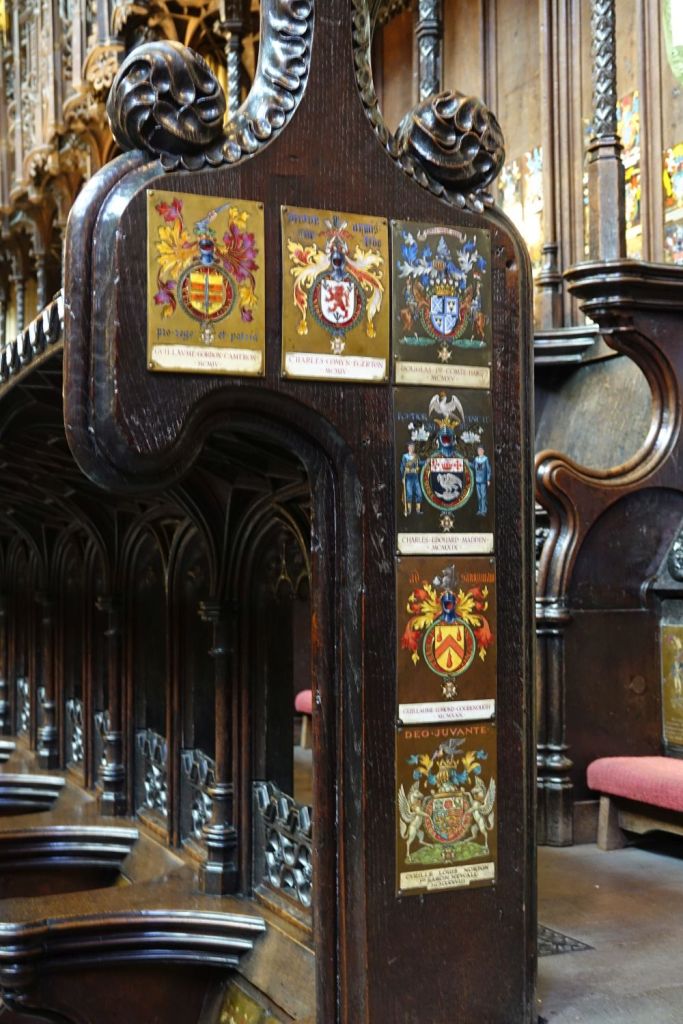
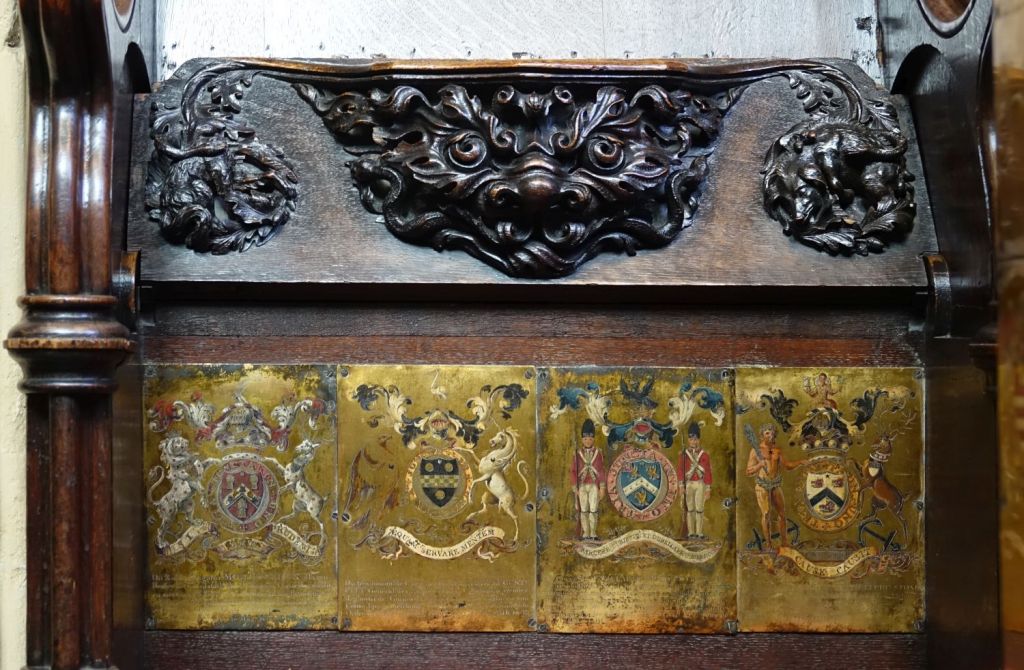
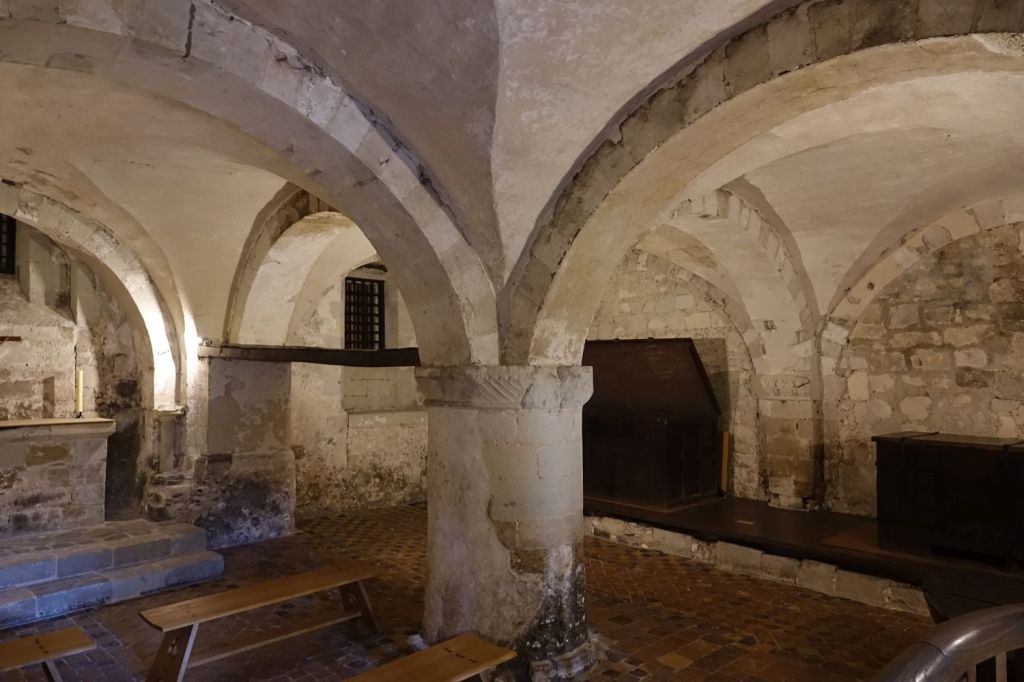
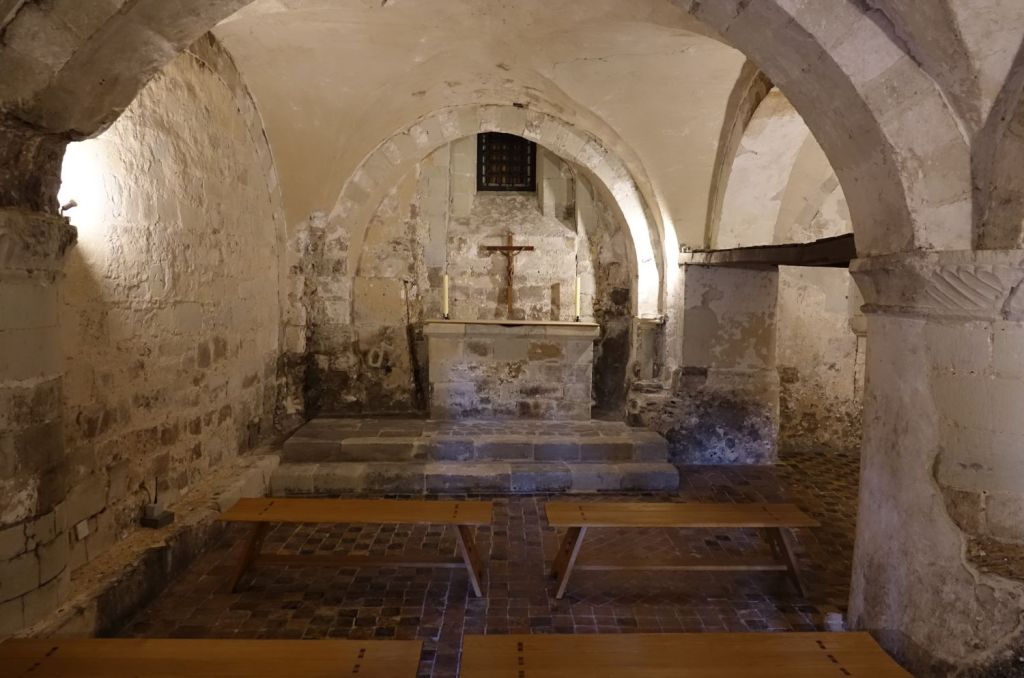
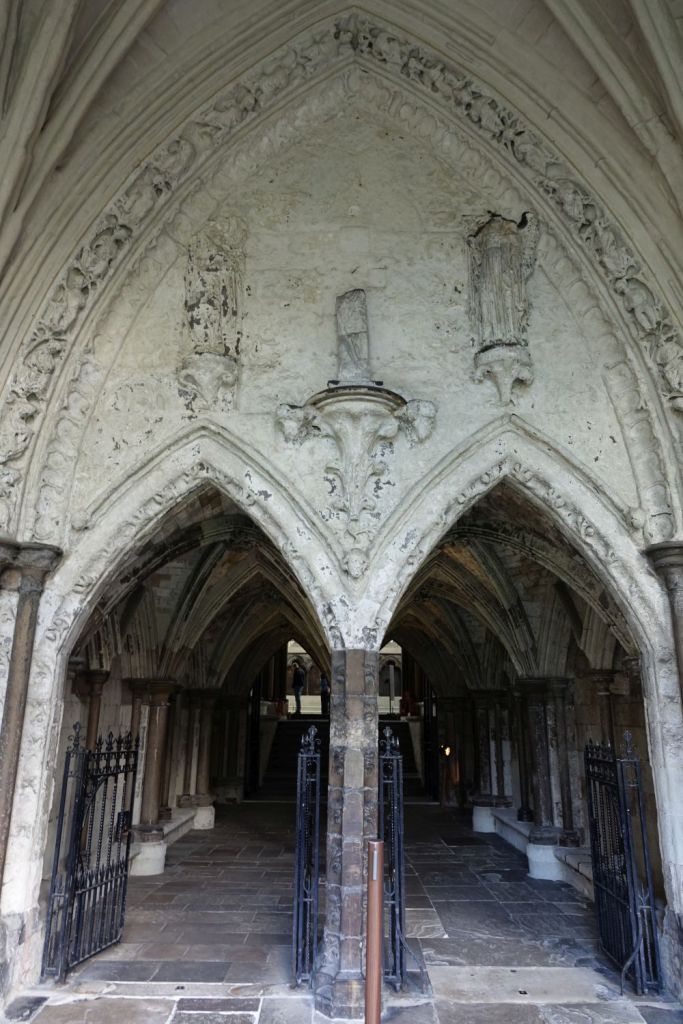
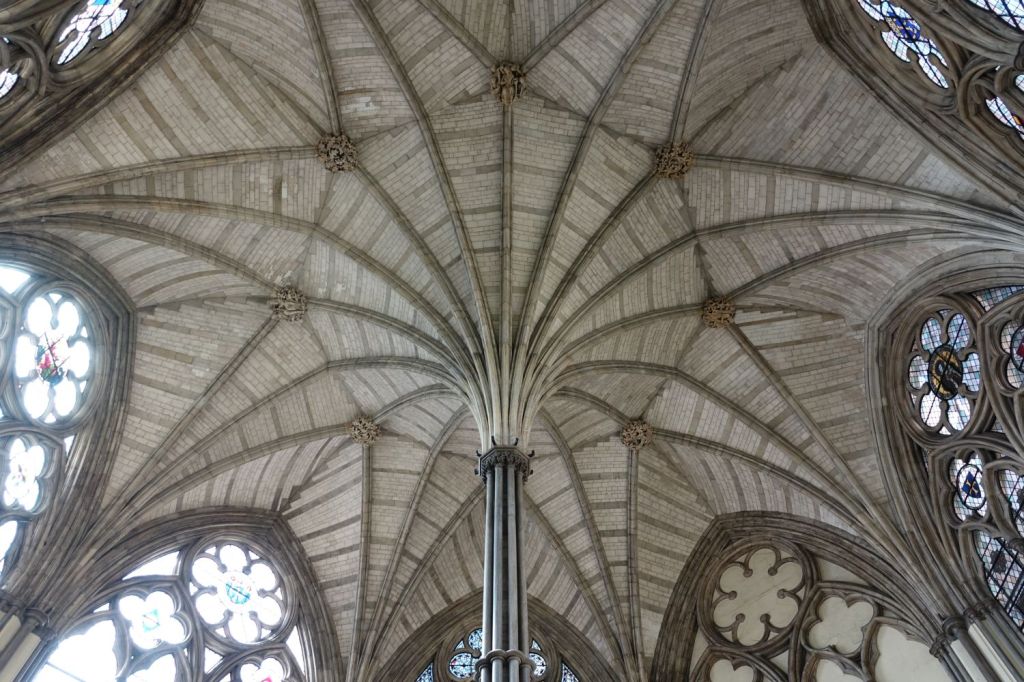
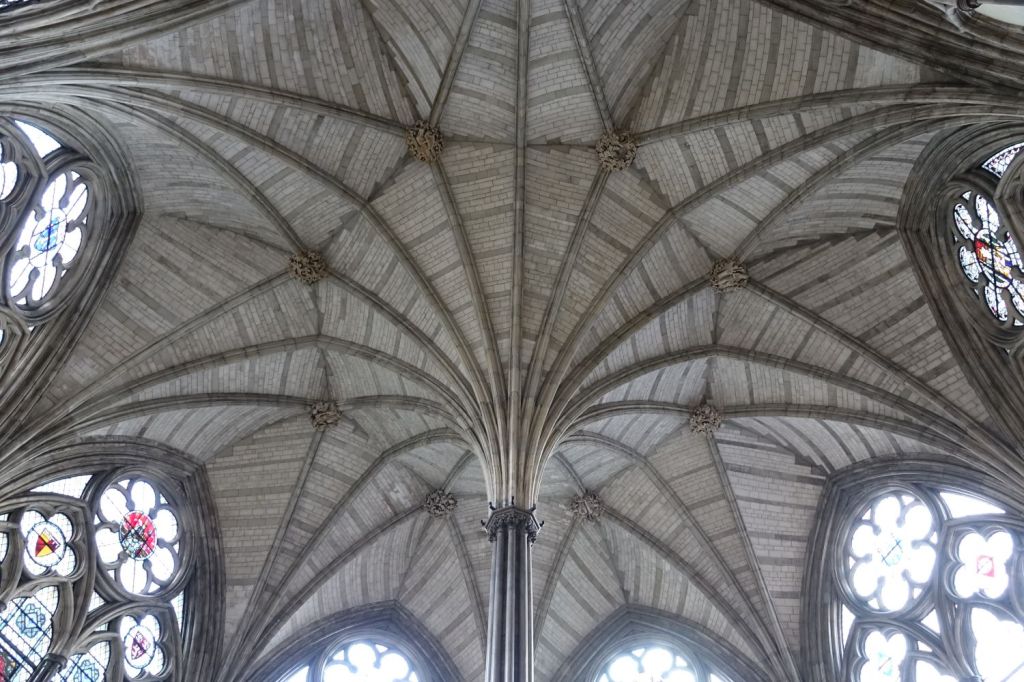
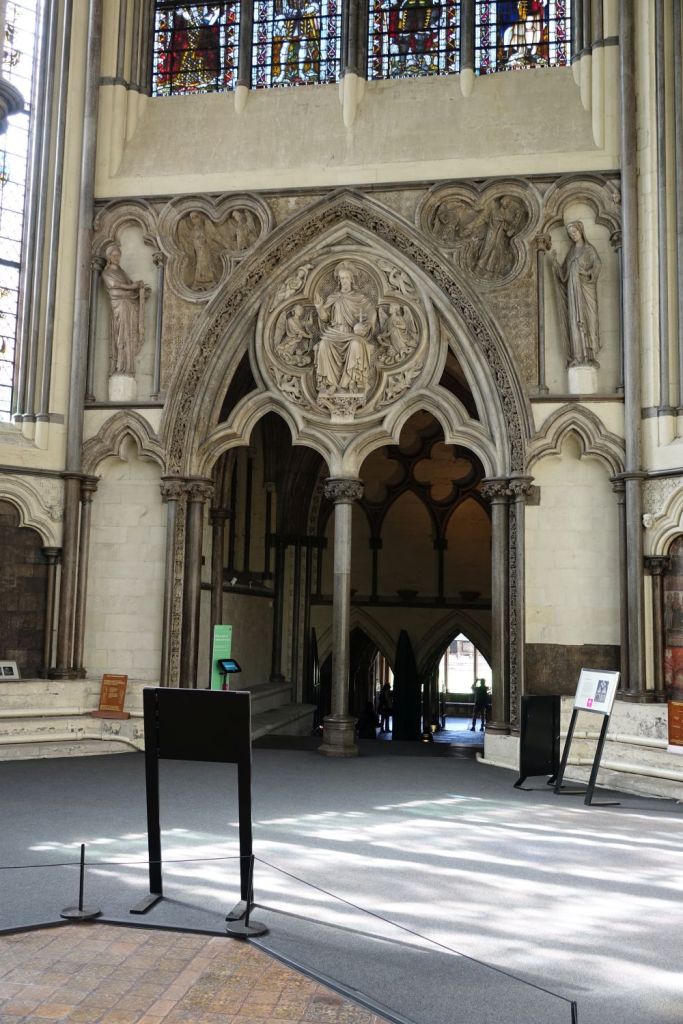
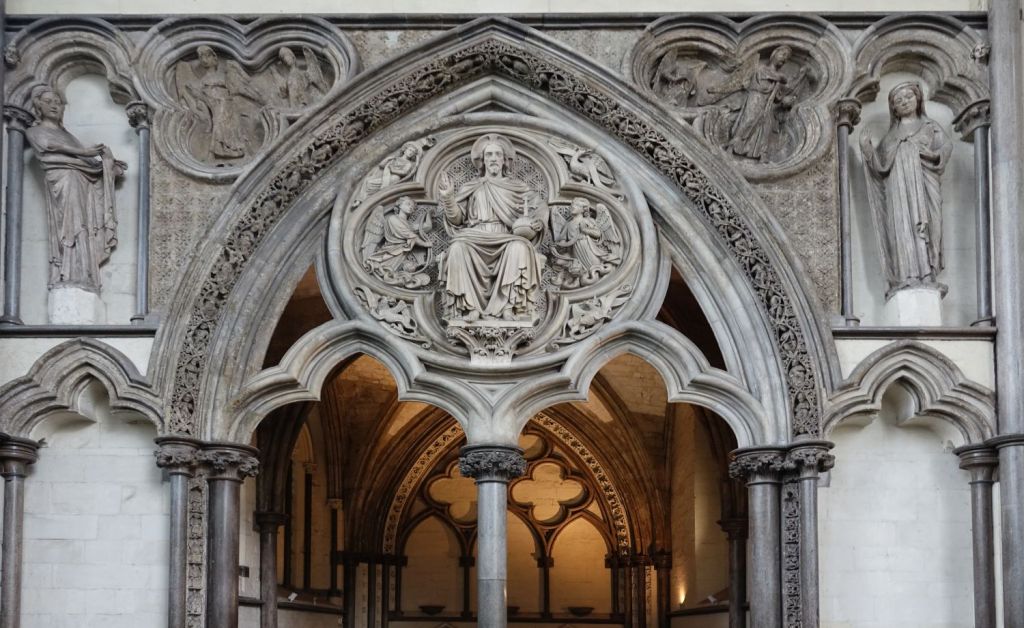
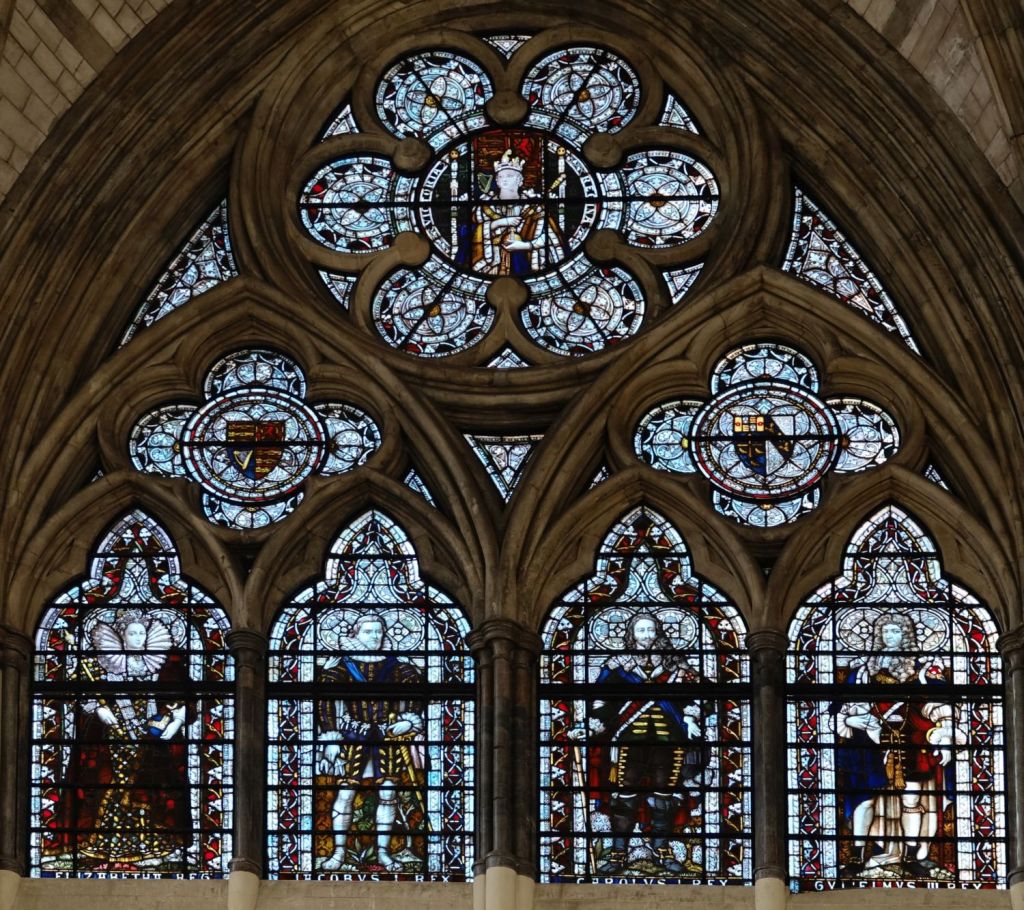
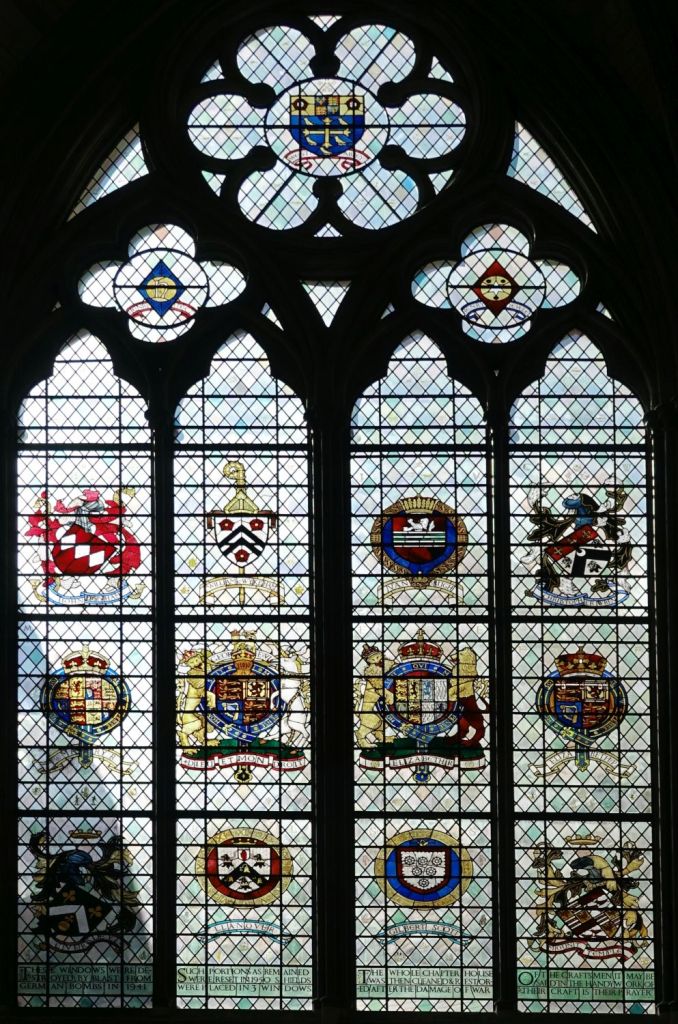
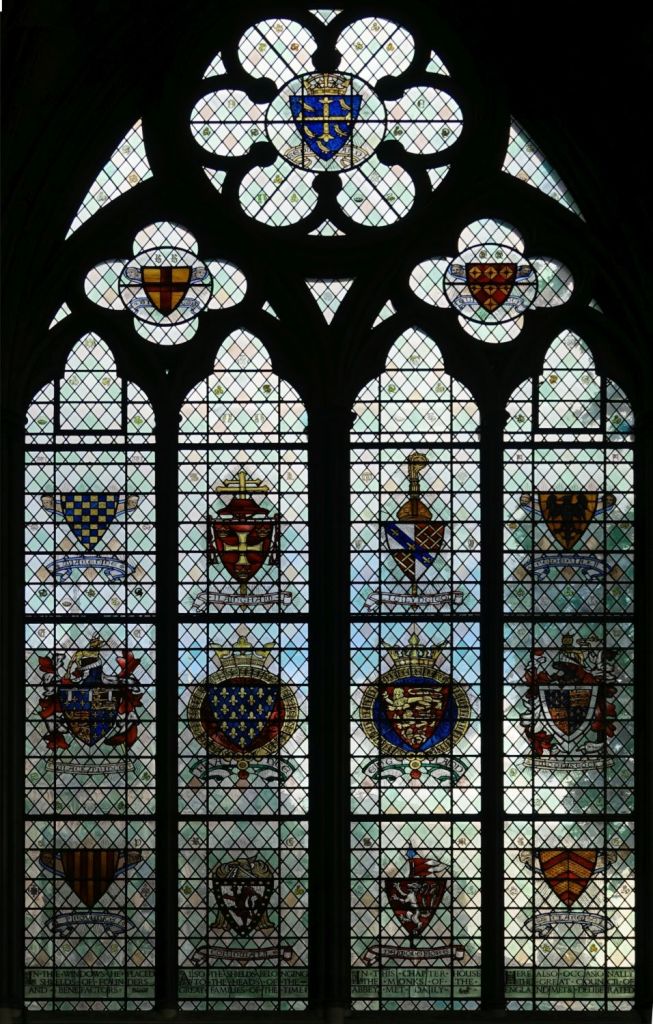
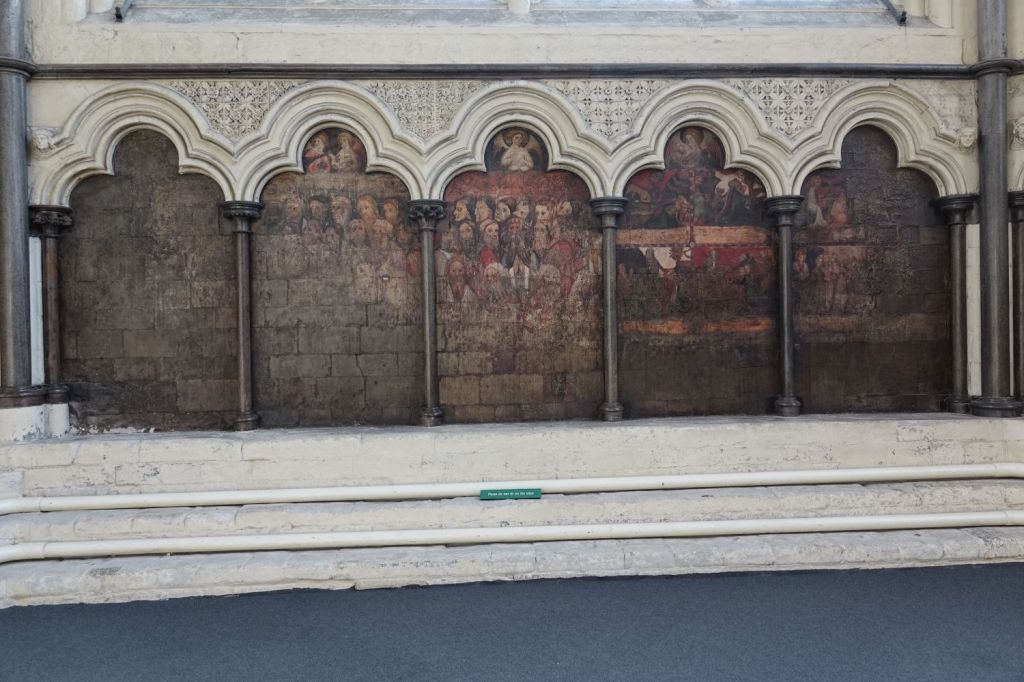
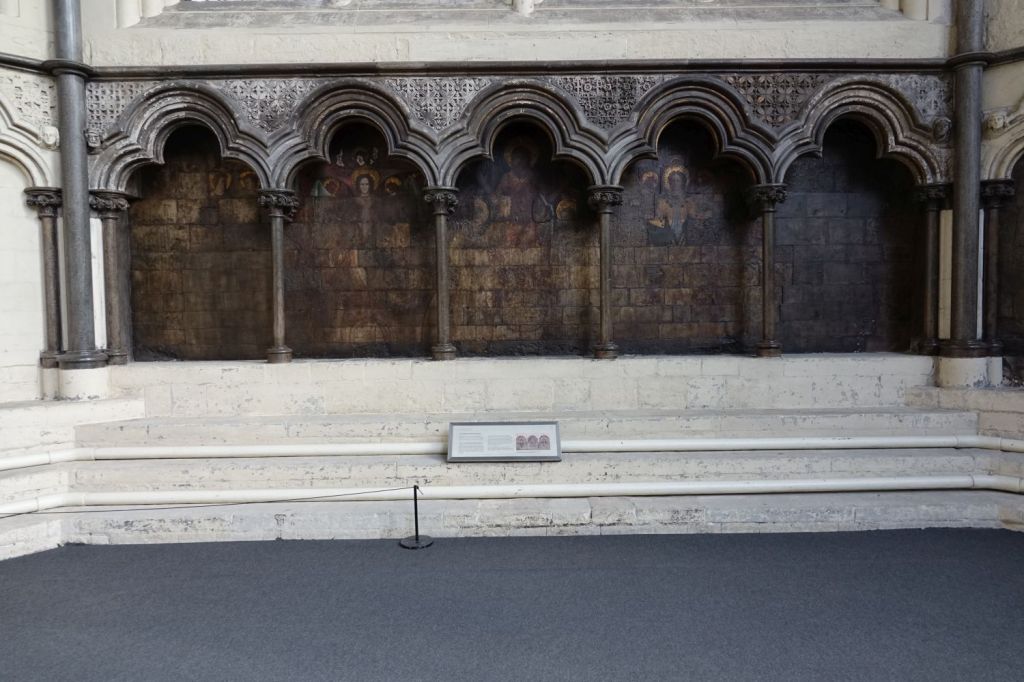
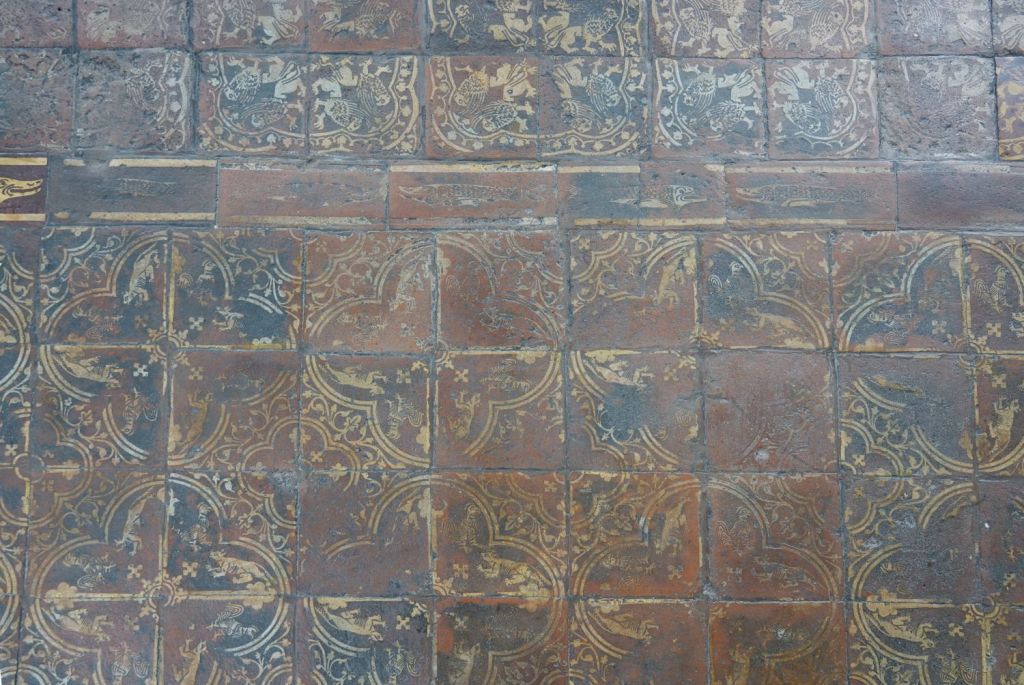
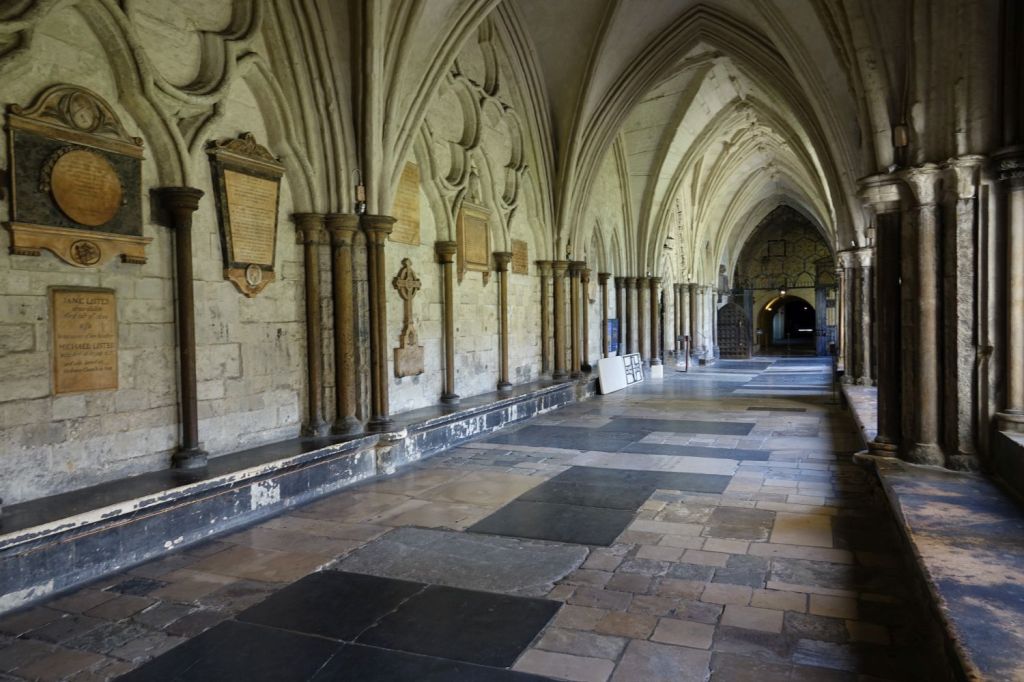
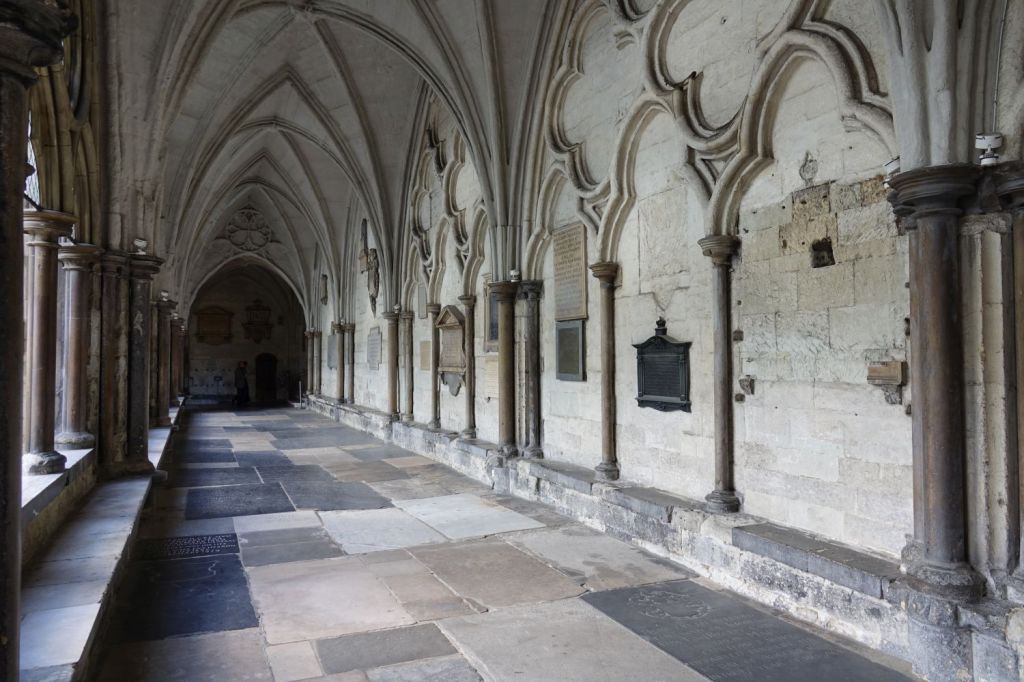
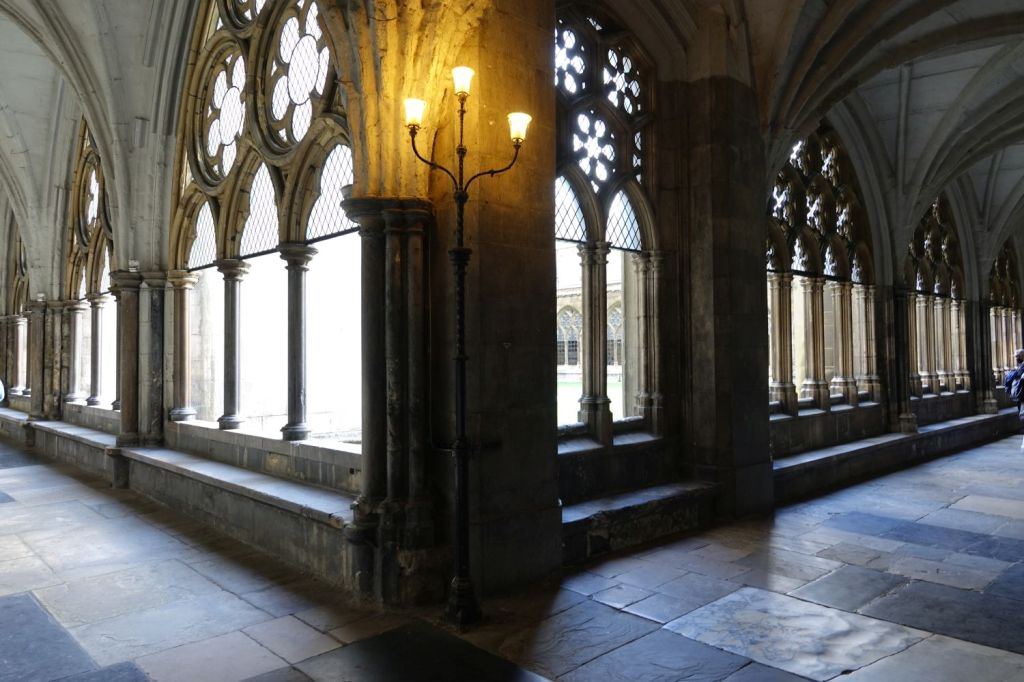
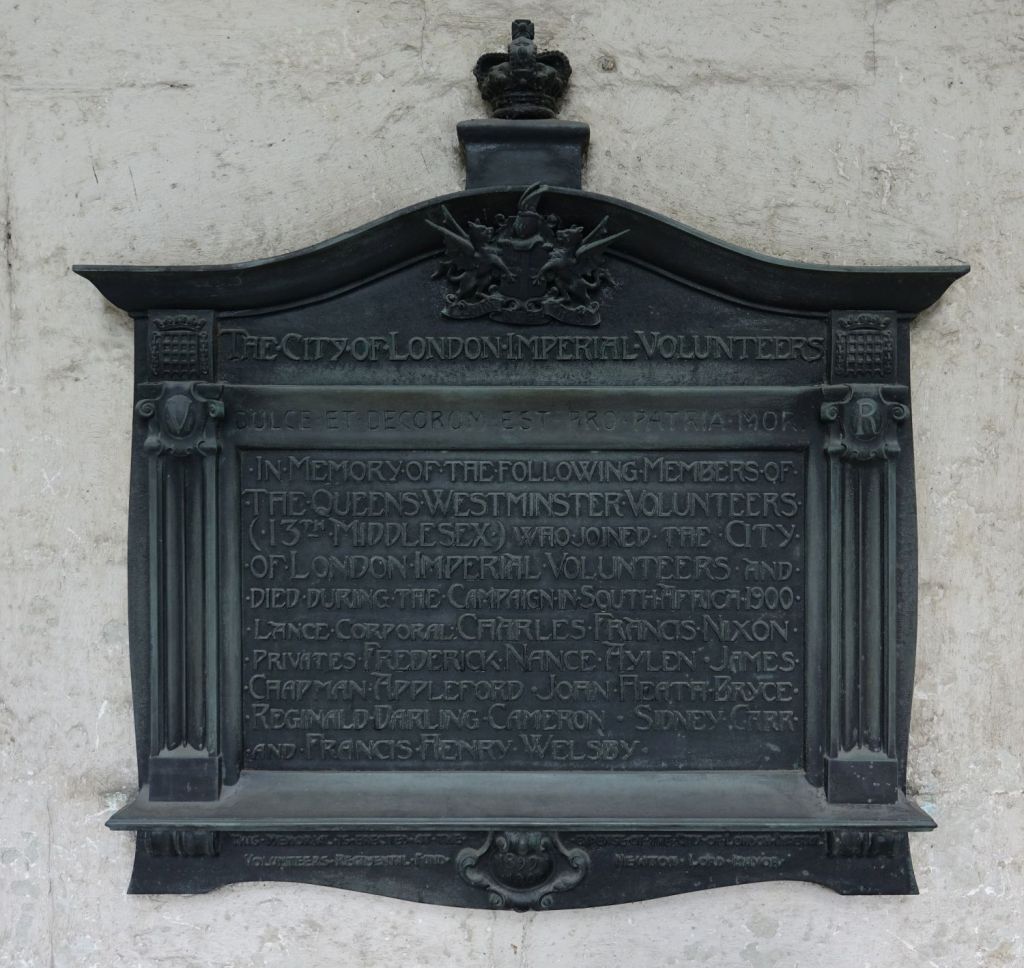
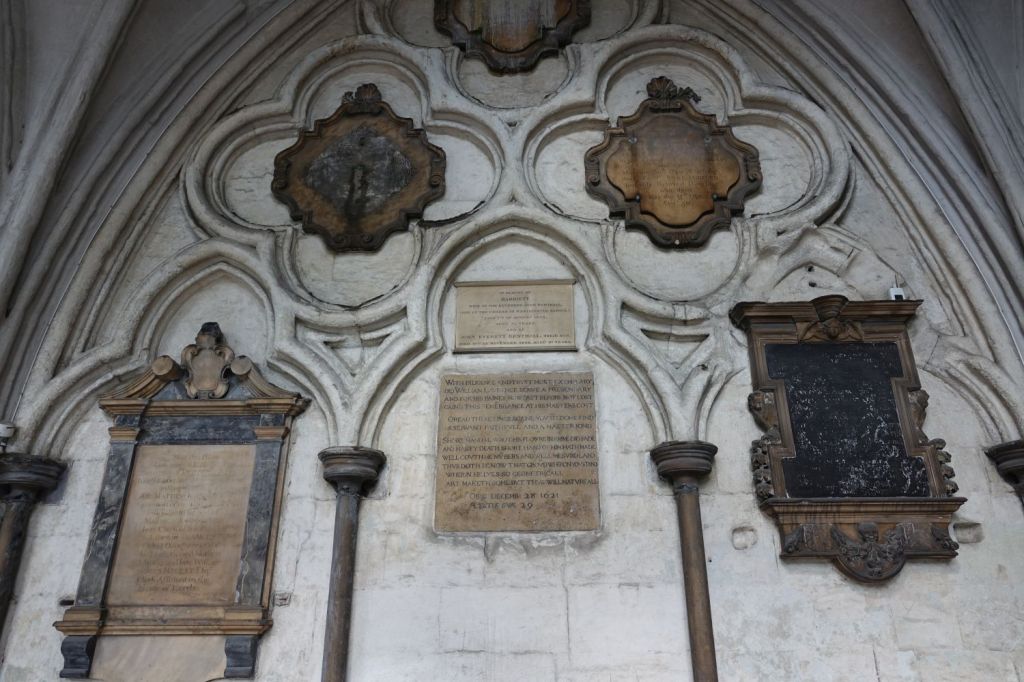
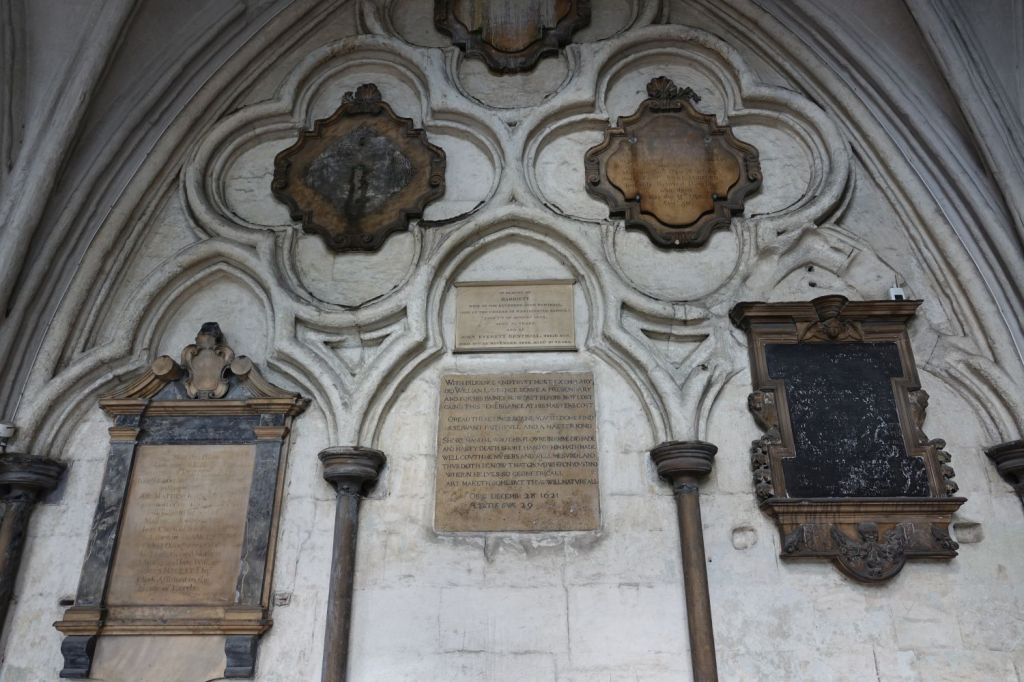
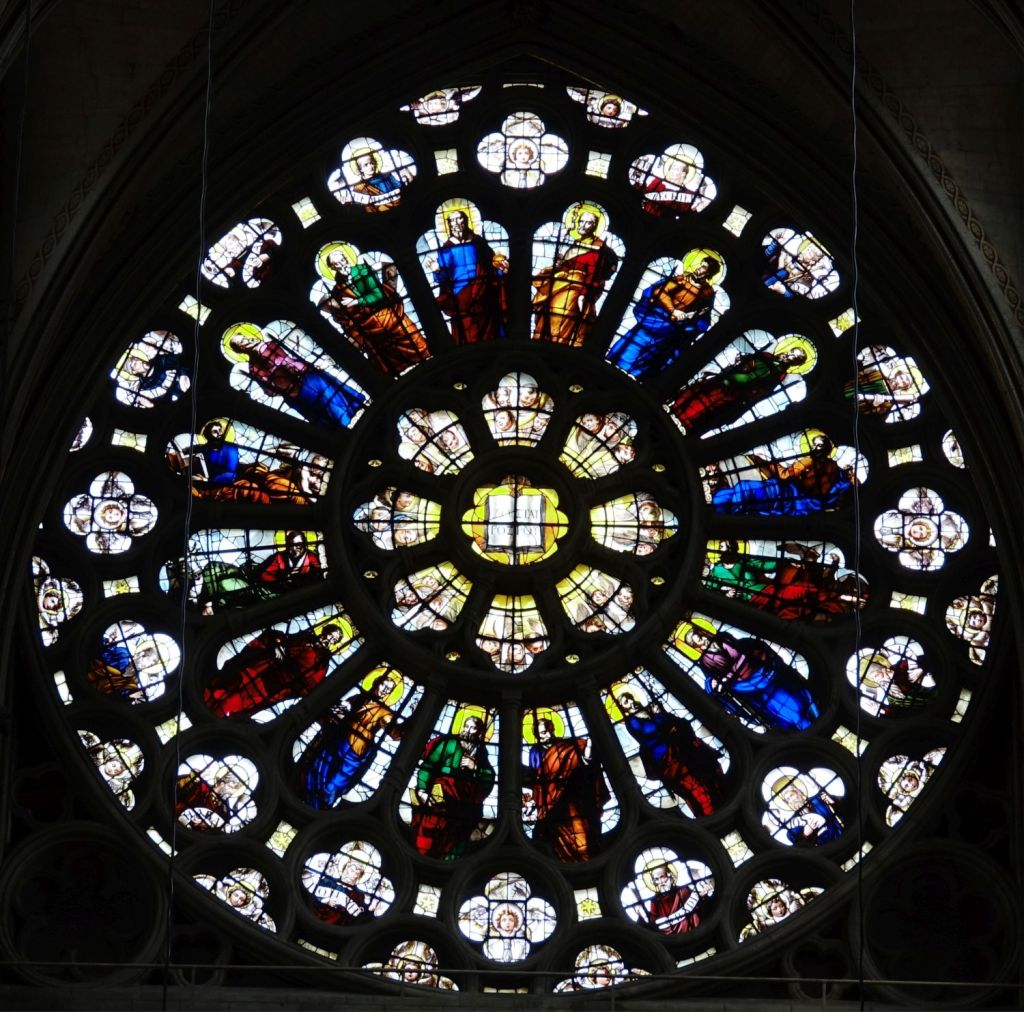
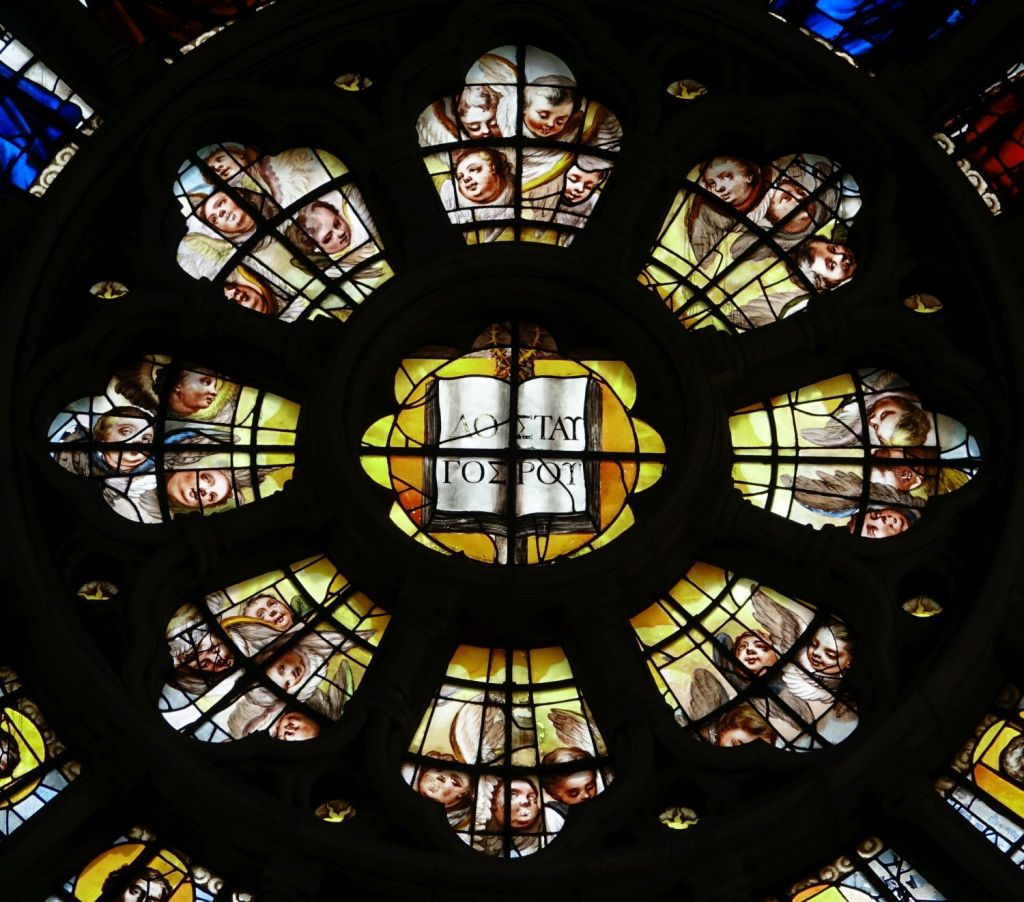
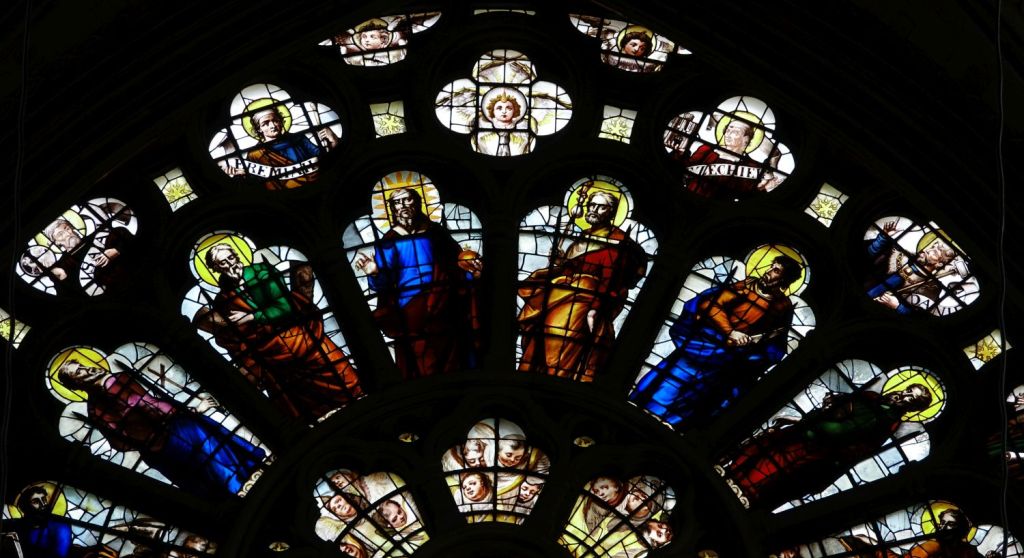
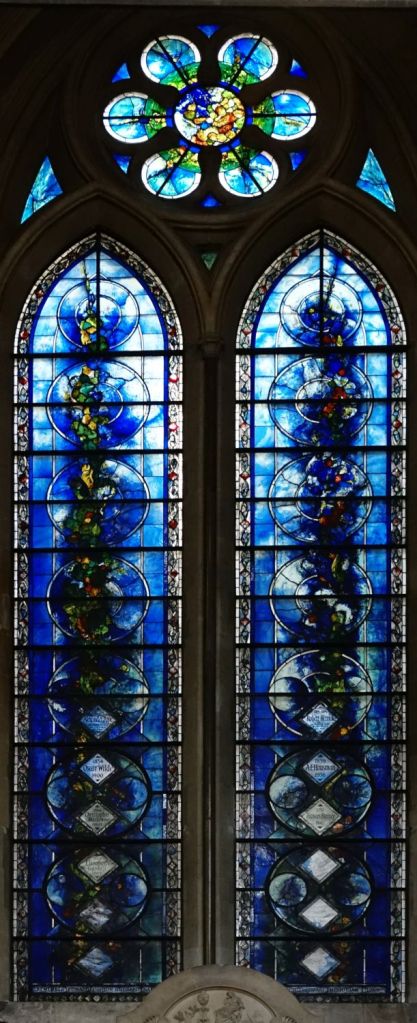
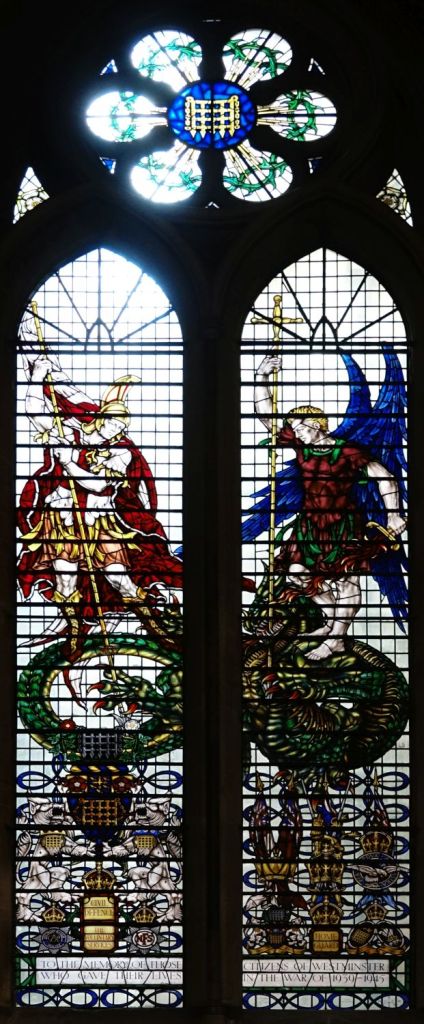
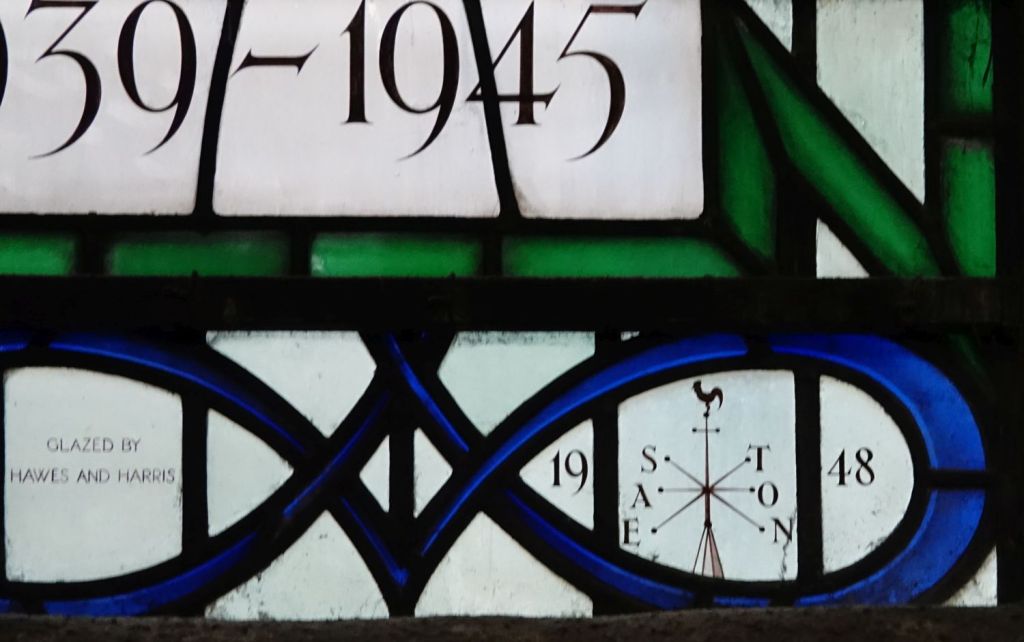
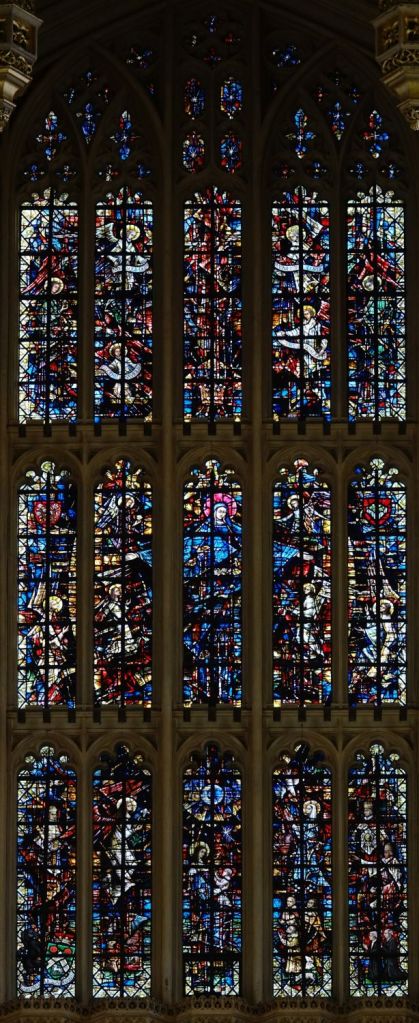
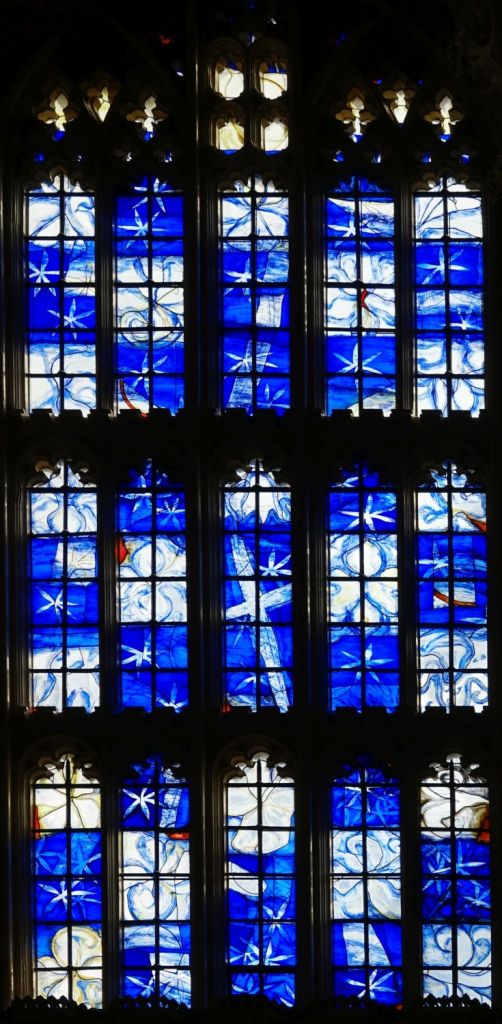
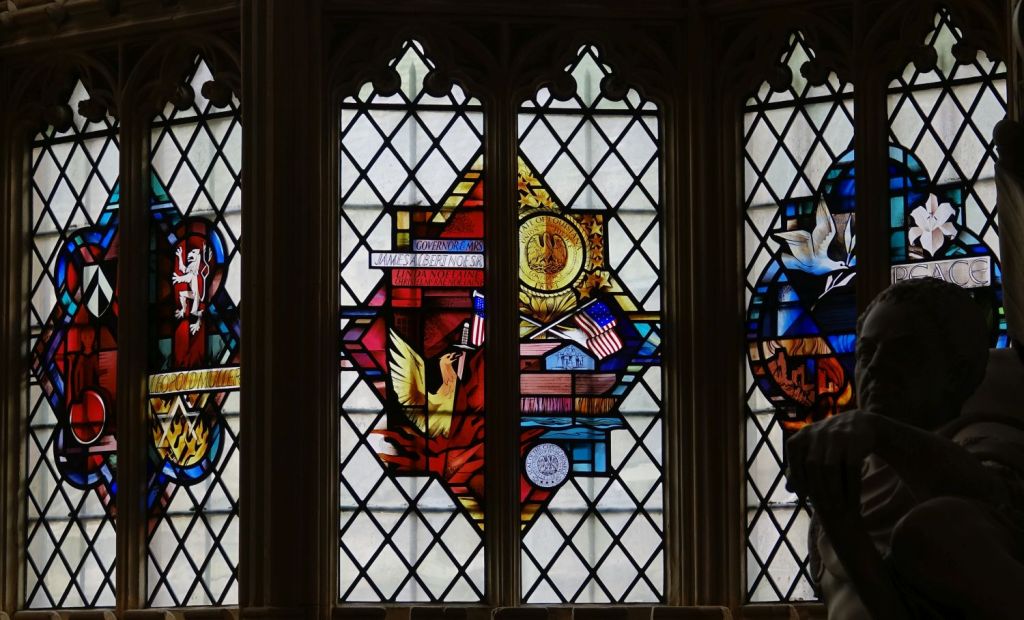
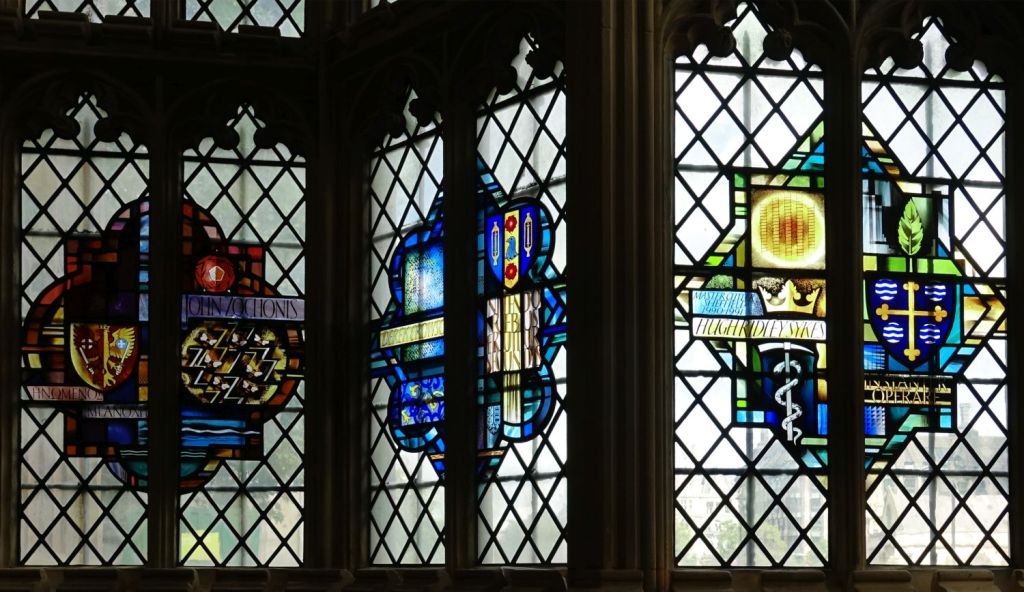
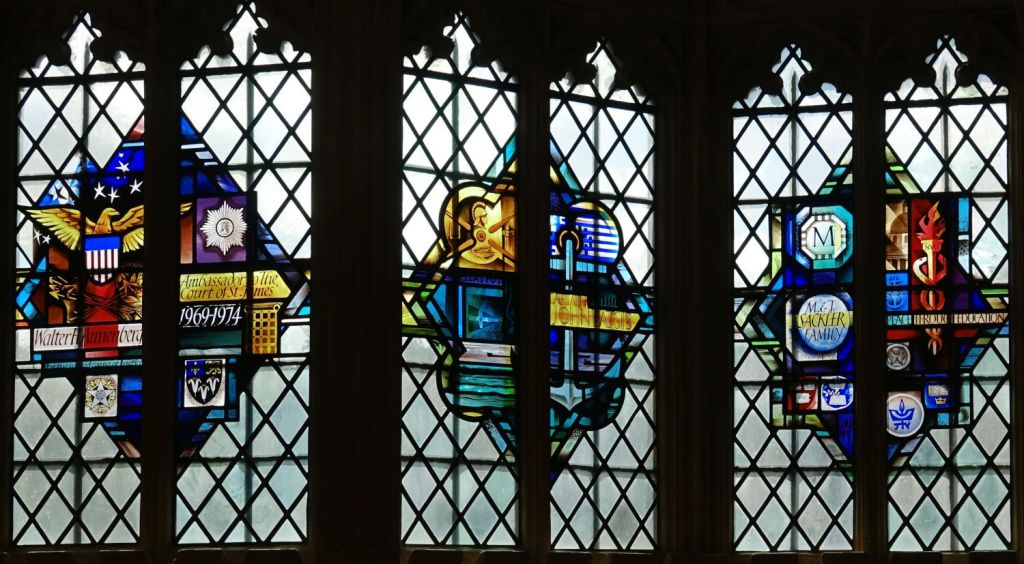
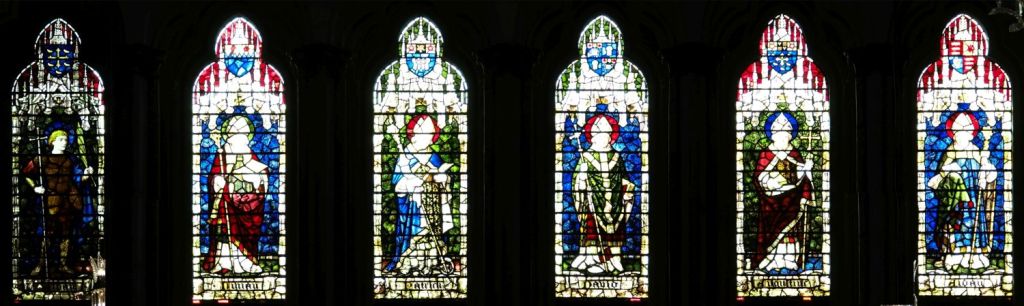
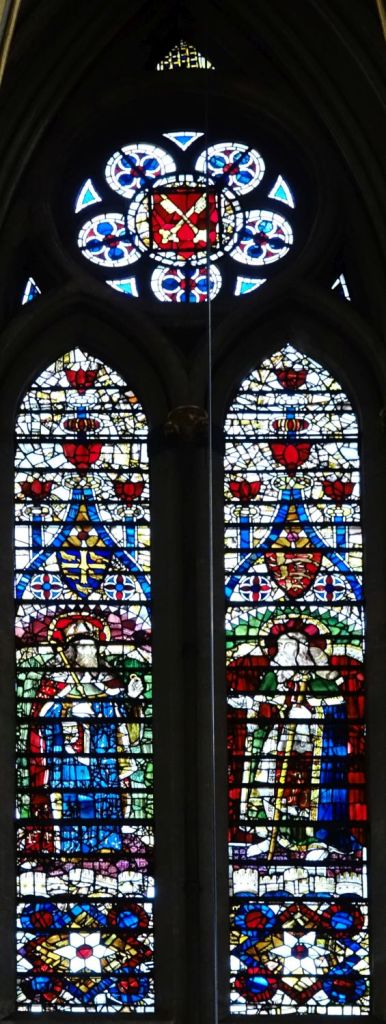
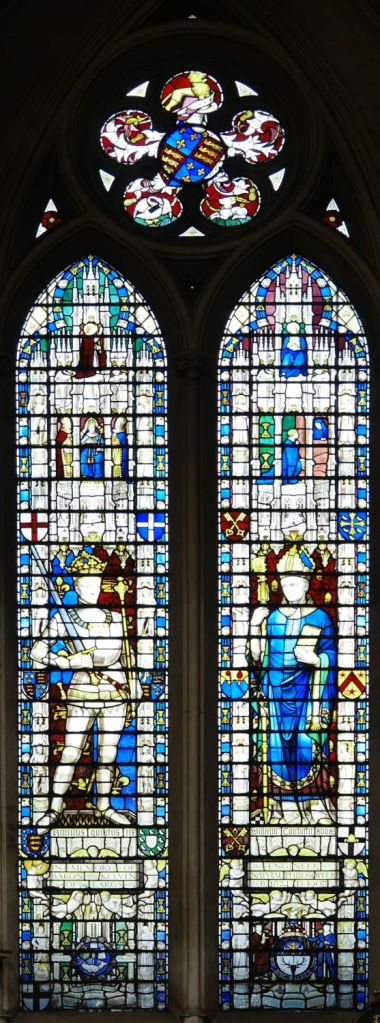
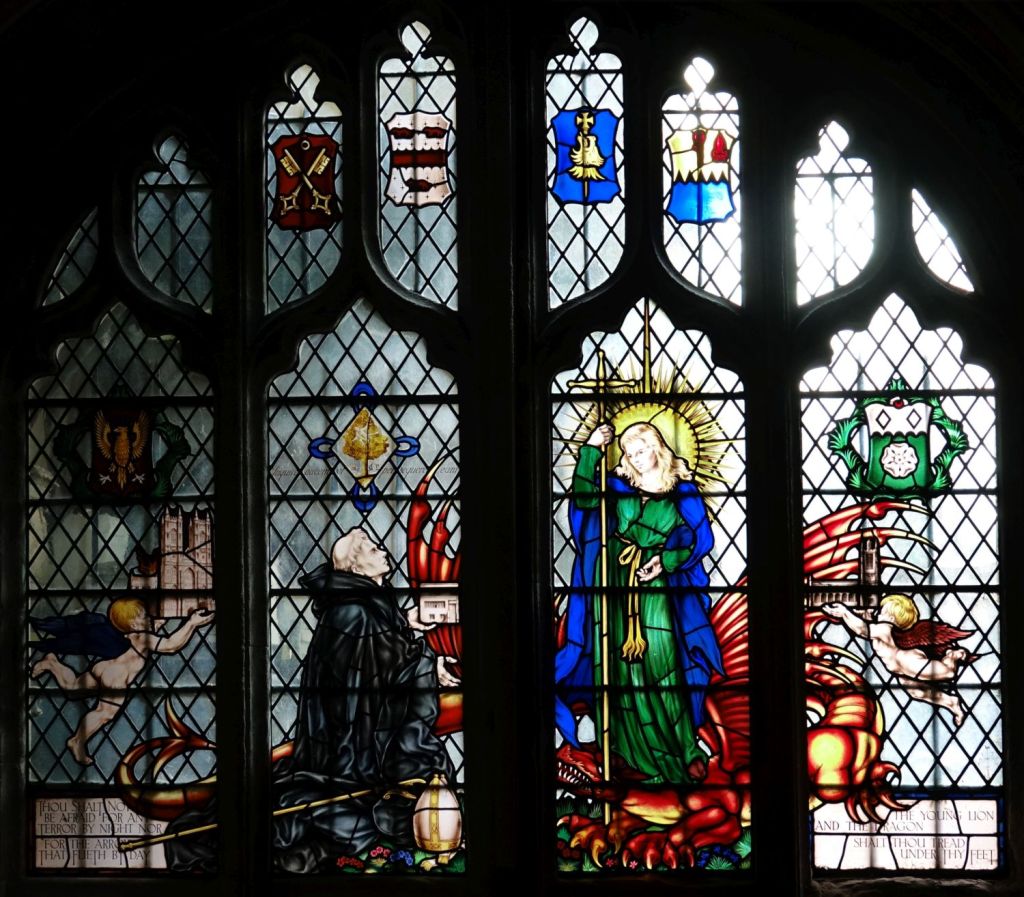
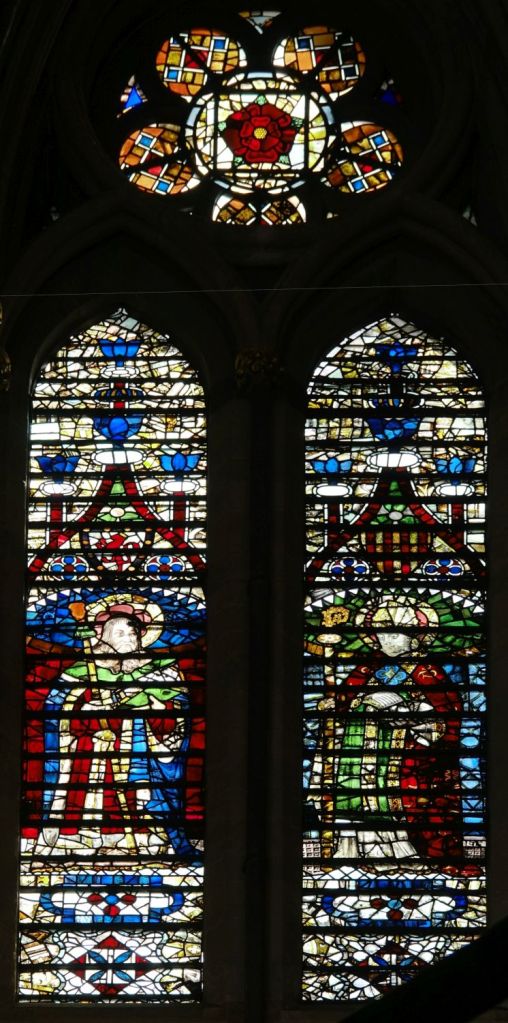
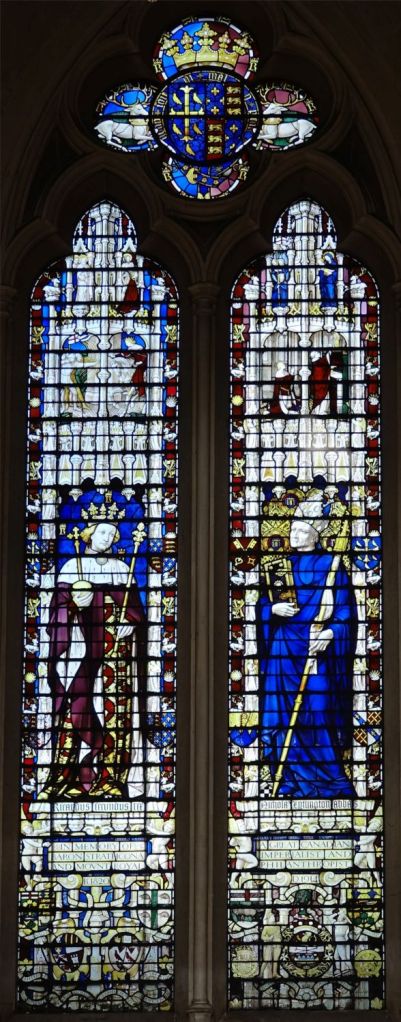
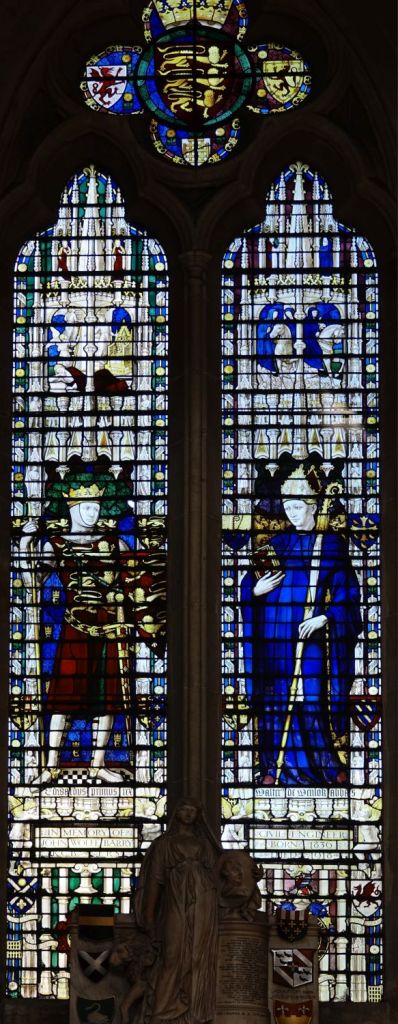
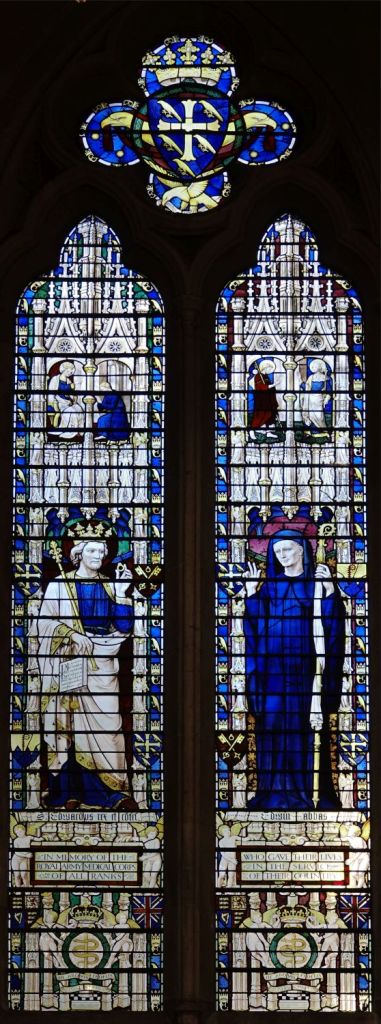
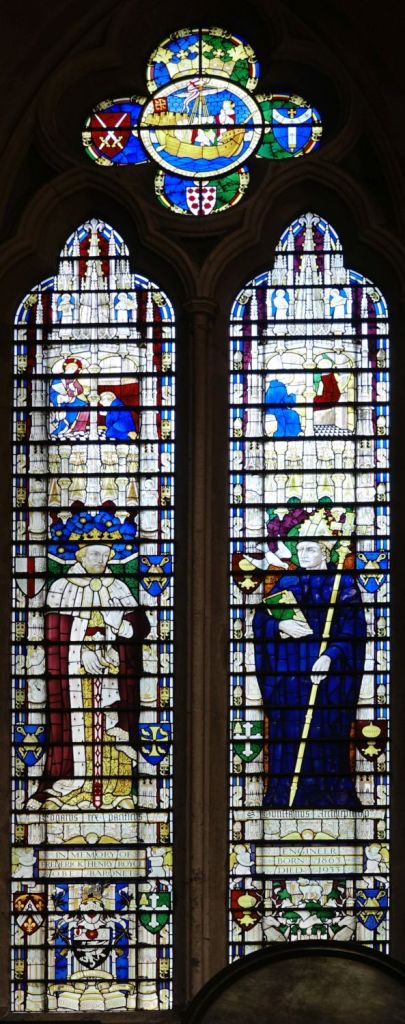
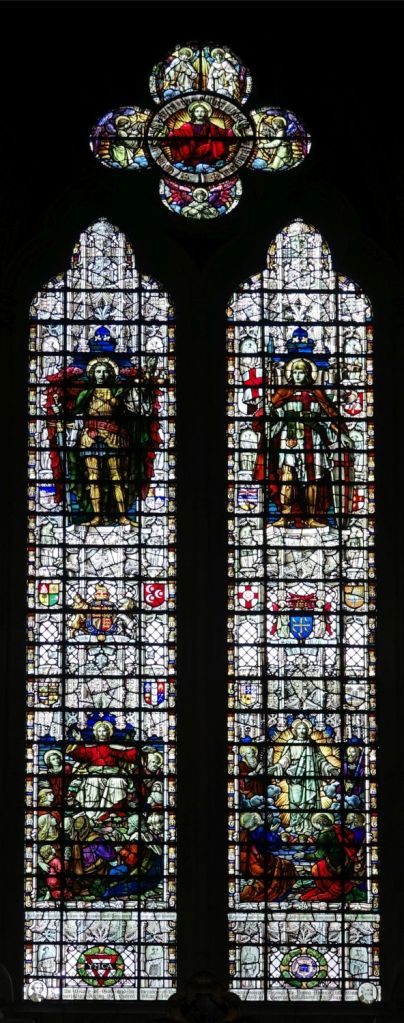
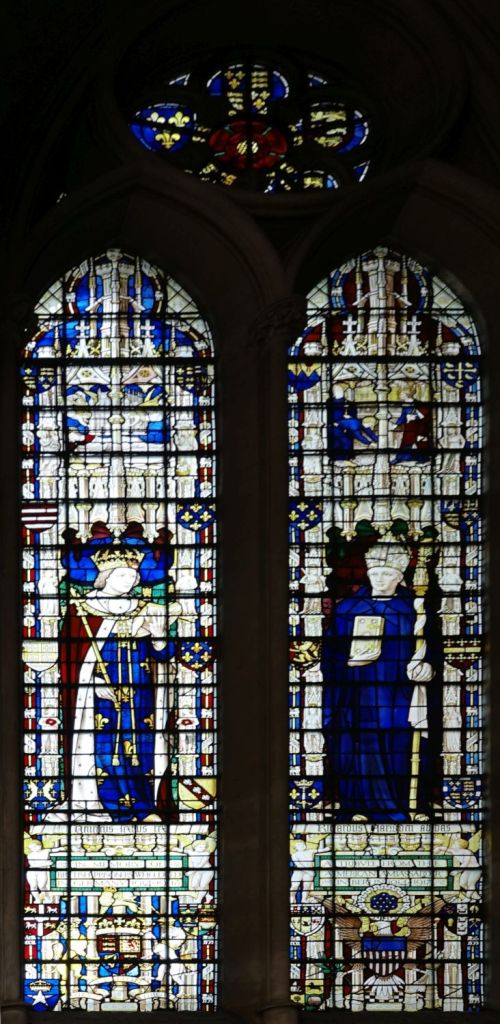
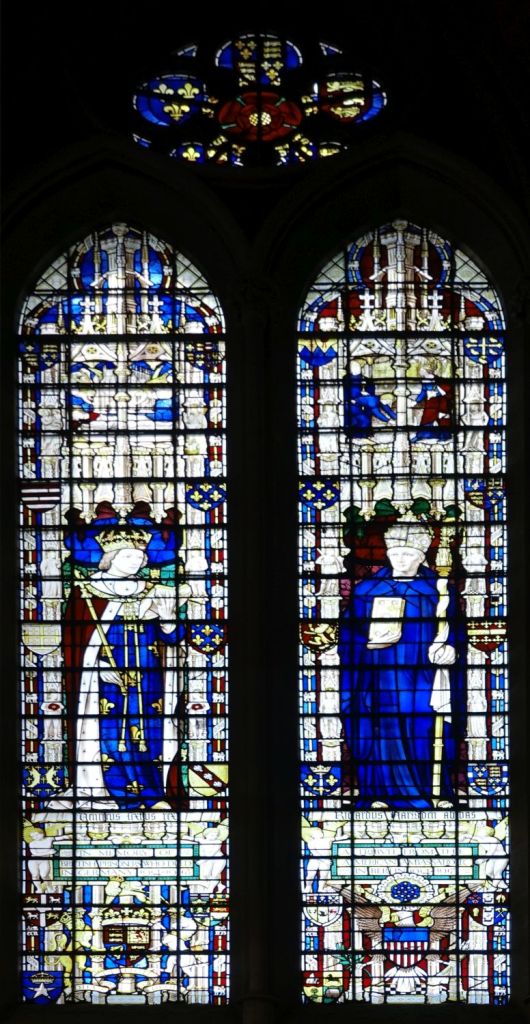
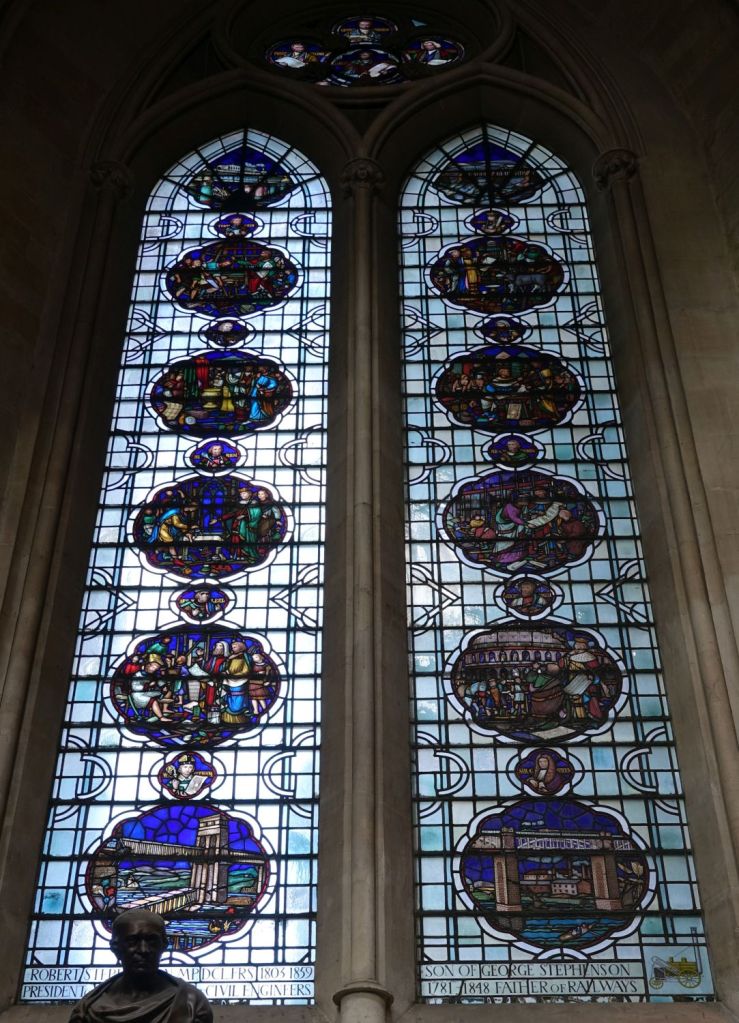
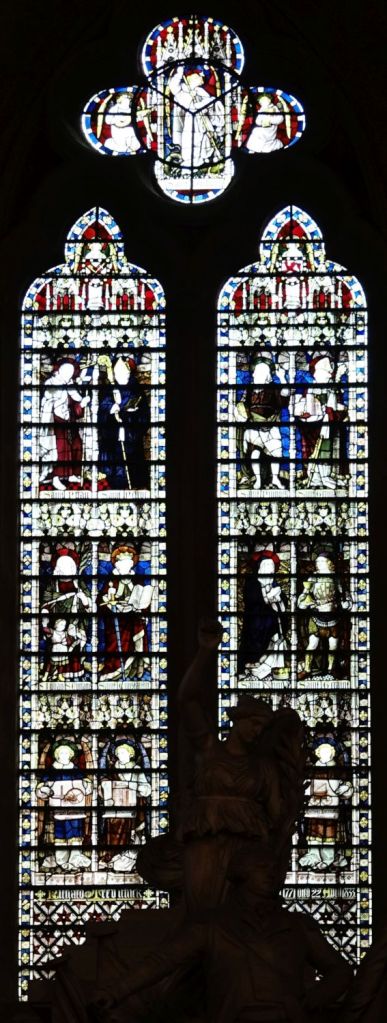
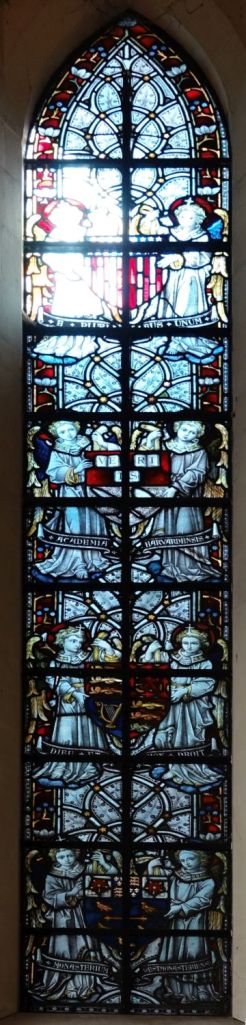
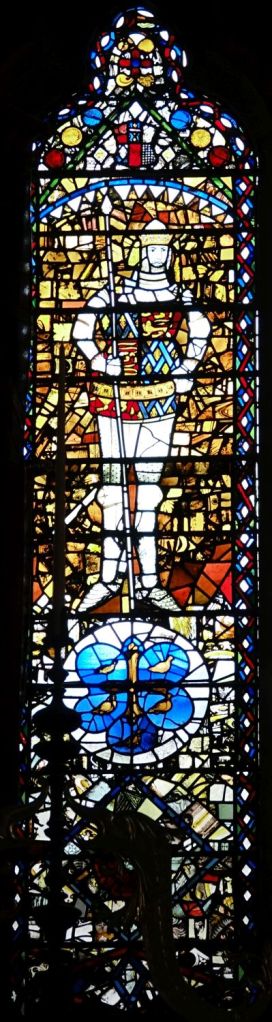
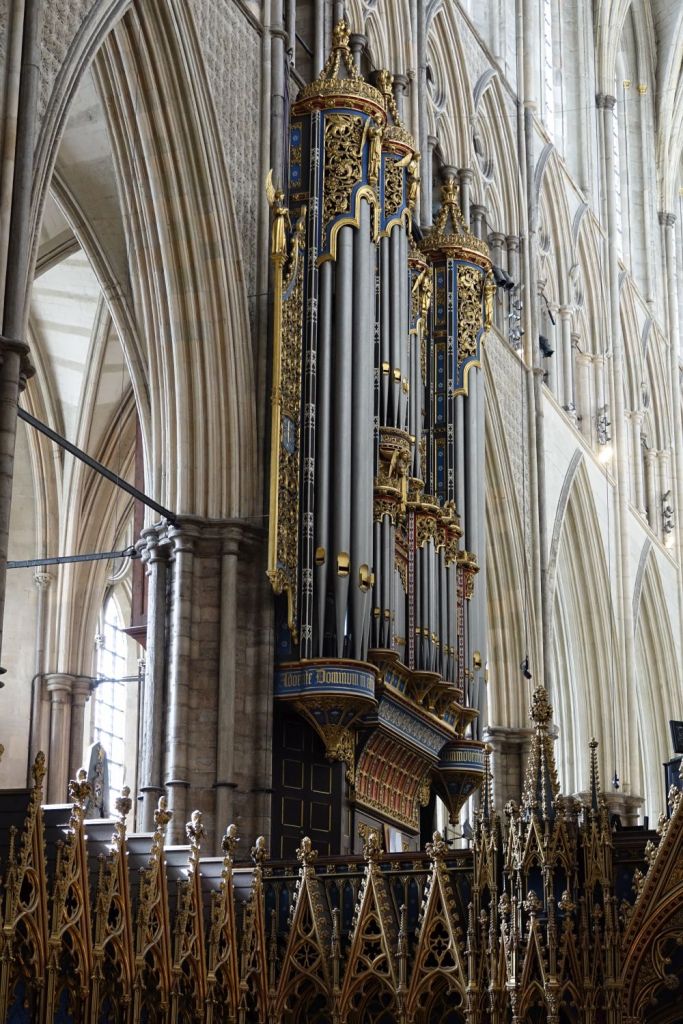
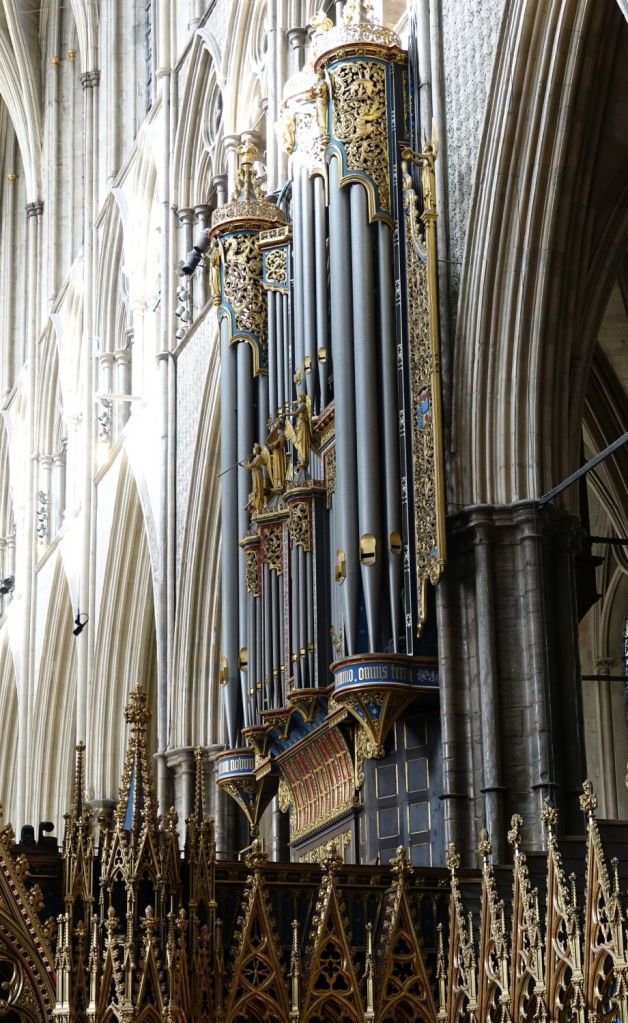
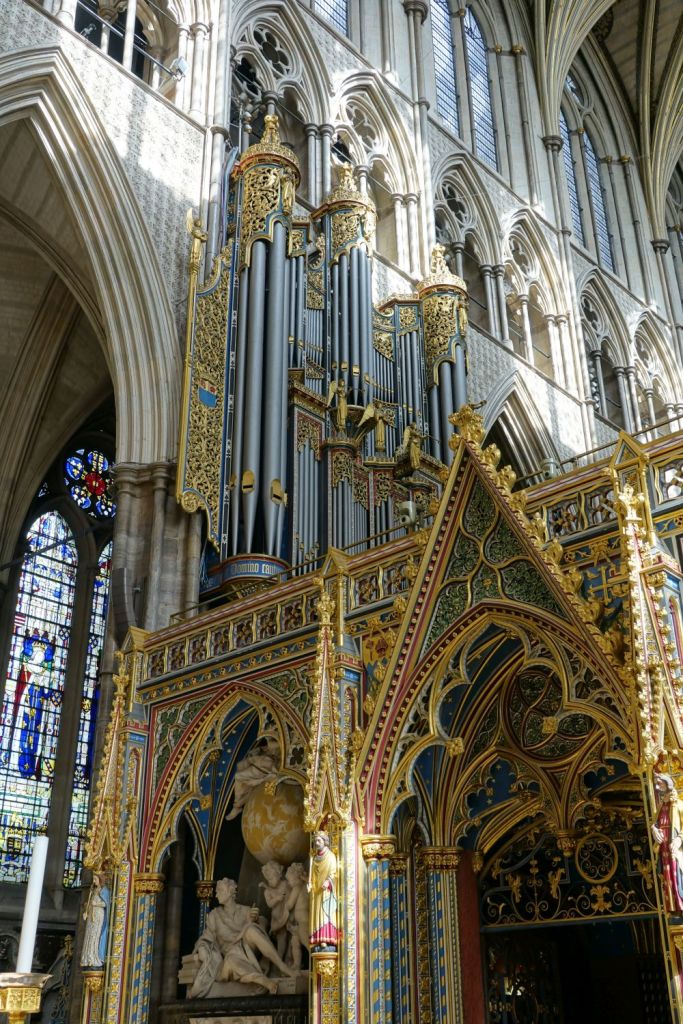
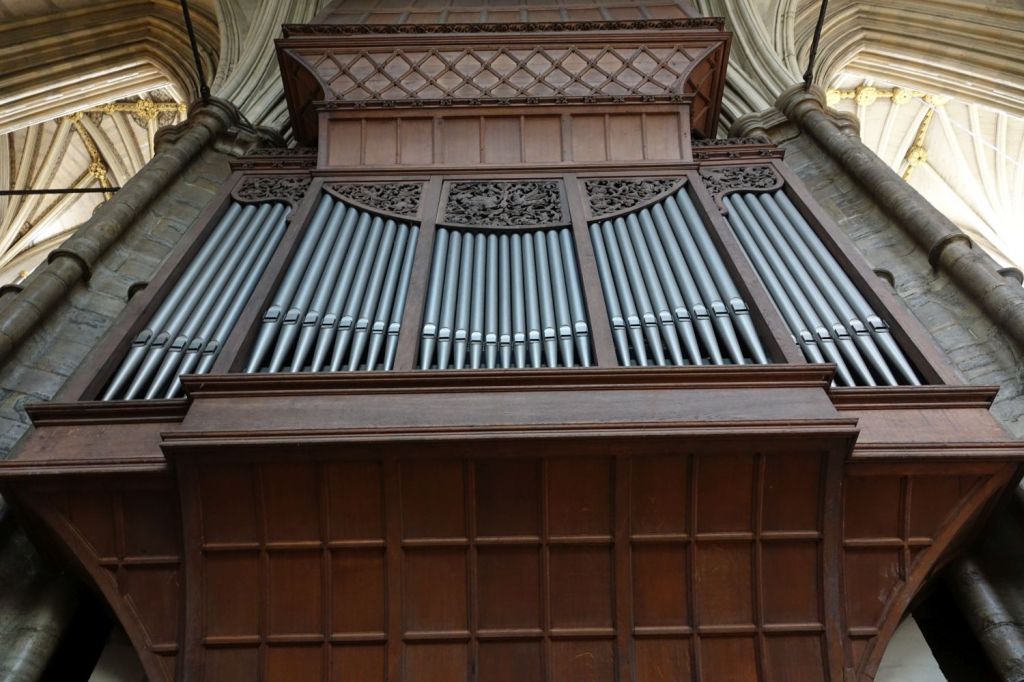
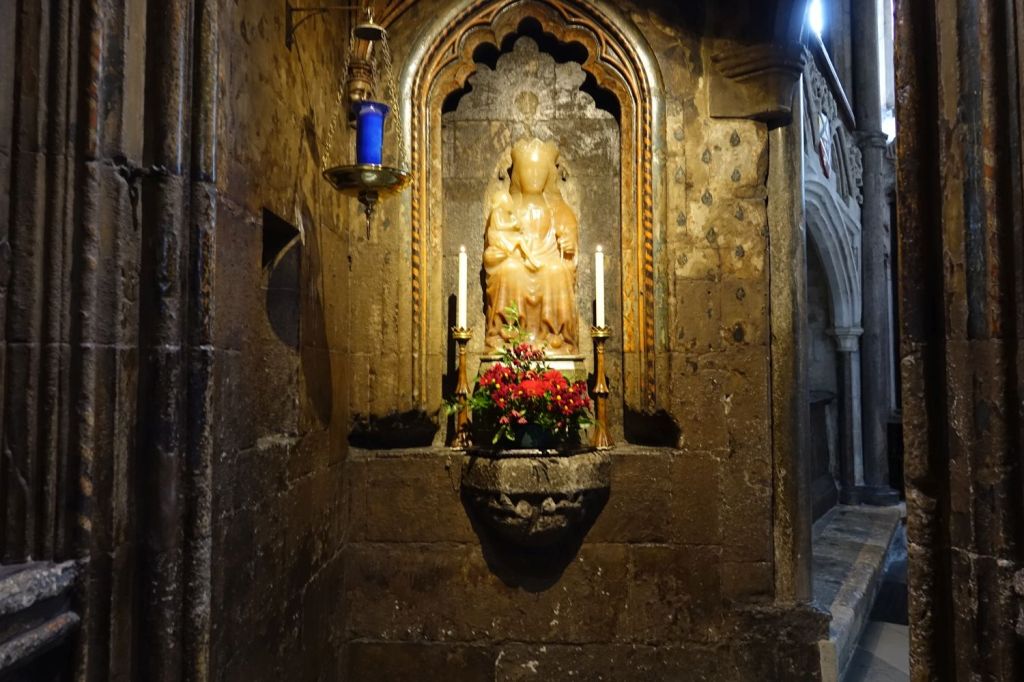
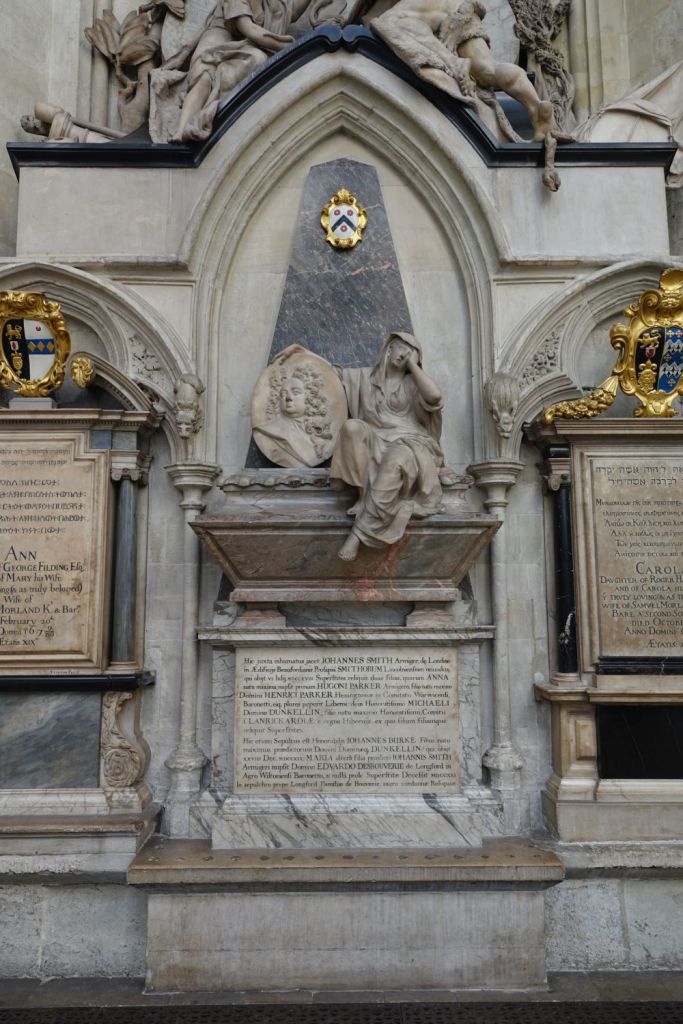
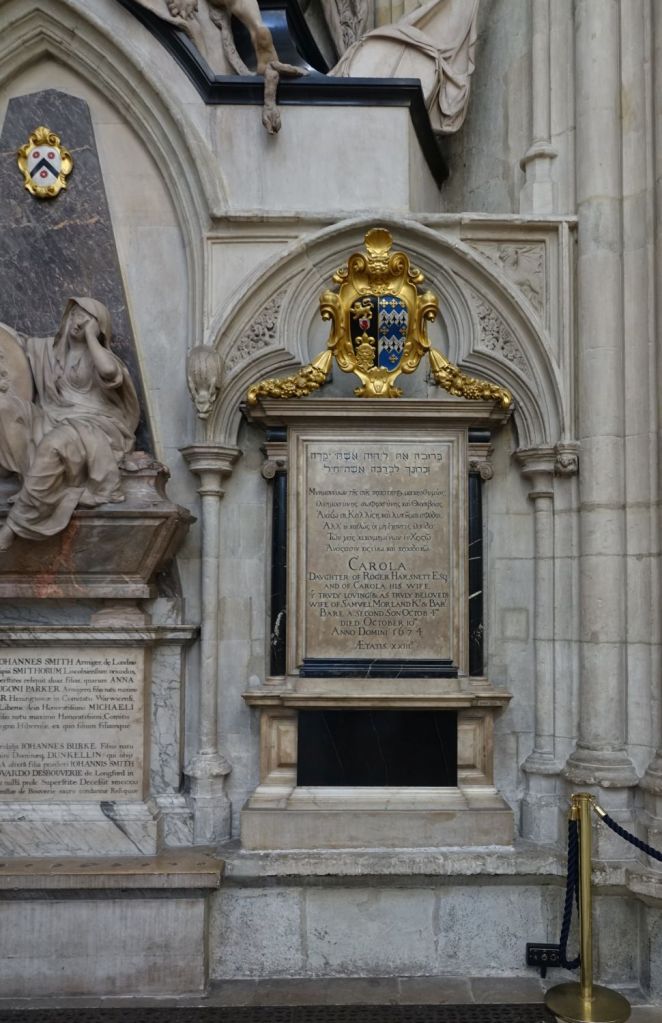
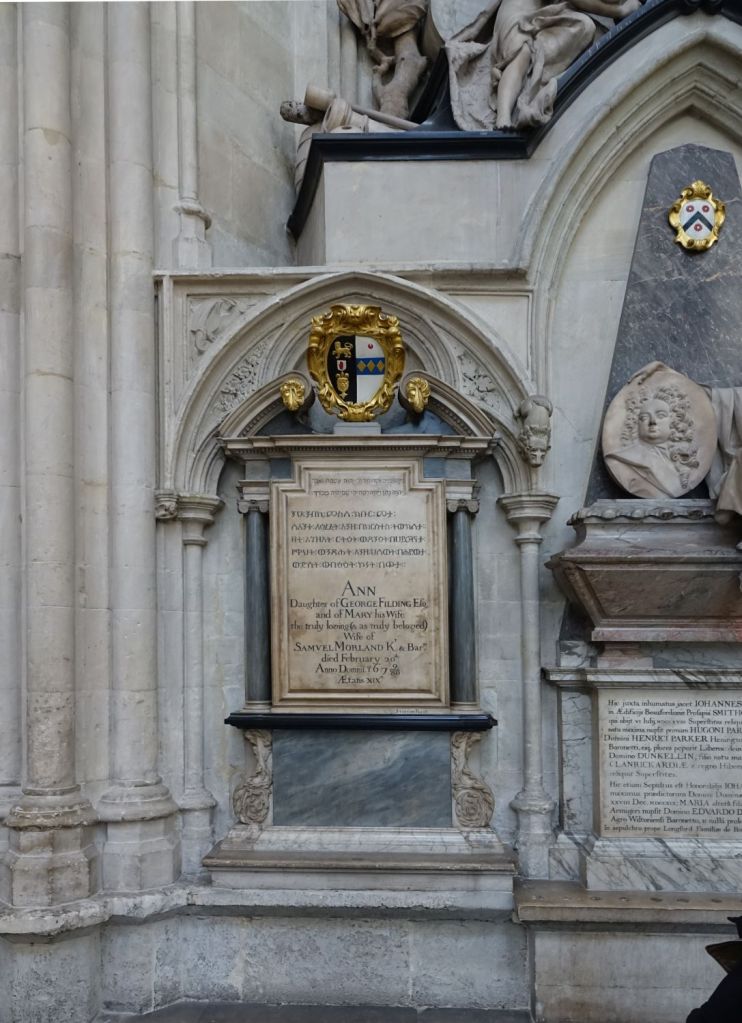
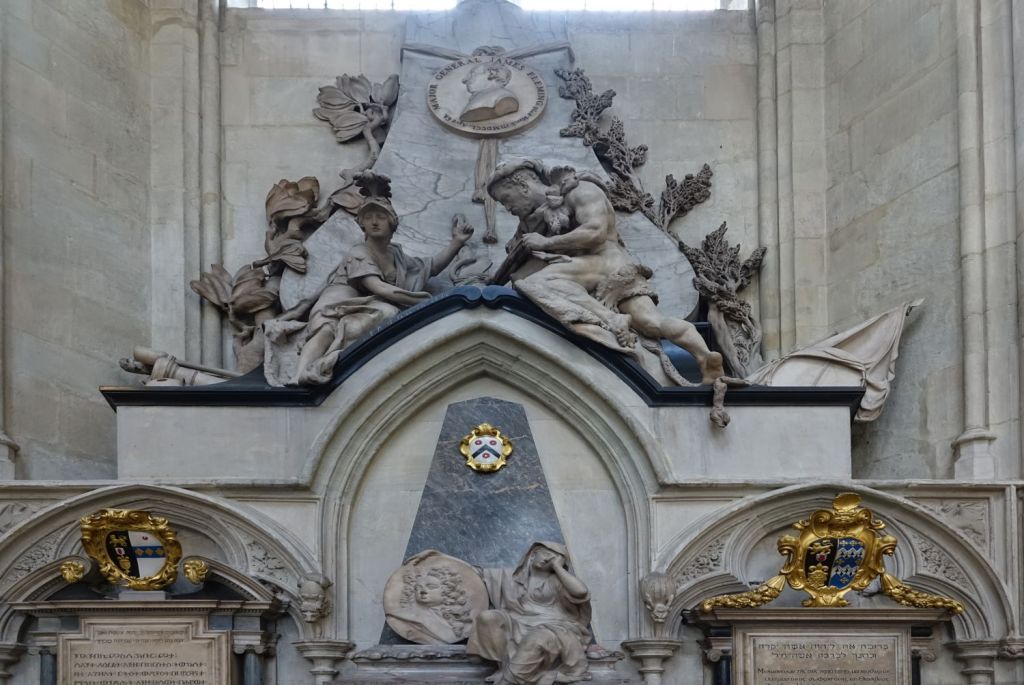
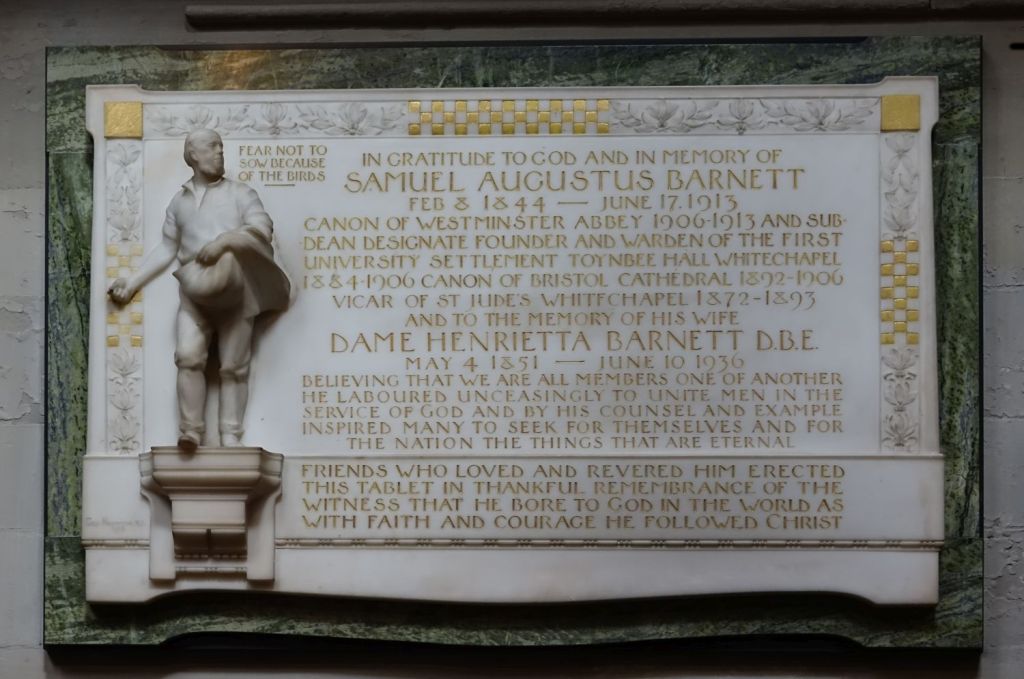
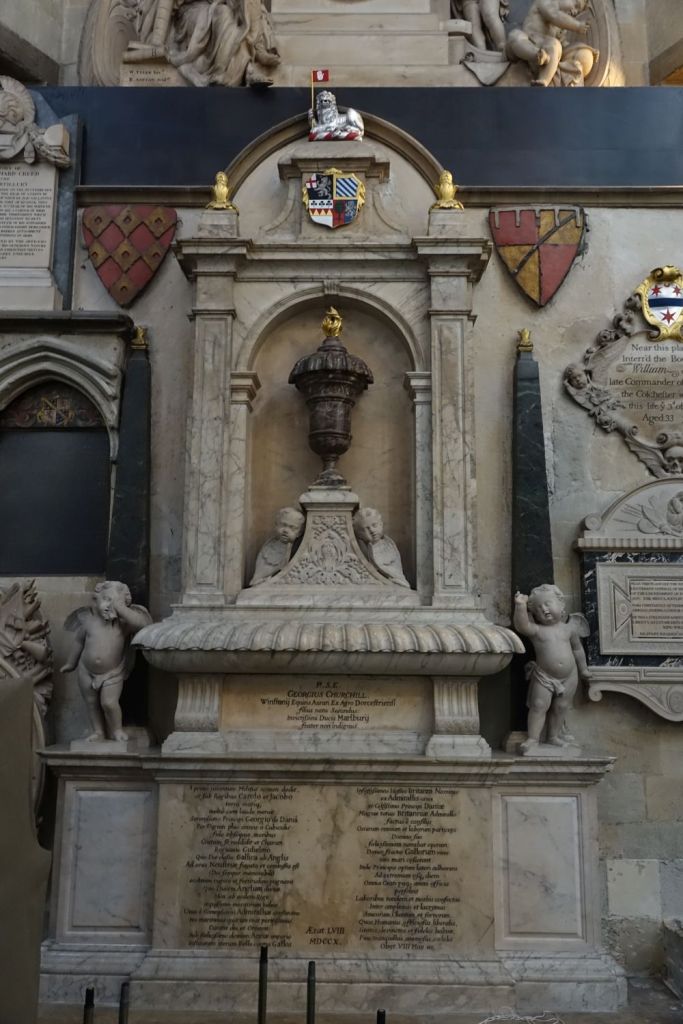
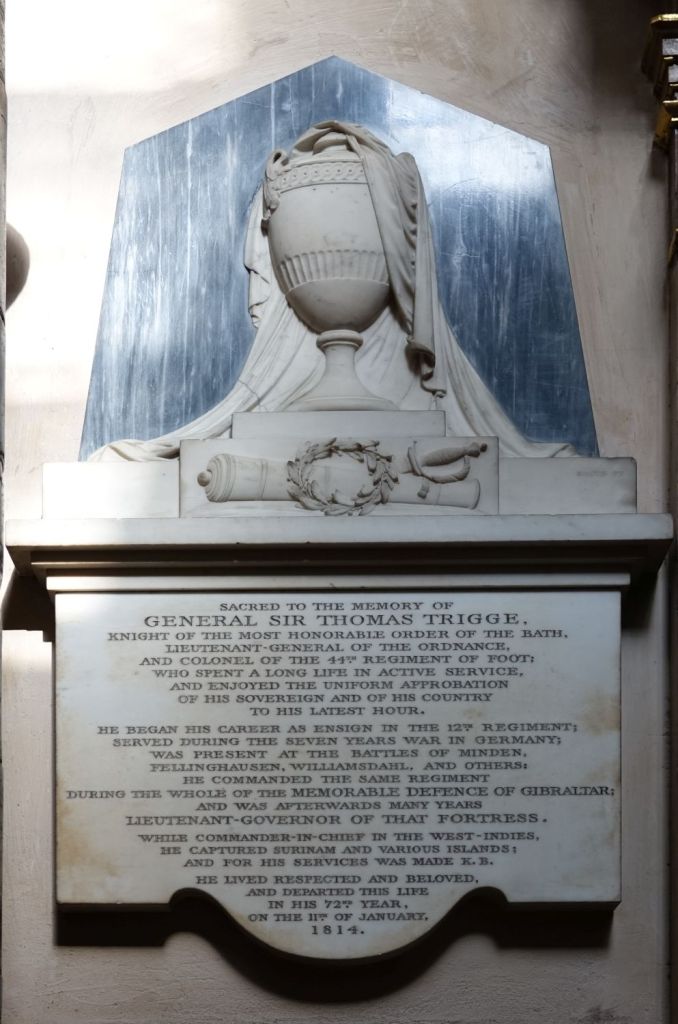
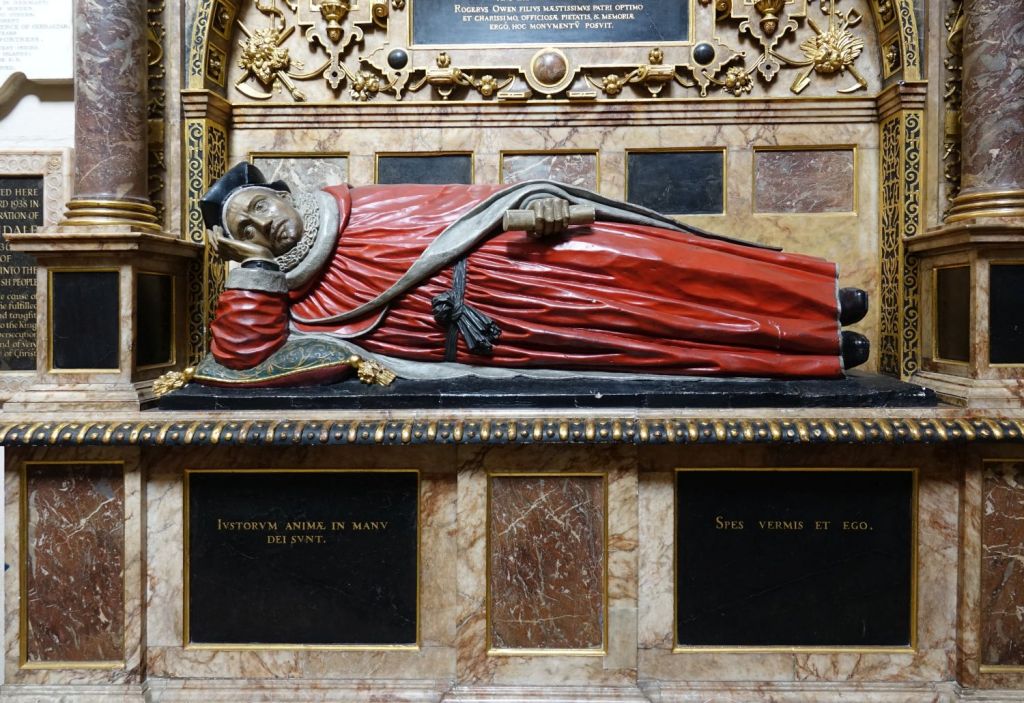
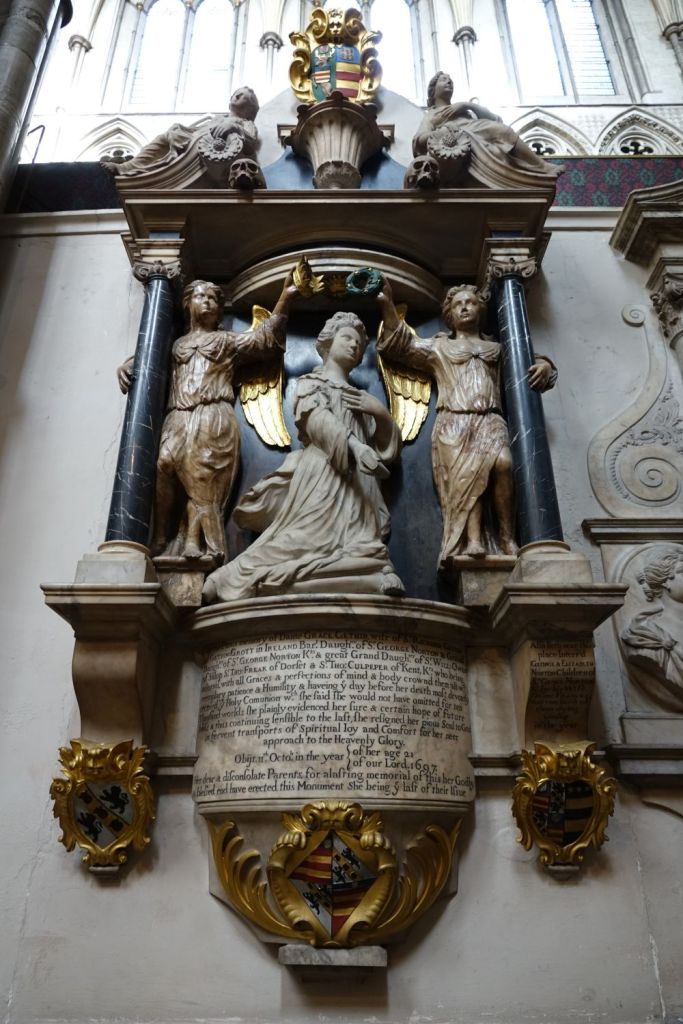
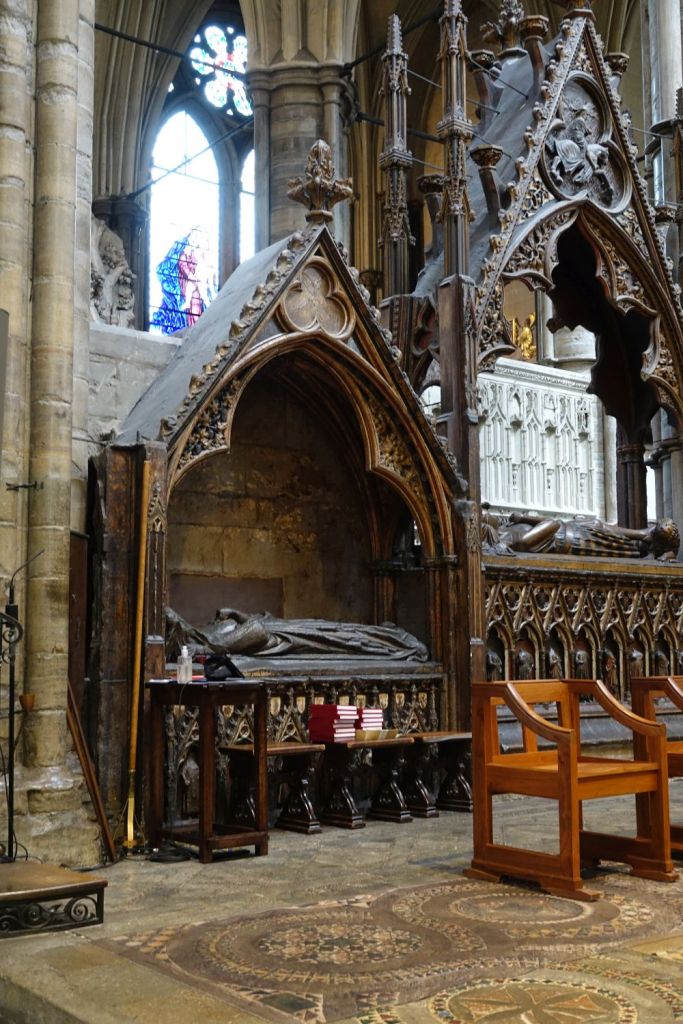
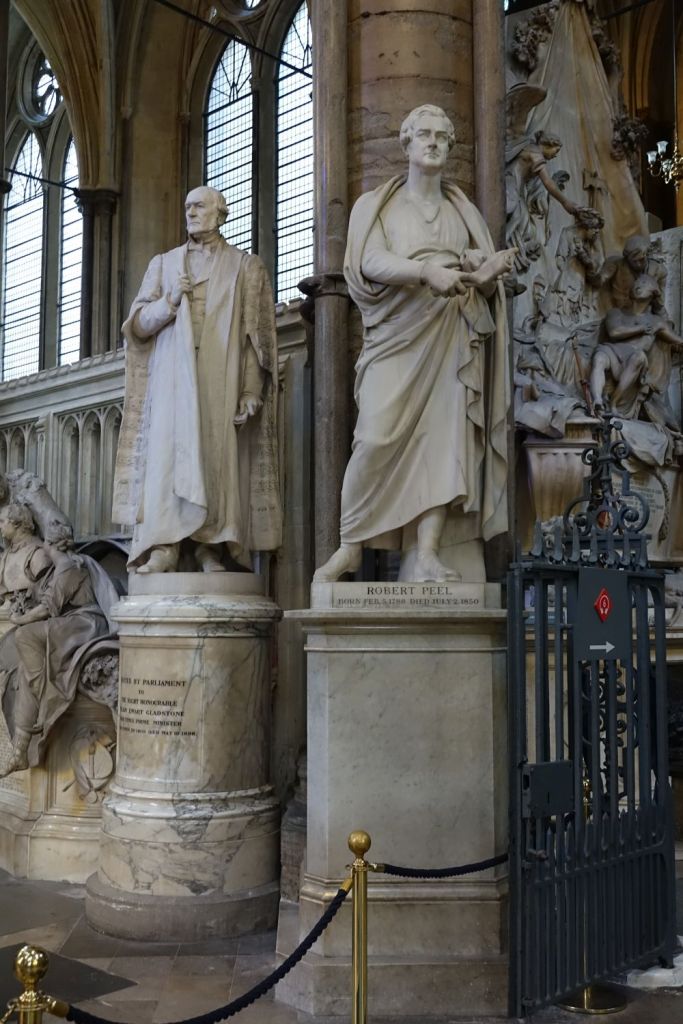
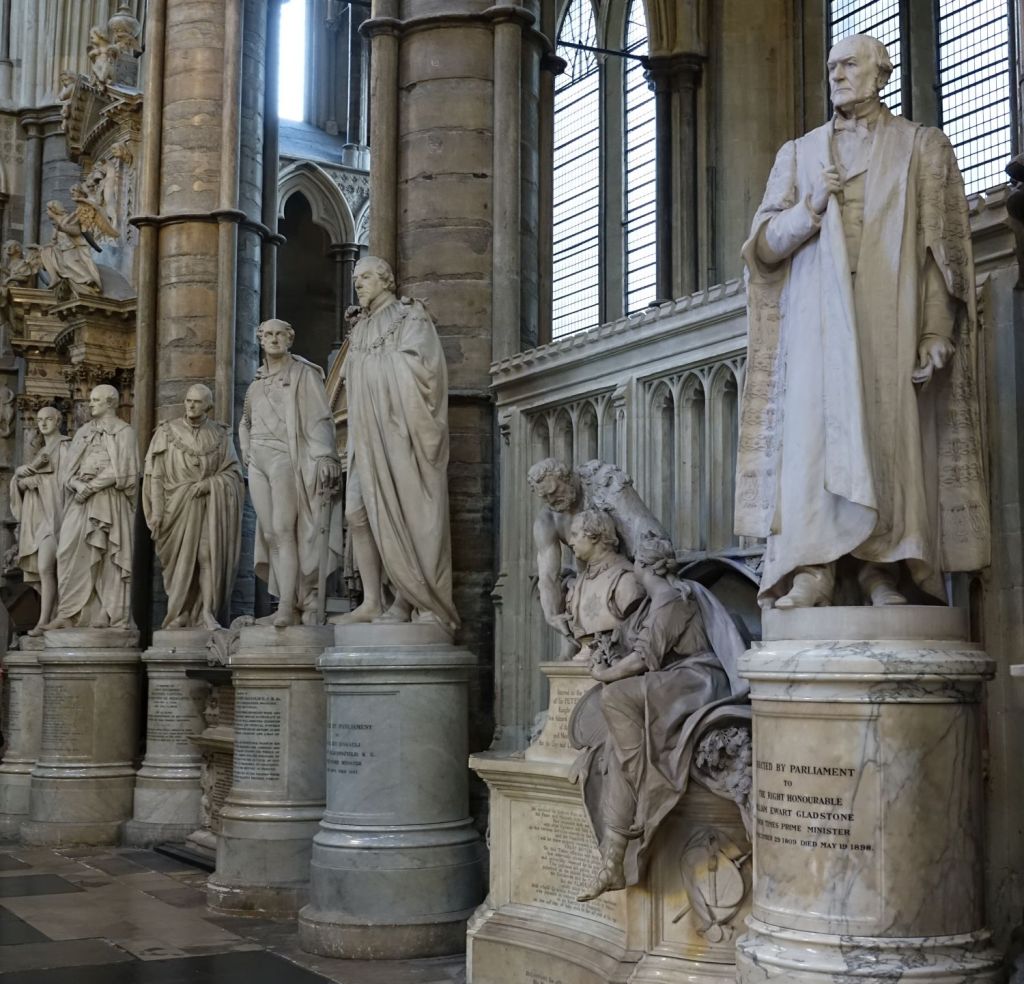
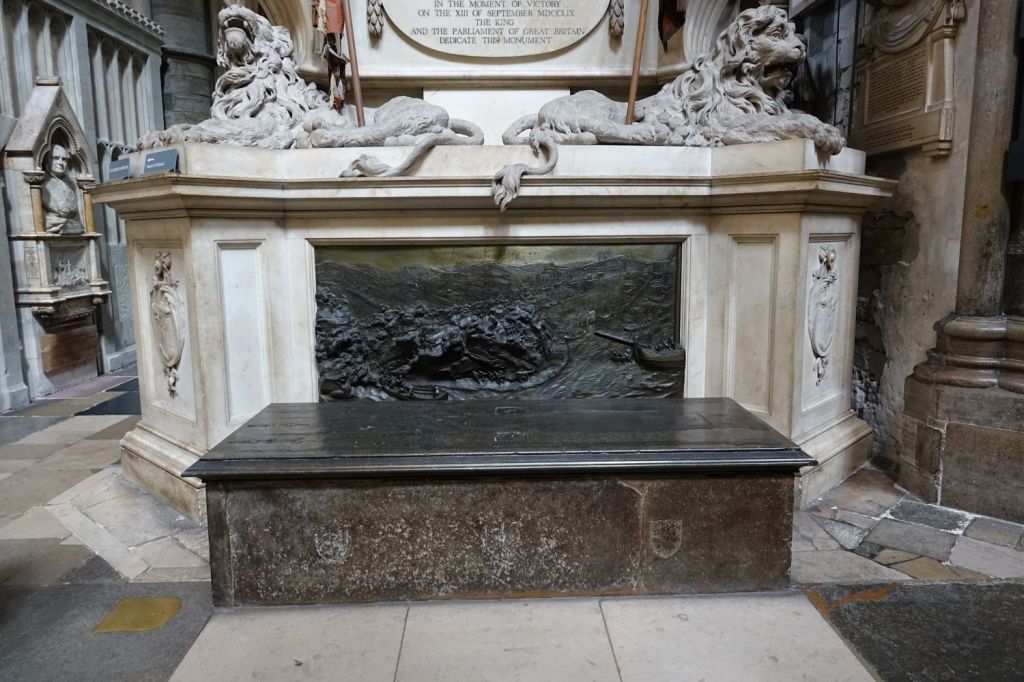
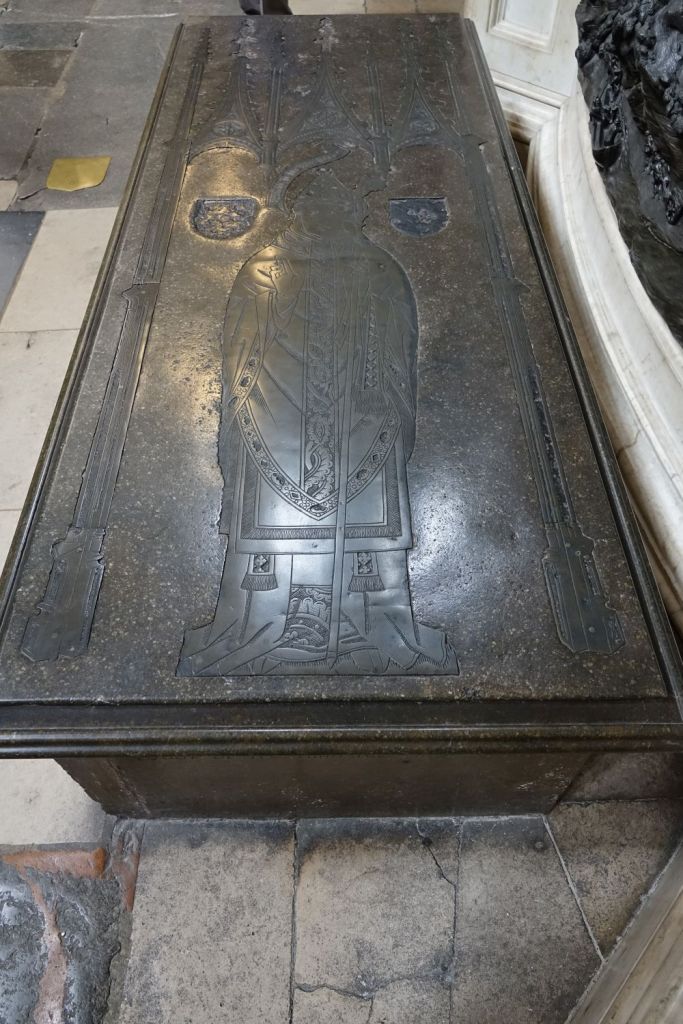
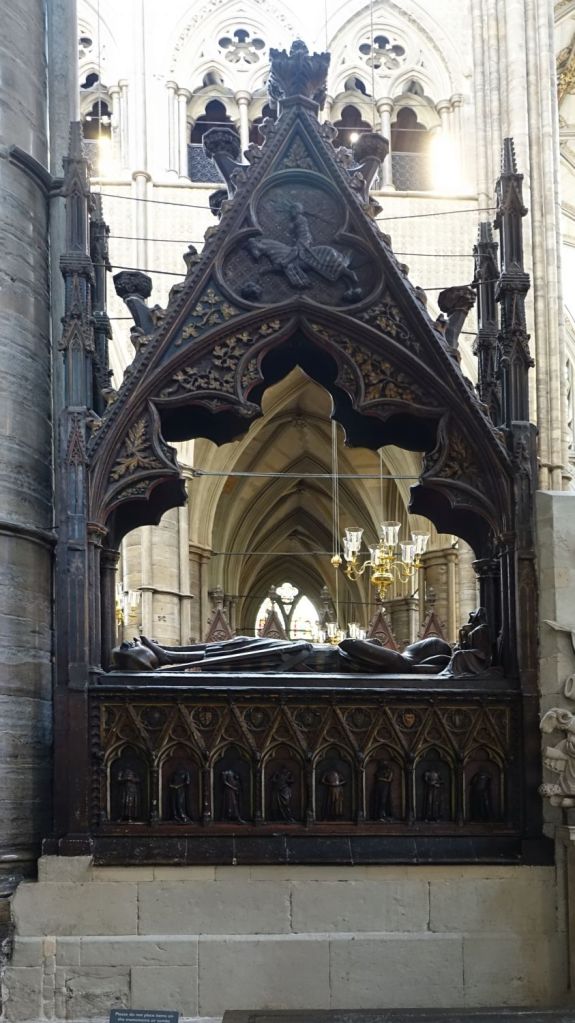
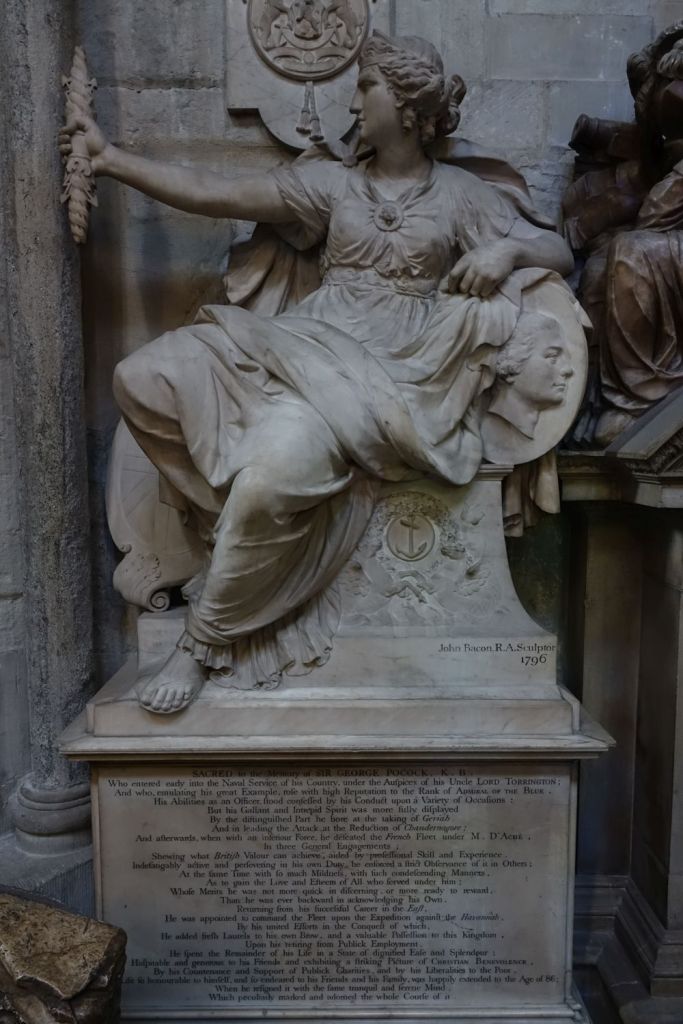
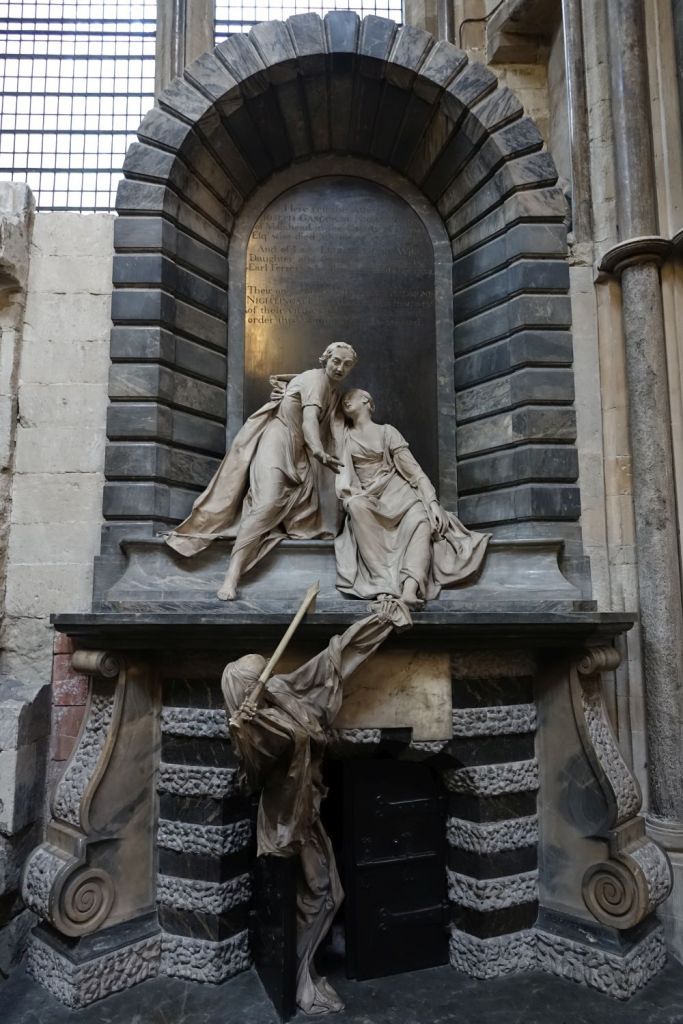
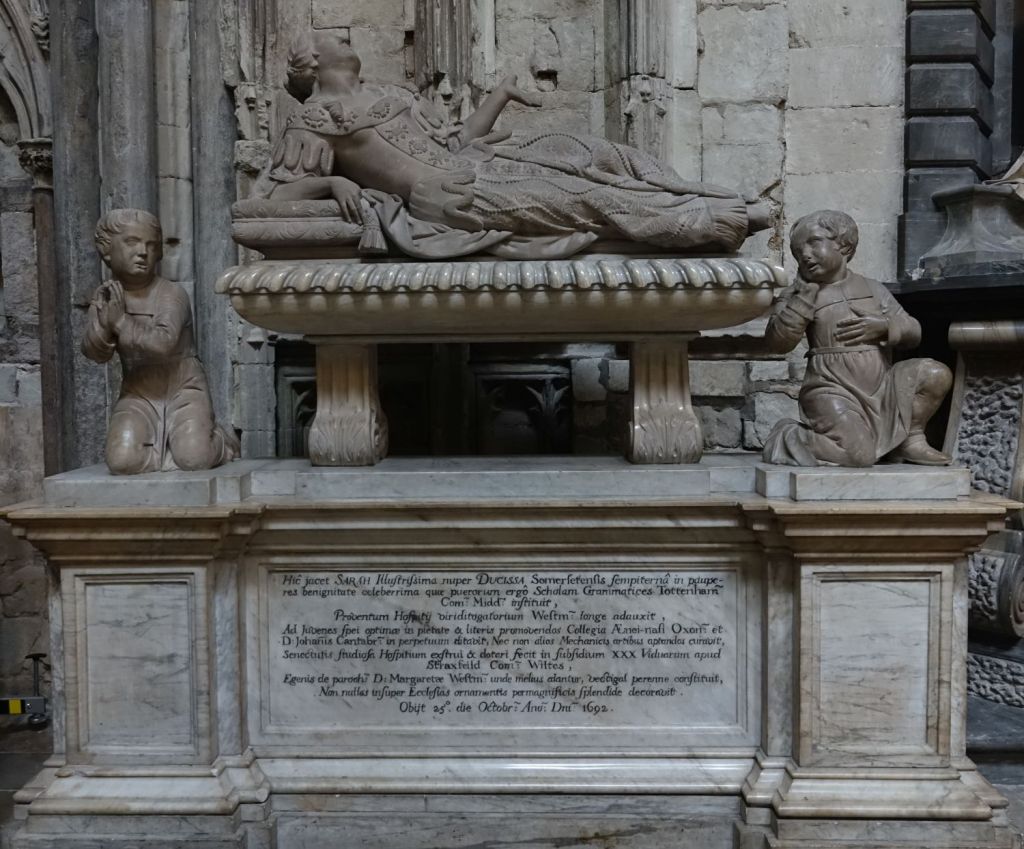
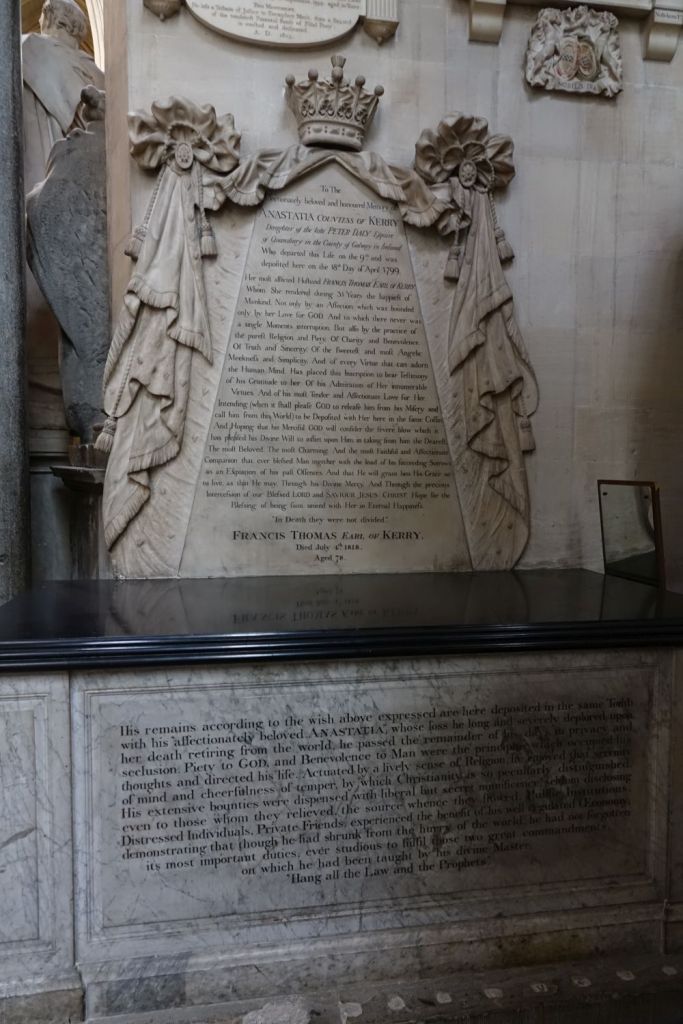
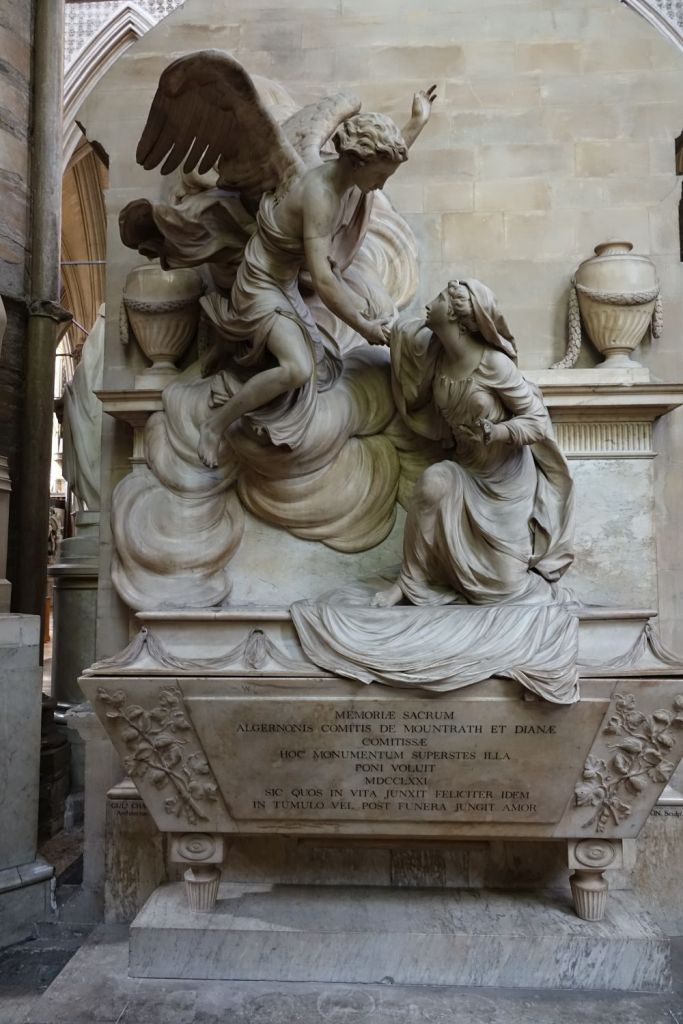
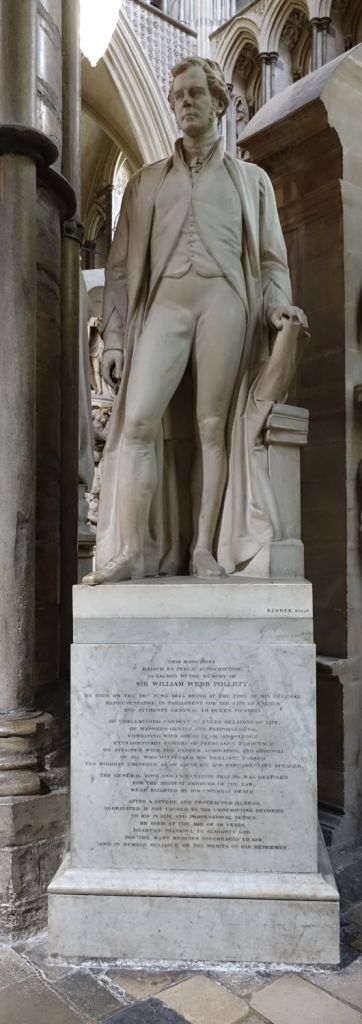
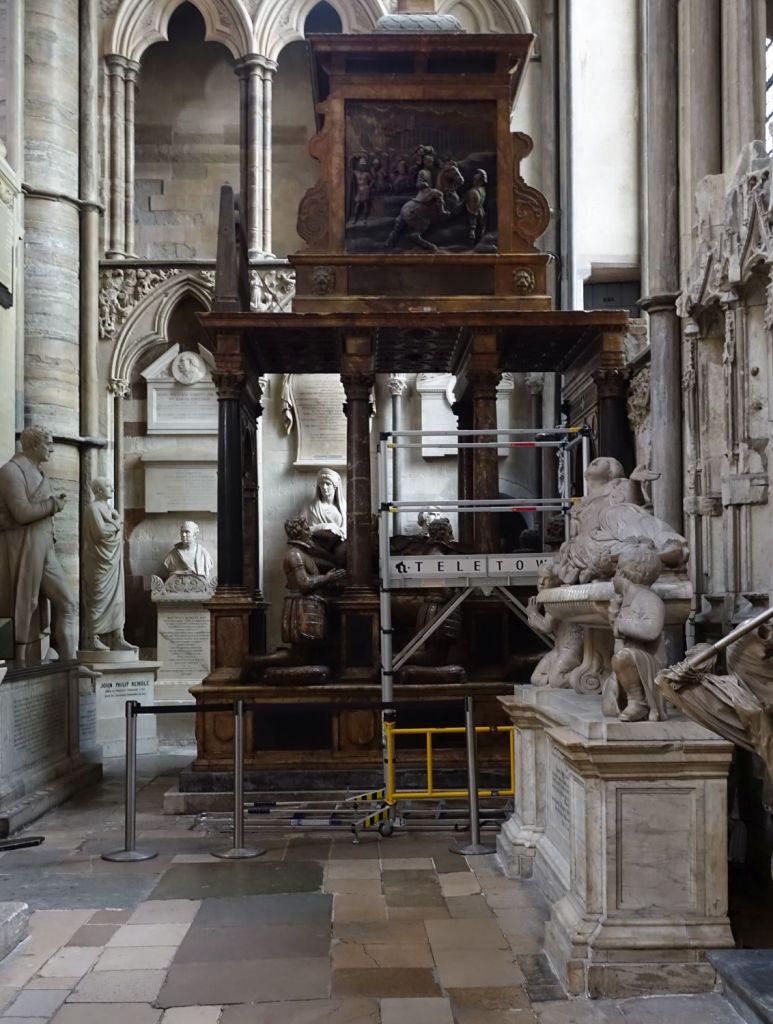
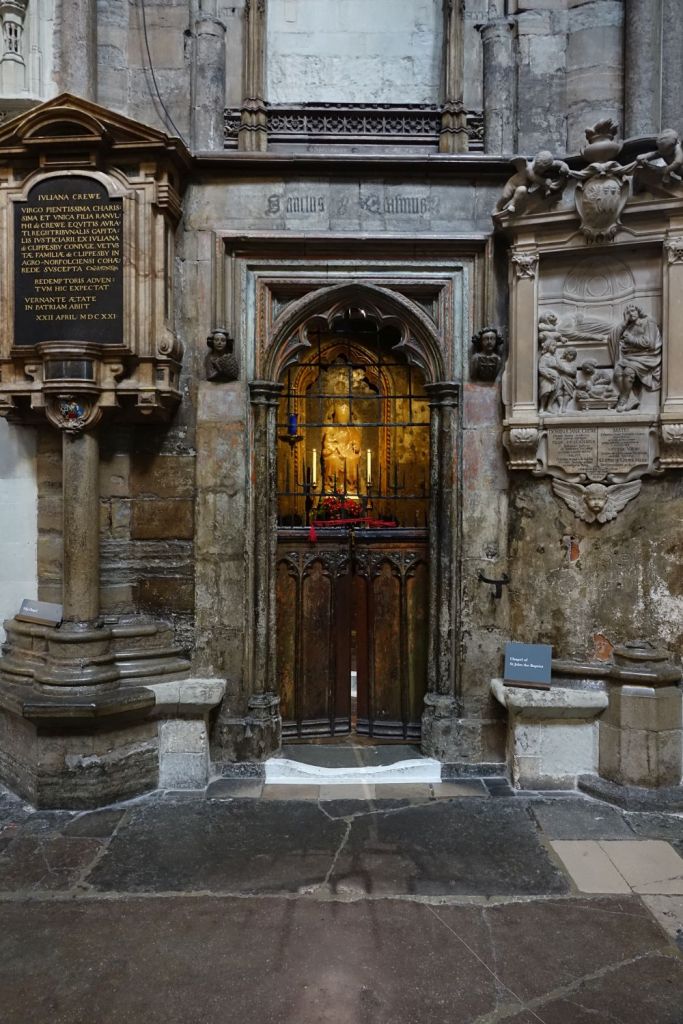
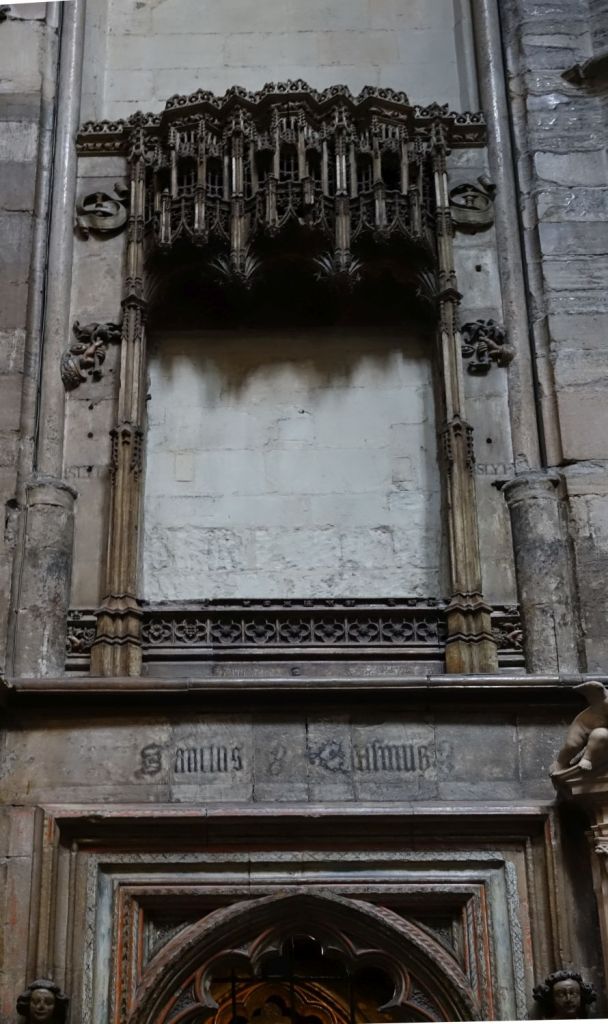
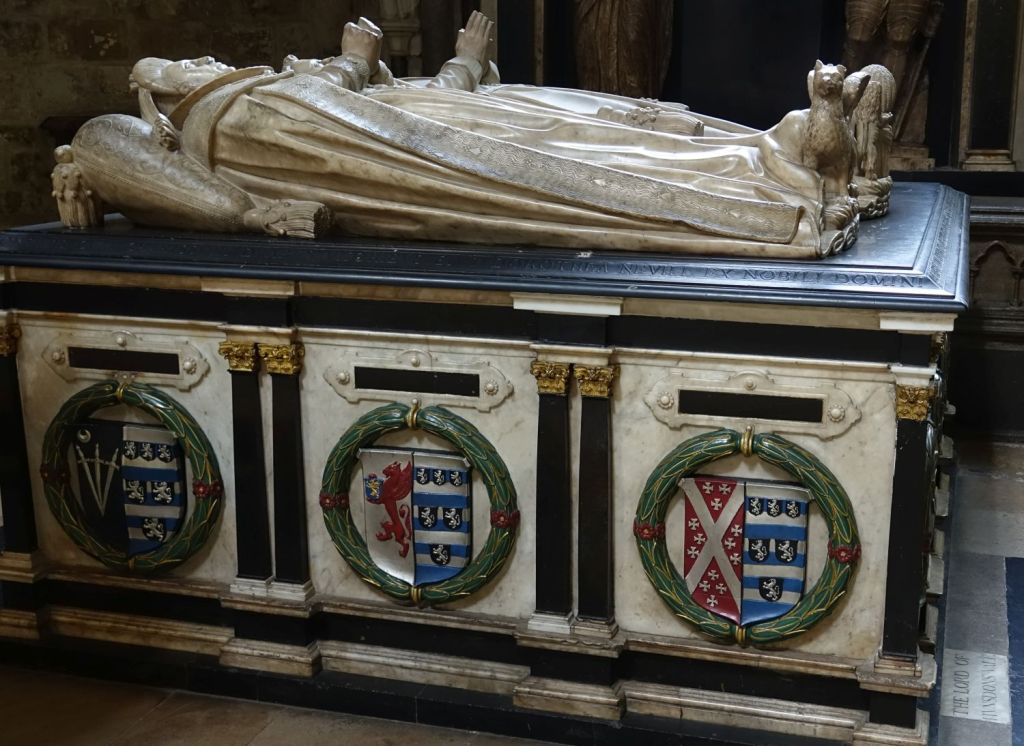
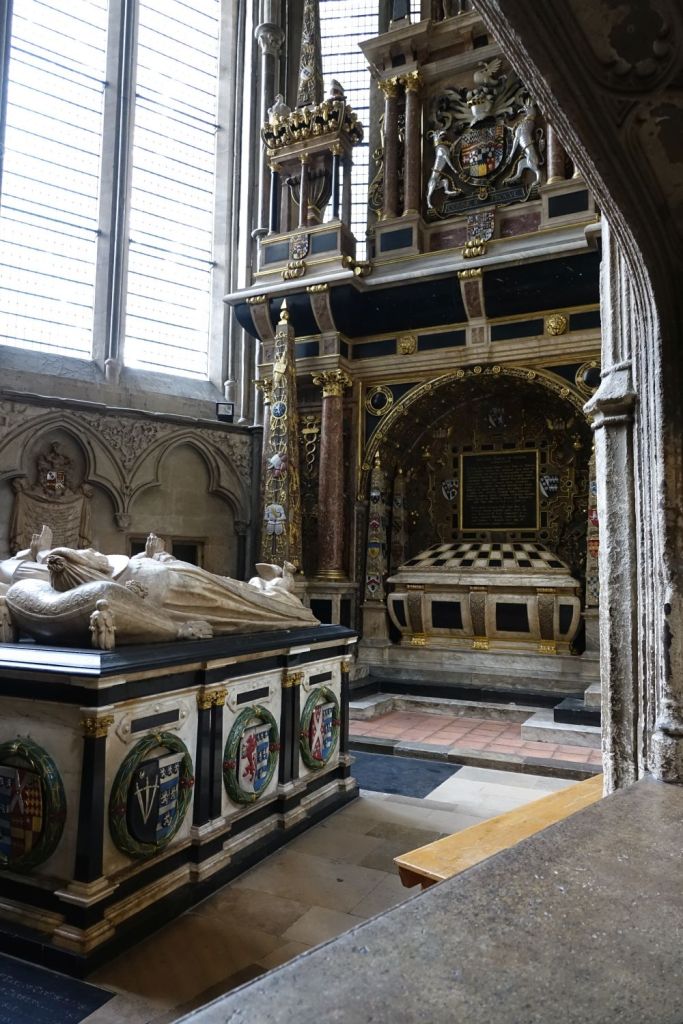
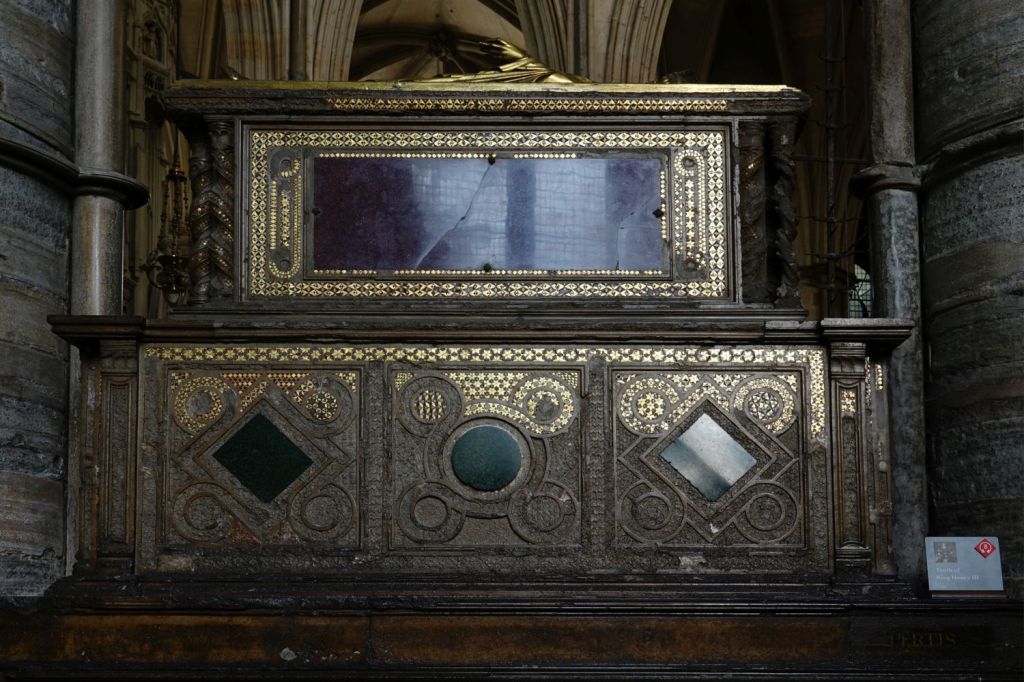
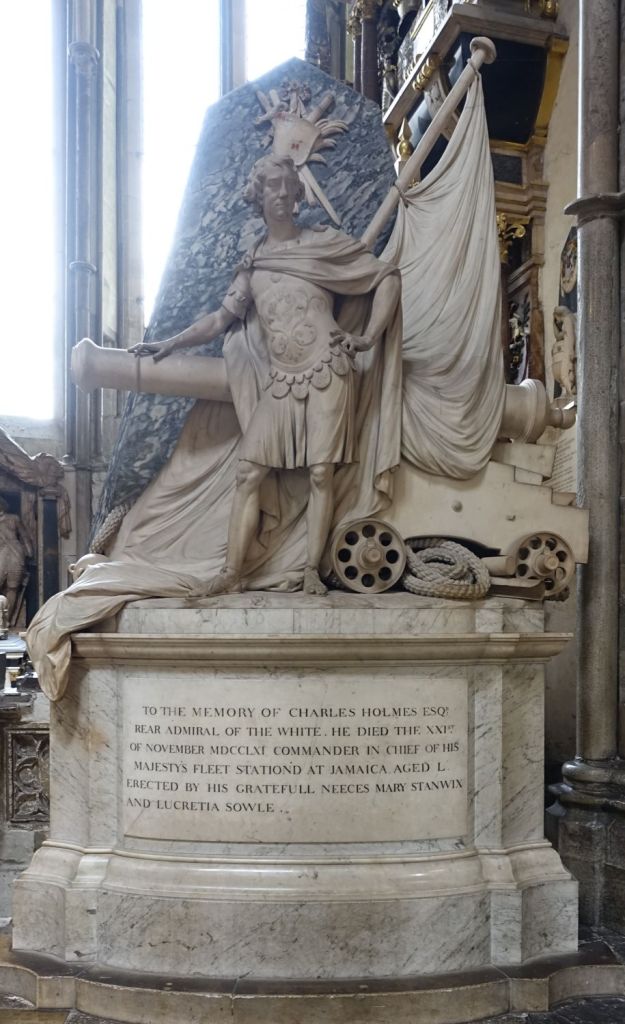
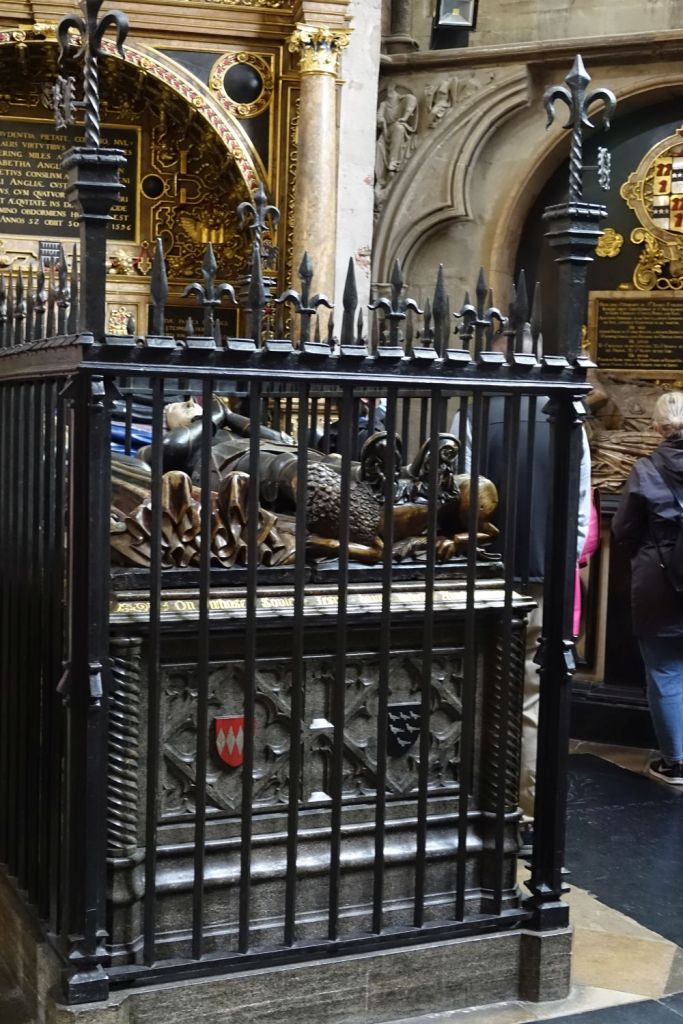
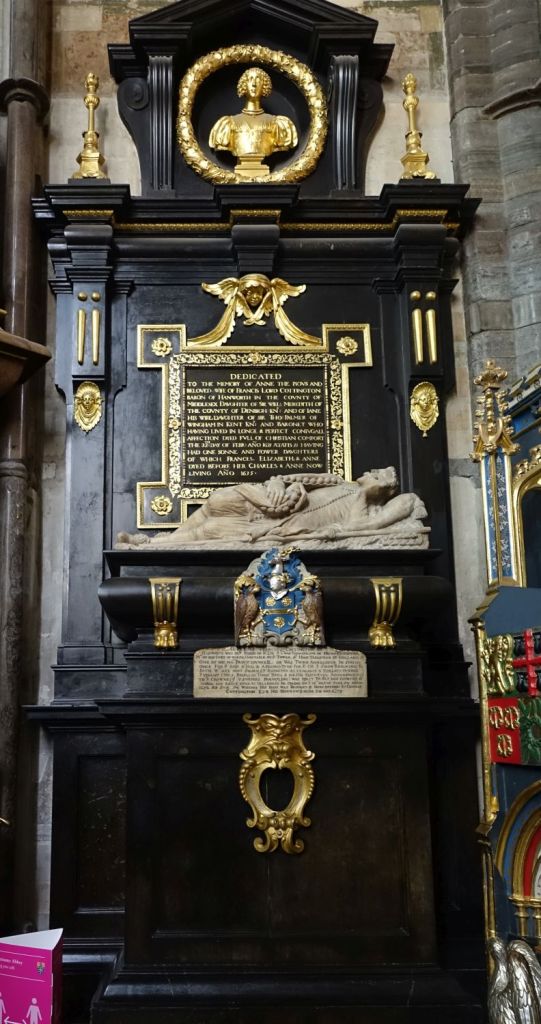
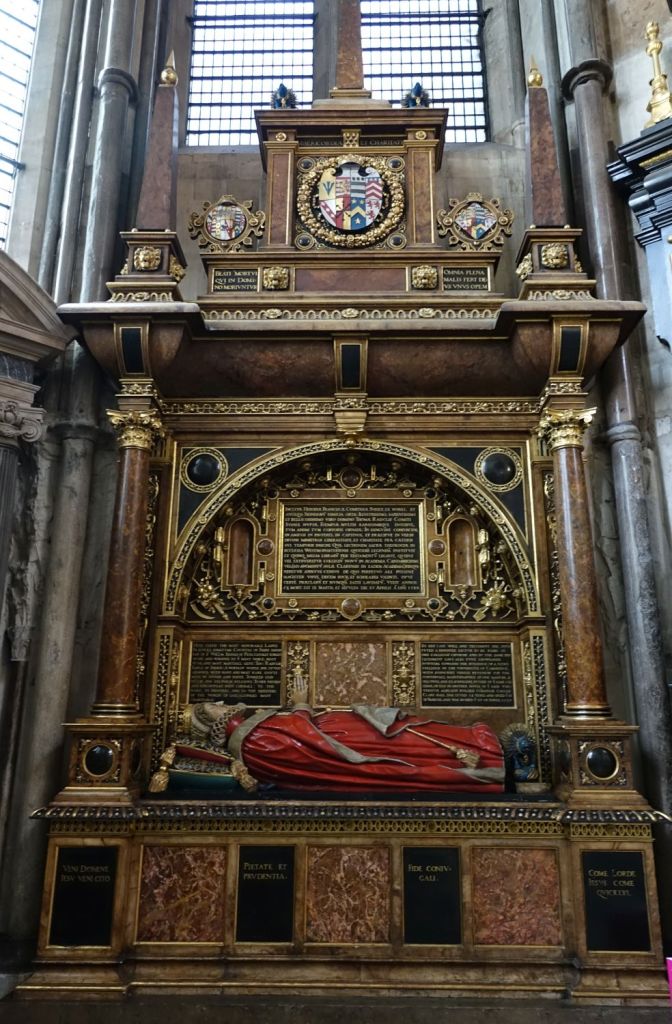
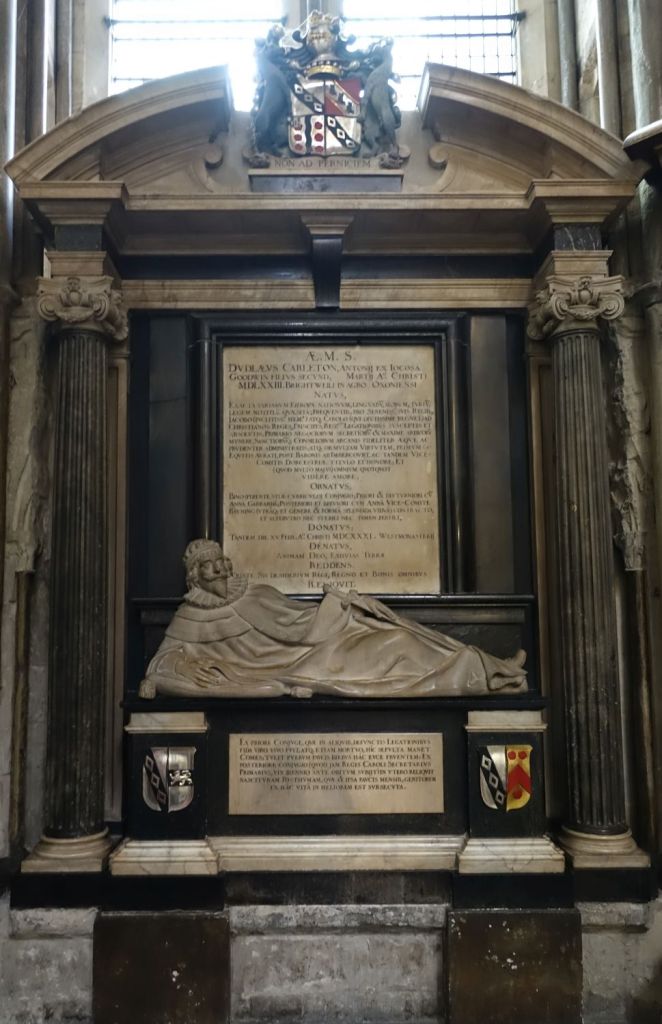
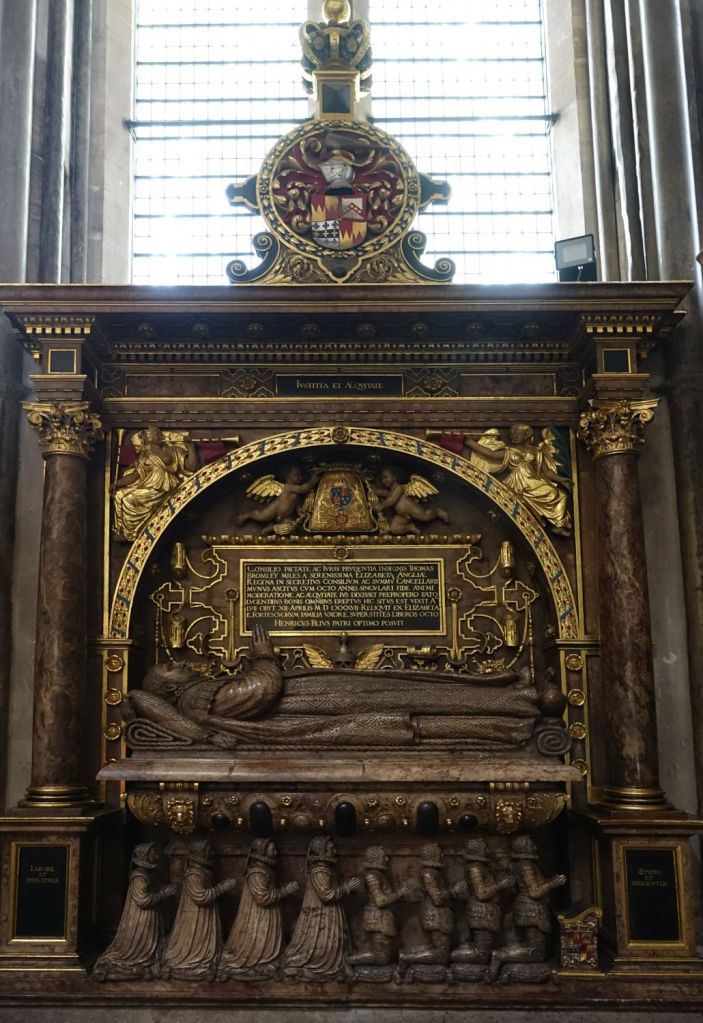
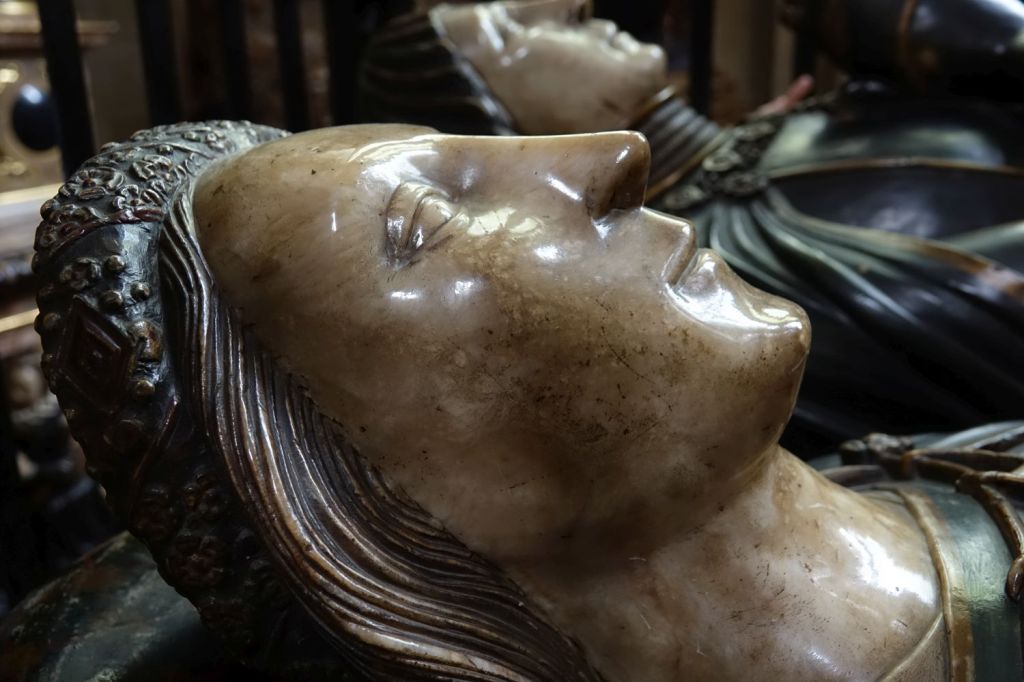
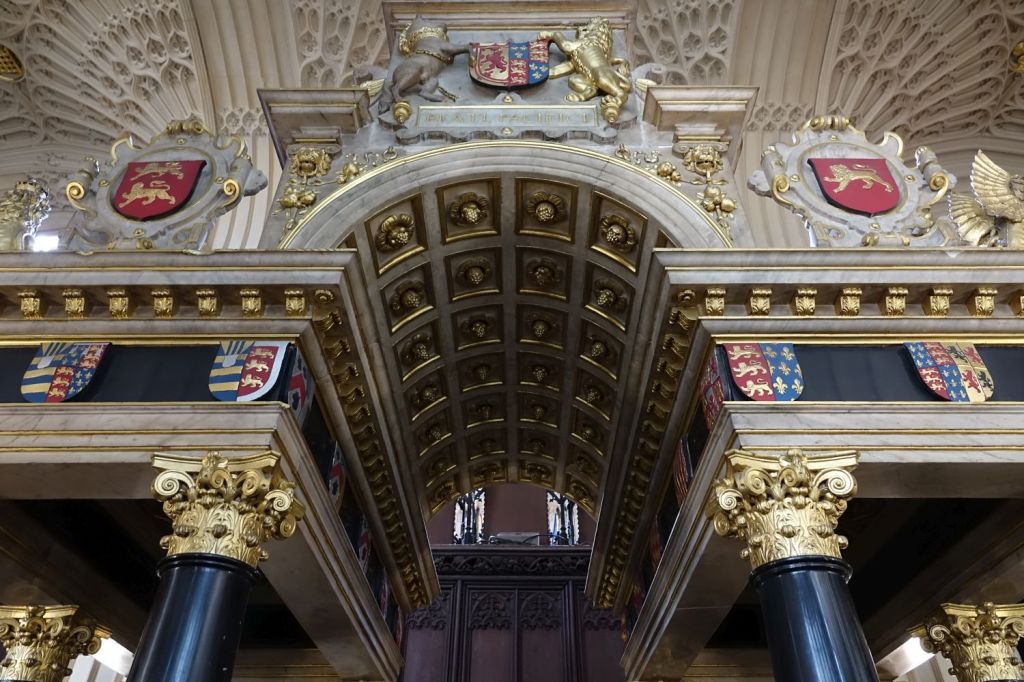
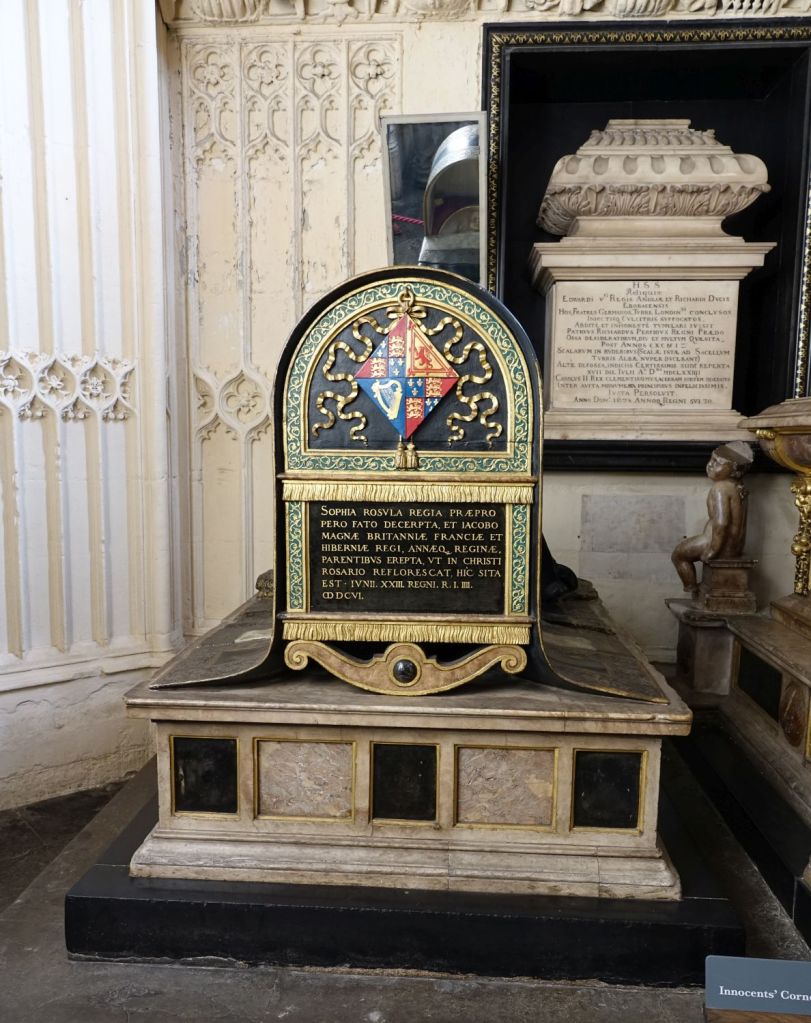
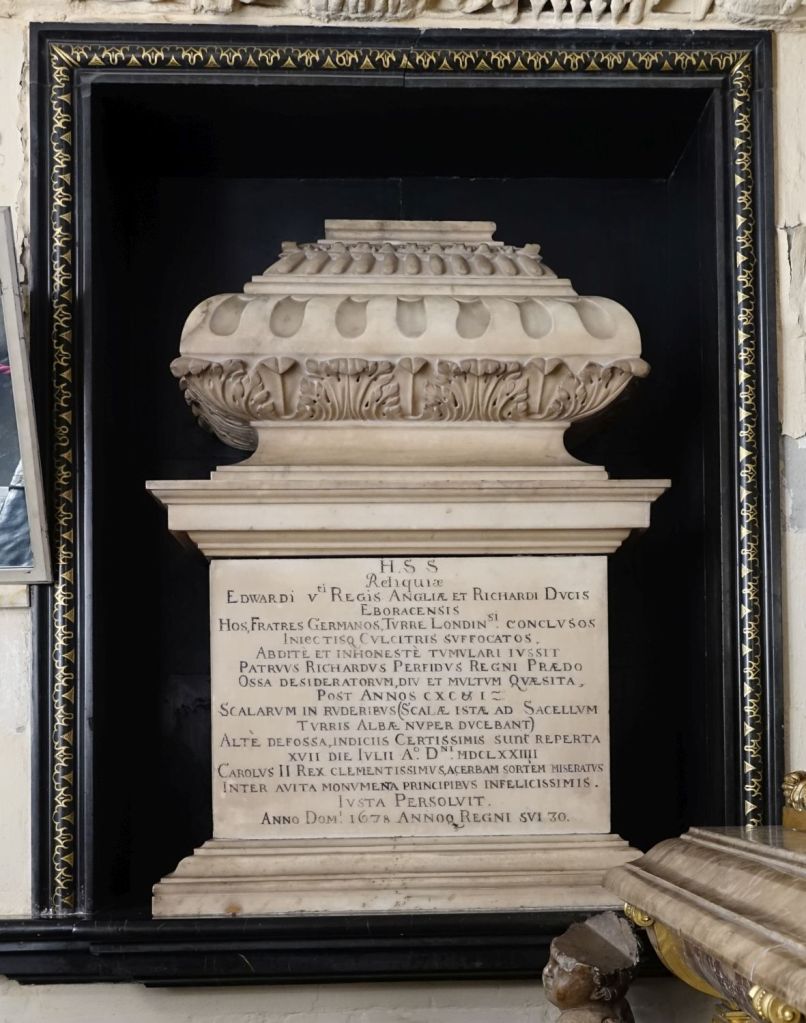
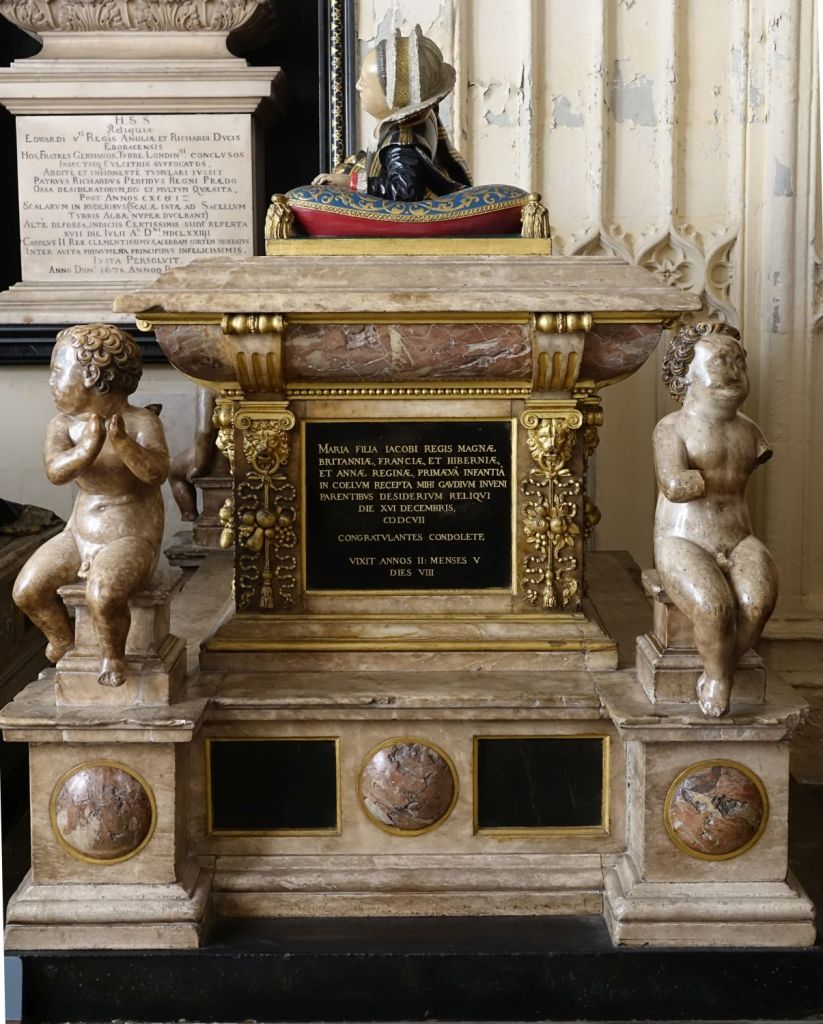
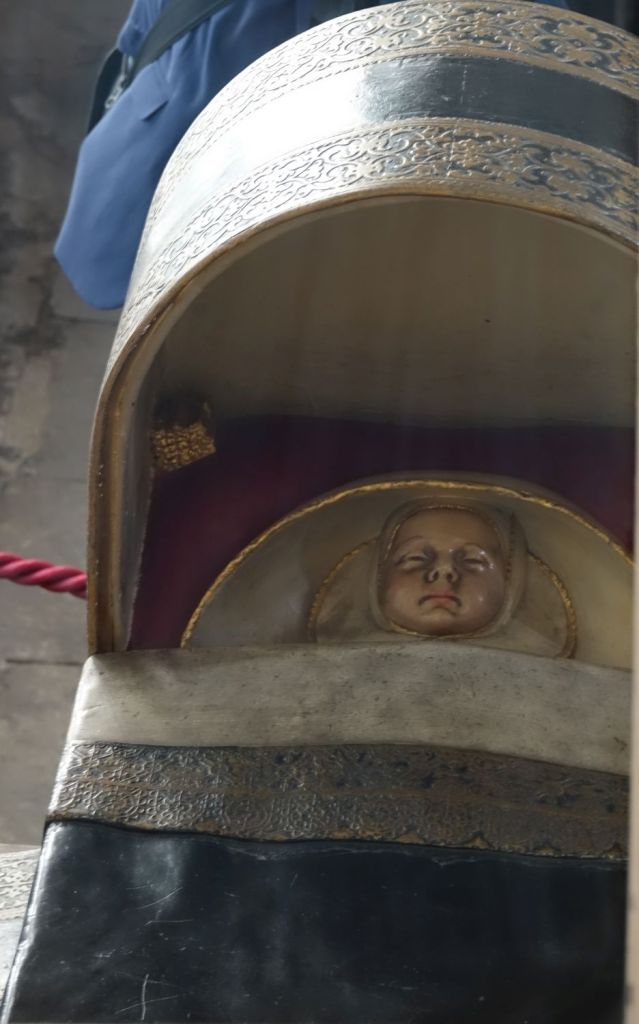
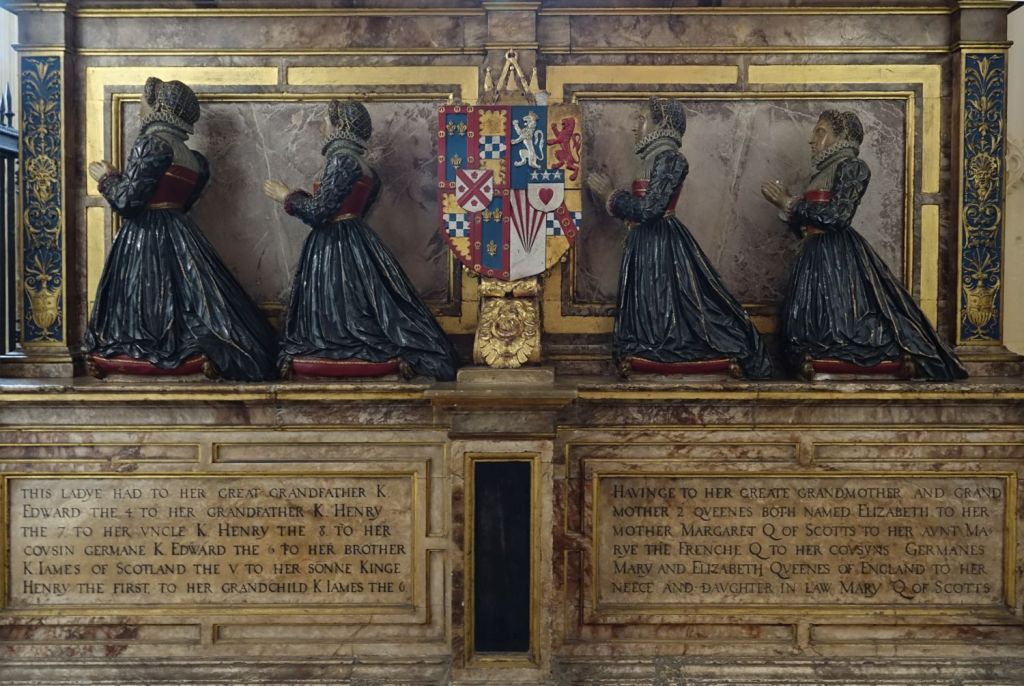
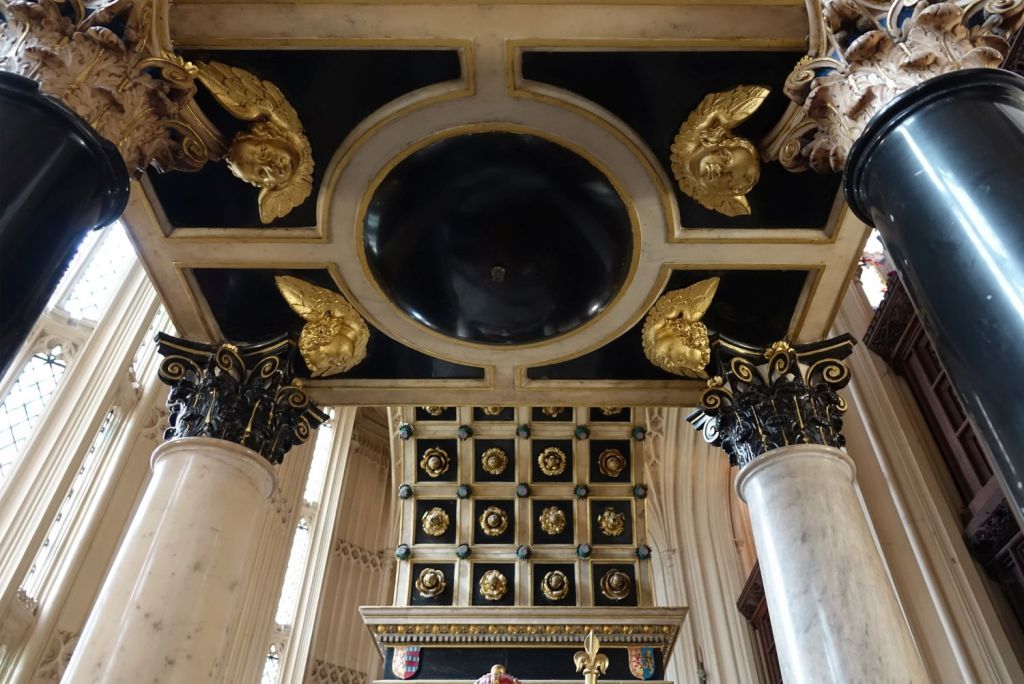
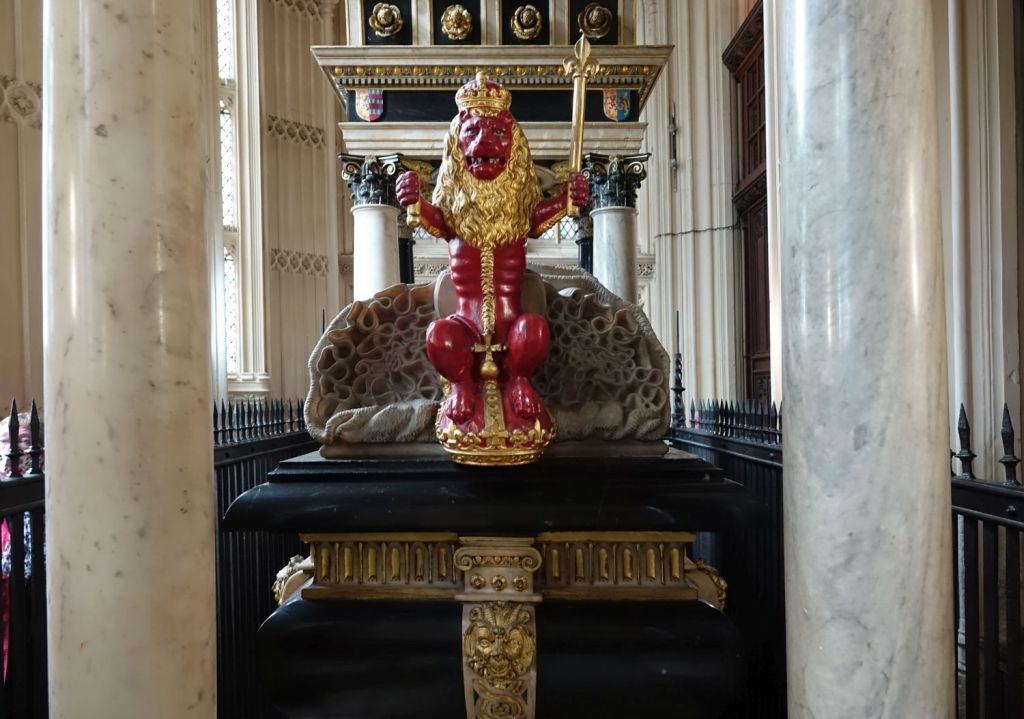
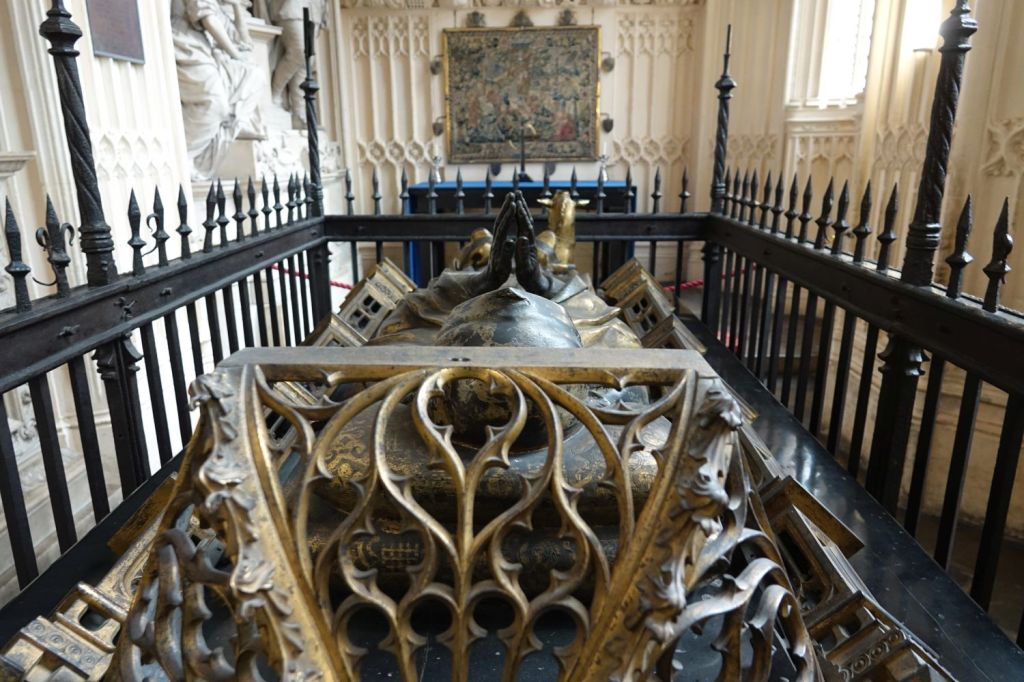
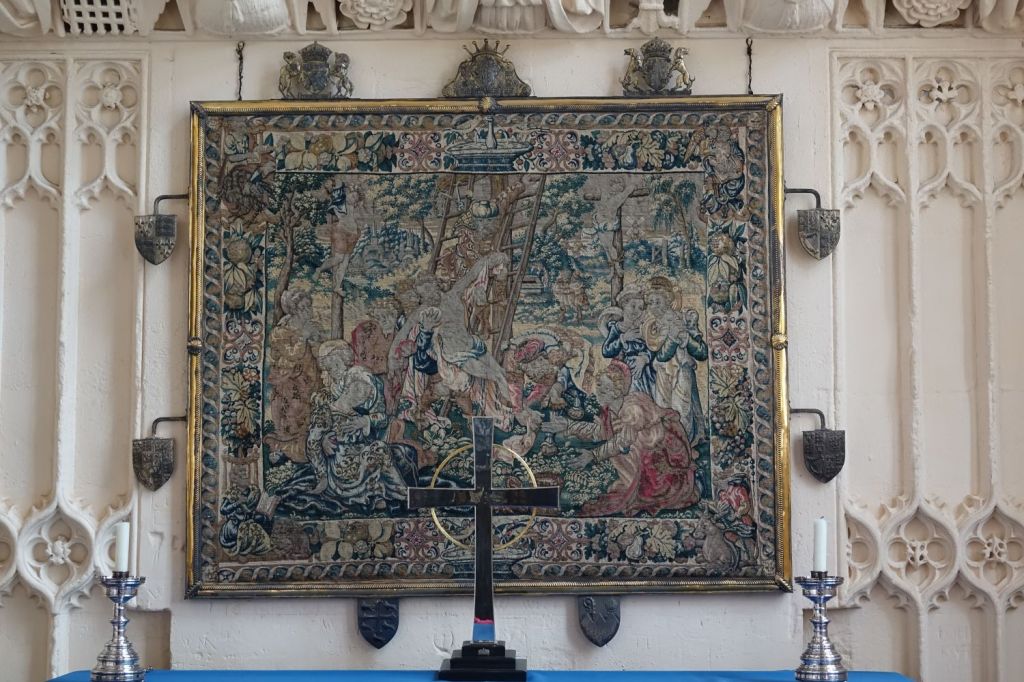
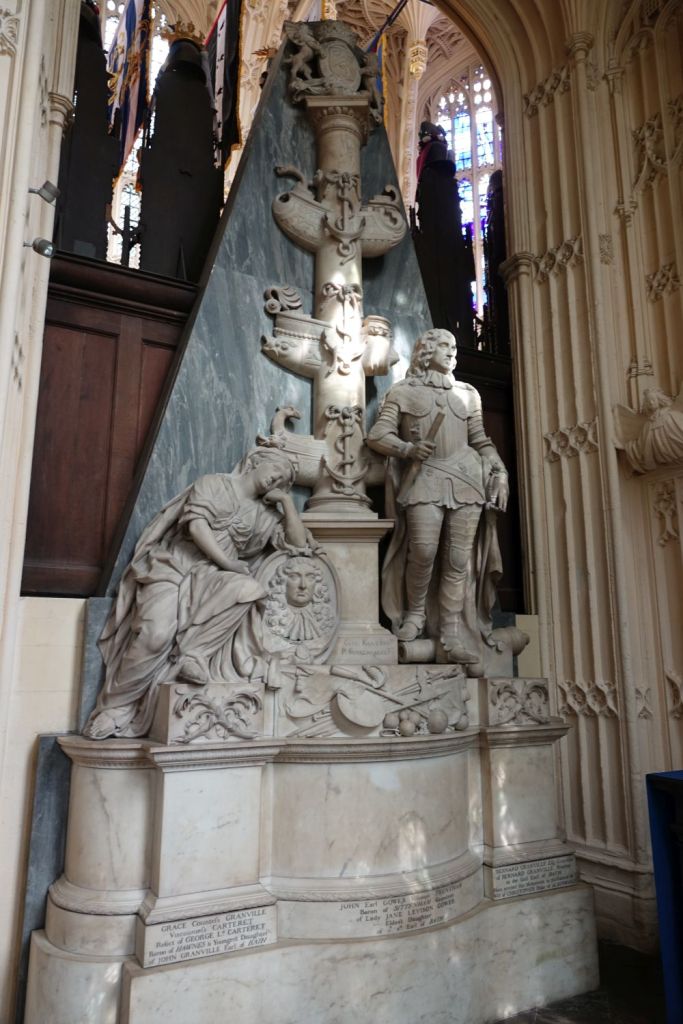
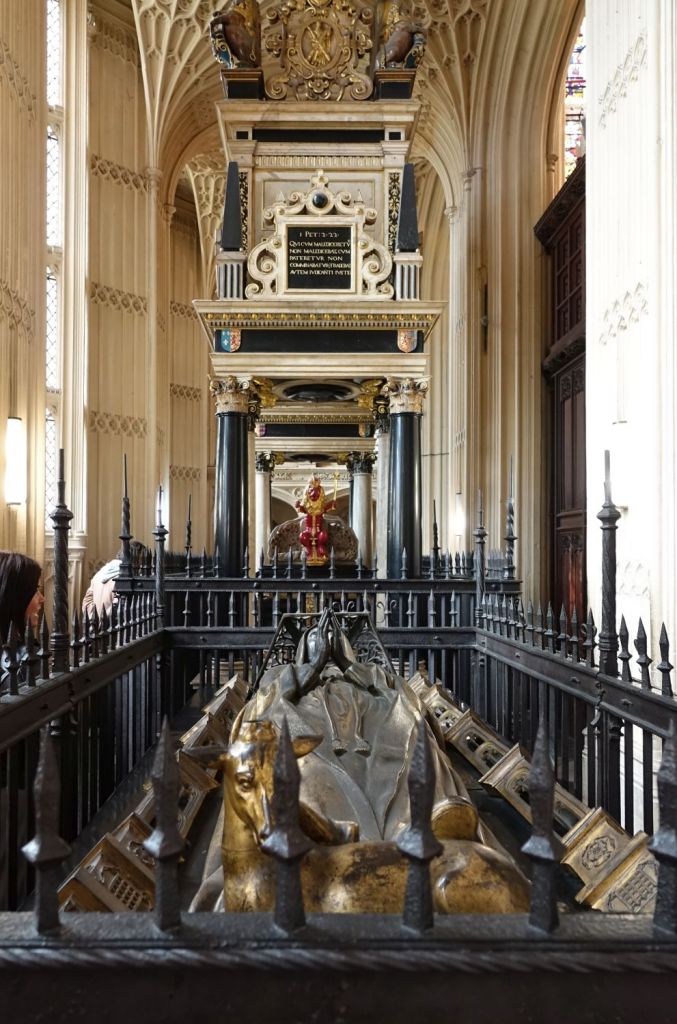
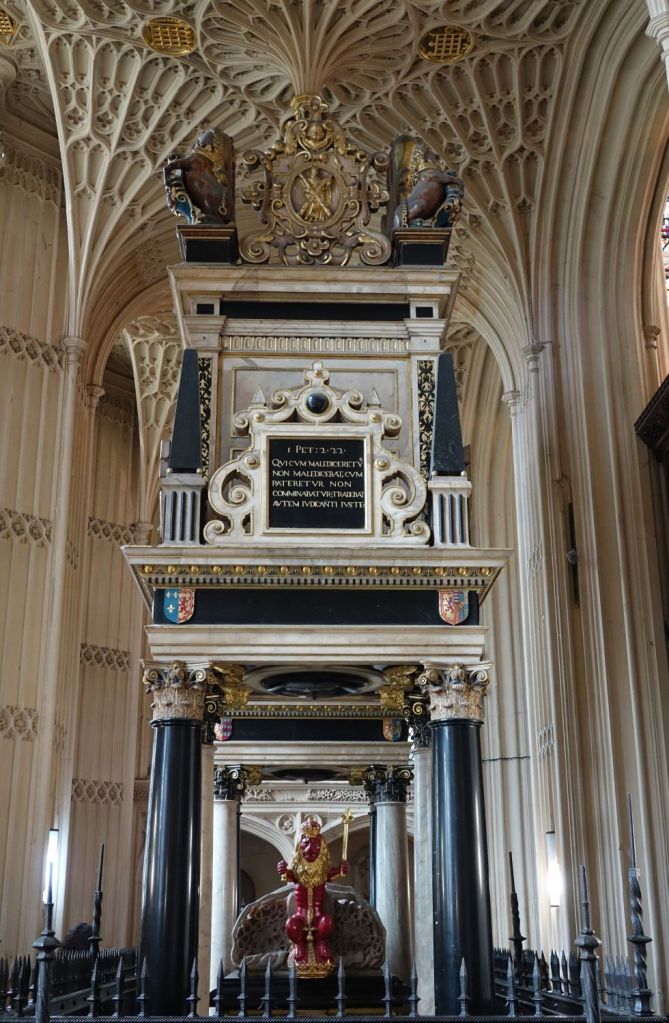
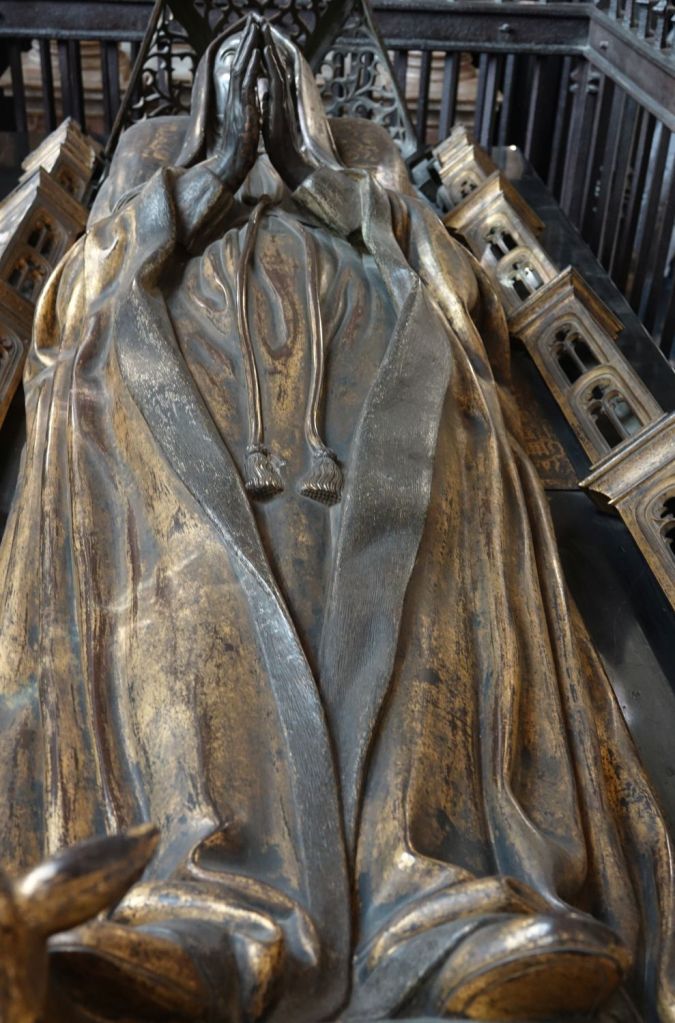
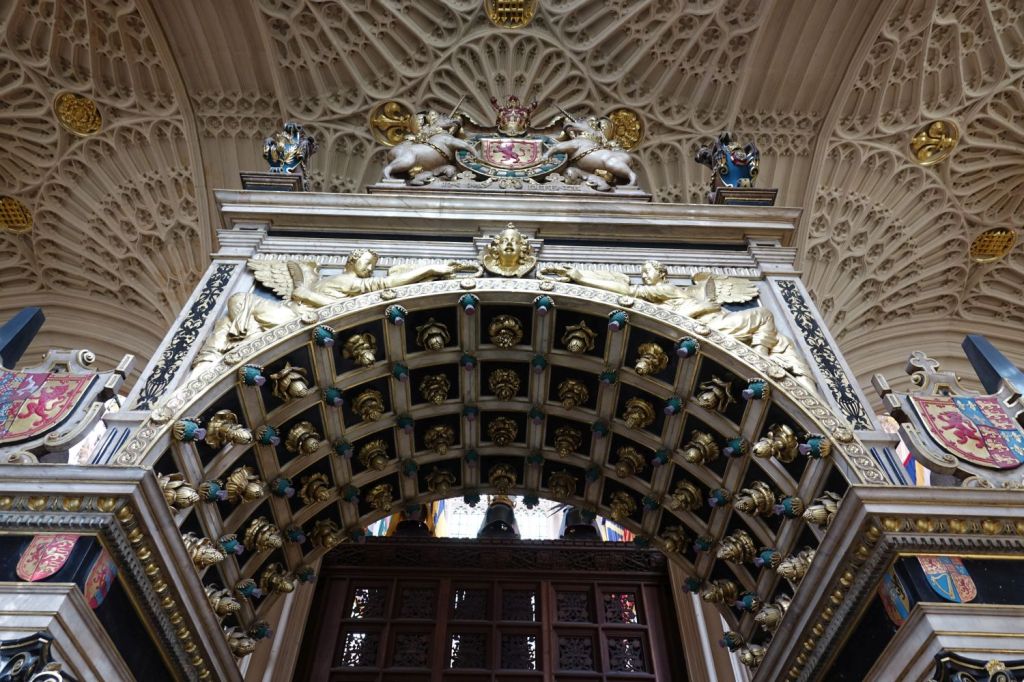
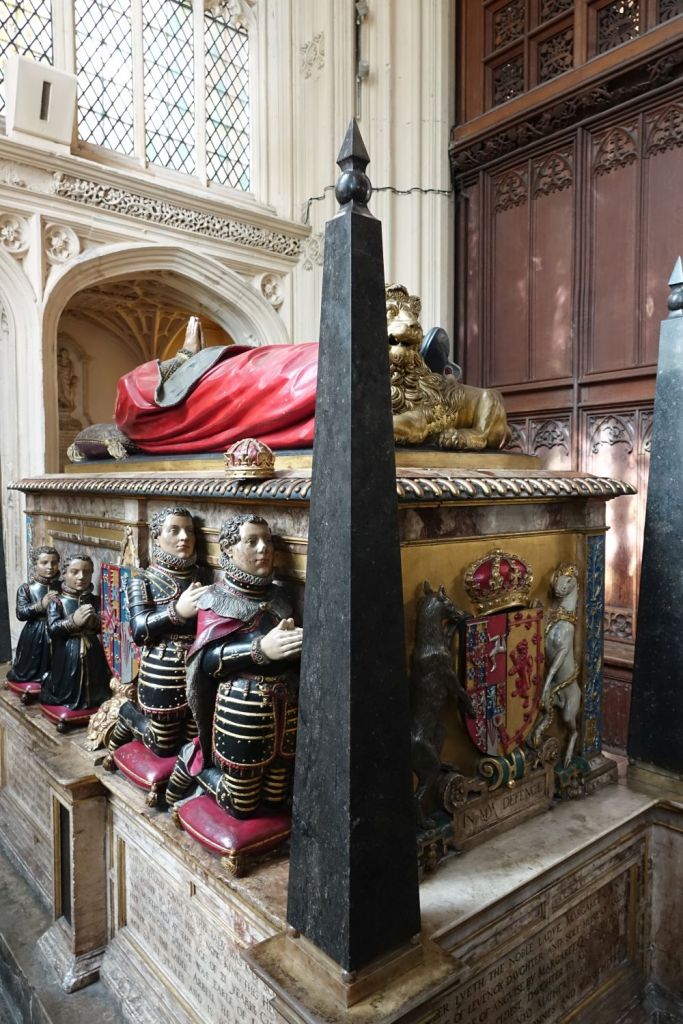
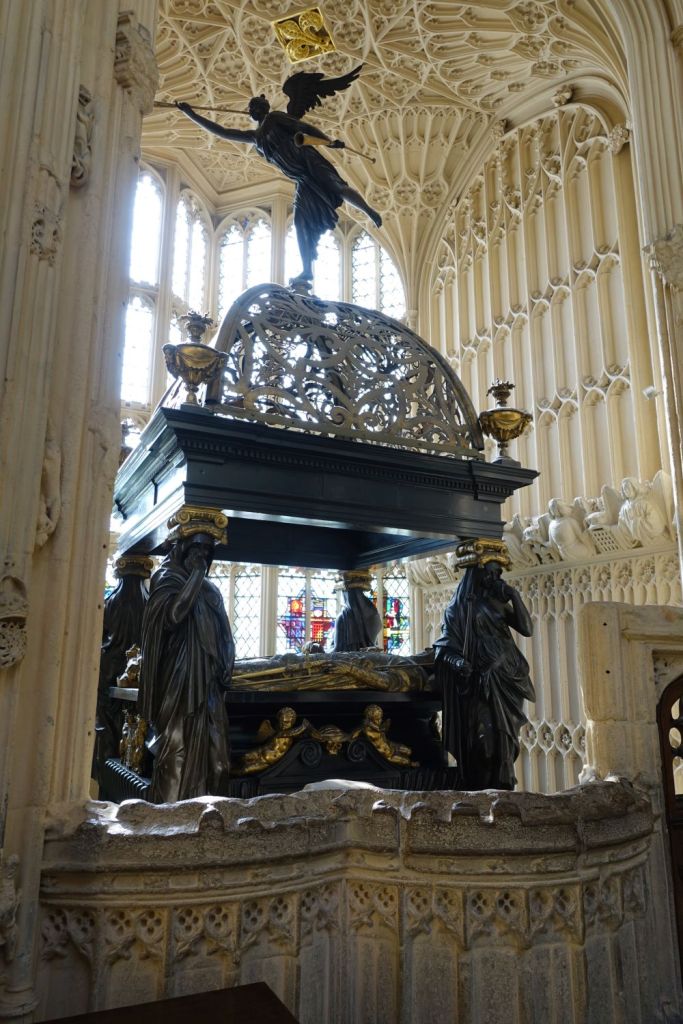
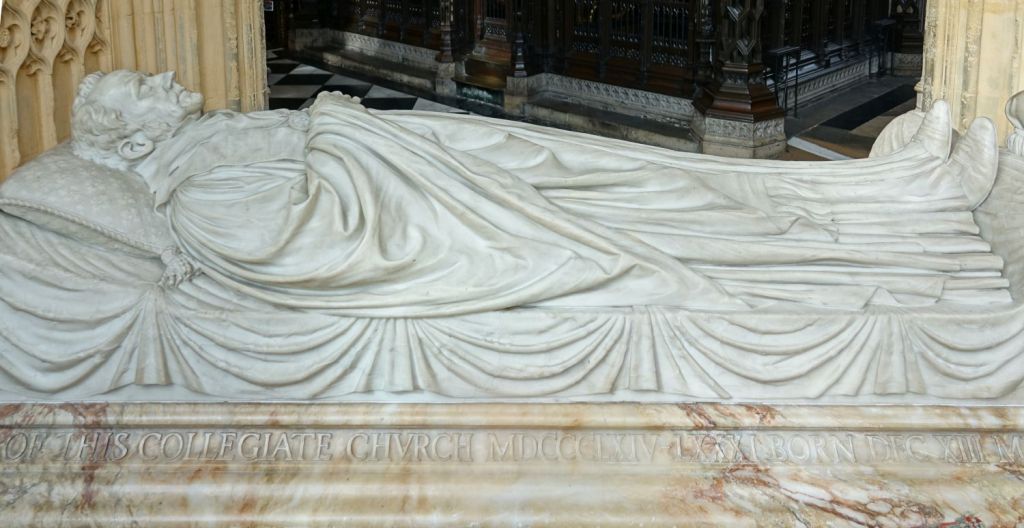
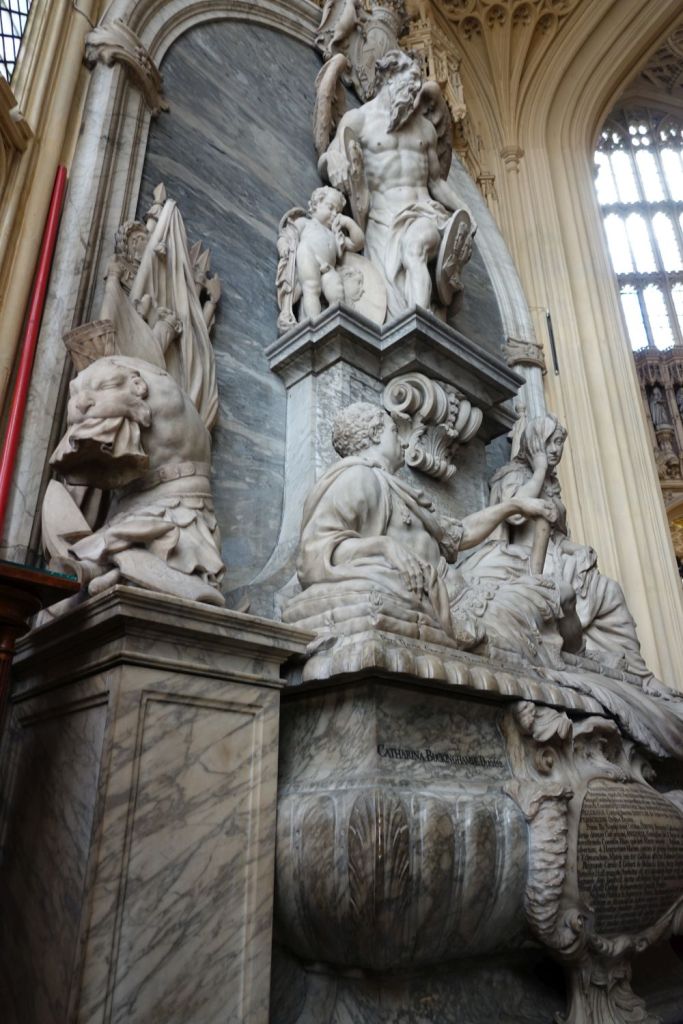
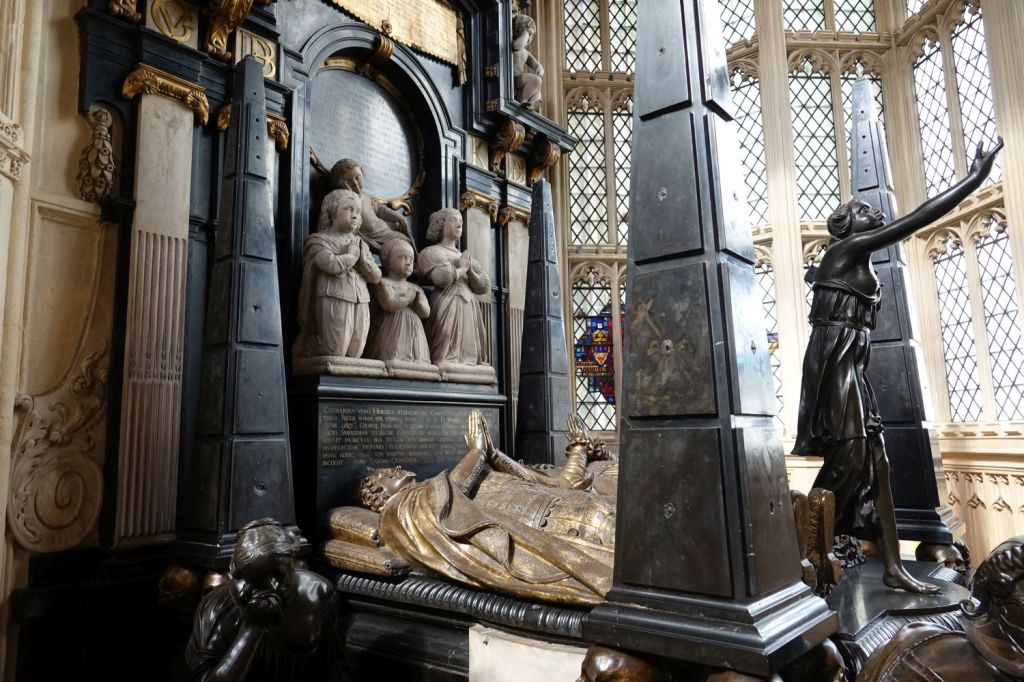
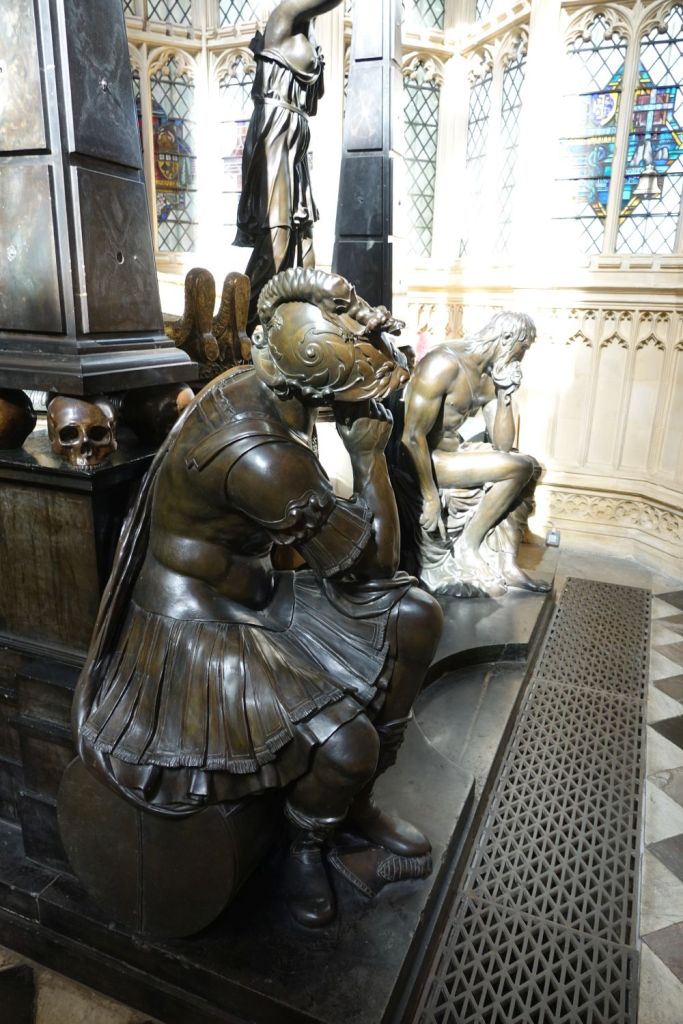
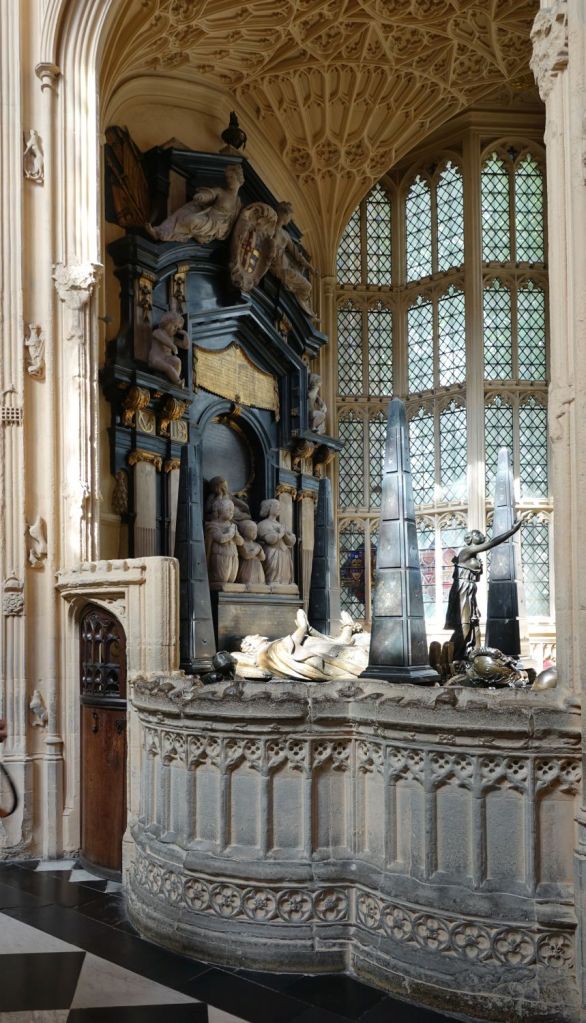
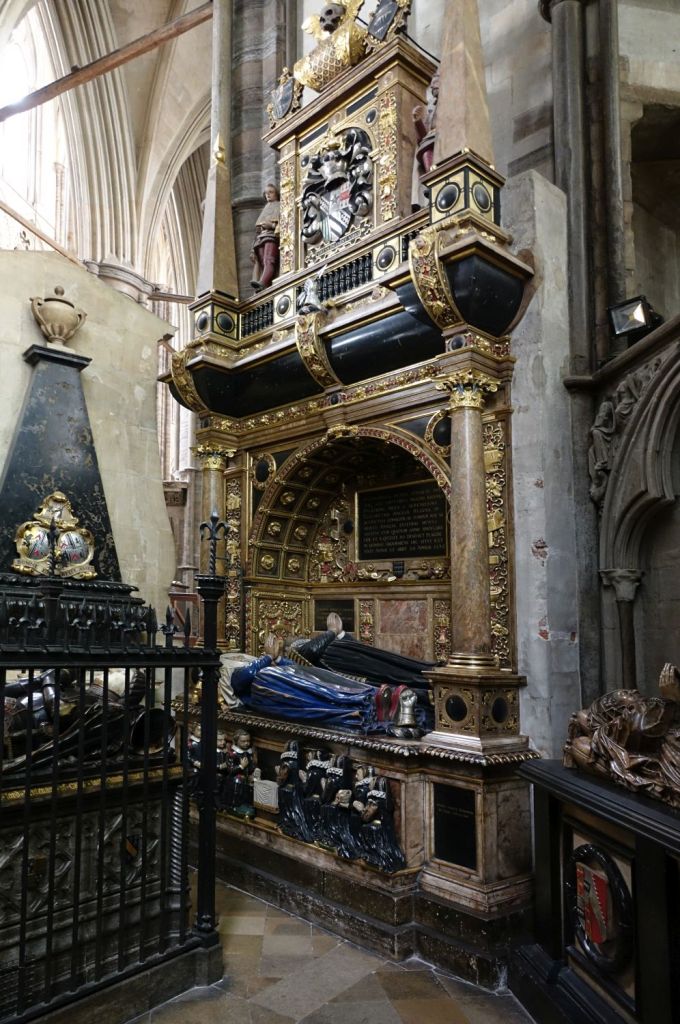
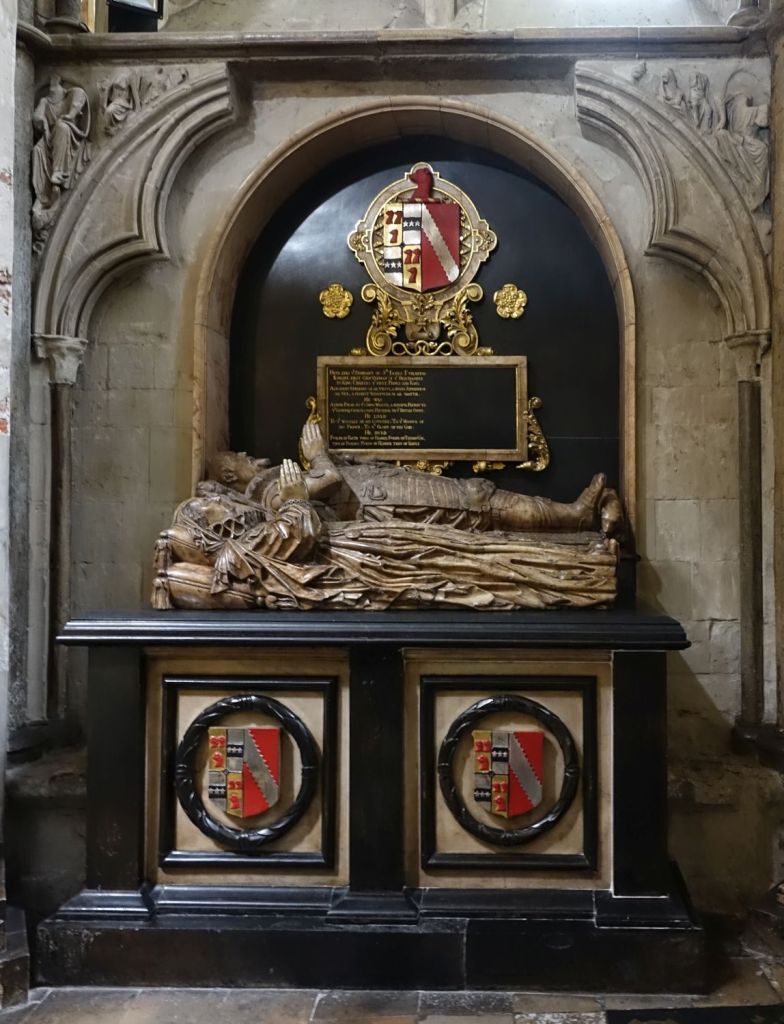
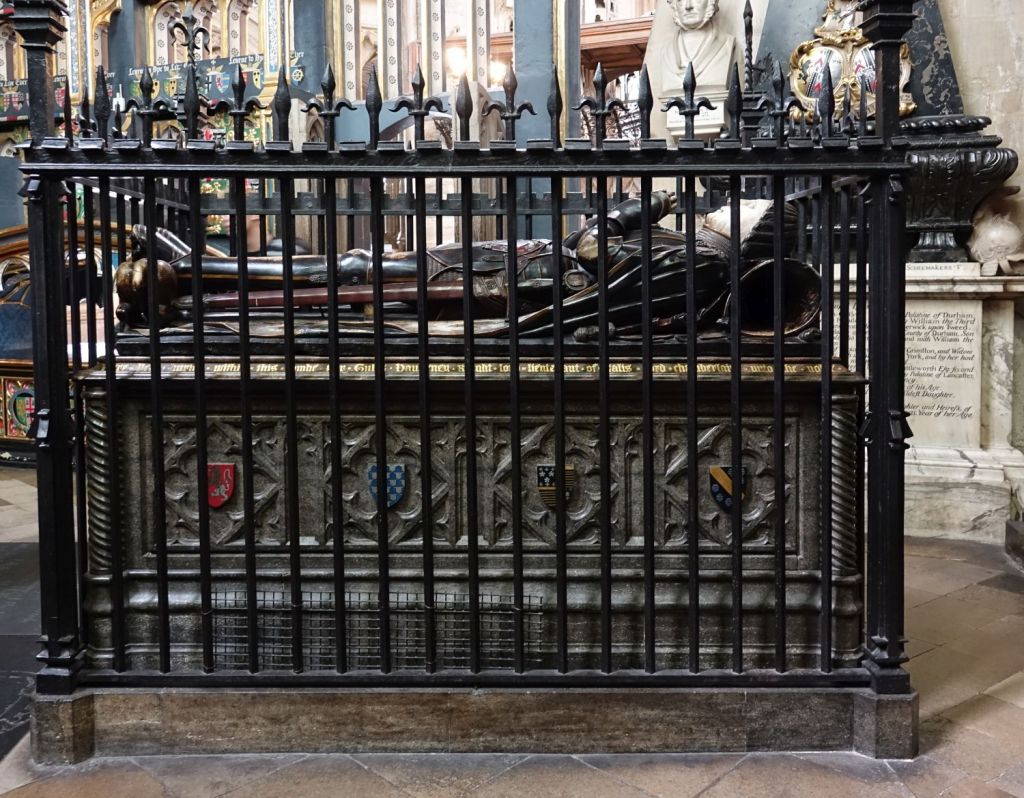
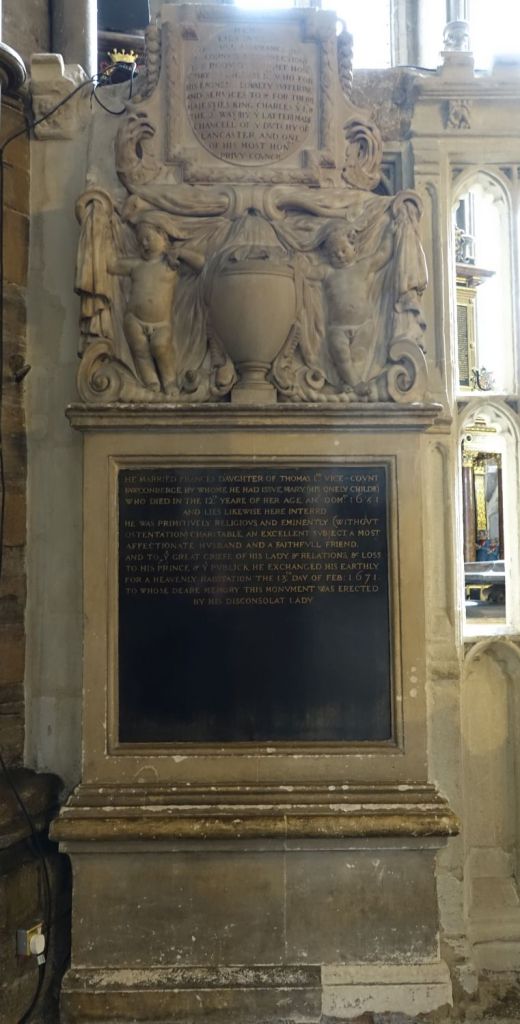
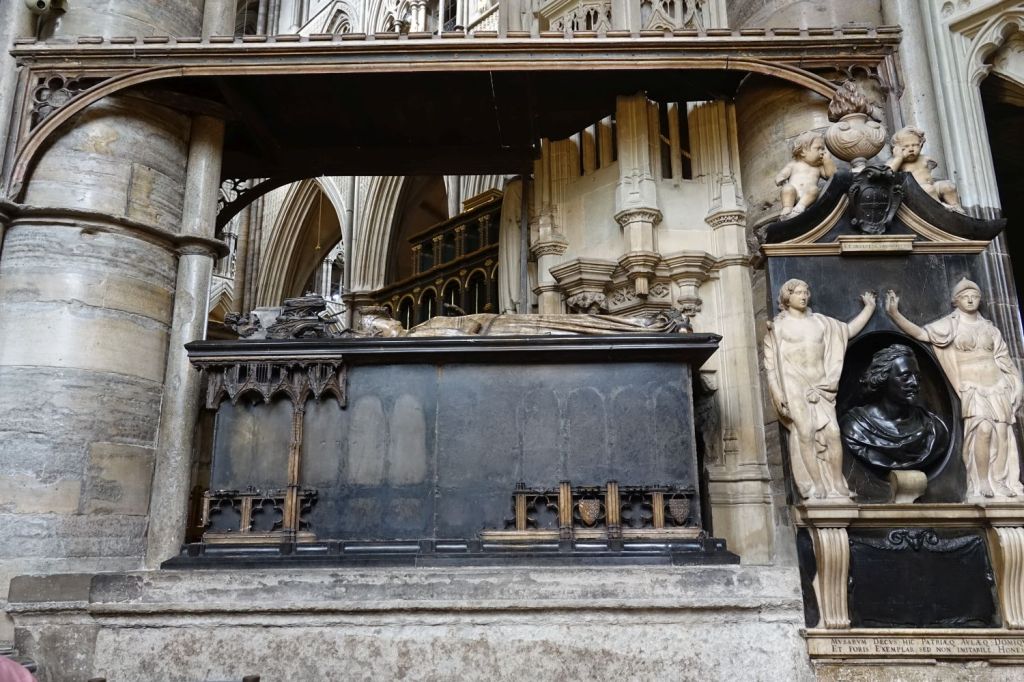
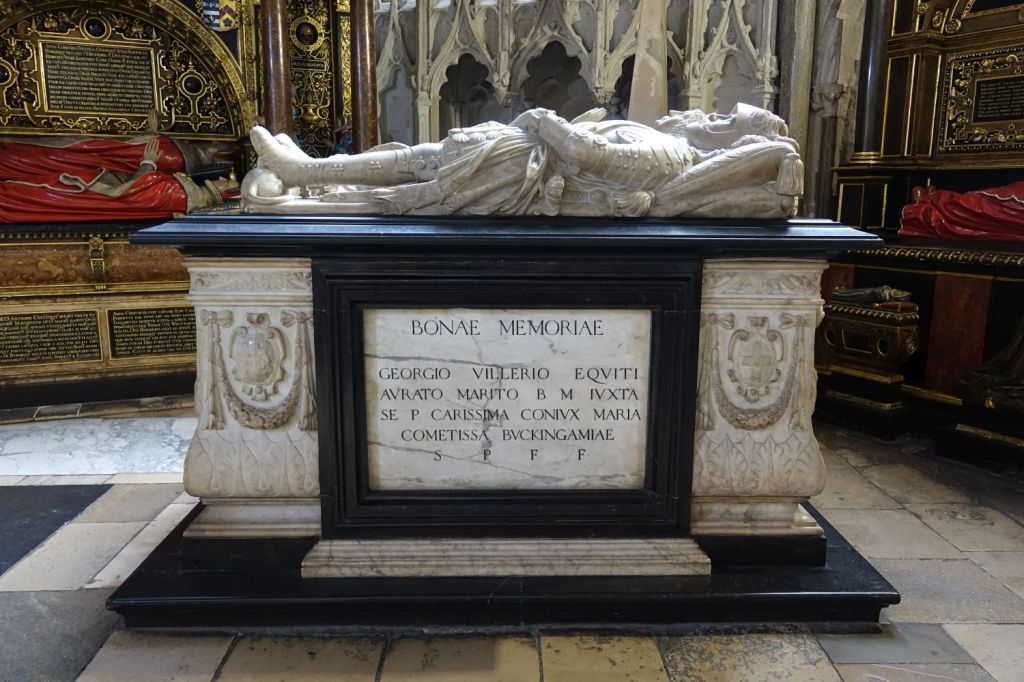
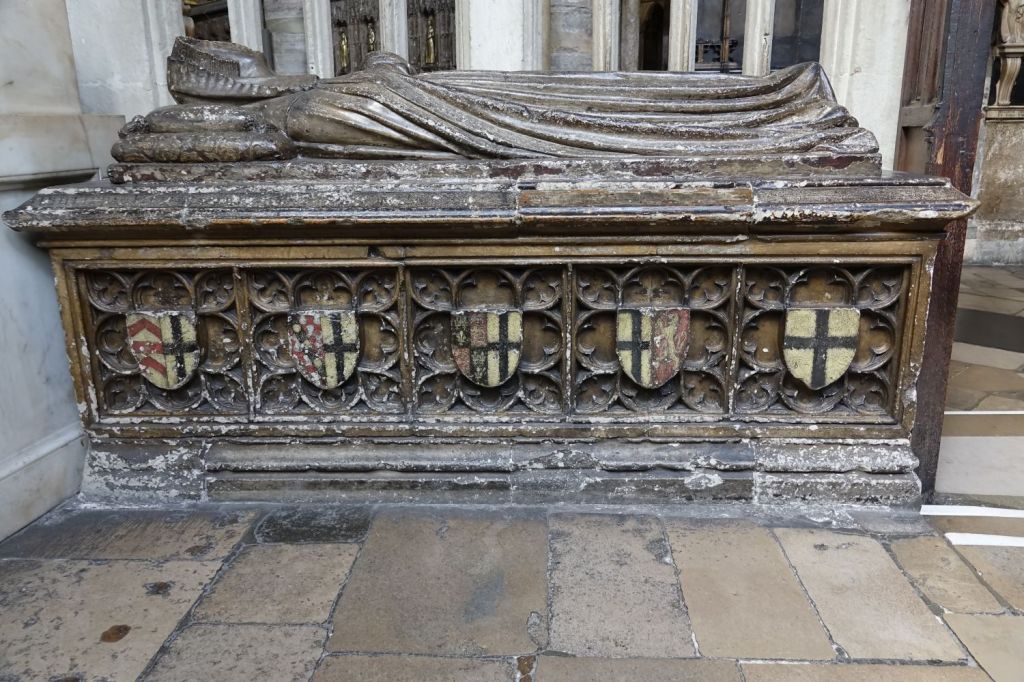
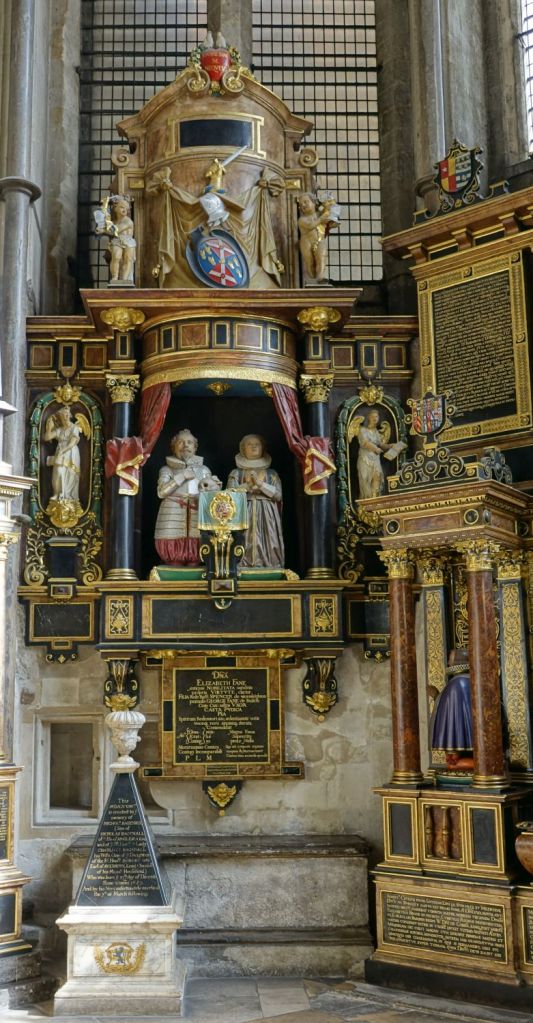
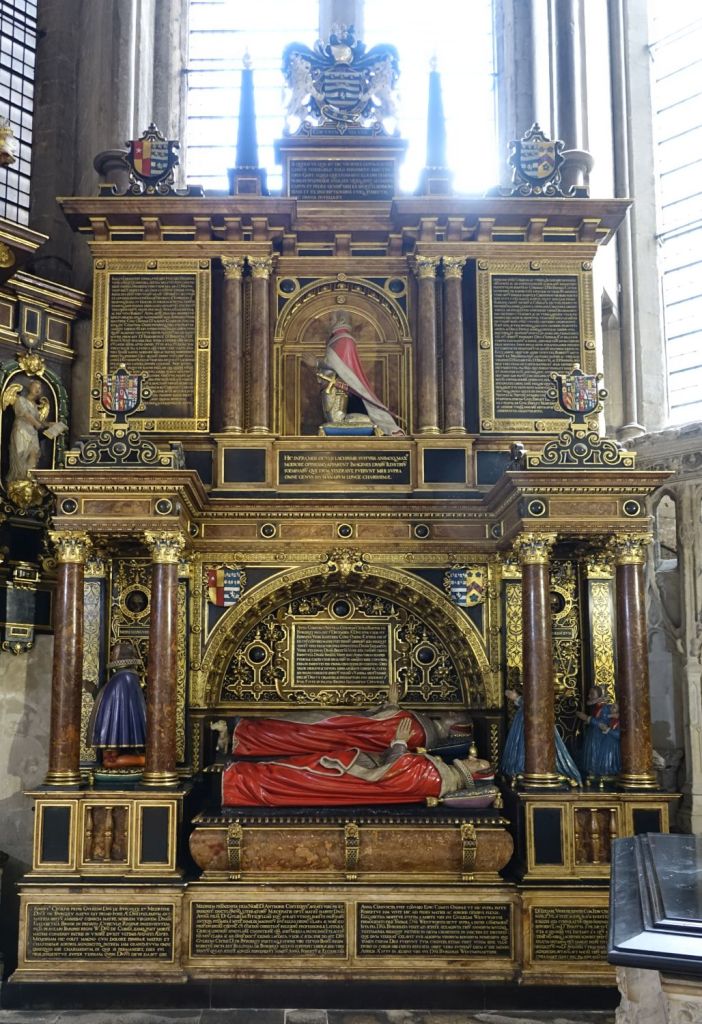
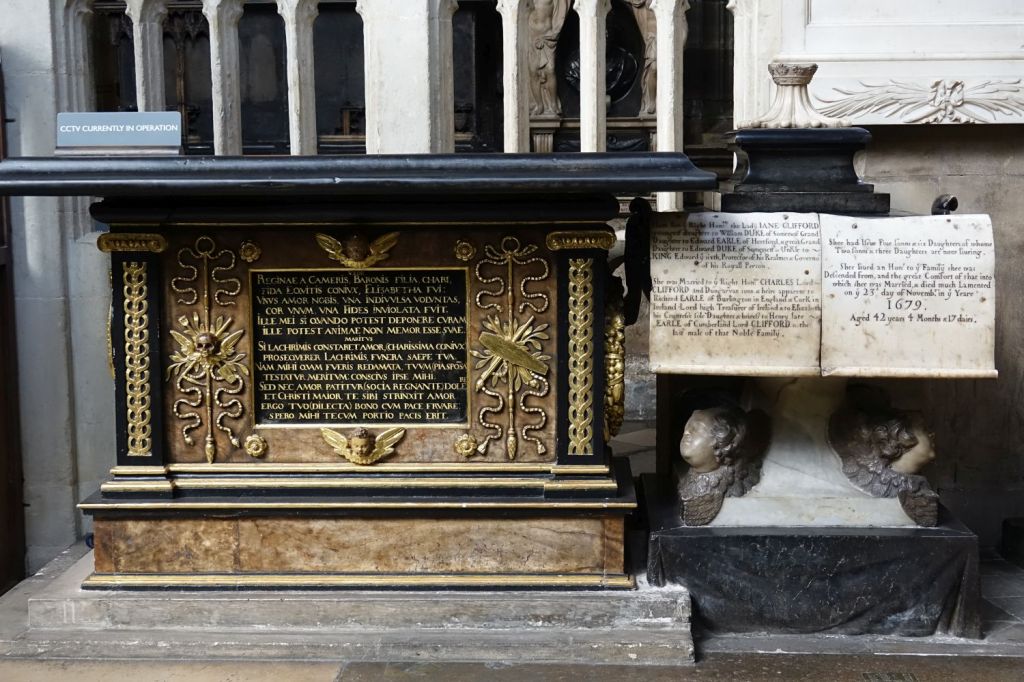
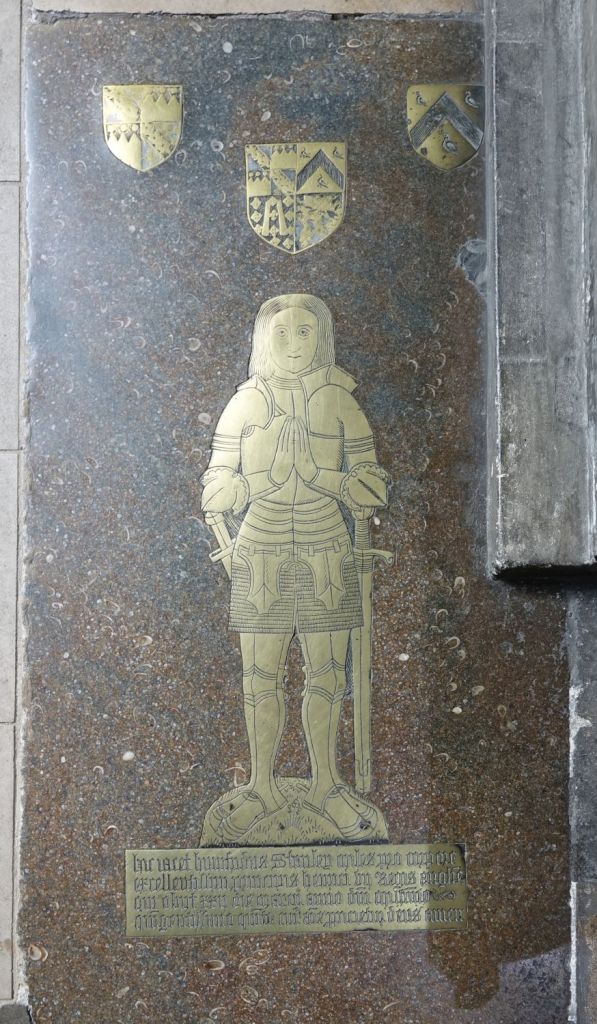
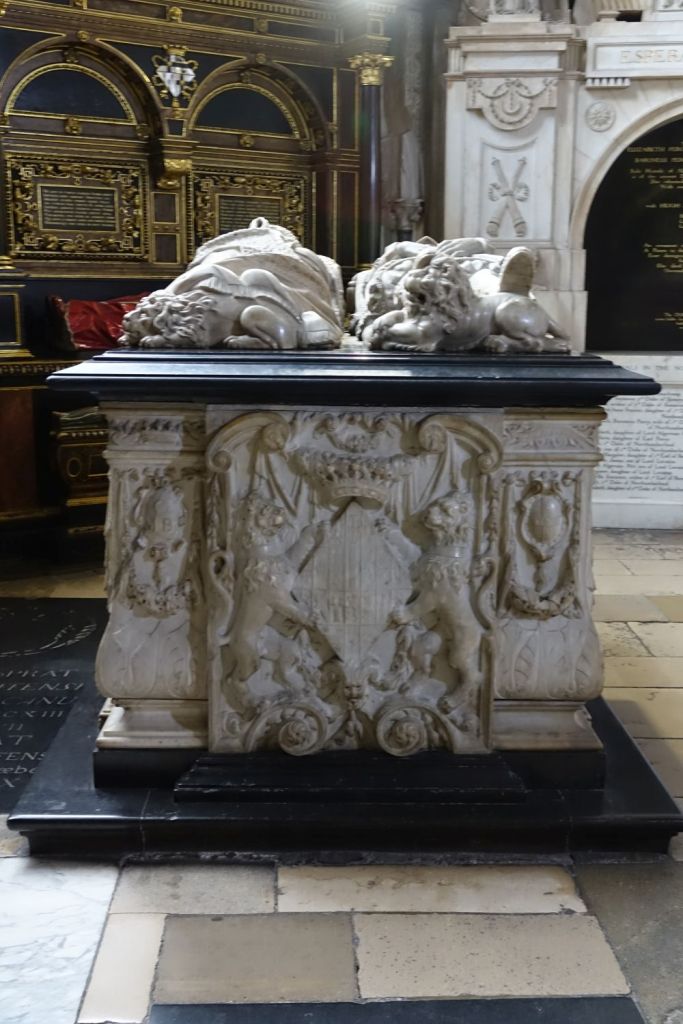
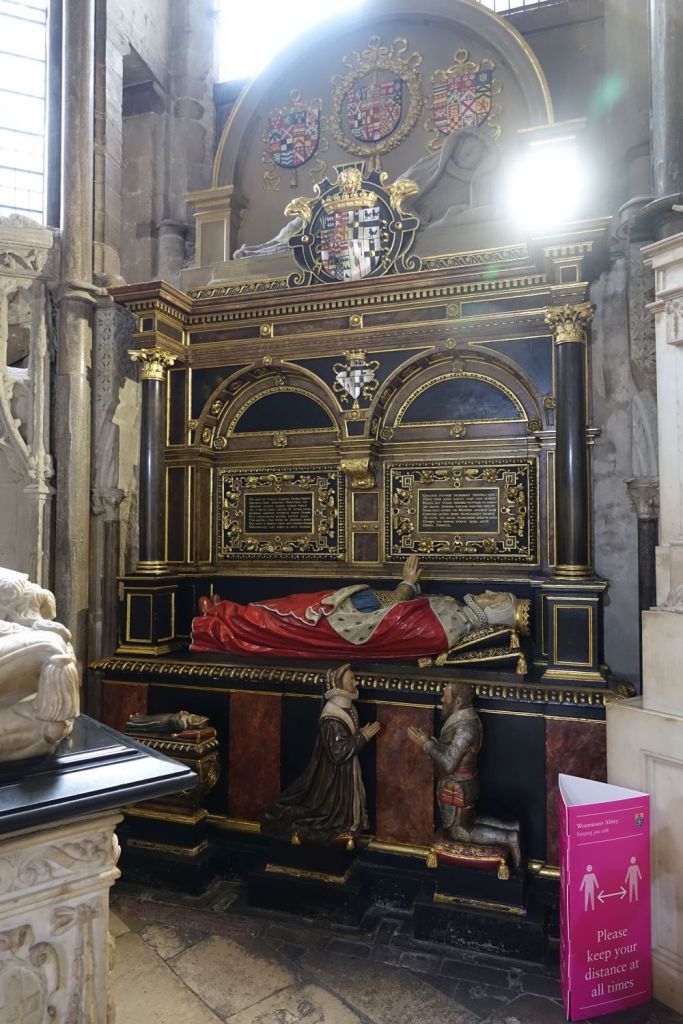
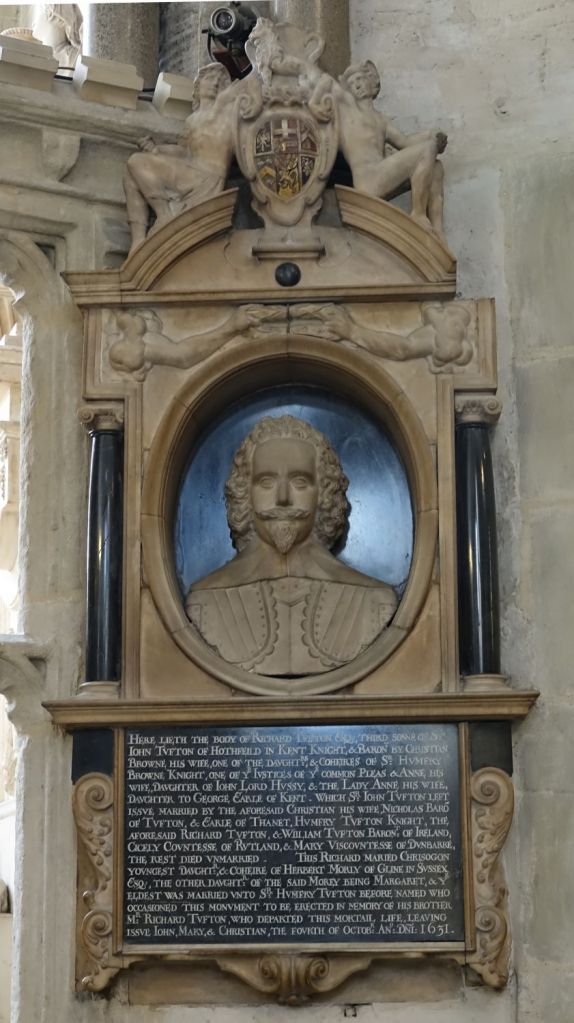
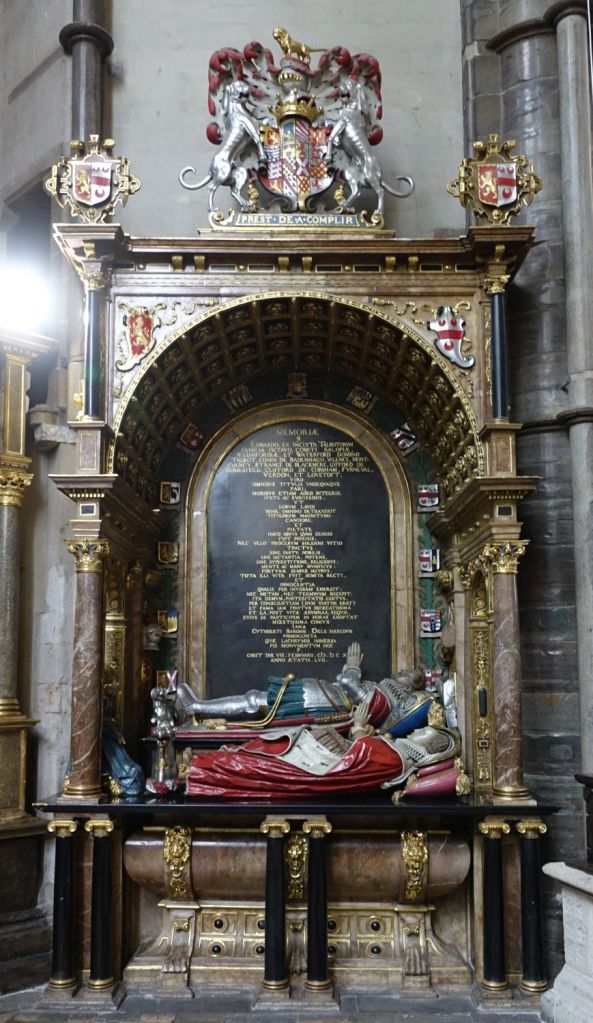
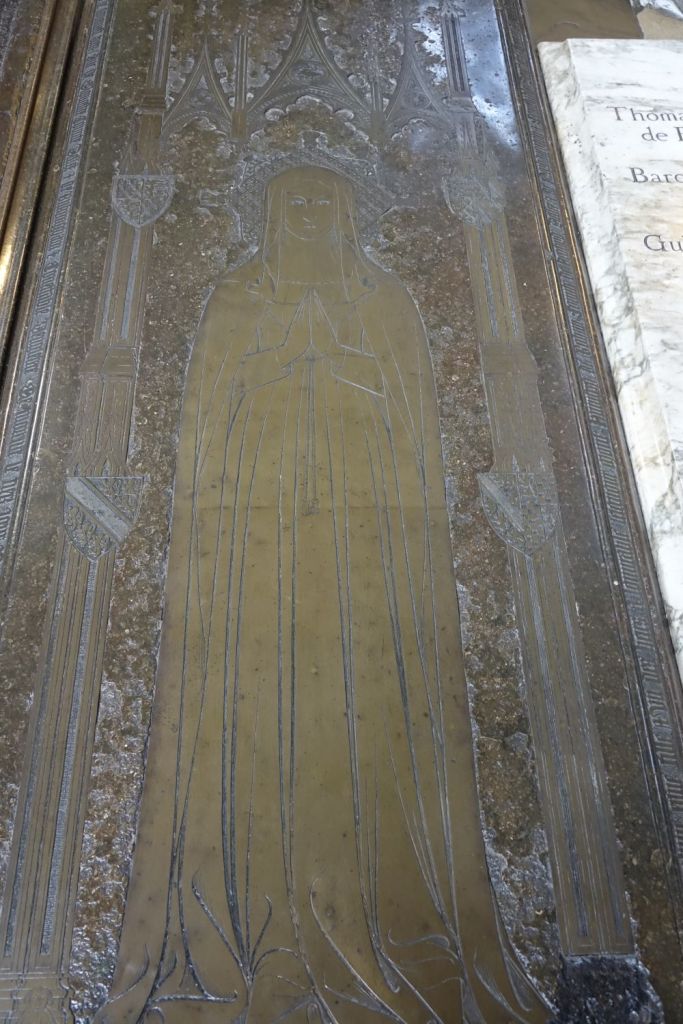
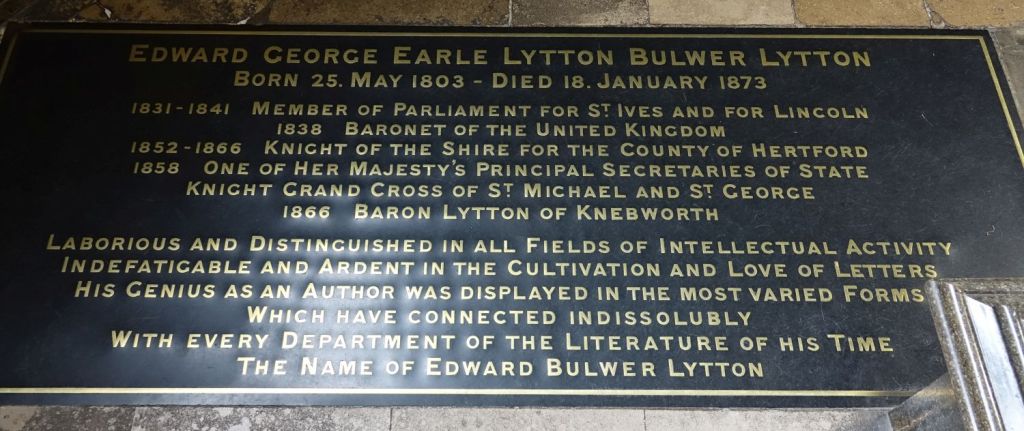
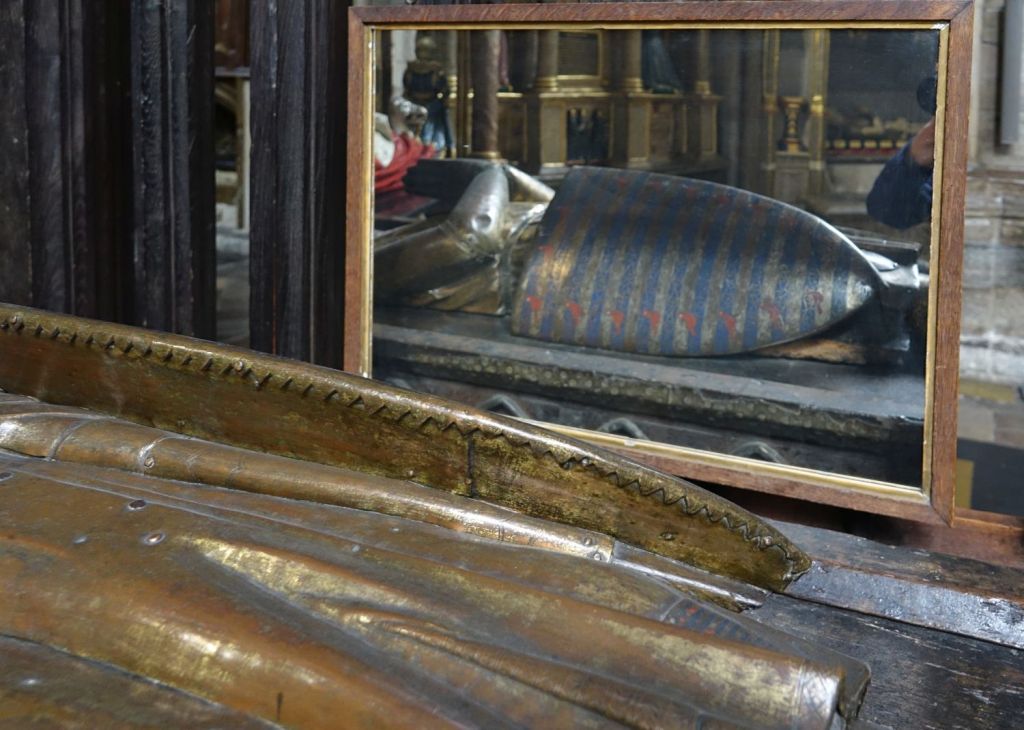
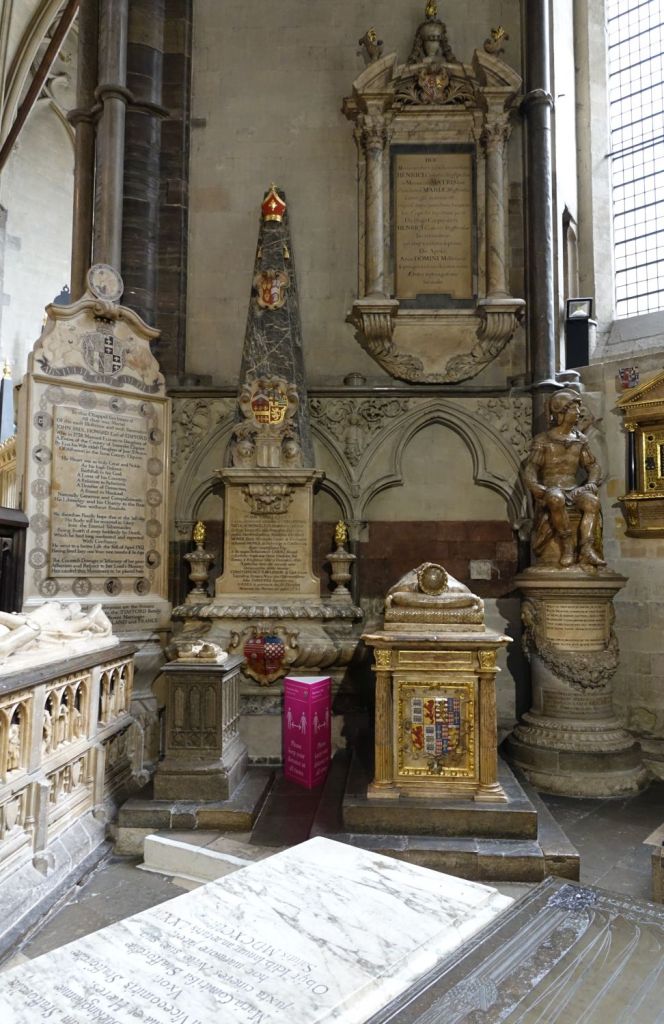
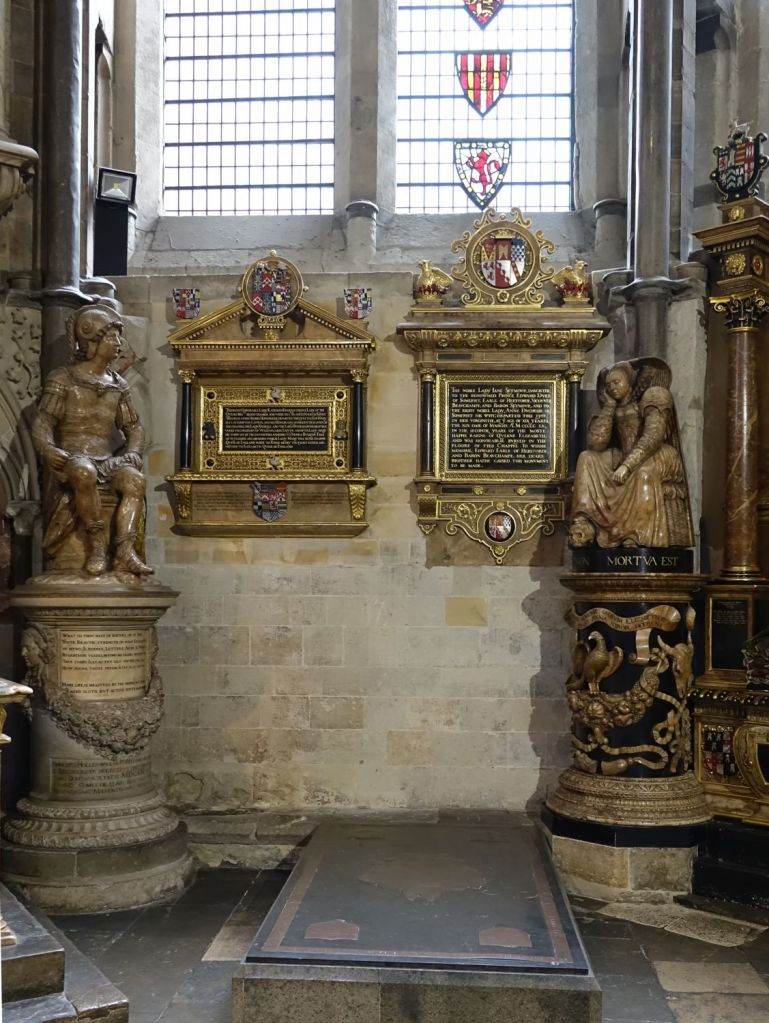
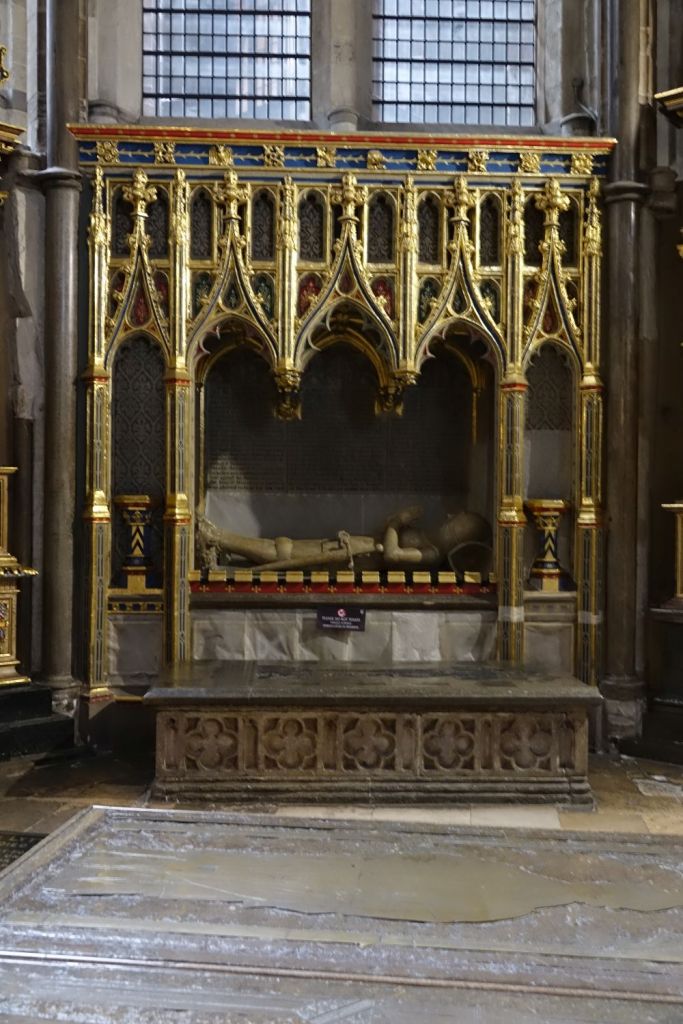
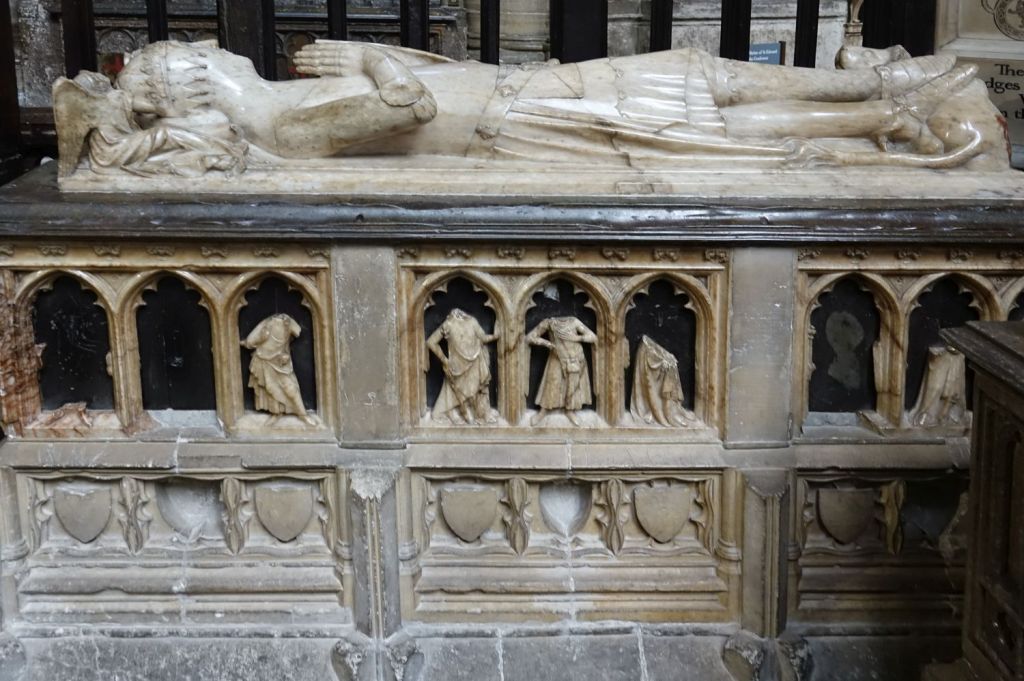
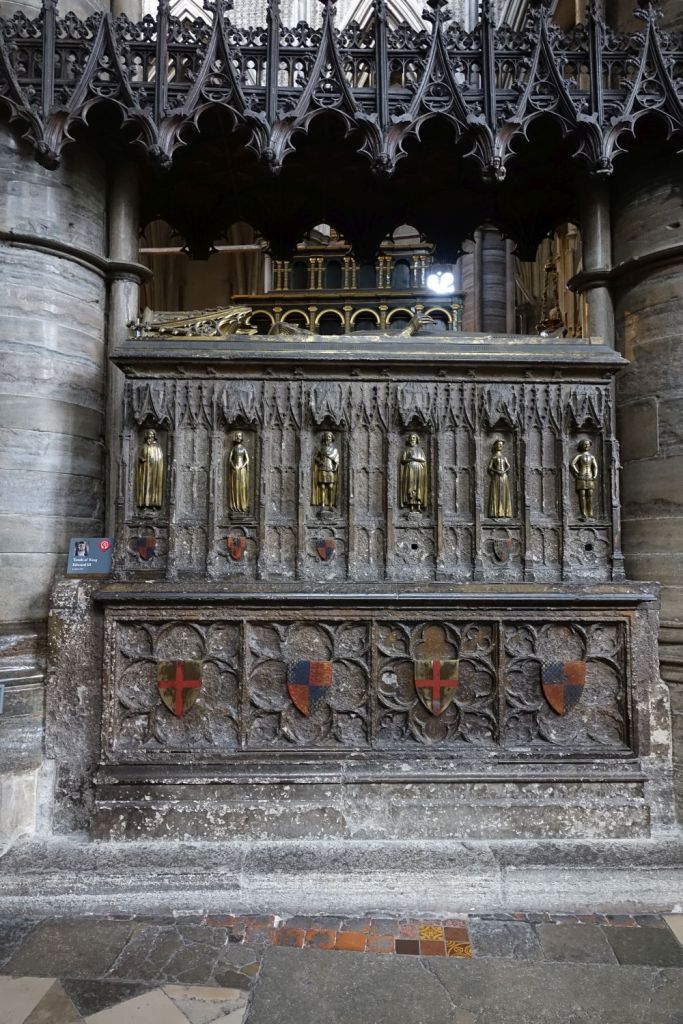
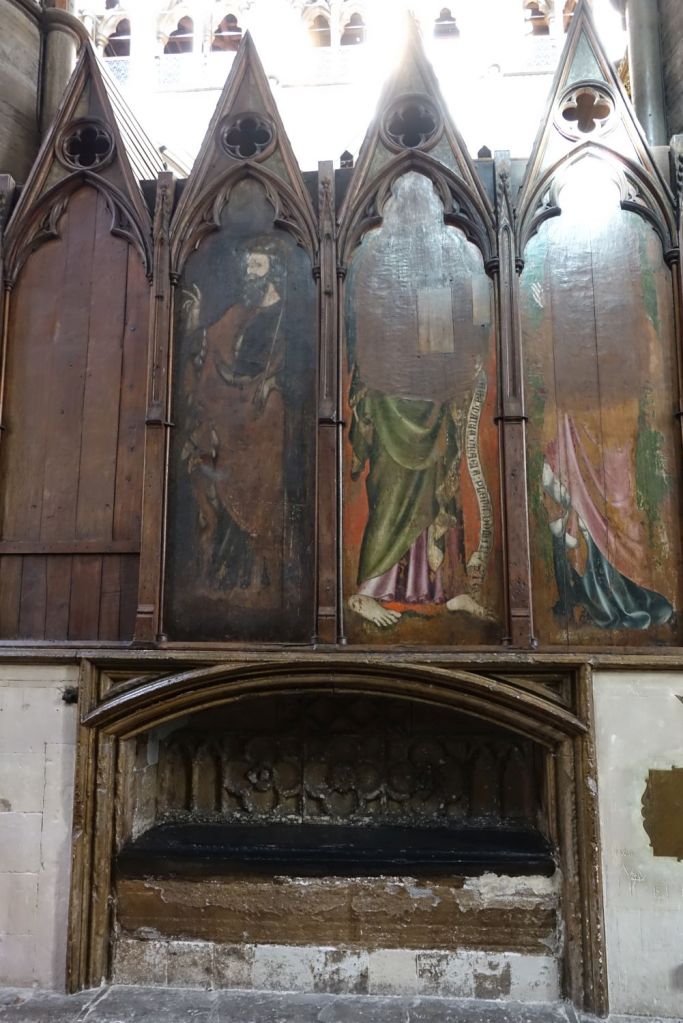
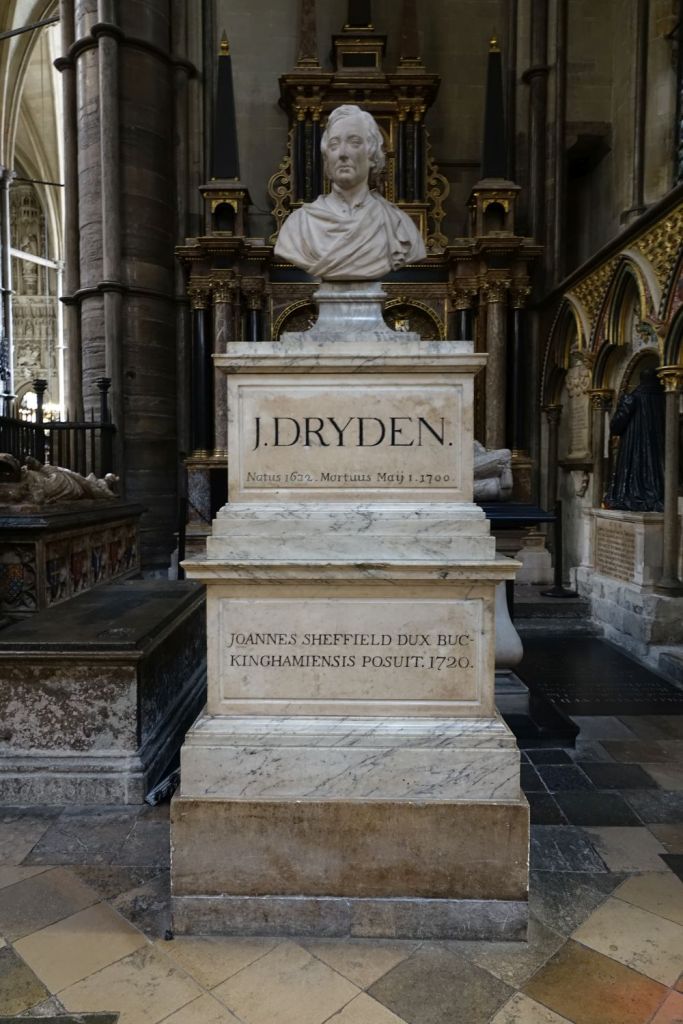
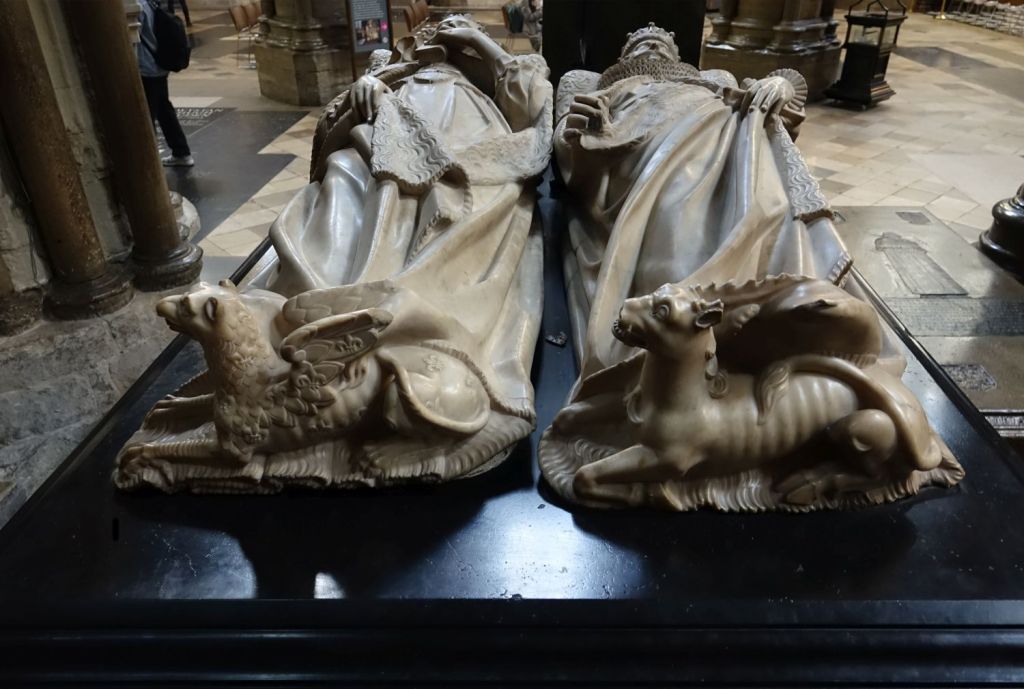
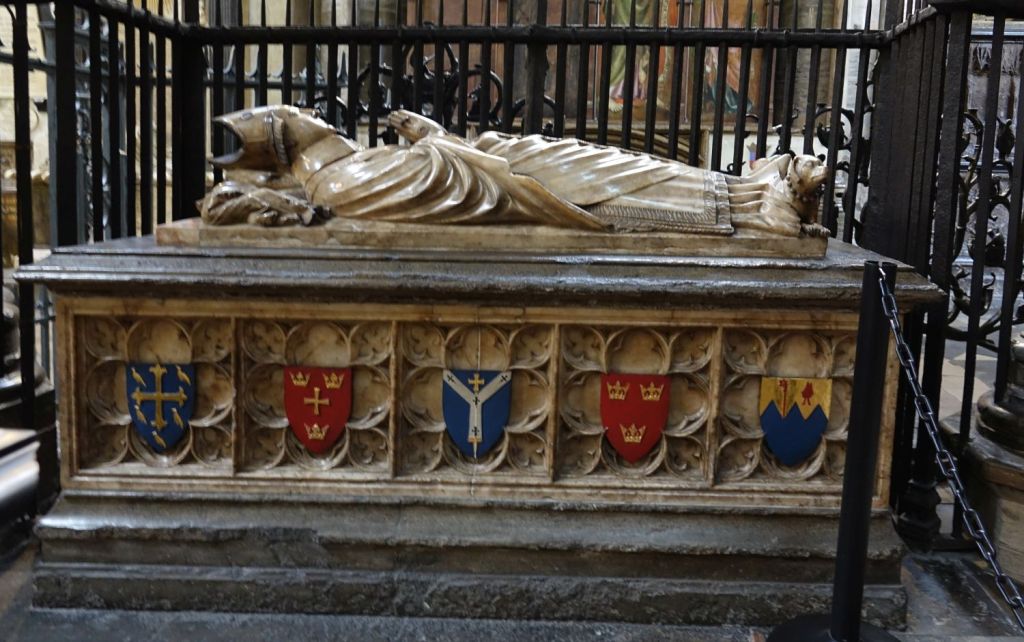
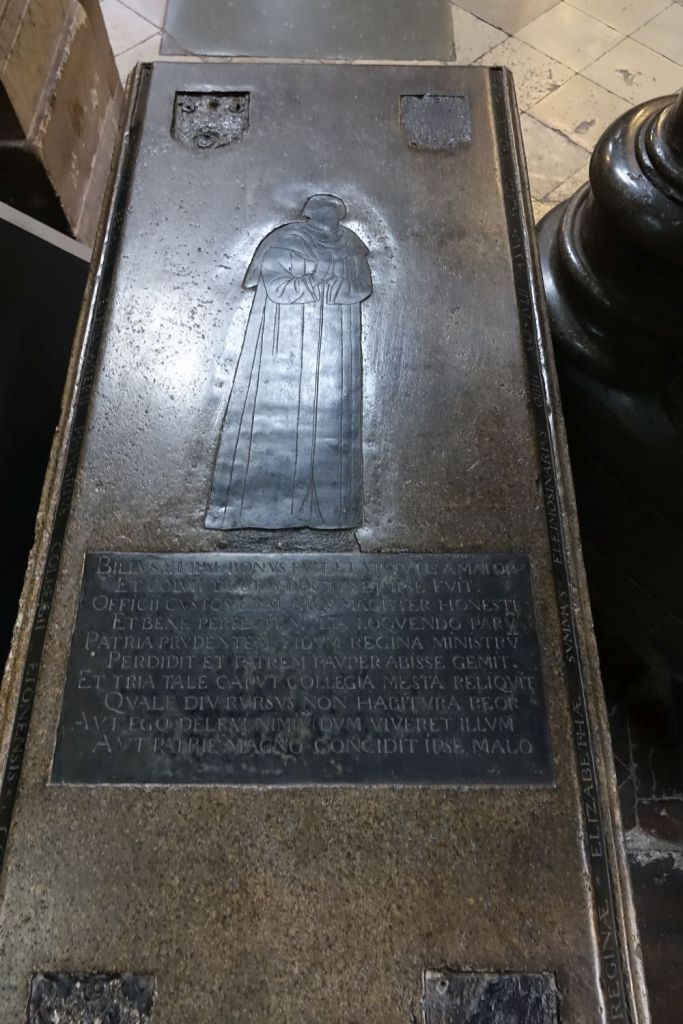
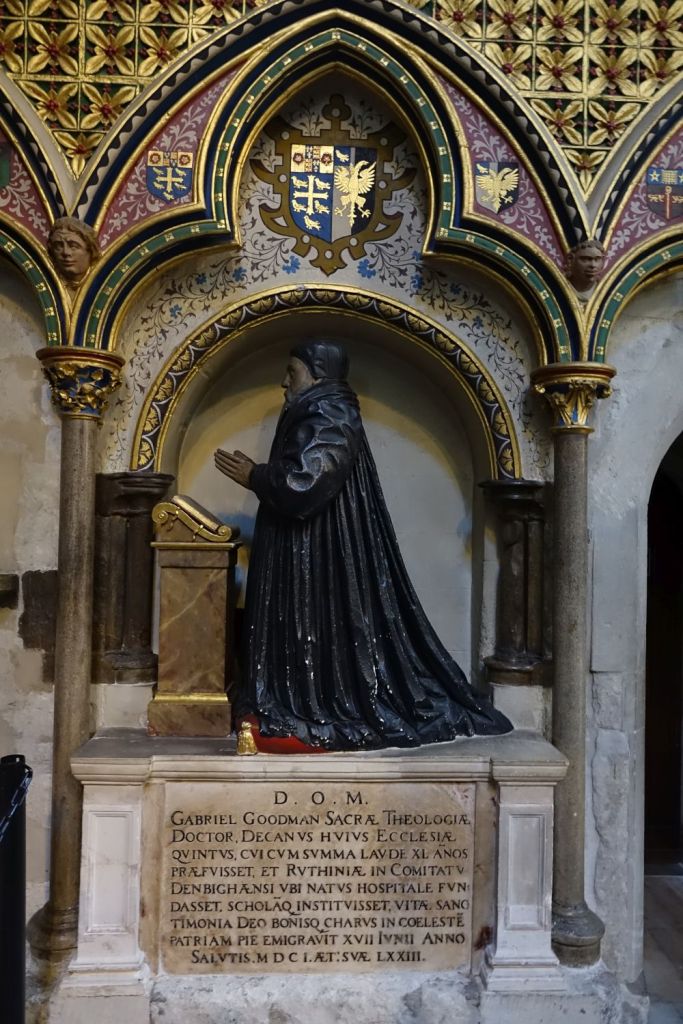
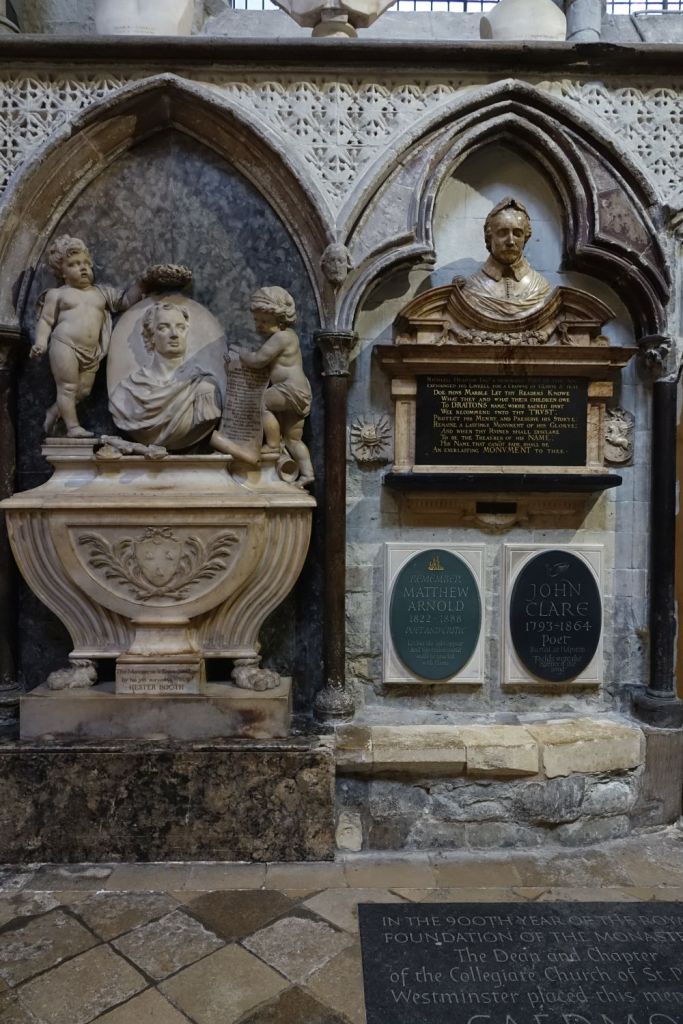
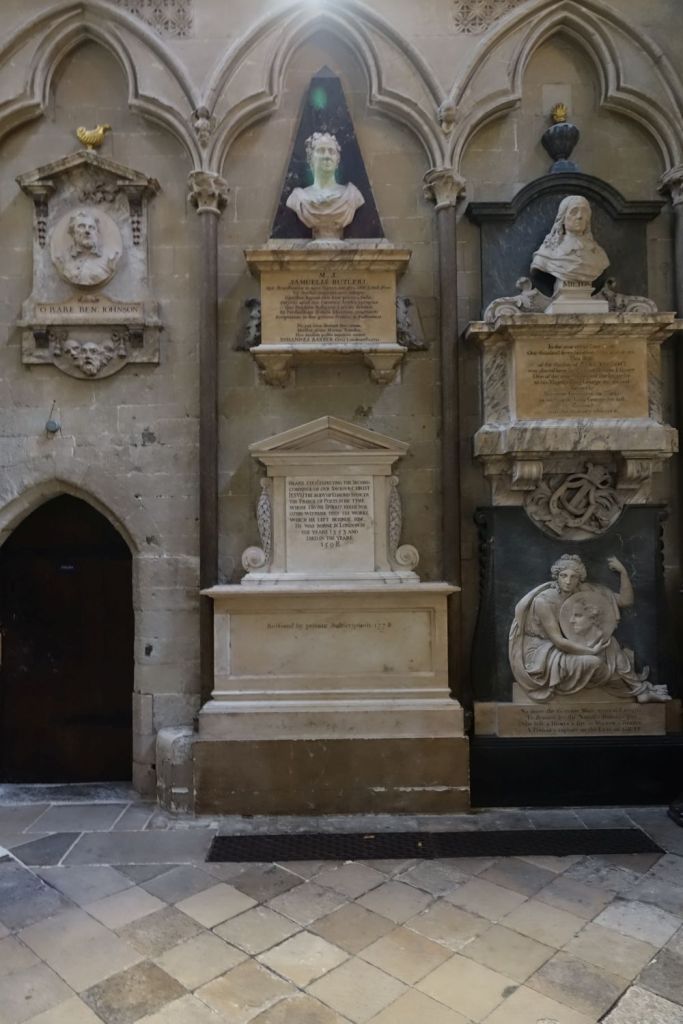
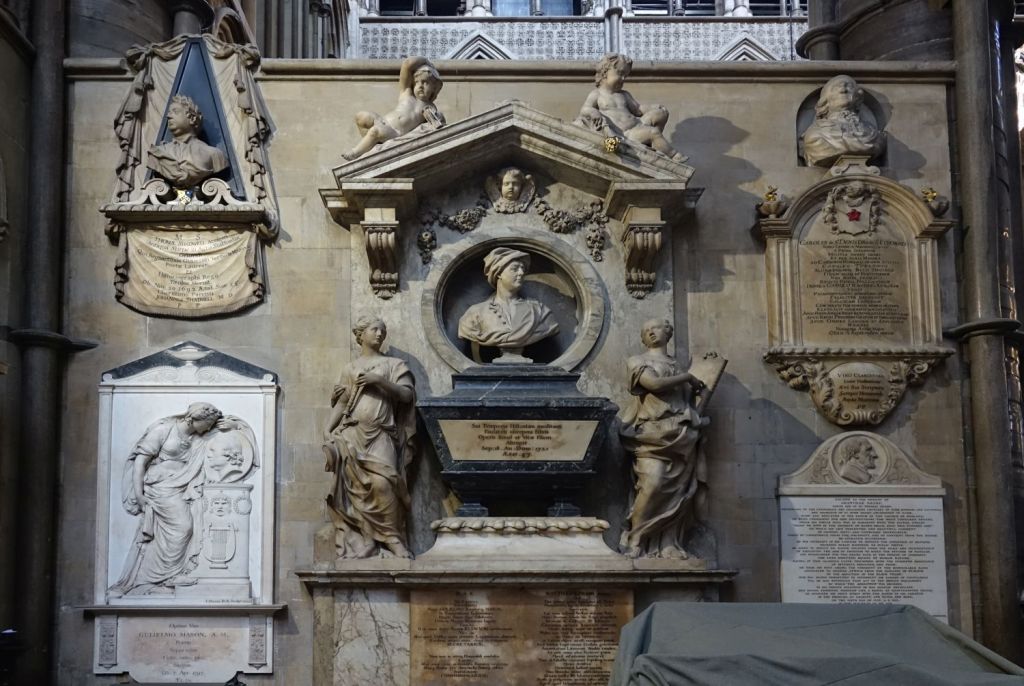
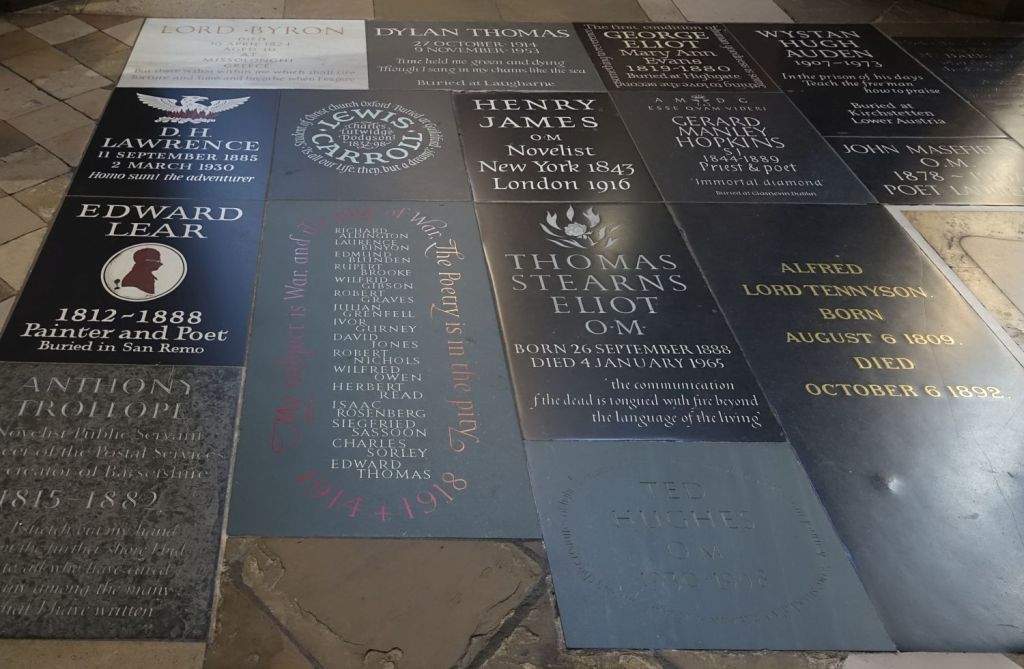
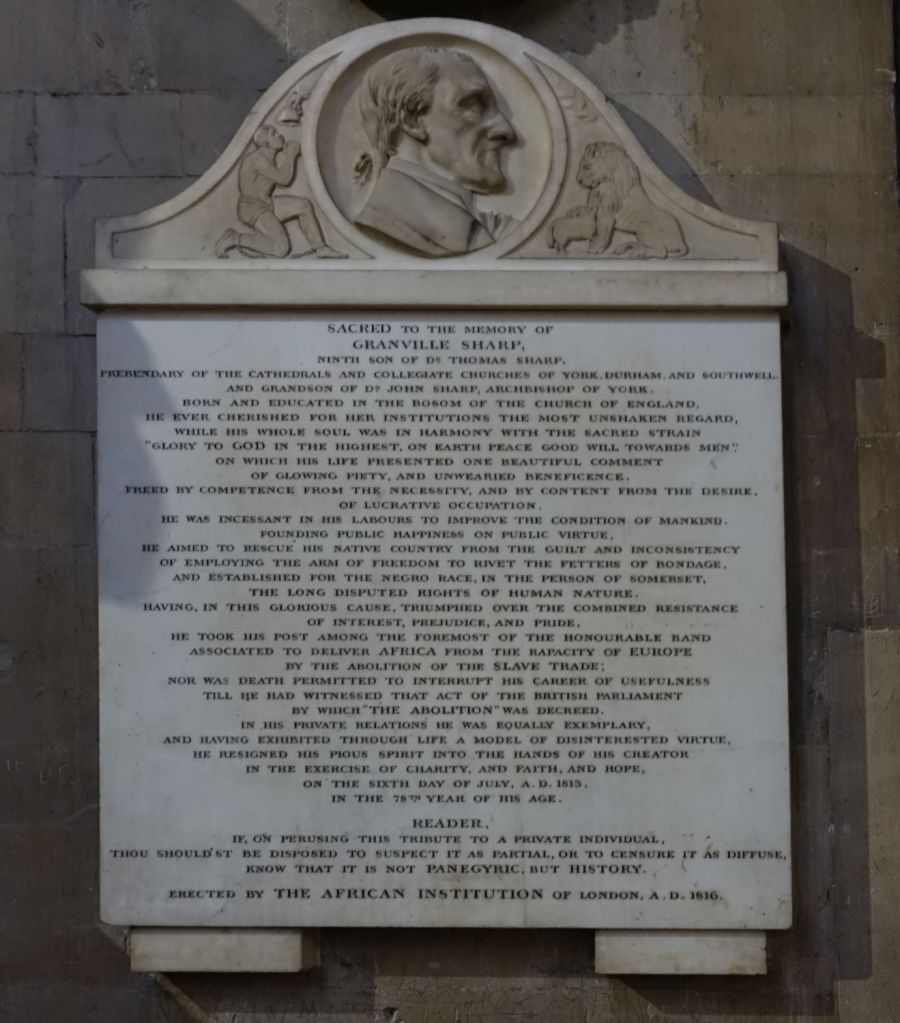
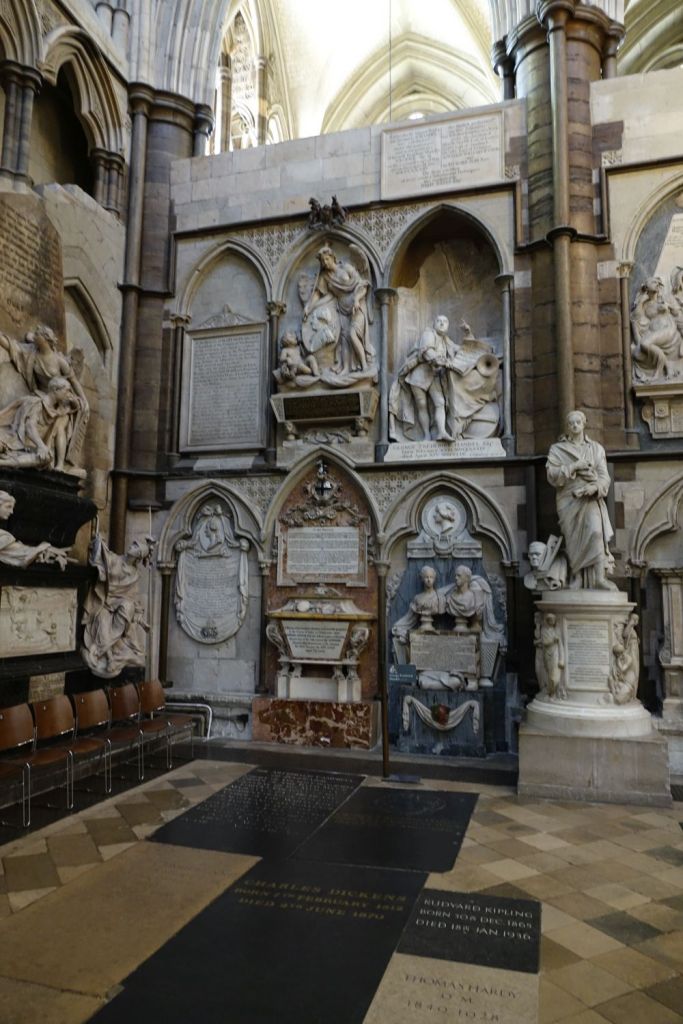
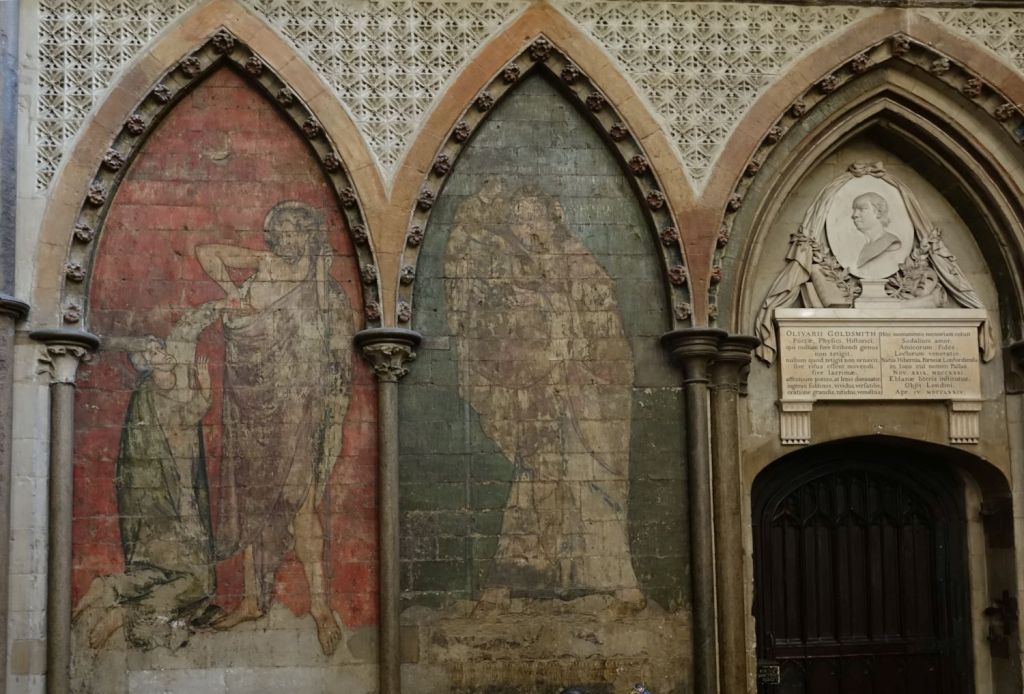
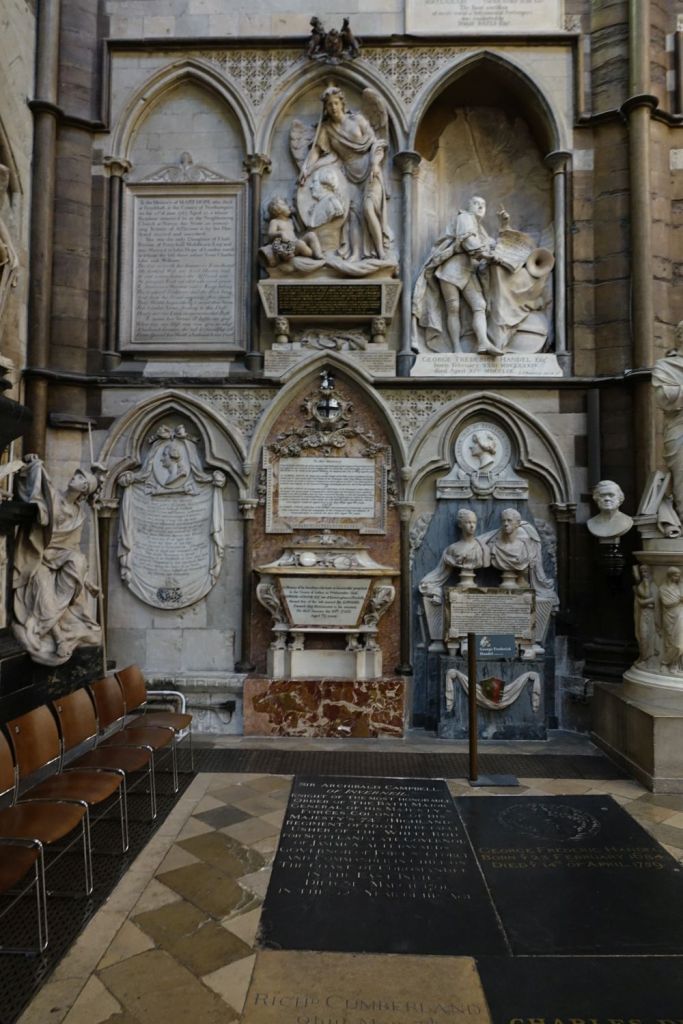
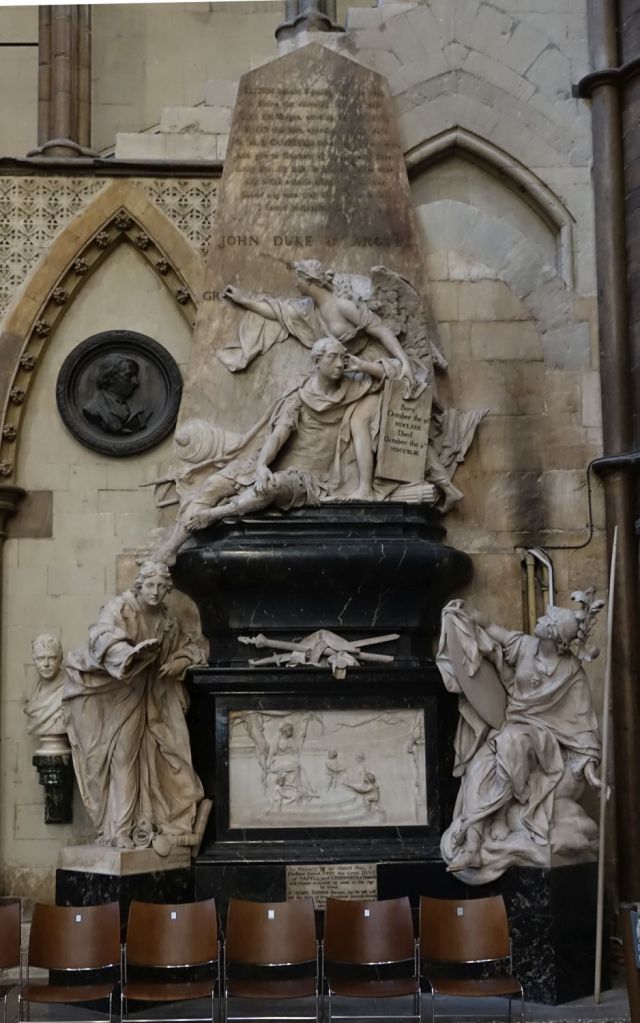
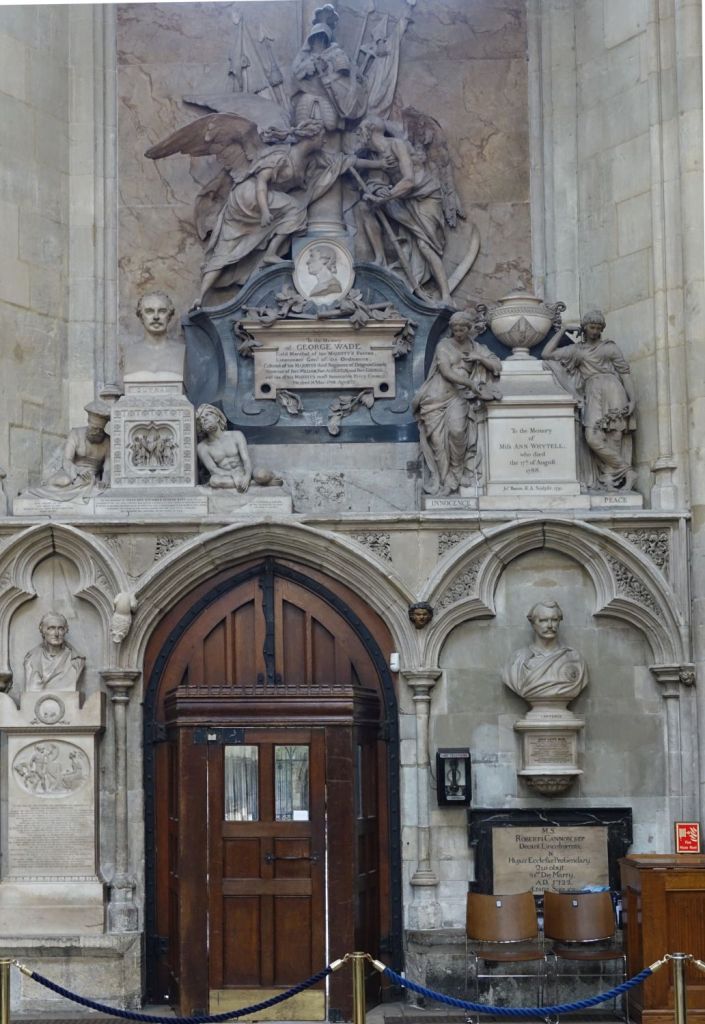
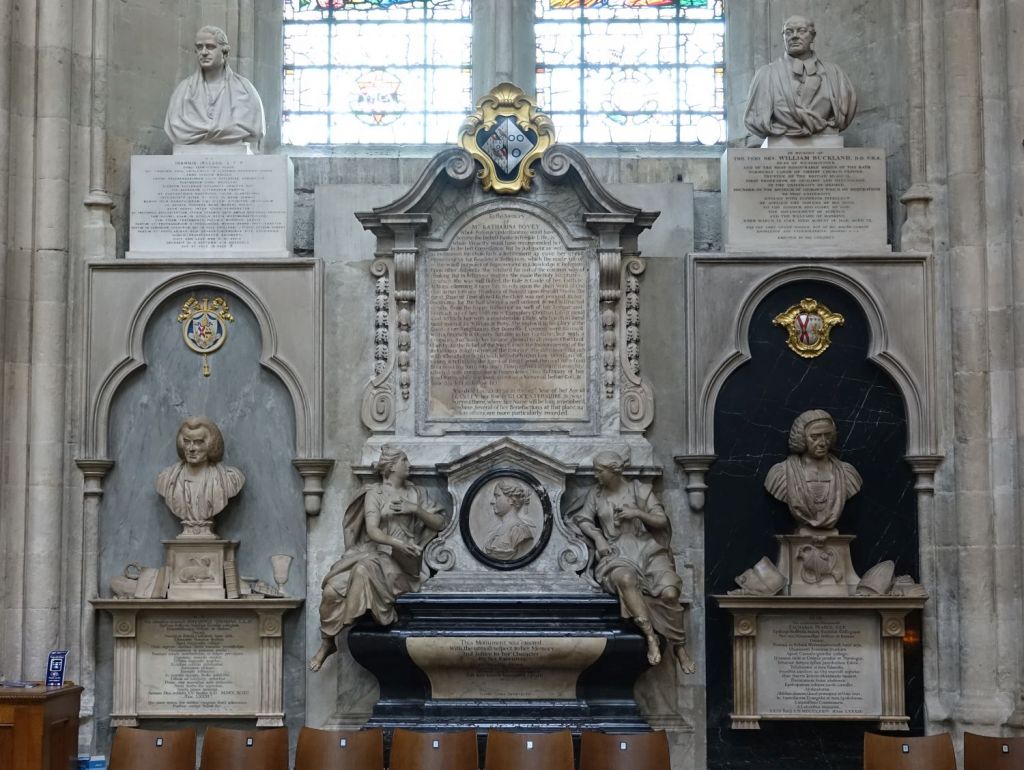
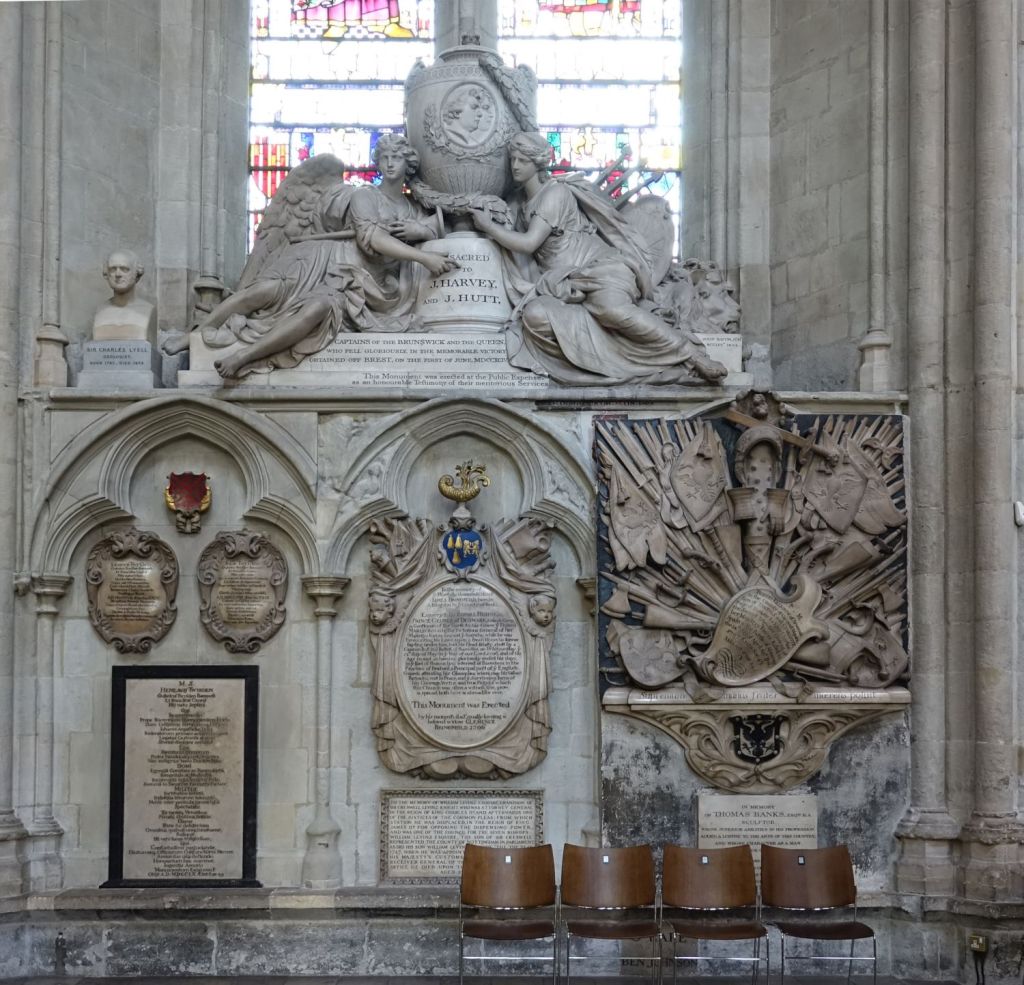
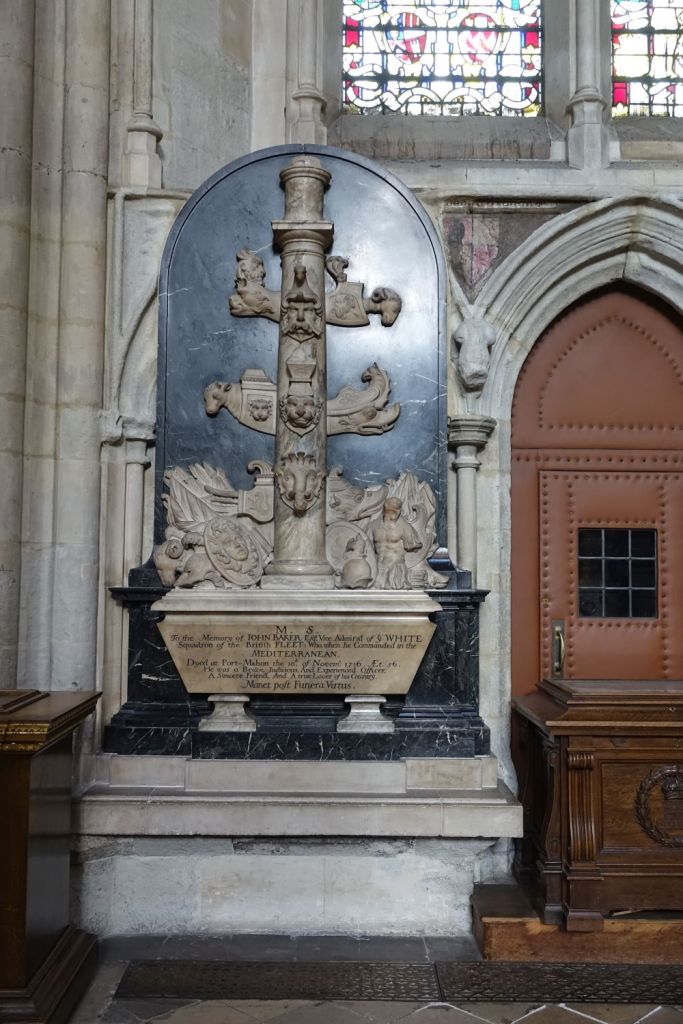
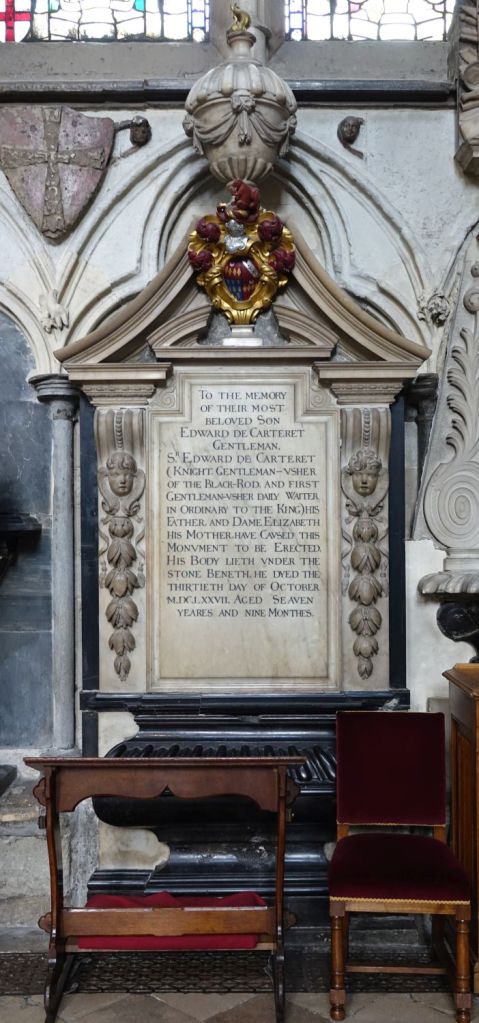
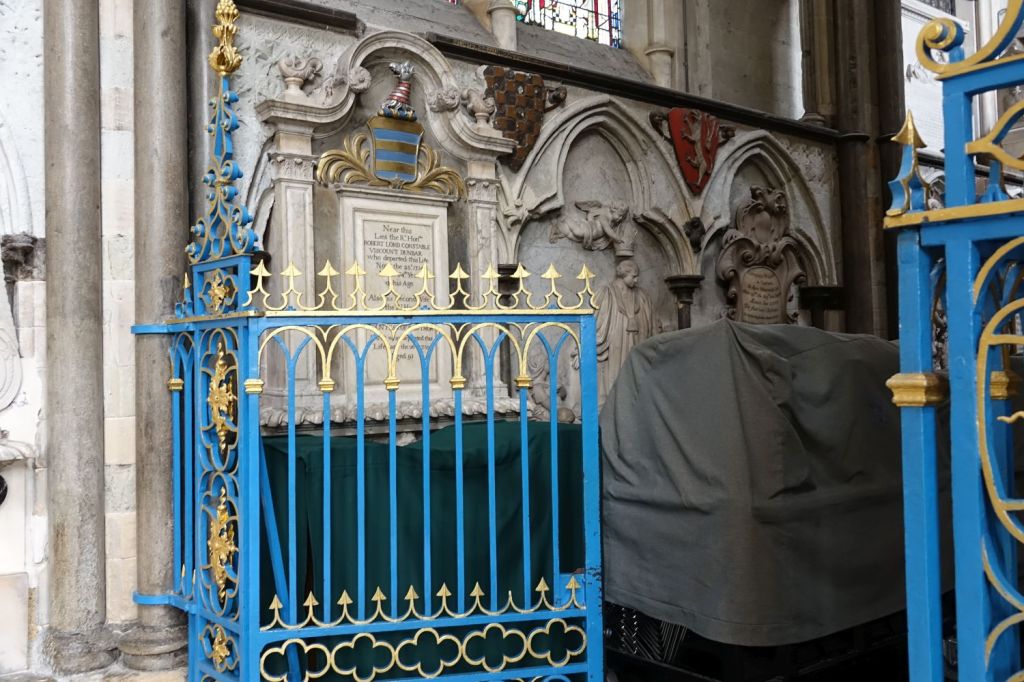
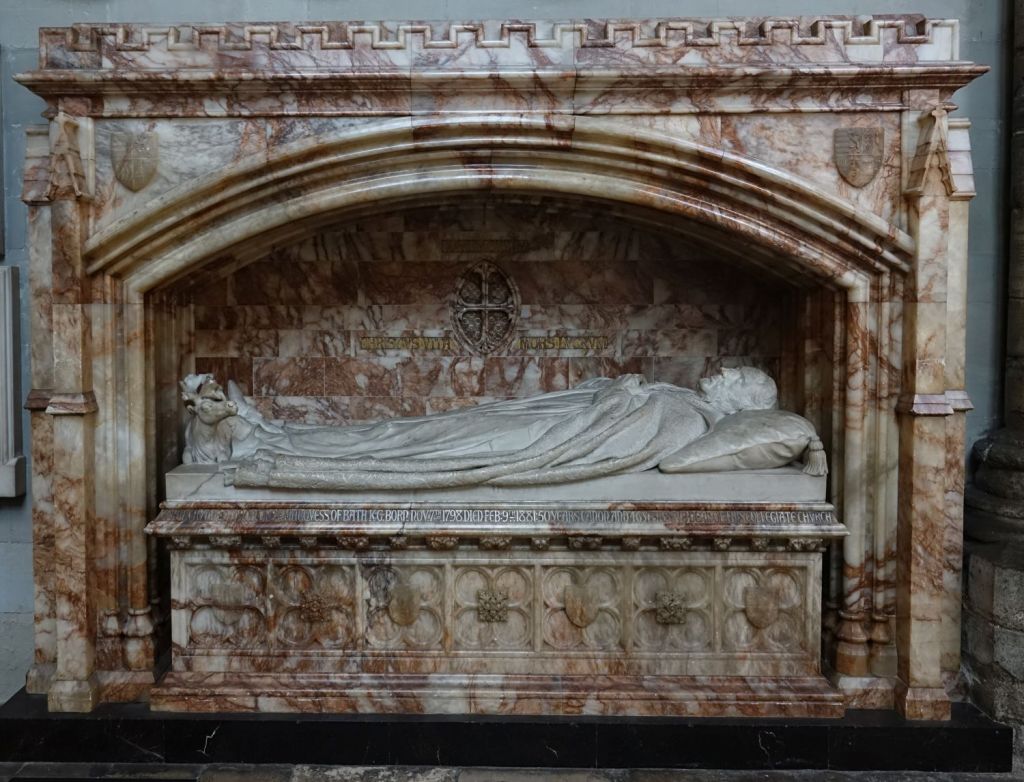
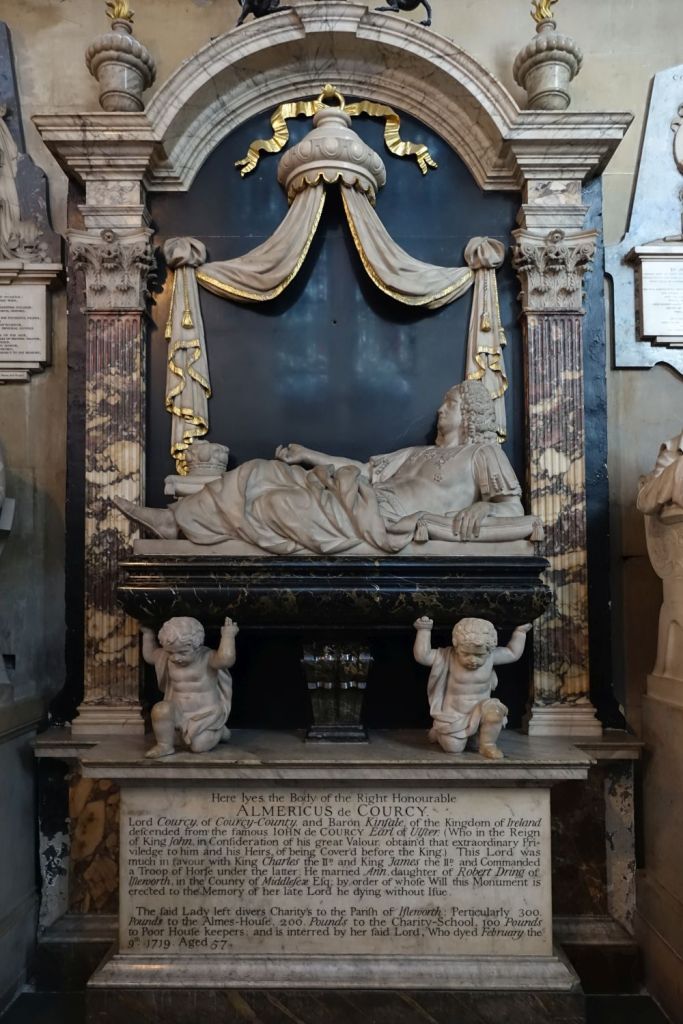
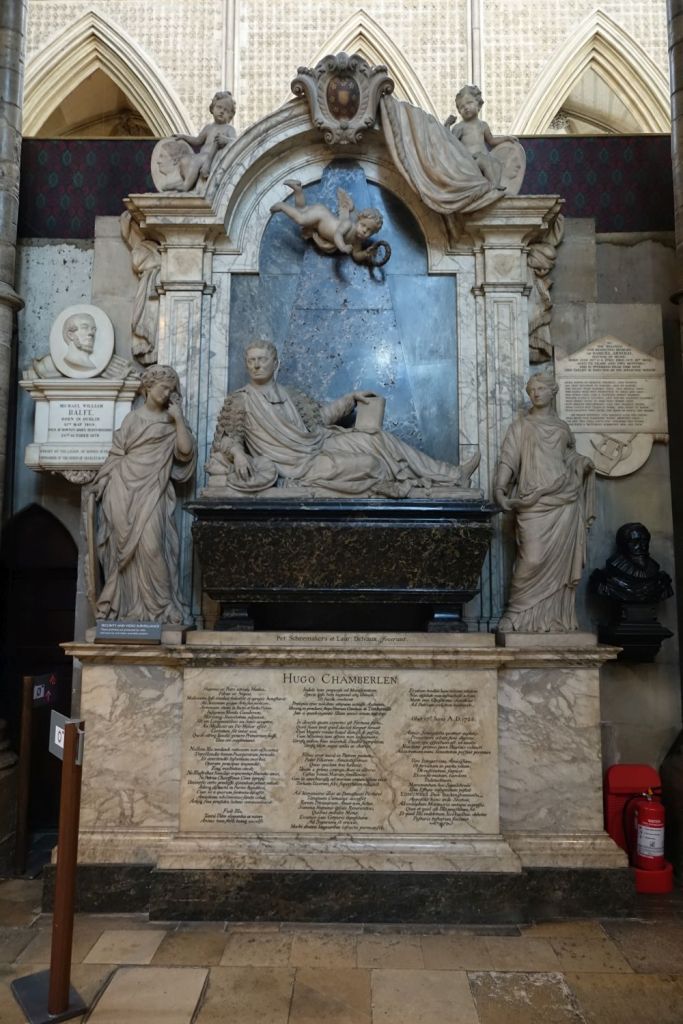
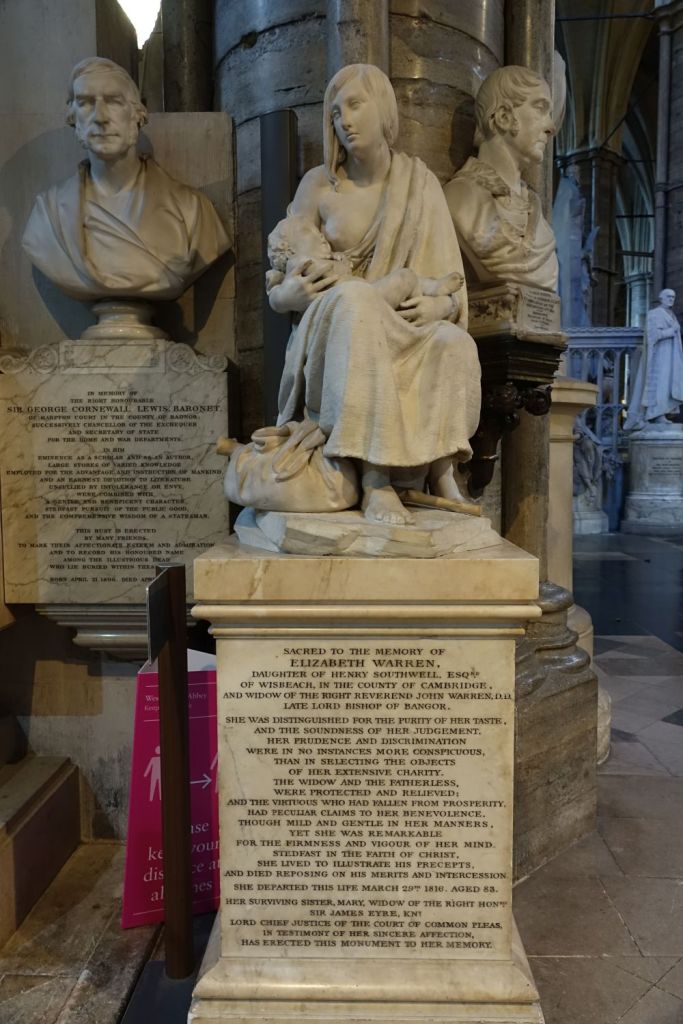
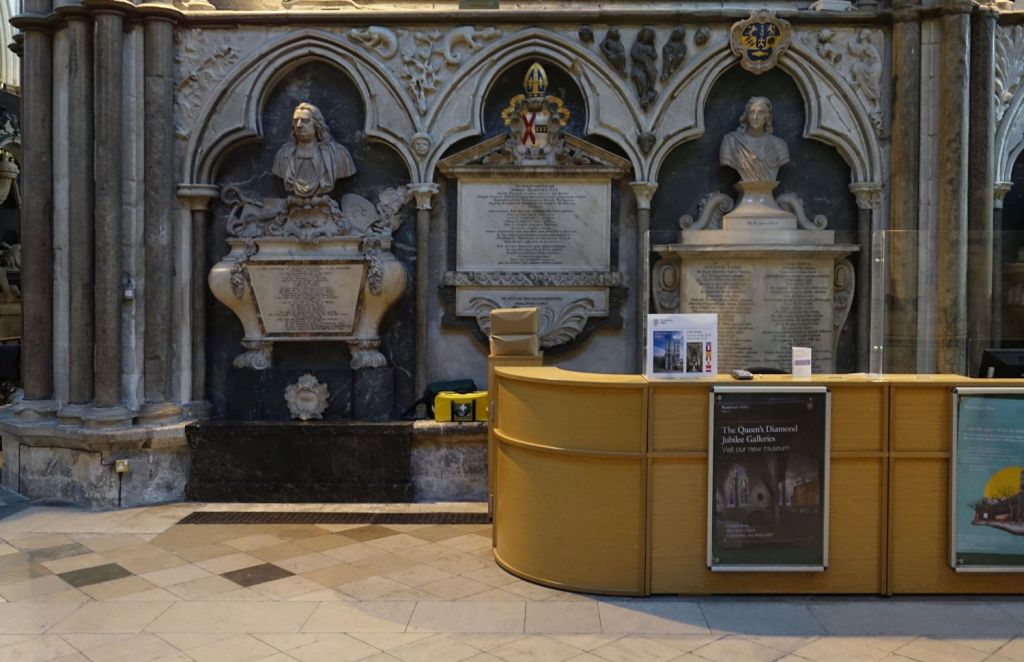
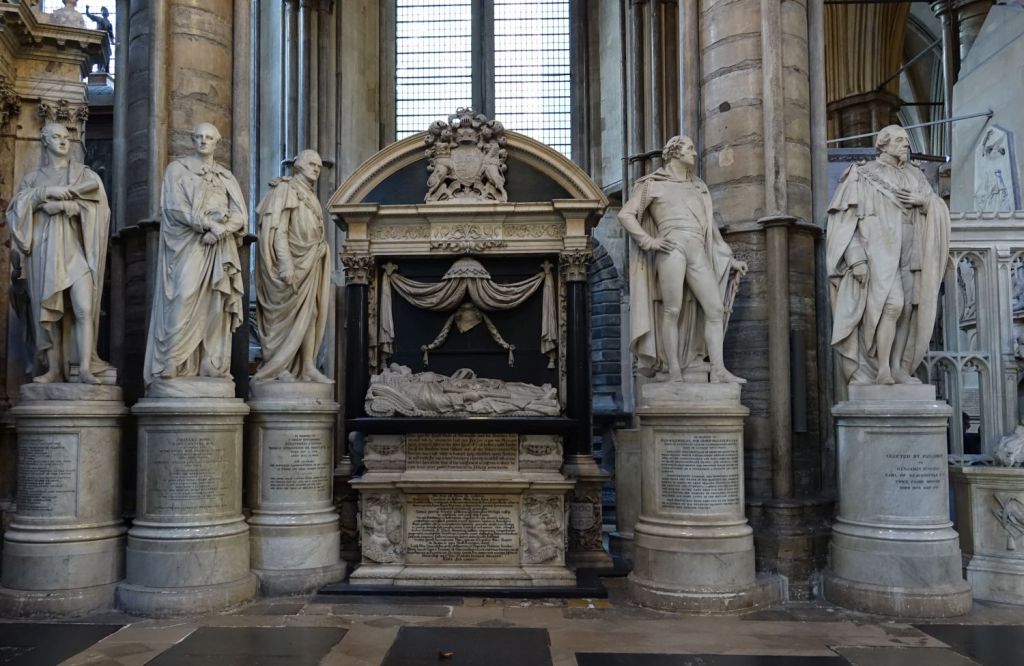
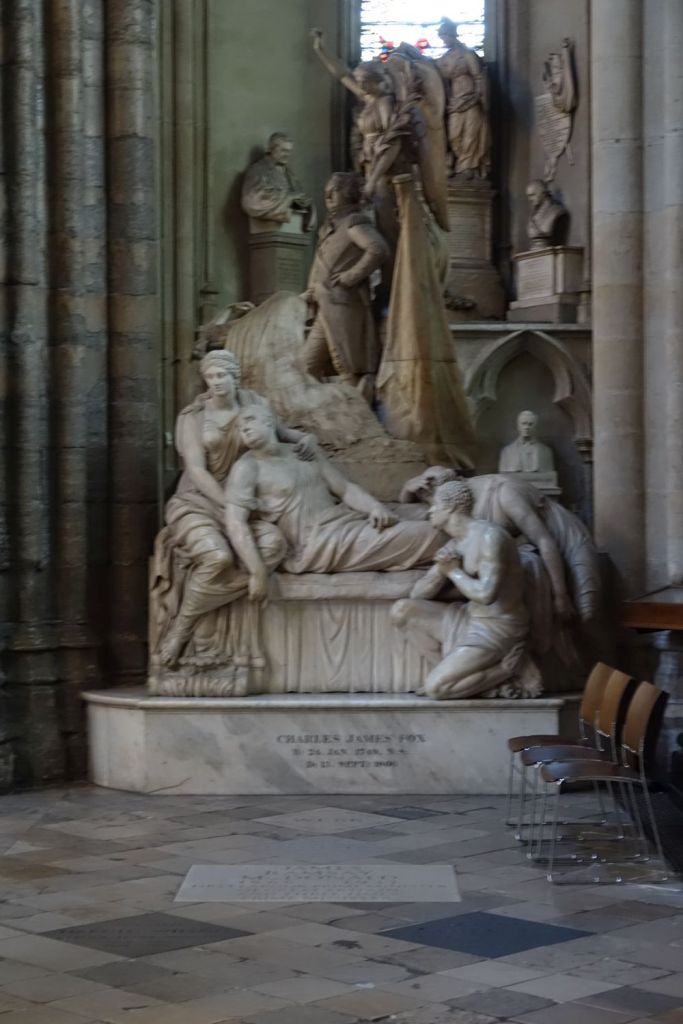
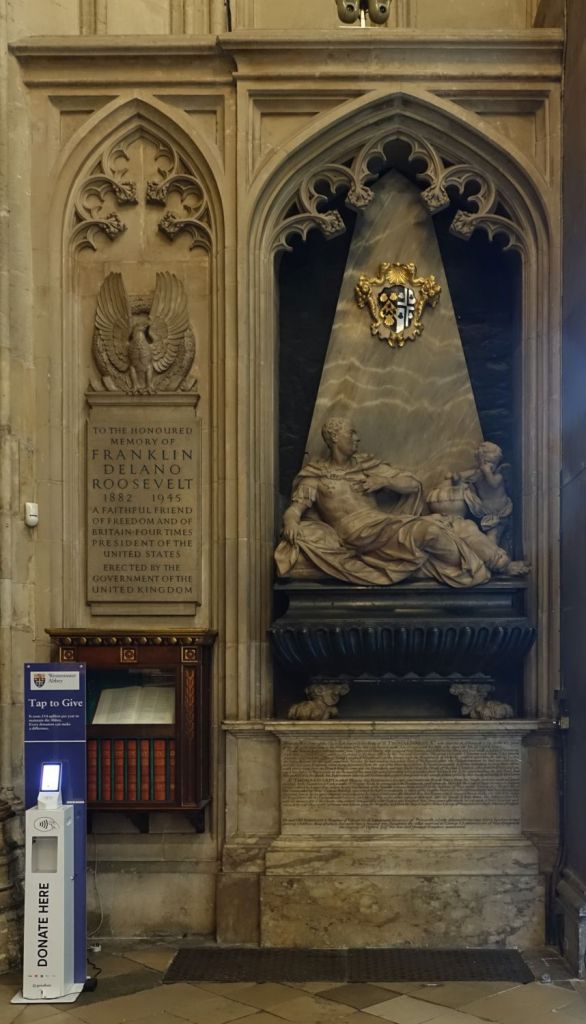
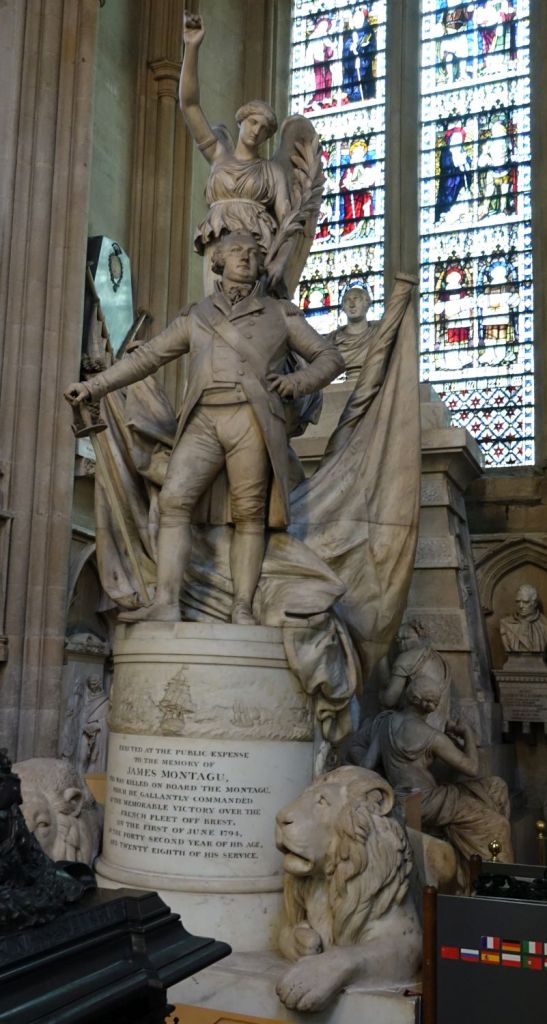
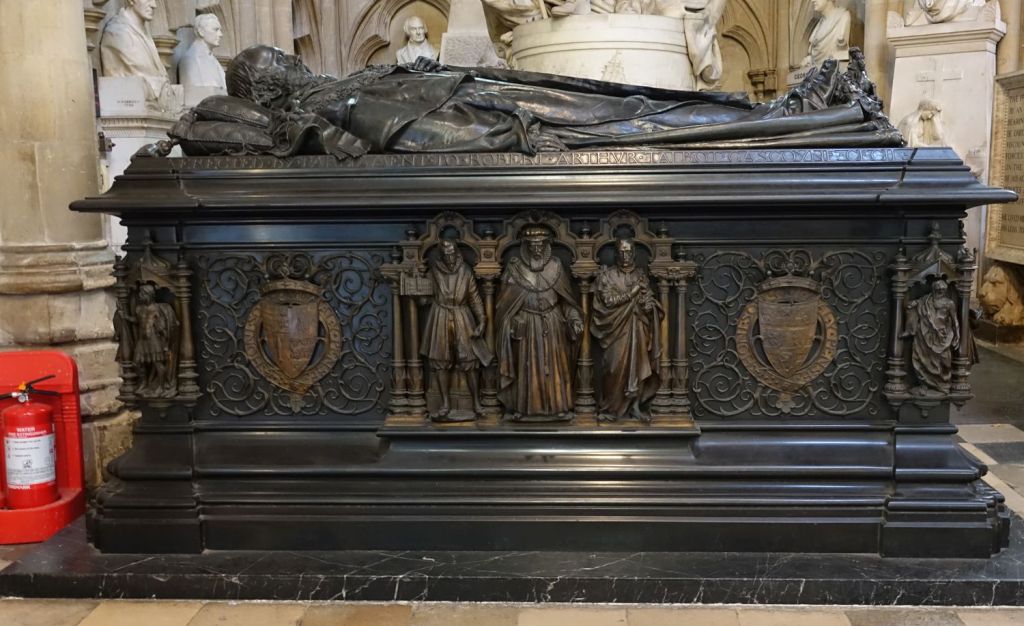
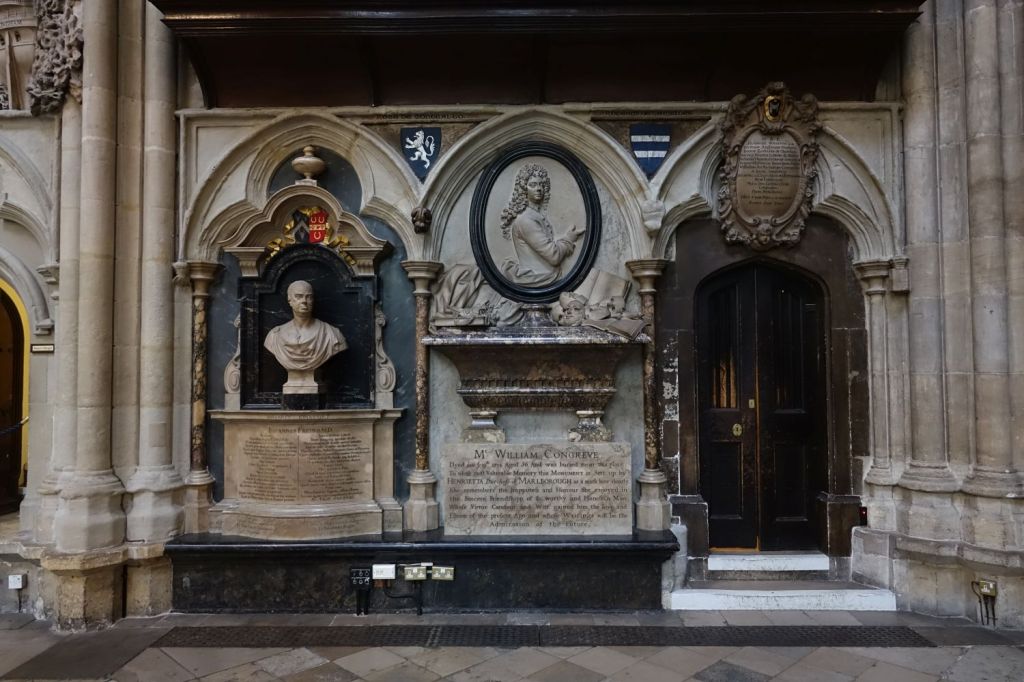
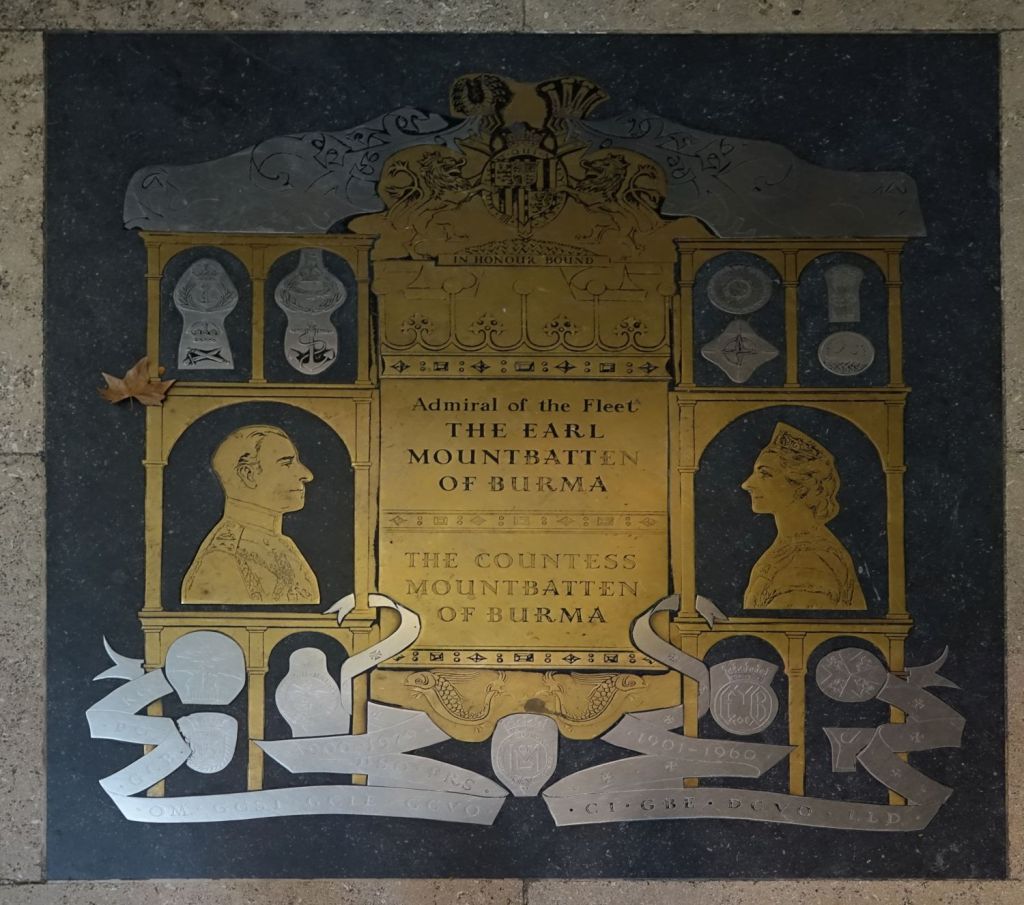
Possibly the best known church in Britain. Building of the current church, replacing an 11th century one, started in 1246 and by 1272 the chancel and four bays of the nave were complete. The west end was Norman, but the 14th century saw the towers encased. The late 14th and 15th centuries saw the nave extended west in much the same style as 100+ years earlier. The church is immensely tall for a British church being built in a French style, as are the polygonal eastern chapels. The Lady Chapel (Henry VII’s chapel) was added in 1503-1510. Since then there have been numerous restorations and reconstructions. Nicholas Hawksmoor rebuilt the west towers in 1735-45. During the 19th century work was done by George Gilbert Scott, John Loughborough Pearson, J Oldrid Scott and J.T. Micklethwaite. In the 20th W.R. Lethaby, Walter Tapper, Charles Peers, Stephen Dykes Bower, Peter Foster and Donald Buttress have carried out work. The Abbey is known for its Royal tombs, the medieval ones are in the Feretory, an area not open to general visitors due to wear and tear. The whole building is full of monuments of all periods. Much of the stained glass is post-war by Ninian Comper and Hugh Easton and in 2020 David Hockney.

































































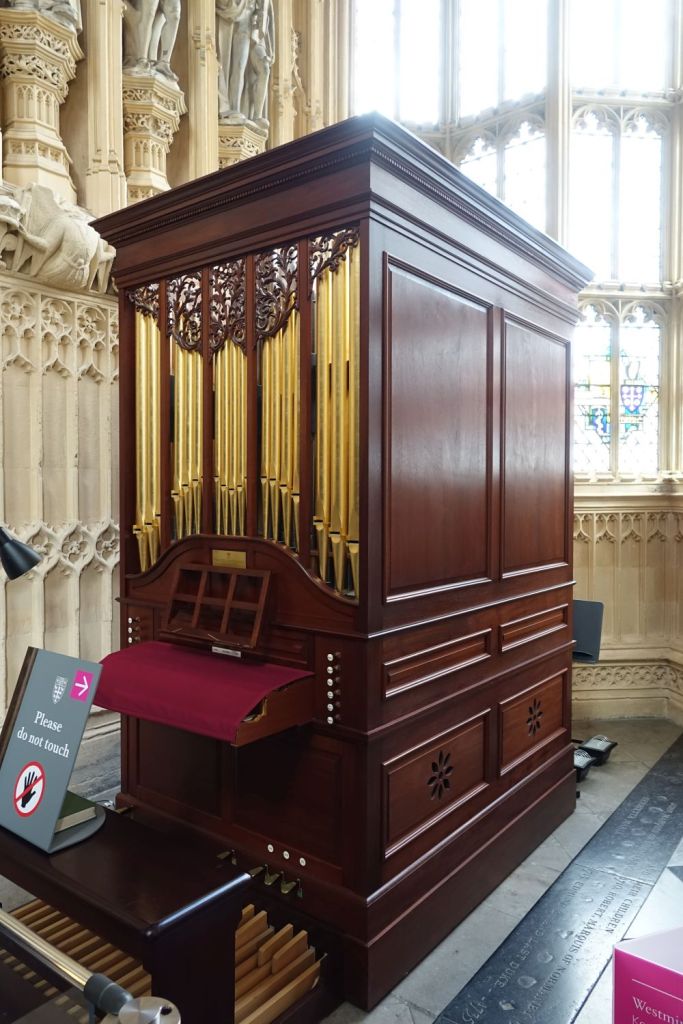
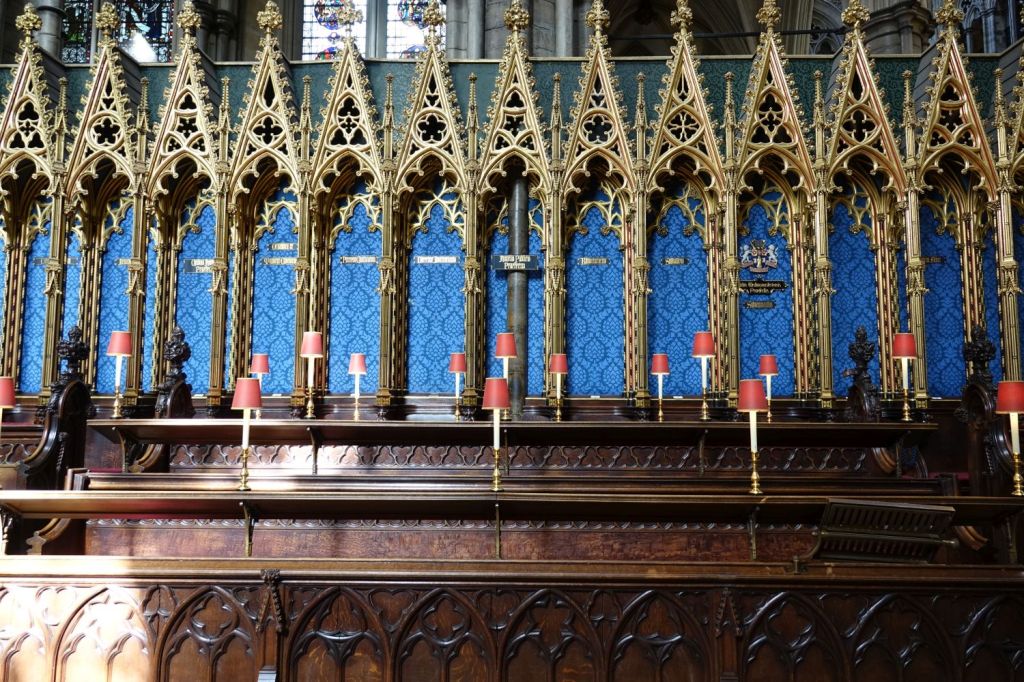
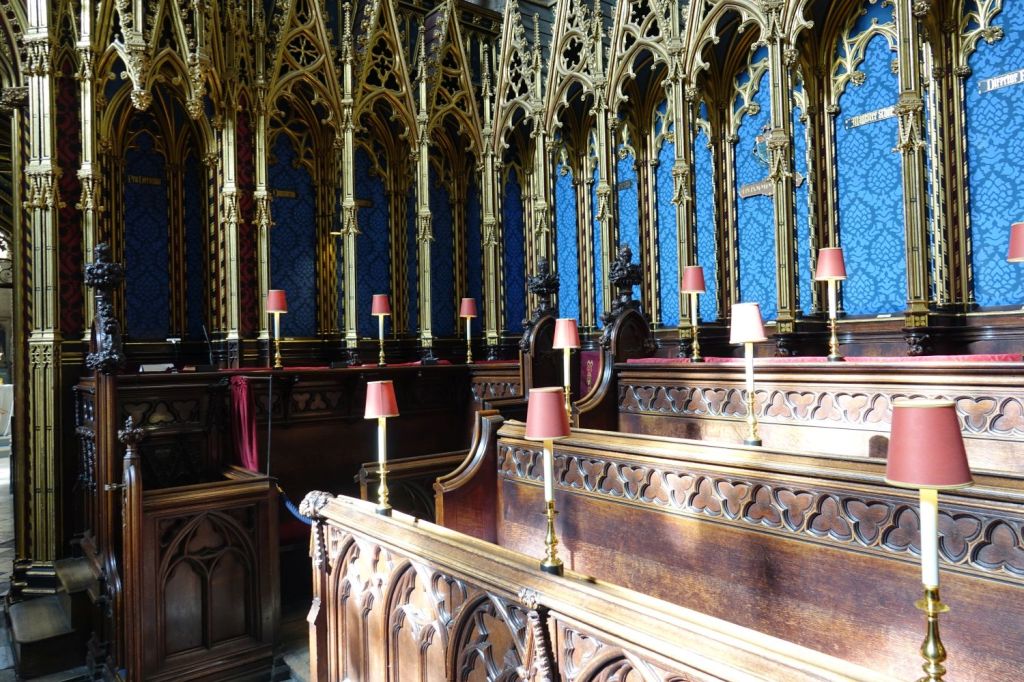

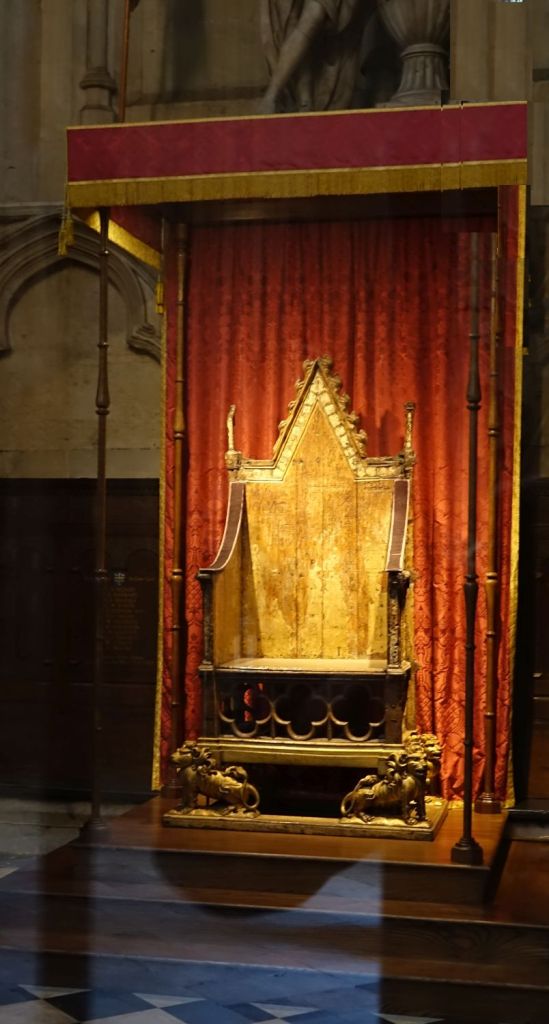

















































































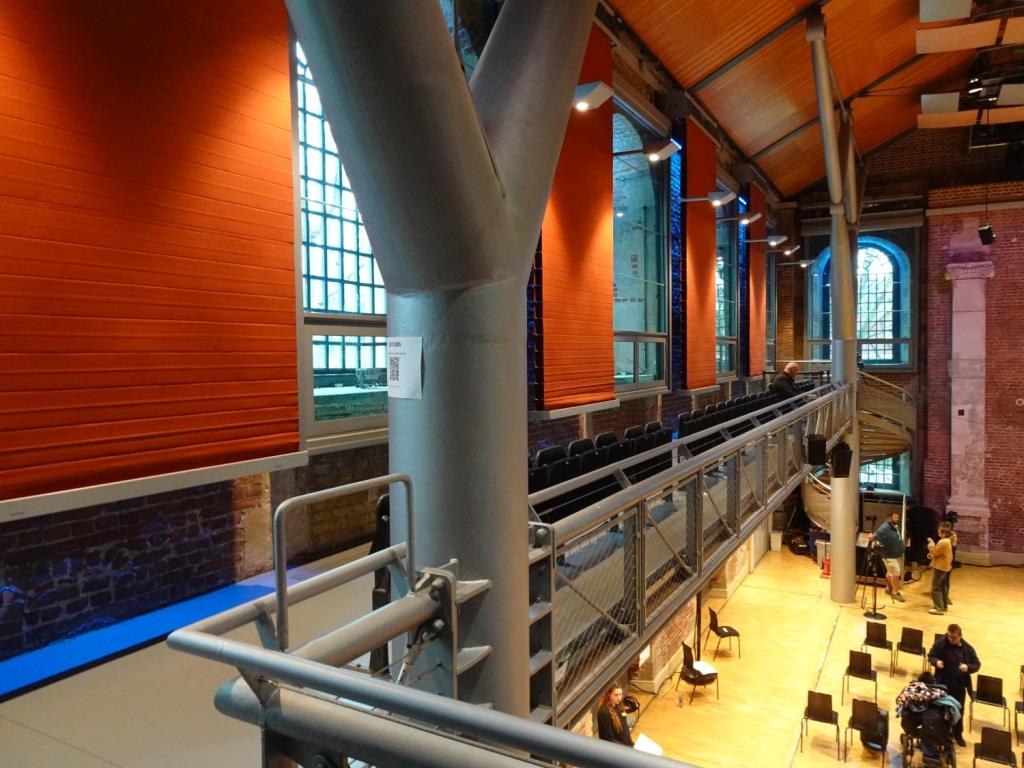
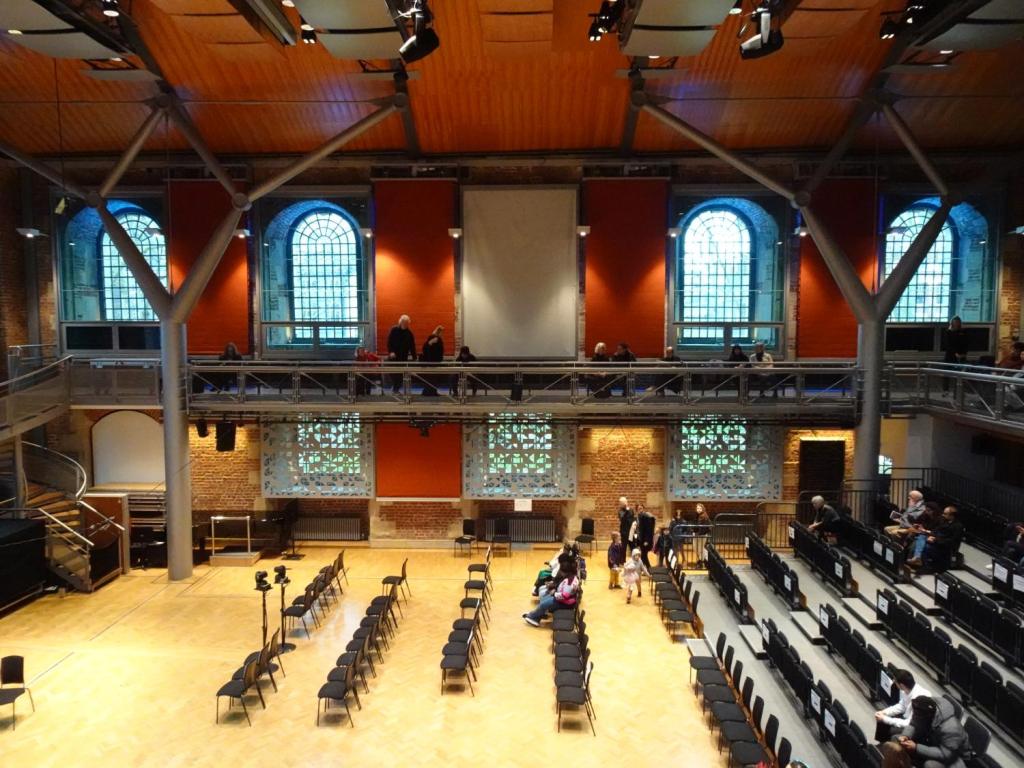
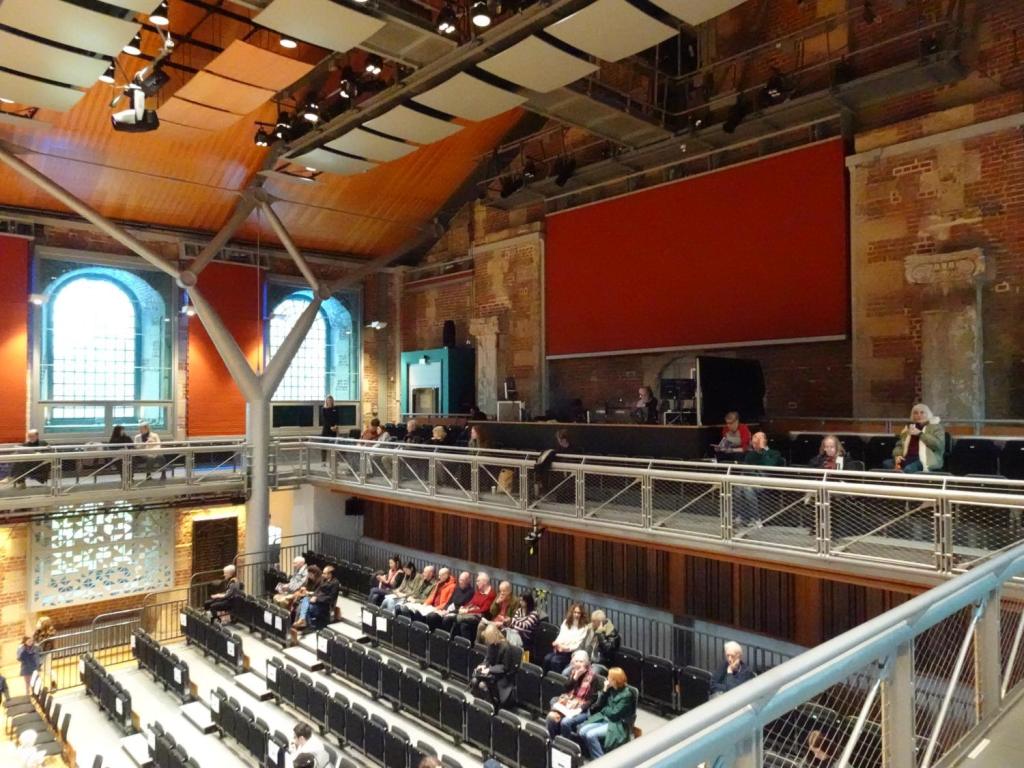
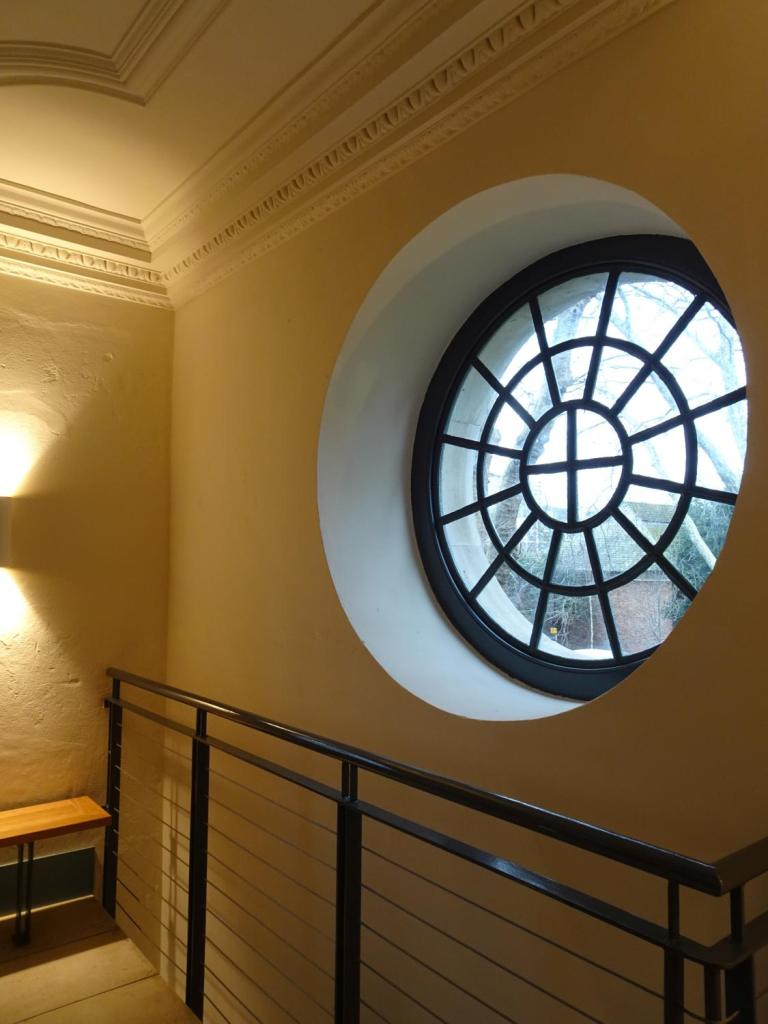
St Luke, Old Street (Former), Clerkenwell (now LSO St Lukes music centre)
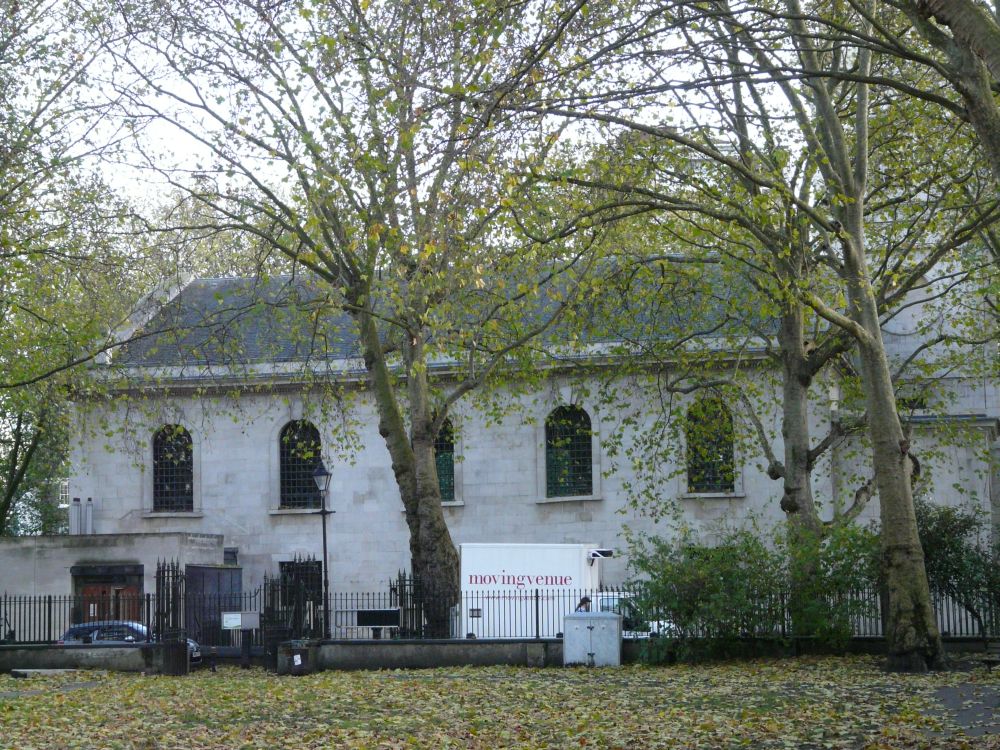
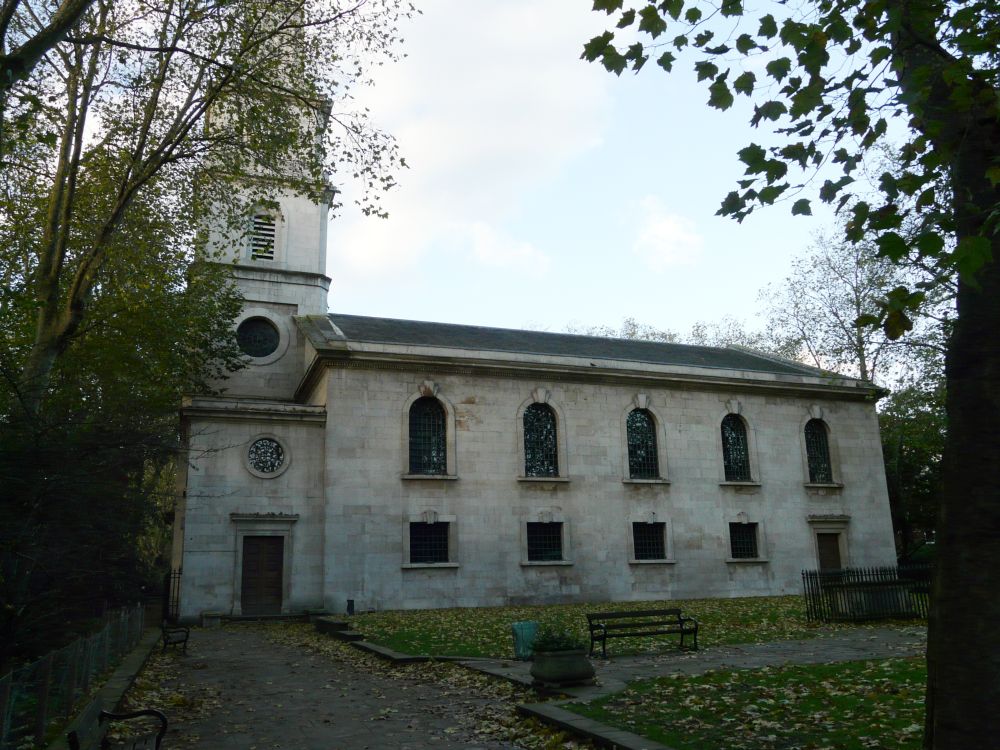
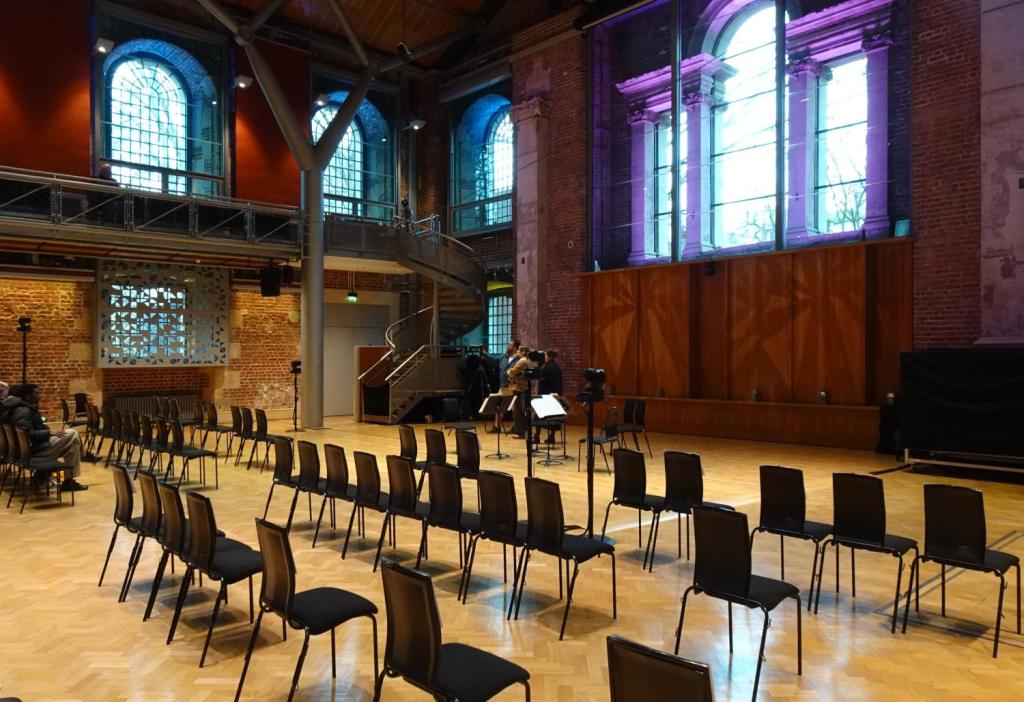
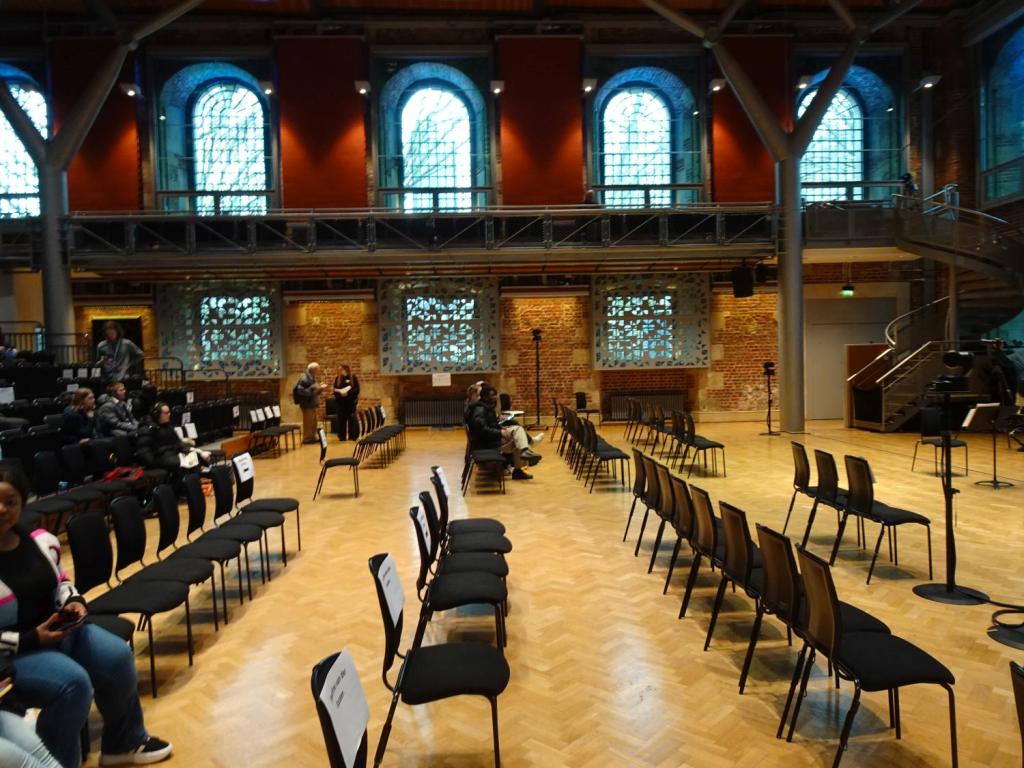
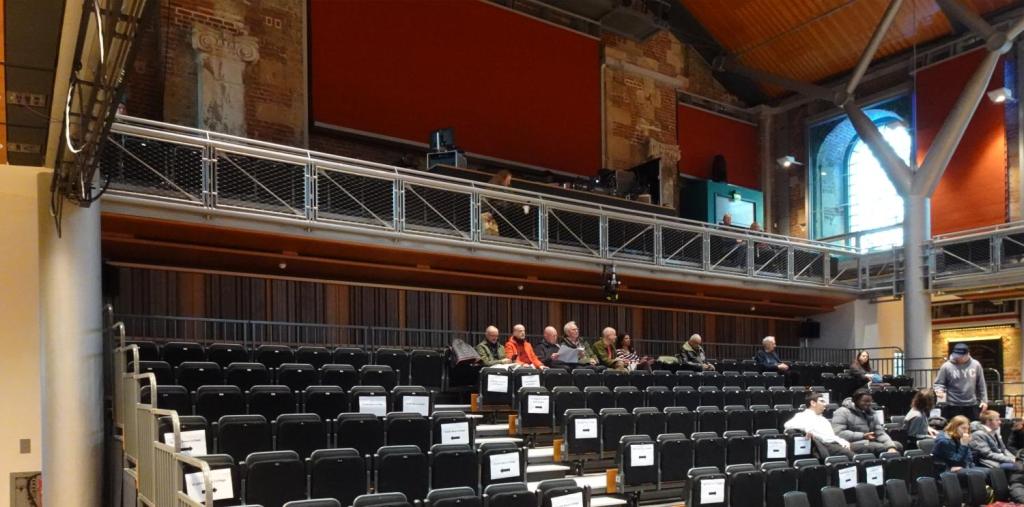
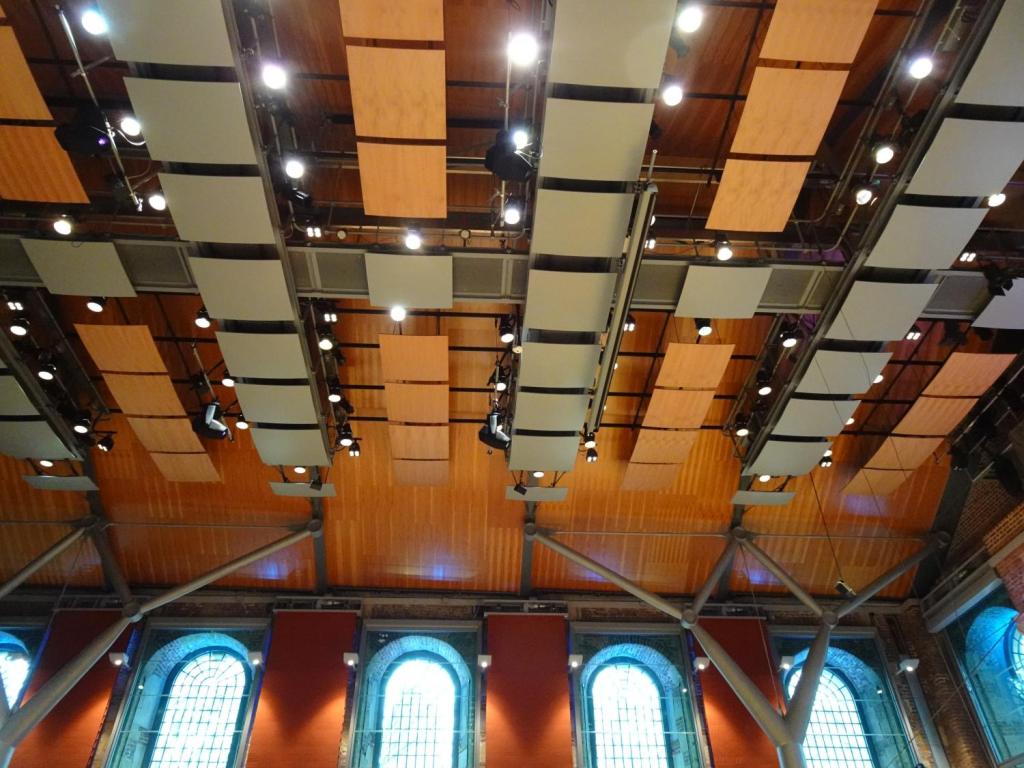
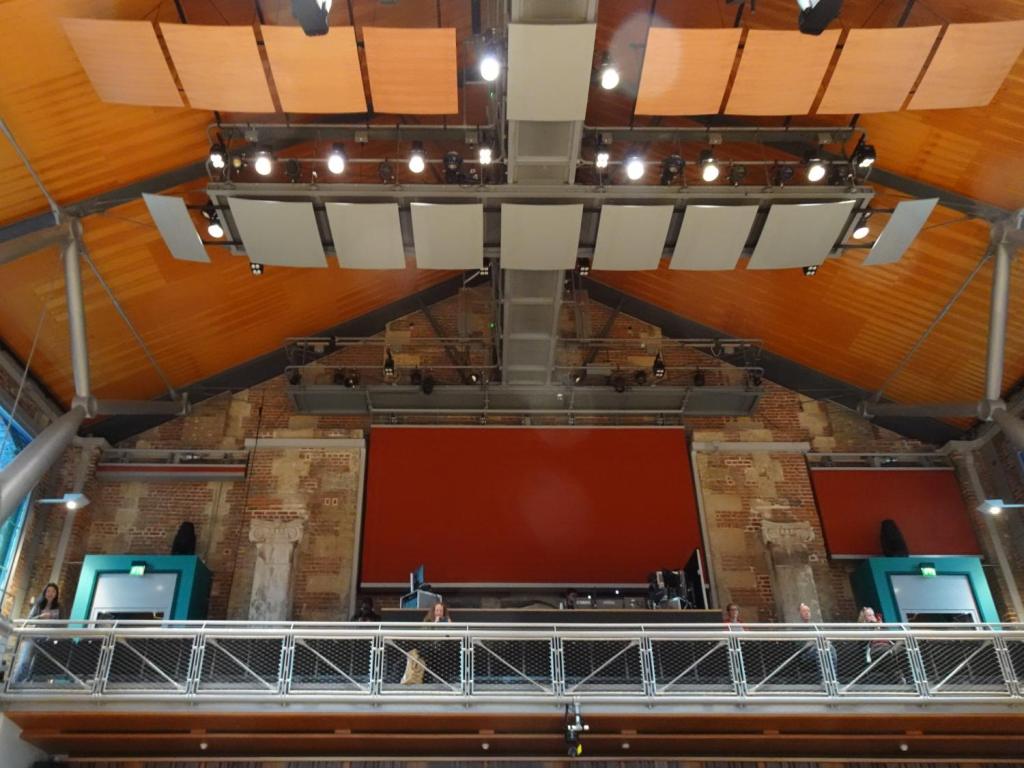
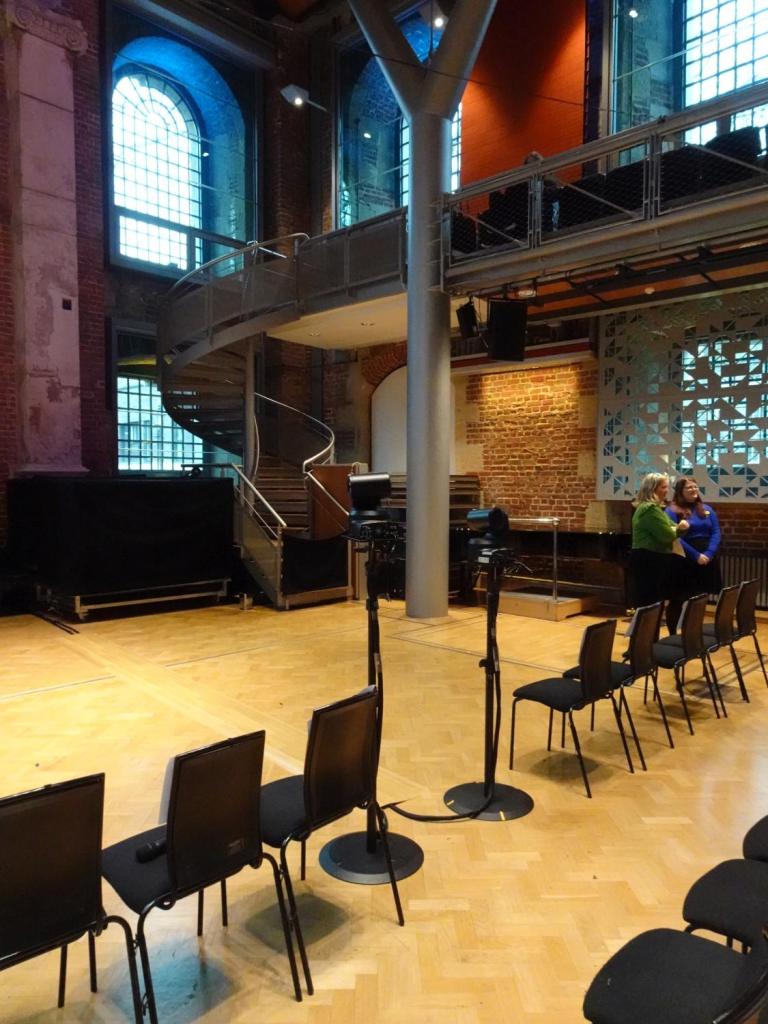
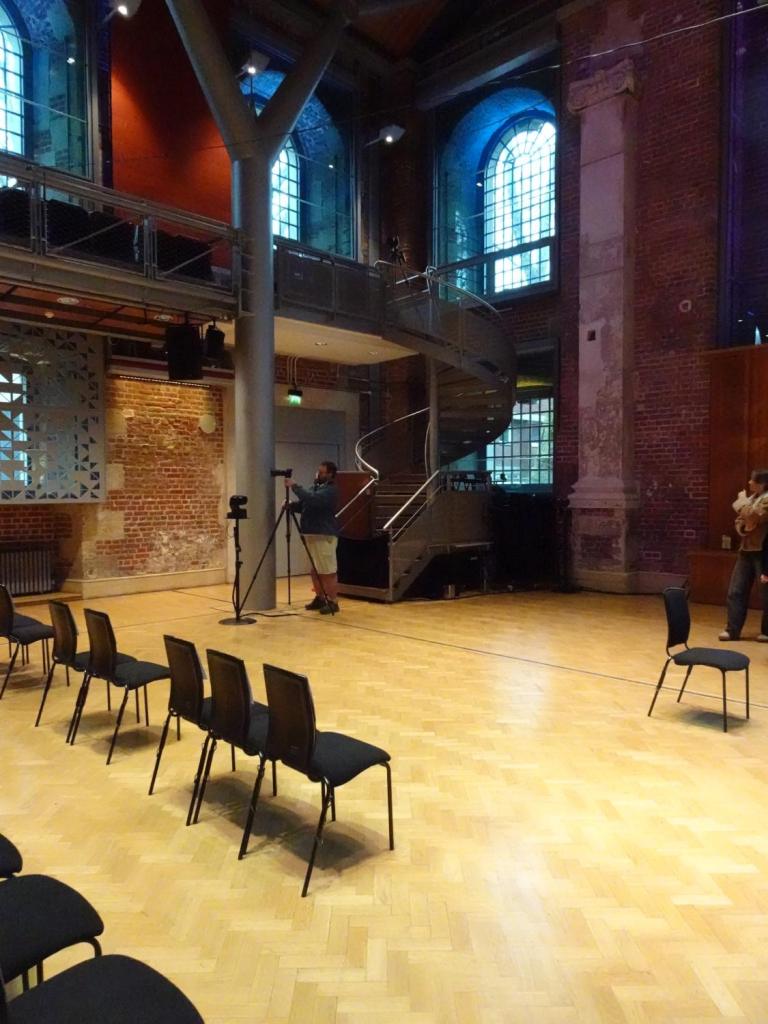
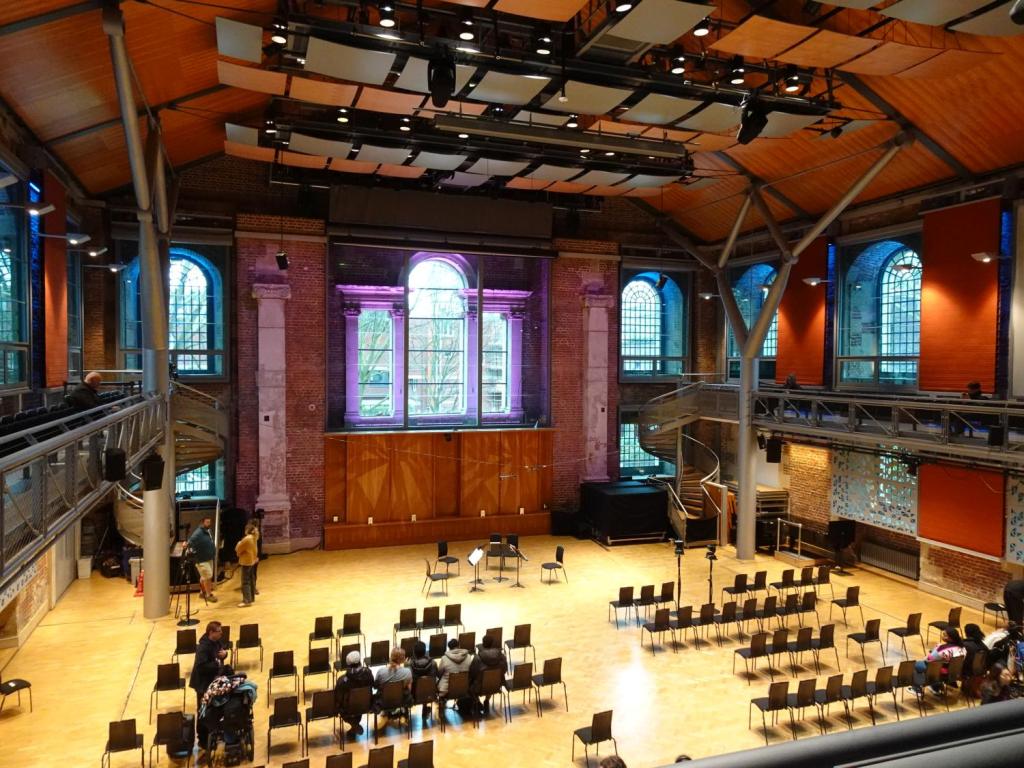
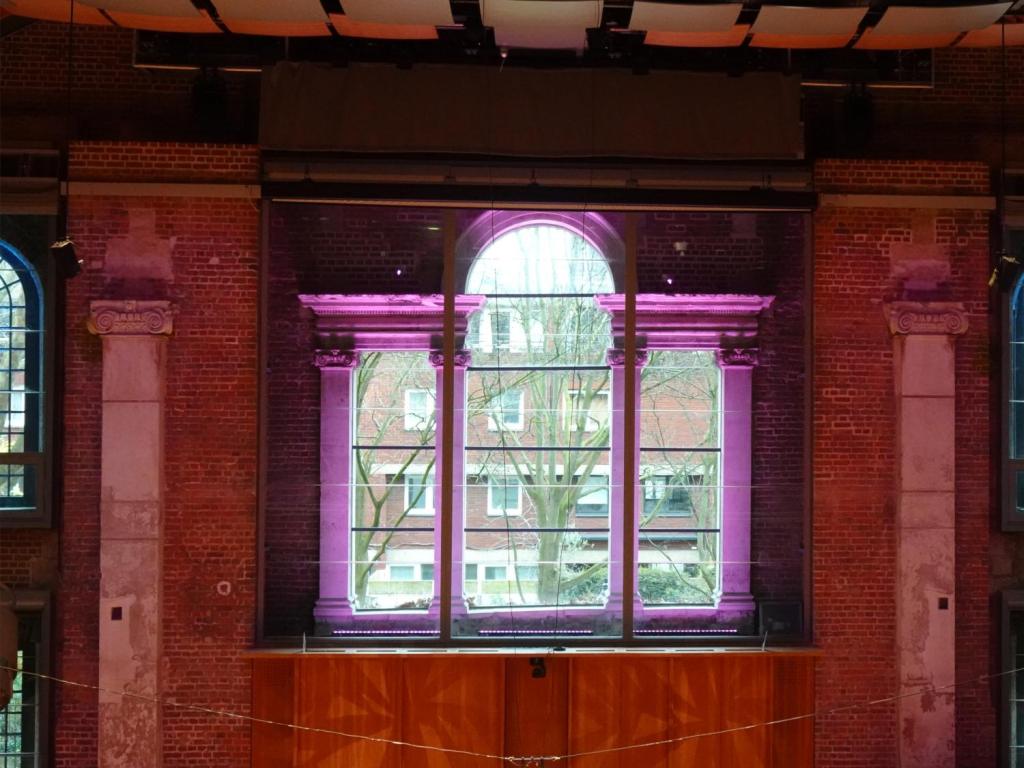
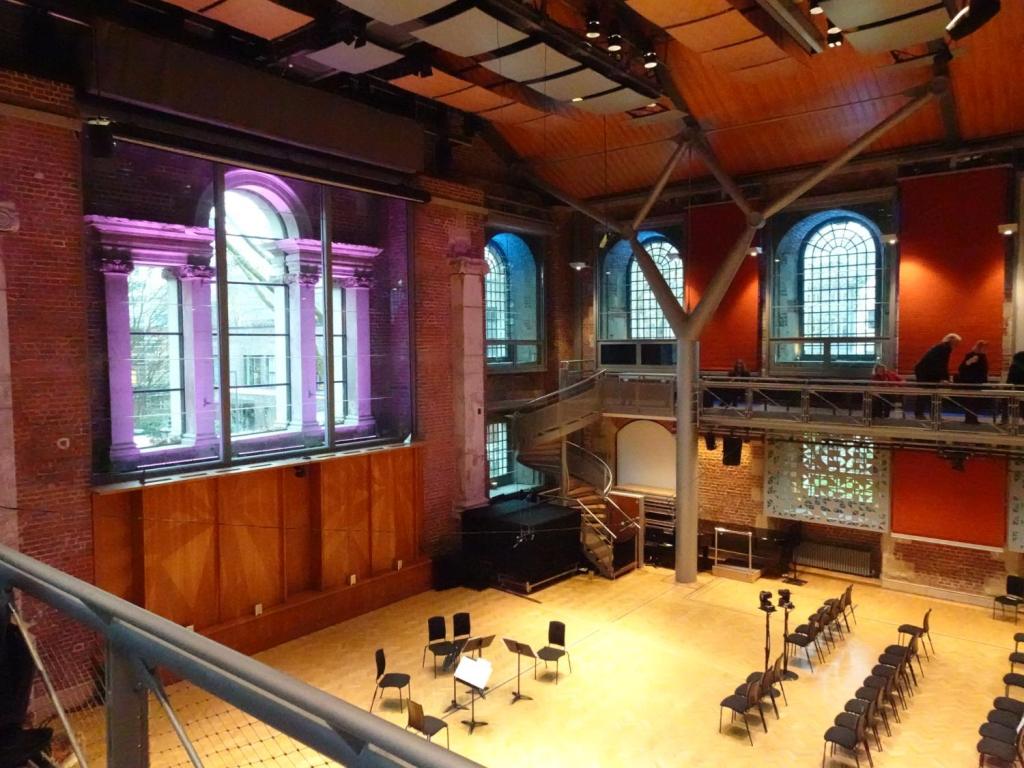
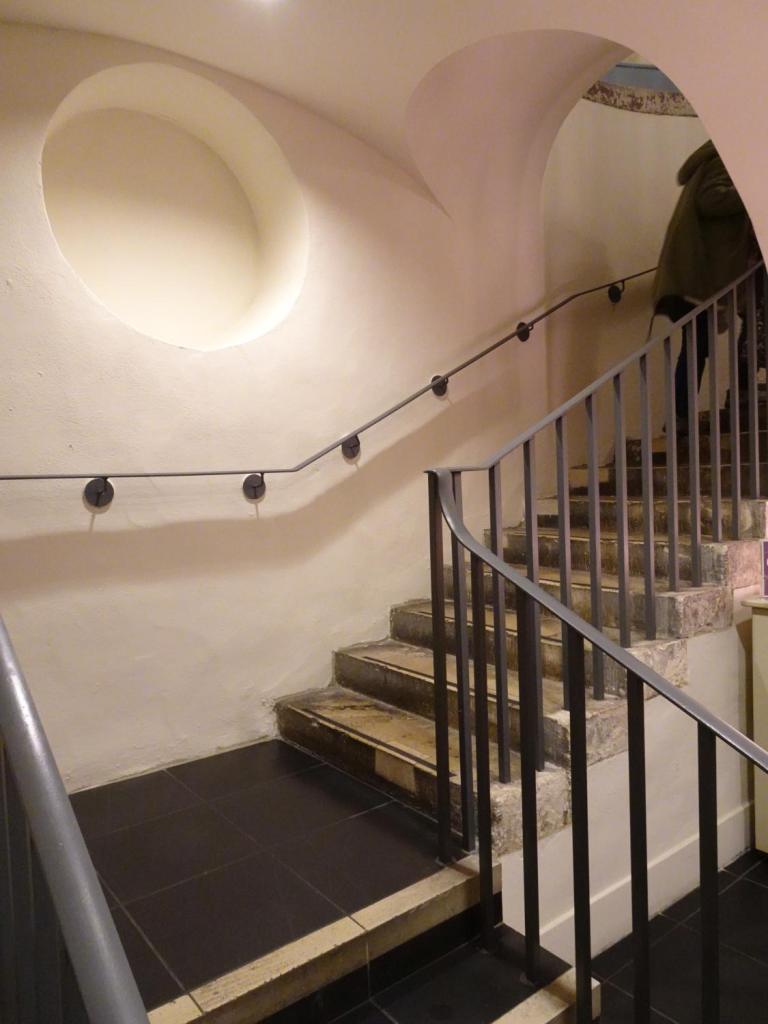
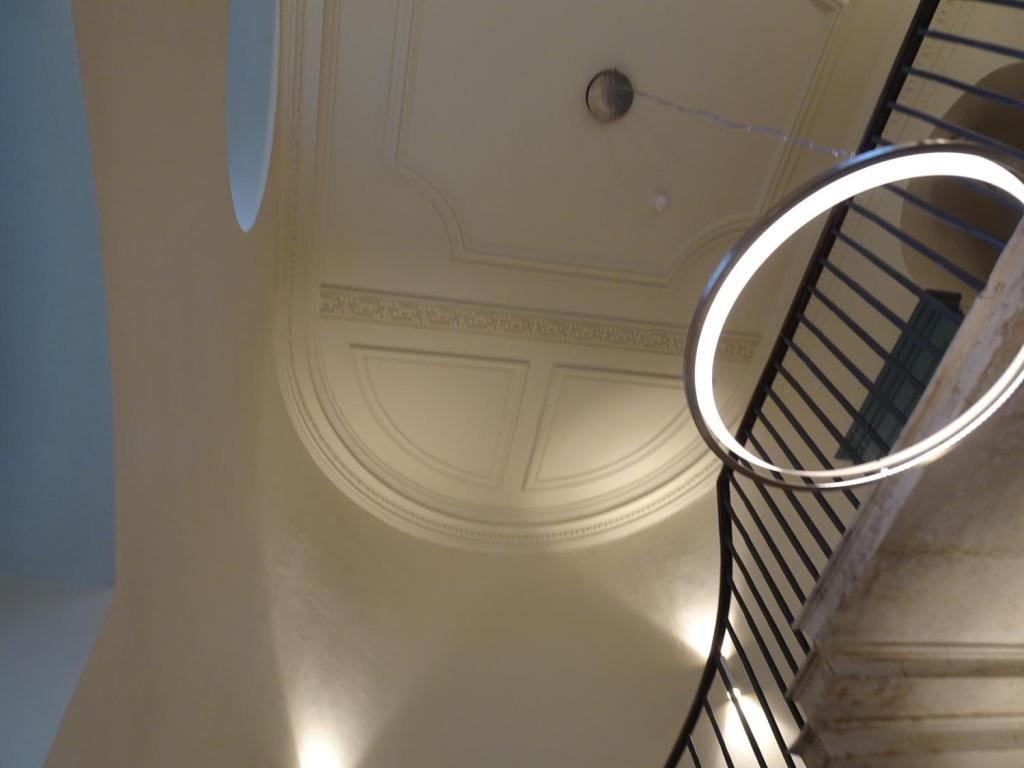
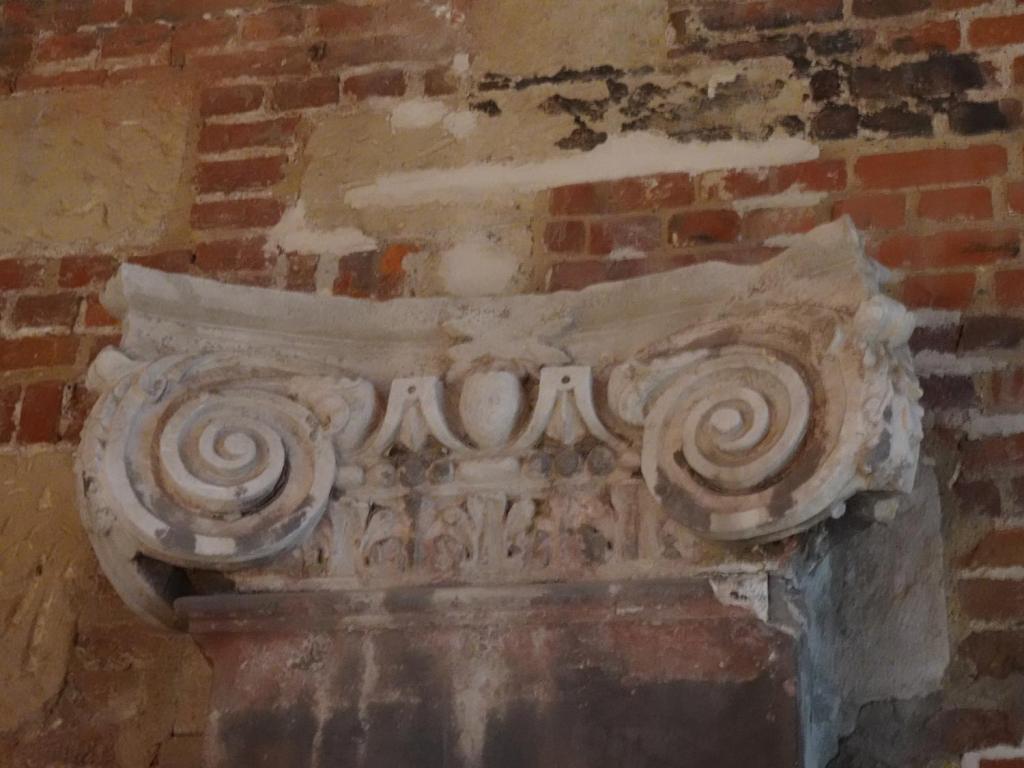
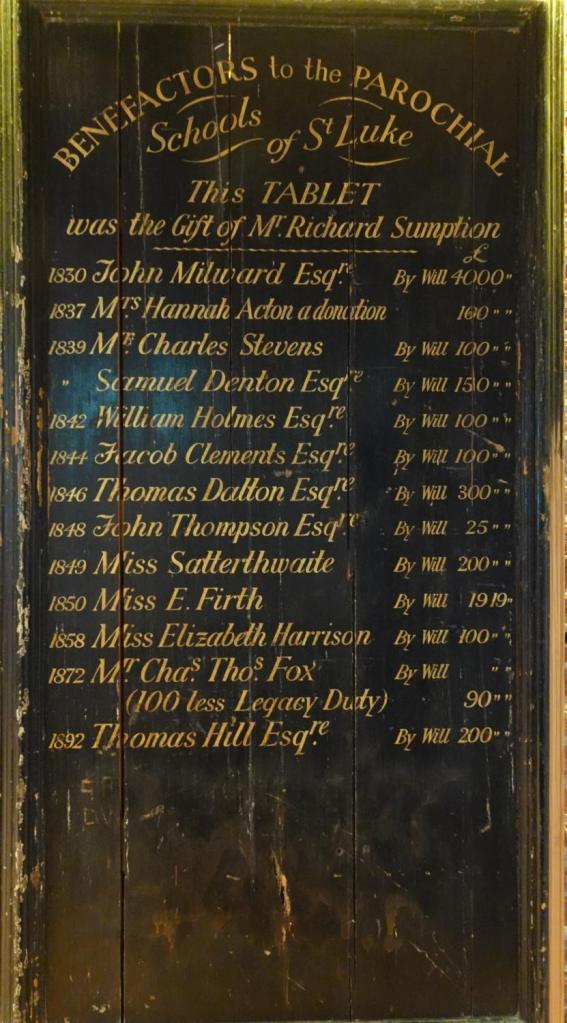
Built in 1727-33 and designed by John James and Nicholas Hawksmoor. It was made redundant in 1959 and left as an unroofed ruin. In 2000-02 it was renovated to become a music education centre, rehearsal space and concert hall for the London Symphony orchestra called LSO St Luke’s. The conversion which included a new roof supported on metal stanchions was by Axel Burrough of Levitt Bernstein.
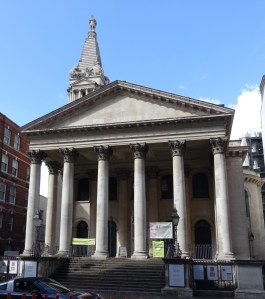
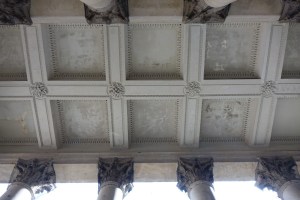
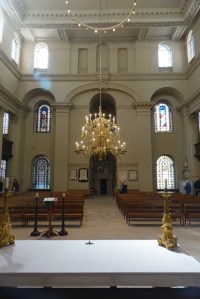
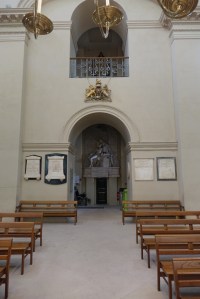
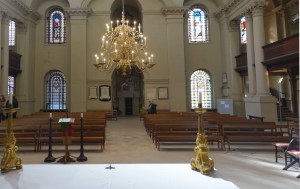
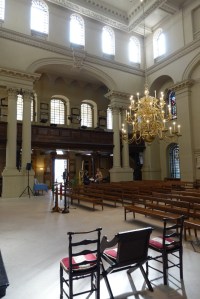
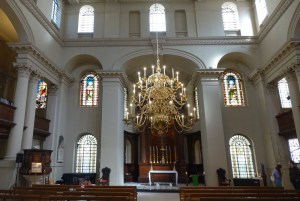
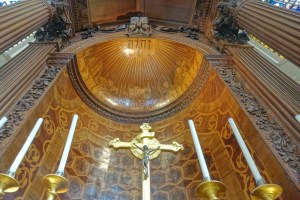
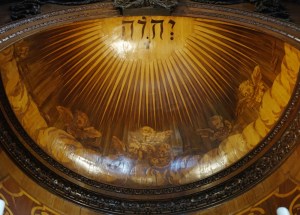
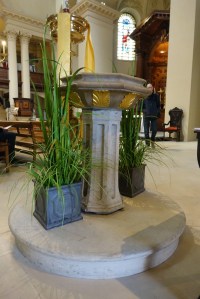
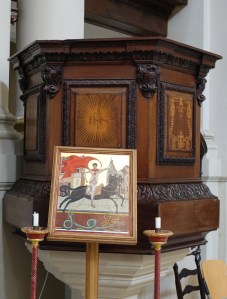
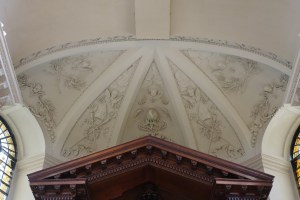
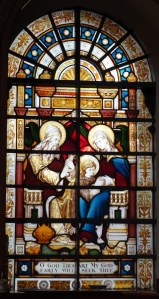
St George, Bloomsbury Way, Bloomsbury
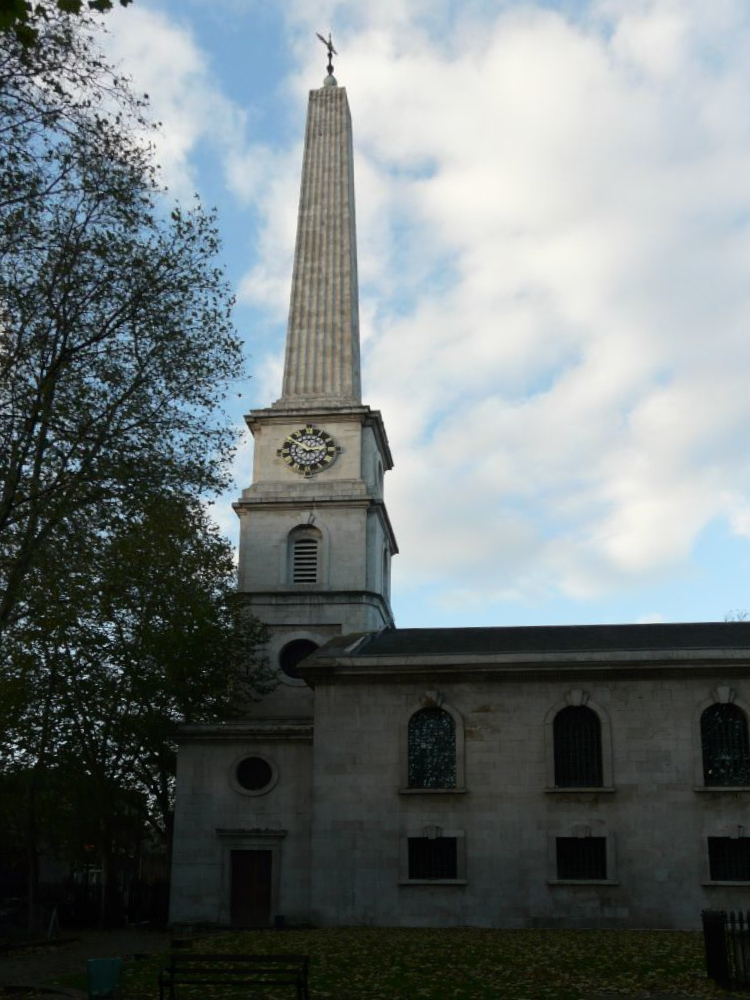
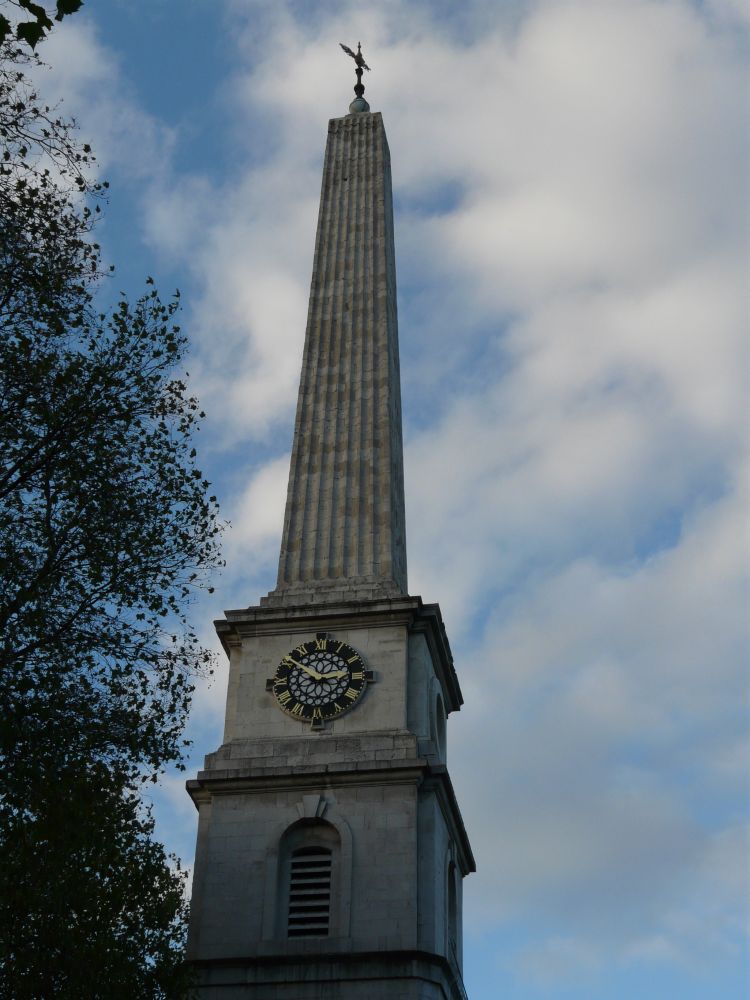
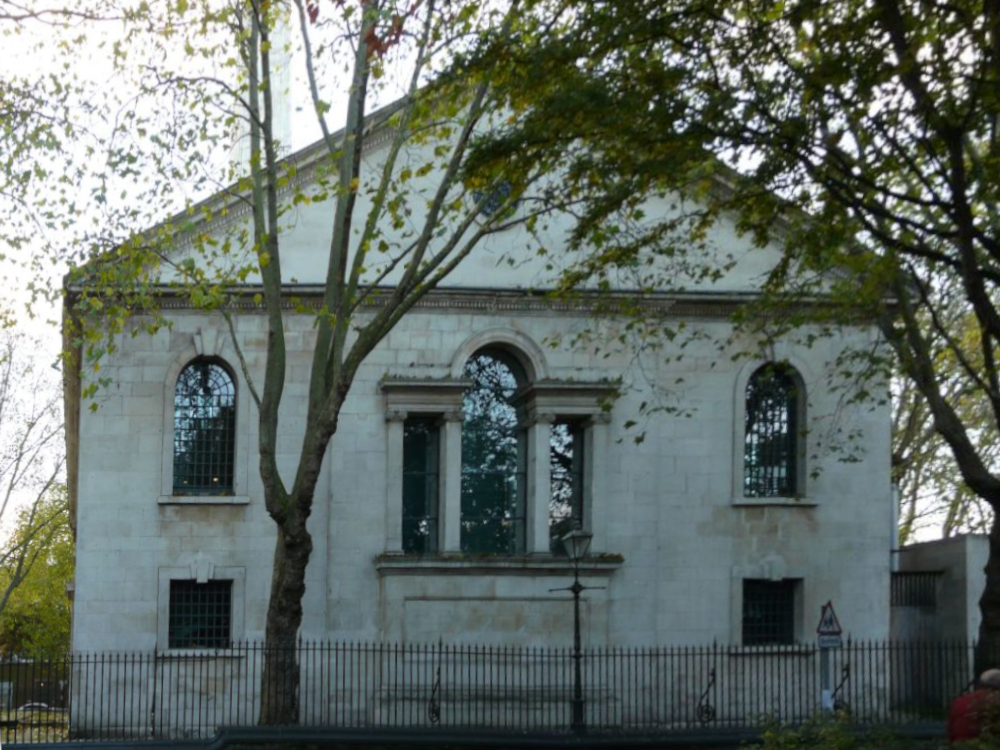
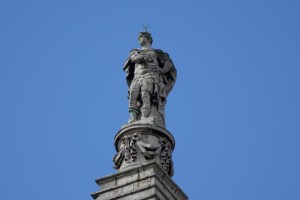
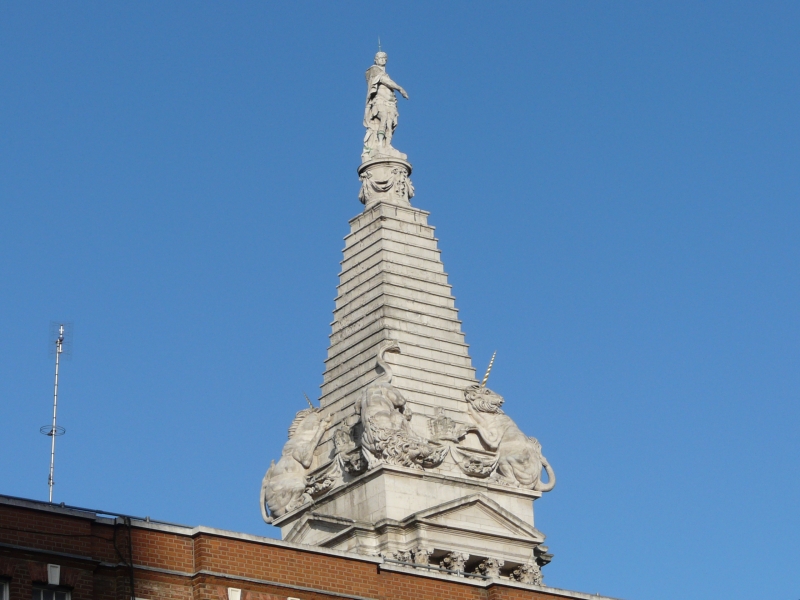
By Nicholas Hawksmoor 1716-31. After years of neglect it was recently restored to near its original state and orientation after changes by G.E. Street in 1870-71. George the 1st tops the tower
 |
 |
 |
 |
 |
 |
 |
 |
 |
 |
 |
 |
 |
 |
 |
 |
 |
 |
 |
 |
 |
 |
 |
 |
 |
 |
 |
 |
 |
 |
 |
 |
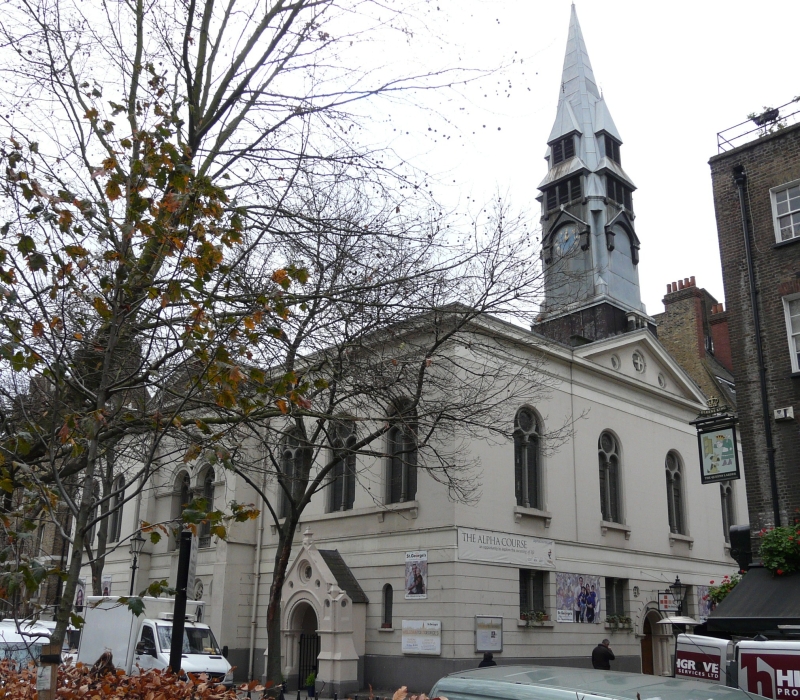
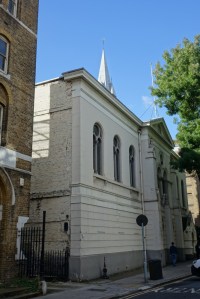
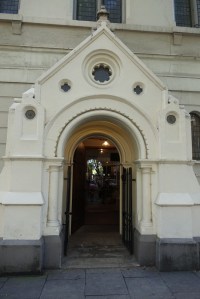
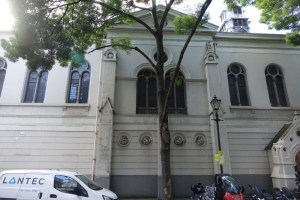
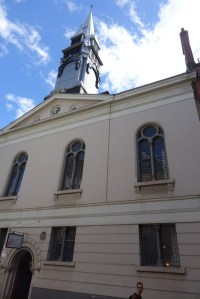
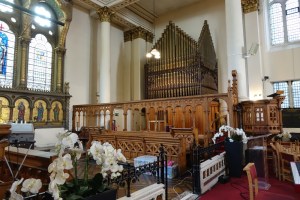
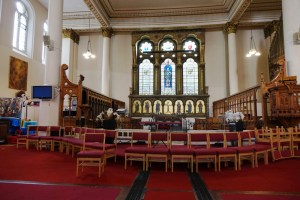
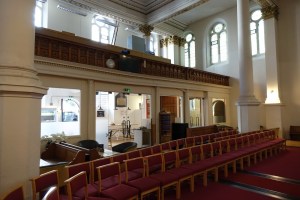
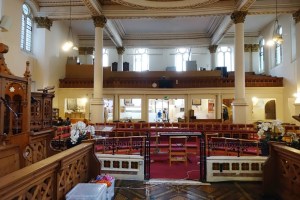
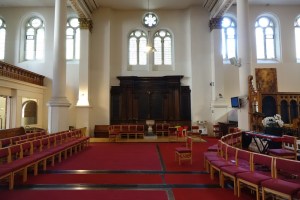
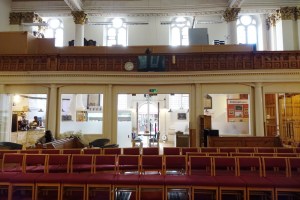
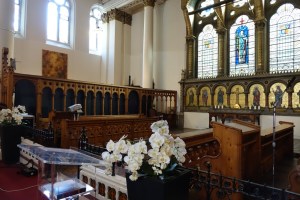
St George the Martyr, Queen Square, Holborn
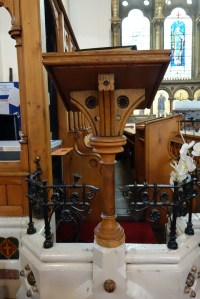
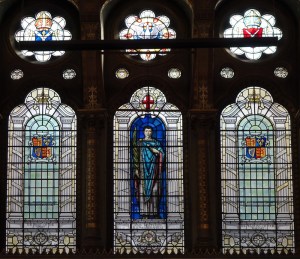
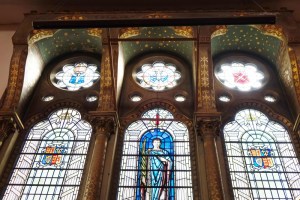
Built 1705 by Arthur Tooley, repaired by Nicholas Hawksmoor 1718-20 and gothicized by S.S. Teulon 1867-68. Part is now a cafe so it is accessible daily.
 |
 |
 |
 |
 |
 |
 |
 |
 |
 |
 |
 |
 |
 |
 |
 |
 |
 |
 |
 |
 |
 |
 |
 |
 |
 |
St Anne, Limehouse
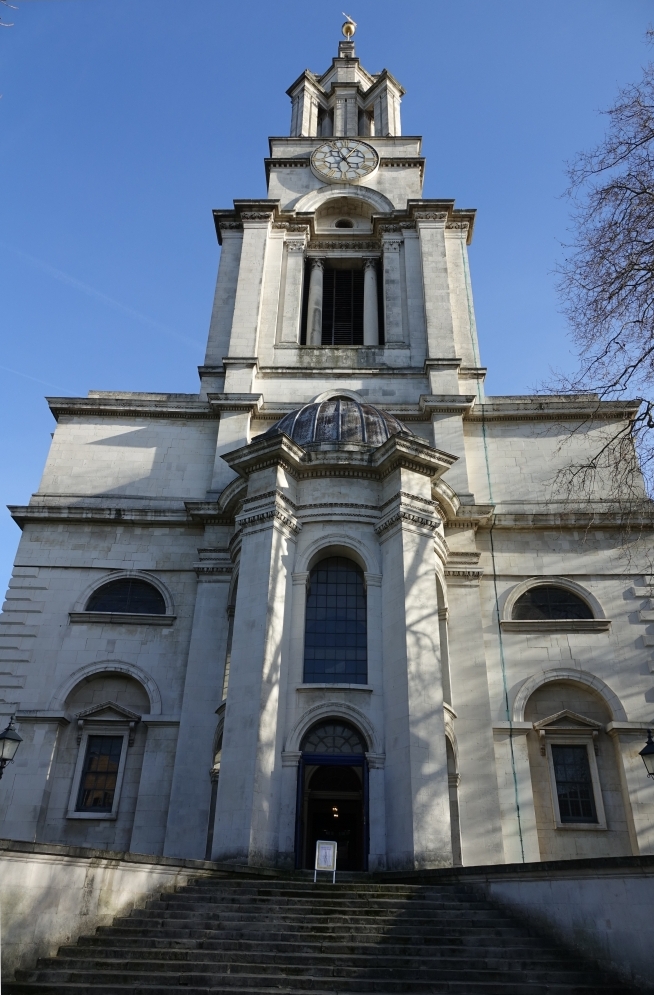
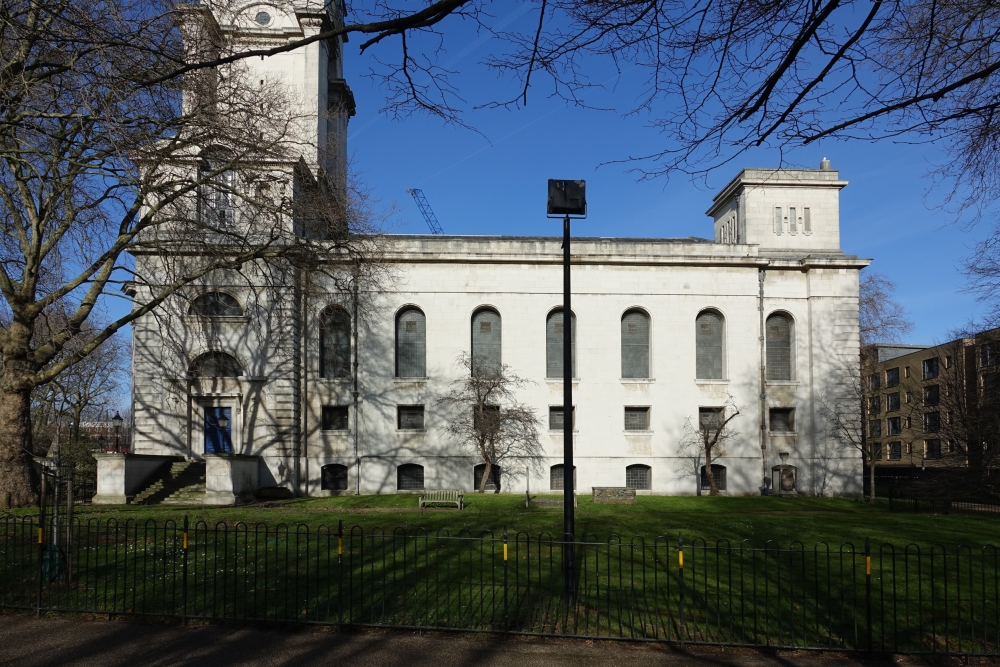
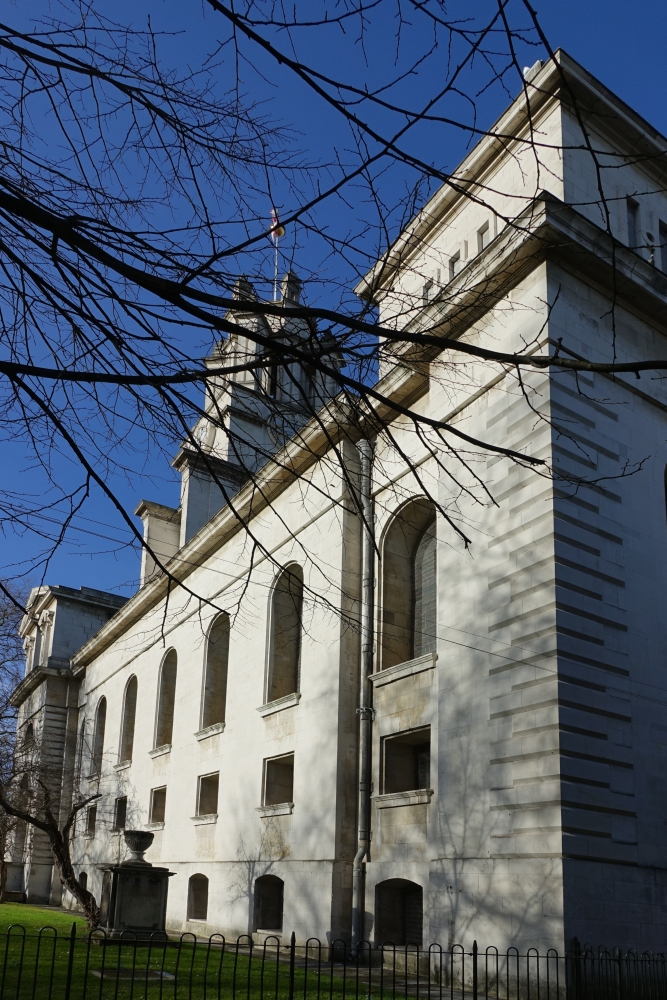
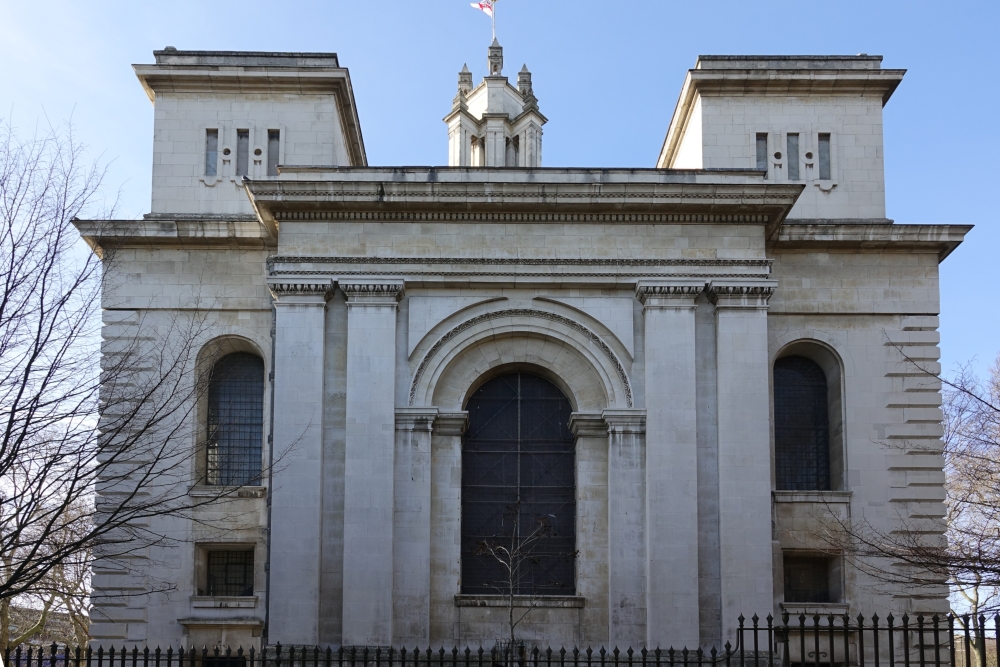
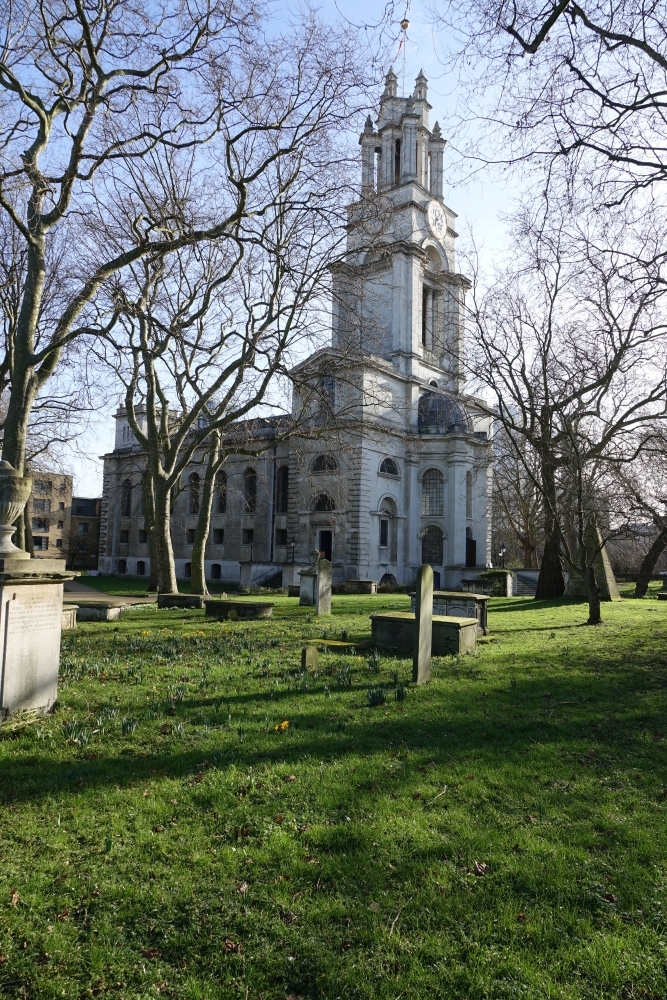
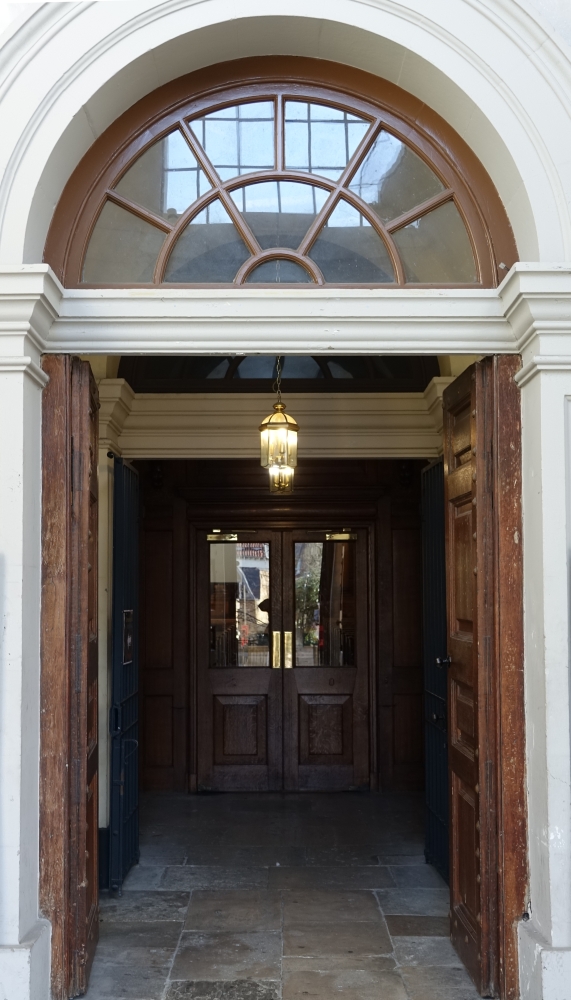
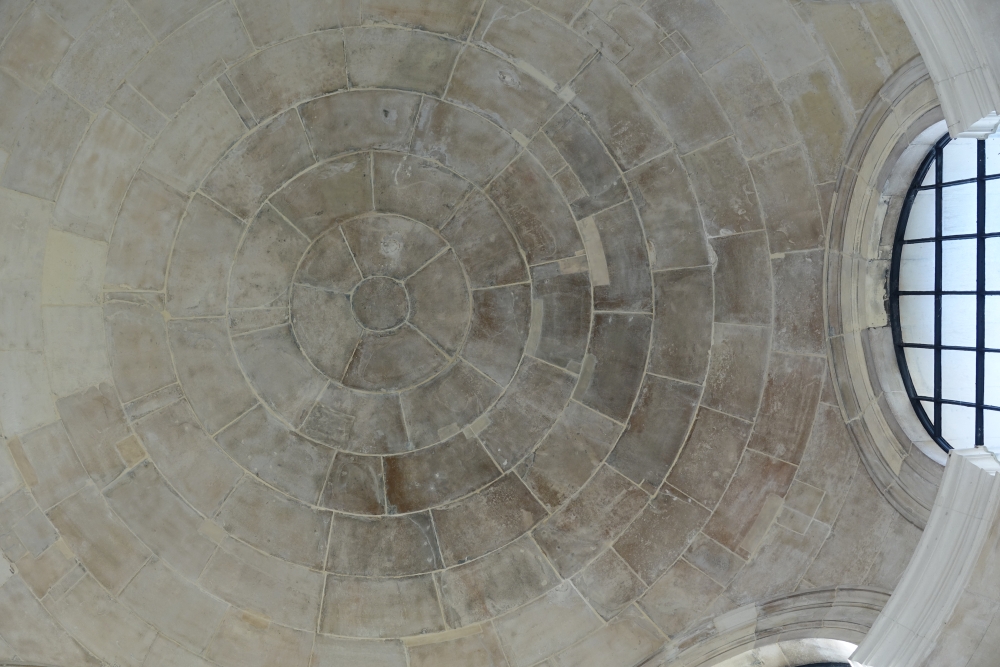
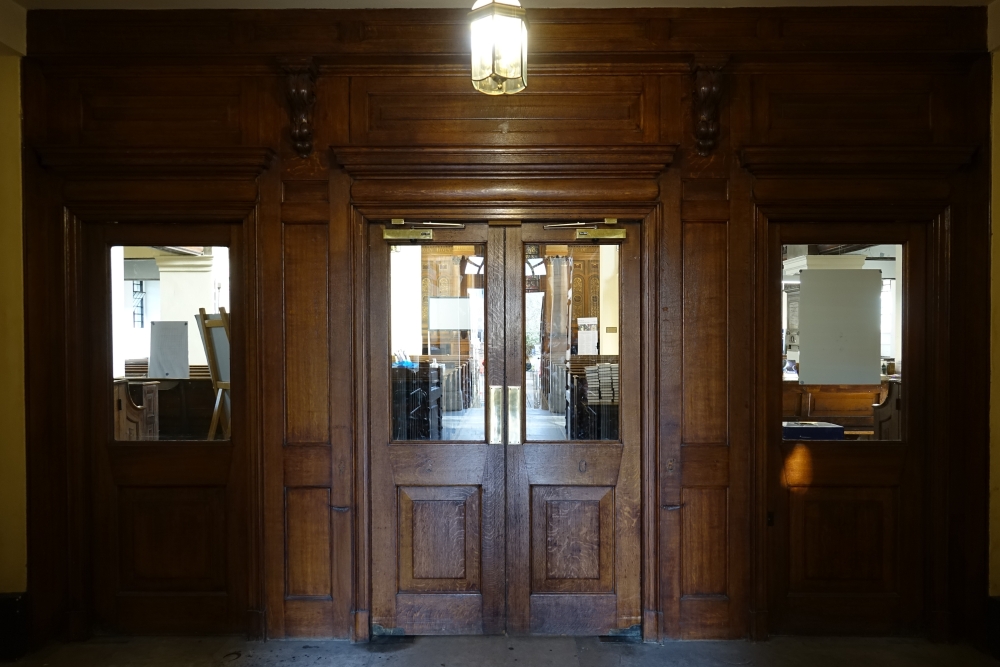
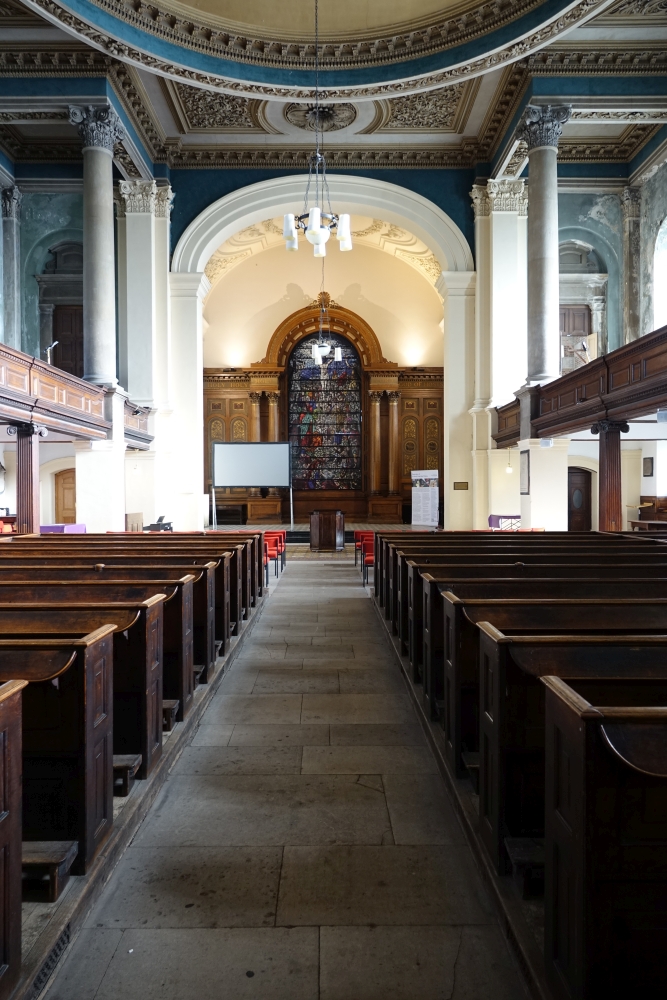
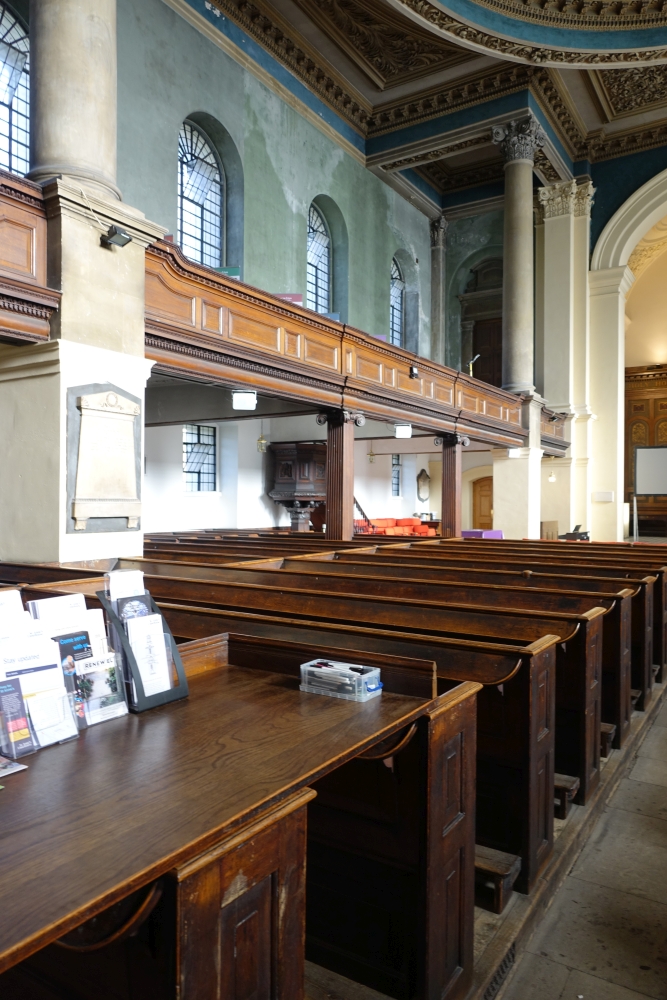
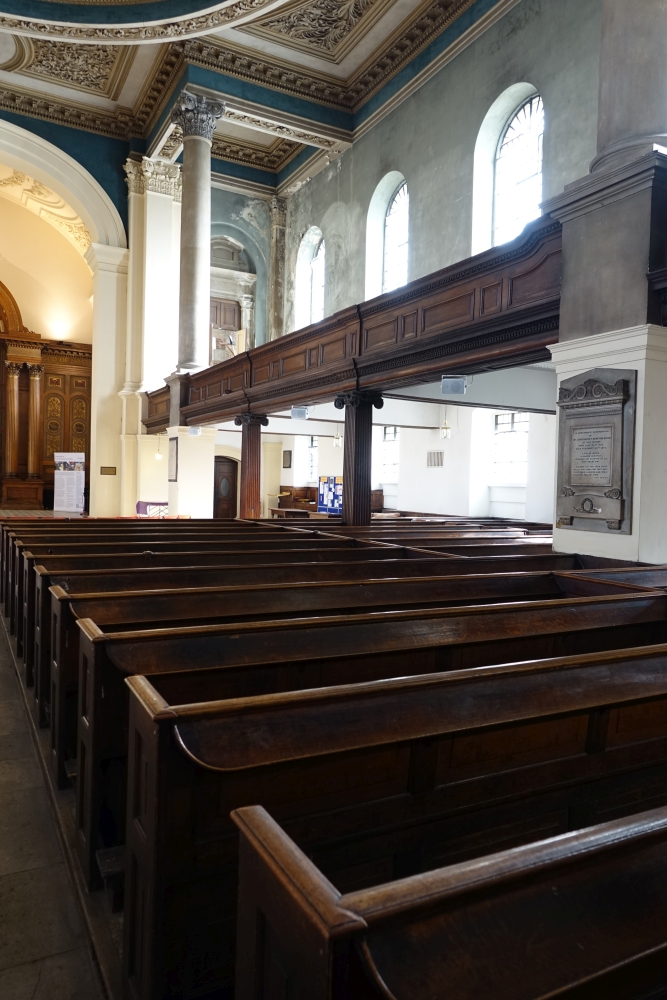
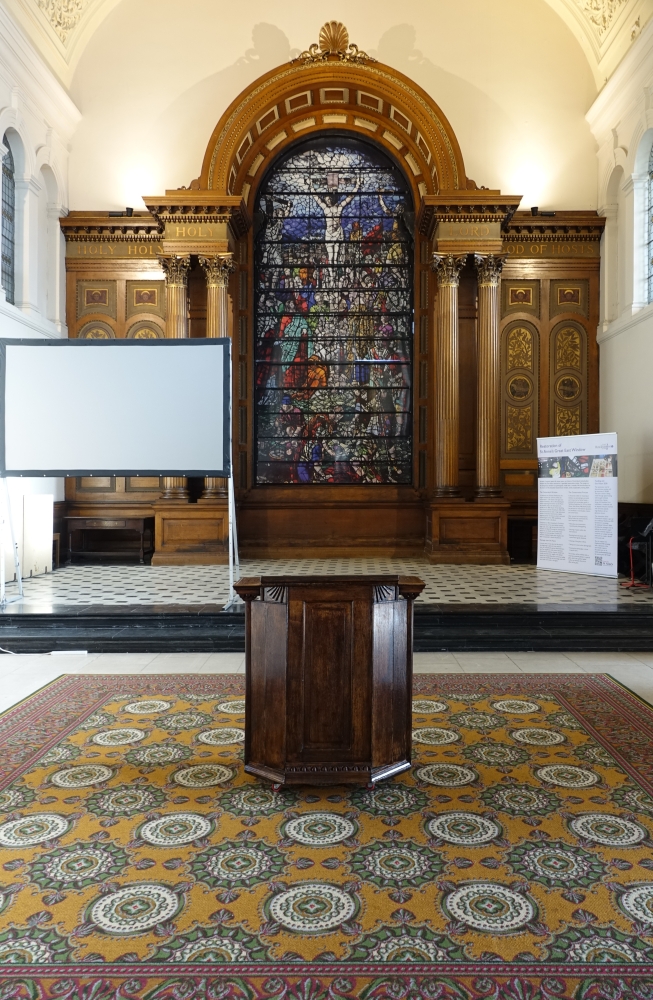
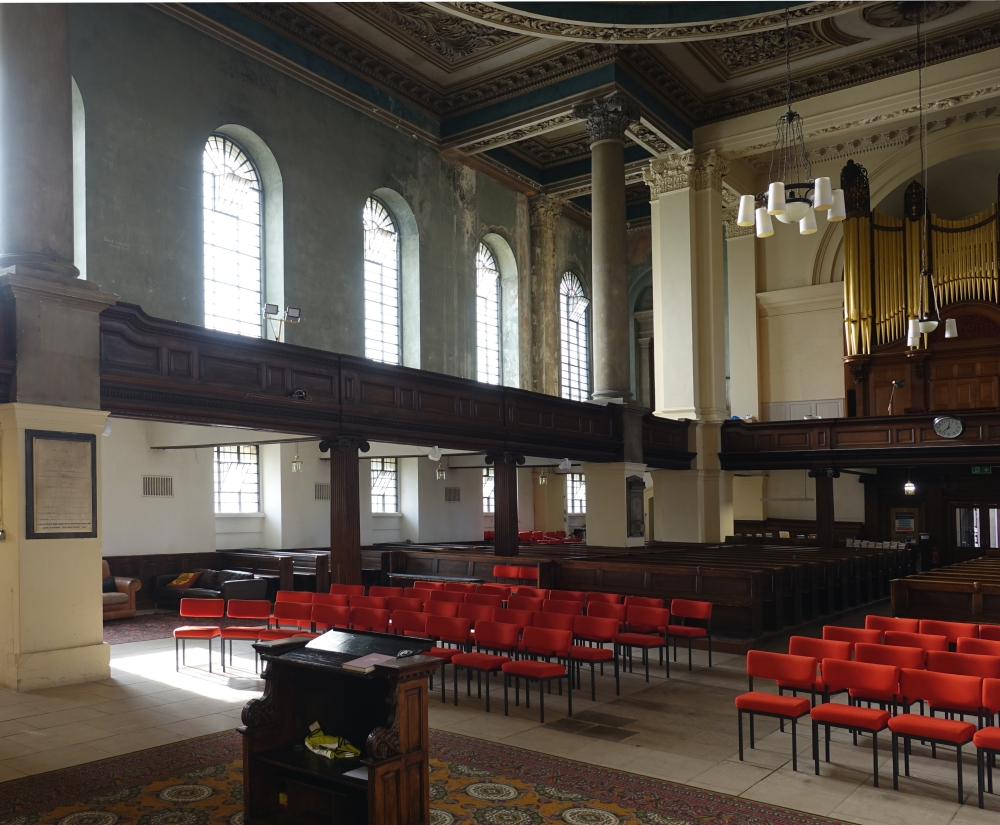
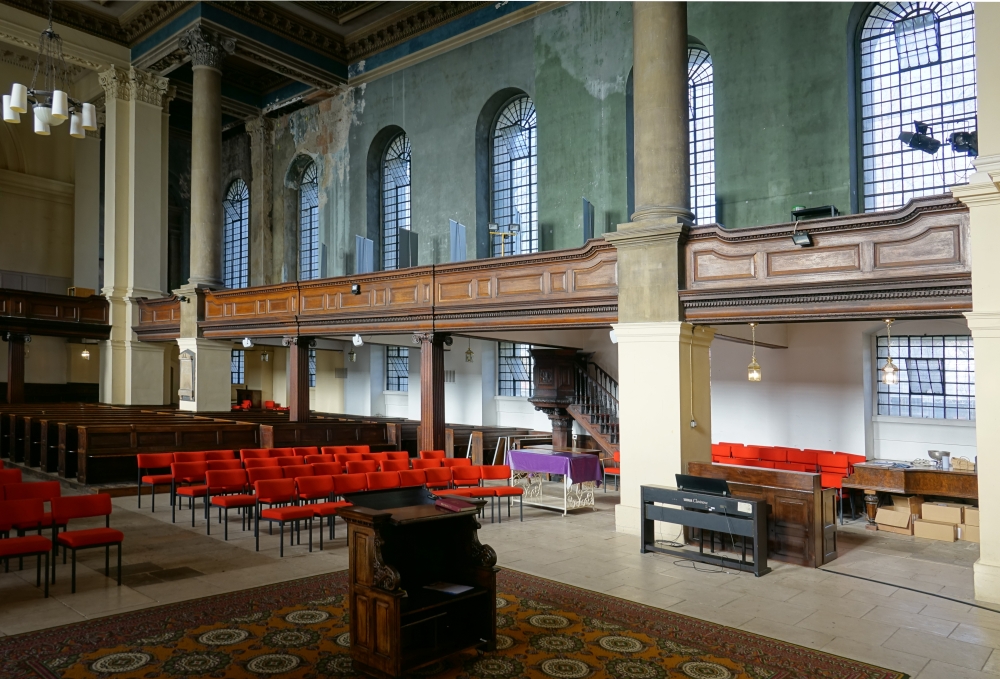
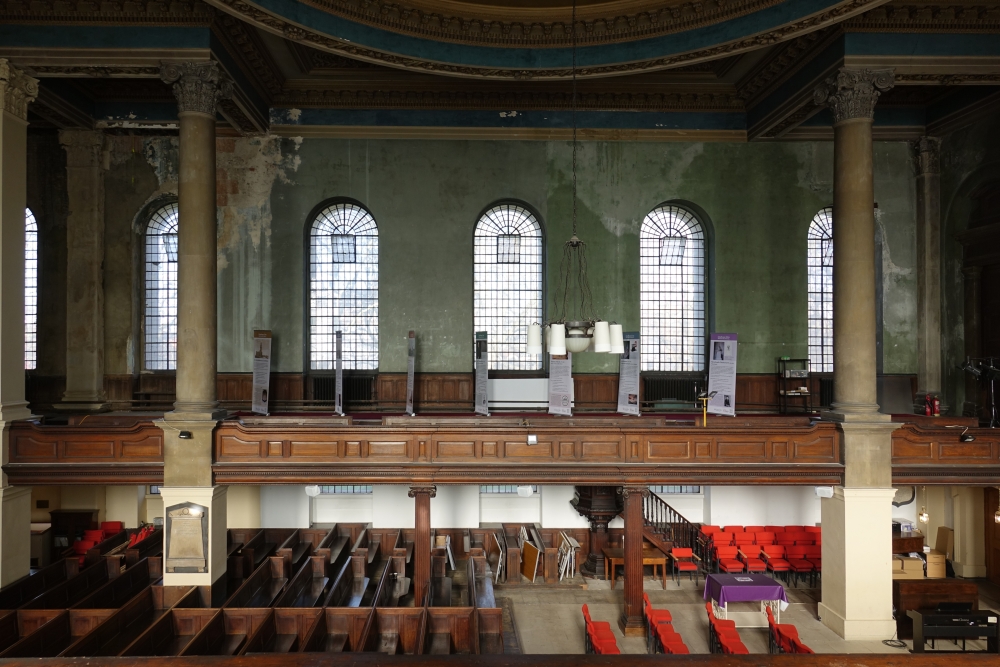
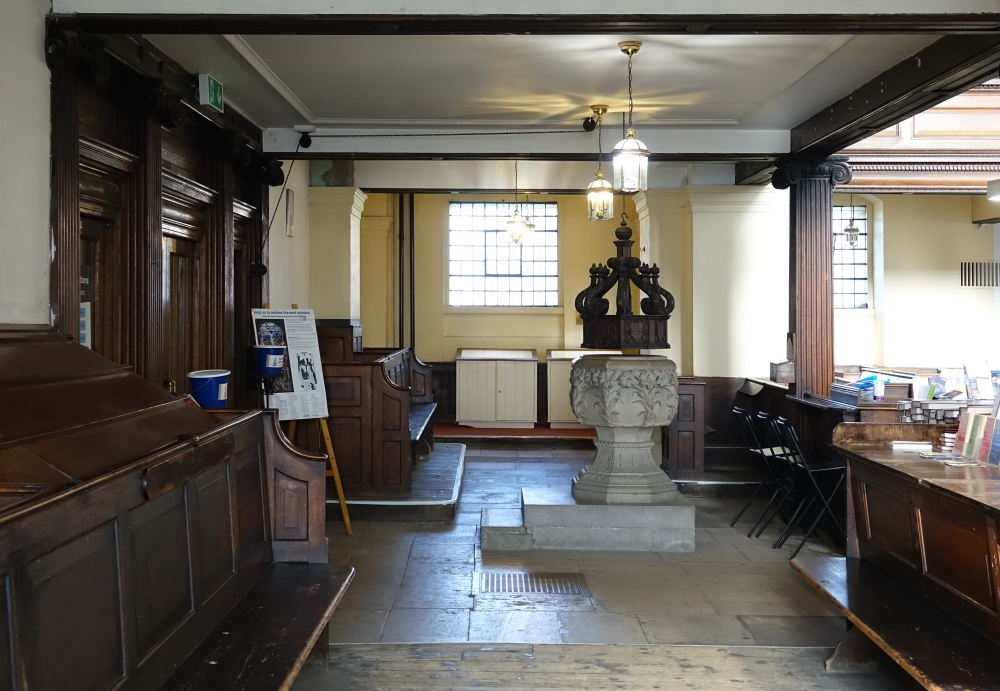
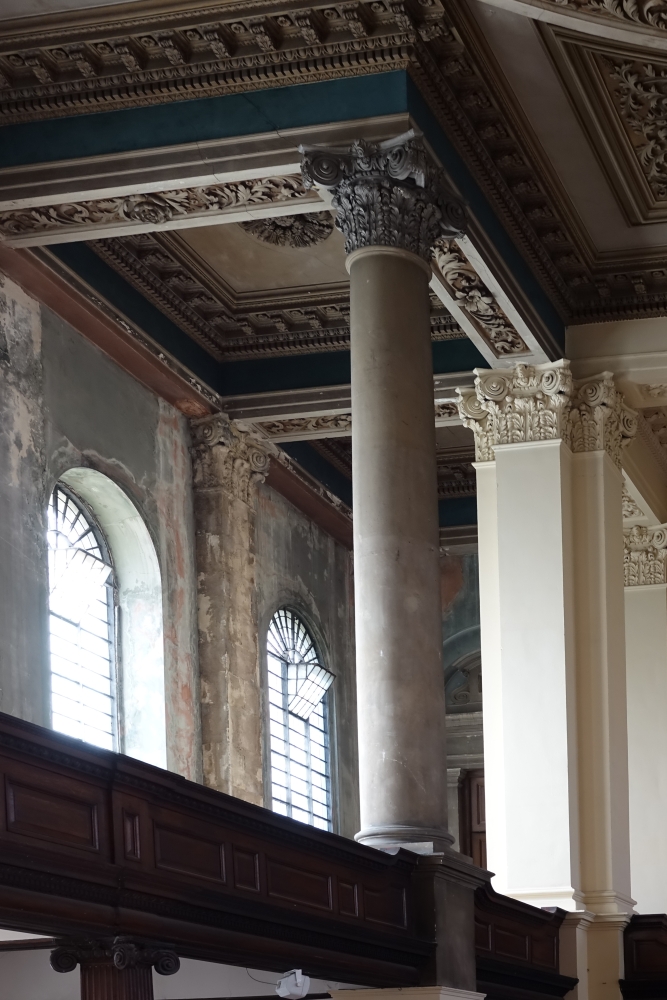
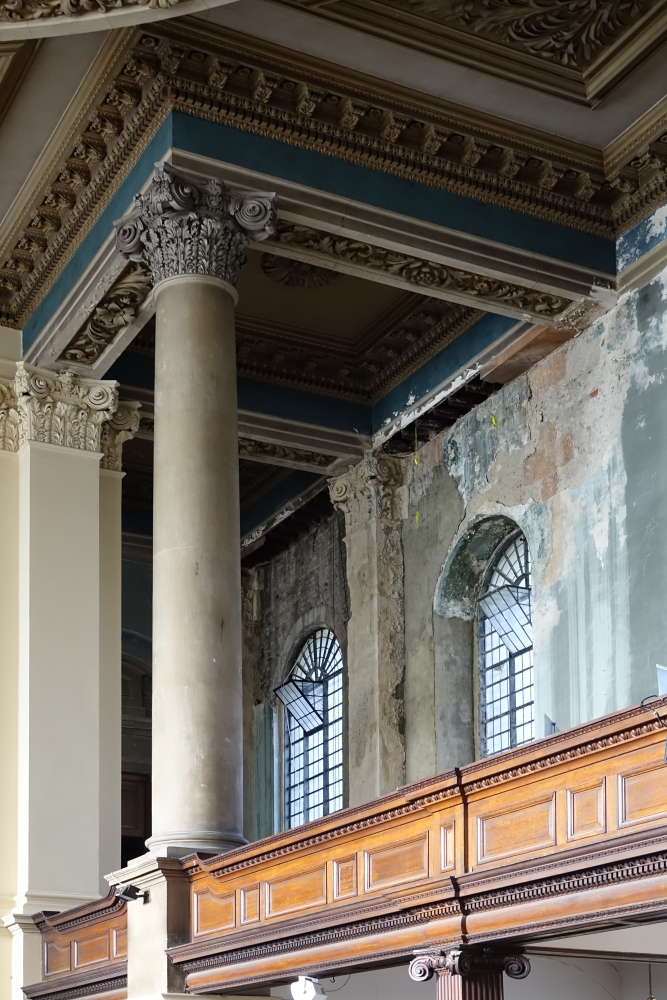
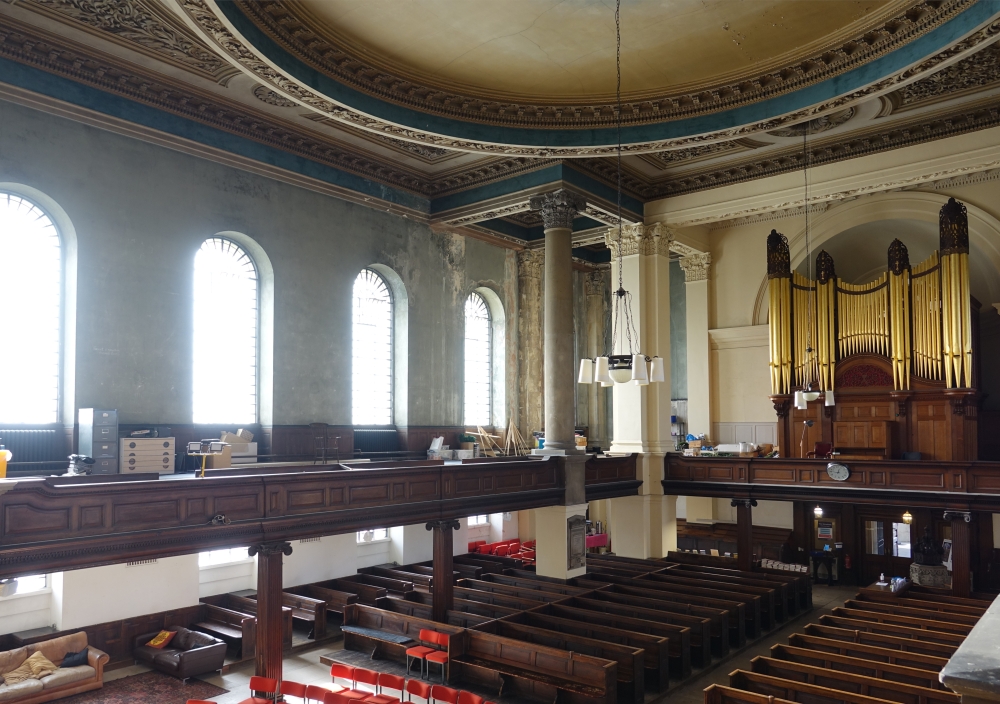
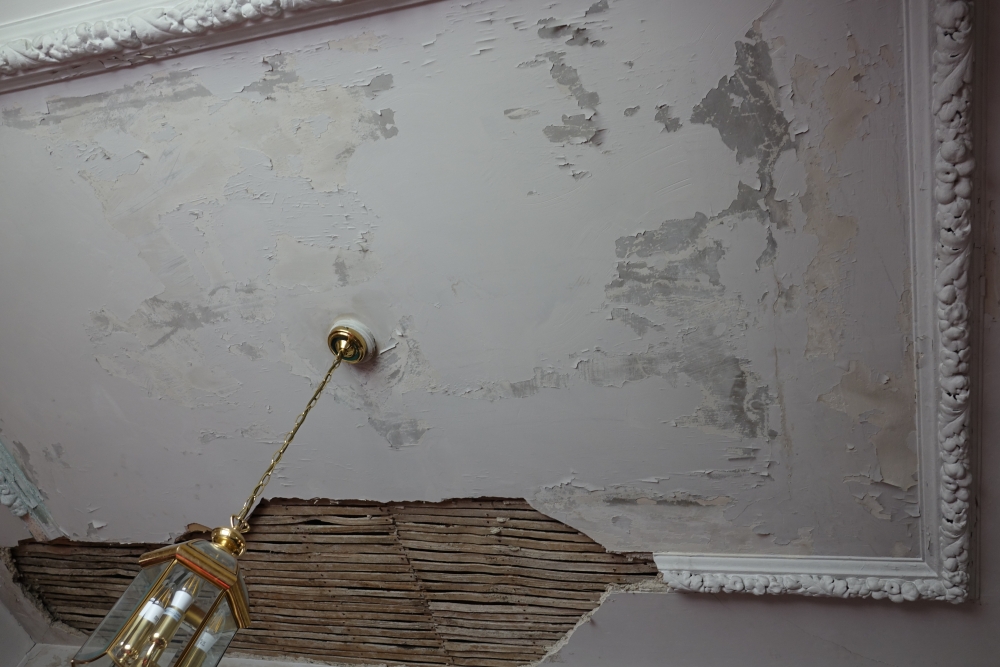
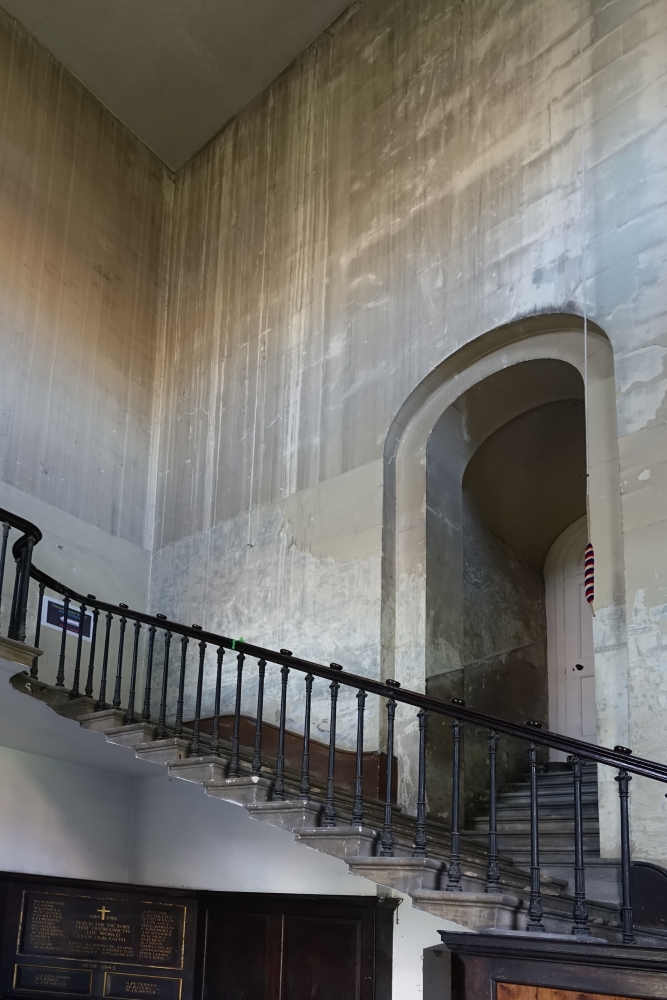
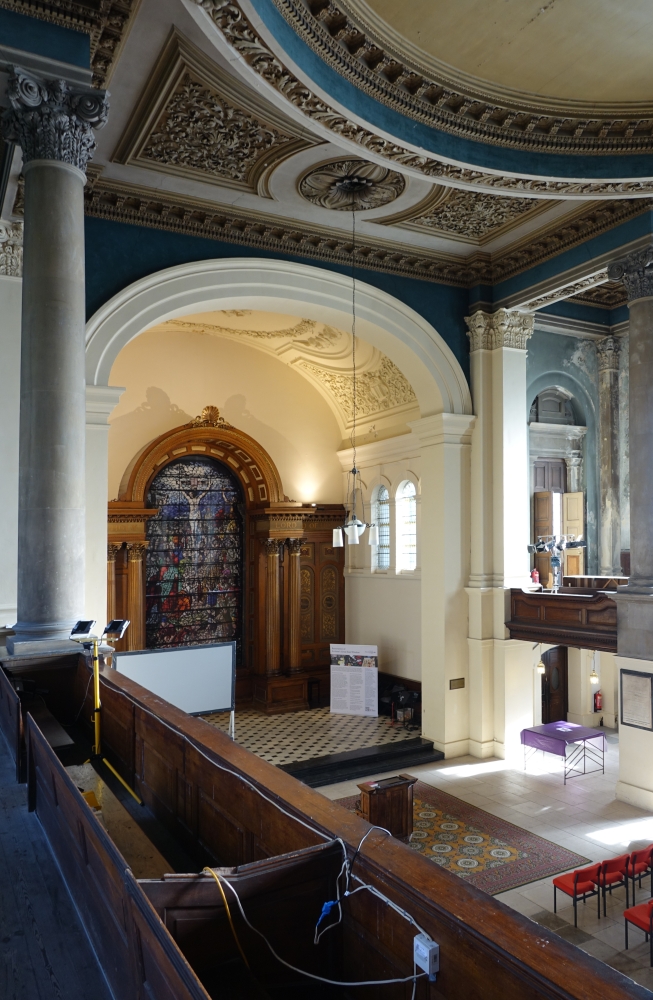
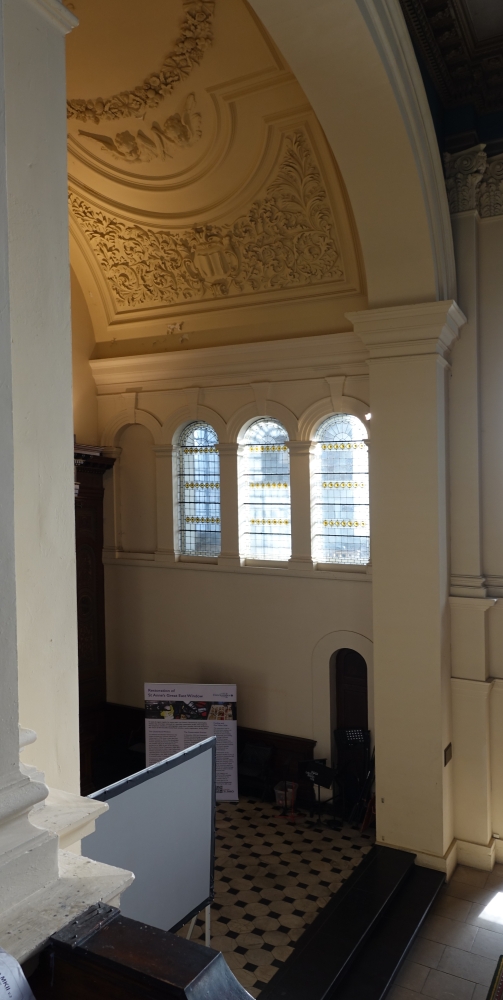
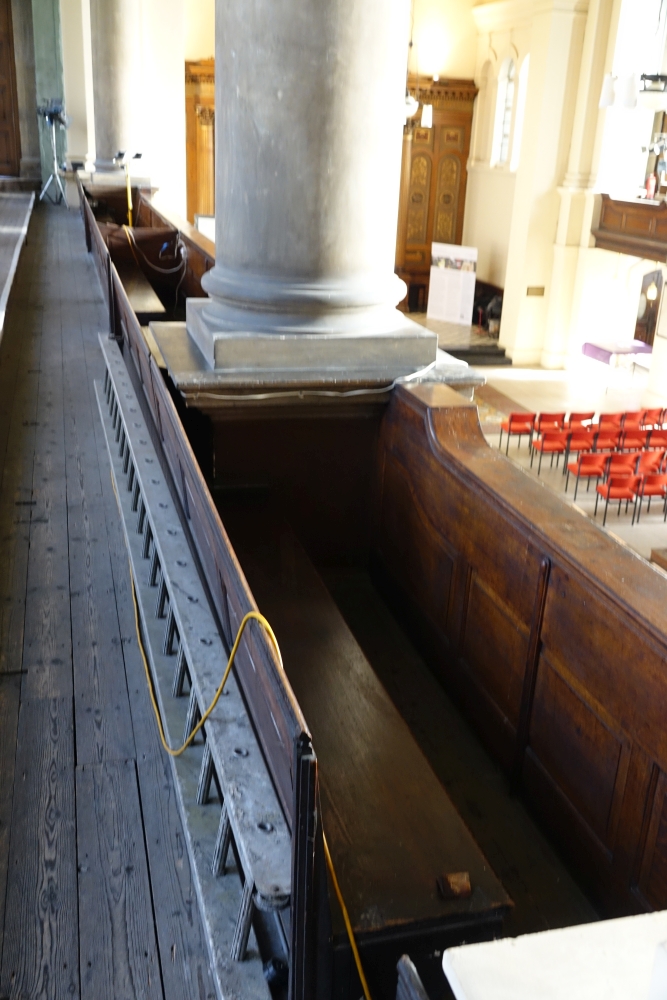
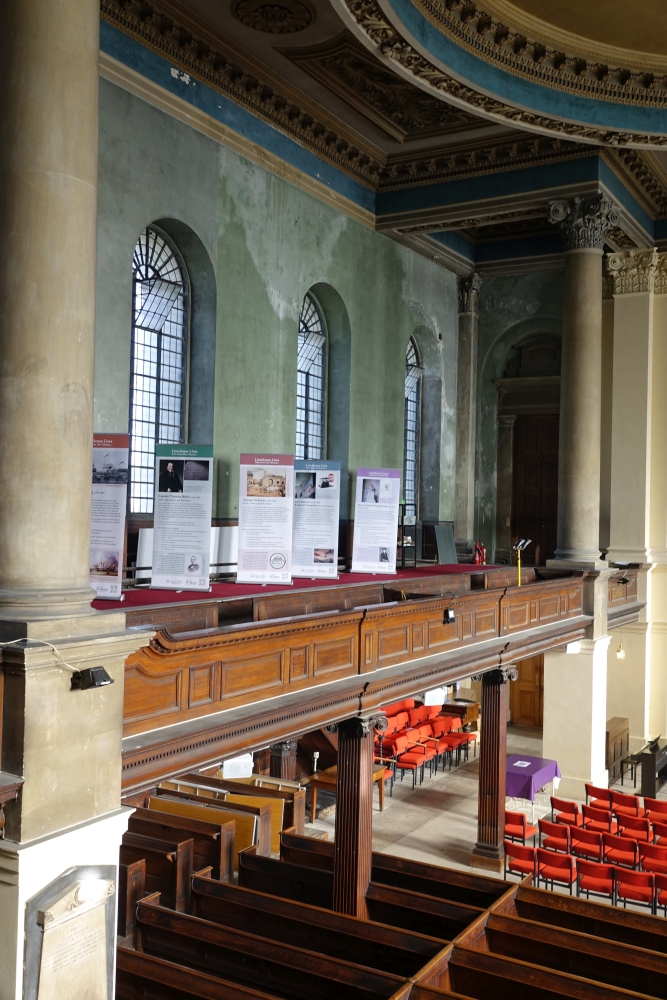
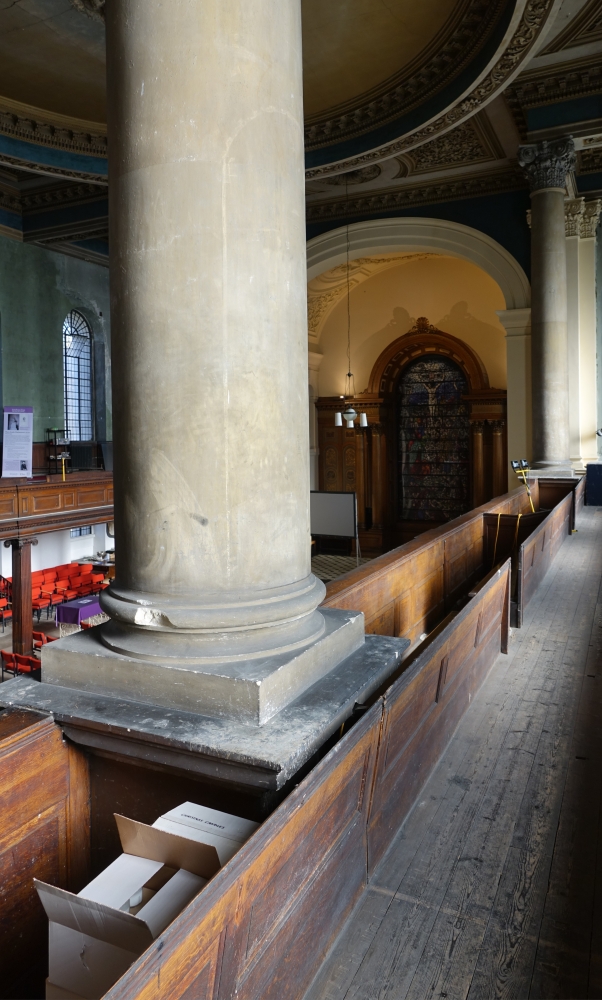
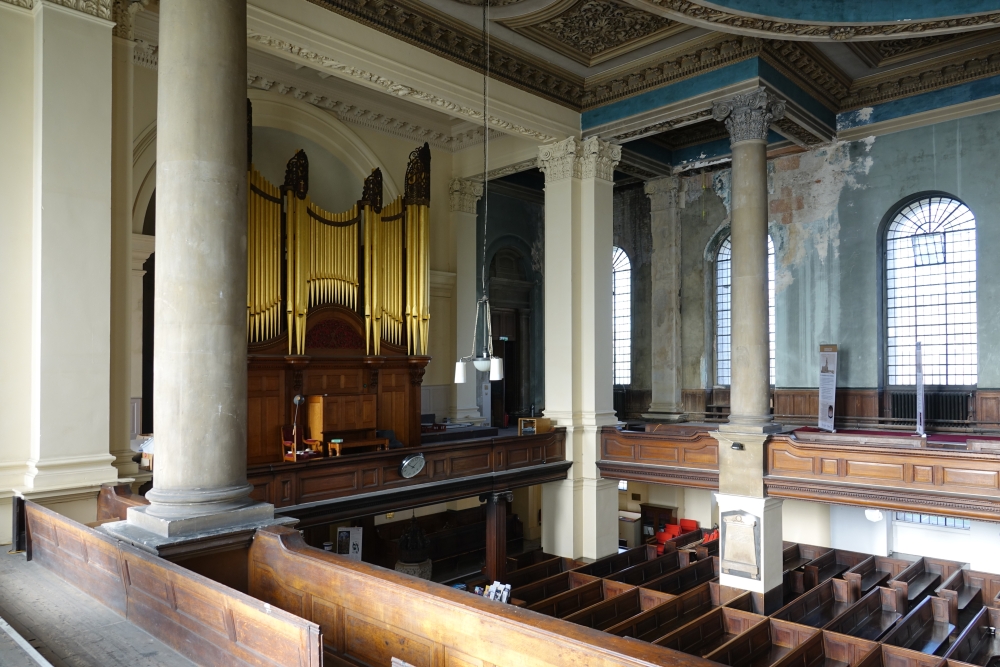
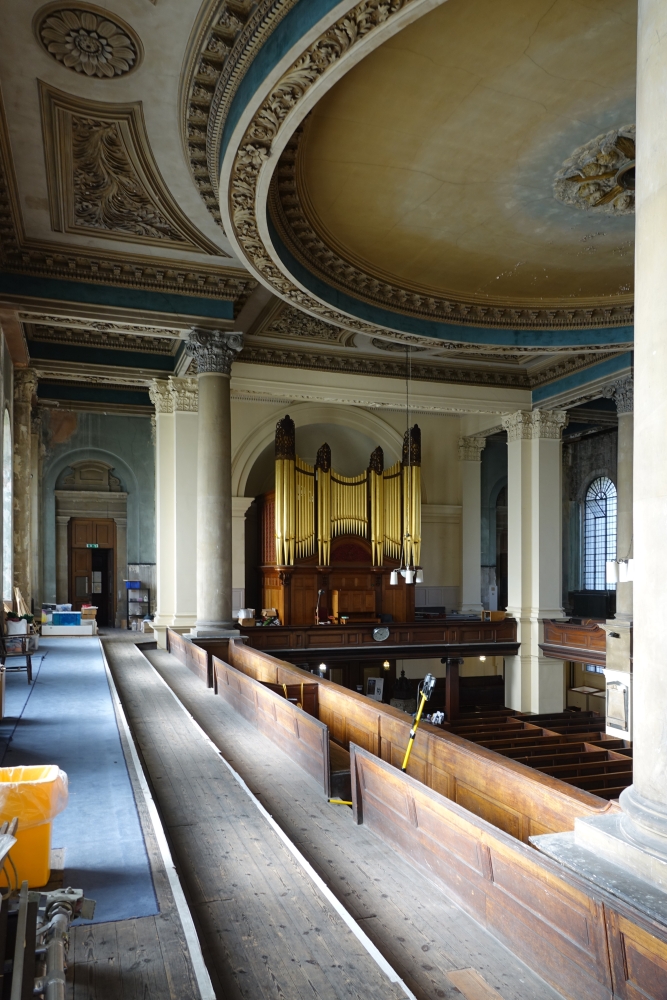
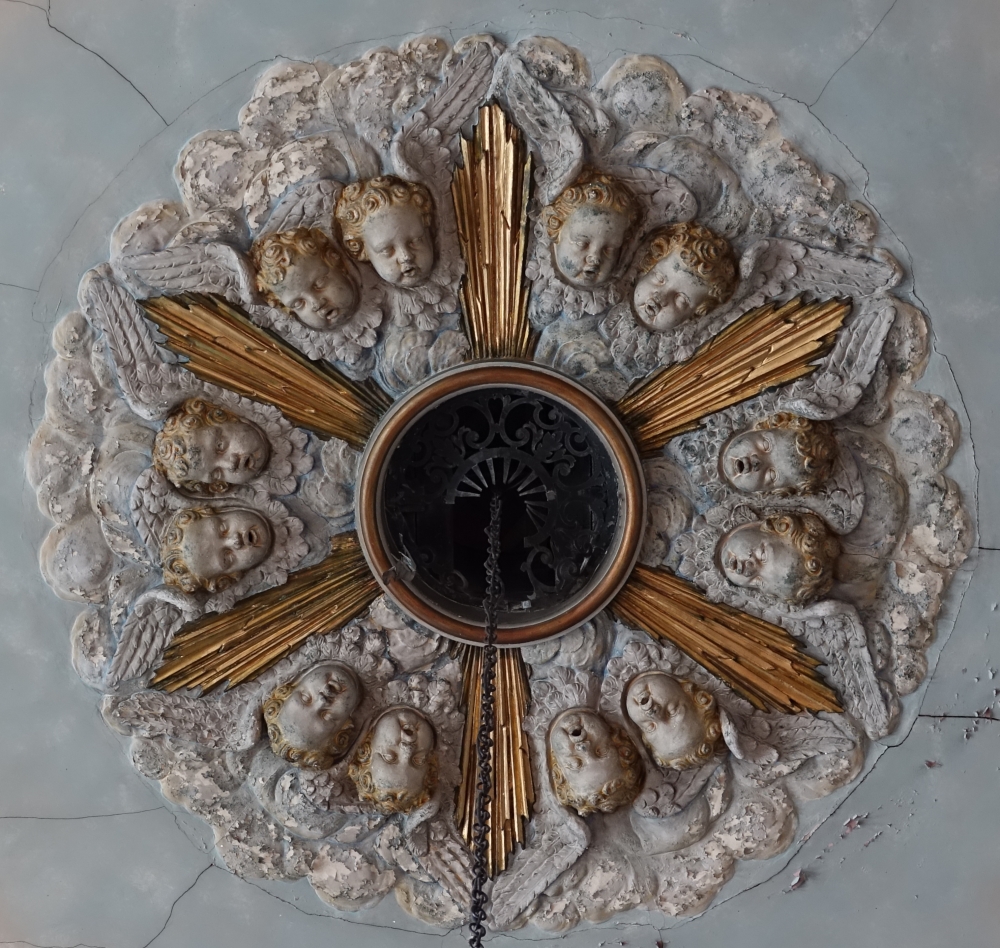
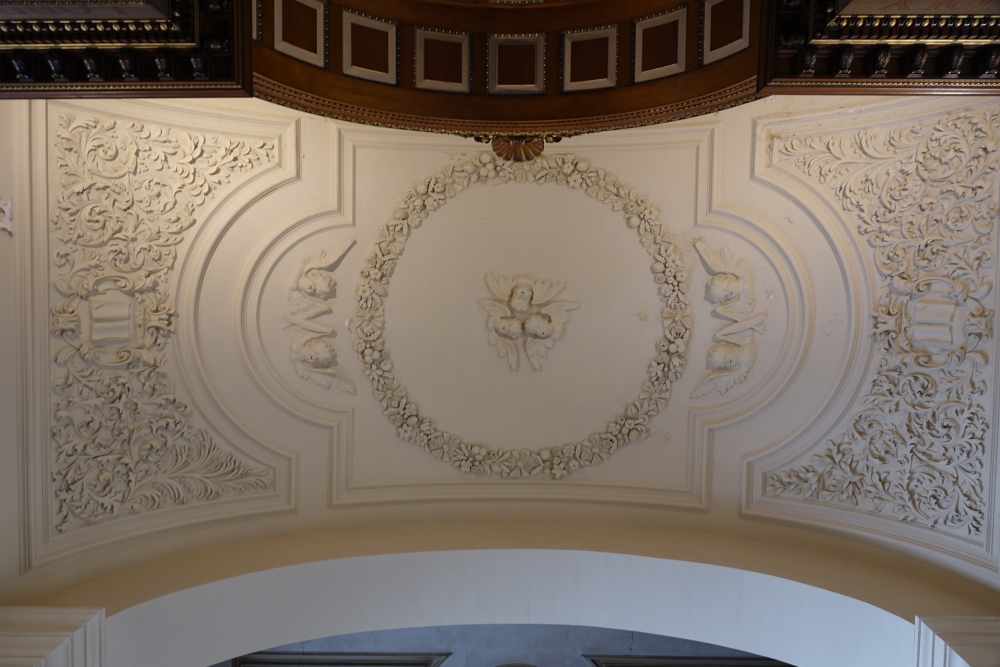
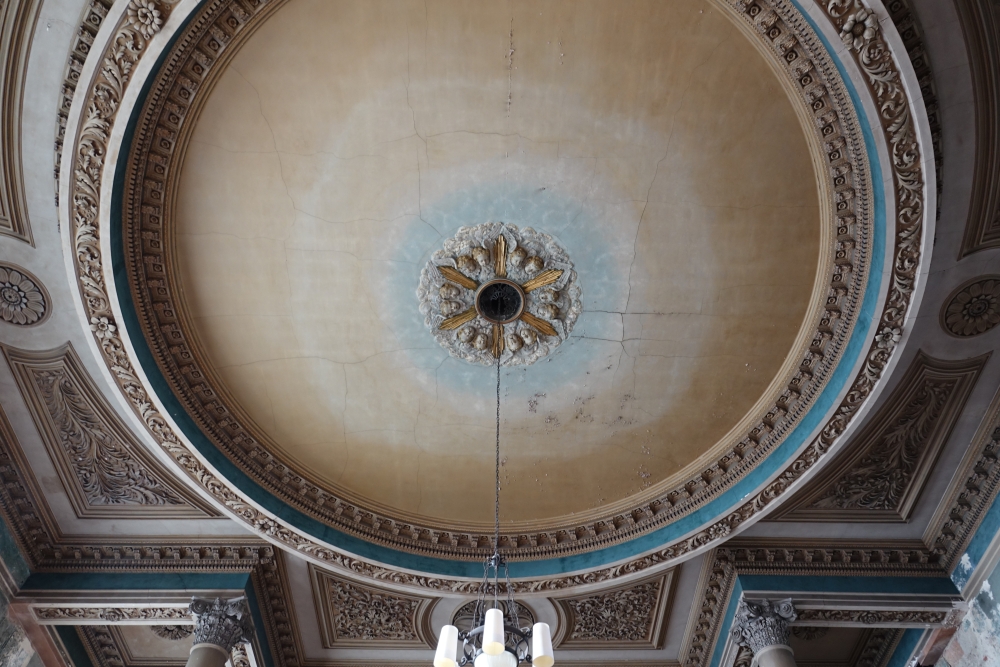
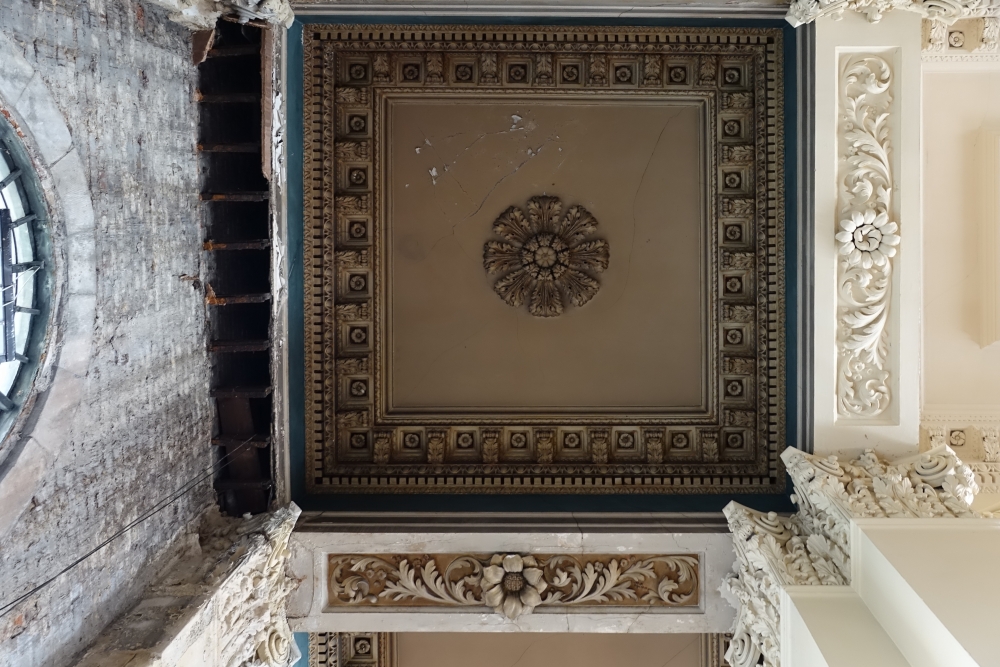
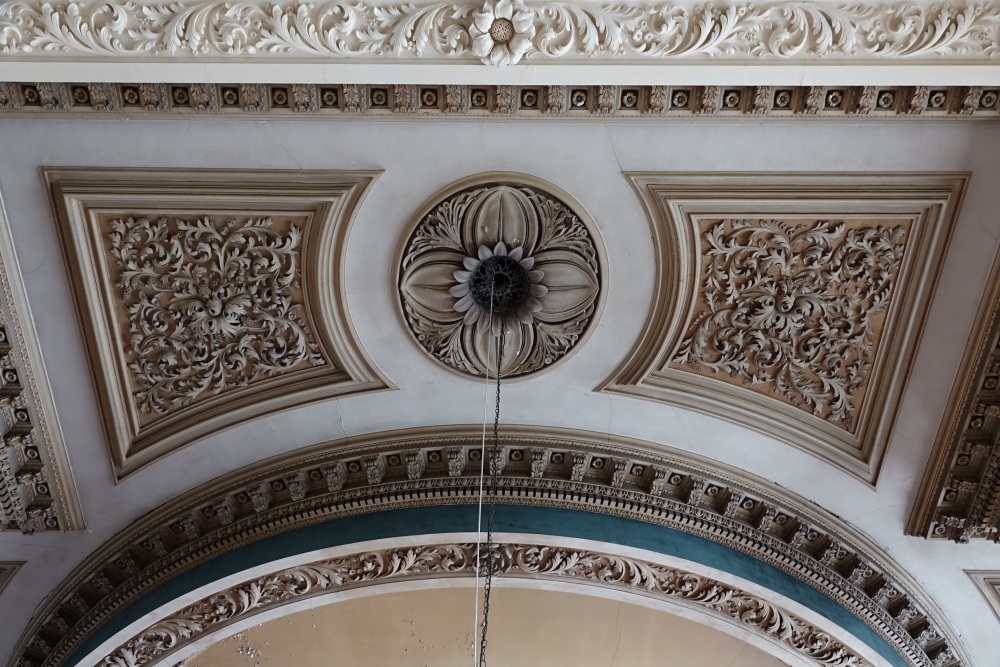
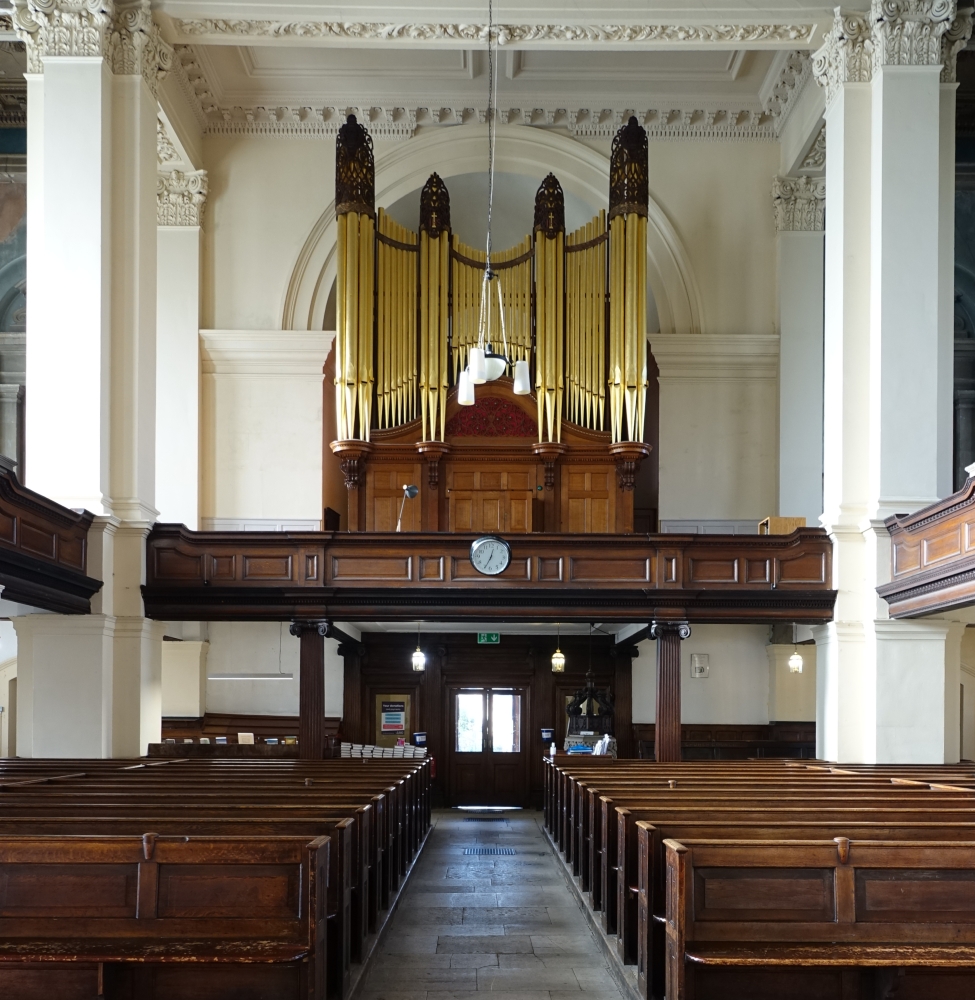
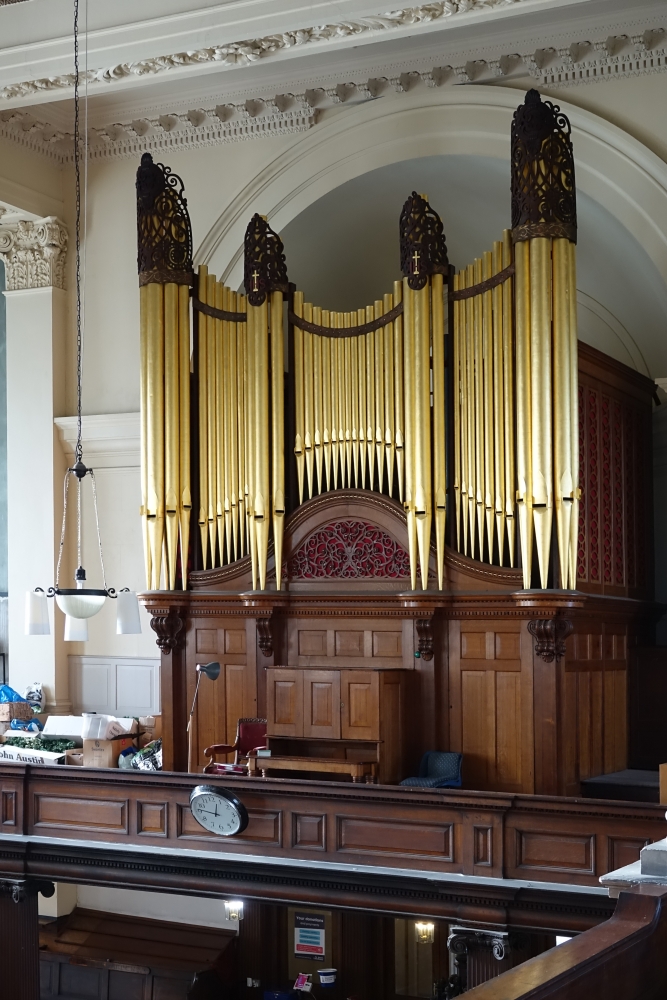
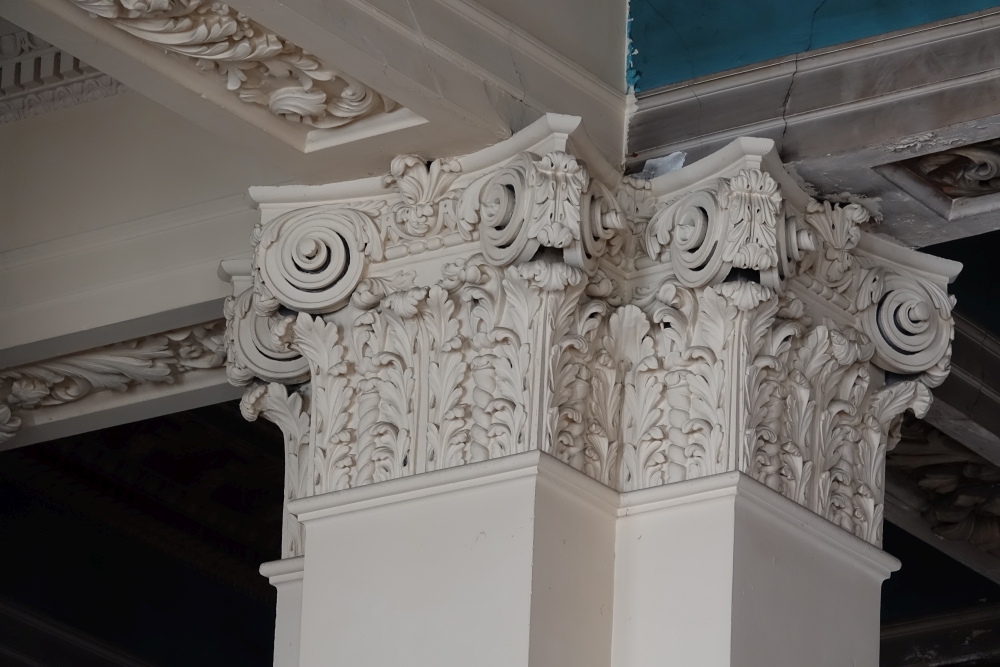
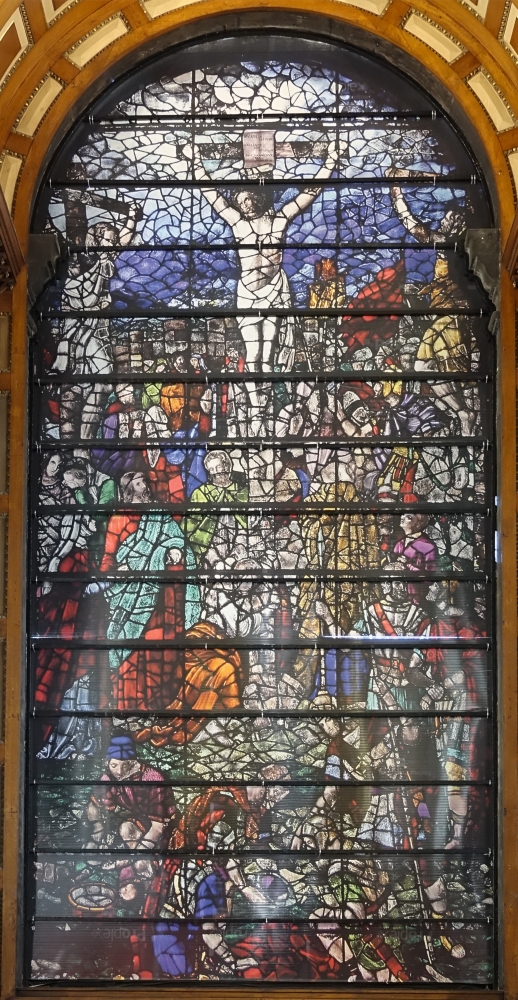
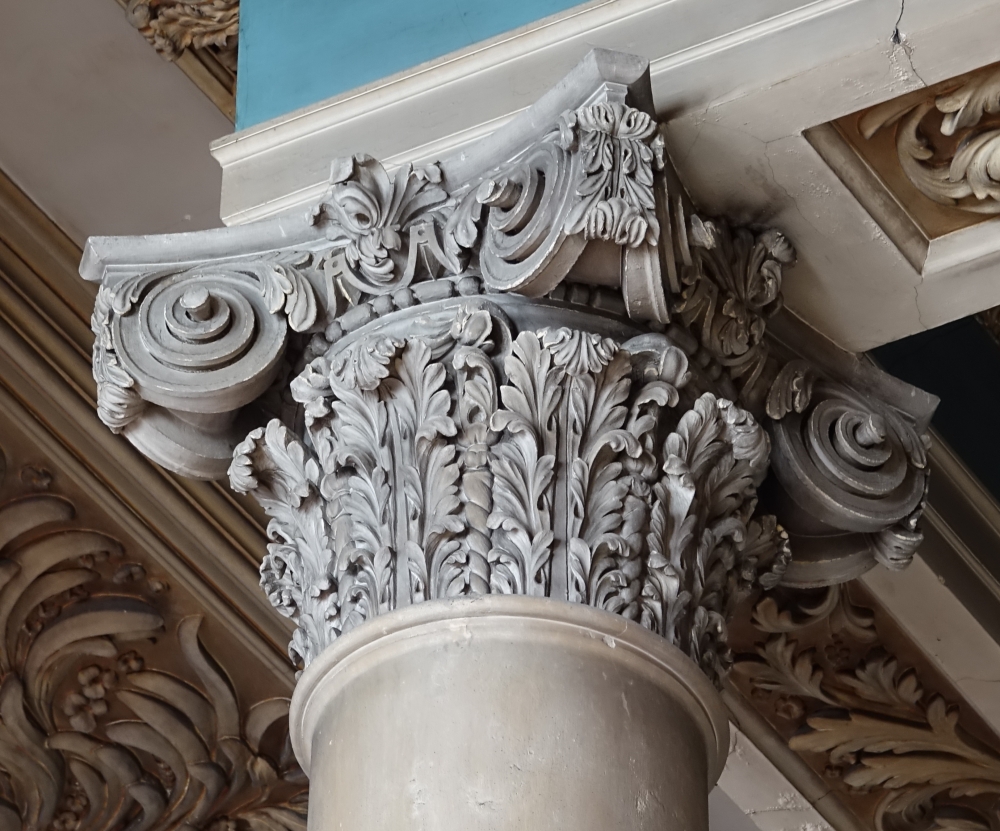
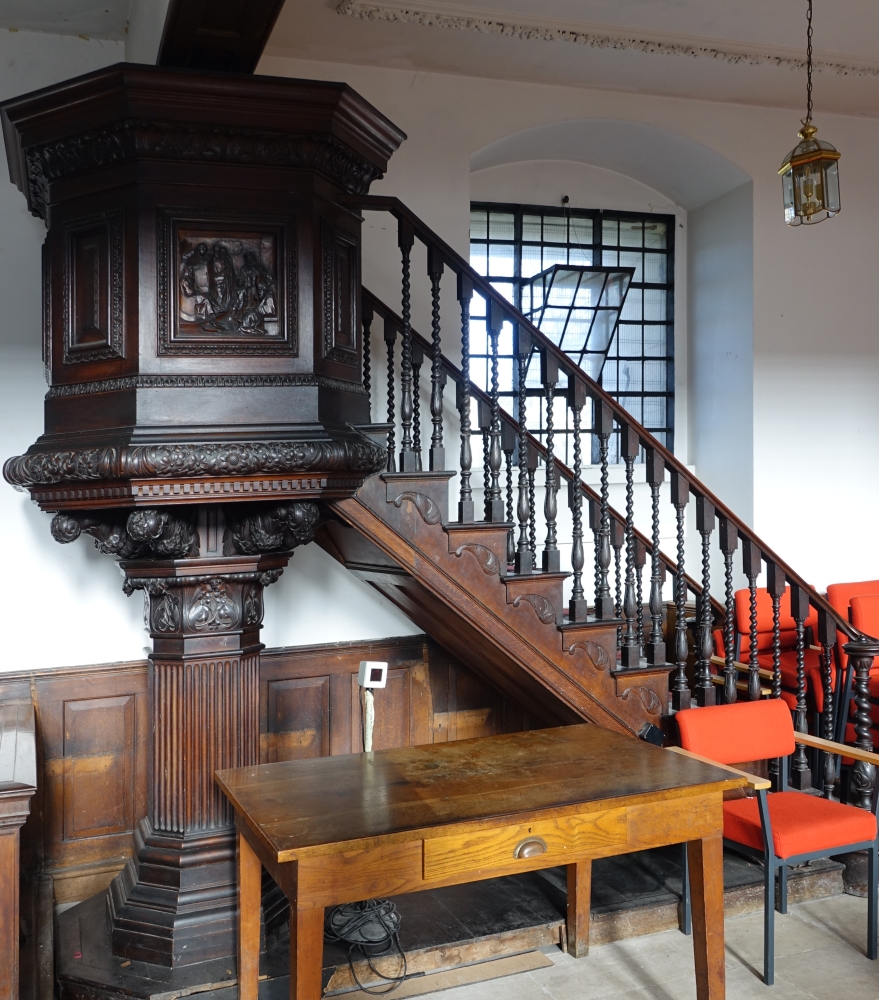
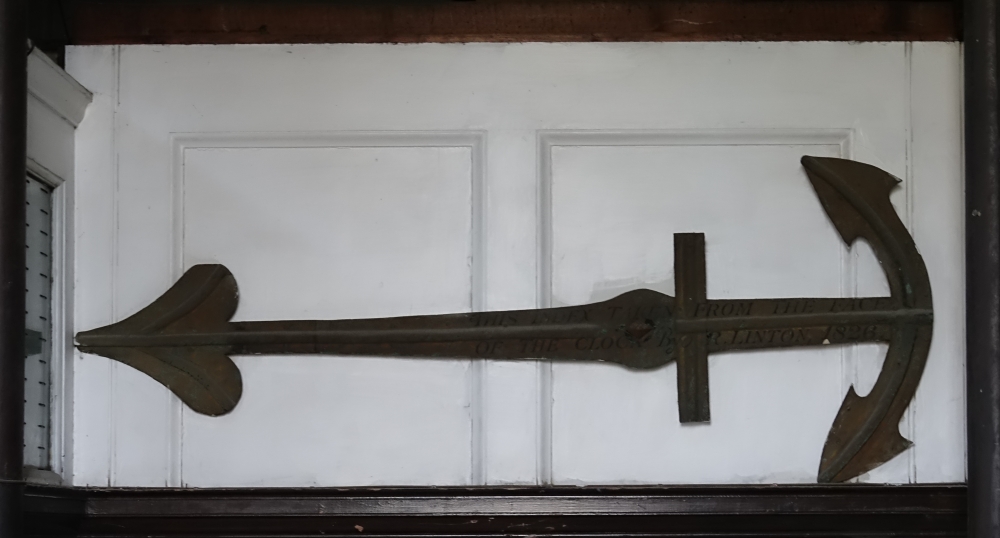
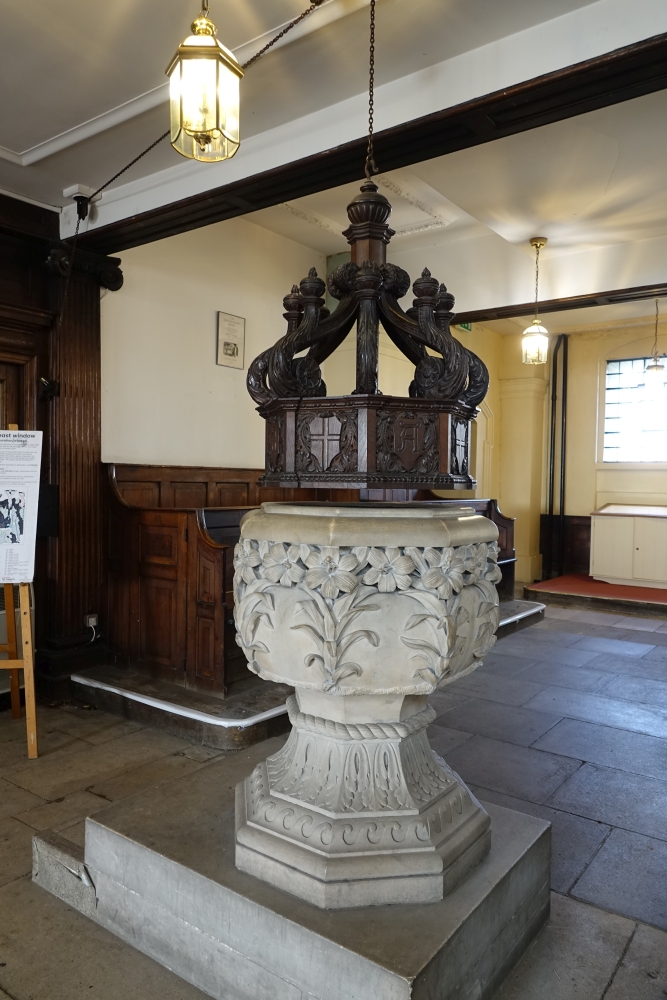
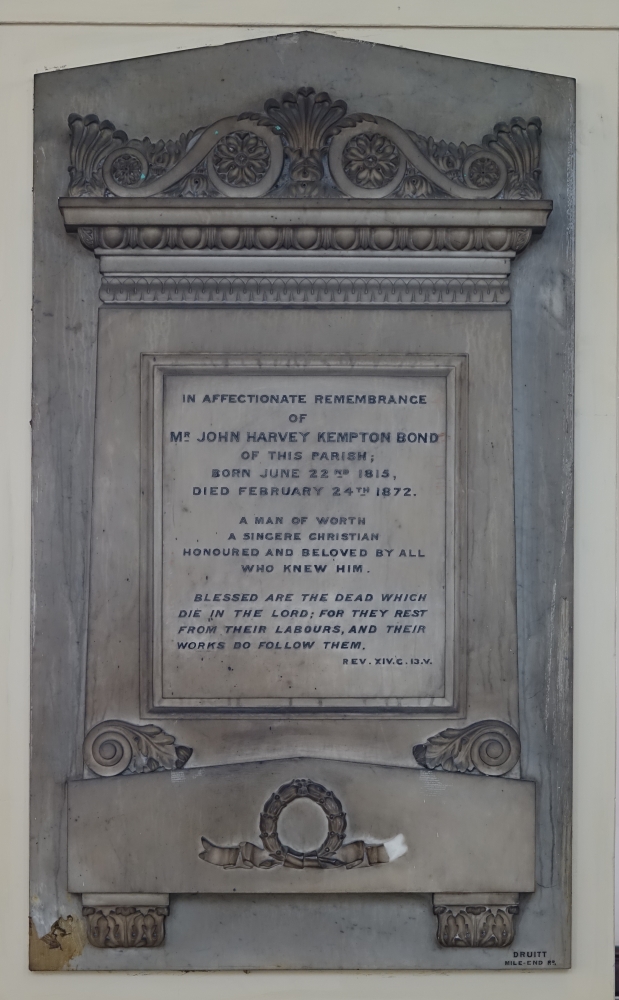
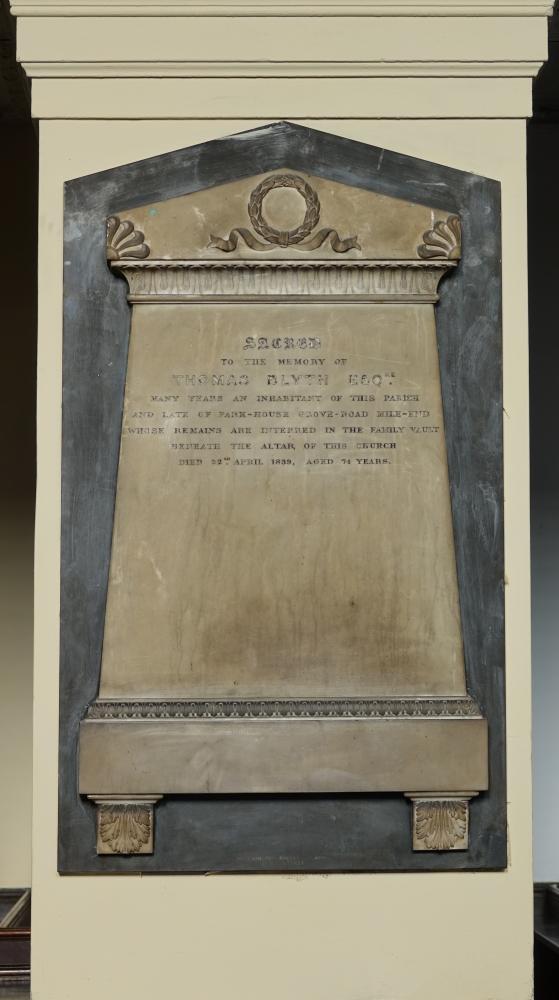
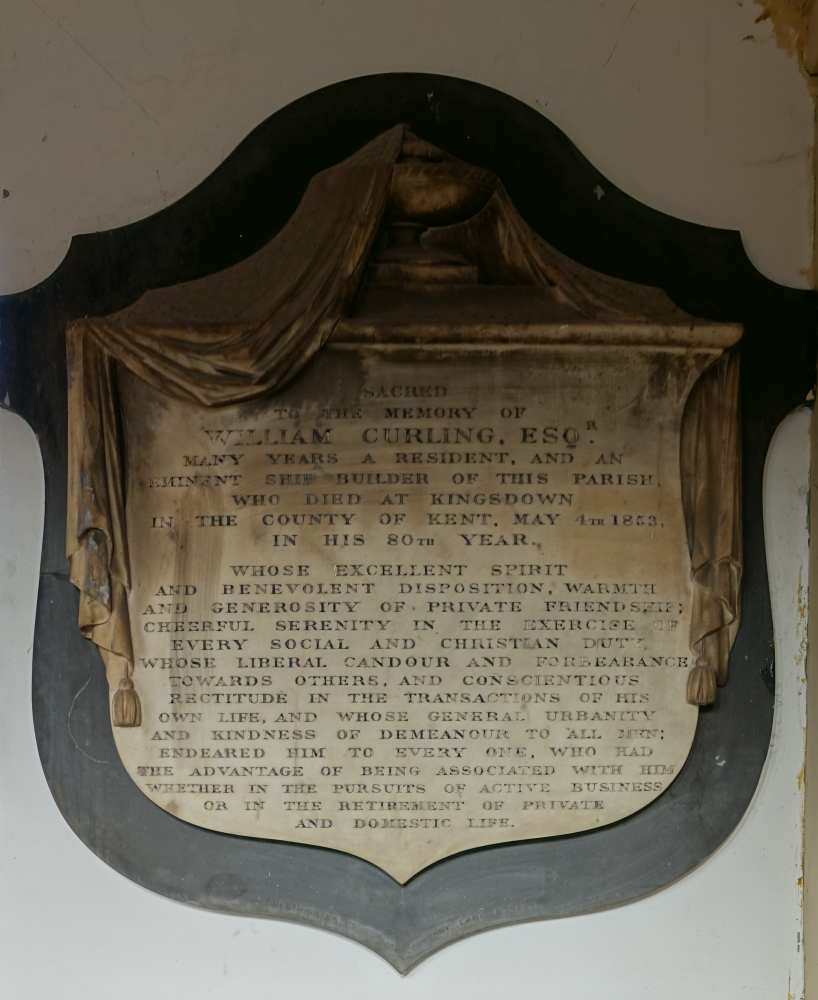
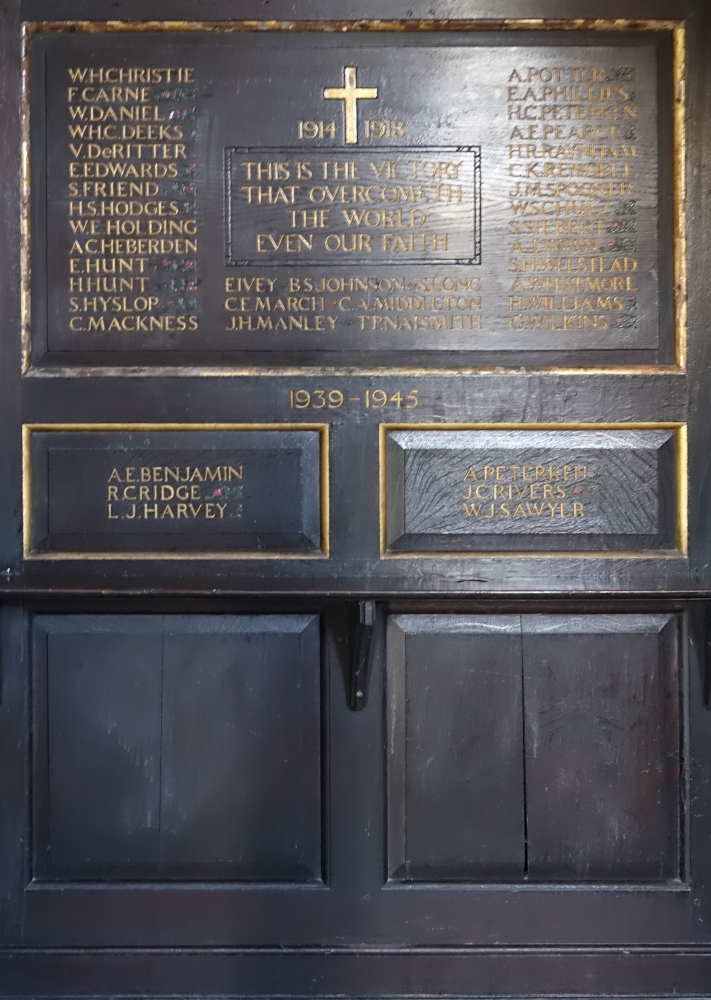
One of Nicholas Hawksmoor’s major east end churches. It was built between 1714 and 1725. Gutted by fire in 1850 it was restored by Philip Hardwick and John Morris in 1850-51, Philip .C. Hardwick (son of the earlier Hardwick) 1856-57. In 1891 Arthur Blomfield undertook a remodelling of the chancel. In 1983-93 it was restored under Julian Harrap. At my 2024 visit the east window had been removed for restoration and replaced by a photo, I have included a 2012 photo to show the actual window.






















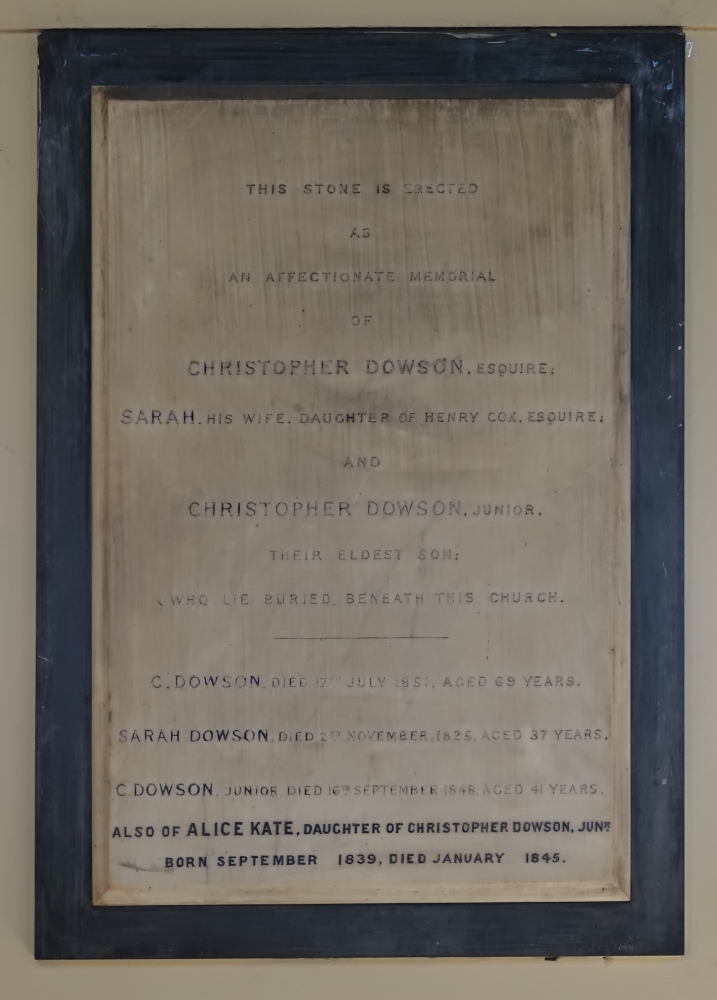

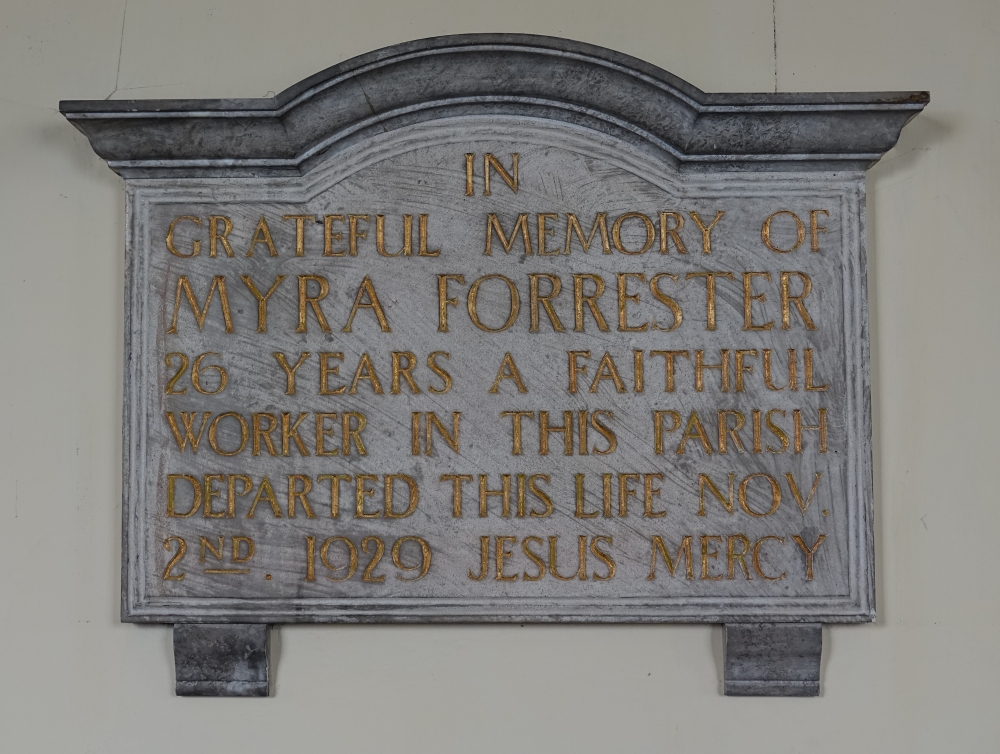
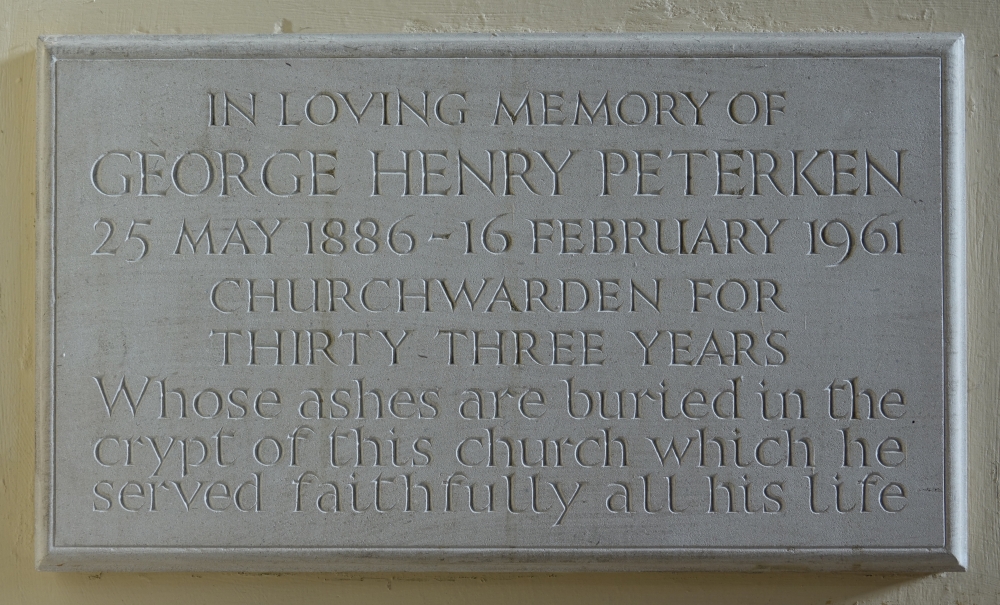

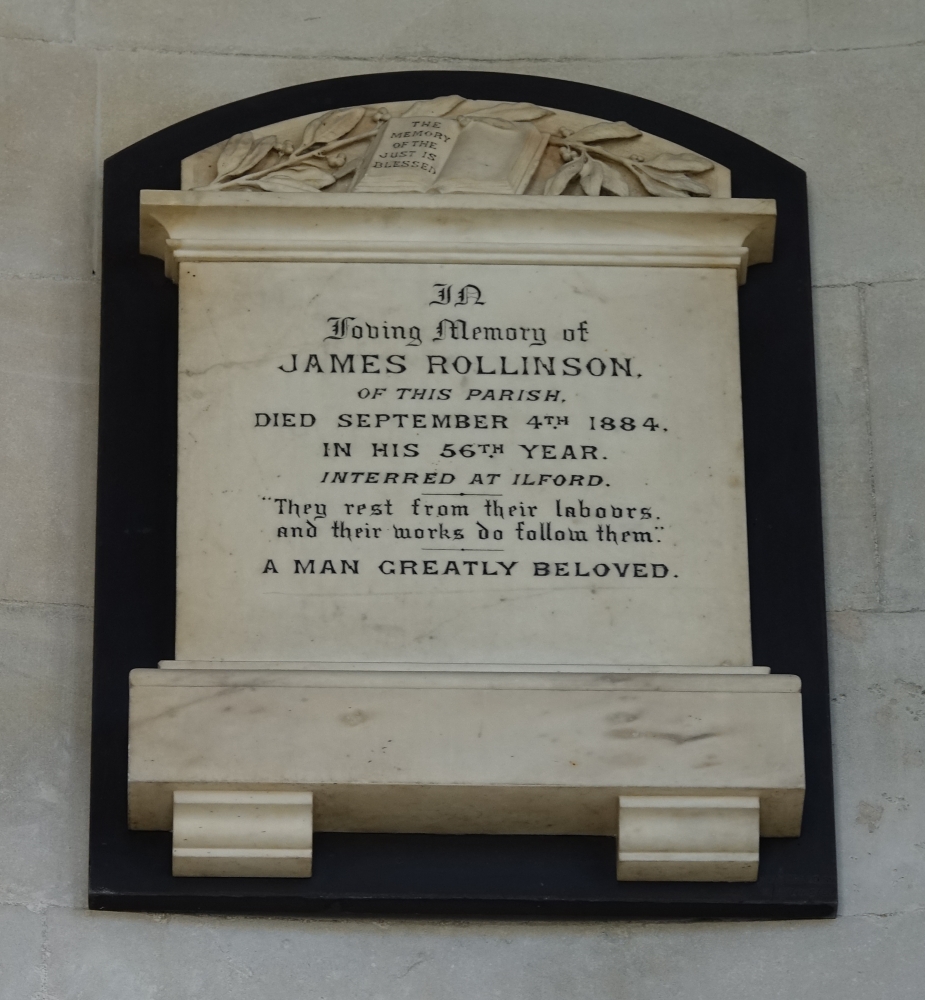
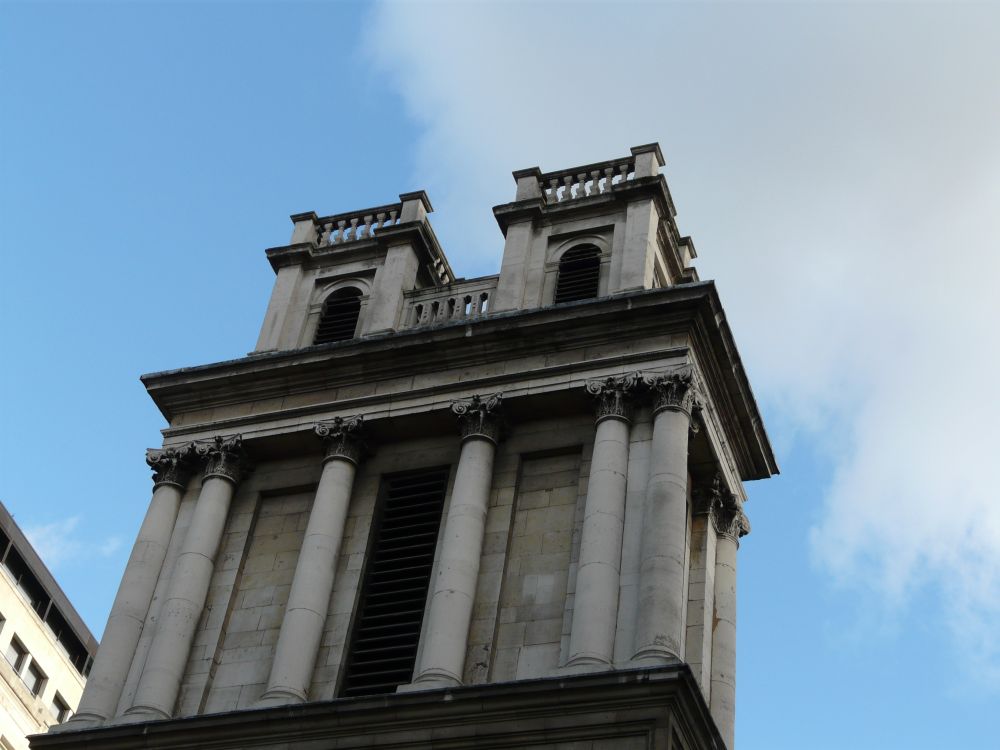
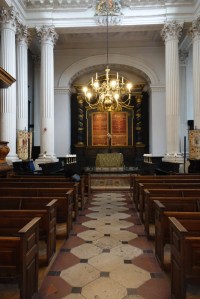
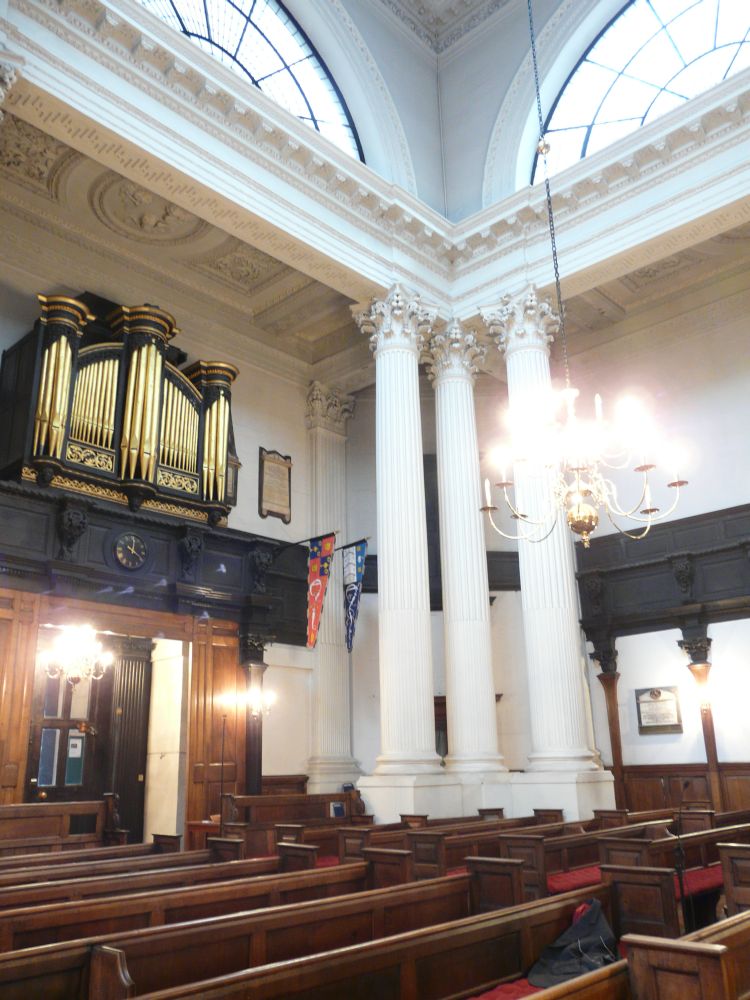
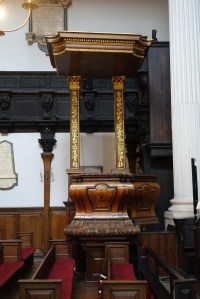
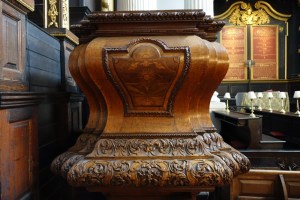
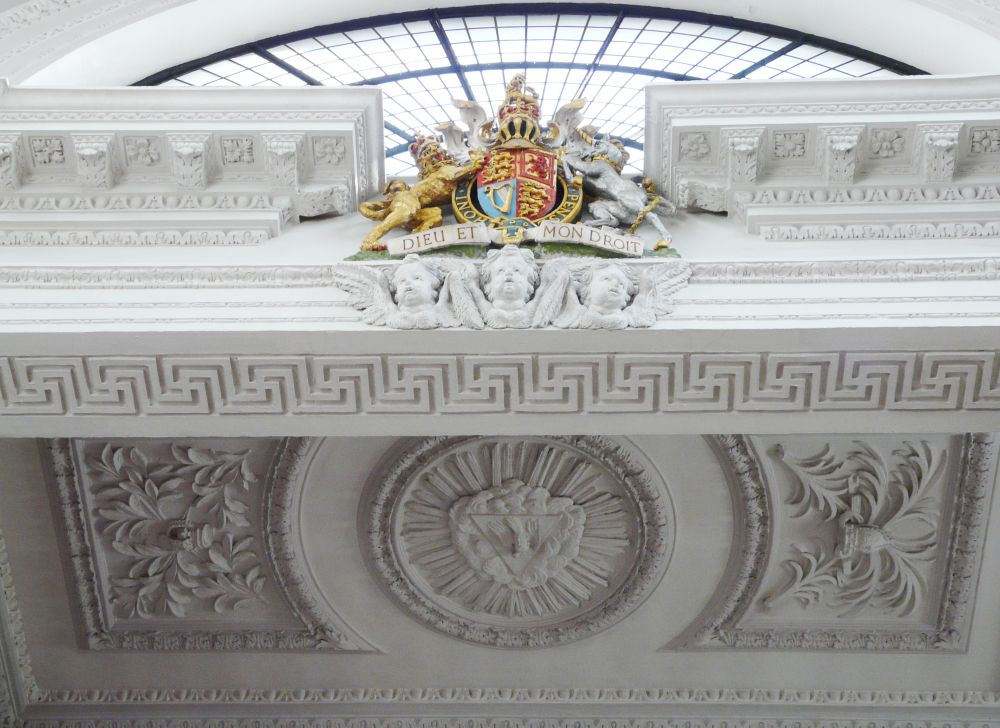
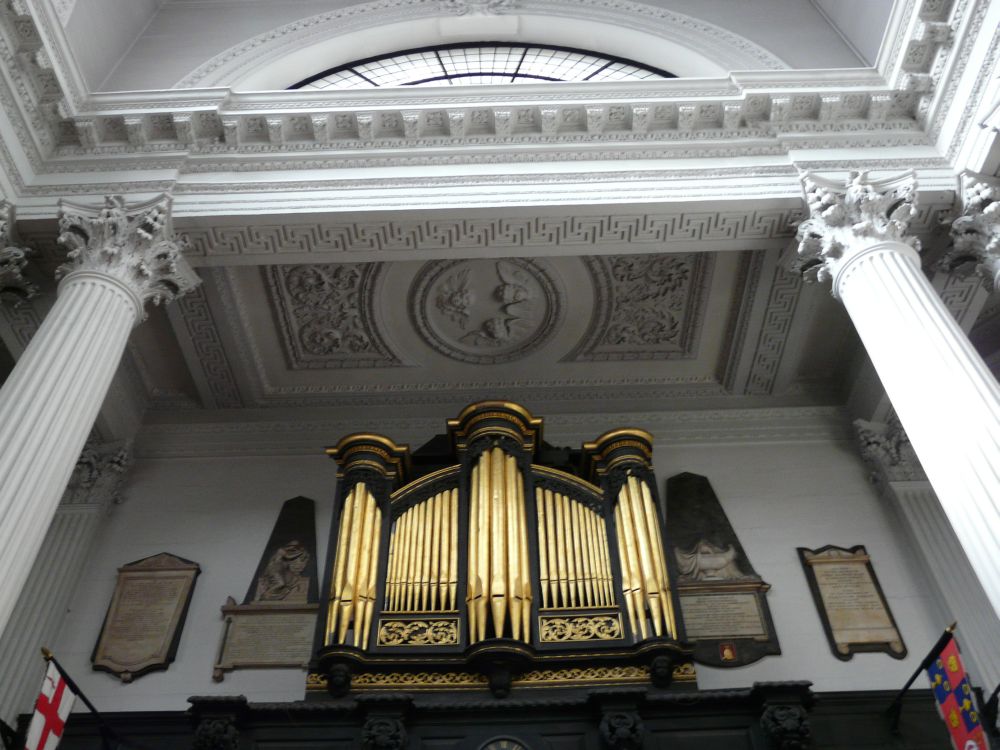
St Mary Woolnoth, City of London
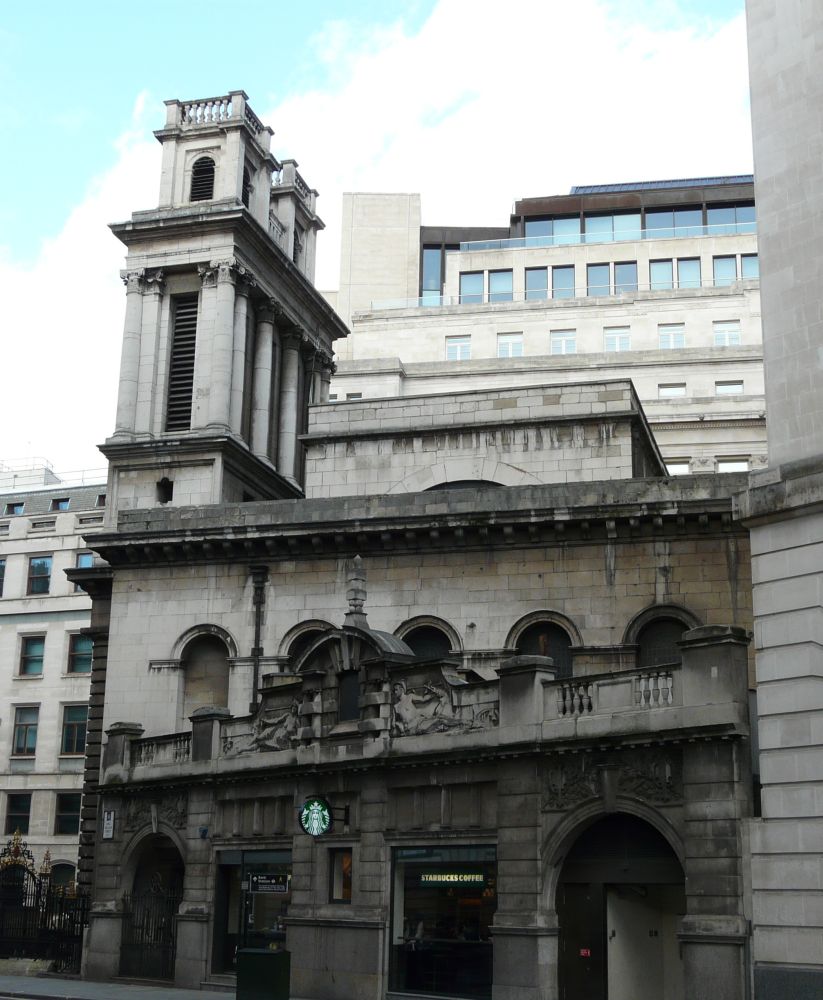
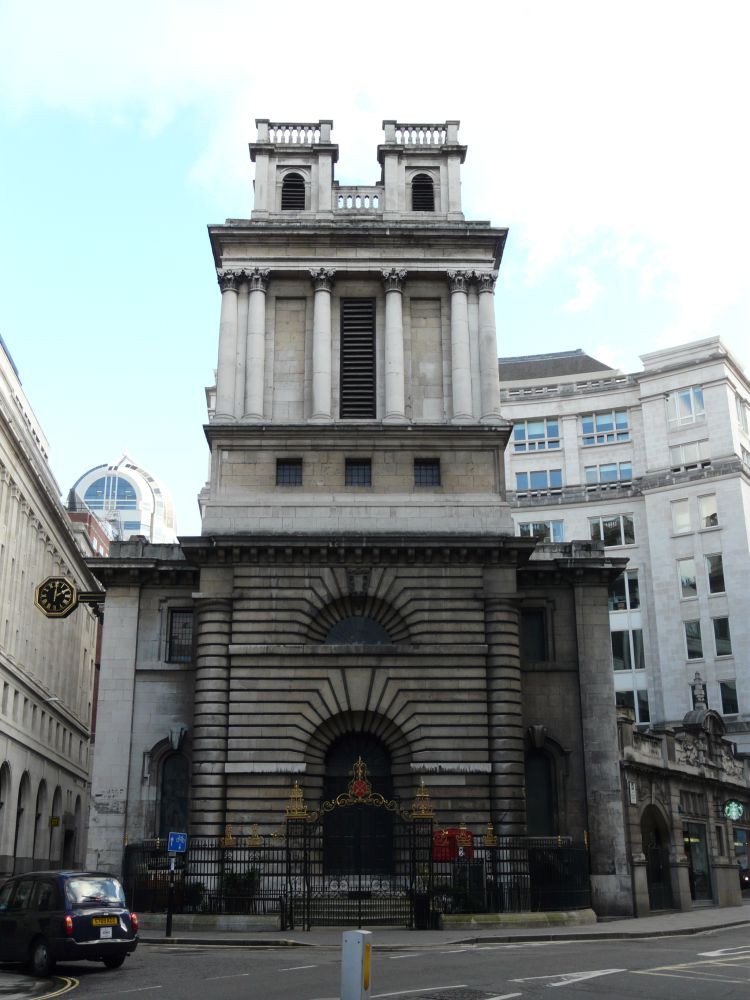
By Nicholas Hawksmoor 1716-27. Now right over the entrance to Bank underground station.
 |
 |
 |
 |
 |
 |
 |
 |
 |
 |
 |
 |
 |
 |
 |
 |
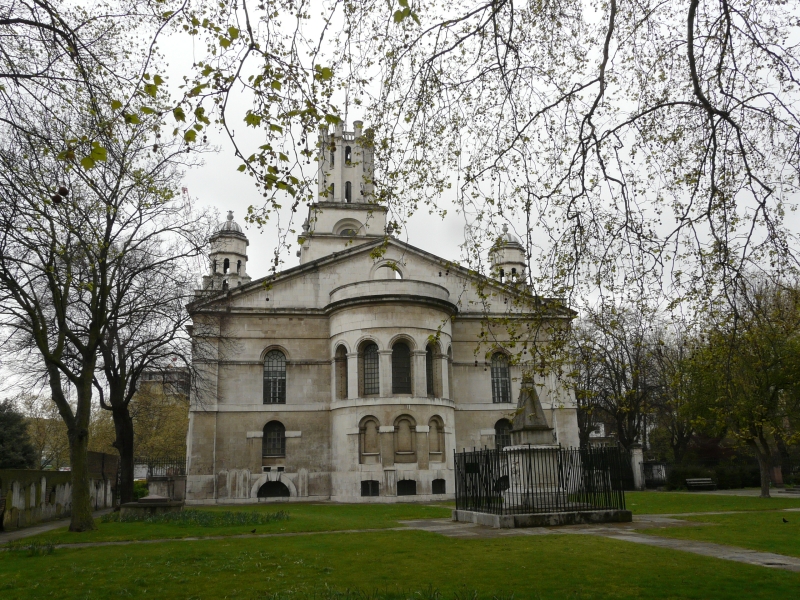
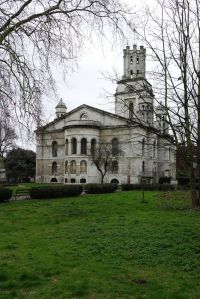
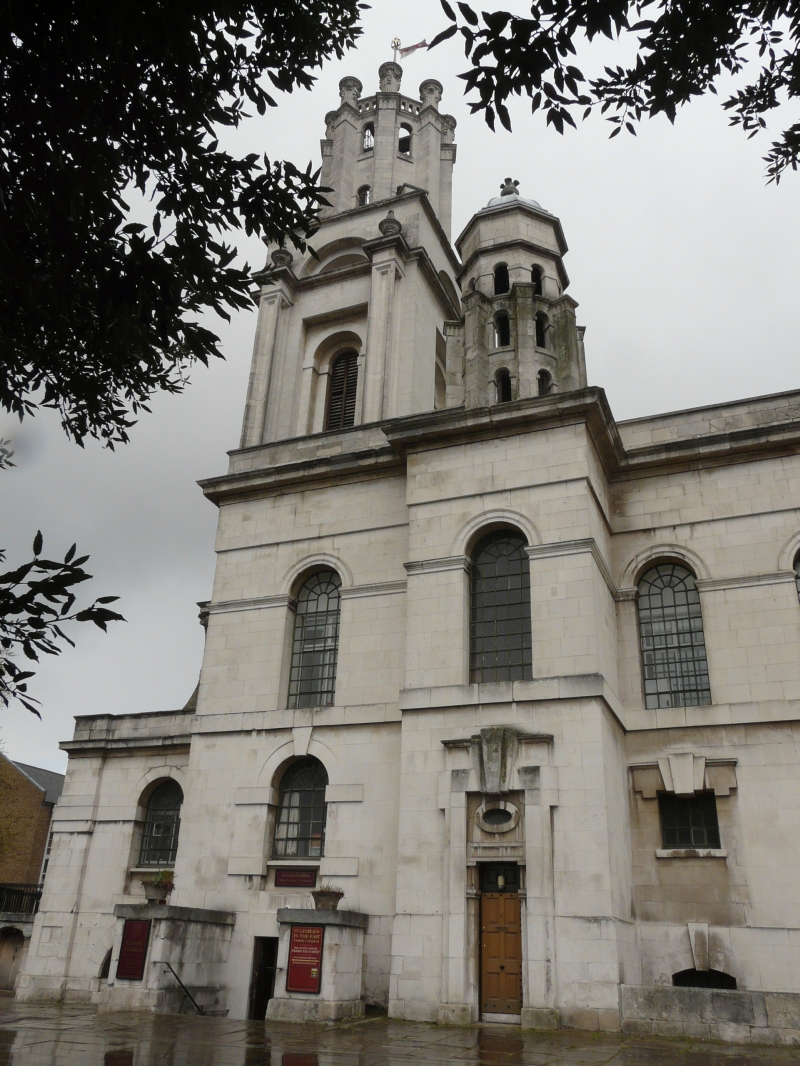
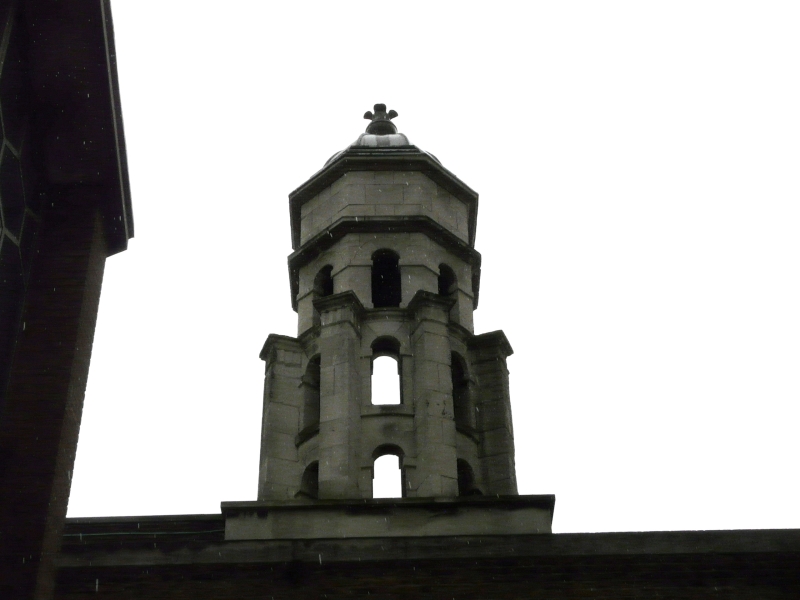
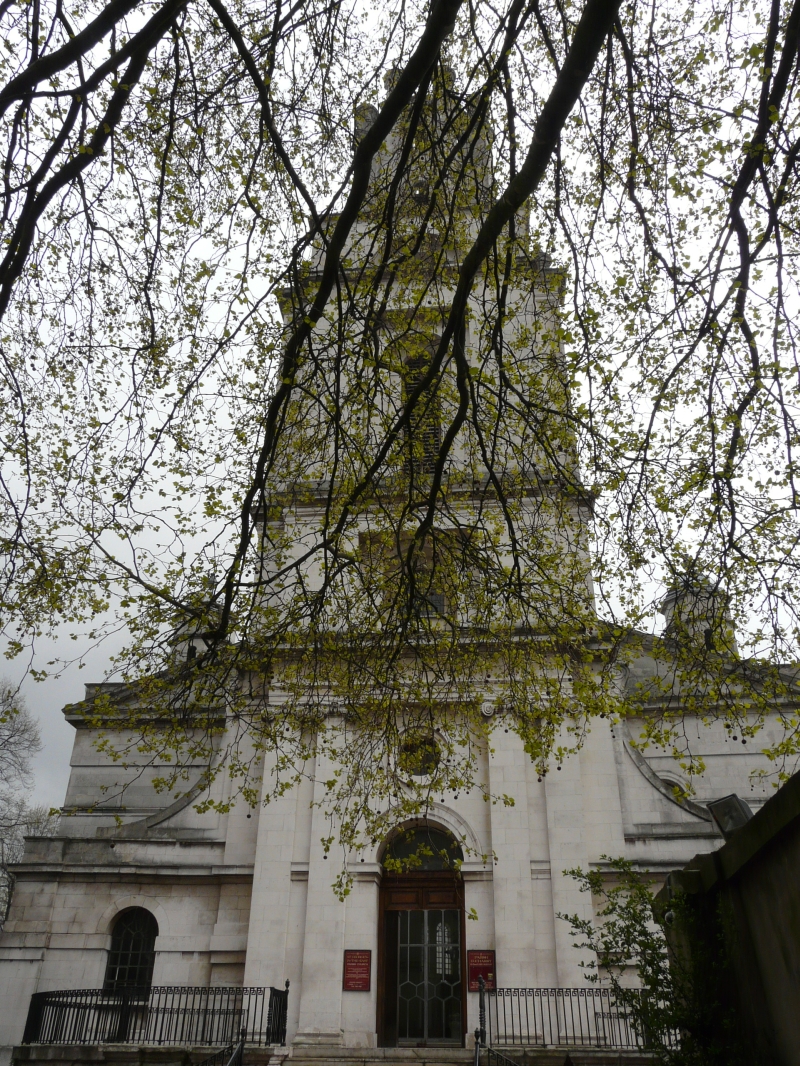
St George in the East, Wapping
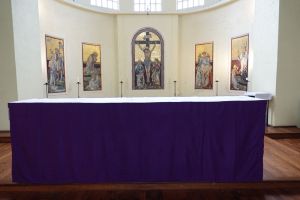
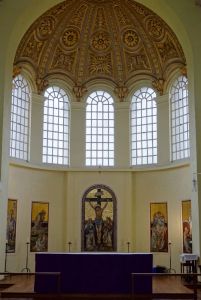
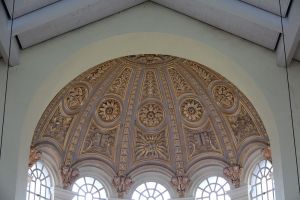
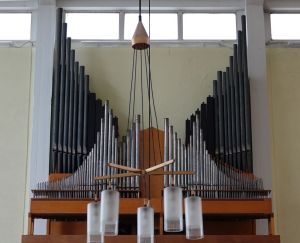
The exterior is the shell of a Nicholas Hawksmoor church of 1714-29 but the interior was destroyed in the second world war bombing. A new church was built in the shell in 1960-64, designed by Ansell and Bailey.
 |
 |
 |
 |
 |
 |
 |
 |
 |
 |
 |
 |
 |
 |
 |
 |
 |
 |
 |
|
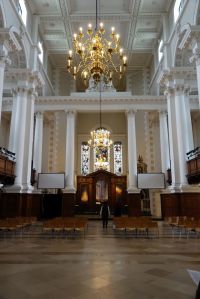
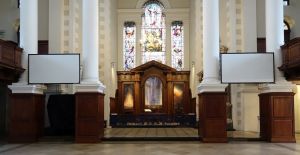
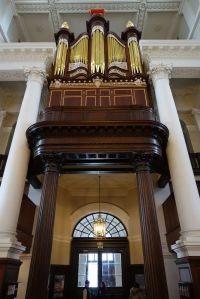
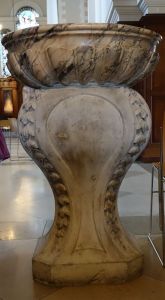
Christchurch, Commercial Street, Spitalfields, E1 6LY
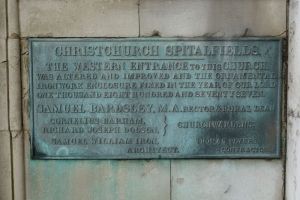
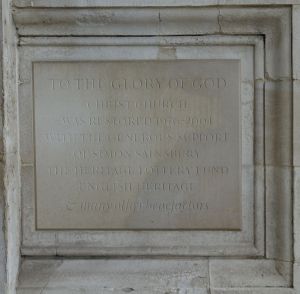
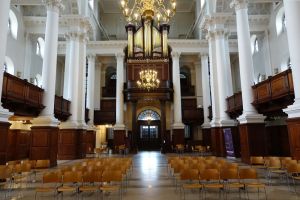
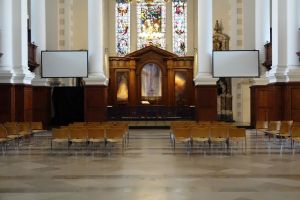
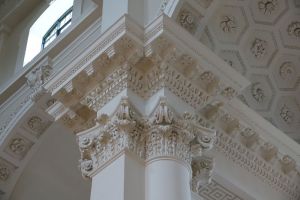
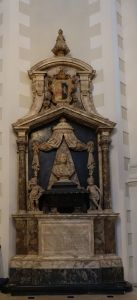
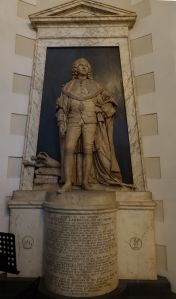
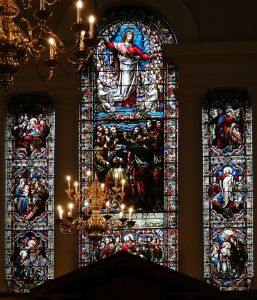
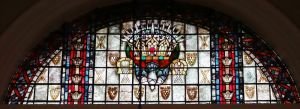
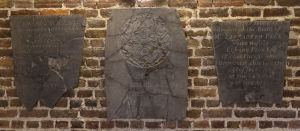
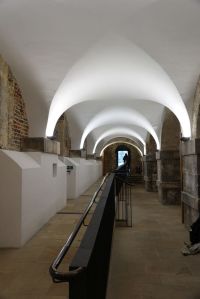
This is one of Nicholas Hawksmoor’s great east London churches built 1714-1729. It closed in 1957 and fell into dereliction and under threat of demolition. However, campaigns to save it began and the building was restored and brought back into use as a church between 1987 and 2004. Subsequently, the crypt (final four images) has also been restored to provide halls, offices and a cafe. It is close to Liverpool Street Station behind Spitalfields market.
 |
 |
 |
 |
 |
 |
 |
 |
 |
 |
 |
 |
 |
 |
 |
 |
 |
 |
 |
 |
 |
 |
 |
 |
 |
 |
 |
 |
 |
 |
 London Churches in photographs