Home » London Borough of Lewisham (Page 4)
Category Archives: London Borough of Lewisham
St Augustine, Baring Road, Grove Park
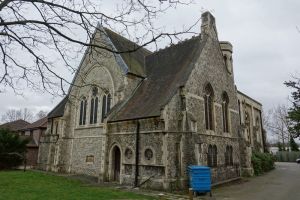
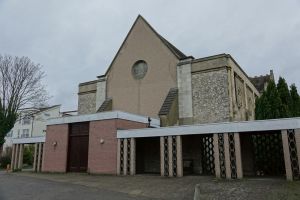
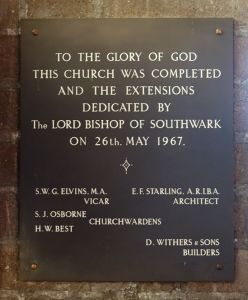
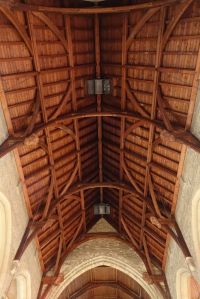
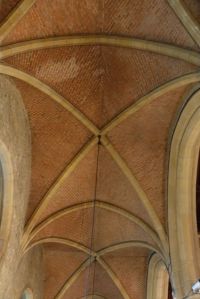
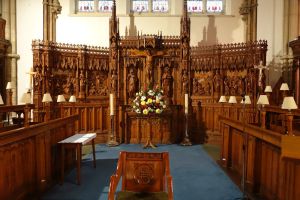
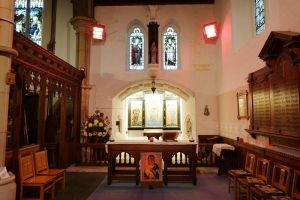
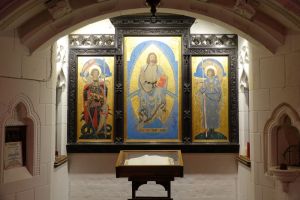
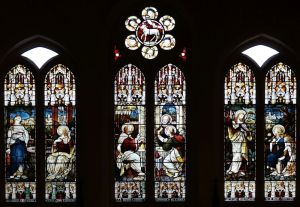
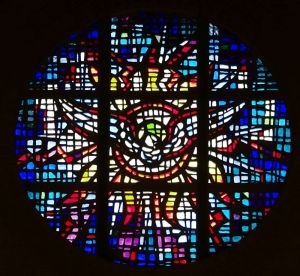
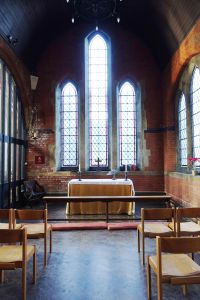
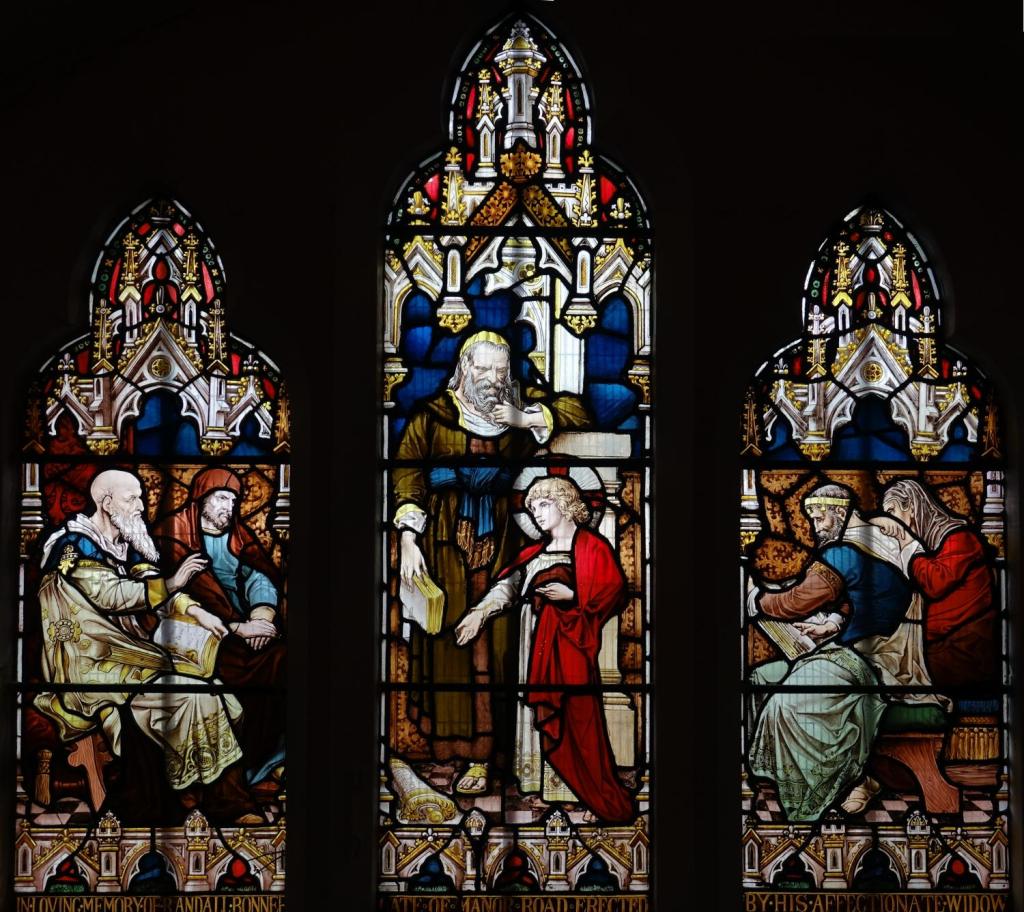
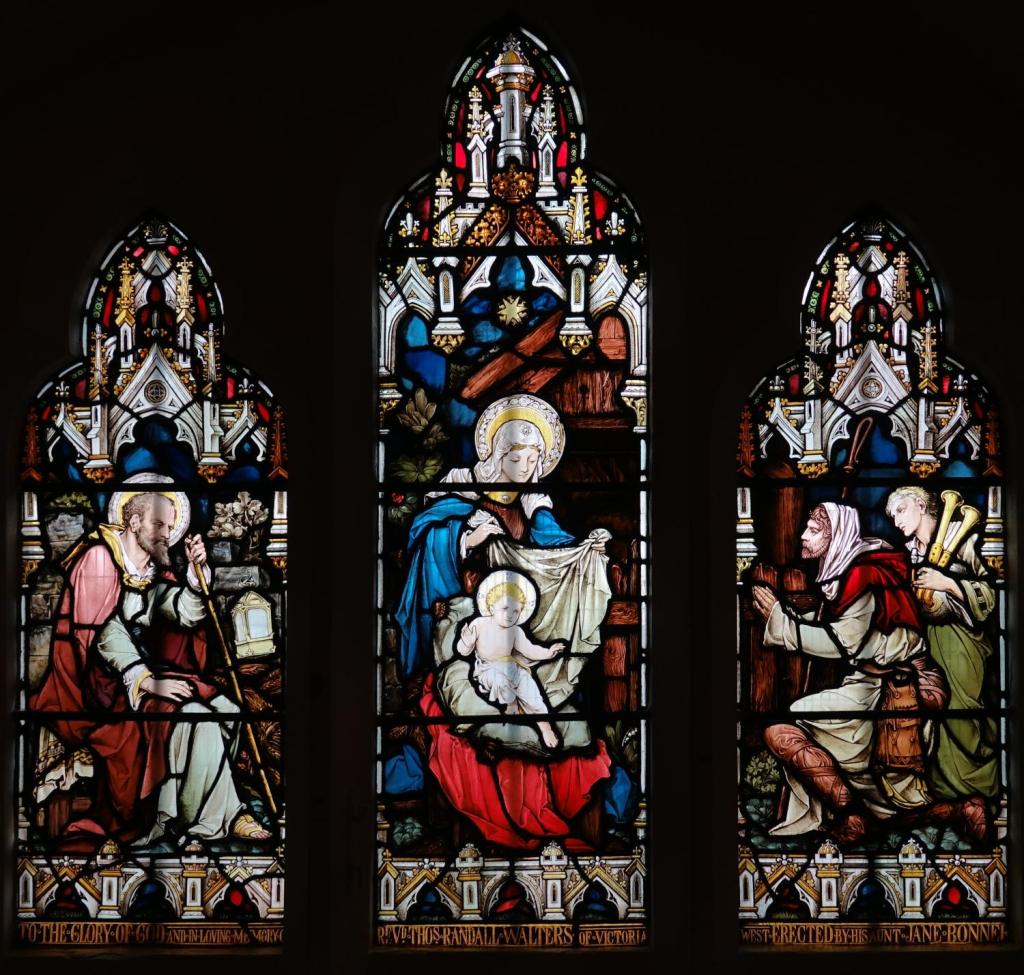
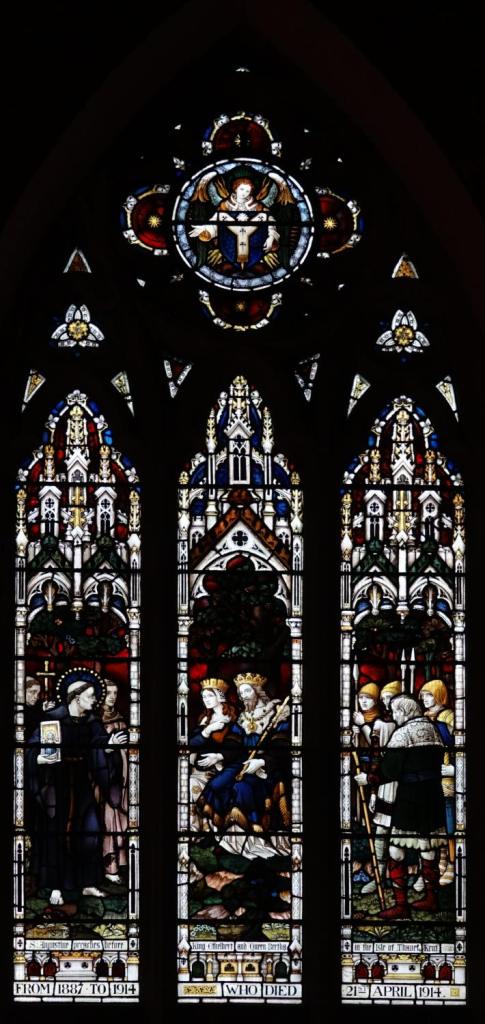
Close to Grove Park station. The originally apsed chancel dates from 1885-86 and was designed by Charles Bell. The nave and aisles were added by Percy Leeds in 1912. However, the west end was unfinished until 1967 when the present non-matching extension by E.F. Starling was built. The apse suffered from subsidence and was demolished in 1993 with a straight wall substituted in 2007 by Thomas F Ford and Partners. The windows of the apse were kept and refitted around the church.
 |
 |
 |
 |
 |
 |
 |
 |
 |
 |
 |
 |
 |
 |
 |
 |
 |
 |
 |
 |
 |
 |
 |
 |
 |
 |
 |
|
St Catherine, Pepys Road, Hatcham (New Cross)
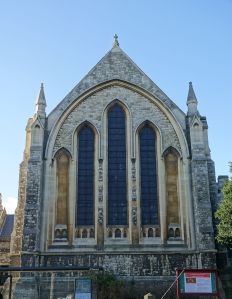
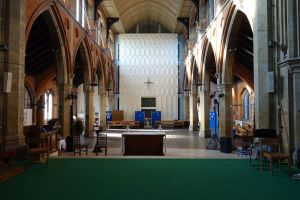
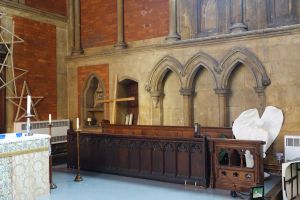
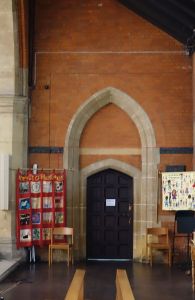
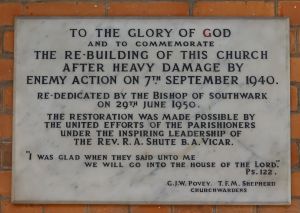
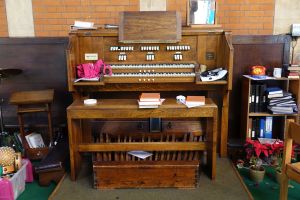
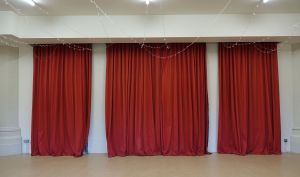
On a hilltop south of New Cross Gate, it is a church of 1893-1894 by H. Stock. Following war damage, it received a new roof and had an extension added and reordering to form a community centre and church. The west end of the church is now a hall space called the Narthex
 |
 |
 |
 |
 |
 |
 |
 |
 |
 |
 |
 |
 |
 |
 |
 |
 |
 |
 |
 |
St John the Baptist, Bromley Road, Southend, Catford
Southend is at the southern end of Catford and this church is on a spacious corner site. In fact, there are two buildings, the older is a former proprietary chapel of 1824 now used as a hall, and the newer the built part of what would have been a huge building by Sir Charles Nicholson dating from 1928. The nave was only partly built and is finished by a permanent “temporary” wall. In 1977 a corona was installed in the centre of the church and the chancel screened off as vestries. However, this change has now been reversed and a high altar restored with a traditional eastward alignment. The north chapel is a memorial chapel to the Forster family who owned the land on which the church is built. This includes a very late recumbent effigy tomb to a son killed at the end of the first world war.
 |
 |
 |
 |
 |
 |
 |
 |
 |
 |
 |
 |
 |
 |
 |
 |
 |
 |
 |
 |
 |
 |
 |
 |
 |
 |
 |
 |
 |
 |
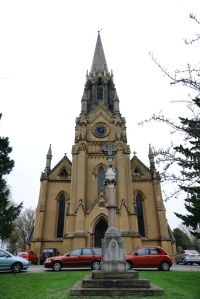
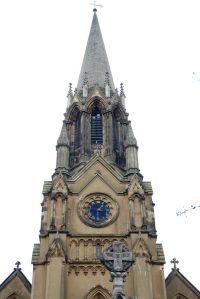
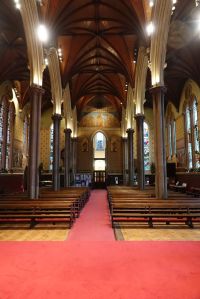
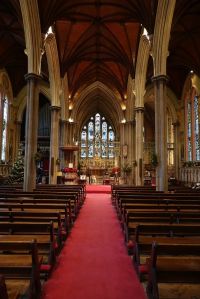
St Margaret, Lee Terrace, Lee
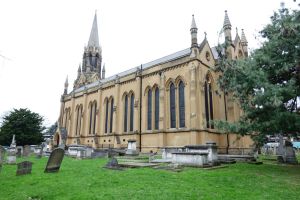
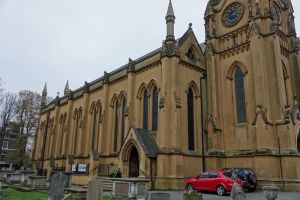
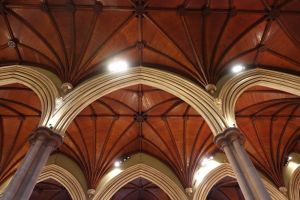
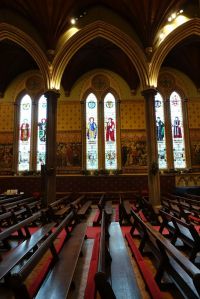
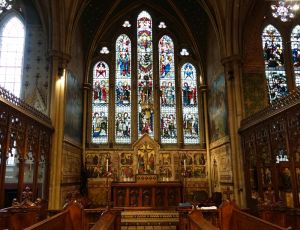
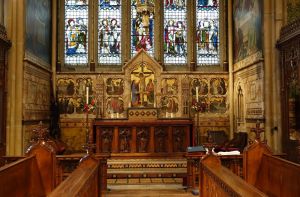
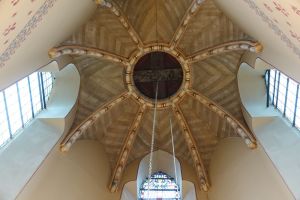
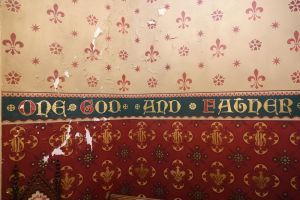
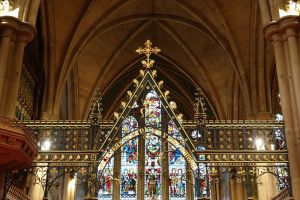
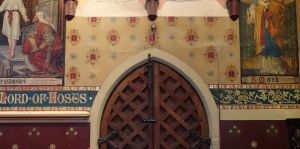
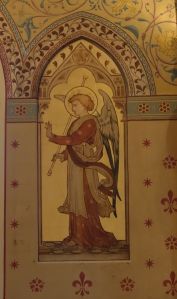
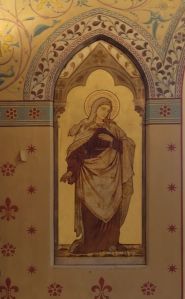
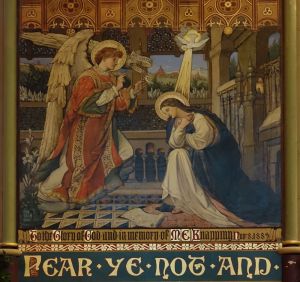
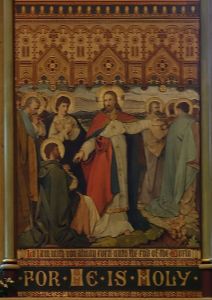
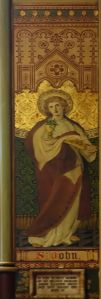
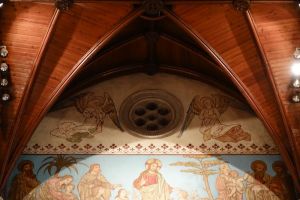
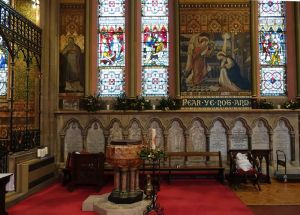
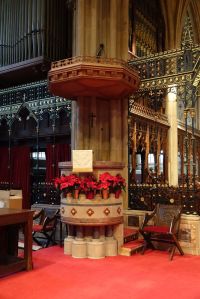
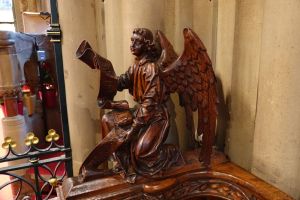
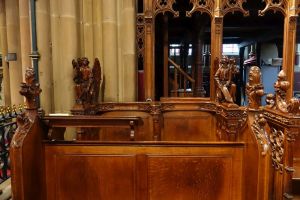
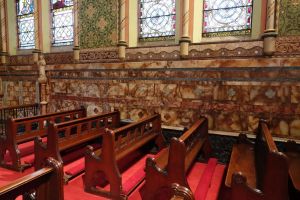
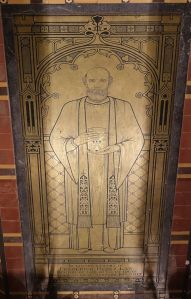
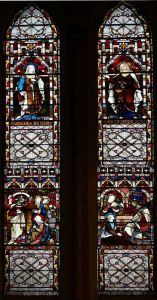
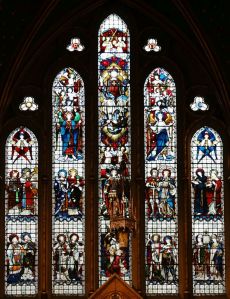
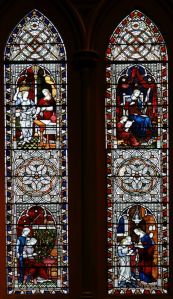
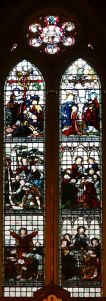
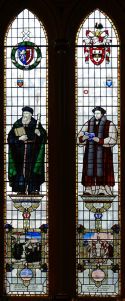
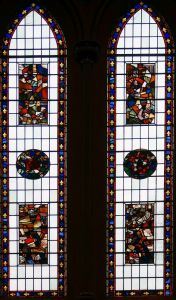
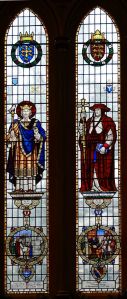
This church replaces the ancient parish church which was sited over the road and of which the tower base survives. The rest of that church had been rebuilt in 1813 but was structurally unsound and replaced by the current church by John Brown of Norwich in 1839-1841. From outside it is a rather typical design of its time but inside a complex decorative scheme of the late 19th century has been restored. James Brooks lengthened the chancel, added chancel aisles and a wooden vault between 1875 and 1888.
 |
 |
 |
 |
 |
 |
 |
 |
 |
 |
 |
 |
 |
 |
 |
 |
 |
 |
 |
 |
 |
 |
 |
 |
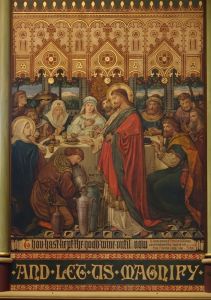 |
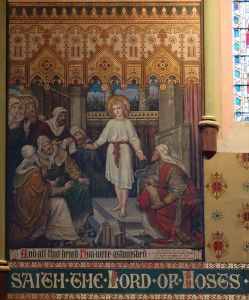 |
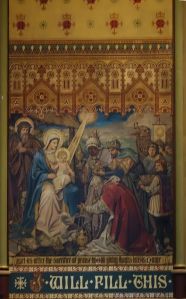 |
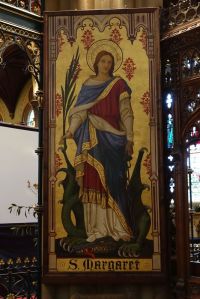 |
 |
 |
 |
 |
 |
 |
 |
 |
 |
 |
 |
 |
 |
 |
 |
 |
 |
St Mary, Lewisham High Street, Lewisham
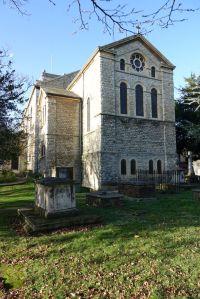
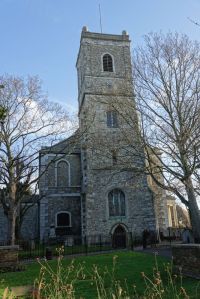
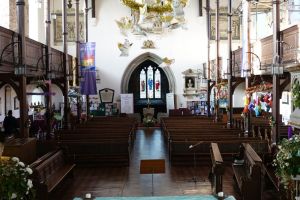
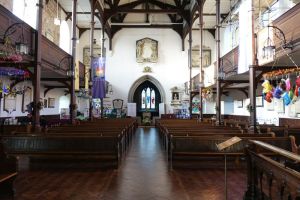
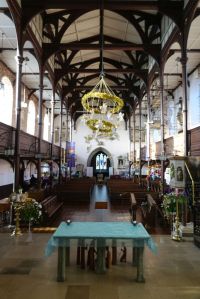
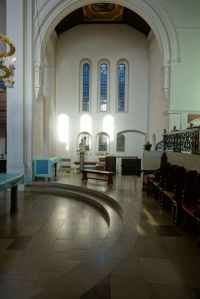
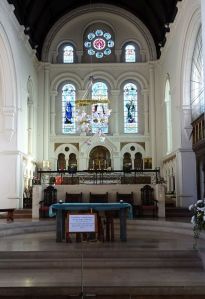
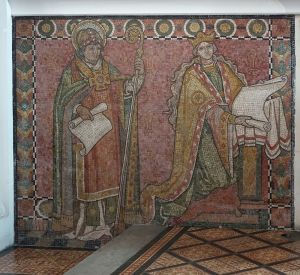
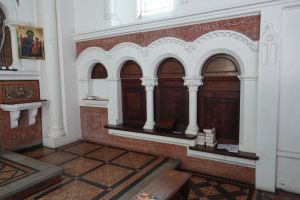
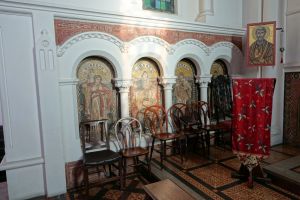
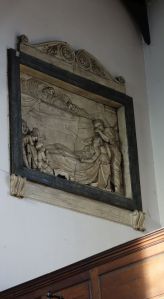
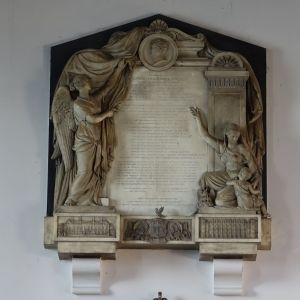
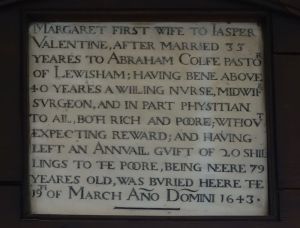
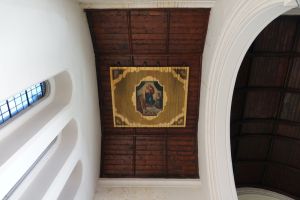
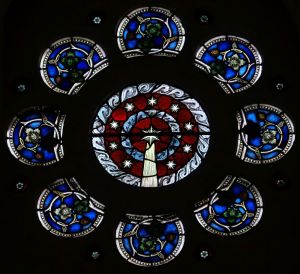
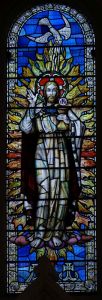
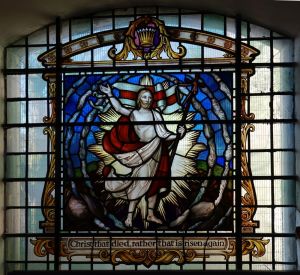
Lewisham’s historic parish church, now at the southern, Ladywell end of the town centre. The tower is late 15th/early 16th century but the tower top and church are by George Gibson Junior and date from 1774-1777. The chancel was rebuilt by Arthur Blomfield in 1881-1882.
 |
 |
 |
 |
 |
 |
 |
 |
 |
 |
 |
 |
 |
 |
 |
 |
 |
 |
 |
 |
 |
 |
 |
 |
 |
 |
 |
 |
 |
 |
 |
 |
 |
 |
 |
 |
 |
|
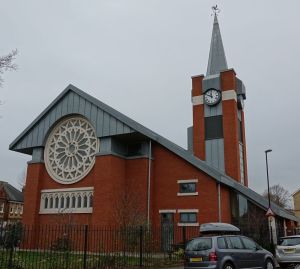
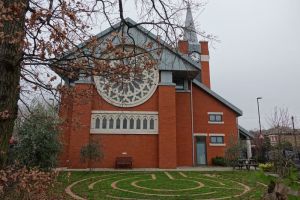
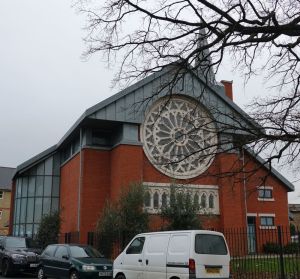
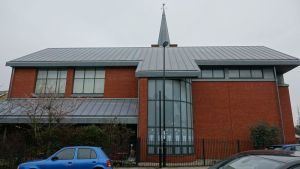
St George, Vancouver Road/Woolstone Road, Perry Hill
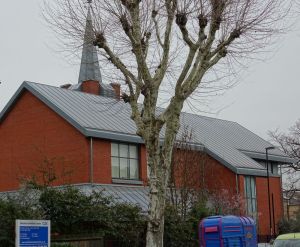
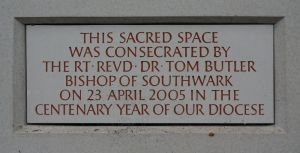
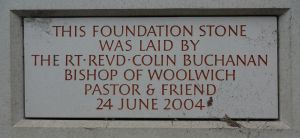
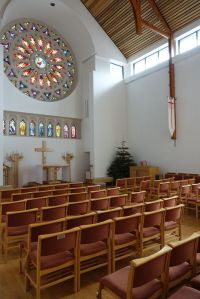
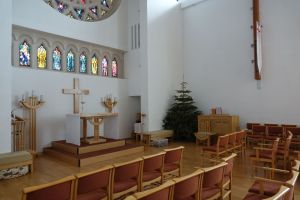
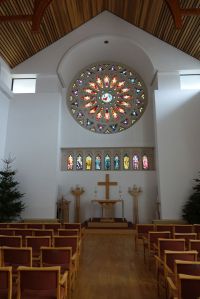
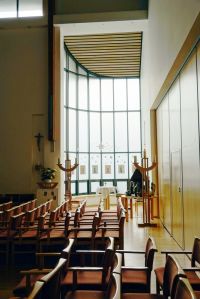
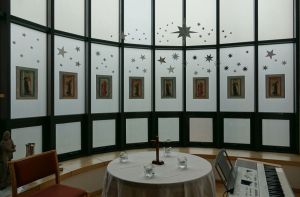
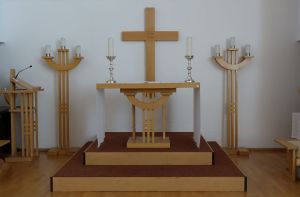
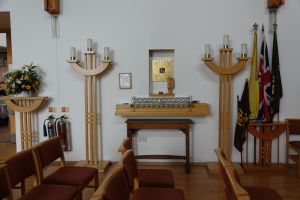
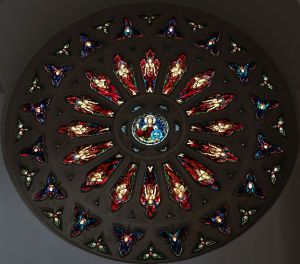
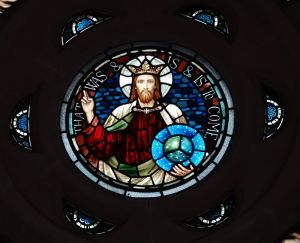
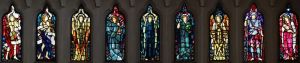
An impressive building of 2004-2005 by Thomas F Ford and Partners. It replaced a badly subsided church of 1878. The Henry Holiday glass from the old church has been reused at the east end. The nave is divided by moveable partitions and can be opened out into the hall area when needed.
 |
 |
 |
 |
 |
 |
 |
 |
 |
 |
 |
 |
 |
 |
 |
 |
 |
 |
 |
 |
 |
 |
St Bartholomew, Westwood Hill, Sydenham
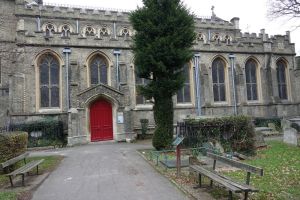
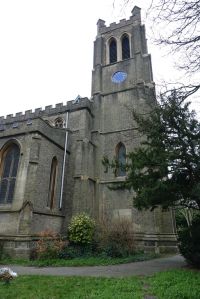
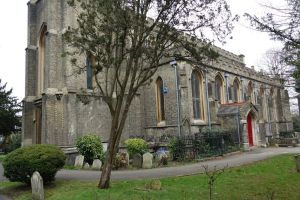
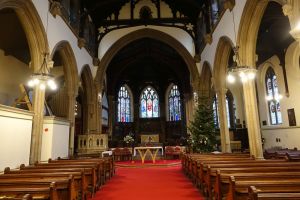
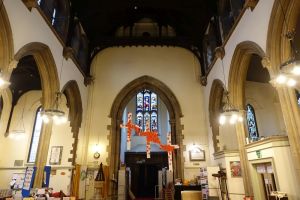
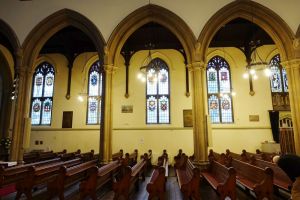
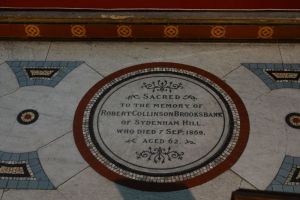
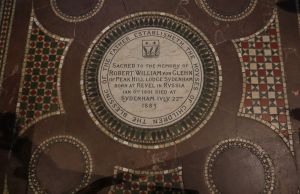
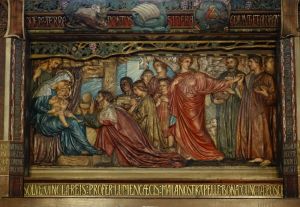
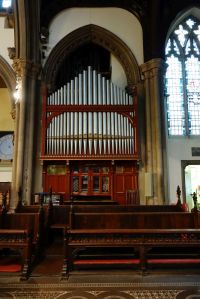
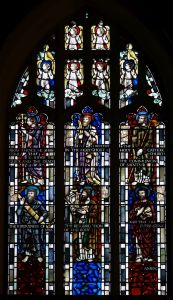
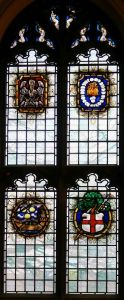
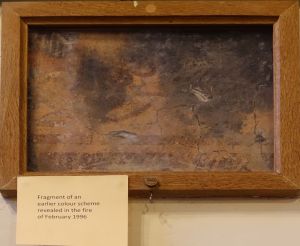
Famously shown in a painting by Pissarro. The church was designed by Lewis Vulliamy and built in 1827-32. In 1852 Edwin Nash added the chancel and in 1883 he widened the north aisle, most of which is now partitioned off as a hall area. The reredos was added by Henry Wilson in 1905.
 |
 |
 |
 |
 |
 |
 |
 |
 |
 |
 |
 |
 |
 |
 |
 |
 |
 |
 |
 |
 |
 |
 |
 |
 |
 |
 |
 |
 |
 |
 |
 |
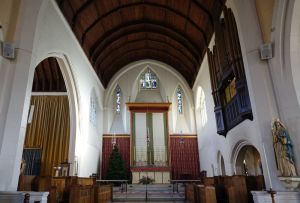
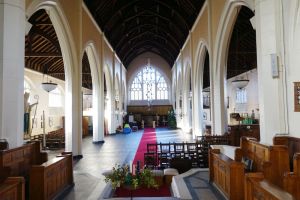
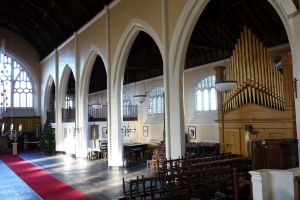
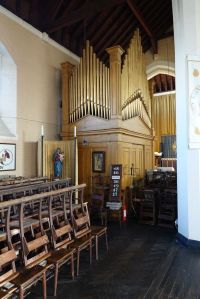
St Hilda, Courtrai Road, Crofton Park
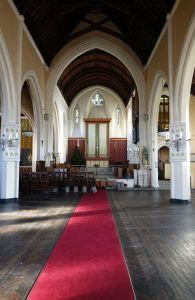
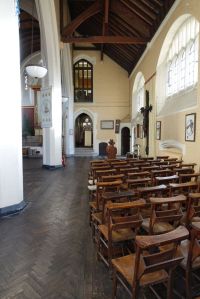
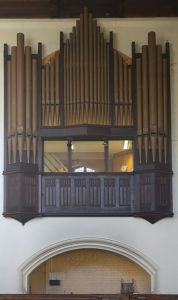
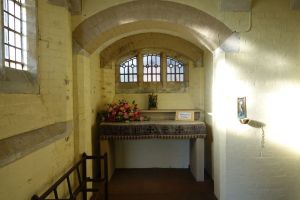
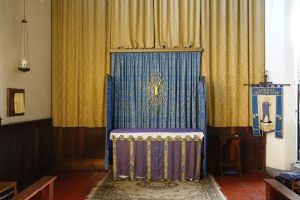
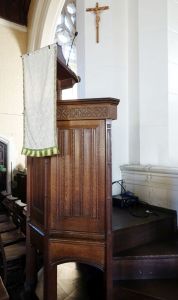
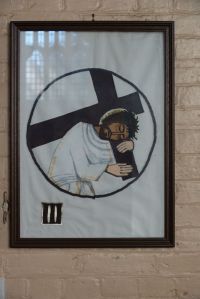
A short way south of Crofton Park Station, it is a church by Greenaway and Newberry, one of their earliest. It dates from1907.
 |
 |
 |
 |
 |
 |
 |
 |
 |
 |
 |
 |
 |
 |
 |
 |
 |
 |
 |
 |
 |
 |
 |
 |
 |
 |
 |
|
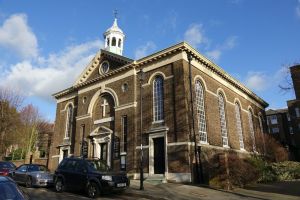
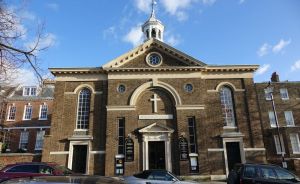
The Ascension, Dartmouth Row, Blackheath
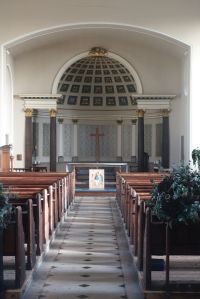
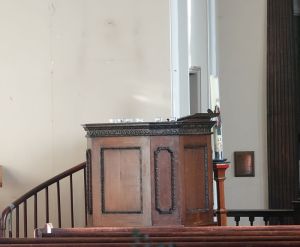
Built as a chapel of ease in 1697 with an apse added in 1750. The nave was rebuilt in 1838-39 and restored in 1950 by Robert Potter after war damage.
 |
 |
 |
 |
 |
 |
 |
 |
 |
|
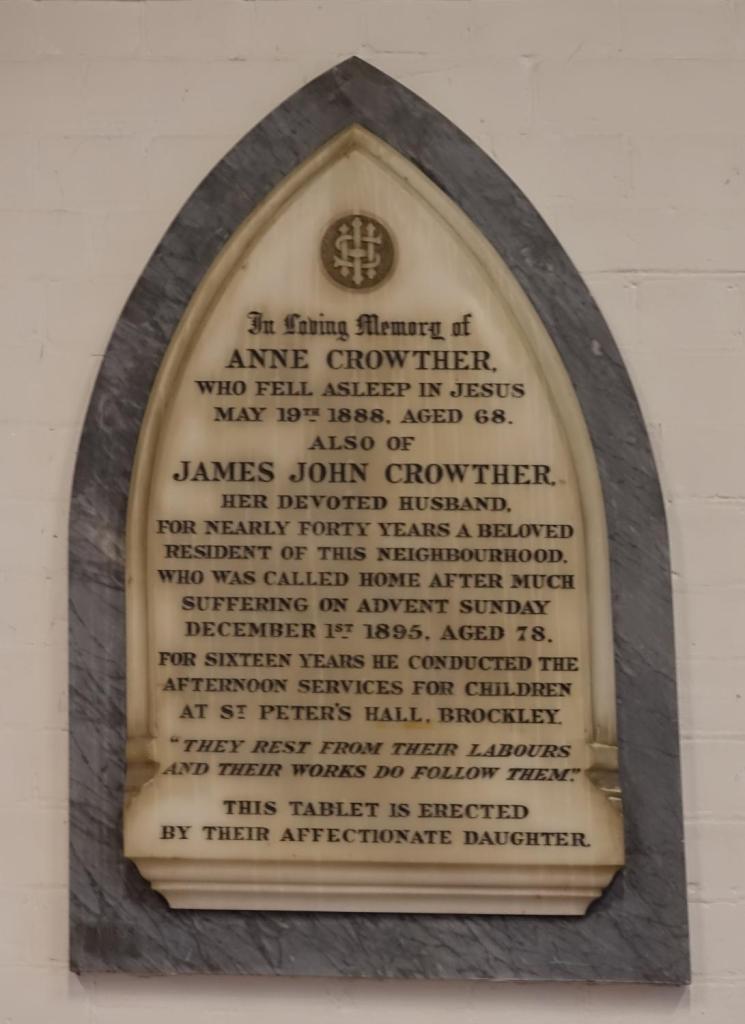
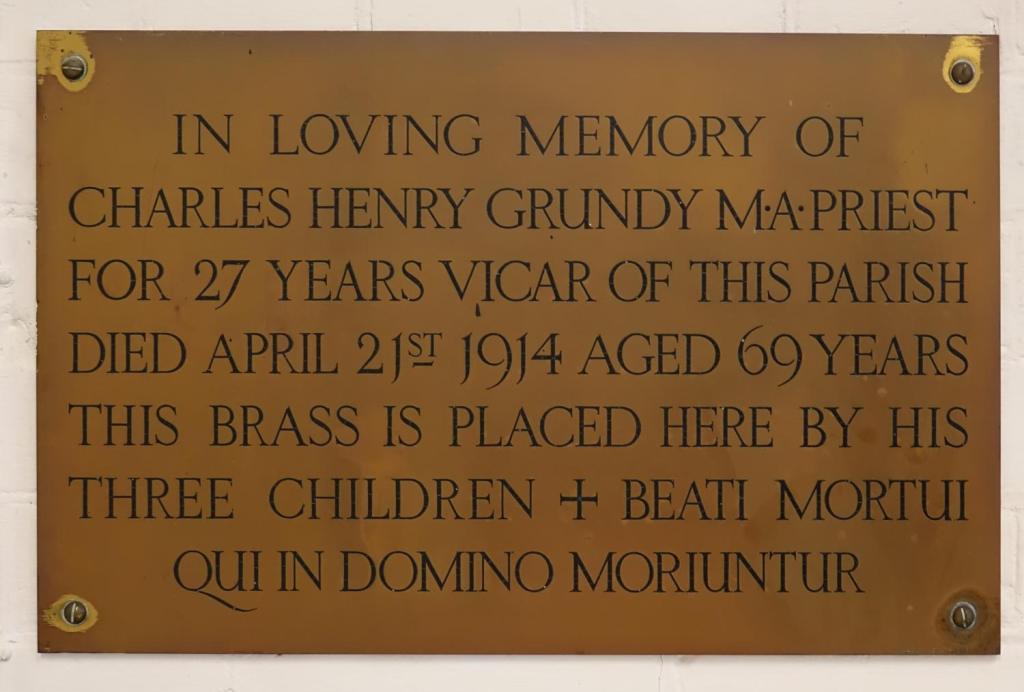
St Peter, Wickham Road, Brockley
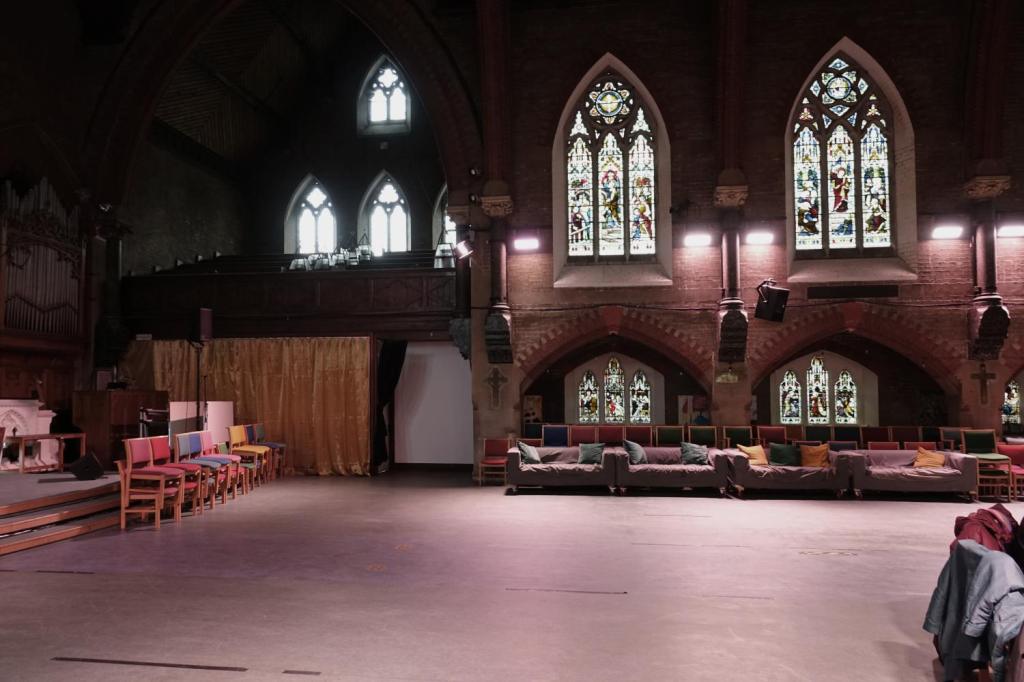
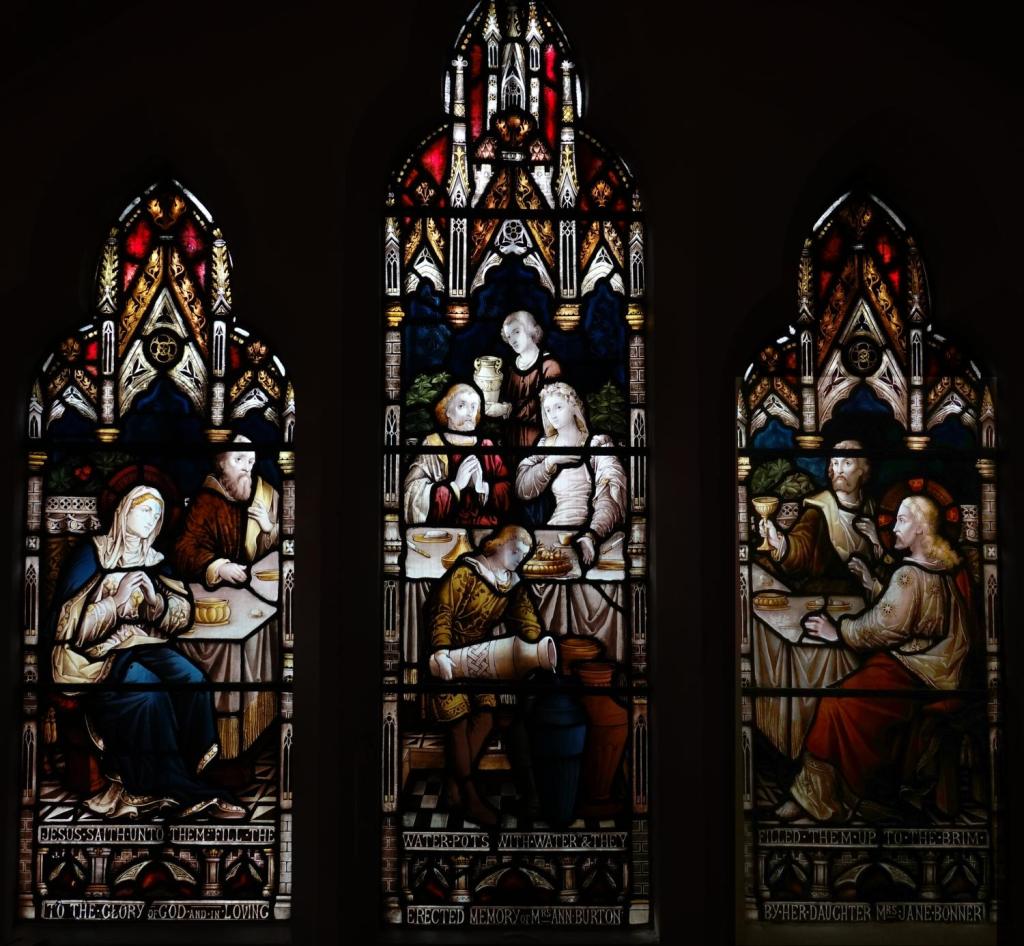
A broad hilltop church by Frederick Marrable and dating from 1870. The tower was completed by Arthur Blomfield in 1890. The transepts have been divided off beneath the galleries and these are shown at the end of the interior images. The lighting gives a pink cast which affects some of these images. The north chancel chapel contains a large WW1 memorial to all who served from the parish but it is obscured by storage.















 London Churches in photographs