Home » Scott, John Oldrid
Category Archives: Scott, John Oldrid
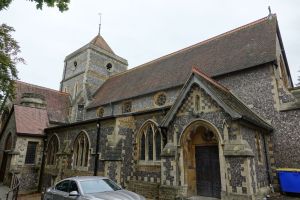
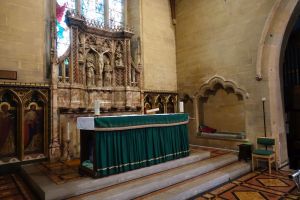
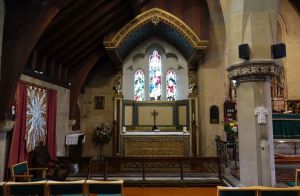
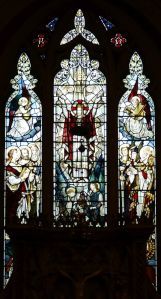
St Augustine, St Augustines Avenue, South Croydon
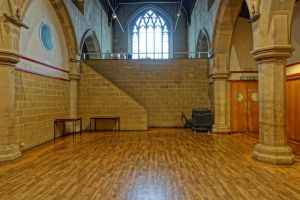
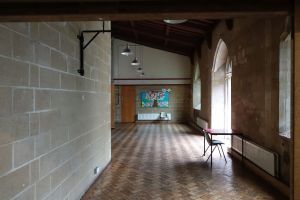
A large church, about a mile south of St Peter, this one by John Oldrid Scott, dating from 1881-84. It was subdivided in 1989 with the nave and aisles converted to a hall, offices and meeting rooms, toilets and a kitchen. The worship area is now in the crossing, transepts and chancel.
 |
 |
 |
 |
 |
 |
 |
 |
 |
 |
 |
 |
 |
 |
 |
 |
 |
 |
 |
|
St Mary Magdalene, St Mary Street, Woolwich
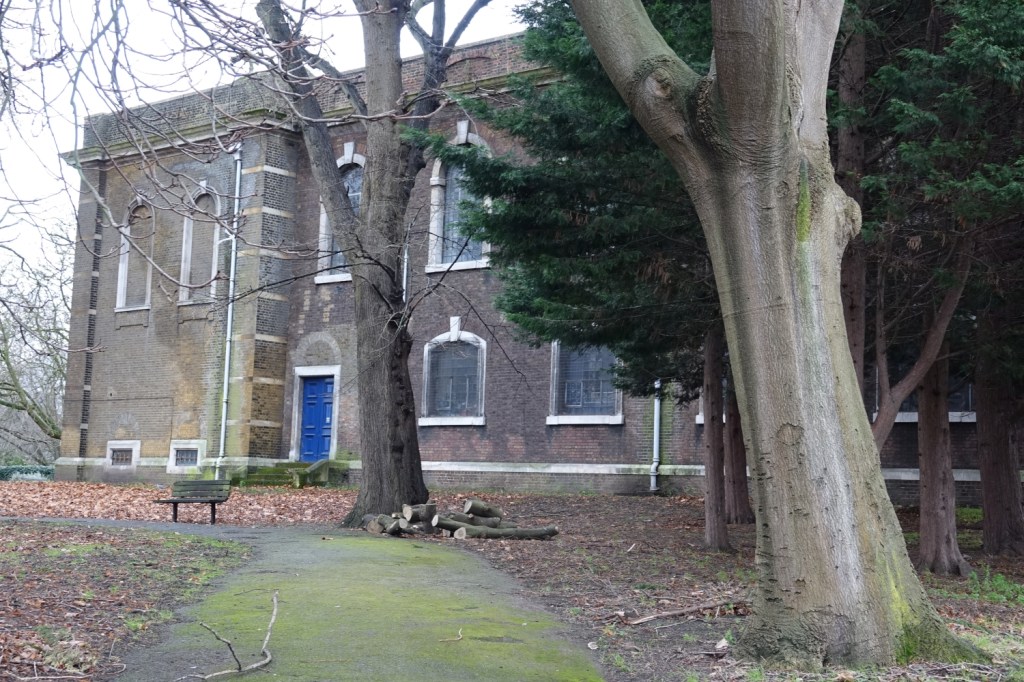
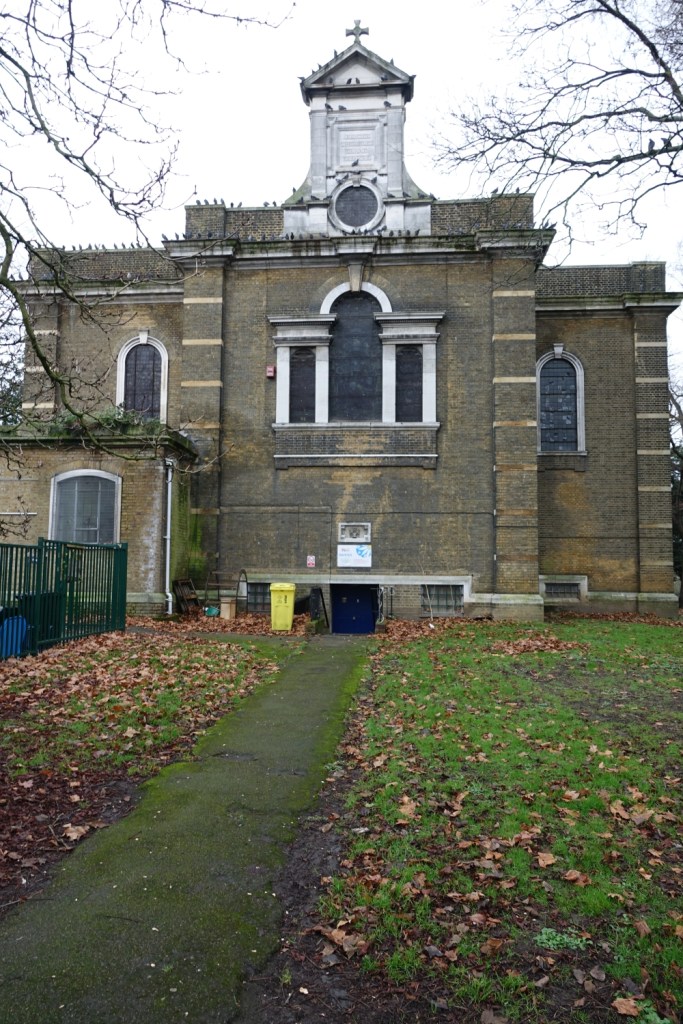
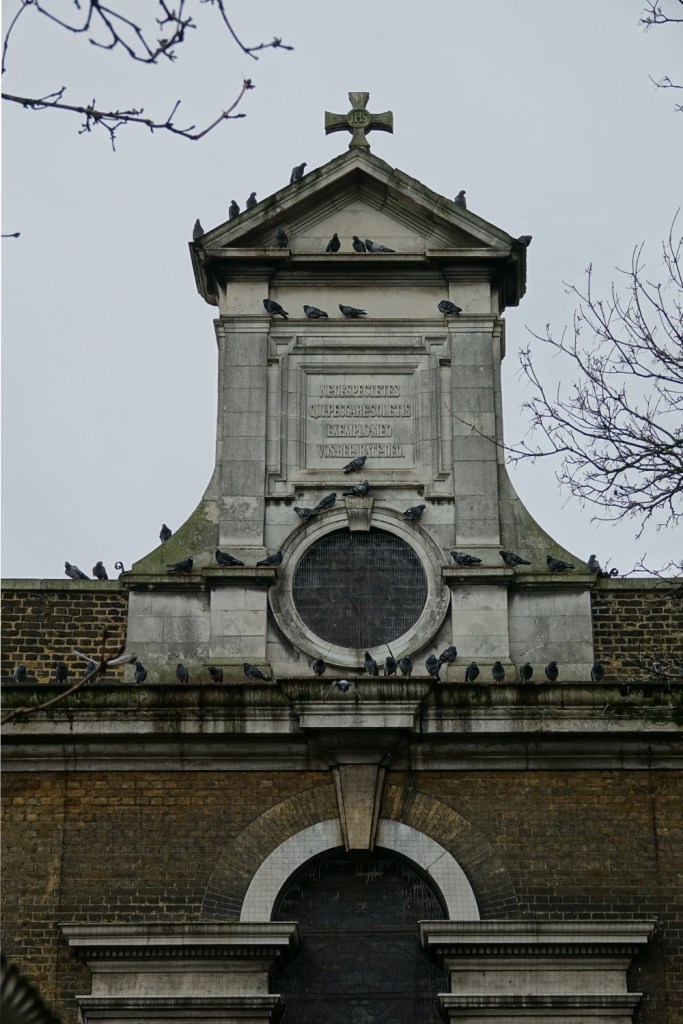
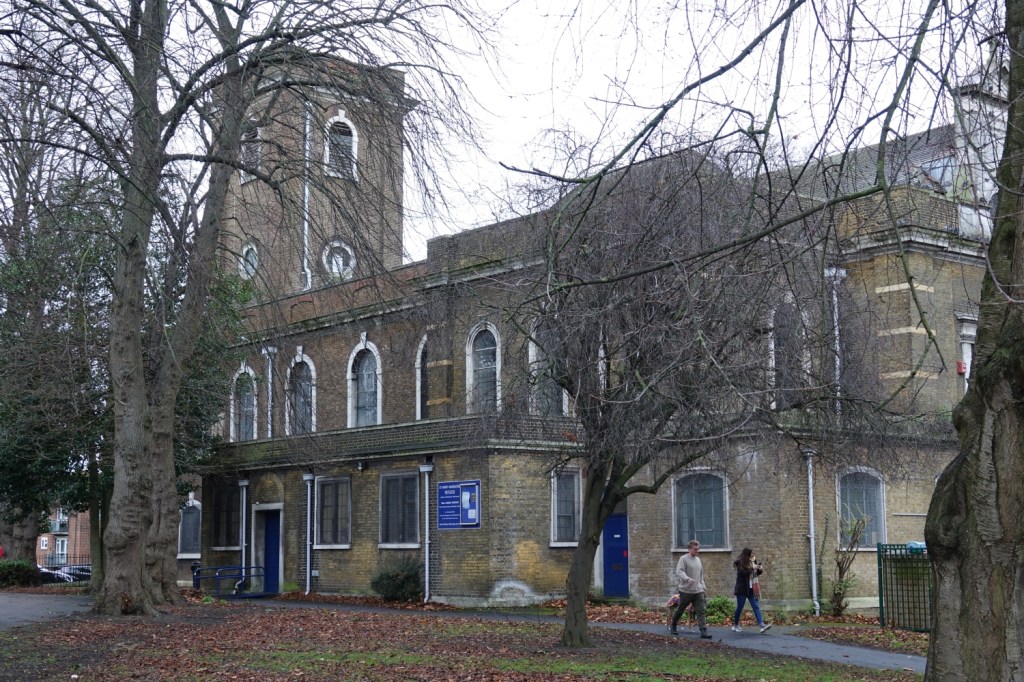
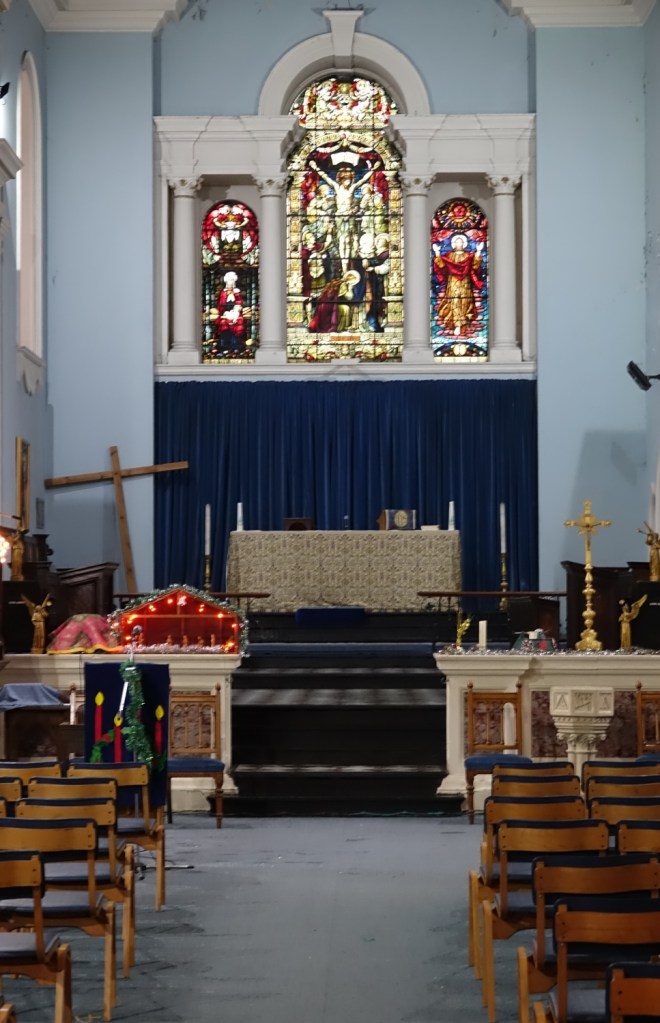
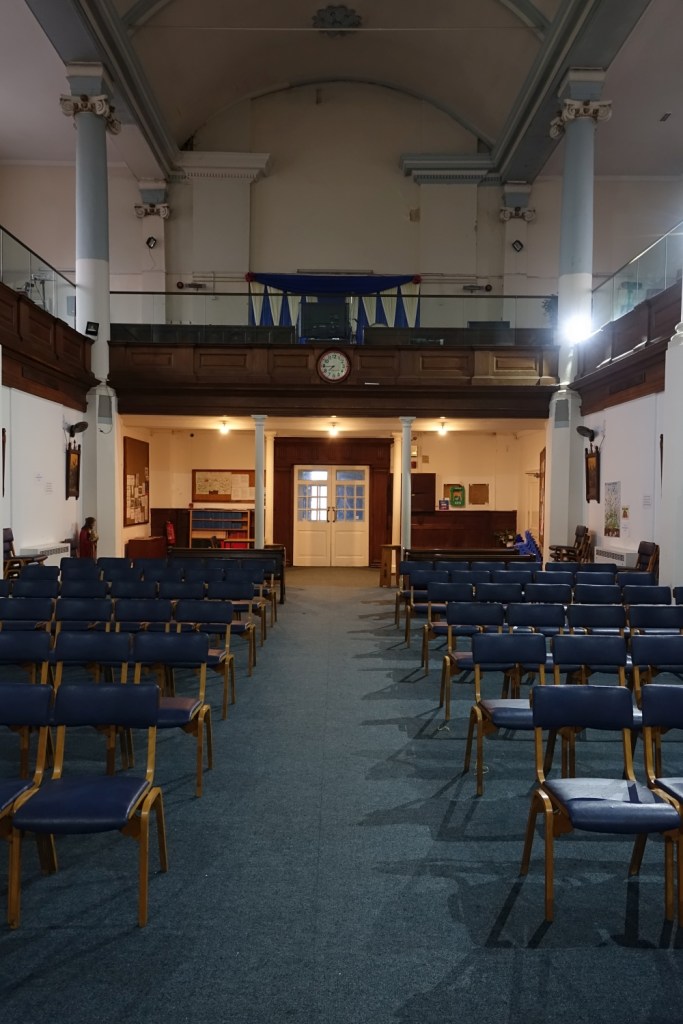
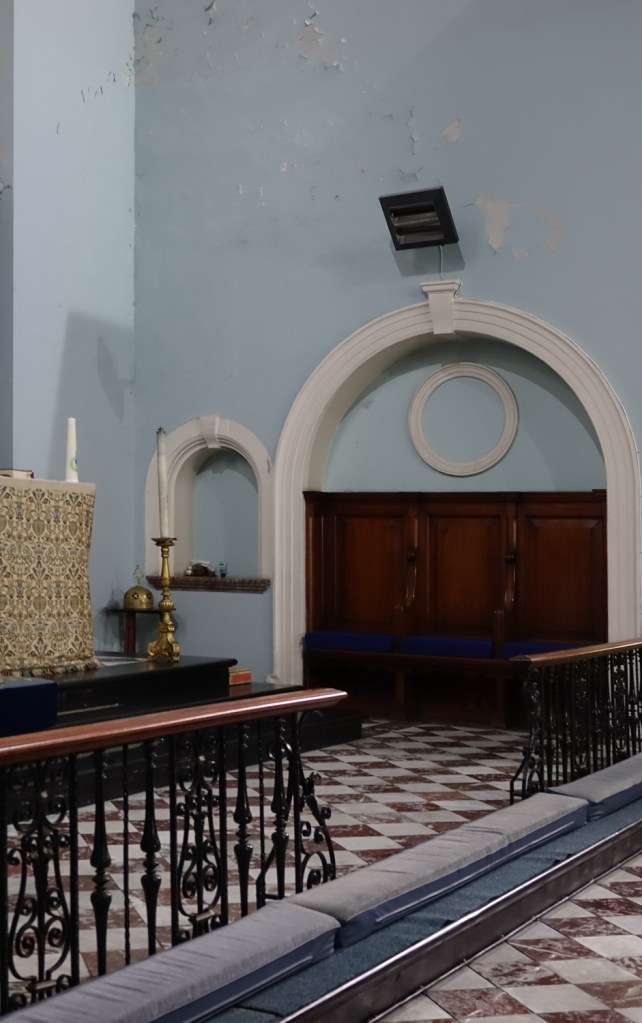
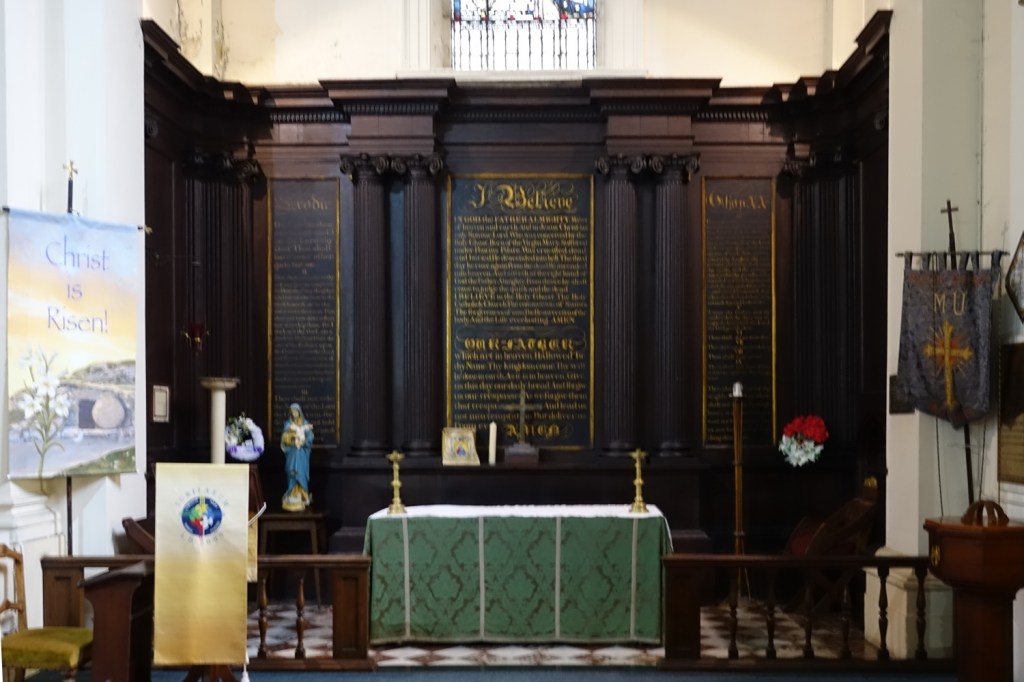
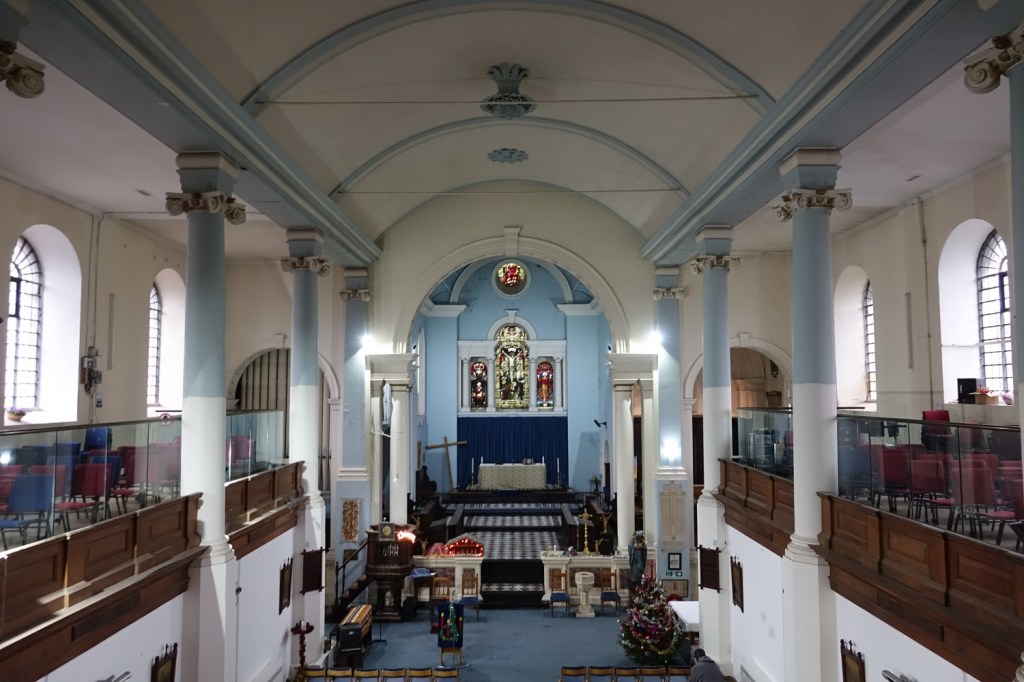
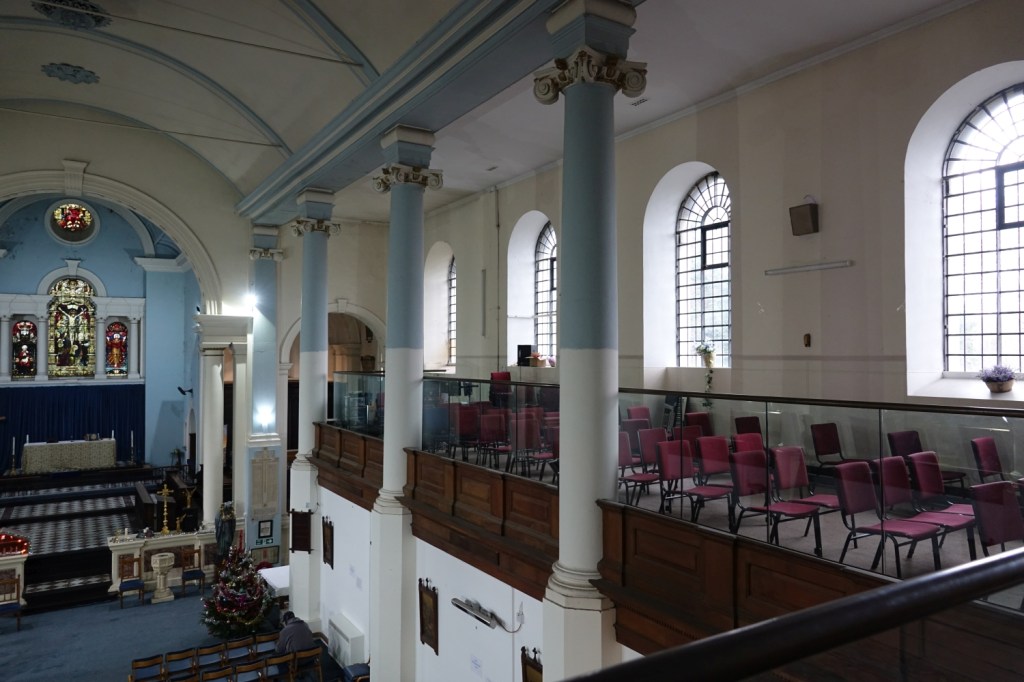
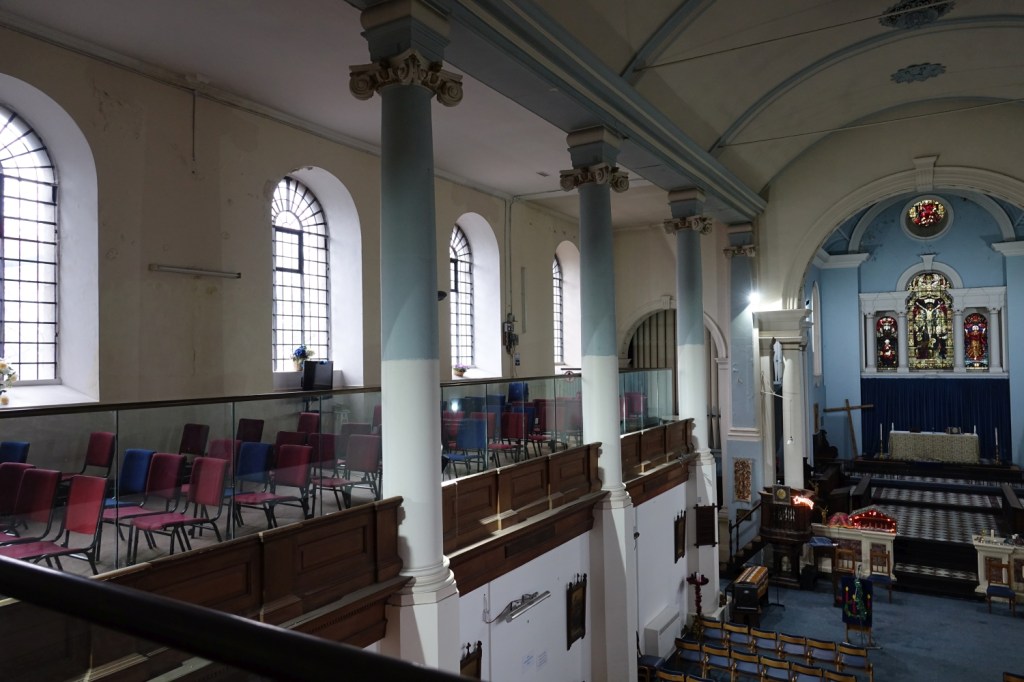
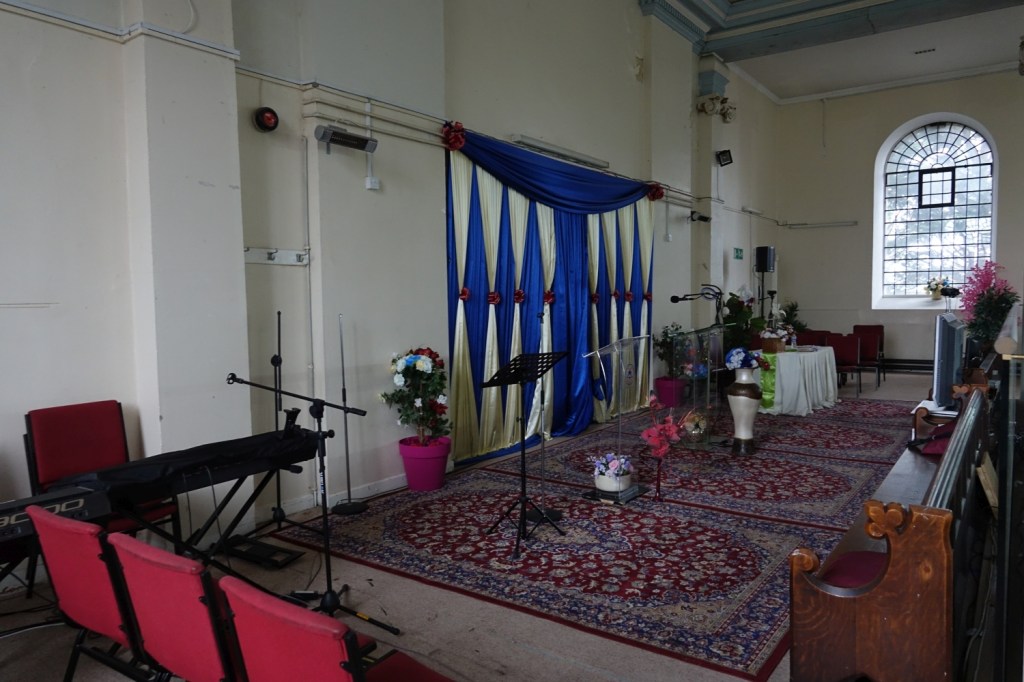
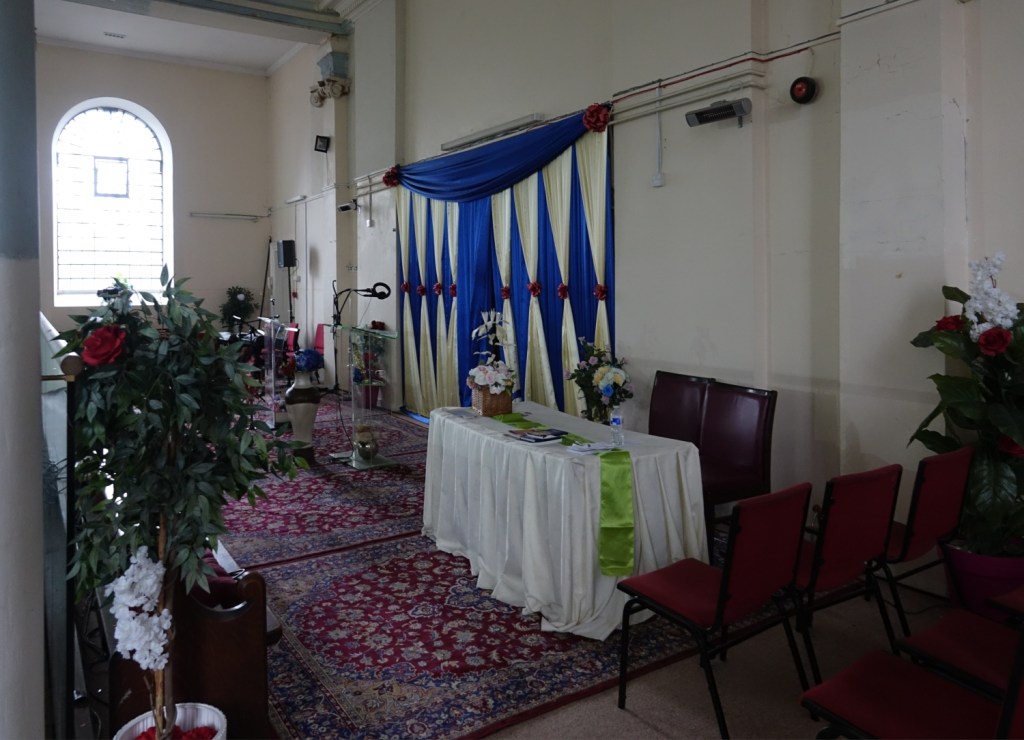
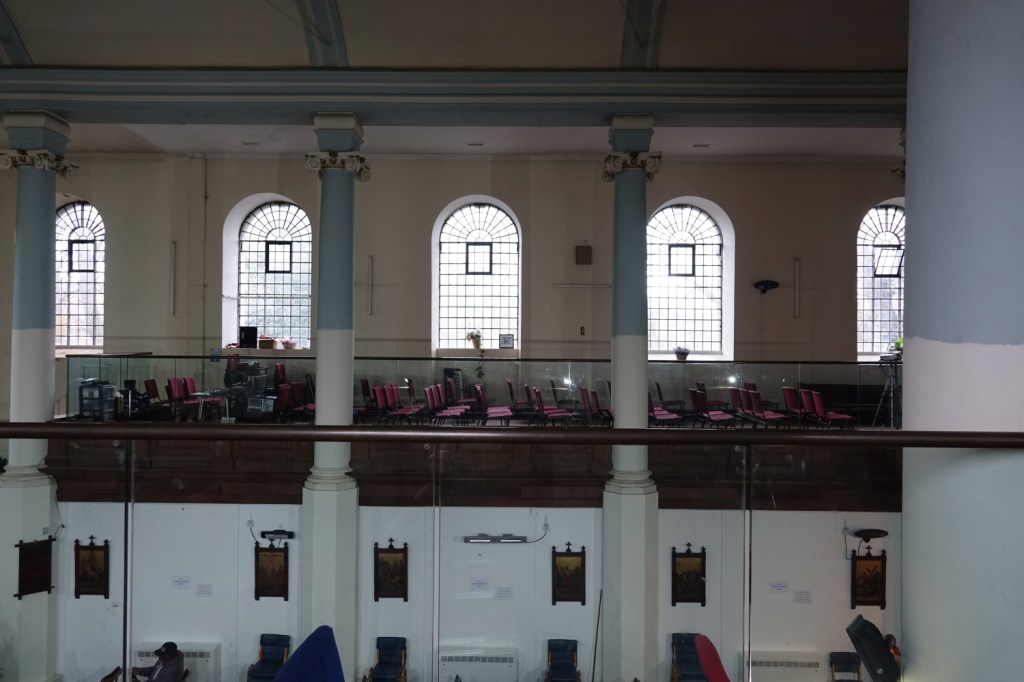
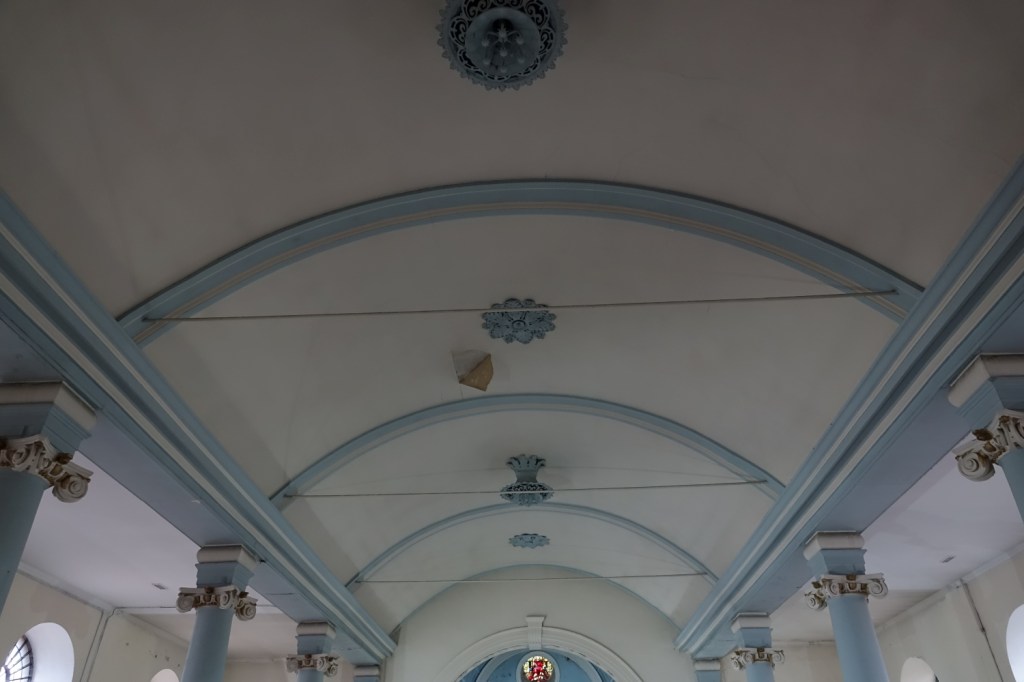
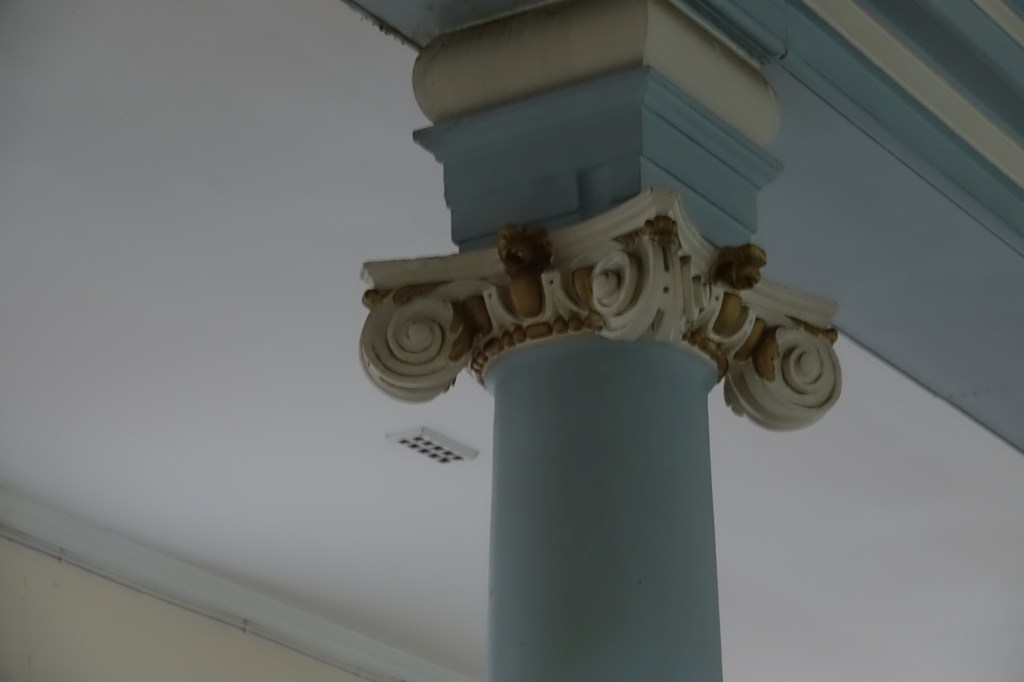
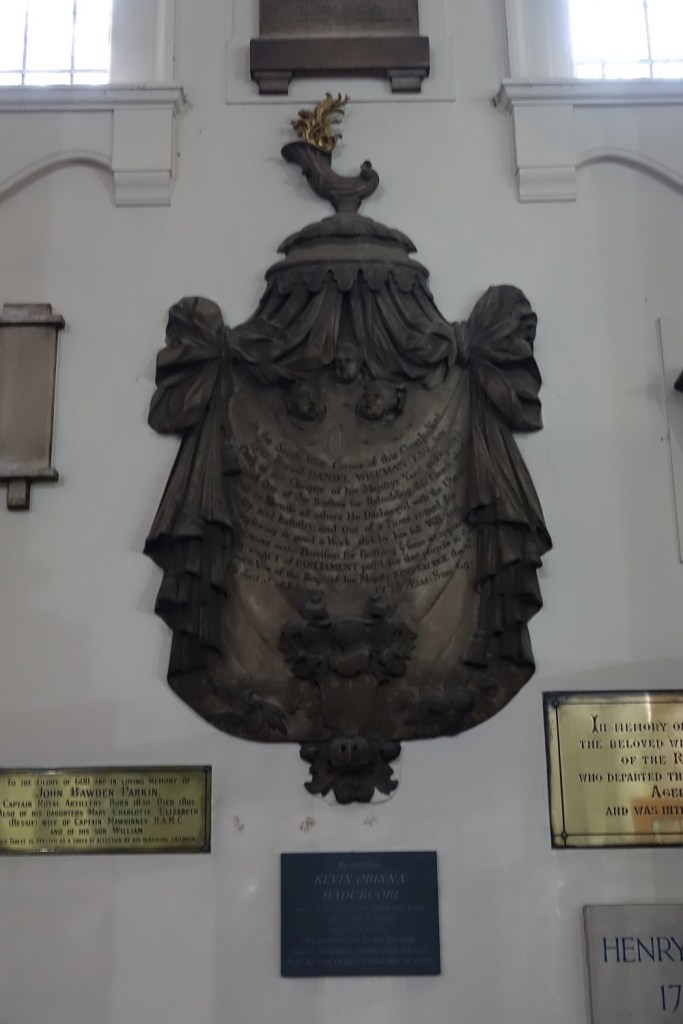
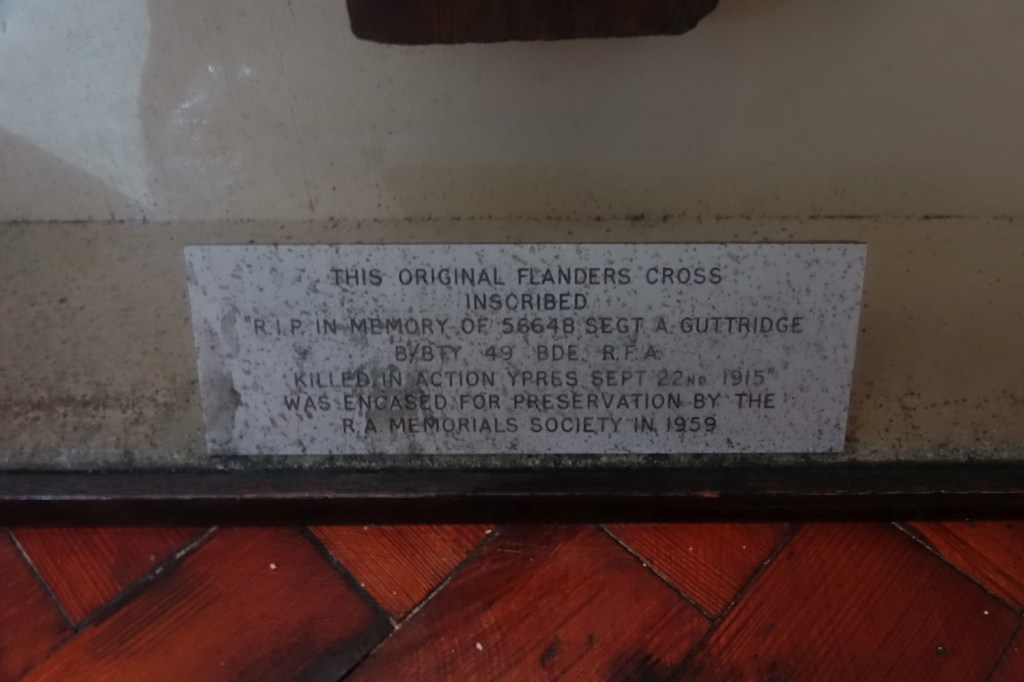
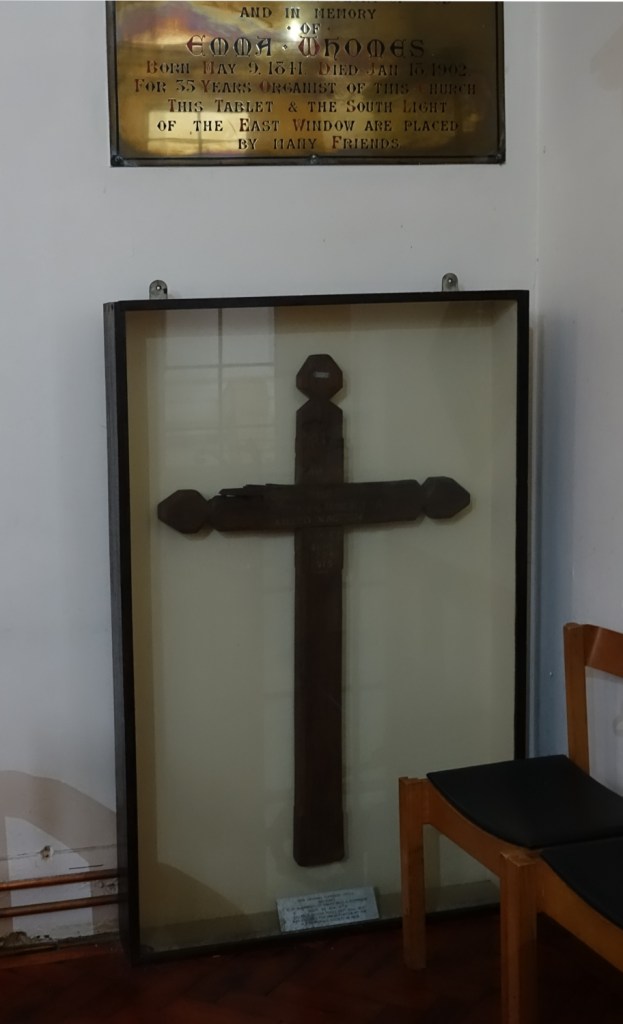
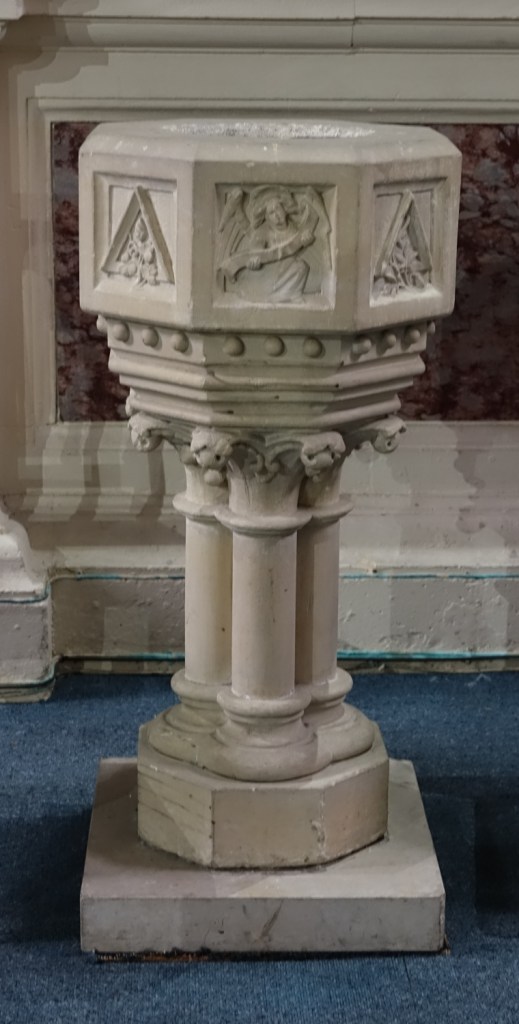
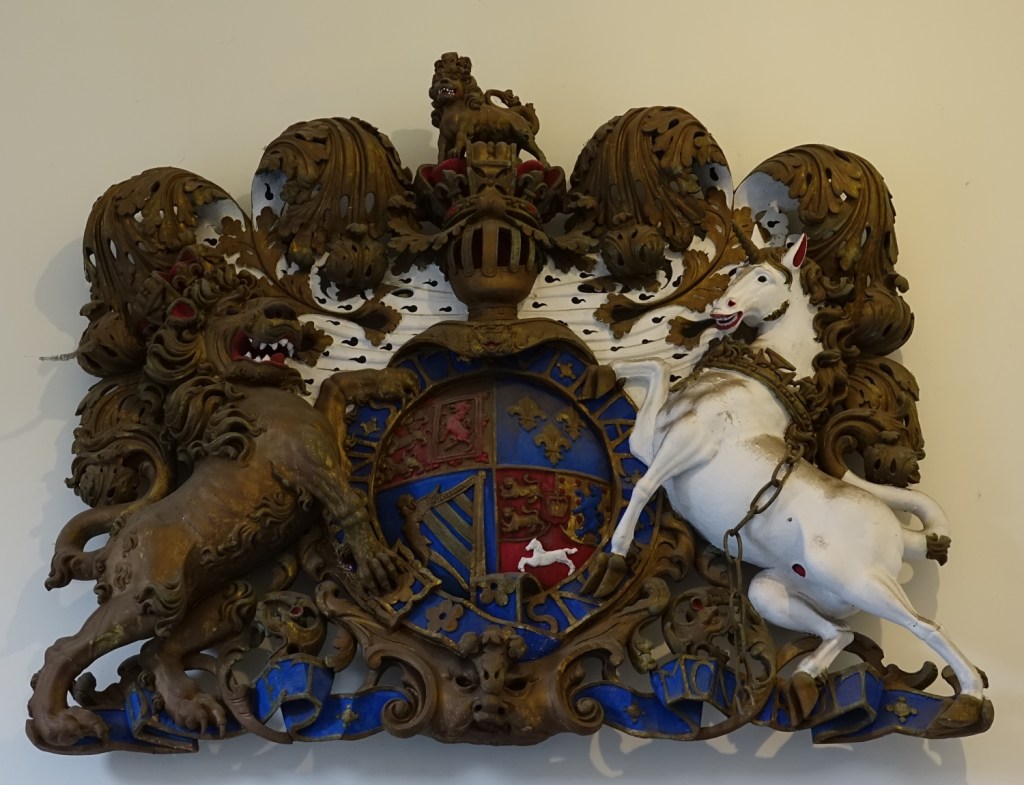
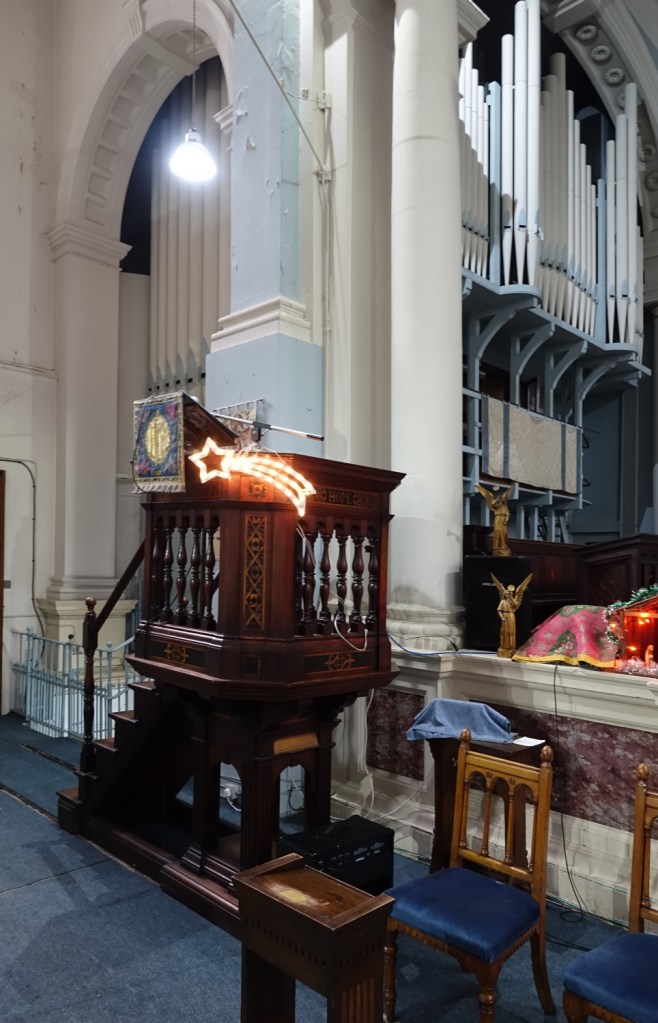
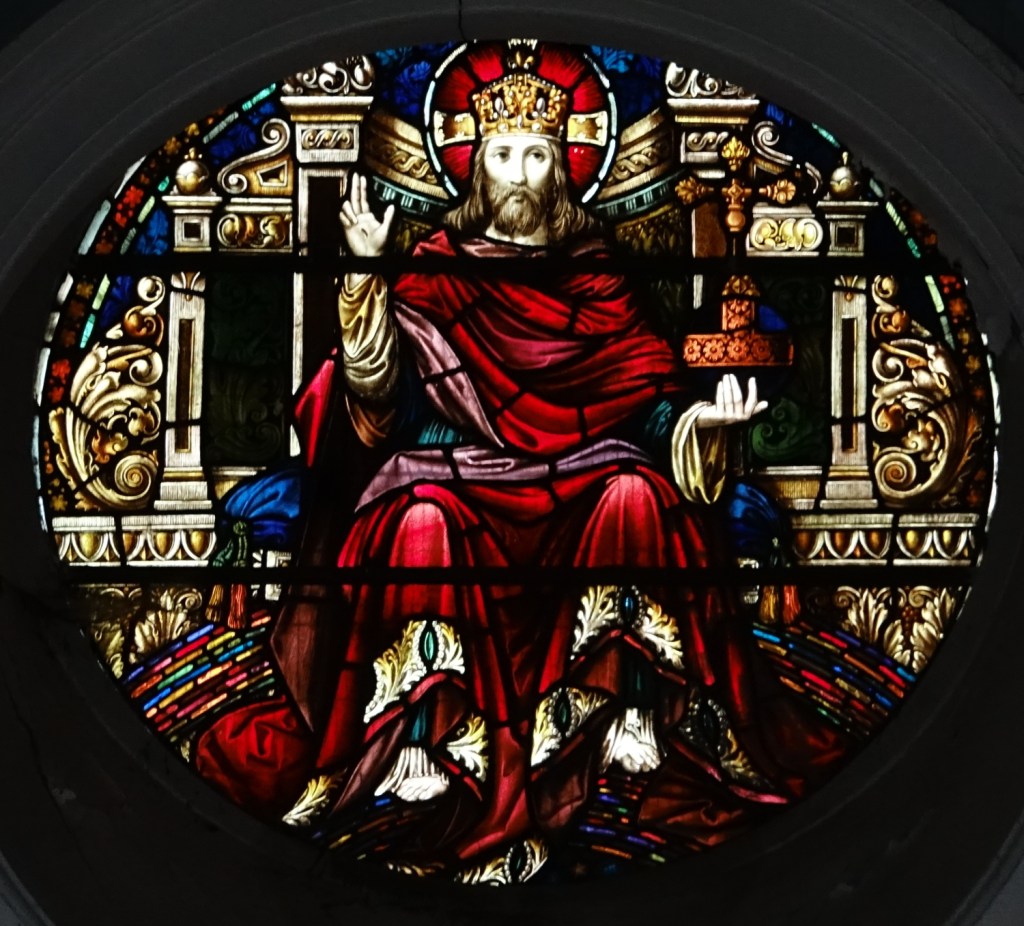
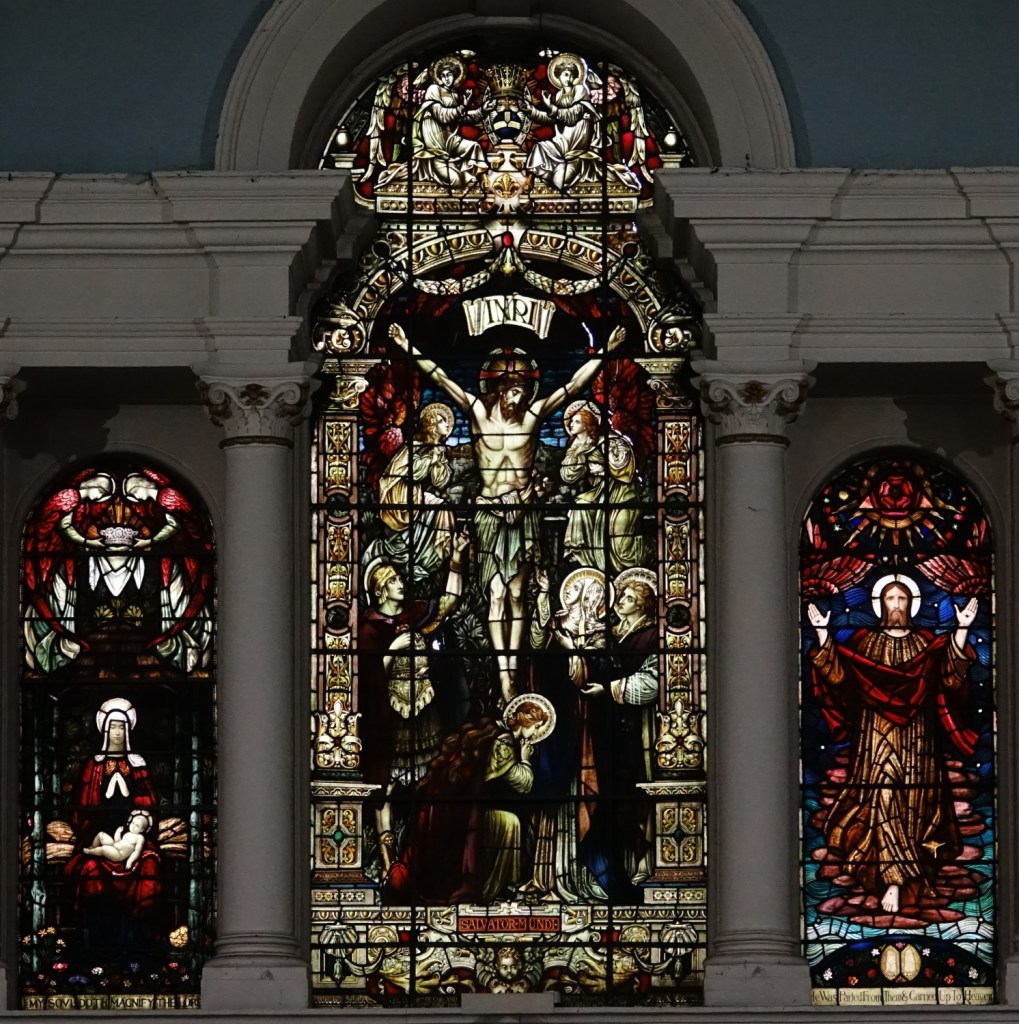
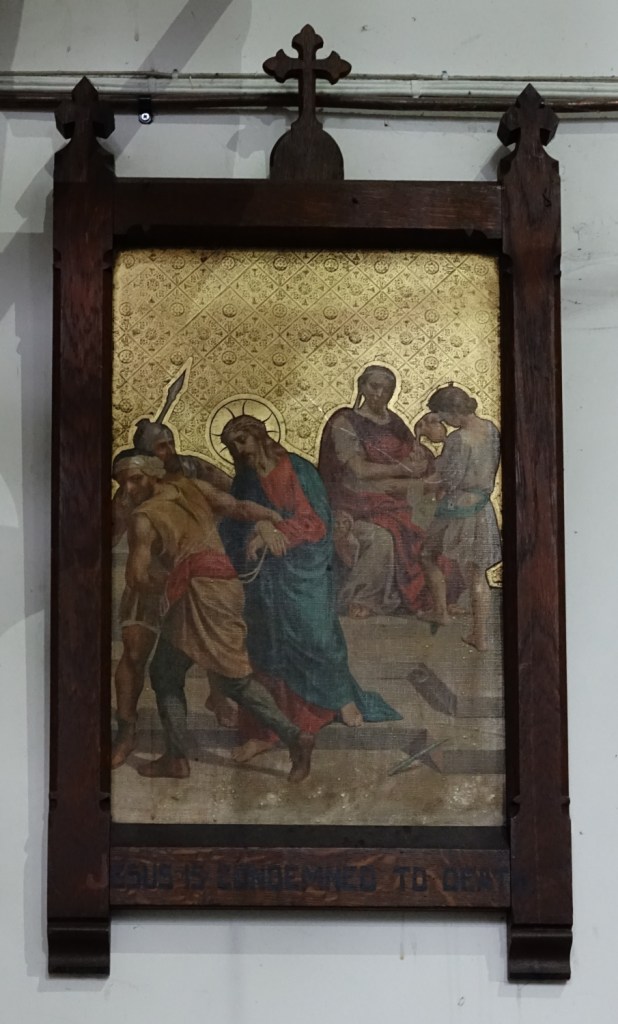
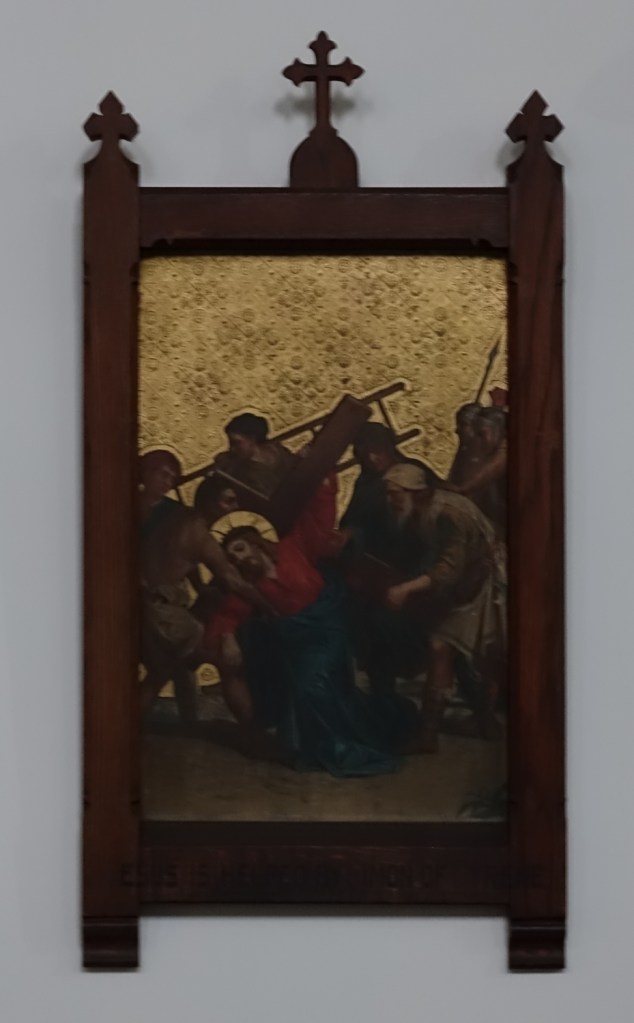
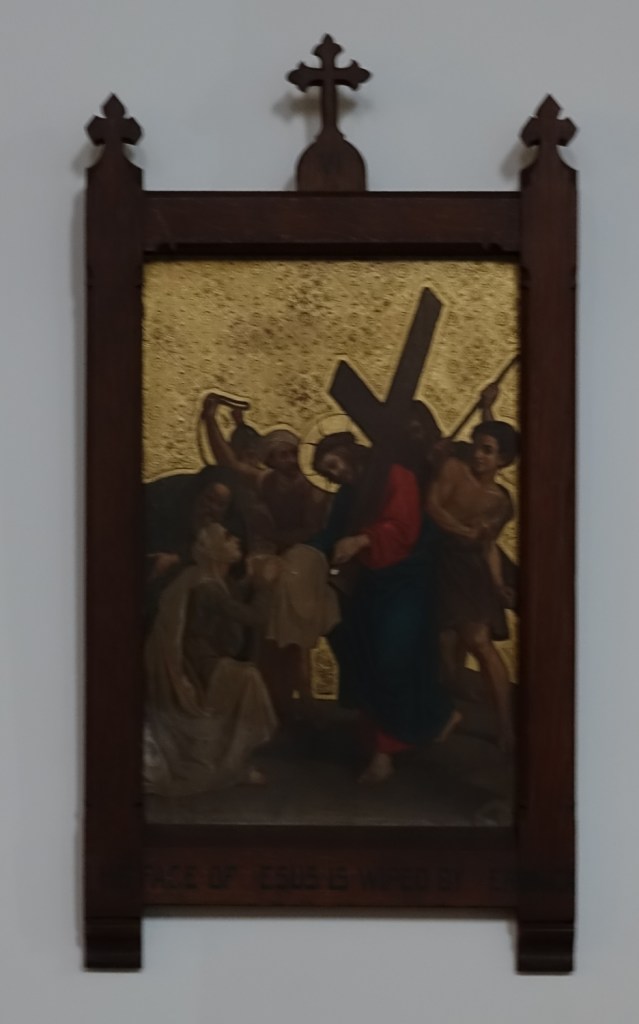
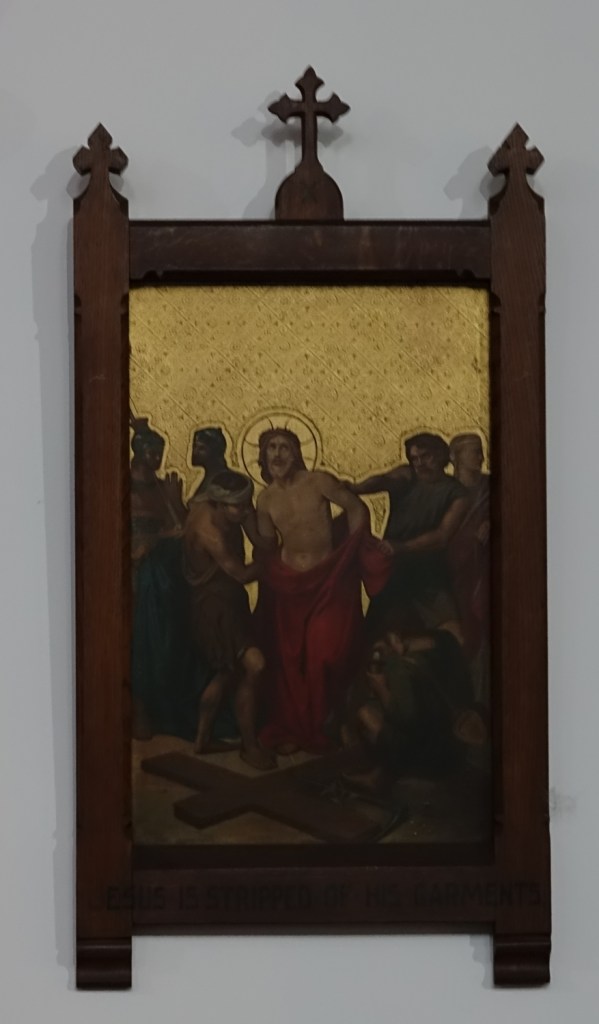
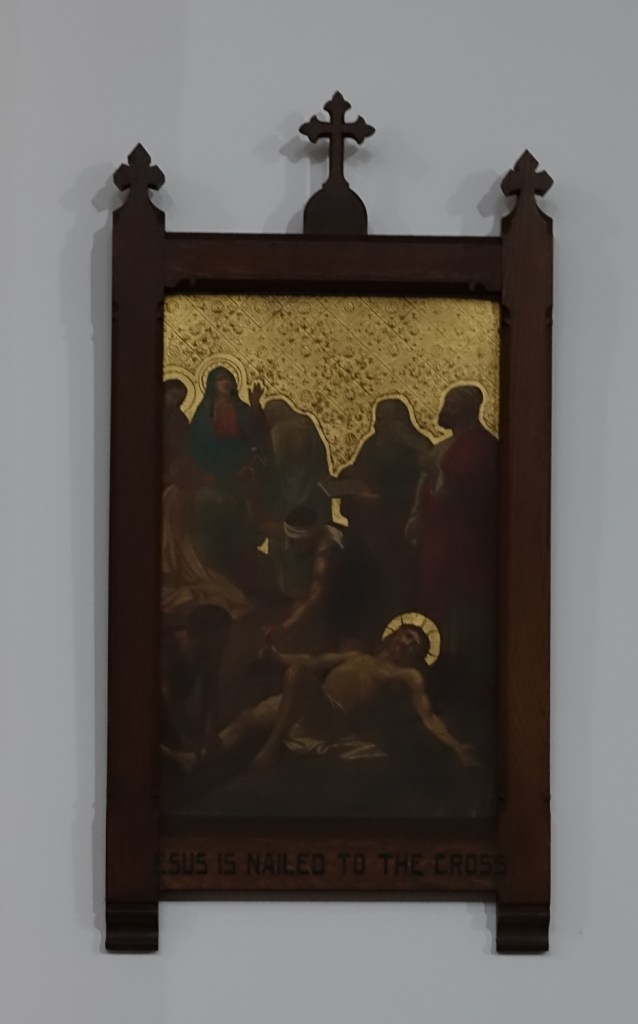
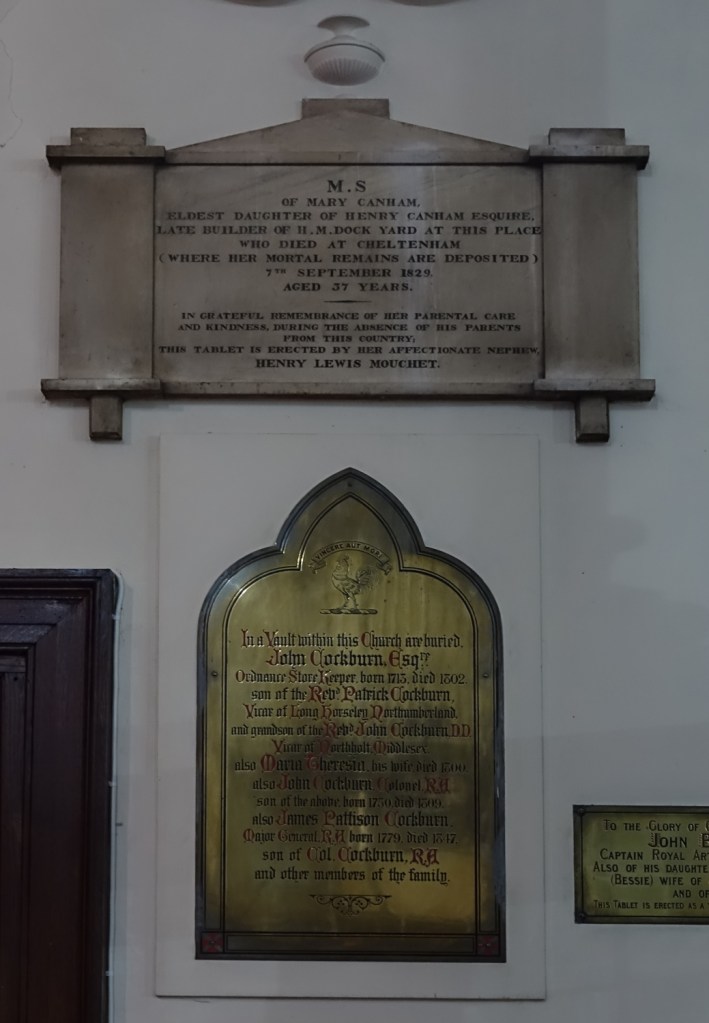
In a big churchyard high above and to the west of Woolwich town centre. It was built in 1727-1739, built but not necessarily designed by Matthew Spray. A chancel was added on by John Oldrid Scott in 1893-1894. Inside the aisles have been partitioned off for offices etc and the gallery area has modern seating facing west. The Stations of the cross come from the redundant St Michael’s church.



























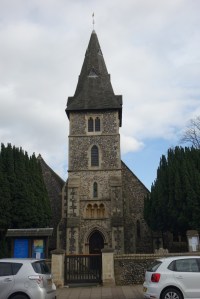
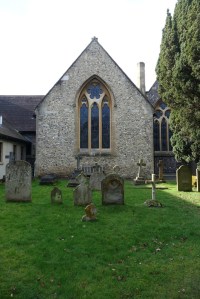
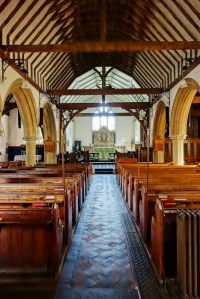
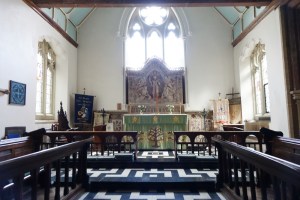
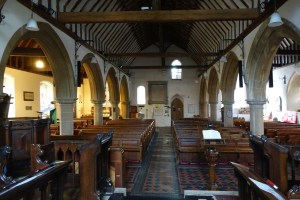
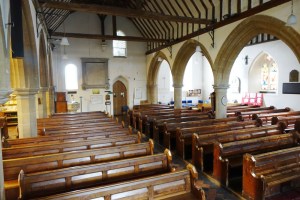
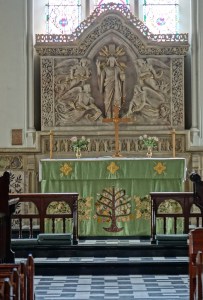
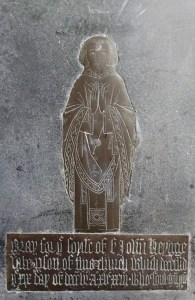
St Mary the Virgin, Hayes Street, Hayes
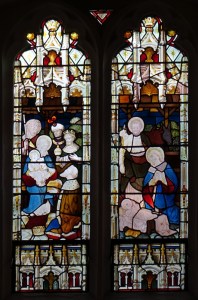
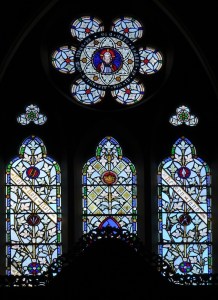
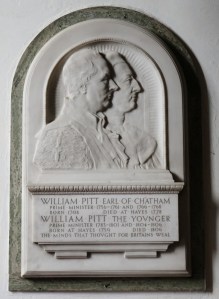
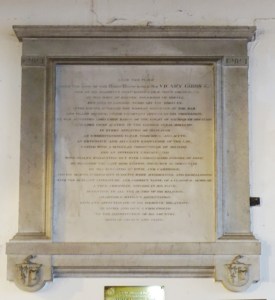
In the old village rather than near the station. This is a medieval church to which Gilbert Scott added a north aisle and restoration in 1856-62 and John Oldrid Scott added a south aisle in 1878. Thus only the tower, west wall and part of the chancel remain from the old church. There is a huge memorial to the Hambro banking family in the big churchyard.
 |
 |
 |
 |
 |
 |
 |
 |
 |
 |
 |
 |
 |
 |
 |
 |
 |
 |
 |
|
St Peter, Westminster – Westminster Abbey
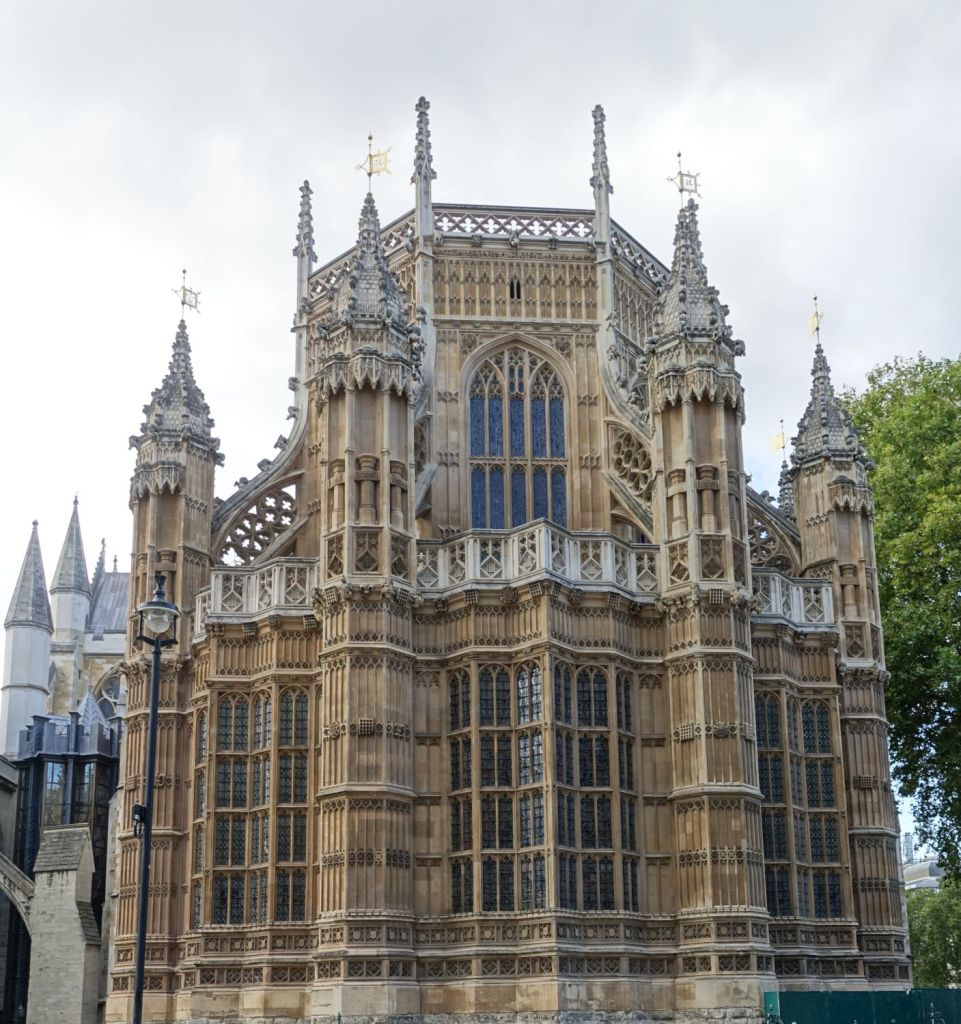
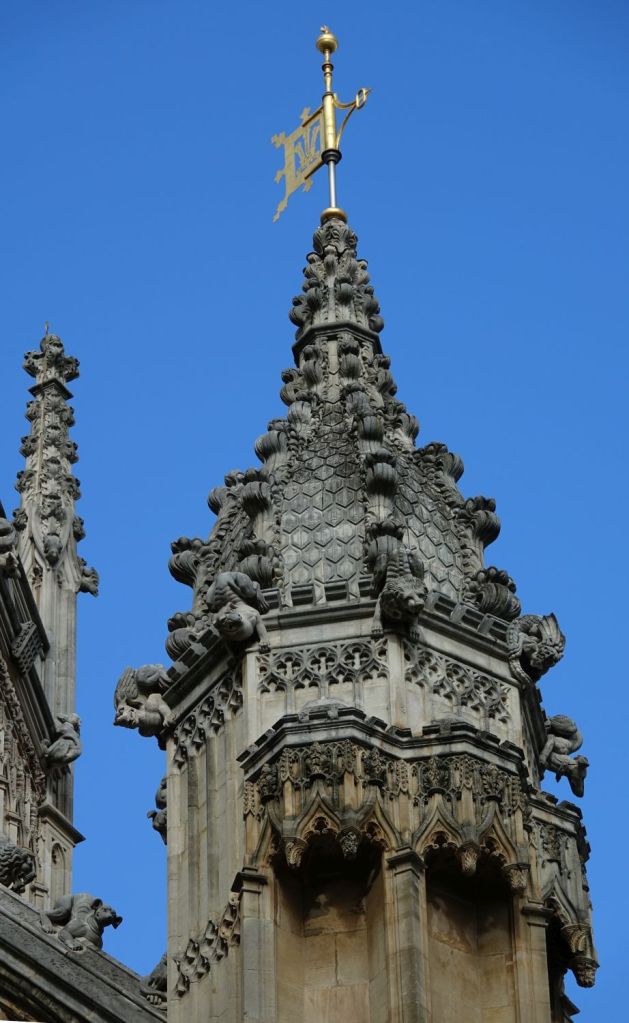
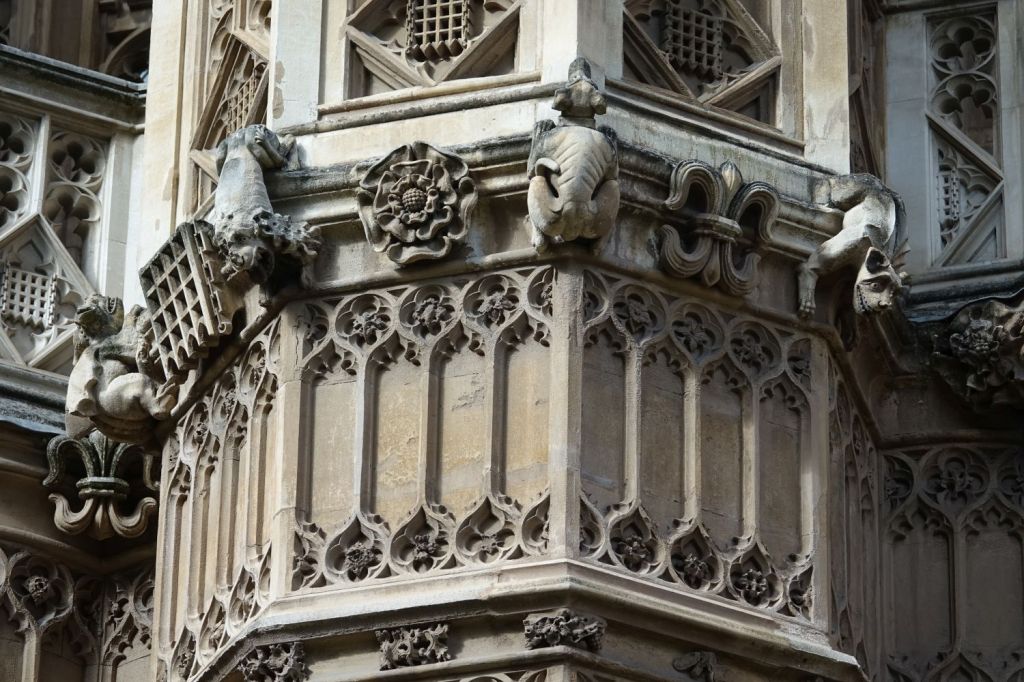
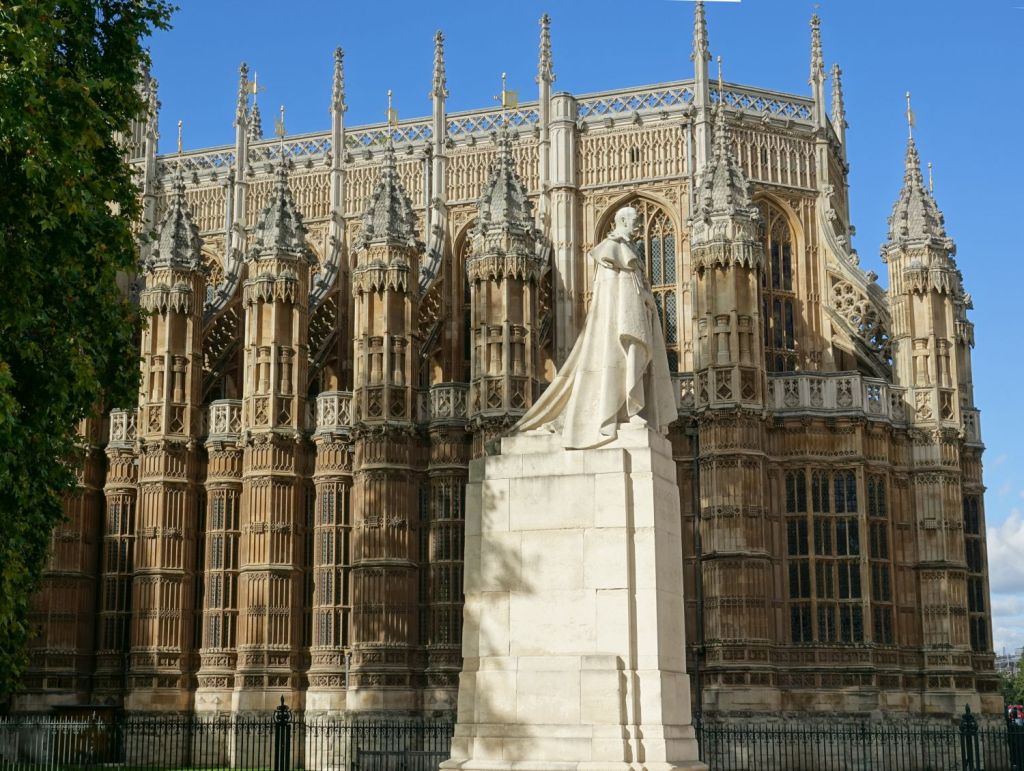
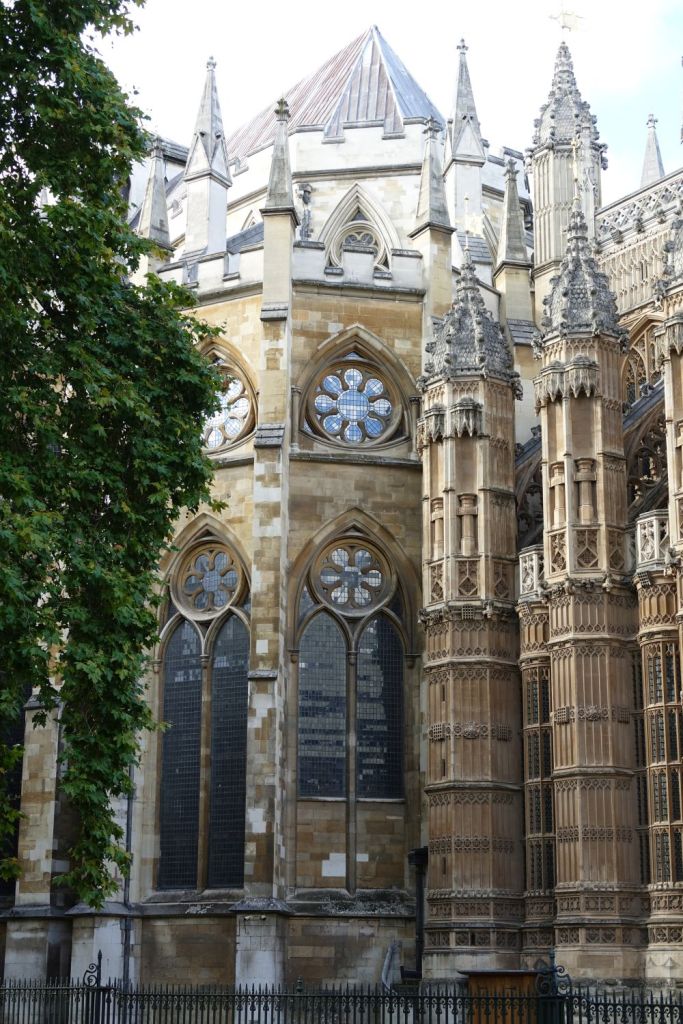
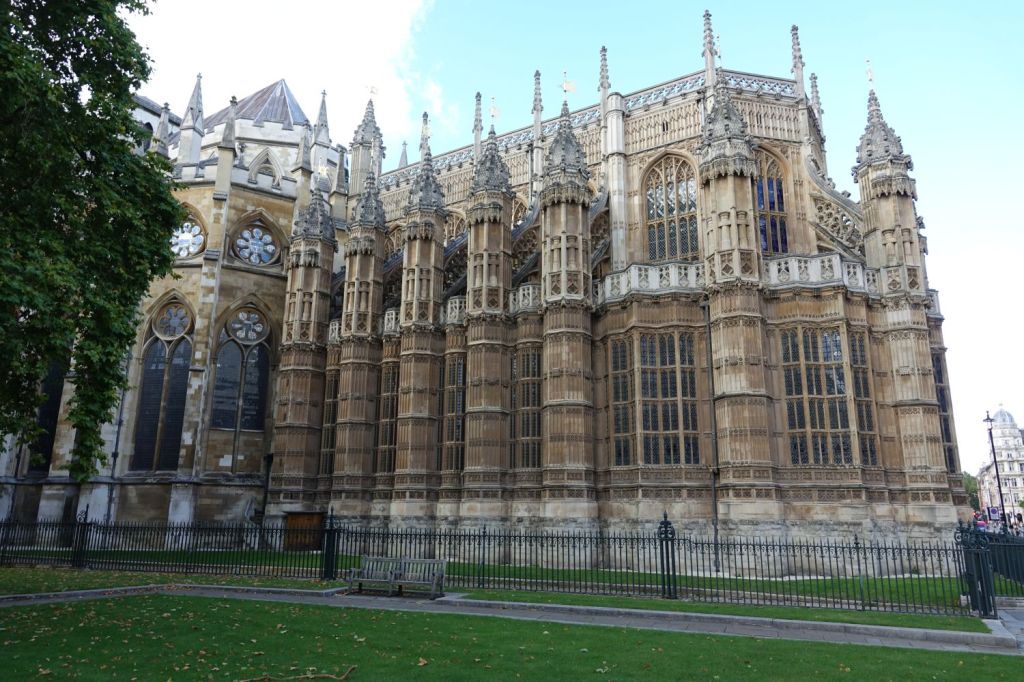
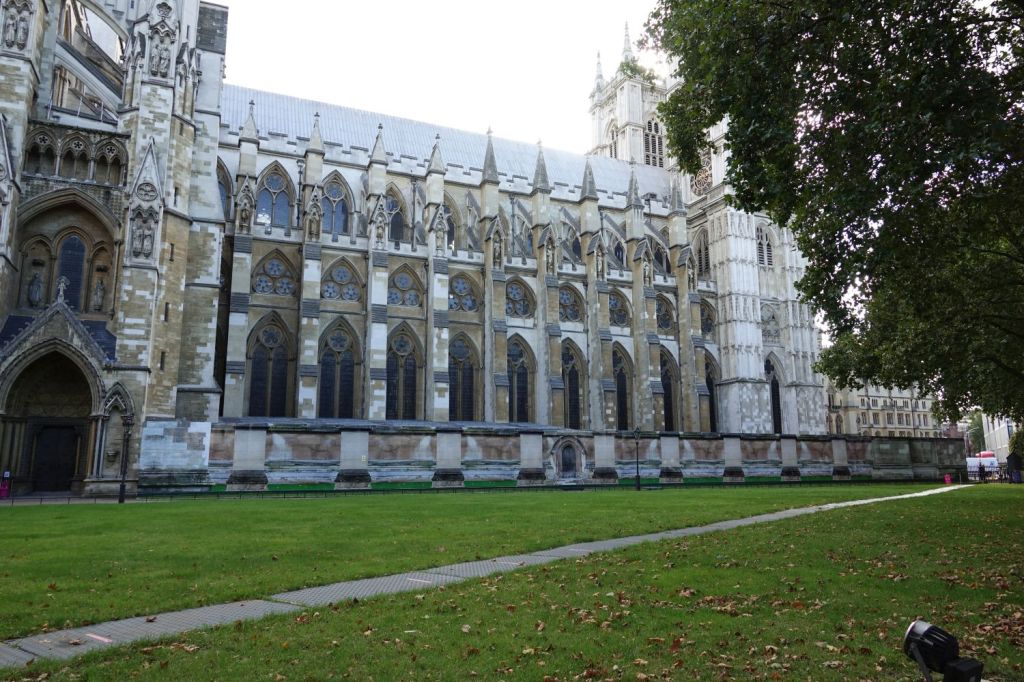
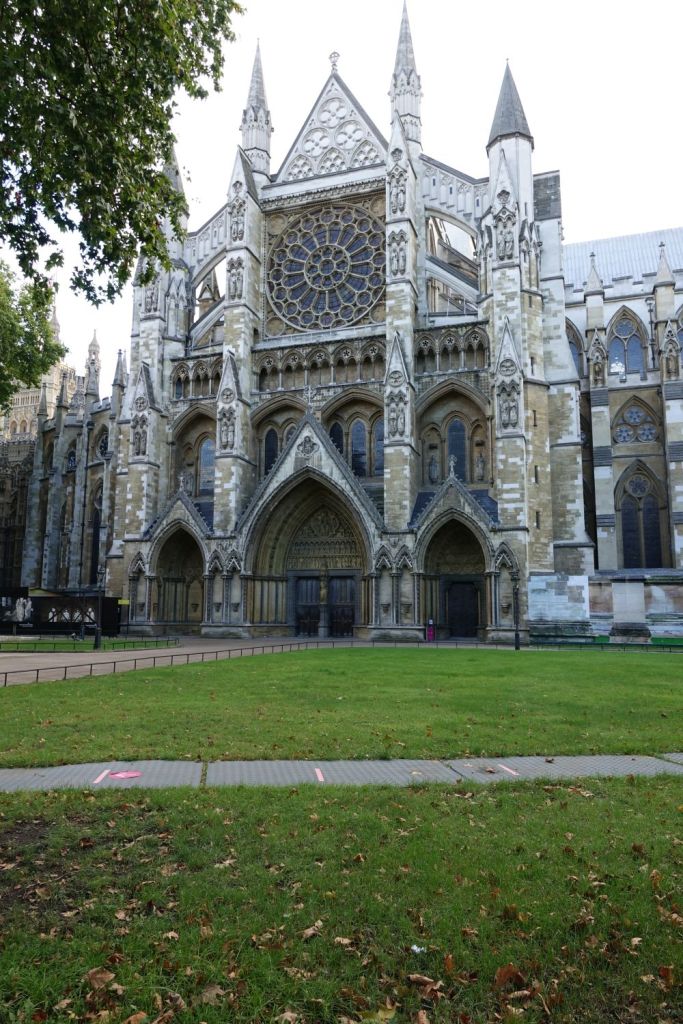
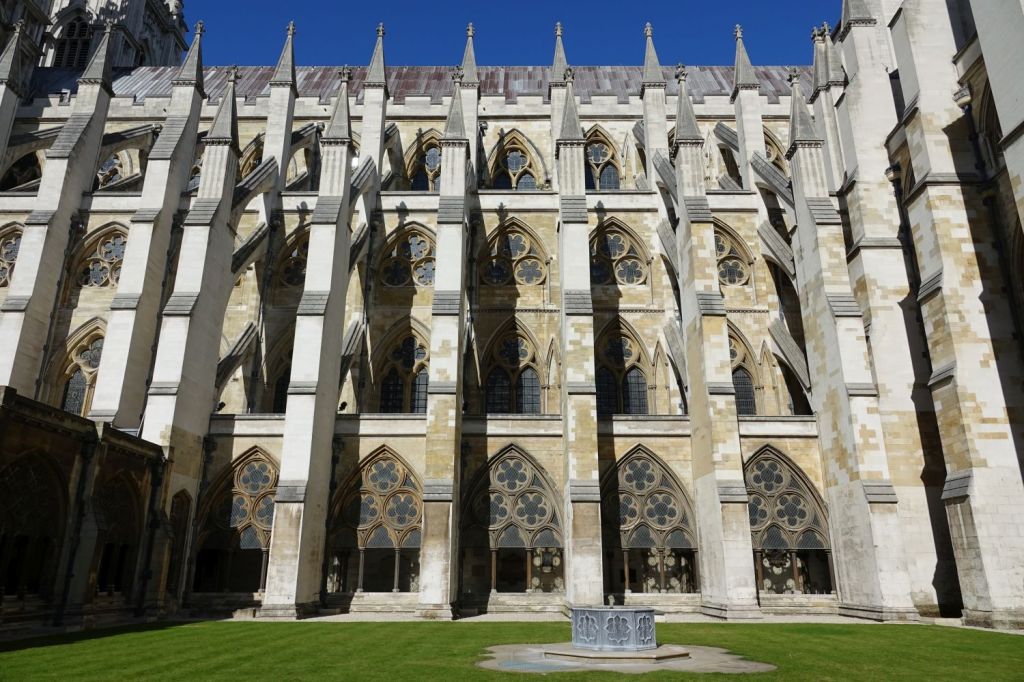
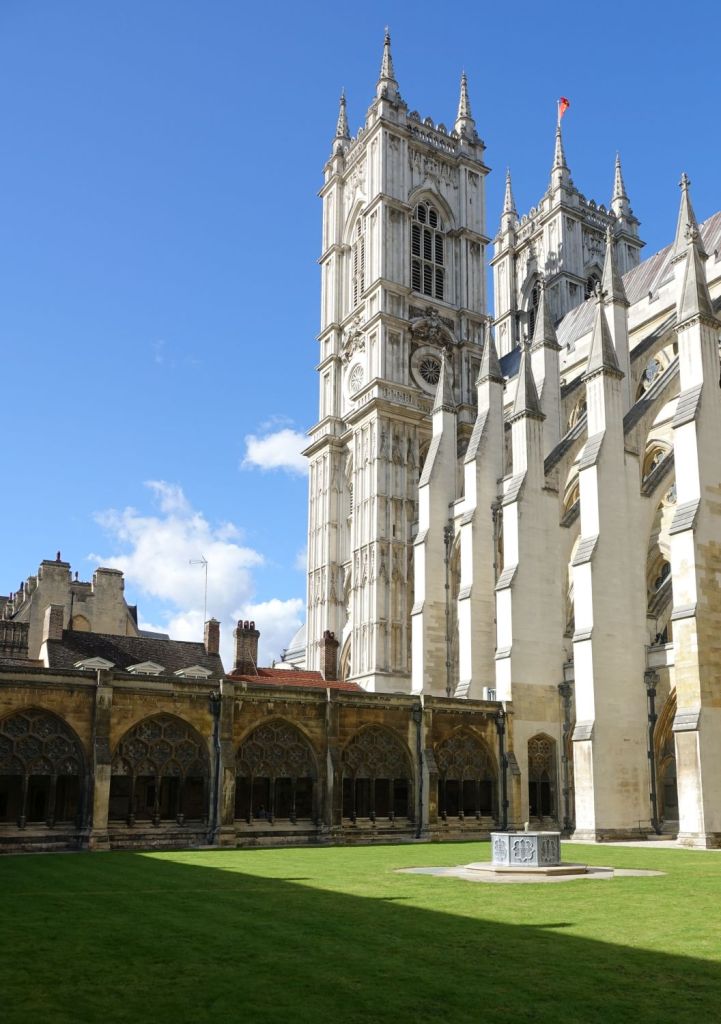
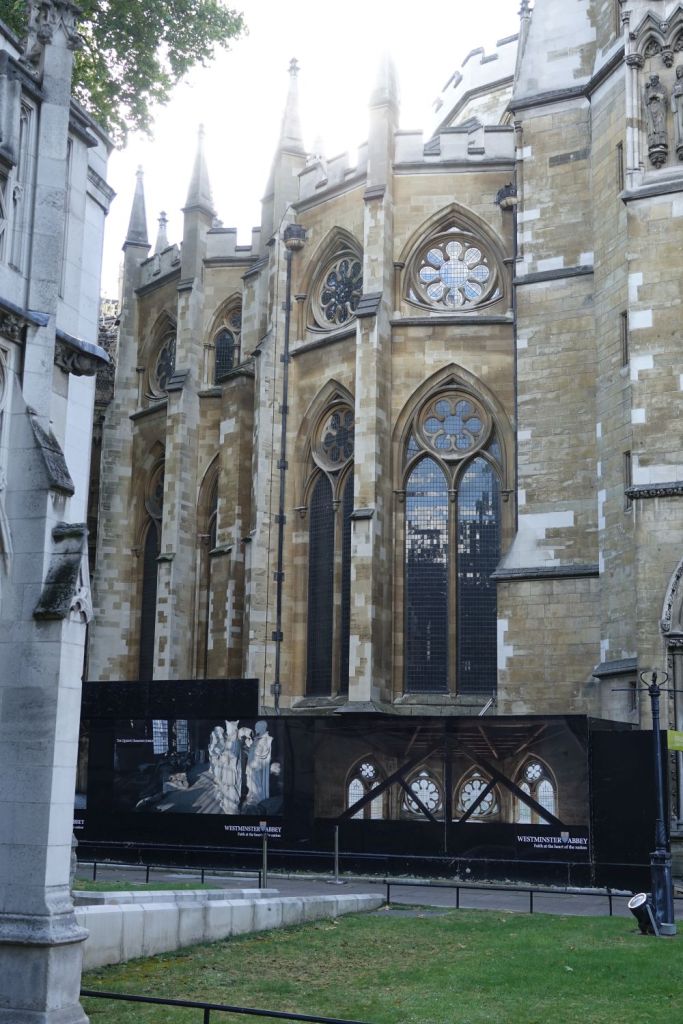
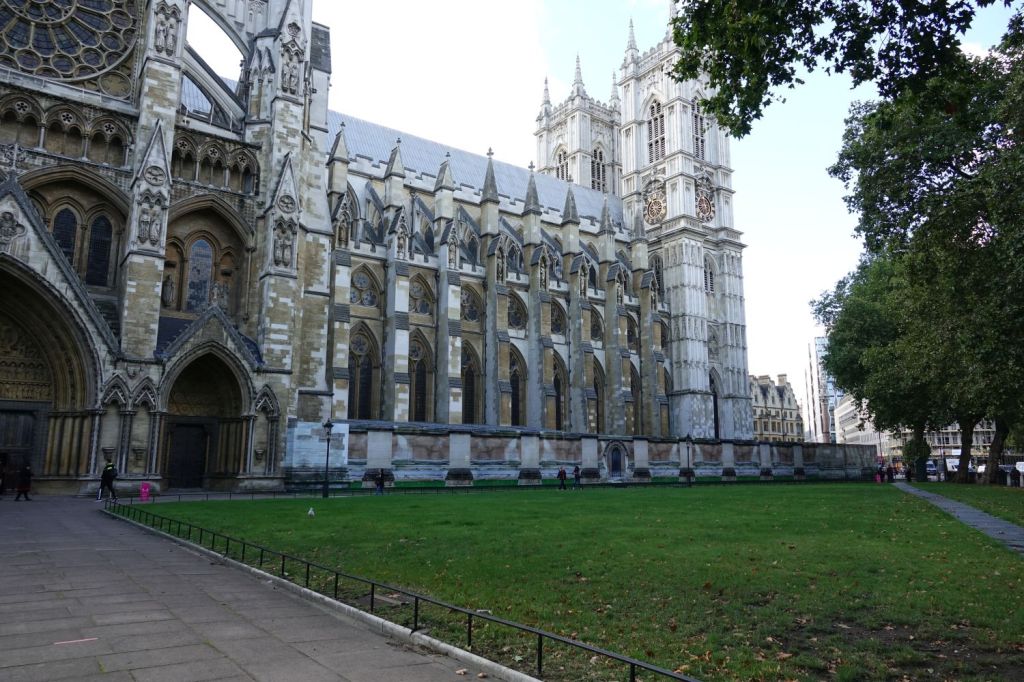
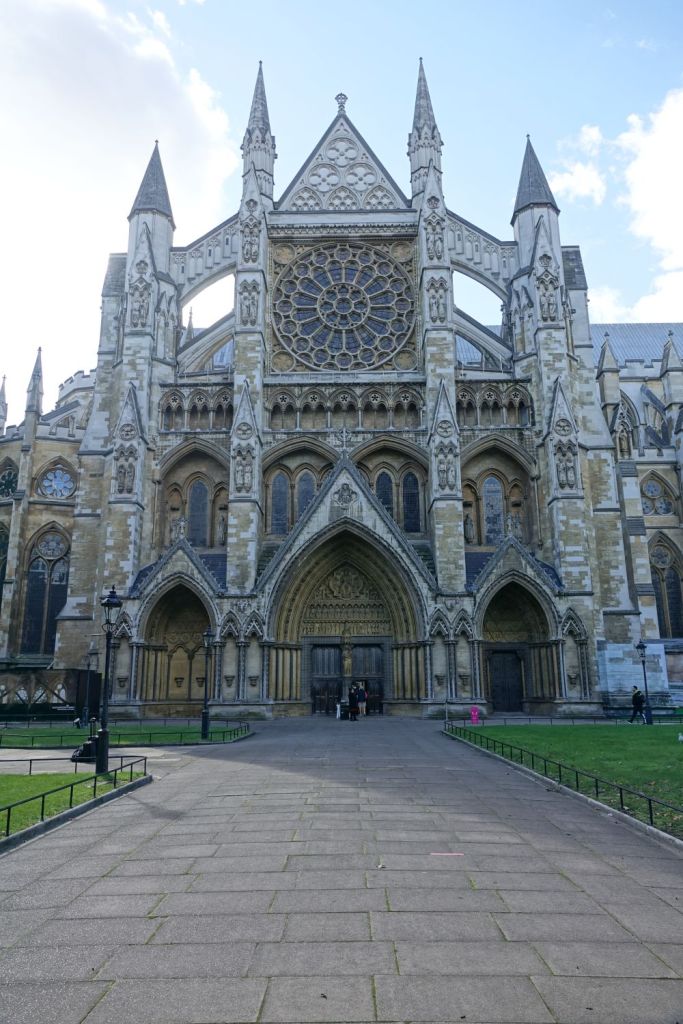
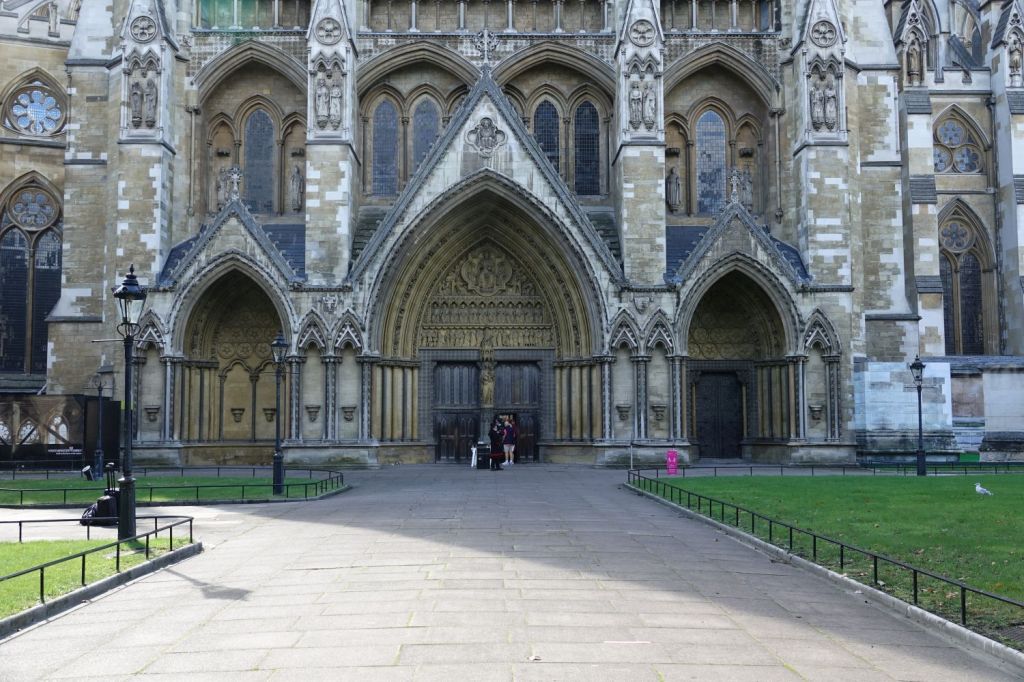
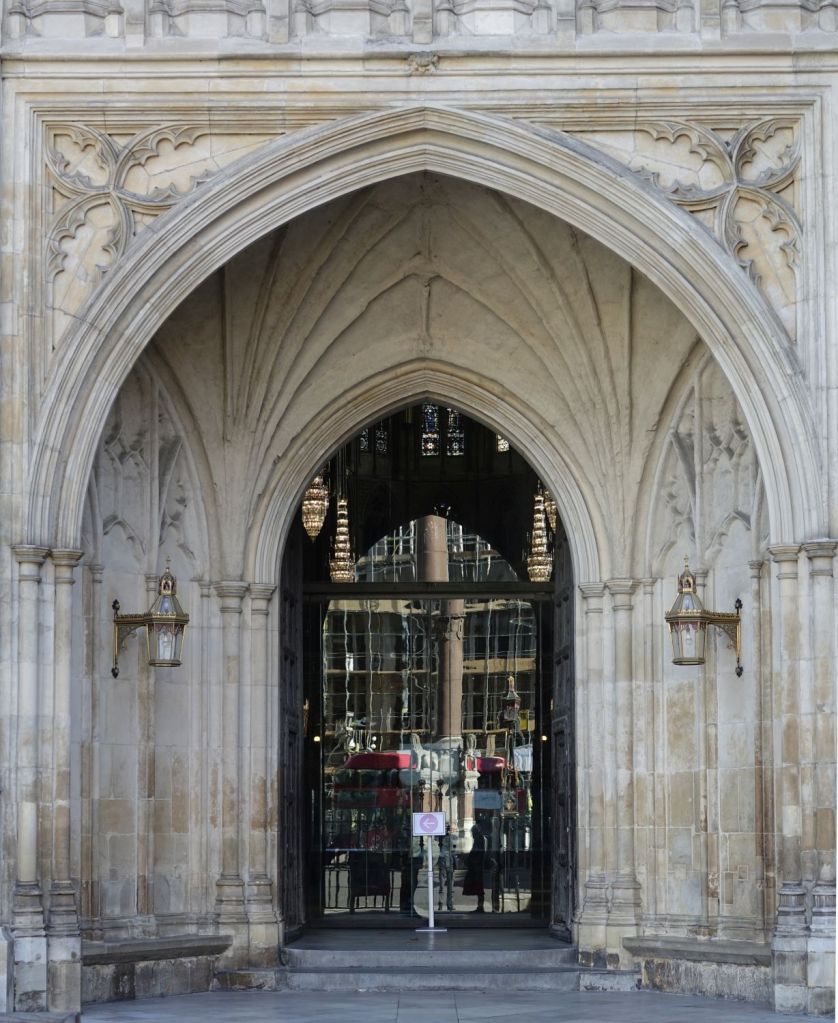
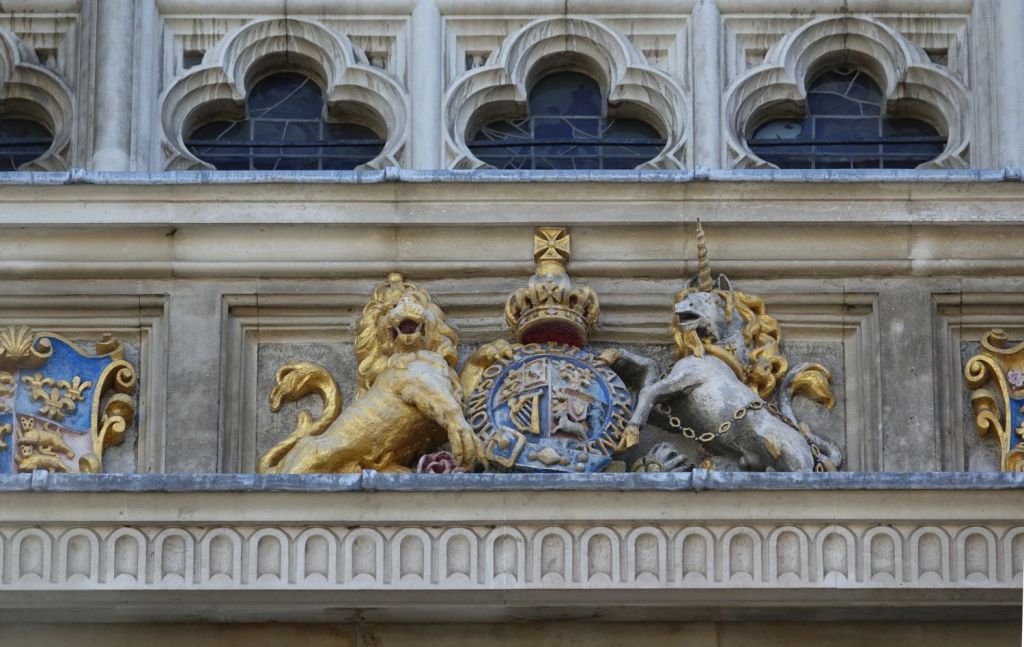
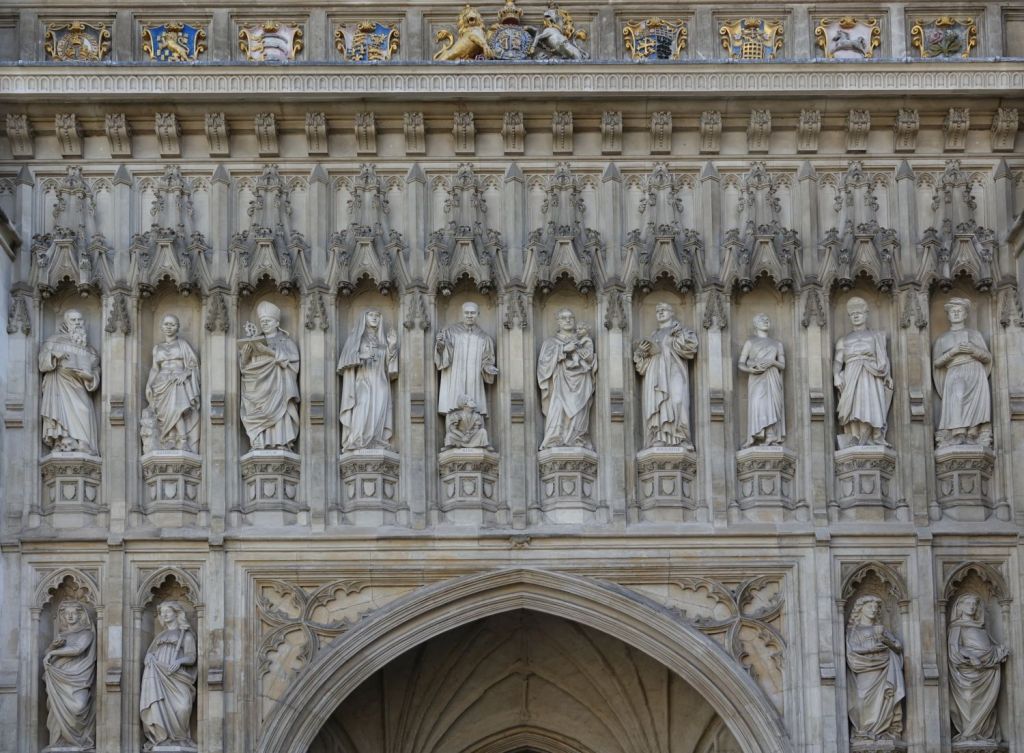
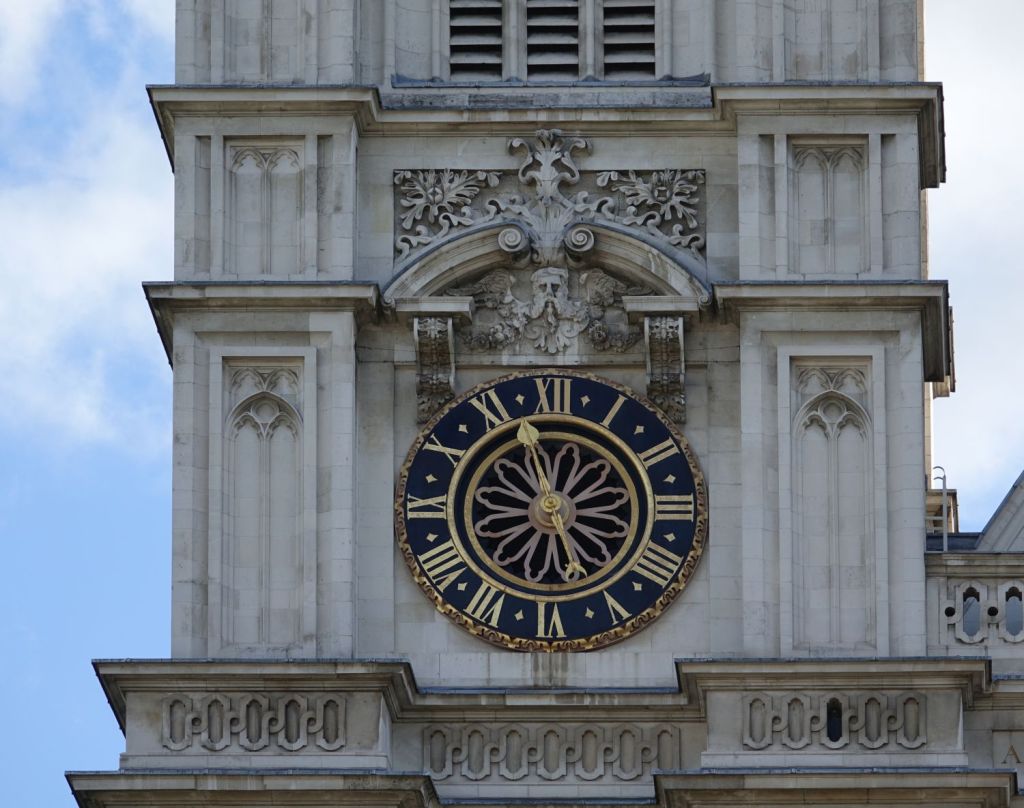
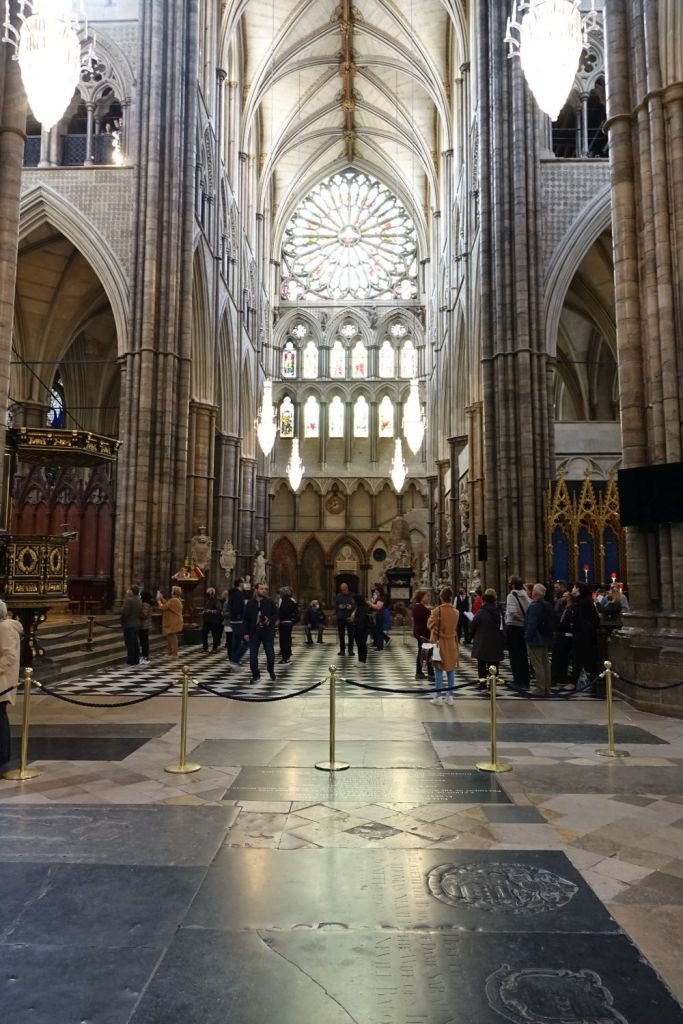
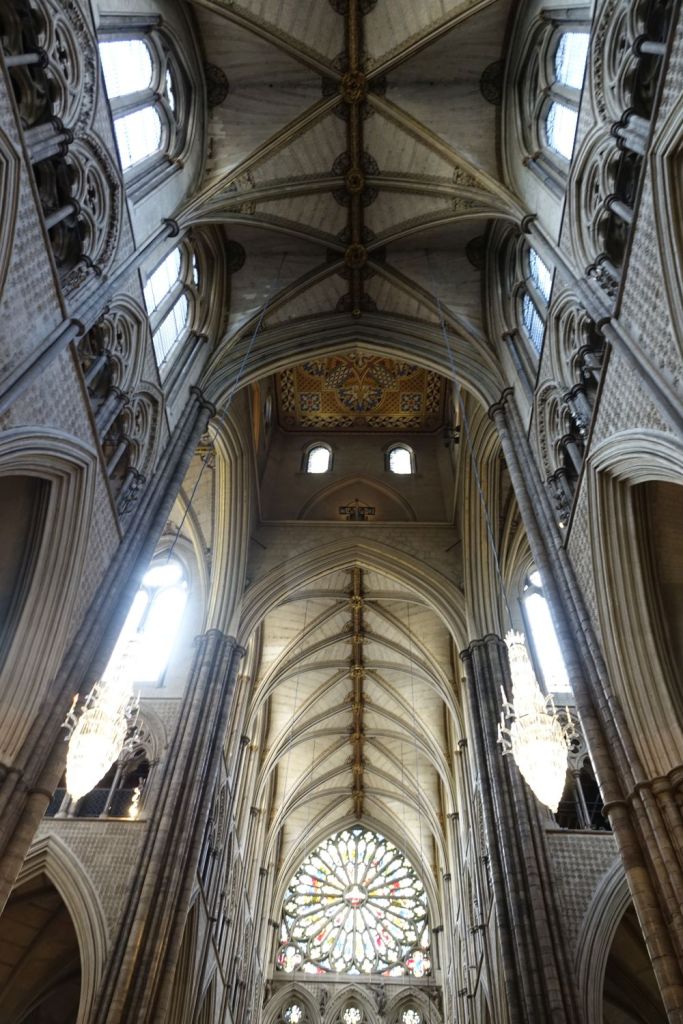
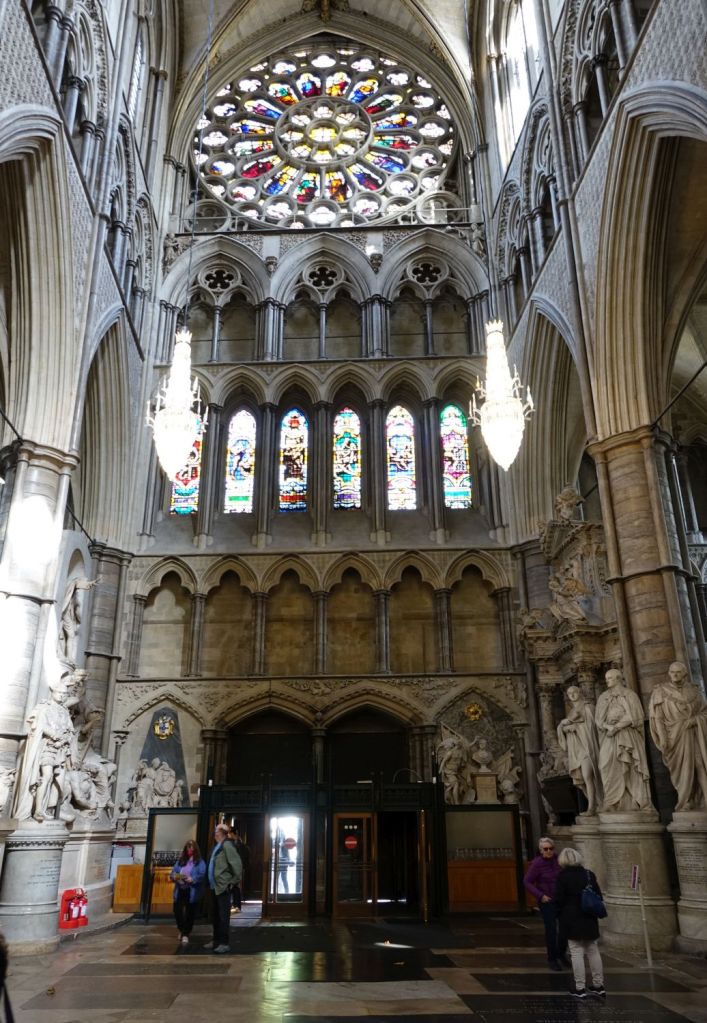
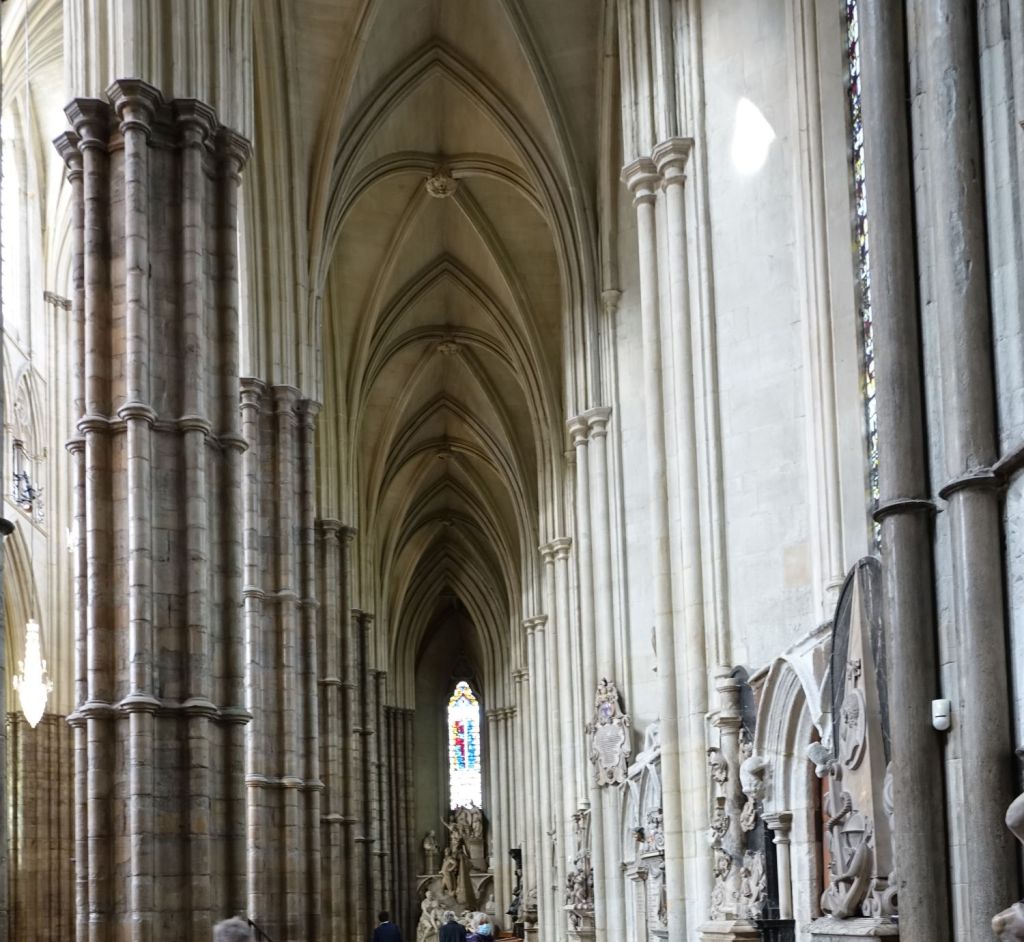
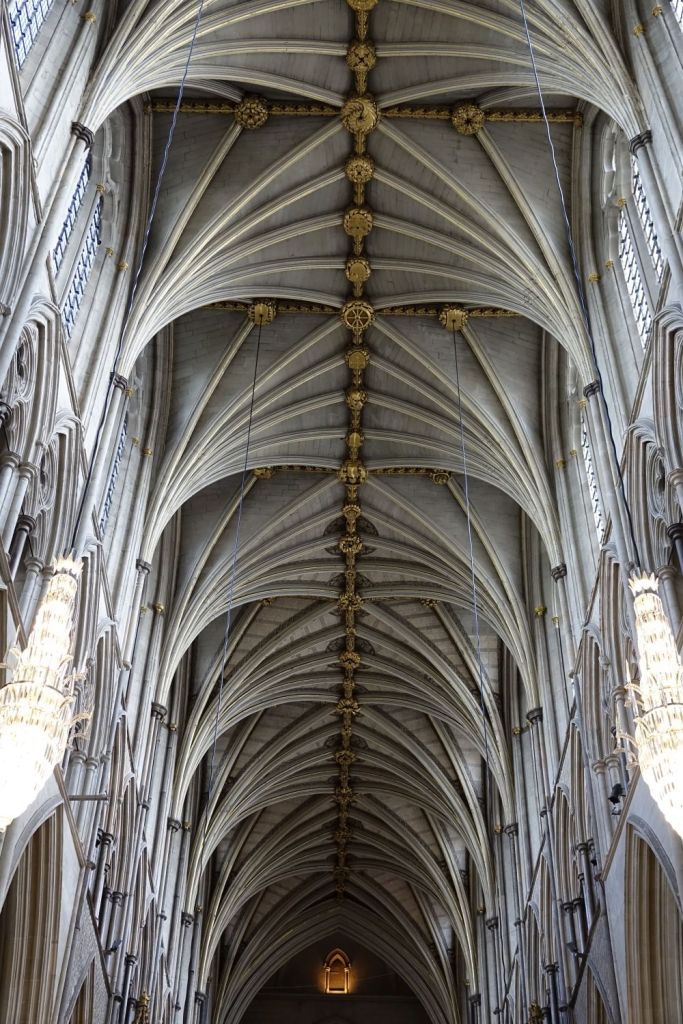
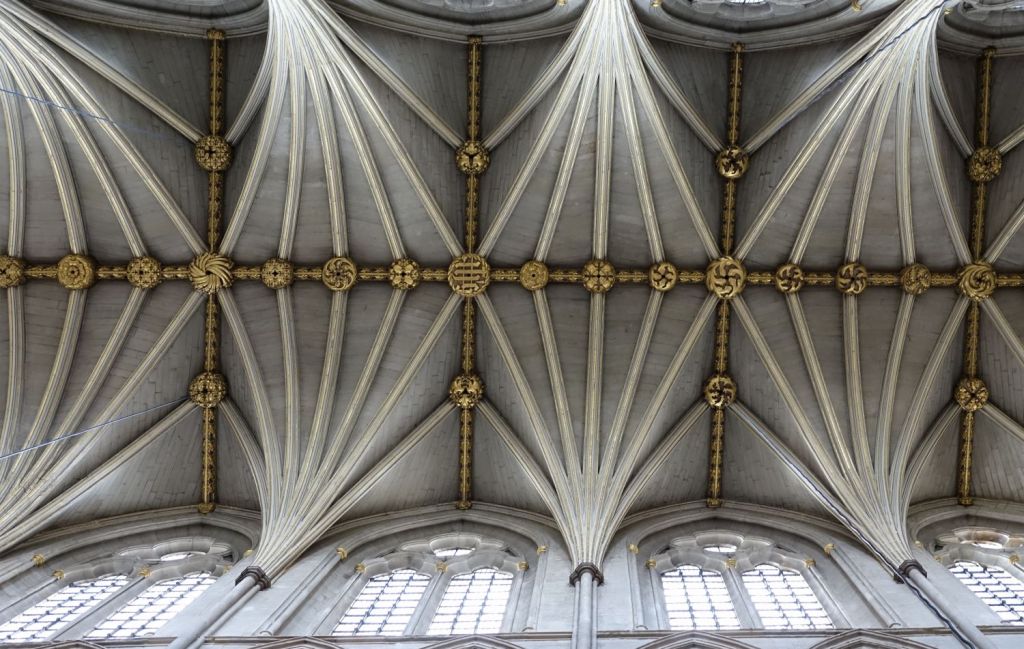
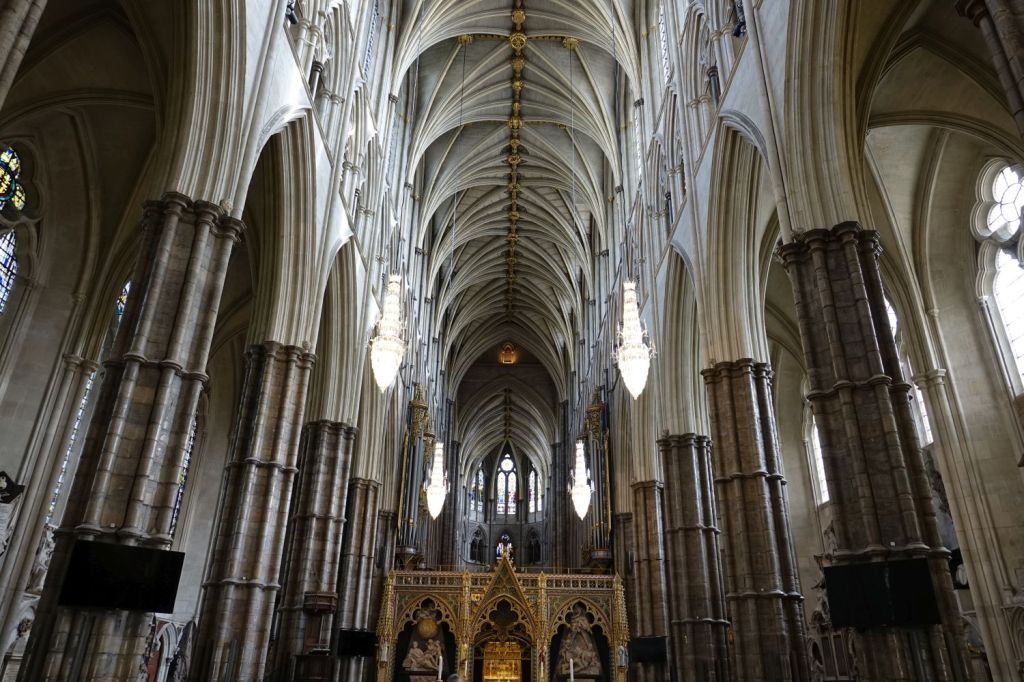
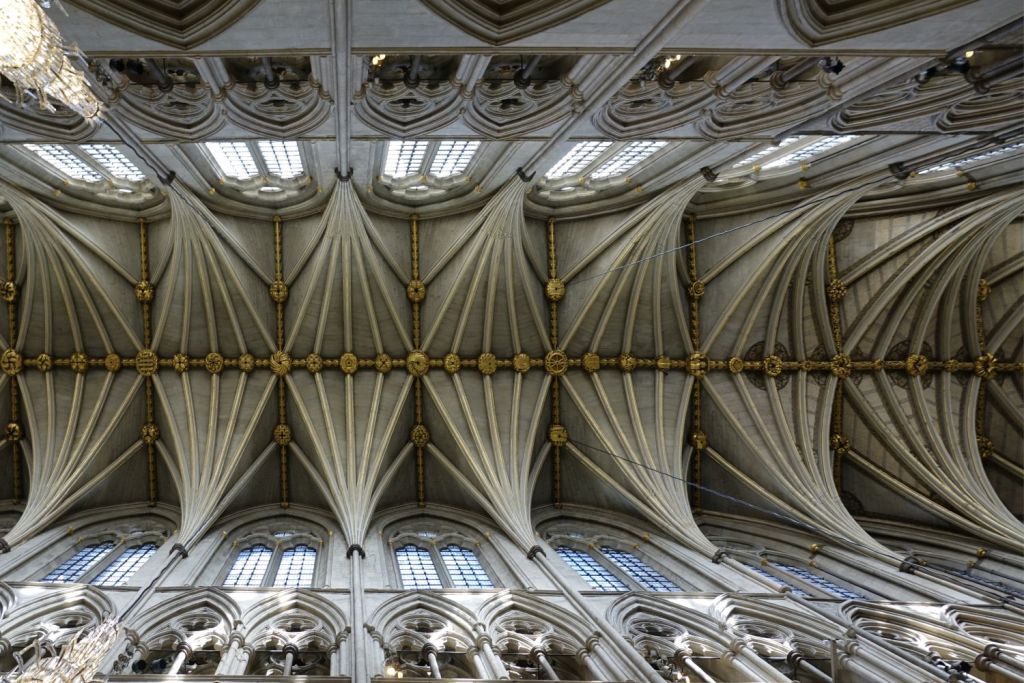
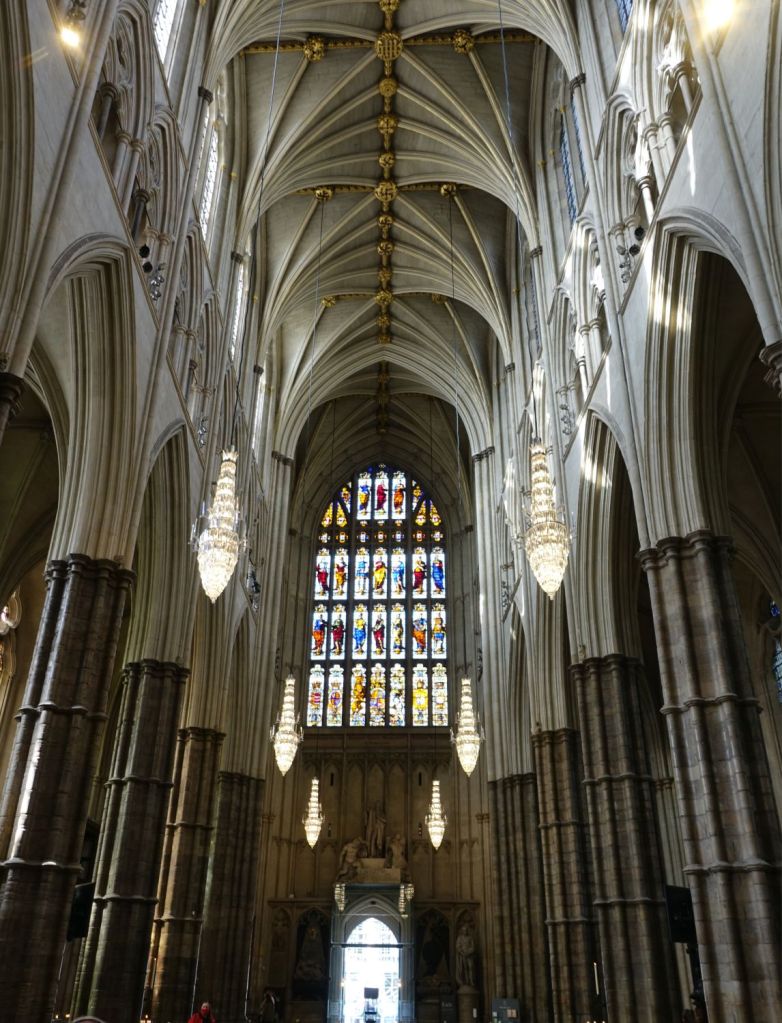
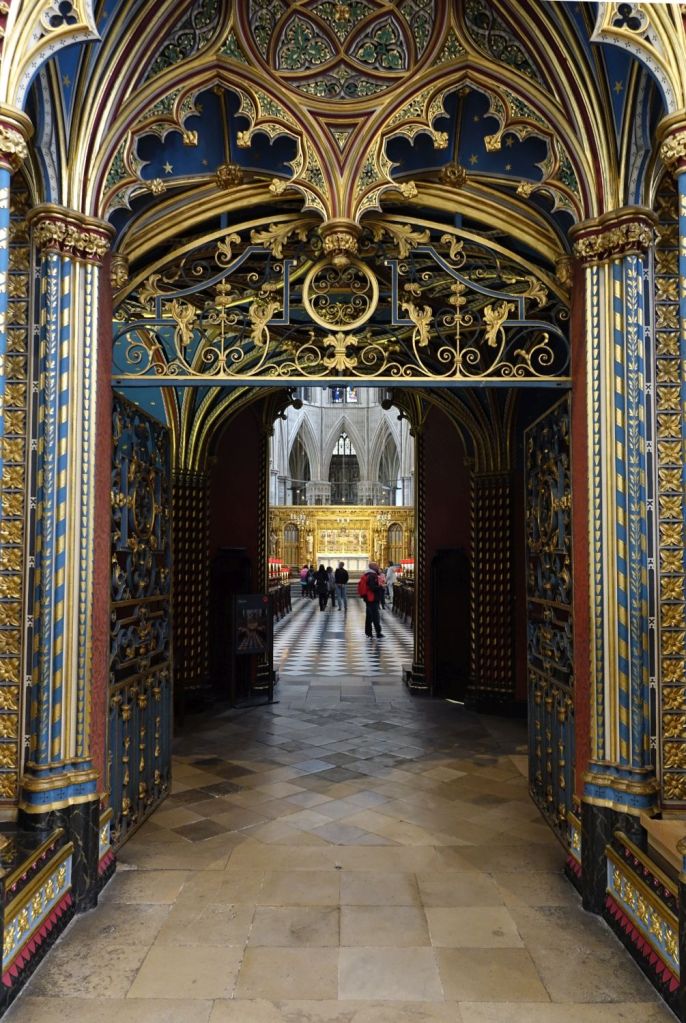
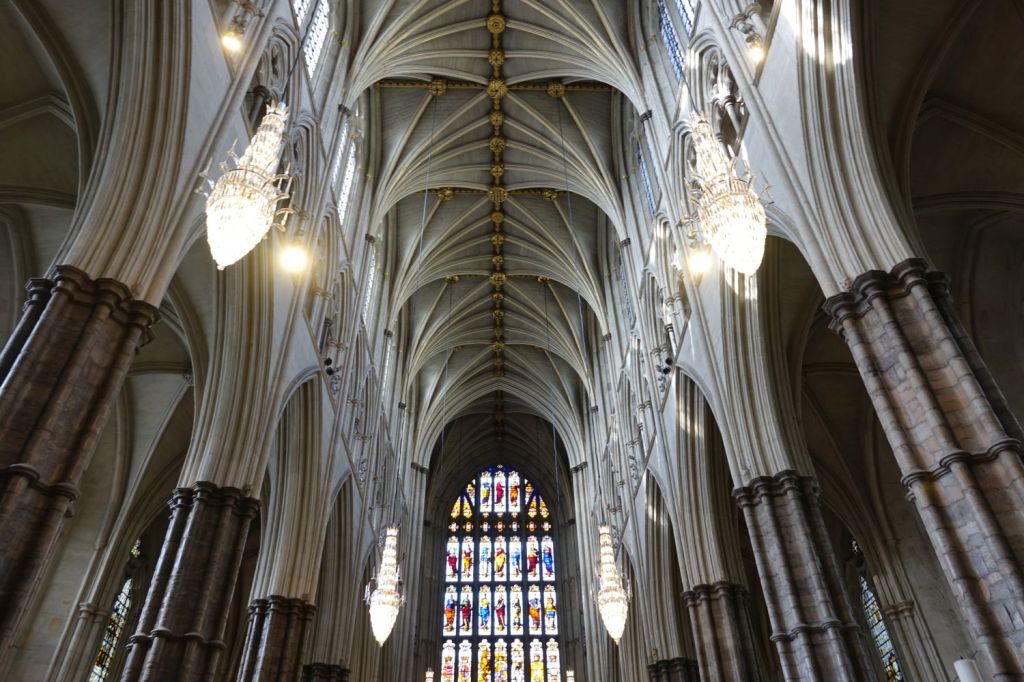
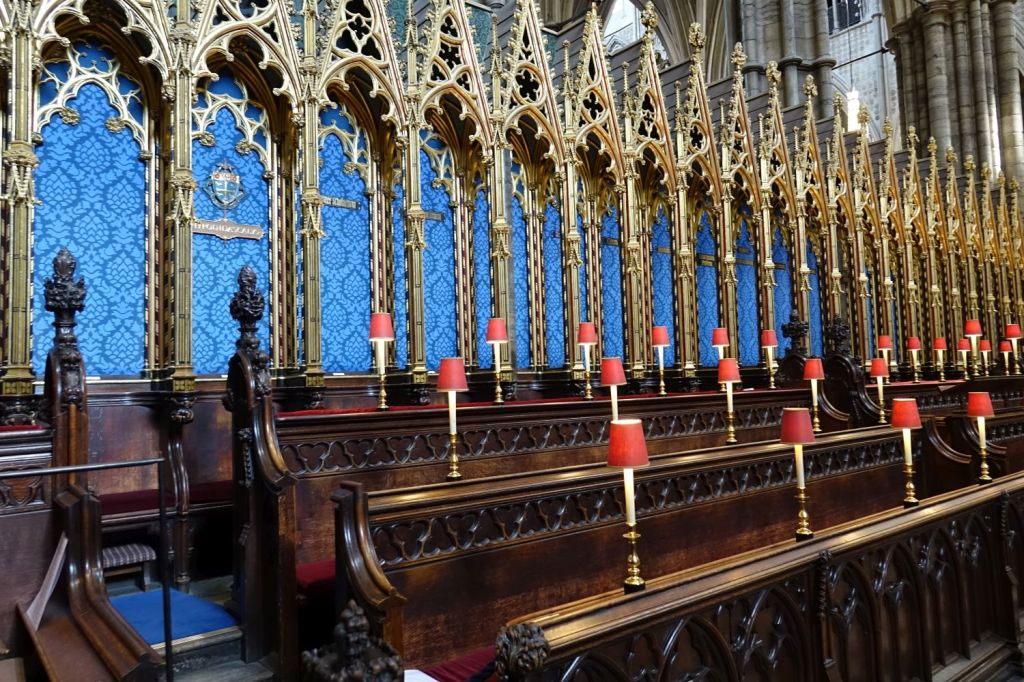
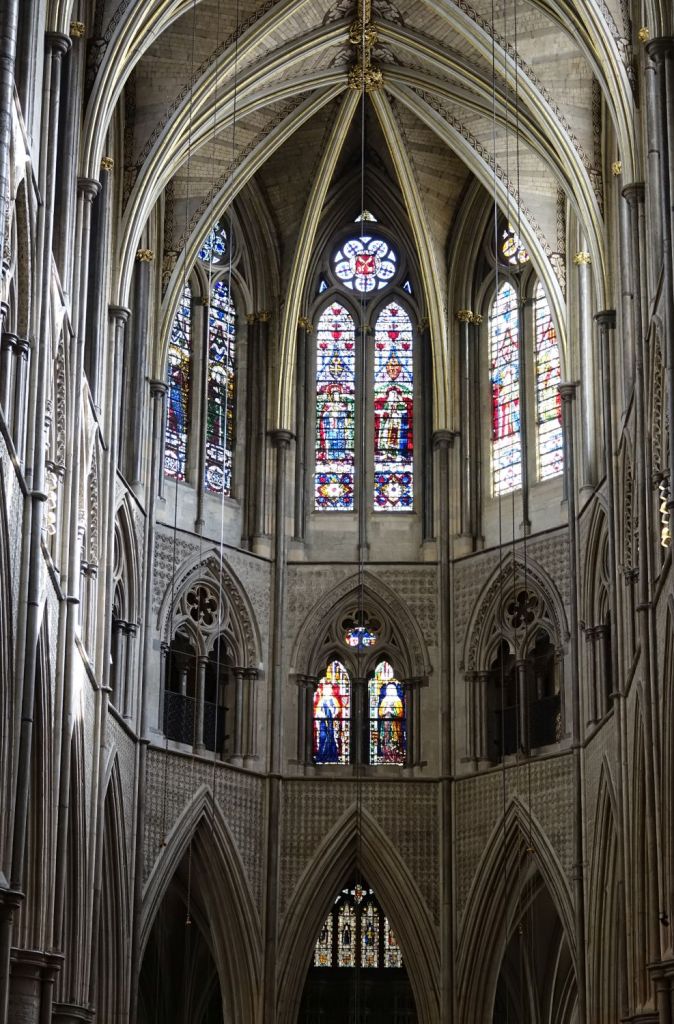
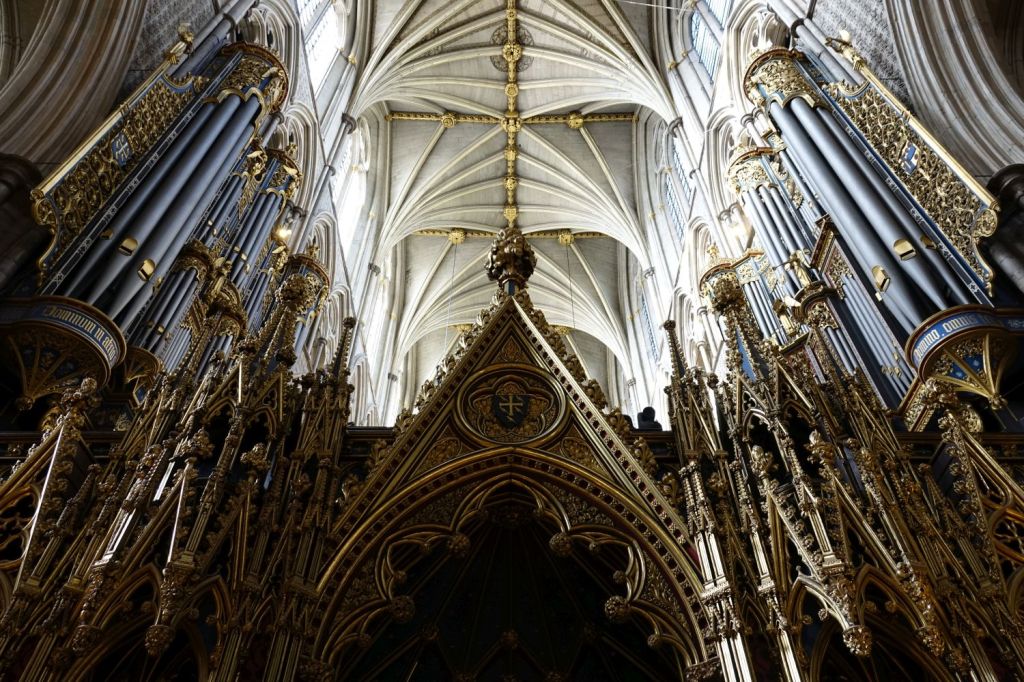
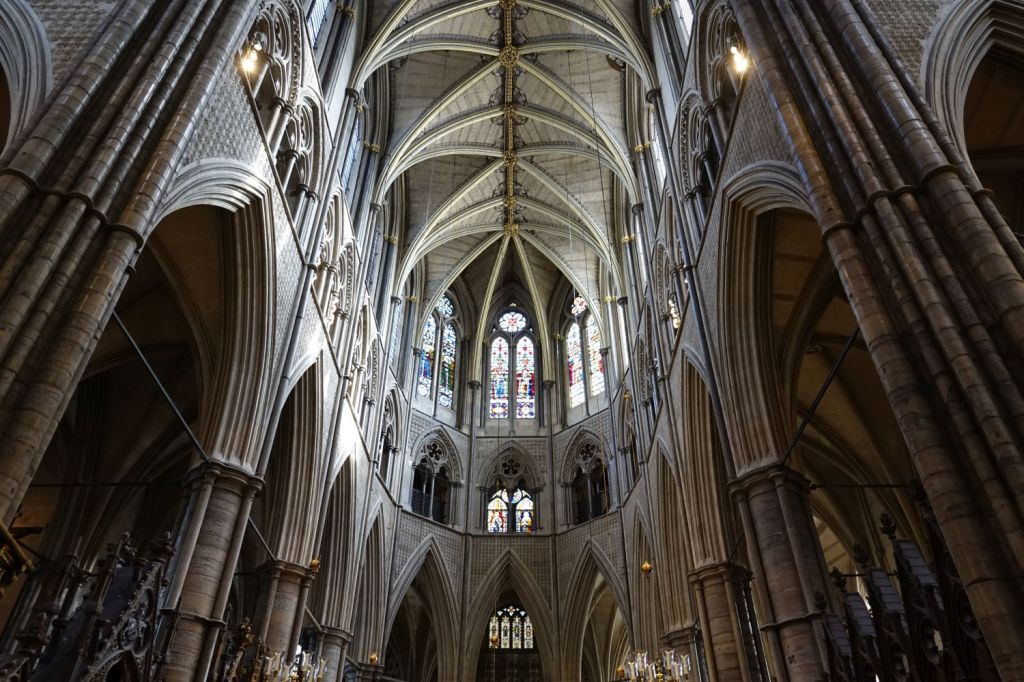
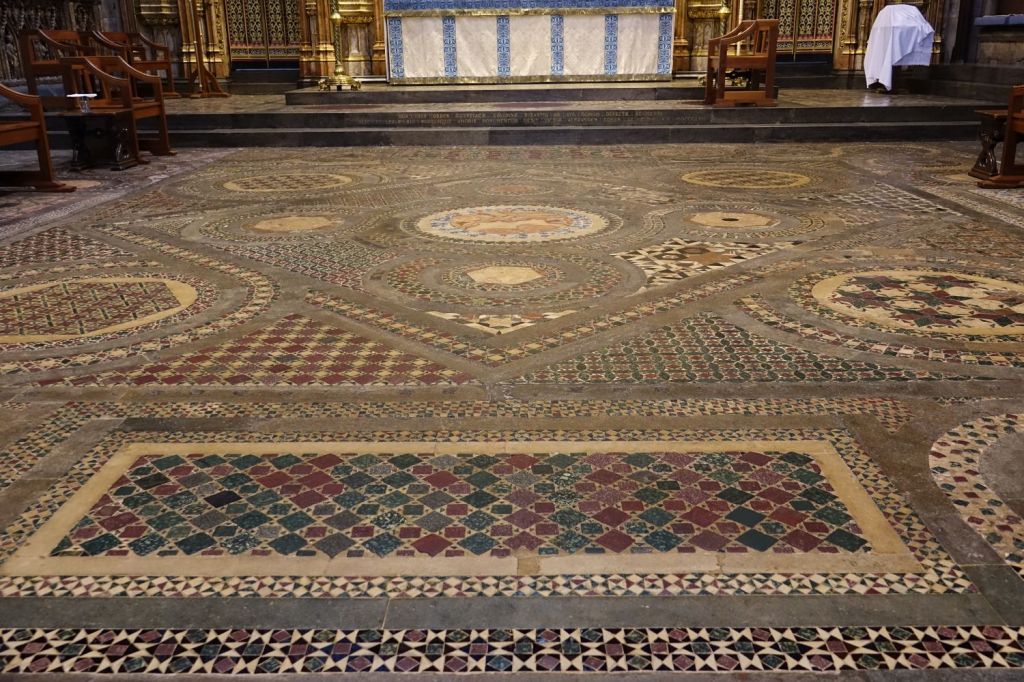
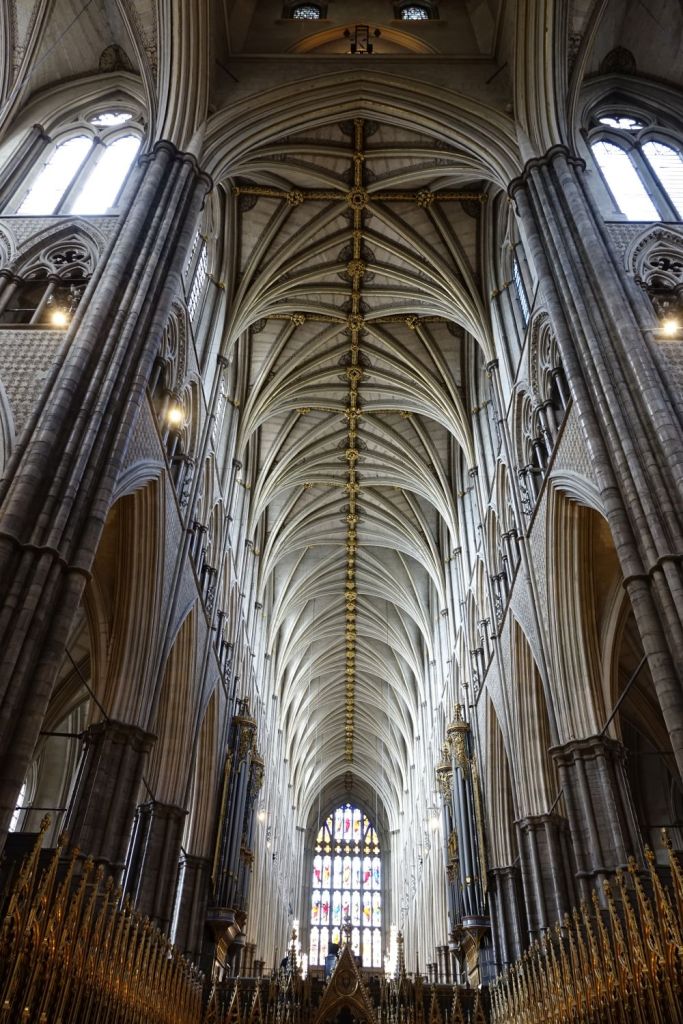
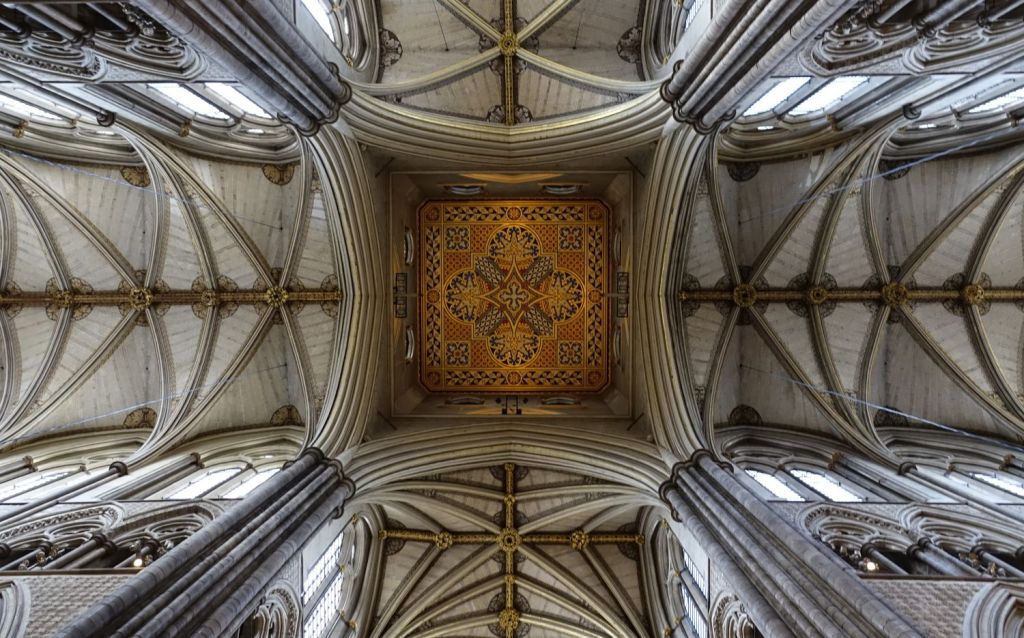
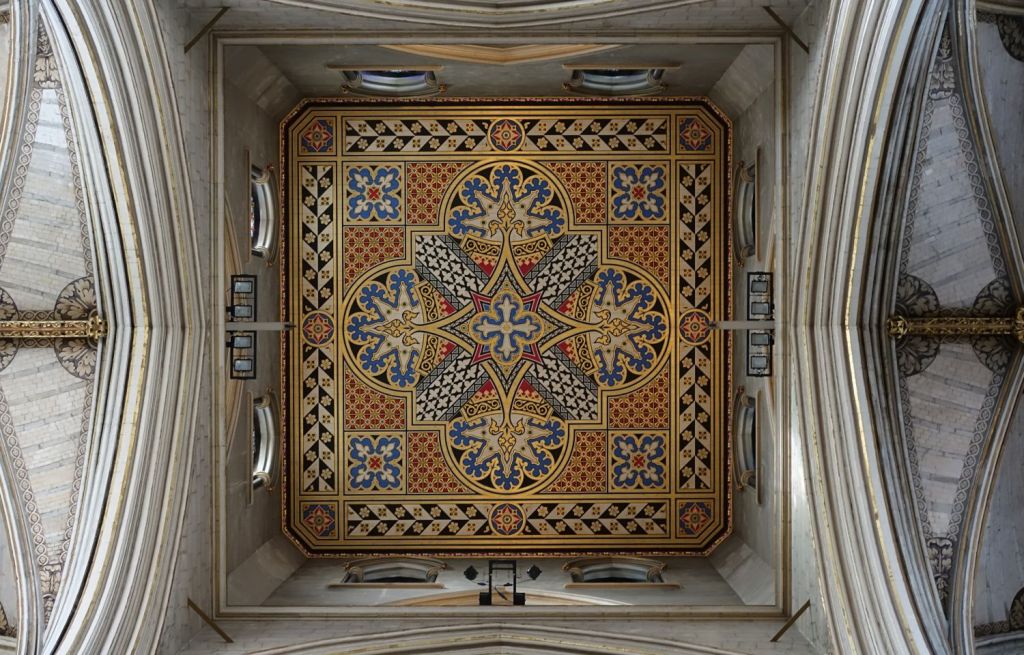
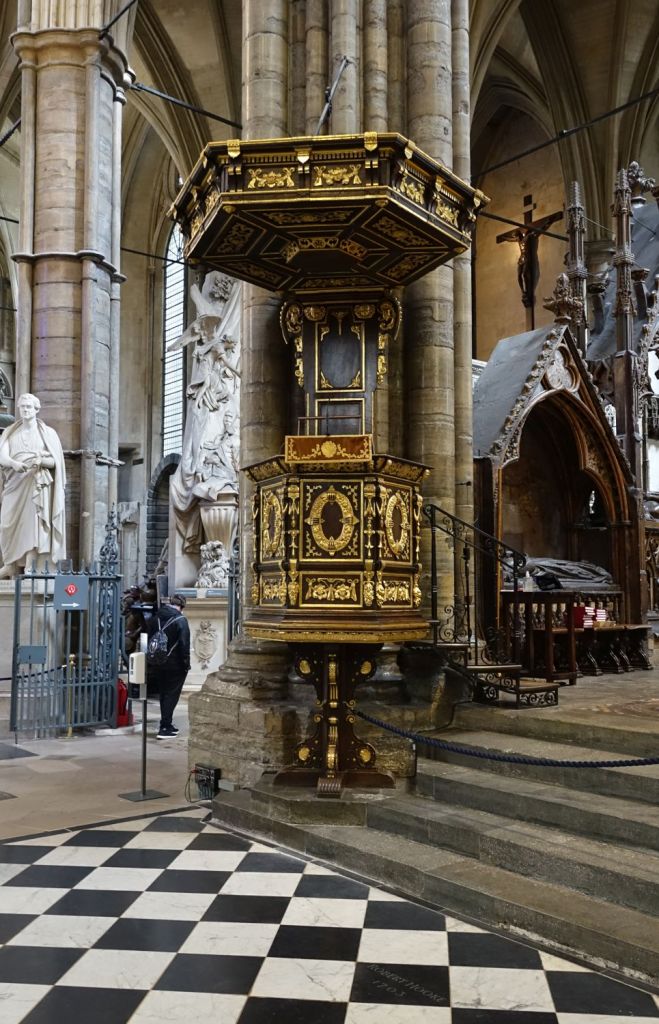
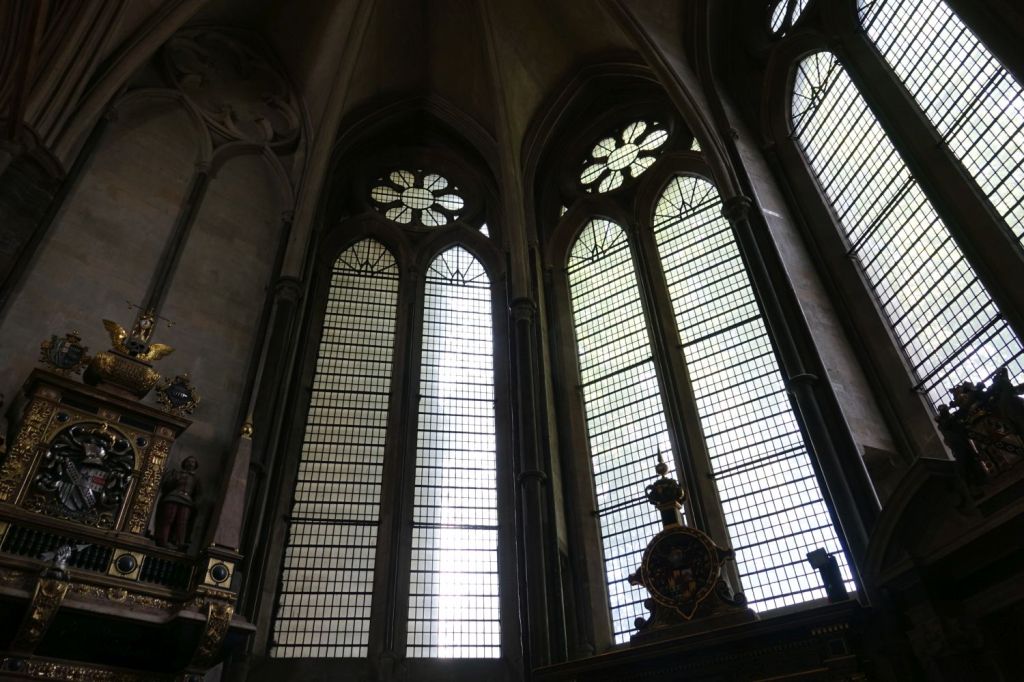
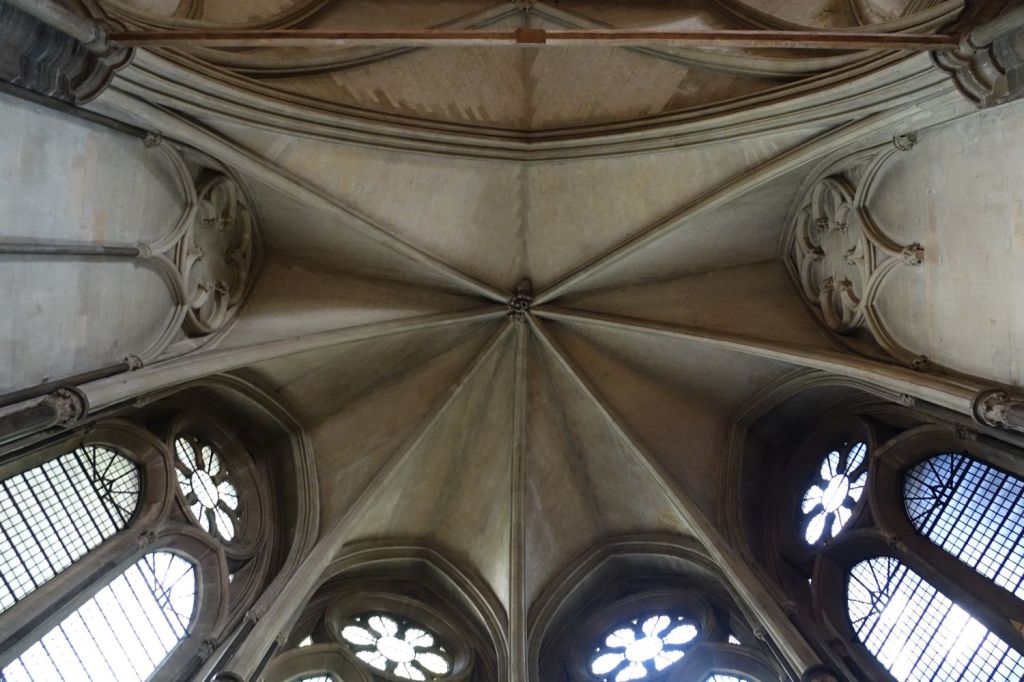
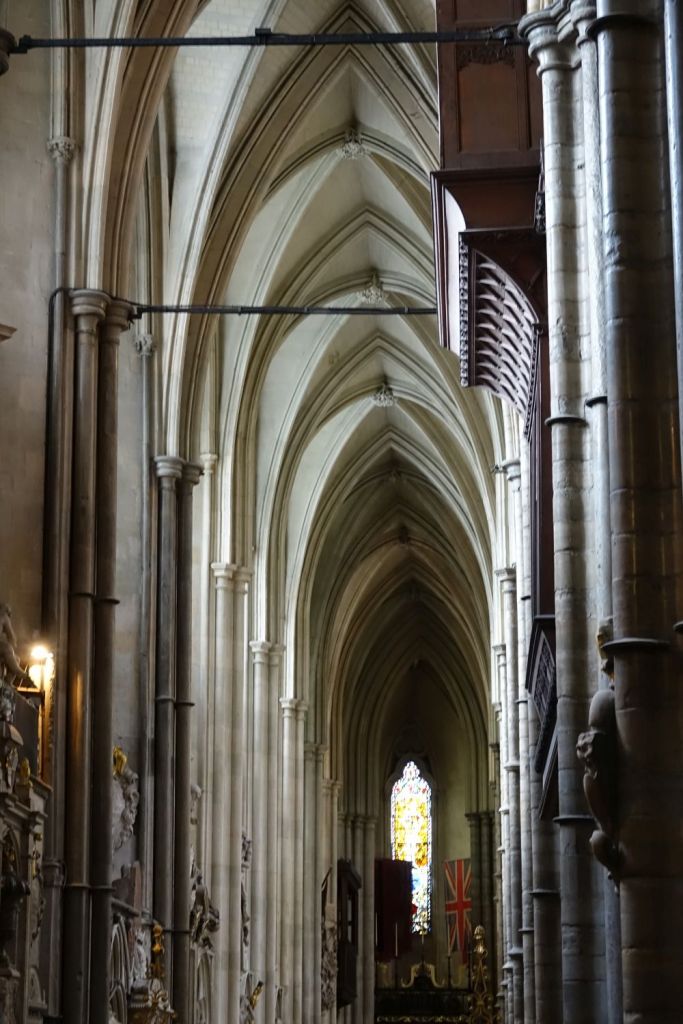
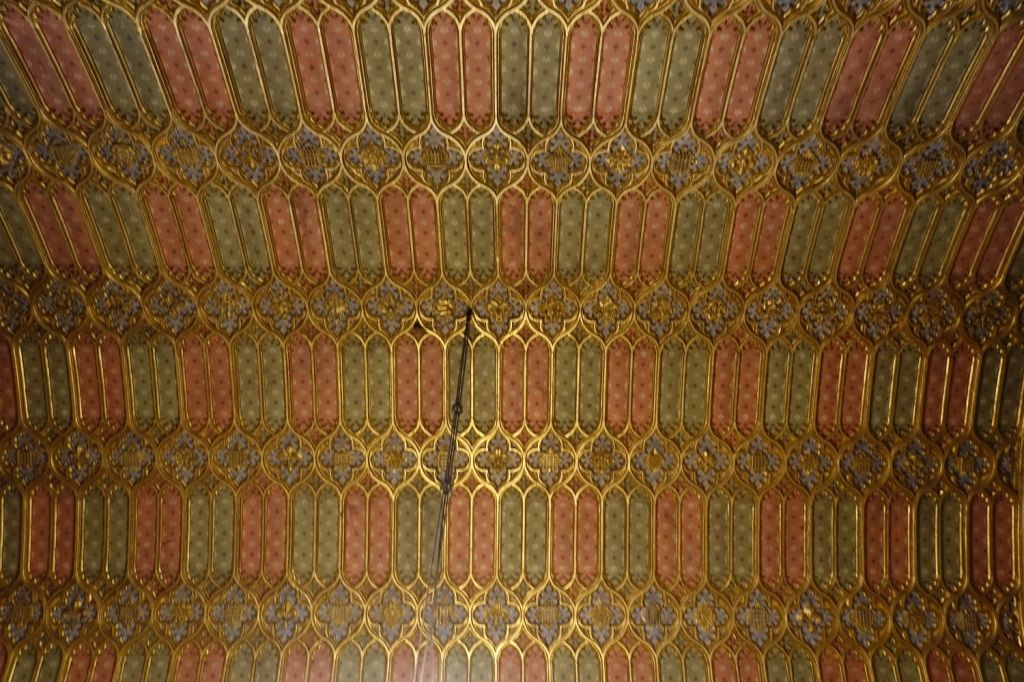
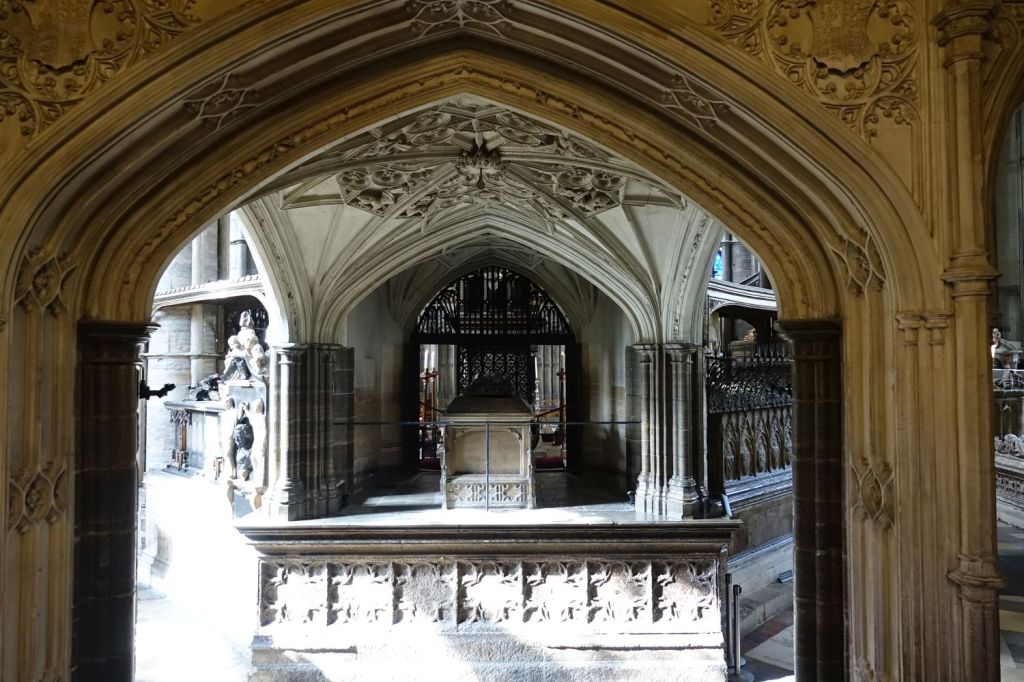
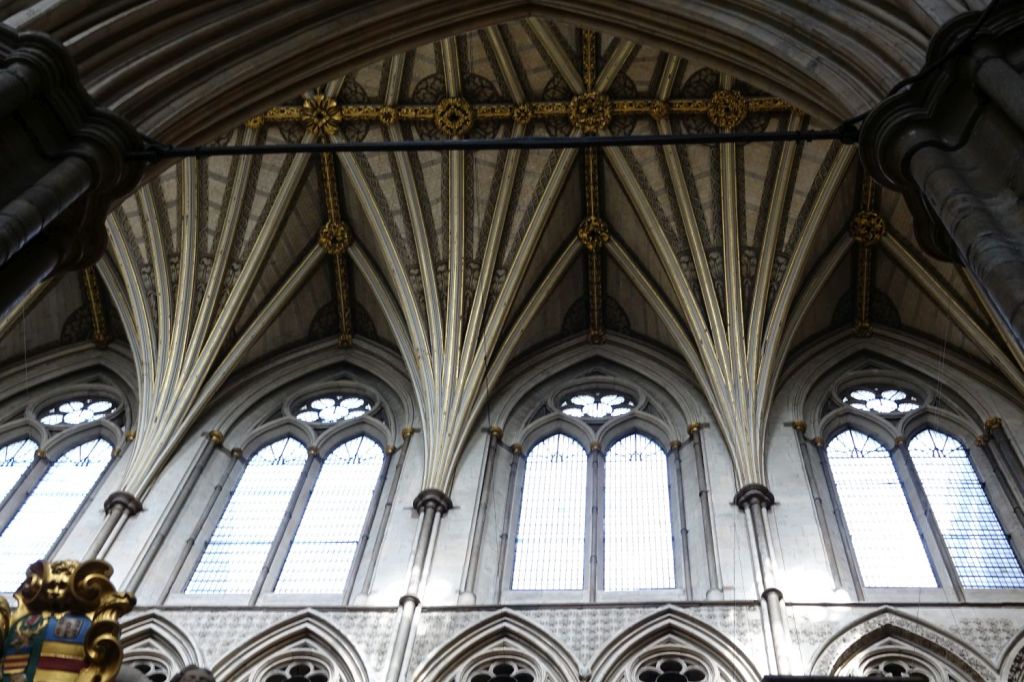
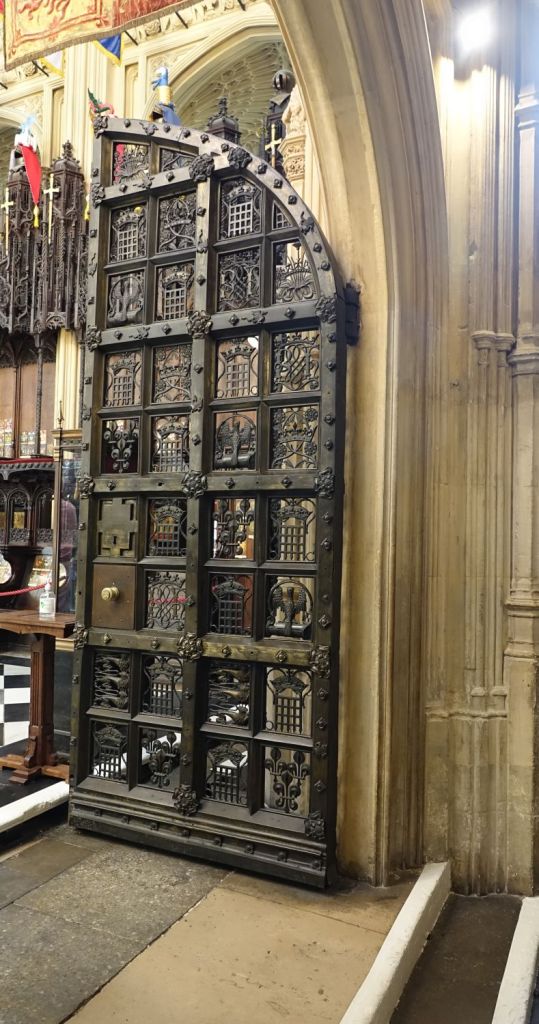
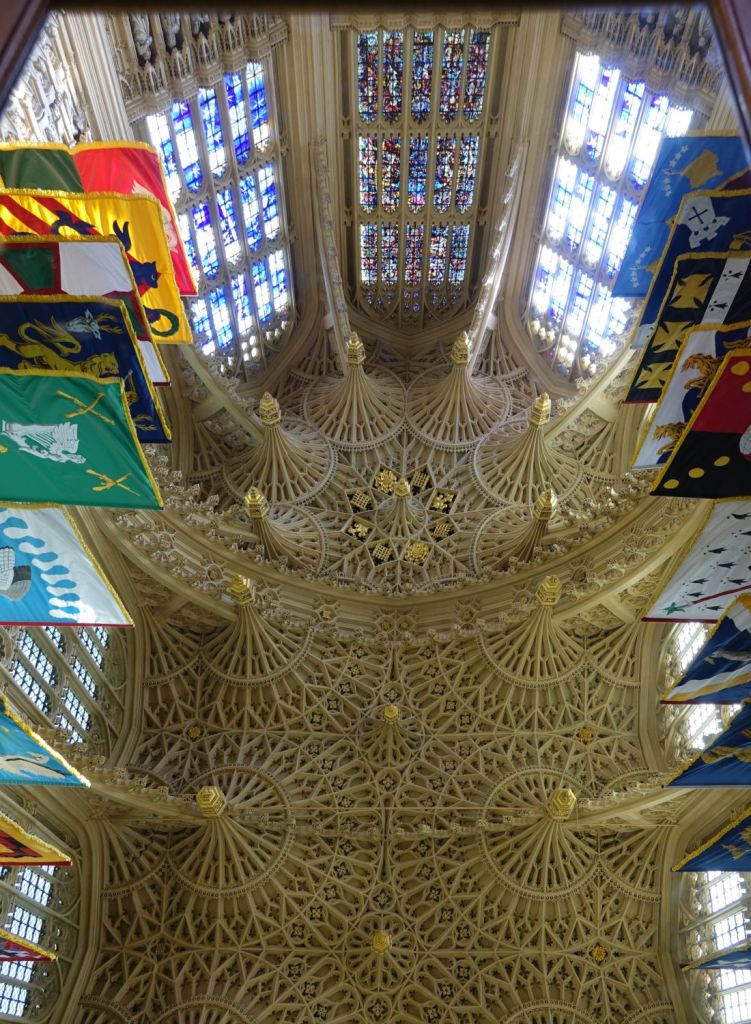
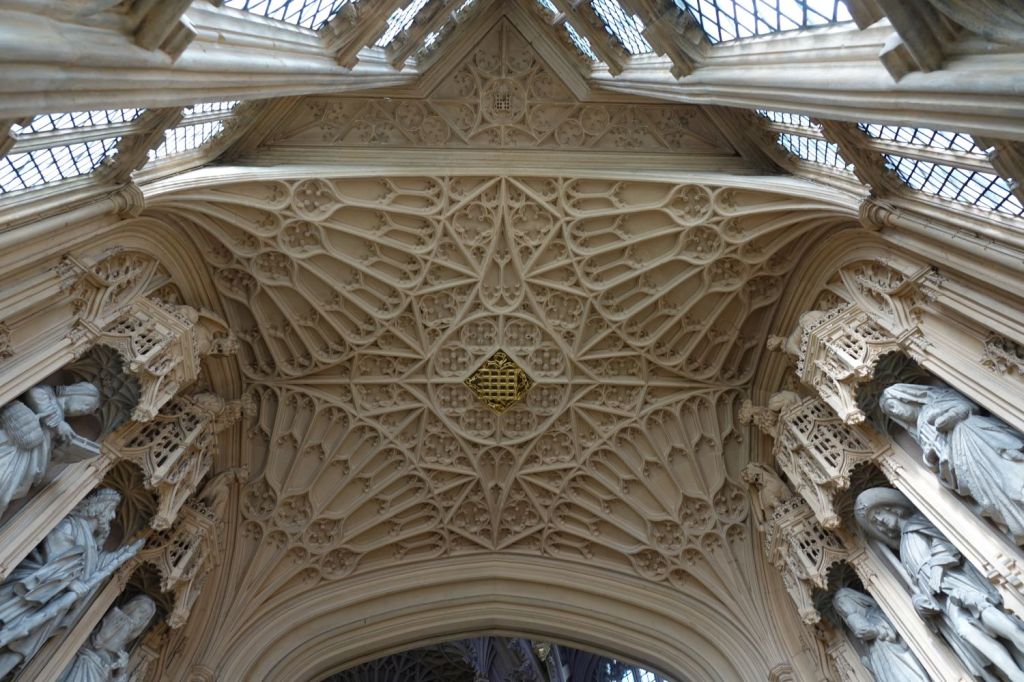
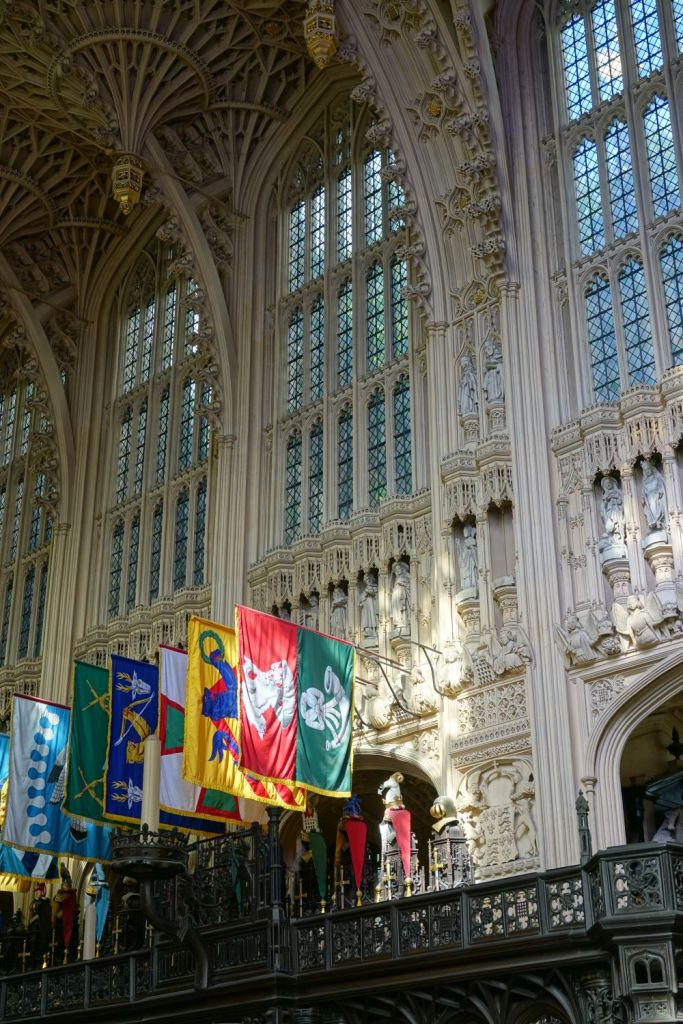
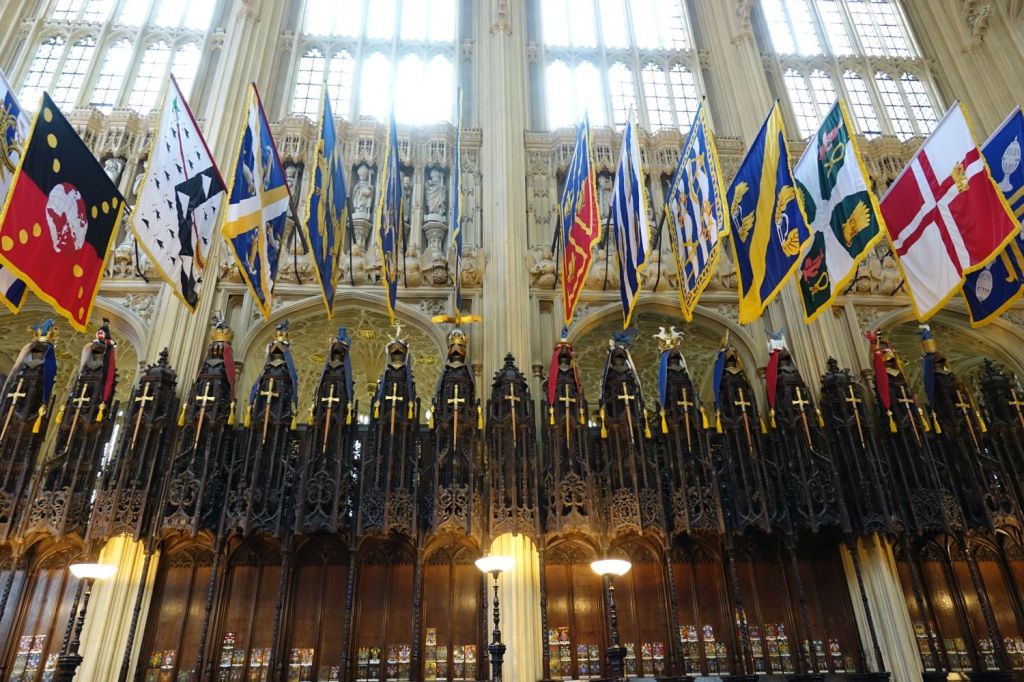
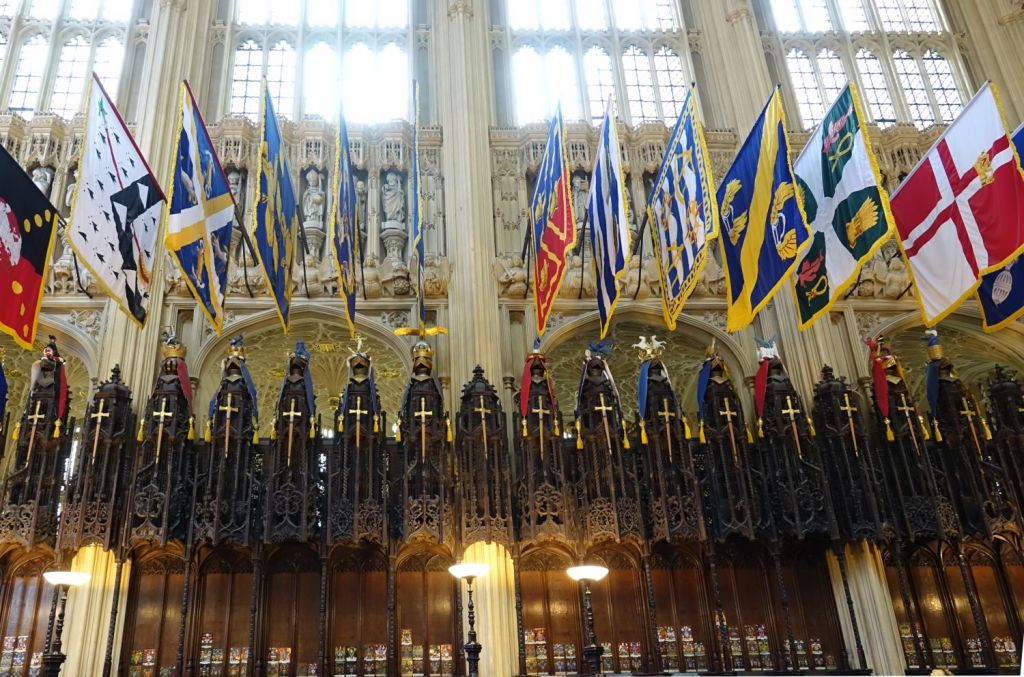
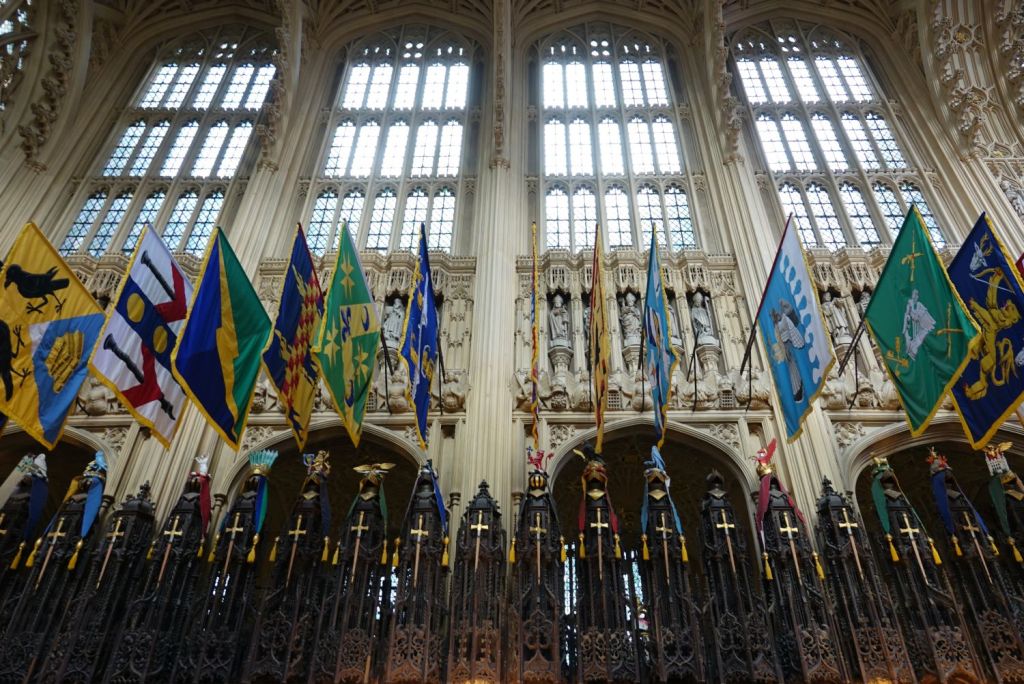
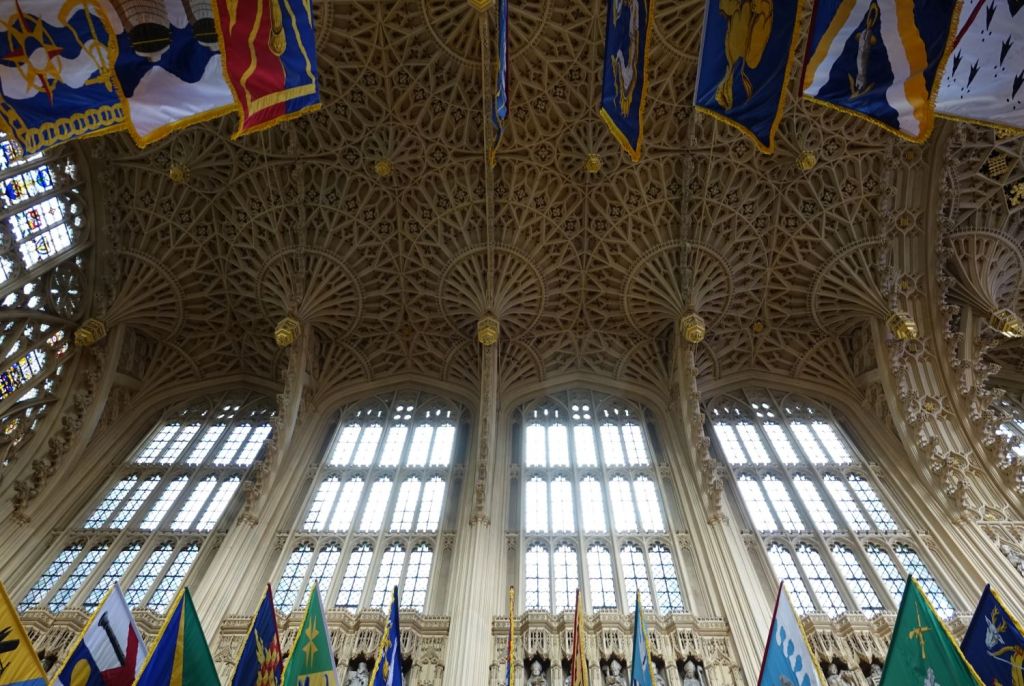
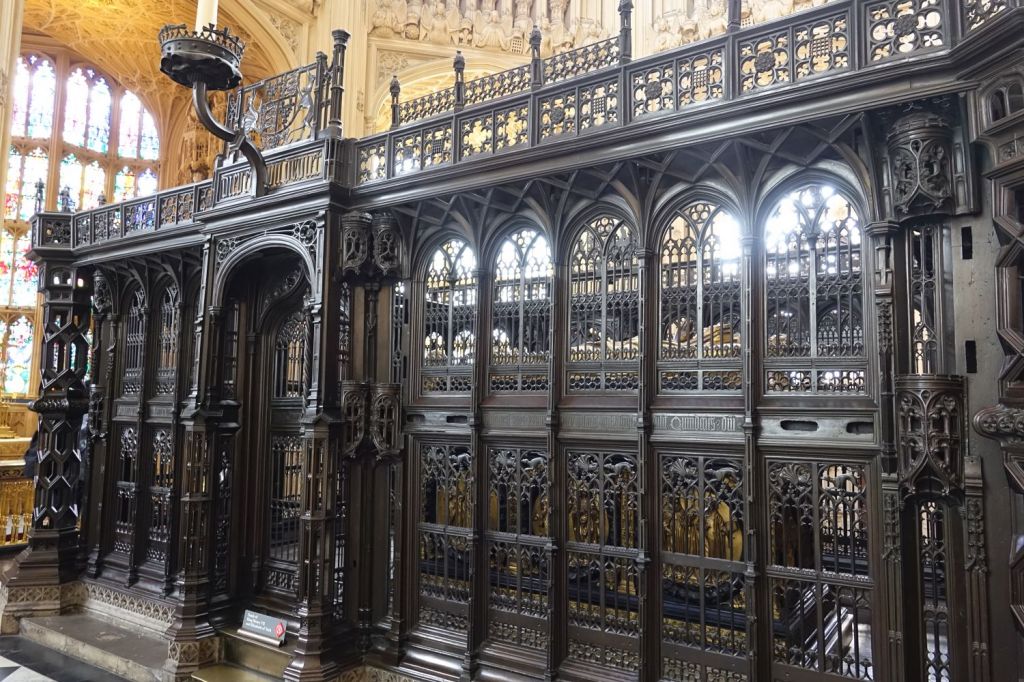
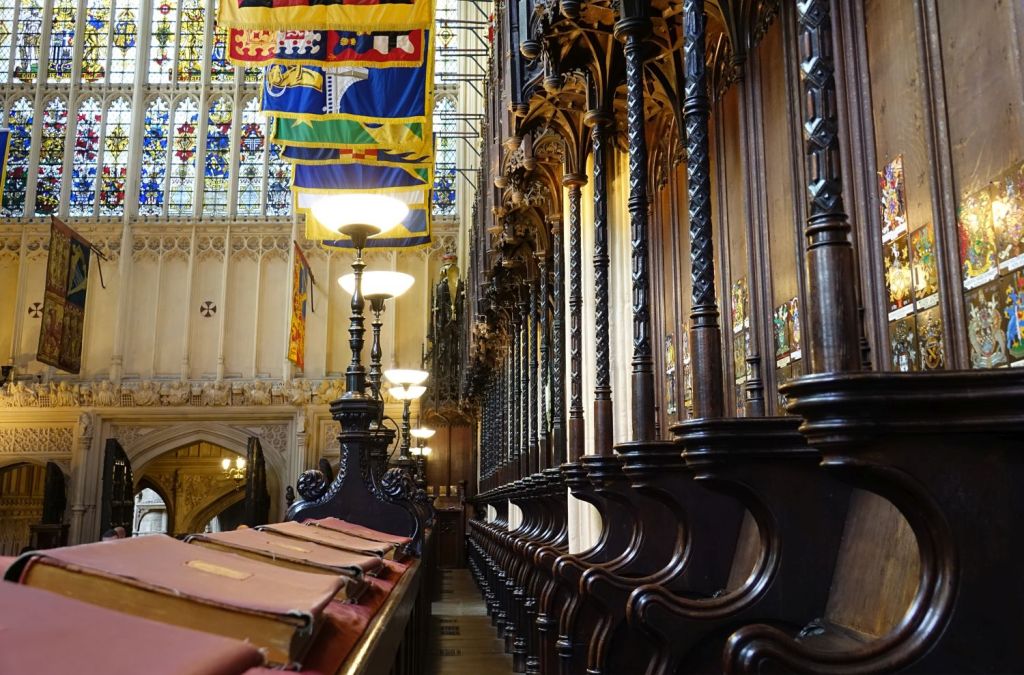
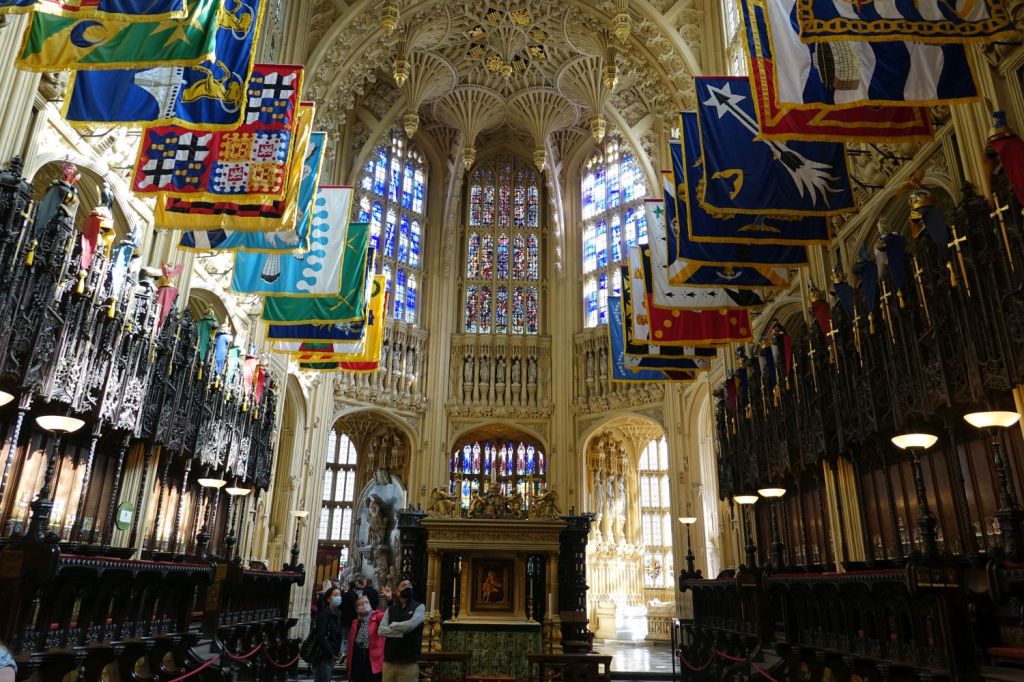
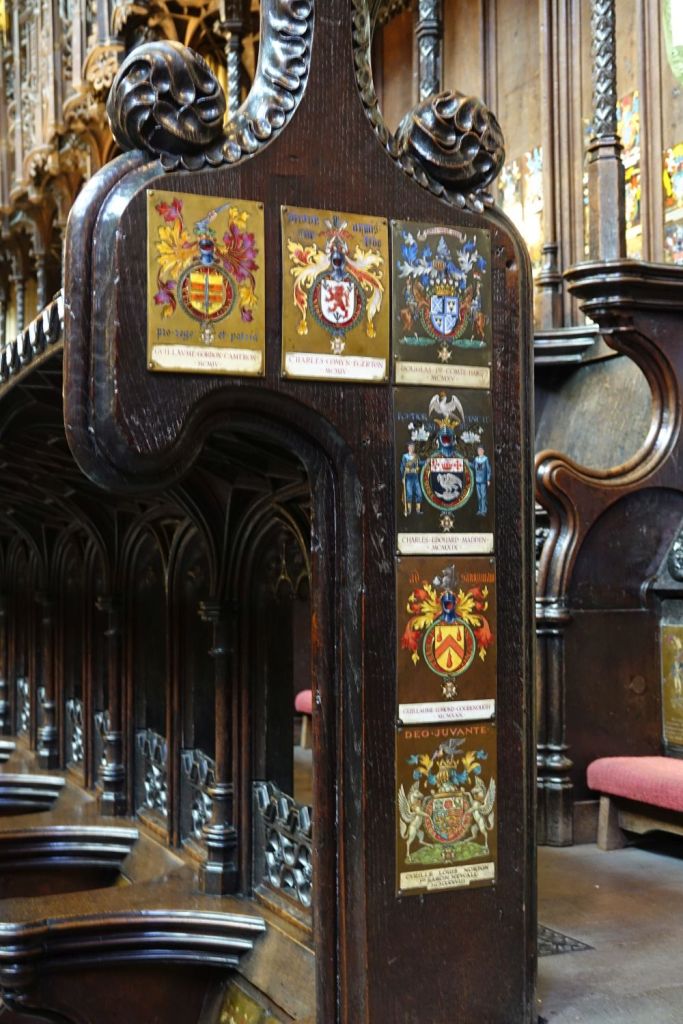
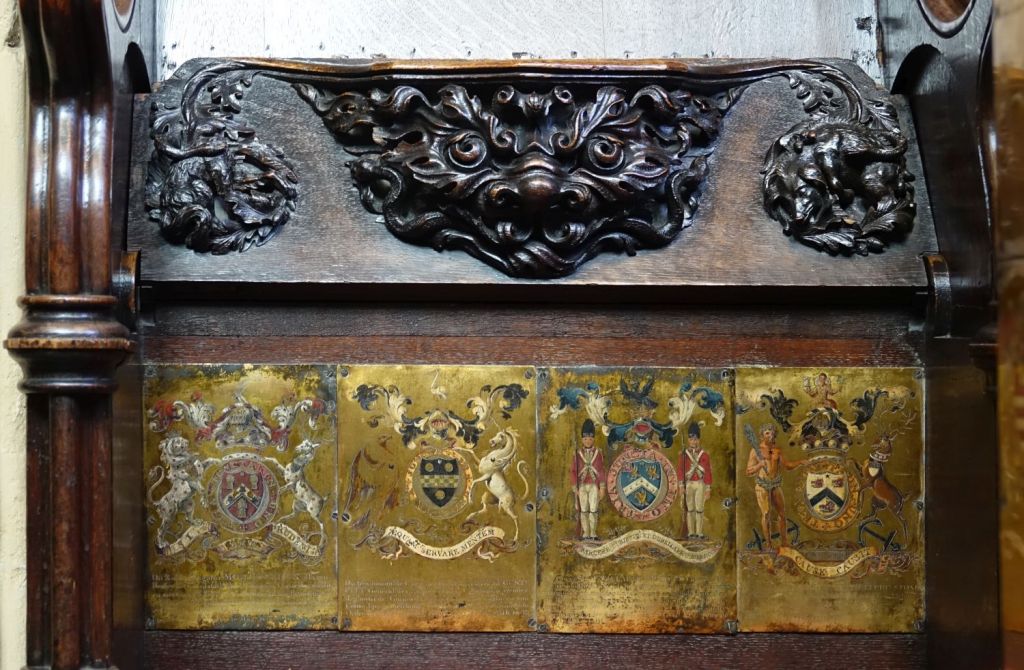
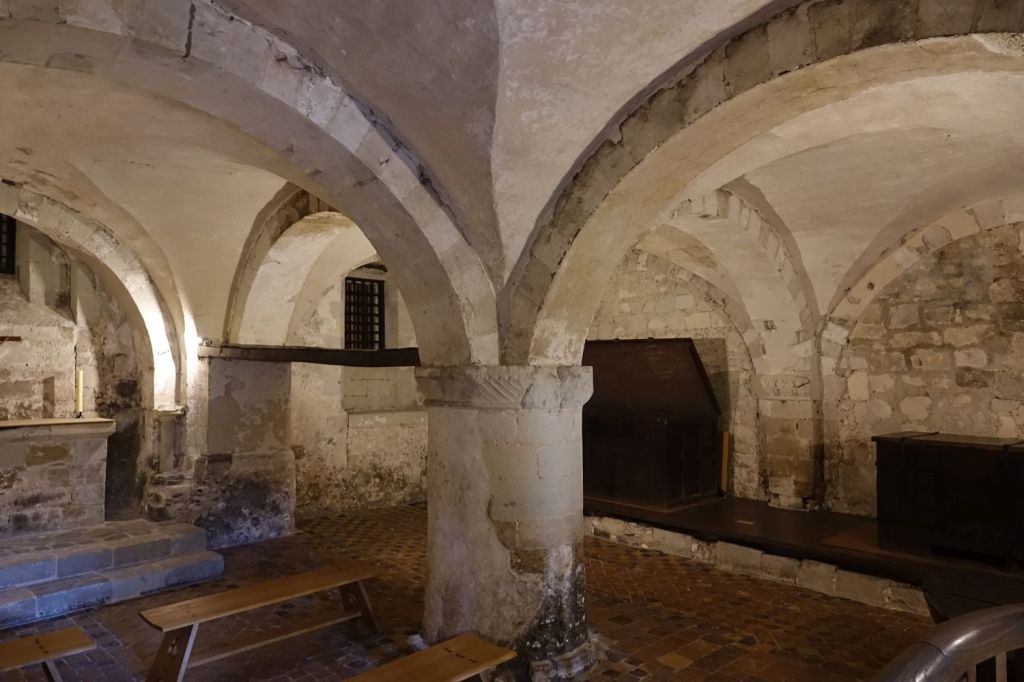
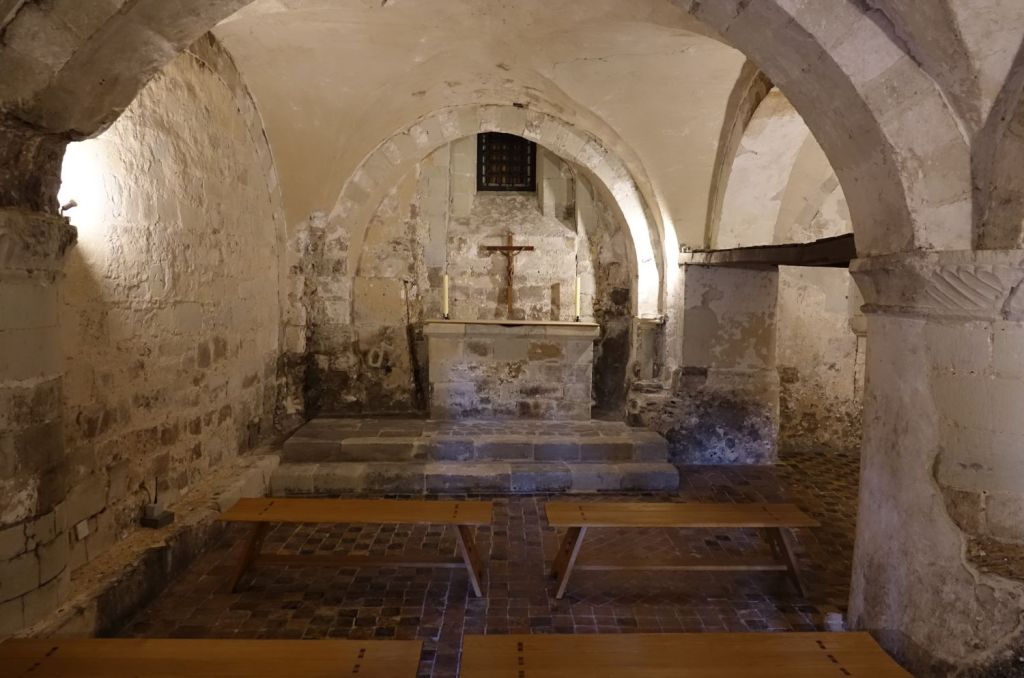
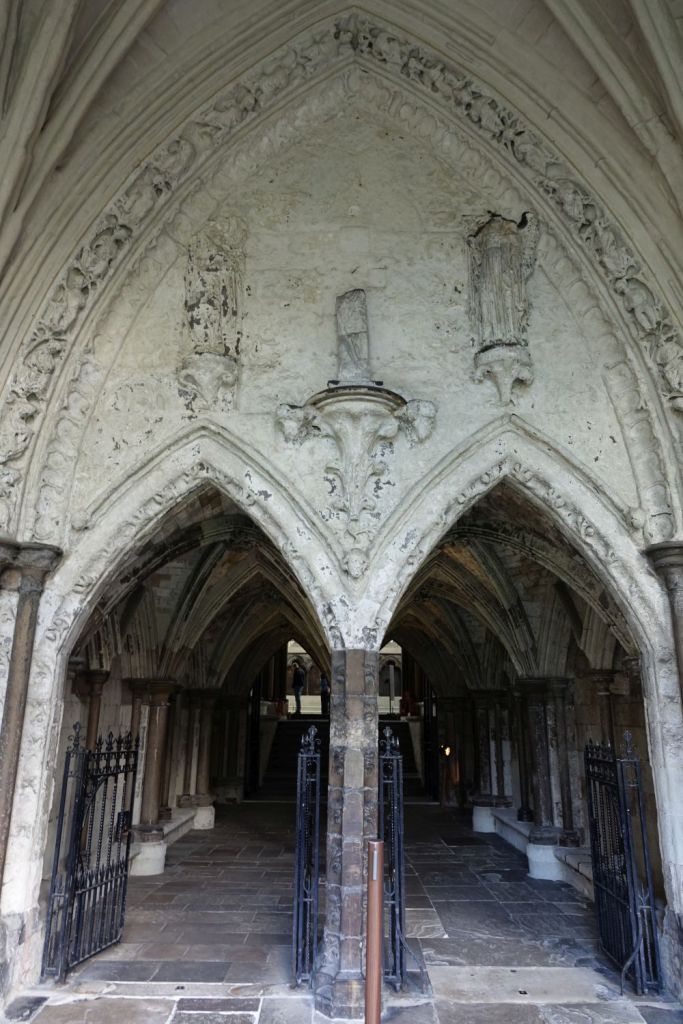
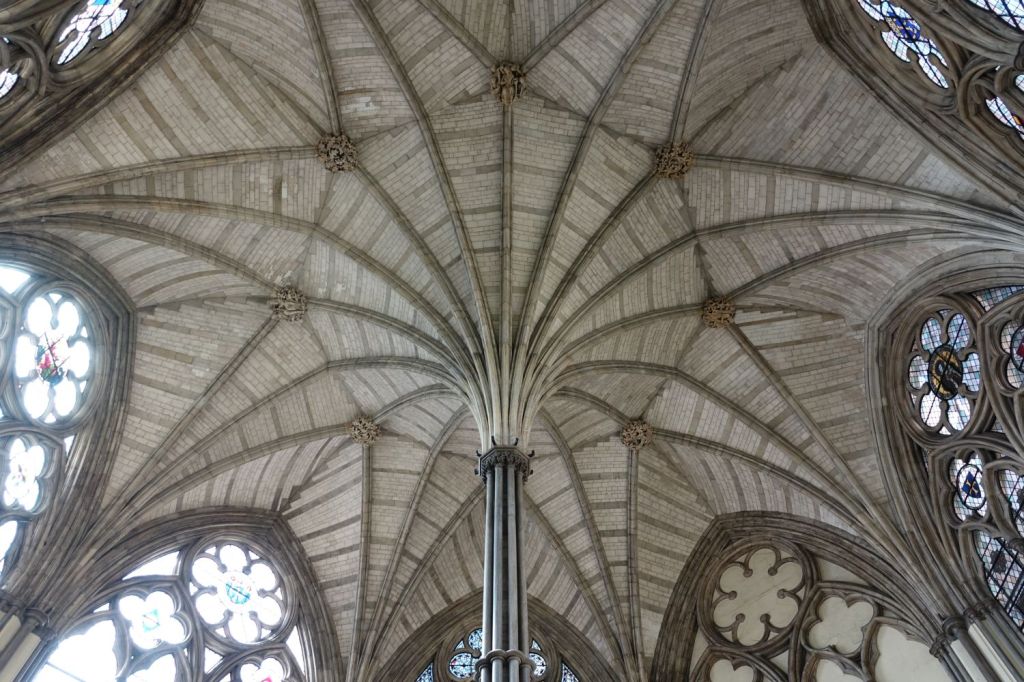
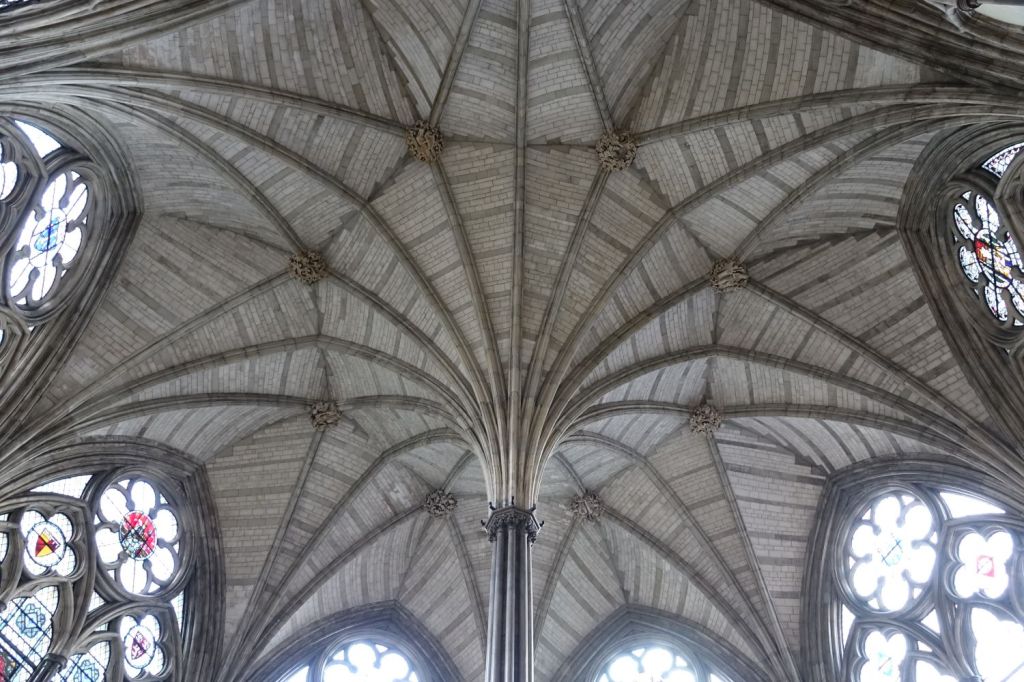
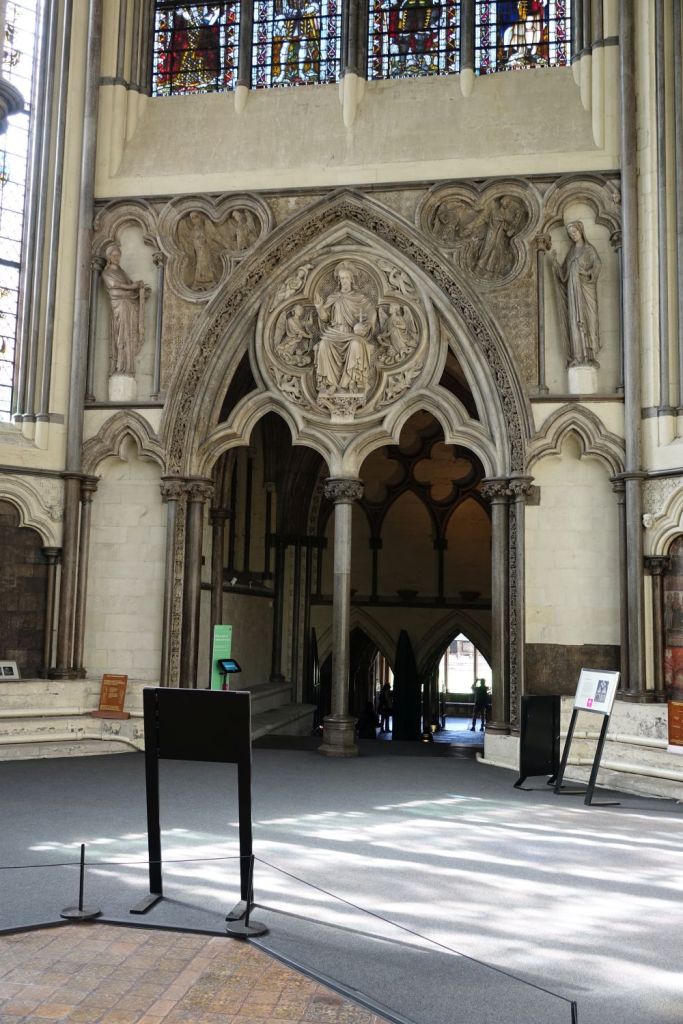
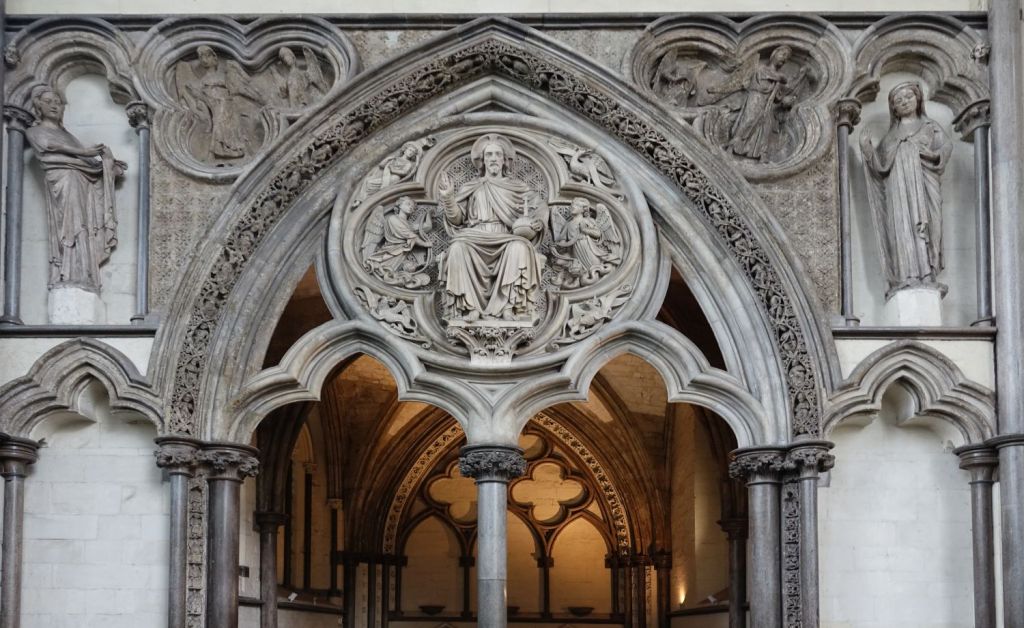
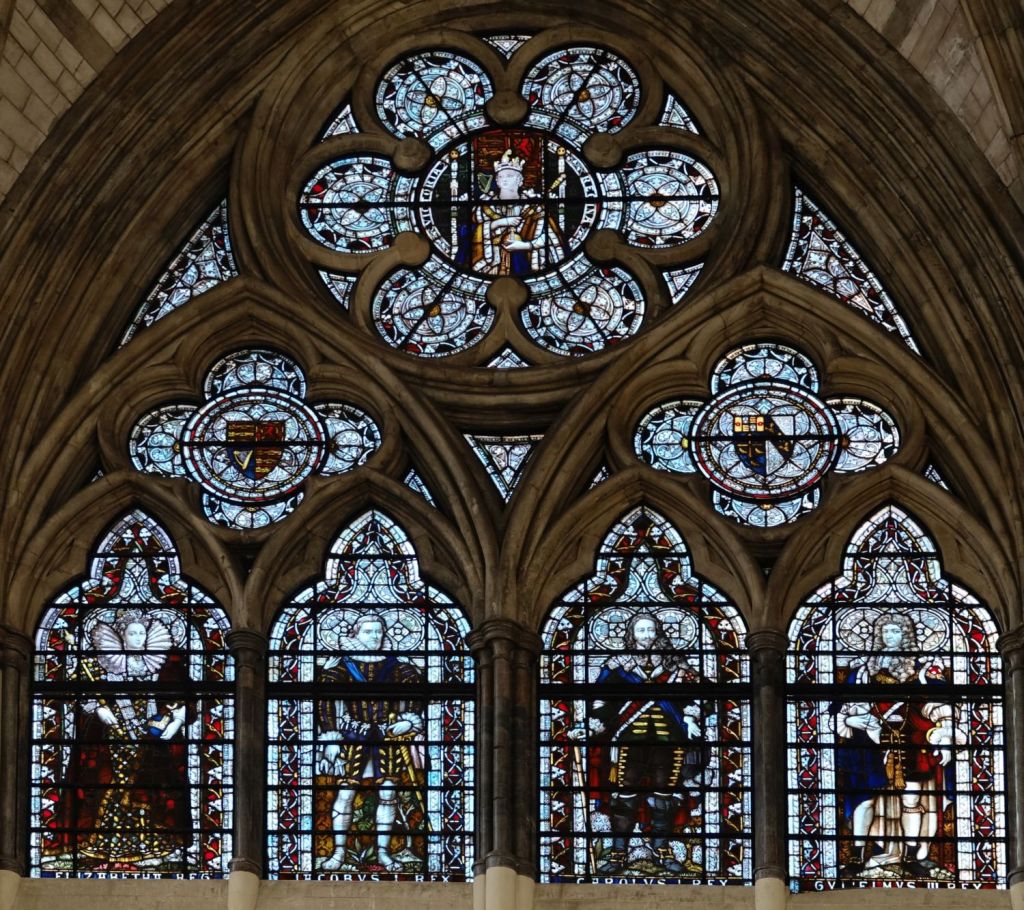
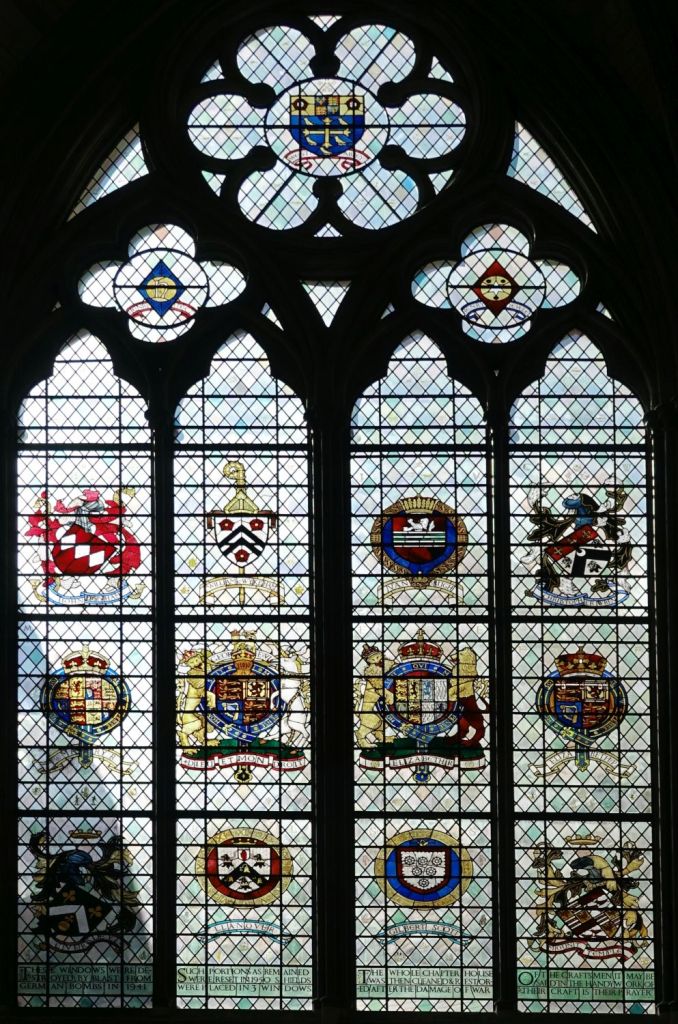
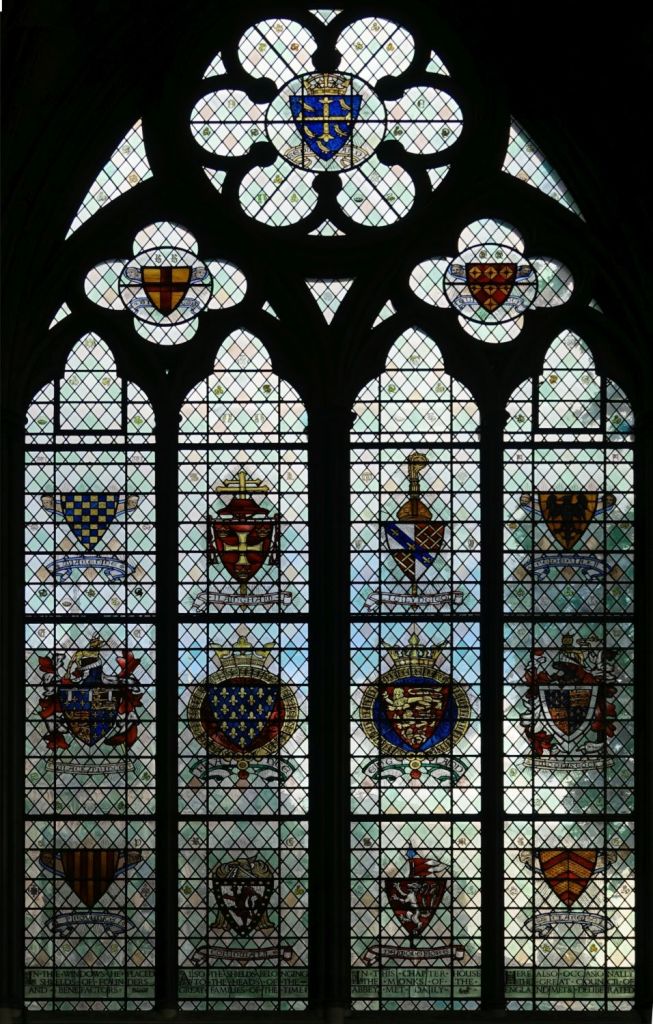
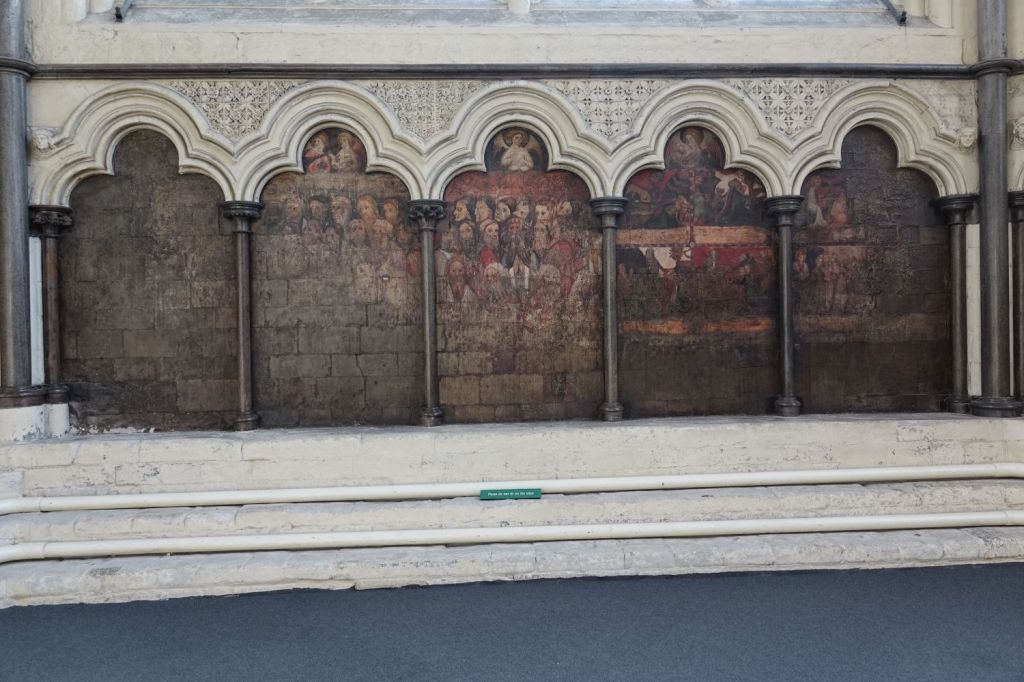
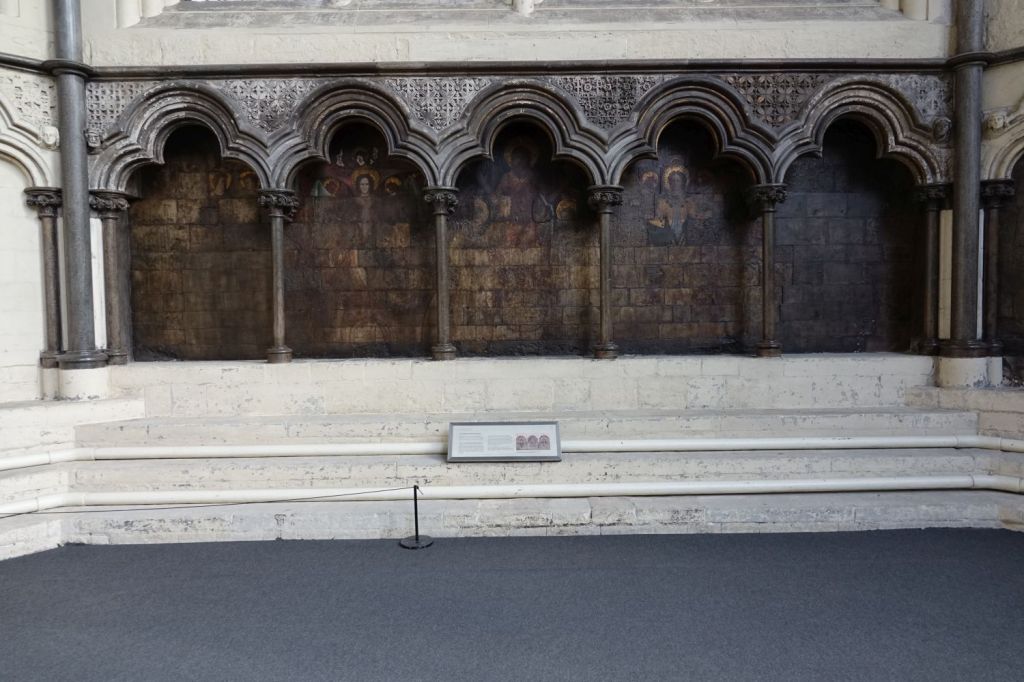
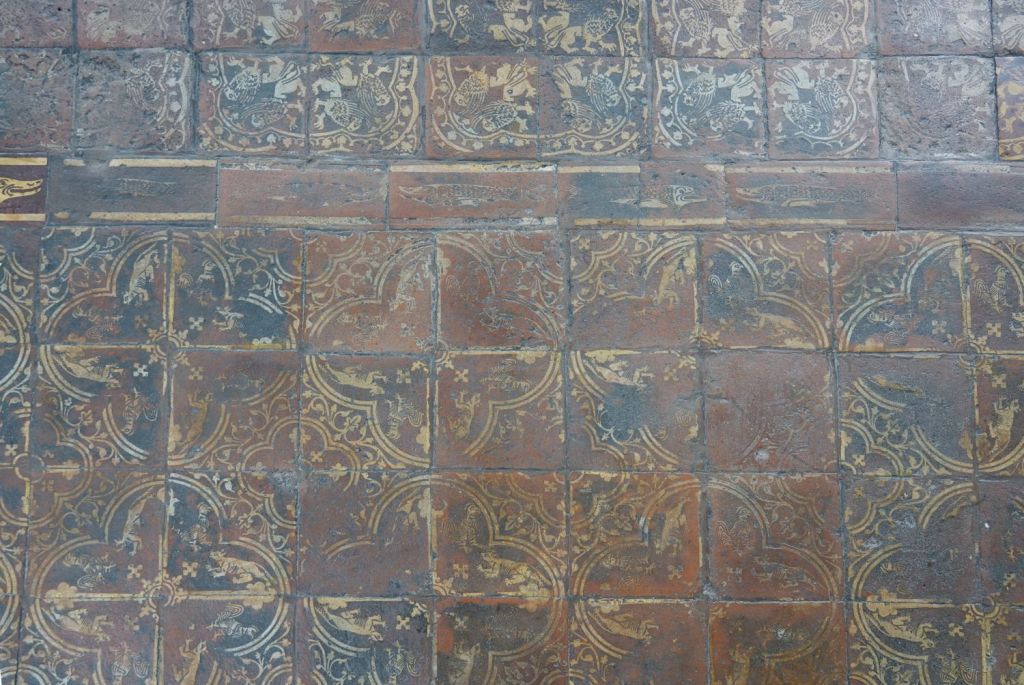
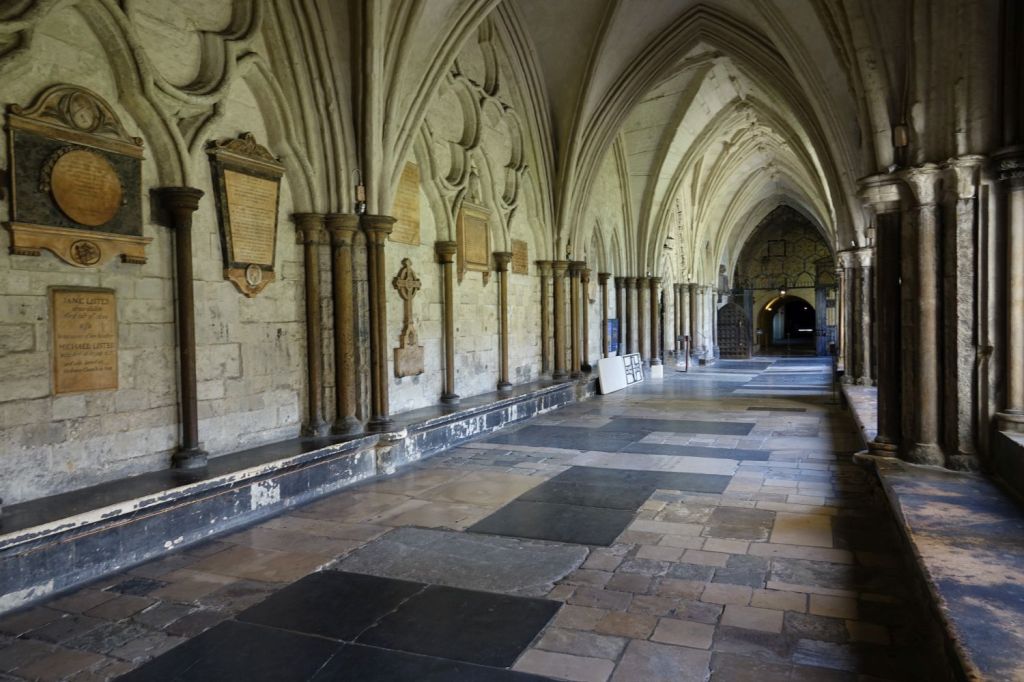
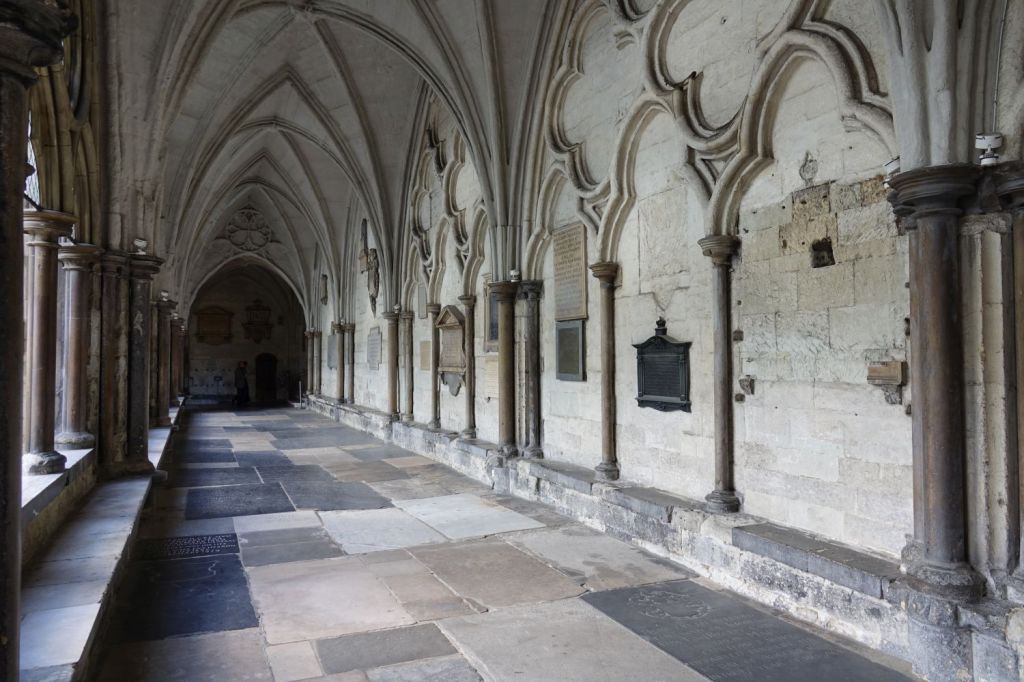
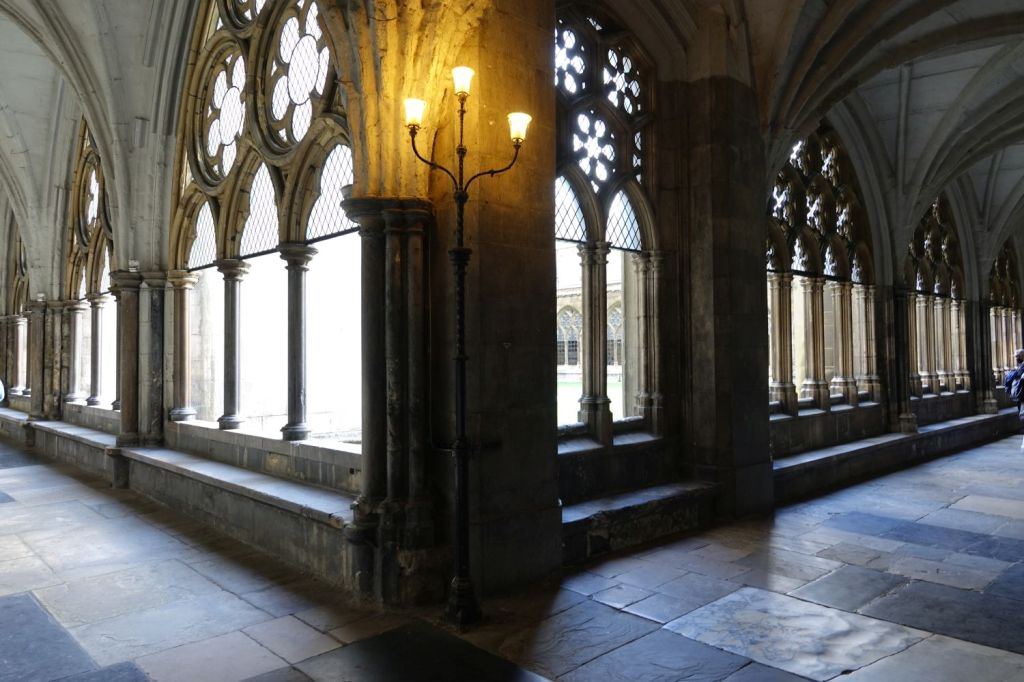
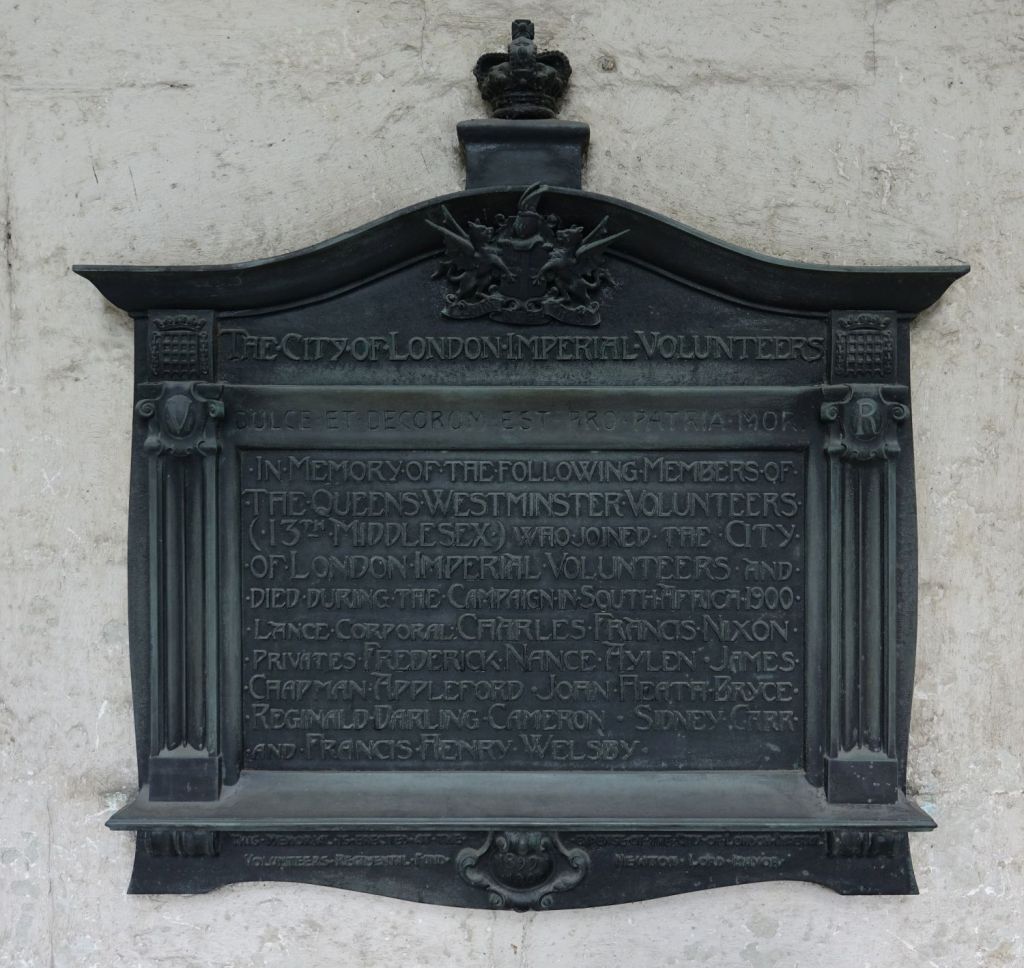
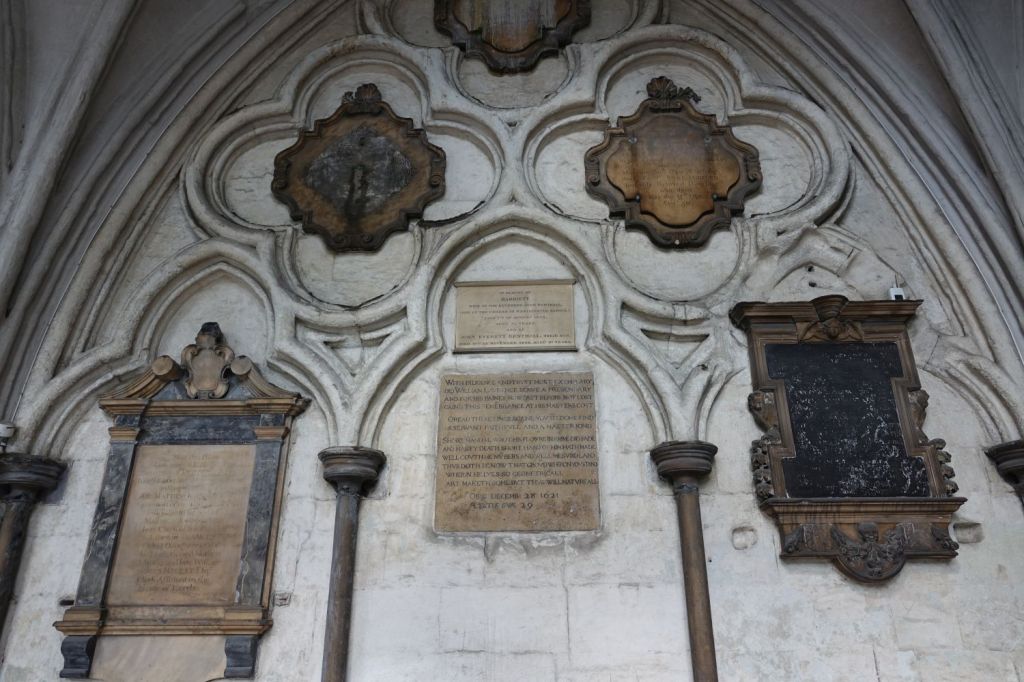
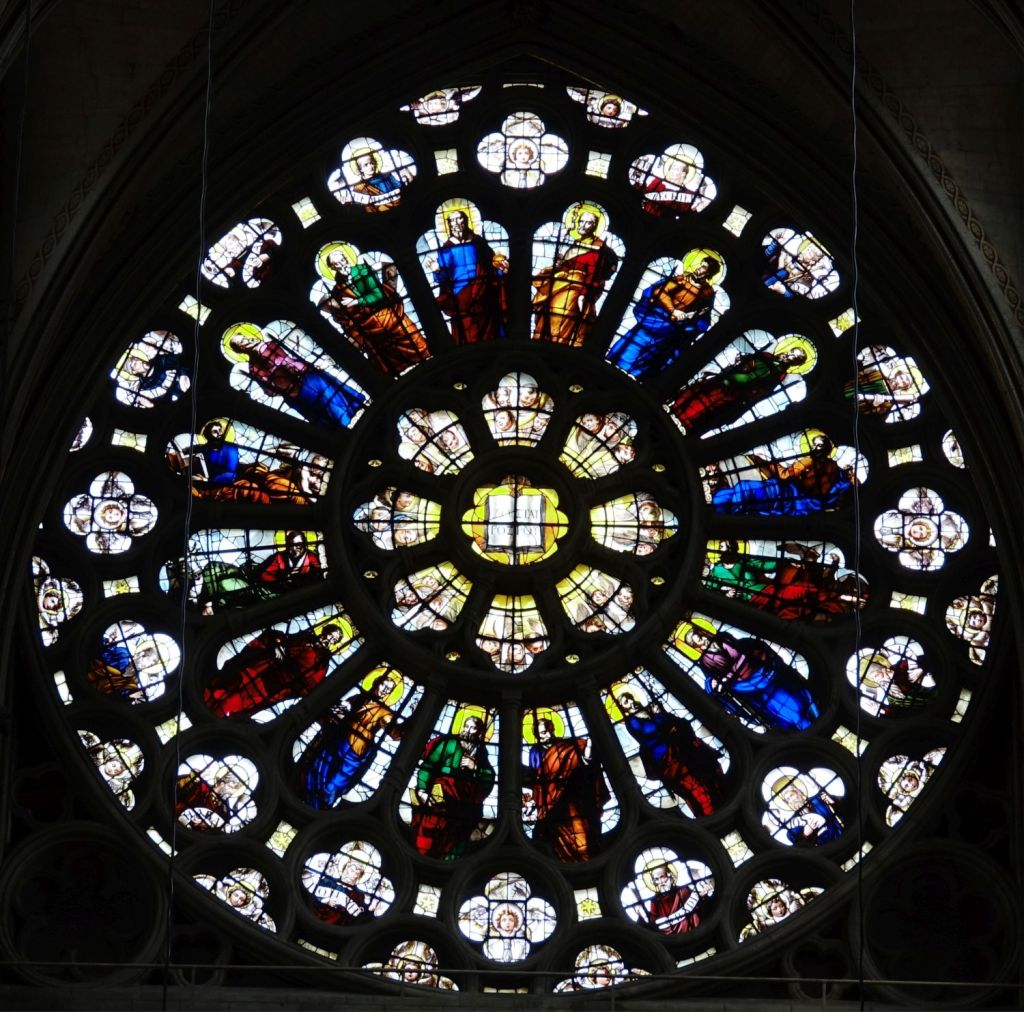
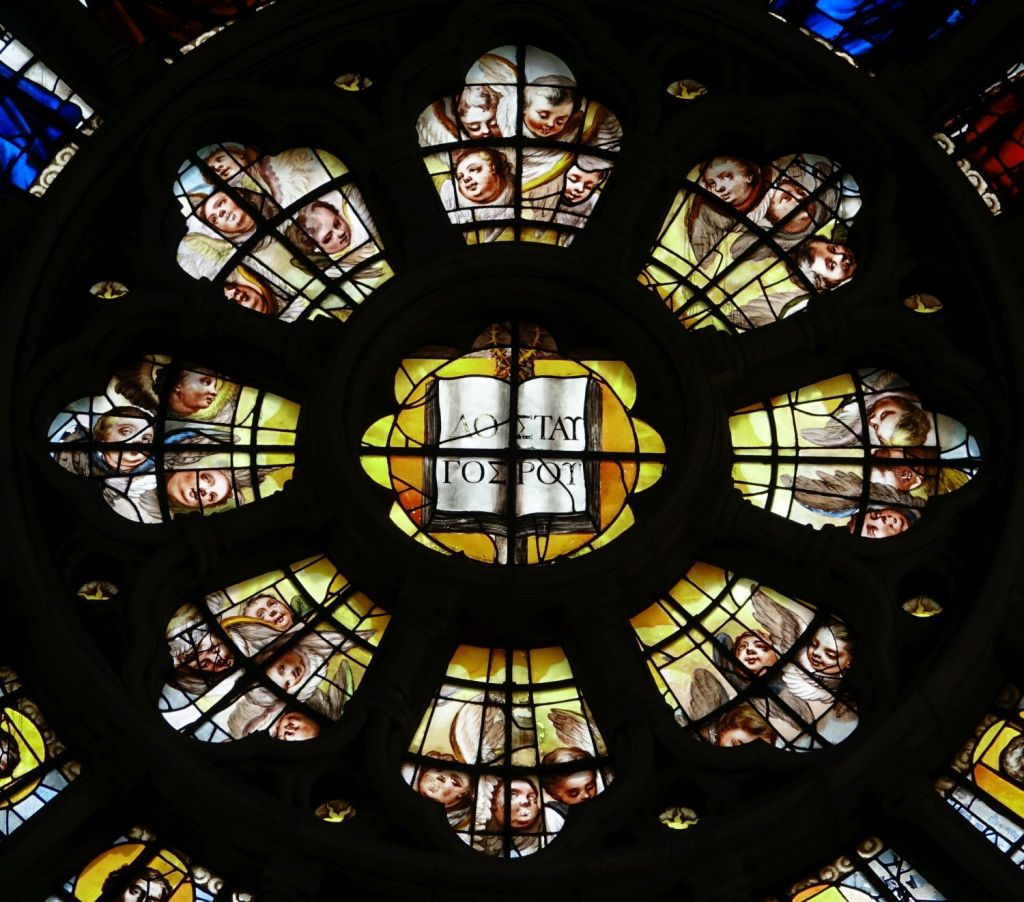
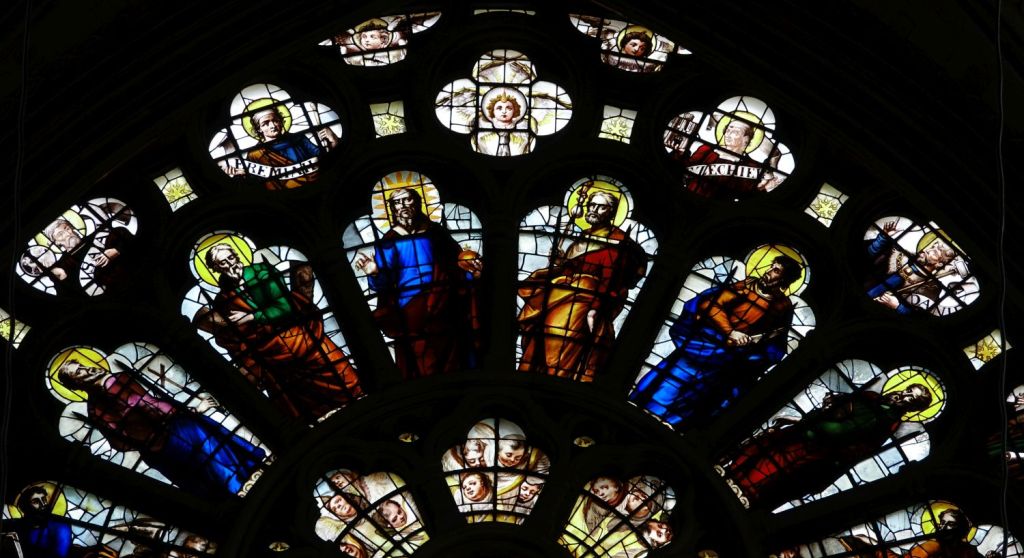
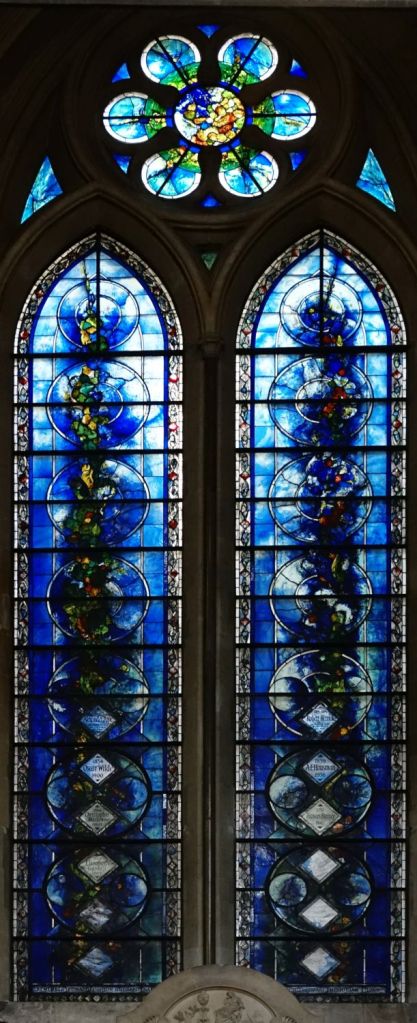
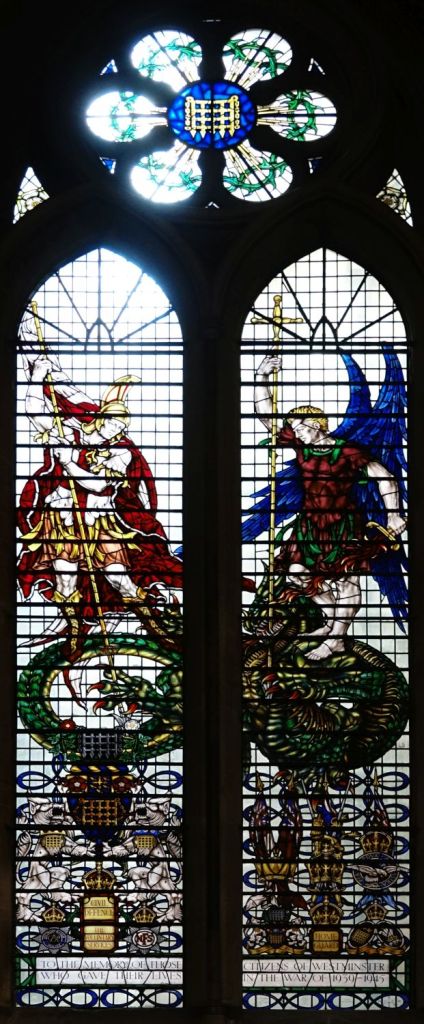
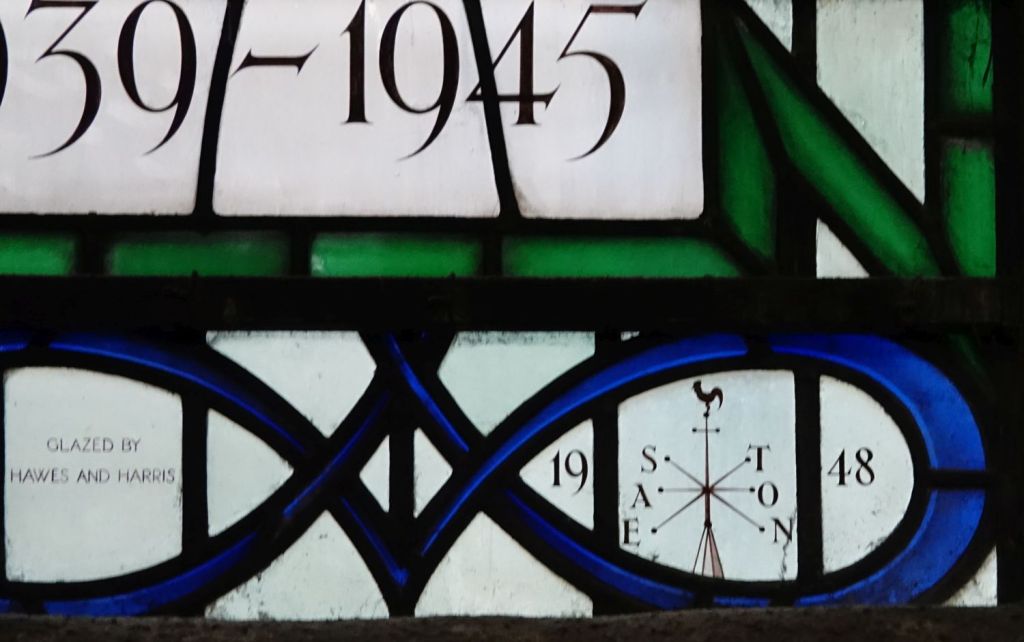
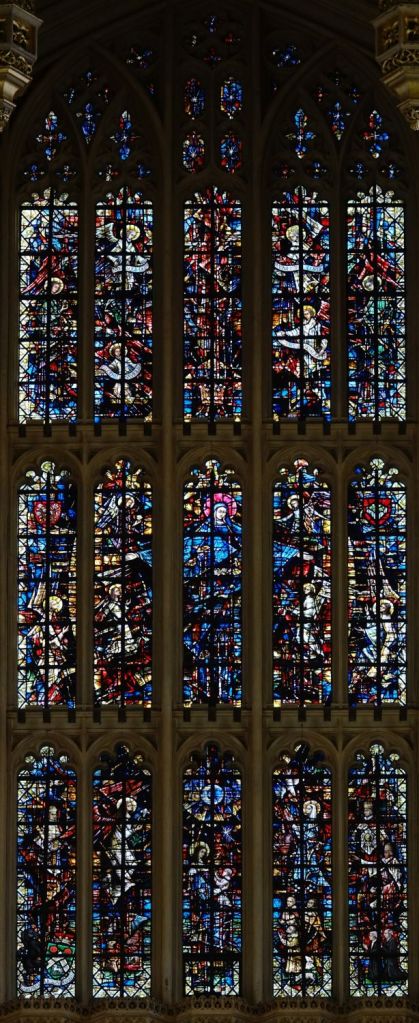
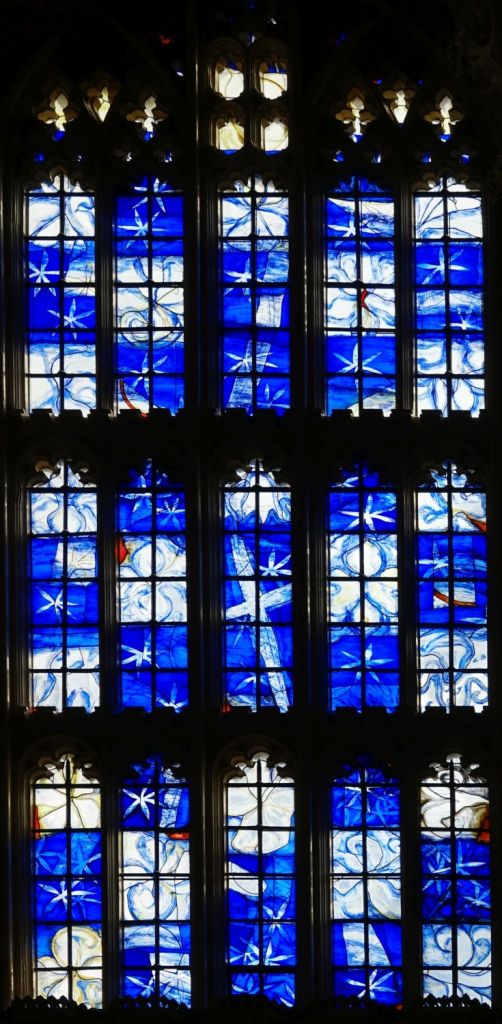
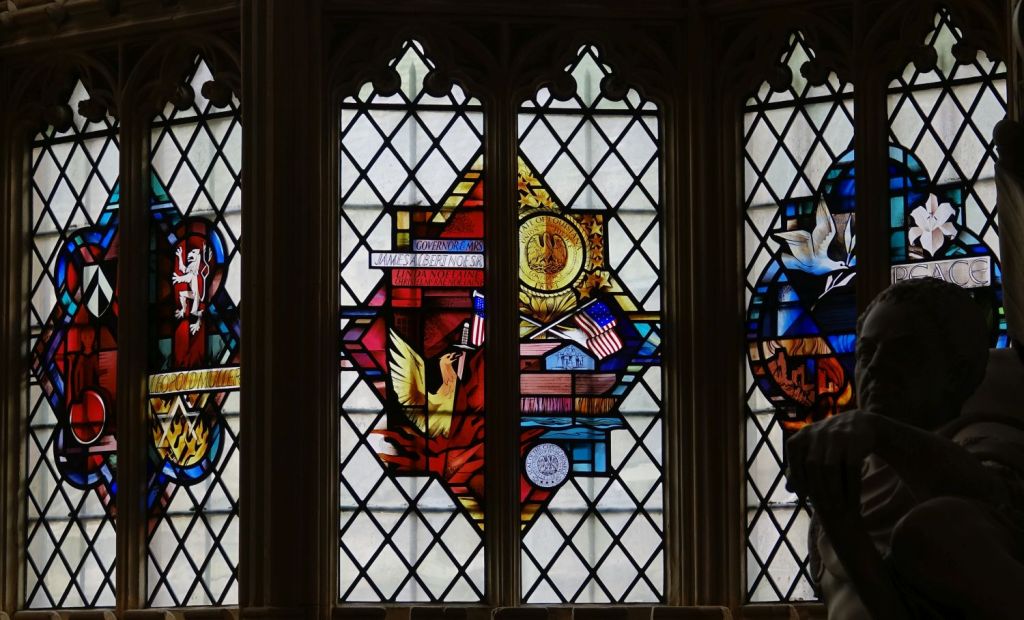
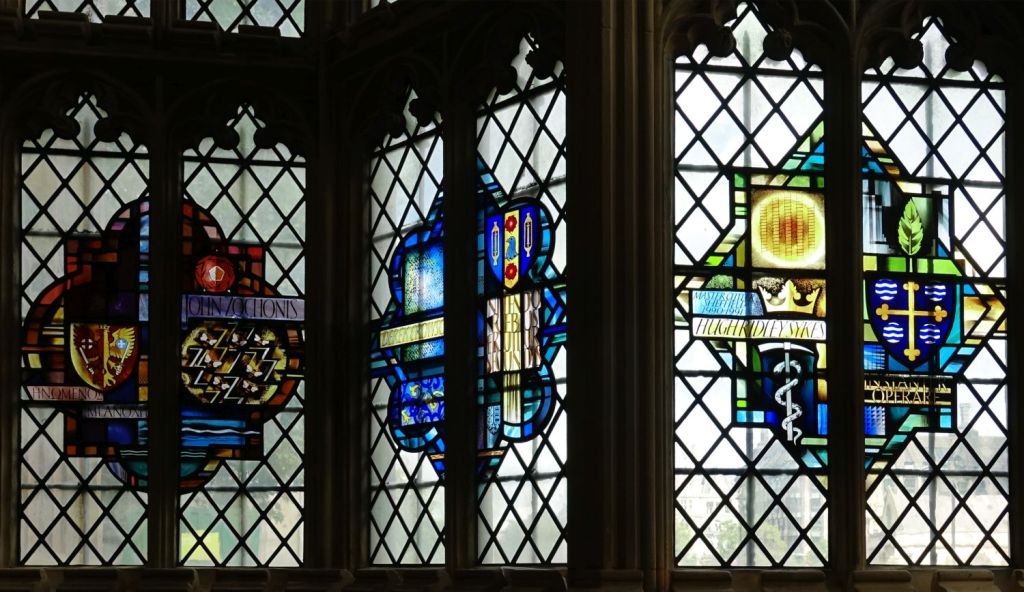
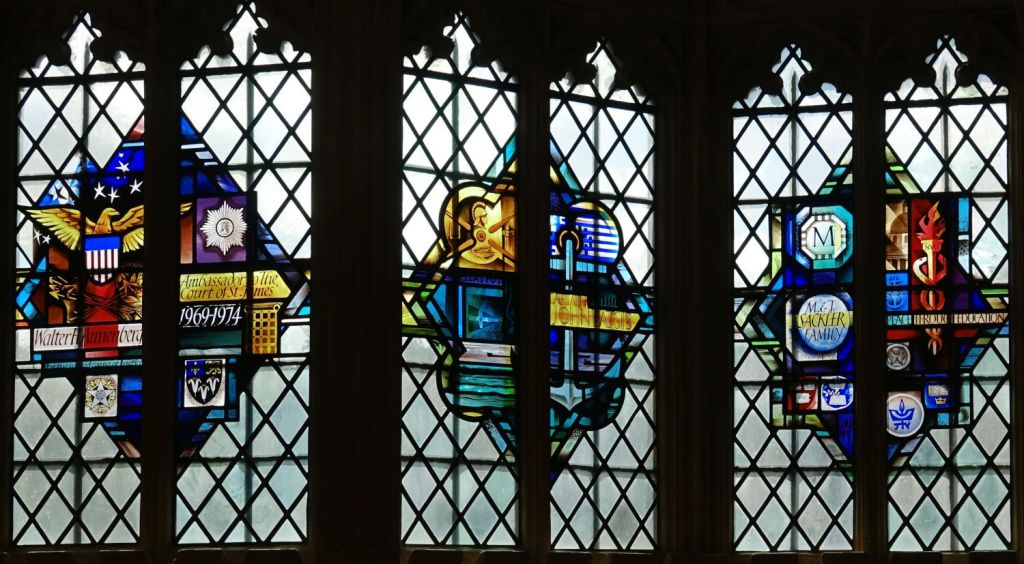
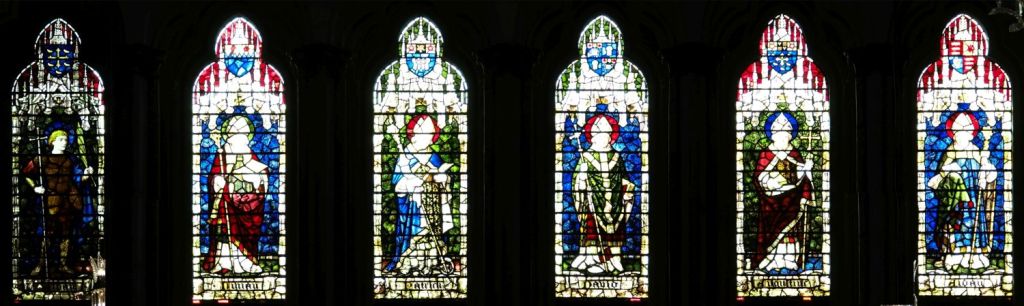
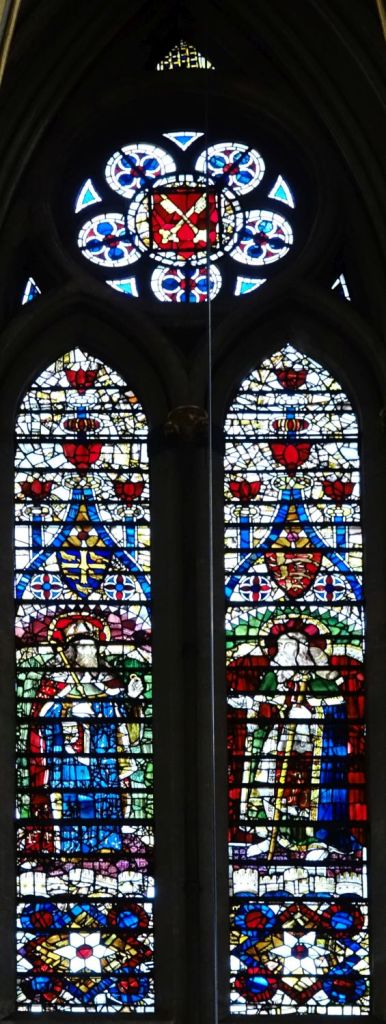
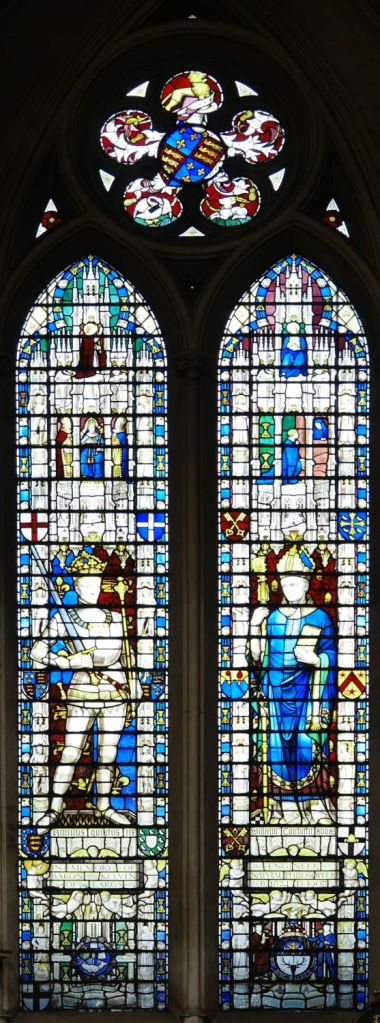
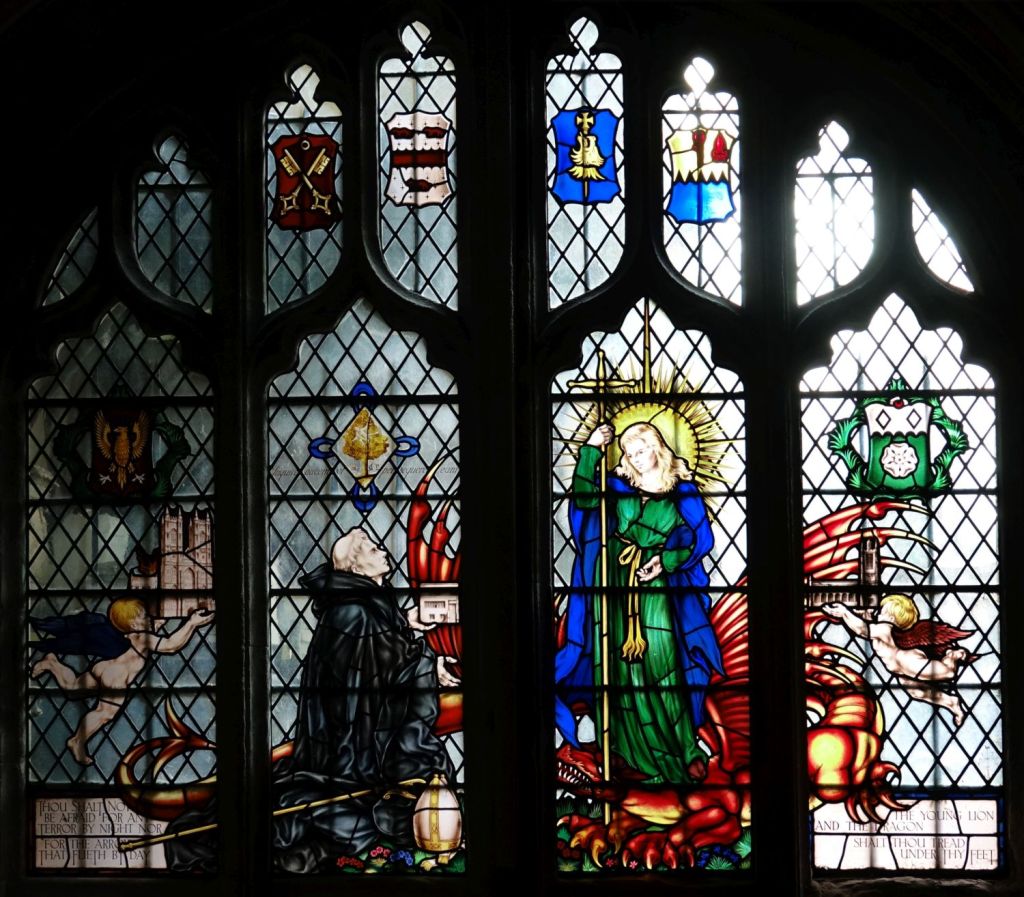
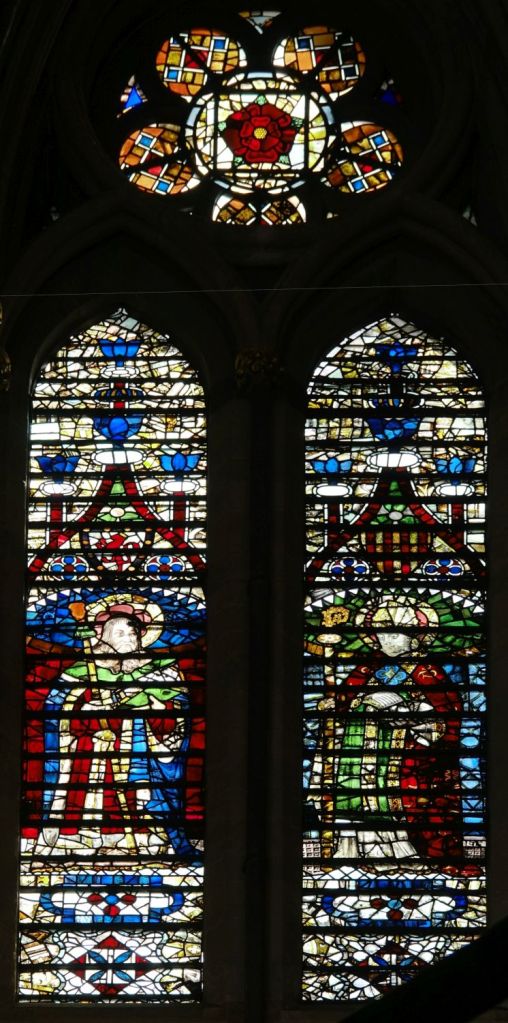
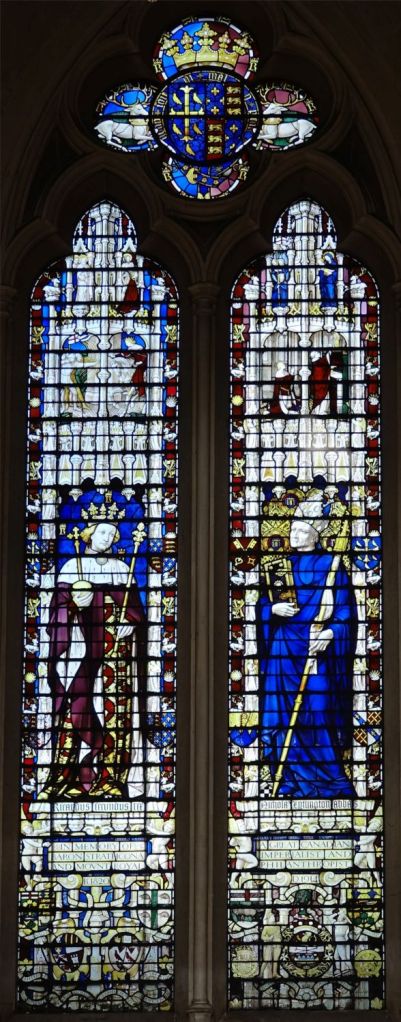
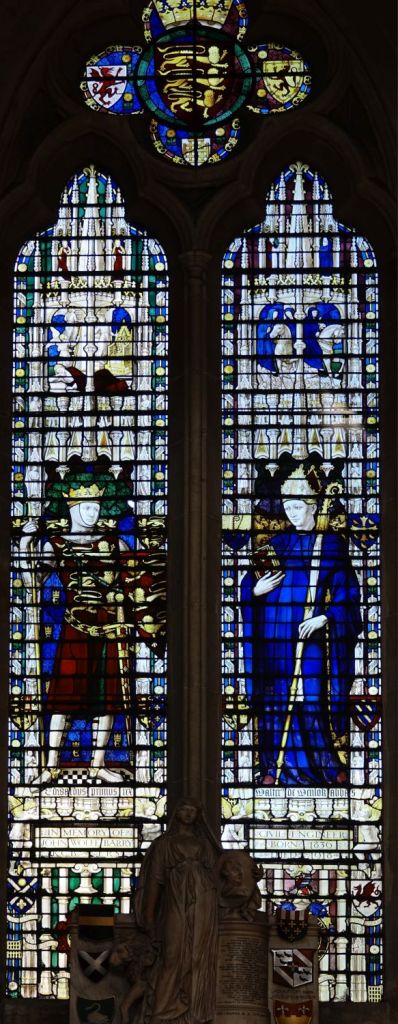
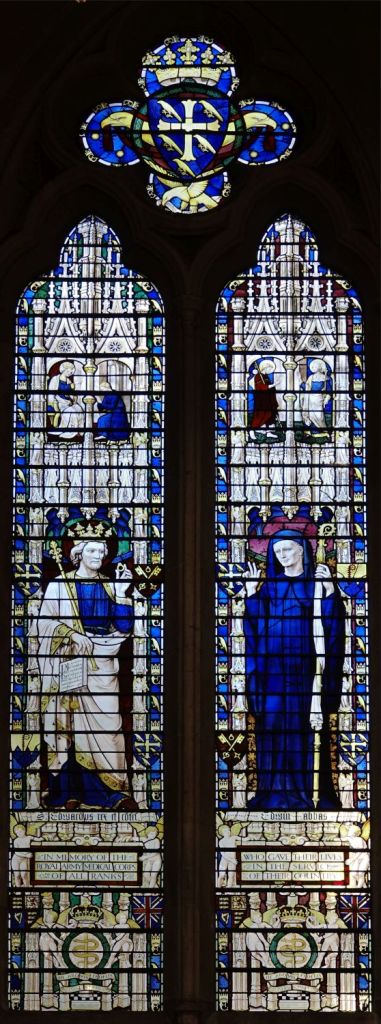
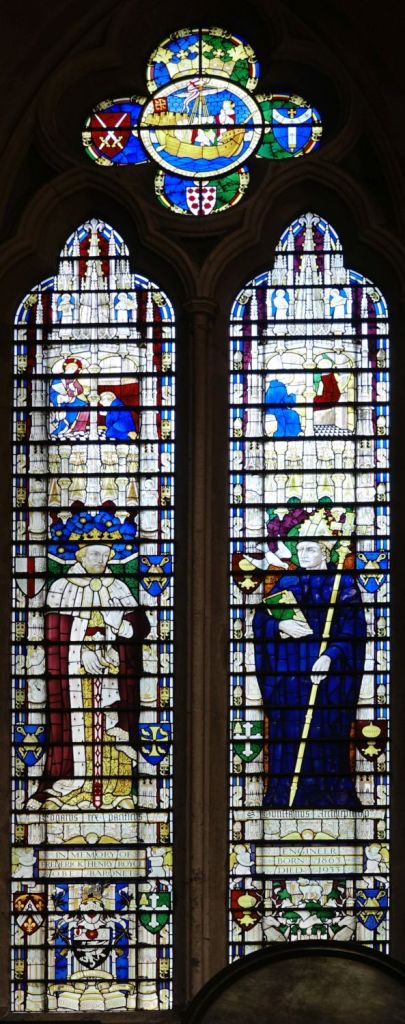
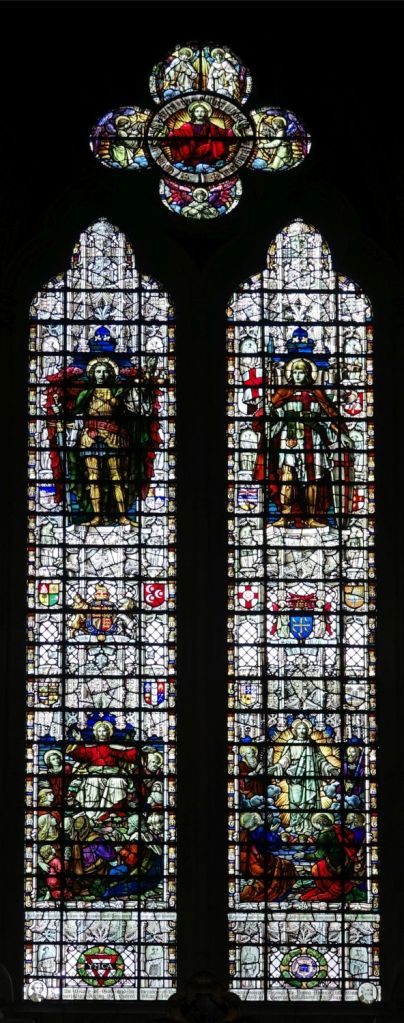
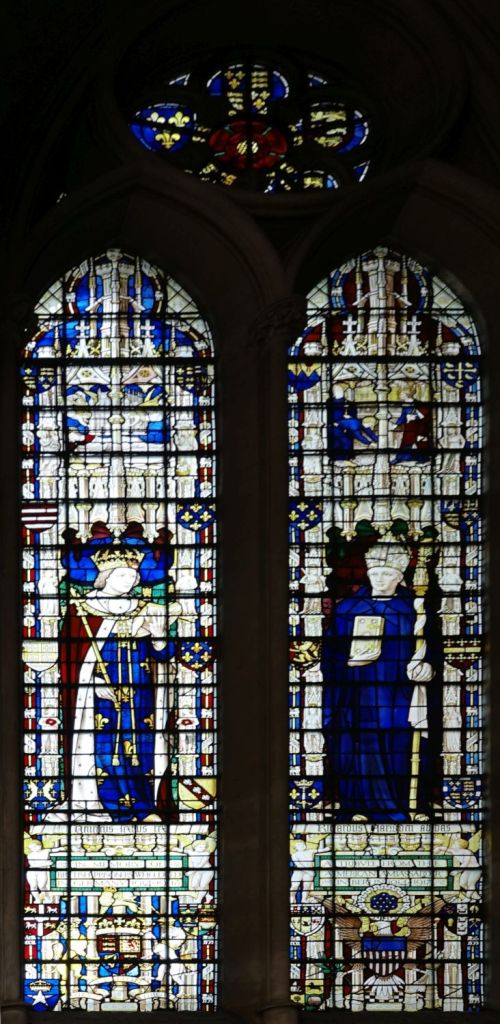
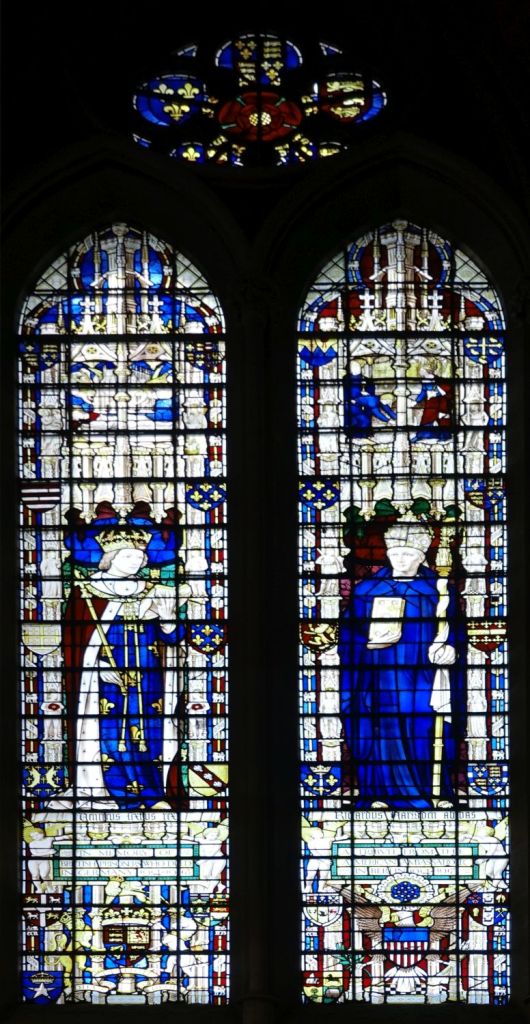
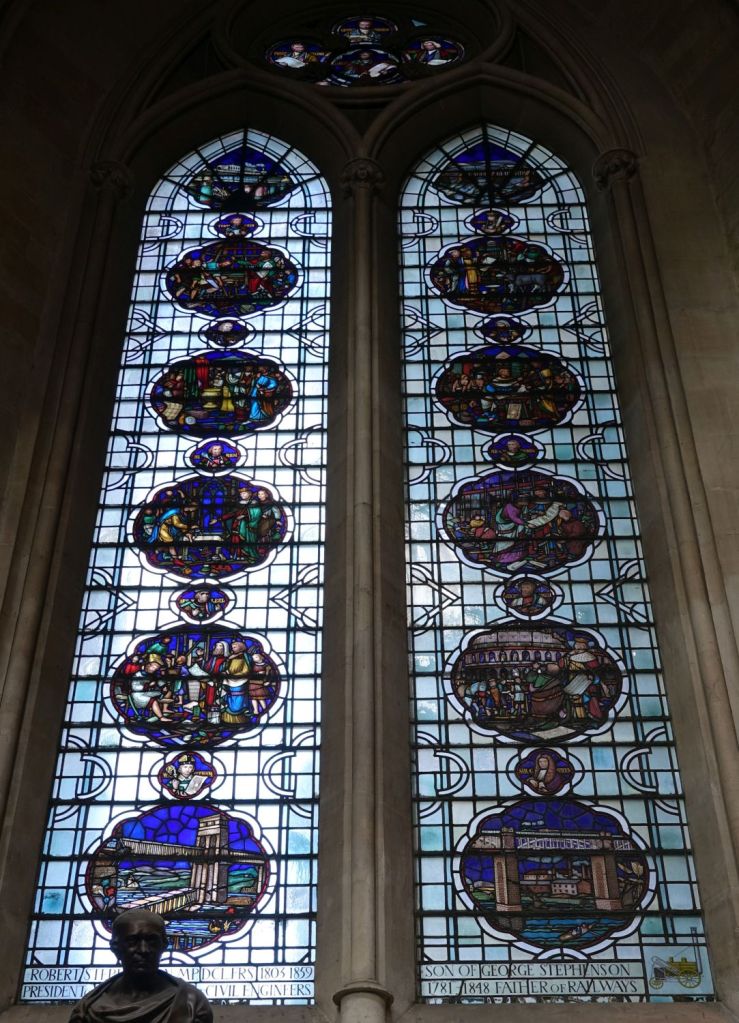
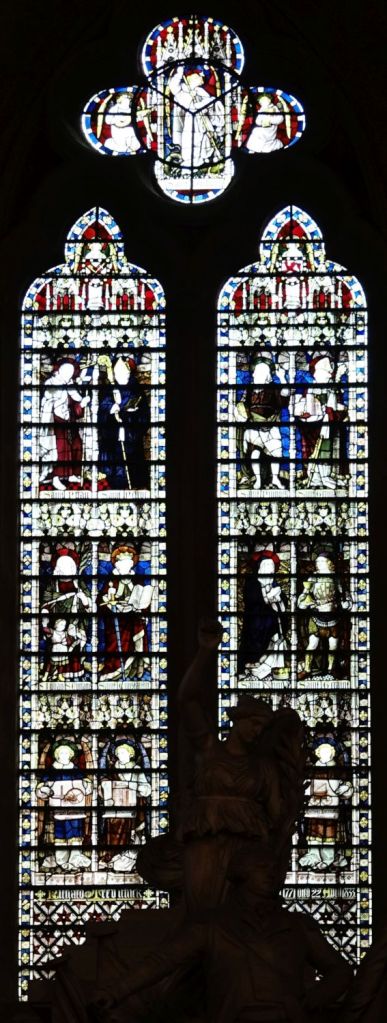
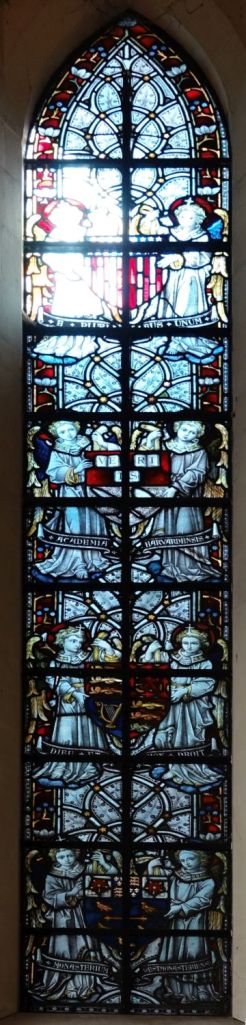
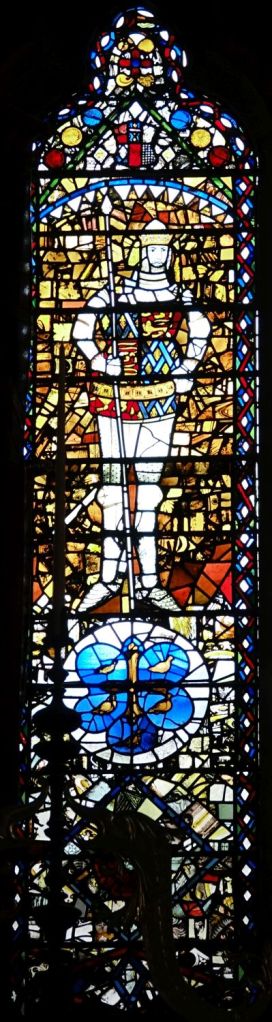
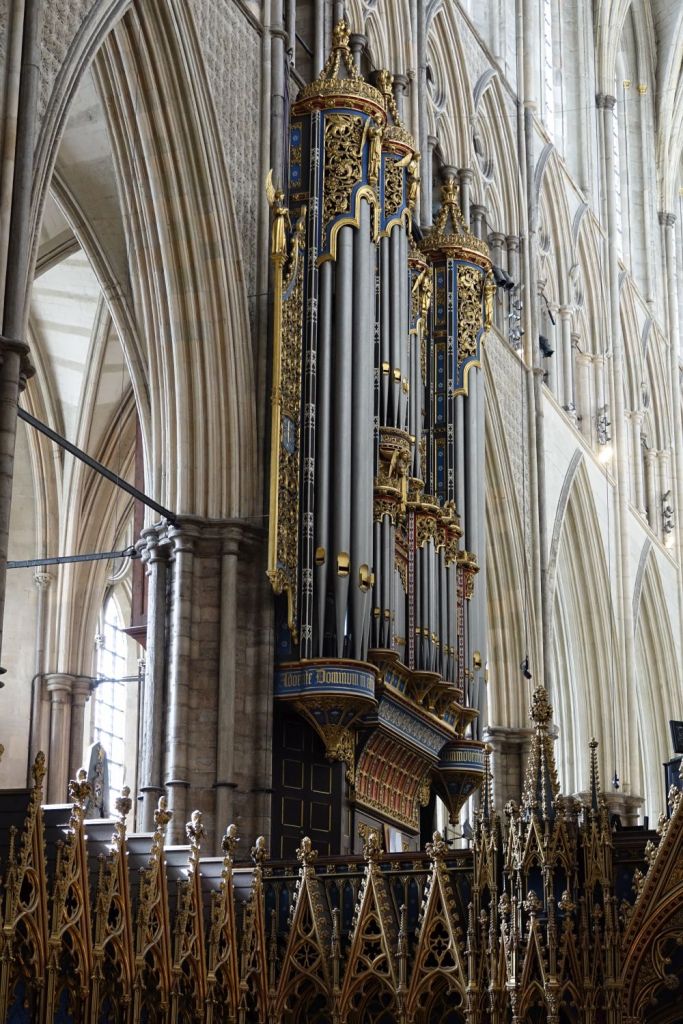
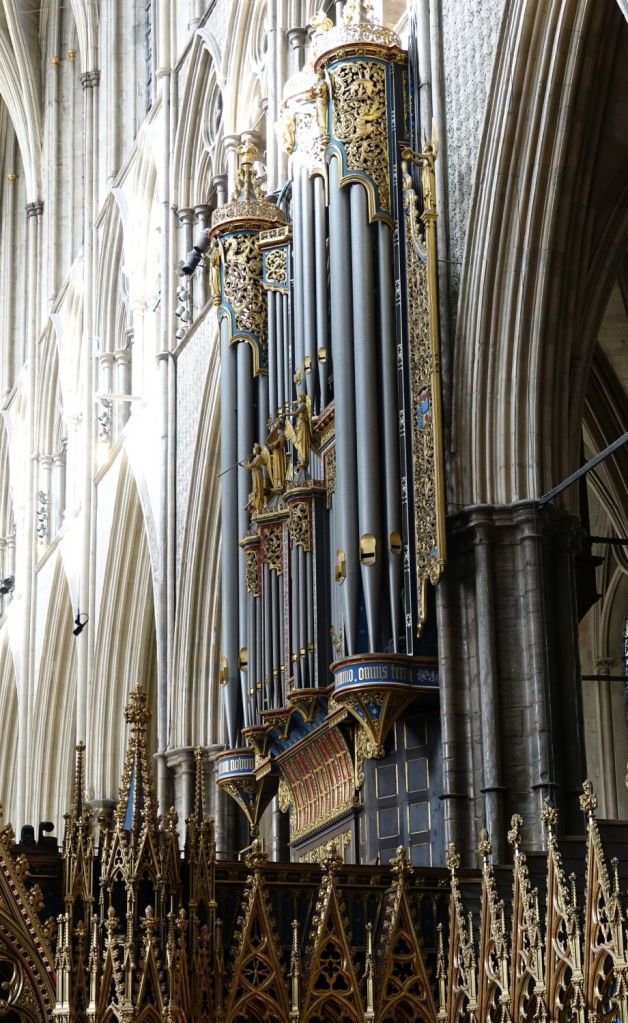
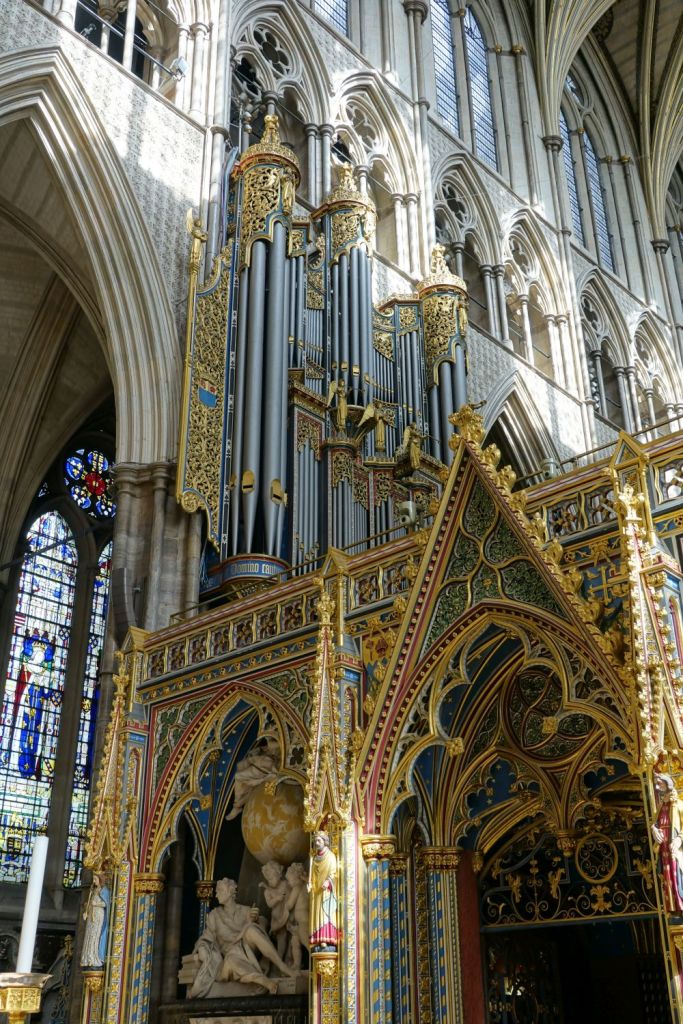
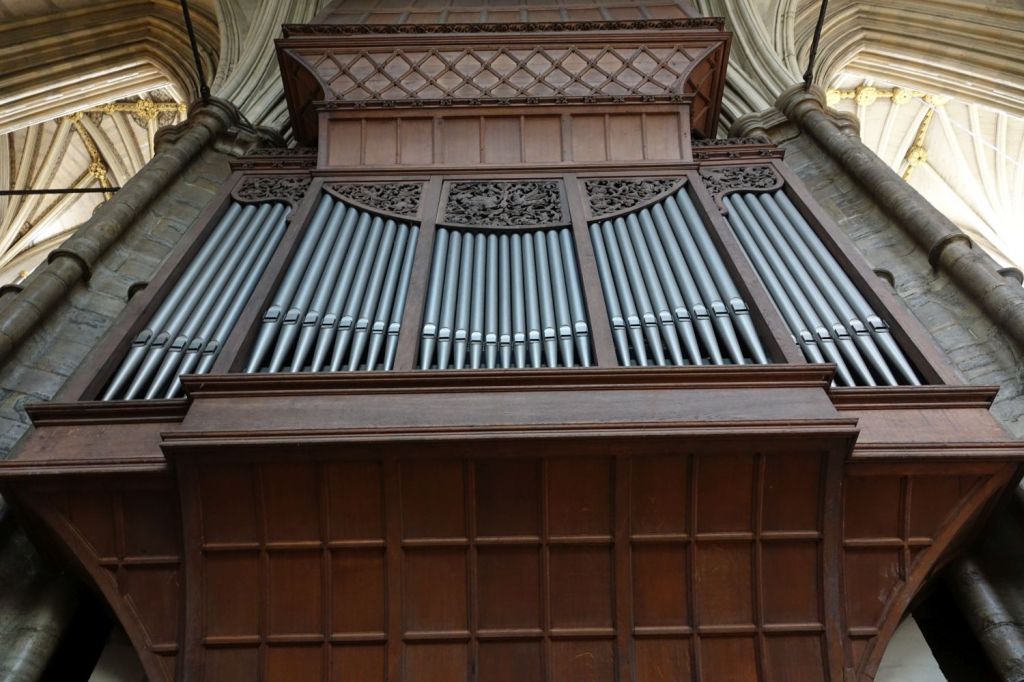
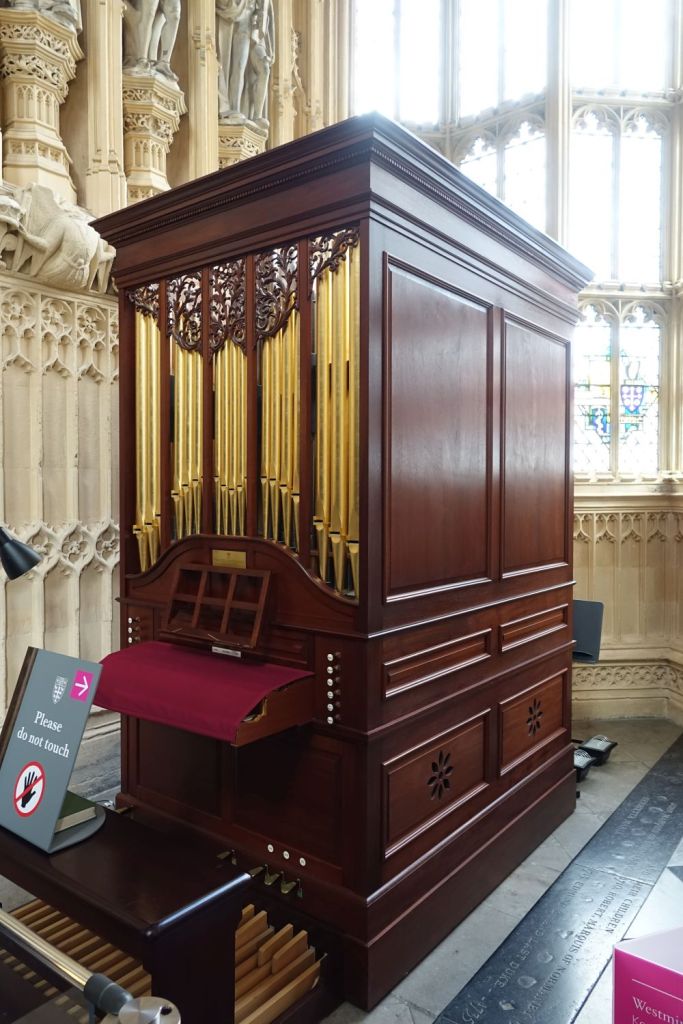
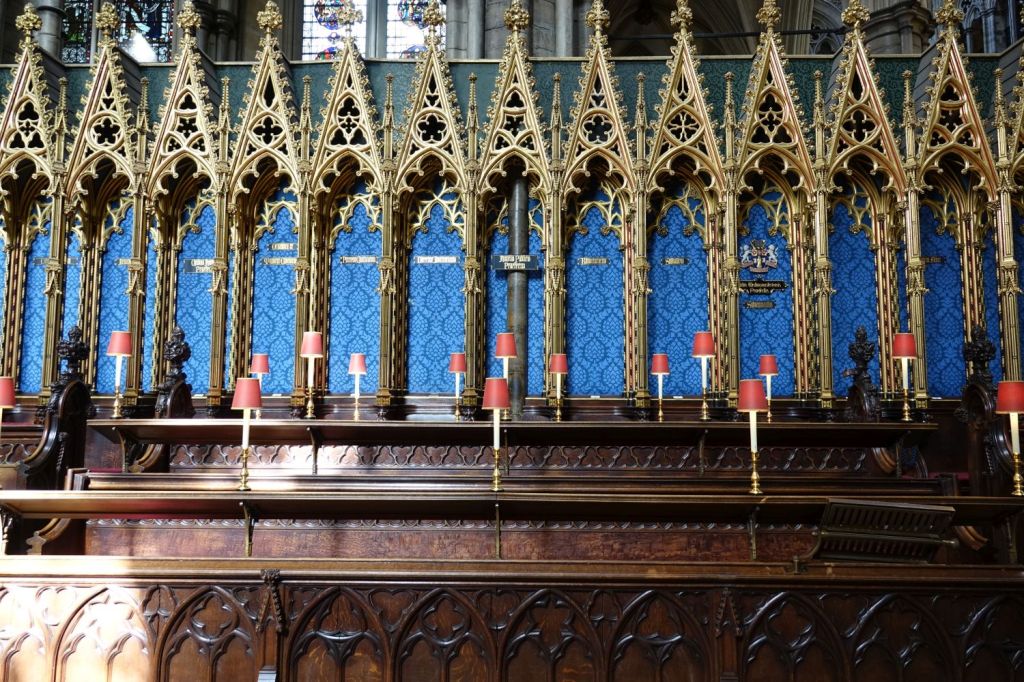
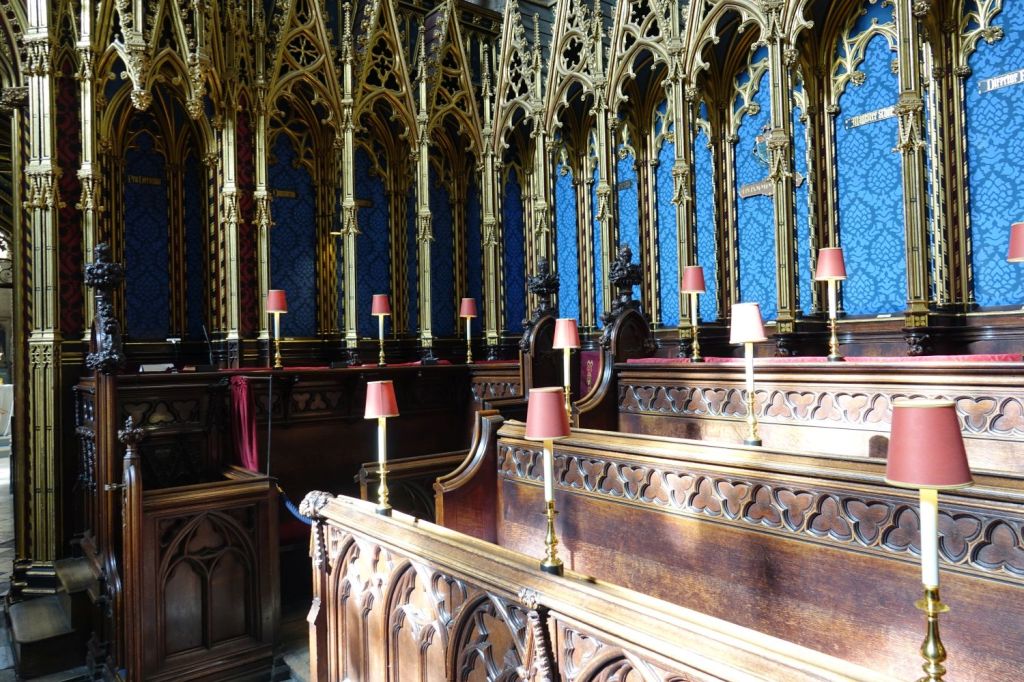
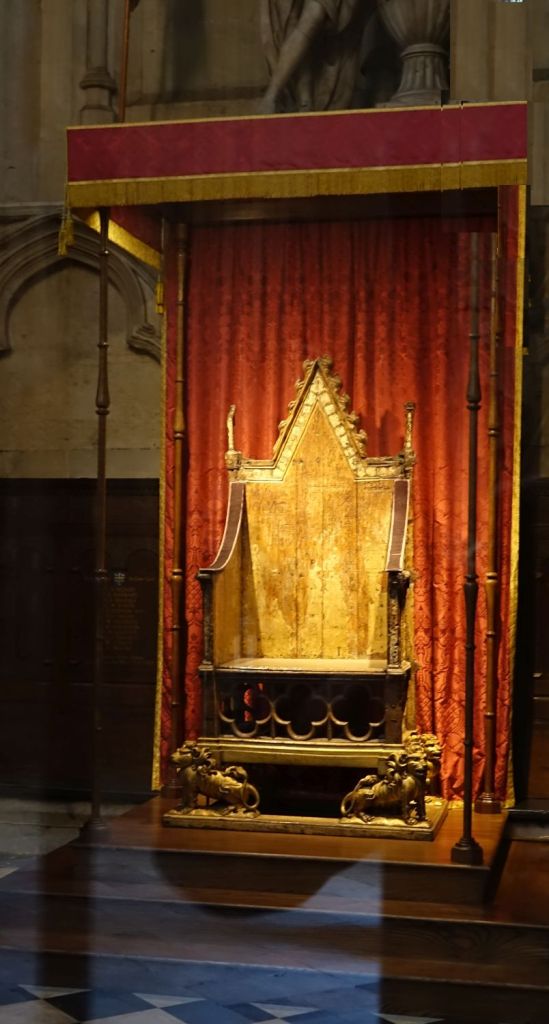
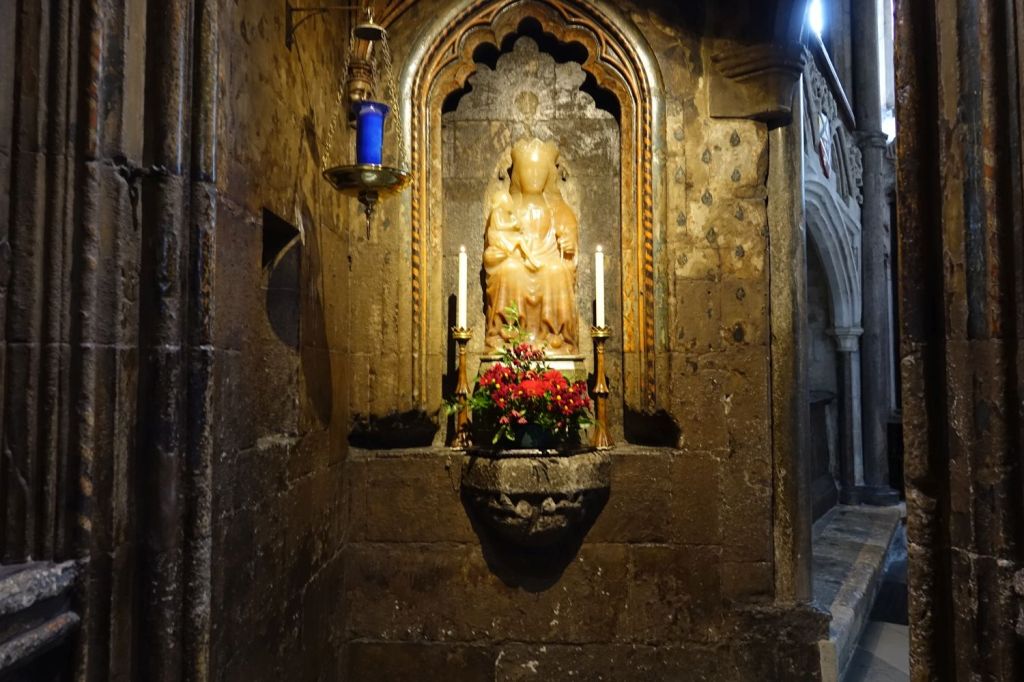
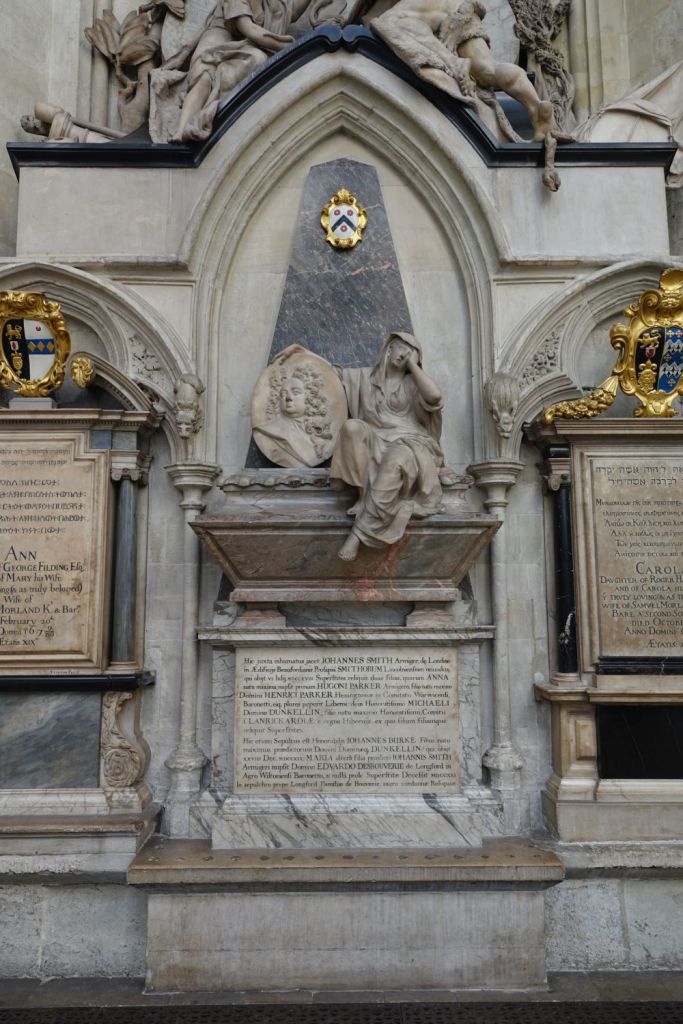
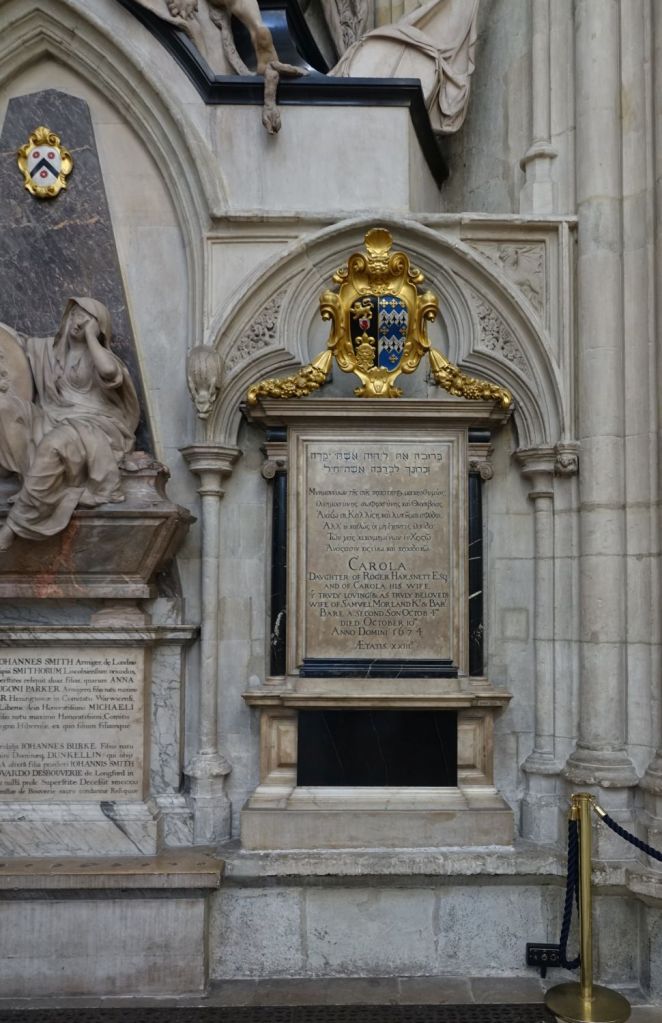
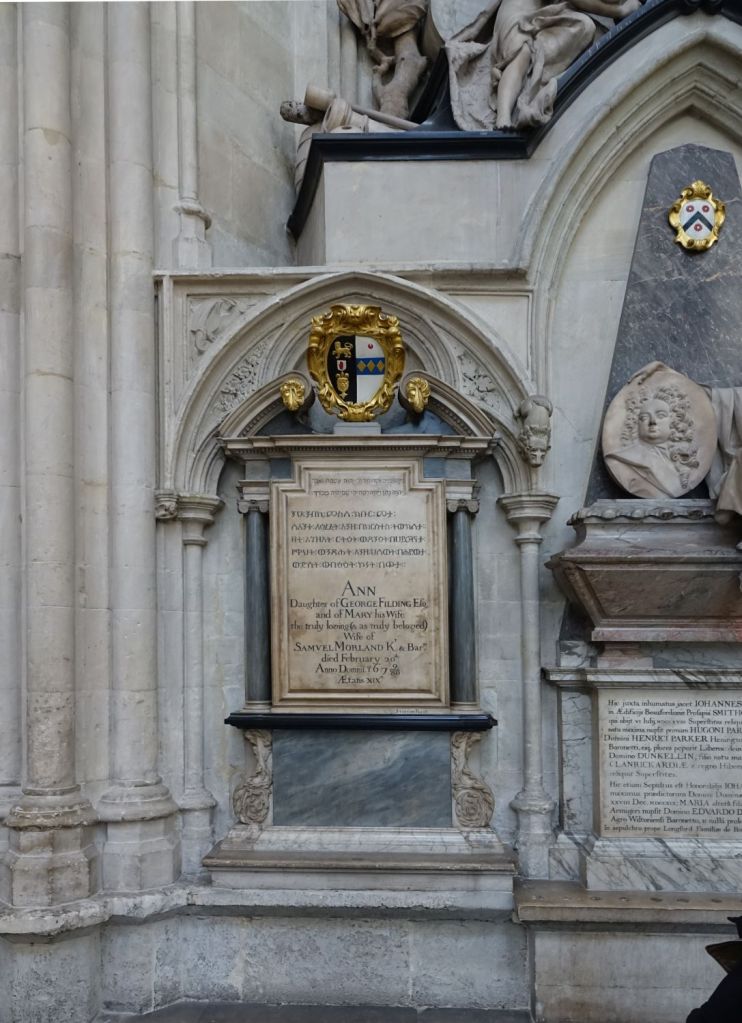
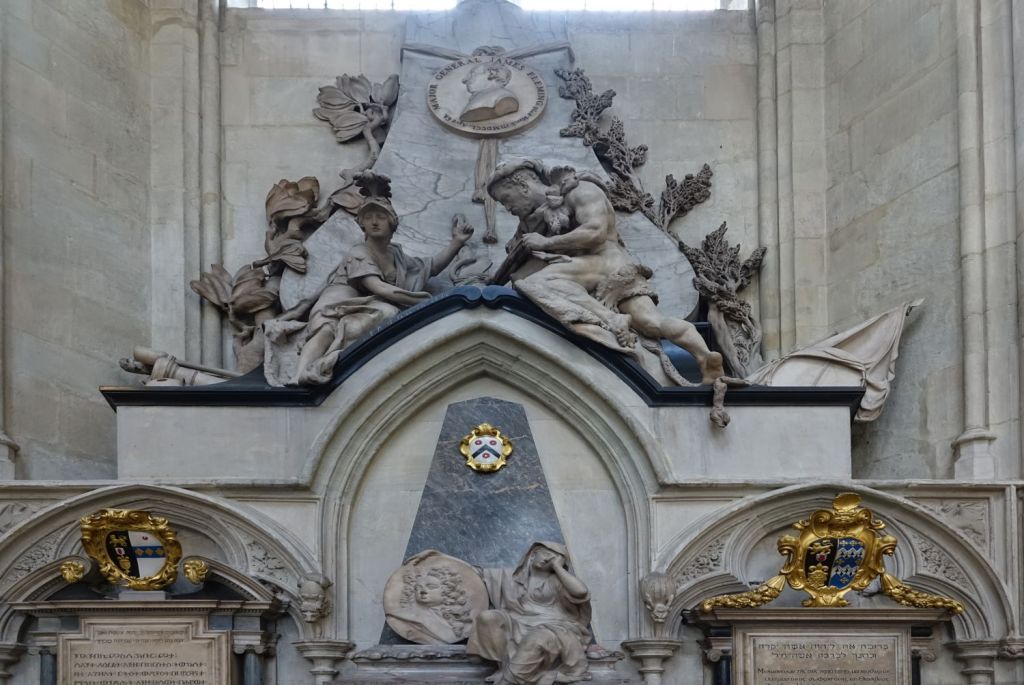
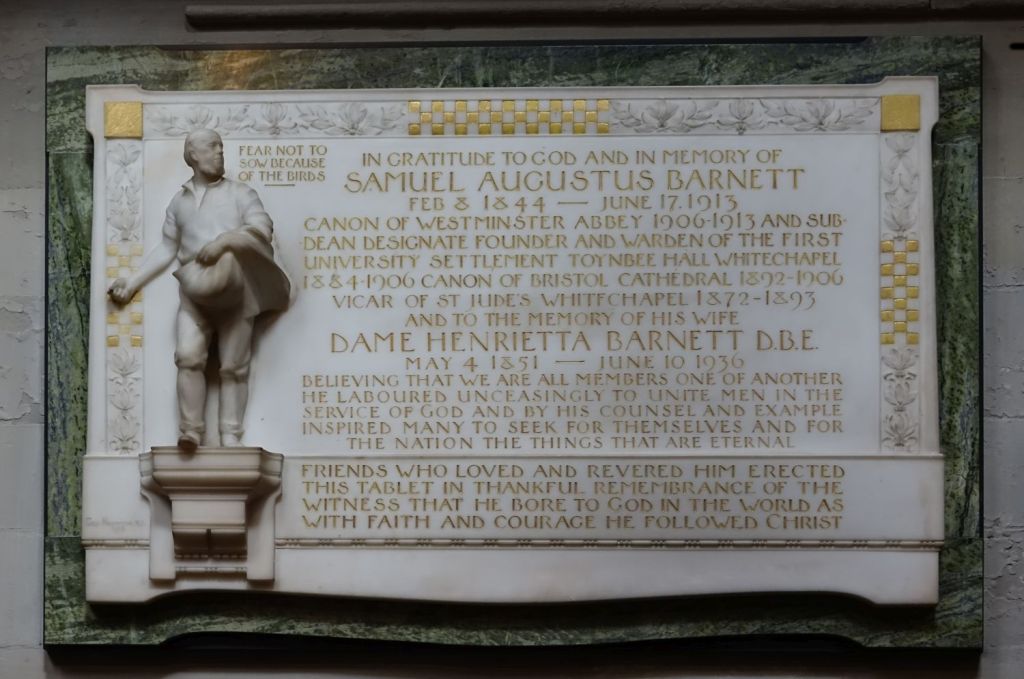
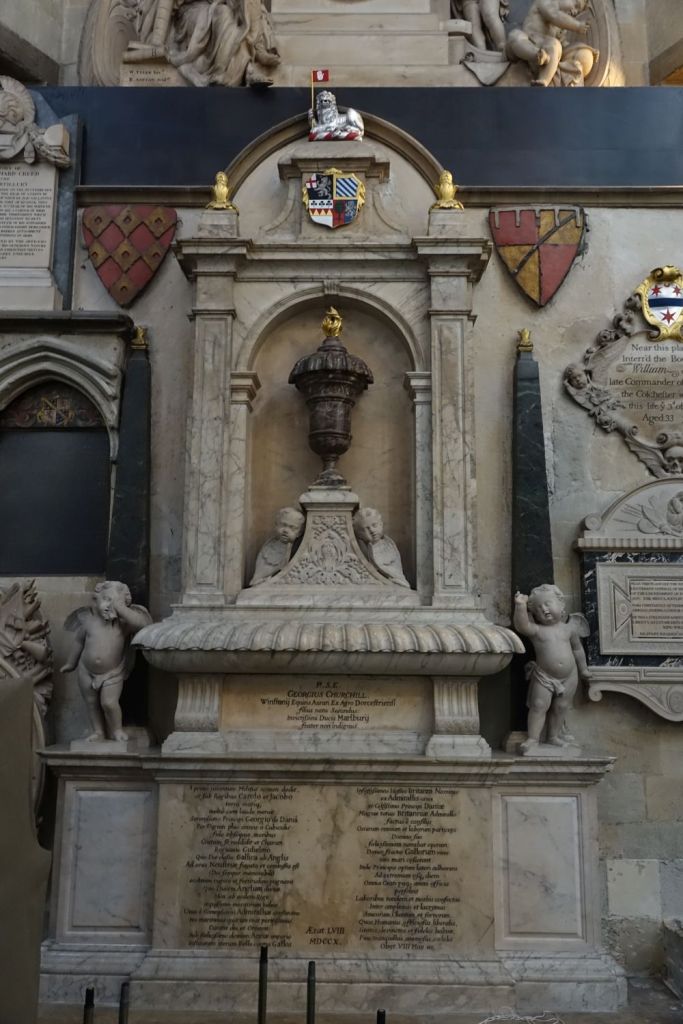
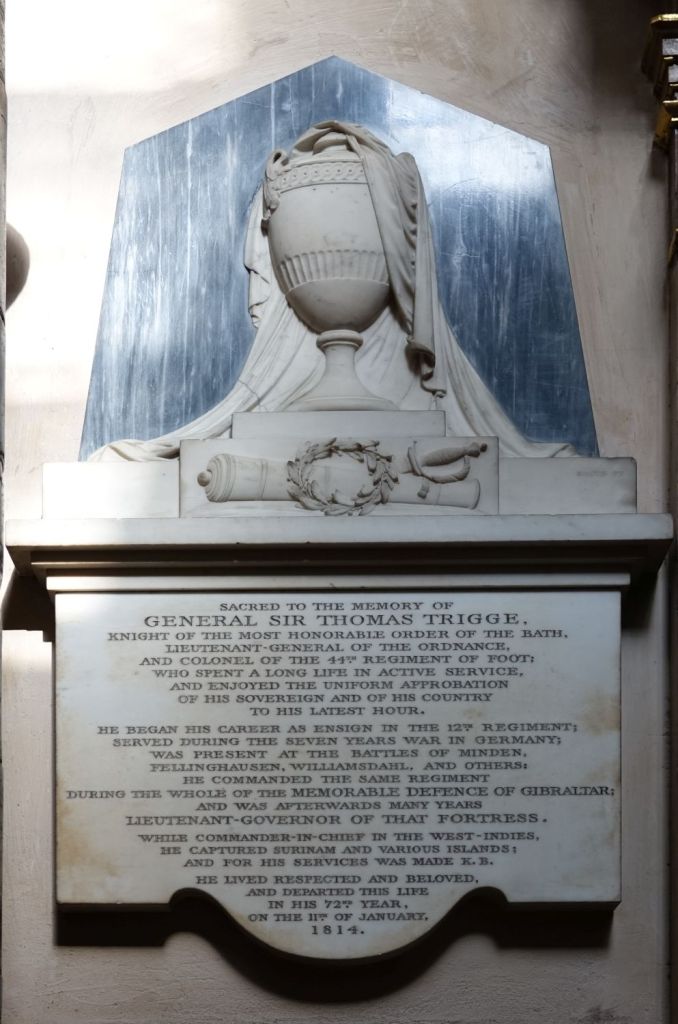
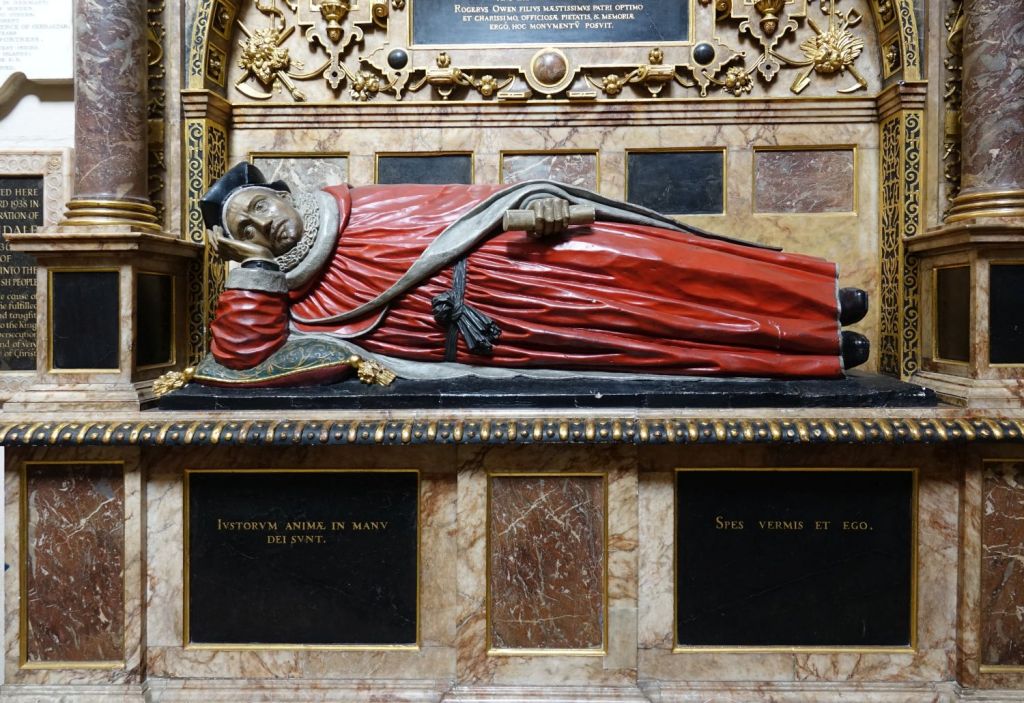
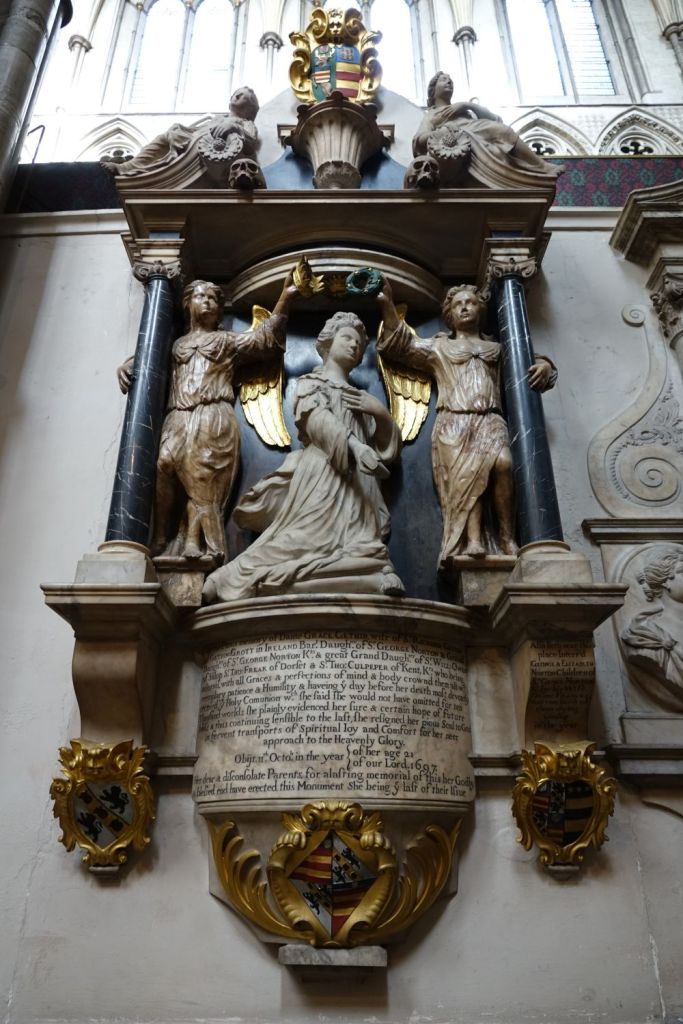
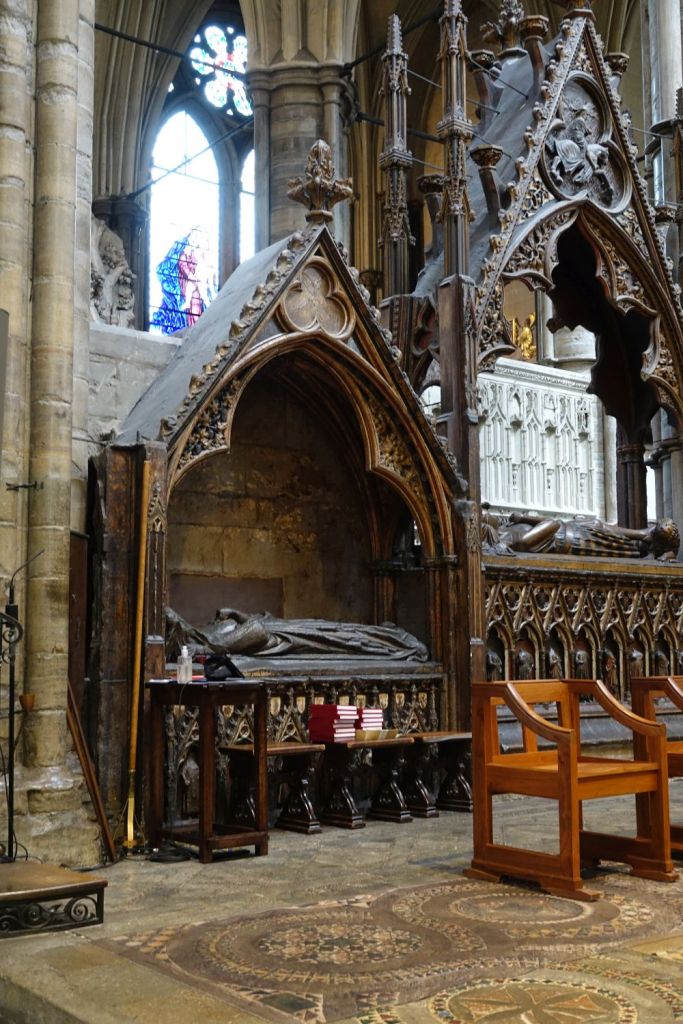
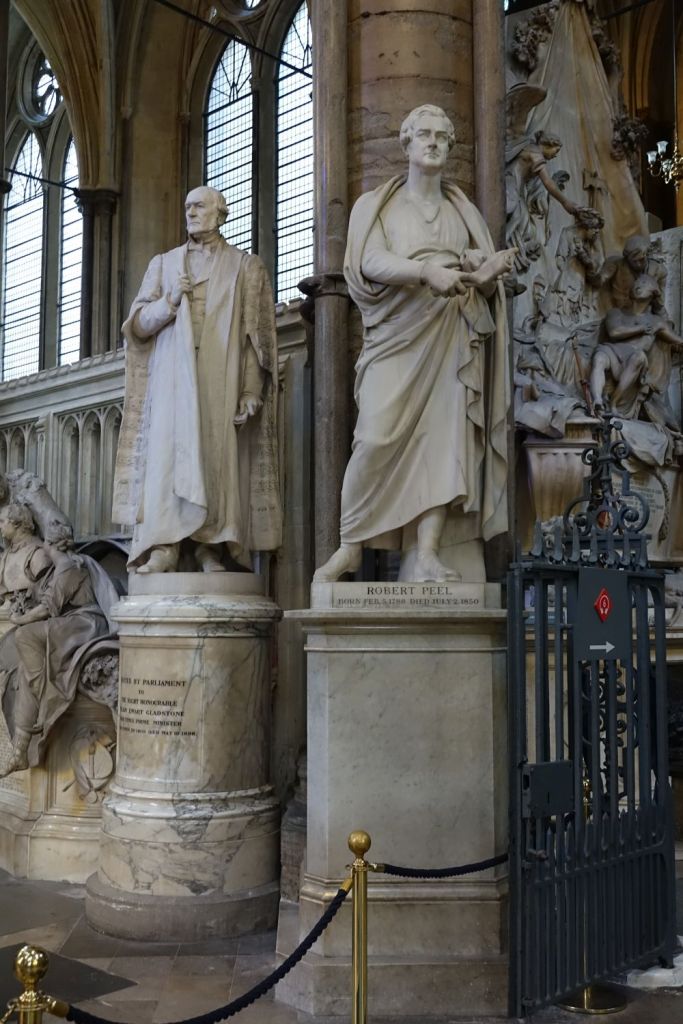
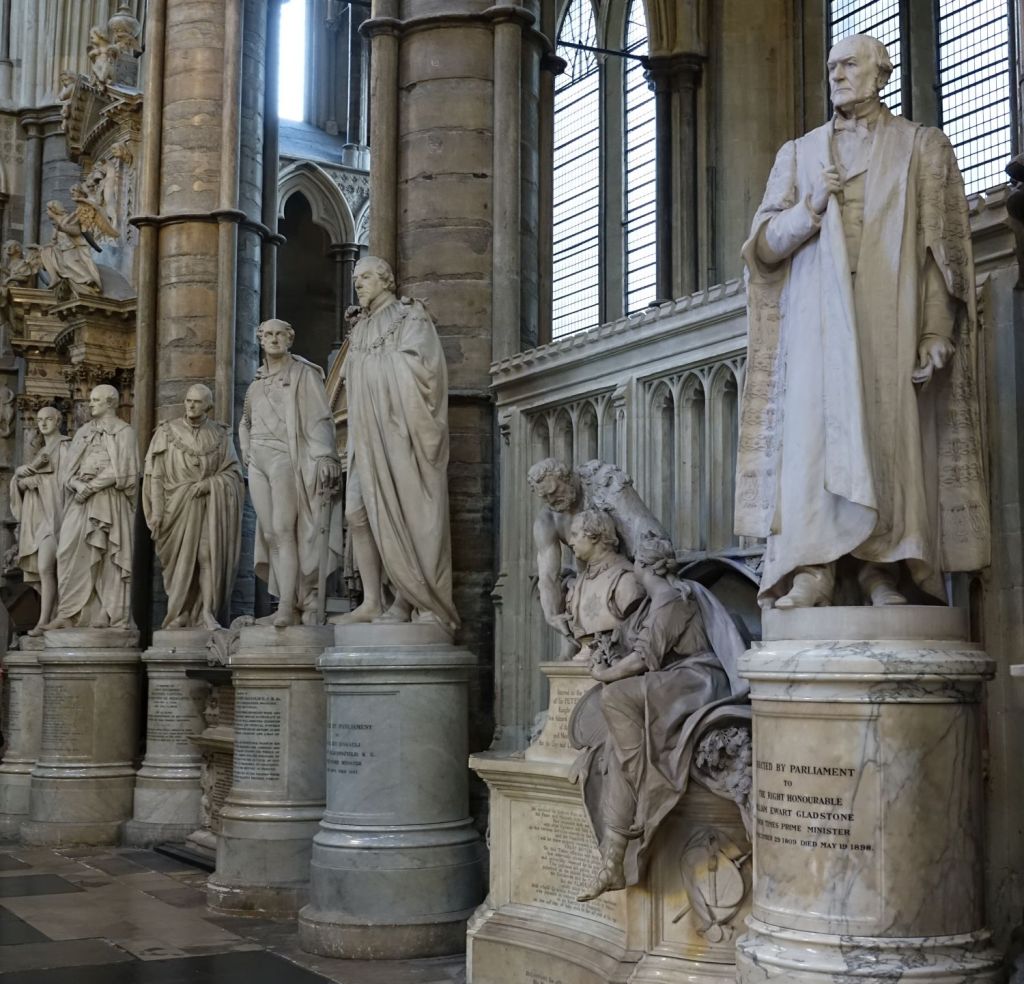
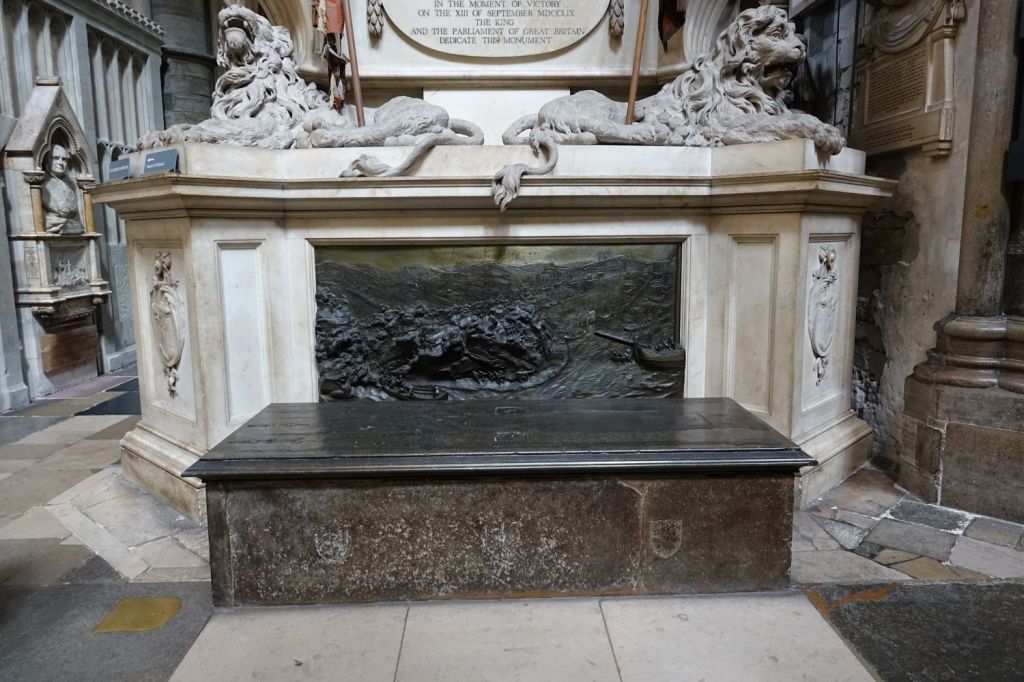
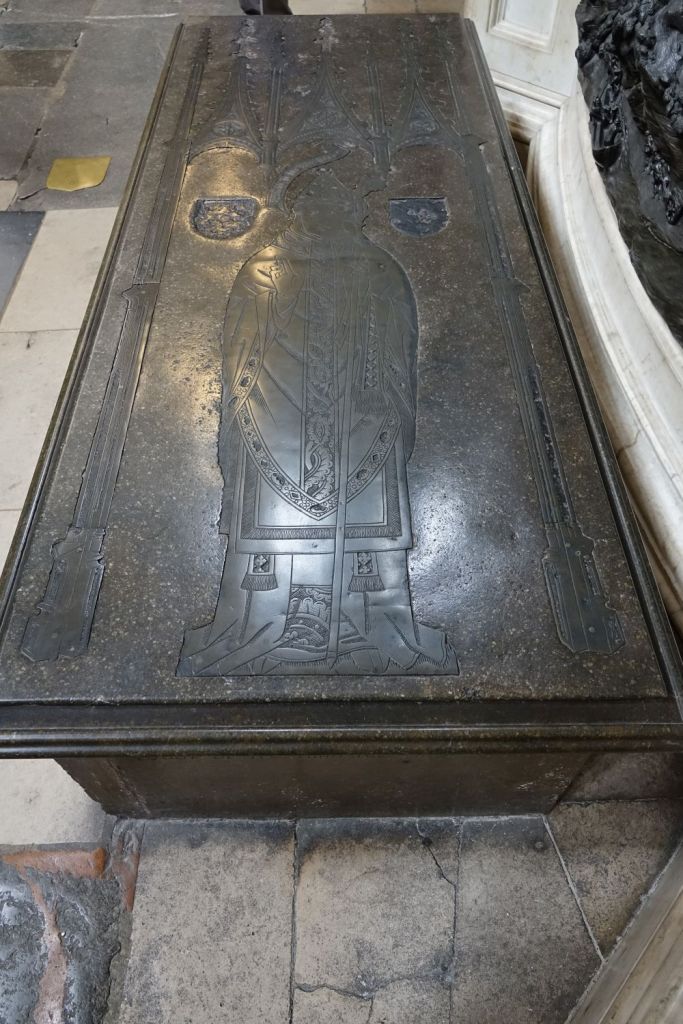
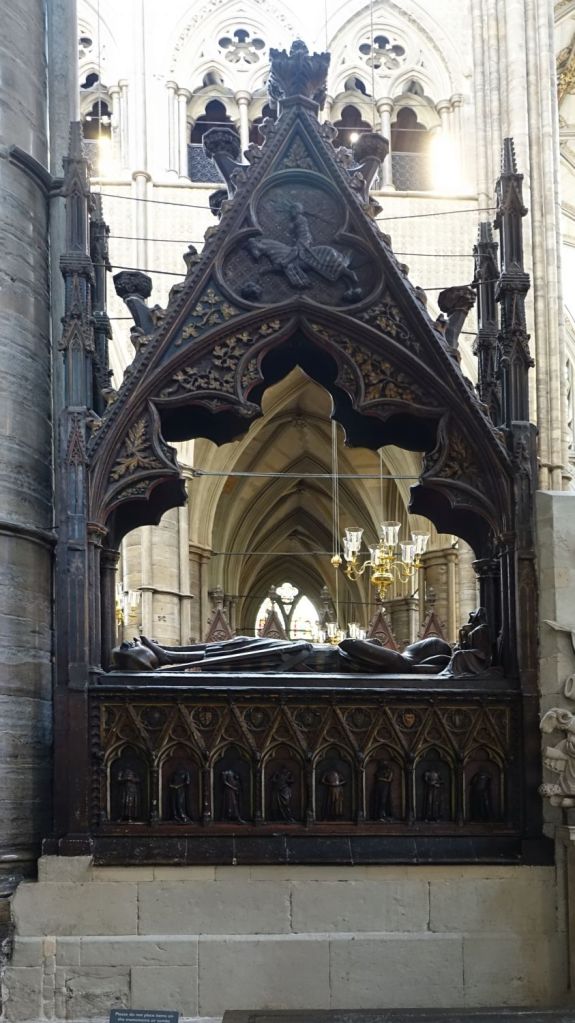
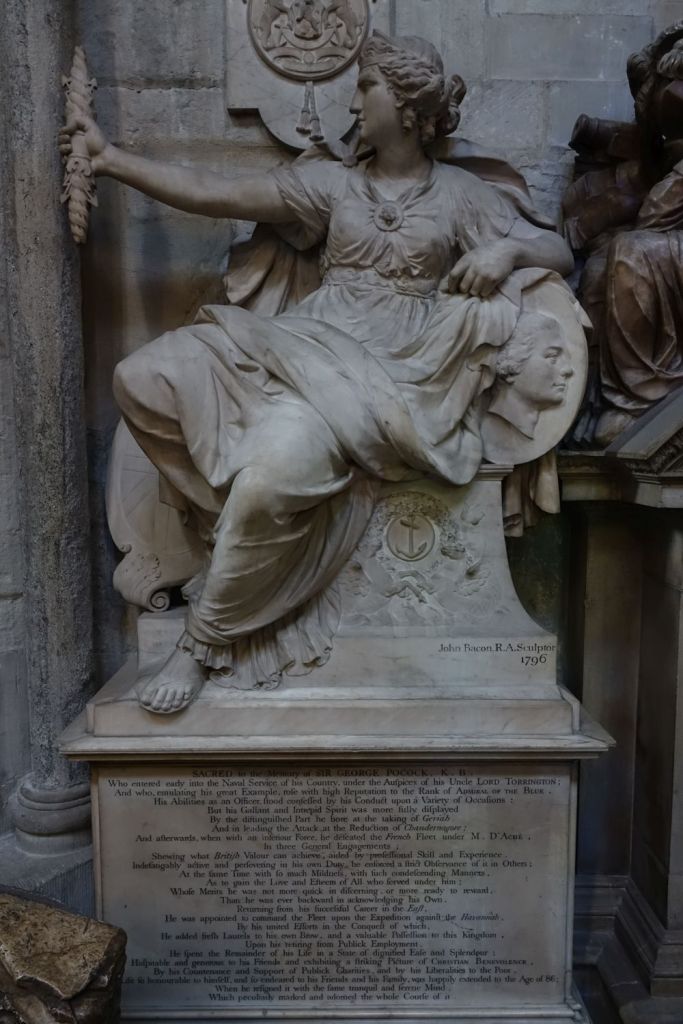
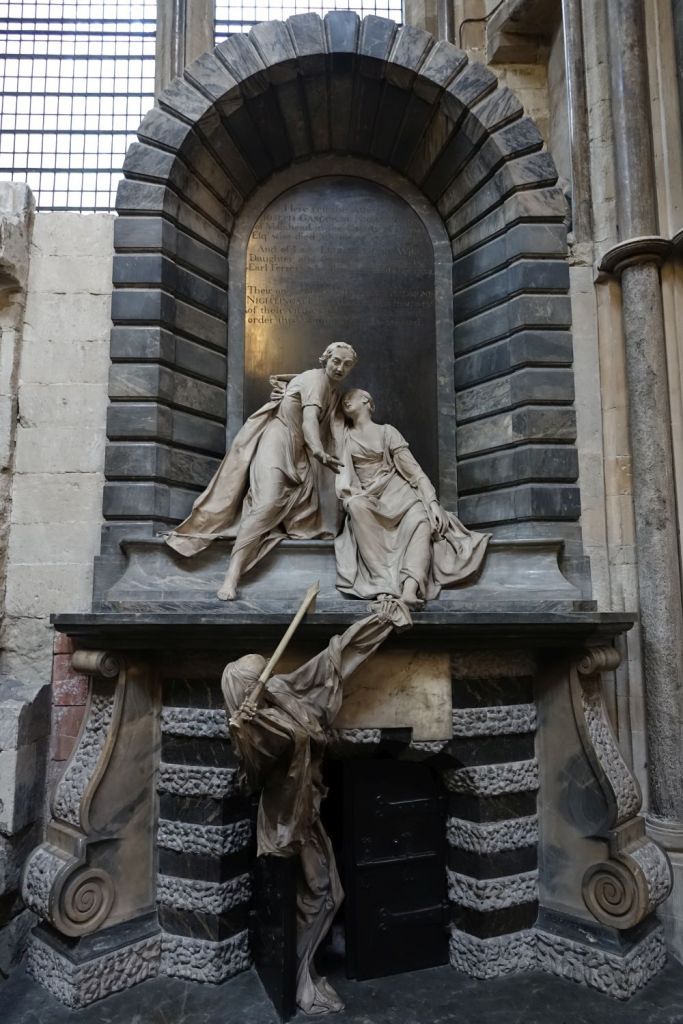
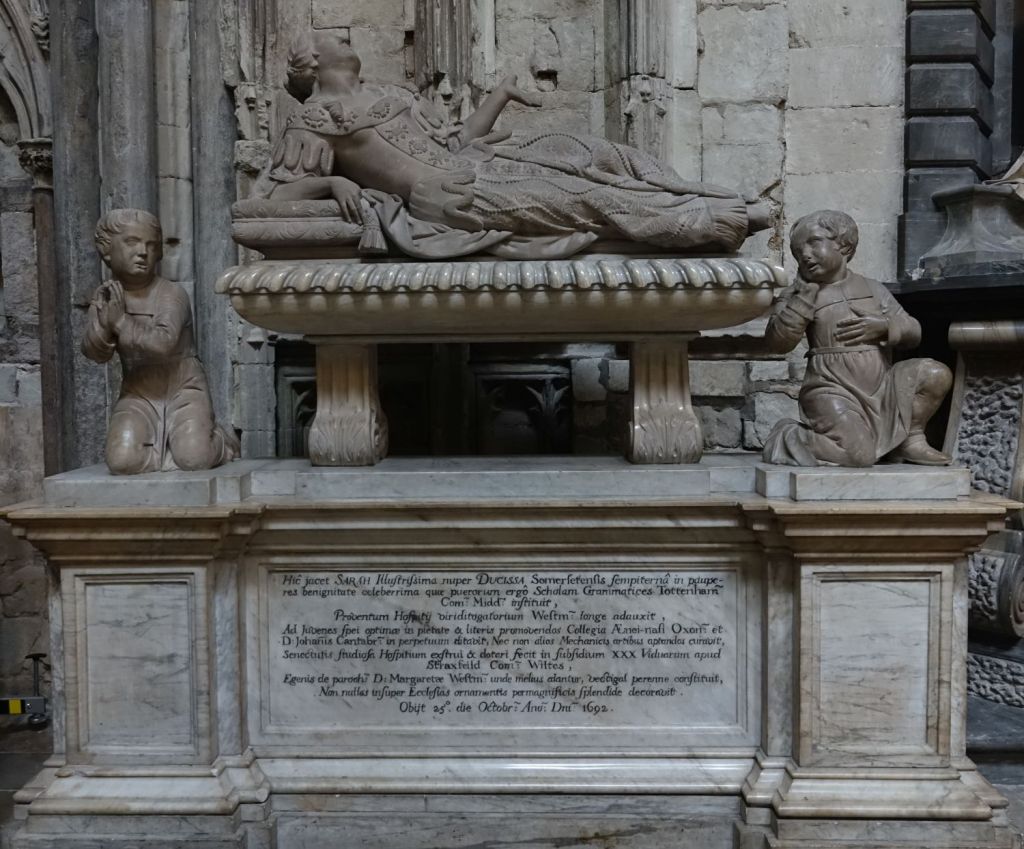
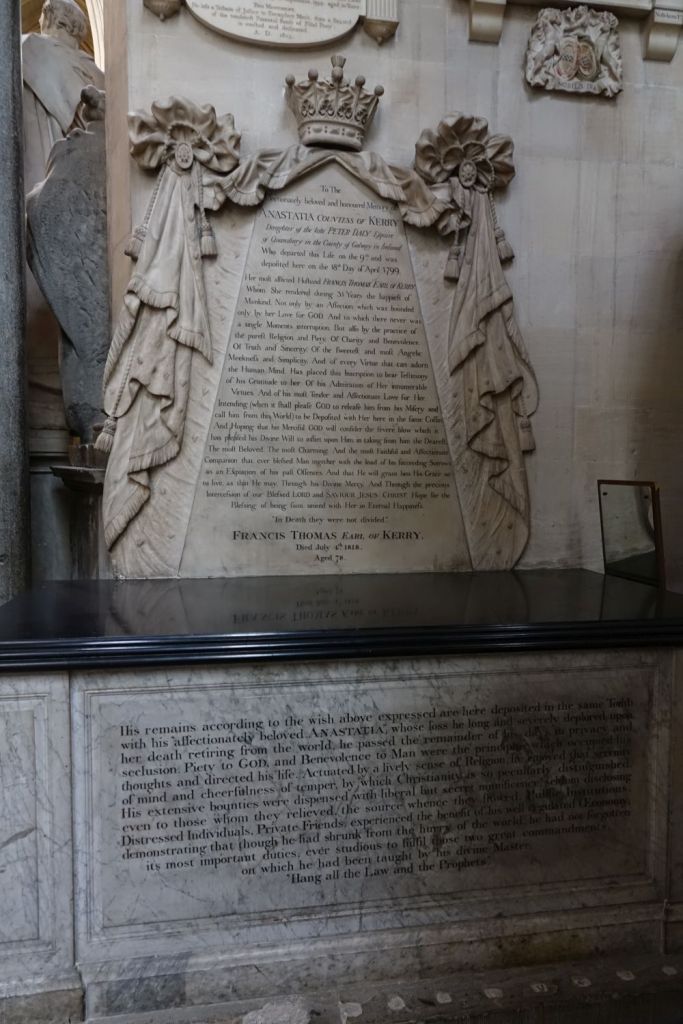
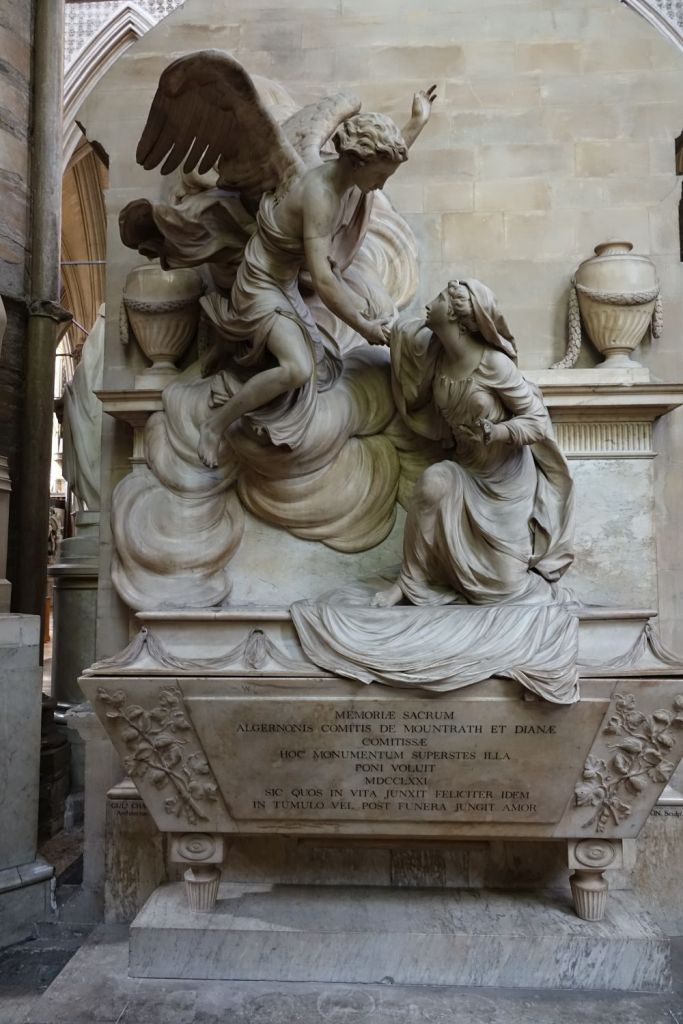
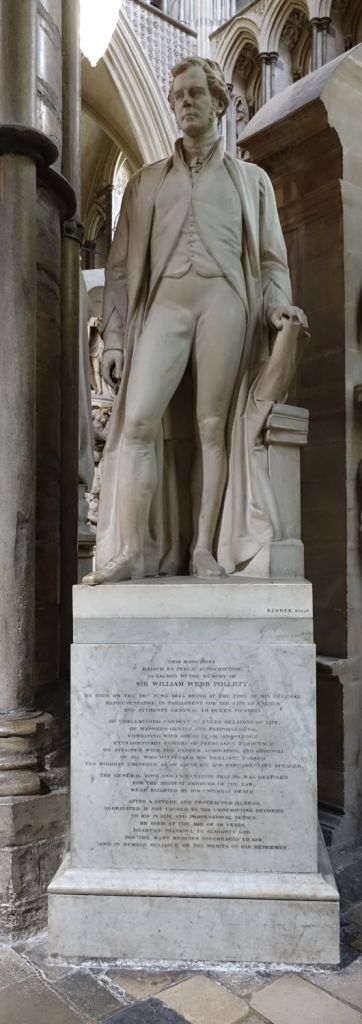
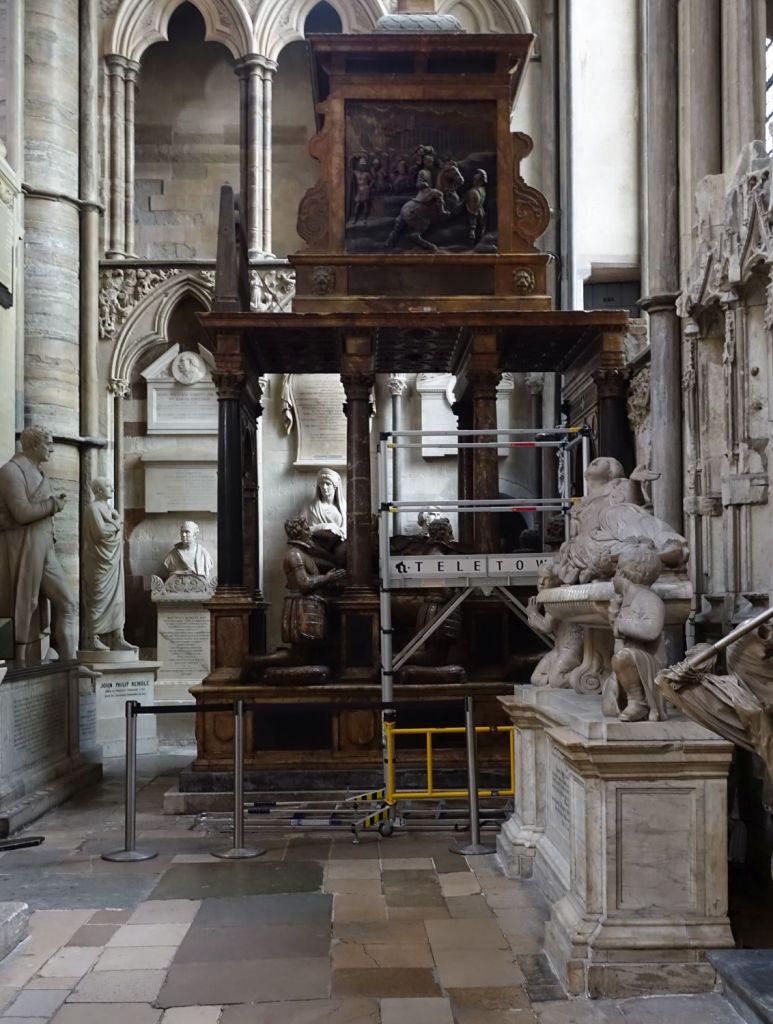
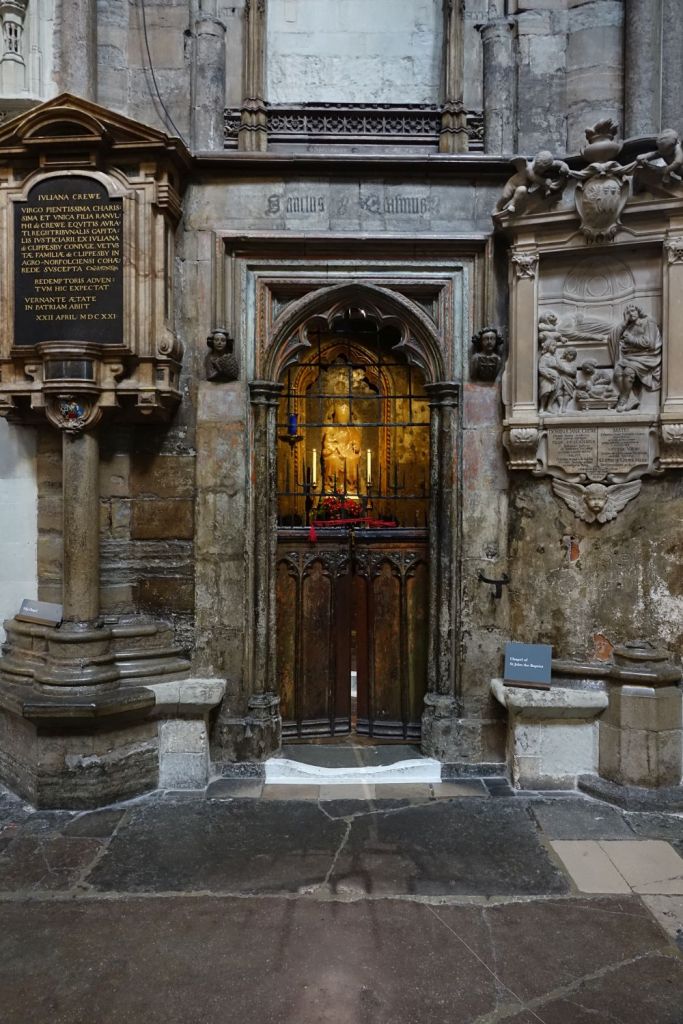
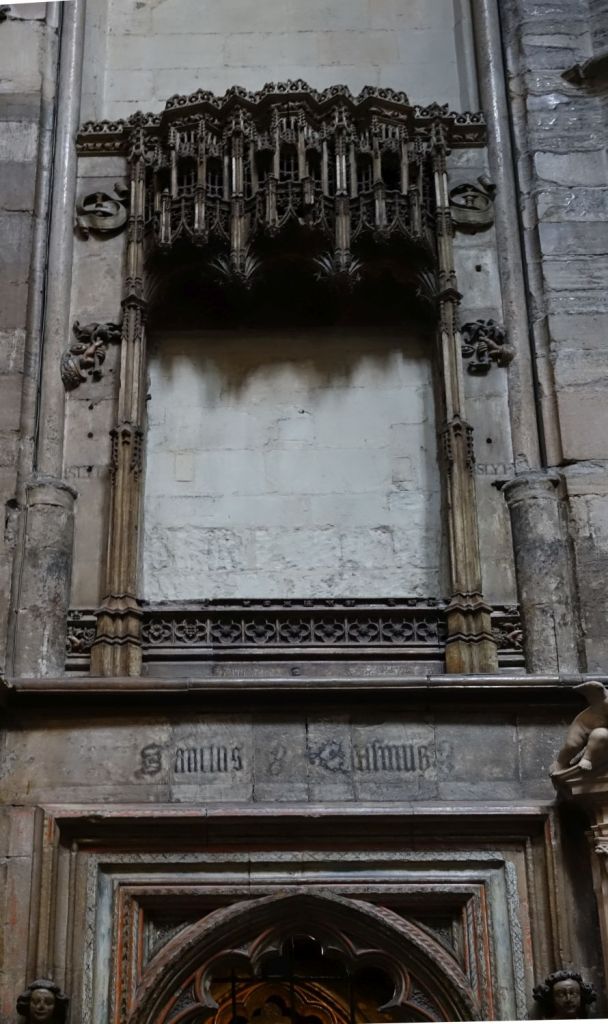
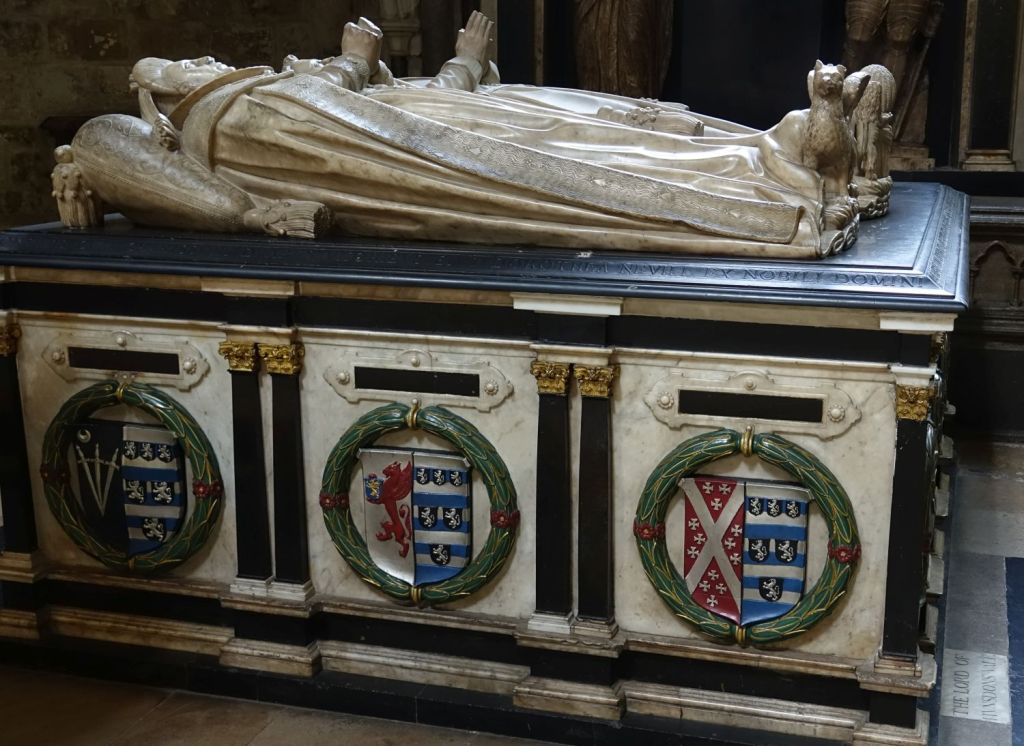
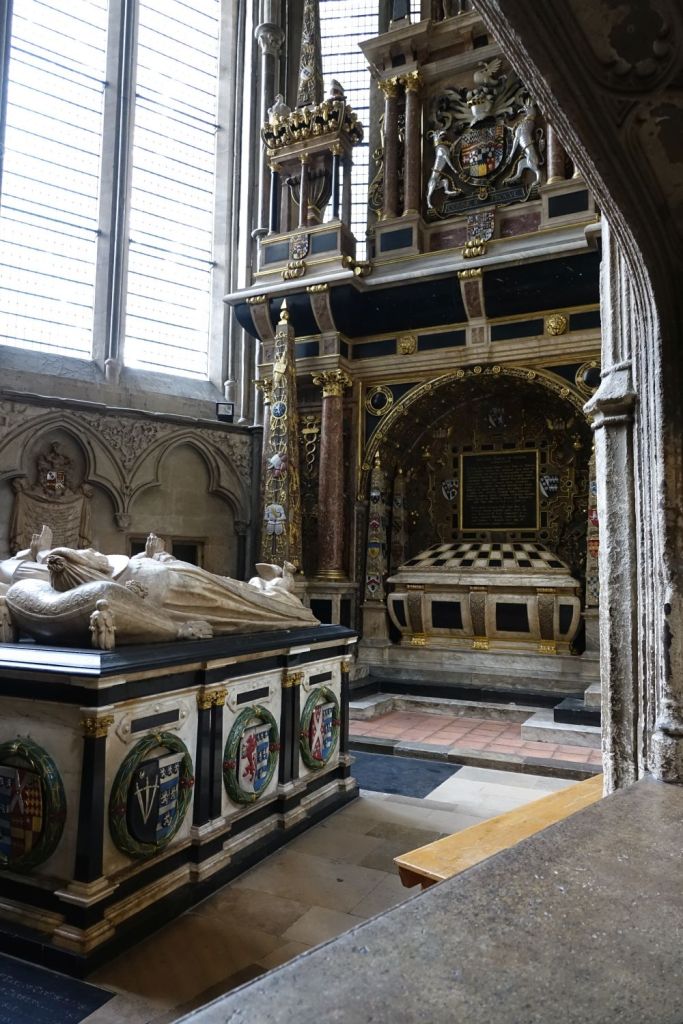
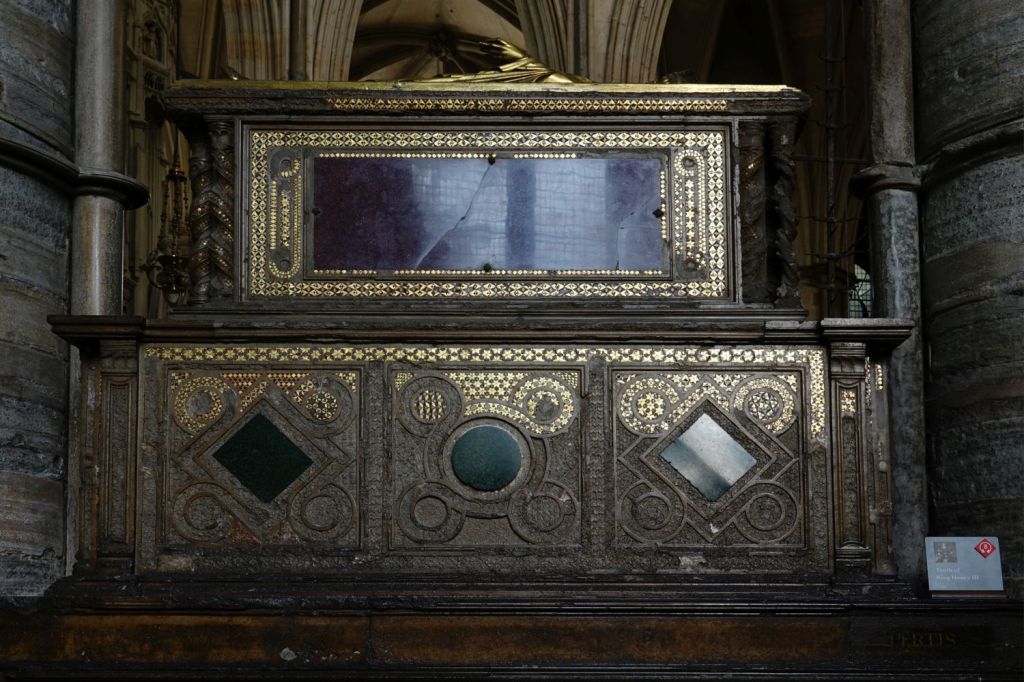
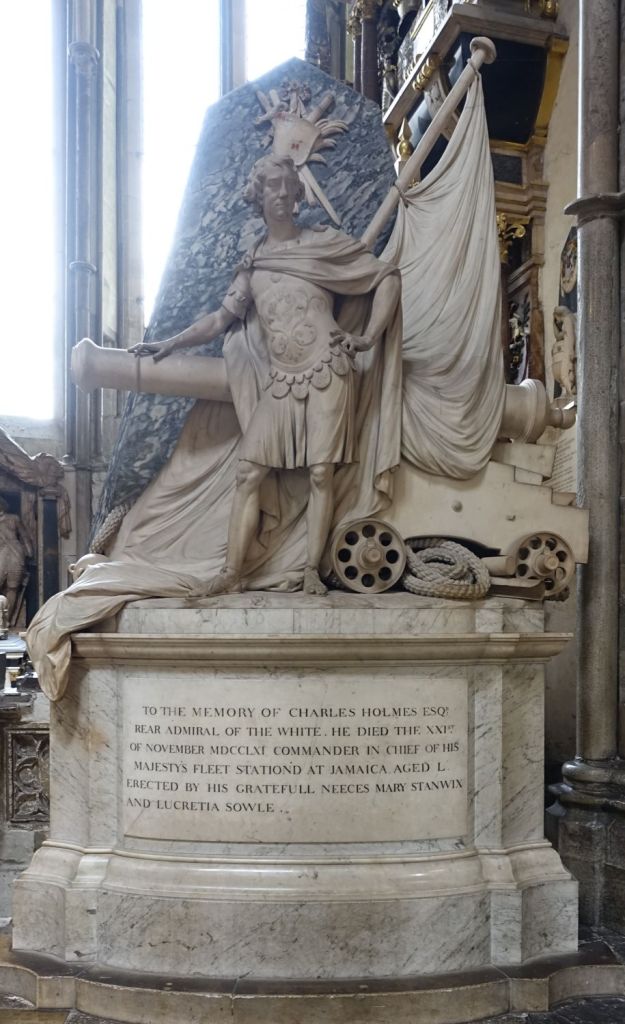
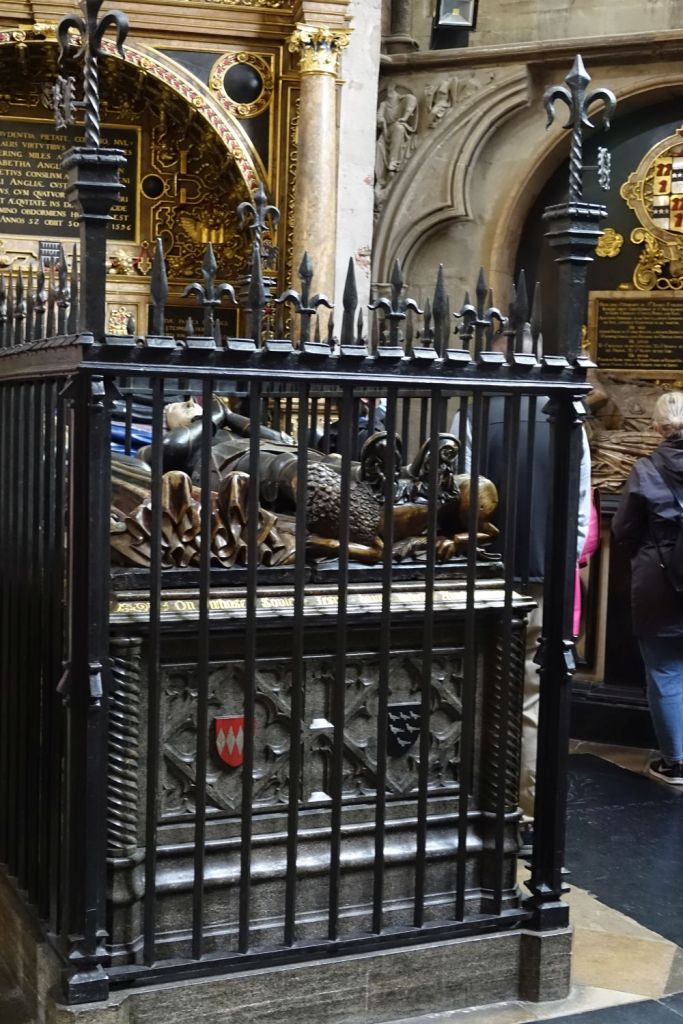
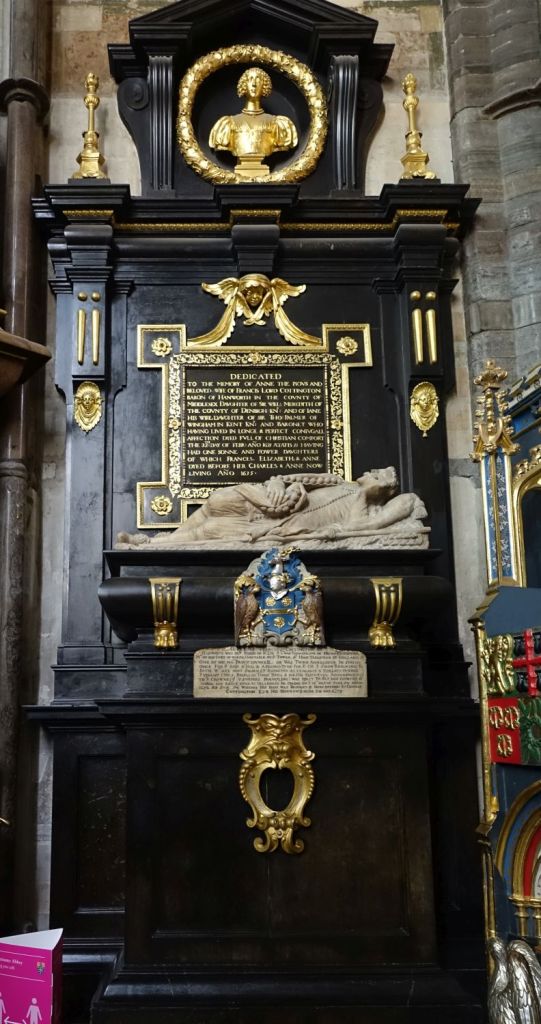
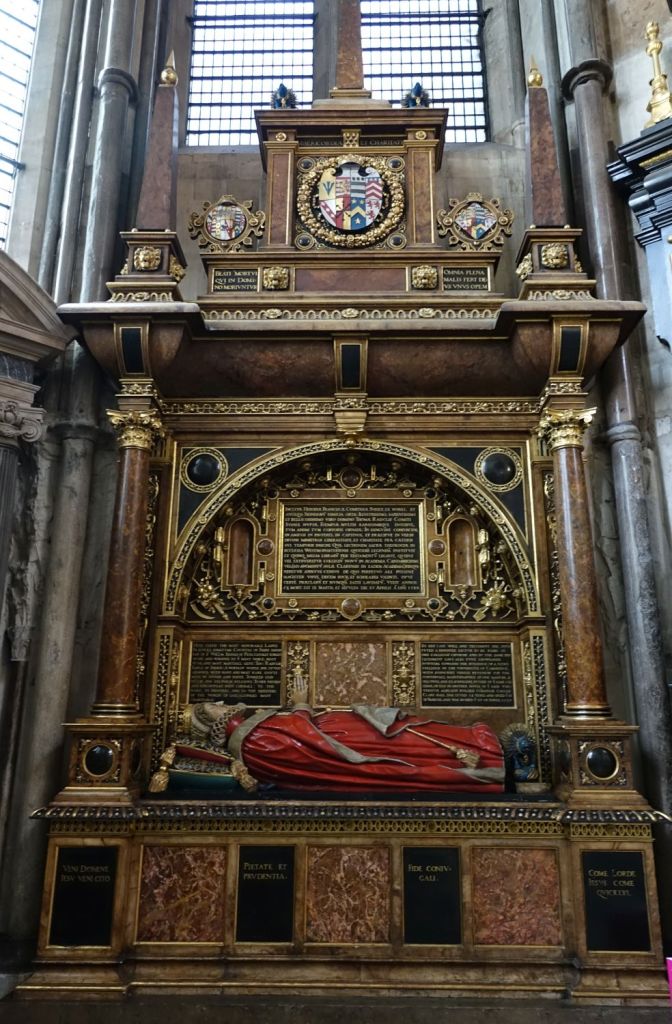
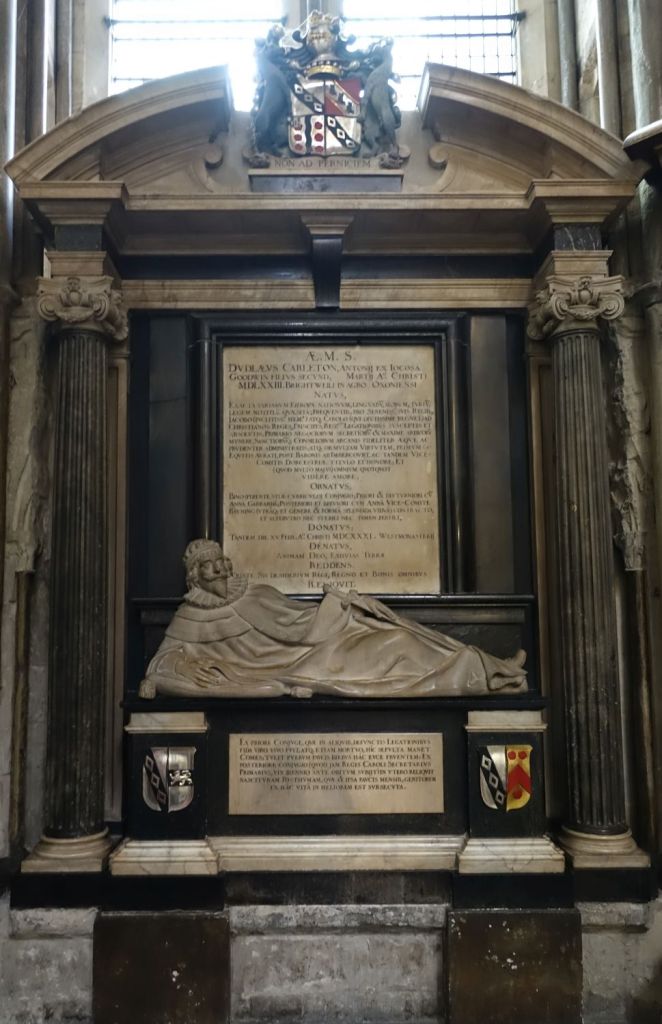
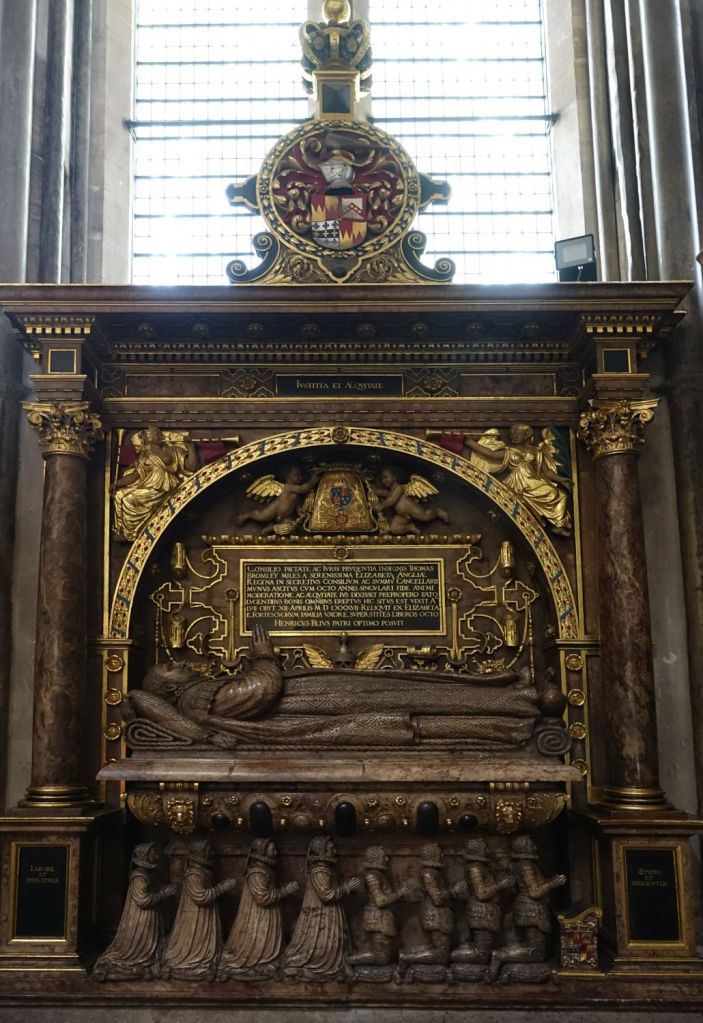
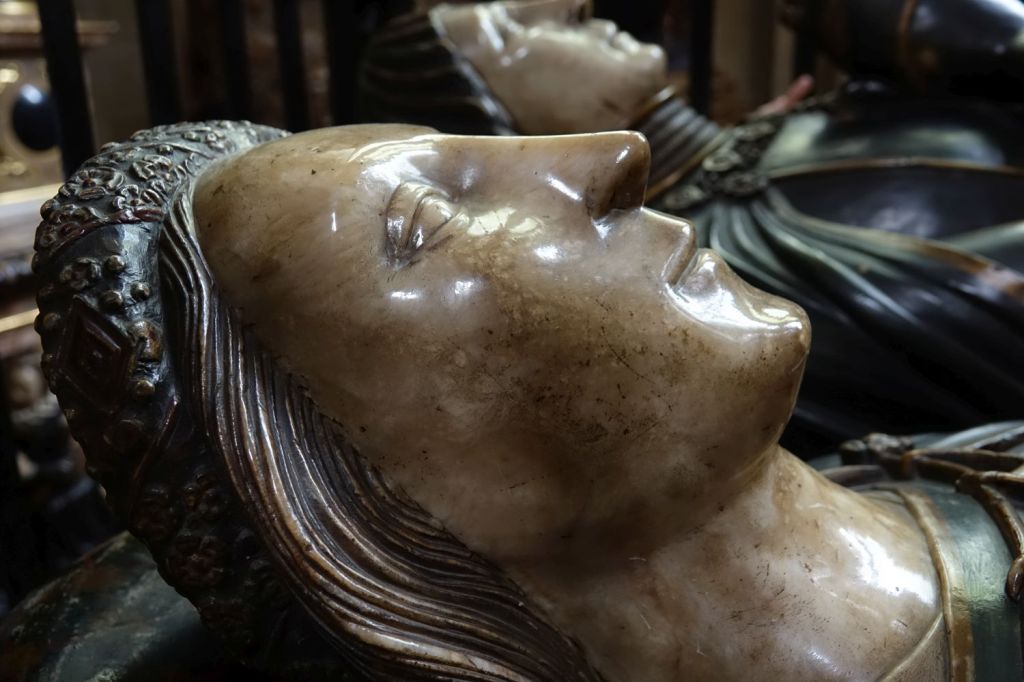
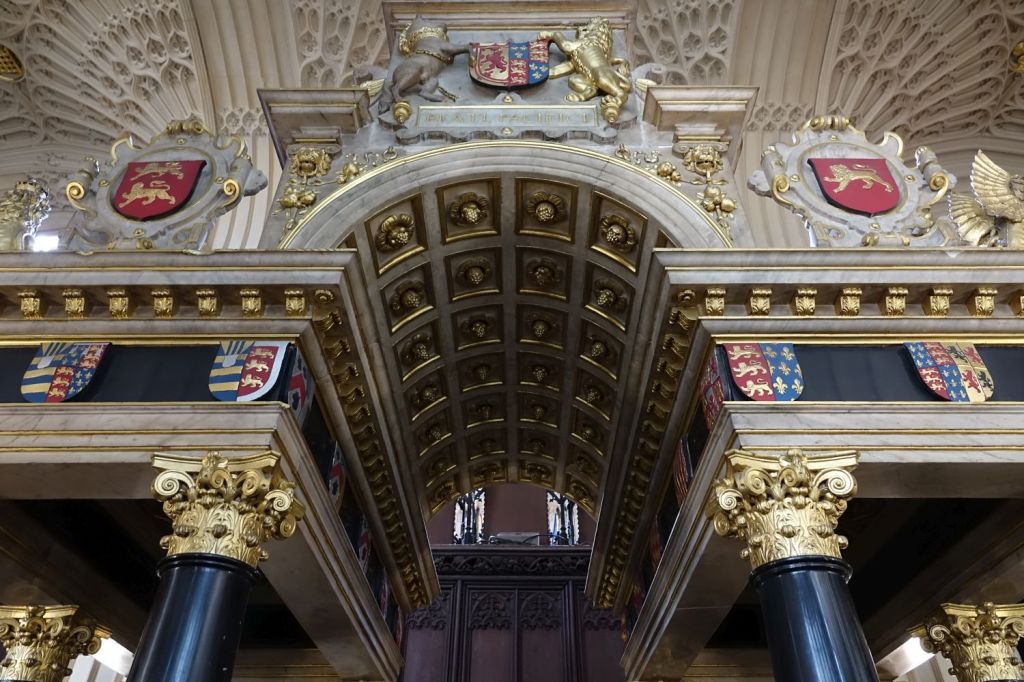
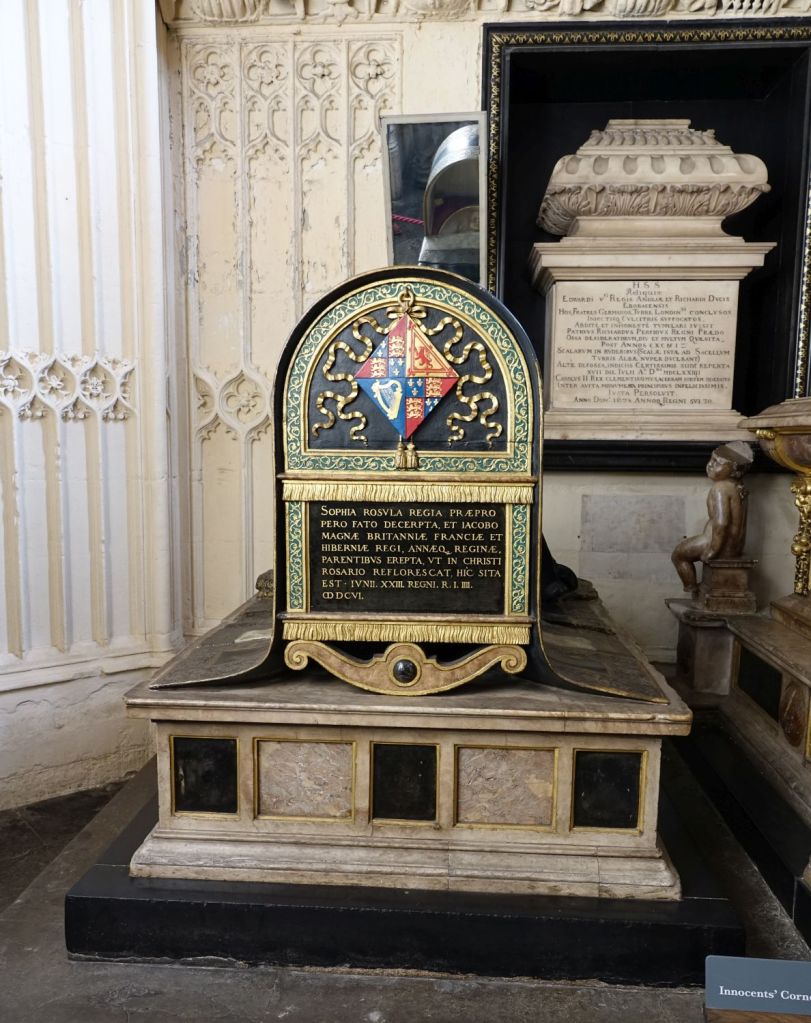
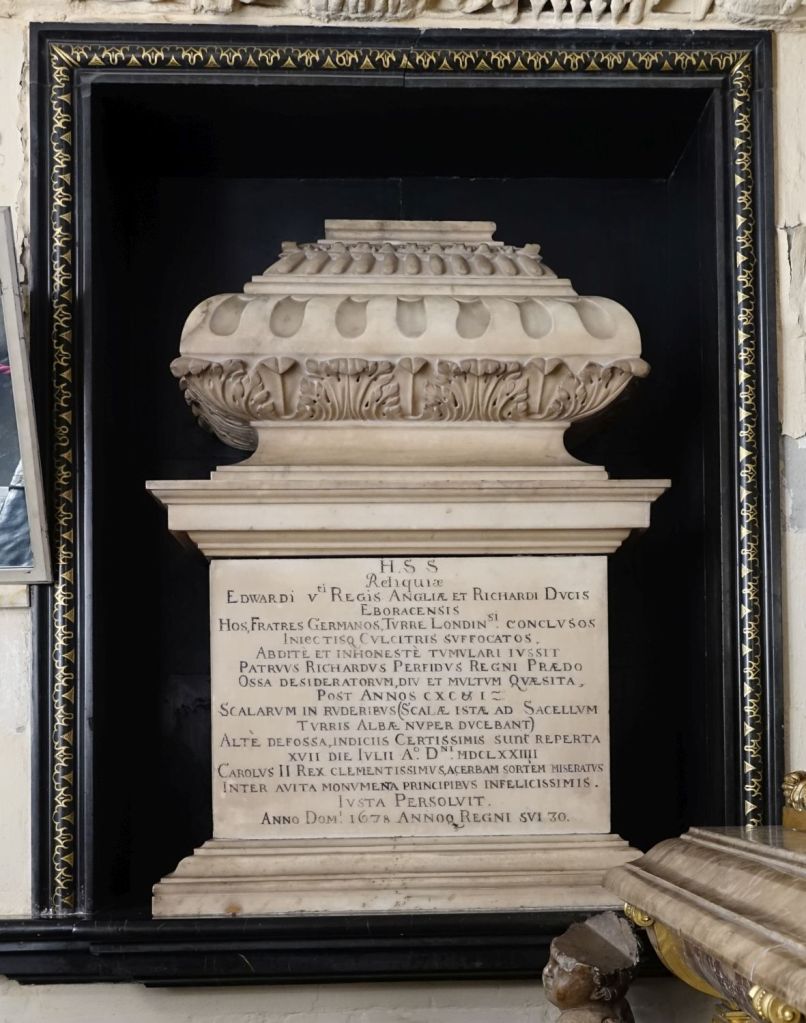
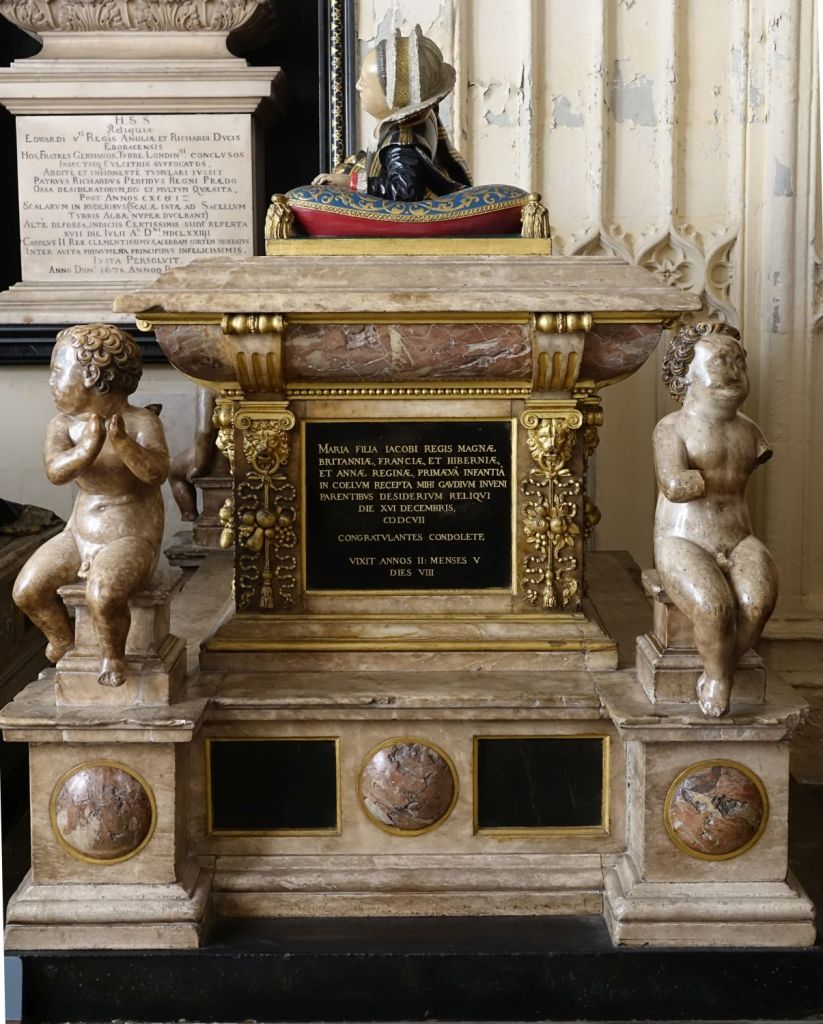
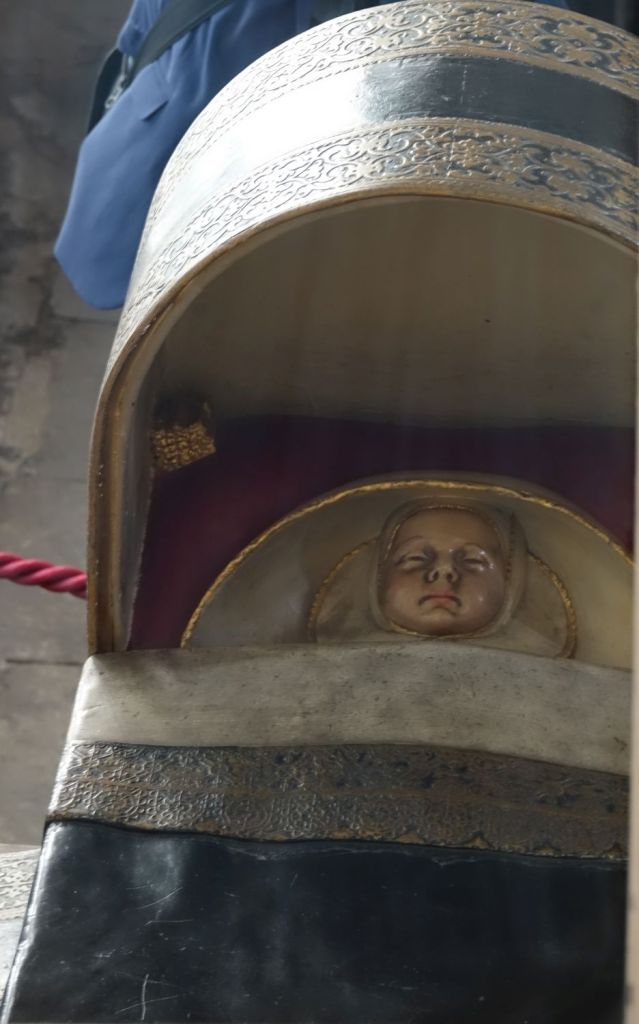
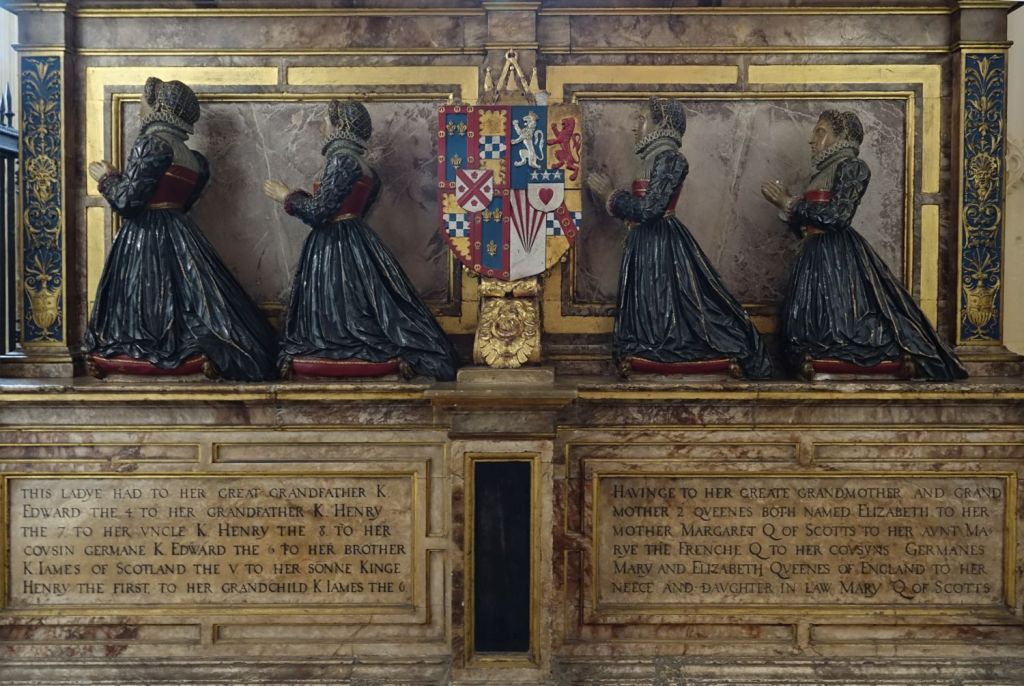
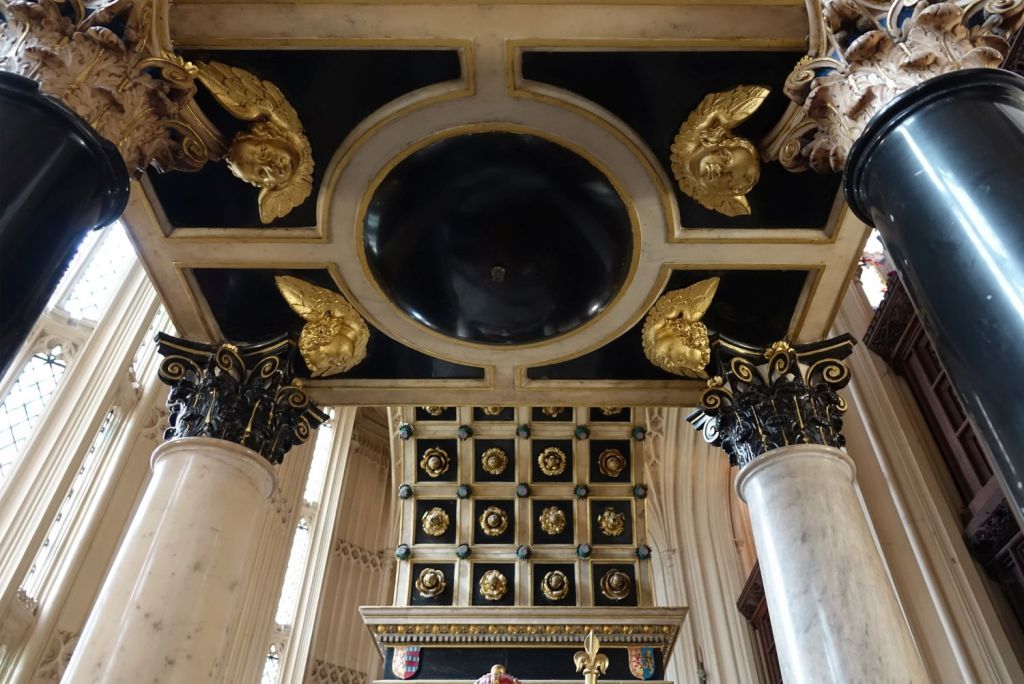
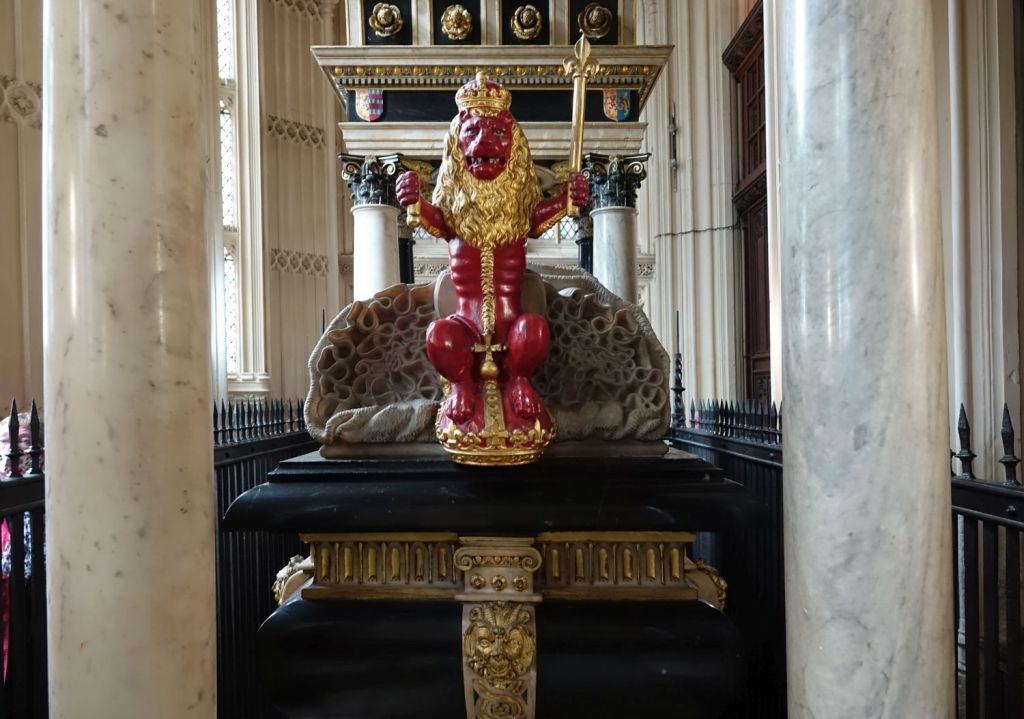
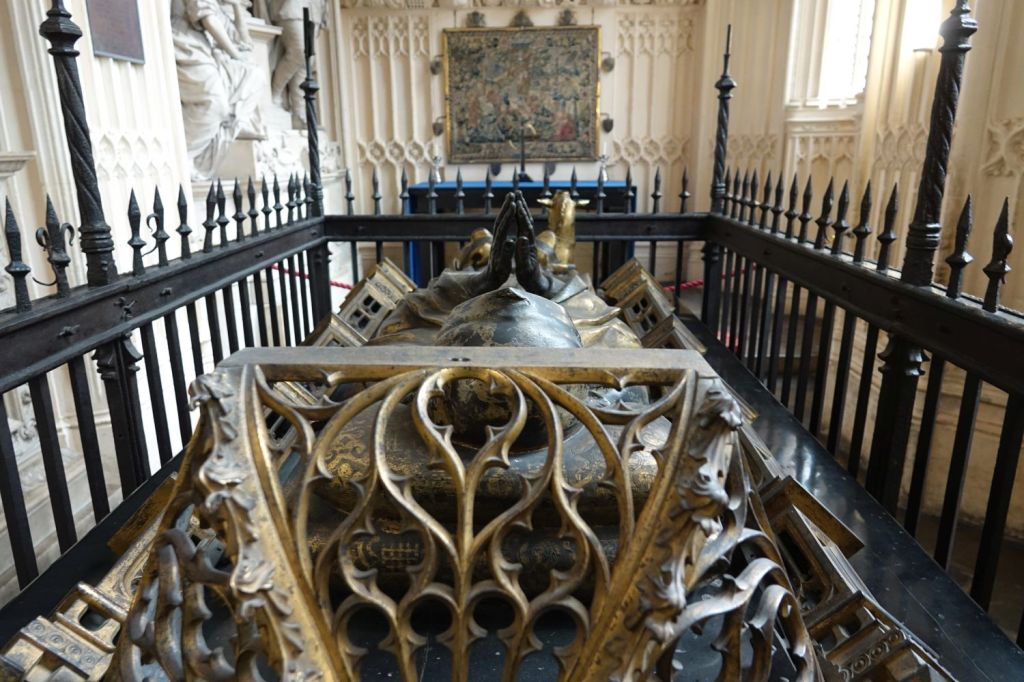
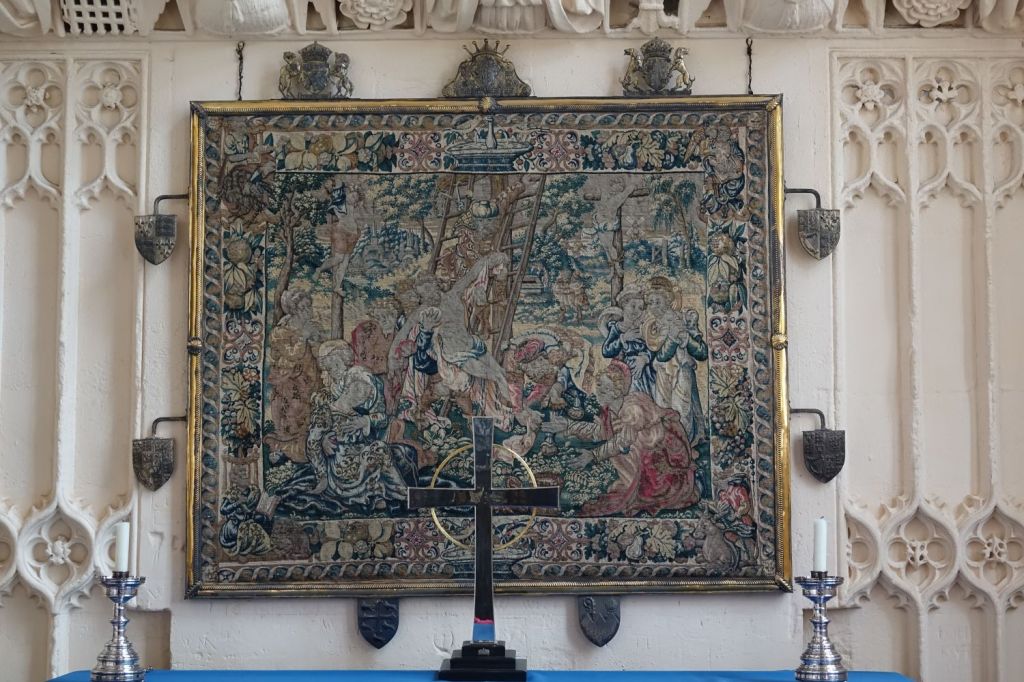
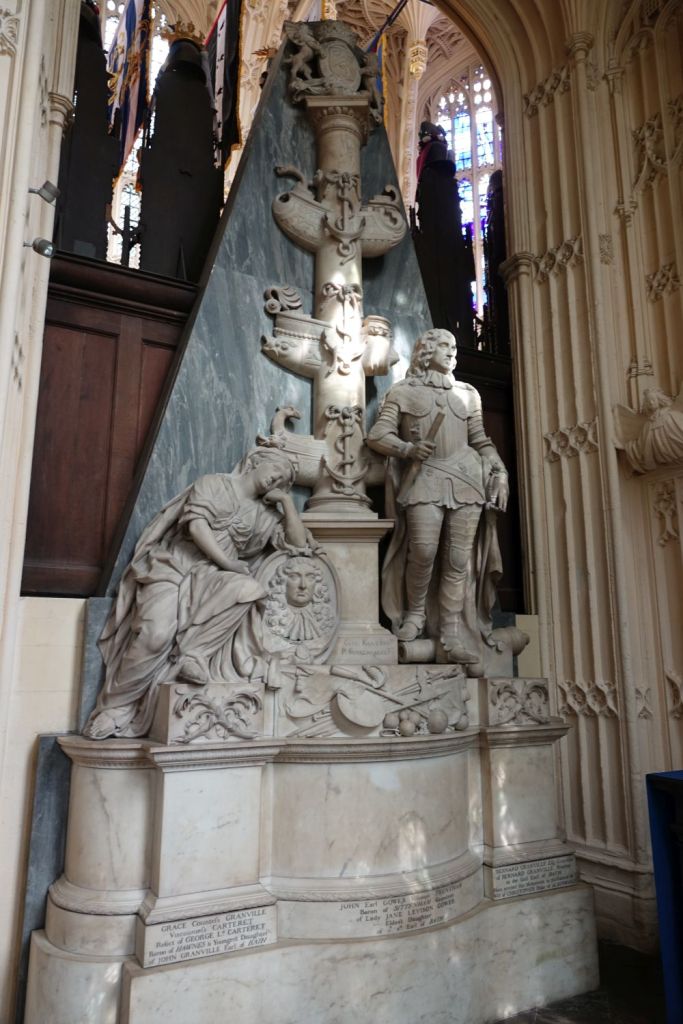
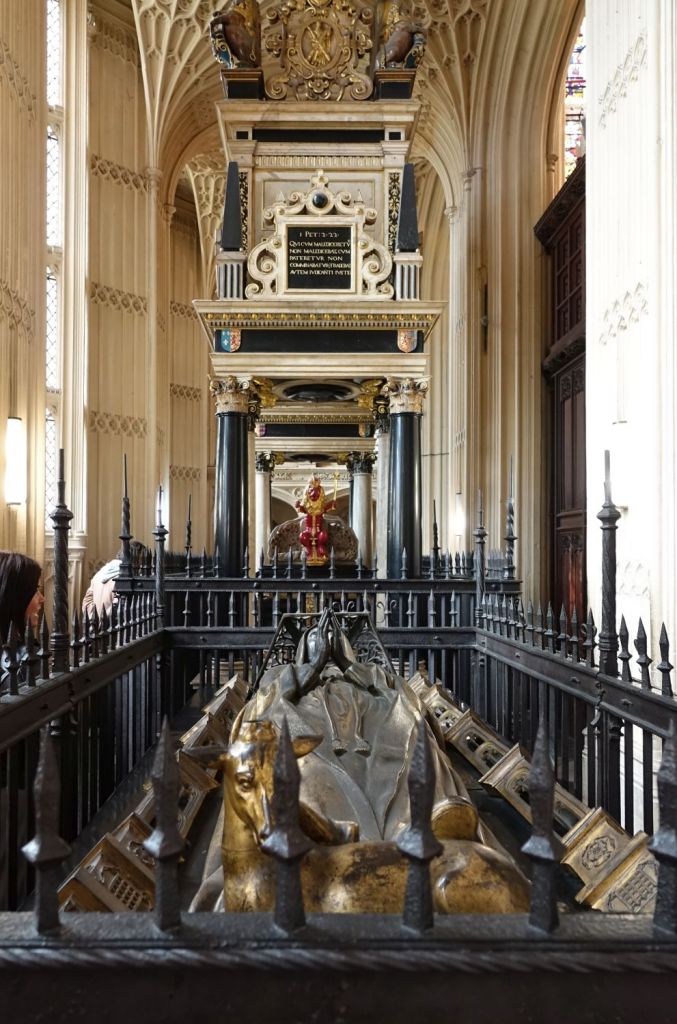
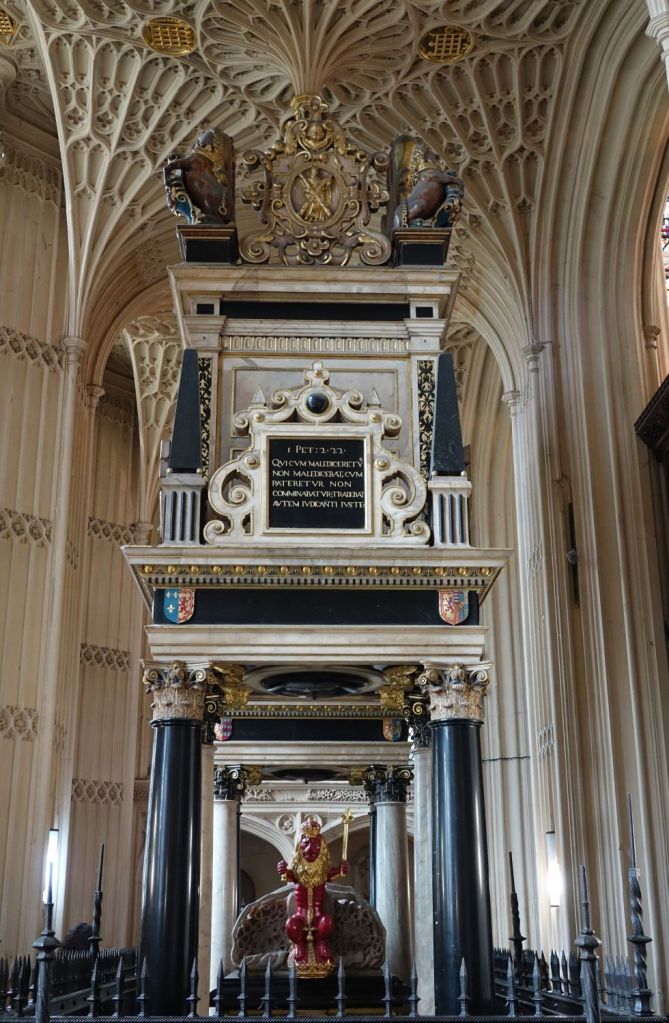
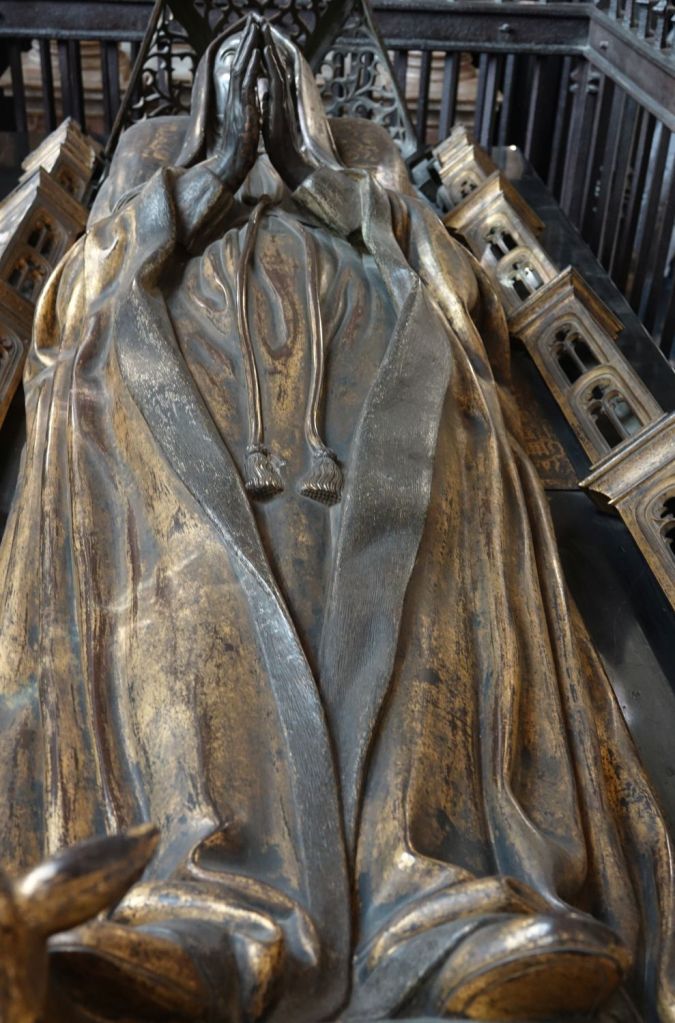
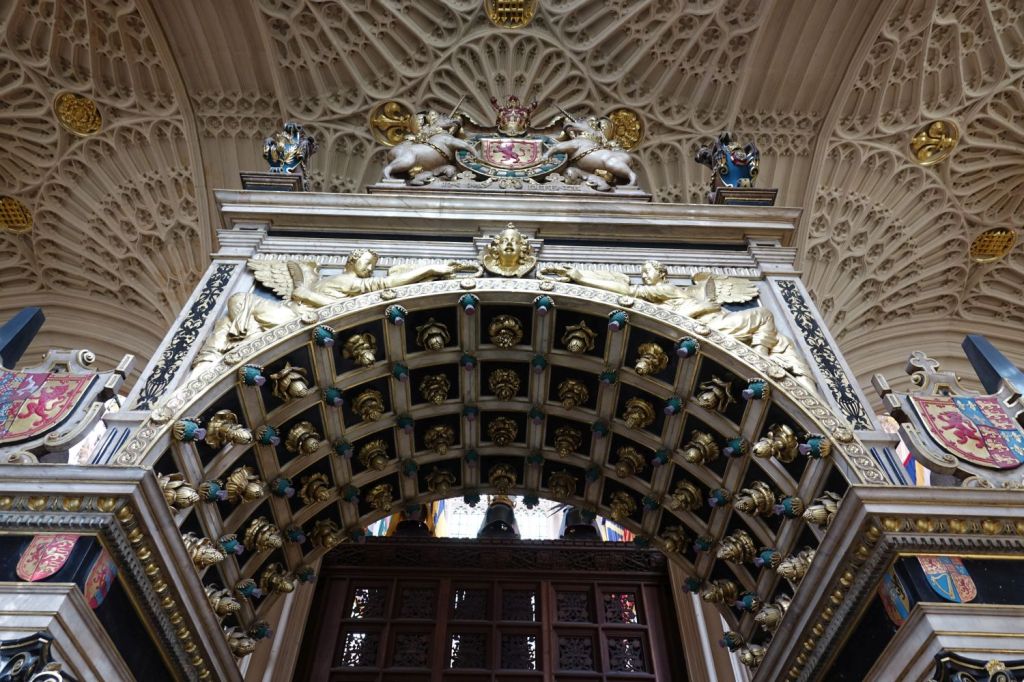
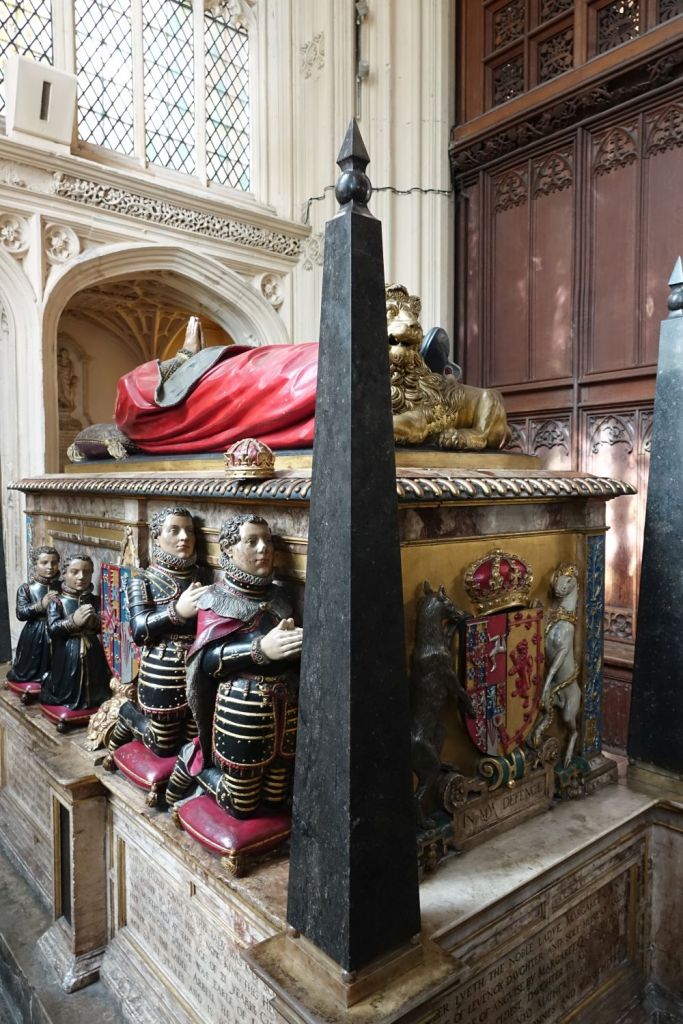
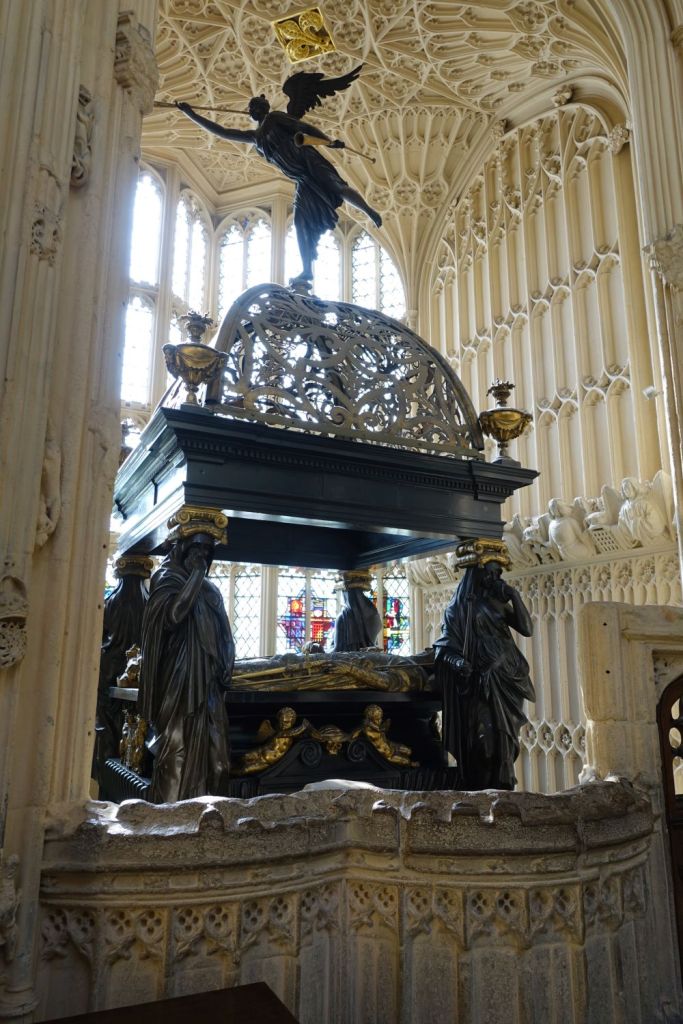
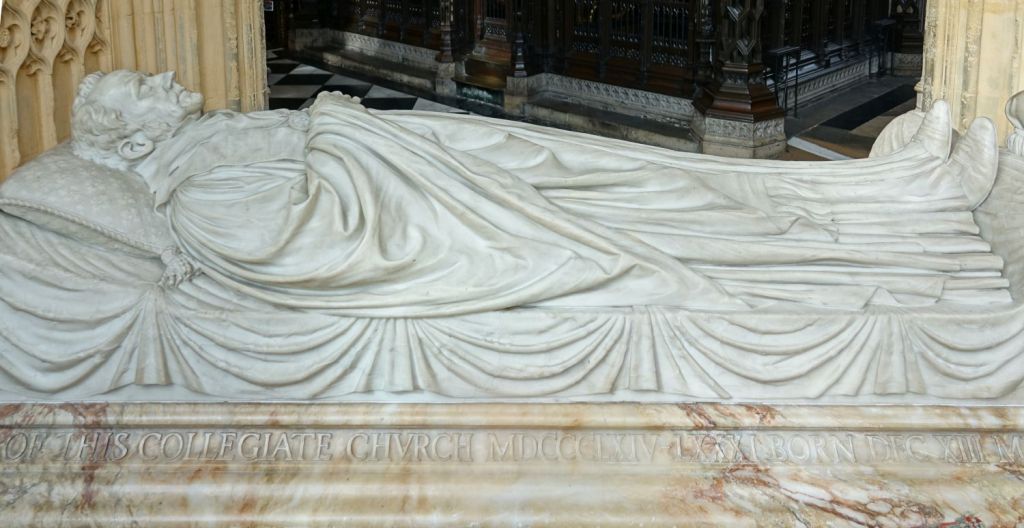
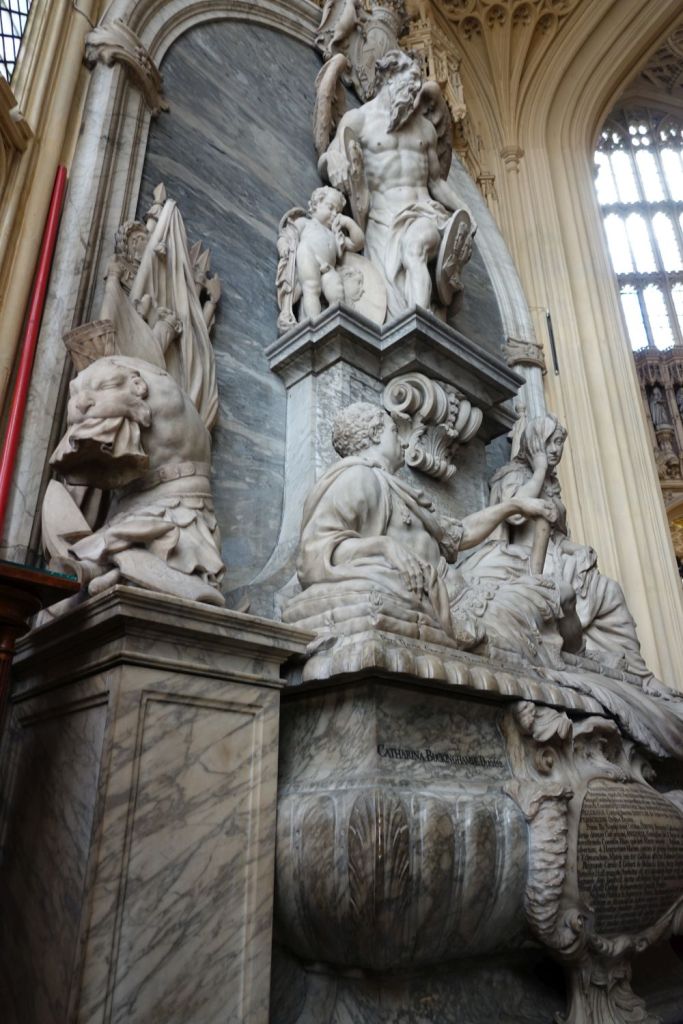
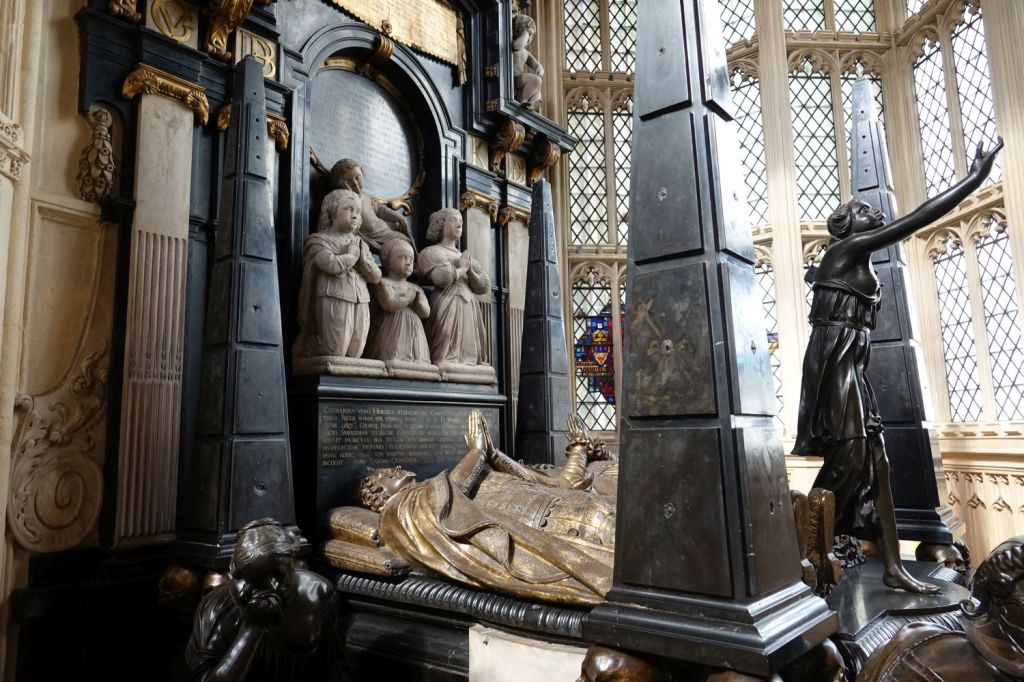
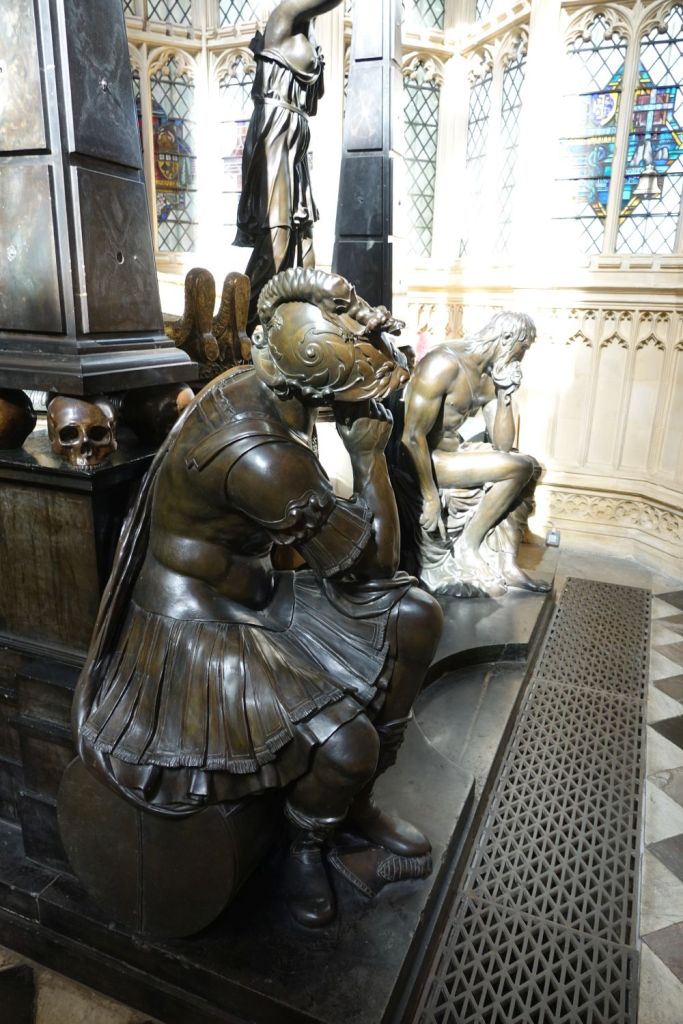
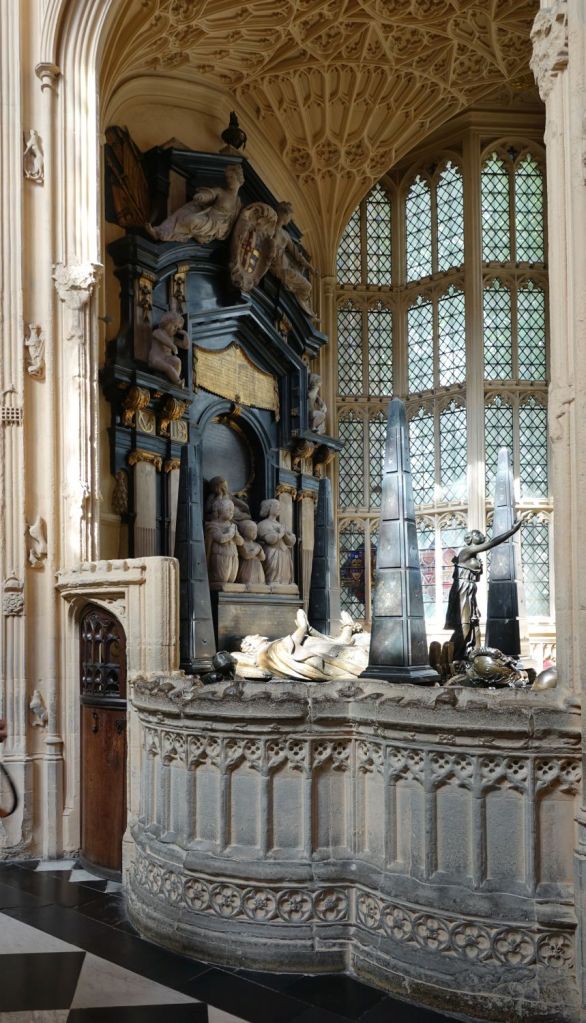
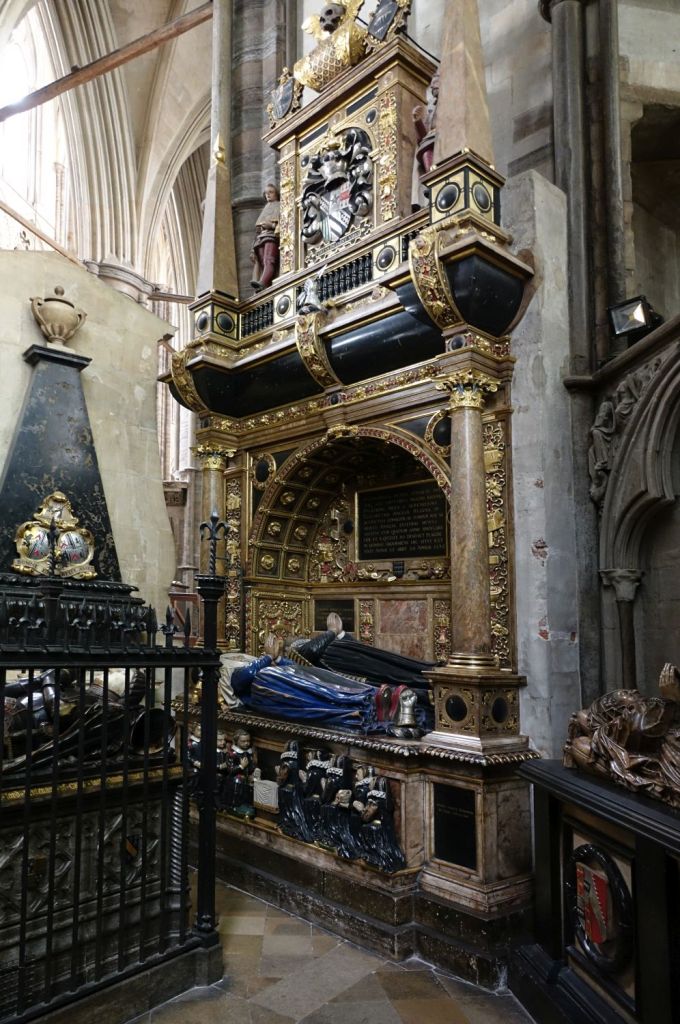
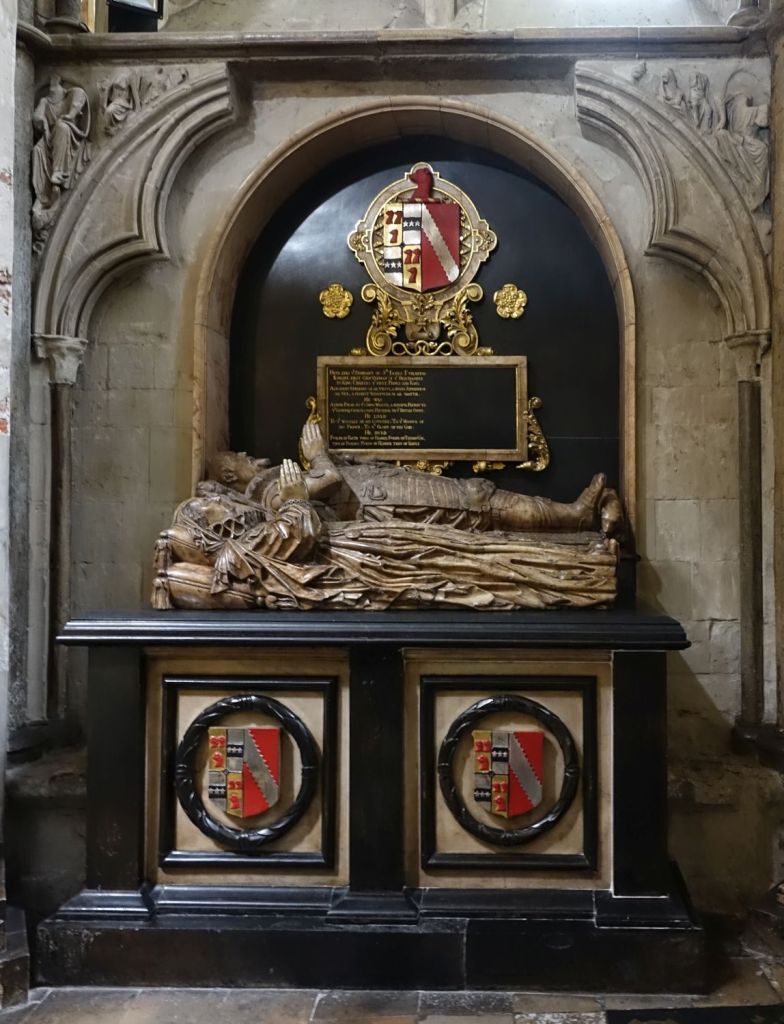
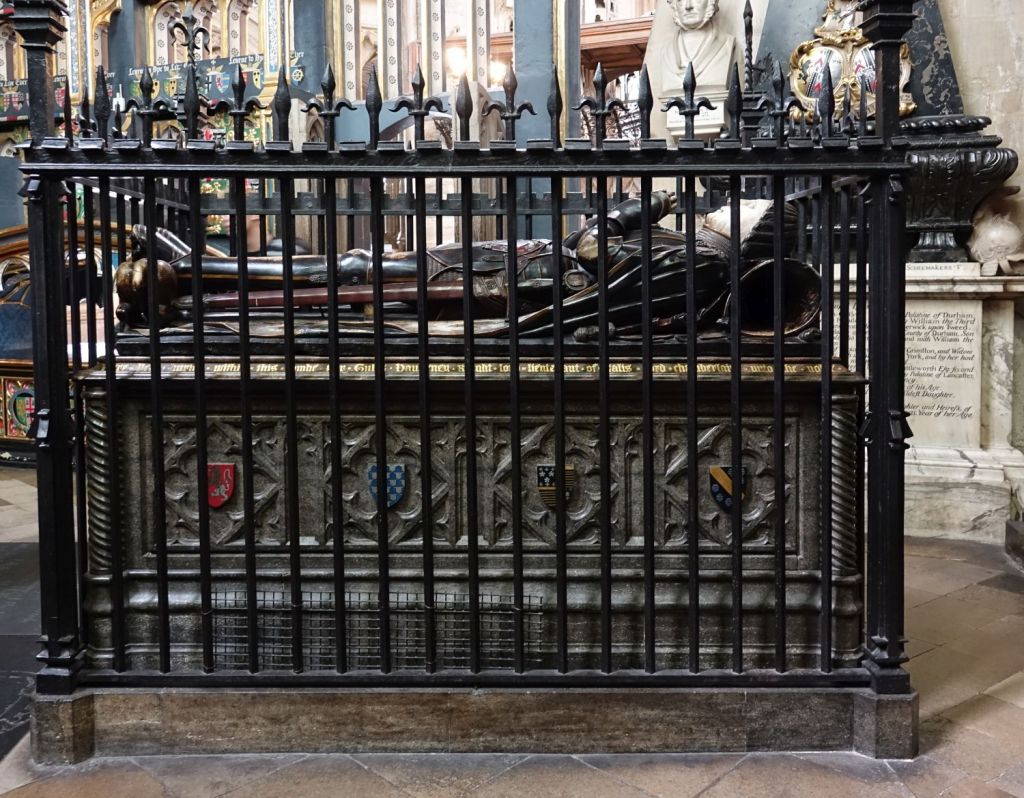
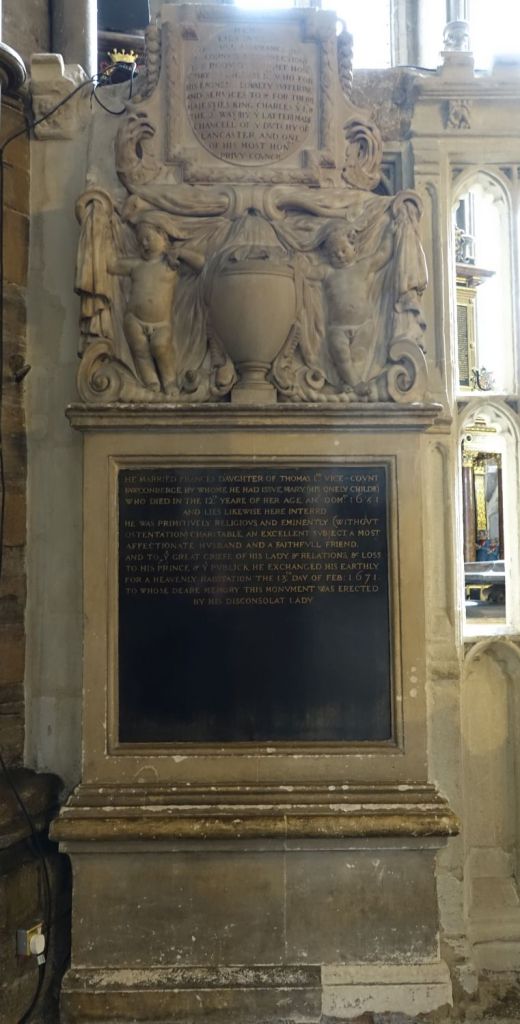
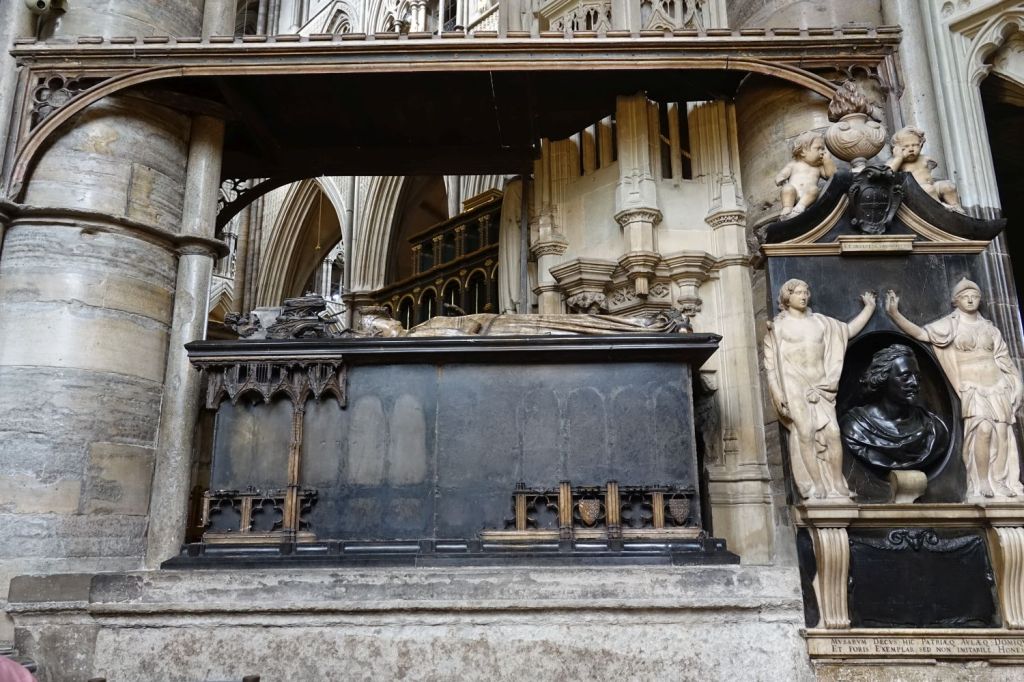
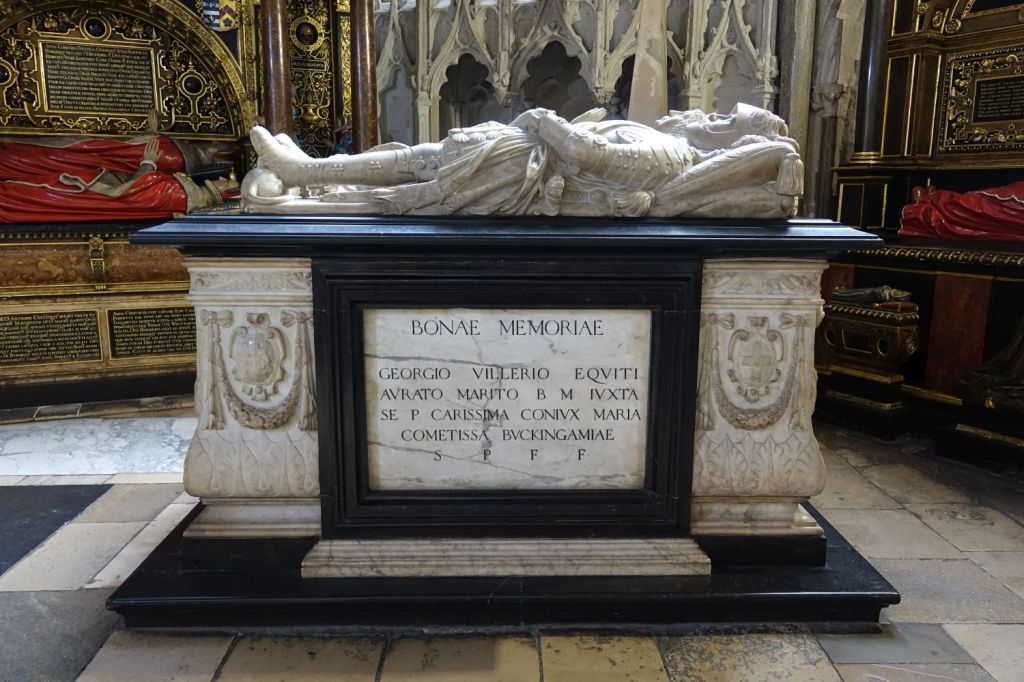
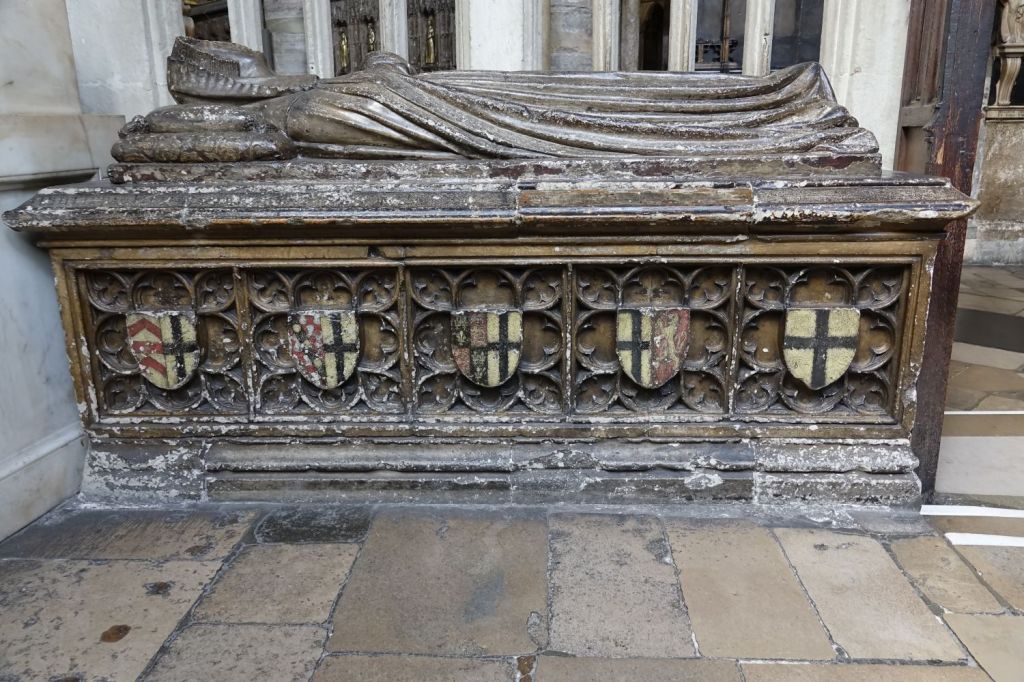
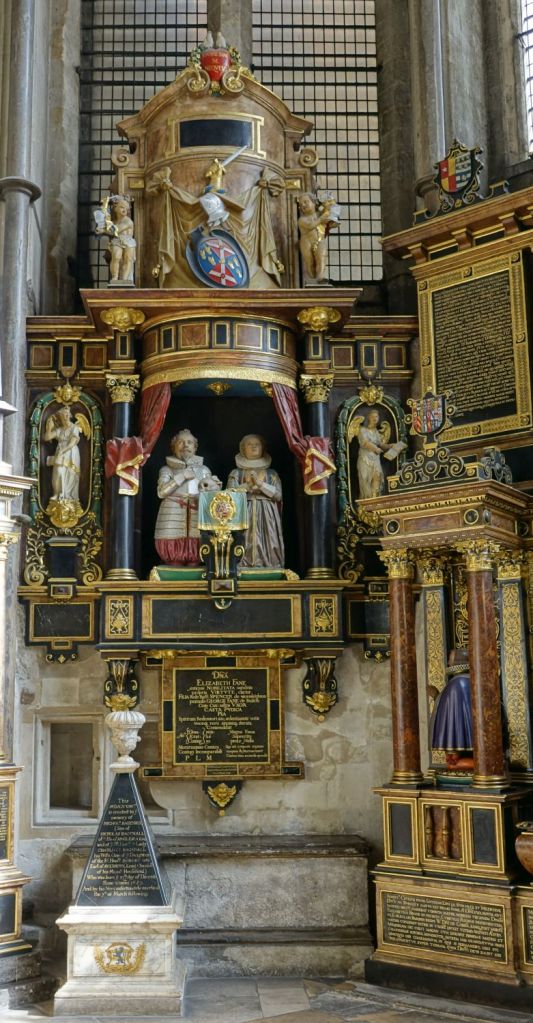
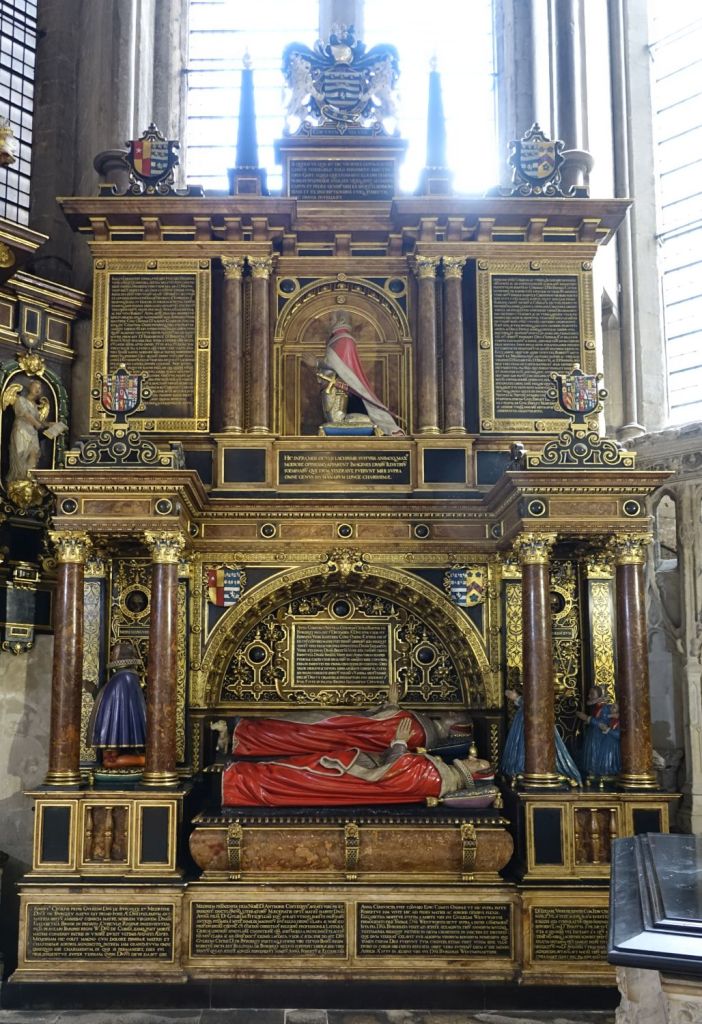
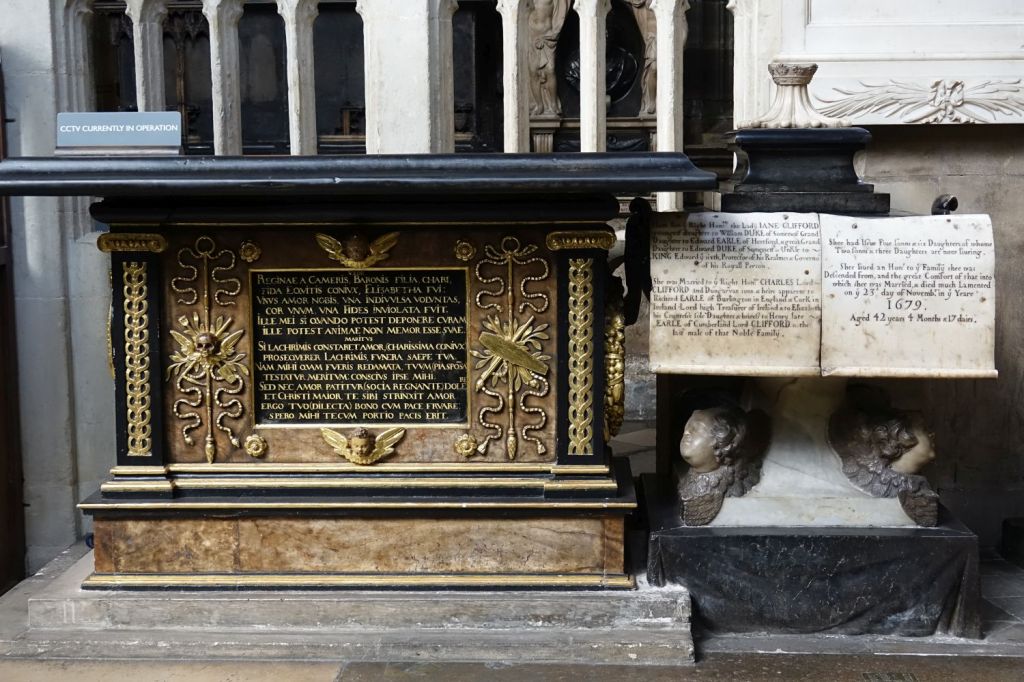
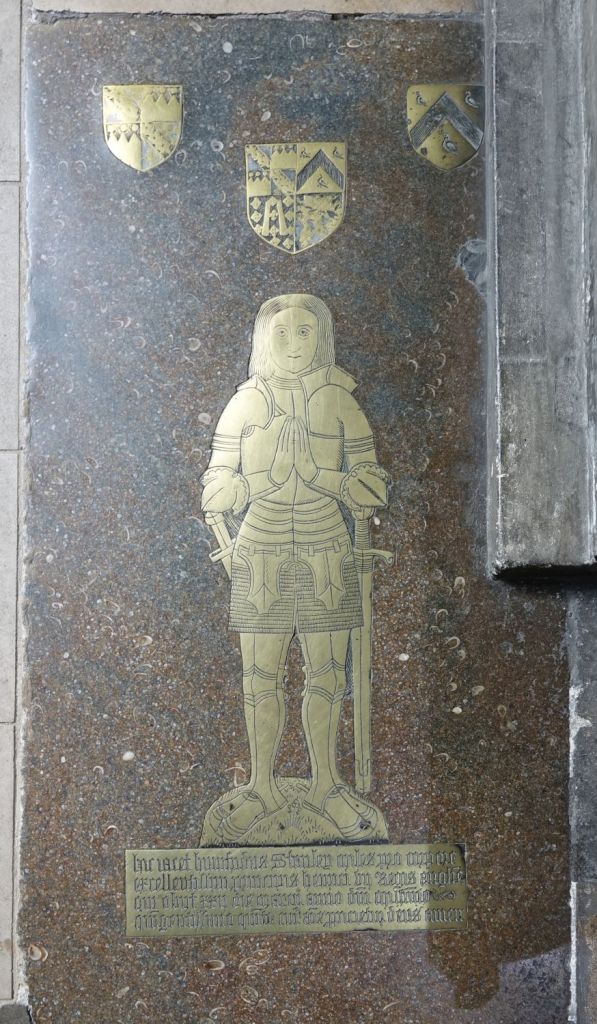
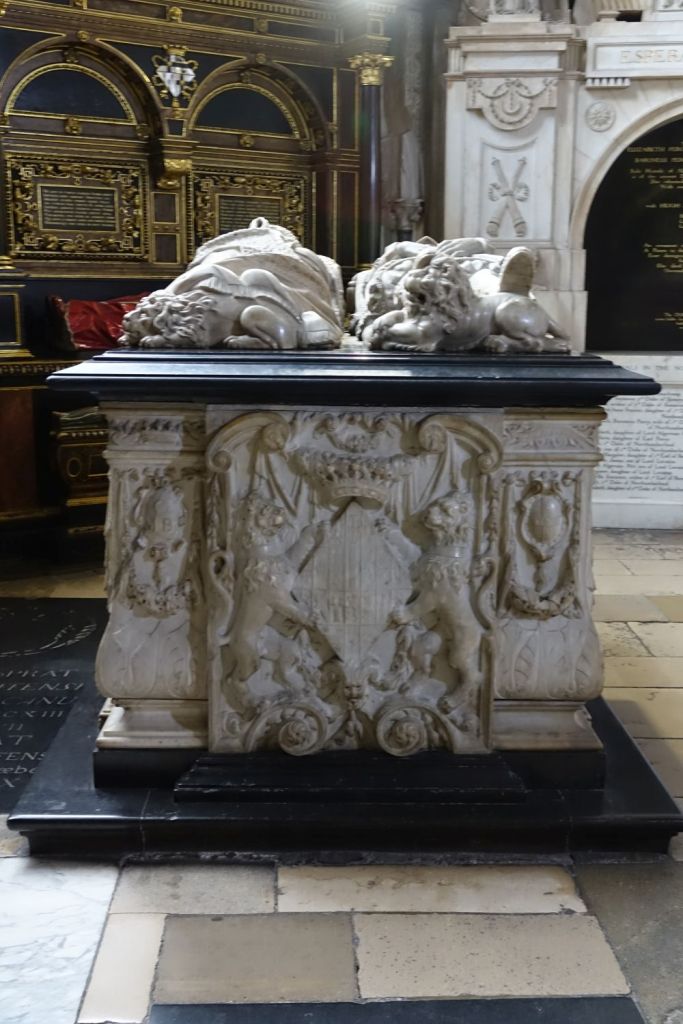
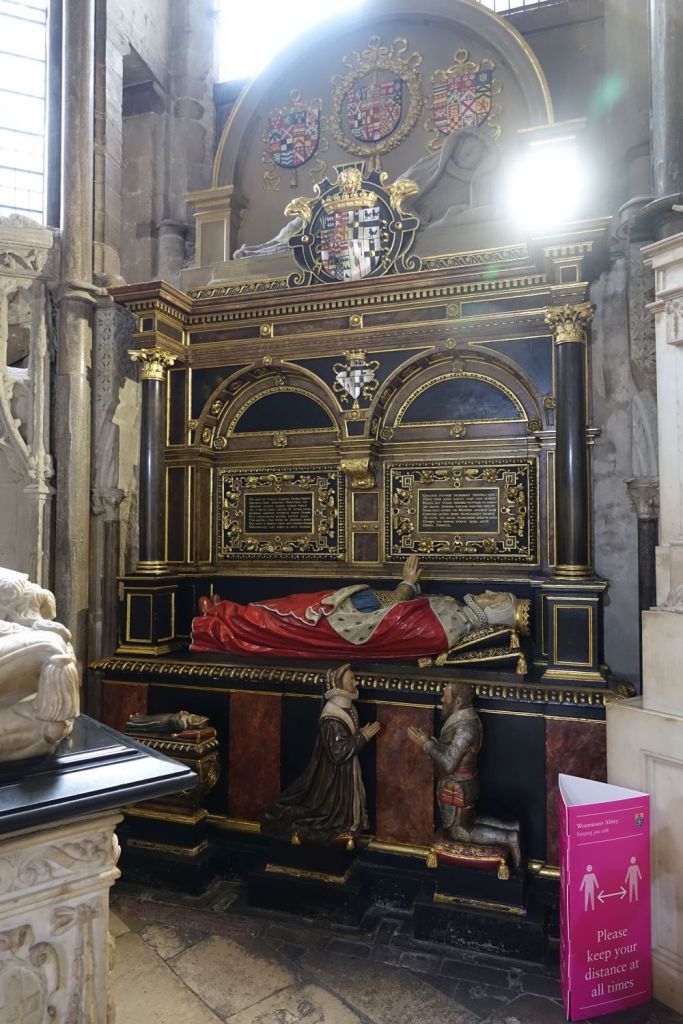
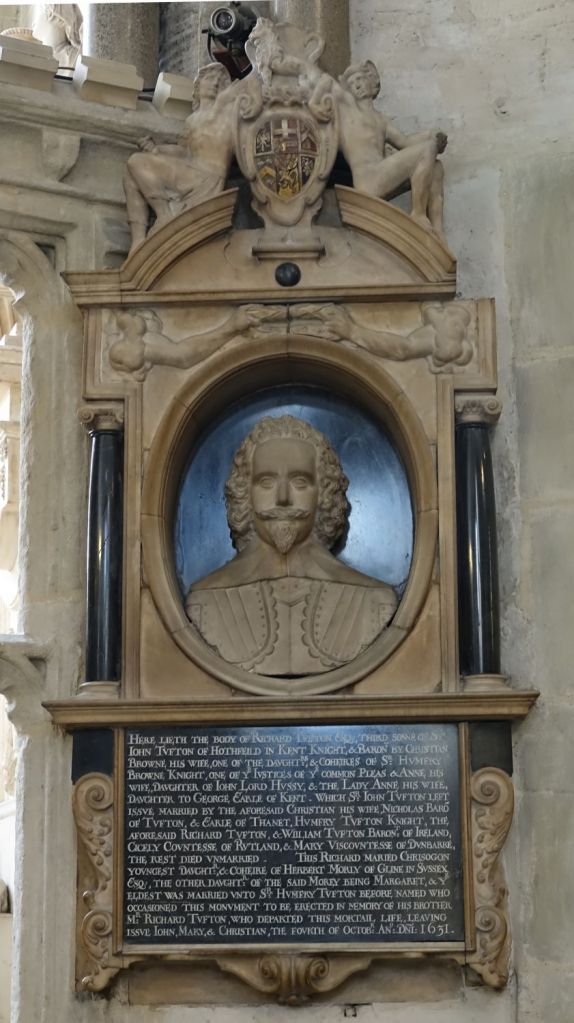
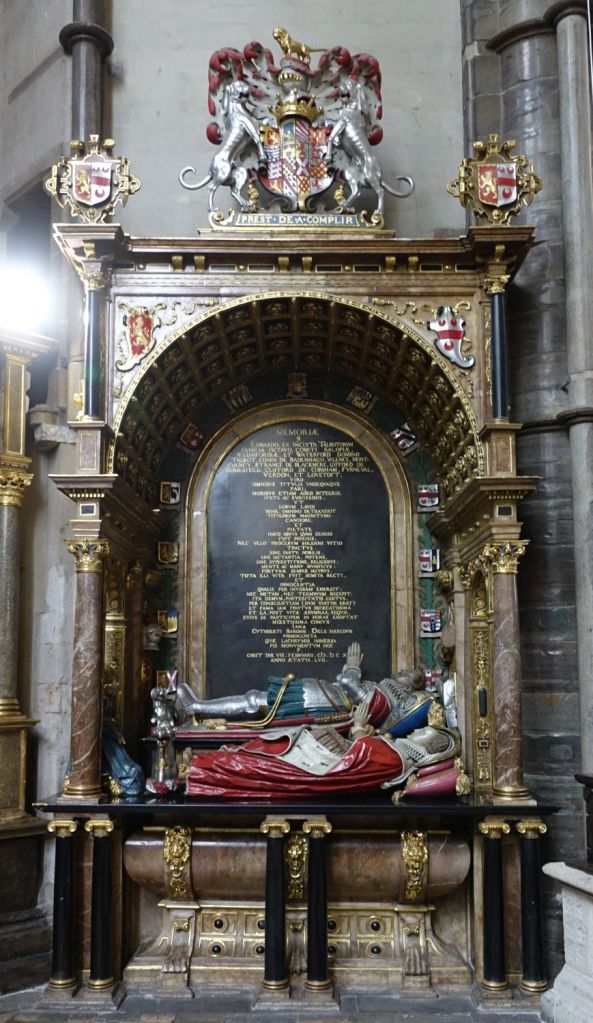
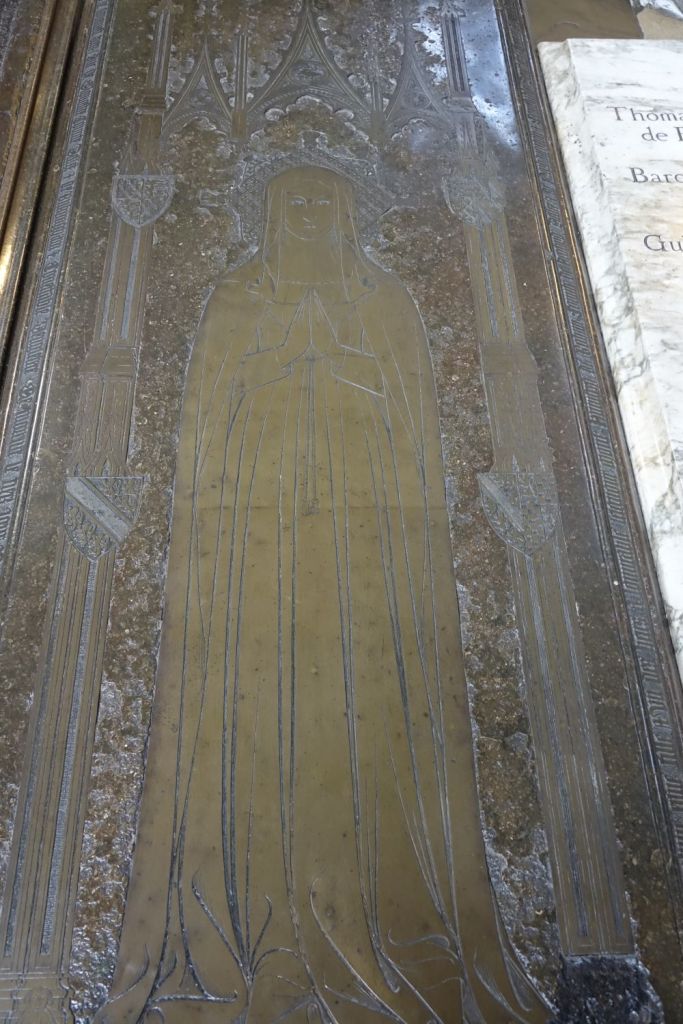
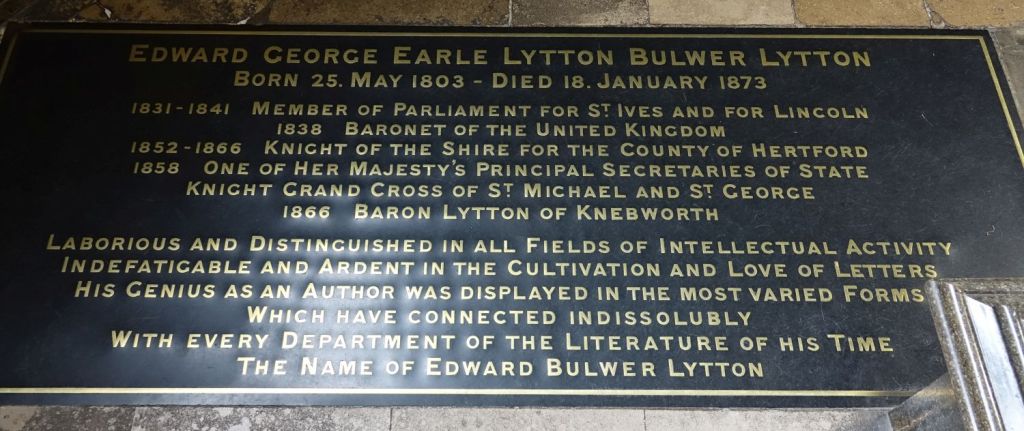
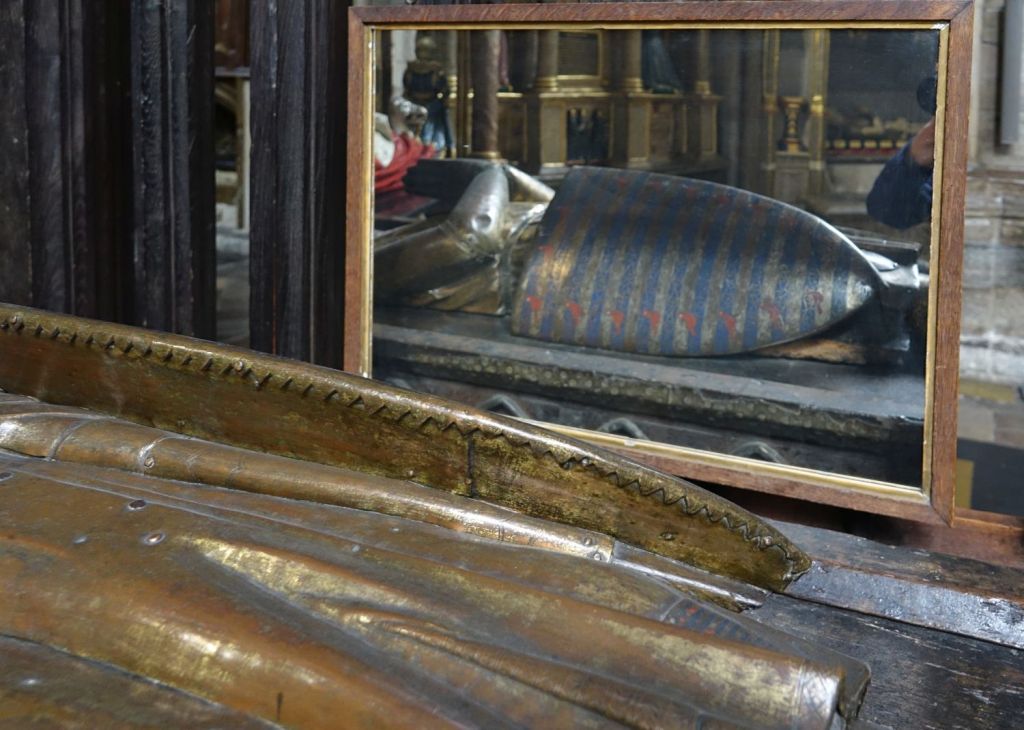
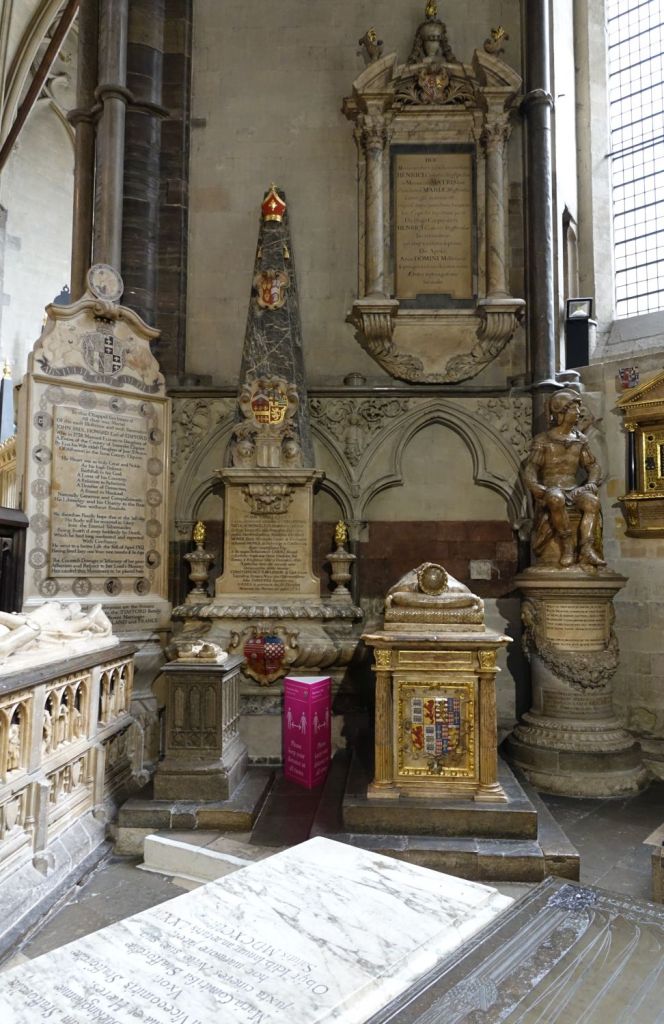
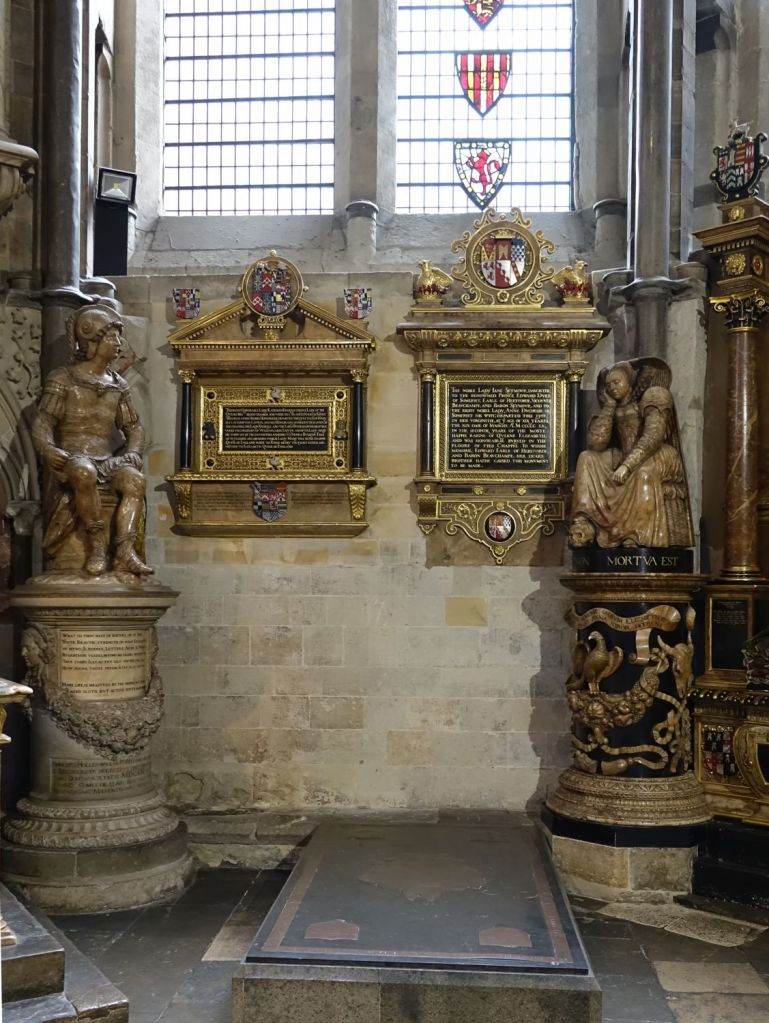
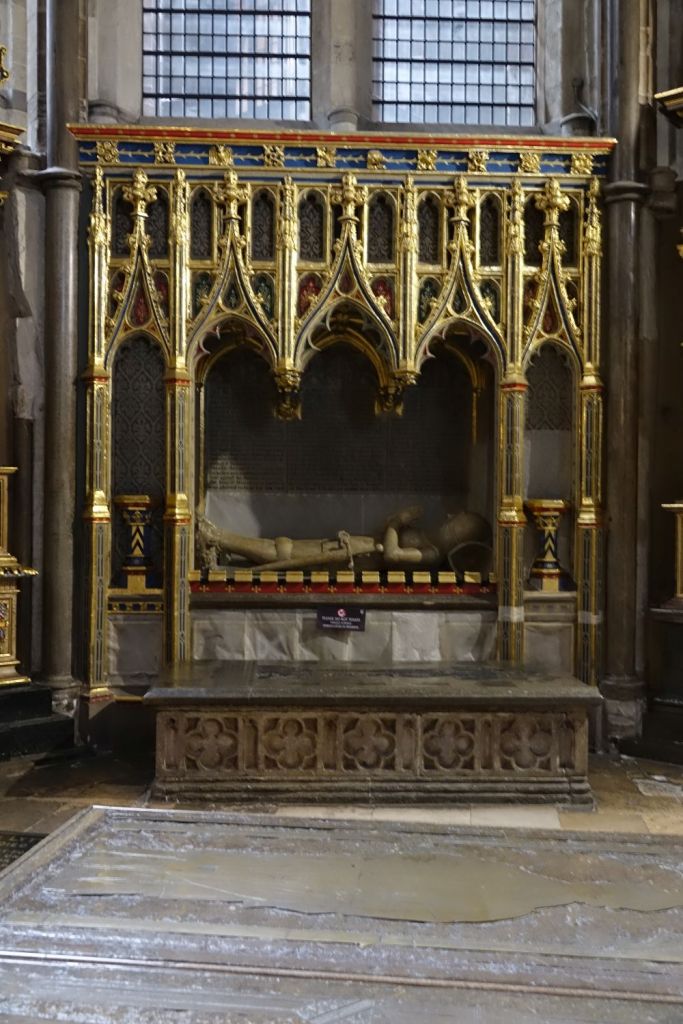
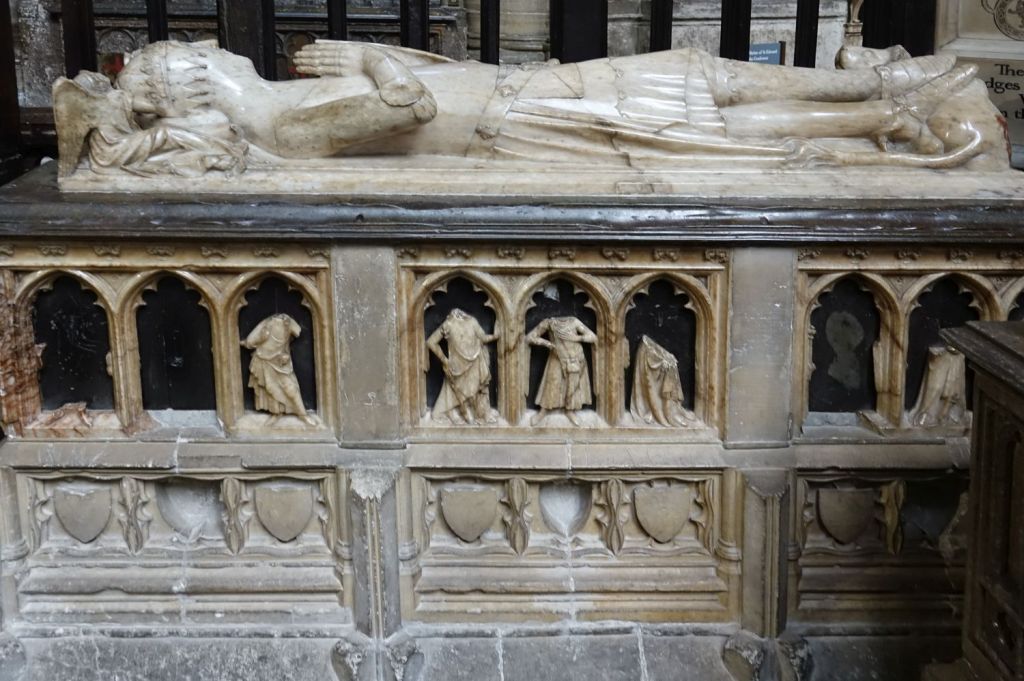
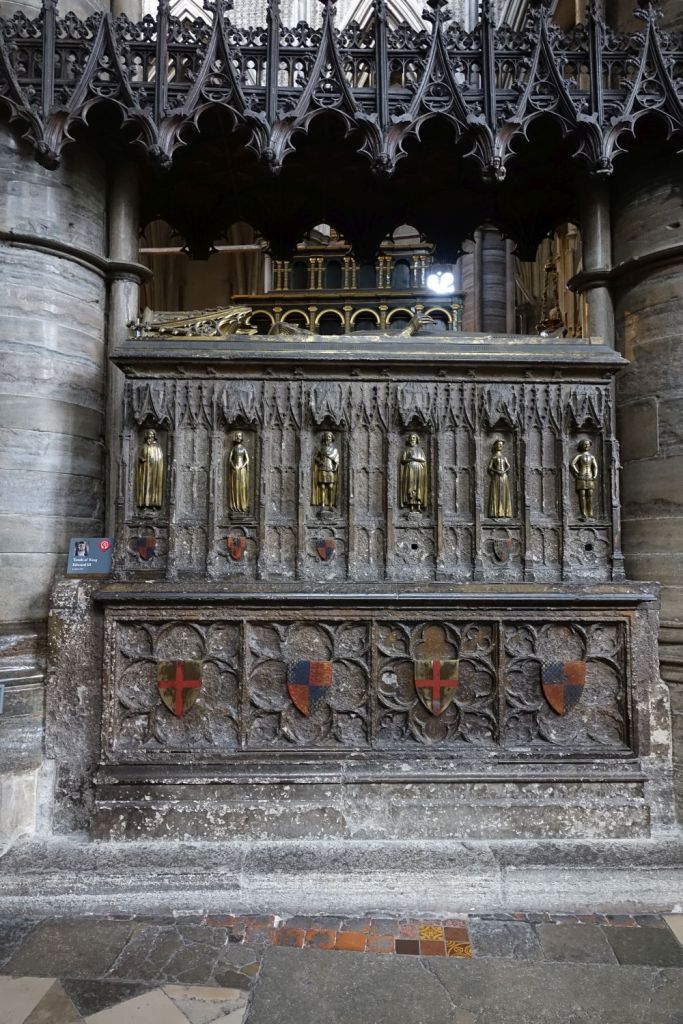
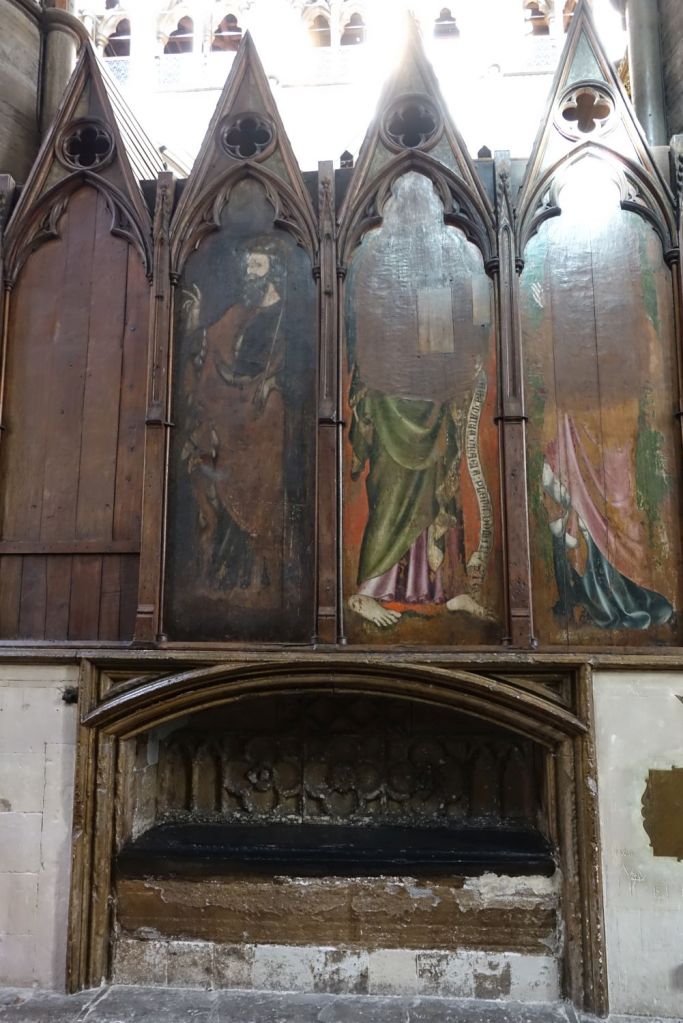
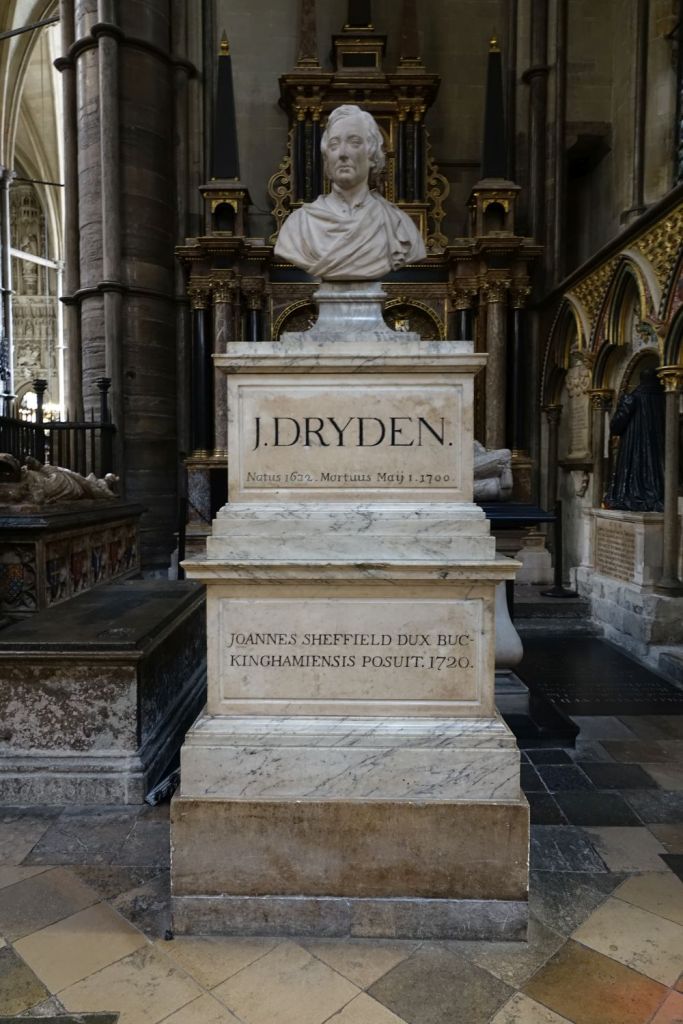
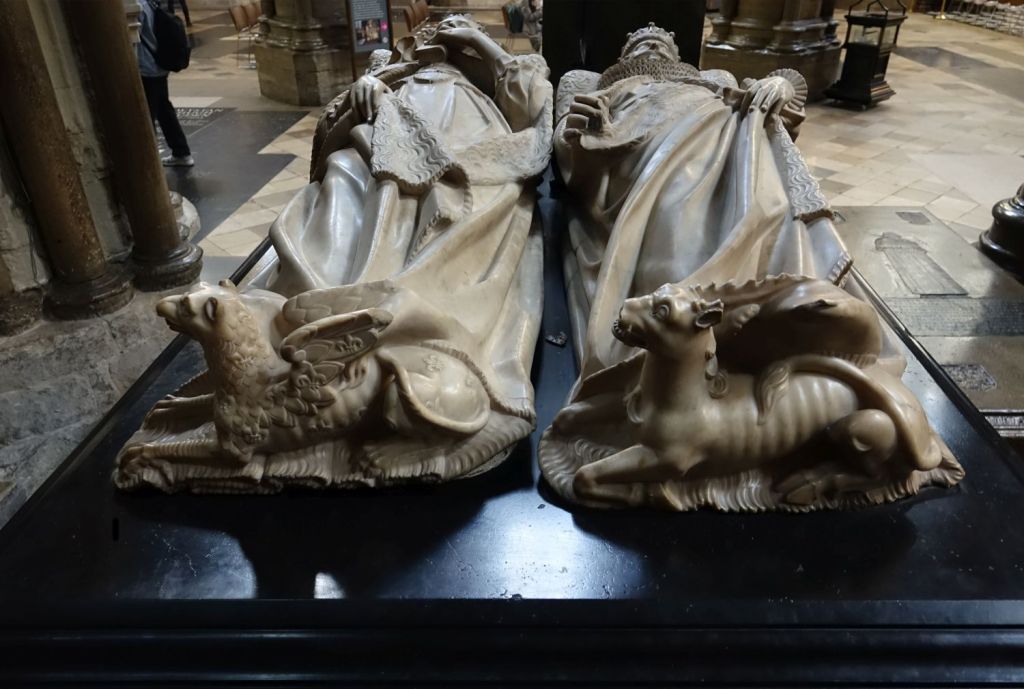
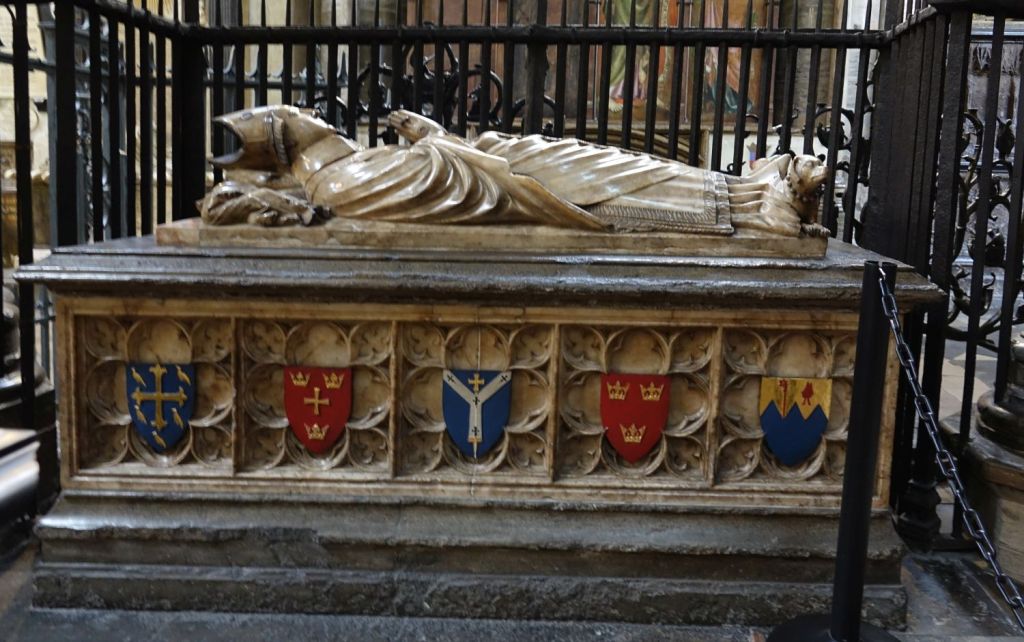
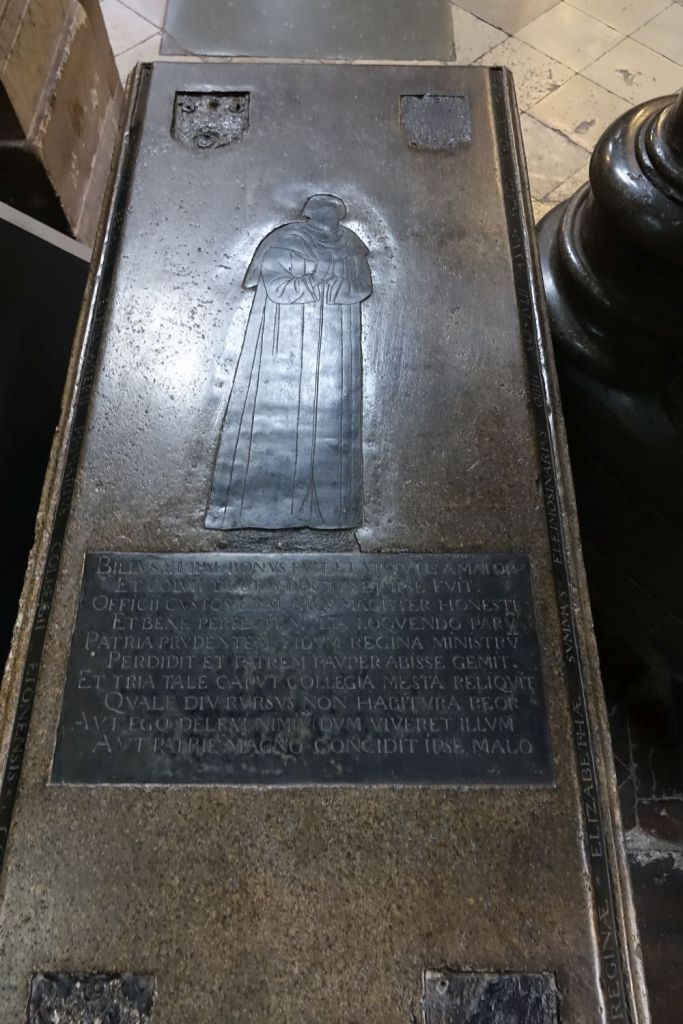
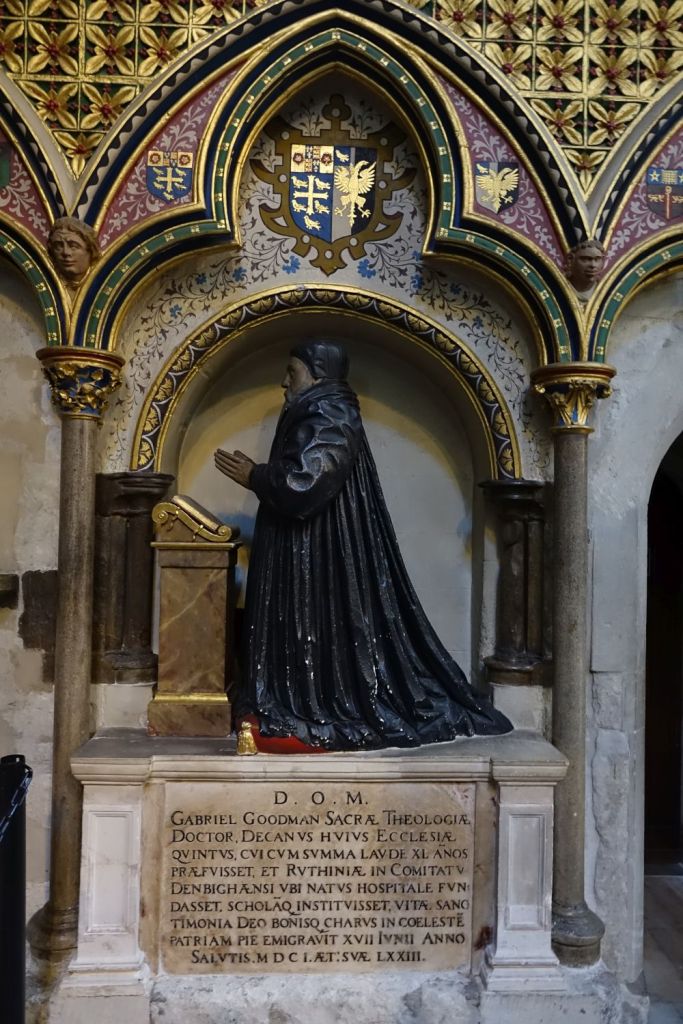
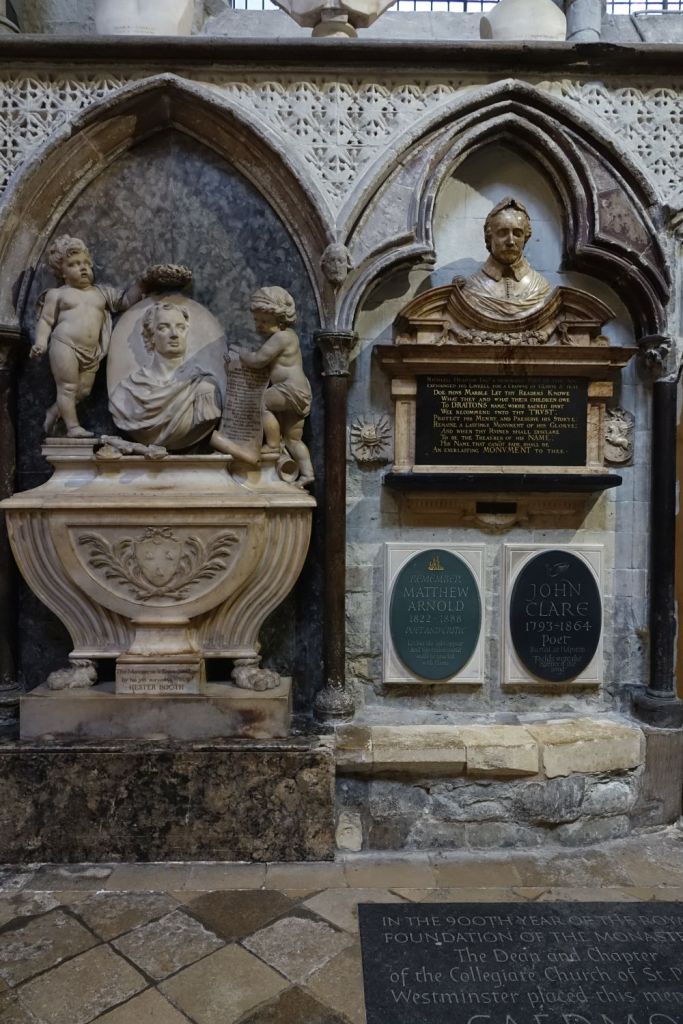
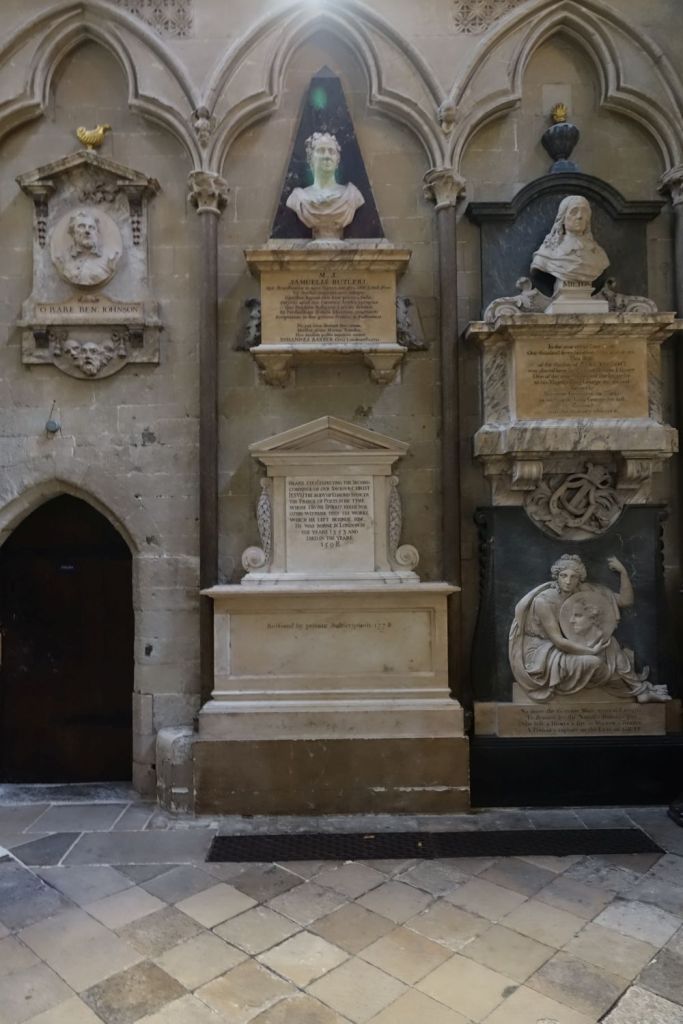
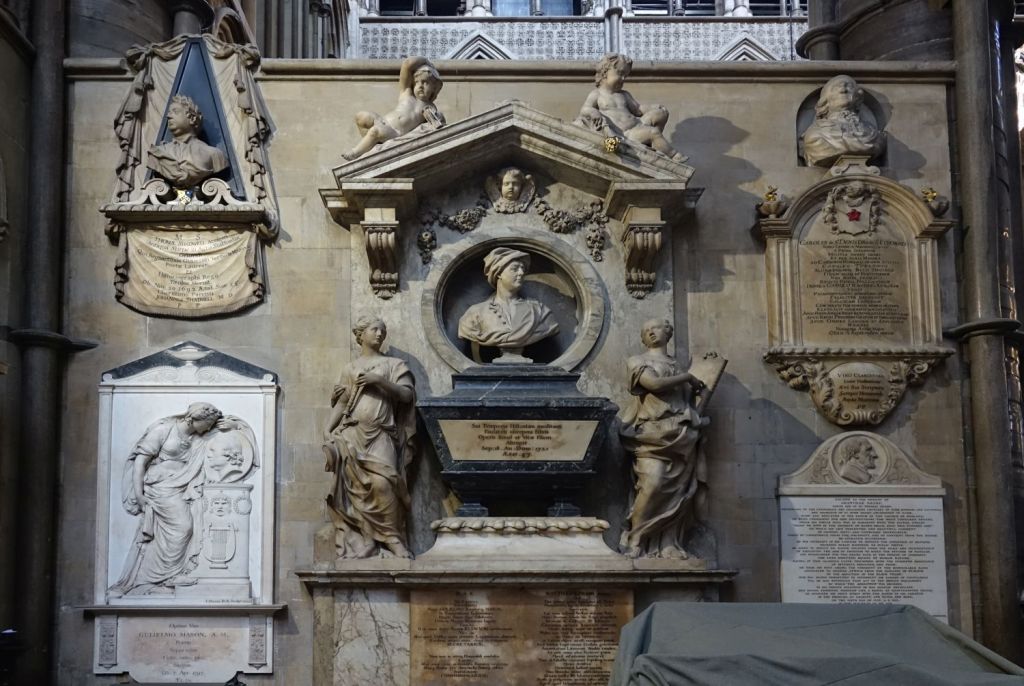
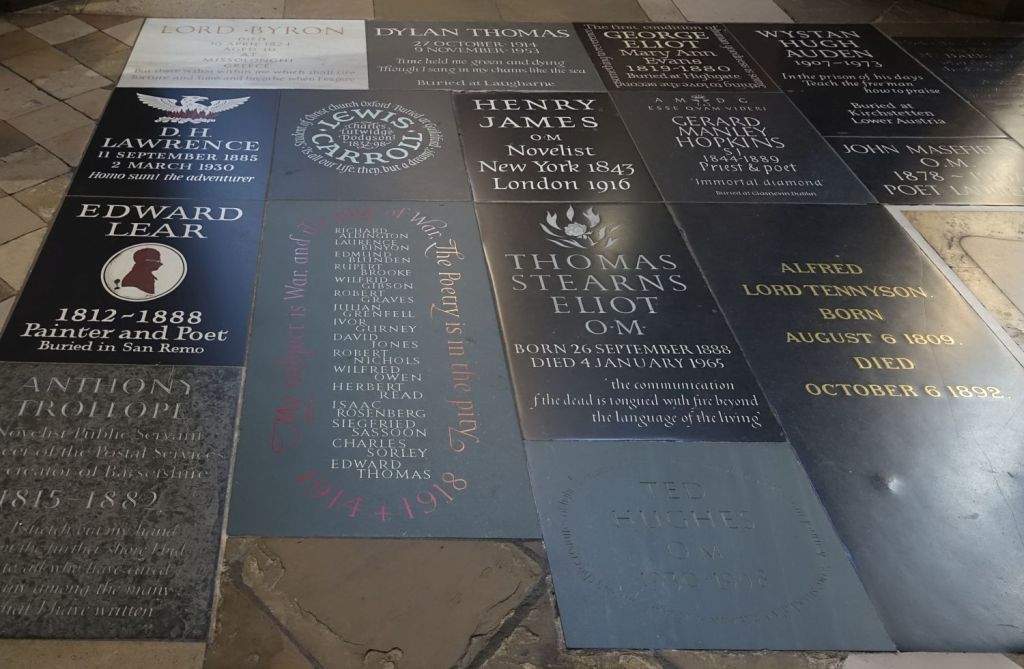
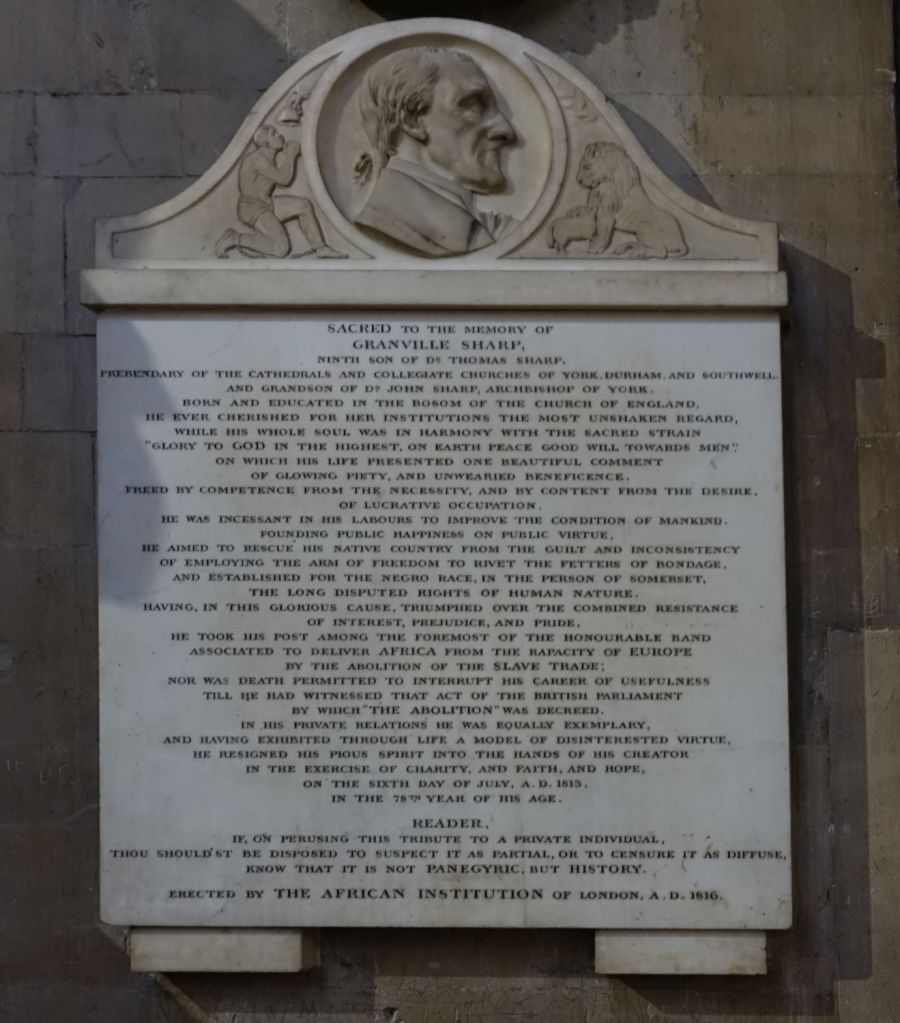
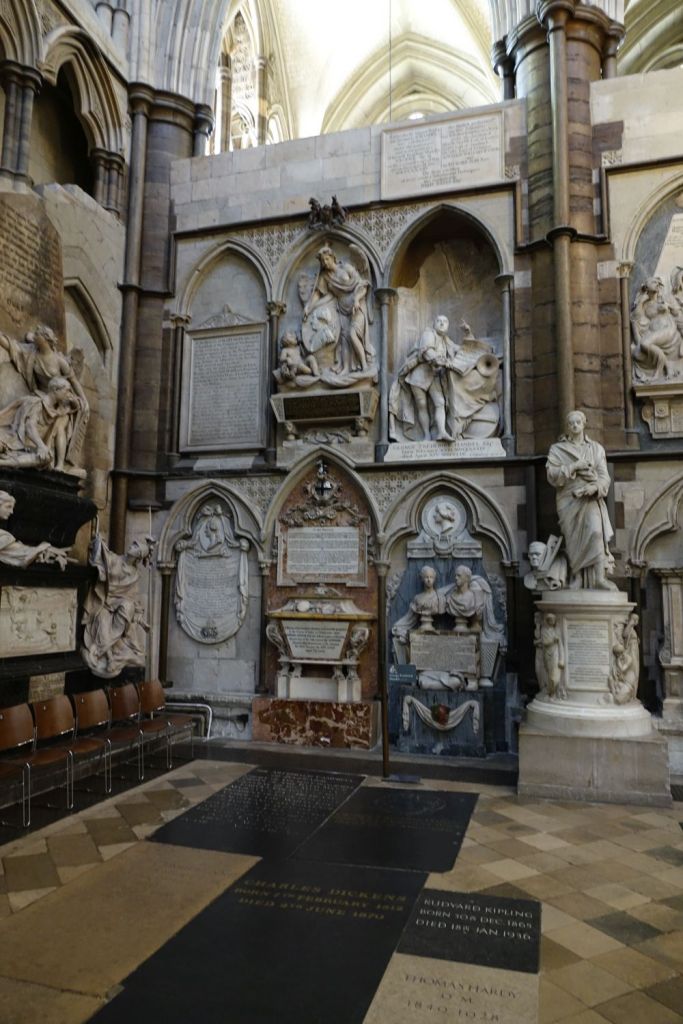
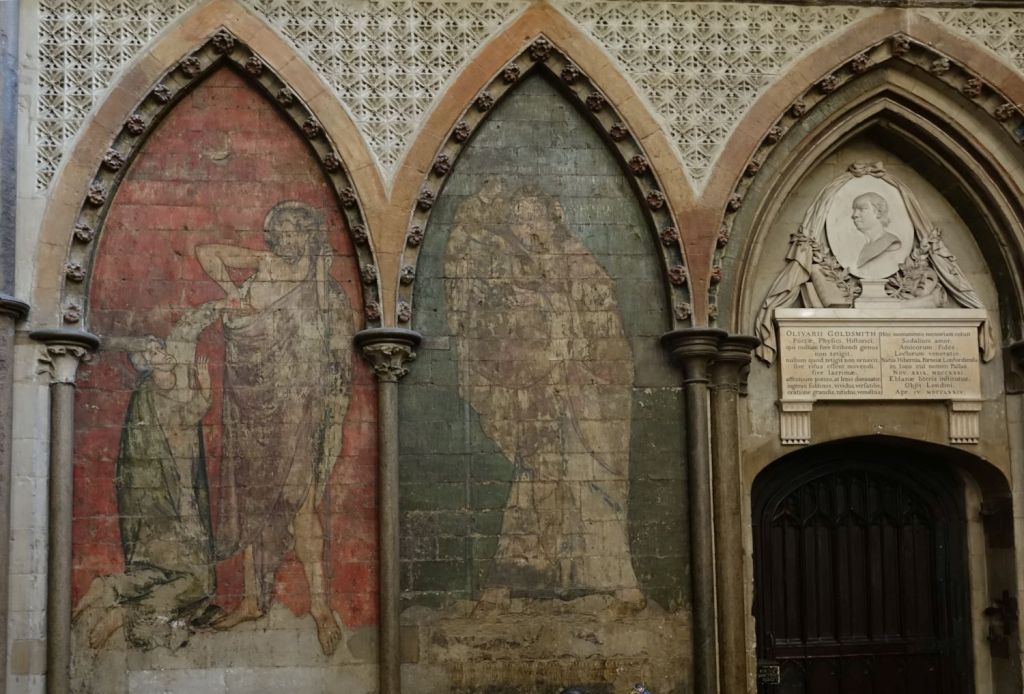
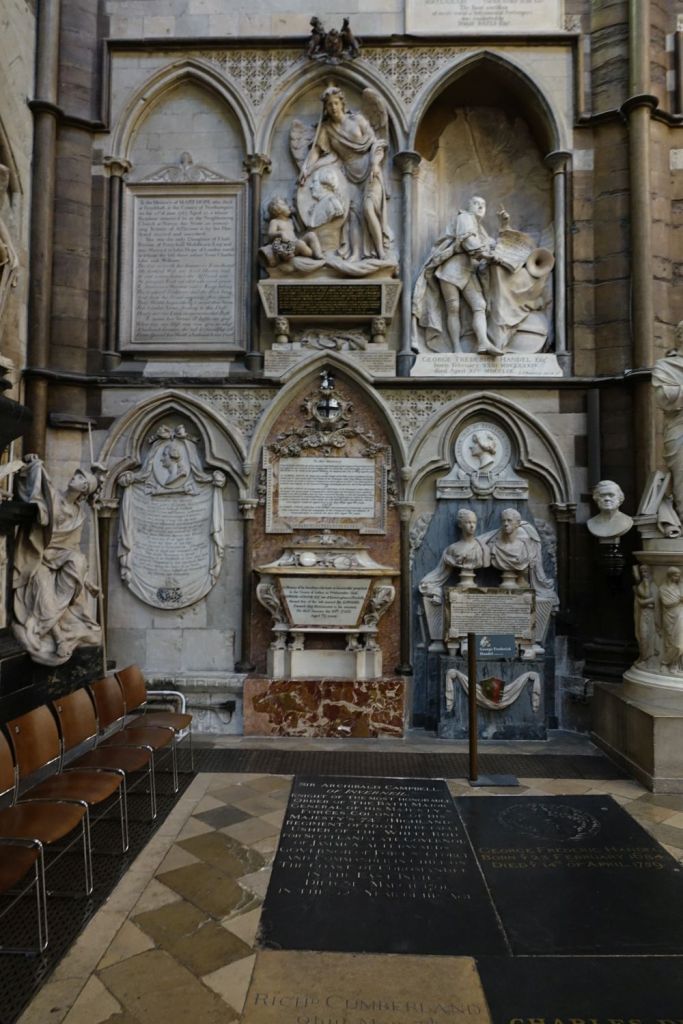
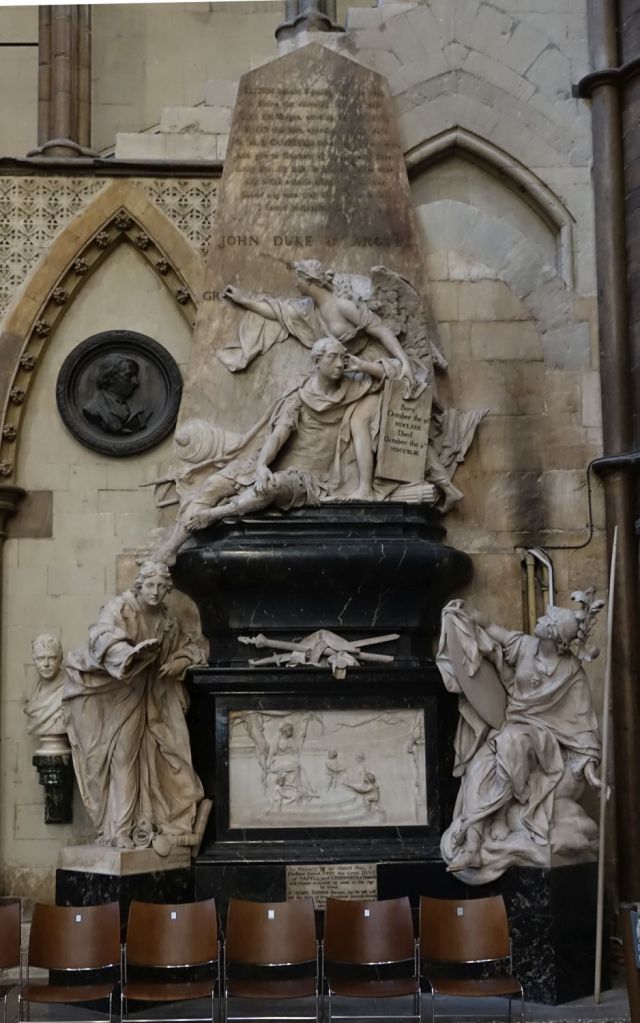
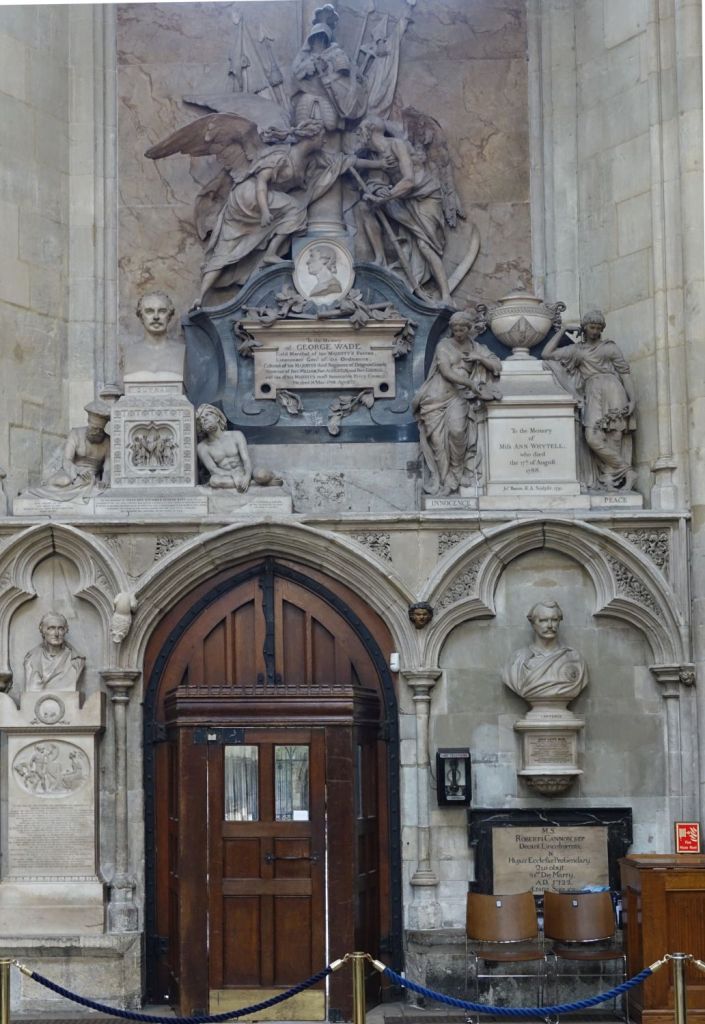
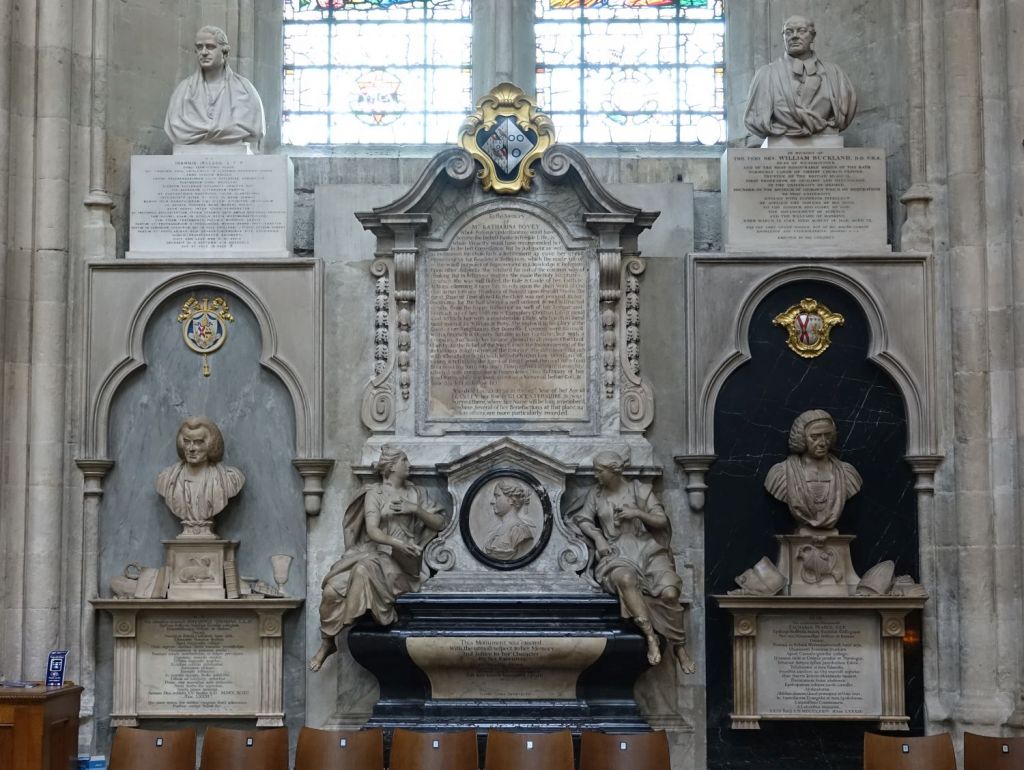
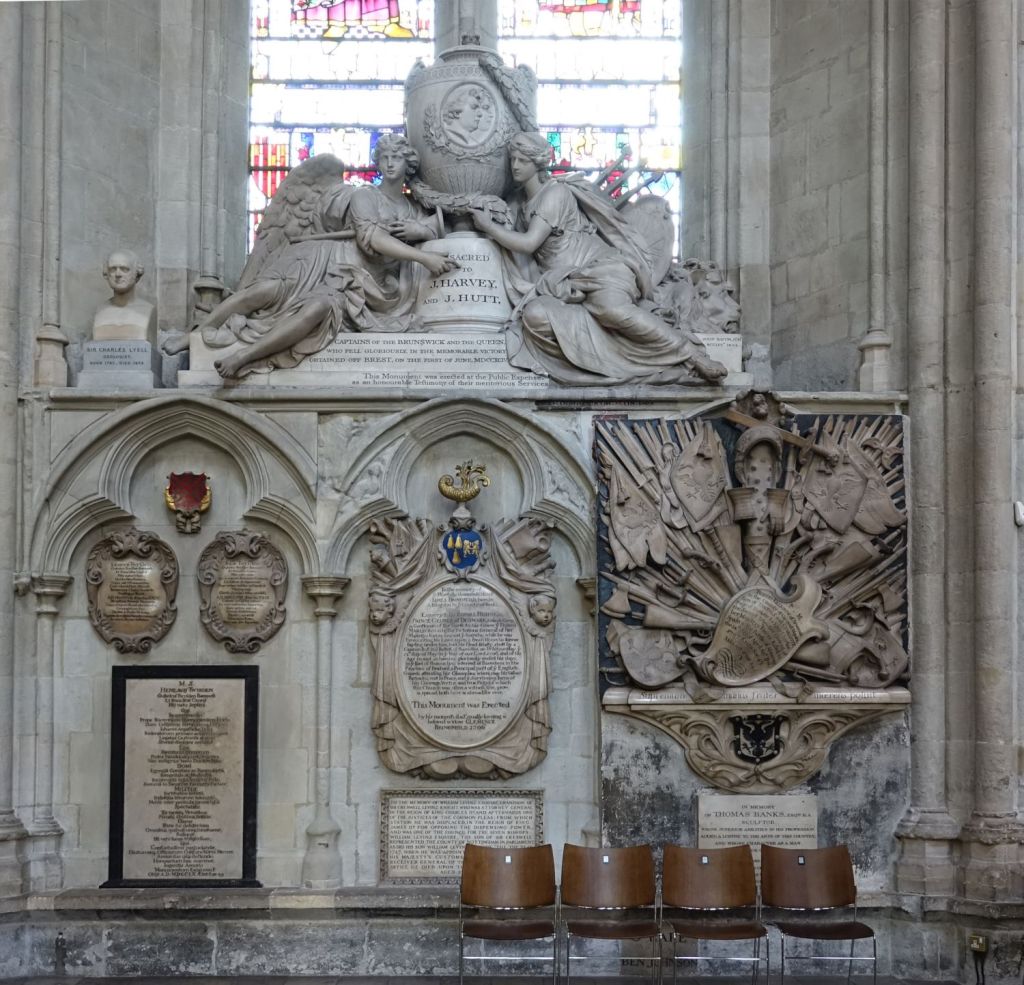
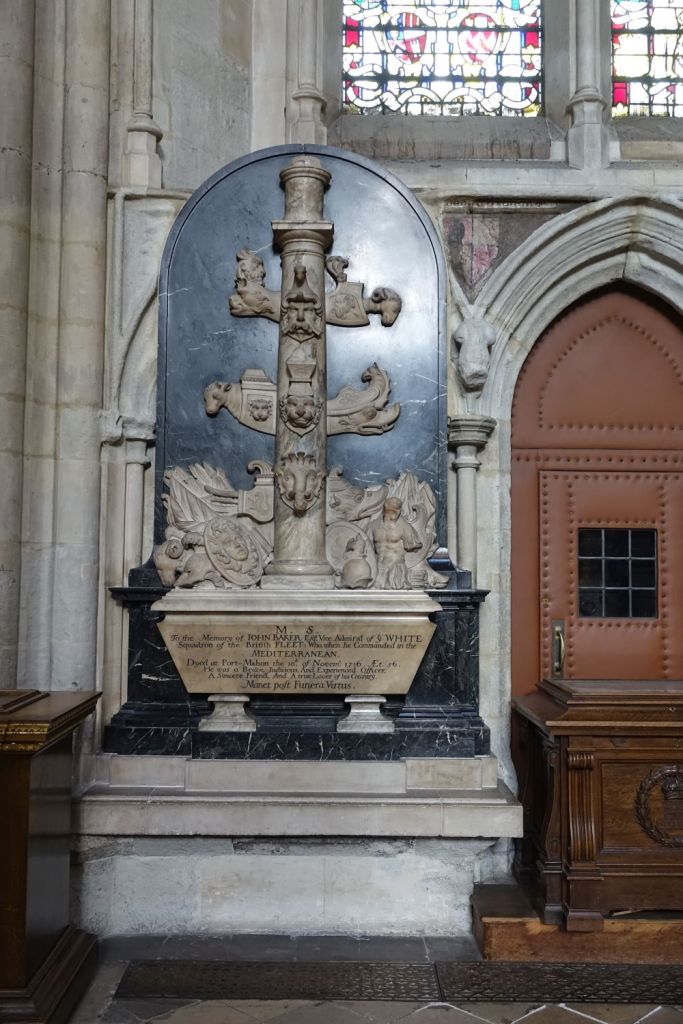
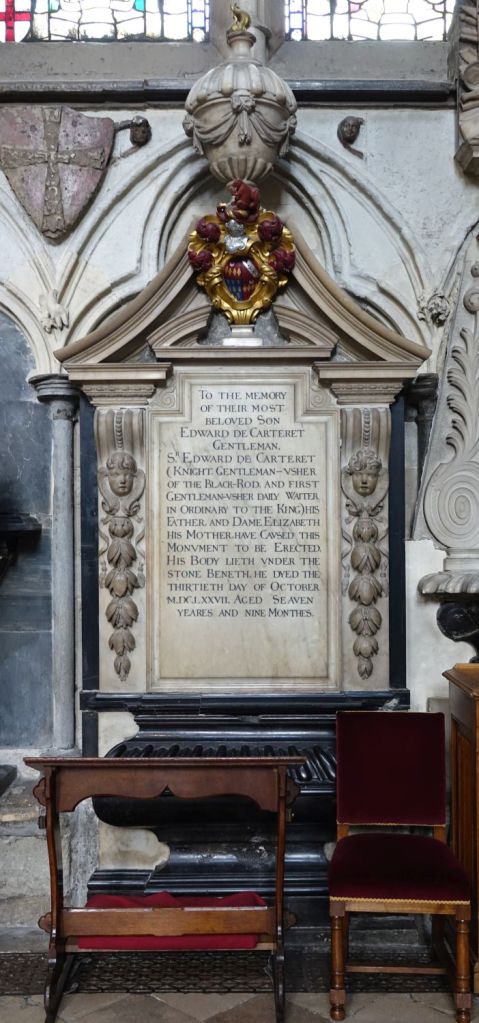
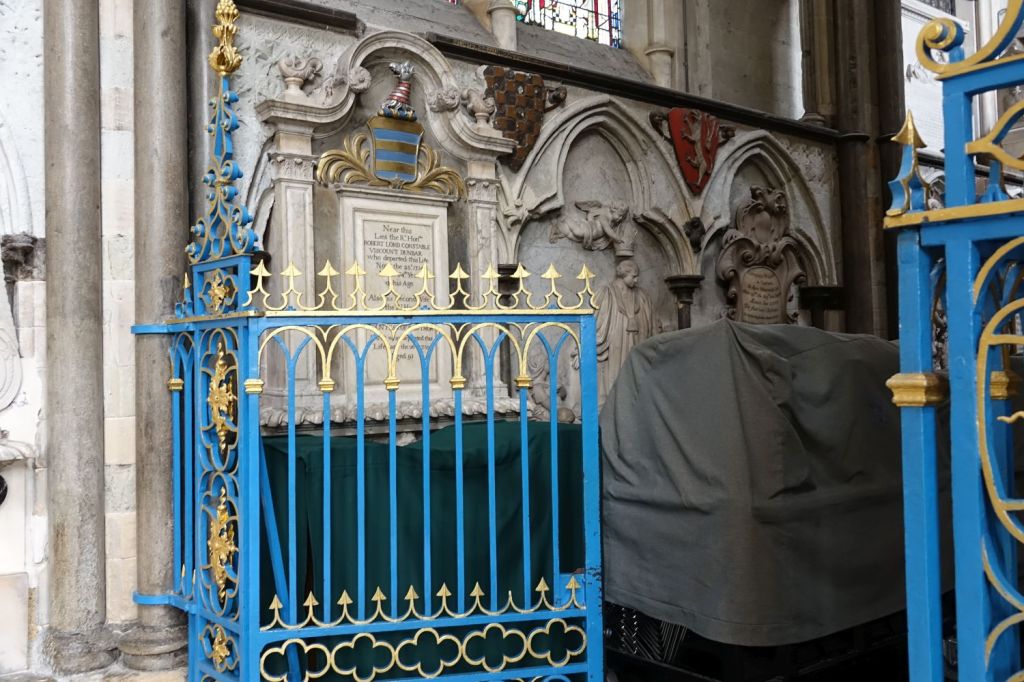
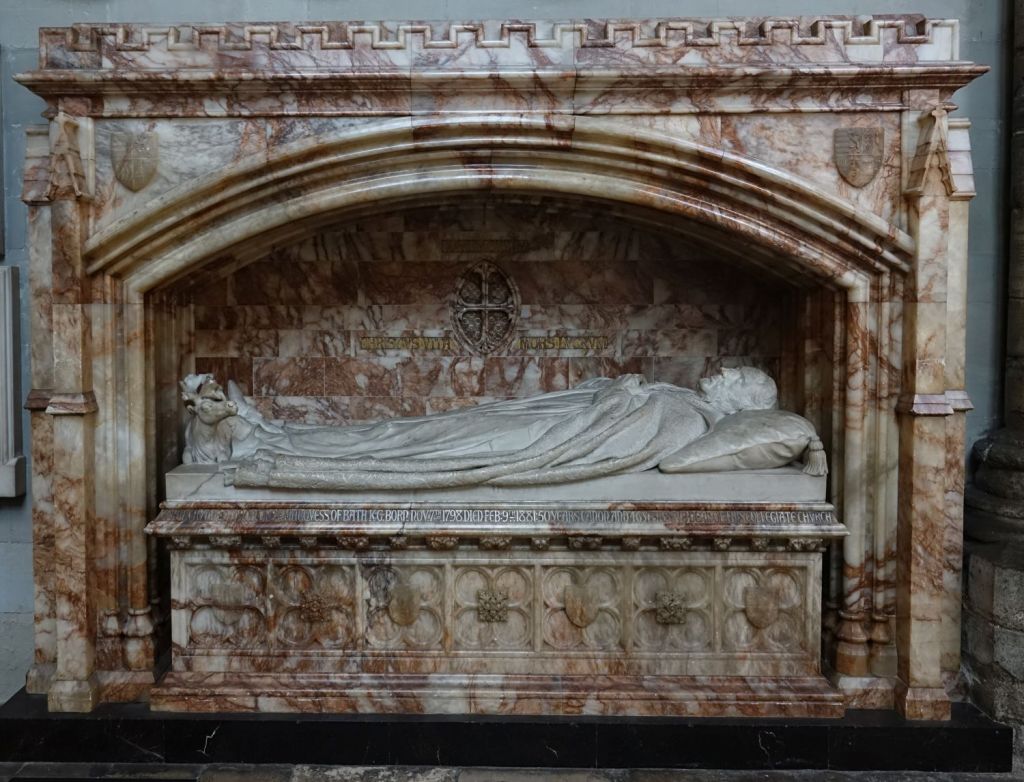
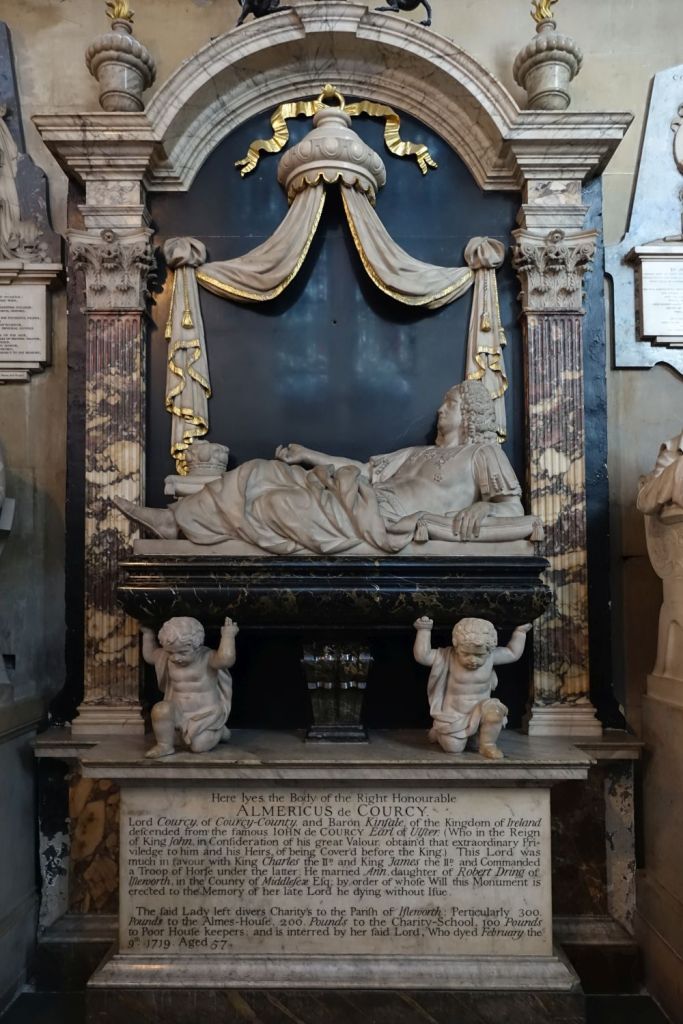
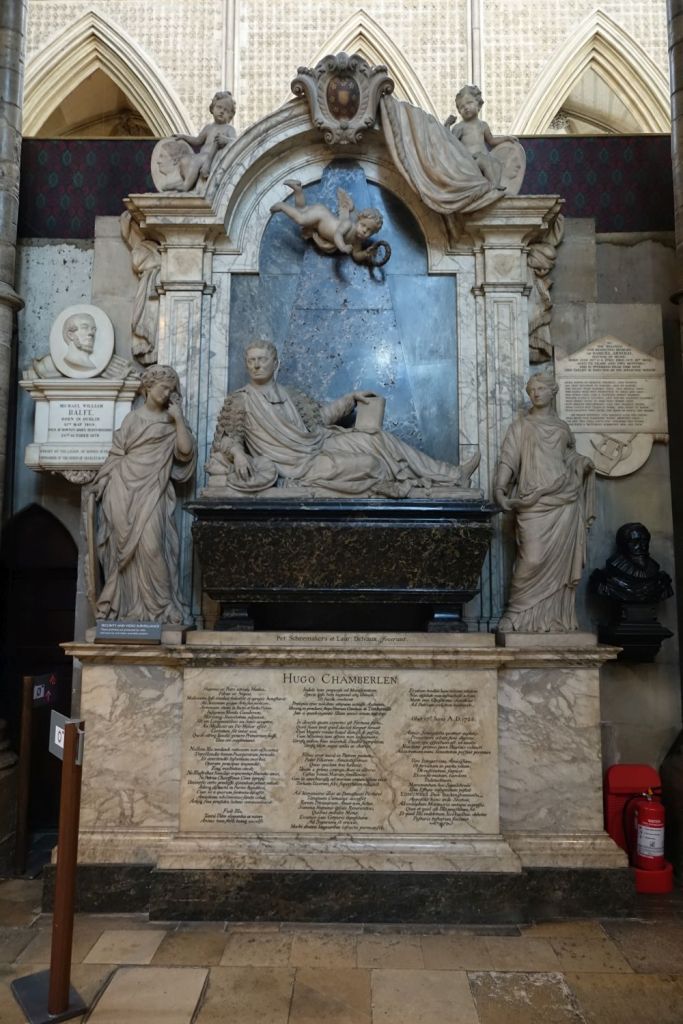
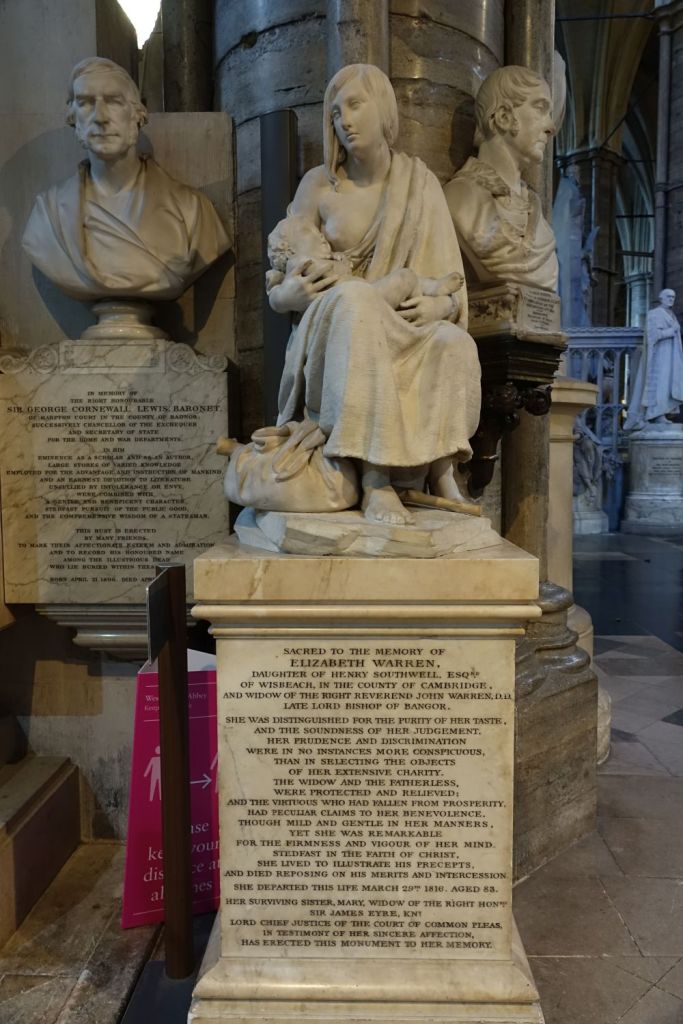
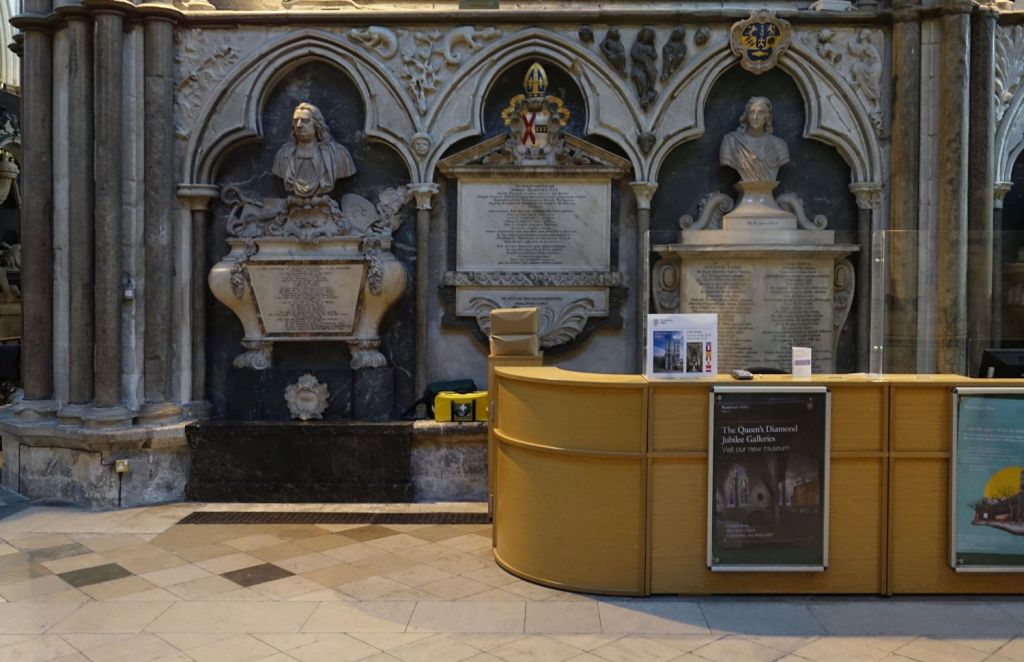
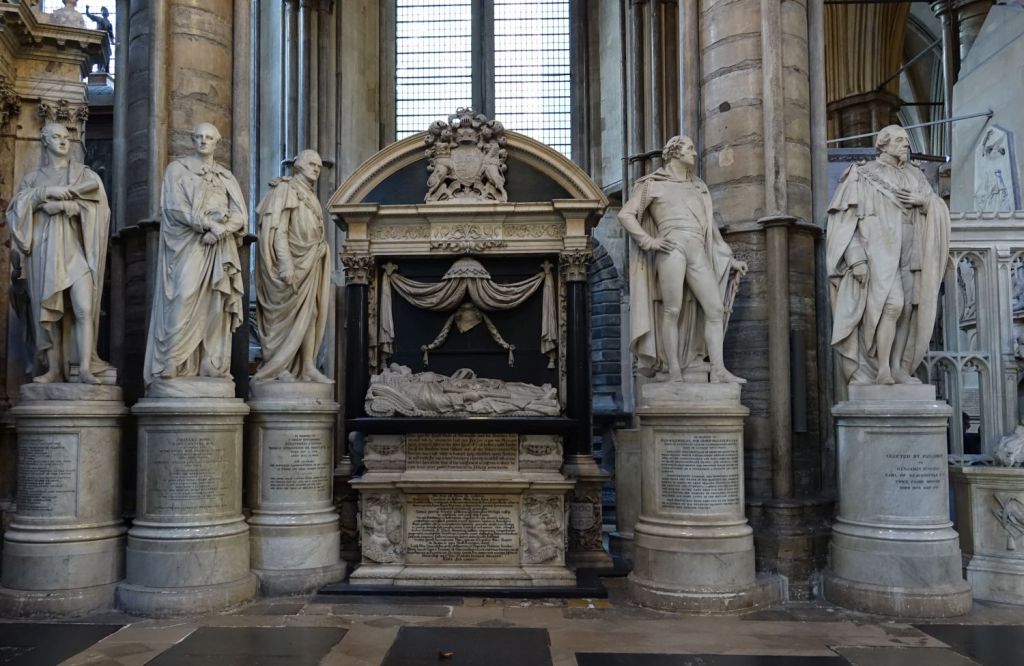
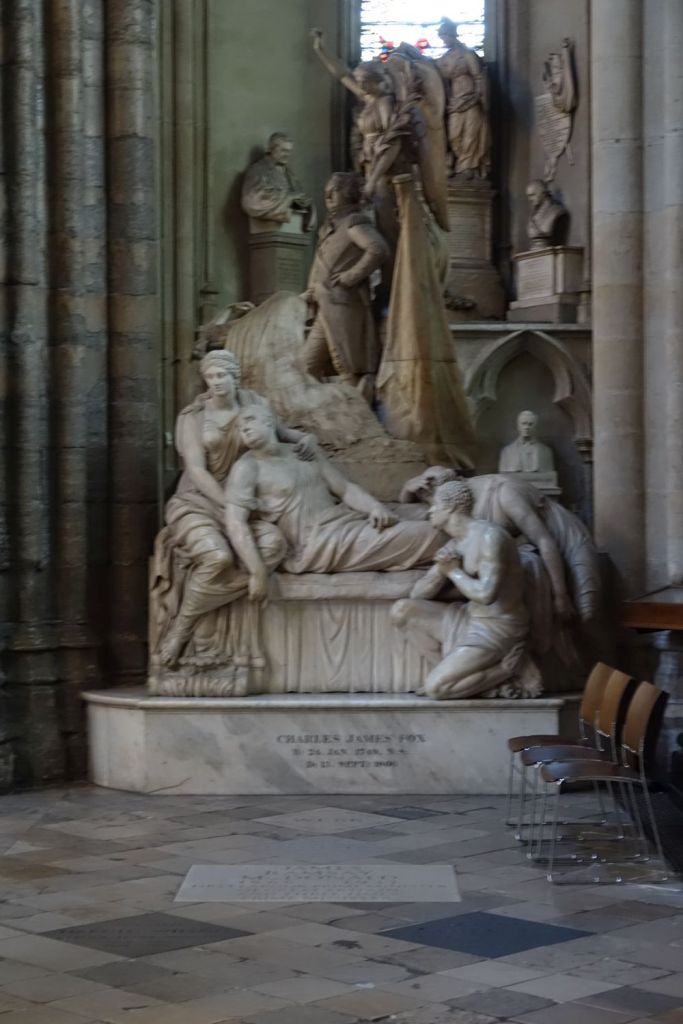
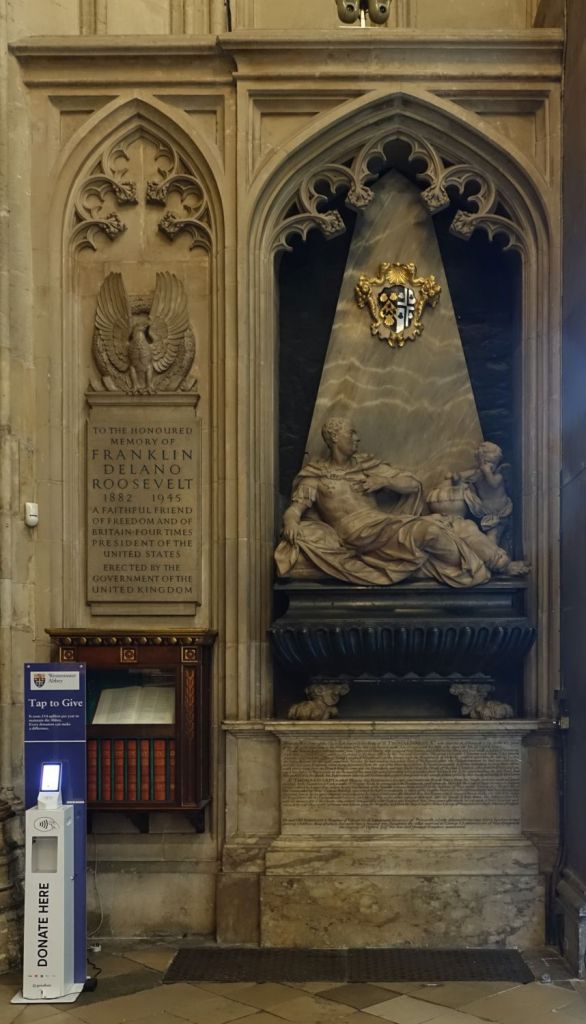
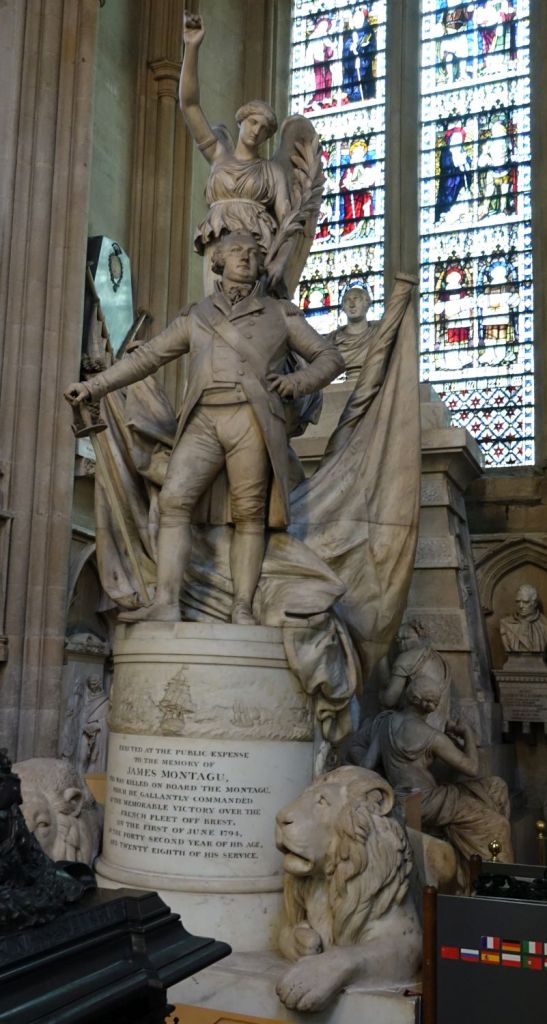
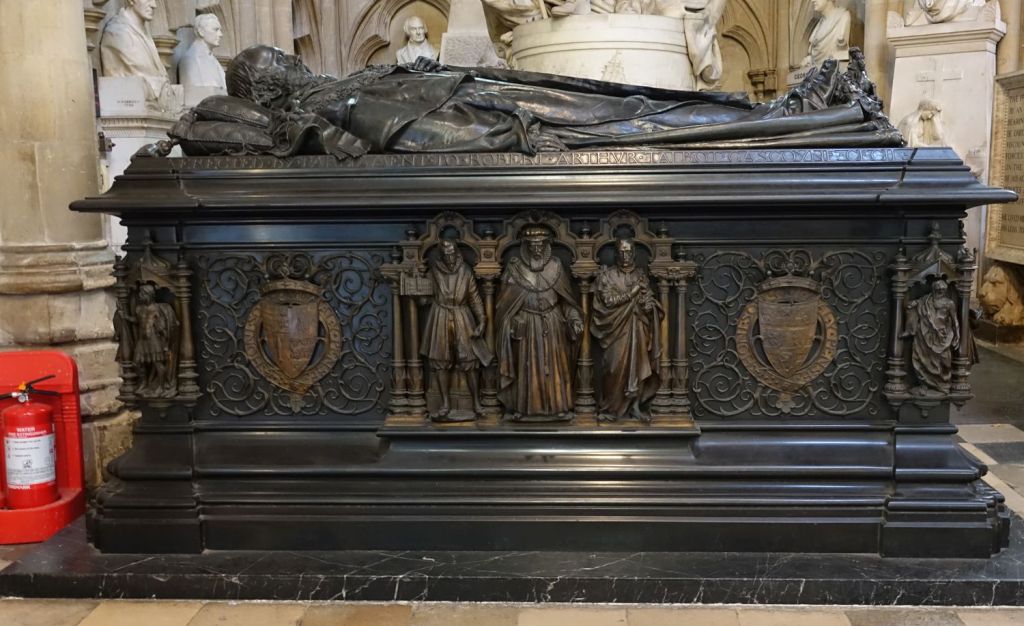
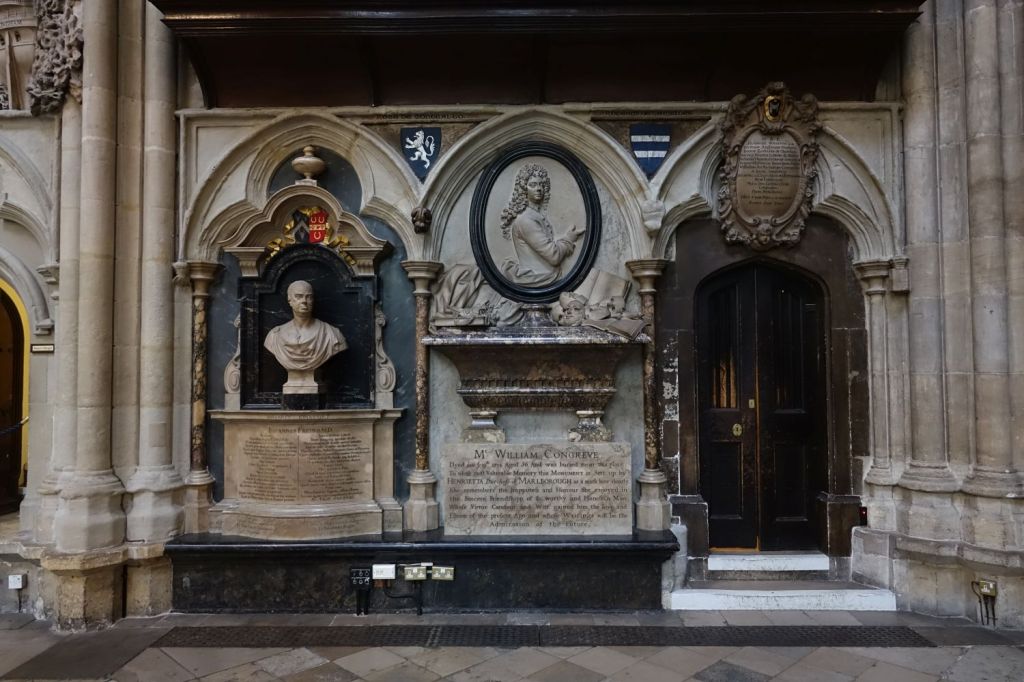
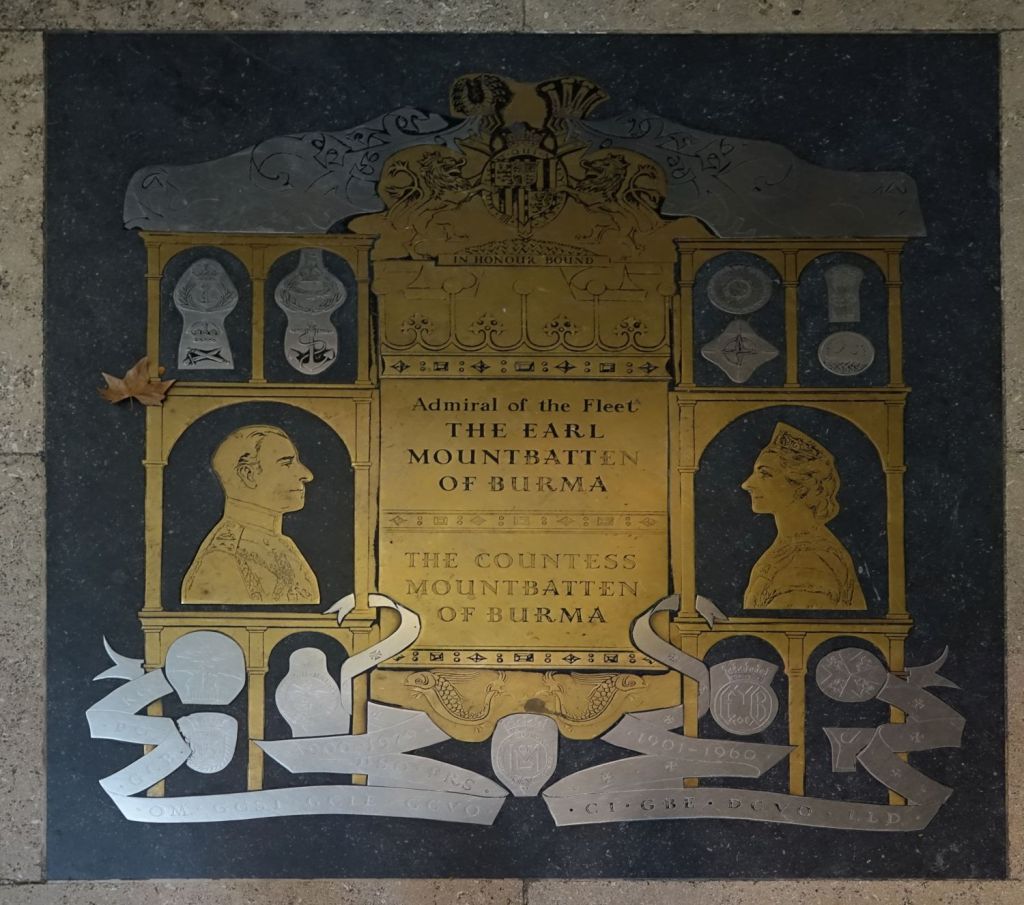
Possibly the best known church in Britain. Building of the current church, replacing an 11th century one, started in 1246 and by 1272 the chancel and four bays of the nave were complete. The west end was Norman, but the 14th century saw the towers encased. The late 14th and 15th centuries saw the nave extended west in much the same style as 100+ years earlier. The church is immensely tall for a British church being built in a French style, as are the polygonal eastern chapels. The Lady Chapel (Henry VII’s chapel) was added in 1503-1510. Since then there have been numerous restorations and reconstructions. Nicholas Hawksmoor rebuilt the west towers in 1735-45. During the 19th century work was done by George Gilbert Scott, John Loughborough Pearson, J Oldrid Scott and J.T. Micklethwaite. In the 20th W.R. Lethaby, Walter Tapper, Charles Peers, Stephen Dykes Bower, Peter Foster and Donald Buttress have carried out work. The Abbey is known for its Royal tombs, the medieval ones are in the Feretory, an area not open to general visitors due to wear and tear. The whole building is full of monuments of all periods. Much of the stained glass is post-war by Ninian Comper and Hugh Easton and in 2020 David Hockney.



















































































































































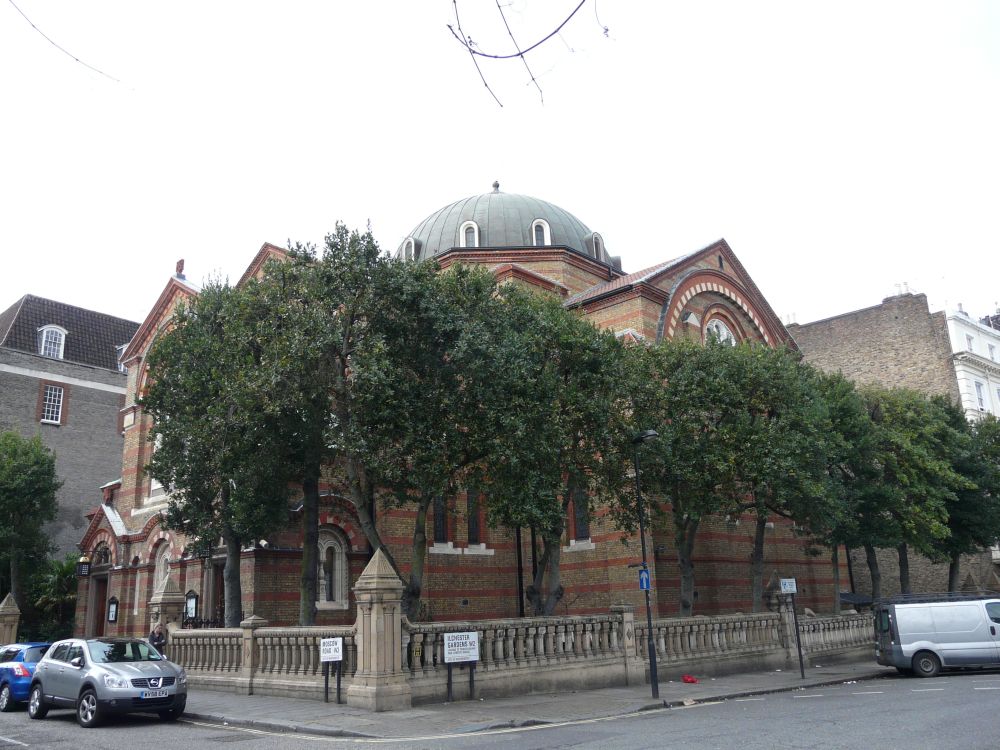
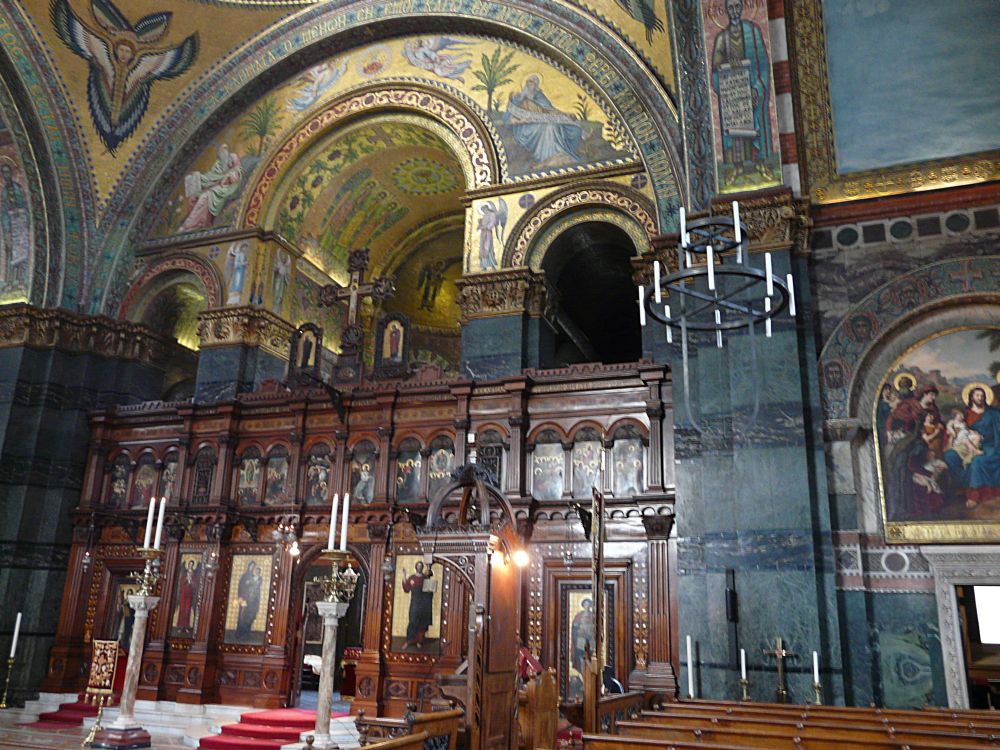
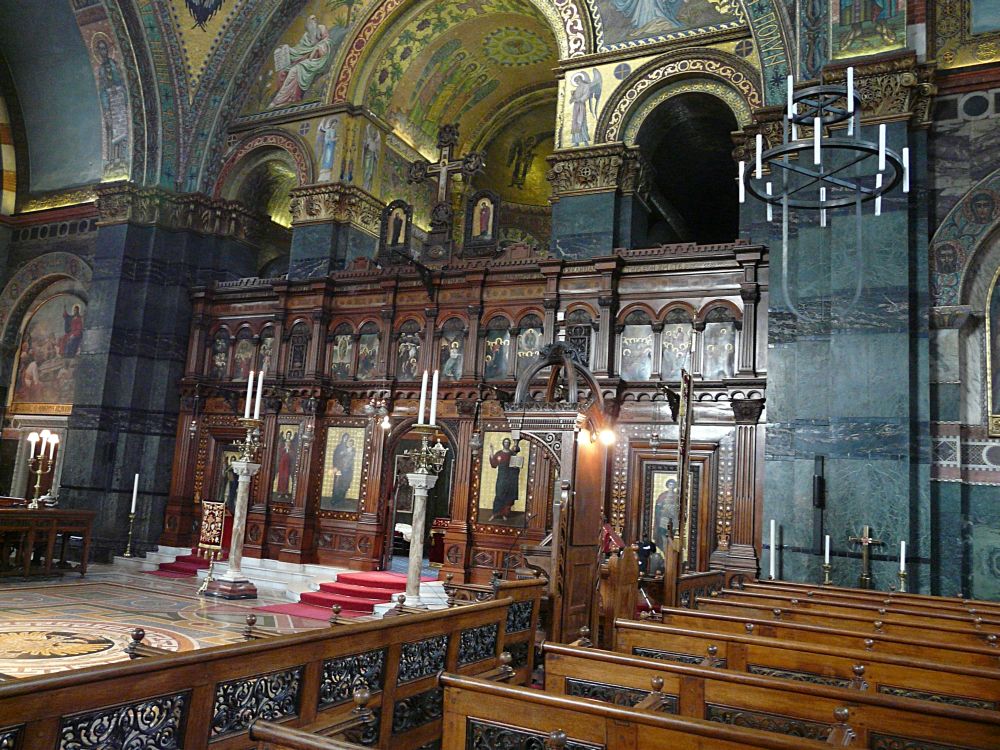
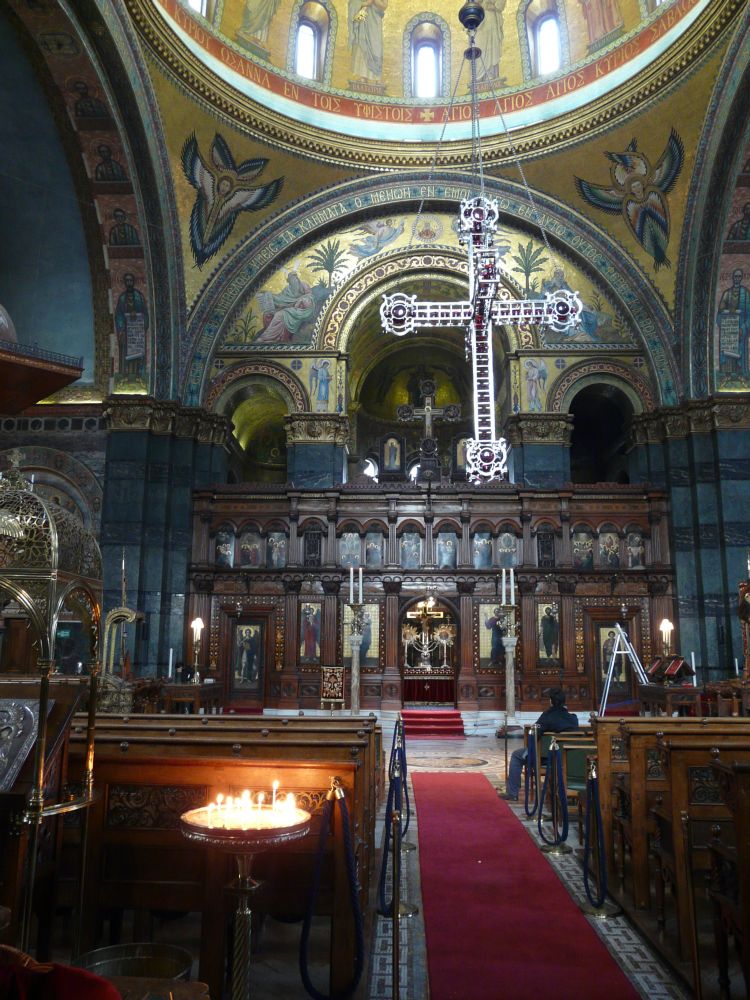
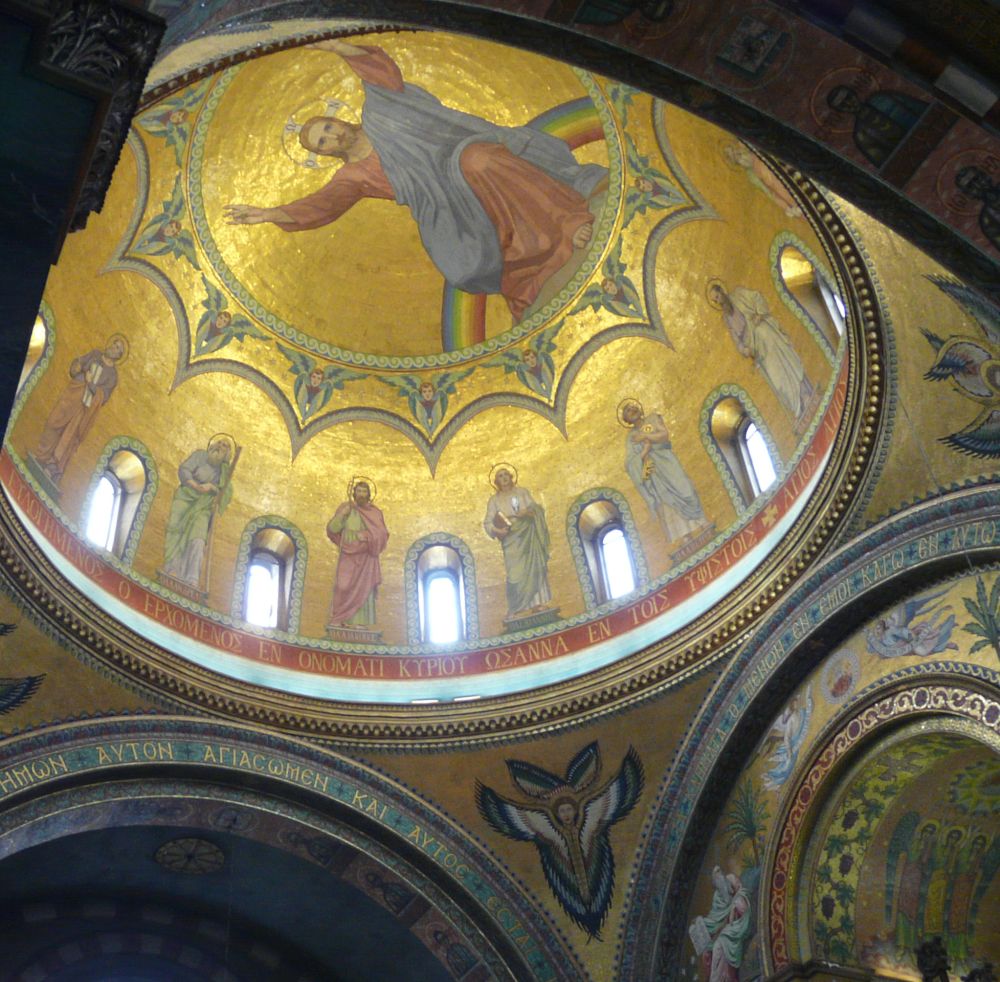
St Sophia Greek Orthodox cathedral, Moscow Road, bayswater
Not far north of Kensington Gardens. An impressive domed church designed by John Oldrid Scott, 1877, and a cathedral since 1932
 |
 |
 |
 |
 |
 |
 |
 |
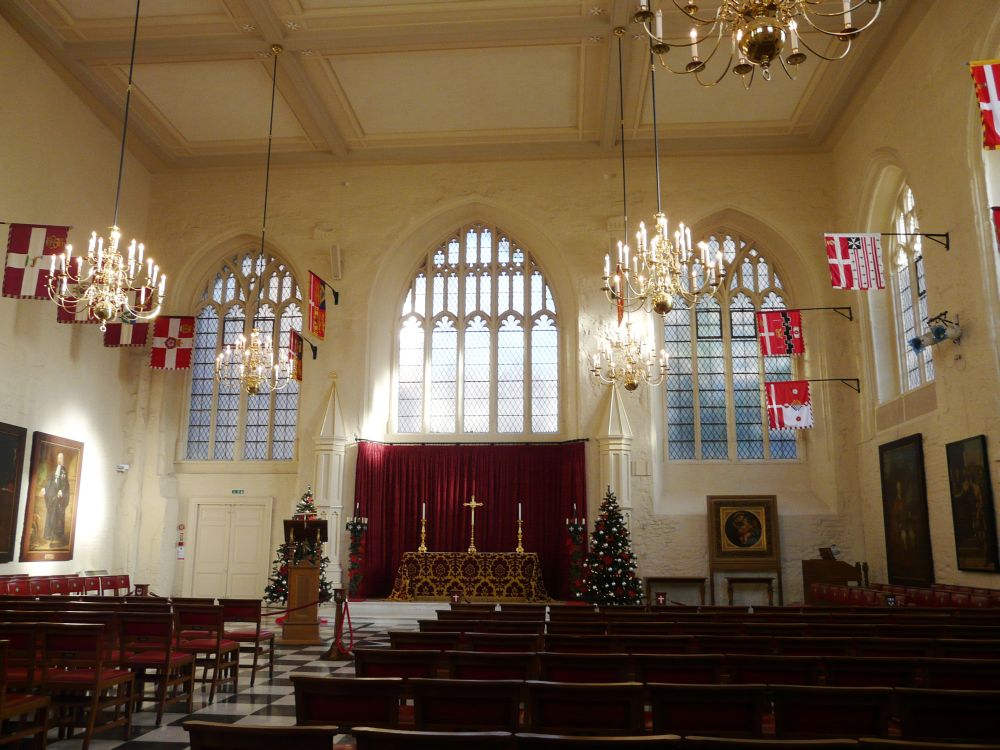
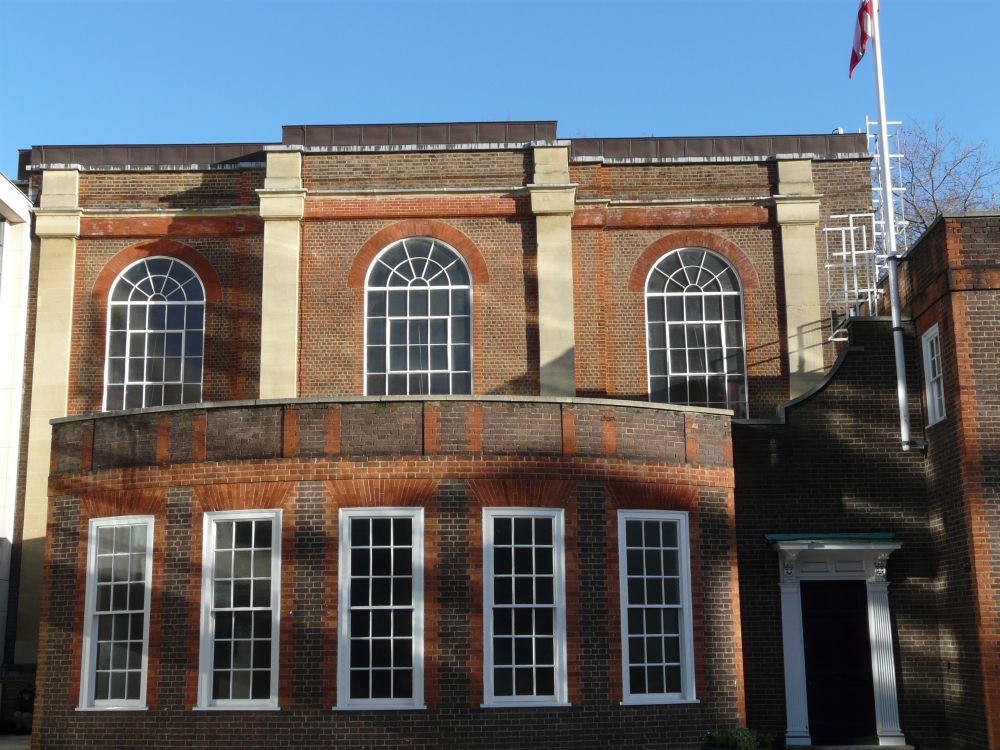
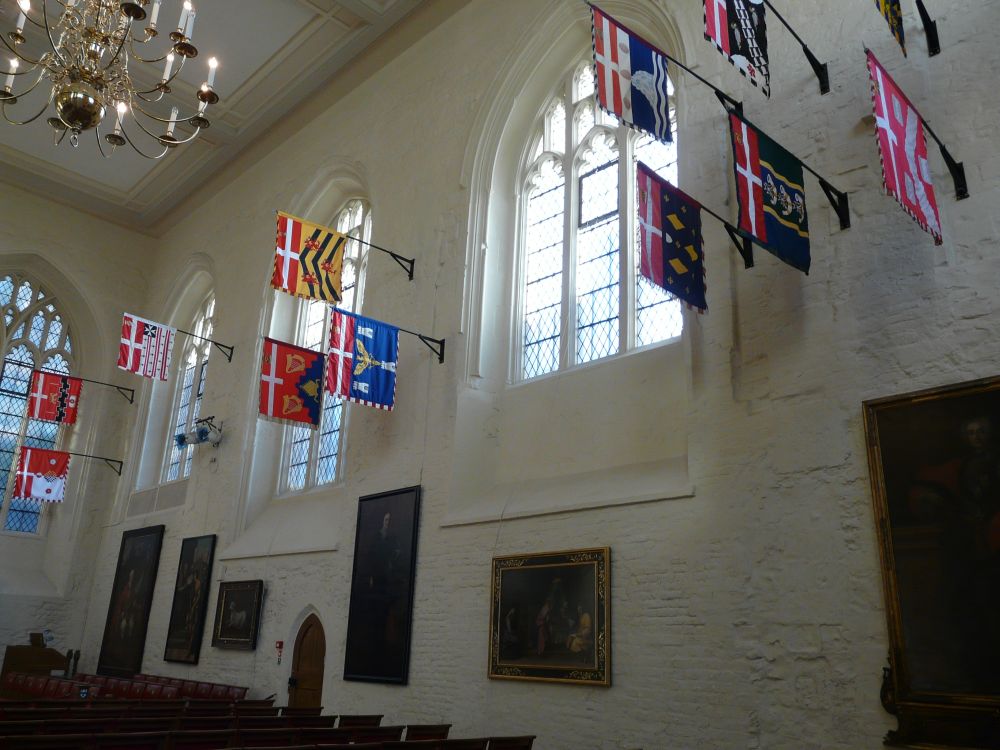
St John, St John’s Square, Clerkenwell
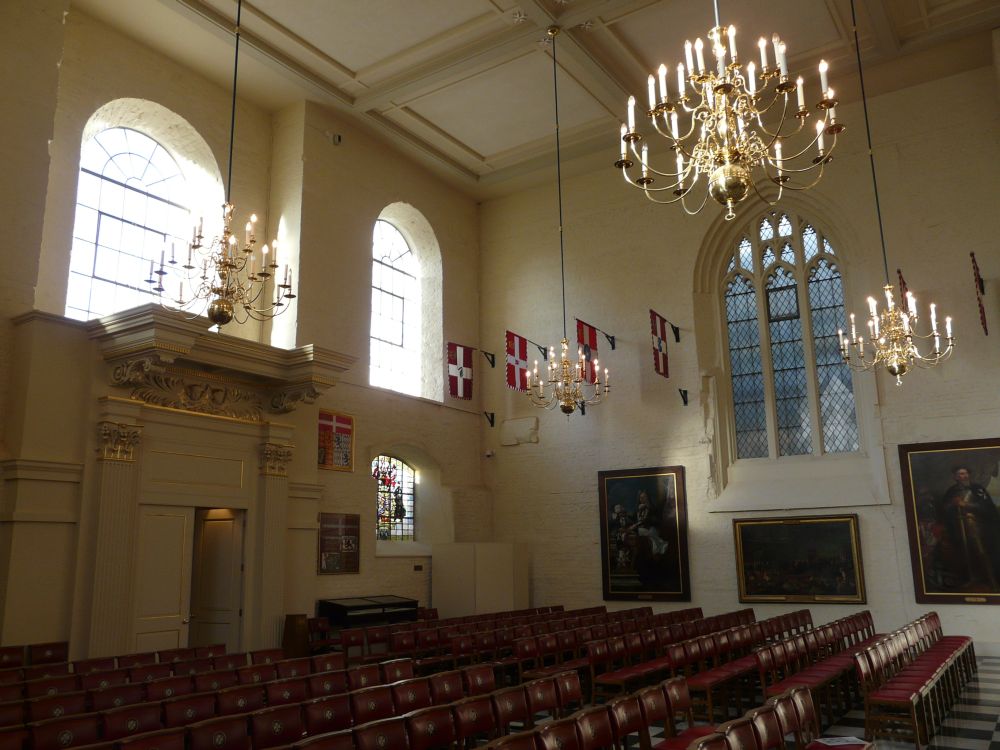
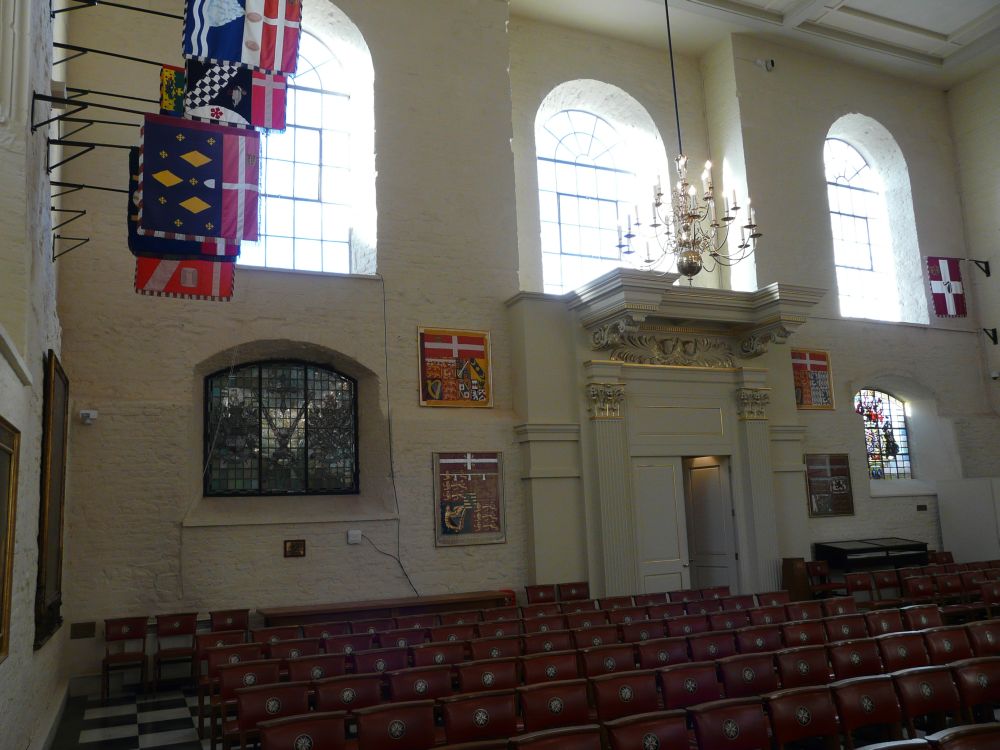
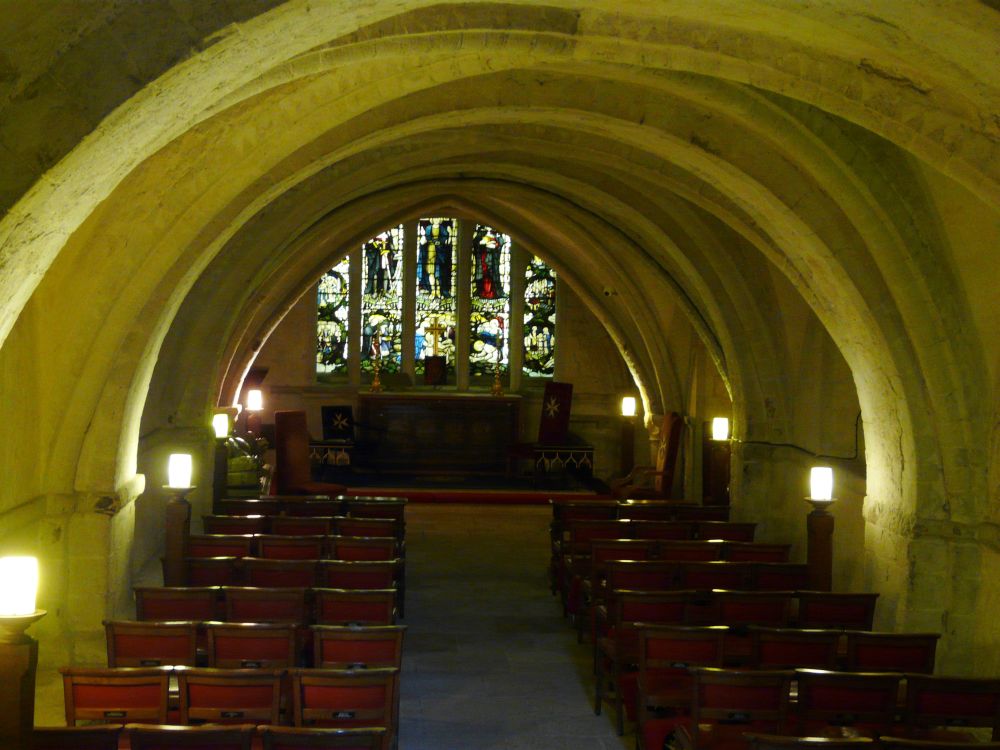
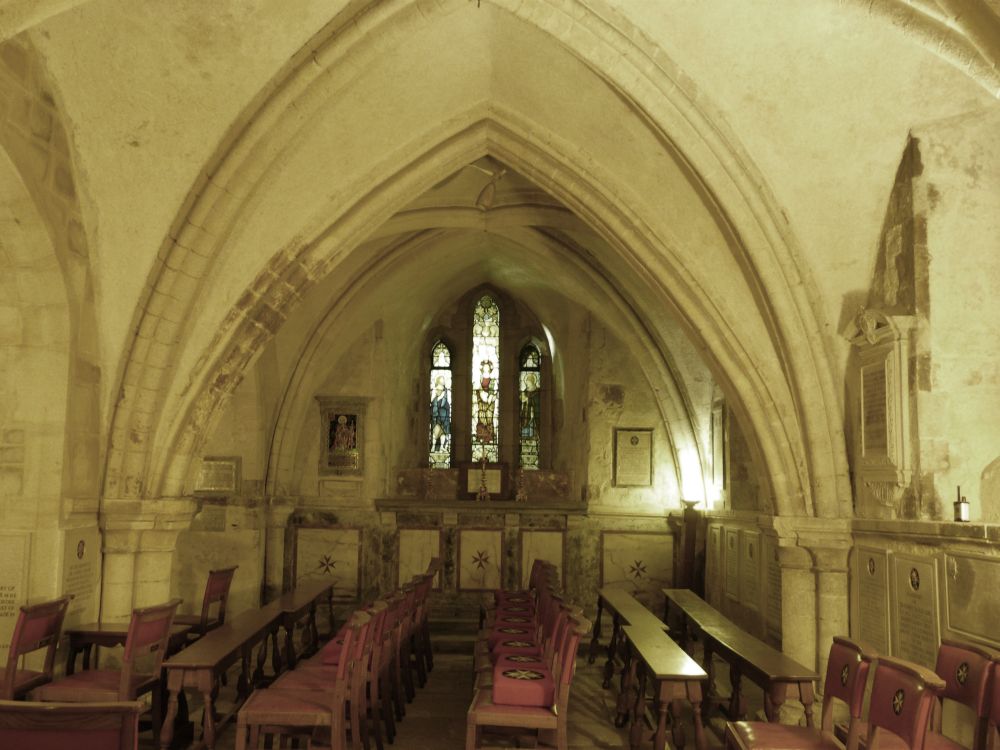
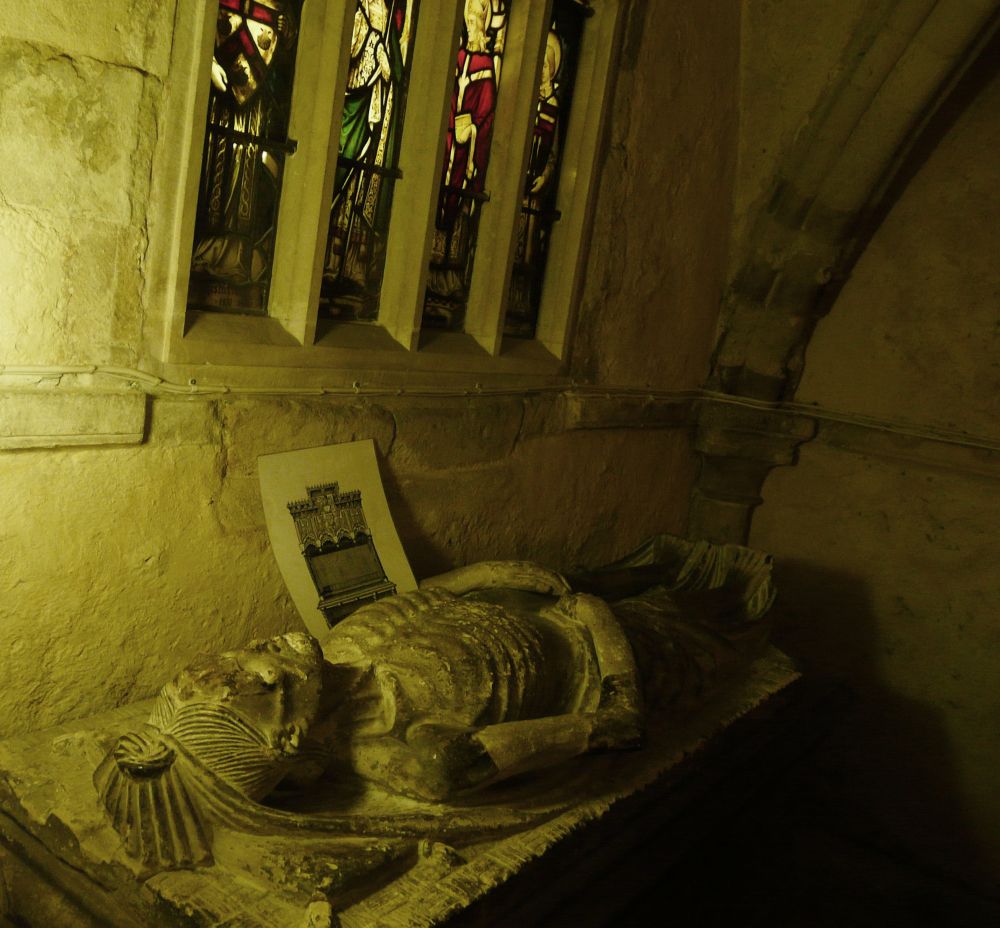
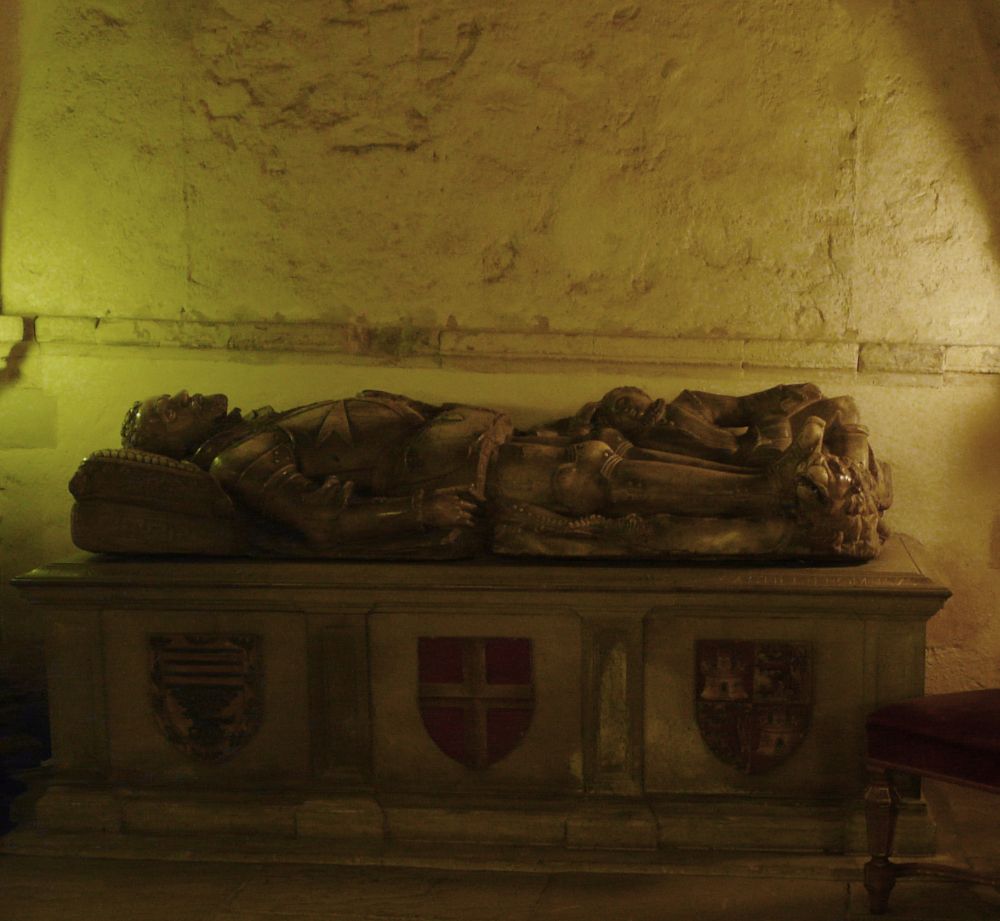
The church of the former St John’s Priory. The building has been much changed over the years and is no longer a parish church, but forms part of the Order of St John Museum. The church is a rebuilding of 1721-23 of the chancel of the priory, itself rebuilt in 1955-58 by Seely and Paget after war damage. Below it is the crypt which was built in two stages, the west end is mid 12th century and the east end and transepts date from about 1185. It was restored in 1900-01 and 1904-07 by John Oldrid Scott.
 |
 |
 |
 |
 |
 |
 |
 |
 |
 |
 |
 |
 |
|
St Mary (new), Stoke Newington
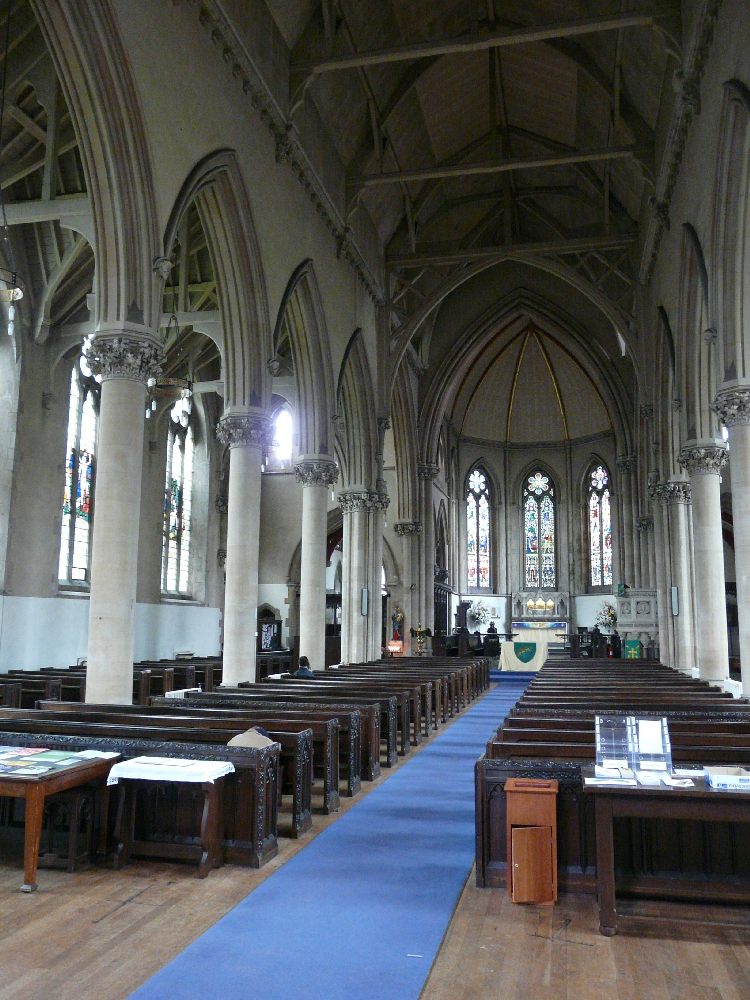
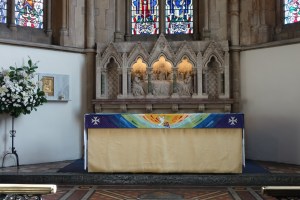
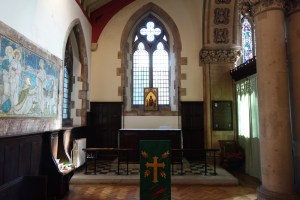
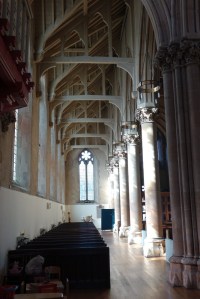
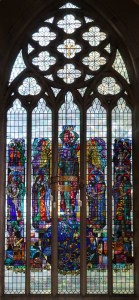
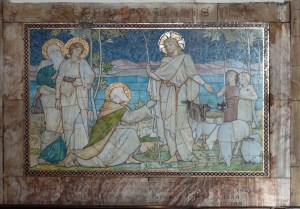
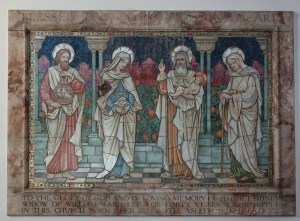
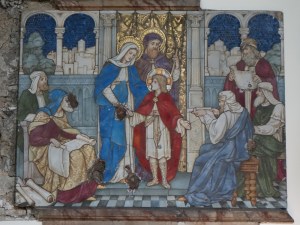
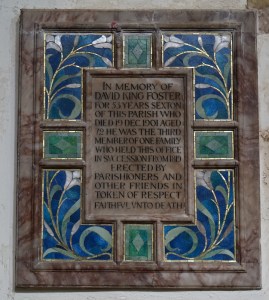
On the opposite side of the road to the humble older church this is a large church by G.G. Scott dating from 1854-58, the tower and spire were completed by his son J.O. Scott in 1890 to create a major local landmark.
 |
 |
 |
 |
 |
 |
 |
 |
 |
 |
 |
 |
 |
 |
 |
 |
 |
 |
 |
 |
 |
 |
 |
|
St John the Evangelist, Palmers Green
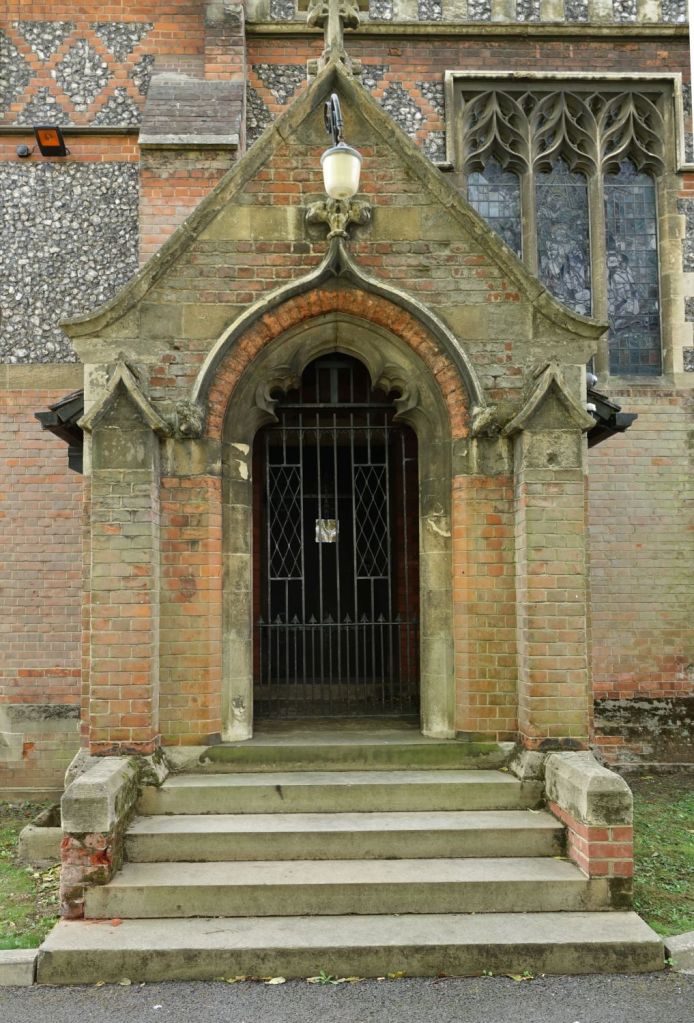
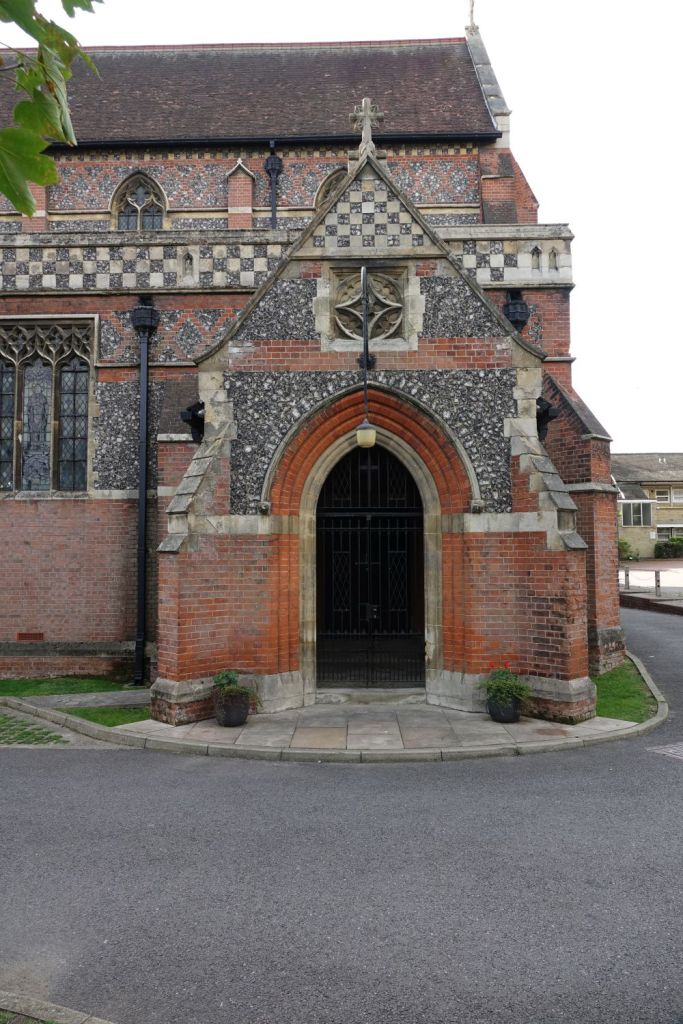
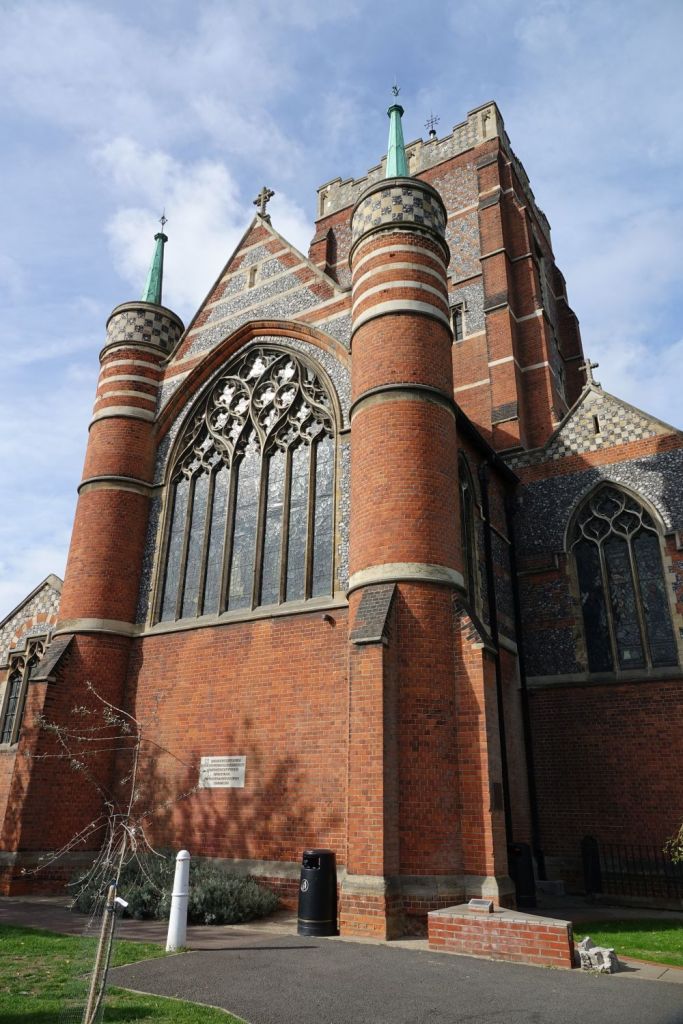
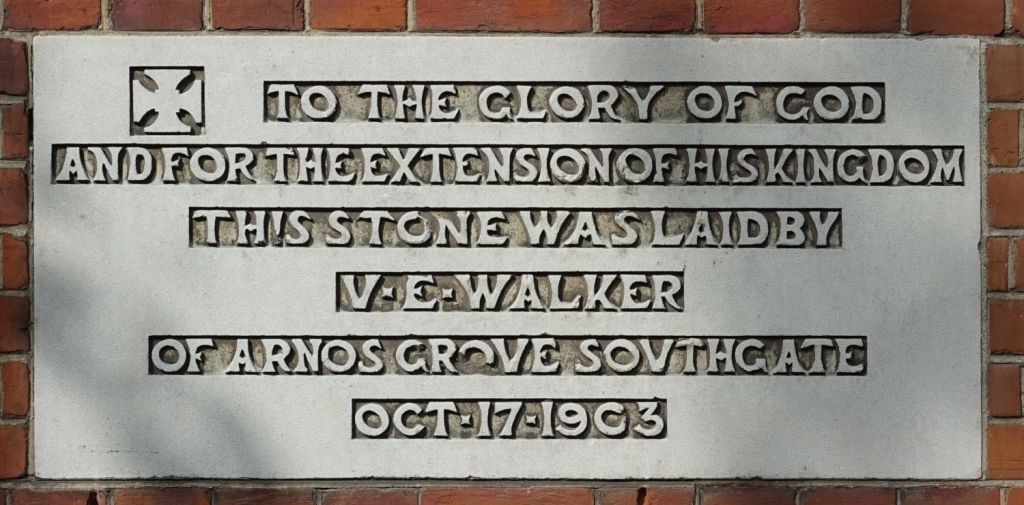
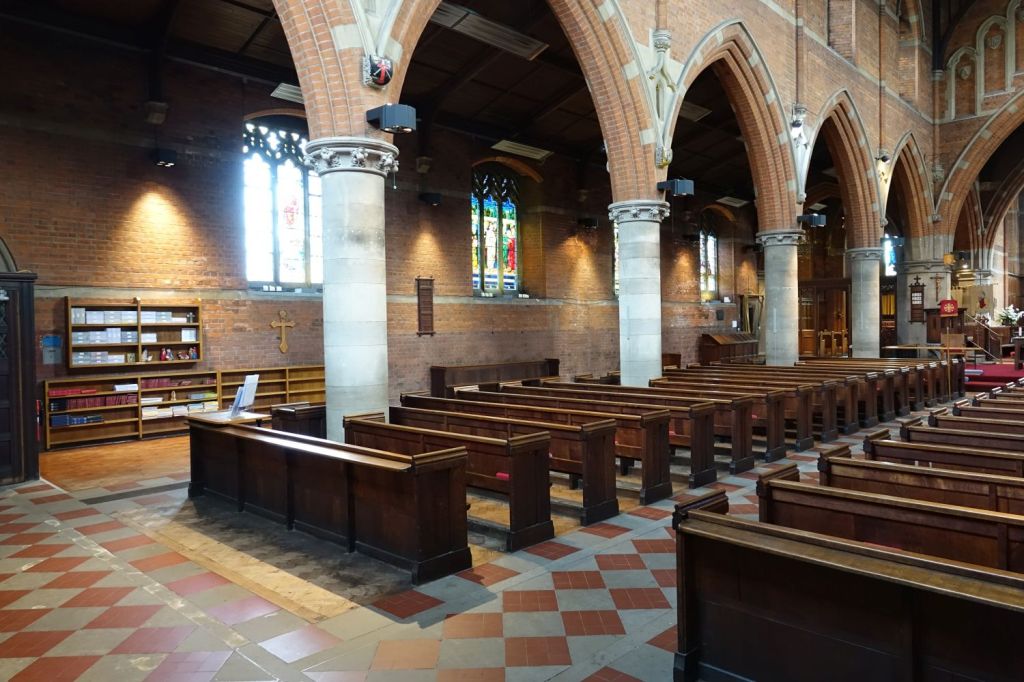
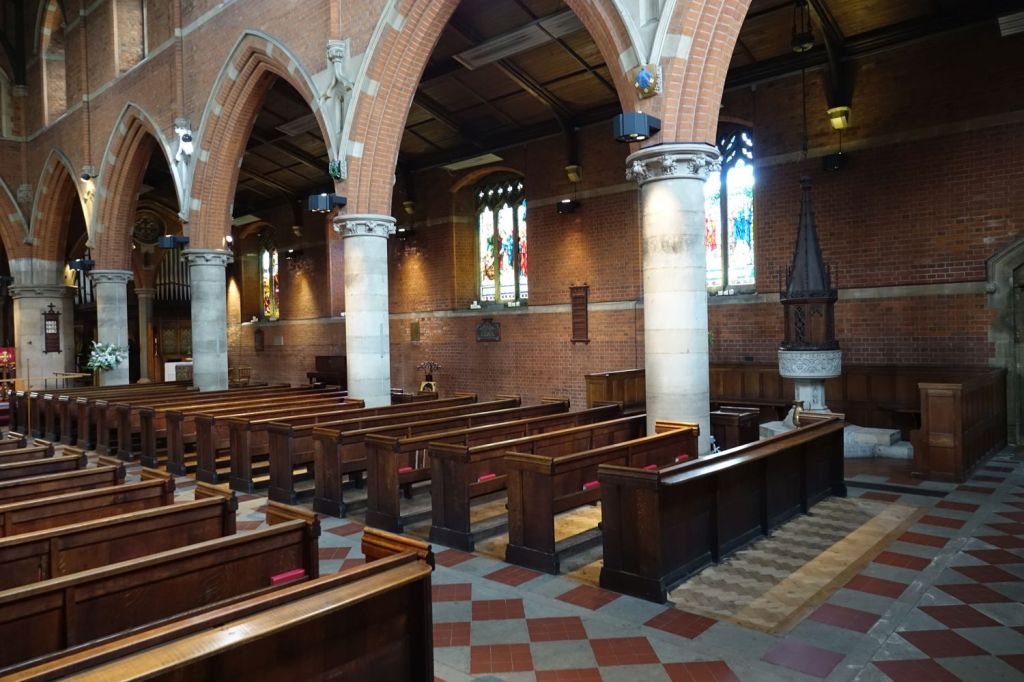
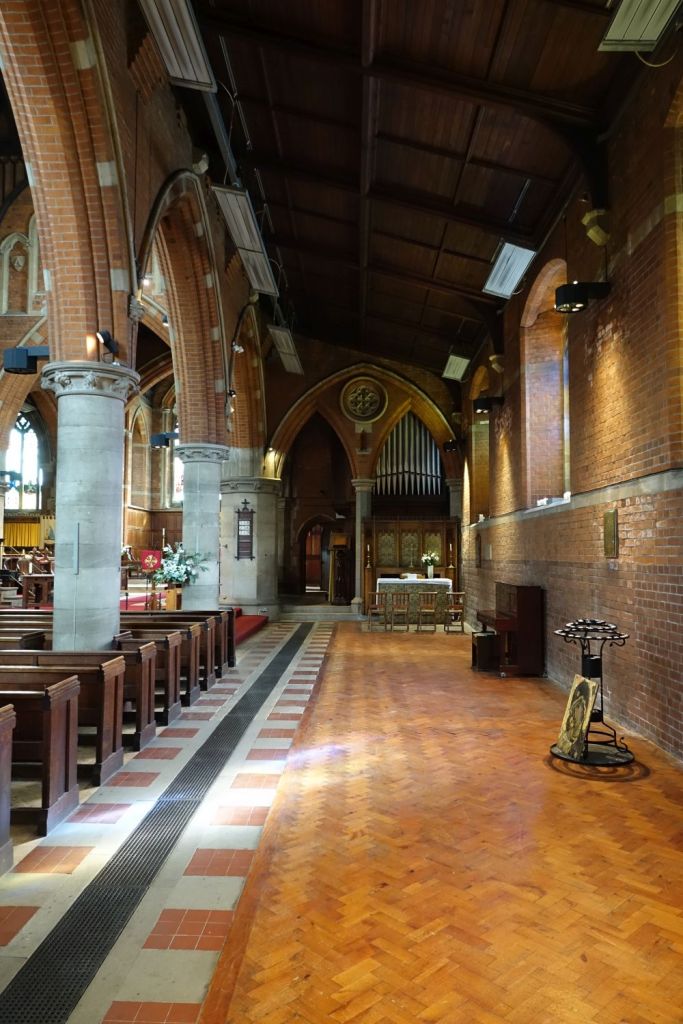
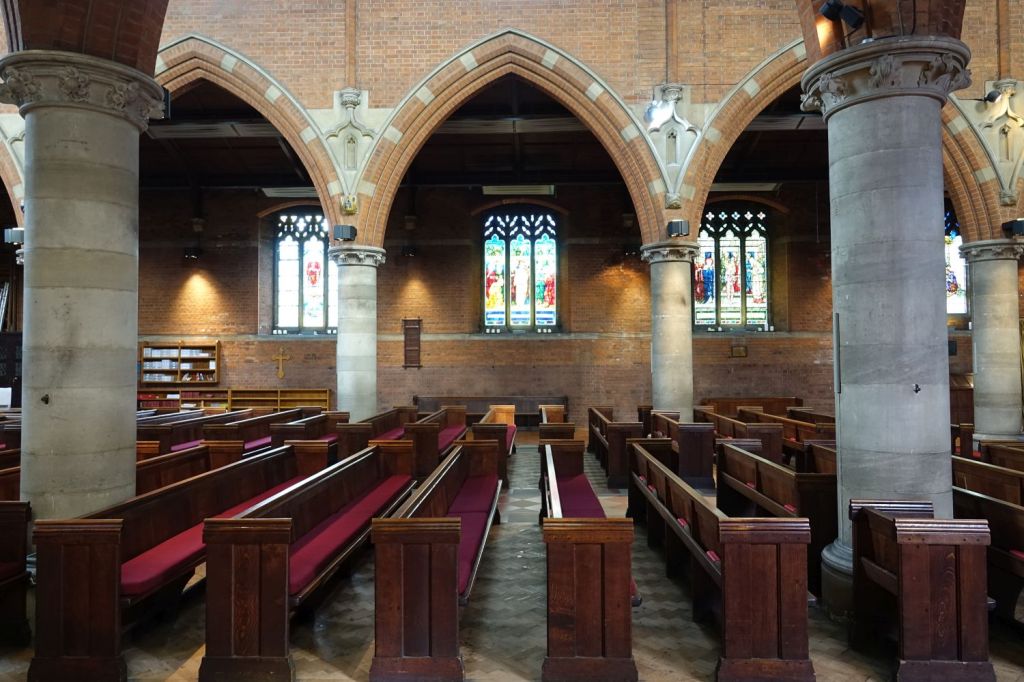
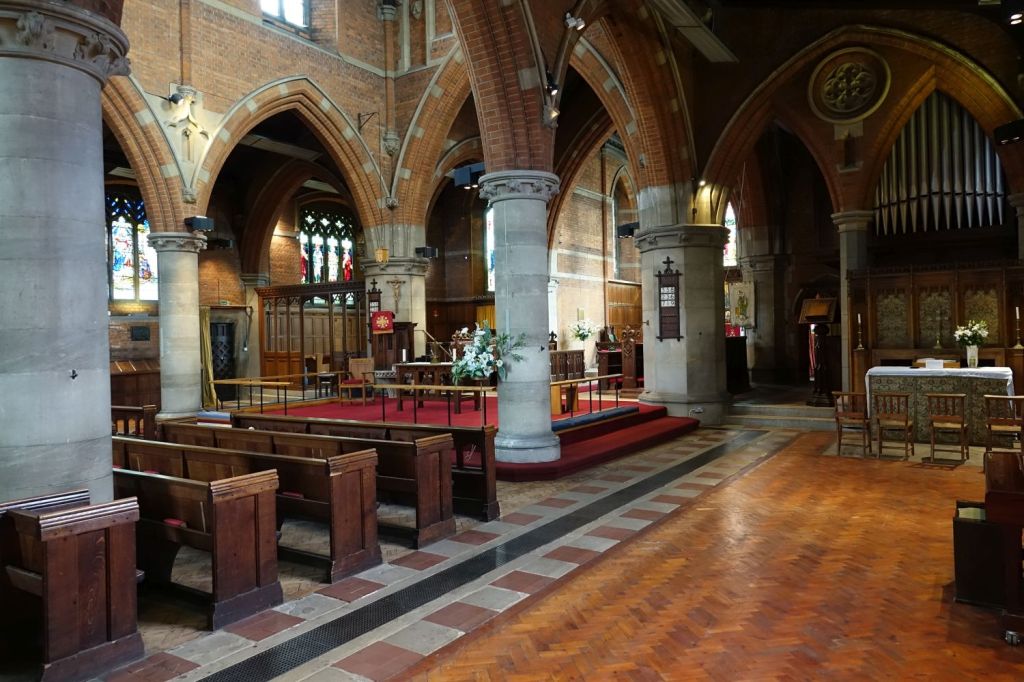
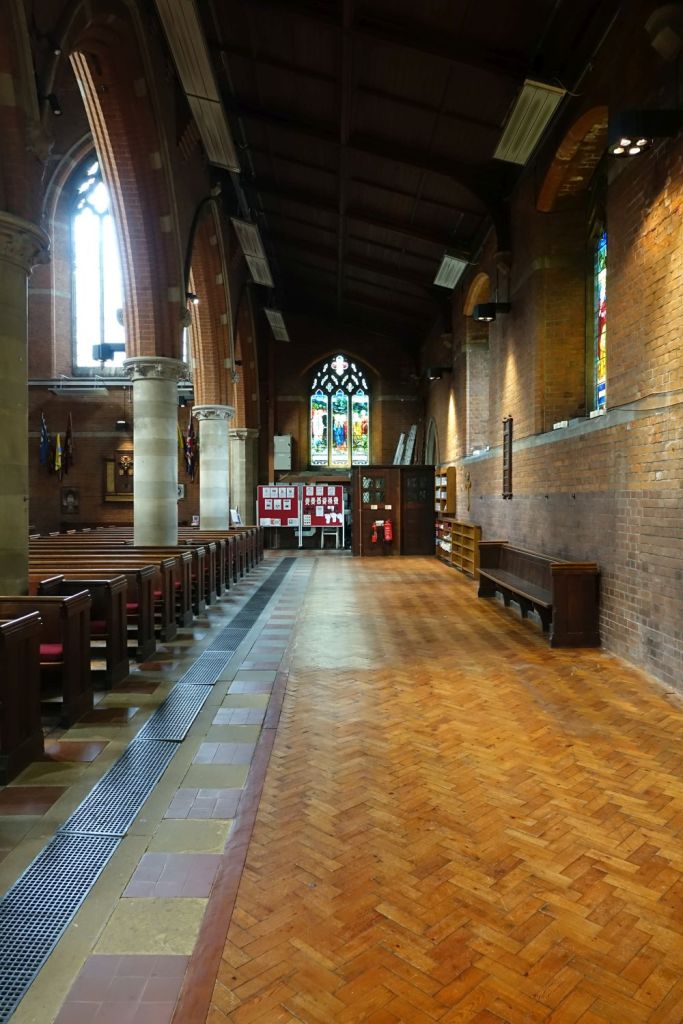
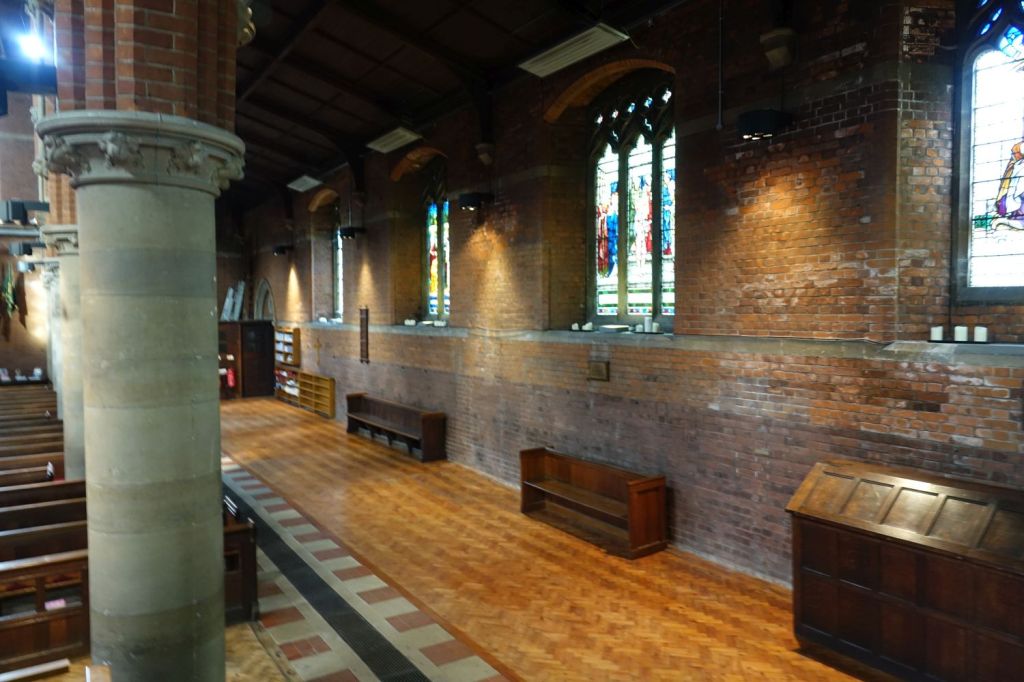
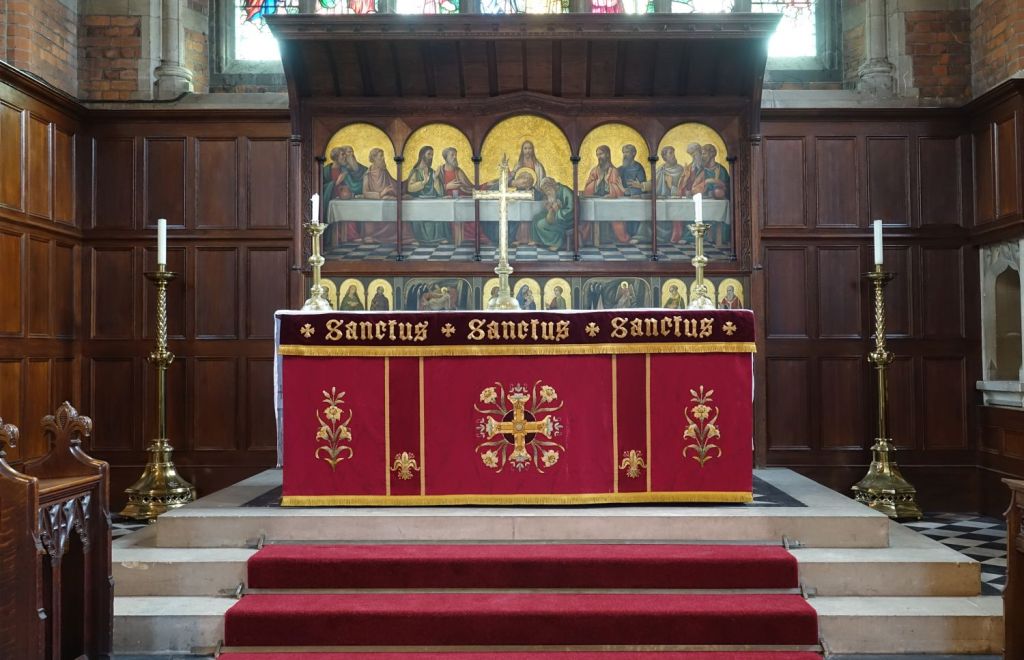
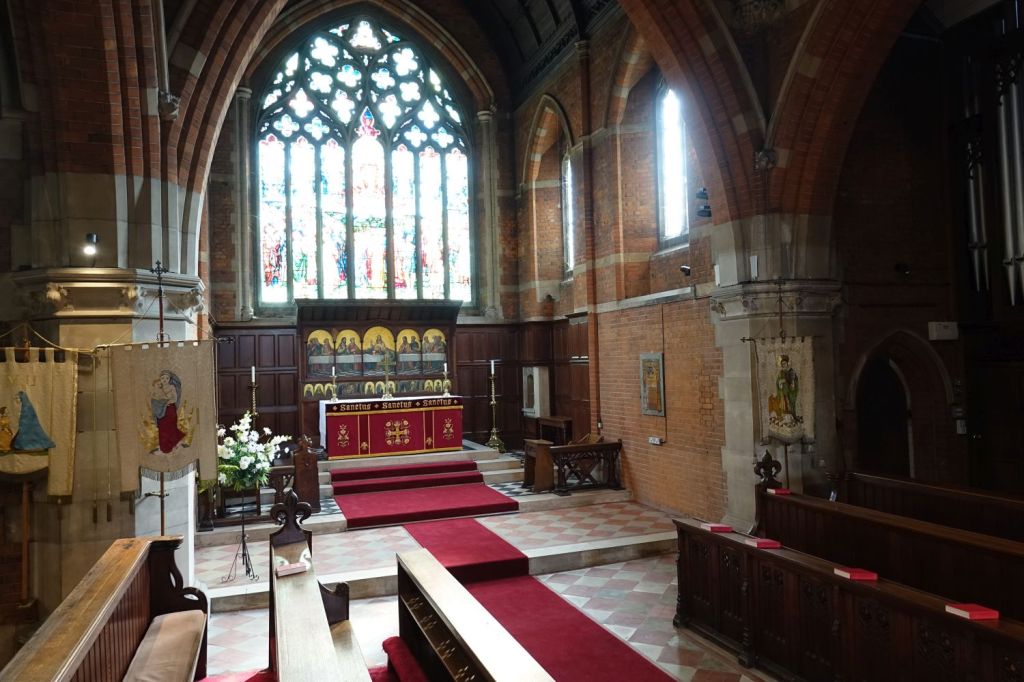
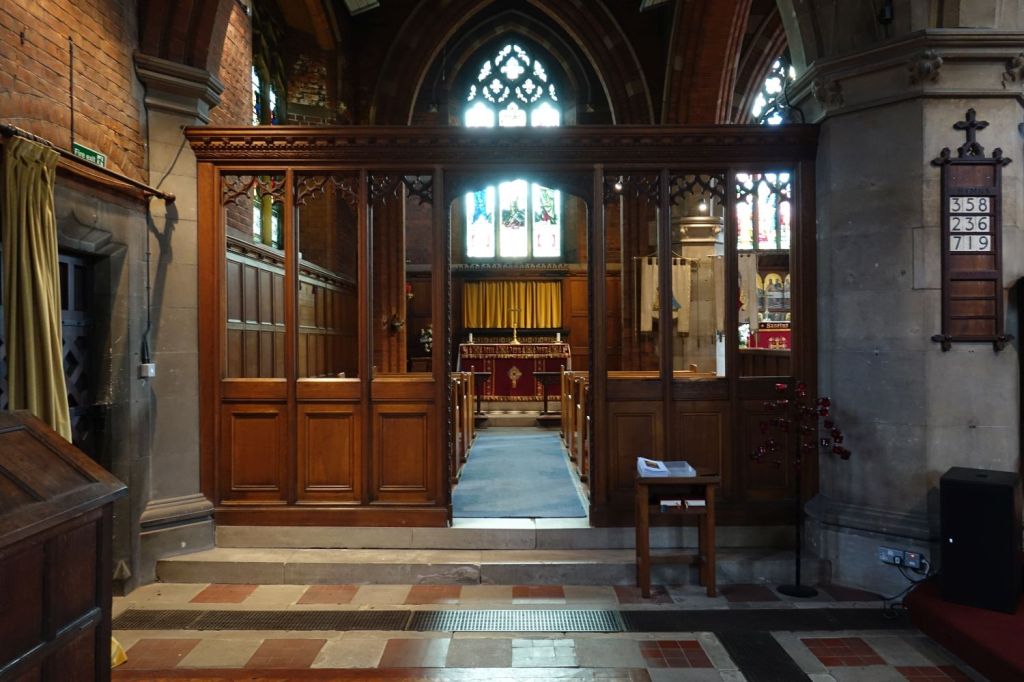
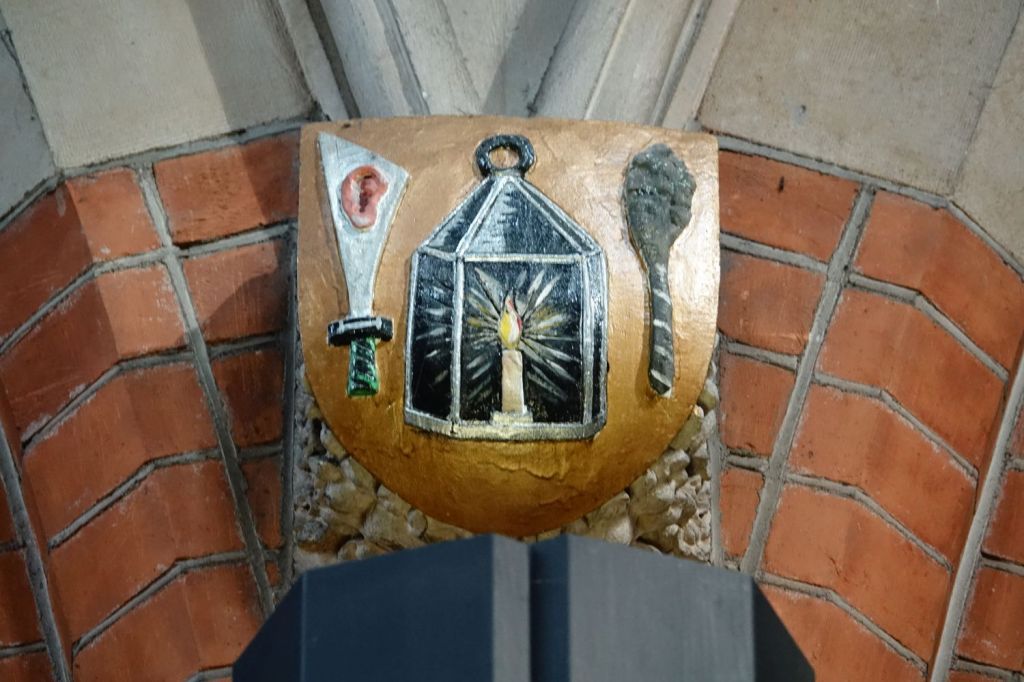
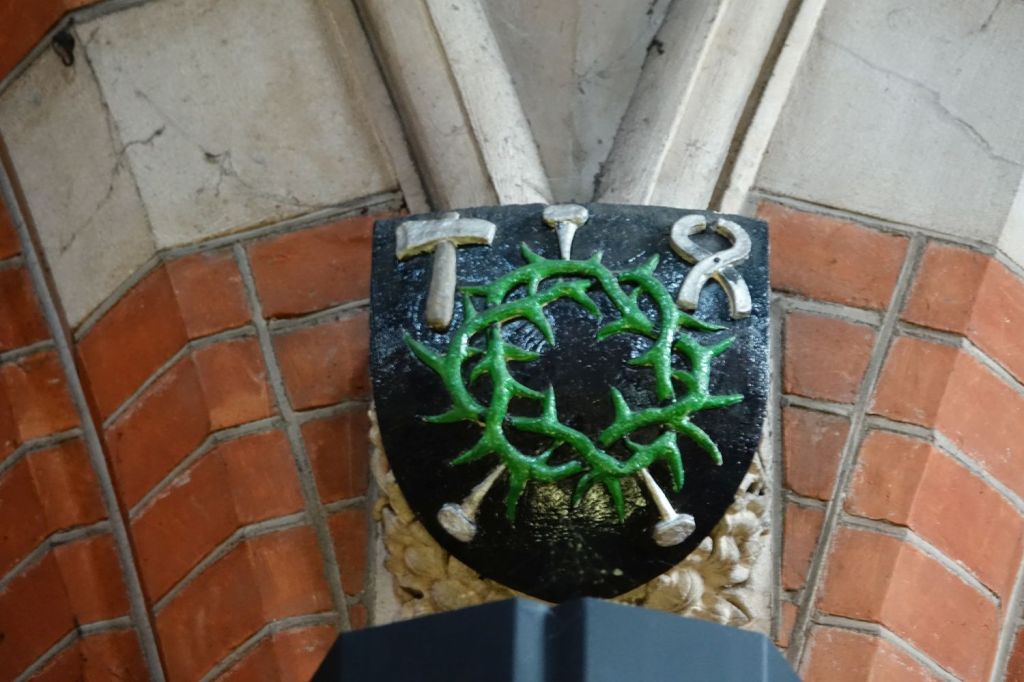
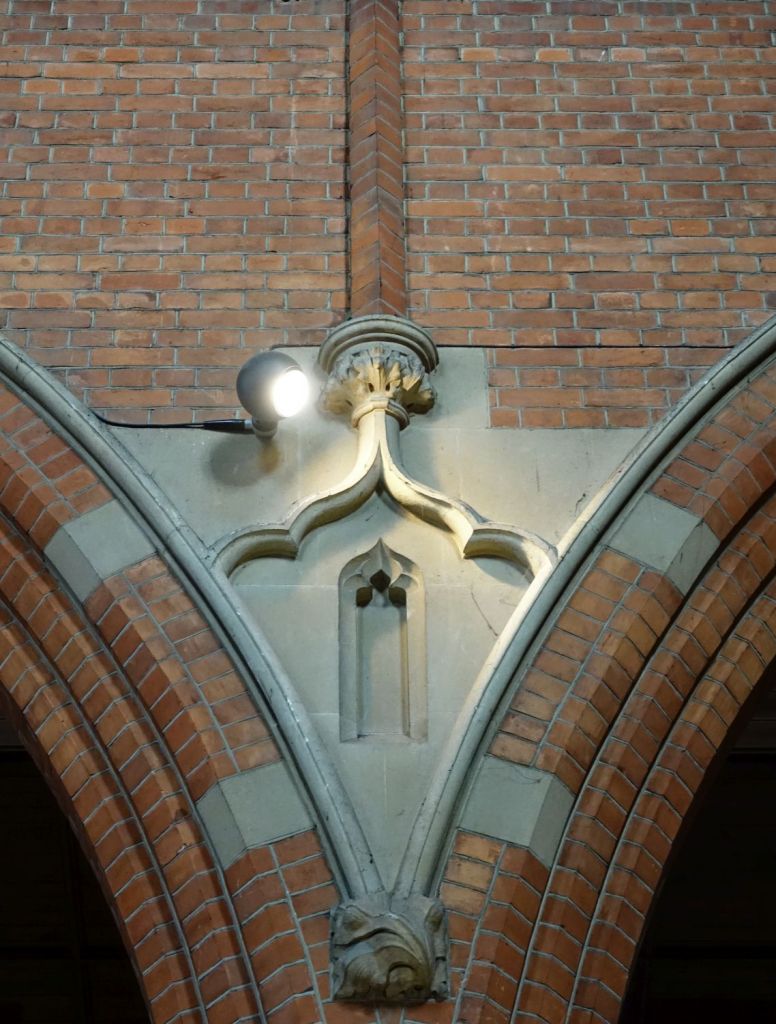
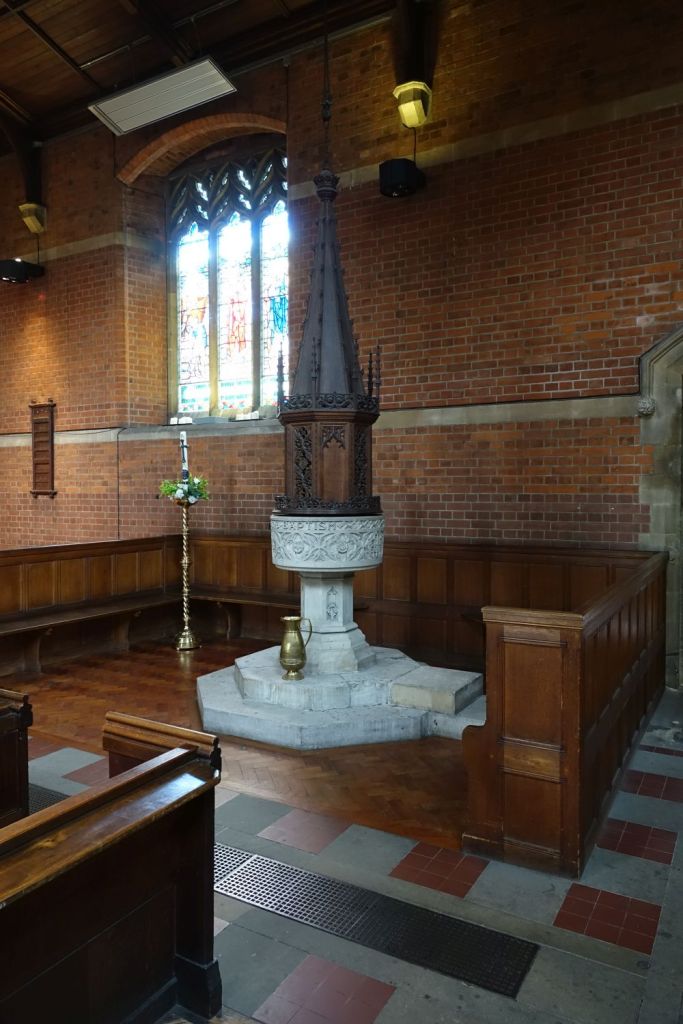
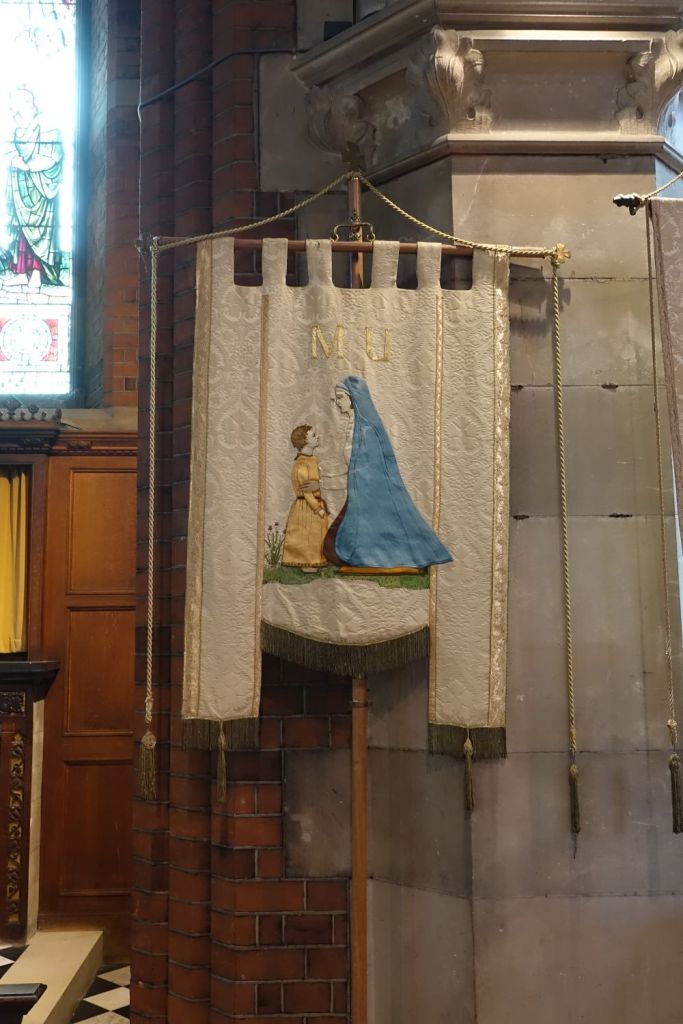
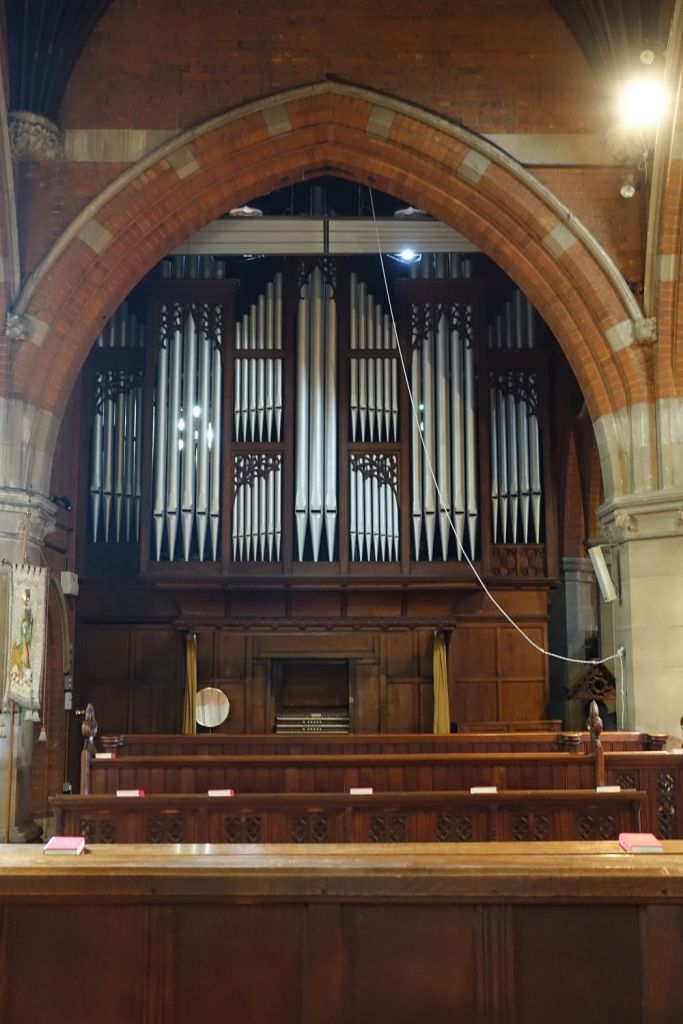
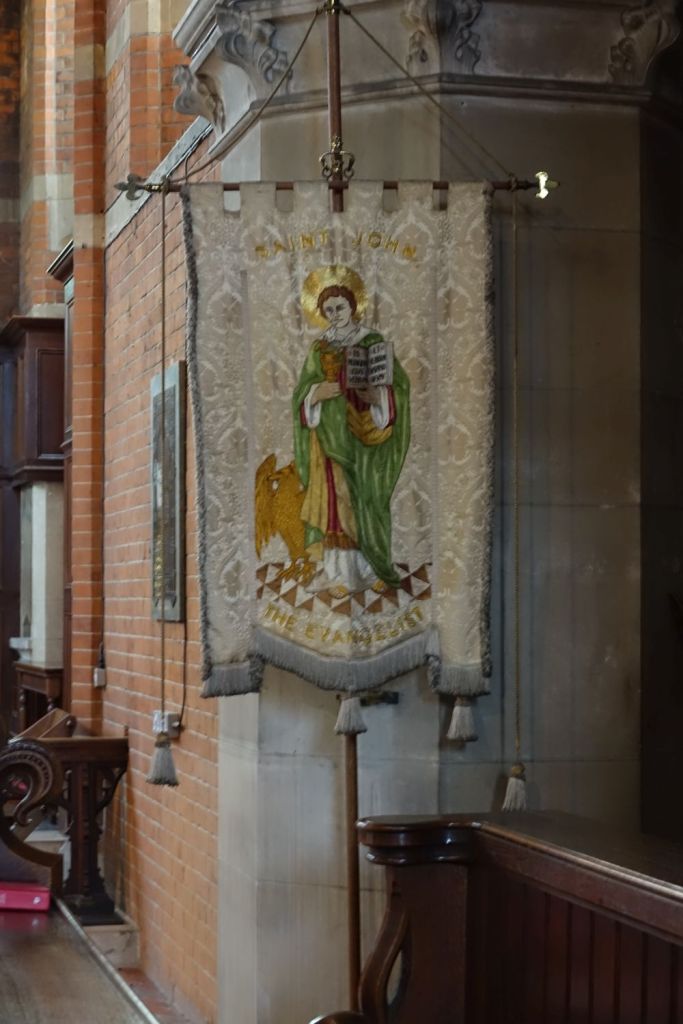
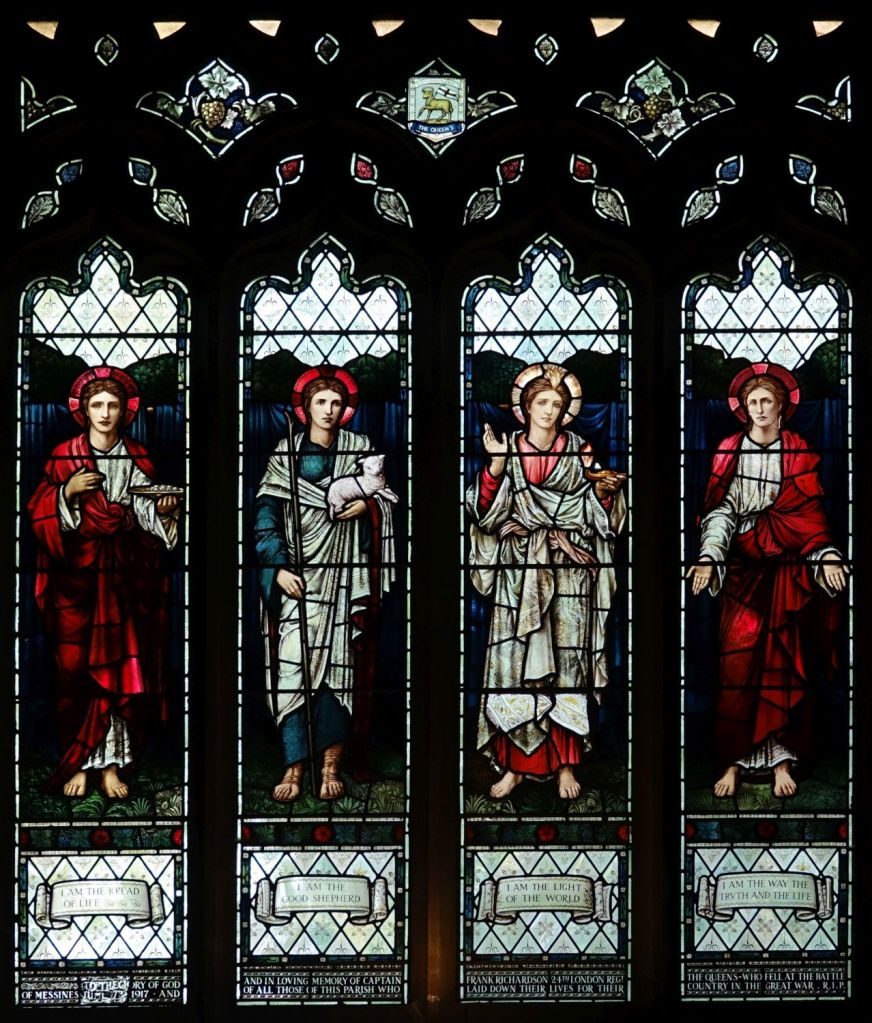
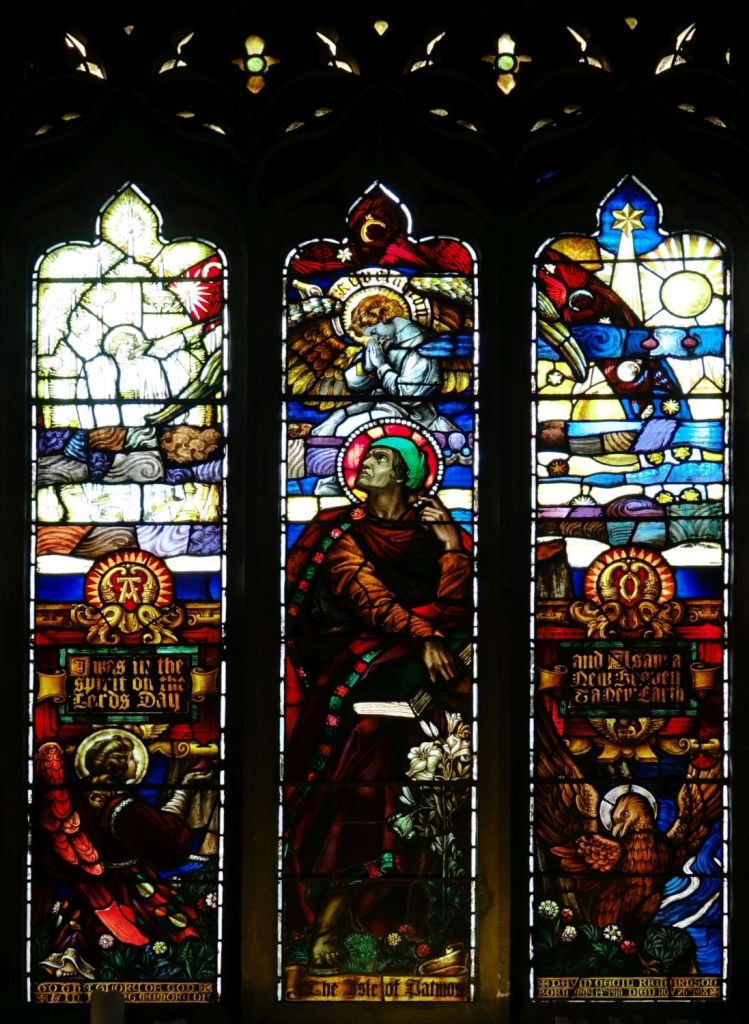
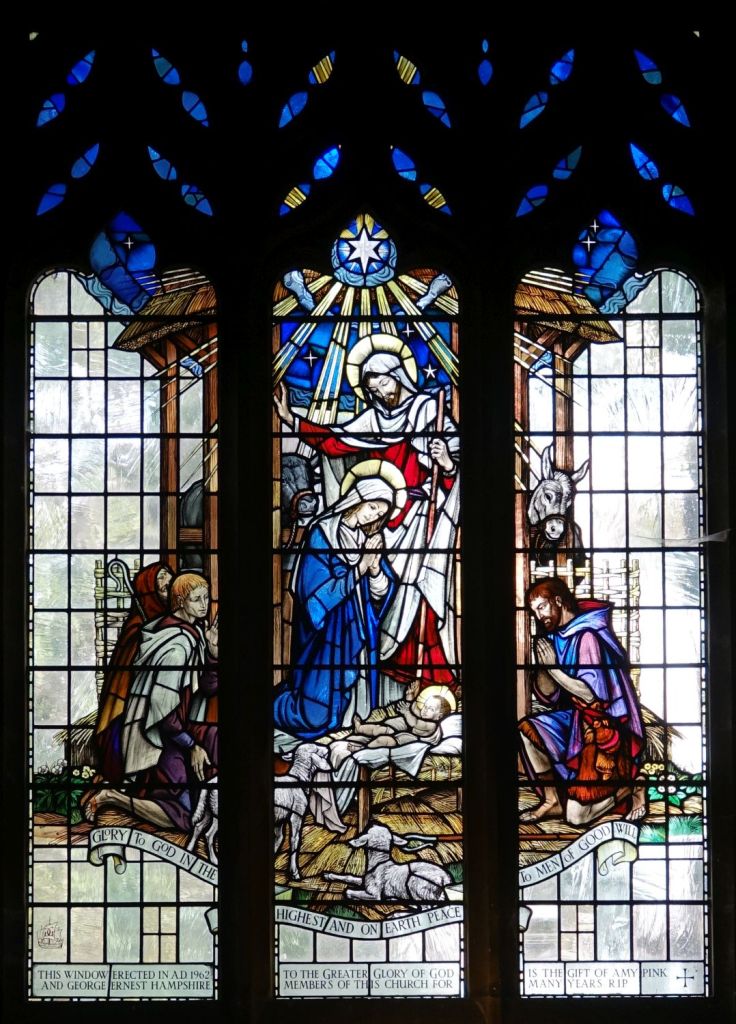
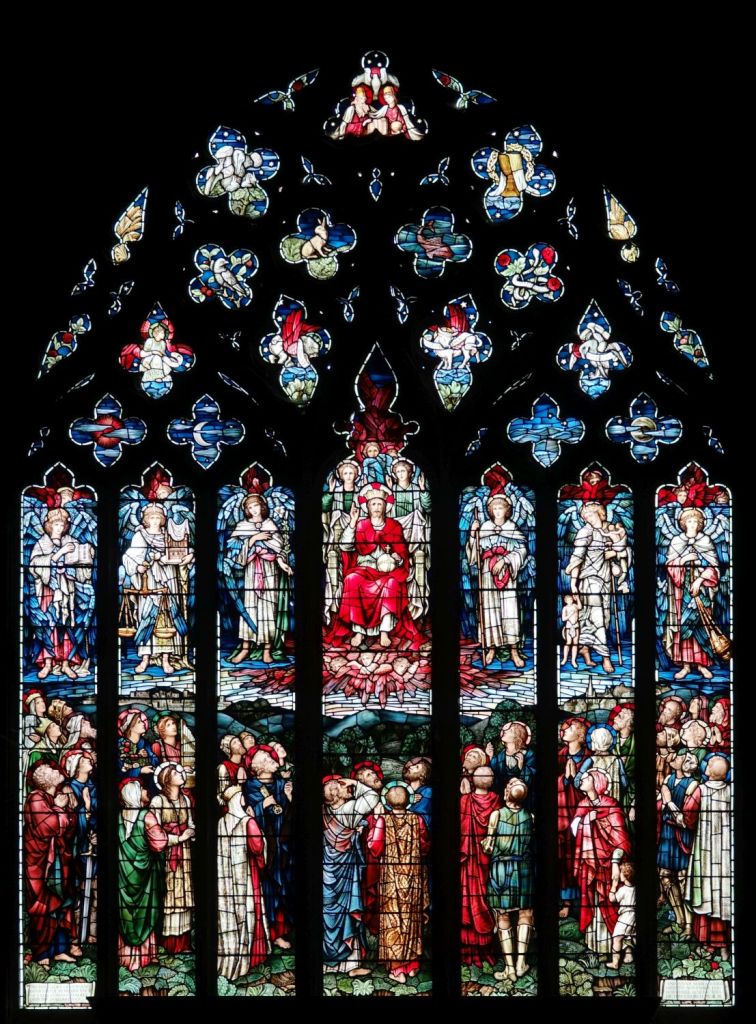
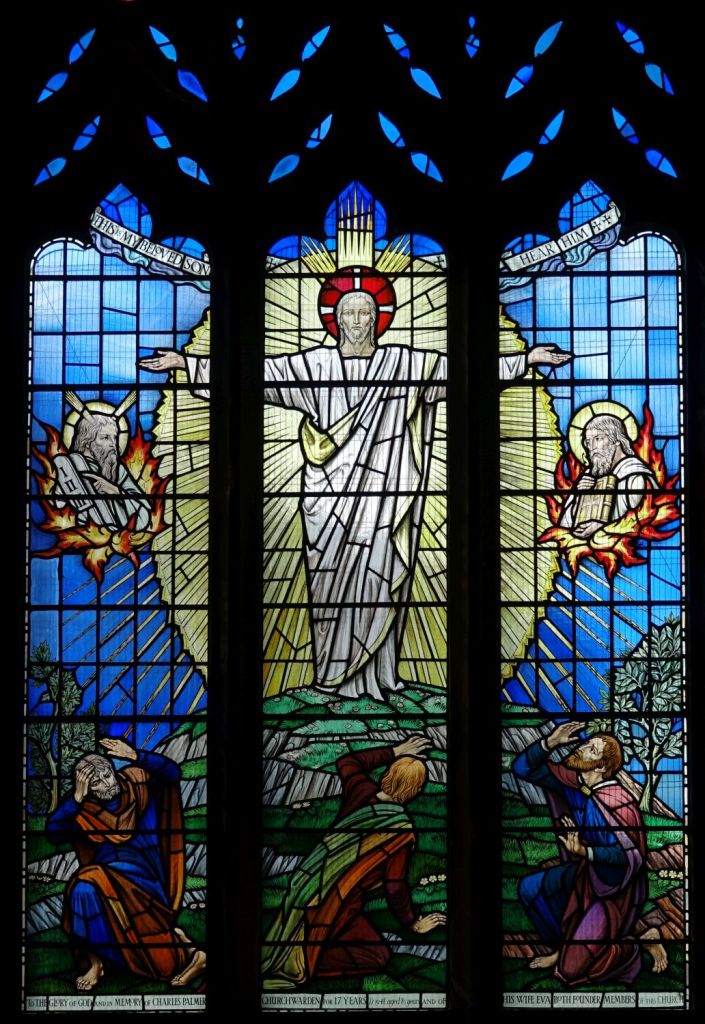
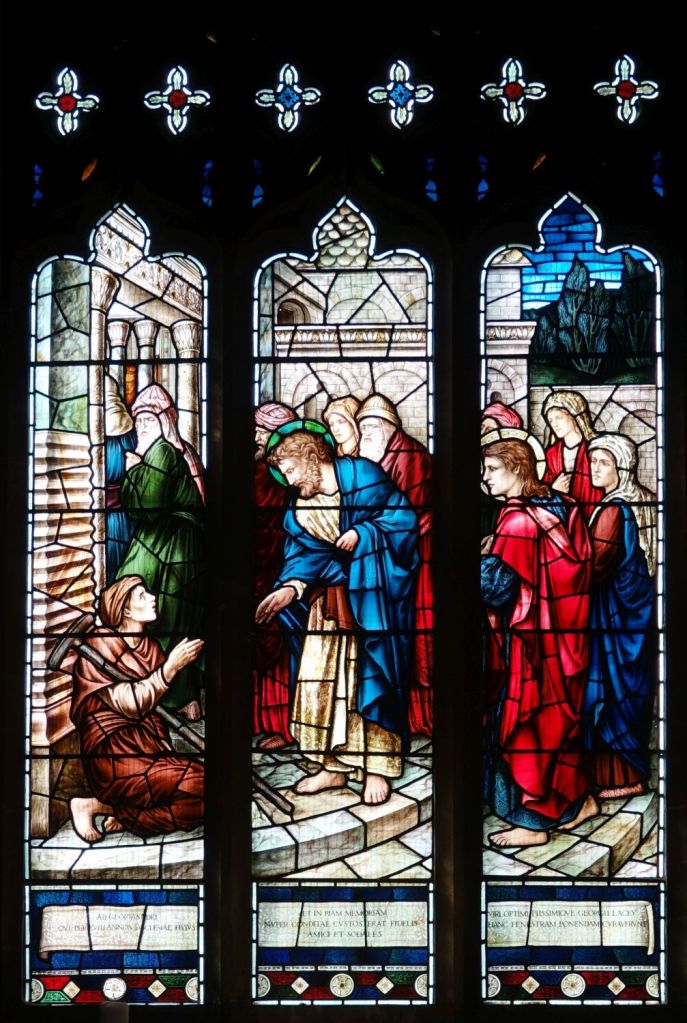
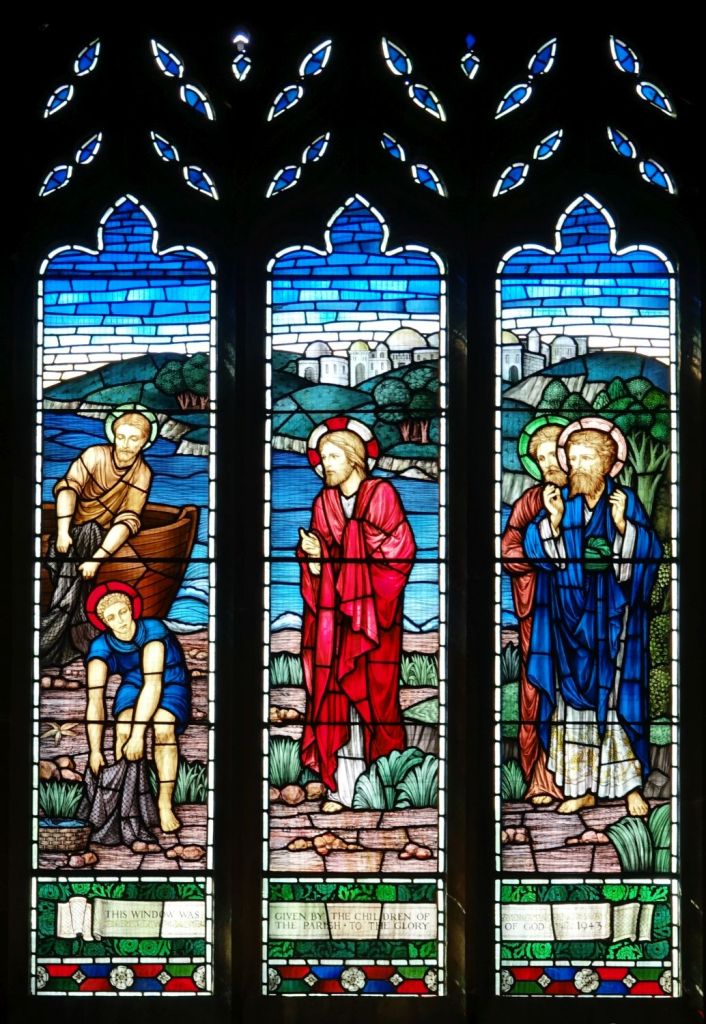
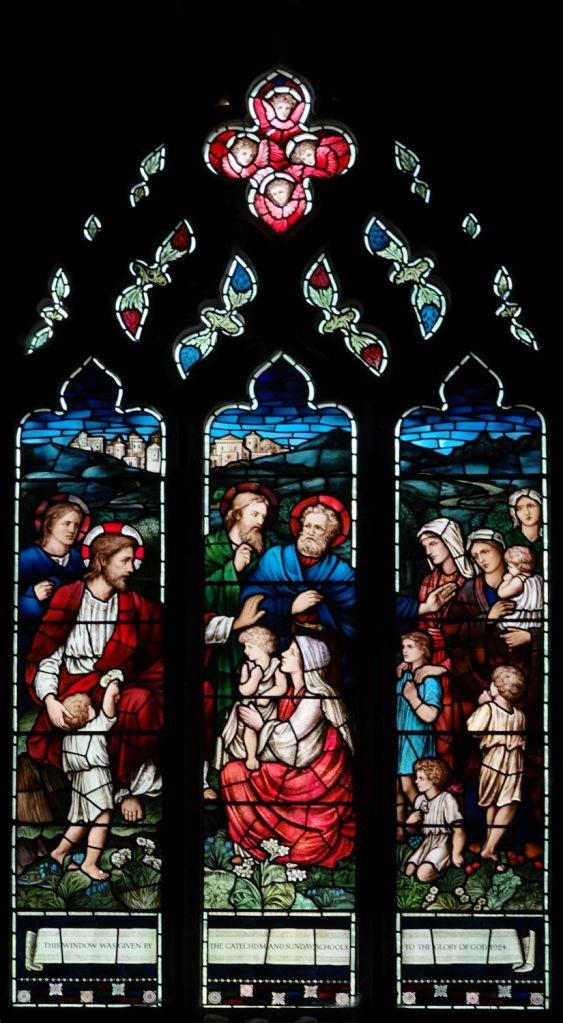
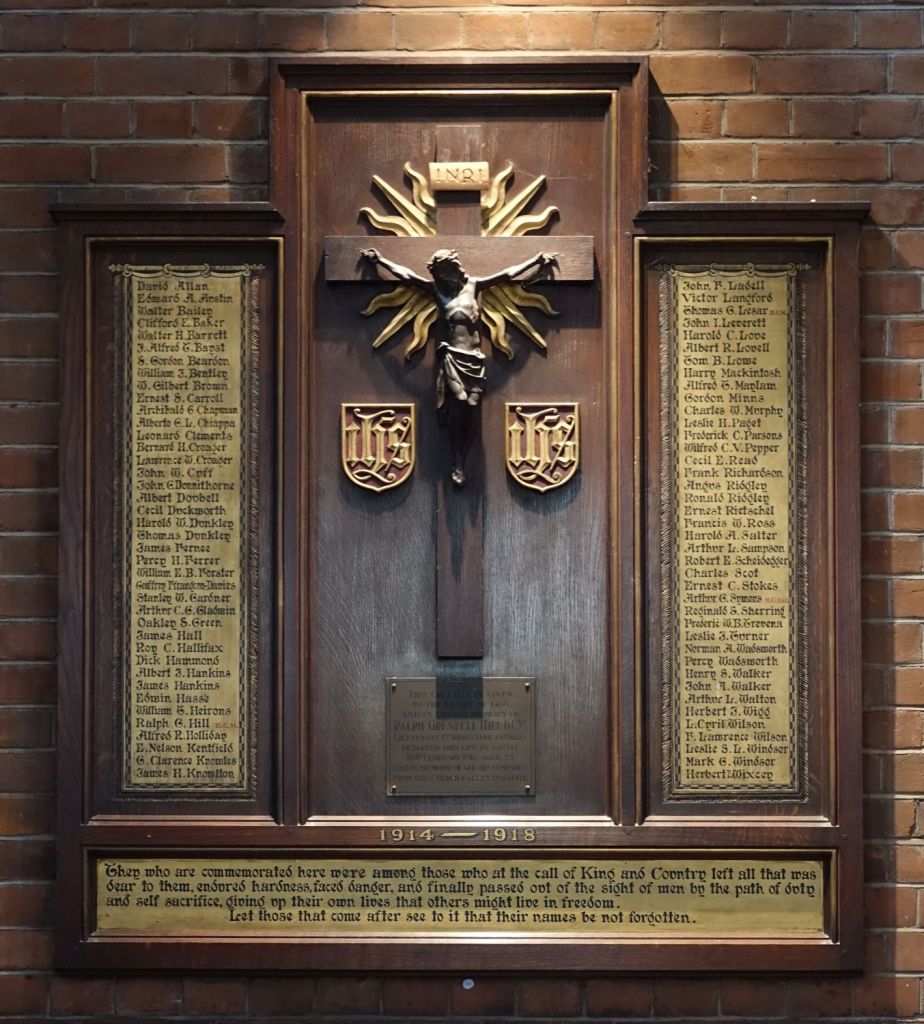
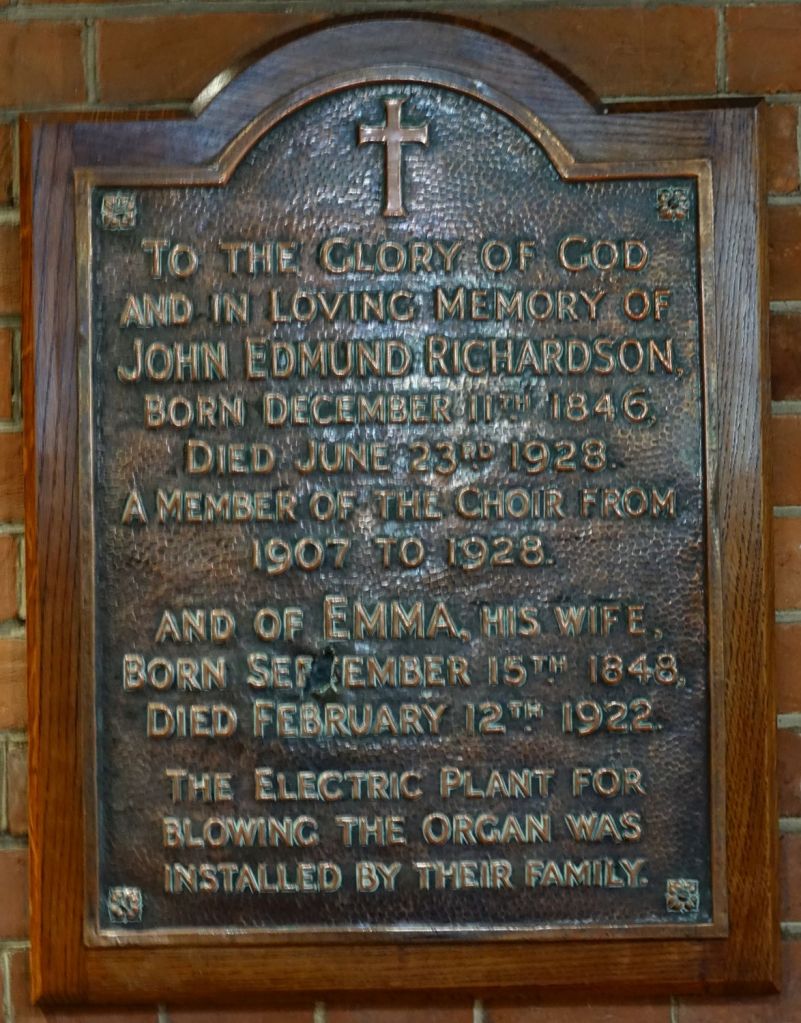
A prominent landmark on Green Lanes, the church was designed by John Oldrid Scott and was built 1903-1909. There is a wealth of post first world war Morris & Co glass, the east window by J.H. Dearle being particularly striking. There are more recent windows by Godard & Gibbs and a notable one of 1918 by Frank Salisbury.



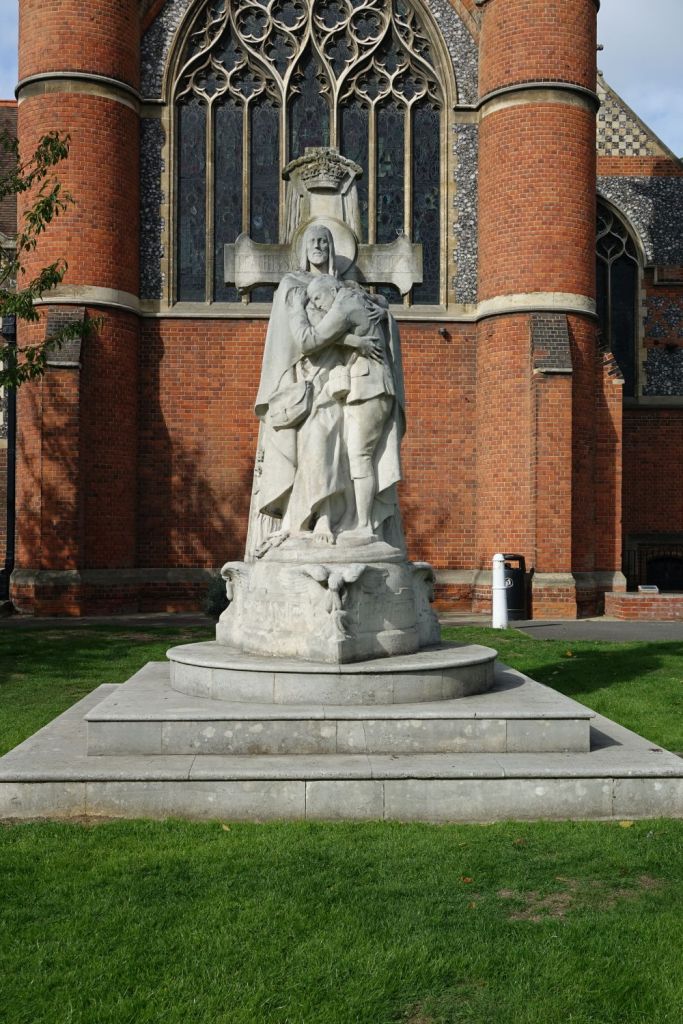
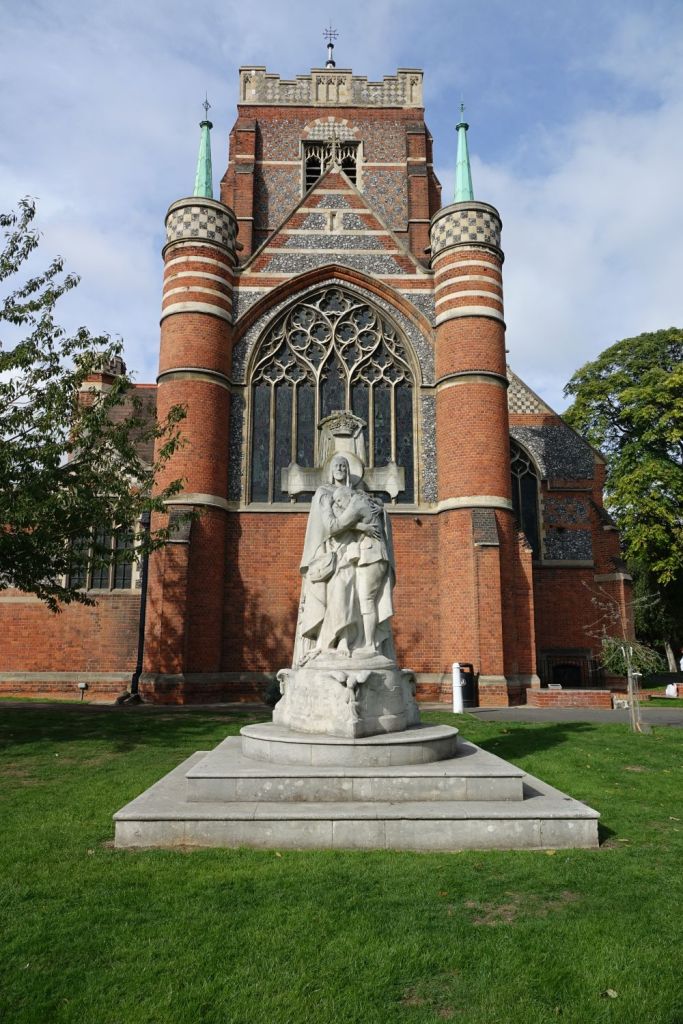
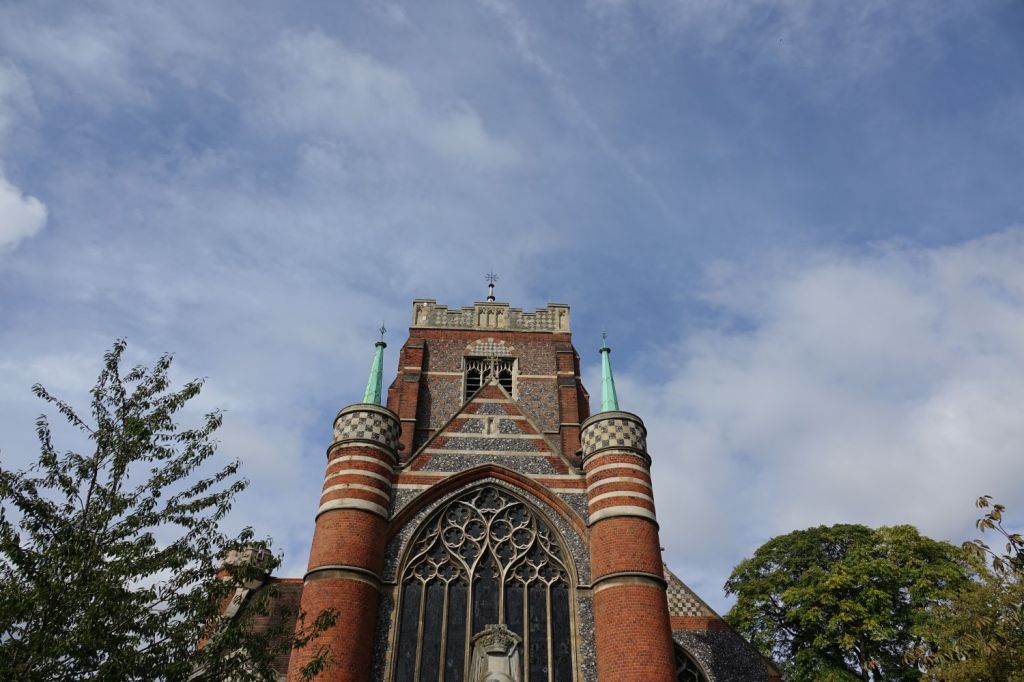
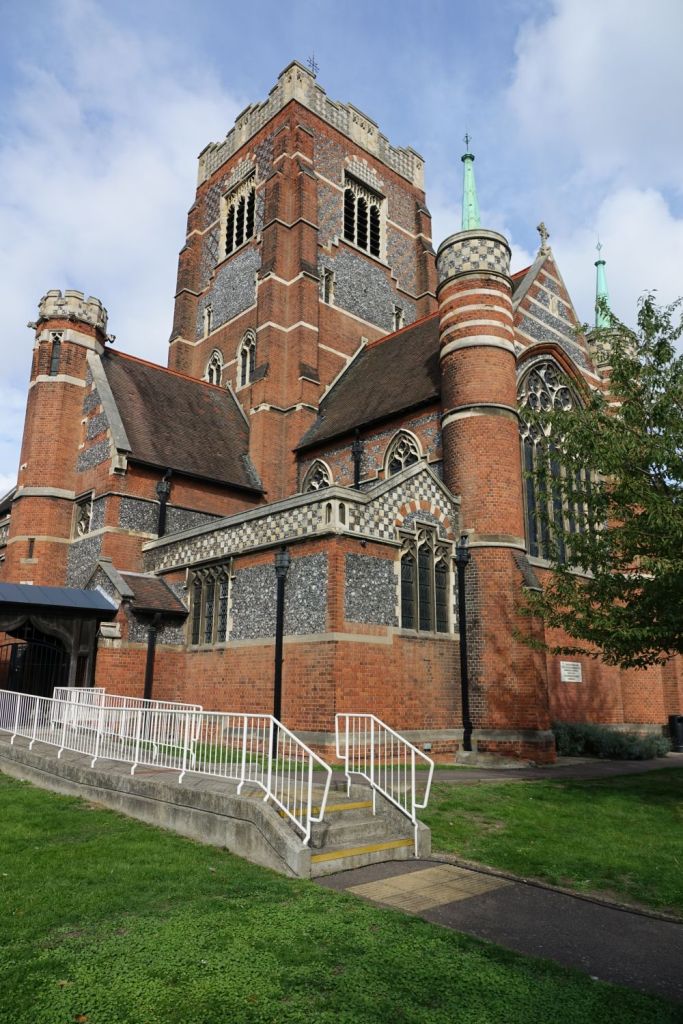























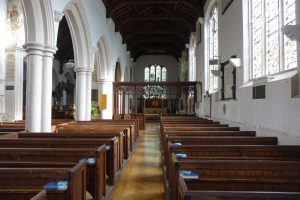
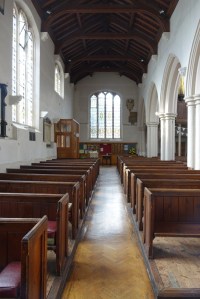
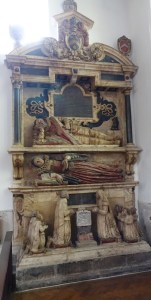
St Andrew, Enfield
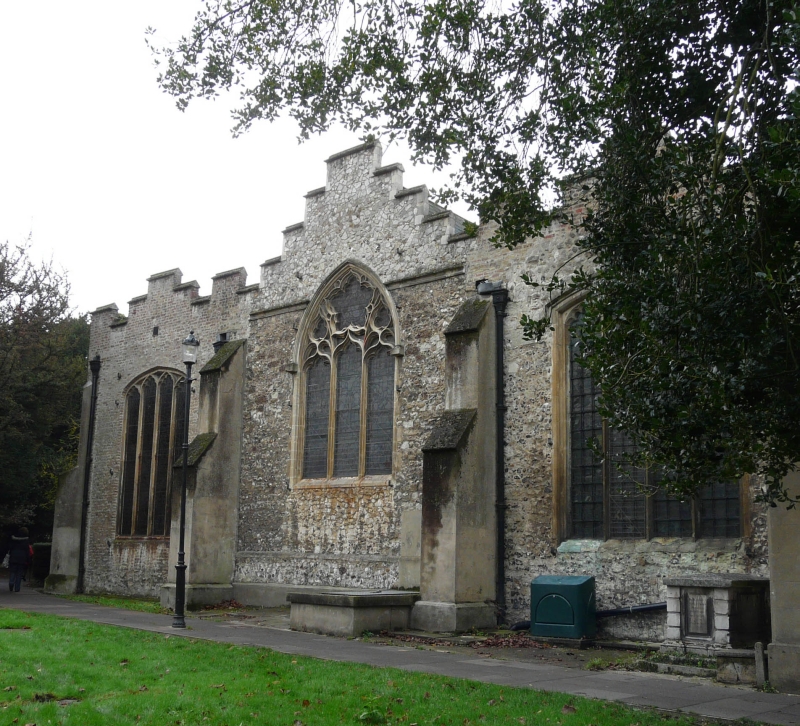
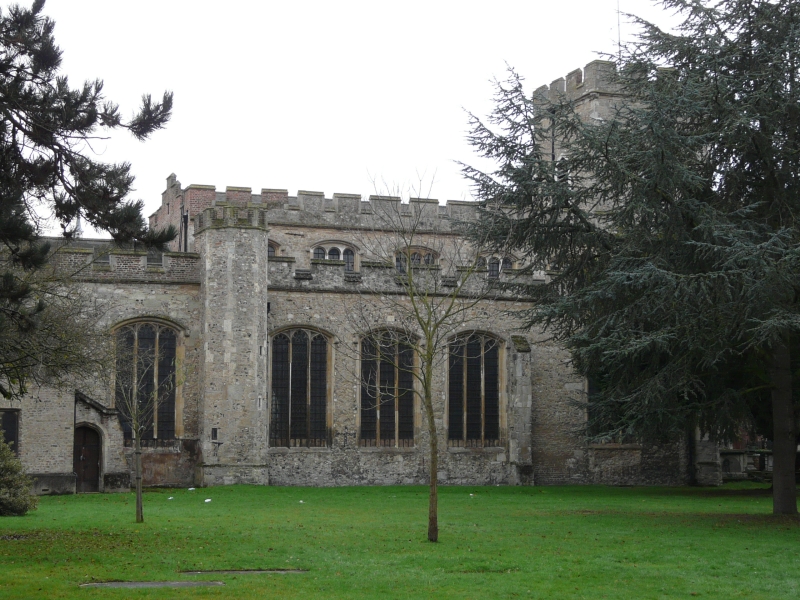
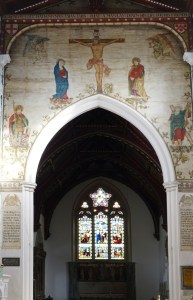
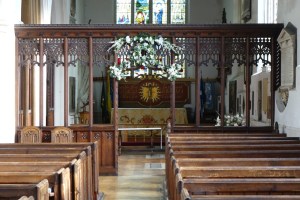
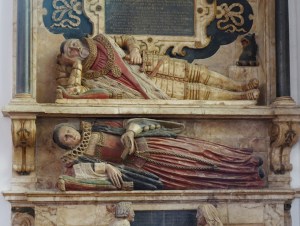
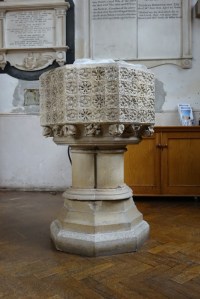
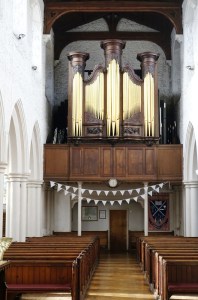
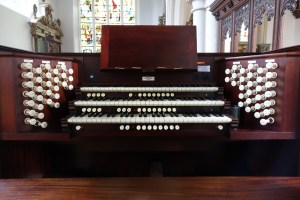
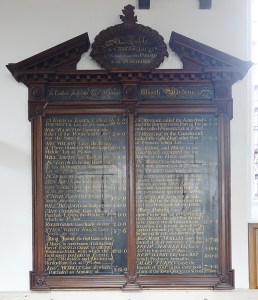
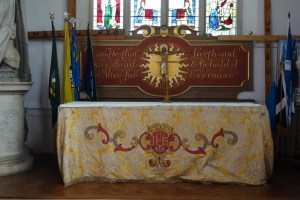
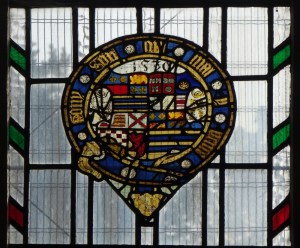
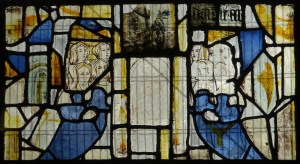
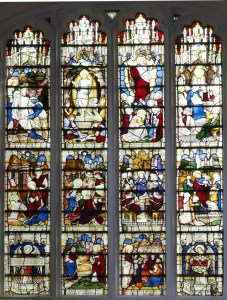
Enfield parish church, in the Market Place in a churchyard set back from the main street. It is basically a much restored medieval church with the south aisle rebuilt in brick in 1824 by W.C. Lochner. Other restorations were carried out by J.P. St. Aubyn in 1866-67 and J.O. Scott in 1908-09
 |
 |
 |
 |
 |
 |
 |
 |
 |
 |
 |
 |
 |
 |
 |
 |
 |
 |
 |
 |
 |
 |
 |
 |
 |
 |
 |
 |
 |
 |
 |
 |
 |
 |
 |
 |
 |
|
 London Churches in photographs